Kangjian
Kangjian
Kangjian
Premium architectural and industrial custom aluminum components engineered to global tolerance standards.
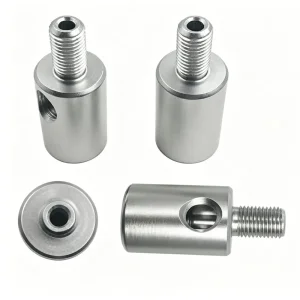
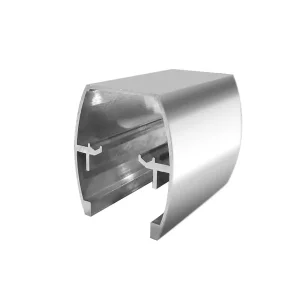
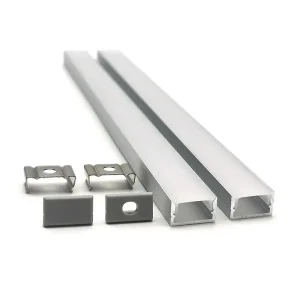
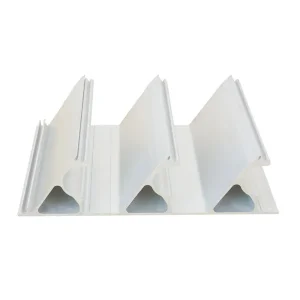
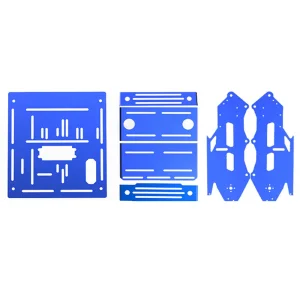
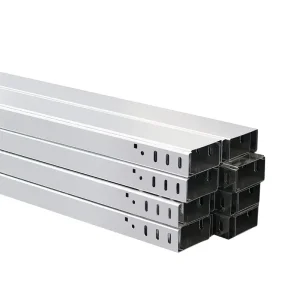
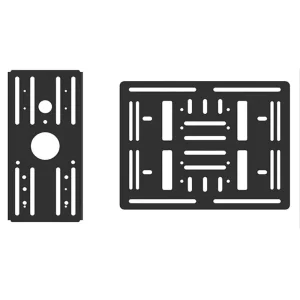
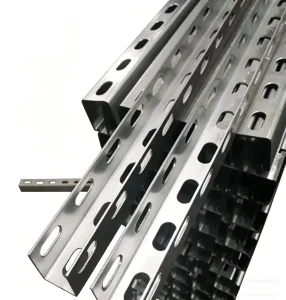
Industrial scale capabilities meeting rigorous aerospace, automotive, rail transit, and structural standards.
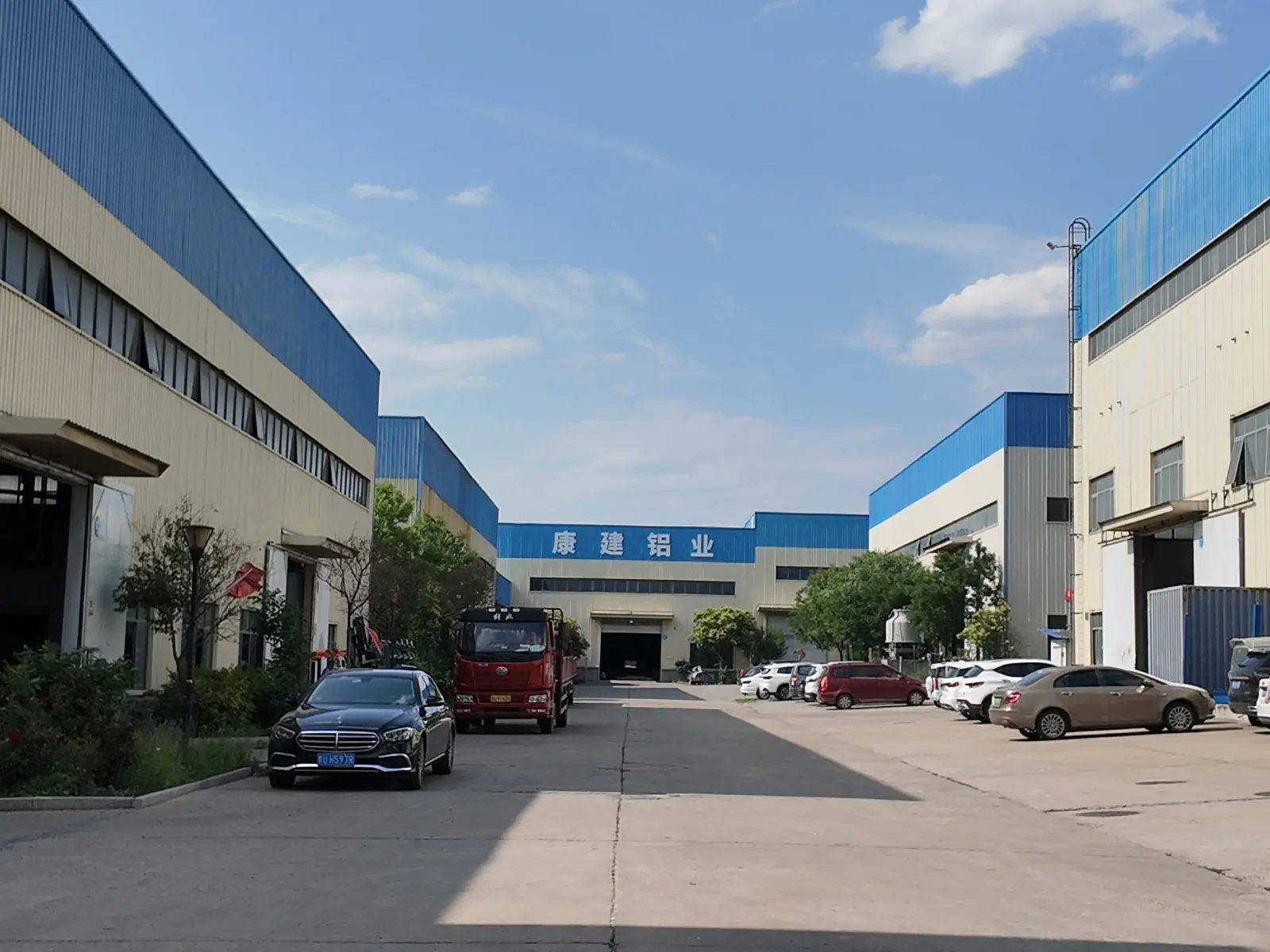
Qingdao Kangjian Aluminum Industry Technology Co., Ltd. (located at No. 168, Tianshan 1st Road, Jimo District, Qingdao City, China) stands as the premier high-capacity manufacturing leader for advanced aluminum profile extrusions in Northern China. Formally established as a unified industrial technology group in 2022, the corporation operates a state-of-the-art 200-mu (approx. 133,000 m²) manufacturing base, including 80,000 square meters of modern heavy-extrusion workshops and a dedicated 4,000-square-meter design, R&D, and administration complex.
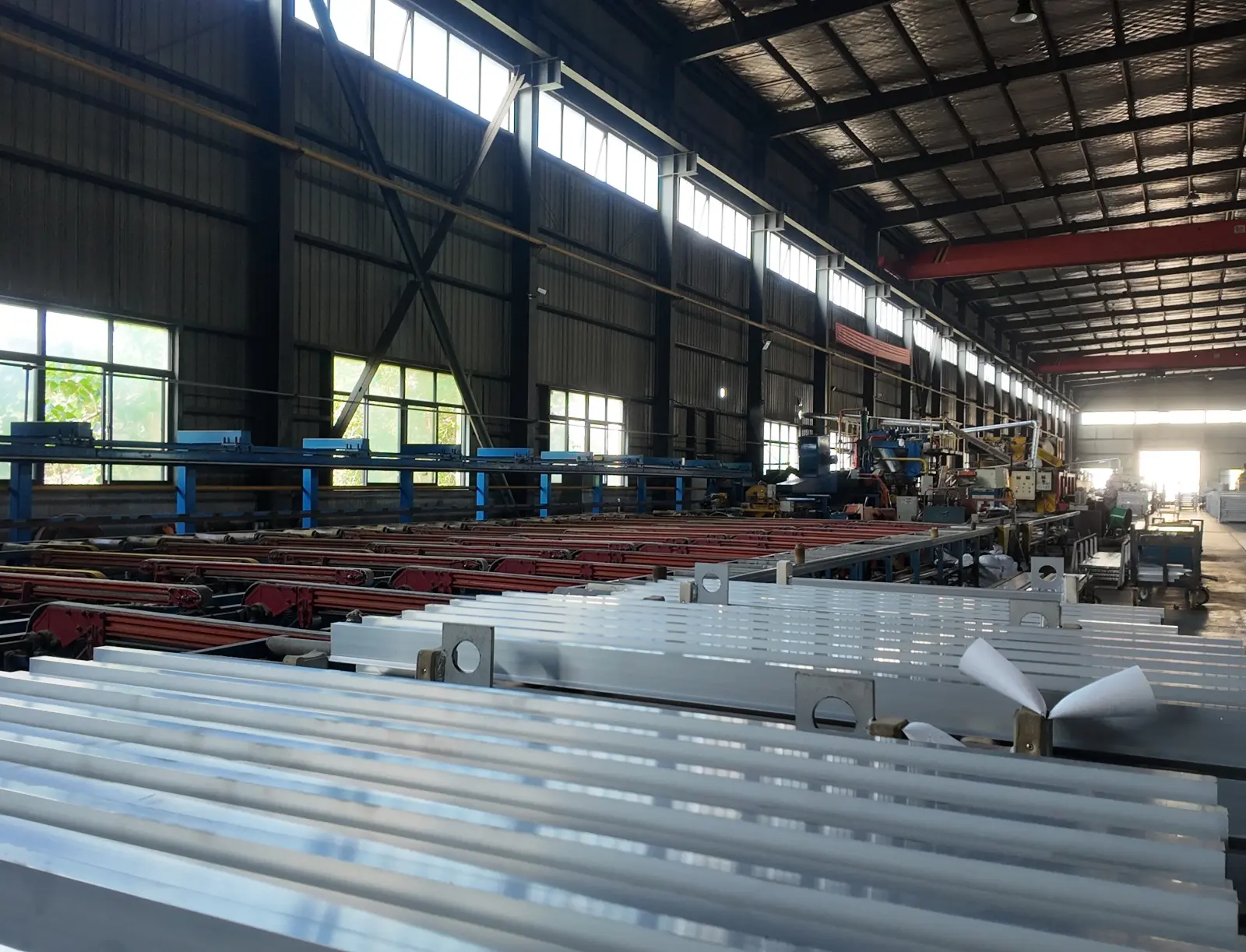
Designed to support global industrial infrastructure, our primary processing facility outputs 15,000 metric tons of custom aluminum profiles annually. This facility utilizes 5 high-precision industrial extrusion lines configured to handle multi-scale profile diameters, featuring:
Our metallurgy laboratory formulates custom 6000, 7000, and 5000-series aluminum alloys, adapting mechanical properties for specialized global environments.
Equipped with 3-axis, 4-axis, and 5-axis CNC vertical machining centers, we convert complex aluminum extrusions into turn-key mechanical sub-assemblies.
We hold verified ISO9001, ISO14001, IATF16949 (Automotive), EN15085 & ISO22163 (Rail), AWS, and DIN6701 bonding certifications.
Analyzing the structural advantages of our coastal production hub in Qingdao, China.
The geopolitical and macro-economic events of recent years highlight the critical importance of supply chain localization, raw material backup, and transport logistics. Operating out of Jimo, Qingdao, Kangjian leverages a unique "dual-sea layout". This connects us directly to China's domestic highway network while positioning us minutes away from the Port of Qingdao (Qingdao Port), one of the world's largest deepwater container hubs.
This geographic location ensures direct, uninterrupted shipping lanes to European, North American, Japanese, and Korean industrial zones. This direct access bypasses inland shipping bottlenecks and reduces domestic transit costs, which lowers the overall Cost-and-Freight (CFR) rates for our international clients.
To shield our clients from market price swings, we maintain strategic partnerships with primary aluminum smelters in Shandong and Inner Mongolia. These relationships guarantee consistent access to high-purity aluminum ingots (A00 grade, >99.7% purity) even during energy grid adaptations or raw material constraints. This secure supply chain guarantees that our 5 extrusion presses run uninterrupted, keeping lead times stable at 15 to 25 days for custom production orders.
A deep engineering overview of alloy configurations and precision metal removal capabilities.
As a leading supplier of custom industrial components, Kangjian provides engineering and design assistance for various alloy compositions. Below is the technical roadmap highlighting our primary metallurgical alloy series and their mechanical parameters:
| Alloy Grade | Temper Options | Tensile Strength (MPa) | Yield Strength (MPa) | Primary Applications |
|---|---|---|---|---|
| Alloy 6063 | T5 / T6 | 150 - 240 | 110 - 190 | Architectural framing, LED strip housings, shower enclosures, window & door profiles. |
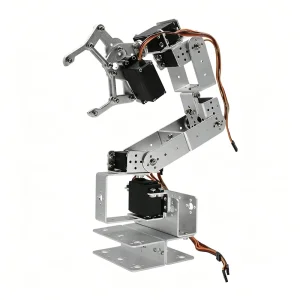
| Alloy 6061 | T4 / T6 | 180 - 310 | 150 - 276 | Robotics kit frames, CNC structural components, industrial arm bases, oil drilling platforms. |
| Alloy 6082 | T6 | 290 - 330 | 250 - 280 | High-stress structural platforms, railway car chassis, maritime framing, military structures. |
| Alloy 6005A | T5 / T6 | 260 - 270 | 215 - 225 | Subway and high-speed rail car body panels, large structural hollow profiles. |
Extrusion is only the first step in creating functional mechanical parts. Kangjian's in-house CNC machining workshop features vertical machining centers with linear travel up to 3000mm, allowing us to process long profiles without repositioning. Our machining capabilities include high-speed drilling, tapping, milling, countersinking, and routing.
For demanding applications like robotics kits and custom automotive parts, we achieve machining tolerances as tight as ±0.02 mm on CNC operations. We verify these tolerances in our temperature-controlled quality control labs using coordinates measuring machines (CMM) and 3D optical scanners.
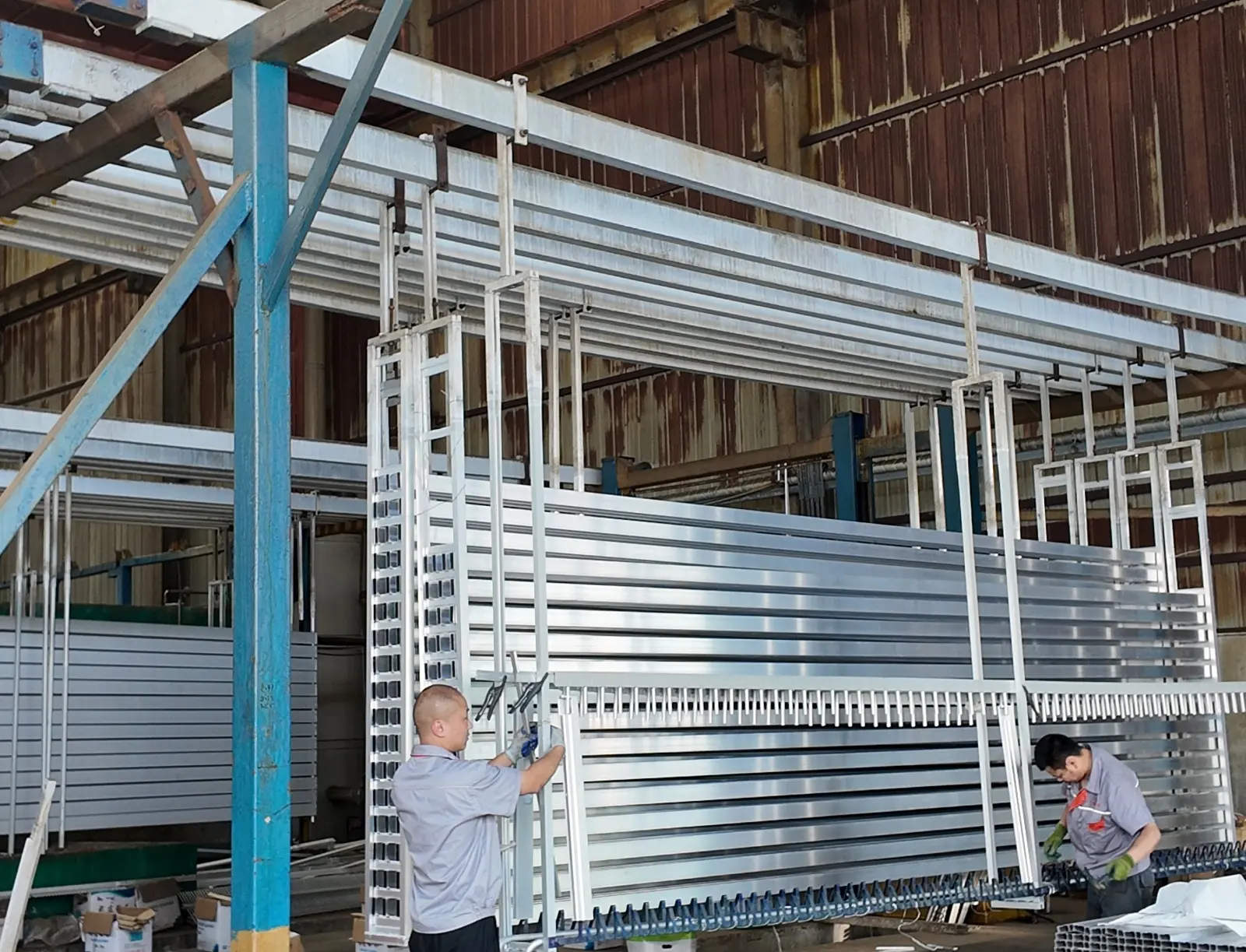
Depending on the final application, we provide a wide variety of protective and decorative surface treatments:
Connecting the Yellow Sea to global infrastructure, maritime ports, and high-tech manufacturing.
From our headquarters on the coast of the Yellow Sea, Kangjian has grown from a domestic producer to a trusted global manufacturing partner. Our high-strength, corrosion-resistant profiles are used in challenging environments worldwide, from gantry cranes in Nordic commercial ports to rail transit networks in Asia. The logo of "KANGJIAN ALUMINIUM" represents durability and precision engineering.
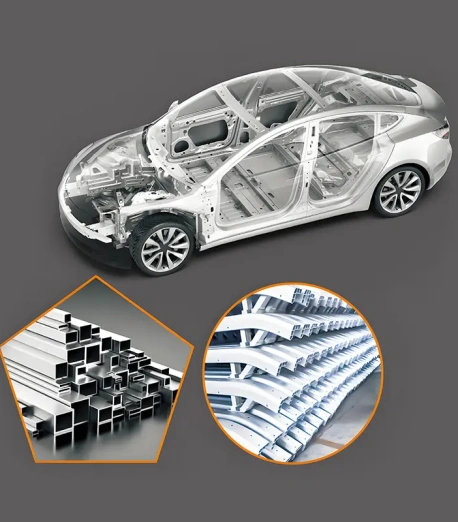
Our project engineering department collaborates with global firms to create profiles optimized for performance and weight reduction. For example, our custom automotive structural alloys help global electric vehicle manufacturers reduce overall weight, extending range while maintaining safety standards.

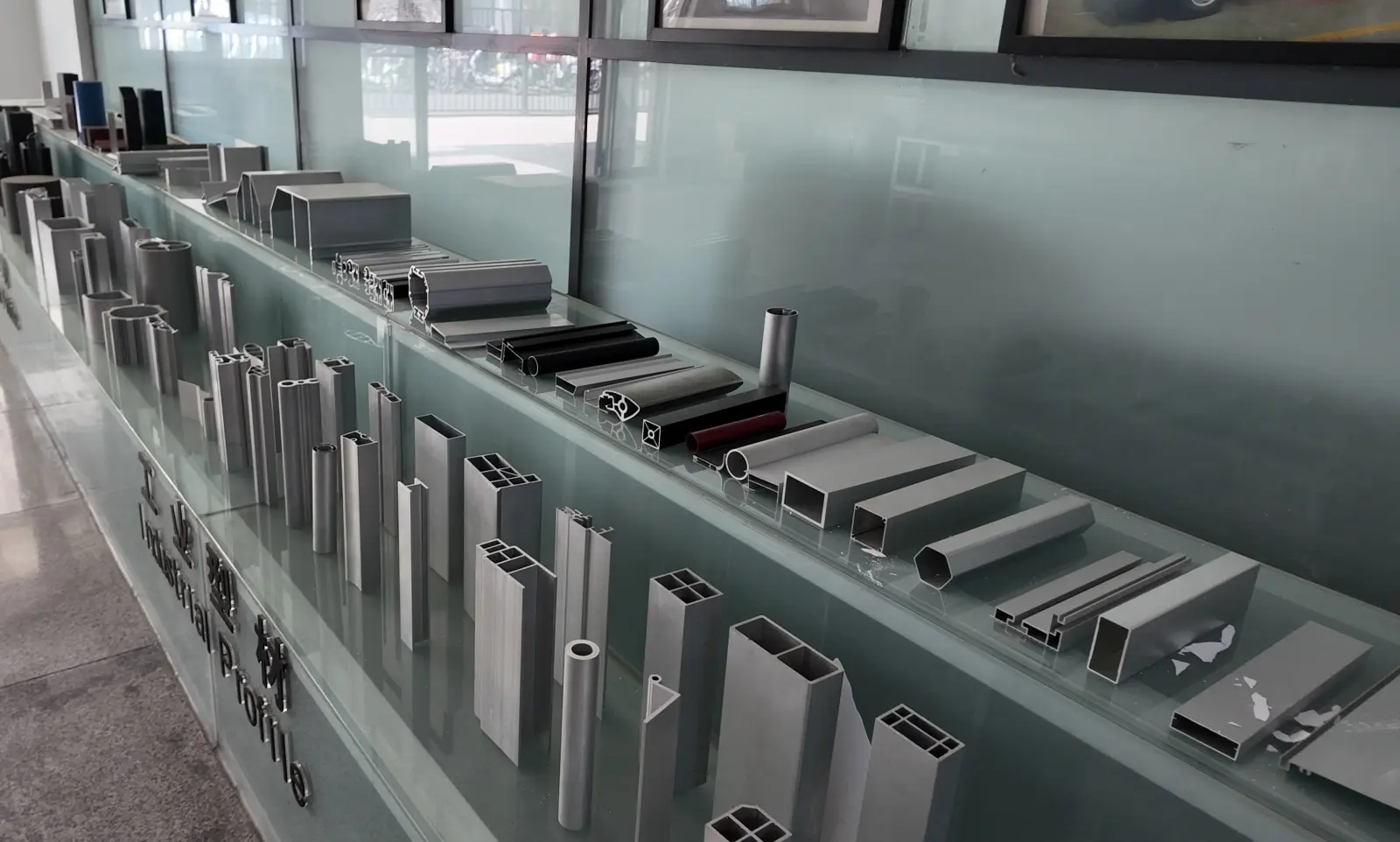
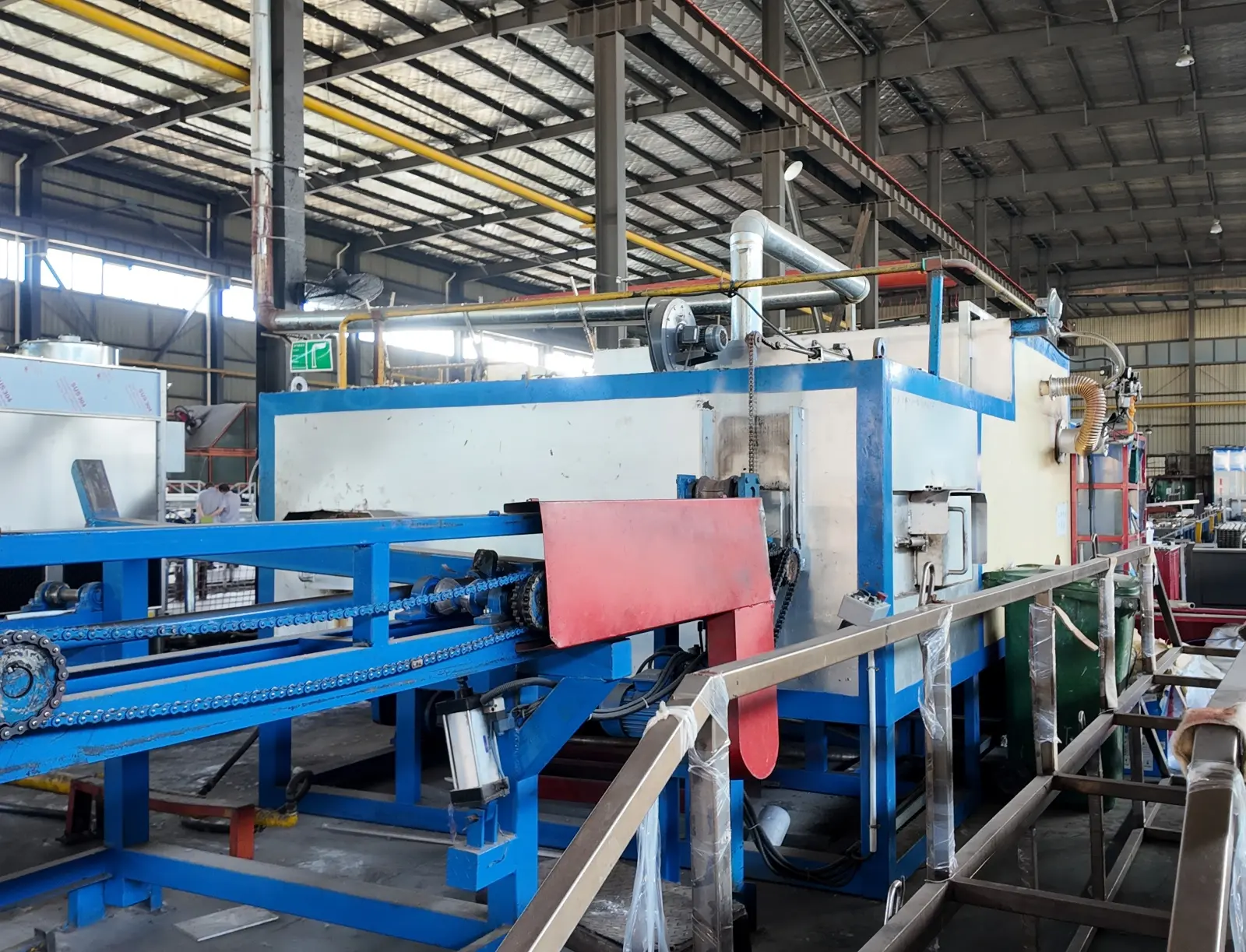
We develop custom extrusion profiles that meet demanding specifications, helping clients realize complex engineering designs.
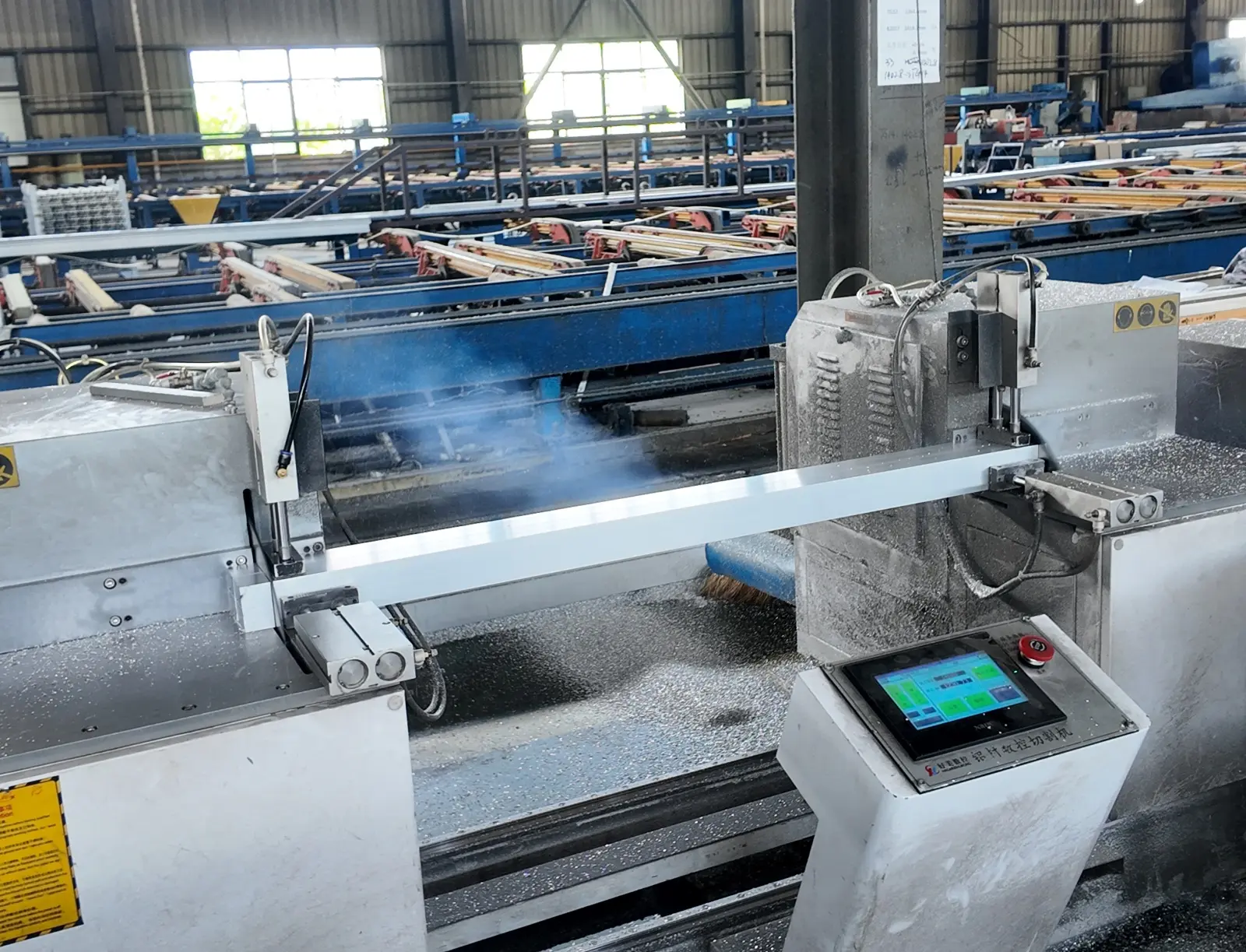
We adhere to international quality standards, implementing inspections at every stage of the extrusion and machining process.
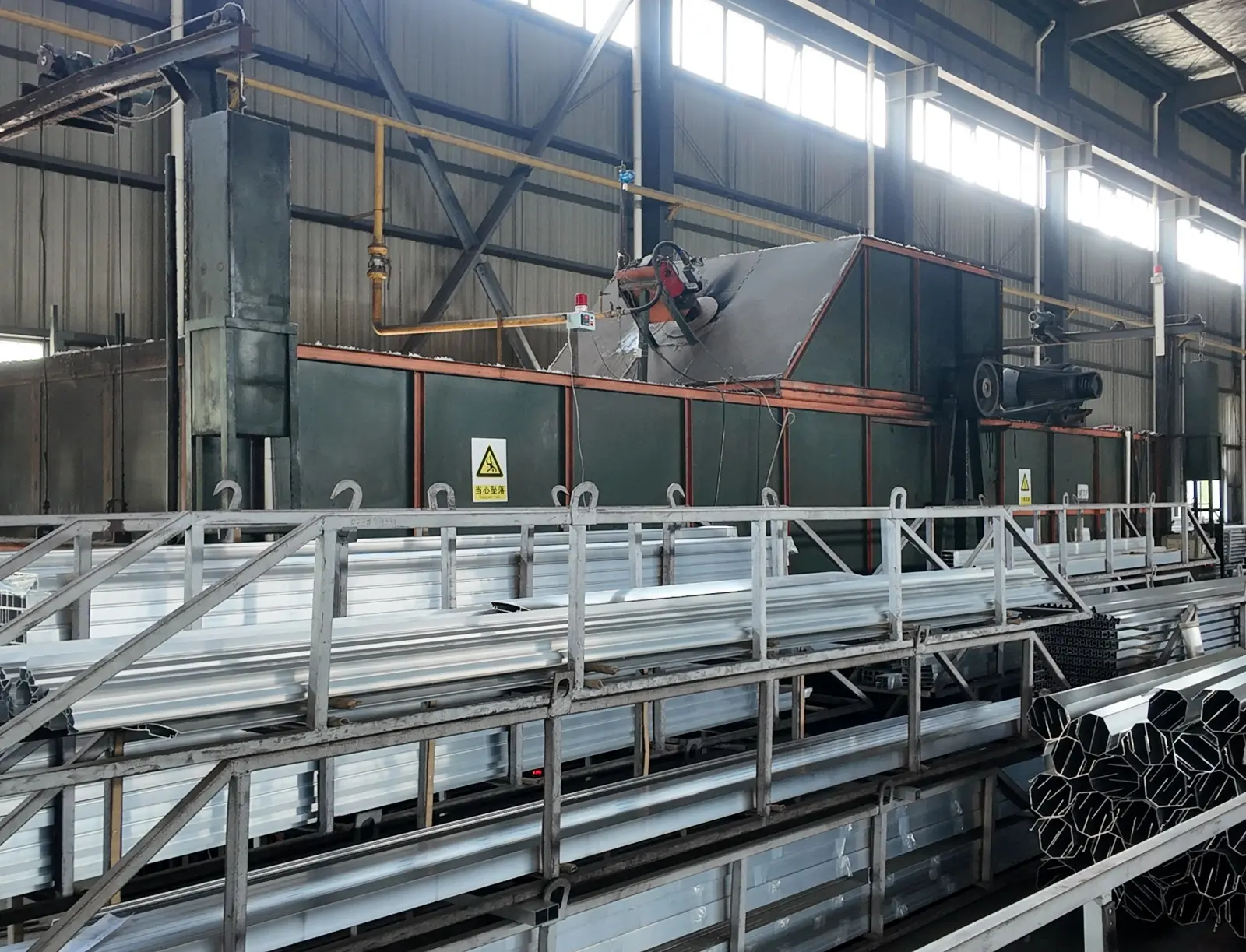
We provide flexible and transparent export services, optimizing packaging and transport to ensure safe arrival at your facility.
Standard and custom configurations designed for critical applications across six primary sectors.

T-slot systems, robotic assembly framing, machinery enclosures, structural oil platform brackets, and custom factory automation skeletons.
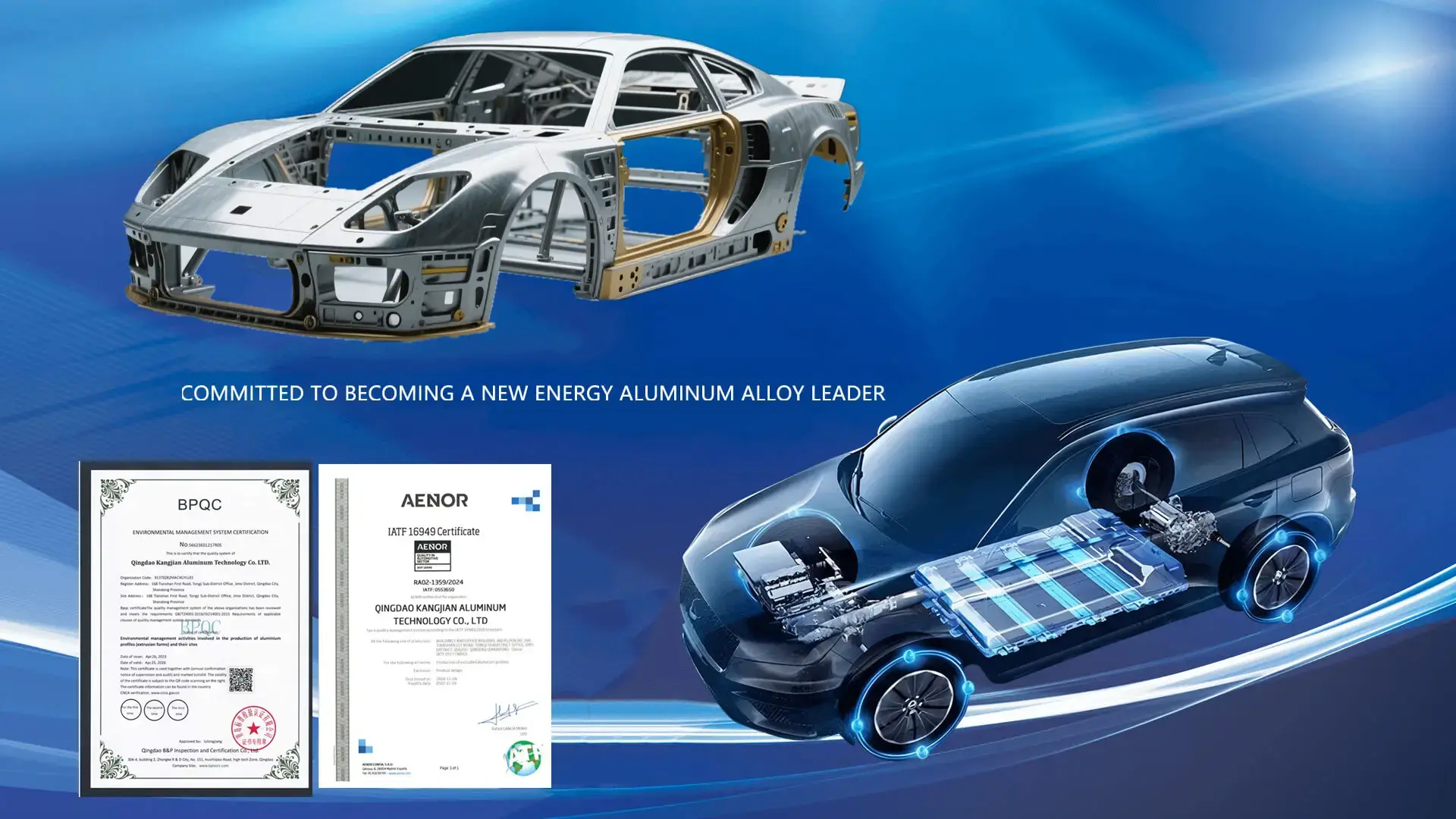
Lightweight body structures, EV battery container components, bumper impact systems, roof racks, and cooling system heat-sinks.
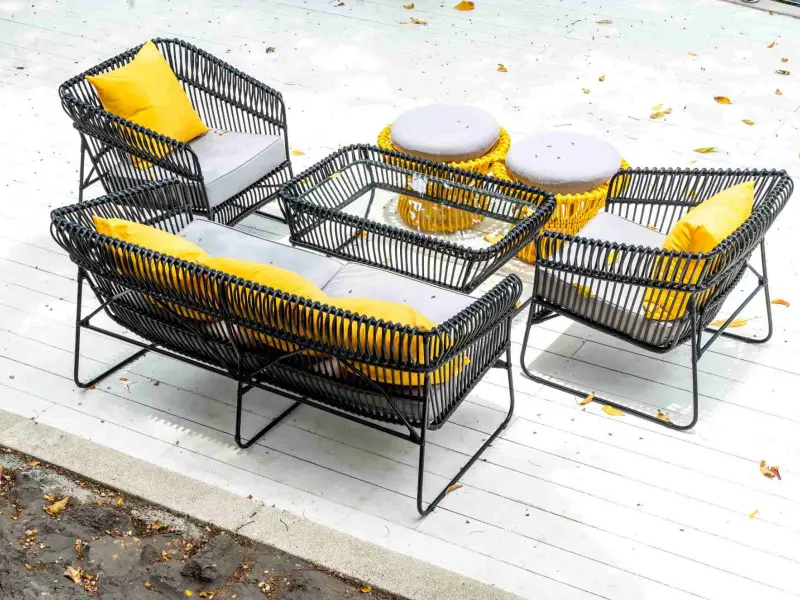
Anodized corrosion-resistant seating frames, table tracks, canopy structures, and heavy-duty patio deck sub-structures.
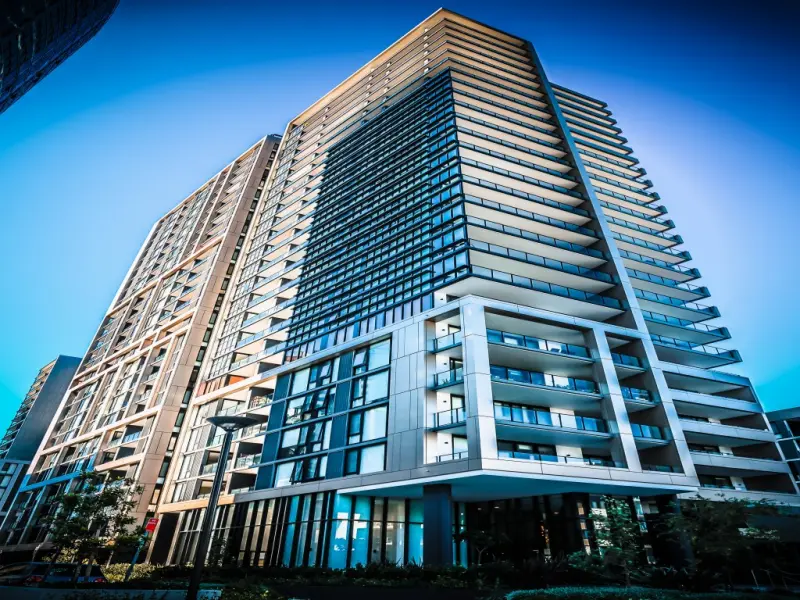
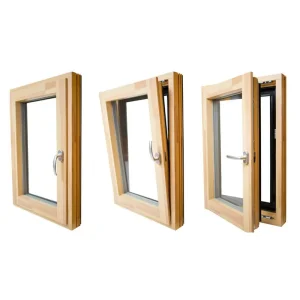
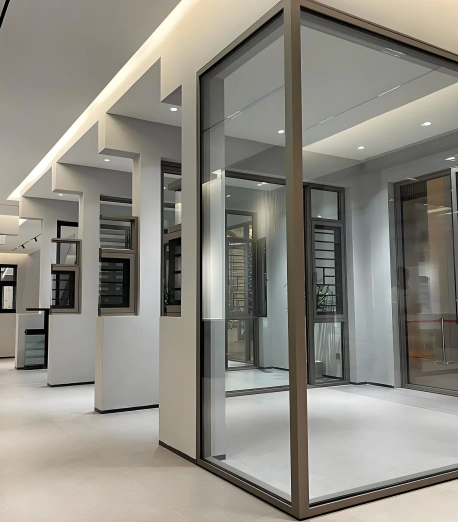
Thermal-break window and door frames, glass curtain wall support members, decorative louvers, and structural glass balustrades.
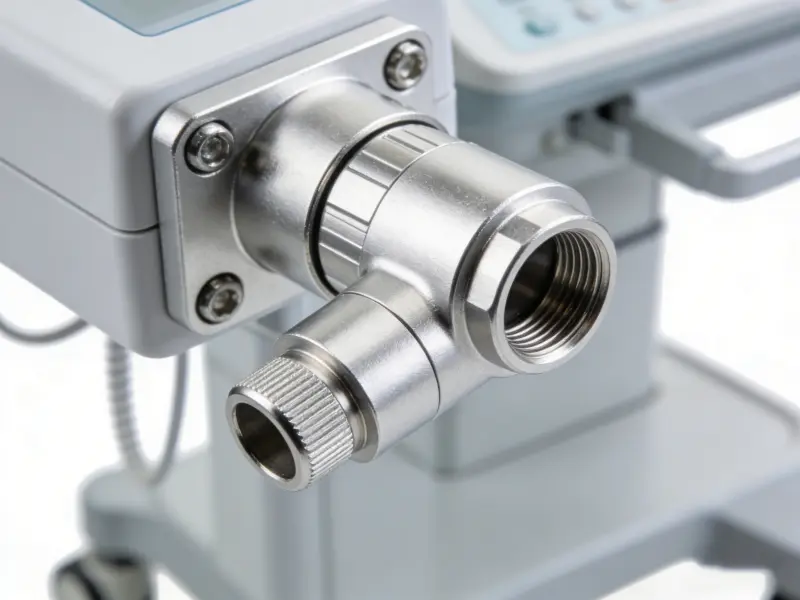
High-purity alloy profiles for imaging equipment frames, surgical beds, laboratory station enclosures, and wheelchair assemblies.
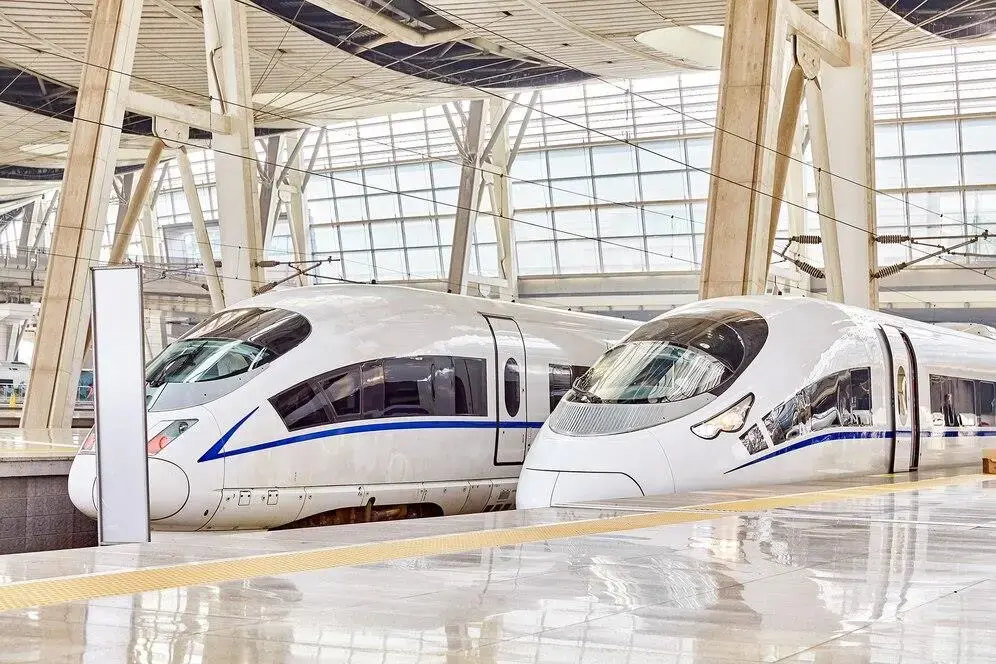
High-capacity cargo container wall panels, aerial ladder profiles, and structural framing for marine vessel compartments.
Explore some of our most frequently requested profile shapes and specialized assemblies.
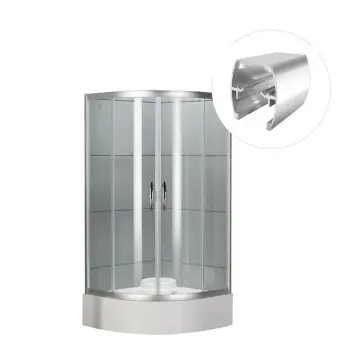
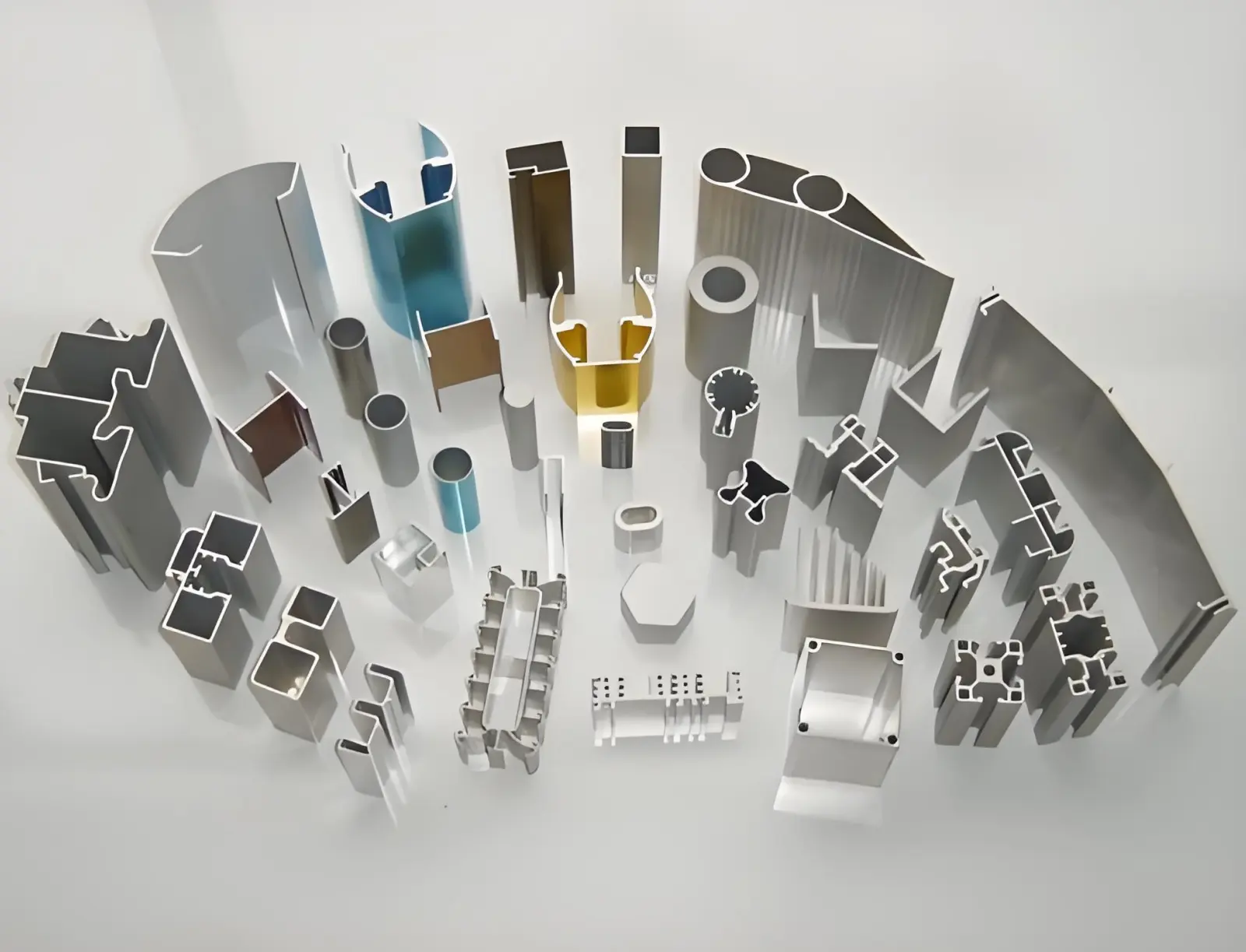
Highly polished and anodized architectural profiles designed for wet environments, offering excellent corrosion resistance.
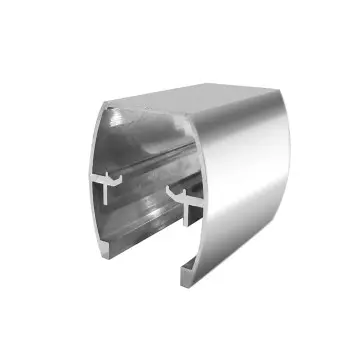
Thin-walled, high-strength extrusions designed to reduce weight while maintaining structural integrity in sliding door assemblies.
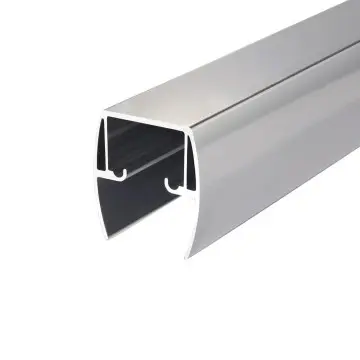
Standard architectural frame components with precise dimensional control, ready for powder coating or anodization.
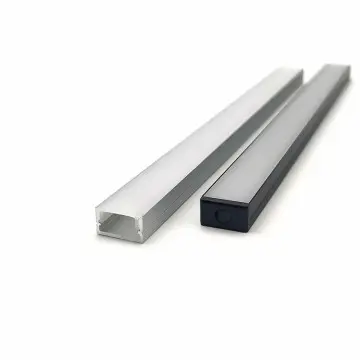
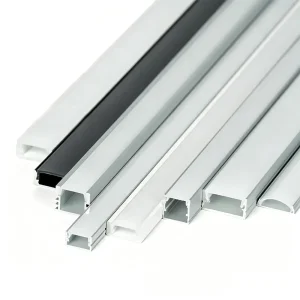
Precisely extruded U-channels, commonly used for protective edgings, glass track mountings, and linear structural supports.
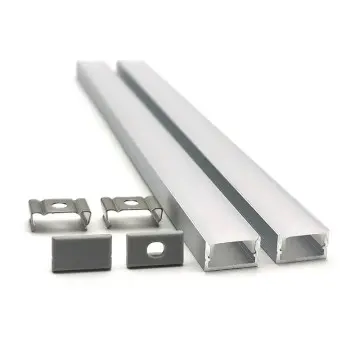
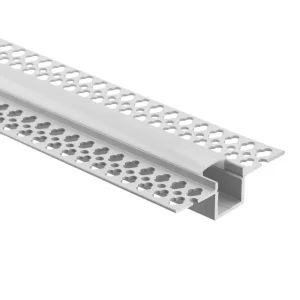
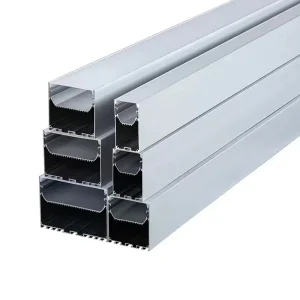
Specially designed profiles that serve as effective heat sinks for LED strip installations, extending diode lifespan.
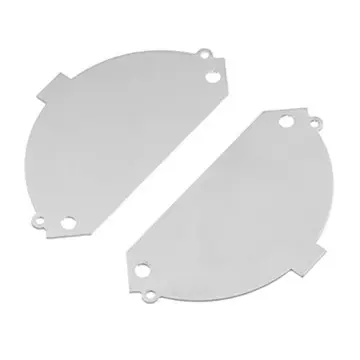
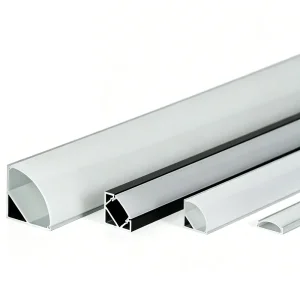
Compact corner-mount profiles, optimized for architectural detailing, retail displays, and under-cabinet illumination.
Our processes are verified by international testing bodies, ensuring compliance with global specifications.
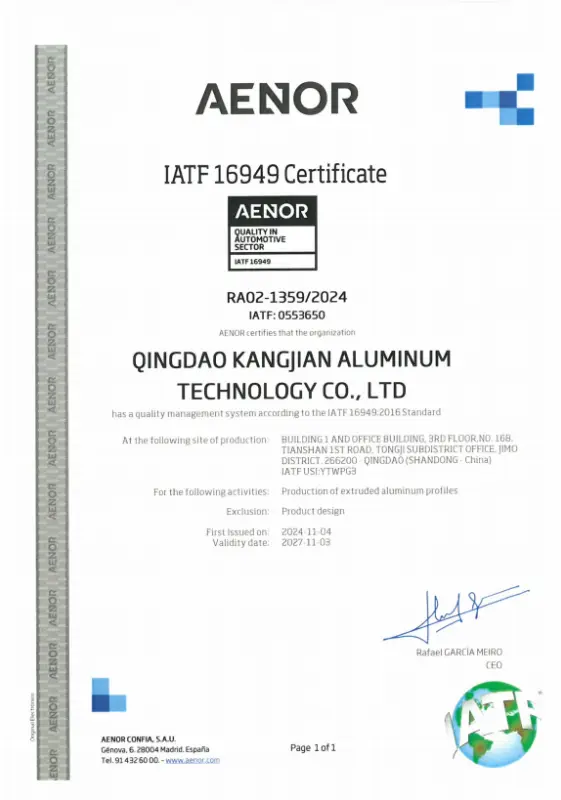
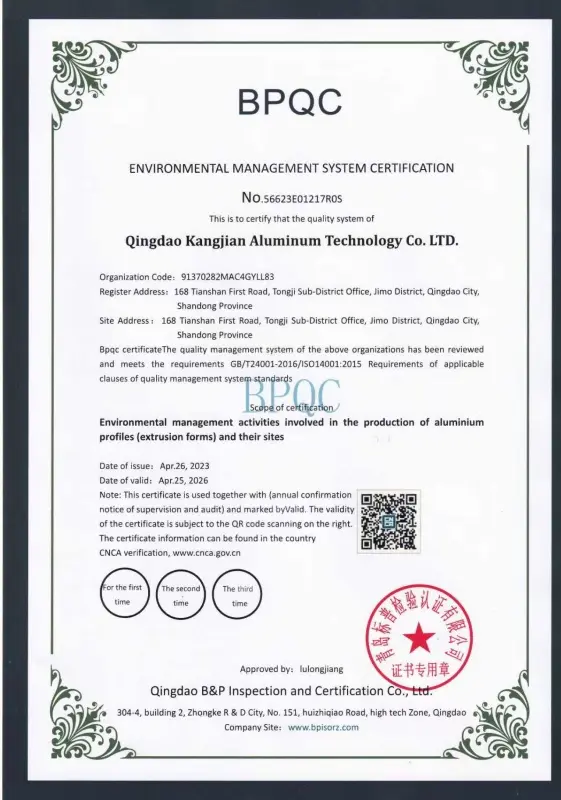
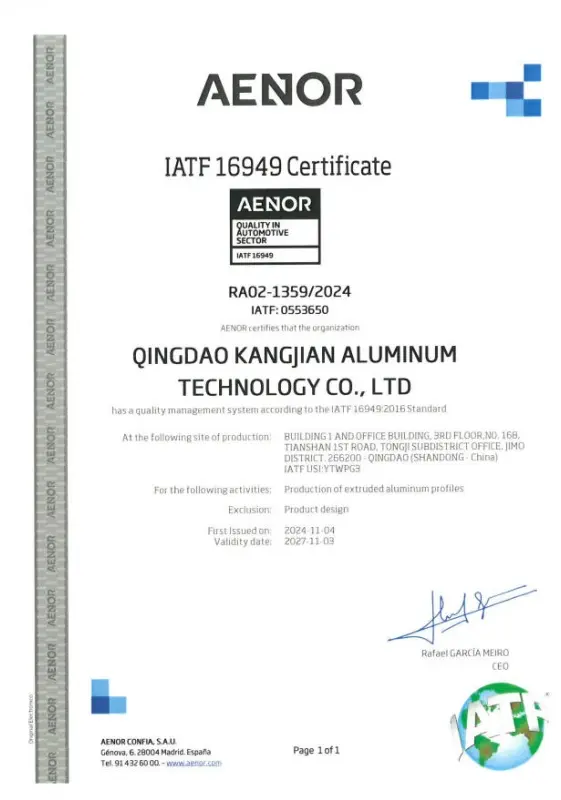
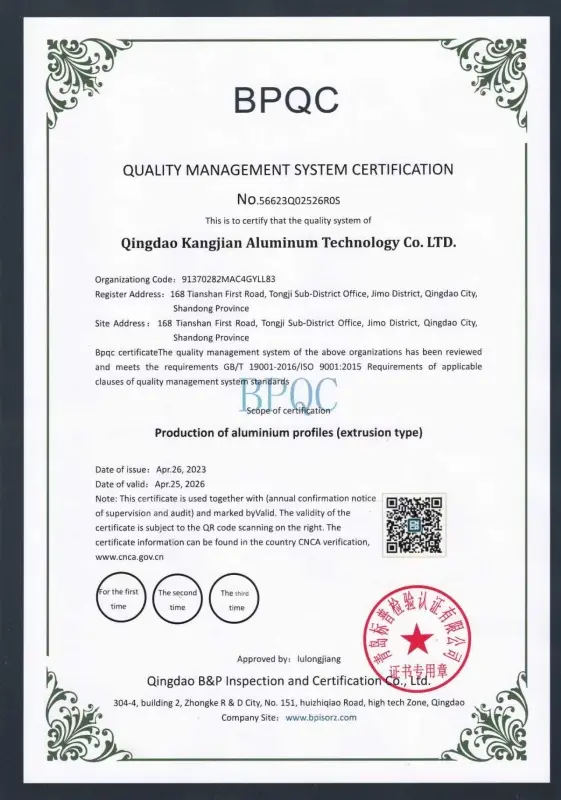
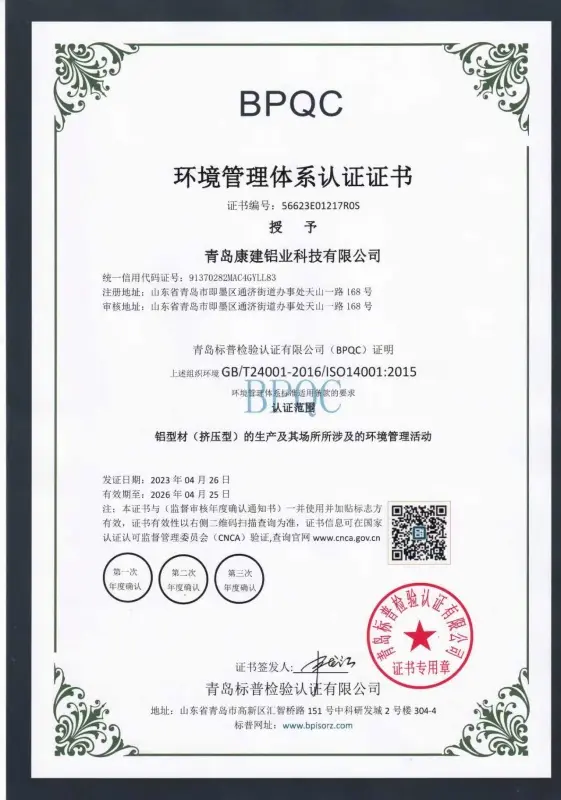
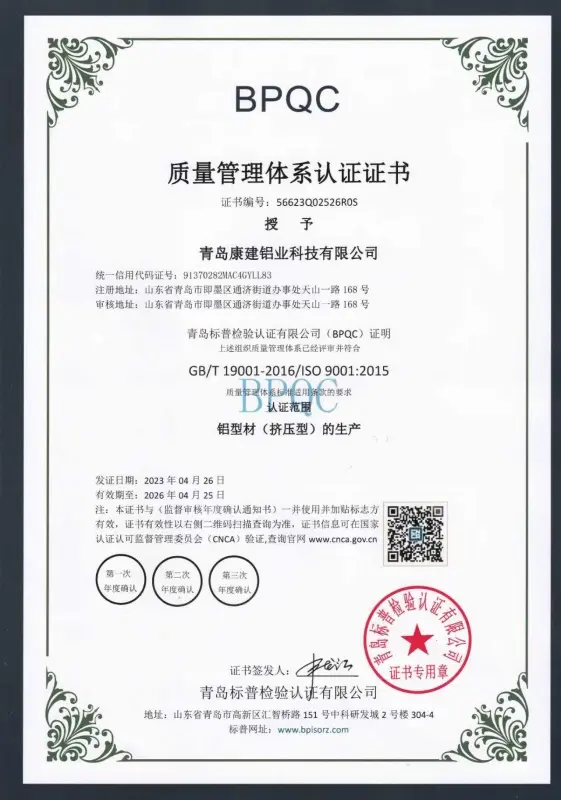
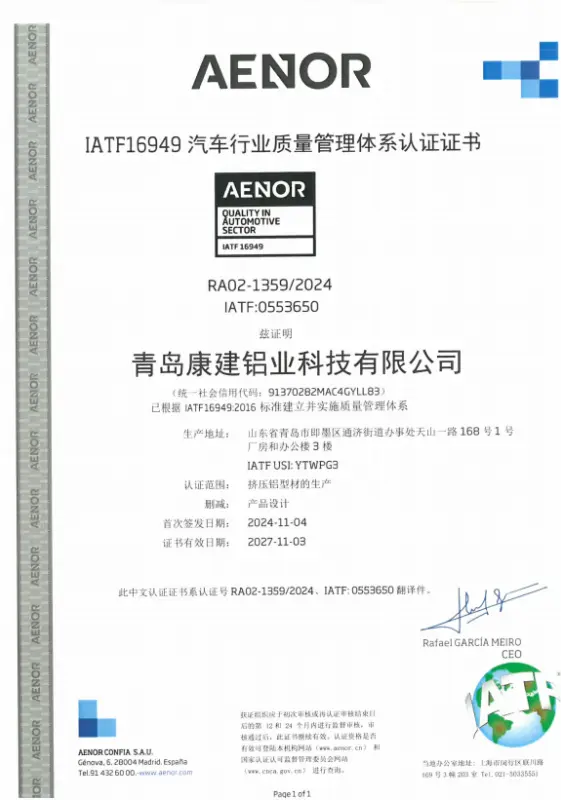
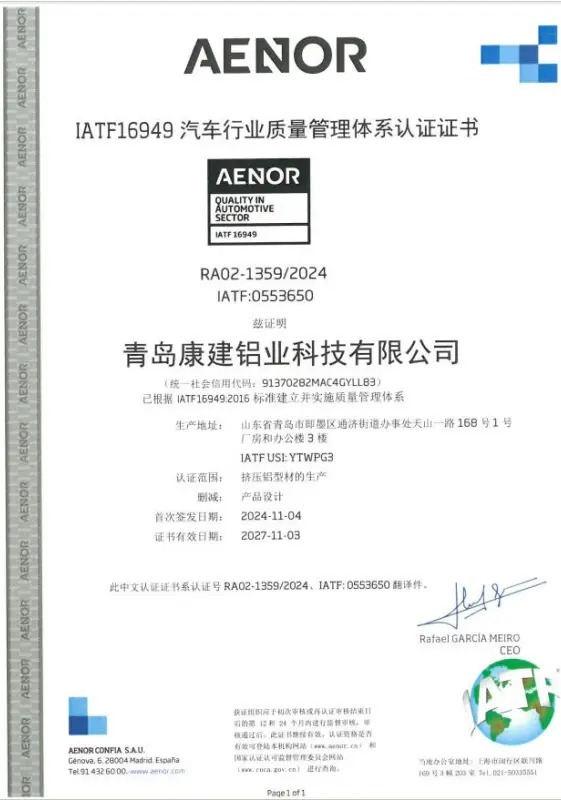
Kangjian's quality assurance framework is backed by international system certifications. Our production flow follows structured control plans, covering raw material verification, extrusion speed and temperature monitoring, mechanical aging treatments, and finish validation.

Showcasing our global industrial installations and brand engagement initiatives.
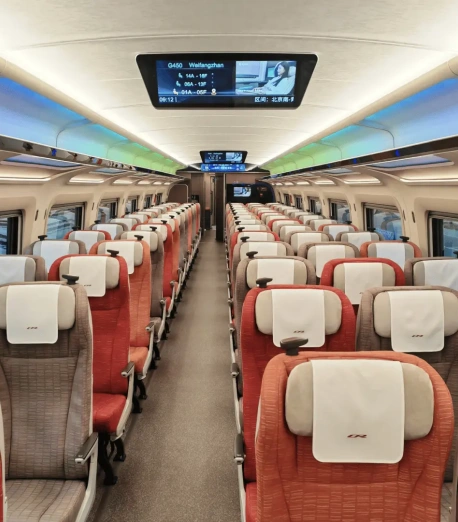
Kangjian's structural sections are engineered for long-term performance under dynamic loads and in harsh environments. In rail transit systems, our extrusions are used in car body shells, floor panels, and electrical mounting rails. These applications require high fatigue strength and precise dimensions to ensure trouble-free integration into final vehicle structures.
In addition, our marine-grade profiles (alloys containing magnesium, such as the 5000-series and specialized 6000-series formulations) are used in shipbuilding and port infrastructure. These alloys are formulated to resist saltwater corrosion, reducing maintenance needs for commercial vessels and harbor facilities.
Helping international clients navigate standards, certifications, and technical requirements.
Exporting custom structural components requires compliance with regional engineering standards and environmental regulations. Kangjian's engineering team provides localized support for major international markets:
Our products are engineered to meet the requirements of the Aluminum Association (AA) and ASTM standards (e.g., ASTM B221 for extruded profiles). We also help clients meet requirements for structural calculations under the American Institute of Steel Construction (AISC) and the Aluminum Design Manual. In addition, we ensure compliance with federal sourcing rules when required for private projects.
For European projects, we ensure compliance with European standards (EN 755 for extruded profiles, EN 12020 for high-precision profiles). We also provide certifications showing compliance with environmental regulations, including RoHS (Restriction of Hazardous Substances) and REACH (Registration, Evaluation, Authorisation and Restriction of Chemicals). This helps European clients integrate our components directly into their production lines.
Addressing key inquiries regarding manufacturing capabilities, quality assurance, and global supply logistics.
Standard extrusion tolerances are governed by GB/T 14846 or EN 755-9. However, for specialized industrial applications, Kangjian can achieve higher precision through in-house CNC post-processing. Our CNC machining centers can hold linear dimensional tolerances as tight as ±0.02 mm. For the raw extrusions, we can achieve high precision class tolerances under EN 12020-2 by utilizing custom-designed steel extrusion dies and closely monitoring temperature and speed profiles during the press run.
IATF 16949 is the international standard for automotive quality management systems. It requires strict process controls, traceability of materials, and continuous improvement protocols. For automotive clients, this means every production run of electric vehicle battery trays, structural chassis profiles, or collision protection bars is fully documented. We use Production Part Approval Process (PPAP) documentation, Failure Mode and Effects Analysis (FMEA), and statistical process control (SPC) to ensure consistent quality across production batches.
Alloy 6061 contains higher levels of silicon, magnesium, copper, and chromium, giving it greater tensile strength (typically 290 MPa in T6 temper) and yield strength compared to 6063. It is ideal for structural parts, robotics kits, and mechanical arms that undergo load-bearing stresses. However, it is more difficult to extrude and has a less smooth surface finish. Alloy 6063 is easier to extrude into complex, thin-walled shapes and offers a high-quality surface finish, making it the standard choice for architectural framing, LED strip lighting channels, and shower rooms where appearance is primary.
We manage supply chain risks through several measures: First, we maintain a buffer stock of primary A00-grade aluminum ingots through long-term supply agreements with major regional smelters. Second, our location near the Port of Qingdao allows us to work with multiple international shipping lines, ensuring options if a particular carrier experiences disruptions. Third, we handle raw material supply, die design, extrusion, CNC machining, surface treatment, and final assembly in-house, reducing dependency on external subcontractors.
For high-corrosion environments like marine installations, port cranes, or chemical processing plants, we recommend Class 3 hard-coat anodizing with a thickness exceeding 20-25 microns, sealed using hot water or chemical methods. Alternatively, we offer multi-layer PVDF (fluorocarbon) coatings, which provide excellent resistance to salt spray, UV exposure, and chemical wear. All surface finishes are verified using cross-hatch adhesion testing and salt-spray chamber evaluation.
EN 15085 regulates the welding of railway vehicles and components, ensuring that structural welds can withstand dynamic forces over long operational lifespans. DIN 6701 regulates adhesive bonding in rail vehicle manufacturing. Since modern high-speed trains and subways use bonded assemblies to reduce weight, holding a Class A1 DIN 6701 certification verifies that our facility has the required equipment, processes, and trained personnel to perform safety-critical bonding work.
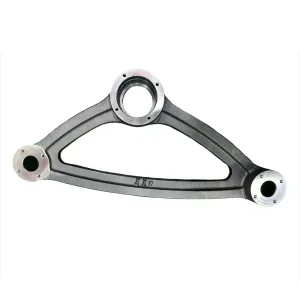
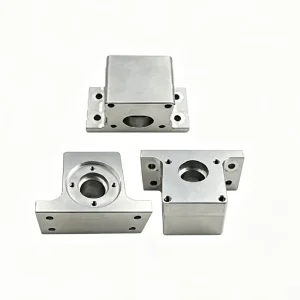
Precision-machined mounts, structural frames, and custom LED extrusion channels.