Kangjian
Kangjian
Kangjian
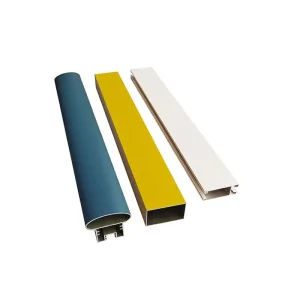
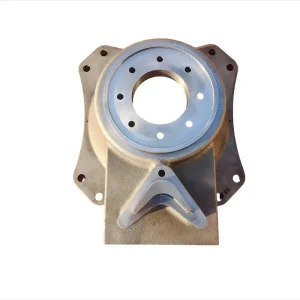
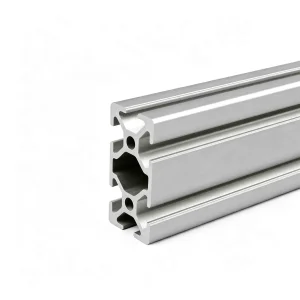
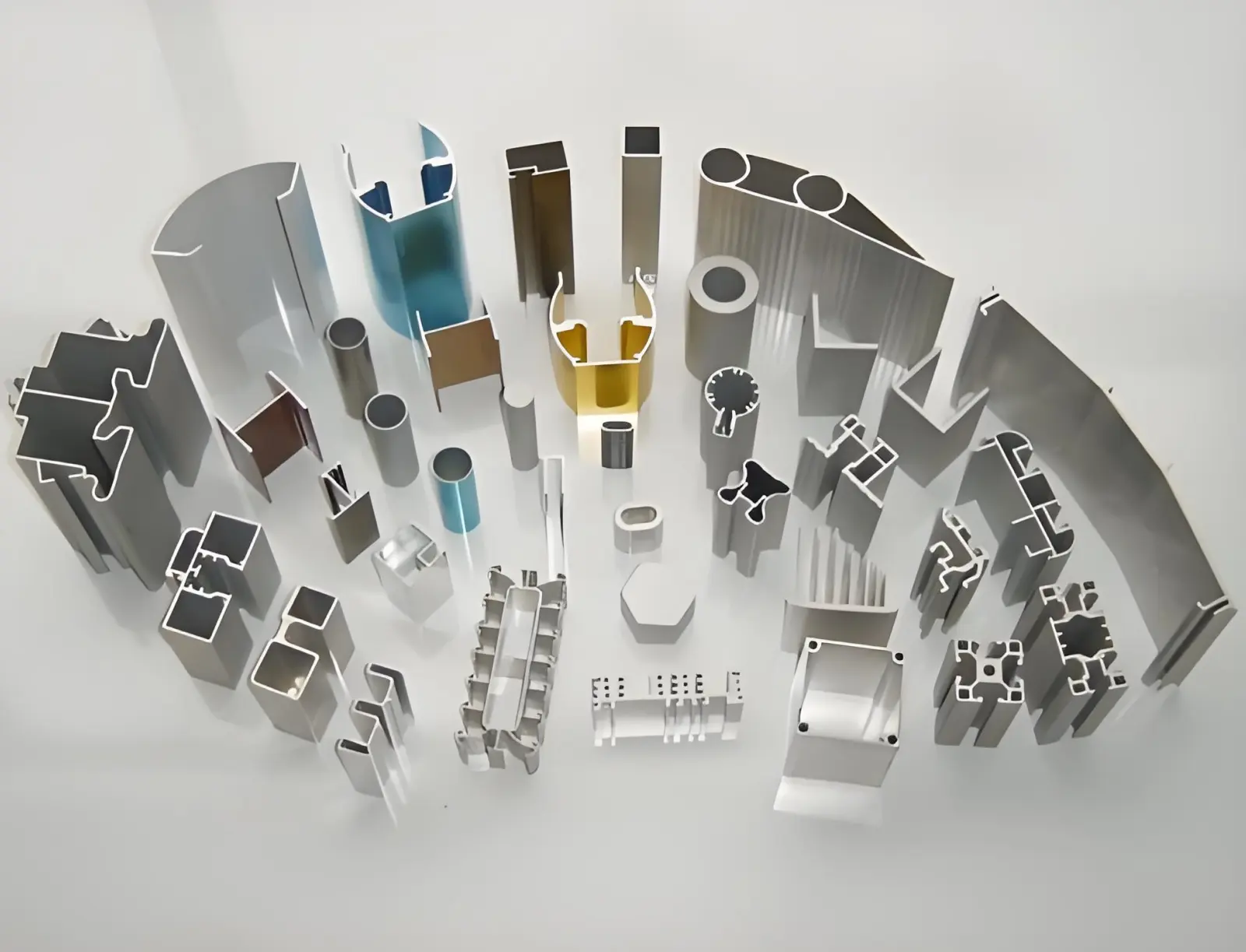
Explore our elite selection of custom extruded aluminum profiles engineered for structural integrity, automotive frame parts, and high-performance applications.
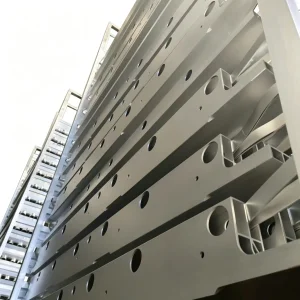
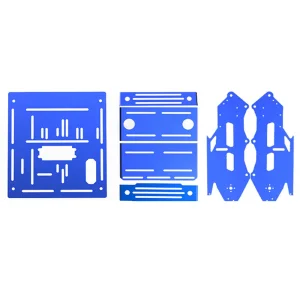
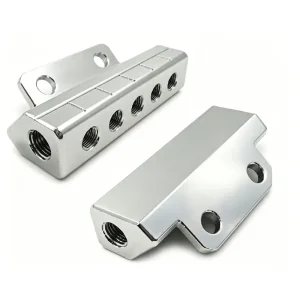
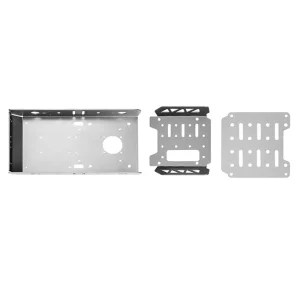
Analyzing the paradigm shift in global automotive lightweighting, structural alloys, and advanced extrusion techniques.
In the modern automotive industry, the drive toward electrification, extended battery range, and strict global emission targets has positioned lightweighting as a core design priority. As a premier hub for automotive technology development, Chinese aluminum extrusion manufacturers are leading the integration of high-performance materials. Structurally, vehicle lightweighting is no longer just about swapping steel for aluminum; it involves a meticulous technological roadmap focused on metallurgical innovation and optimization of physical properties.
Over the next decade, the industry's focus is shifting from simple architectural extrusions to complex, high-strength structural profiles. Historically dominated by standard 6063 alloys, current automotive structural designs demand custom 6xxx (e.g., 6082-T6, 6005A-T6) and ultra-high-strength 7xxx series alloys. These materials are engineered to absorb energy during crashes while maintaining high yield strength. Our technical roadmap highlights several key areas:
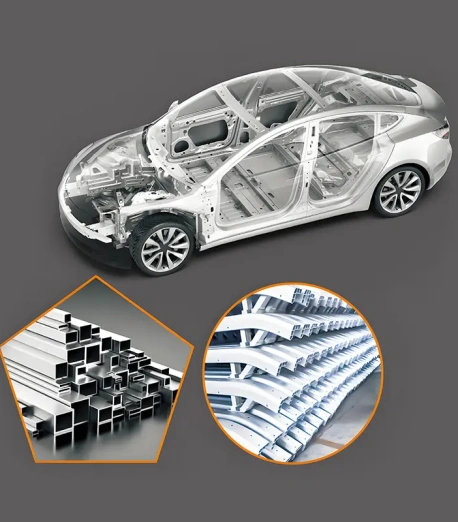
Crash boxes, front bumper beams, and side sills require high elongation-at-fracture rates coupled with high yield strengths. Under impact, these elements must deform predictably to absorb energy and protect the cabin. By utilizing specialized 6082 alloys with controlled silicon and manganese ratios, we prevent micro-cracks during deformation. This ensures the structural integrity of the passenger safety cell.
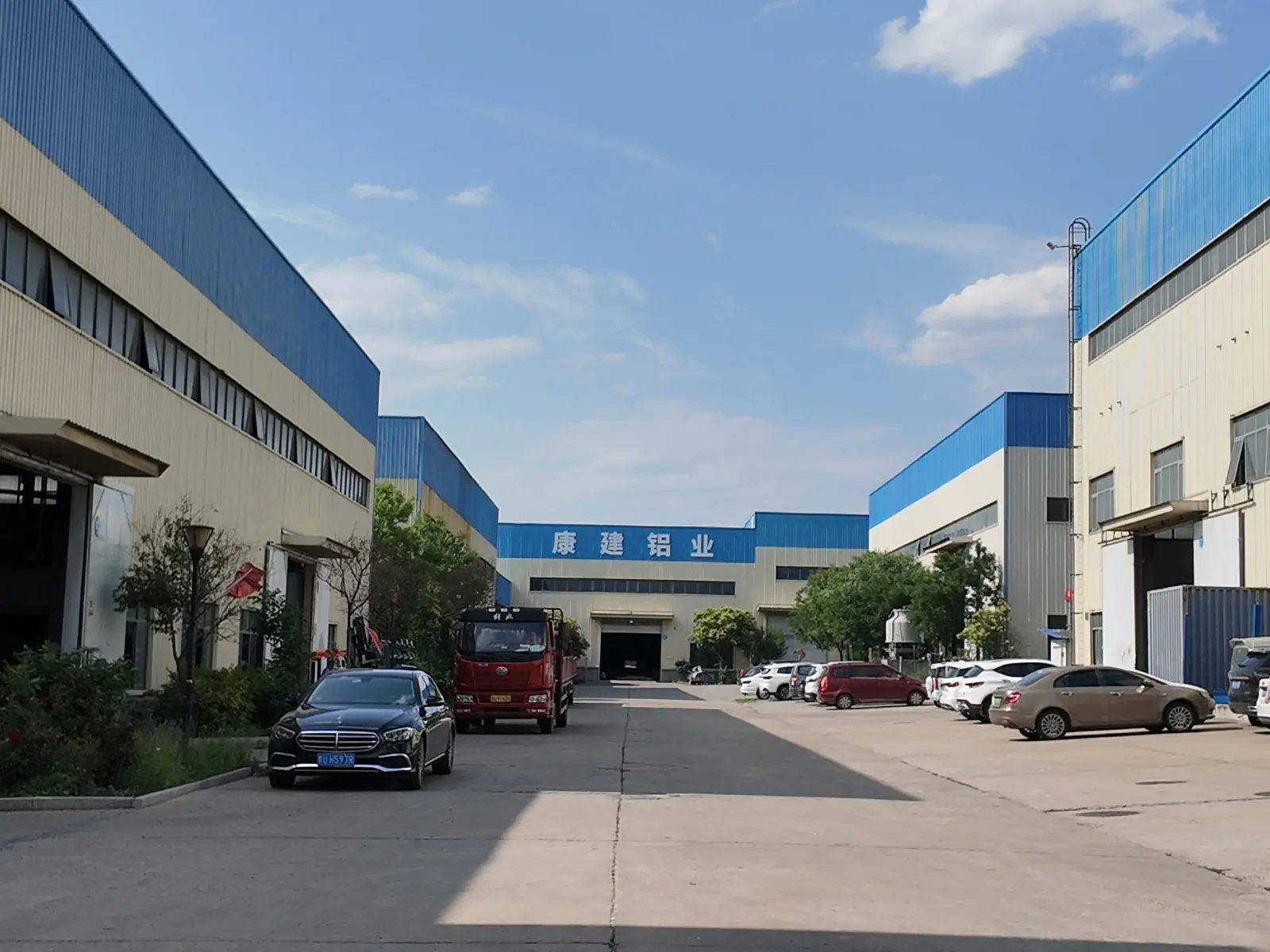
Qingdao Kangjian Aluminum Industry Technology Co., Ltd. - Forging industrial resilience on a global scale.
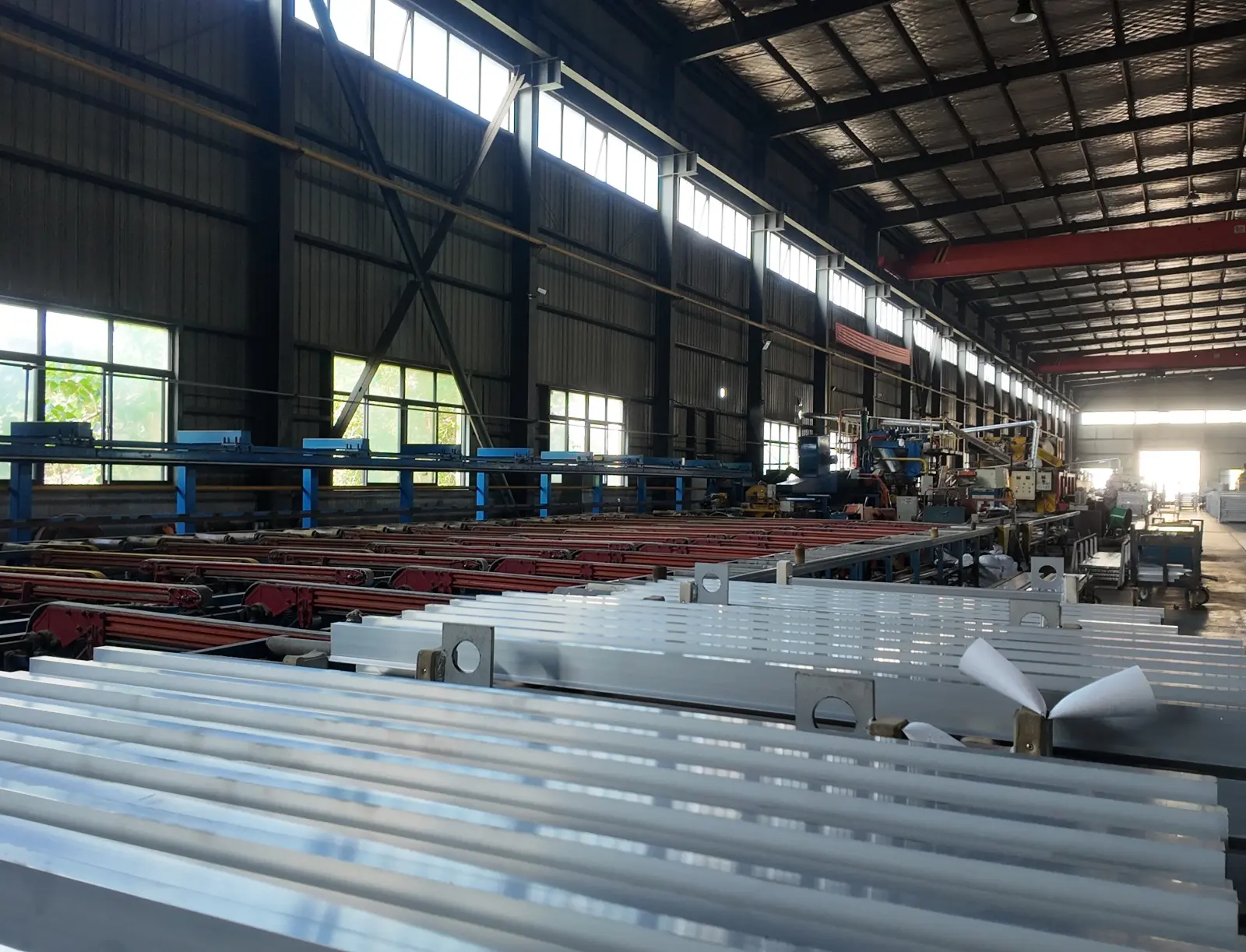
Located in the Jimo District of Qingdao, Qingdao Kangjian Aluminum Industry Technology Co., Ltd. (established in 2022) operates a 200-mu production facility. It features over 80,000 square meters of modern factory workshops. Designed around Smart Factory 4.0 principles, our production capacity of 15,000 tons per year is supported by 5 advanced extrusion lines: a high-capacity 2500T extruder, a 1450T unit, an 1150T unit, and two 700T extruders. This lineup enables us to produce everything from large rail transit components to complex automotive trim and hardware profiles.
Our digital plant layout integrates production monitoring with logistics management to optimize the manufacturing process. From raw material receipt to billet preheating, extrusion, cooling, and aging, every step is tracked. This level of traceability helps stabilize product properties, prevent defects, and ensure uniform quality across batch deliveries.
Extrusion systems ranging up to 2500T run automated profiles with tight tolerance limits, meeting EN 755 and DIN ISO 2768 specifications.
On-site laboratories conduct spectral inspections, optical analysis, and mechanical tests to confirm alloy integrity prior to extrusion.
High-speed CNC machinery handles complex post-extrusion steps, including milling, multi-axis drilling, and detailed thread tapping.
Comprehensive aluminum solutions designed for electric vehicles, rail systems, robotics, and industrial engineering.
Modern vehicle engineering requires lightweight structural materials that integrate with other systems. As a leading manufacturer in China, Qingdao Kangjian provides complete mechanical solutions for several high-demand sectors:
EV battery trays must act as structural reinforcements for the vehicle chassis while protecting battery cells from impact and managing heat. We manufacture multi-chamber profiles featuring integrated liquid cooling channels. These designs are pressure-tested to prevent leaks and ensure consistent thermal dissipation.
Replacing traditional steel castings with lightweight extruded subframes reduces unsprung mass, which improves handling and vehicle dynamics. Utilizing high-toughness 6082-T6 alloys, these structural components provide strong resistance to fatigue and dynamic stresses under variable load conditions.
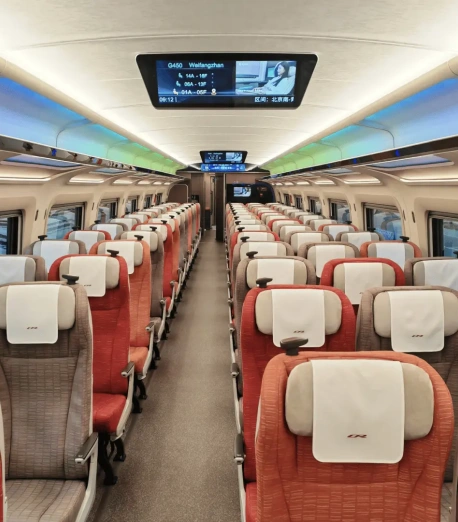
Large, custom extrusions for high-speed rail cabins, subways, and cargo cars. Engineered to meet EN 15085 welding requirements for durability.
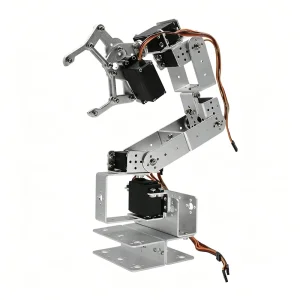
Highly rigid, low-inertia components for robotic arms and kit frames, helping mechanical systems achieve faster response times and improved cycle stability.
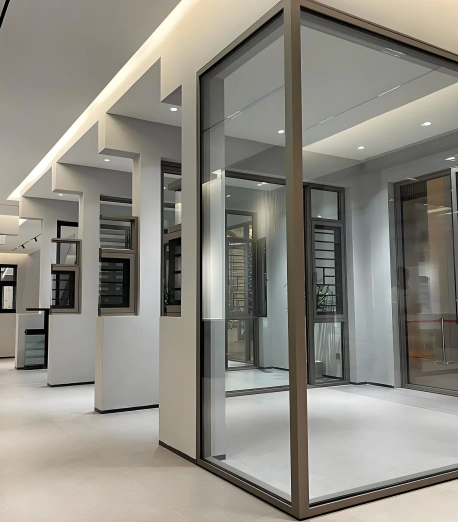
Structural thermal-break curtain walls and energy-efficient window profiles designed to support long-term building durability and green construction standards.
Strict quality control processes certified by recognized international automotive and manufacturing standards.
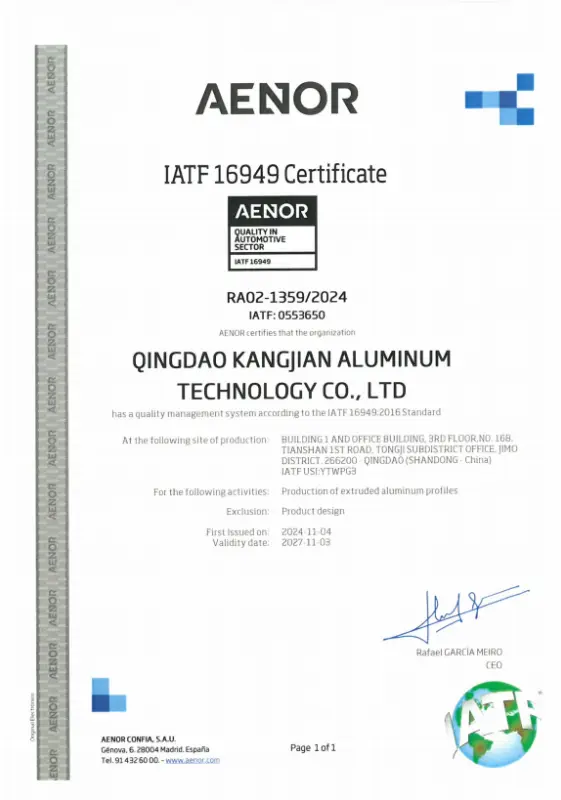
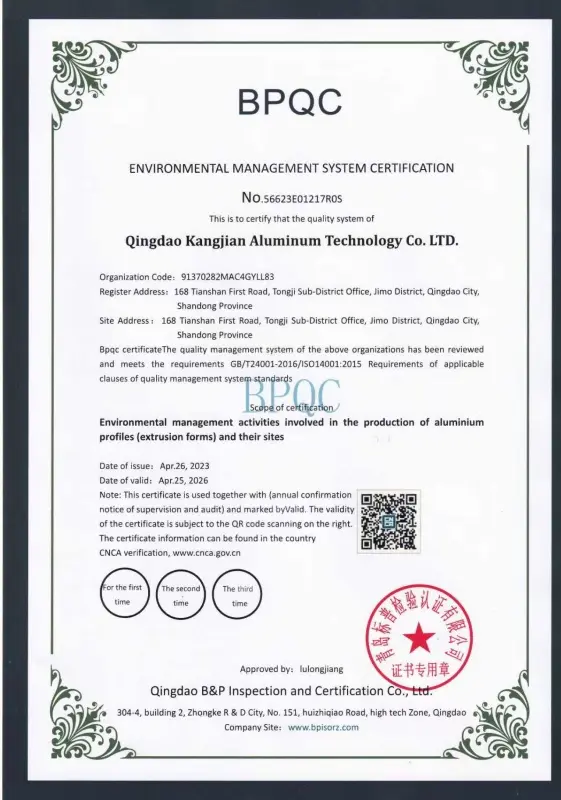
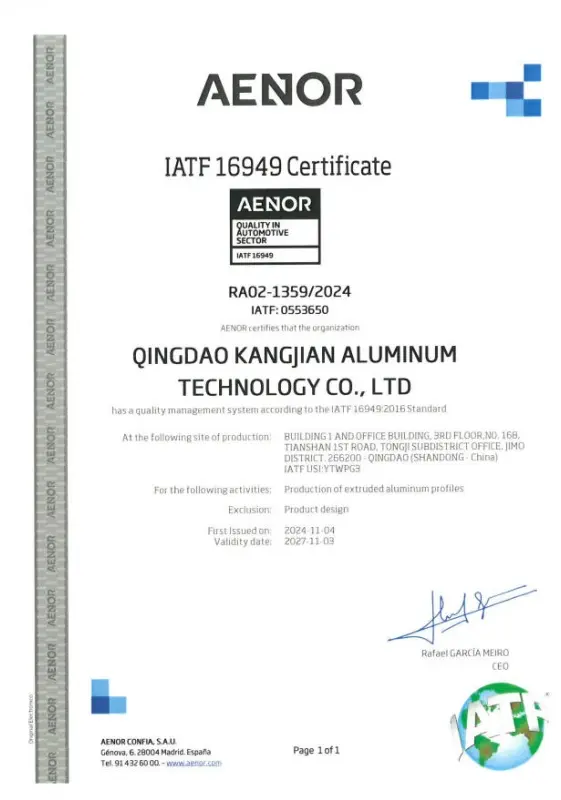
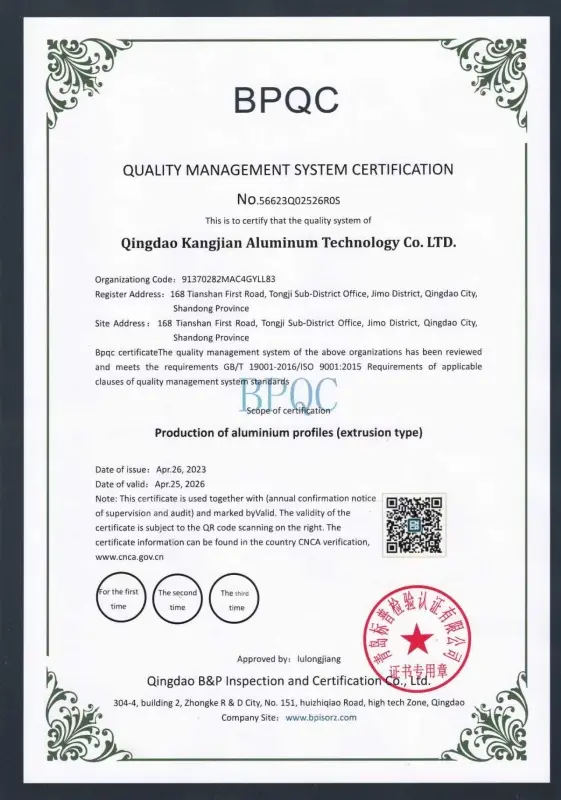
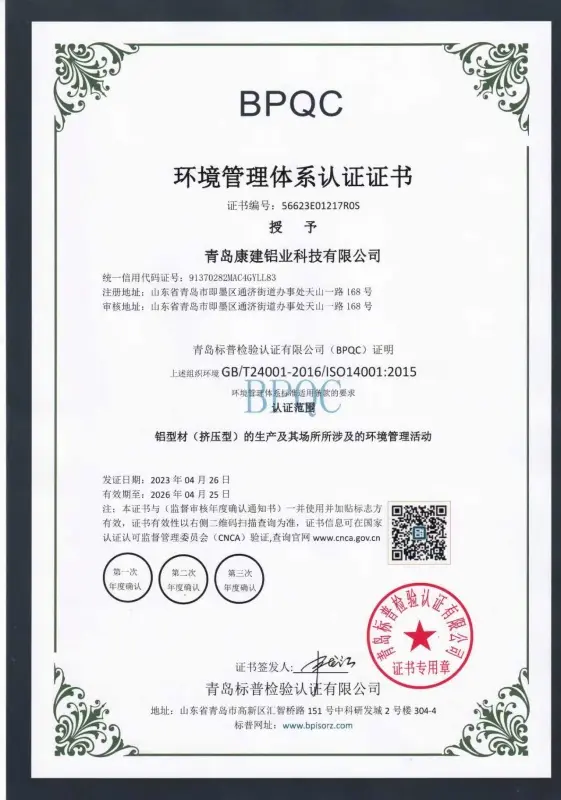
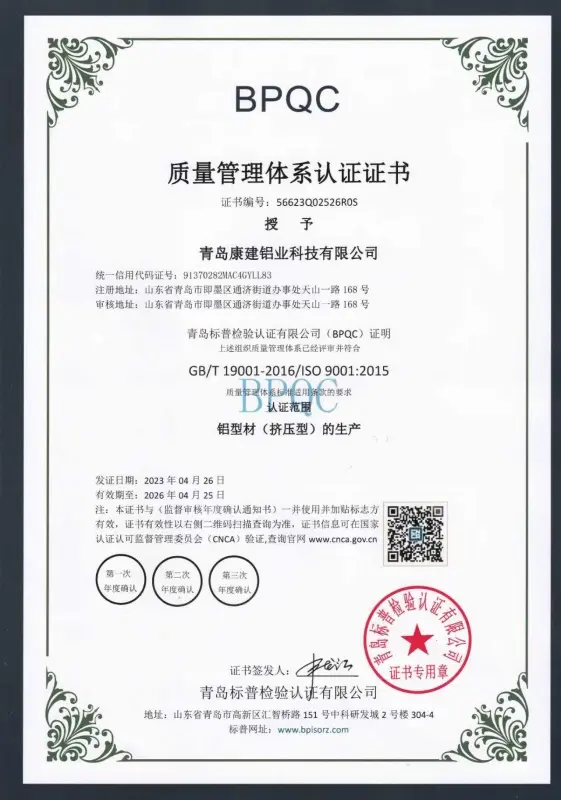
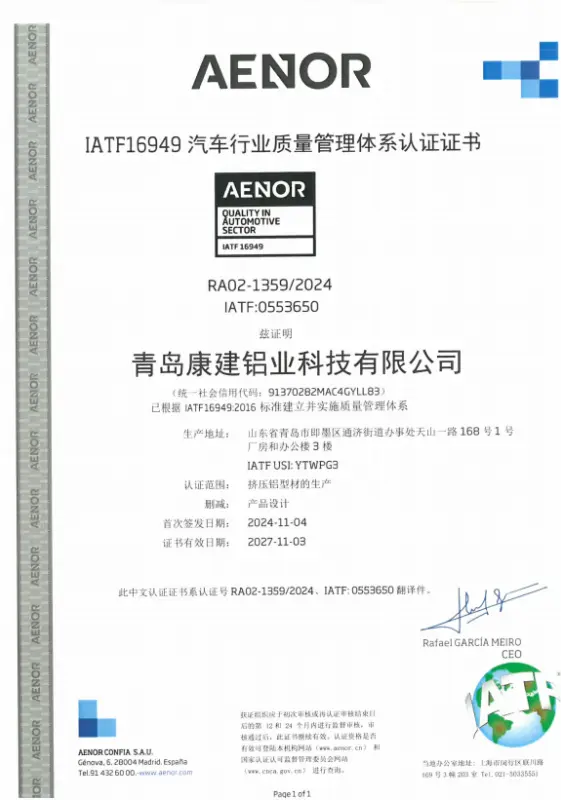
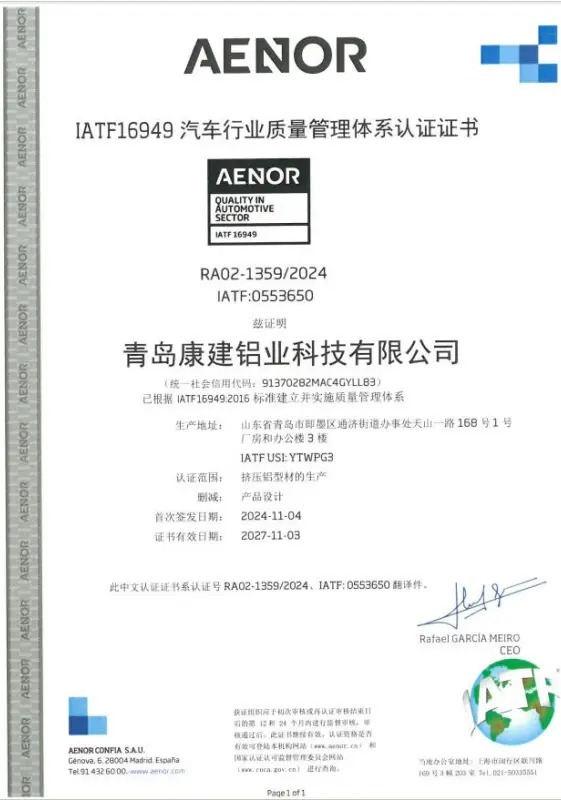
In the automotive supply chain, product safety and reliability are non-negotiable. To establish authority and trust, Qingdao Kangjian has obtained key certifications required for global automotive and industrial procurement. These certifications confirm our capability to manufacture components that meet international engineering standards.
Our quality management system is structured around the IATF 16949 automotive standard. This framework ensures continuous quality improvement, defect prevention, and waste reduction throughout our production processes. In addition, we maintain key manufacturing certifications:
Automotive Quality Standard
Railway Welding Quality
Adhesive Bonding Standard
Quality Management System
For welded structural assemblies in transit and automotive applications, our facilities comply with EN 15085, ISO 3834, and AWS welding standards. To address advanced multi-material joining requirements, our DIN 6701 bonding certification enables us to execute adhesive structural bonds. This helps prevent galvanic corrosion while maintaining long-term connection integrity.
Streamlining the procurement lifecycle, from design phase co-engineering to global port logistics.
Purchasing managers sourcing automotive-grade aluminum profiles from China face complex logistical, technical, and regulatory requirements. At Qingdao Kangjian, we simplify this integration by aligning our processes with established global supply chain standards.
Our engineering division supports development teams with co-design services, converting CAD profiles into production-ready designs. Using FEA (Finite Element Analysis) simulations, we identify stress points and optimize wall thickness to reduce weight while preserving structural integrity. This collaborative process accelerates prototyping and helps control development costs.
Our location in Qingdao provides access to major global shipping networks. We offer direct container logistics to international industrial hubs in Japan, South Korea, Europe, and the Americas. This proximity simplifies shipping coordinates and supports Just-In-Time (JIT) delivery requirements, helping to reduce port times and keep assembly lines running smoothly.
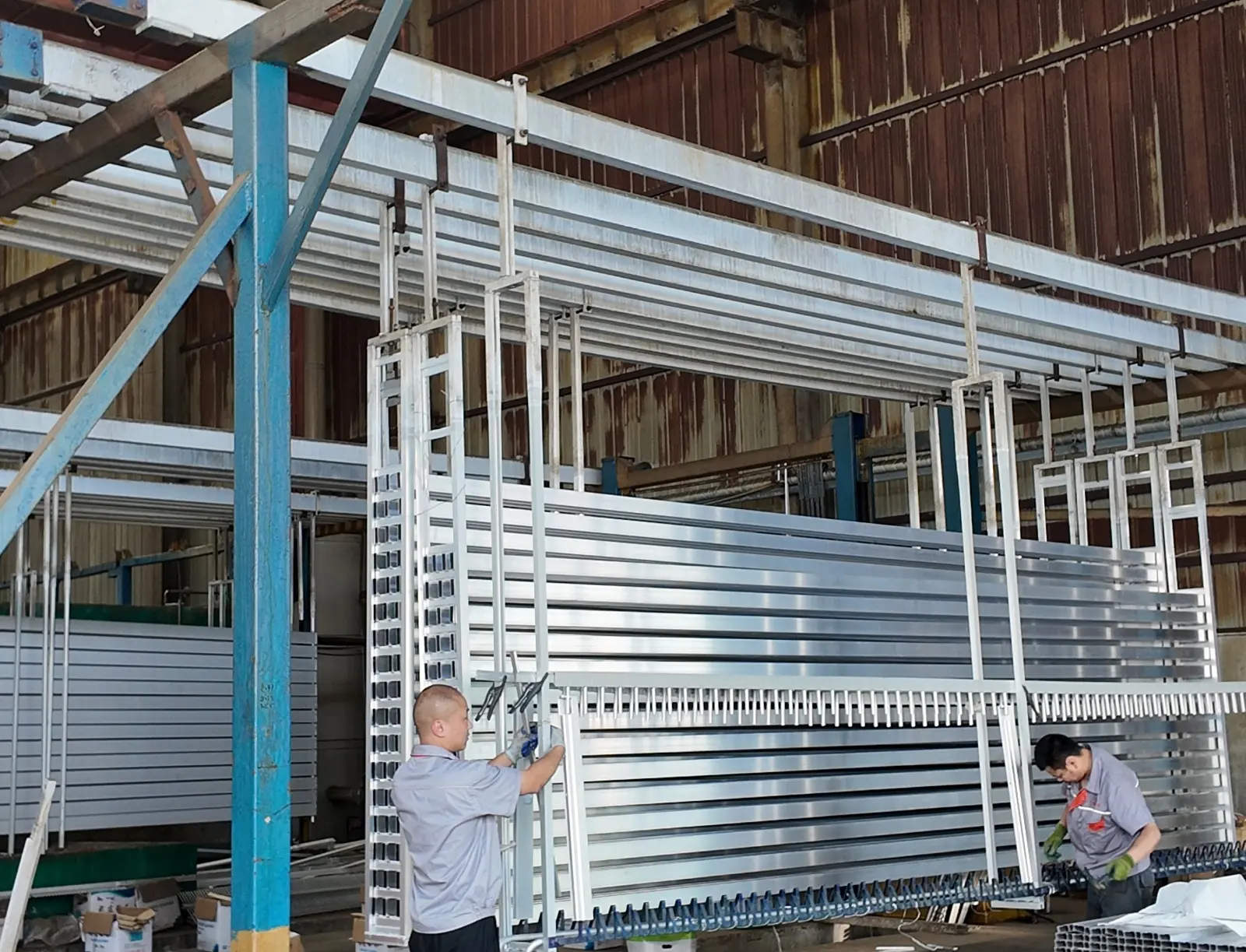
To support global environmental initiatives, our profiles comply with RoHS and REACH standards. We also monitor energy consumption across our extrusion and anodizing lines. This focus on material traceability helps OEMs calculate scope 3 emissions and document environmental compliance.


Addressing technical questions regarding tolerances, material testing, surface treatments, and lead times.
Qingdao Kangjian's aluminum profiles are used in global port machinery, high-speed rail systems, marine equipment, and automotive structures.

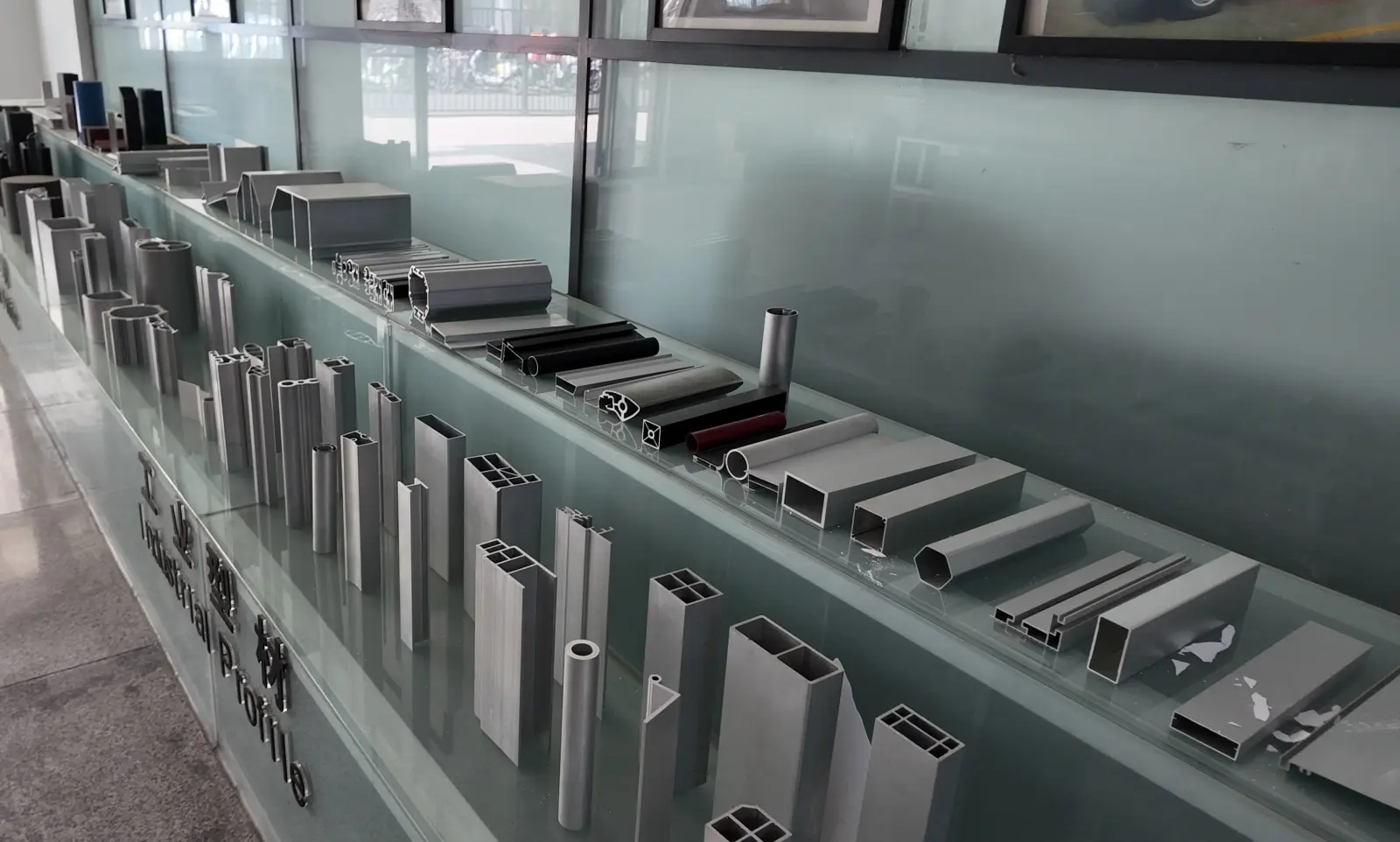
Complete your structural assemblies with our range of custom LED channels, drone components, and industrial fittings.