Kangjian
Kangjian
Kangjian
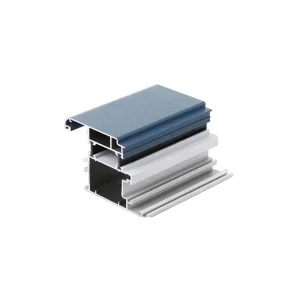
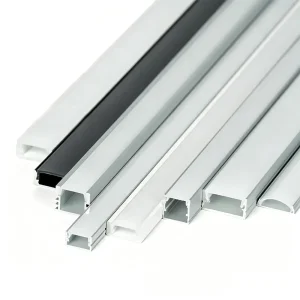
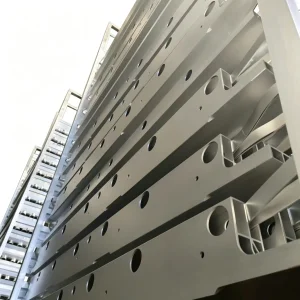
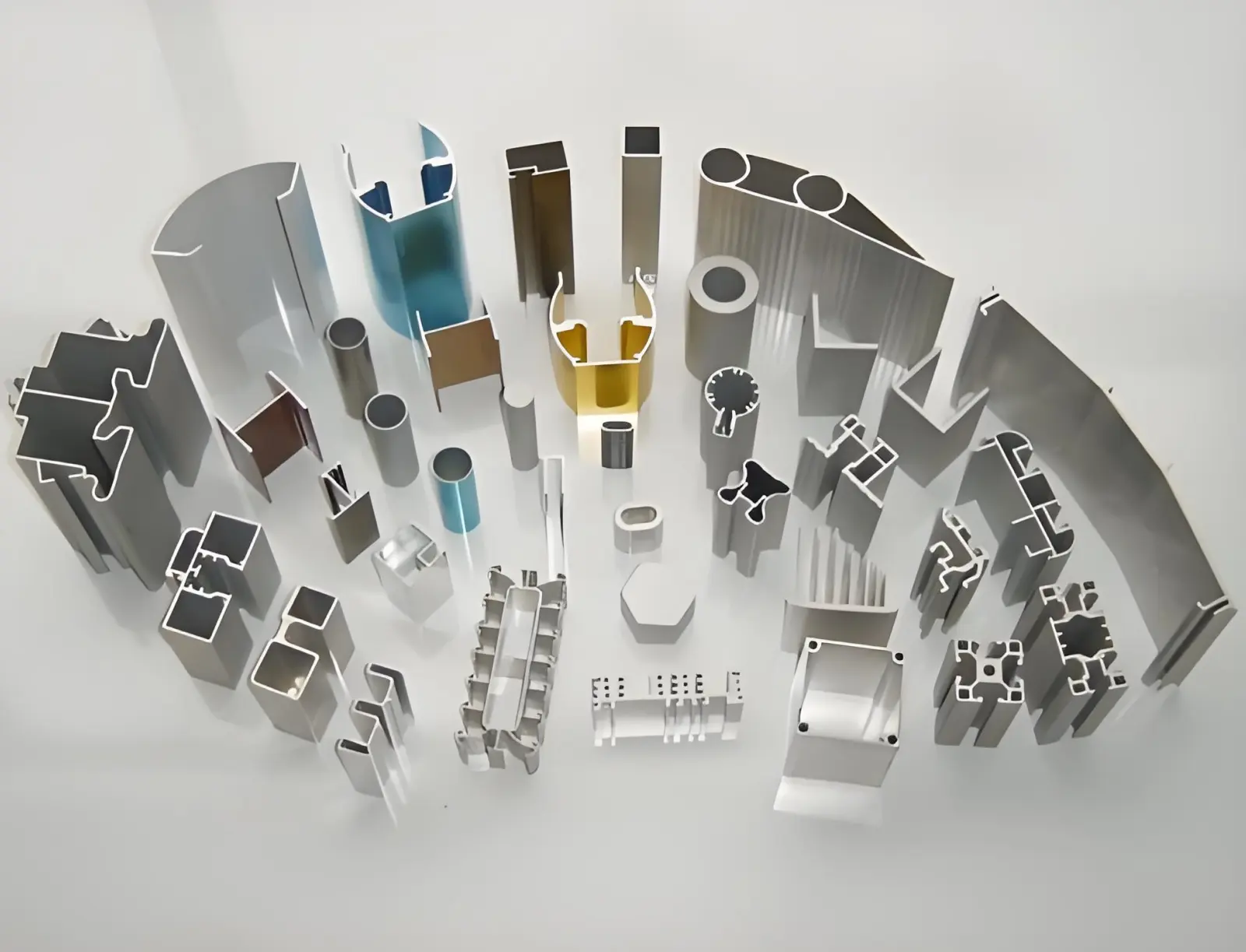
Explore our foundational extruded components engineered for severe-duty fenestration systems, structural framing, and custom mechanical builds. Every component is produced under strict metallurgical control to ensure long-term architectural performance.
Modern structural engineering dictates that fenestration systems are no longer passive envelopes. They are active structural members that contribute significantly to the building's thermal performance, acoustic dampening, and overall mechanical resilience. Aluminium sliding windows have evolved from simple glided glass barriers into highly technical systems engineered with precise structural calculations.
The growth in high-rise constructions and sustainable urban planning has accelerated the demand for aluminium window systems that balance ultra-slim sightlines with superior wind-load performance. Unlike timber, which suffers from atmospheric moisture expansion, or vinyl (uPVC), which degrades under intense UV exposure, engineered aluminium alloys offer an unmatched strength-to-weight ratio. This guarantees structural stability over decades, accommodating massive glazing surfaces for maximize natural light transmission without compromising safety.
• Tensile yield strengths exceeding 180 MPa in T5 temper modes.
• Thermal expansion coefficients that seamlessly align with structural concrete and steel profiles.
• Excellent corrosion protection via electrochemically formed anodic oxide barriers or PVDF coatings.
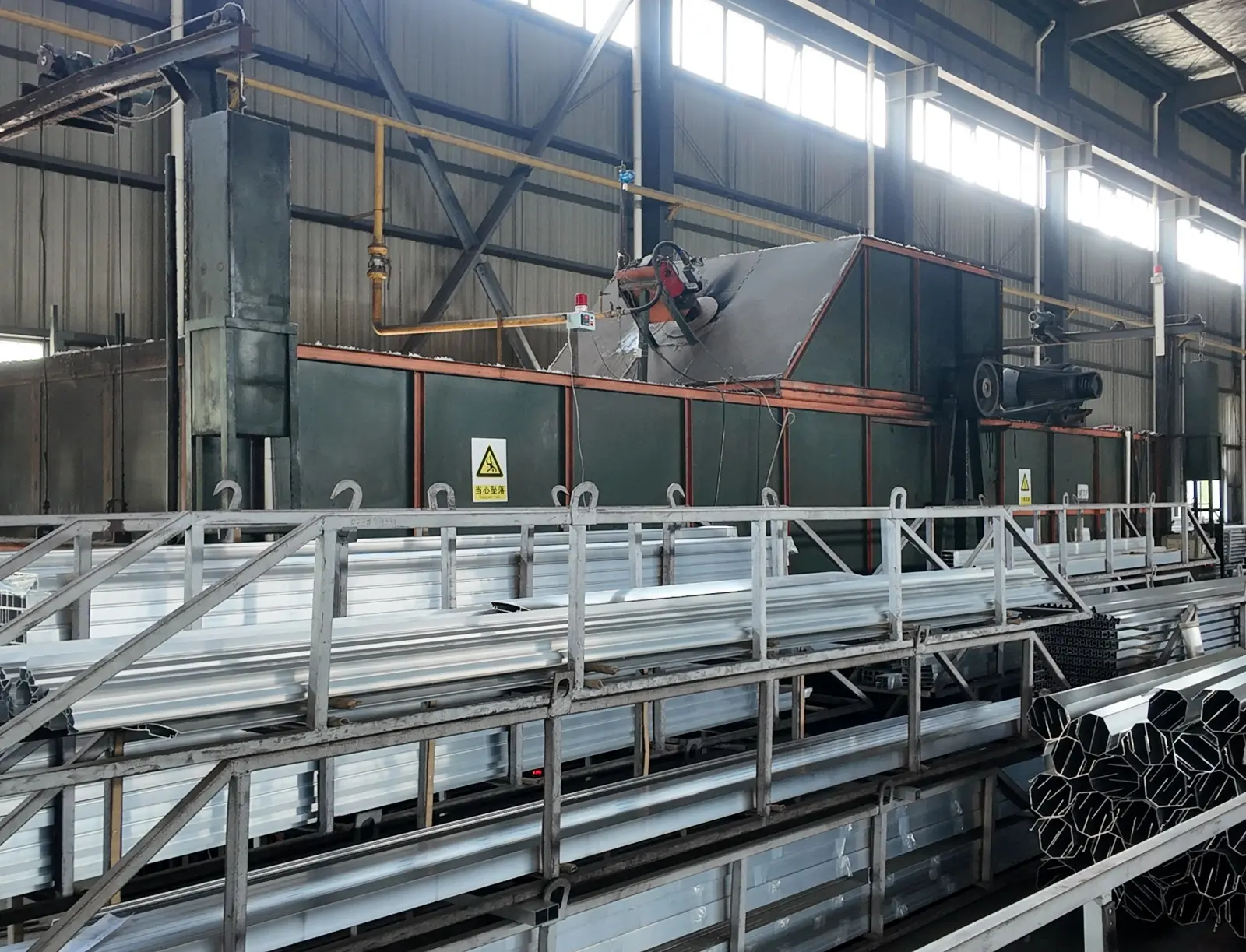
As a premier manufacturing force headquartered in the Jimo District of Qingdao, China, Qingdao Kangjian Aluminum Industry Technology Co., Ltd. has established a high-technology extrusion base spanning 200 mu (approx. 133,300 sqm). We maintain 80,000 square meters of high-density production plants and 4,000 square meters of administrative offices, outputting 15,000 metric tons of custom-engineered profiles annually.
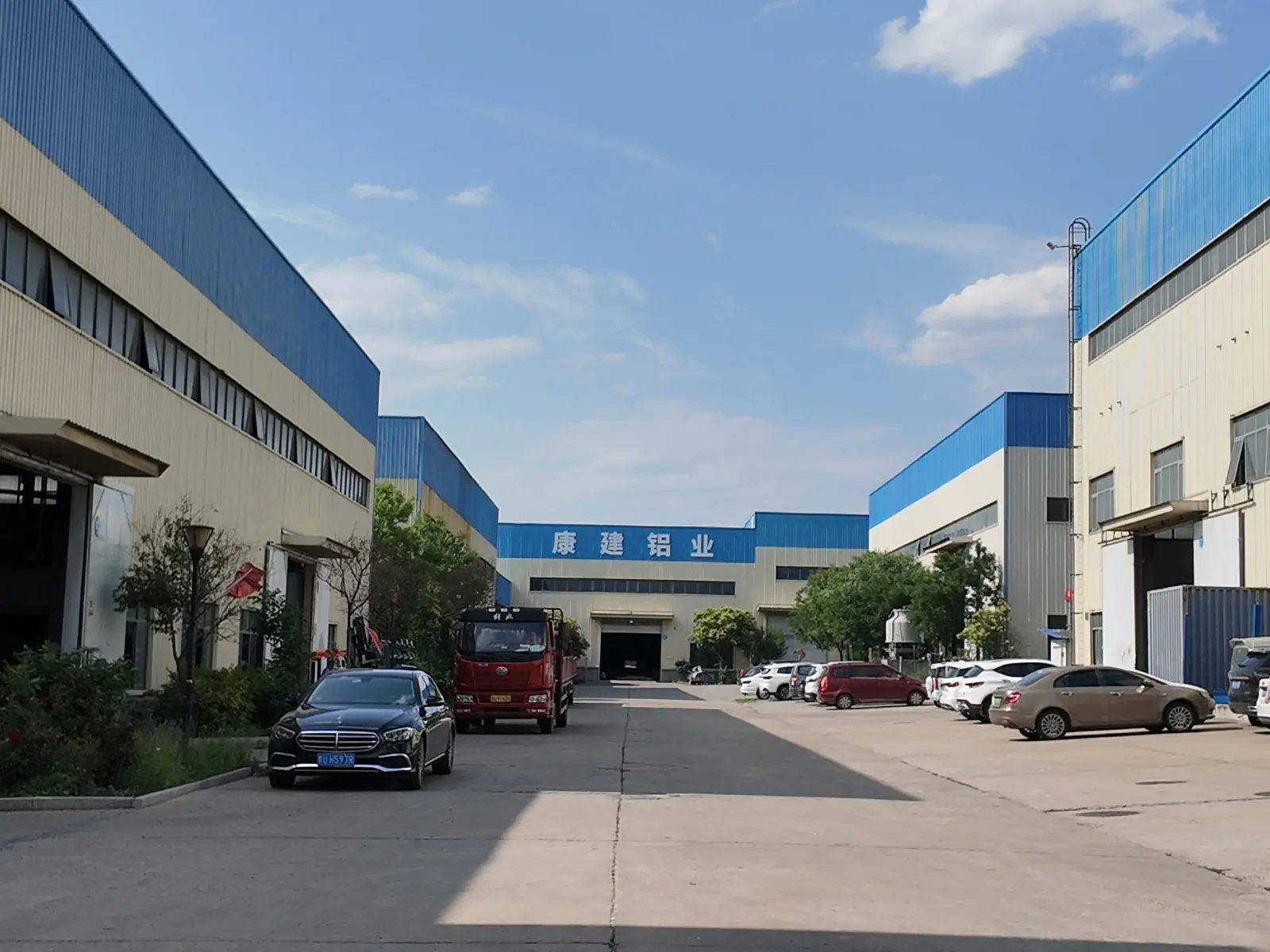
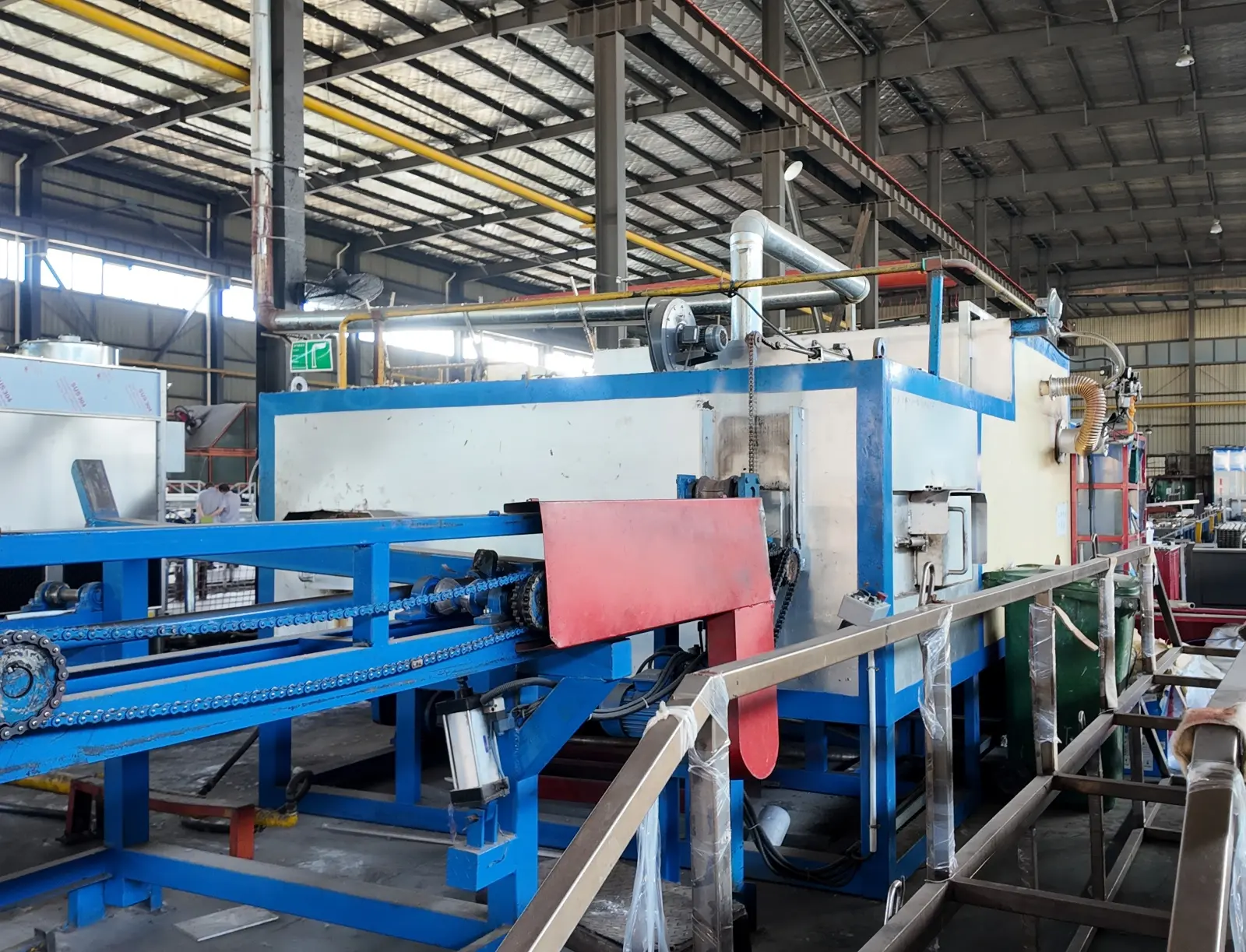
Our extrusion facility is equipped with five advanced heavy-duty horizontal hydraulic extrusion presses. These presses permit the manufacture of complex multi-cavity hollow profiles with high geometric precision:
To survive extreme weather forces, modern sliding window systems must employ alloys specifically treated for high yield strength and structural resistance. In our state-of-the-art foundry, we primarily work with magnesium-silicon aluminum alloys that are heat-treated to exact specifications.
The industry standard for premium architectural window profiles. T5 temper represents profiles that are cooled rapidly from high-temperature forming and artificially aged, providing excellent surface quality, ease of anodization, and structural strength (Yield Strength ≥ 110 MPa).
Specified for structural mullions and large wind-resistant sub-frames. Offering a tensile strength of 290 MPa and yield strength of 240 MPa, 6061-T6 provides exceptional resistance to structural deflection in high-altitude environments and coastal regions prone to typhoons.
We execute multiple surface treatments: chemical anodizing (complying with Qualanod specifications), organic powder coating (Qualicoat standard), and PVDF fluorocarbon coatings to guarantee color fastness and prevent oxidation in highly saline coastal environments.
Founded on the shores of the Yellow Sea, Qingdao Kangjian Aluminum was established to address a critical B2B market gap: the demand for high-end, vertically integrated structural aluminum manufacturing capable of servicing the global high-speed rail, automotive, and modern building sectors. Backed by Qingdao’s premier deep-water logistics corridor, we maintain a comprehensive dual-sea layout that serves both domestic infrastructure projects and high-end markets in North America, Northern Europe, South Korea, and Japan.
From our inception, we have aligned our operational standards with the world's most rigorous certification frameworks. We do not simply manufacture profiles; we engineer custom structural solutions. Whether designing structural aluminum parts for railway systems, lightweight structural plates for marine engineering, or high-performance sliding window frames, we integrate physical analysis, mechanical stress testing, and precise metallurgy to optimize performance.
Our products are deployed in severe-duty environments, including industrial ports in Northern Europe, where our marine-grade corrosion-resistant aluminum profile systems support heavy-duty dock cranes, and modern city centers across the globe where our structural profiles form the backbone of energy-efficient building envelopes.

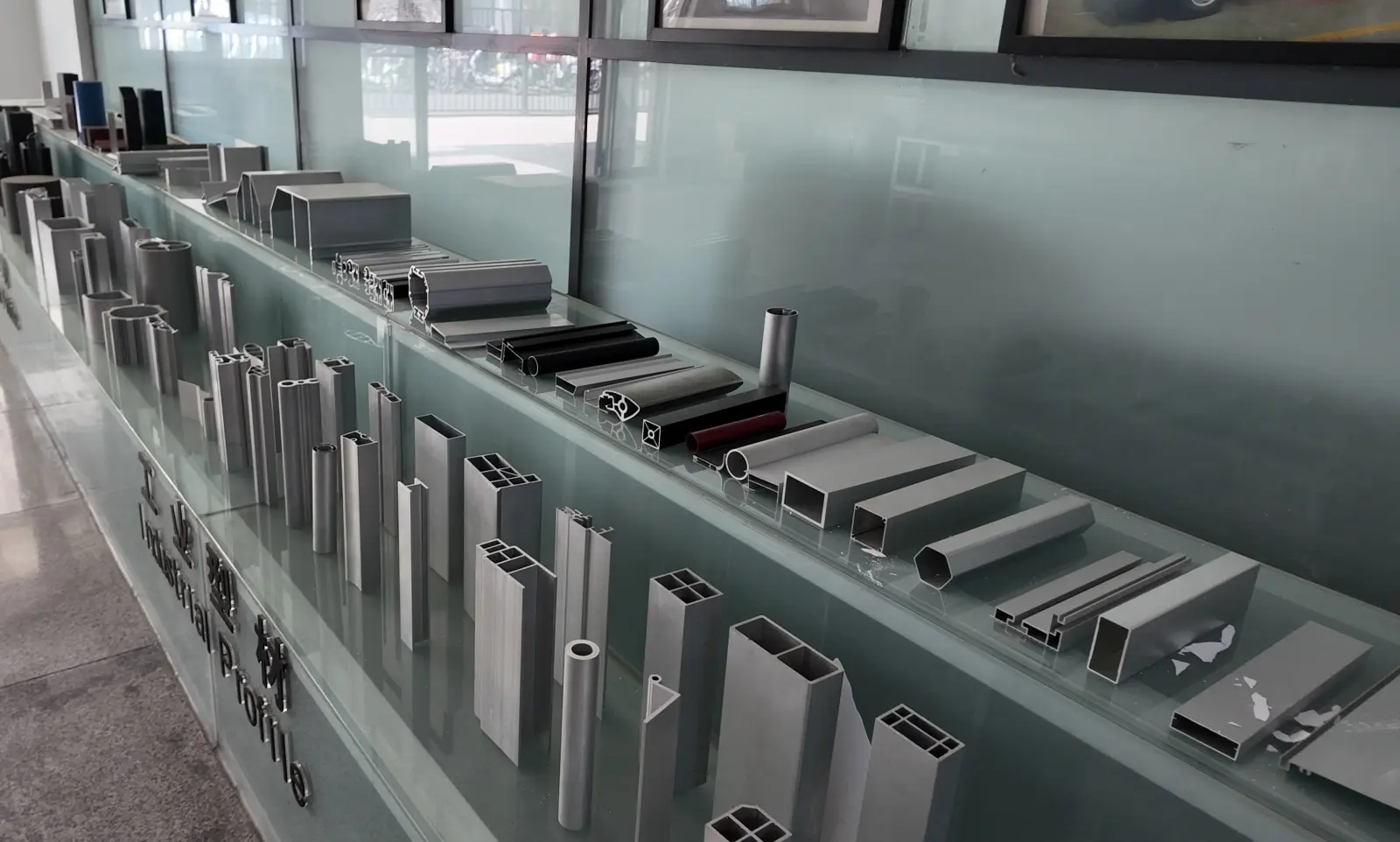
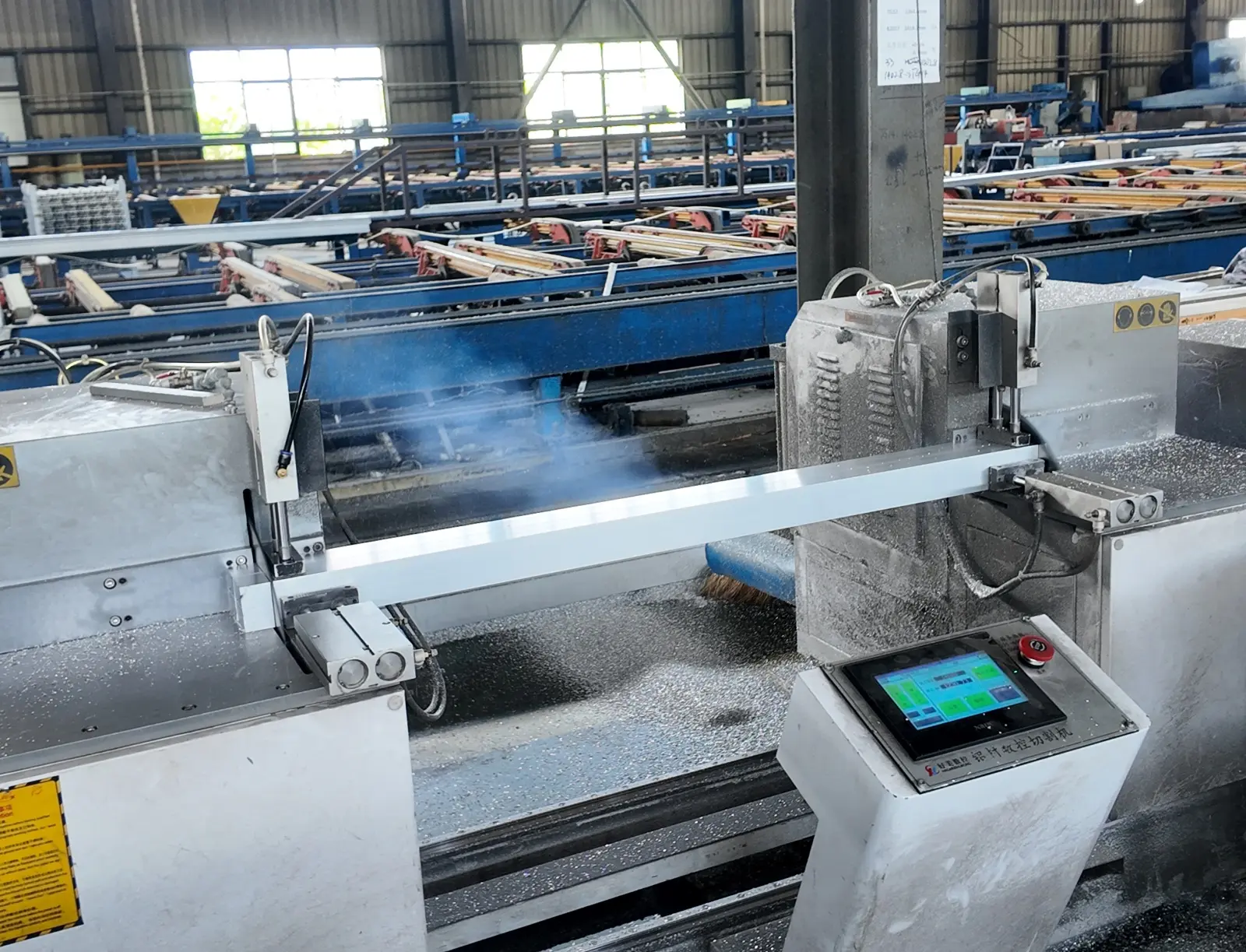
To minimize product defects, we control the entire lifecycle of our aluminium products. Our manufacturing process integrates: billet homogenization, custom die design via modern CAD/CAM modeling, precise extrusion, solution heat treatment, straightening, CNC machining, automated surface coating, and final assembly quality checks.
This control enables us to deliver customized solutions for major B2B clients who require tight dimensional tolerances, such as those specified in high-precision structural robotic components and advanced architectural curtain wall systems.
We aim to be a globally trusted engineering partner, offering premium, lightweight, and low-carbon aluminum solutions that enable architectural projects to achieve net-zero energy goals.
We develop advanced aluminum alloys and profile geometries, matching the physical design challenges of leading architects and developers.
Quality is built into every profile. We adhere to international engineering standards, ensuring every batch exceeds client expectations.
Providing flexible trade terms, efficient port logistics through Qingdao, and direct technical drawing review to support global builders.
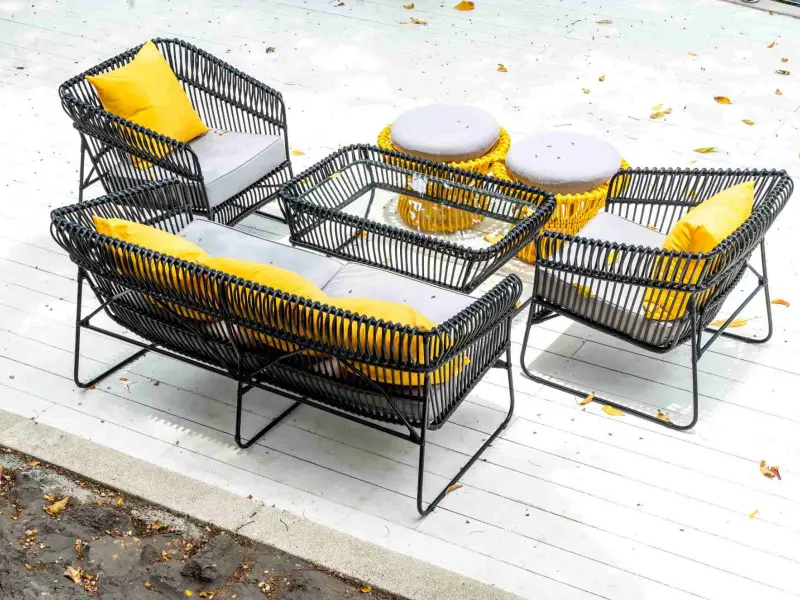
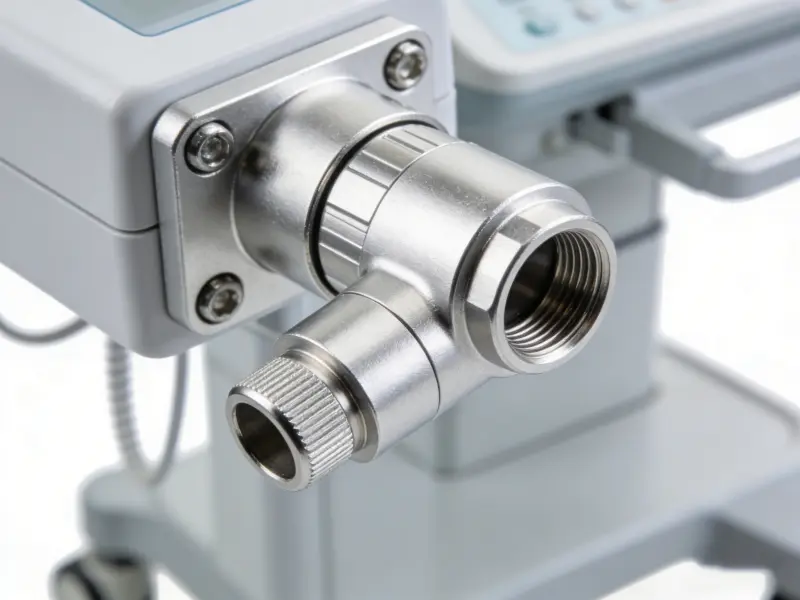
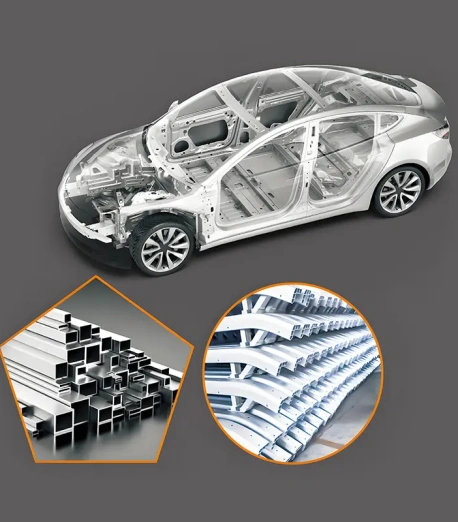
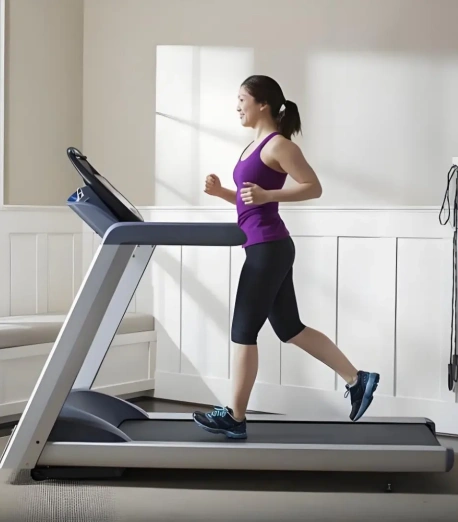
Beyond architectural sliding window frames, our structural profile engineering covers several high-performance industries. This broad engineering base allows us to apply advanced structural principles to our fenestration designs.

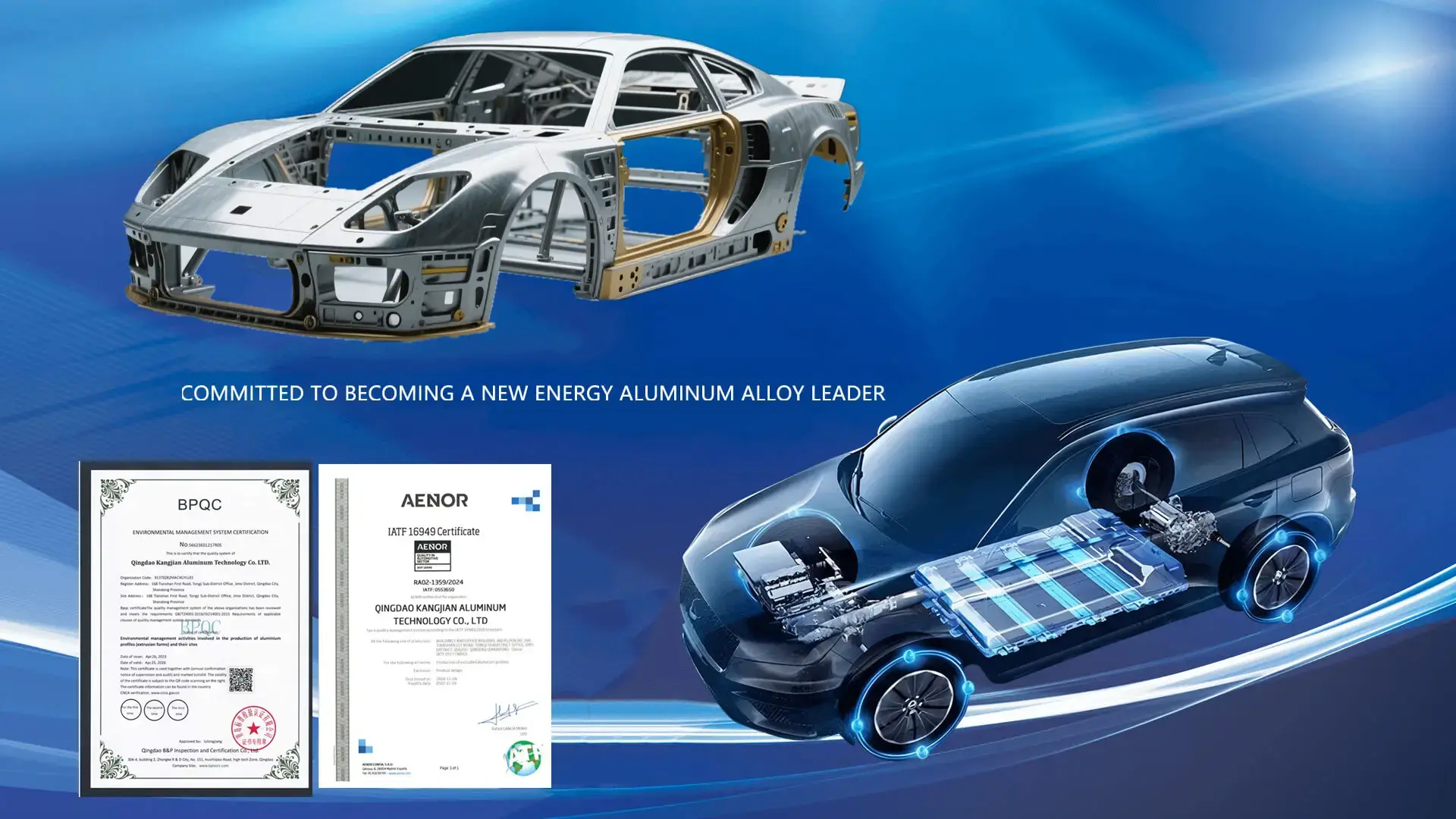

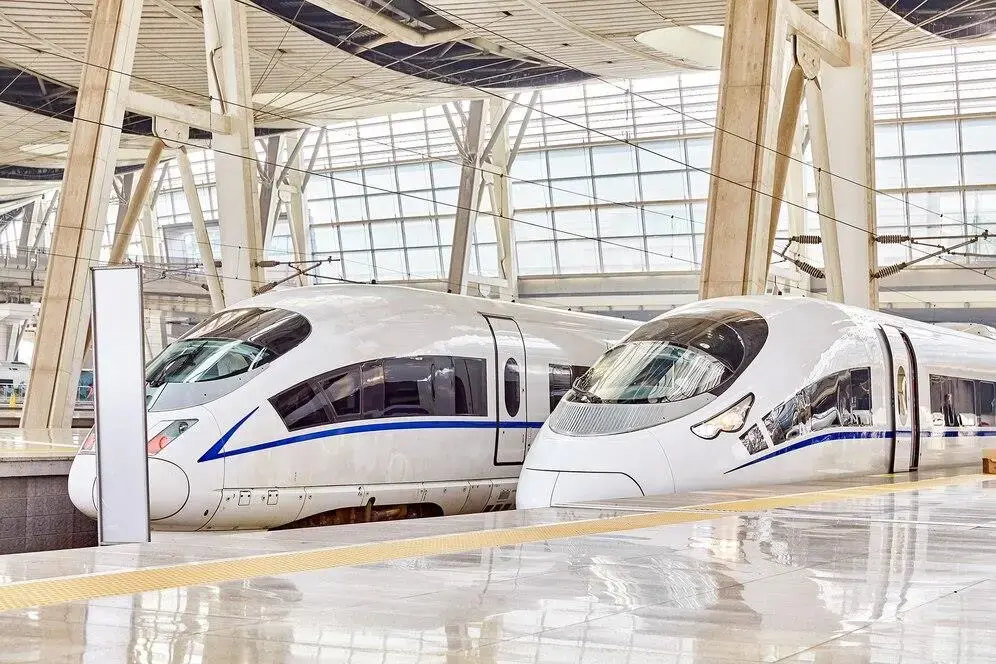
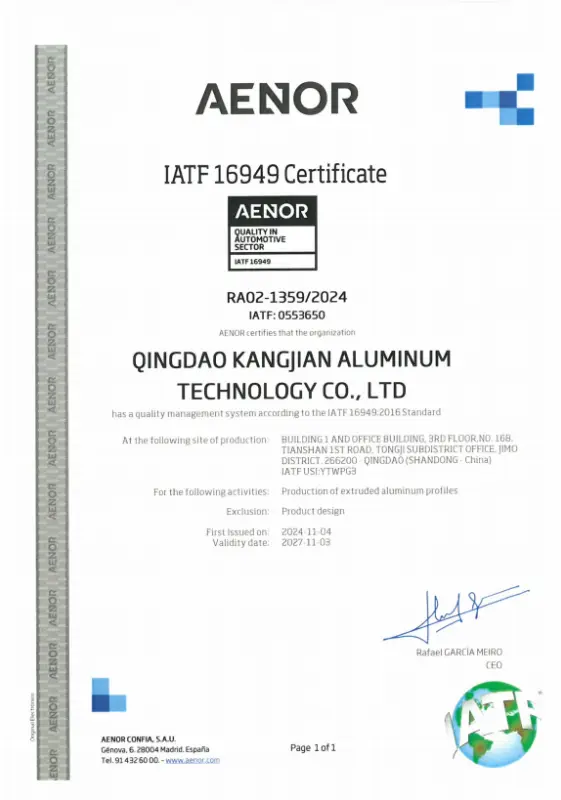
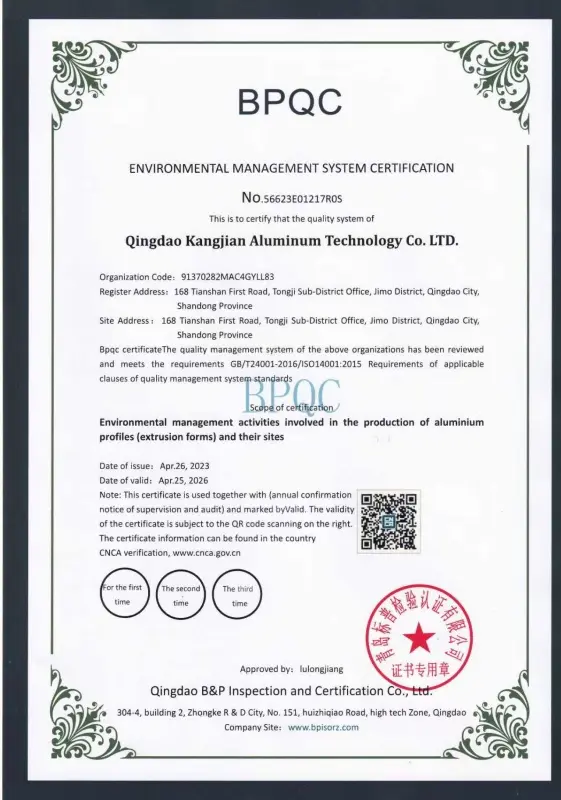
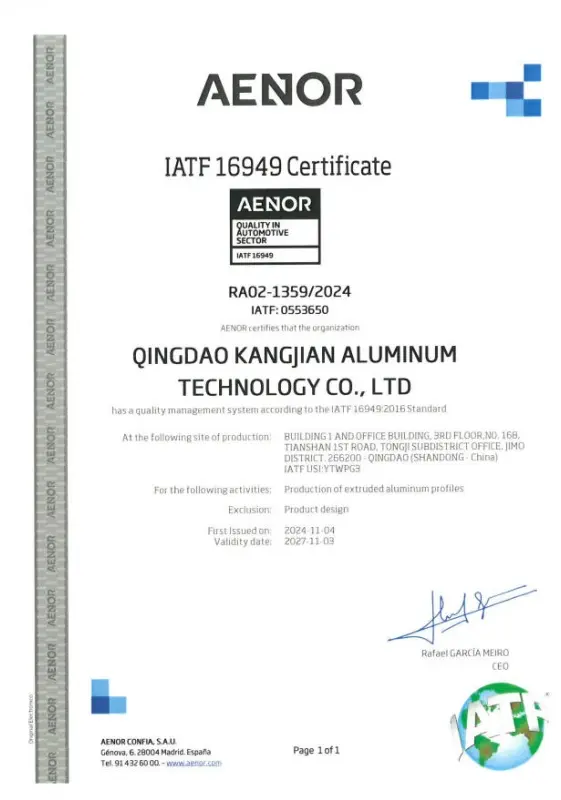
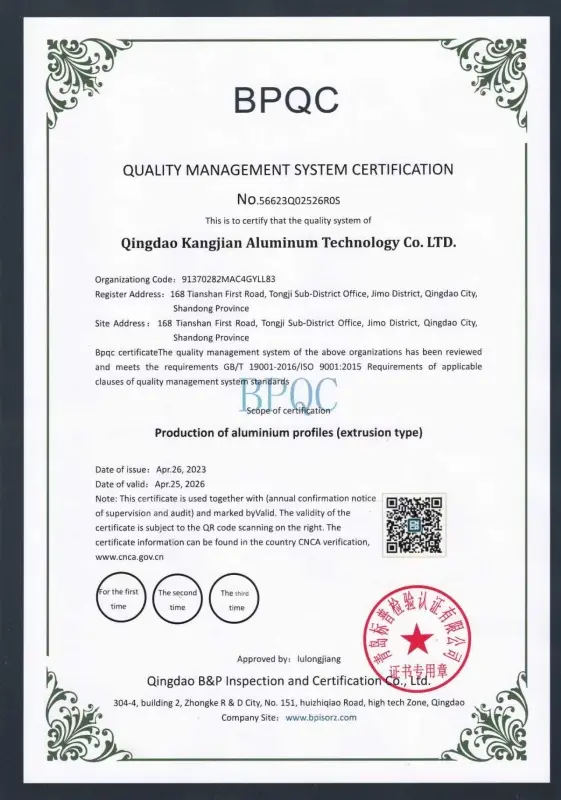
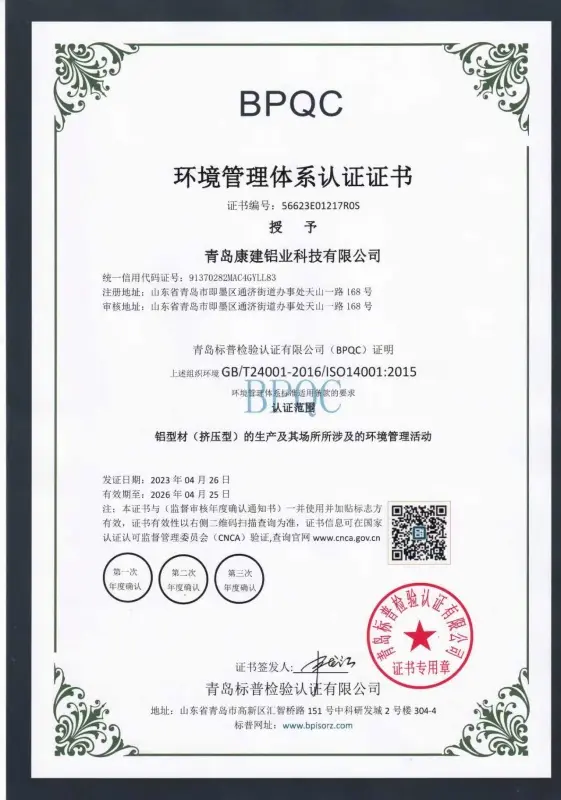
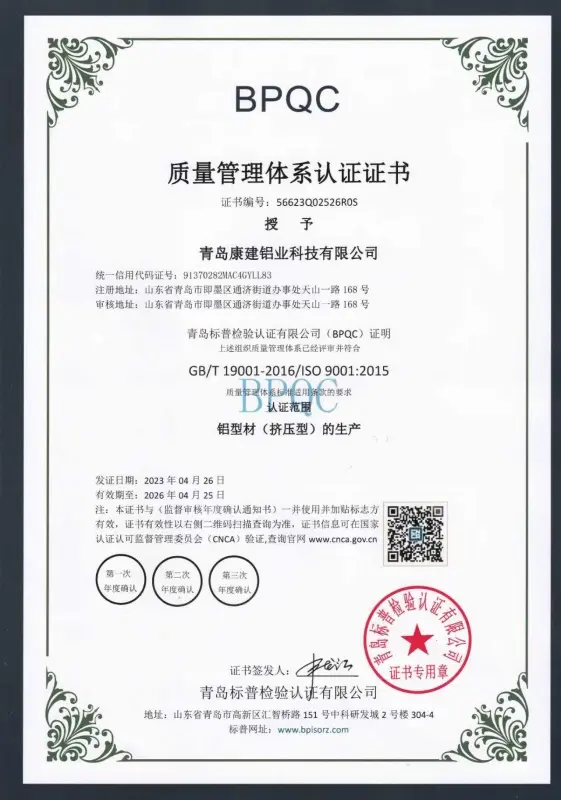
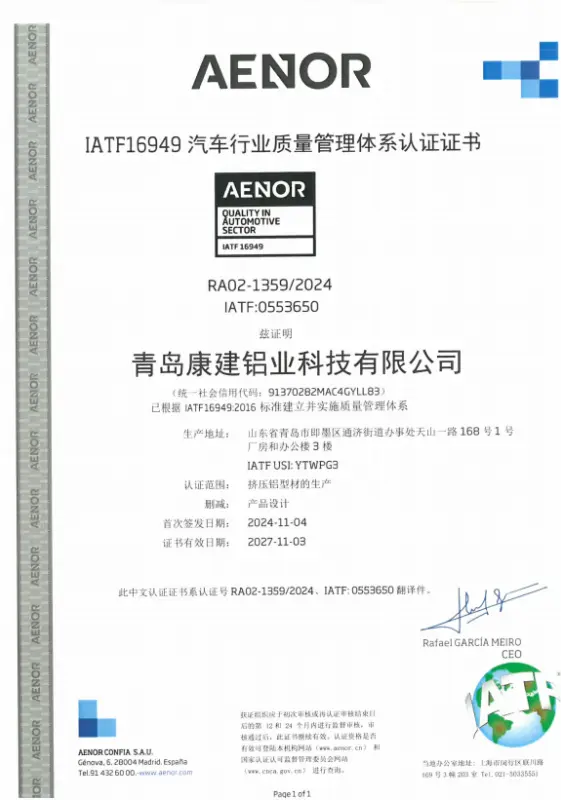
Qingdao Kangjian's manufacturing system meets rigorous international standards. We maintain a comprehensive suite of quality certifications that qualify us to export to the most demanding international markets:
• GB/T19001-2016 / ISO9001: Standardized quality management systems across all extrusion processes.
• GB/T24001-2016 / ISO14001: Resource conservation and clean production workflows.
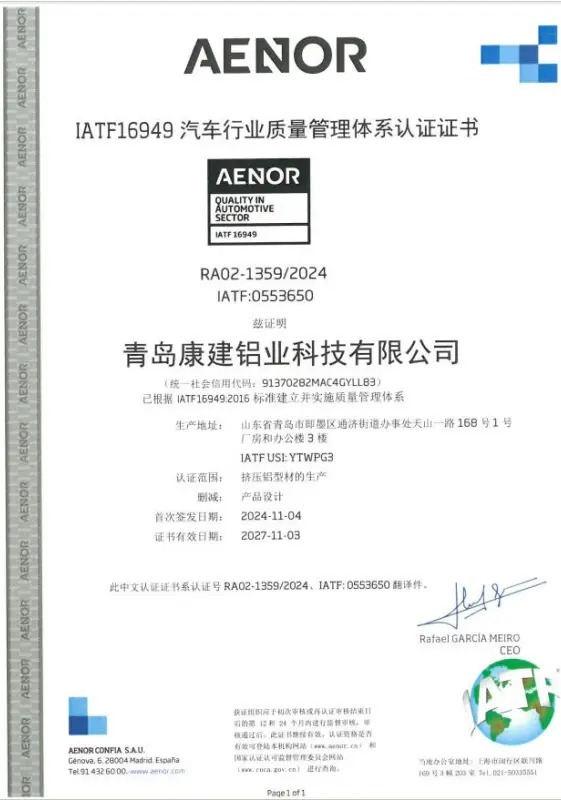
• IATF16949: Meets automotive-grade tolerances for safety-critical components.
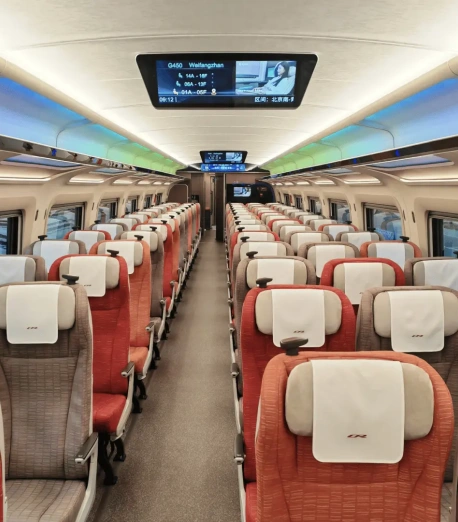
• ISO22163: Structural certification for high-speed railway and rolling stock profiles.
• EN15085 & AWS Standards: Approved fusion welding controls for structural load-bearing sections.
• DIN6701 Bonding System: Certifies adhesive integrity for composite structural panels.
The thermal performance of modern sliding windows is critical to reducing energy demands in modern buildings. Standard aluminum is highly conductive, requiring engineering solutions like Polyamide Thermal Breaks to meet green building standards like LEED and Passive House.
We extrude structural cavities to host 25% glass-fiber reinforced polyamide strips (PA66 GF25). This thermal break splits the interior and exterior aluminum profiles, reducing the overall thermal transmittance (U-factor) of the window frame. By integrating triple-pane low-E glass with argon gas fills, our window profiles help projects reduce HVAC energy consumption.
Urban high-density housing requires high sound insulation indices (Rw). By designing multi-cavity profiles and employing dual-durometer EPDM gaskets, our sliding window systems can achieve acoustic dampening ratings up to Rw = 42 dB, shielding interior spaces from urban noise pollution.
Large-span sliding windows face substantial wind forces at high elevations. Our design process calculates the profile's Second Moment of Area (Ix) to limit structural deflection. Reinforcing profile thickness at interlocking mullions enables our systems to withstand wind pressures exceeding 4.5 kPa.
Our window systems undergo strict physical testing, exposing frames to simulated wind and driving rain to verify air infiltration resistance and water tightness (under ASTM E283 and ASTM E331 protocols).
To ensure long-term mechanical reliability, our engineering team evaluates the structural loads acting on the frame. The window sash frames are designed to accommodate wind-load requirements without permanent plastic deformation. We select our 6063-T6 or 6061-T6 alloys specifically to handle these calculated load cycles.
We work closely with global engineering contractors, glass suppliers, and structural engineers to deliver reliable, high-performance building envelopes.


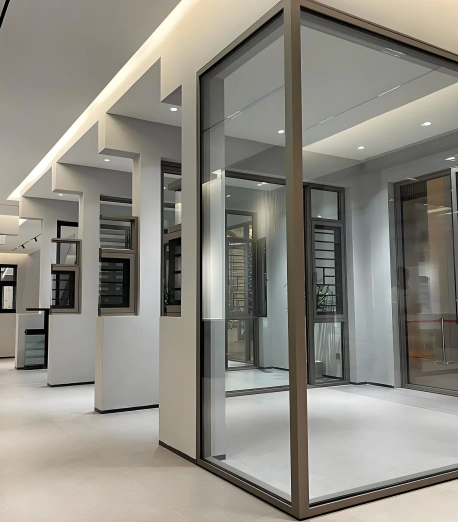
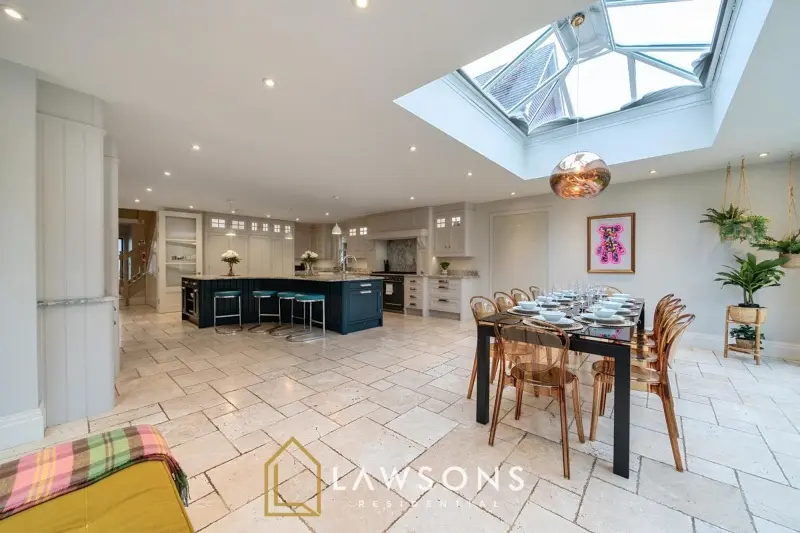
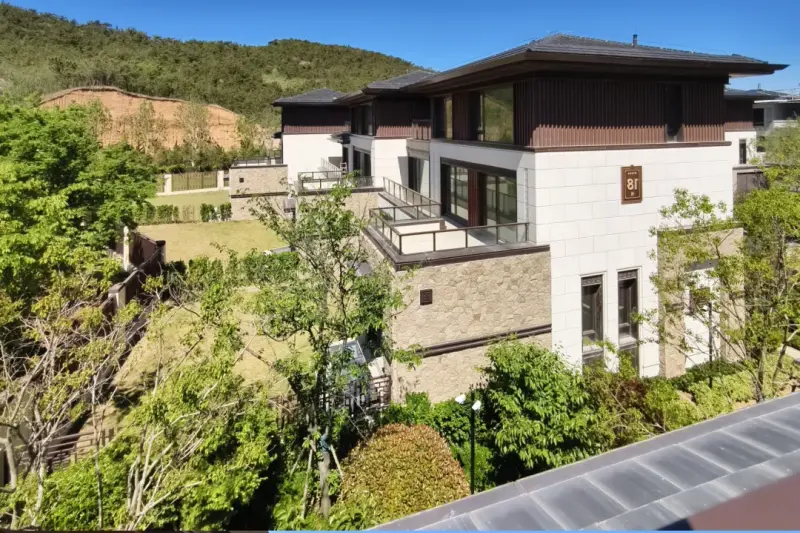
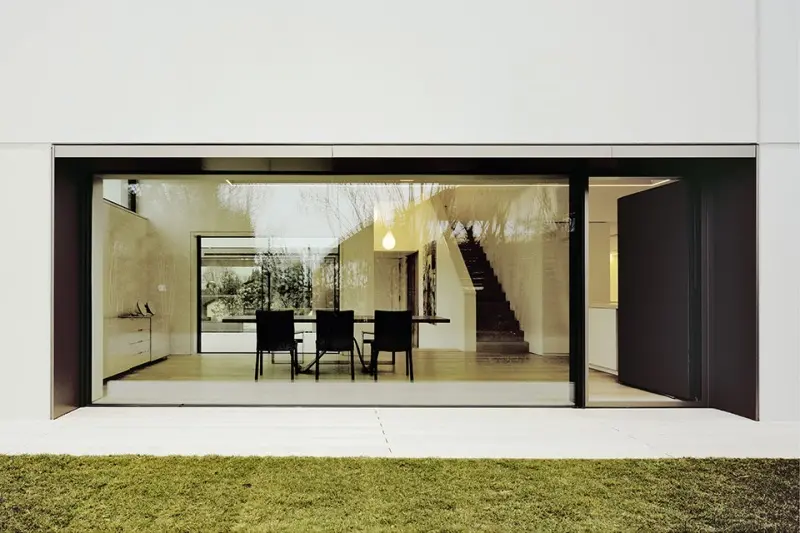
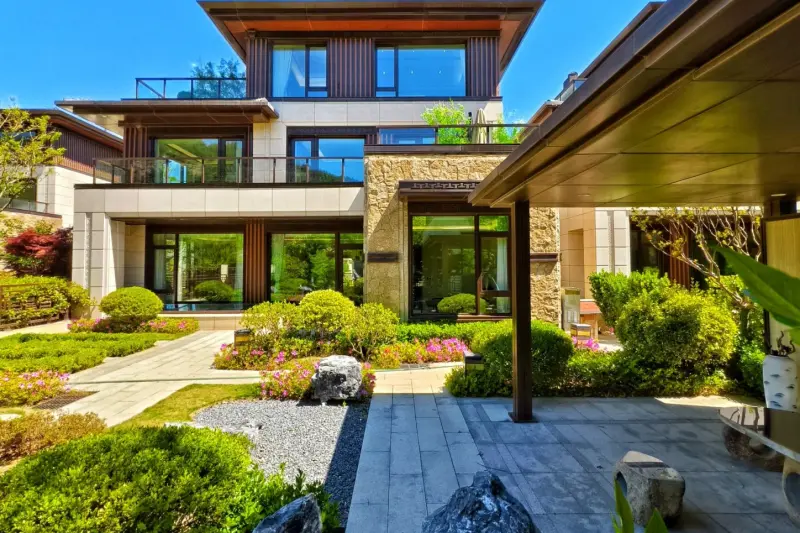
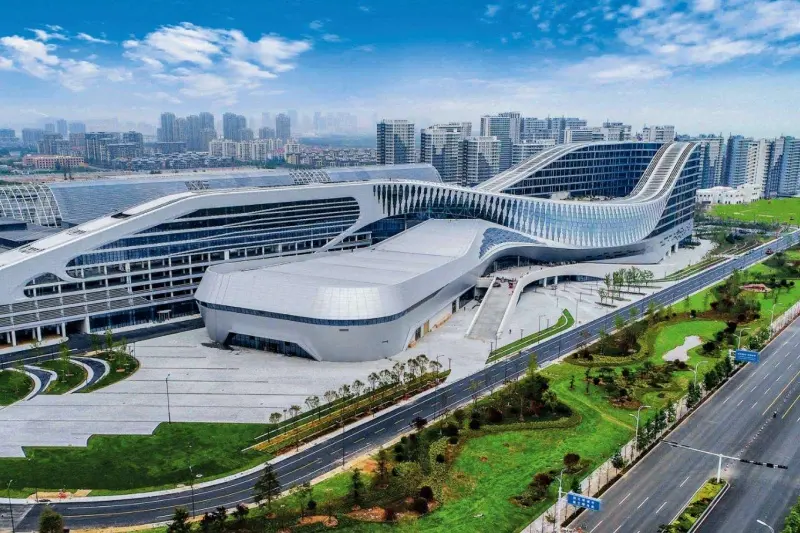
Below are typical project configurations where our high-performance extruded sections and structural frames have been successfully deployed, including high-rise residential properties, luxury marine developments, and high-load commercial facilities.
Review detailed answers to key engineering, material, and logistics questions concerning the sourcing and design of high-performance aluminium sliding window systems.
Alloy 6063 is engineered for ease of extrusion and provides superior surface finishes, which are critical for architectural trim. It forms smooth surfaces ideal for powder coating or anodization while offering sufficient structural strength for standard window frames. In contrast, 6061 is highly alloyed, making it harder to extrude into complex profiles, though it remains preferred for heavy-duty structural mullions subject to high wind loads.
Polyamide strips (PA66 GF25) feature thermal expansion rates similar to aluminum, ensuring the composite profile acts as a single structural unit. This minimizes shear stresses during temperature changes, maintaining structural stability and long-term wind resistance.
We manufacture in strict compliance with GB/T 5237 (Chinese National Standard for Architectural Aluminium Profiles) and EN 755/EN 12020. Our high-precision extrusion dies and post-extrusion stretching machines ensure straightness and minimize twist, allowing us to hit critical wall thickness tolerances for smooth window assembly.
For coastal applications, we recommend marine-grade PVDF coatings or thick anodized finishes (Class 25, 25+ microns). PVDF coatings utilize carbon-fluorine bonds that resist chemical degradation from salt water and UV light, preventing corrosion and paint peeling in marine environments.
We offer comprehensive technical drawing reviews (DWG/PDF), custom extrusion die design, structural stress simulations, and prototype production. We support engineering buyers from initial mechanical concept through to final mass production.
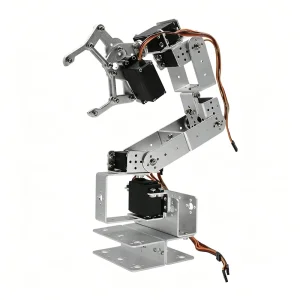
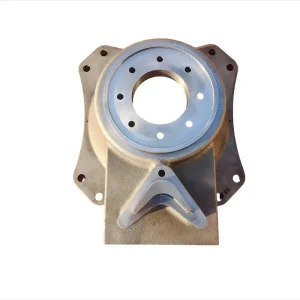
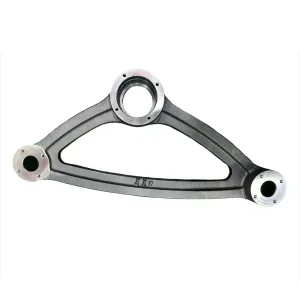
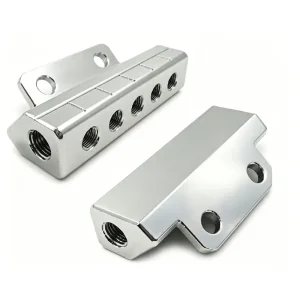
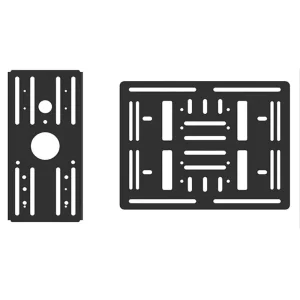
Explore our advanced precision line of heavy-duty structural components, engineered for complex industrial structures, marine platforms, drone frames, and robotic arm mounts.