Kangjian
Kangjian
Kangjian
Direct-factory supply chain with complete customization tolerances and superior surface coatings.
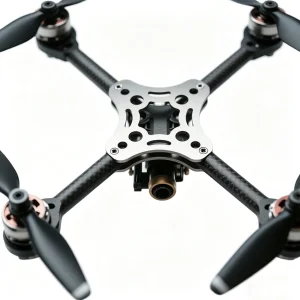
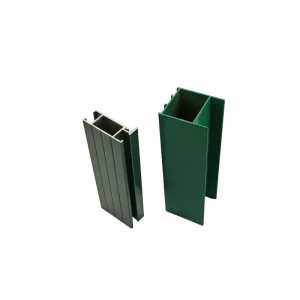
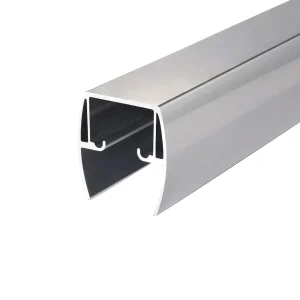
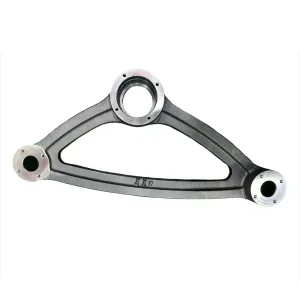
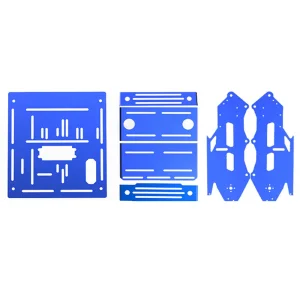
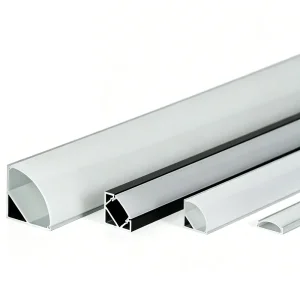
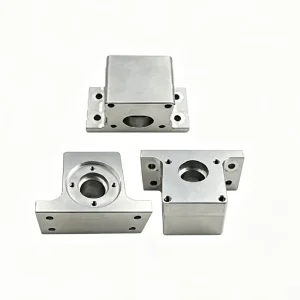
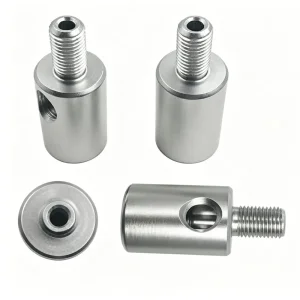
In contemporary industrial manufacturing, selecting material grades dictates structural performance, lifecycle durability, and structural efficiency. The 5000 Series Aluminum Alloys, primarily alloyed with magnesium, stand at the apex of strain-hardened material choices. Renowned for their exceptional corrosion resistance under aggressive saline atmospheres, formidable weldability, and structural durability, these alloys (5052, 5083, 5754, and 5454) have become critical materials for high-stress applications.
Unlike heat-treatable alloys like the 6000 series, the 5000 series obtains its structural strength through solid solution strengthening of magnesium within the aluminum matrix. As a leading manufacturer in China, Qingdao Kangjian Aluminum Industry Technology Co., Ltd. has leveraged these material characteristics to deliver high-capacity custom profiles, structural marine sheets, and specialized aerospace components.
| Alloy Grade | Primary Alloying Element | Tensile Strength (MPa) | Yield Strength (MPa) | Corrosion Resistance | Primary Industry Applications |
|---|---|---|---|---|---|
| 5052 | Magnesium (2.2% - 2.8%) | 190 - 290 | 90 - 220 | Excellent (Marine/Chemical) | Fuel tanks, Sheet metal, Precision enclosures |
| 5083 | Magnesium (4.0% - 4.9%) | 275 - 350 | 125 - 200 | Outstanding (Saline water) | Shipbuilding, Pressure vessels, Rail carriages |
| 5754 | Magnesium (2.6% - 3.2%) | 190 - 240 | 80 - 160 | Superior (Atmospheric) | Automotive body panels, Marine structures |
| 6063 (Ref) | Magnesium & Silicon | 150 - 240 | 90 - 170 | Good (General purpose) | Architectural frames, Window extrusions |
Established in 2022 and situated on the coast of the Yellow Sea in the Jimo District of Qingdao, Qingdao Kangjian Aluminum Industry Technology Co., Ltd. has evolved into a key supplier of advanced extruded components in northern China. Spanning an industrial territory of 200 mu, our infrastructure comprises 80,000 square meters of manufacturing factories and 4,000 square meters of research offices.
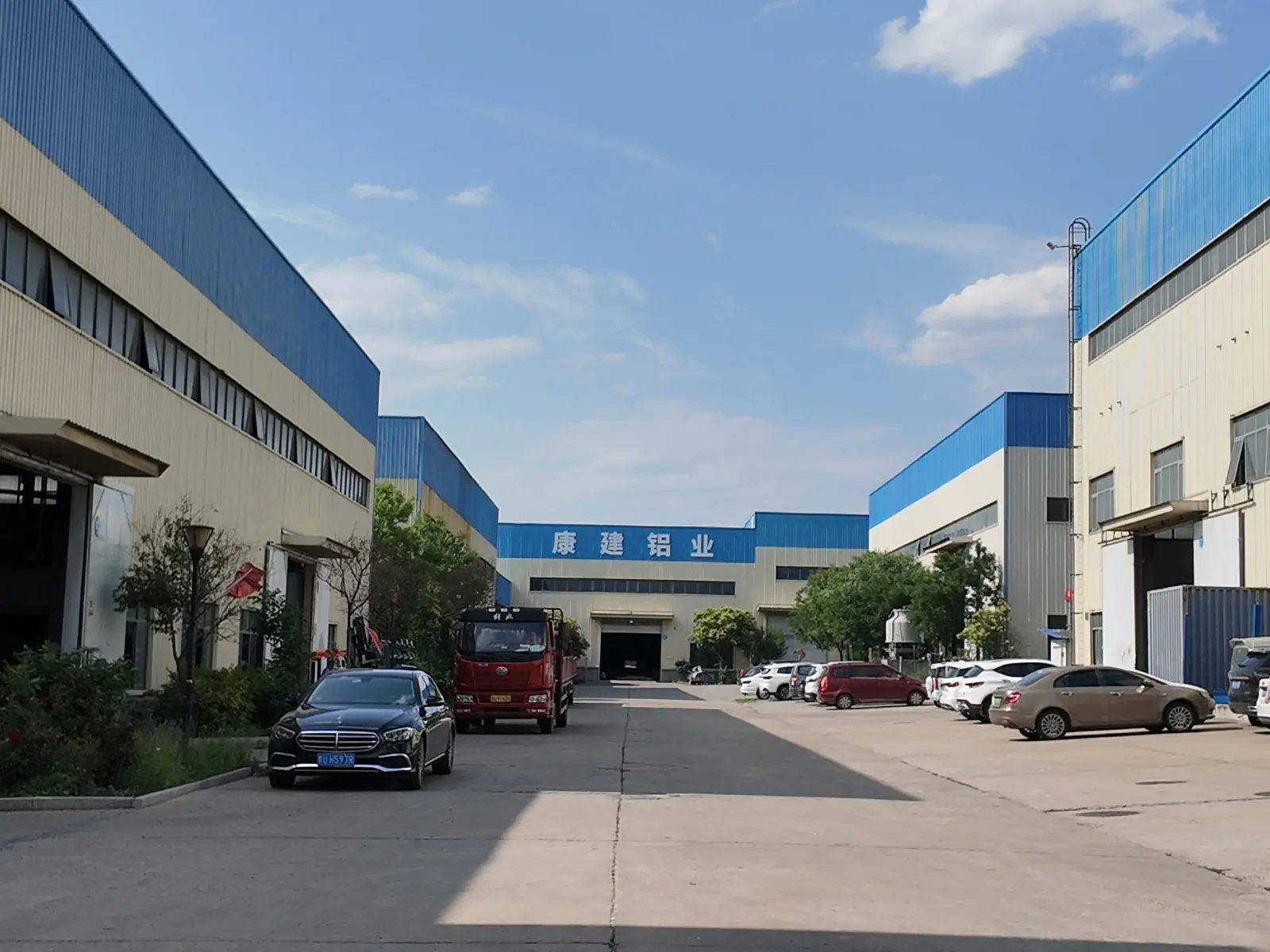
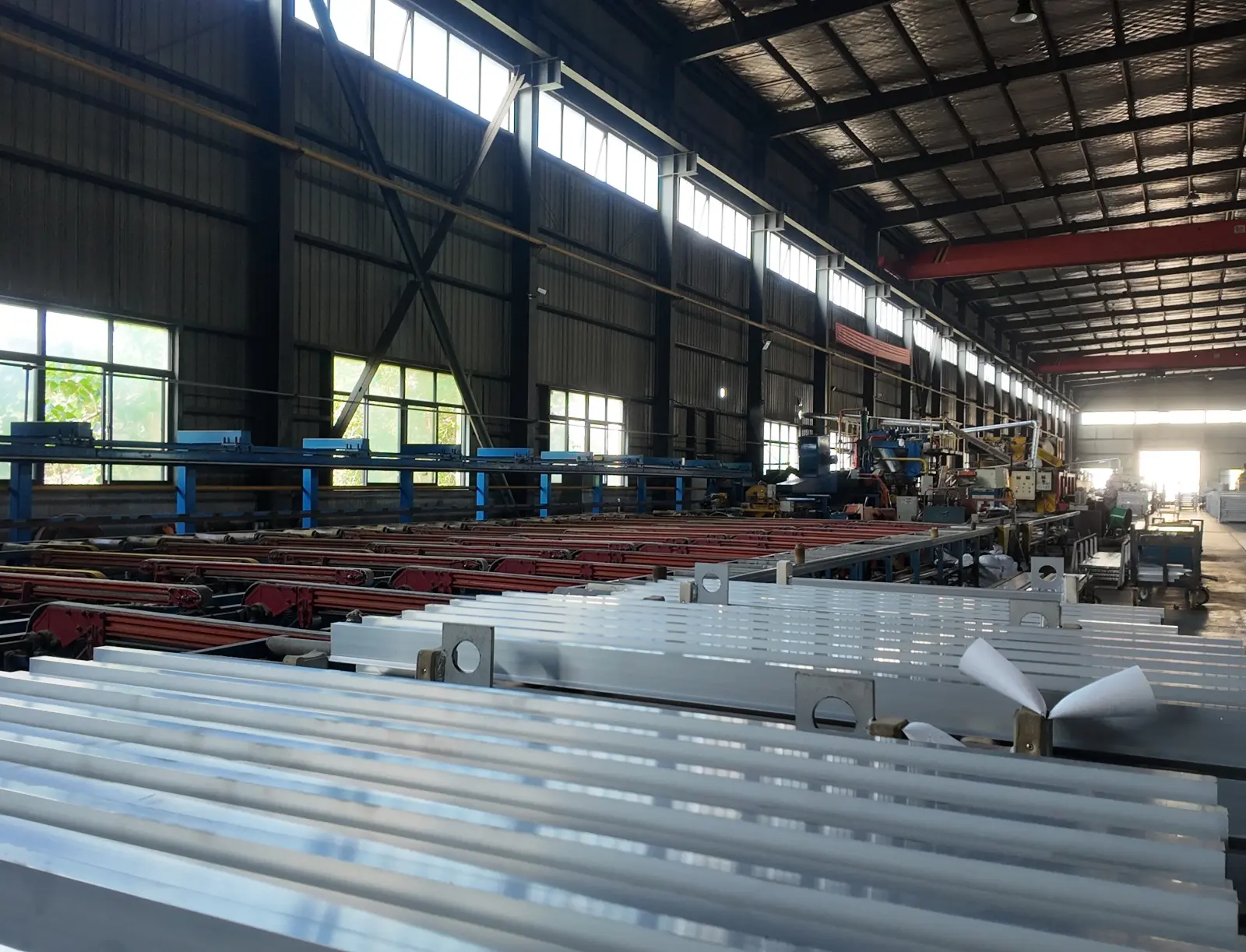
Our production line houses five modern extrusion units, designed to scale with global capacity requirements:
Our configuration includes a heavy-duty 2500T extruder, a 1450T extruder, a 1150T unit, and two 700T lines. This distribution allows us to handle both large-scale heavy rail transit profiles and thin-walled precision electronics components with close dimensional tolerances.
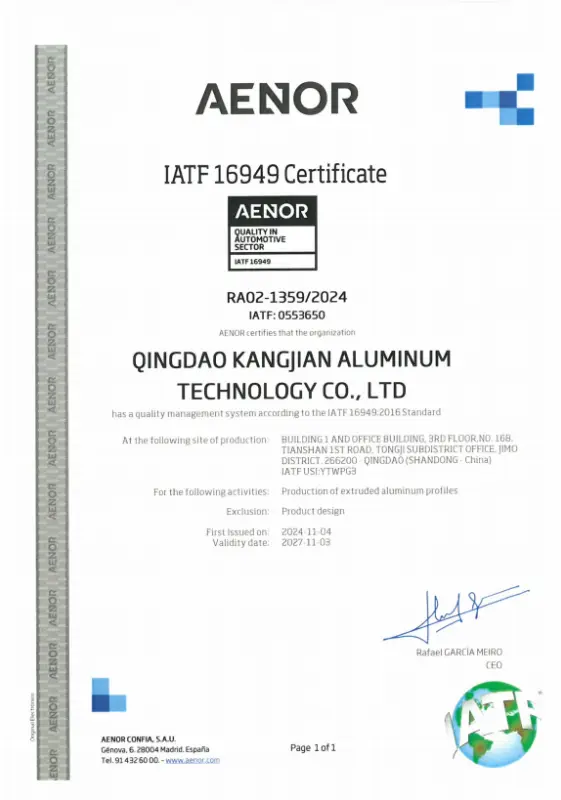
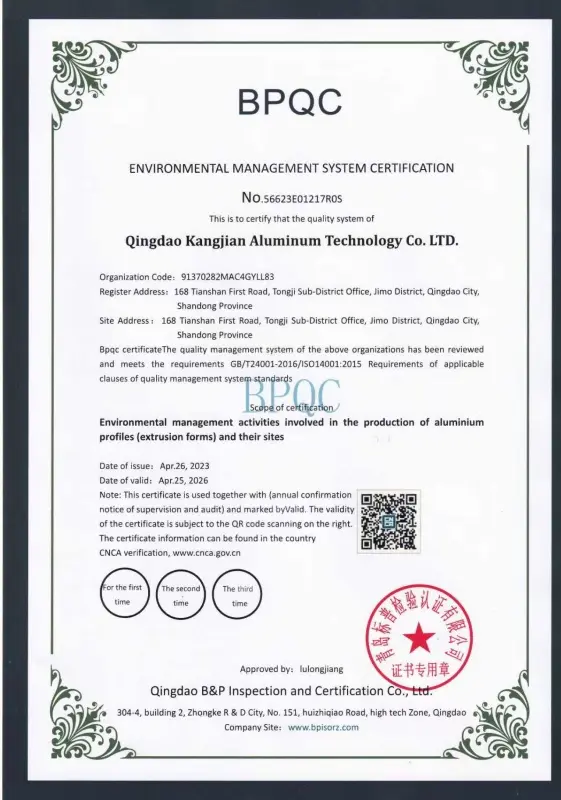
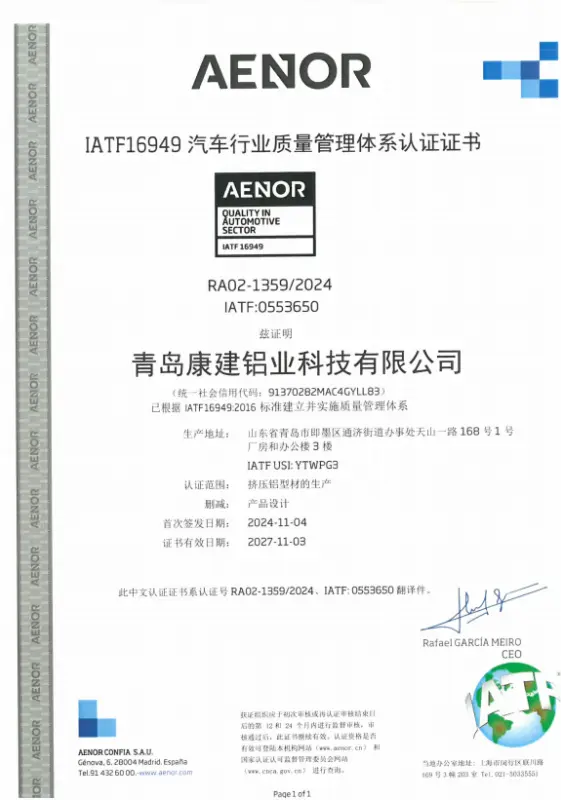
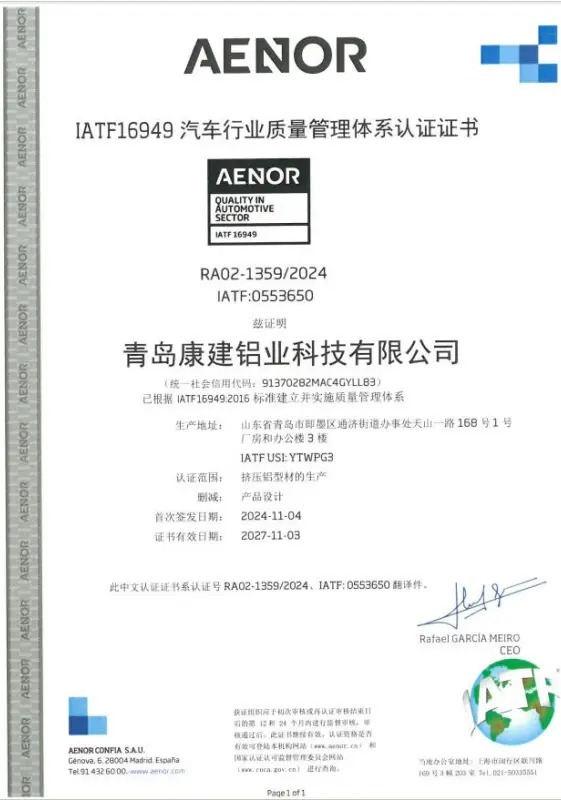
We understand that global procurement teams place quality assurance and safety at the center of their vendor selection criteria. Qingdao Kangjian has established a comprehensive quality management system supported by a series of international certifications:
Automotive Quality Management System certification, verifying standard alignment for automotive structural components and safety brackets.
Railway Application Quality Management Standard, confirming supply chain stability and process traceability for rolling stock structural parts.
Advanced European welding qualifications, certifying the integrity of welded structural assemblies utilized in high-vibration railway environments.
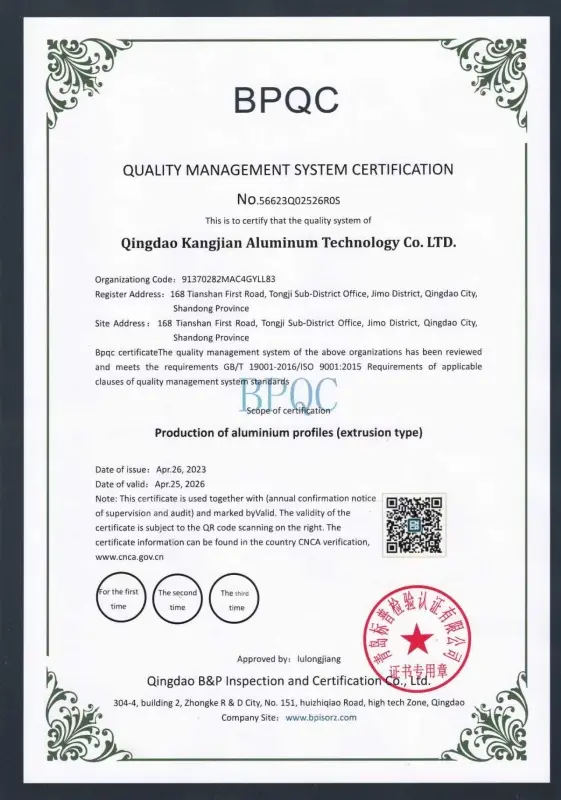
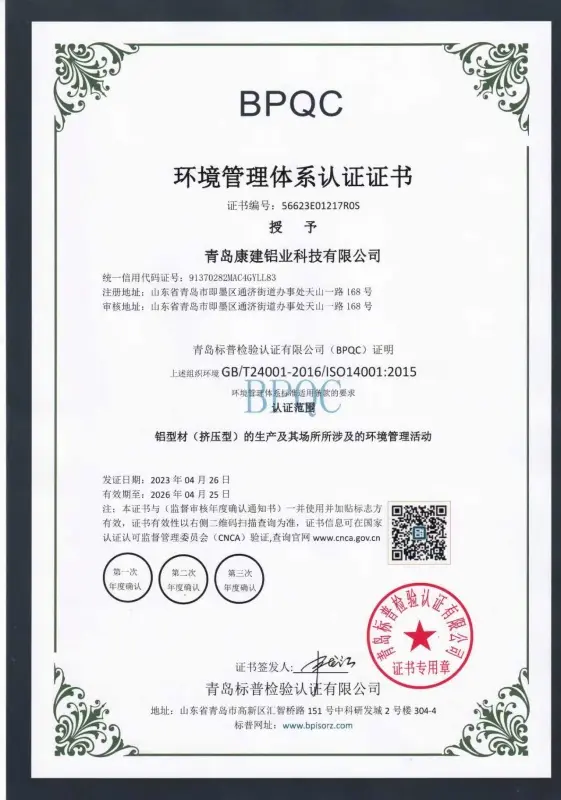
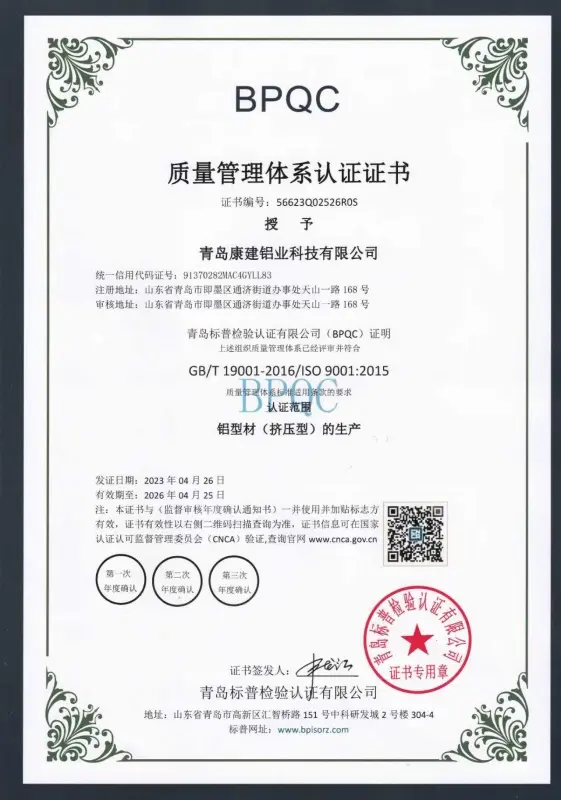
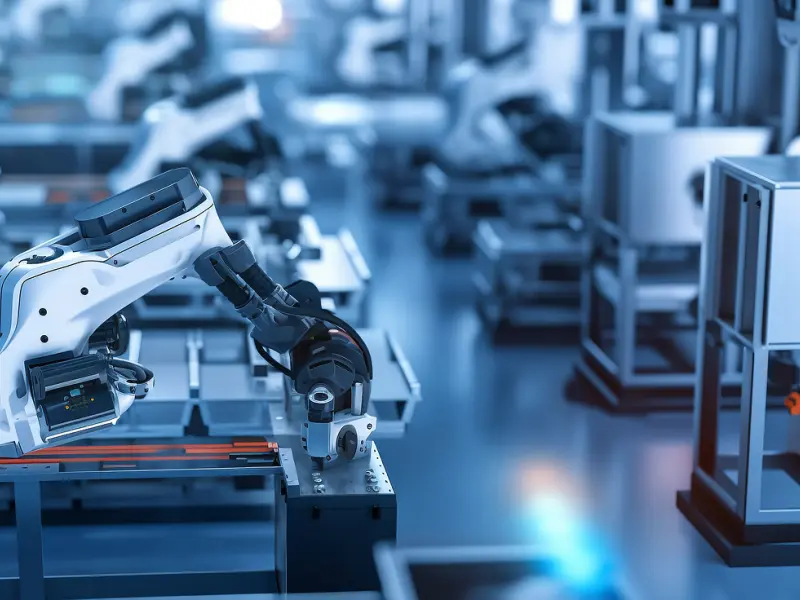
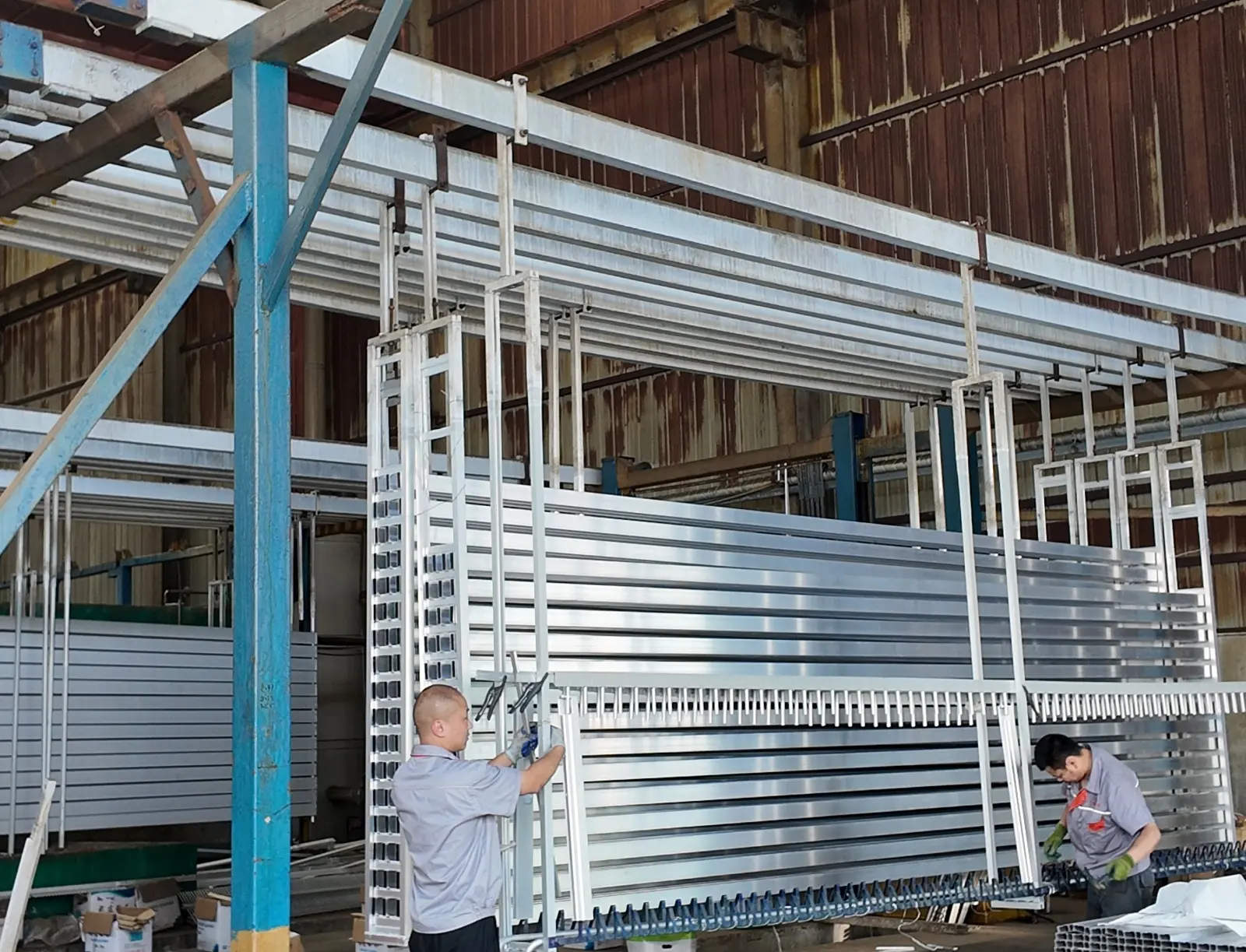
Industrial buyers face challenges when managing custom extrusion projects: inconsistent chemical composition, dimensional deviations, surface defects after anodizing, and late delivery. We address these challenges through strict control of the extrusion cycle, from chemical composition to final inspection.
Aluminum 5083-H111 and 5083-H112 structures offer the strength and corrosion resistance required for hull framing and offshore platforms. Our profiles resist localized pitting and stress corrosion cracking under maritime conditions.
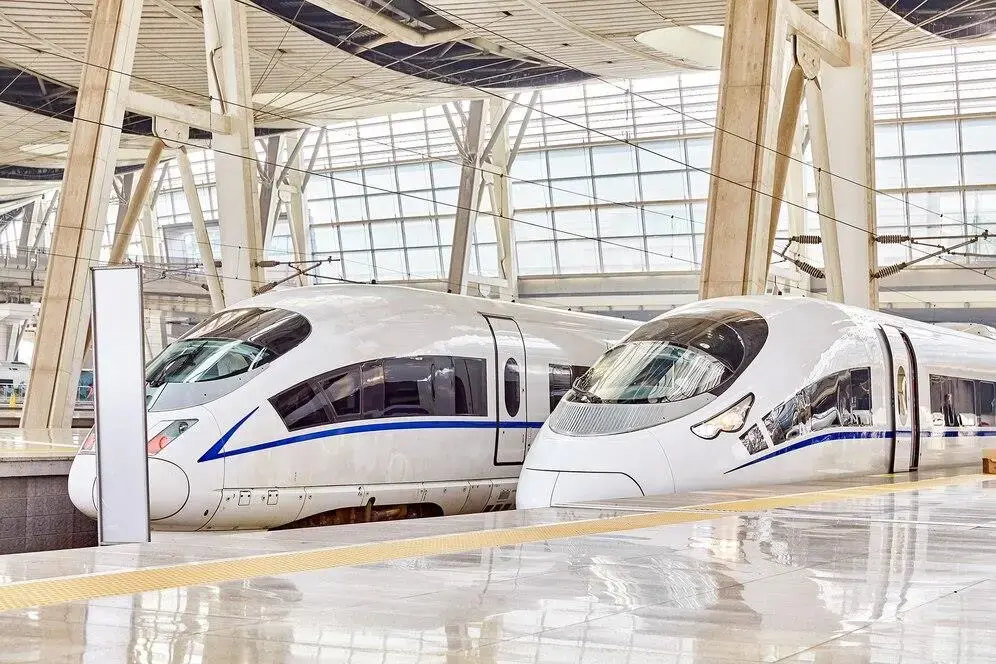
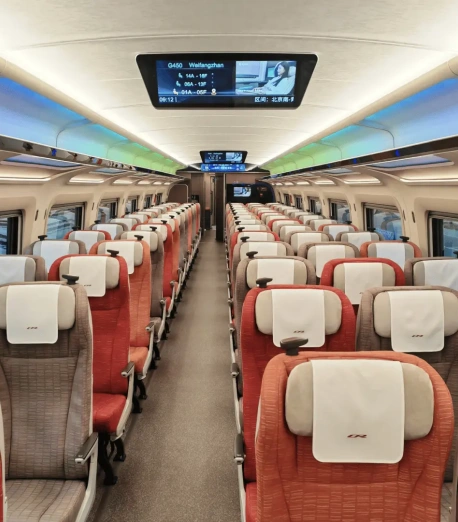
Certified under ISO 22163 (IRIS), we supply structural profiles for rail car bodies and subways. High weldability prevents strength loss at welded joints, maintaining structural integrity at high speeds.
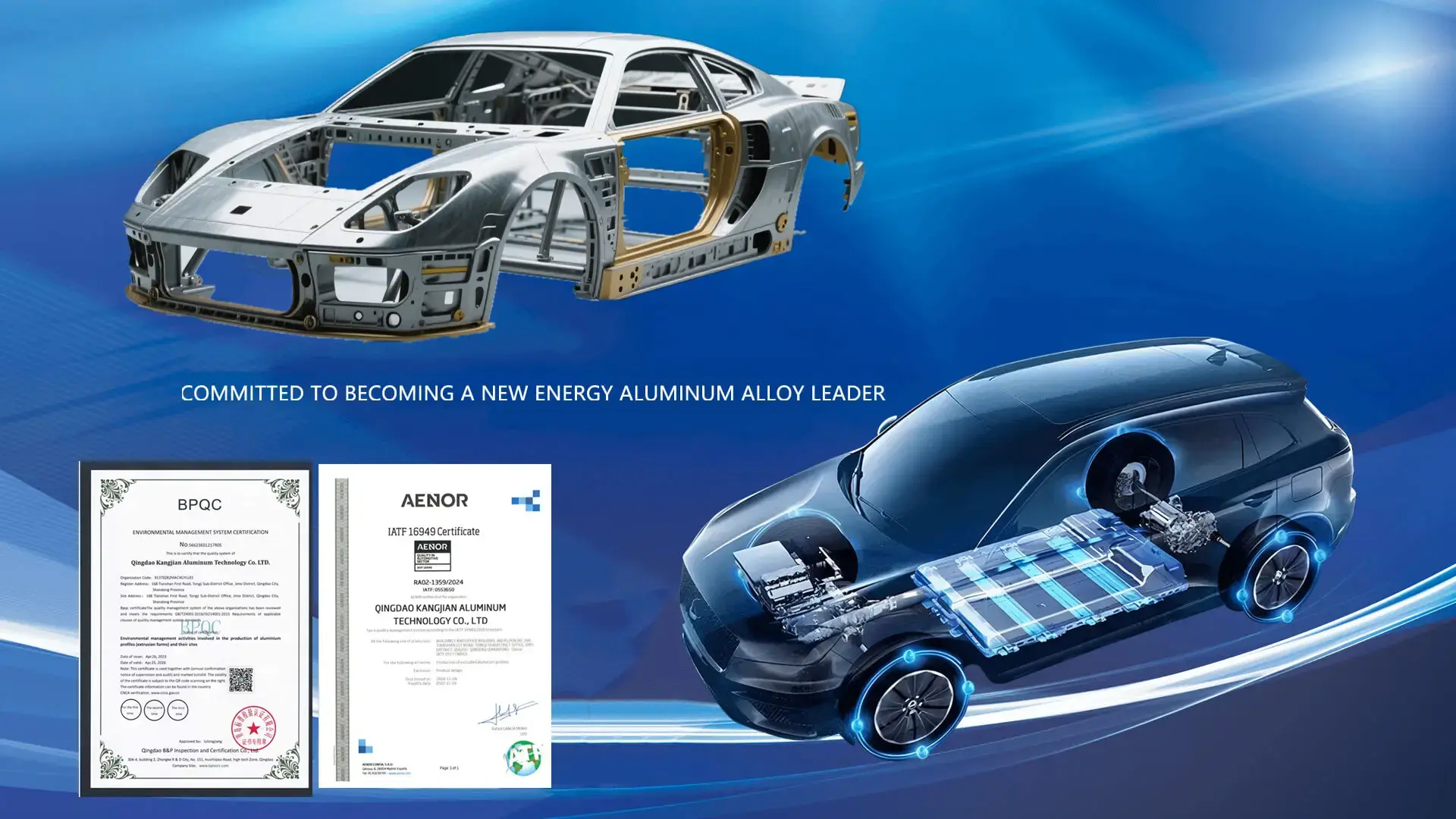
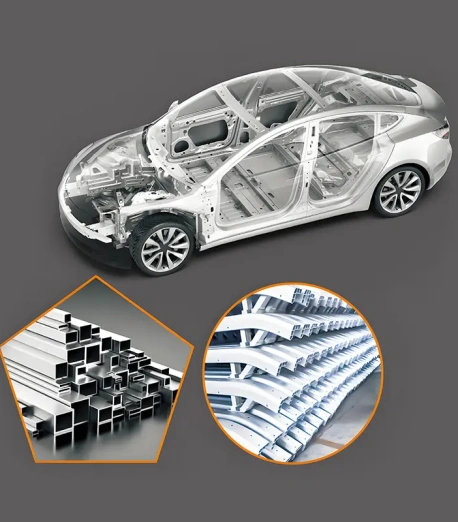
Our automotive profiles help reduce vehicle mass to improve fuel efficiency and EV range. Extruded crash beams, side members, and battery frames meet strict crash-test criteria.
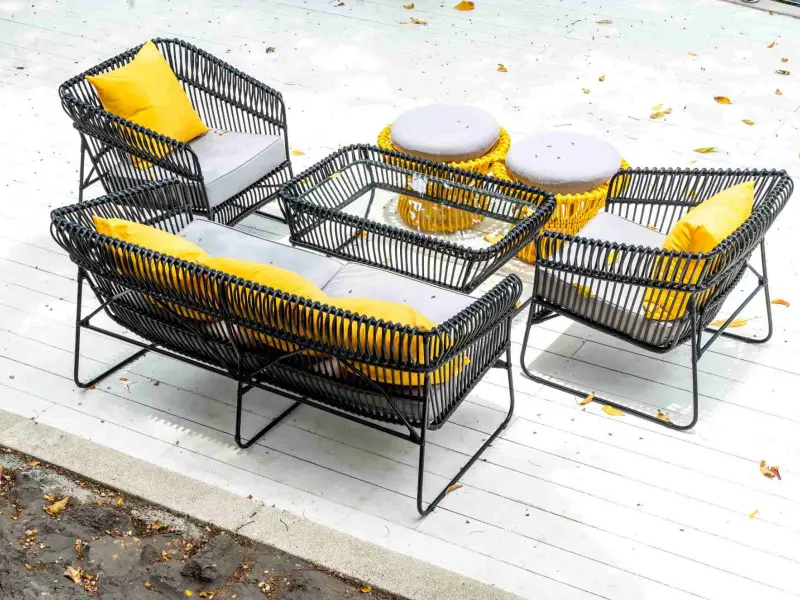
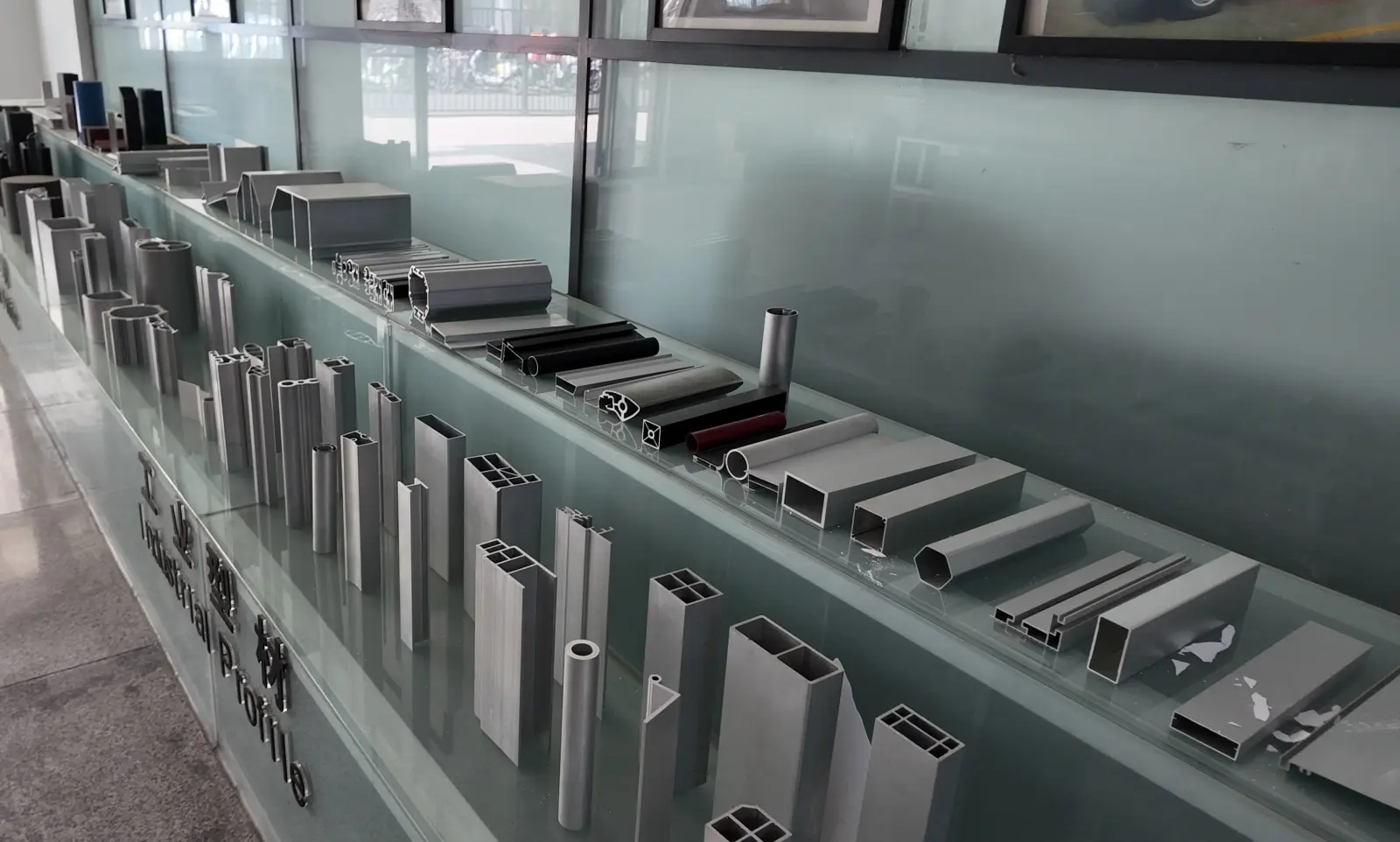
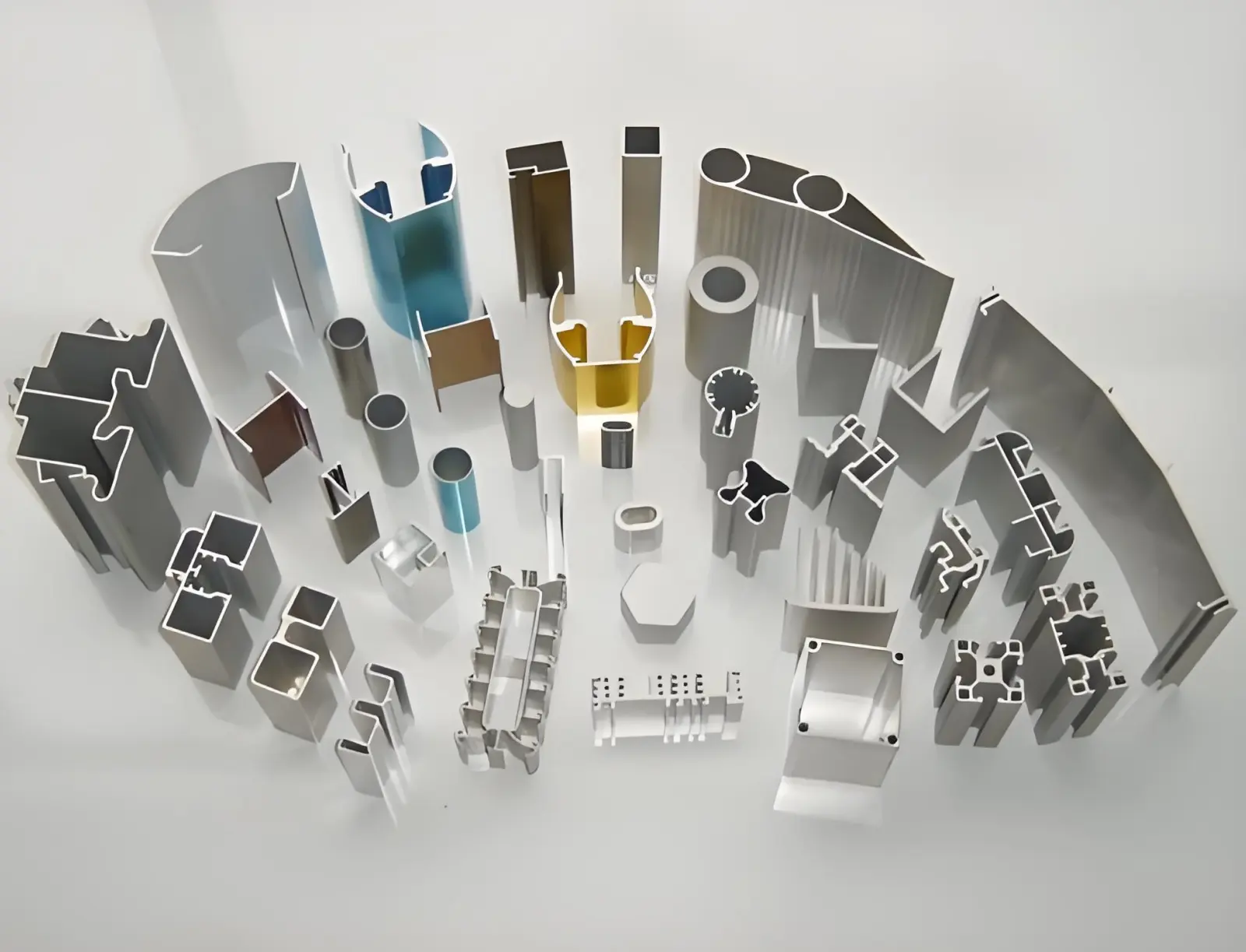
A diverse portfolio designed for industrial, decorative, and structural engineering applications.
Our founders recognized the growing global demand for high-end, customized aluminum extrusions. Backed by the logistics network of the Qingdao port and proximity to key industrial markets, the company launched its "dual-sea layout"—serving both domestic heavy engineering and high-end international markets.
Today, Kangjian products support structural applications in diverse markets, from high-strength components used in marine cranes to precision structures in advanced rail systems. By combining modern extrusion lines, strict quality control, and technical support, we work to build long-term partnerships with our global customers.

The industrial aluminum sector is moving toward lightweight designs, structural safety, and lower carbon footprints. Qingdao Kangjian addresses these trends through focused process improvements:
We refine extrusion parameters, tooling setups, and temperature monitoring to minimize micro-cracking in high-magnesium alloys like 5083, ensuring consistent performance for safety-critical components.
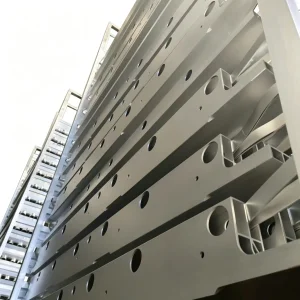
Our CNC machining facility handles complex milling, drilling, and tapping on profiles up to several meters in length, maintaining the narrow tolerances required for aerospace and rolling stock assemblies.
Operating under EN 15085 and DIN 6701 guidelines, we supply pre-joined and bonded multi-material assemblies, helping clients streamline their assembly processes.
Detailed answers to common questions raised by procurement managers and design engineers.
The main difference lies in their alloying composition and response to strengthening mechanisms. The 5000 series uses magnesium as its primary alloying element, which provides high corrosion resistance and weldability, and is strengthened by cold working. The 6000 series incorporates both magnesium and silicon, forming magnesium silicide, and is heat-treatable to achieve its target mechanical properties.
The addition of magnesium in 5083 provides resistance to alkaline and chloride-rich environments. The alloy forms a protective passive oxide layer that resists localized pitting. However, stabilizing heat treatments (such as H116 or H321) must be monitored during processing to prevent the precipitation of continuous beta-phase grain boundary films, which can cause stress corrosion cracking.
Our standard extrusions conform to EN 755 and GB/T 14846 standards. For projects requiring tighter dimensional control, our multi-axis CNC machines and post-processing tools allow us to achieve high-precision tolerances on critical mating surfaces, depending on the section geometry and wall thickness.
Railway vehicles operate under continuous vibration and mechanical stress. These certifications verify that our welding procedures, equipment, quality control, and personnel meet international standards, ensuring the mechanical performance and fatigue life of the welded joints.
Our factory is located near the Qingdao international shipping port. This location helps streamline logistics, allowing us to manage shipping schedules and customs documentation to keep transit times consistent for clients in South Korea, Japan, North America, and Europe.
Explore the diverse sectors where our customized profiles are currently integrated.
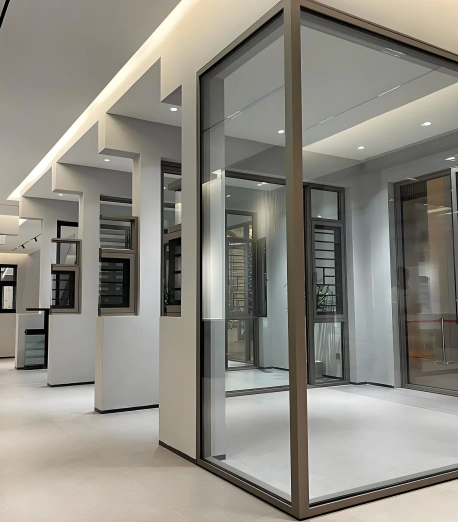
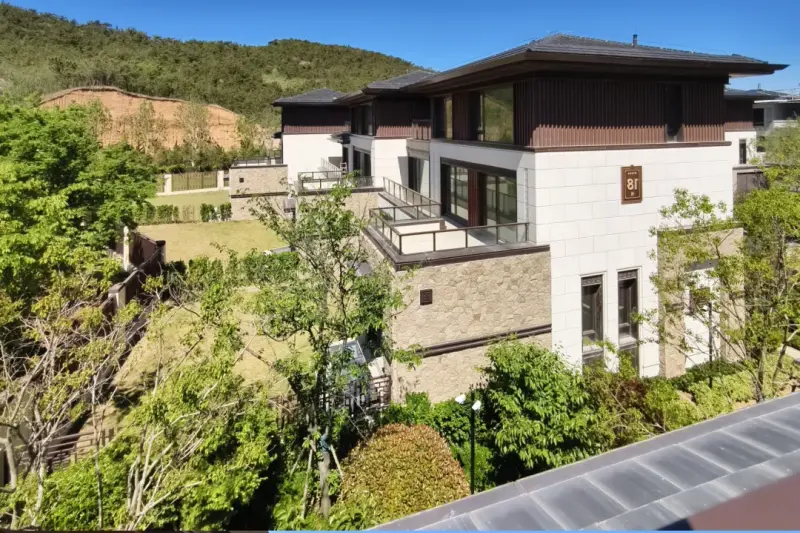
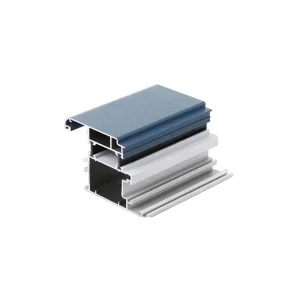
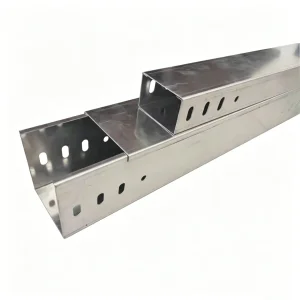
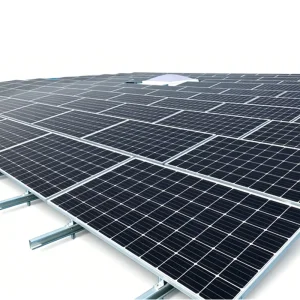
Browse our full range of window profiles, PV solar energy frames, and industrial cable trays.