Kangjian
Kangjian
Kangjian
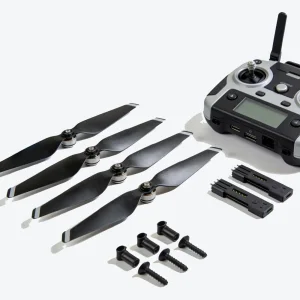
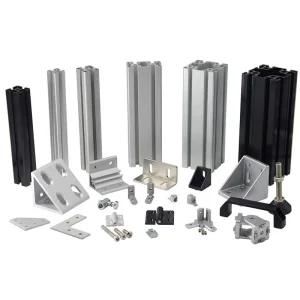
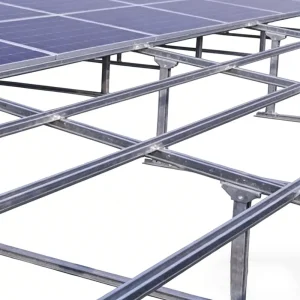
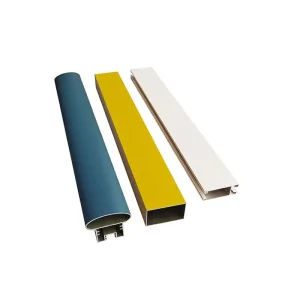
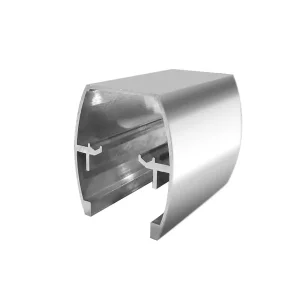
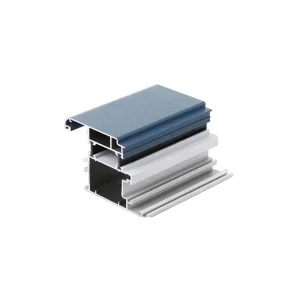
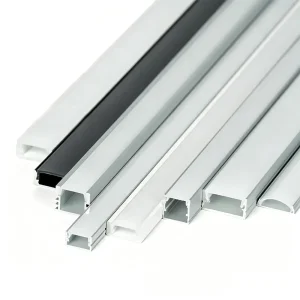
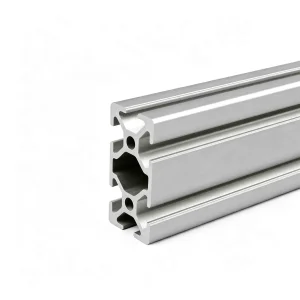
Explore our premium grade extrusion configurations designed for immediate integration in commercial solar, cleanroom, drone, and industrial automation assemblies.
A comprehensive analysis of metallurgical standards, supply chain dynamics, and high-precision extrusion capabilities driving modern structural systems.
The global demand for customized, modular aluminum kits has reached unprecedented levels. Modern industries ranging from aerospace and robotic automation to renewable energy mounting structures rely on the unique strength-to-weight ratio of high-grade aluminum alloys.
In the context of international supply chains, China Aluminum Kit Manufacturers and Factories have evolved from simple profile extruders into end-to-end engineering partners. Utilizing advanced extrusion processes, computerized multi-axis CNC machining, and state-of-the-art surface finishing, leading manufacturers can now maintain structural tolerances as tight as ±0.02mm.
This technical shift is driven by the industry's demand for "Information Gain" and physical consistency:
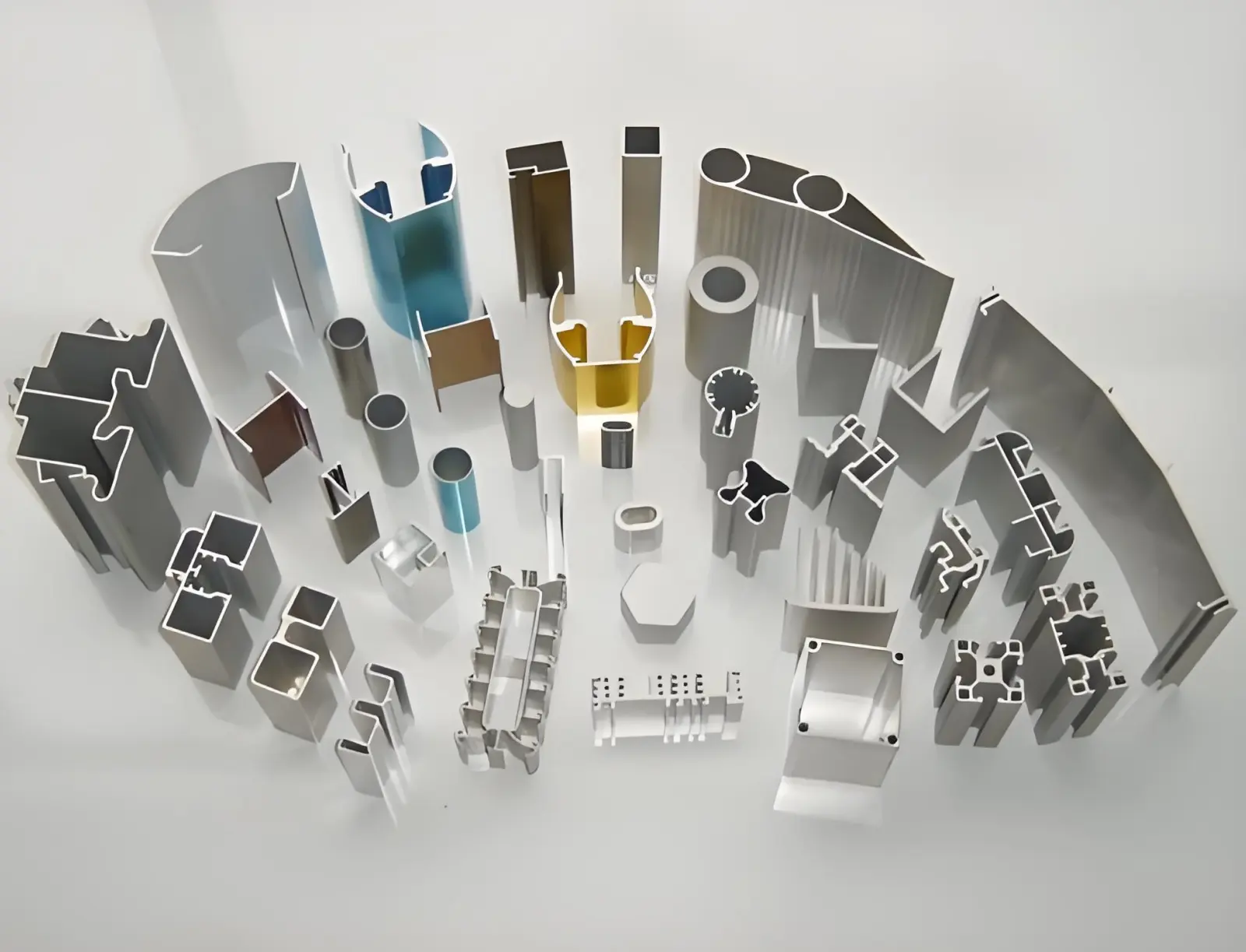
A state-of-the-art manufacturing force based in Jimo District, Qingdao, powering global industries since 2022.
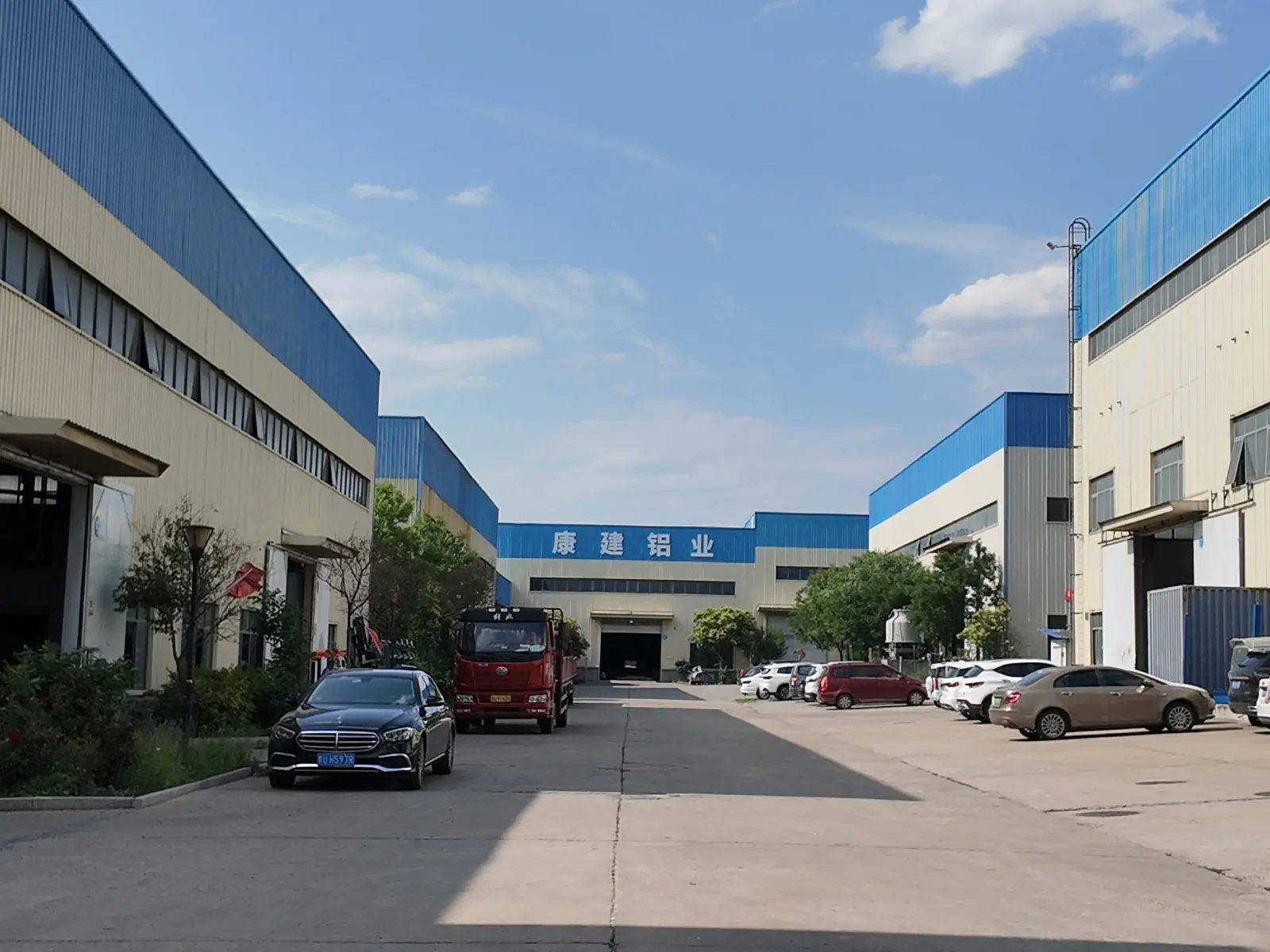
Established in 2022, Qingdao Kangjian Aluminum Industry Technology Co., Ltd. is a leading manufacturer specializing in industrial-grade aluminum profiles, rail transit profiles, aerospace, automotive, marine, and high-performance architectural systems.
Operating from a production hub at No. 168, Tianshan 1st Road, Jimo District, our facilities house 5 advanced extrusion production lines (including a high-power 2500T extruder, one 1450T unit, one 1150T unit, and two 700T units) run by 90 highly skilled engineers and metal technicians.
As the largest aluminum profile manufacturer in the Qingdao region, Kangjian has experienced an average annual growth rate of order delivery and output value reaching **30%**. Our strategic proximity to the Port of Qingdao allows us to maintain a rapid, seamless export presence serving key markets in South Korea, Japan, North America, and Europe.
"Producing high-end aluminum materials and serving global customers" is our core principle.
Born from a desire to address the gap in custom high-end aluminum extrusion within China's coastal industrial belt, Kangjian Aluminum was founded to combine metallurgical precision with flexible customer logistics. Our geographical location facing the blue waterways of international commerce has shaped a "dual-sea layout"—enabling us to efficiently ship complex prefabricated structures, from delicate robotic chassis parts to heavy-duty marine framework kits, across the globe.
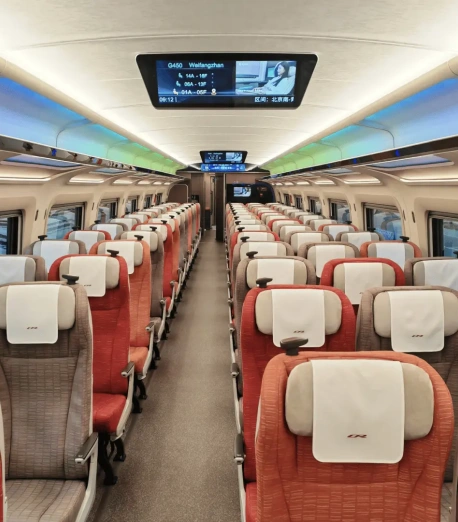
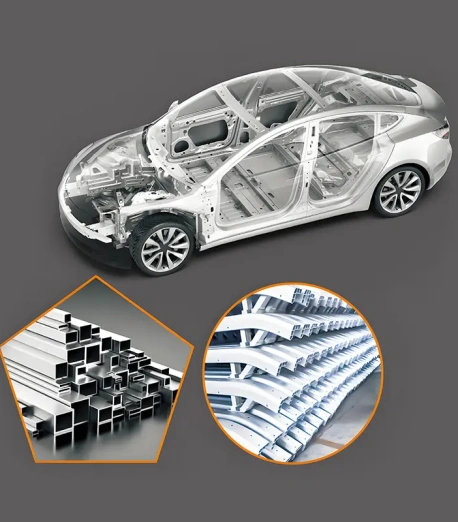
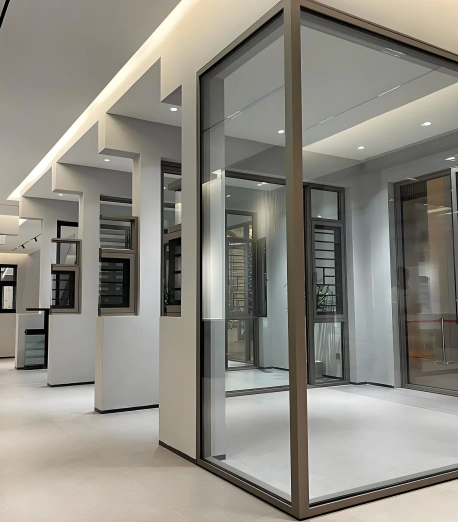
Our structural materials are currently utilized in maritime shipping docks, high-speed rail structural joints, automotive impact zones, and high-strength architectural cladding. We turn challenging drawings into physical, high-tolerance components that stand up to the most demanding environments on Earth.

Providing high-yield aluminum solutions through optimized mechanical engineering, strict international standards compliance, and flexible international fulfillment logistics.
We consistently develop high-precision profile products using custom die designs and optimized cooling protocols. This ensures our profiles meet the complex requirements of robotics kits, high-load T-slot configurations, and aerospace parts.
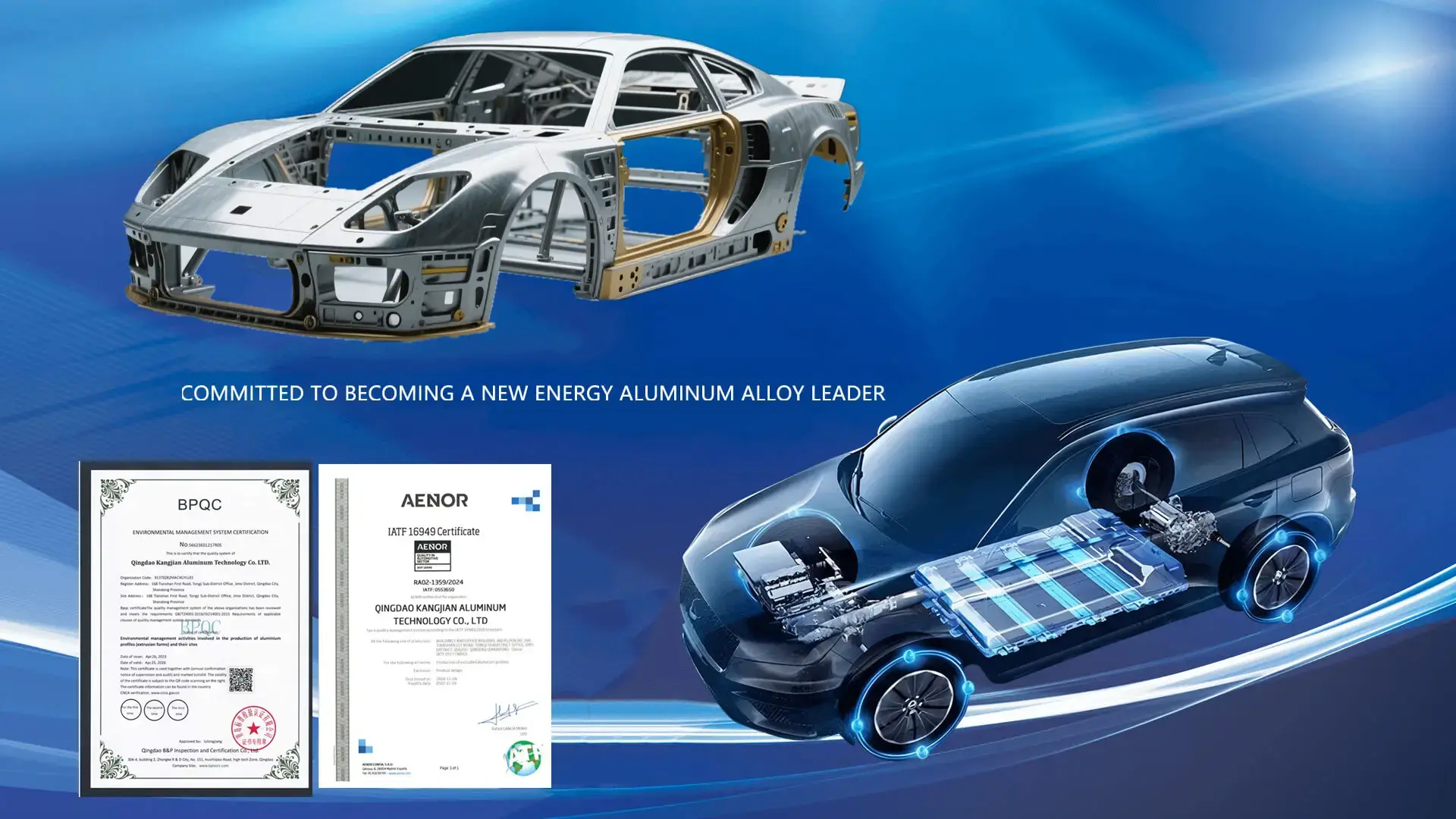
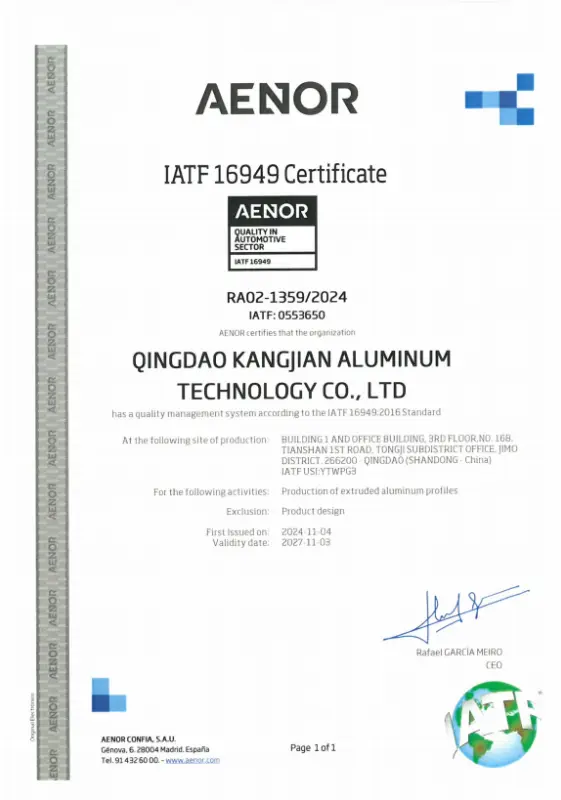
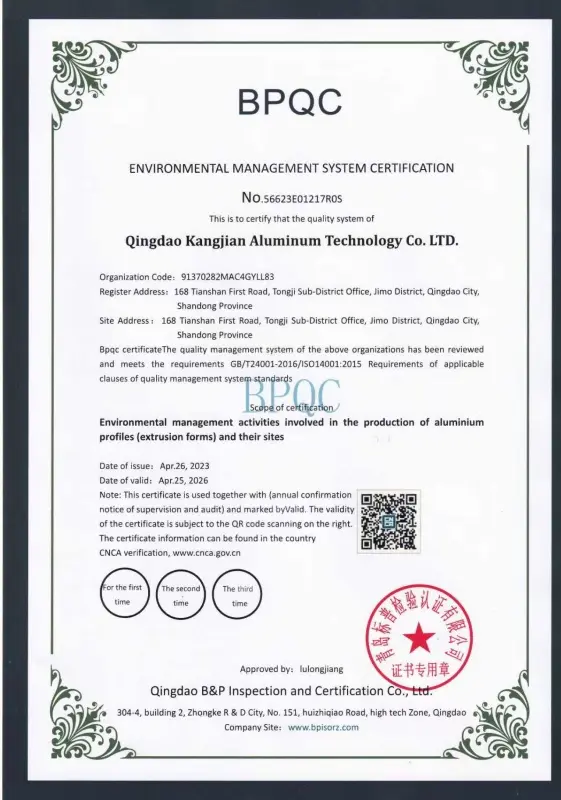
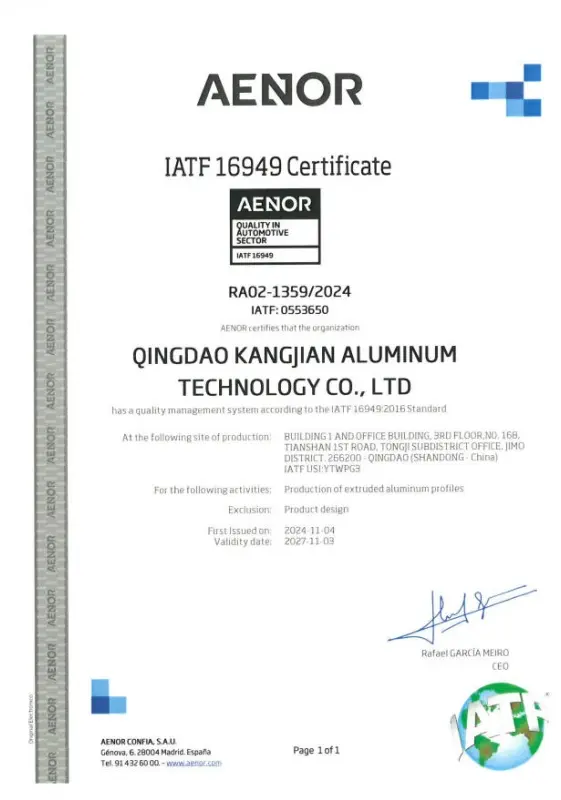
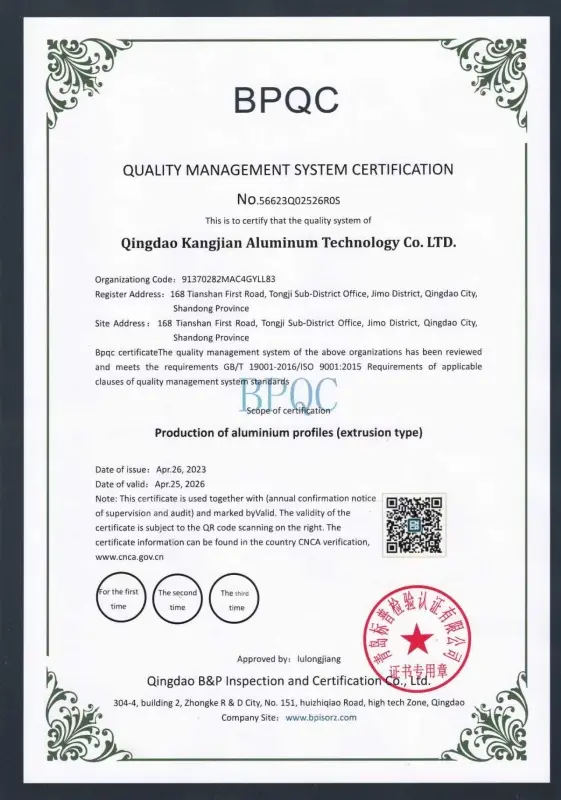
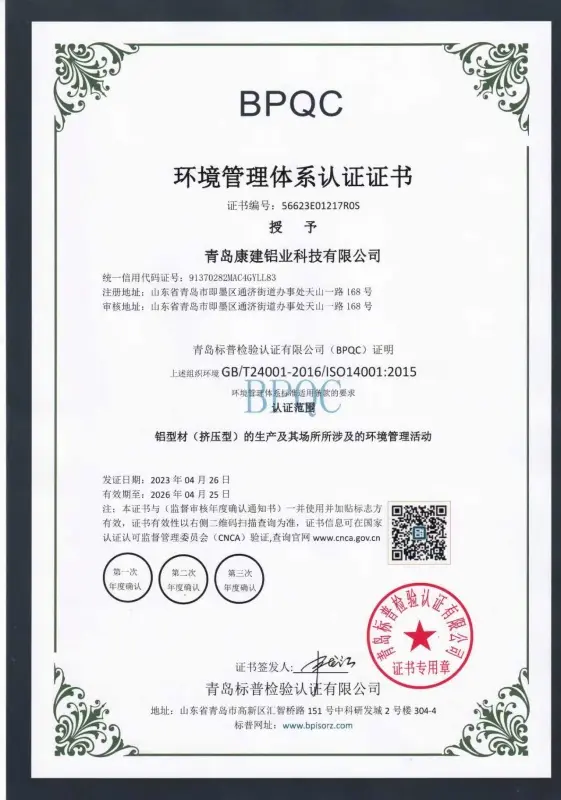
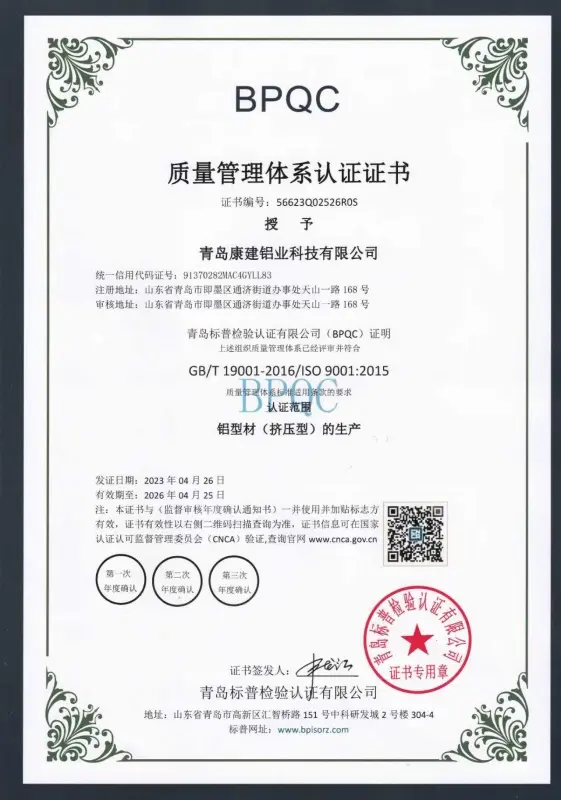
Quality is our primary metric. We implement thorough inspections across every phase of production, ensuring compliance with ISO9001, ISO14001, IATF16949 (Automotive), EN15085 (Welding), and DIN6701 (Structural Adhesive Bonding).
Our proximity to Qingdao Port, combined with our experience in international customs clearance, allows us to offer transparent logistics, optimized container packing, and reliable shipping schedules to markets worldwide.
Our structural aluminum profiles and custom kit components are engineered to meet the specific requirements of various sectors:
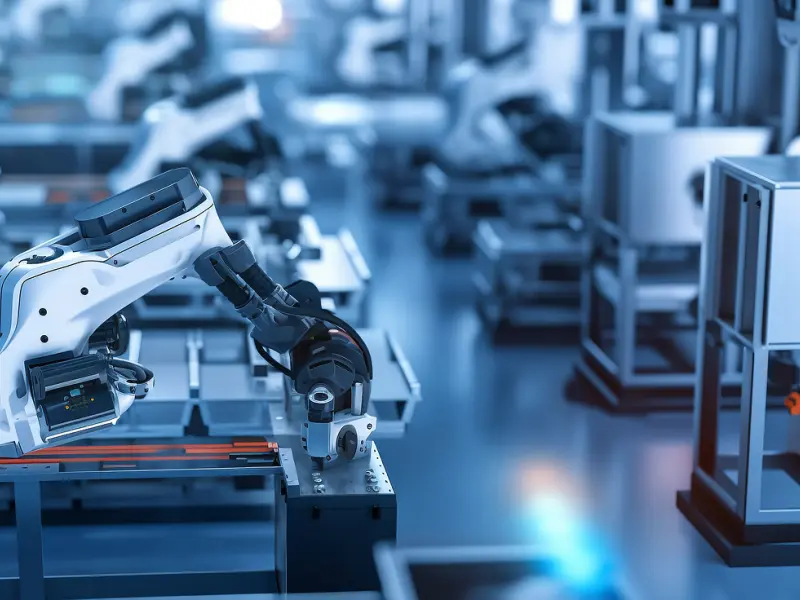
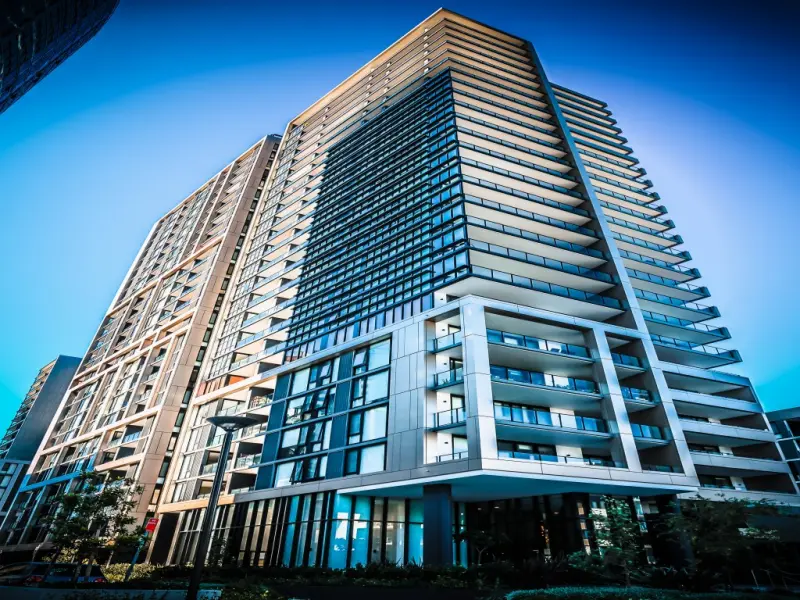
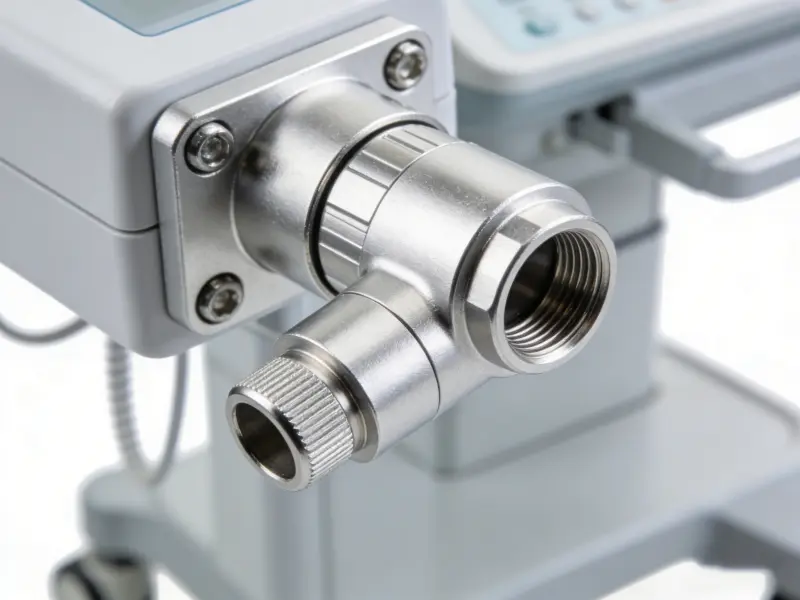
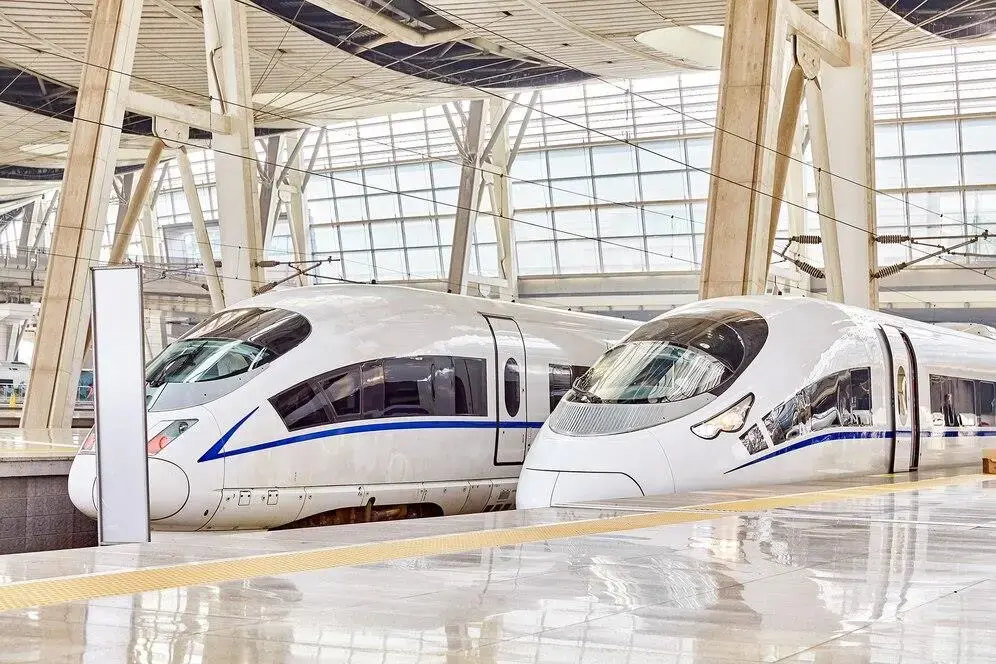
An engineering-focused review of metallurgical advances, processing technology, and global supply trends.
The properties of aluminum extrusion kits are determined by the control of microelements during billet casting. By managing the ratio of magnesium to silicon, we achieve a balance between extrudability and mechanical strength.
For structural kits requiring high load capacity (such as solar mounting brackets and robotics platforms), we primarily use 6061-T6 aluminum alloy. For architectural elements and intricate T-slot profiles where surface quality is critical, 6063-T5/T6 is the preferred choice. Our casting partners use refining techniques that reduce hydrogen gas inclusion to below 0.12ml/100g, preventing structural micro-voids during subsequent processing.
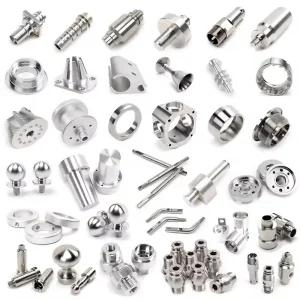
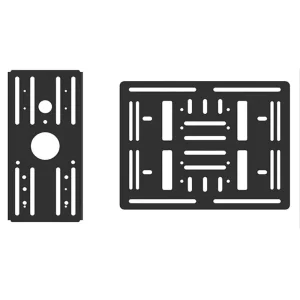
Standard extrusion profiles require precise post-processing to function as complete, ready-to-assemble structural kits. Our facilities use multi-axis CNC systems that combine cutting, milling, drilling, and tapping into a single setup, minimizing tolerance errors.
This capability is essential for drone arm joints, industrial robotics modules, and automotive subframes. By controlling tool temperature and feed rates, we prevent thermal distortion of the aluminum, ensuring the parts align properly during final assembly.
Environmental exposure can quickly compromise structural integrity. We offer custom anodizing (clear, black, and colored) that creates a controlled oxide layer ranging from 10µm to over 25µm. This layer protects the underlying aluminum from chemical degradation in marine, industrial, and coastal architectural applications.
For projects requiring alternative finishes, we provide electrostatic powder coating and electrophoresis treatments. These processes ensure long-term UV resistance, color stability, and mechanical durability.
Our manufacturing and assembly standards are backed by leading international certification bodies.

Visualizing our custom profiles integrated into structural projects globally, from marine port equipment to automated rail frameworks.
Addressing the common questions raised by supply chain managers, design engineers, and industrial procurement officers.
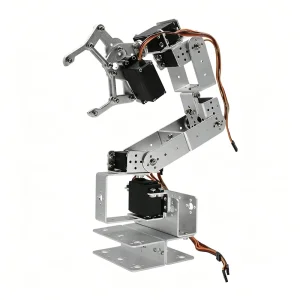
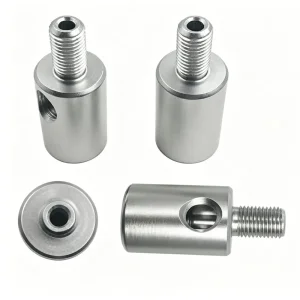
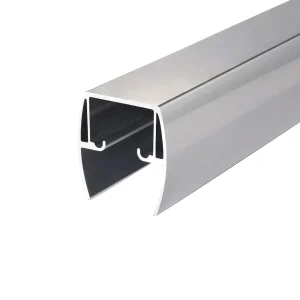
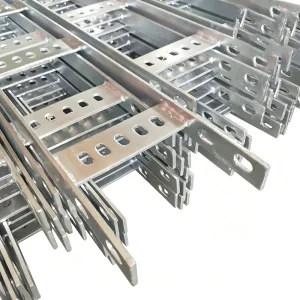
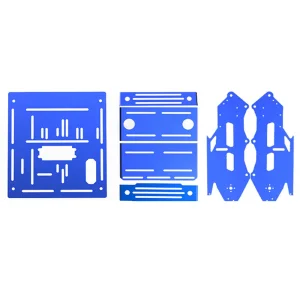
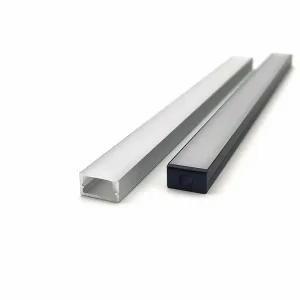
Explore our highly integrated, CNC-milled parts, linear profiles, and structural channel assemblies.