Kangjian
Kangjian
Kangjian
Advanced structural aluminum components engineered for global industries and structural LED assemblies
Understanding the transition from basic structural channels to advanced thermal management platforms
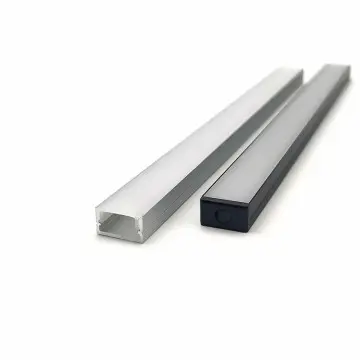
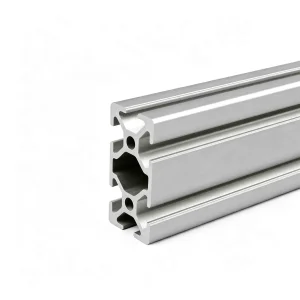
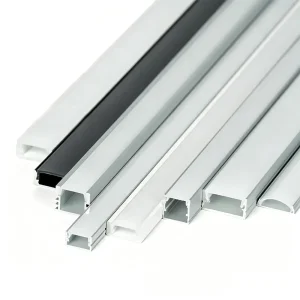
The global optoelectronics market has undergone a fundamental architectural shift. The era of traditional point-source lighting is largely historic, fully superseded by high-density, high-output linear LED systems. Today, the role of an aluminum profile has evolved far beyond acting as a basic mechanical mounting bracket. It now serves as the primary system-level heat sink, optical waveguide housing, and aesthetic integrator for modern architectural layouts. China's manufacturing ecosystems stand at the center of this transformation, leveraging deep alloy customization capabilities and massive scale to supply high-performance profile materials globally.
The core catalyst behind this technological progression is the demanding thermal profile of modern high-efficacy LED tape lights, particularly COB (Chip-on-Board) and high-density SMD (Surface Mounted Device) systems. When powered continuously, high-density LED arrays generate substantial localized heat. If left unmanaged, thermal accumulation directly accelerates luminous decay, causes shifts in color temperature (CCT), and drastically shortens the lifespan of the underlying junction. Precision-extruded aluminum channels manufactured from structural-grade alloys provide the thermal dissipation pathway required to maintain low operating junction temperatures, ensuring system stability over decades.
Utilizing high thermal conductivity 6063-T5 aluminum, optimizing heat dissipation channels to double the lifecycle of commercial high-power LEDs.
Strict control of magnesium and silicon ratios within the matrix structure ensures high mechanical strength and exceptional surface finishes.
Ultra-narrow tolerances up to ±0.1mm, allowing seamless integration with polycarbonate (PC) and PMMA diffusers for dot-free output.
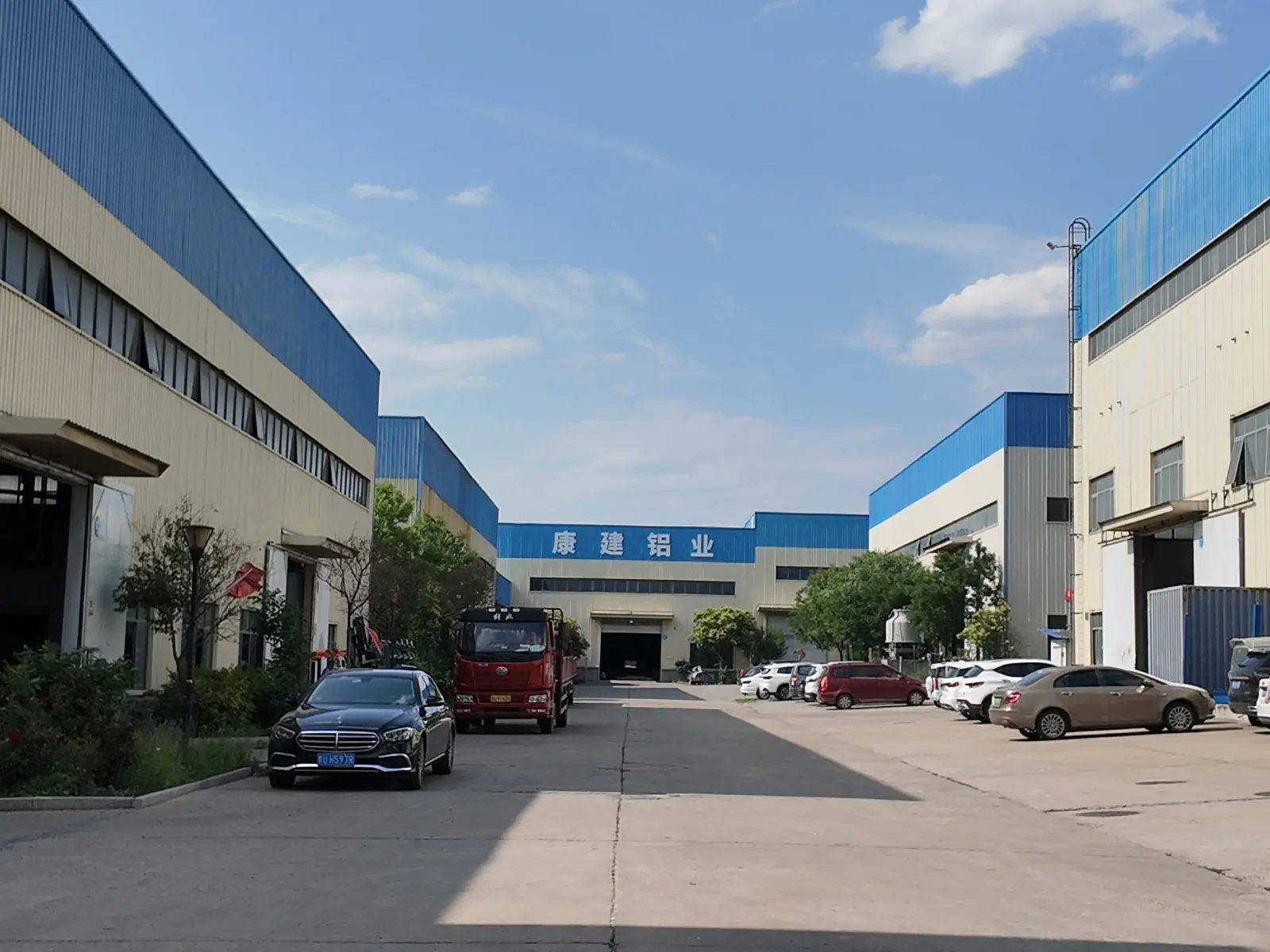
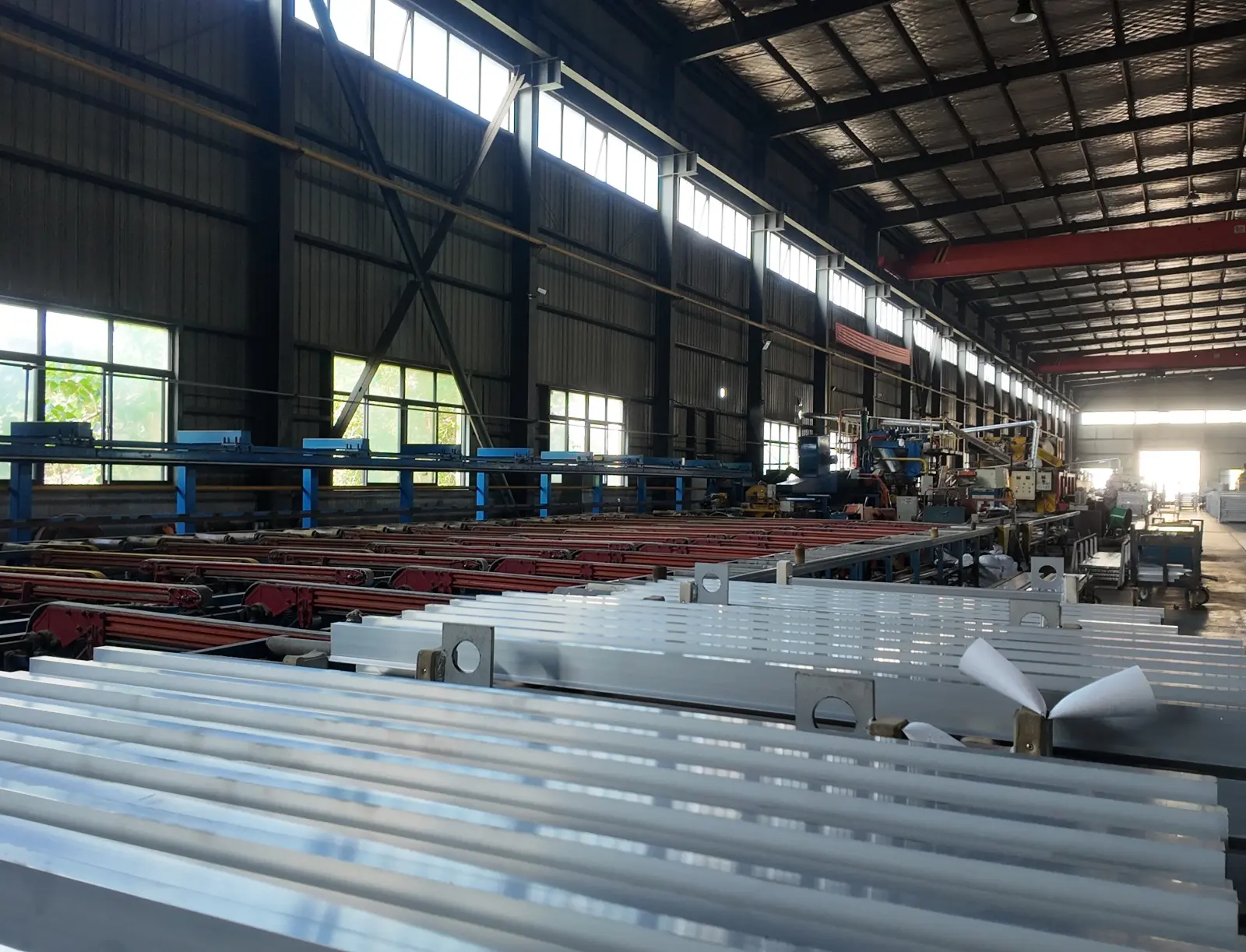
Established in 2022 and situated in the industrial hub of Jimo District, Qingdao City, Qingdao Kangjian Aluminum Industry Technology Co., Ltd. has rapidly emerged as a leading manufacturer specializing in high-performance aluminum and aluminum alloy products. Covering an expansive industrial footprint of 200 mu with 80,000 square meters of modern facilities, our production base operates five advanced extrusion production lines (including 2500T, 1450T, 1150T, and dual 700T units) delivering an annual output of over 15,000 tons of high-grade profiles.
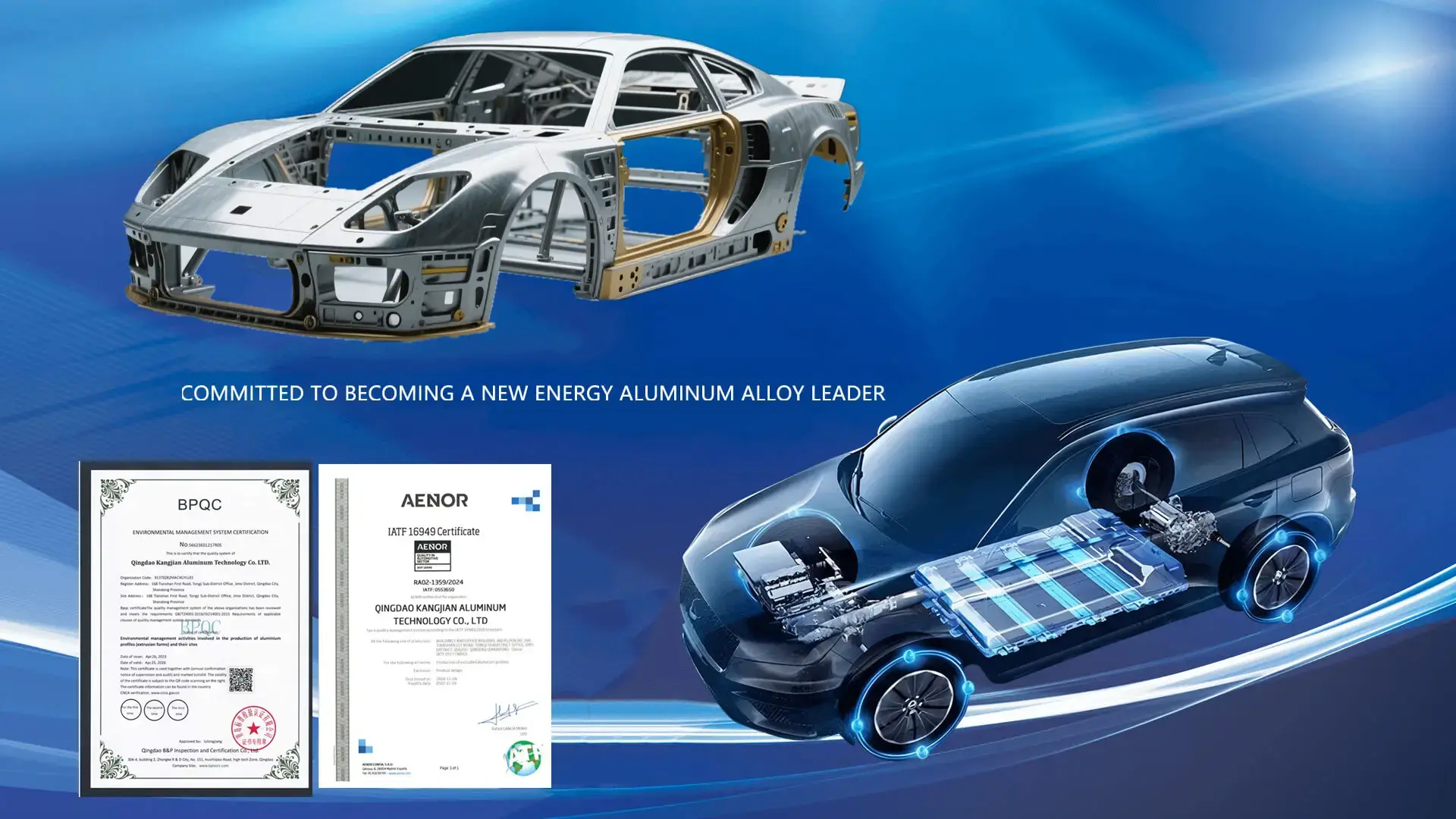
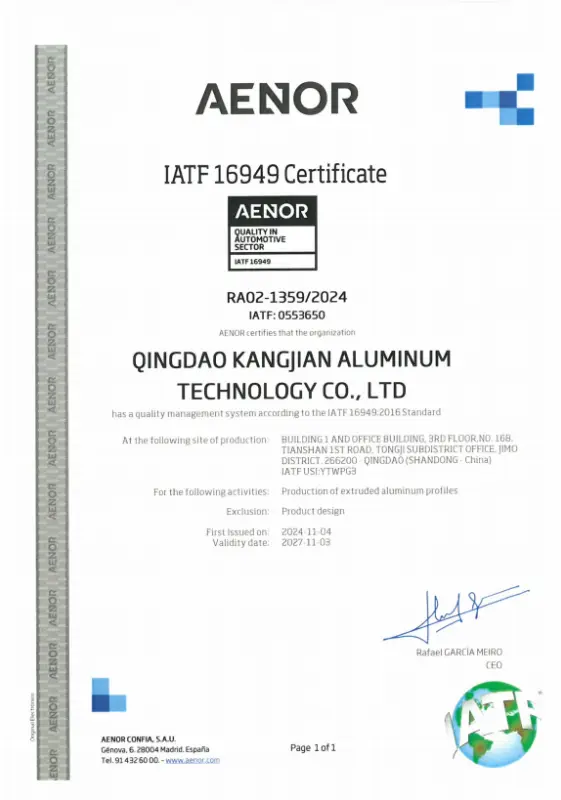
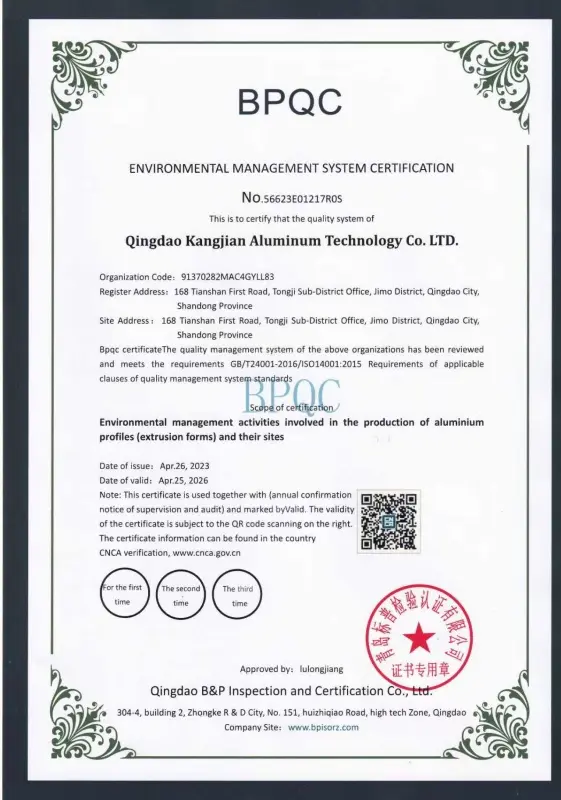
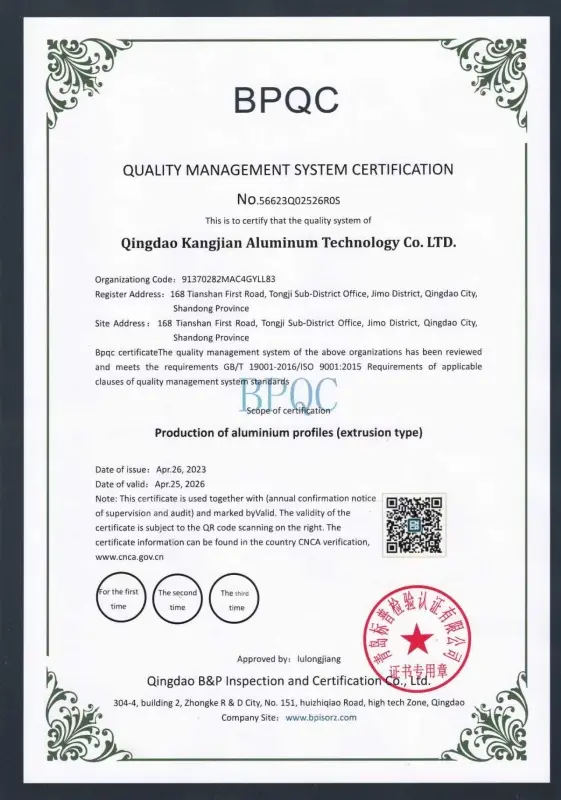
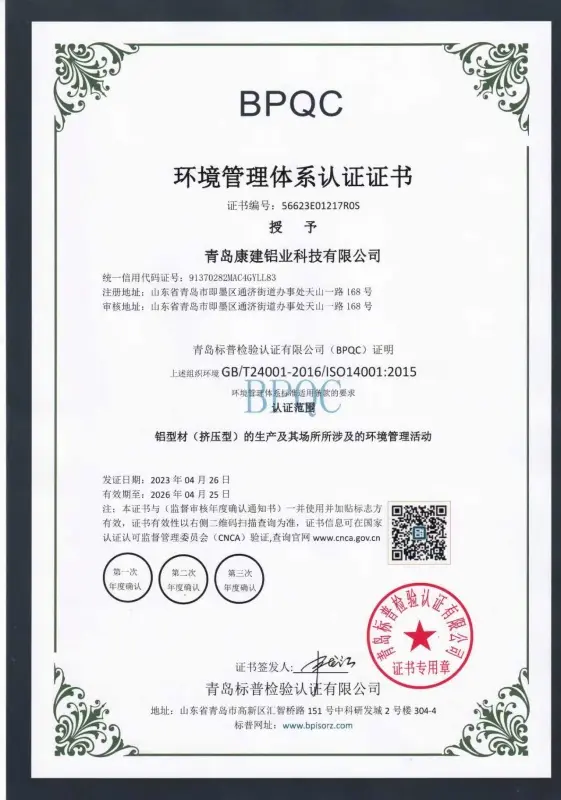
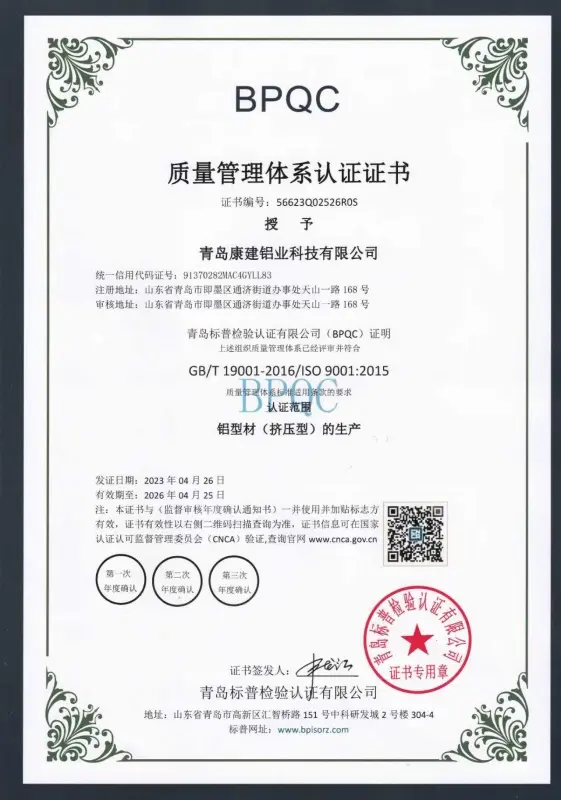
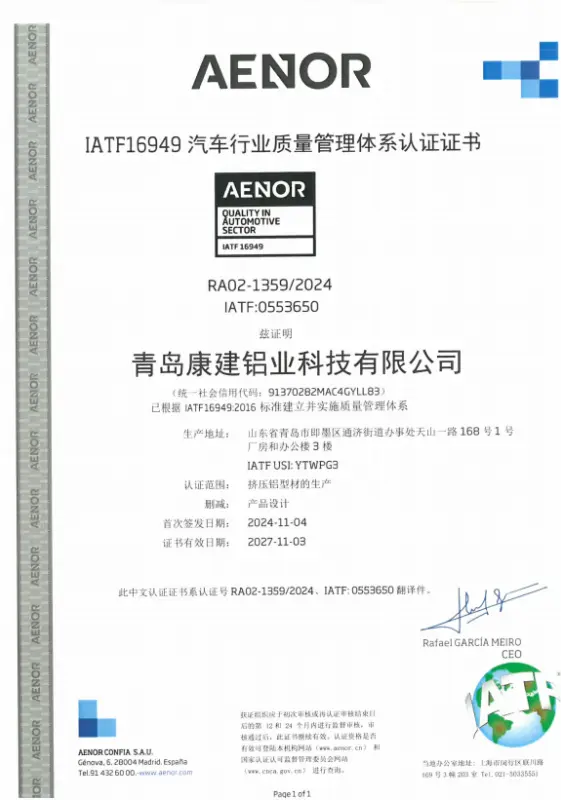
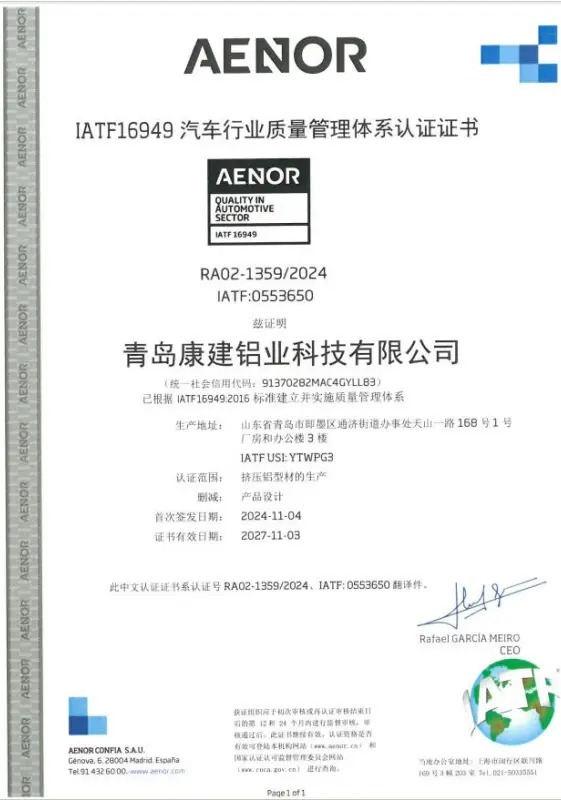
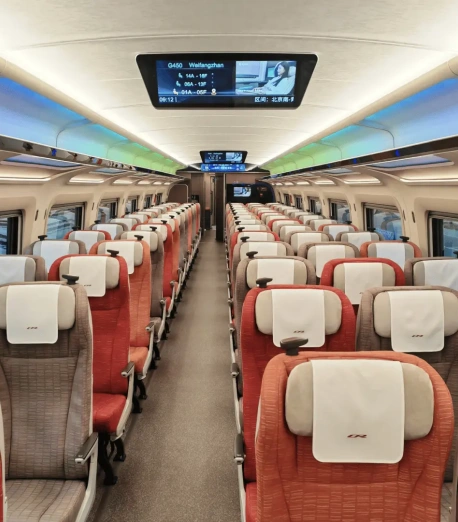
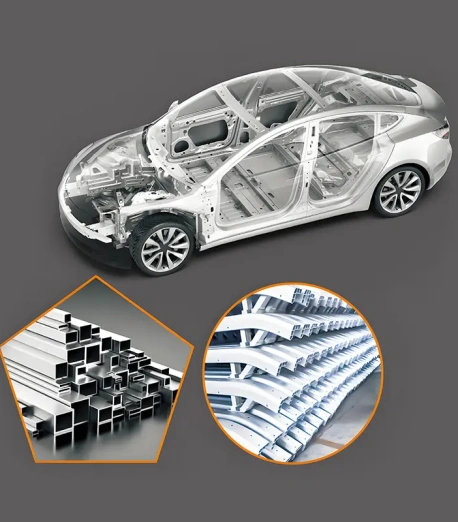
Our commitment to manufacturing excellence is certified by international standards, including GB/T19001-2016/ISO9001 Quality Management System, GB/T24001-2016/ISO14001 Environmental Management, IATF16949 Automotive Quality Management, ISO22163 Railway Industry Management, EN15085/ISO3834 Welding standards, and DIN6701 Bonding systems. This comprehensive quality infrastructure allows us to serve critical industrial segments globally, from architectural LED structures to aerospace, automotive components, and marine applications.
Resolving key supply chain issues: Quality, consistency, logistics, and total cost of ownership
For international buyers, sourcing aluminum profiles for LED installations involves balancing critical design and production variables. Key challenges include maintaining wall thickness tolerances, securing durable surface finishes (such as anodizing and powder coating), and managing the interaction between diffusers and aluminum housings. At Kangjian, we address these challenges through strict control of magnesium and silicon ratios within the alloy matrix, yielding profiles with high tensile strength and smooth surface finishes that resist corrosion.
Our strategically optimized supply chain, based near the port city of Qingdao, allows us to minimize transport lead times and offer competitive shipping costs. From initial design to final dispatch, our team assists buyers with customized tooling, prototype development, and mechanical testing to ensure every batch of profiles matches the technical drawings exactly.

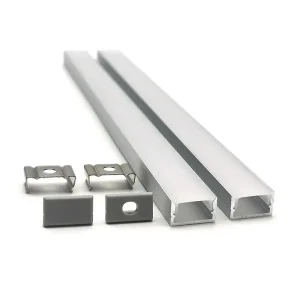
In commercial linear lighting, small variations in profile width or depth can cause installation issues, such as visible light leaks, unstable diffuse lenses, or mechanical failure in recessed cavities. Working with a manufacturer that maintains tolerances of ±0.1mm is essential. This level of precision ensures that clip-in lenses fit securely, and allows installers to create seamless, continuous runs of light without visible gaps at the joints.
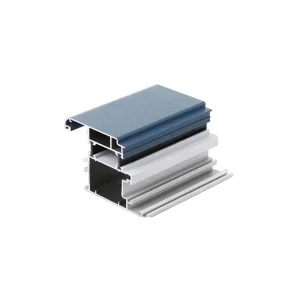
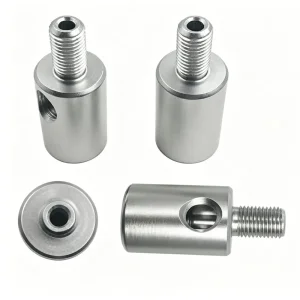
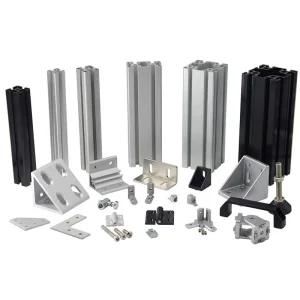
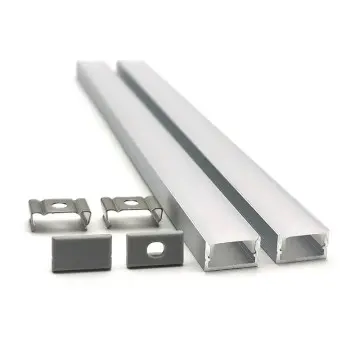
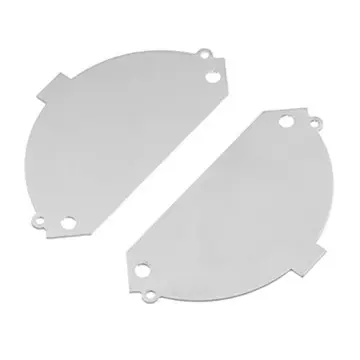
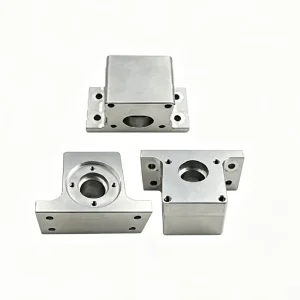
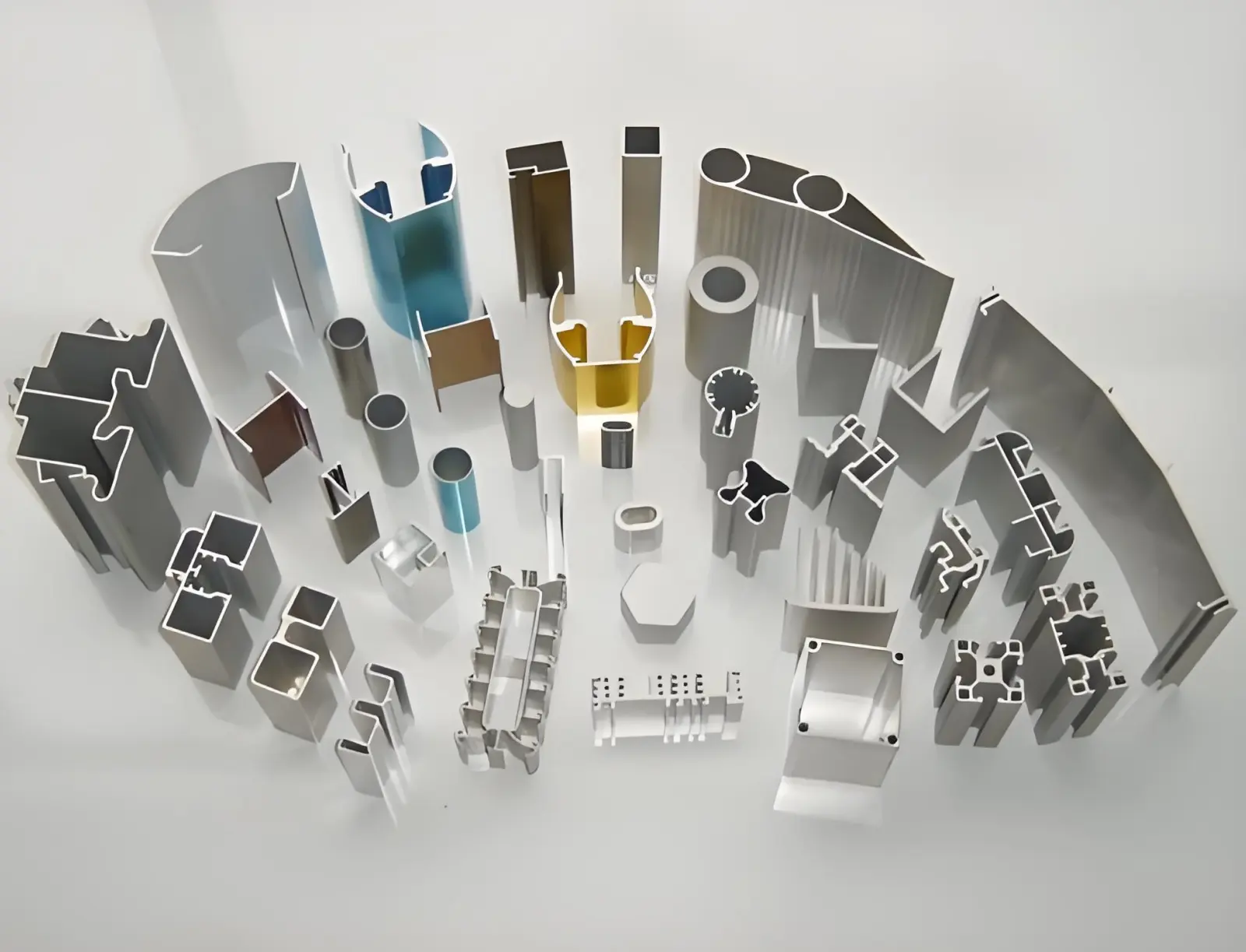
Explore our wide array of structural solutions for industrial and architectural projects

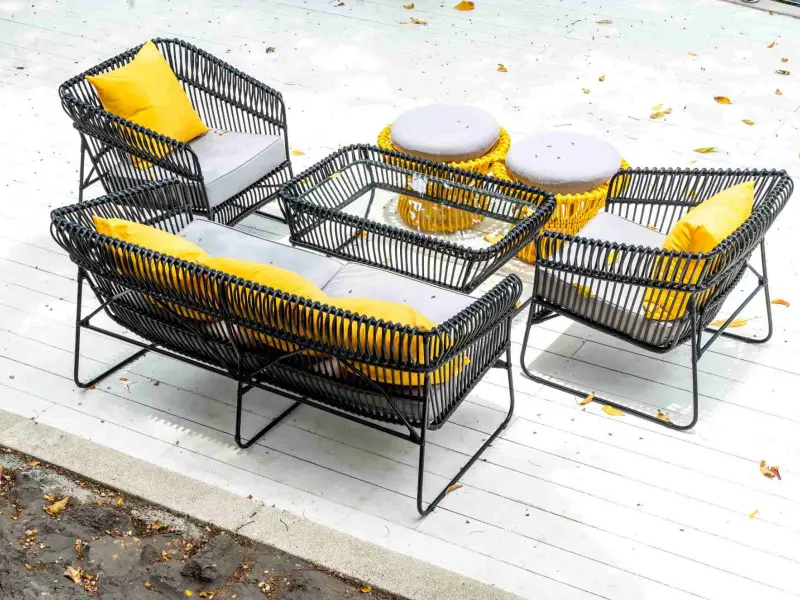
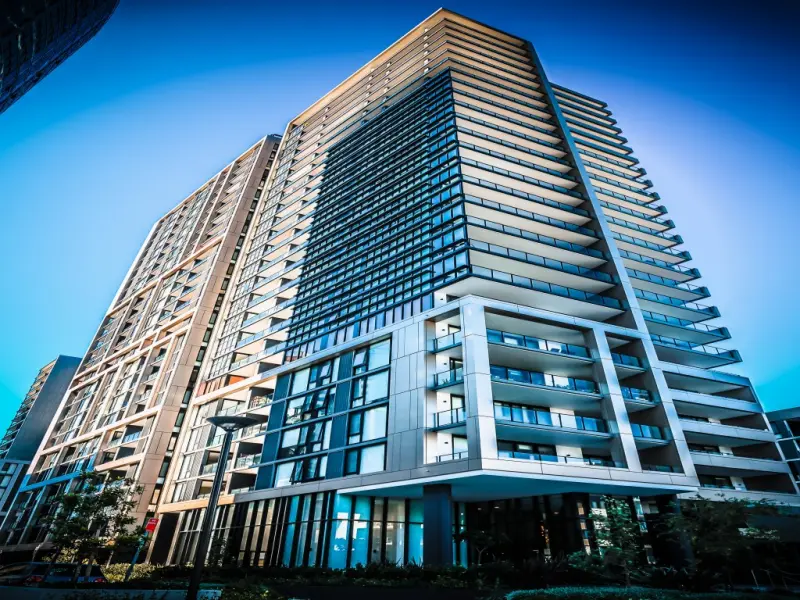
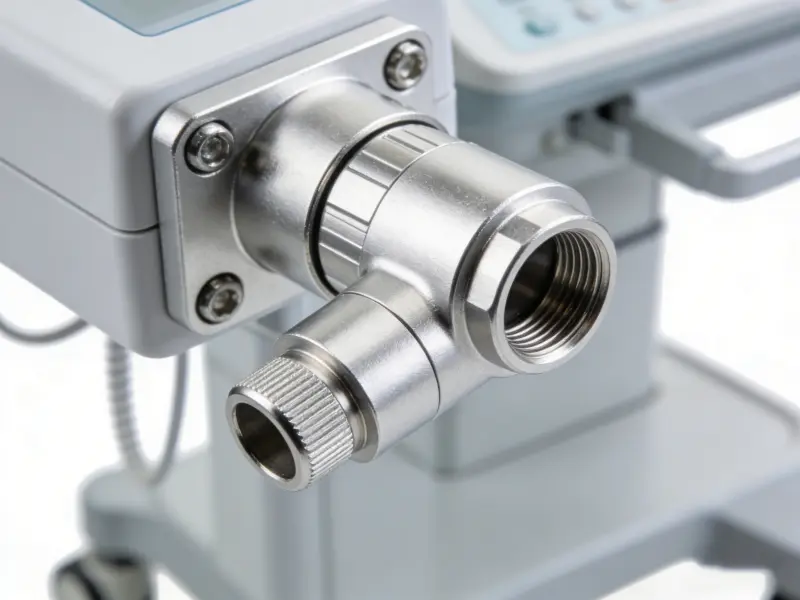
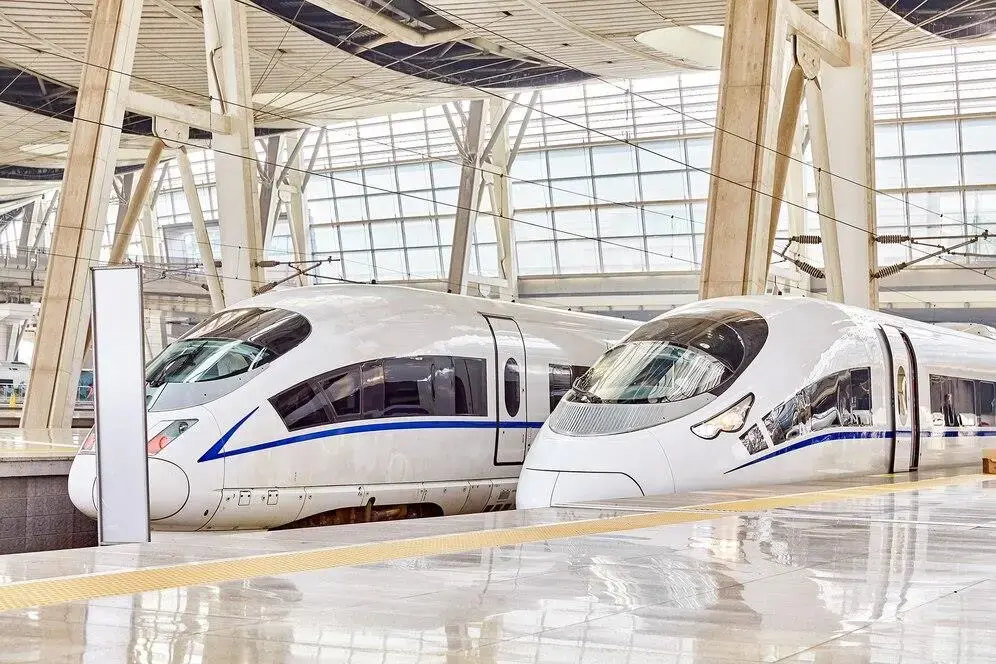
Integrating architectural integration, chemical coatings, and optical compatibility
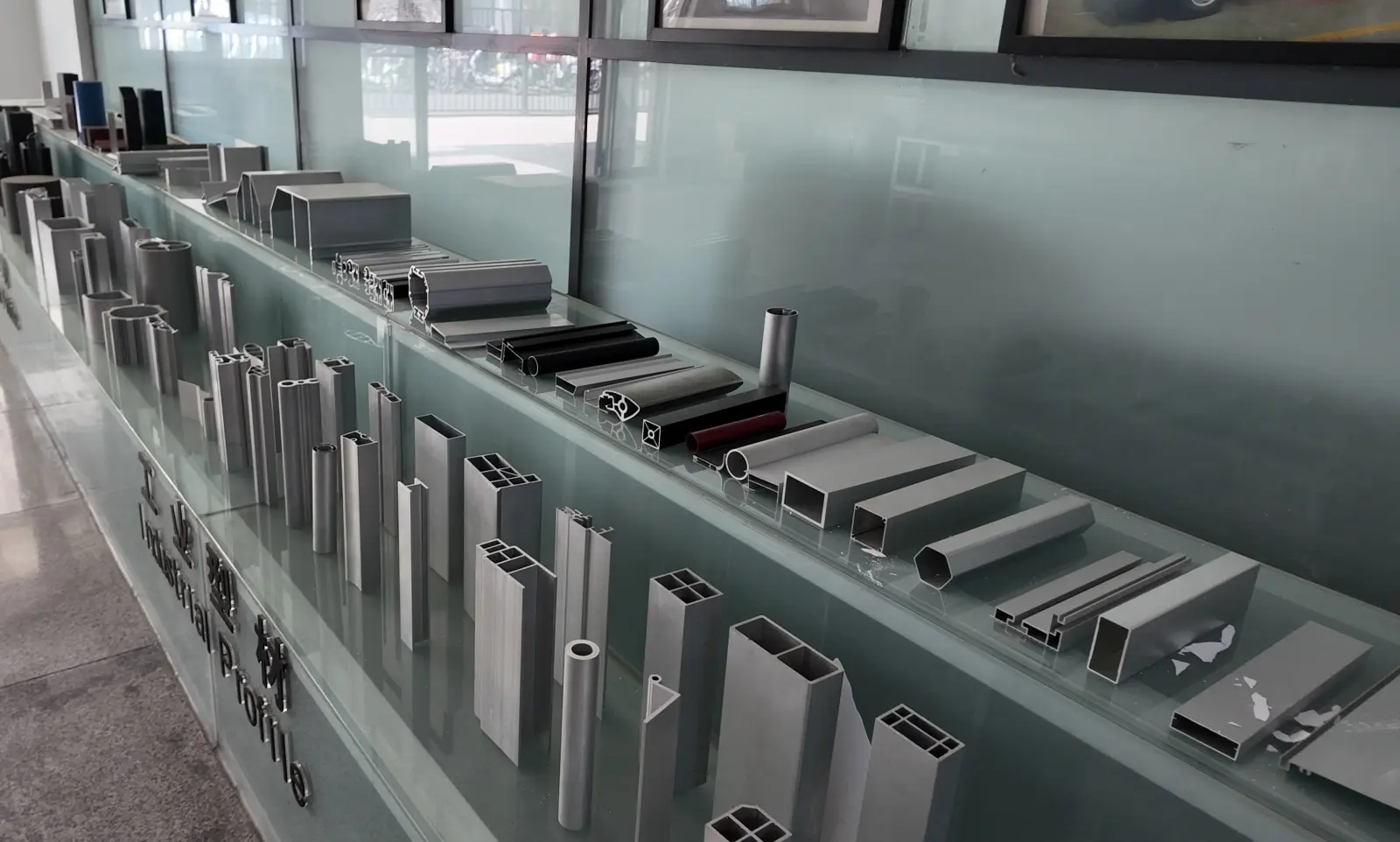
An effective linear lighting design requires compatibility between the aluminum housing and the optical components. Standard LED diffusers, typically made from Polycarbonate (PC) or PMMA, have thermal expansion rates that differ from aluminum. This difference must be planned for in the profile design to prevent warping, cracking, or noise under normal operating temperatures. We design our channels with thermal expansion relief zones and snap-fit mechanics to ensure structural integrity across varied environments.
Additionally, the internal channel design plays a role in optical efficiency. Applying high-reflectance internal finishes can increase the light output of linear fixtures by up to 15%. This improvement helps designers achieve target illumination levels with lower power consumption, contributing to overall energy efficiency.
The choice of finish affects both the look and durability of the installation. For indoor applications, a satin anodized finish (typically 10-15 microns thick) provides resistance to scratches and fingerprints while maintaining a clean look. For outdoor or high-moisture environments, powder coating with UV-resistant formulations offers protection against weathering, ensuring the installation retains its appearance over time.
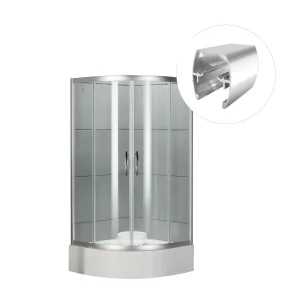
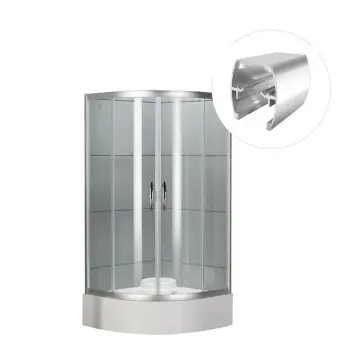
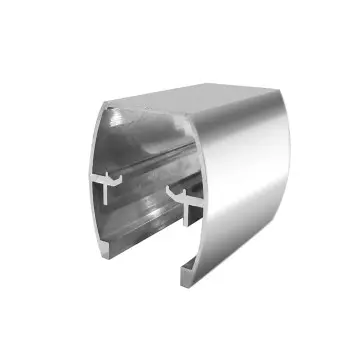
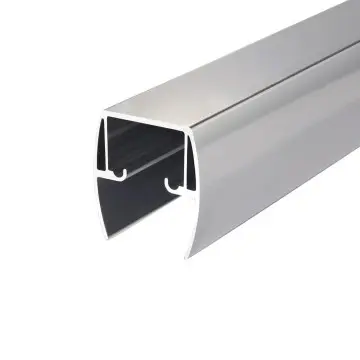
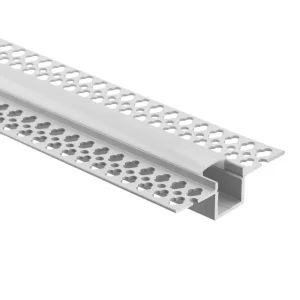
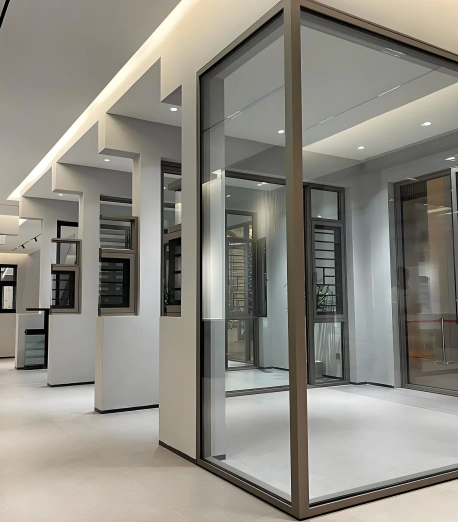
Leading solutions in custom architectural trims, shower enclosures, and linear LED housings
How Kangjian aligns domestic manufacturing processes with international commercial standards
Entering the international lighting market requires compliance with regional safety, environmental, and structural standards. At Kangjian, we align our production lines with global regulatory expectations to streamline the importing process for our clients. By certifying our operations under ISO 9001 and environmental management systems, we maintain process control across all stages of extrusion, surface treatment, and packaging. This systematic approach reduces raw material waste and ensures consistent quality in every shipment.
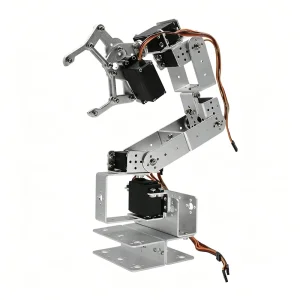
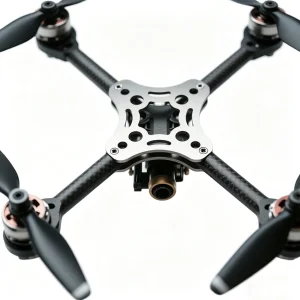
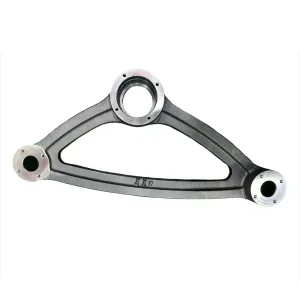
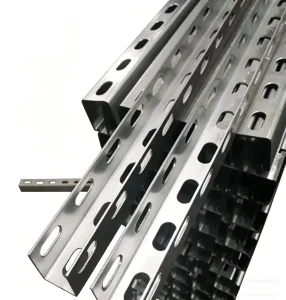
Additionally, our factory’s capacity to handle structural alloys like 6061-T6 and 6063-T5 allows us to serve sectors beyond architectural lighting. Our profiles are used in high-vibration applications, such as drone frames and robotic arm components, as well as marine structural elements. This versatility demonstrates the capabilities of our engineering team, which works directly with clients to review CAD drafts and perform simulated structural load analyses before starting tool production.
For custom OEM orders, we provide full material traceability reports detailing alloy composition and mechanical properties. This transparency is vital for architectural and engineering projects that require strict adherence to load-bearing and performance specifications.
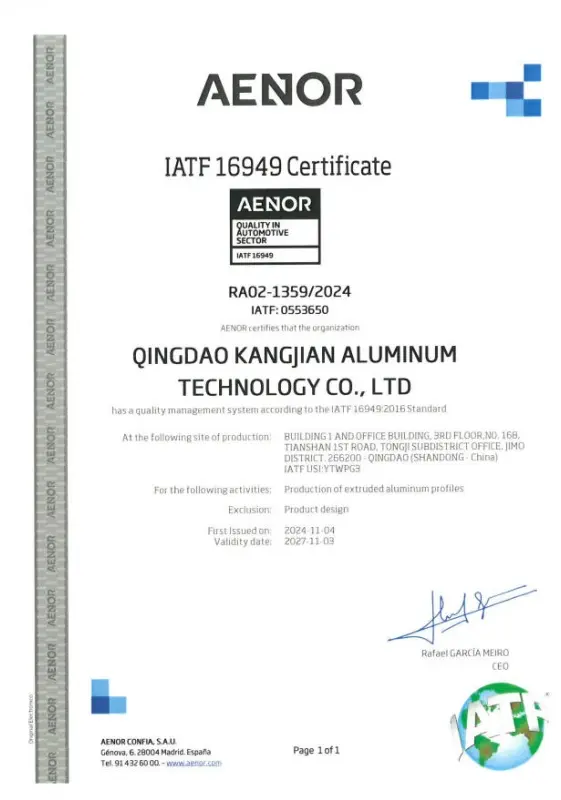
Proof of quality, safety, and operational excellence certified by global authorities
Anticipating the next wave of lighting technology: Micro-LEDs, structural integration, and circular materials
Looking ahead, the integration of lighting into building structures will become more seamless. Future designs will see structural elements double as the thermal management system for built-in LEDs. This trend, known as "lighting-as-structure," requires profiles that can carry mechanical loads while acting as effective heat sinks. Achieving this balance involves using advanced alloys with high thermal conductivity and mechanical strength, along with complex internal profiles designed to maximize surface area for heat dissipation.
Additionally, the industry is moving toward circular design principles. Global buyers are increasingly selecting profiles made from recycled aluminum or manufactured using clean energy processes to lower the carbon footprint of their projects. Kangjian is committed to adopting sustainable practices, optimizing our material scrap recovery, and exploring energy-efficient extrusion techniques to support these environmental goals.
Our engineering team continues to invest in advanced quality control technology, using automated optical inspection systems and Coordinate Measuring Machines (CMM) to verify profile shapes against digital models in real time. This capability is especially important for custom commercial projects where multiple extrusions must join together cleanly over long runs.
By producing our extrusion dies in-house, we can adjust tooling configurations quickly. This speeds up prototype testing and allows us to refine designs in response to testing feedback, keeping project timelines on track.
Supplying major infrastructure, automotive, marine, and construction projects globally

Addressing the key technical, metallurgical, and sourcing questions from professional buyers and structural engineers
Premium aluminum components for heavy industry, machinery, and commercial lighting installations