Kangjian
Kangjian
Kangjian
Explore our key custom architectural profiles, anodized framing systems, and LED integrations.
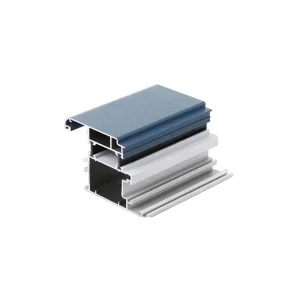
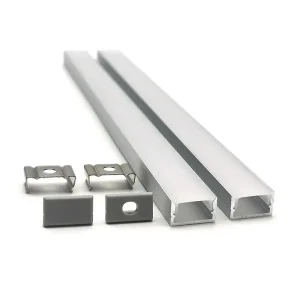
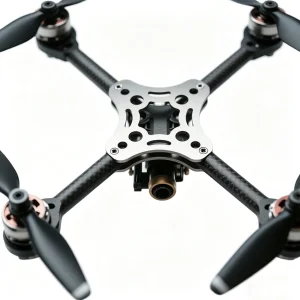
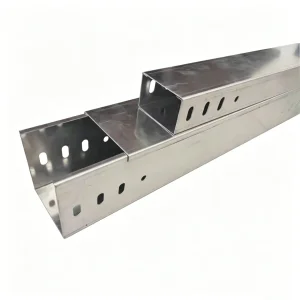
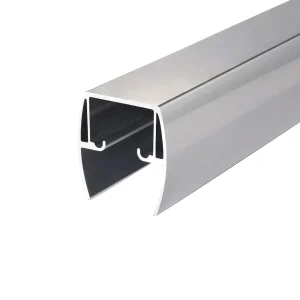
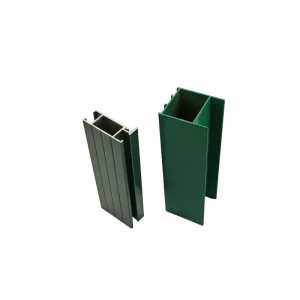
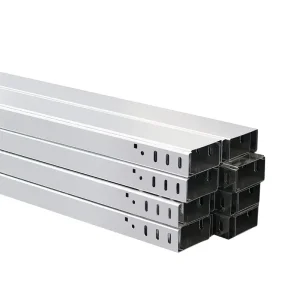
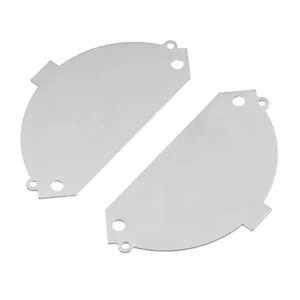
Analyzing structural integrity, mechanical yield, and material durability for high-end fenestration projects.
In high-performance architectural design, the window profile forms the primary barrier against environmental elements. Choosing the proper aluminum alloy is critical to ensuring structural stability, wind resistance, and thermal performance. Typically, architectural window suppliers specify 6xxx series aluminum alloys, primarily 6063 and 6061, due to their excellent extrudability, corrosion resistance, and responsiveness to surface treatments.
Alloy 6063 is the industry standard for window frames and doors. Known as an architectural alloy, its chemical composition is tightly controlled (comprising roughly 0.2-0.6% Silicon and 0.45-0.9% Magnesium). This specific ratio facilitates clean extrusion of intricate multi-cavity designs (such as thermal breaks) while delivering a highly responsive surface for anodizing and powder coating. It offers a moderate tensile strength (typically 186-220 MPa depending on temper) ideal for residential and commercial glazing systems.
Alloy 6061 contains higher percentages of Silicon and Magnesium, with added Chromium and Copper. This makes it substantially stronger (tensile strength up to 310 MPa in T6 temper). While less common for standard residential profiles due to lower surface finish quality, 6061 is preferred for structural curtain walls, large spans, high-rise structural mullions, and heavy-duty window frameworks where mechanical deflection limits are critical.
| Alloy & Temper | Tensile Strength (Min) | Yield Strength (Min) | Elongation % | Typical Window Applications |
|---|---|---|---|---|
| 6063-T5 | 150 MPa | 110 MPa | 8% | Standard residential windows, light commercial sliders |
| 6063-T6 | 205 MPa | 170 MPa | 8% | Heavy-duty thermal windows, high-rise storefront sections |
| 6061-T6 | 290 MPa | 240 MPa | 10% | Structural curtain walls, heavy structural support framing |
The tempering process dictates the final mechanical parameters of the profile. T5 temper indicates the alloy is cooled directly from the hot extrusion press and naturally aged. This provides excellent dimensional stability and ease of fabrication. T6 temper involves artificial aging after solution heat treatment, which maximizes the precipitation of magnesium silicide (Mg2Si) within the aluminum matrix. This results in significantly higher tensile and yield strengths, enabling window manufacturers to build larger glazed openings with thinner profiles, maximizing the glazing ratio while meeting stringent wind-load safety factors.
Mitigating energy loss, managing thermal expansions, and applying durable surface protection.
Modern building envelopes demand strict compliance with green building codes, requiring window assemblies with extremely low U-values (thermal transmittance). Because aluminum is naturally a highly conductive metal, high-performance window profiles must utilize thermal break technology.
A thermal break consists of a low-conductivity material placed between the interior and exterior aluminum profiles. Modern architectural design relies on glass-fiber reinforced polyamide (PA66 GF25) strips. These polyamide inserts prevent the transfer of heat, eliminating condensation on interior frame surfaces and significantly lowering HVAC energy requirements. In cold climates, a high-quality thermal break design keeps the internal profile warm, while in warm climates, it prevents external solar heat from radiating indoors.
Window profiles must withstand local wind pressure parameters without structural deformation. Wind load design follows standards such as ASTM E330 or EN 12211. Extruded profile cross-sections are engineered with specific moments of inertia (Ixx and Iyy) to control lateral deflections. By using complex multi-cavity geometric profiles, manufacturers can increase mechanical stiffness without adding unnecessary raw material weight, resulting in cost-effective structural integrity.
The environment degrades exposed aluminum. Suppliers utilize three main surface treatment methodologies to protect the metal and achieve desired aesthetics:
1. Anodizing: An electrochemical process that converts the metal surface into a durable, corrosion-resistant anodic oxide finish. Typical thicknesses range from 15μm for mild environments to 25μm for marine and heavy industrial zones.
2. Powder Coating: Offers a wide range of colors and finishes. Using electrostatic spray and thermal curing, polyester or polyurethane powders form a hard protective layer. Premium lines utilize Qualicoat-certified powders for high UV resistance.
3. PVDF (Fluorocarbon) Paint: Recommended for monumental buildings in extreme weather zones. The carbon-fluorine bond provides excellent resistance to atmospheric pollutants, chalking, fading, and chemical wear over several decades.
Qingdao Kangjian Aluminum Industry Technology Co., Ltd. - Leading High-End Aluminum Extrusion.
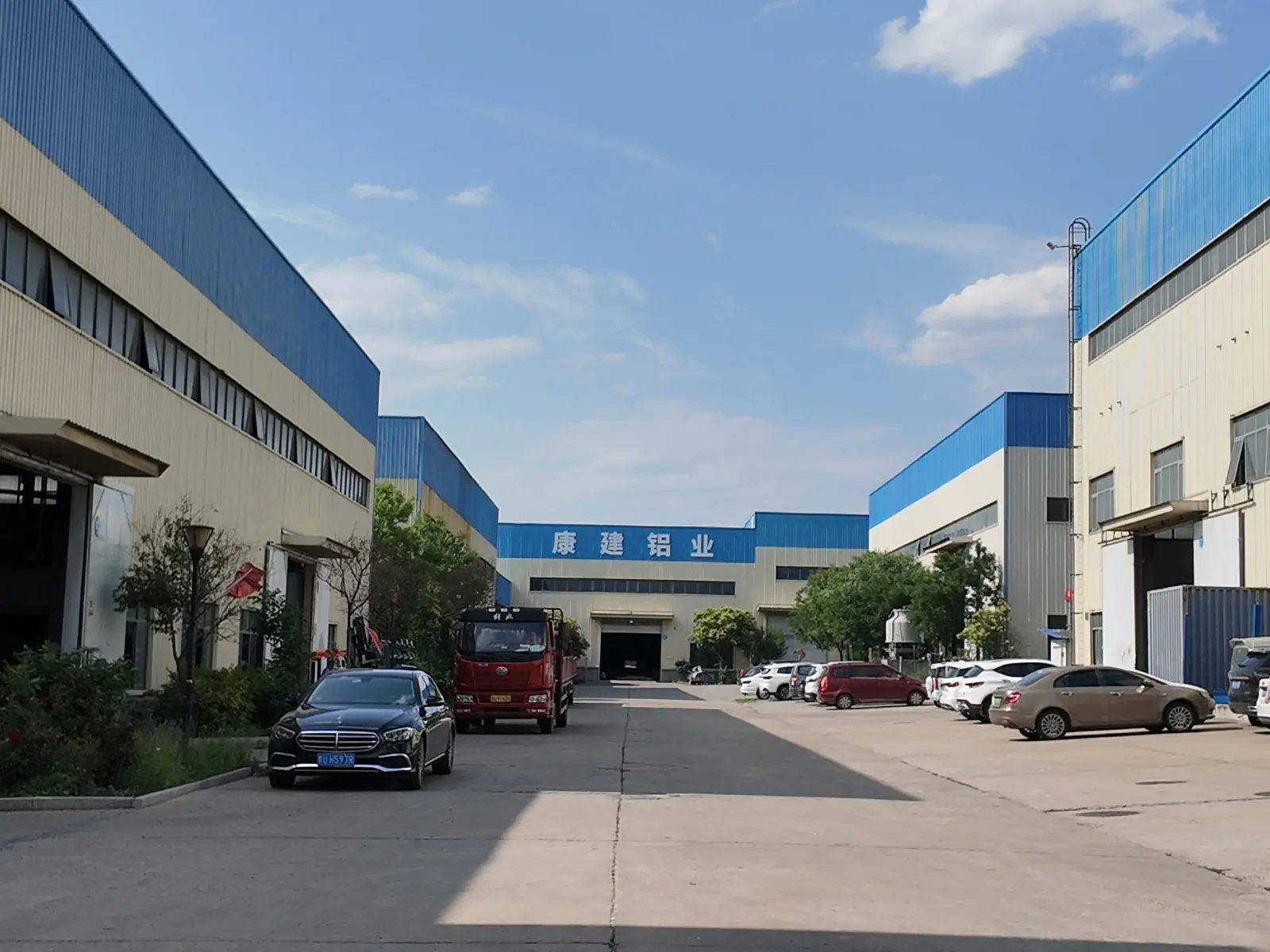
Located in the Jimo District of Qingdao City, Qingdao Kangjian Aluminum Industry Technology Co., Ltd. is a modern manufacturer specializing in high-performance aluminum and aluminum alloy products. Established in 2022, we serve critical industrial and architectural sectors, supplying products ranging from precision window profiles to components for rail transit, aerospace, automotive, marine, and complex structural curtain walls.
Our facility features a 200-mu industrial park with 80,000 square meters of high-tech production plants and 4,000 square meters of administrative offices. We operate 5 advanced extrusion production lines (including 2500T, 1450T, 1150T, and two 700T extruders), giving us a production capacity of 15,000 tons of high-grade aluminum profiles annually. Supported by a workforce of 90 engineers and technicians, we supply premium extrusions to clients worldwide.
Connecting the coast of the Yellow Sea with the global aluminum extrusion market.
In just three years, Qingdao Kangjian has expanded from its regional base in Qingdao to supply projects throughout mainland China (including Anhui, Hebei, Tianjin, Hunan, Guangdong, Beijing, and Jiangsu). Leveraging Qingdao's logistics network and deep-water port, we have established our presence in international markets including South Korea, Japan, the United States, and Europe.
Despite challenging global market conditions, Kangjian has maintained growth, with order deliveries and output value increasing at an average annual rate of 30%. Our focus on strict quality control and technical consulting has helped us build long-term partnerships with engineering firms and window fabricators worldwide.
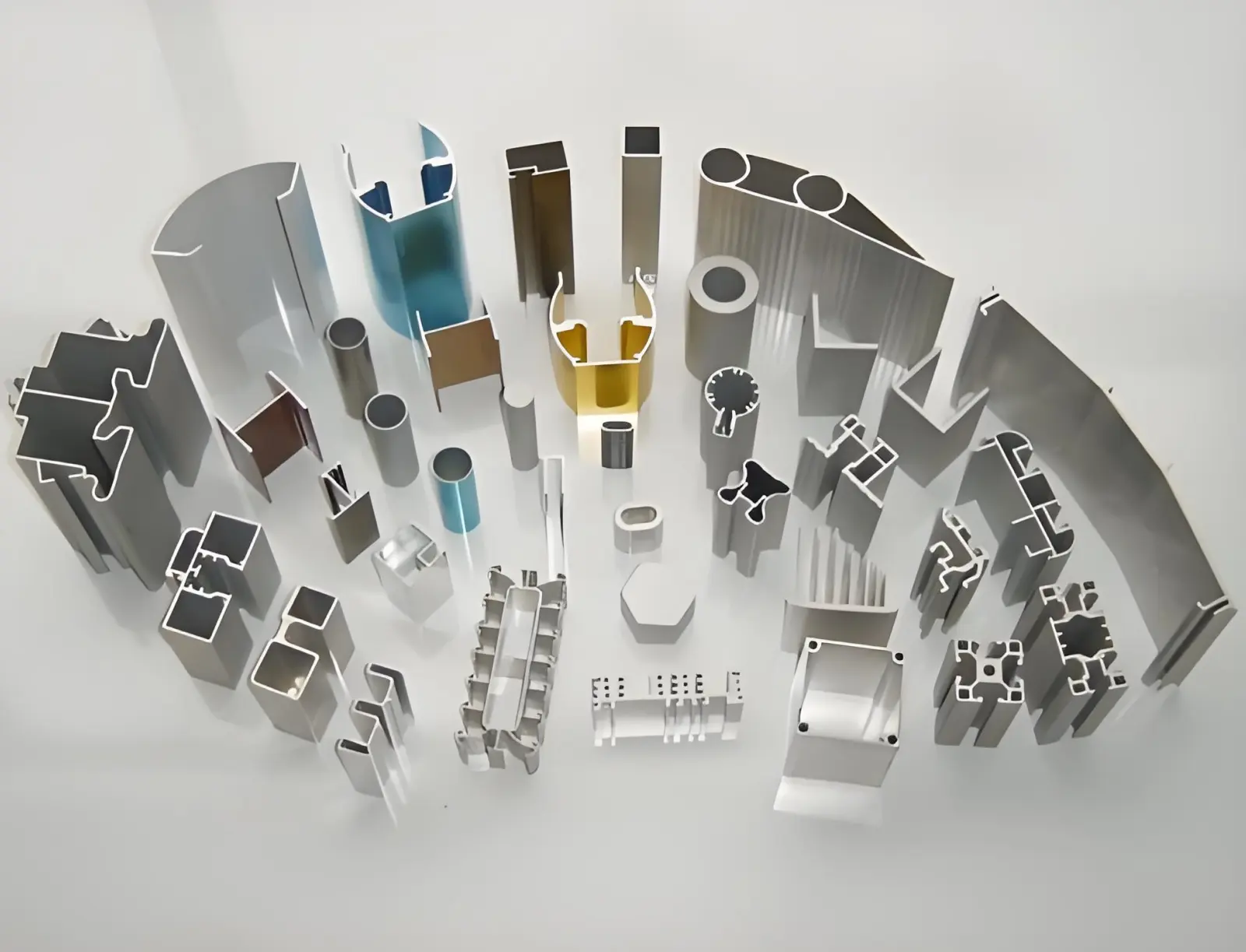
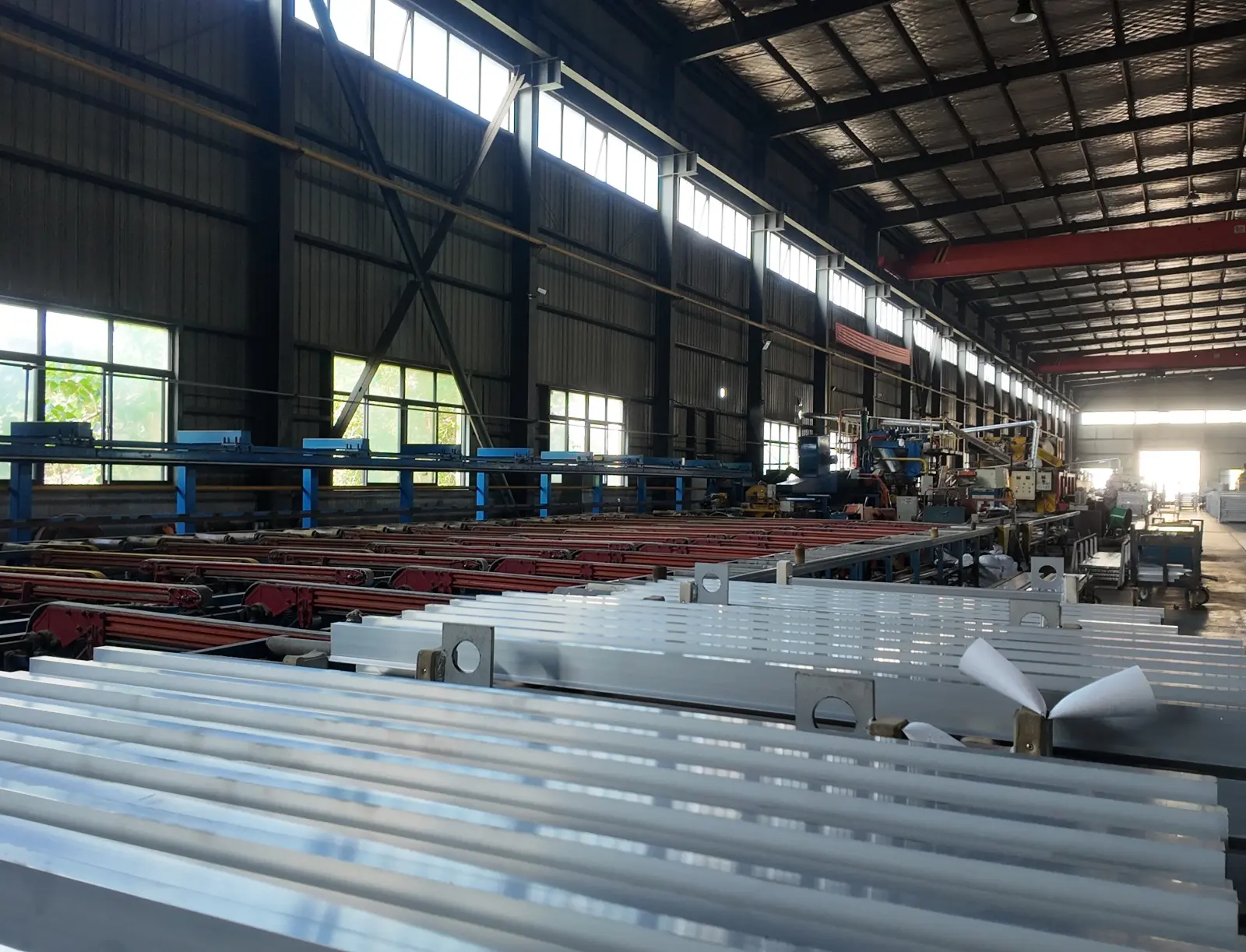
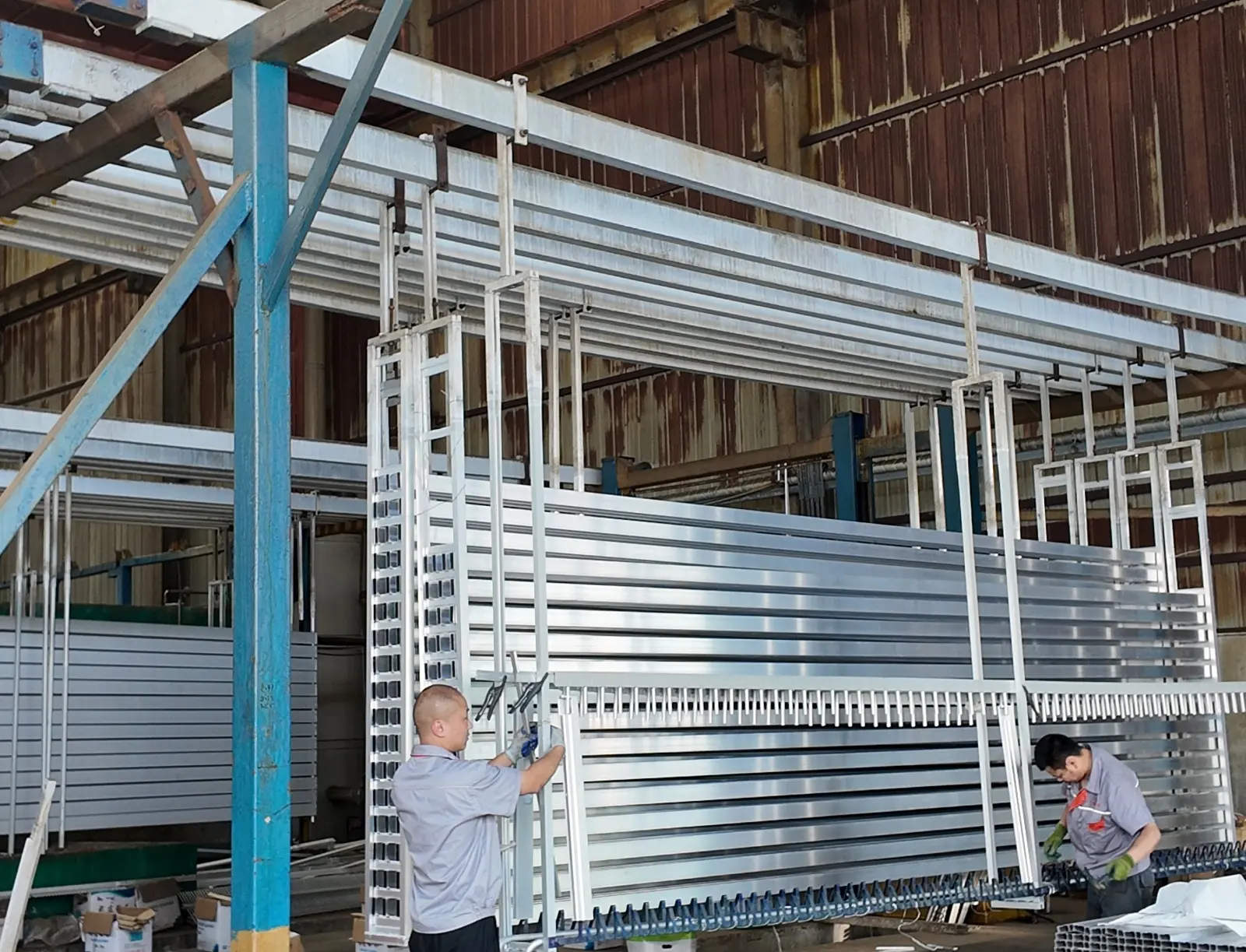
Integrating modern extrusion lines, automated thermal management, and precision CNC milling.
Global procurement requires reliable, scalable supply chains. To ensure consistent quality and lead times, Qingdao Kangjian has structured its manufacturing facilities around Factory 4.0 principles, integrating extrusion, finishing, and precision machining under a unified quality management system.
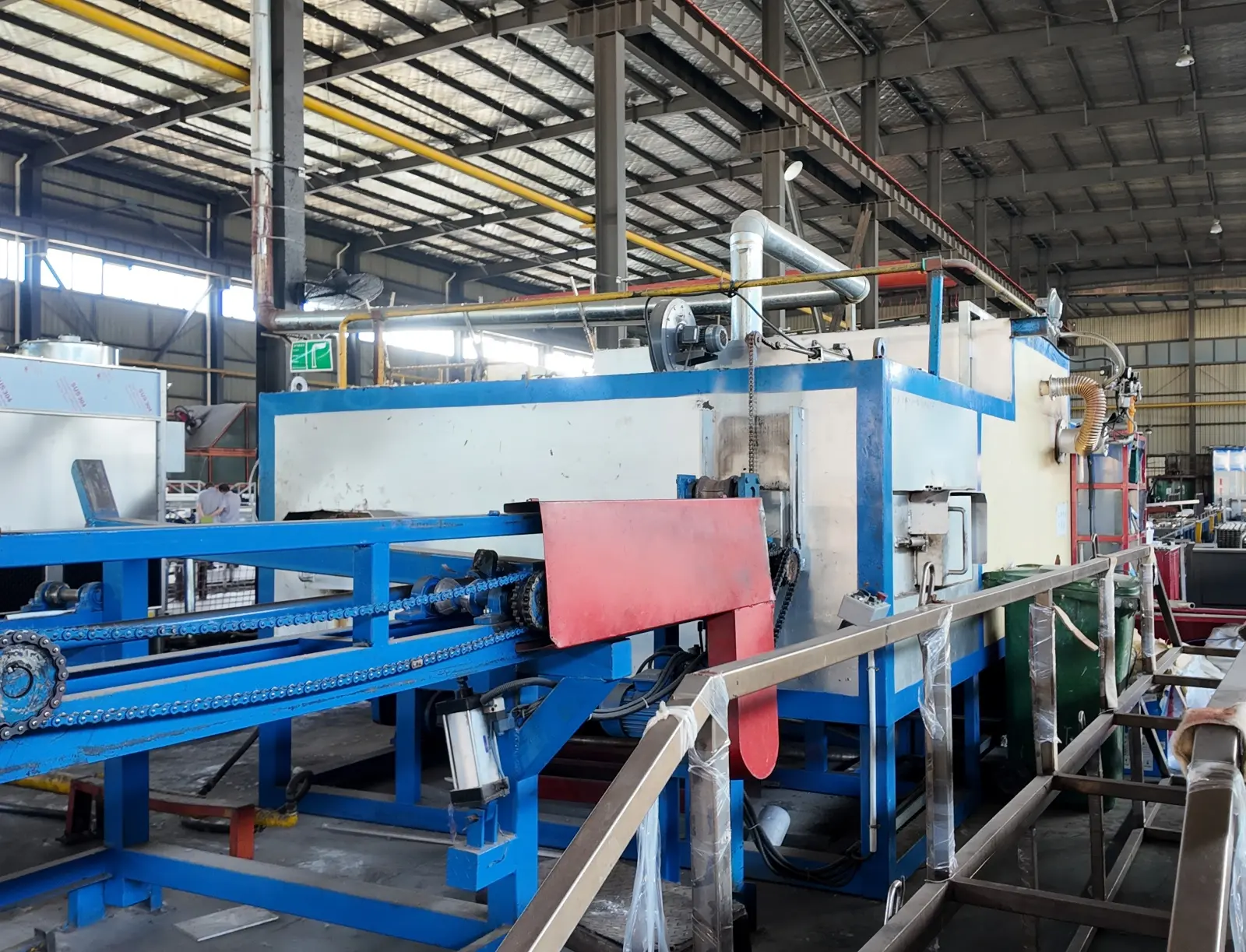
Our factory operates 5 extrusion presses (ranging from 700T to 2500T). The 2500T press is designed for heavy-duty industrial profiles and complex, large-span window profiles, enabling us to extrude profiles with widths up to 250mm. The smaller 700T and 1150T units are used for precision glazing frames, beads, and thin-walled profiles. All lines feature PLC-controlled extrusion speed and temperature feedback loops, ensuring metallurgical consistency from the start of the run to the end.
We use high-grade 6063/6061 aluminum alloy billets. Our process starts with electromagnetic induction preheating, bringing the billet to its plastic deformation range (450°C to 480°C). During extrusion, the material undergoes in-line water mist or forced-air quenching. This rapid cooling process freezes the solute magnesium and silicon atoms in a solid solution, preparing the profiles for subsequent artificial aging, which achieves the required T5 or T6 hardness.
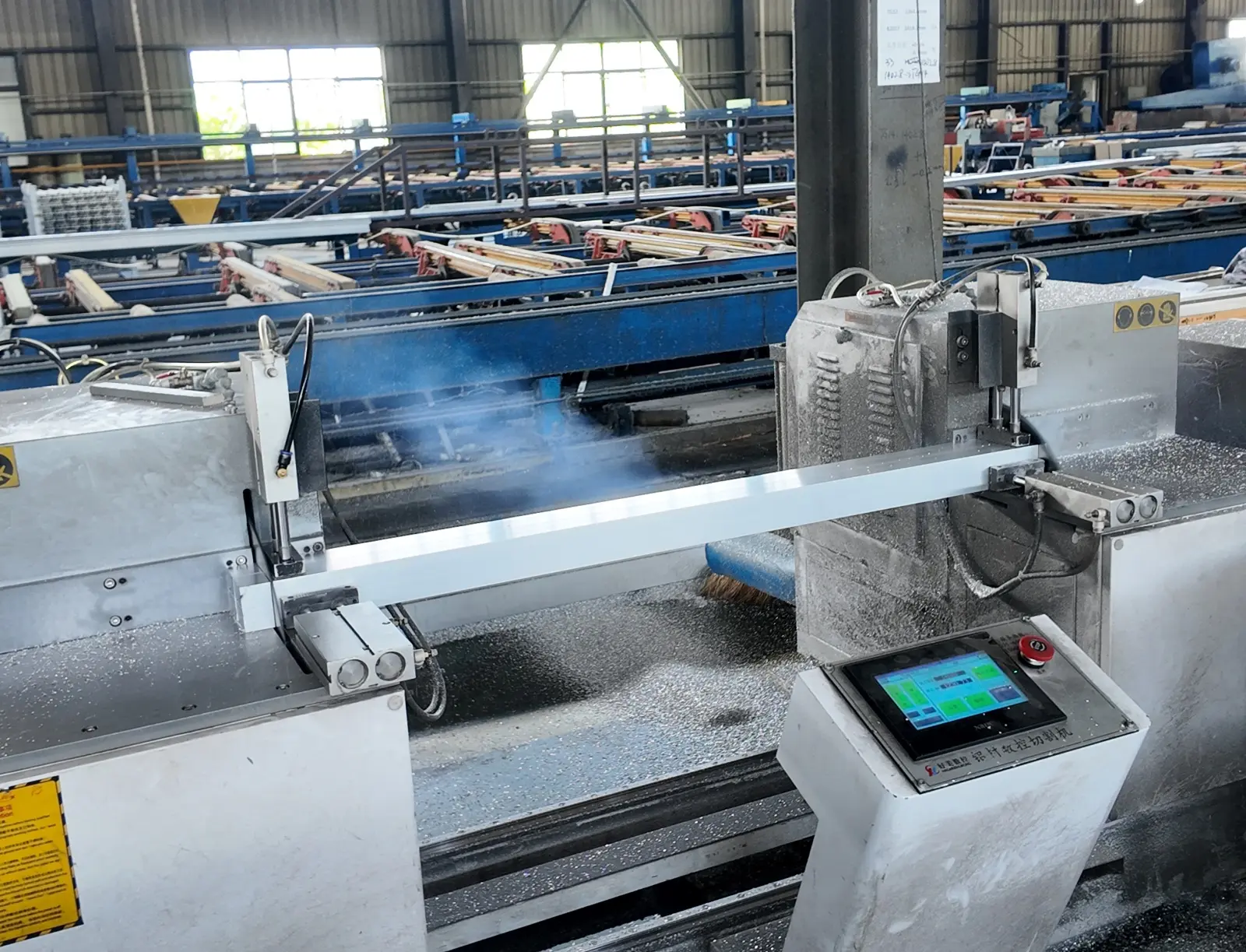
Many window and door manufacturers require pre-machined profiles. Our facility is equipped with multi-axis CNC milling centers, precision double-head cutting saws, and drilling lines. We provide cut-to-length profiles, precise hardware cavity routing, hinge recess milling, and pre-drilled assembly holes, helping clients streamline their final assembly processes.
Developing low-carbon alloys, advanced aerogel insulators, and smart framing profiles.
As green building standards progress toward net-zero targets, window profile design is evolving. Kangjian is focusing its research and development on several key technological areas:
To reduce embodied carbon, we are increasing the use of clean, post-industrial recycled aluminum scrap. By melting scrap with primary ingots under strict metallurgical controls, we produce extruded profiles with a carbon footprint below 4.0 kg CO2/kg Al, while maintaining the mechanical properties of primary alloys.
To meet passive house thermal requirements, we are testing the injection of silica aerogels directly into the insulated cavities of our thermal break window profiles. This technique significantly reduces convective air heat transfer within the profile, achieving Uf-values below 0.8 W/(m²K).
Smart buildings require windows with integrated sensors and motorized operators. Our profiles feature internal wiring chases and mounting slots to support magnetic alarms, motorized sash actuators, and electrochromic glass control lines, protecting these components within the frame.
Navigating structural tolerances, mechanical specifications, and secure overseas packaging.
Architectural engineering firms and window fabricators face several common challenges when sourcing profiles internationally. We address these concerns by adhering to global quality standards and strict shipping protocols:
Strict Dimensional Control: We extrude window profiles according to EN 755-9 and DIN 17615 standards. This guarantees that frame, sash, and bead components fit together precisely during assembly, ensuring the performance of weather gaskets and operational hardware.
Aesthetic Coating Consistency: To maintain color uniformity across different production batches, we use spectrophotometer measurements to keep delta E values under 1.0. We test our surface coatings for adhesion, impact resistance, and chemical exposure using dry-film thickness gauges and salt spray testing.
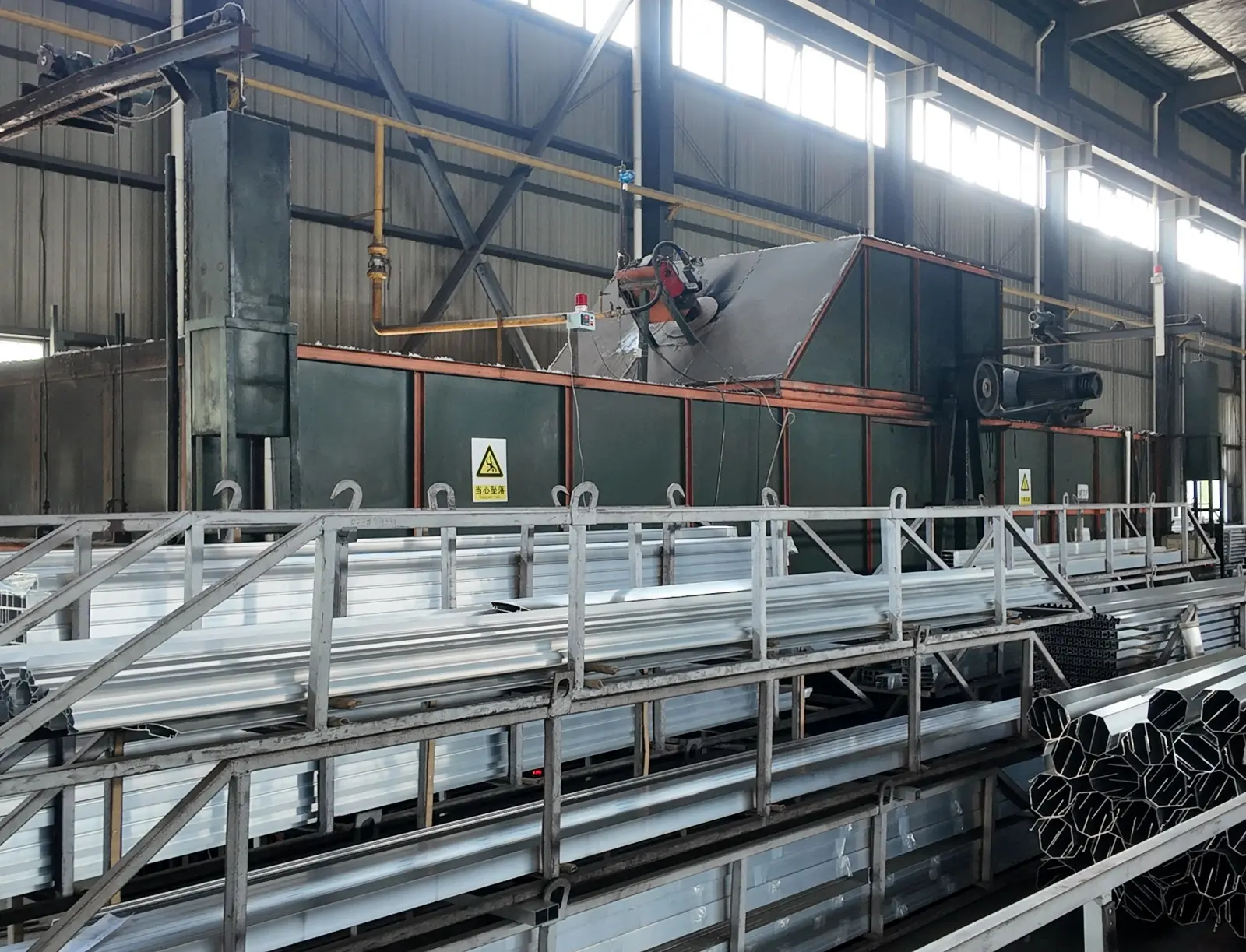
Surface Protection: Extruded profiles are wrapped in custom co-extruded protective films to prevent abrasion during processing and installation. For sea freight, we pack profiles in reinforced wooden crates with desiccant bags to prevent moisture staining during transit.

Global standards, environmental compliance, and material traceability.
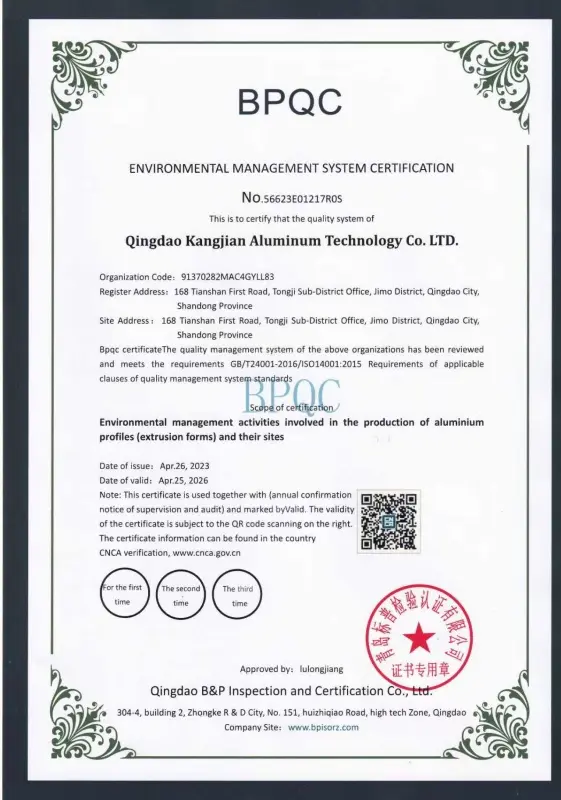
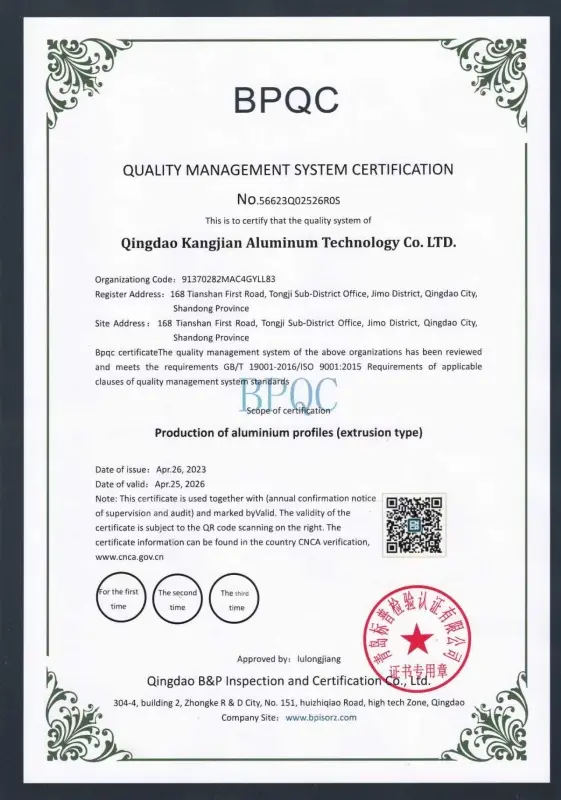
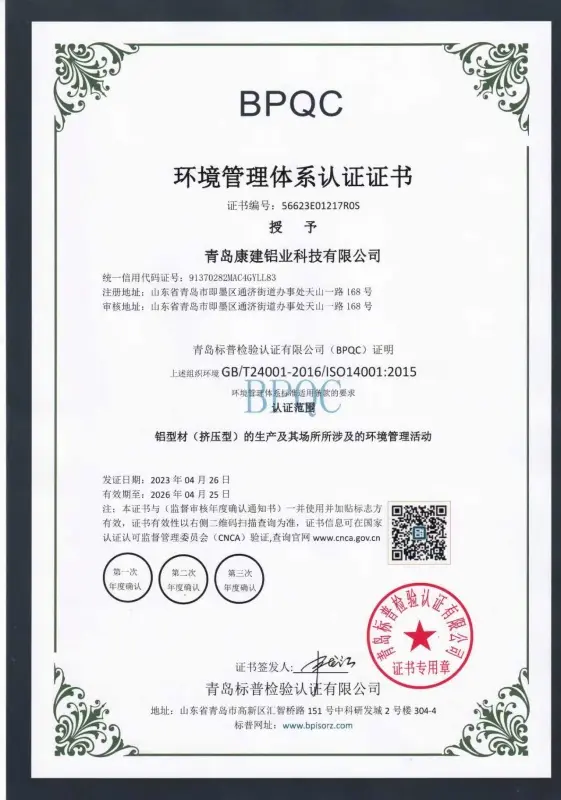
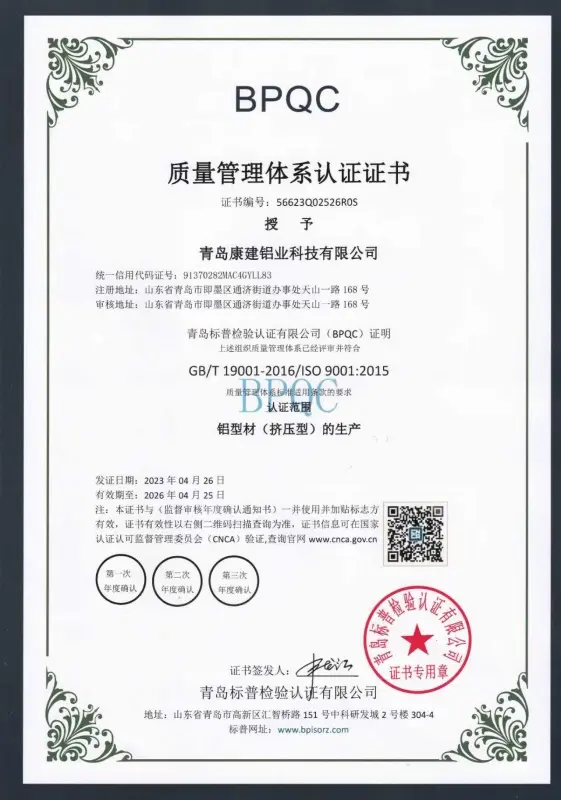
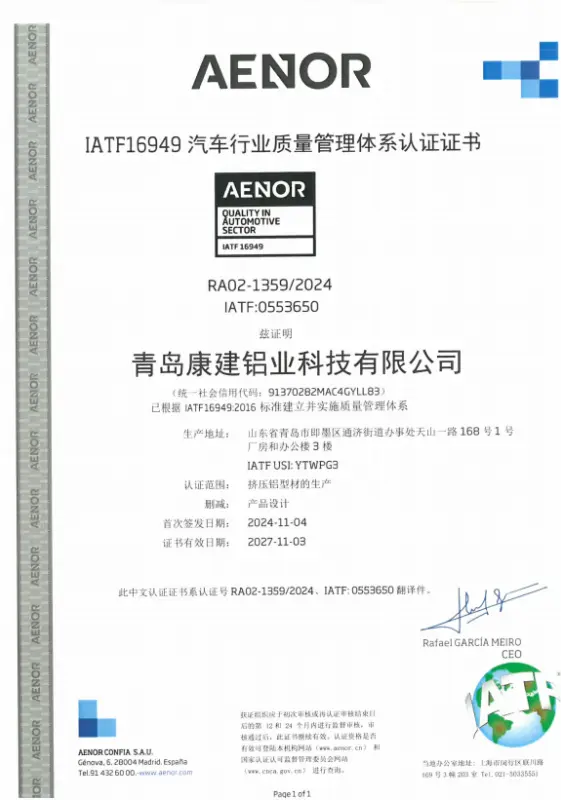
Qingdao Kangjian operates in compliance with international quality and industrial standards. Our production and quality control systems are certified under key global frameworks, ensuring our products meet the compliance requirements of projects in Europe, North America, and the Asia-Pacific region.
ISO 9001:2016 establishes a structured approach to quality control from raw material receipt to final dispatch. ISO 14001:2016 outlines our environmental management standards, including waste mitigation and emission filtration systems.
For projects requiring precision welding or structural bonding, we are certified to EN 15085 (welding of railway vehicles and components) and DIN 6701 (adhesive bonding processes), ensuring reliable joints in structural and structural-glazing framing applications.
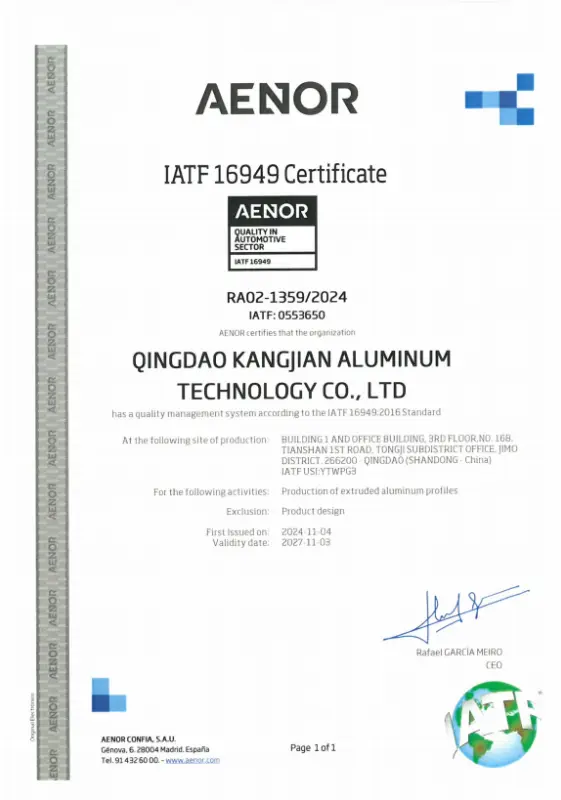
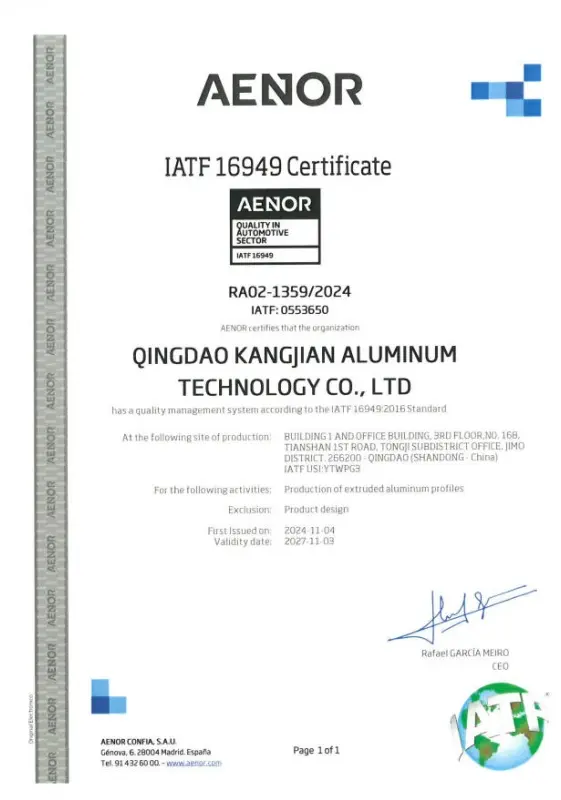
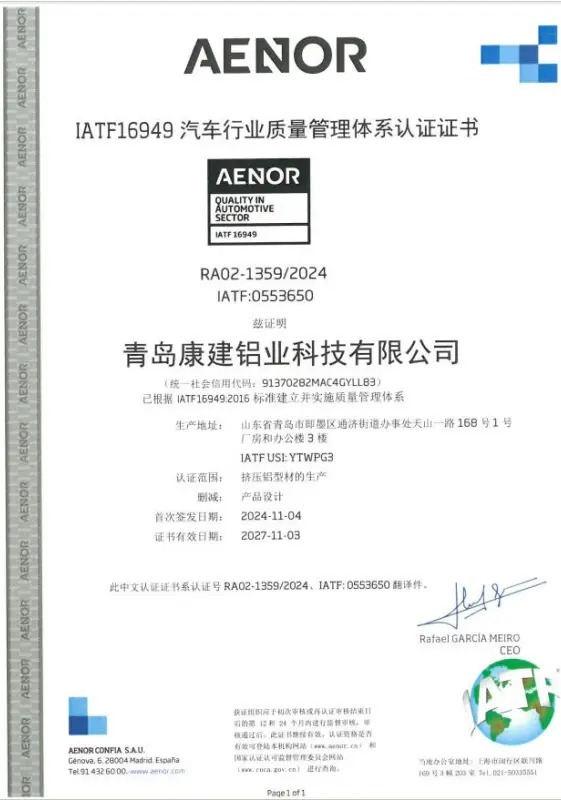
Additionally, our quality management system is certified to IATF 16949 for the automotive industry and ISO 22163 for the railway sector, demonstrating our capability to supply complex, high-tolerance profiles for demanding engineering applications.
Standard architectural designs and heavy-duty industrial fabrications.

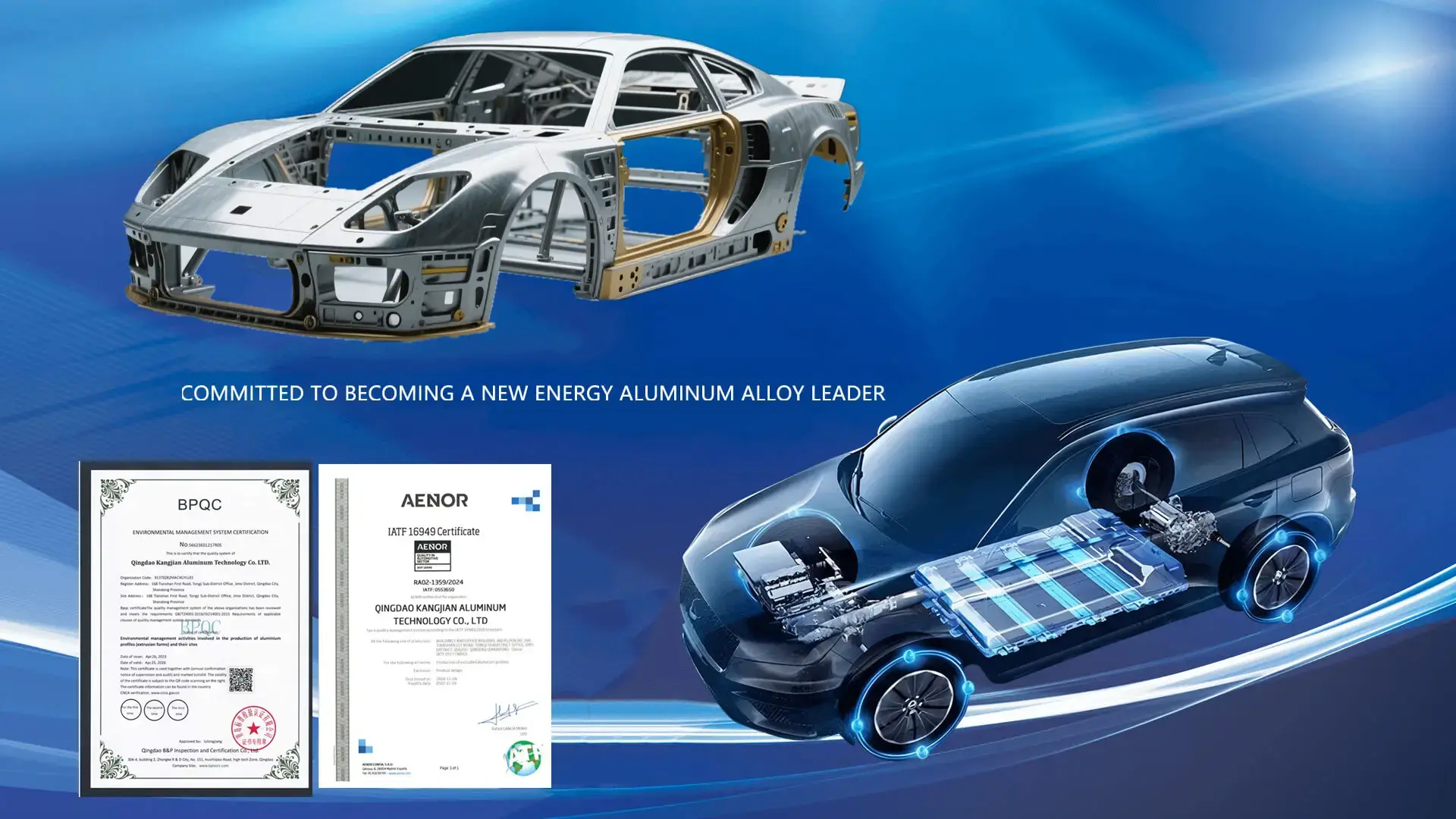
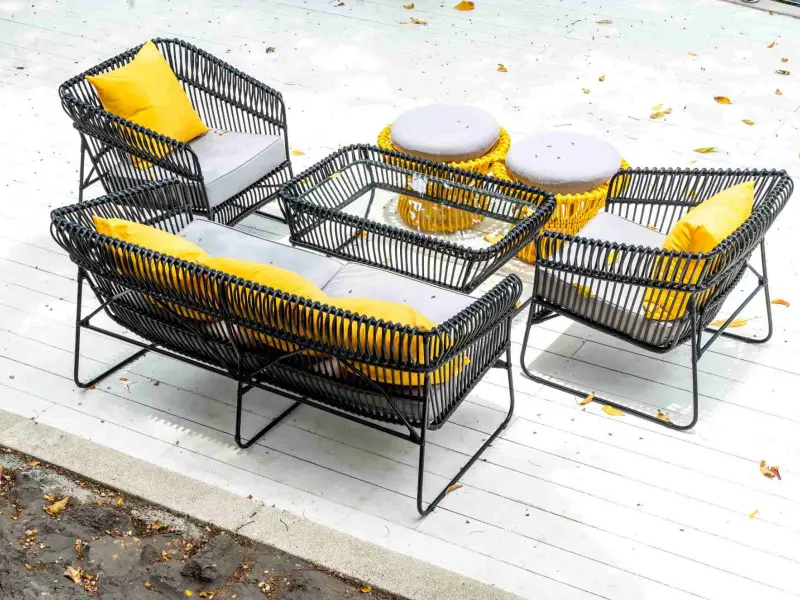
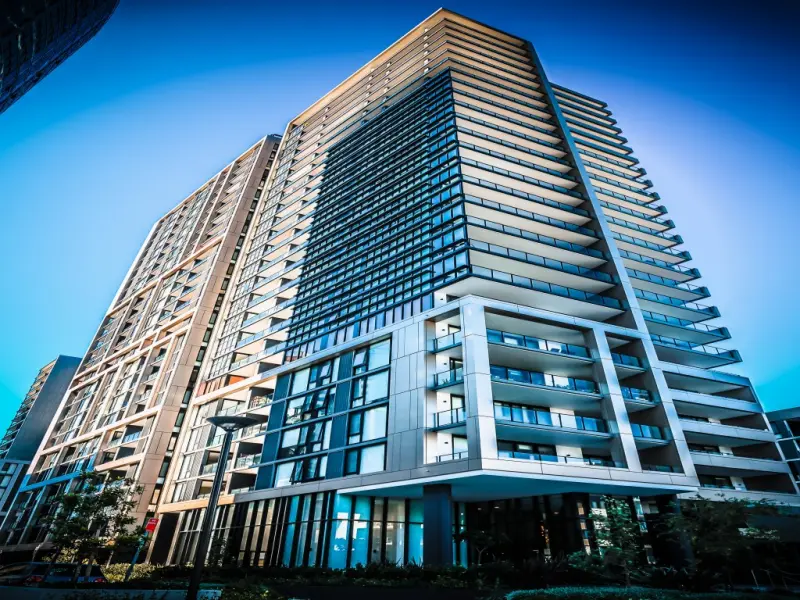
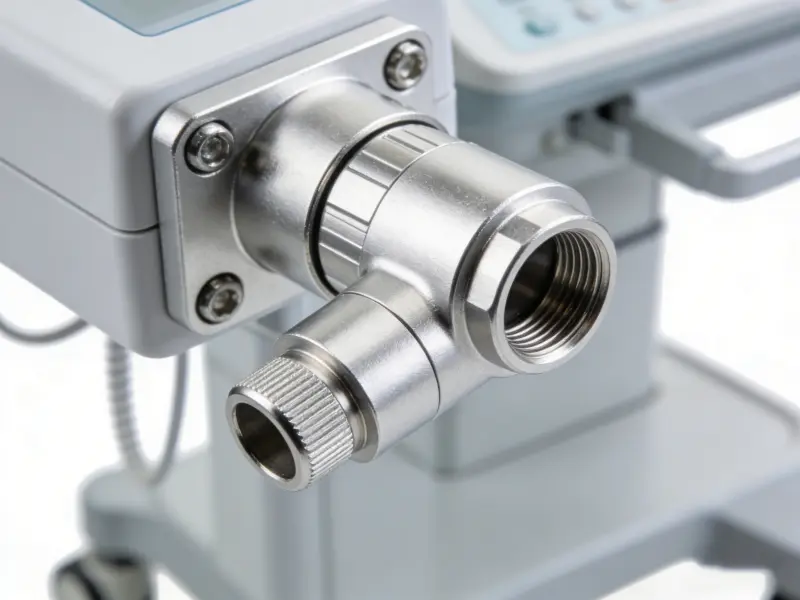
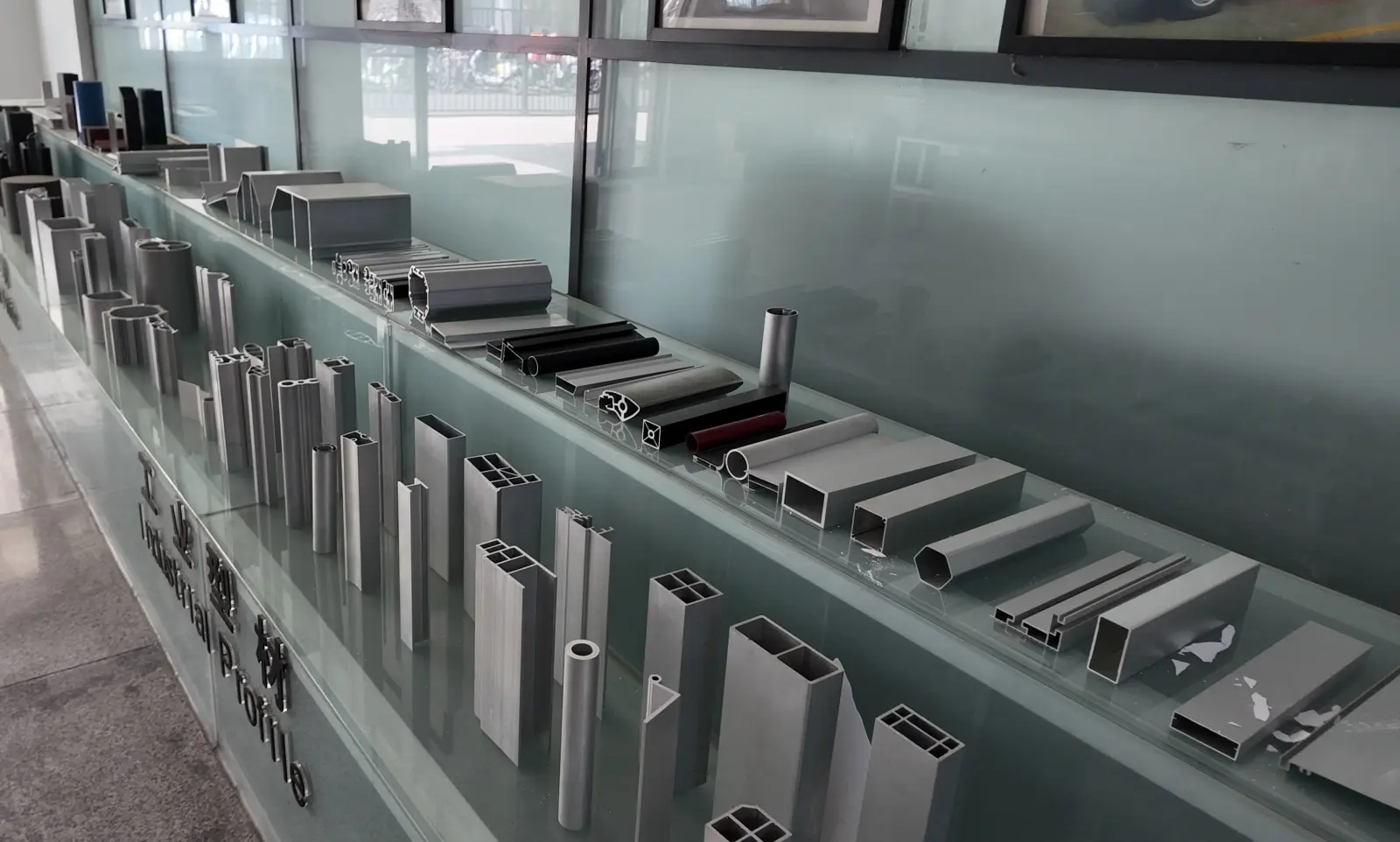
Our production facilities support a wide range of profile classifications:
Technical answers to common engineering and procurement questions regarding architectural aluminum profiles.
6063 provides a better balance of properties for window fabrication. It is easier to extrude into complex, thin-walled, multi-cavity profiles than 6061. It also delivers a high-quality surface finish, making it well-suited for anodizing and powder coating. 6061 is typically reserved for heavy structural components where high tensile strength is required, as its surface finish can be less uniform.
A thermal break divides the aluminum profile into separate interior and exterior sections, connected by a polyamide strip. For structural wind load calculations, this composite section must be analyzed using shear-linkage algorithms (such as EN 14024). The connection must support wind loads and resist thermal shear caused by the temperature difference between the interior and exterior environments.
Filiform corrosion typically occurs in coastal regions with high humidity. To prevent it, we perform a chromate-free chemical pretreatment (using titanium-zirconium conversion coatings) to clean the raw aluminum profile and remove surface oxides before powder coating. This ensures strong adhesion of the paint layer, preventing moisture from penetrating and initiating corrosion under the coating.
While IATF 16949 is an automotive standard and EN 15085 is a railway standard, applying these principles to architectural production ensures strict process control, material traceability, and consistent quality. This level of quality management is valuable for complex commercial curtain walls and high-rise structural projects.
Yes. Our processing facility is equipped with multi-axis CNC machines and automated double-head cutting saws. We can cut profiles to length, drill fastener holes, and rout recesses for hardware, locks, and hinges. This allows window fabricators to receive ready-to-assemble profiles directly at their workshops.
Meeting international quality and industrial standards.


Supplying precision extrusion profiles to global partners.
Extrusion solutions for structural applications, marine equipment, and light transit frames.
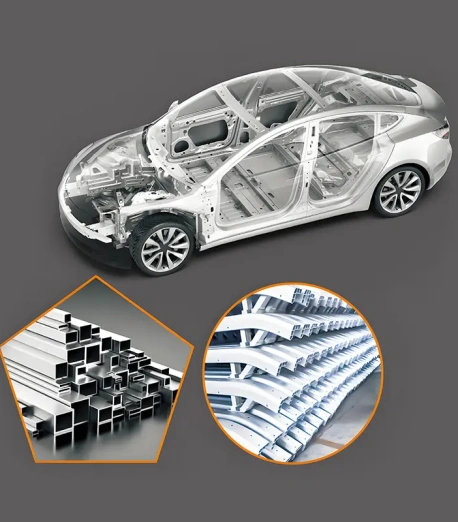
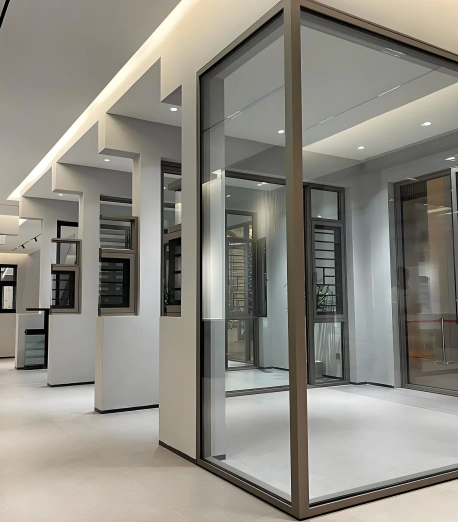
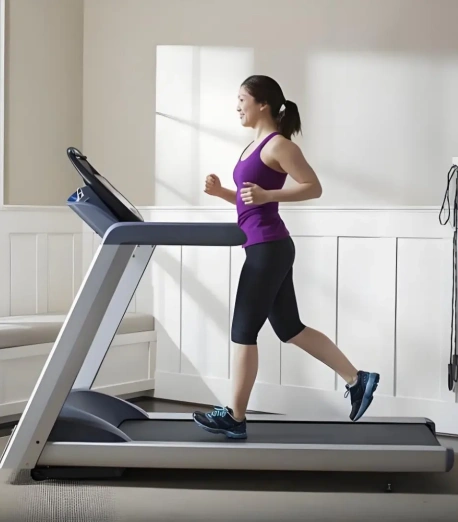
Explore our industrial structures, machined mounts, robotics frames, and T-slot solutions.