Kangjian
Kangjian
Kangjian
In the contemporary landscape of global industrial manufacturing, the demand for precision, efficiency, and structural reliability has reached unprecedented heights. Advanced components used in robotics, aerospace, electric vehicles (EV), and high-speed rail systems demand tolerances measured in microns and metallurgical properties that can withstand extreme environmental stress. As a premier hub for technological manufacturing, China has transformed from a high-volume assembly center into a pioneer of advanced manufacturing, characterized by state-of-the-art subtractive CNC machining and high-performance aluminum extrusion systems.
At the center of this industrial evolution is the seamless integration of raw metallurgical processes with finish-machining capabilities. Historically, procurement teams faced fragmented supply chains, buying raw extrusions from one foundry and shipping them to third-party CNC shops for milling, drilling, and anodization. This fragmented approach introduced dimensional tolerance stacks, increased lead times, and created quality control liabilities. Today, integrated Chinese manufacturers like Qingdao Kangjian Aluminum Industry Technology Co., Ltd. bridge this gap by housing multi-stage extrusion lines, advanced CNC centers, and comprehensive surface treatment facilities under a single operational roof.
This technical whitepaper examines the global industrial realities of sourcing aluminum components, detailing the mechanical properties of popular alloys such as 6061 and 6063, explaining the critical nature of international quality standards, and outlining the macro-economic and engineering factors that define high-tier manufacturers in China.
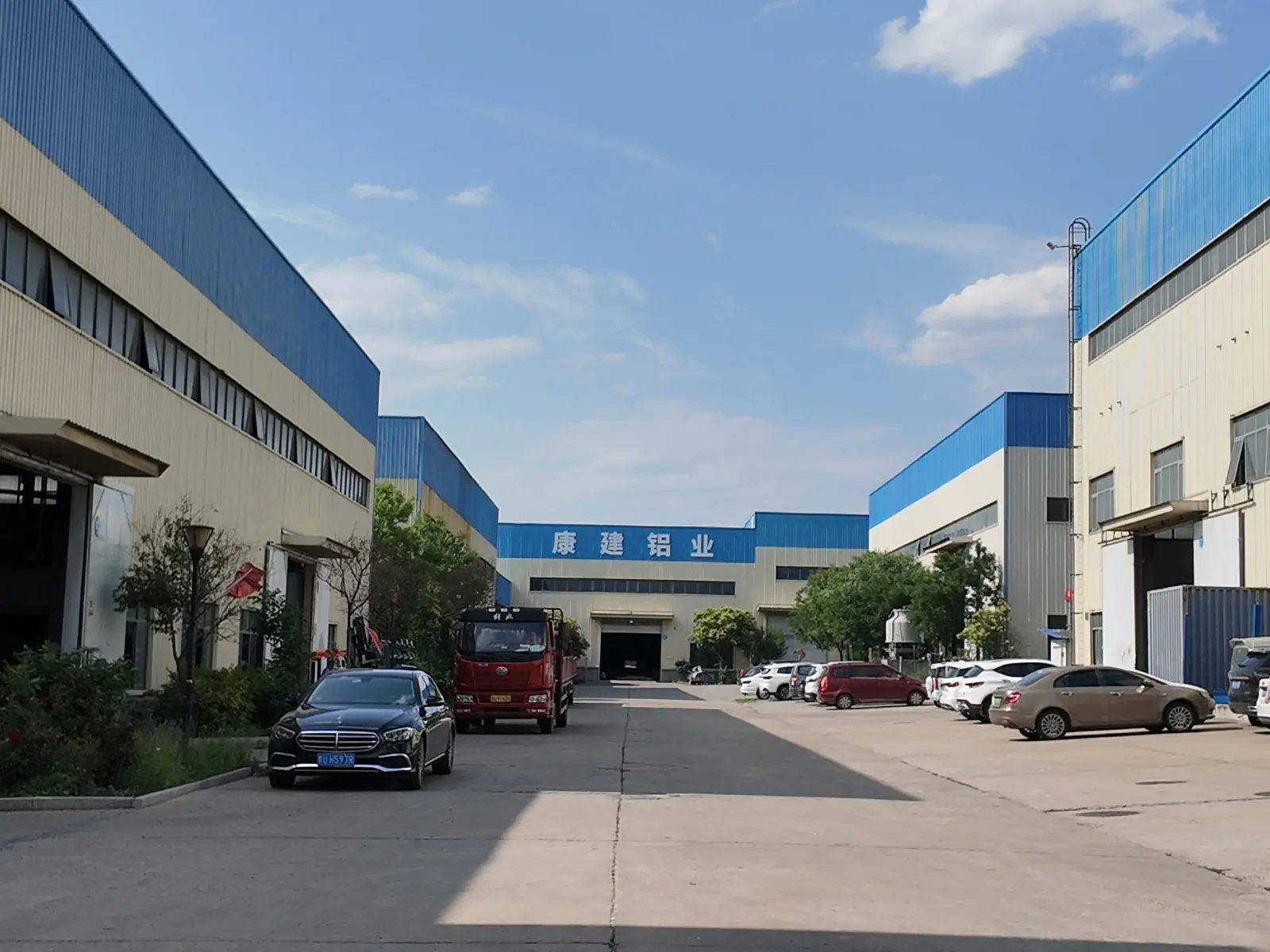
Established in the Jimo District of Qingdao in 2022, Qingdao Kangjian Aluminum Industry Technology Co., Ltd. has established itself as an industry leader in manufacturing high-precision aluminum alloy extrusions and custom CNC components. Operating within a modern, 200-mu industrial park, the company boasts an expansive facility containing 80,000 square meters of production plants and 4,000 square meters of research and corporate offices. Our operations feature a production capacity of 15,000 tons of specialized aluminum profiles annually, driven by a dedicated workforce and a highly optimized suite of extrusion machinery.
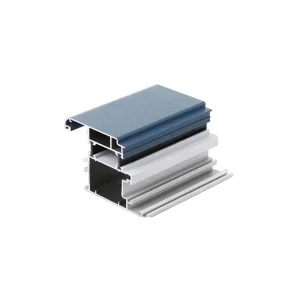
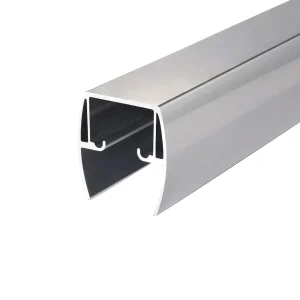
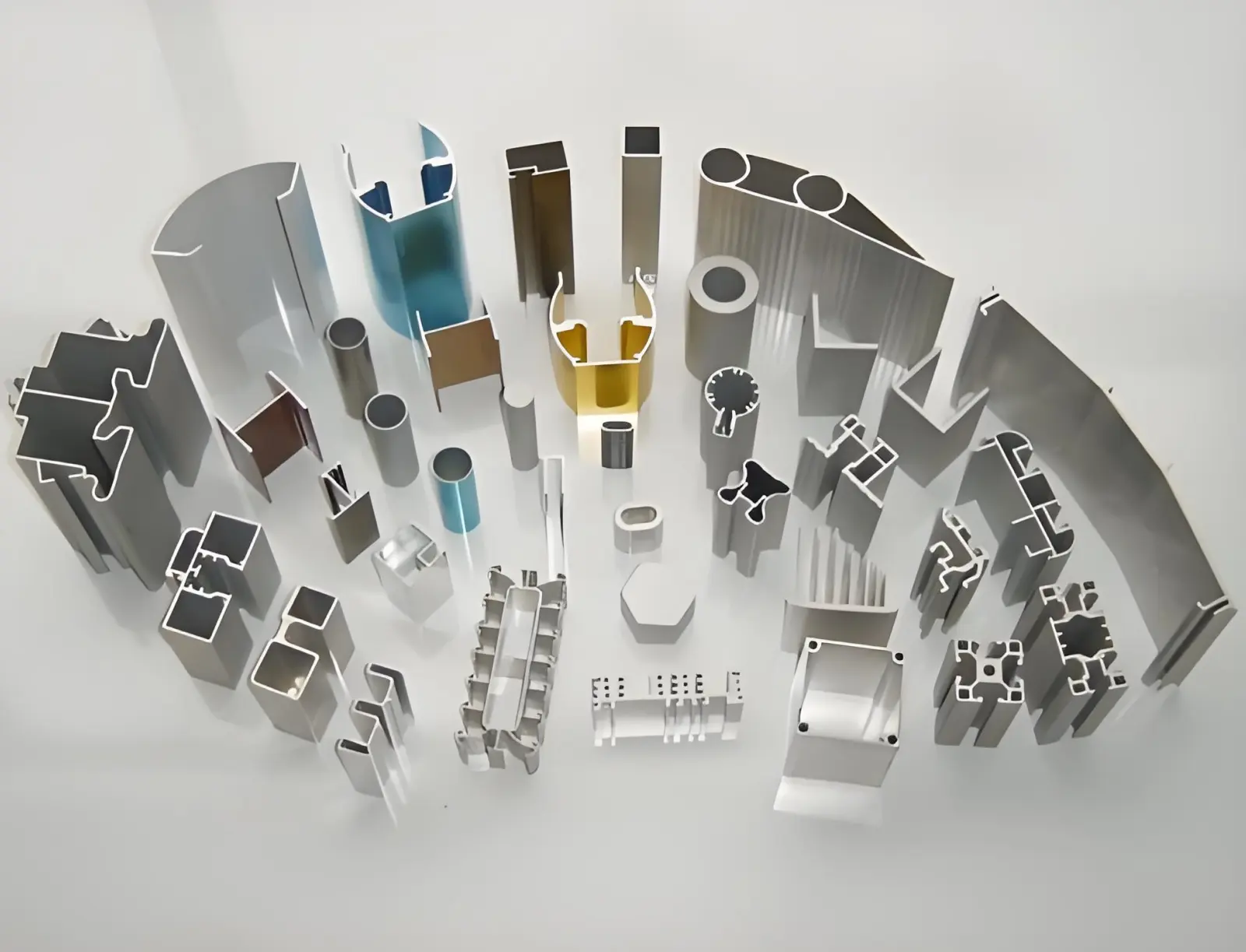
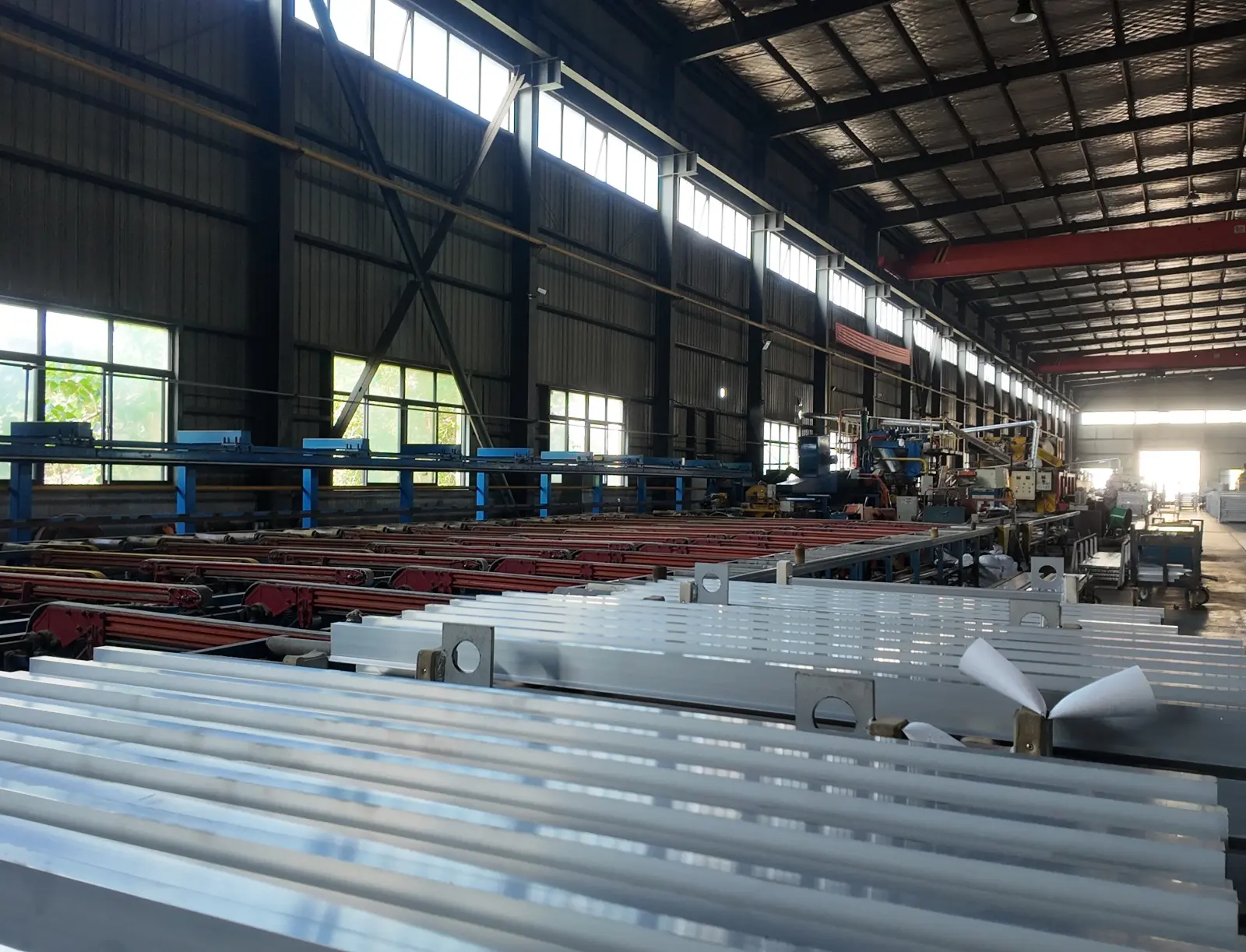
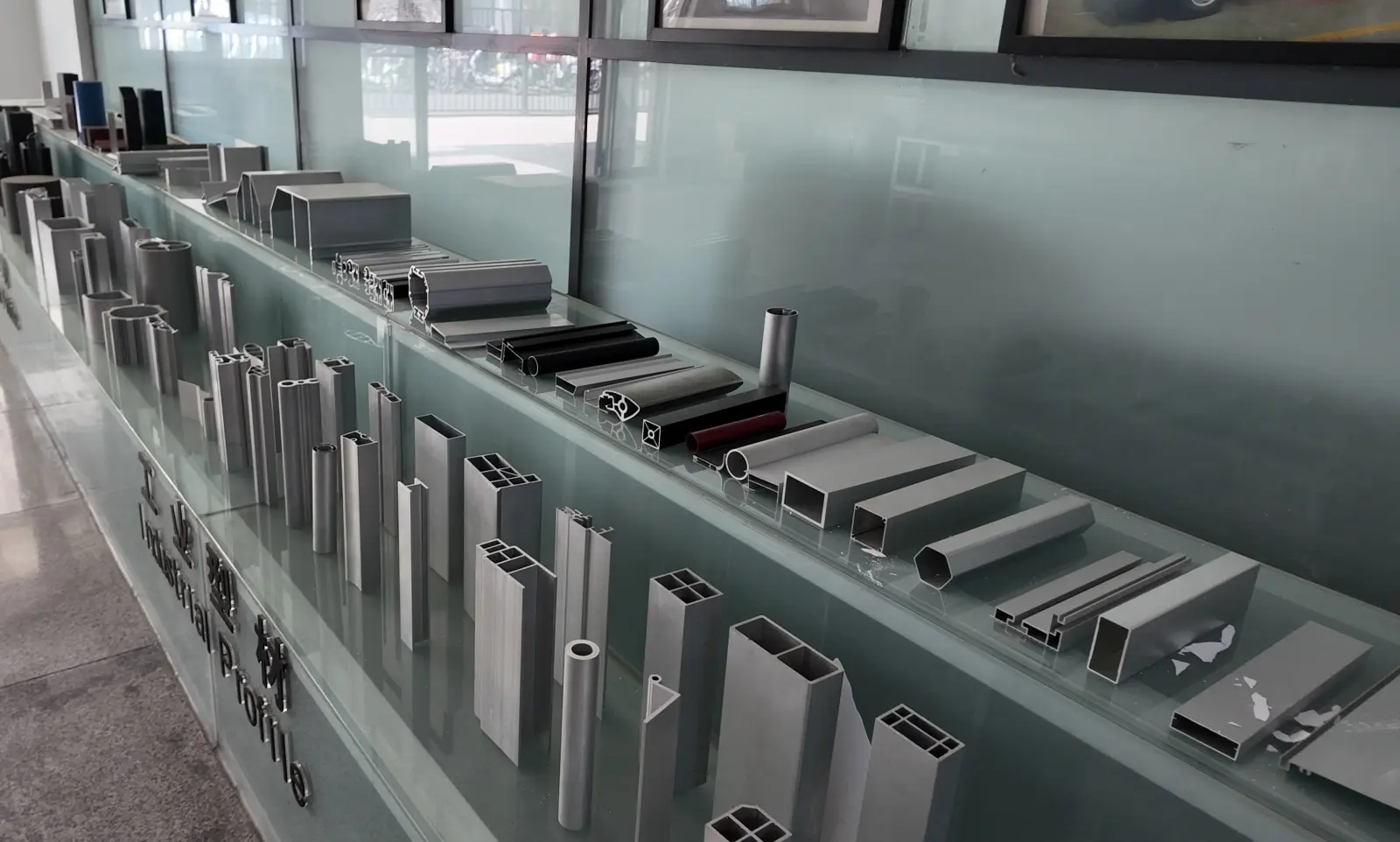
The core of Kangjian's extrusion capability lies in its five advanced manufacturing lines. These include a high-capacity 2500T extruder for heavy industrial, automotive structural, and rail transit profiles; a 1450T extruder; an 1150T unit; and two 700T extruders for fine architectural, medical, and consumer electronics components. This range of extrusion capacities ensures that Kangjian can control the extrusion ratio and structural integrity of profiles ranging from heavy-duty crane rails to ultra-thin LED enclosures.
As the international community accelerates decarbonization initiatives, industrial lightweighting has become a critical strategic goal. Replacing heavy steel structures with high-strength, precision-engineered aluminum alloys yields significant energy-saving dividends in logistics, transport, and infrastructure. Kangjian actively serves this global transition by providing structural components that reduce vehicle mass, optimize heat dissipation, and extend product lifecycles in corrosive environments.
By delivering high-tolerance structural profiles for EV battery enclosures, crash boxes, and subframes, we support global Tier-1 automotive brands in reducing vehicle curb weight, directly enhancing battery range and dynamics.
High-speed trains and metropolitan subway networks require structural profiles that combine thin walls with excellent yield strength. Our EN15085-certified welding and extrusion processes meet these demanding requirements.
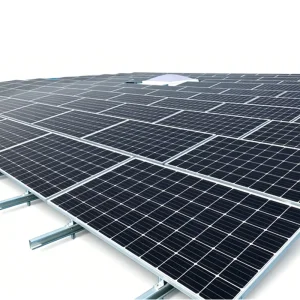
We manufacture custom photovoltaic (PV) solar module frames and tracking arm profiles that withstand extreme wind loads and coastal atmospheric corrosion, ensuring a 25-year structural service life.
Operating with a dual-sea geographic advantage from the coastal city of Qingdao, Kangjian is connected directly to international shipping lanes. This port infrastructure guarantees efficient, predictable logistics pipelines to South Korea, Japan, North America, and Europe. This geographic positioning, combined with digital supply chain tracking, minimizes transit delay risks and aligns with Just-in-Time (JIT) manufacturing schedules of our overseas clients.
Rather than acting as a simple contract manufacturer, Qingdao Kangjian operates as a strategic engineering partner. Our growth trajectory illustrates this consultative business model:
Rapid Local to Global Scaling: In only three years since formal registration, Kangjian has grown beyond the regional markets of Shandong to secure tier-1 supply contracts across China’s major industrial zones, including Anhui, Hebei, Tianjin, Hunan, Guangdong, Beijing, and Jiangsu. The brand has achieved international penetration, exporting specialized profiles to South Korea, Japan, the United States, and Northern Europe.
The foundation of Qingdao Kangjian Aluminium Industry in 2022 was driven by a clear goal: to bridge the gap between large-scale raw extrusion mills and high-tolerance precision CNC machining shops. On the coast of the Yellow Sea, the company's founders recognized that international engineering buyers struggled with quality issues and long lead times when managing separate extrusion and CNC vendors.
By building a modern facility that integrates metallurgy, advanced extrusion technology, post-extrusion multi-axis CNC milling, and certified assembly, Kangjian created a seamless single-source production system. Today, our products are used in demanding applications worldwide, from marine gantry cranes in Nordic ports to structural frames for high-precision industrial robotics. The brand name KANGJIAN represents this commitment to structural integrity, precision, and reliable global delivery.

Selecting the optimal aluminum alloy is critical for balancing structural strength, corrosion resistance, surface finish quality, and machinability. While various non-ferrous options exist, 6000-series alloys (alloyed primarily with magnesium and silicon) serve as the backbone of modern structural engineering.
Alloy 6061 exhibits excellent mechanical properties, high weldability, and exceptional resistance to environmental degradation. In its T6 temper state (solution heat-treated and artificially aged), 6061 yields a minimum tensile strength of 290 MPa (42,000 psi) and yield strength of 240 MPa (35,000 psi). This makes 6061-T6 the industry standard for high-stress aerospace, marine, robotic components, and drone arm assemblies.
From a CNC machining perspective, 6061-T6 produces clean, manageable chips during high-speed milling and turning operations. It accepts decorative and hard anodizing treatments exceptionally well, providing a durable surface oxide layer that prevents mechanical wear and galvanic corrosion.
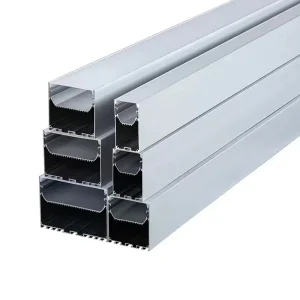
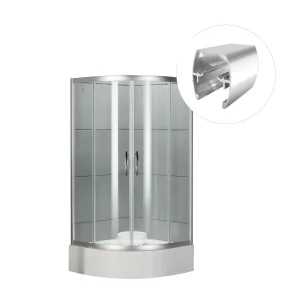
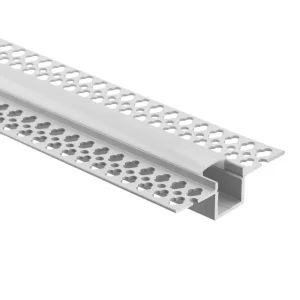
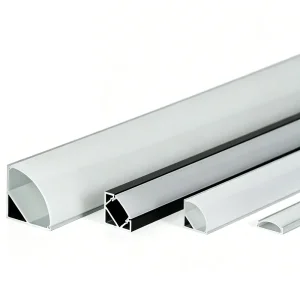
Where 6061 prioritizing tensile strength, Alloy 6063 is optimized for extrudability and aesthetic surface finish. Often referred to as an architectural alloy, 6063 is suitable for complex profiles with thin walls or intricate internal details, such as LED strip channels, shower room door frames, and heat-sink enclosures. In the T5 temper state, it offers a tensile strength of 186 MPa (27,000 psi) and yield strength of 145 MPa (21,000 psi).
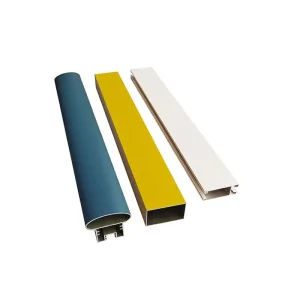
The finer grain structure of 6063 allows for smooth surface finishes, making it the preferred alloy for chemical polishing, bright anodizing, and electrostatic powder coating. This ensures outstanding aesthetic appeal in architectural and visible consumer products.
International industrial clients require rigorous compliance with globally recognized quality standards. Qingdao Kangjian maintains a comprehensive suite of management and production certifications to guarantee consistent quality for heavy industrial, automotive, and railway projects:
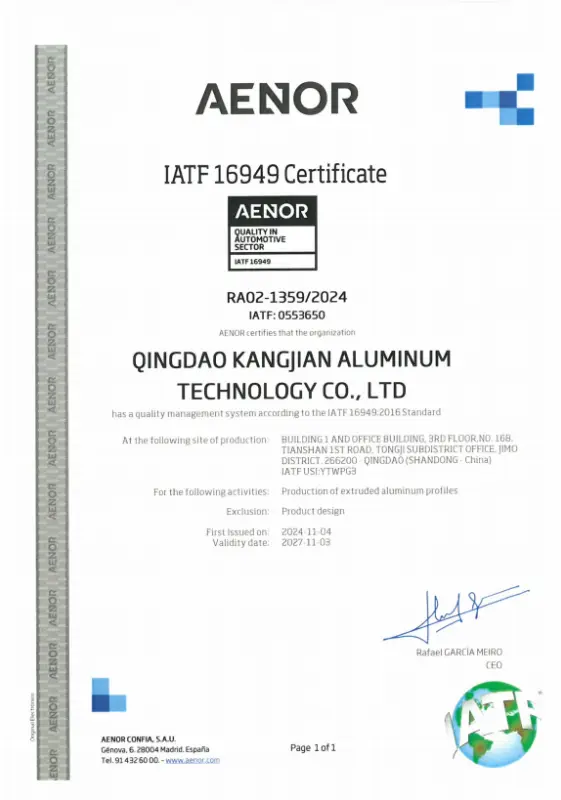
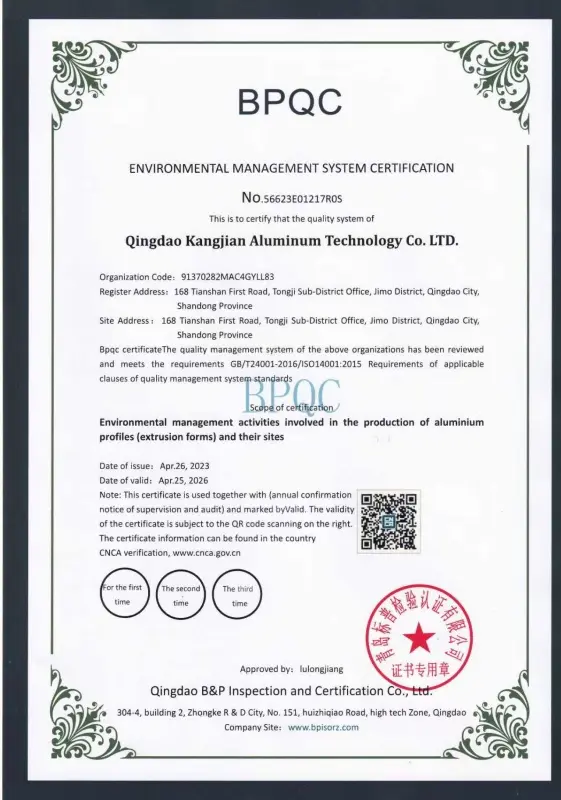
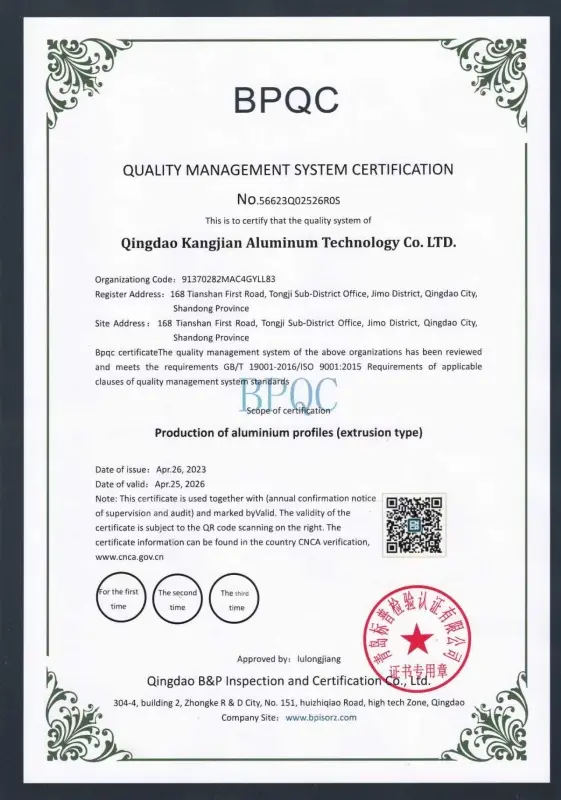
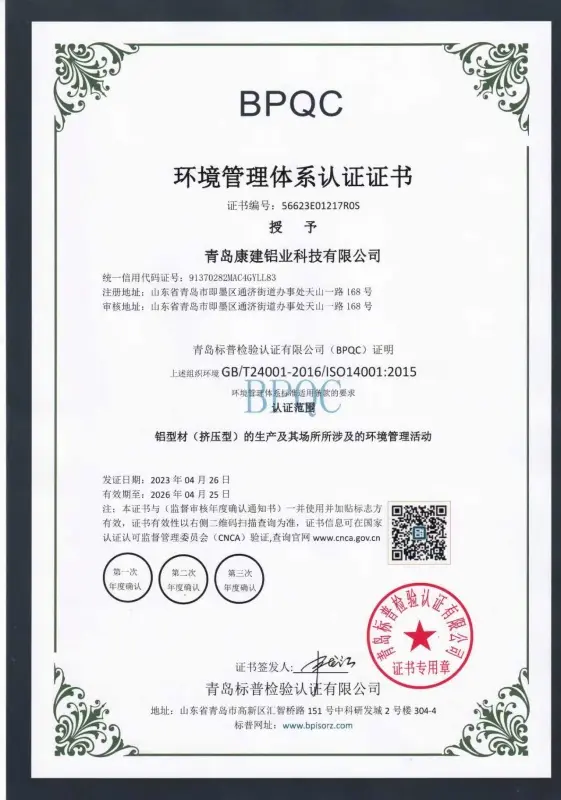
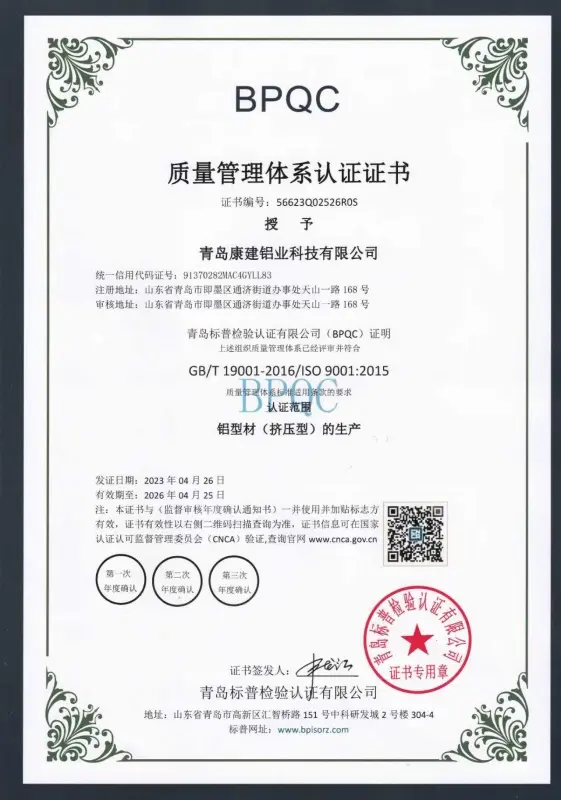
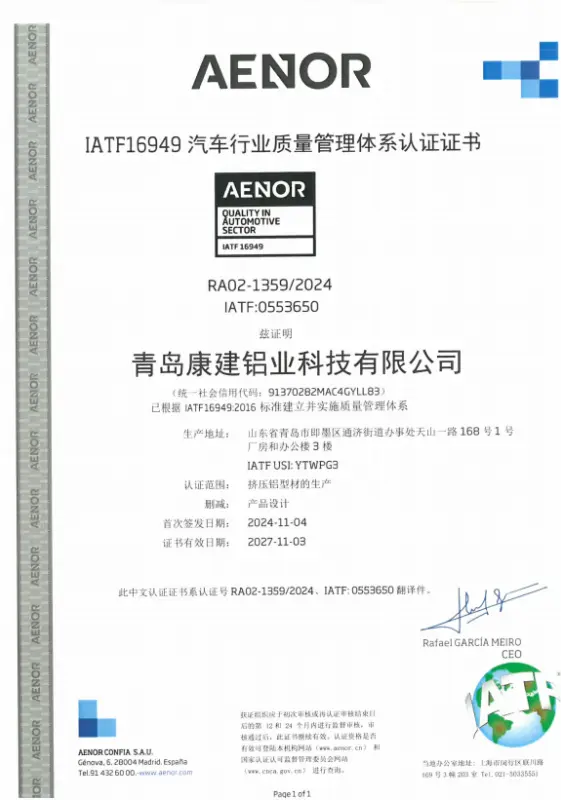
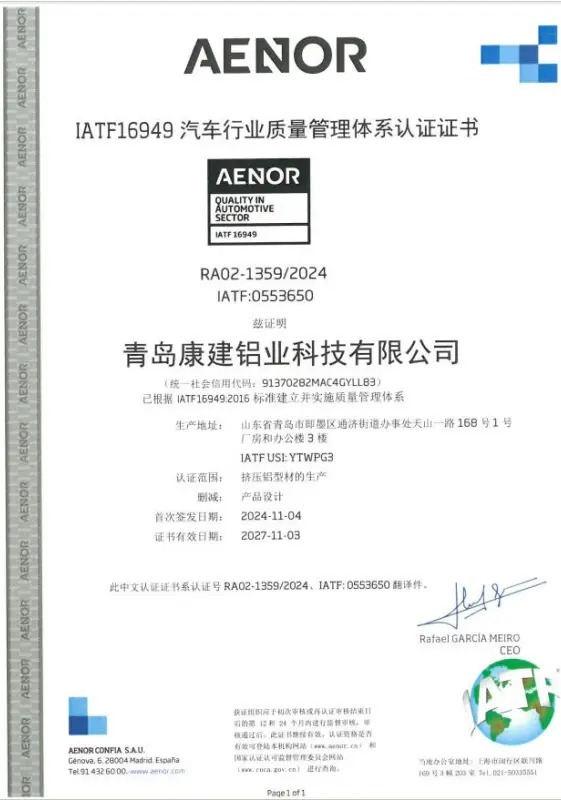
These credentials demonstrate our capacity to deliver highly regulated components. Key certifications include IATF 16949 for automotive manufacturing, ISO 22163 (IRIS) for railway rolling stock production, and EN 15085, ISO 3834, and AWS standards for high-integrity structural welding. Our compliance with the DIN 6701 standard for adhesive bonding in rail vehicle manufacturing further guarantees structural reliability in critical components.
Precision aluminum profiles and CNC components serve diverse, specialized applications across global industries:
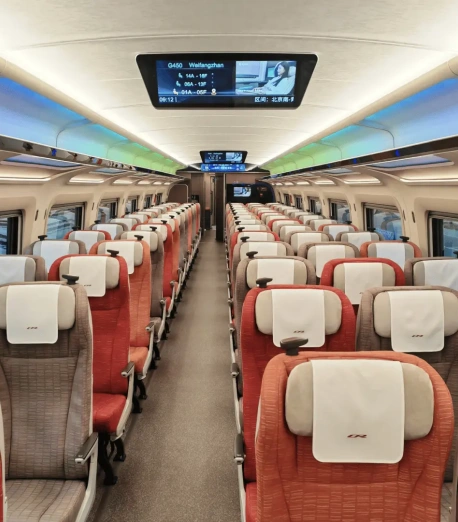
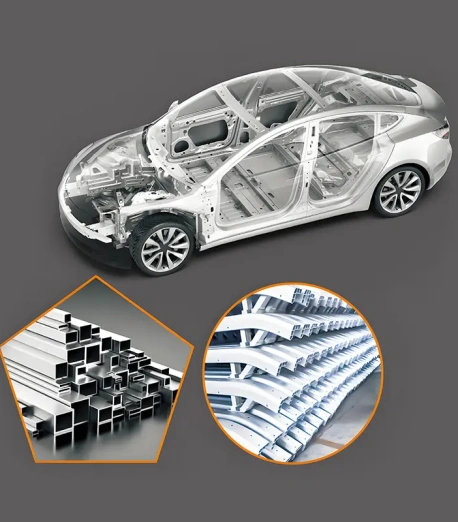
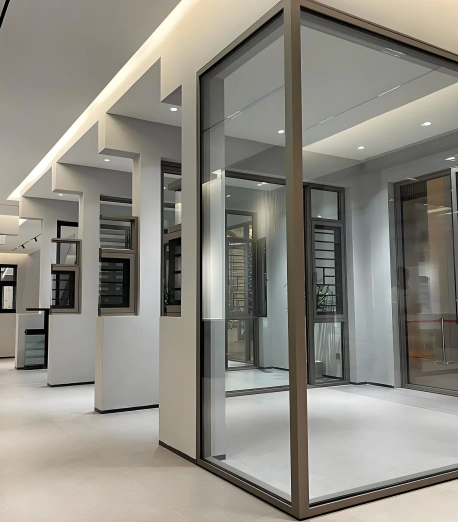
Kangjian's quality systems allow us to partner with leading manufacturers in China and internationally. We maintain long-term supply relationships to deliver reliable, high-performance extruded components.


Looking to the next decade (2025–2035), the precision manufacturing sector faces two main challenges: achieving higher levels of digital integration and reducing carbon intensity. Kangjian's technology roadmap addresses these demands through concrete innovations:
We are implementing real-time thermal monitoring across our extrusion lines. By using infrared thermography and automated feedback loops, we dynamically adjust extrusion speed relative to billet temperature, ensuring uniform grain boundaries and reducing dimensional variations across the entire profile length.
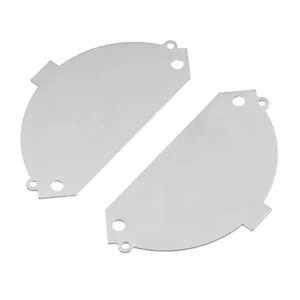
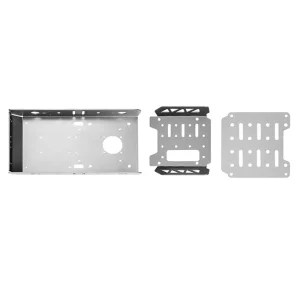
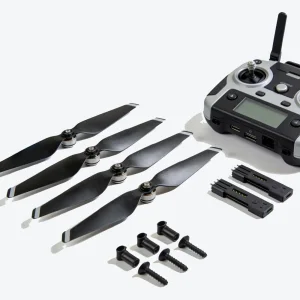
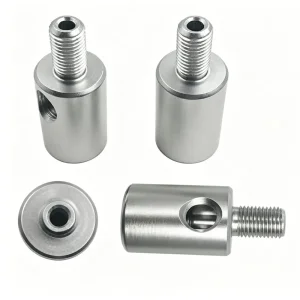
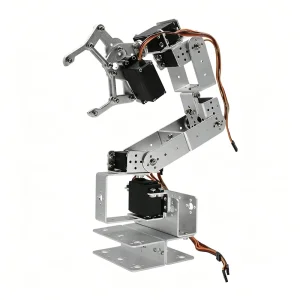
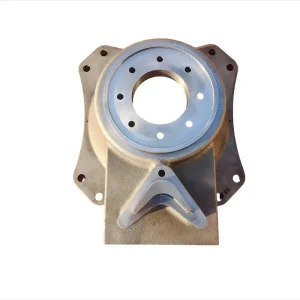
To support advanced industries such as unmanned aerial vehicles (UAVs) and robotic mechanical arms, we have expanded our CNC division with high-speed multi-axis machining centers. These systems perform multi-sided operations in a single setup, minimizing tolerance errors and maintaining thin structural walls for complex drone arms and robotics frames.
We prioritize working with low-carbon primary aluminum smelters using renewable hydropower. Additionally, our closed-loop scrap recycling program reprocesses clean extrusion off-cuts directly back into structural billets. This reduces energy consumption by 95% compared to primary aluminum production and helps our international partners meet their Scope 3 emission targets.
A: Alloy 6061 features higher tensile and yield strength (290 MPa and 240 MPa in T6 temper, respectively), making it suitable for structural, load-bearing parts such as robot bases and drone arms. Alloy 6063 provides superior surface quality and extrudability, making it ideal for visual applications like LED enclosures and window frames, where anodizing or powder coating quality is paramount.
A: We maintain a rigorous quality management system certified under IATF 16949 for automotive assemblies and ISO 22163 (IRIS) for railway transit systems. Our structural welding processes comply with EN 15085, ISO 3834, and AWS standards, while adhesive bonding processes meet DIN 6701 requirements.
A: By integrating custom extrusion with CNC machining under one roof, we minimize tolerance stack-up. For structural profiles, we routinely maintain linear tolerances down to ±0.05 mm and angular tolerances within ±0.5 degrees, depending on the cross-section geometry and length of the component.
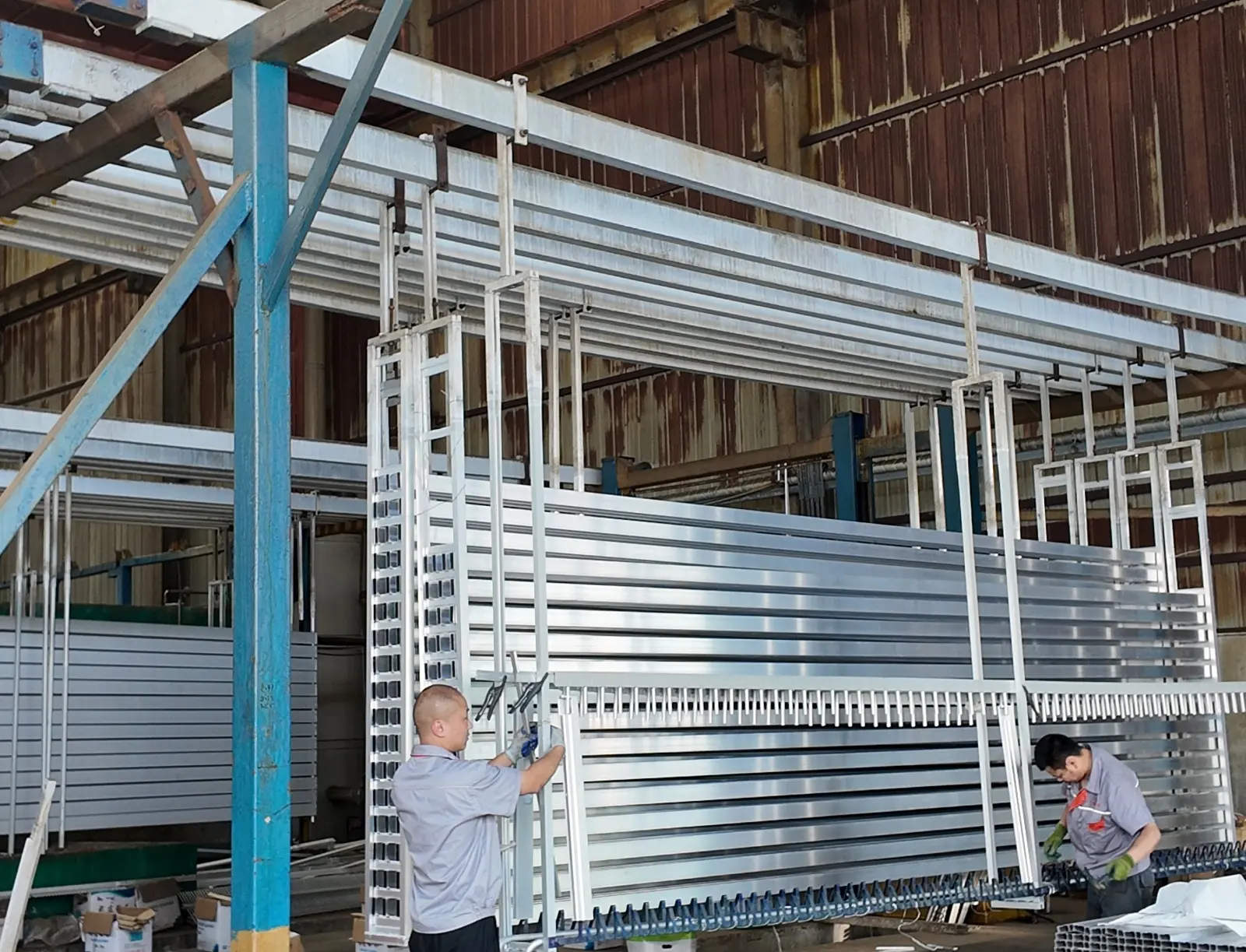
A: We offer a full range of surface treatments, including mechanical satin finish, chemical polishing, clear/color anodizing (which increases surface hardness and corrosion resistance), and electrostatic powder coating. These treatments are verified using salt-spray testing to ensure performance in marine and industrial environments.
A: Our industrial base in Jimo District is close to the Port of Qingdao, one of the world's largest container shipping hubs. This provides direct shipping routes to major international ports, reducing inland transit costs, minimizing transshipment delays, and securing reliable lead times for overseas clients.