Kangjian
Kangjian
Kangjian
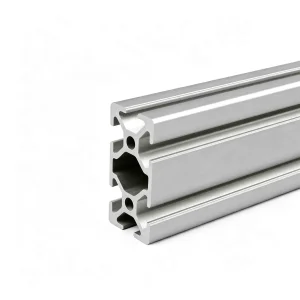
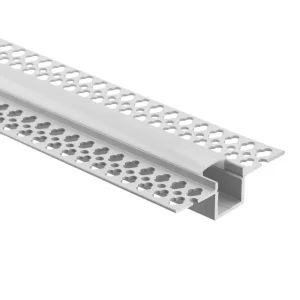
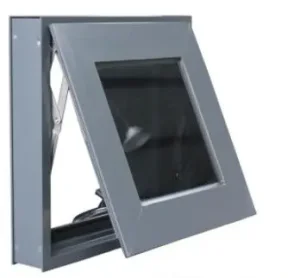
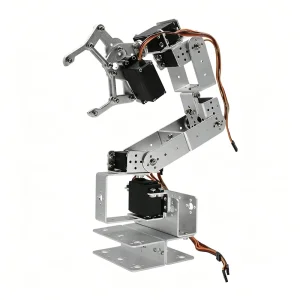
In the rapidly advancing commercial, industrial, and defense unmanned aerial vehicle (UAV) sectors, structural integrity is paramount. The drone arm functions as the primary cantilever support beam, bearing the static load of the propulsion system and the dynamic torsional forces generated by multi-rotor engines. As agricultural spraying, logistical mapping, and defense payloads increase, the industry faces a critical engineering challenge: optimizing the stiffness-to-weight ratio while mitigating structural resonance.
This whitepaper addresses the paradigm shift in drone arm manufacturing, analyzing why top-tier global UAV manufacturers are pivoting from pure composite structures to advanced hybridized systems. By utilizing ultra-lightweight extruded aluminum alloys combined with high-precision CNC machining, modern manufacturers achieve unprecedented levels of structural stability, thermal dissipation, and electromagnetic shielding.
While carbon fiber composites are widely known for their tensile strength, they suffer from isotropic limitations, high vulnerability to impact damage, and poor thermal conductivity. In high-power commercial drone configurations, motors generate substantial heat. Aluminum profiles act as active heat sinks, transferring thermal energy away from the motor mounts through the arm structure, preventing motor efficiency drop or thermal failure.
The utilization of alloys such as 6061-T6 and 6063-T5/T6 offers a balanced composition. 6061-T6 provides exceptional yield strength (up to 276 MPa) and fracture toughness, crucial for commercial drones operating under severe weather conditions or high wind loads. Meanwhile, 6063-grade aluminum allows for highly complex, thin-walled hollow profiles, reducing total component weight without compromising flexural rigidity.
| Material Class | Yield Strength (MPa) | Elastic Modulus (GPa) | Thermal Cond. (W/m·K) | Impact Resistance | Recyclability | EMI Shielding |
|---|---|---|---|---|---|---|
| Aluminum 6061-T6 | 276 | 68.9 | 167 | Outstanding | 100% Recyclable | Excellent (Natural) |
| Aluminum 6063-T6 | 214 | 68.3 | 200 | High | 100% Recyclable | Excellent (Natural) |
| Carbon Fiber (Epoxy Mat.) | 350 - 600 (Anisotropic) | 150 (Directional) | 1.0 - 5.0 | Brittle Failure | Low / Difficult | Poor (Requires mesh) |
To construct an optimized drone arm, a single manufacturing process is rarely sufficient. Advanced factories leverage a hybrid manufacturing model:
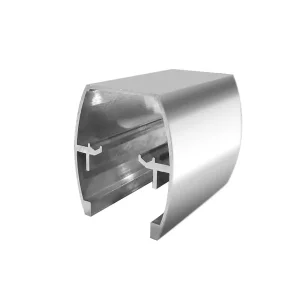
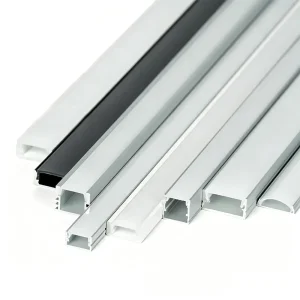
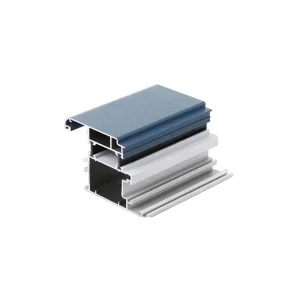
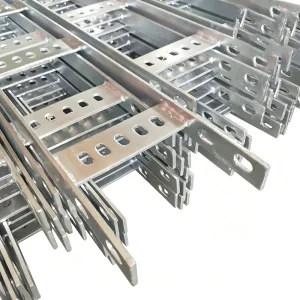
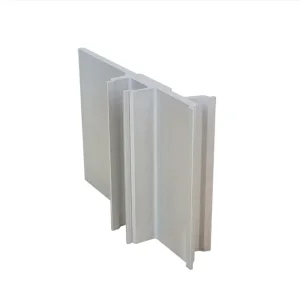
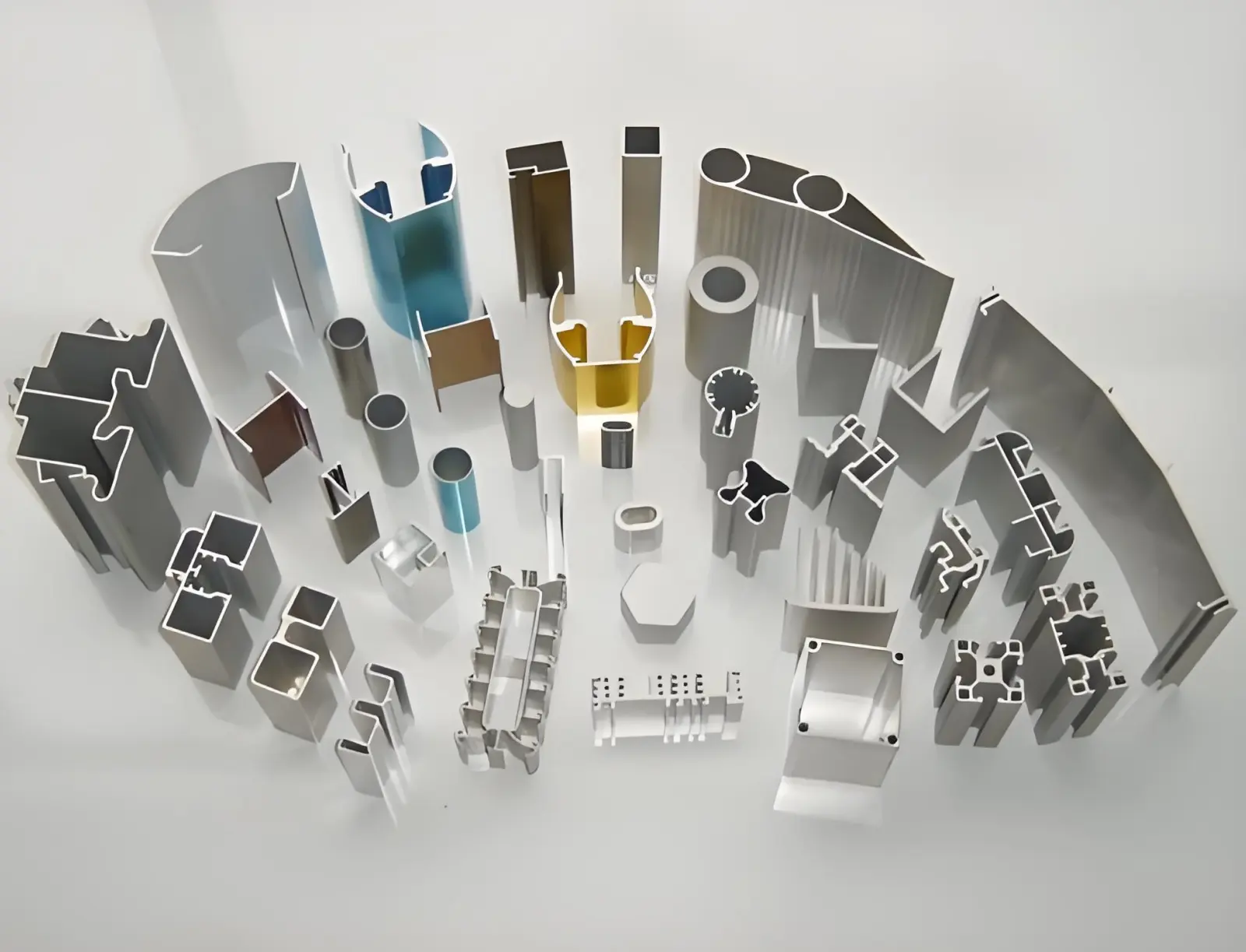
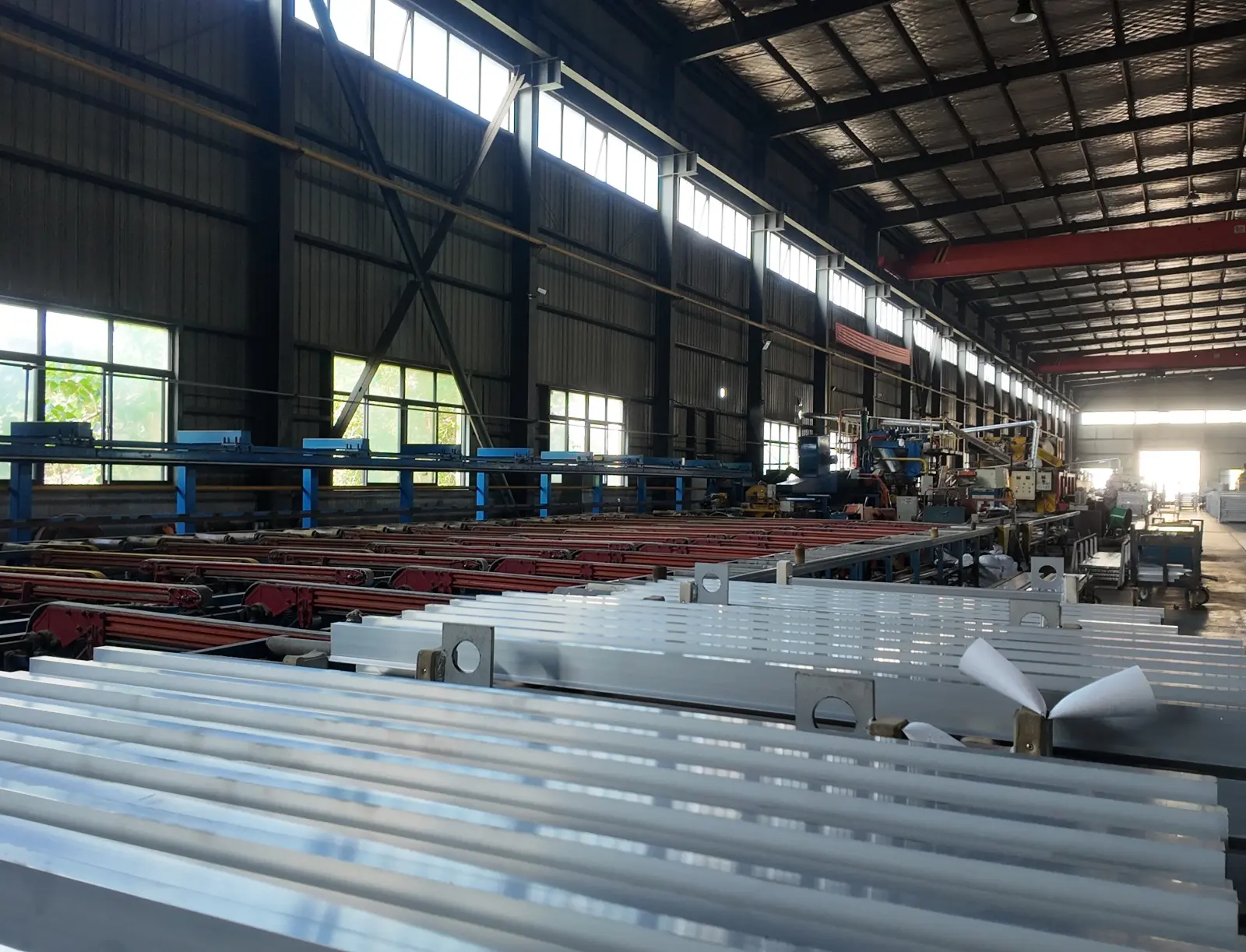
Aluminum billets are heated and forced through custom-engineered dies (up to 2500T press capacity) to create lightweight, multi-hollow internal structures (T-slots, circular structural hollows). This forms the high-strength base structural profile.
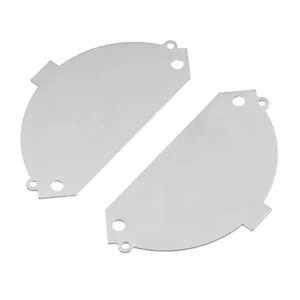
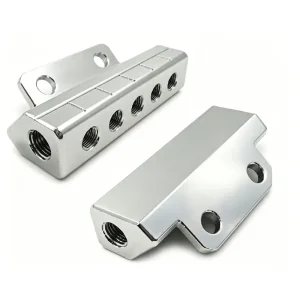
Post-extrusion components undergo high-speed CNC milling. This allows for precise weight reduction pockets, motor mounting patterns, wiring routing cavities, and strict dimensional tolerances (+/- 0.02mm) for seamless drone assembly.
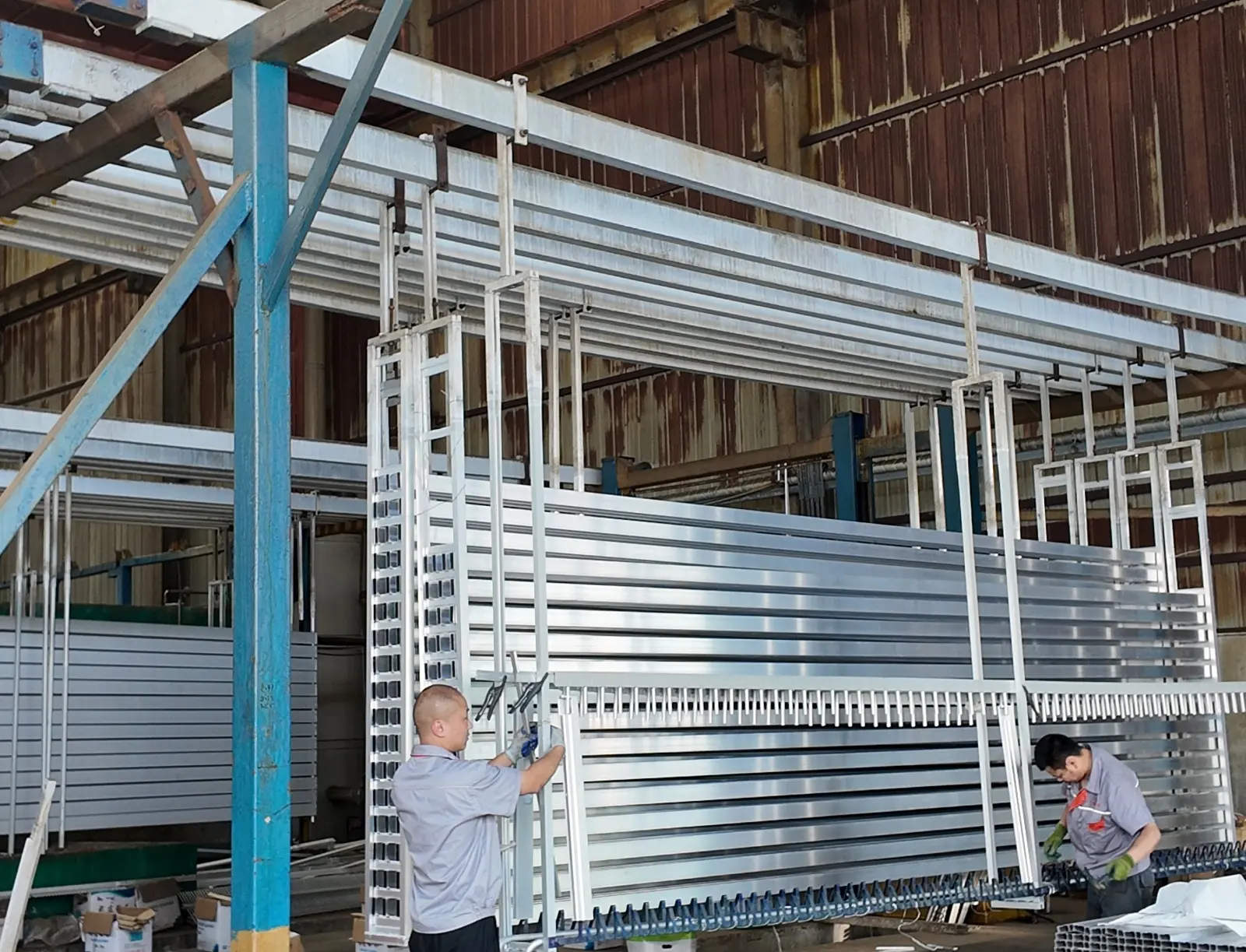
Extruded parts undergo chemical anodization, adding a protective layer of aluminum oxide. This increases surface hardness, prevents oxidation in humid or saline coastal environments, and provides options for distinct aesthetic coloration.
Procuring drone structural parts requires strict adherence to international delivery schedules and standardized quality checks. Global supply chains face structural bottlenecks, emphasizing the importance of sourcing from verified hubs like Qingdao, China. Qingdao’s massive deep-water port infrastructure enables seamless logistics, connecting raw material refinement directly with finished components ready for air or sea transit.
Looking ahead, the demand for payload capacity in delivery drones and longer flight times in industrial inspection UAVs will drive continuous innovation. Future structural solutions focus heavily on three major engineering trends:
Integrating air intake channels directly inside the extruded aluminum drone arm. Natural airflow during flight channels down the arm to cool internal electronics, ESCs, and motor mounts.
Shifting towards clean energy smelting processes. Sourcing green aluminum reduces the Scope 3 carbon footprint, aligning with strict environmental requirements from global buyers.
Combining the absolute rigidity of carbon fiber plates with the impact absorption, threading capabilities, and complex geometry of precision-extruded aluminum joints.
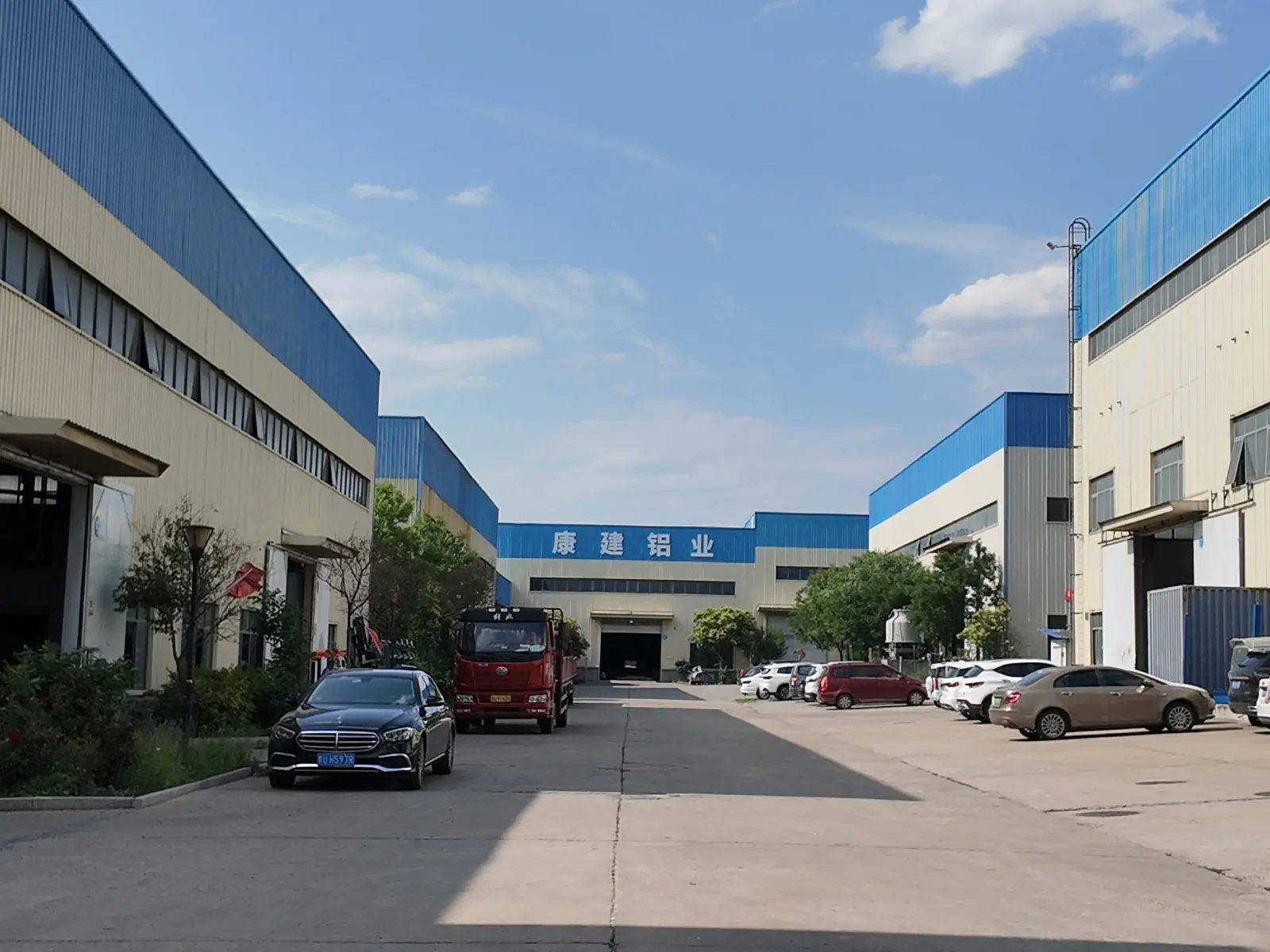
Under the Google E-E-A-T (Experience, Expertise, Authoritativeness, Trustworthiness) paradigm, sourcing drone components requires validation of physical manufacturing capabilities and industrial certifications. The factory base, operated by Qingdao Kangjian Aluminum Industry Technology Co., Ltd. (established in 2022, located at No. 168 Tianshan 1st Road, Jimo District, Qingdao), serves as a leading industrial example.
Spanning an industrial footprint of 200 mu with 80,000 square meters of modern facilities, the plant operates five state-of-the-art extrusion lines (ranging from 700T to 2500T). Crucially, the facility maintains verified compliance certifications required for high-risk transit and aerospace-grade part manufacturing:
Kangjian Aluminum’s capabilities extend past high-speed drone parts to high-speed rail profiles, custom auto parts, energy-saving structural frames, and heavy-duty maritime profiles. Below is an overview of our advanced facilities, high-performance manufacturing environments, and global certifications.

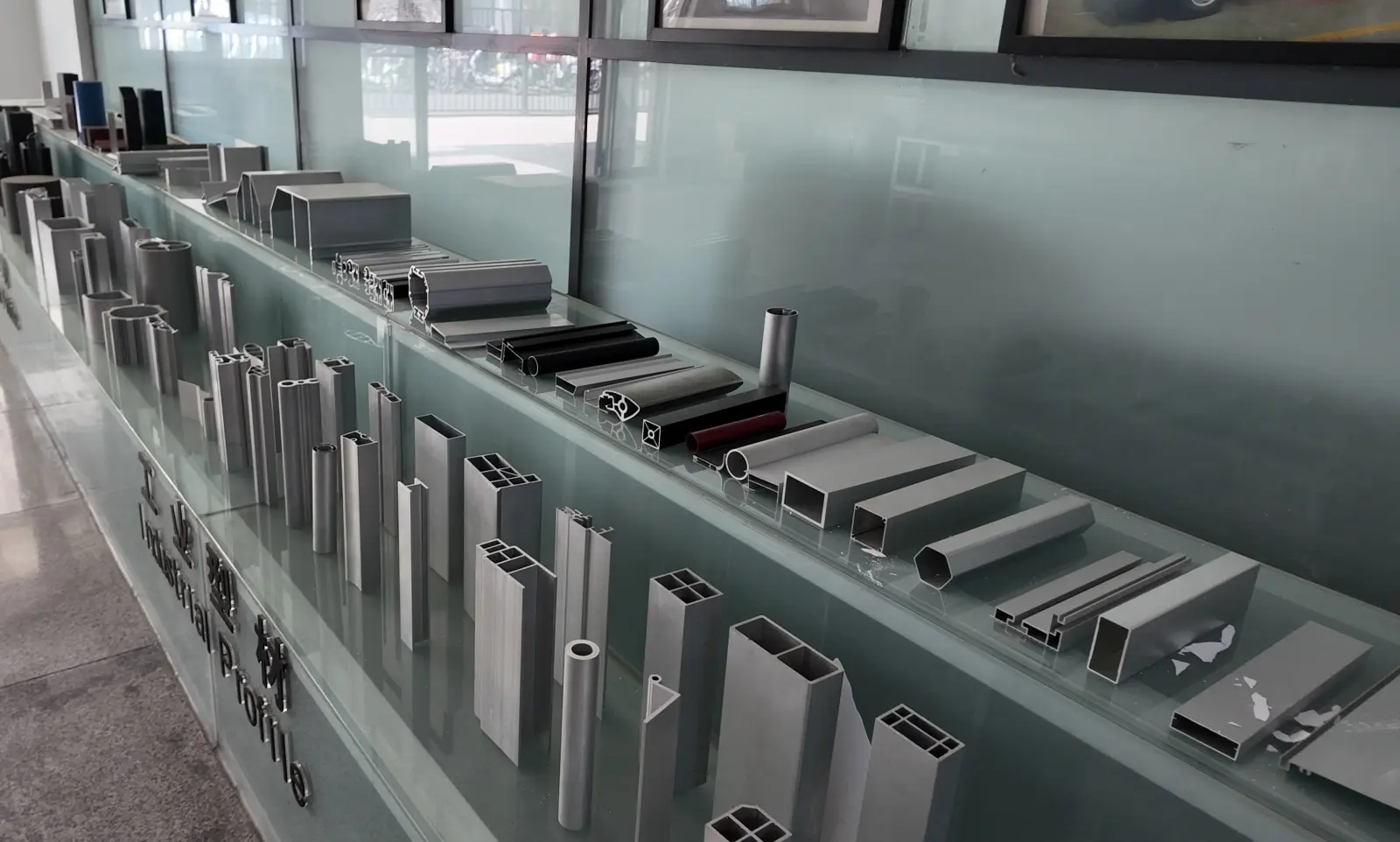
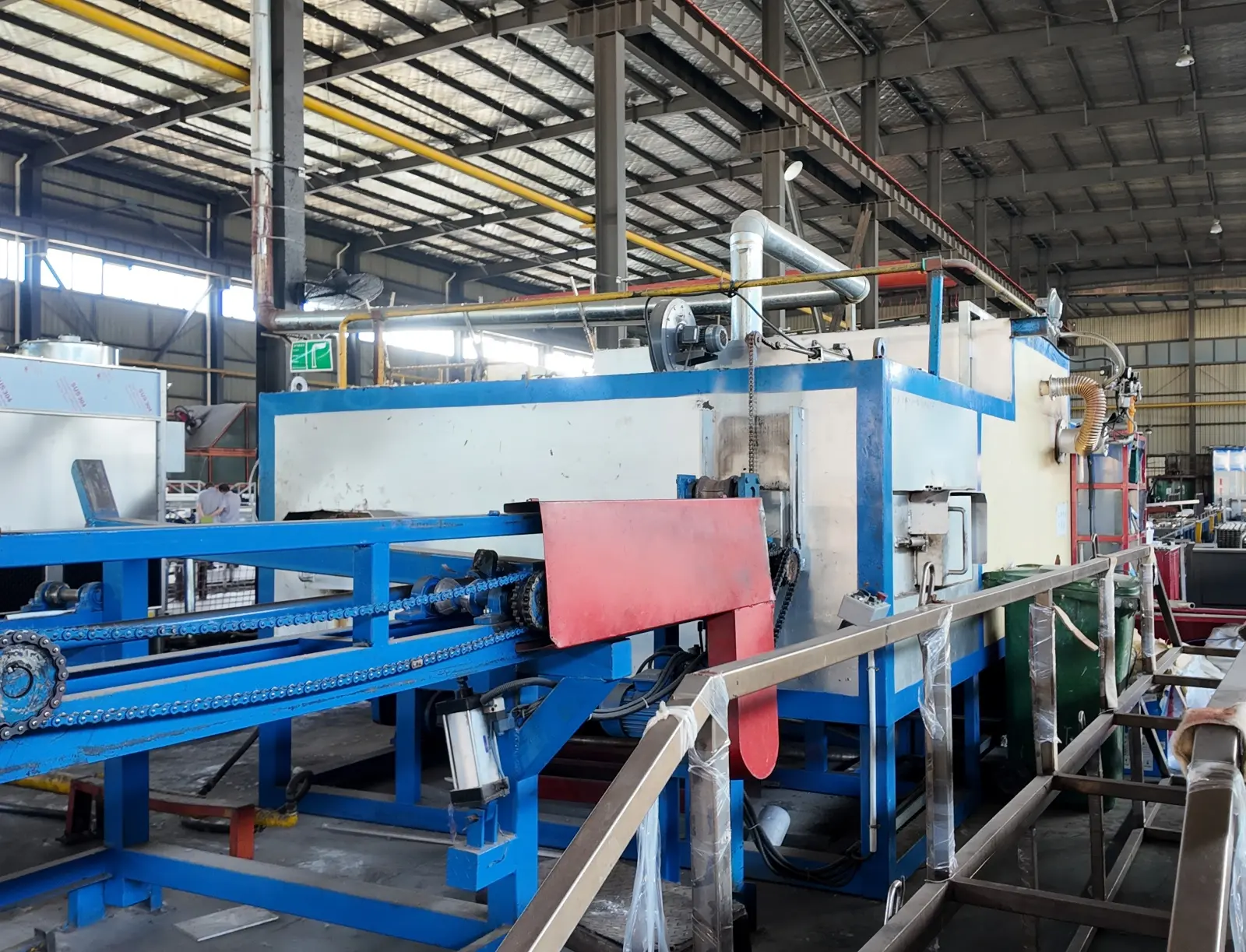
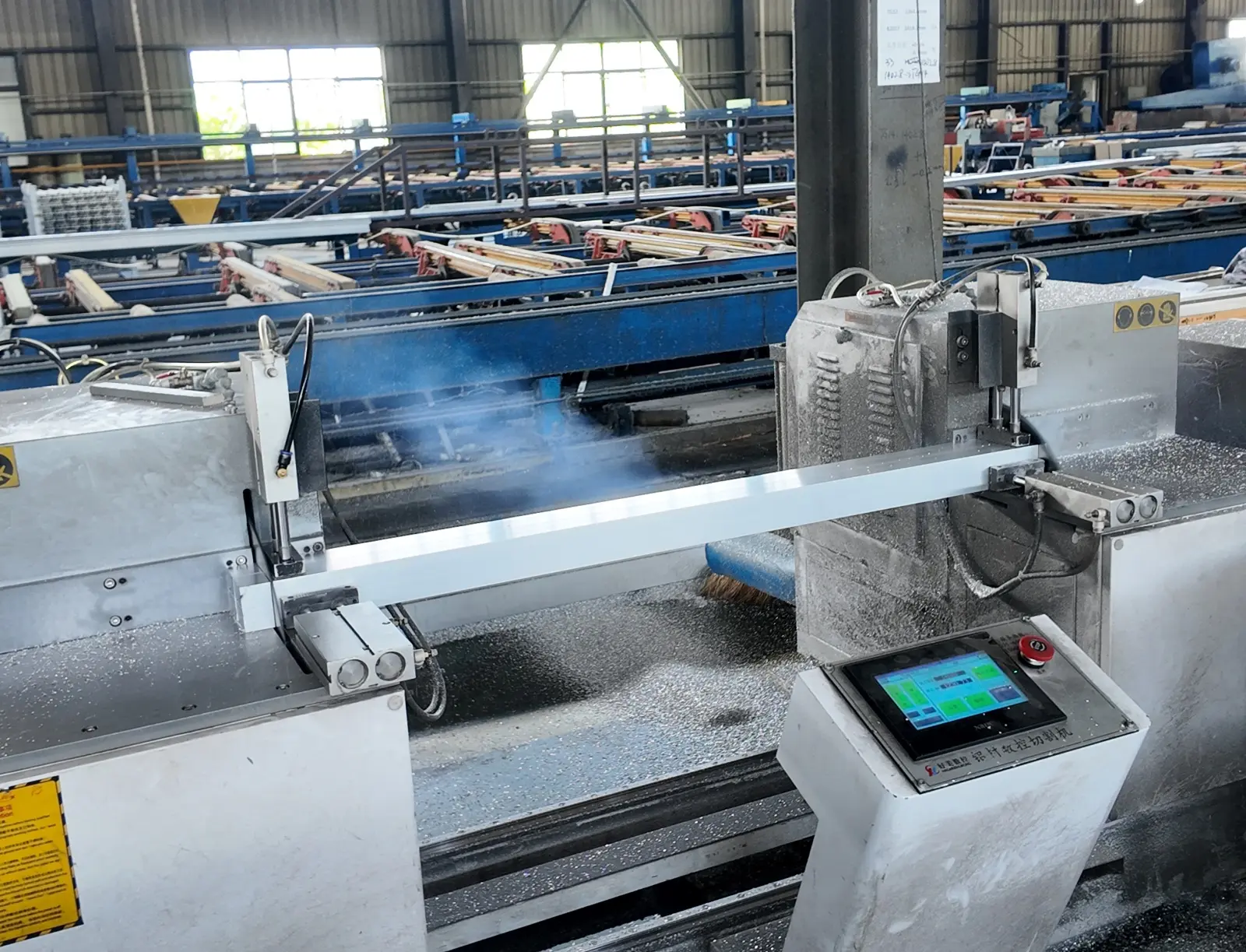
Operating in crucial regional hubs, including Qingdao, Anhui, Hebei, Tianjin, Hunan, Guangdong, Beijing, and Jiangsu, our company exports custom structural parts to international high-end markets like South Korea, Japan, the United States, and across Europe. Our yearly order fulfillment rate maintains a robust average growth of over 30% annually, reinforcing our role as a trusted supply chain partner.