Kangjian
Kangjian
Kangjian
In modern structural engineering, the extrusion of aluminum alloys represents a fundamental paradigm shift toward lightweighting, thermal optimization, and high strength-to-weight performance. As industries transition to sustainable, green materials, the global demand for custom extruded aluminum profiles has witnessed exponential growth. China, as a central hub of metallurgical innovation and volume manufacturing, provides the international supply chain with an unmatched combination of raw material abundance, technical expertise, and precision post-processing.
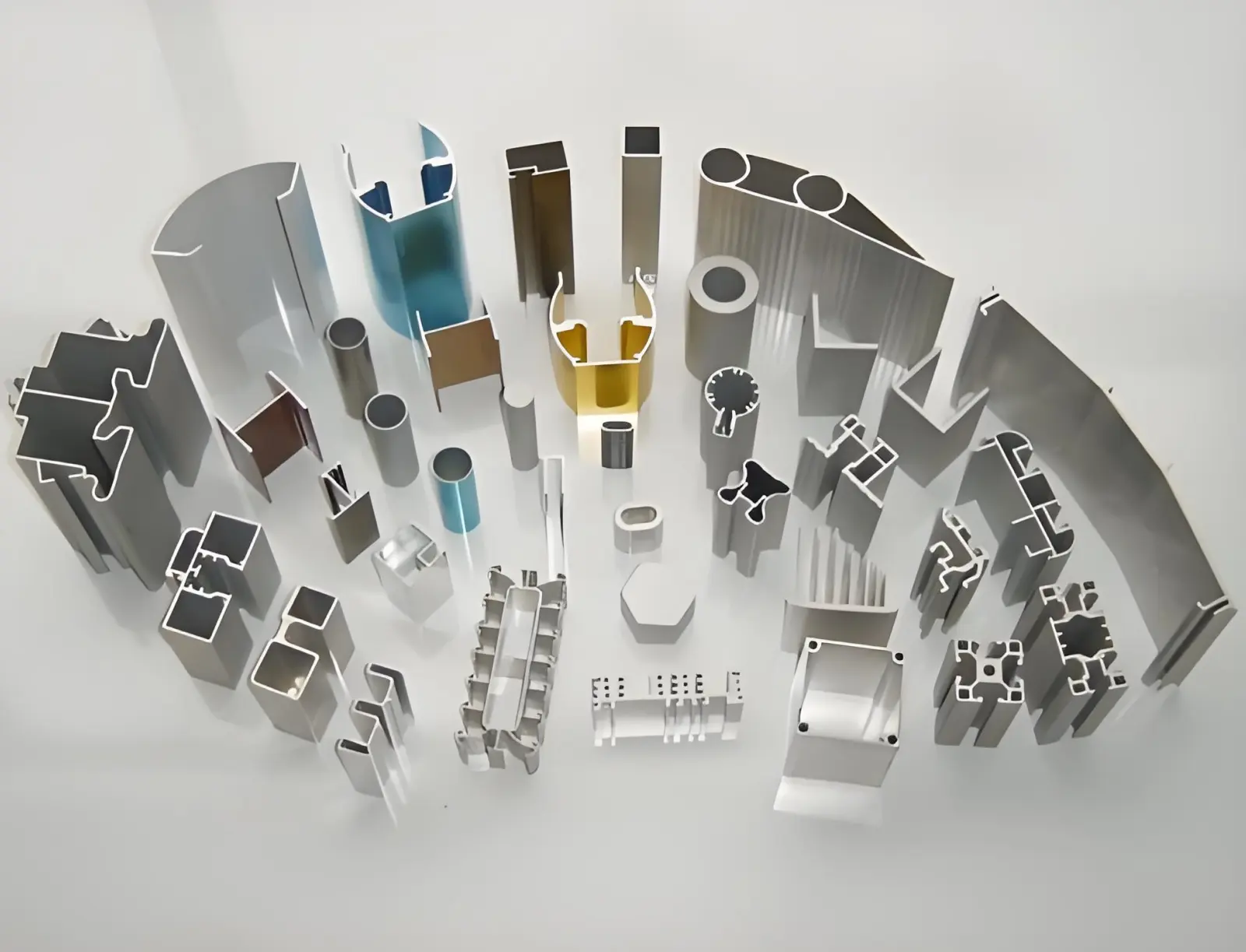
Historically, aluminum extrusions were limited to simple linear profiles. Today, advanced Chinese factories, like Qingdao Kangjian Aluminum Industry Technology Co., Ltd., combine complex die design, multi-tonne hydraulic presses, and high-precision CNC machining to manufacture parts tailored for high-speed rail, robotics, automotive structures, and marine vessels.
Across the globe, the industrial ecosystem is reorganizing around two major imperatives: energy efficiency and localized automation. This transition directly affects the structural profile requirements in automotive, clean energy, and consumer markets:
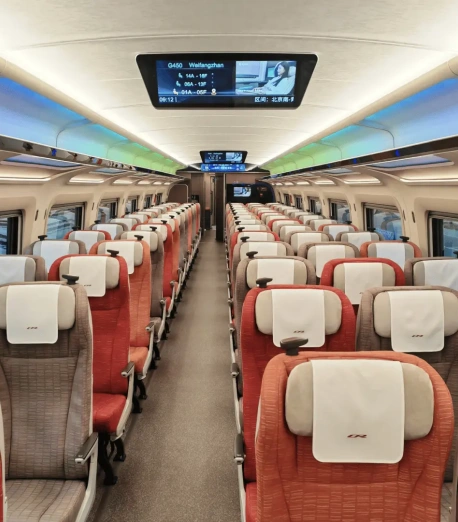
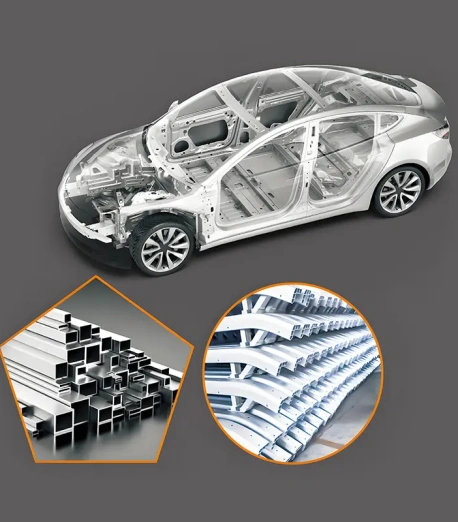
The electric vehicle (EV) revolution relies on aluminum extrusions for battery enclosures, crumple zones, and chassis frames. In public transit, subways and high-speed rail cabins utilize specialized hollow profiles to increase speed, reduce wear, and lower track maintenance costs.
Solar PV mounting racks demand materials that can survive extreme wind loads, damp environments, and intense UV exposure without degrading. Extruded aluminum alloys offer natural oxide barrier coatings that resist corrosion for decades without painting or galvanizing.
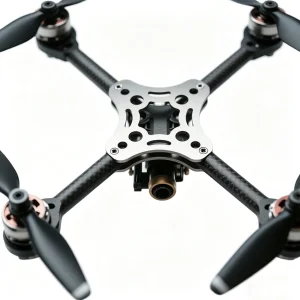
For mechanical robot arms, drone fuselages, and smart logistics cars, minimizing inertia is critical. Lightweight aluminum parts allow motors to operate with less torque, boosting speed, accuracy, and payload capacity.
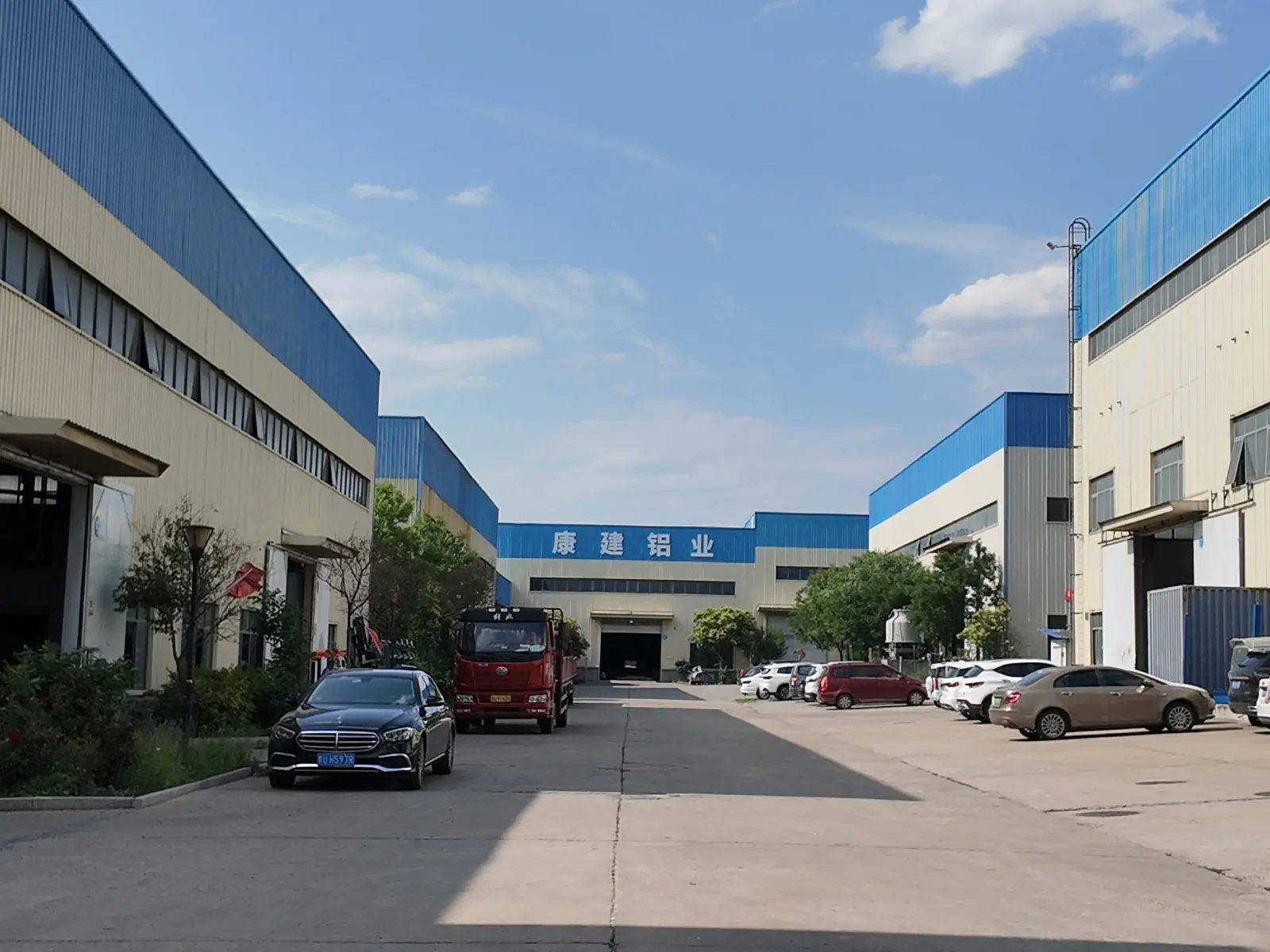
Qingdao Kangjian Aluminum Industry Technology Co., Ltd., based in the Jimo District of Qingdao City, stands as a prime example of China's high-tech manufacturing expansion. Formally incorporated in 2022, Kangjian has grown to become the largest aluminum profile manufacturer in the Qingdao area. The company specializes in delivering high-integrity extrusions designed to perform in the demanding fields of high-speed rail, subway networks, automotive assemblies, marine construction, and energy-efficient architecture.
Spanning a modern 200-mu industrial park with over 80,000 square meters of manufacturing facilities and a 4,000 square meter administrative headquarters, Kangjian operates a production base with an annual output capacity of 15,000 metric tons of refined aluminum profiles.
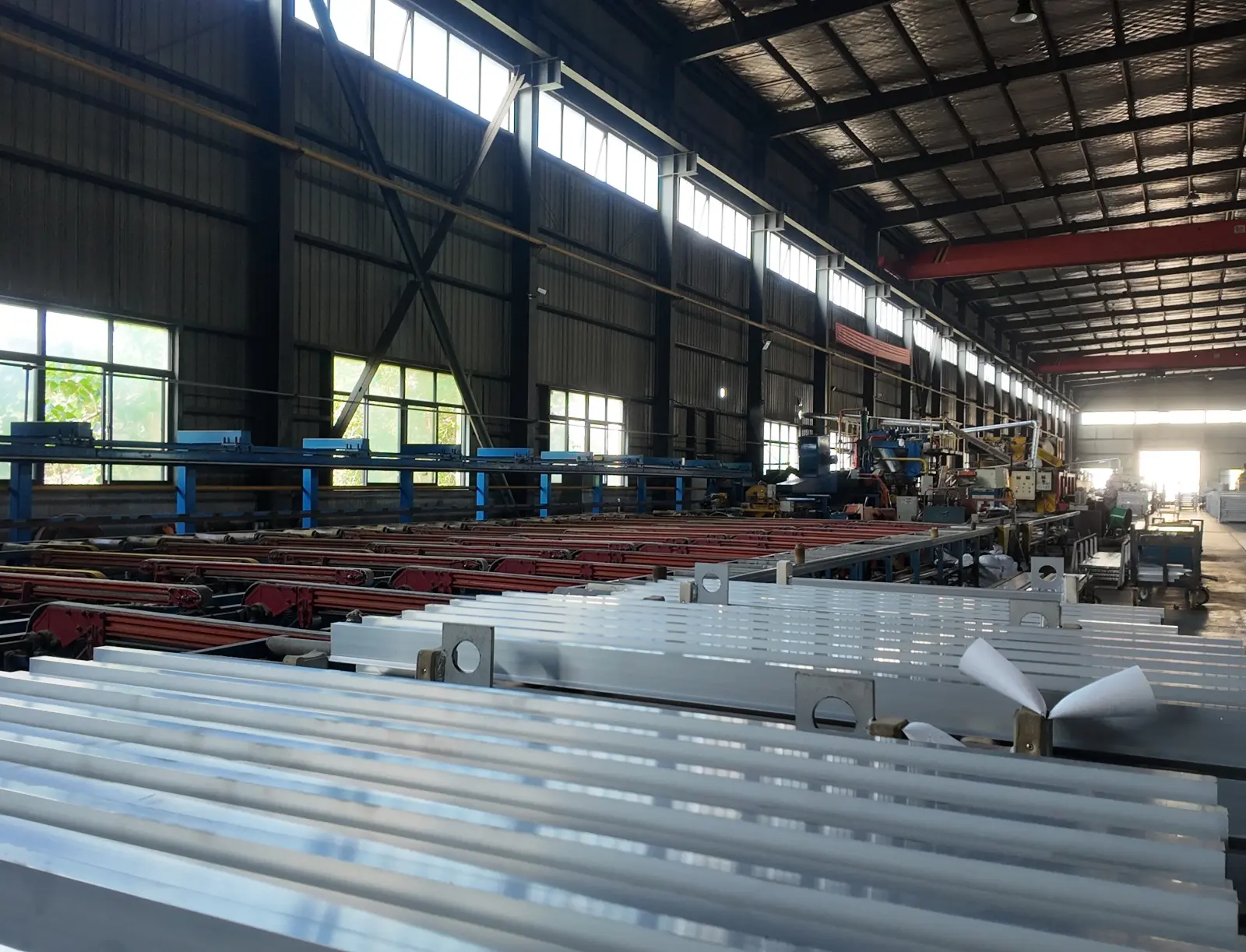
Our production floor features five advanced extrusion lines engineered to handle diverse cross-sectional areas and alloy densities:
To deliver information gain to engineering procurers, it is vital to examine the specific metallurgical characteristics that determine the performance of extruded aluminum. At Qingdao Kangjian, the chemical composition and thermal treatment profiles are strictly controlled to guarantee the integrity of our products.
We process standard alloys such as 6063 T5/T6 and 6061 T6. 6063 is favored for its excellent surface finish and complex extrudability, making it ideal for window frames, shower doors, and LED housings. For structural integrity, 6061 offers higher tensile strength (up to 310 MPa) and yield strength (up to 276 MPa), making it the alloy of choice for drone brackets, robot arms, and PV racks.
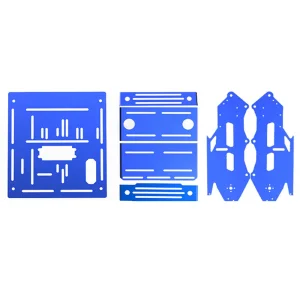
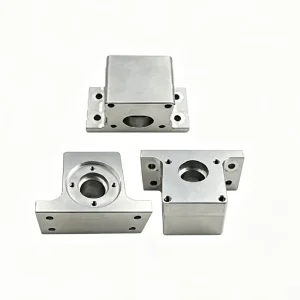
Modern applications require more than raw extrusions. Our CNC machining division performs milling, turning, drilling, and tapping to reach micron-level dimensional tolerances. By offering vertically integrated fabrication, we ensure that parts like robotic arms or drone plates mount perfectly to mating components without manual fitting.

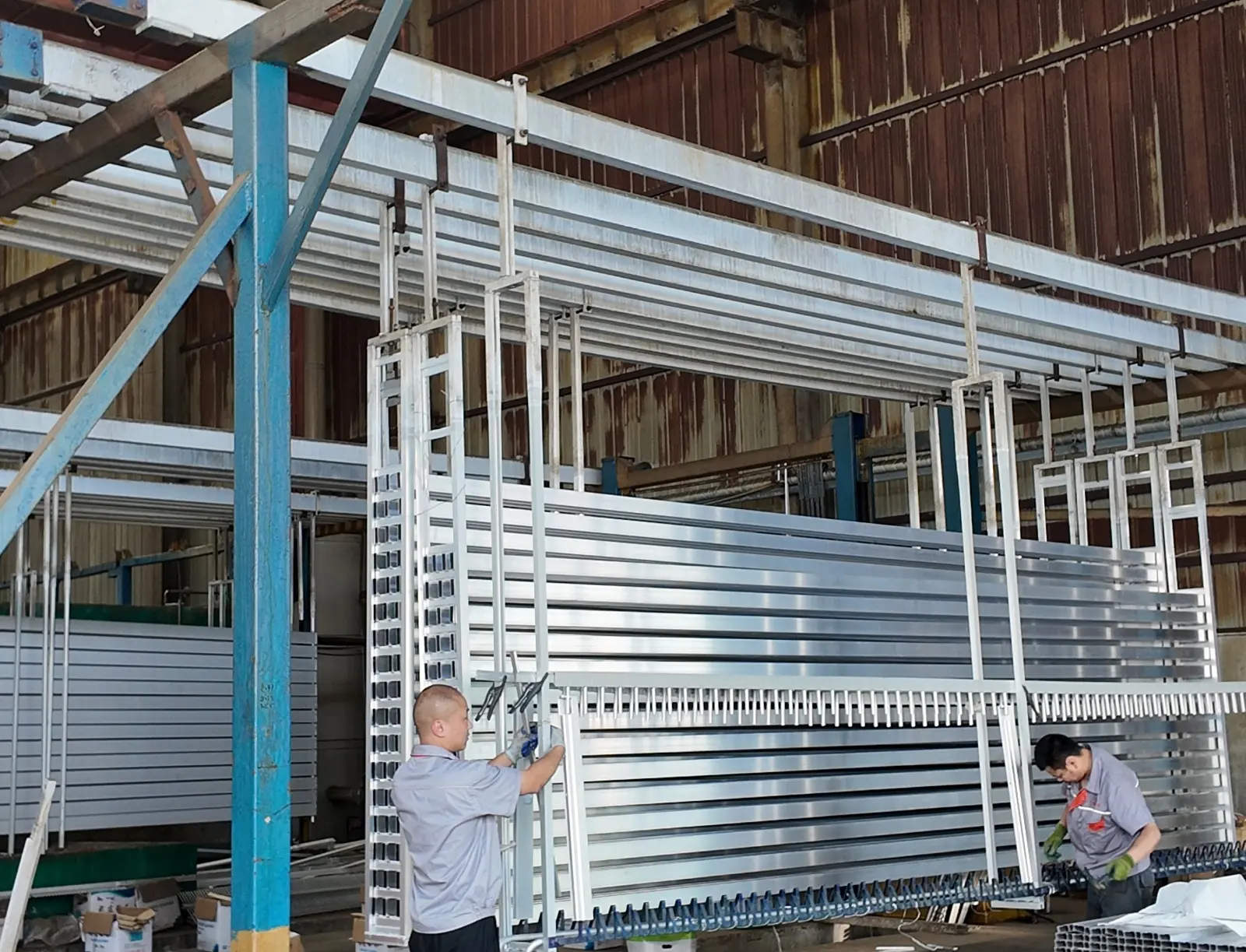
Extruded components must survive diverse environmental challenges. We offer:
Our engineering team develops complete profile assemblies designed to address key pain points across different industries:

Custom frames, t-slot modular assemblies, structural framing, machine enclosures, and structural struts designed for high static loads and ease of assembly.
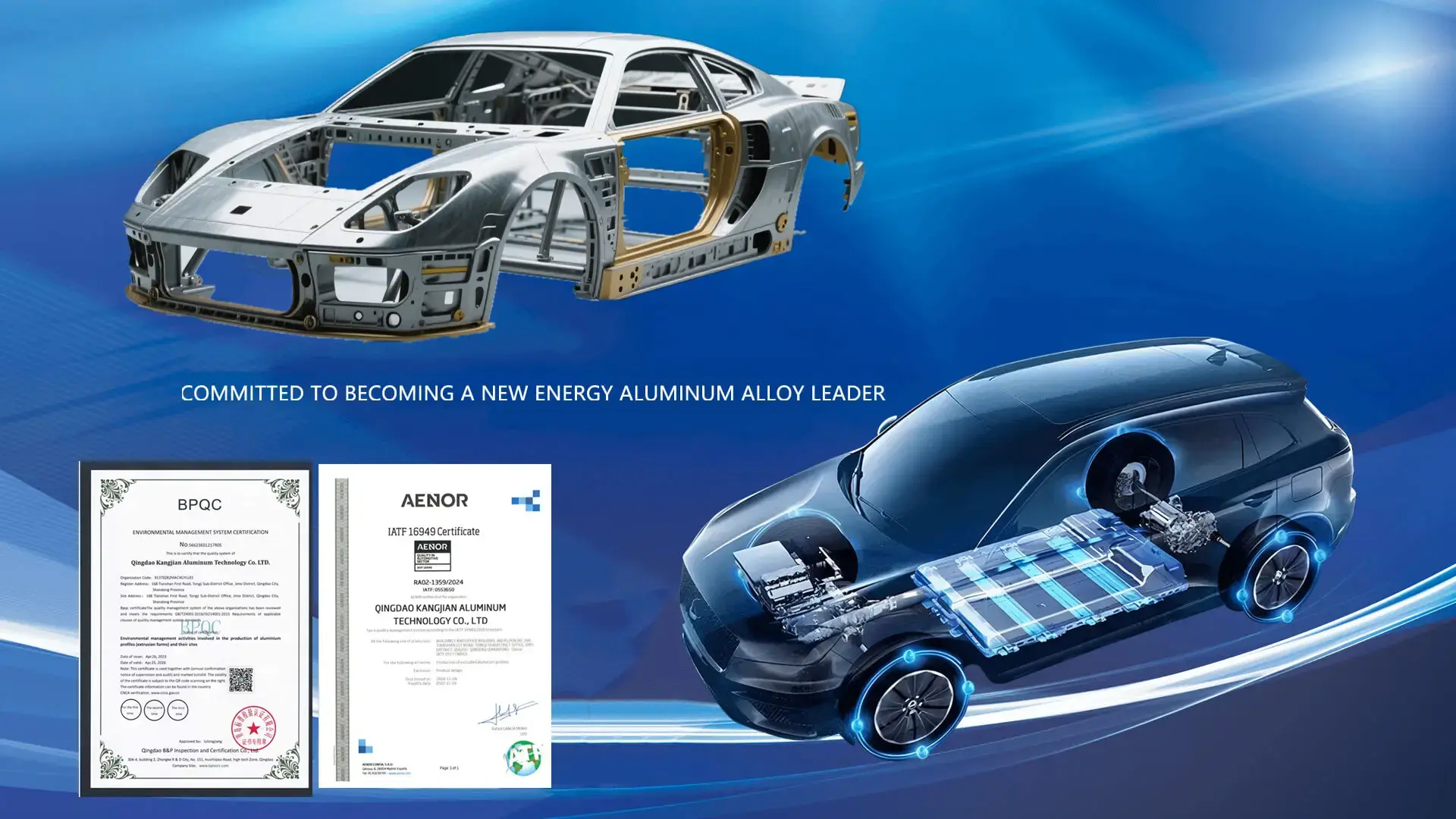
Chassis structures, crash management beams, battery trays, and heat exchangers that help EV manufacturers reduce weight and increase driving range.
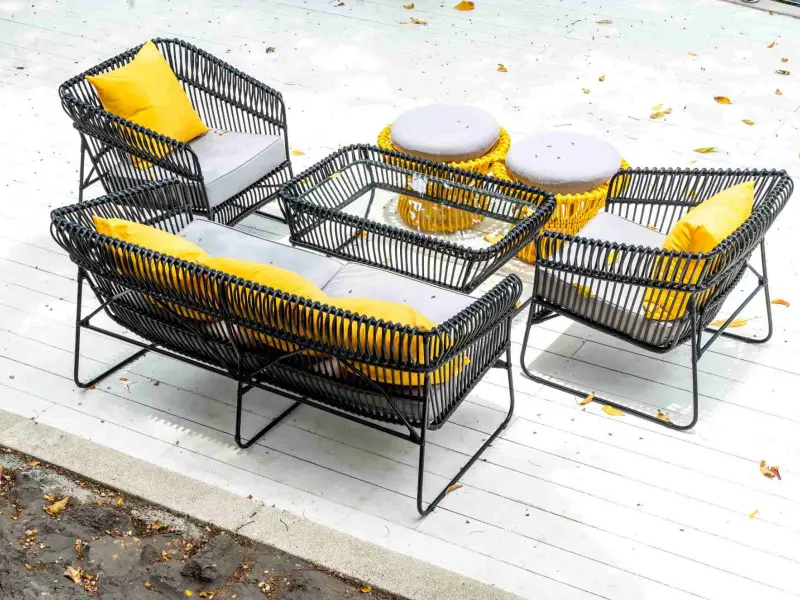
Weatherproof patio frames, louvers, pergolas, and deck structural members that offer long term resistance to sun, rain, and humidity.
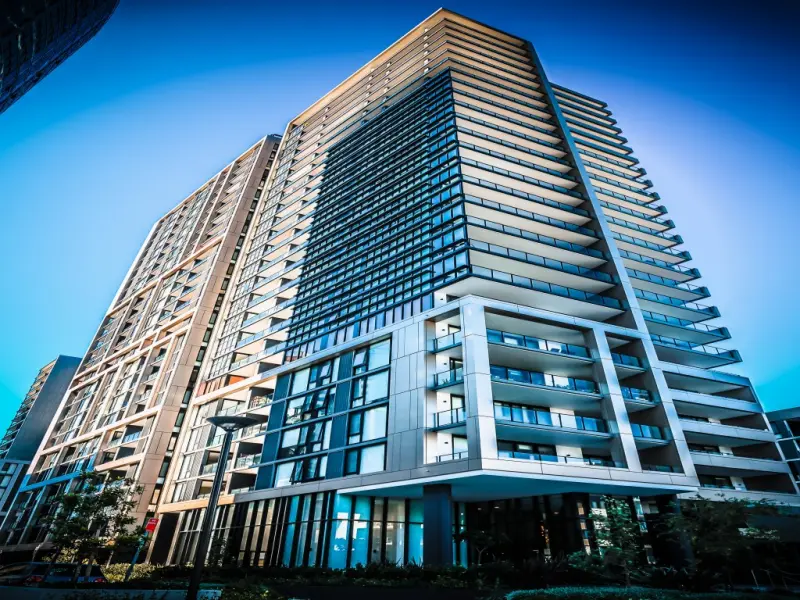
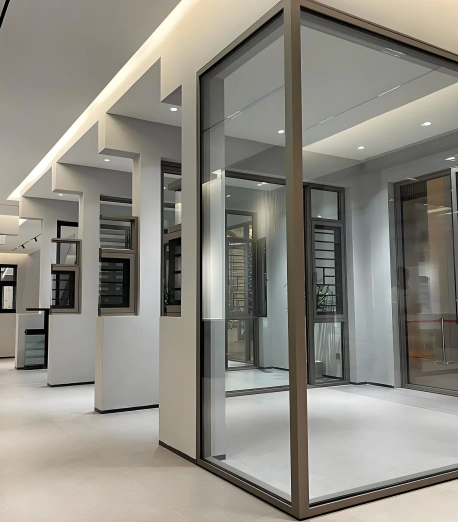
Thermally broken window profiles, curtain wall frames, door systems, and interior partitions engineered for modern, energy-efficient architecture.
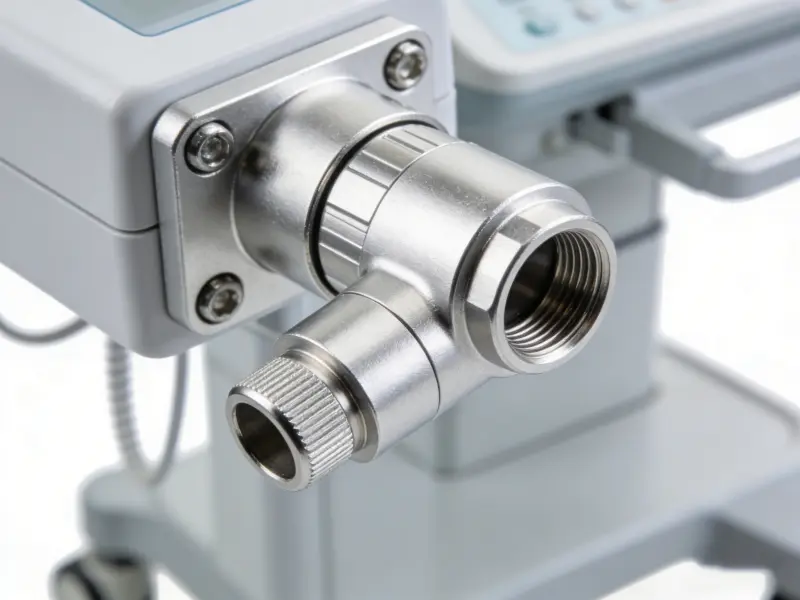
Lightweight, hygienic, and highly sterilizable housing elements for diagnostic scanners, support arms, and mobile treatment carts.
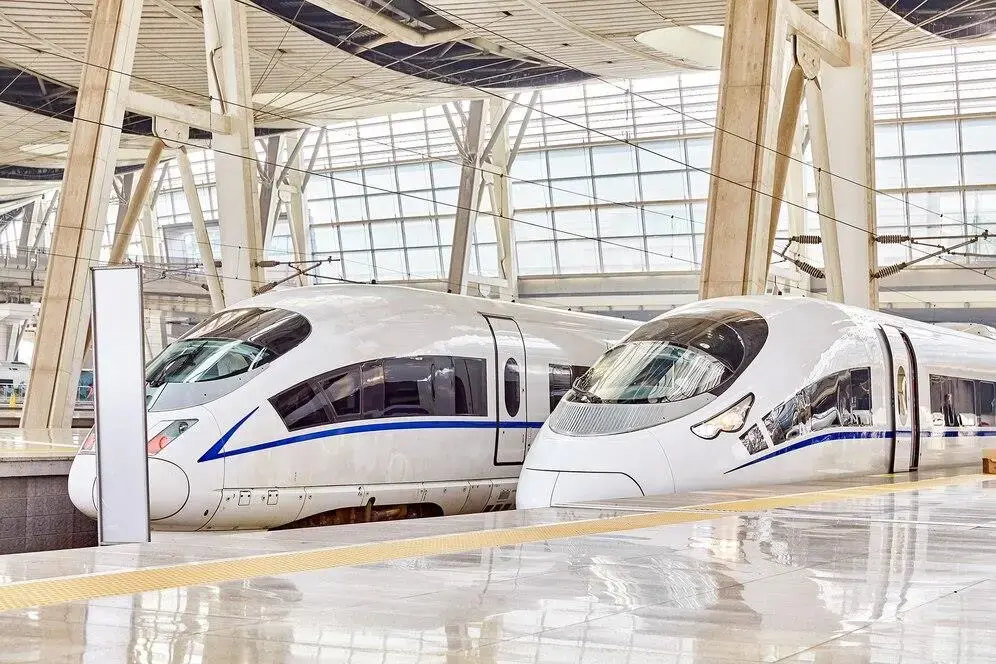
Truck bed sideboards, container walls, subway interior components, and railway support structures designed for impact resistance and durability.
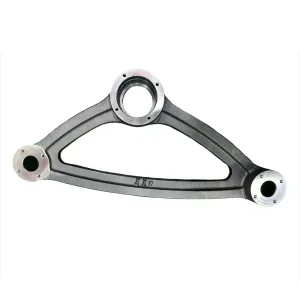
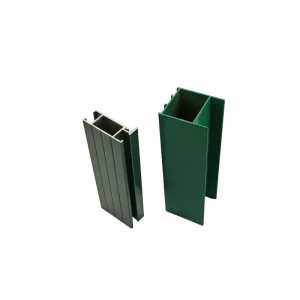
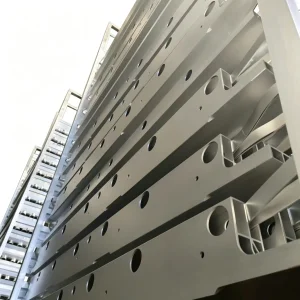
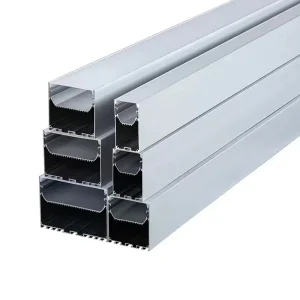
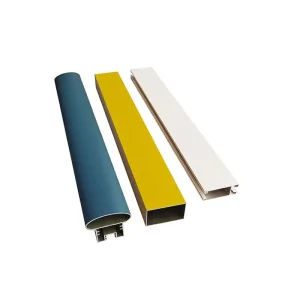
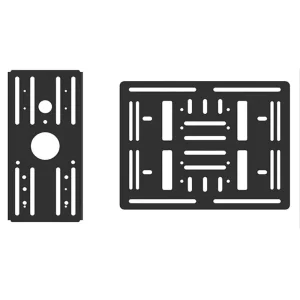
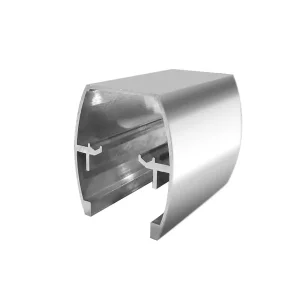
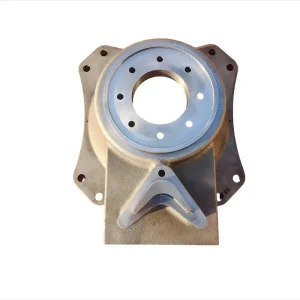
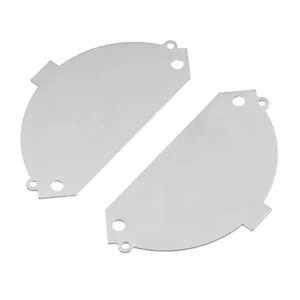
These high-demand profiles feature advanced finishing and custom fabrication, illustrating our CNC milling, slotting, and precision surface treatments.
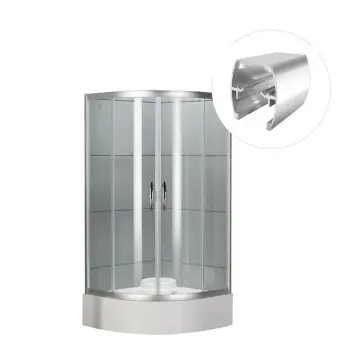
Features a corrosion-resistant anodized finish, maintaining surface quality in high-humidity bathroom environments.
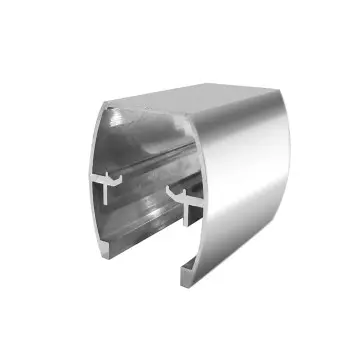
Optimized structural geometries reduce profile weight without compromising torsional rigidity, simplifying installation.
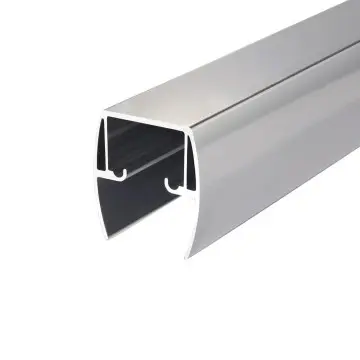
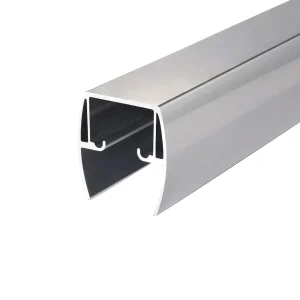
Direct-from-factory profile with tight tolerance controls, ready for secondary assembly and glazing.
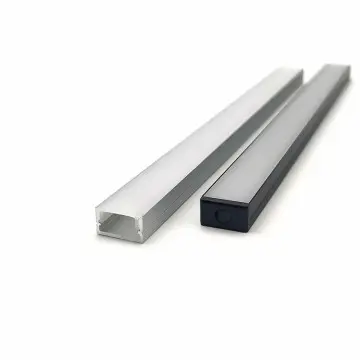
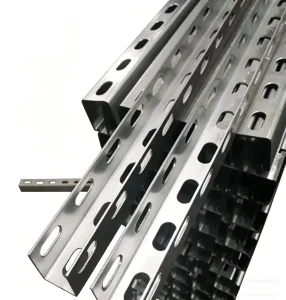
Precision-cut and deburred, suitable for linear structural tracks and hardware framing.
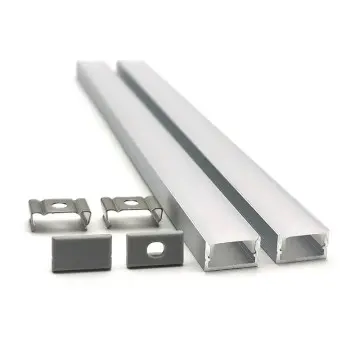
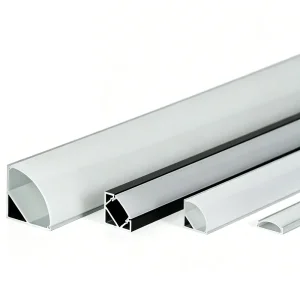
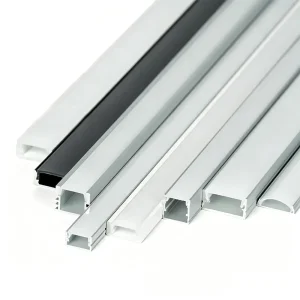
Features integrated slot geometries designed to hold diffusers and optimize heat dissipation from high-density LED arrays.
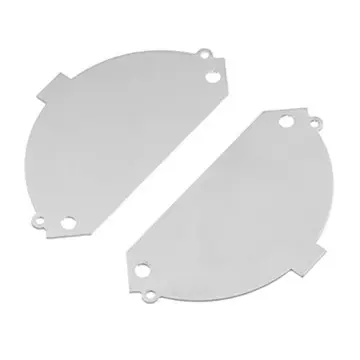
Ultra-compact corner profile designed for minimalist accent lighting, architectural recesses, and shelf illumination.
In global industrial procurement, a factory's quality is defined by its certifications and compliance standards. Qingdao Kangjian maintains rigorous testing procedures and holds a comprehensive set of international credentials:
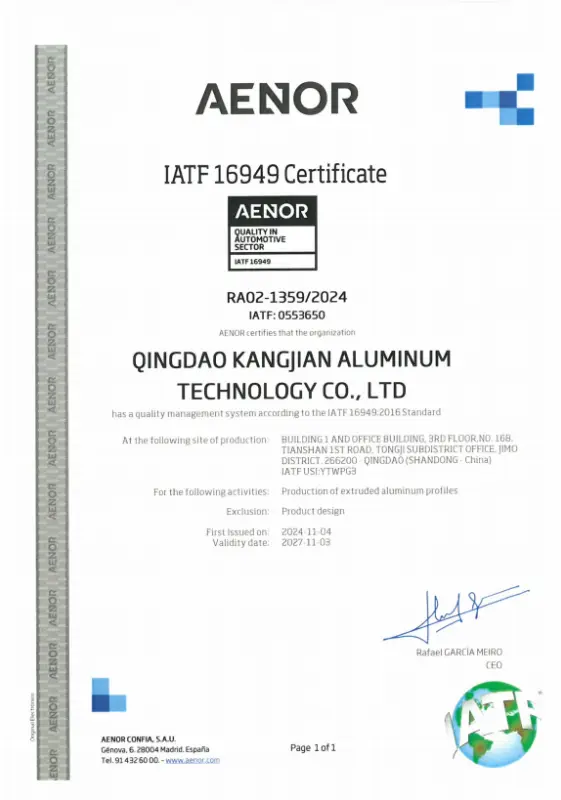
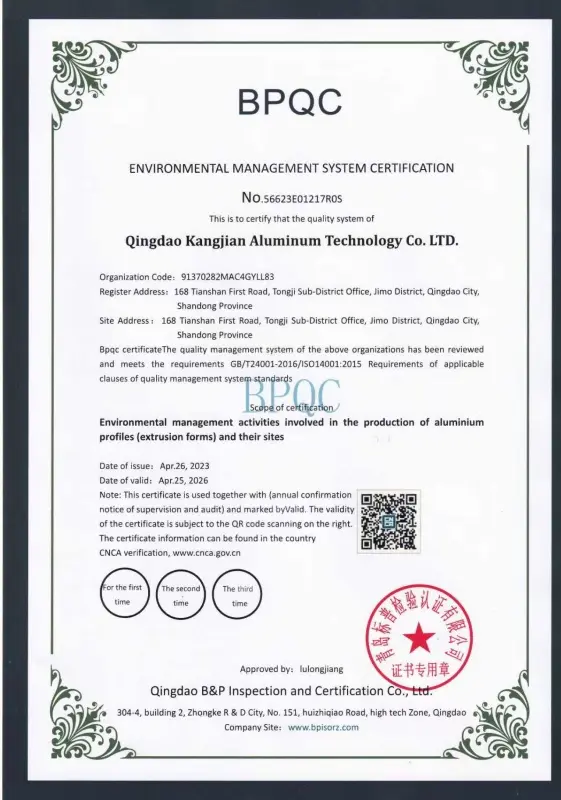
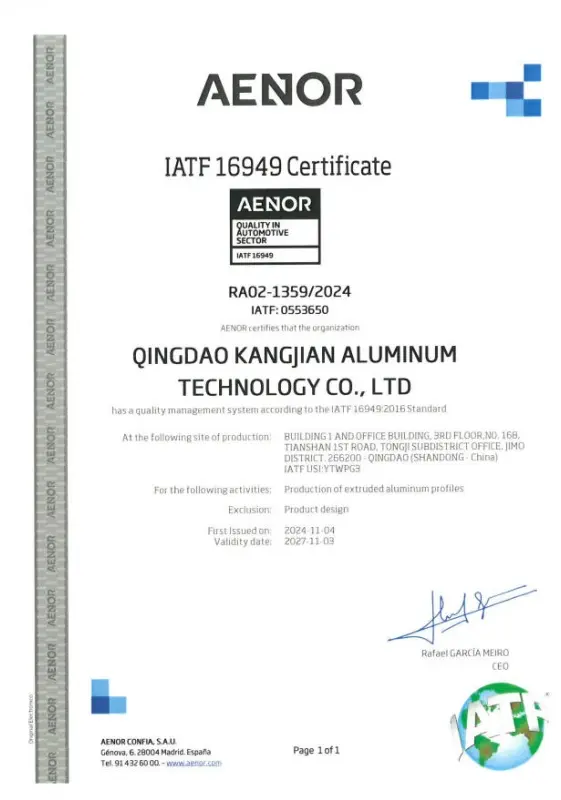
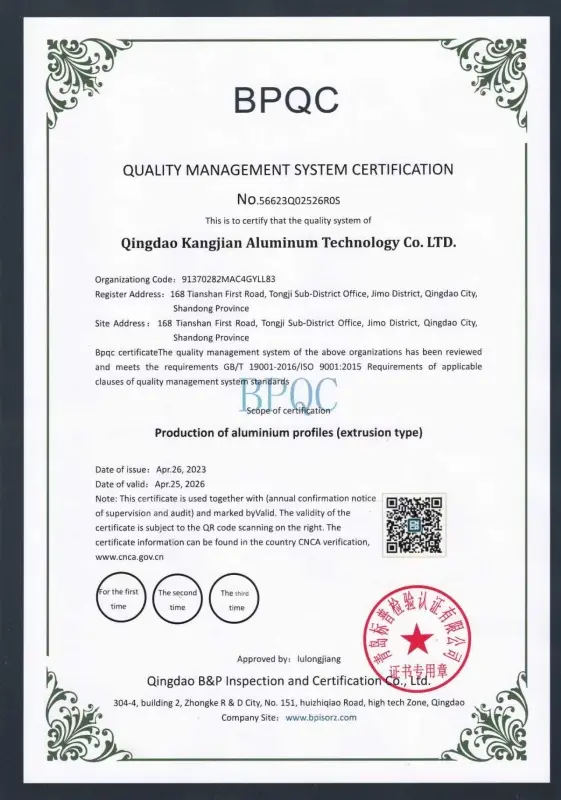
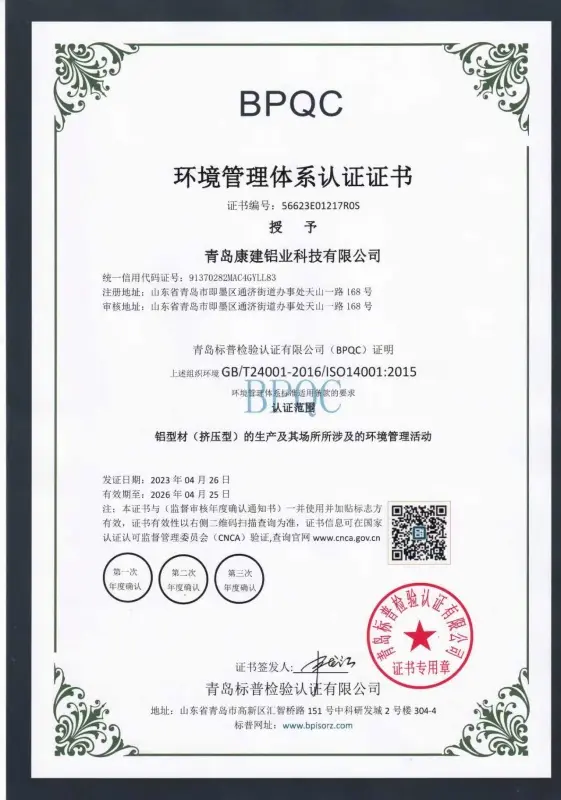
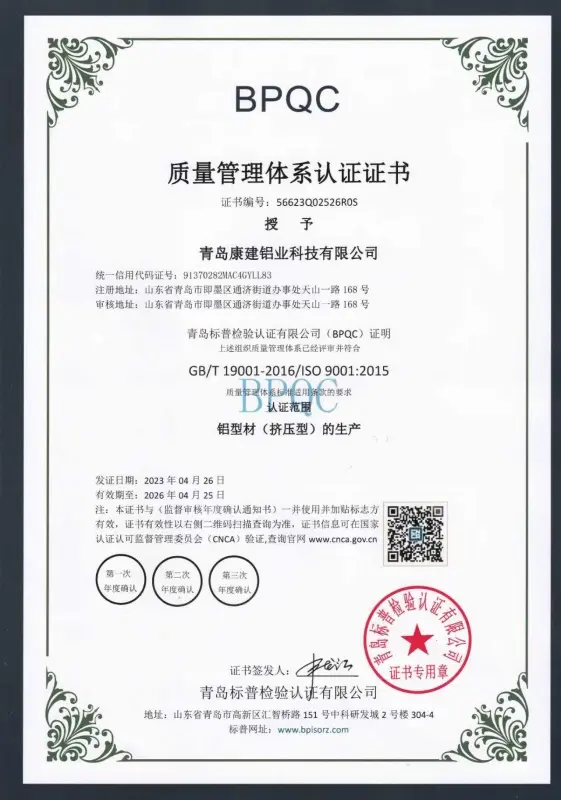
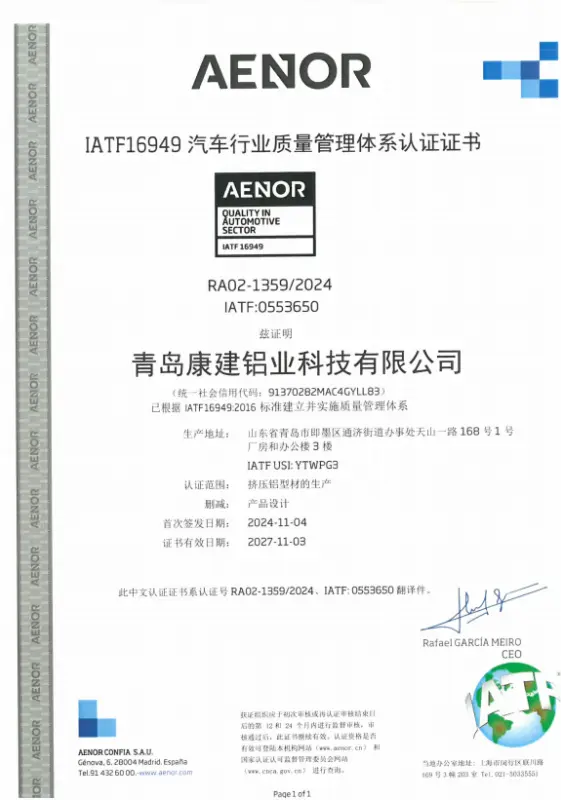
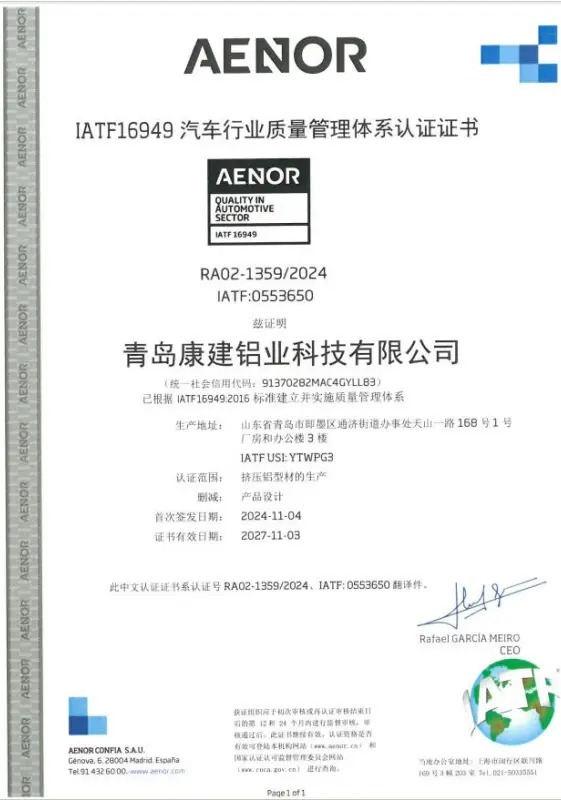
Qingdao Kangjian was founded with a clear vision: to establish high-end aluminum extrusion capabilities within China that could serve demanding global markets. Situated near the port city of Qingdao, the factory is positioned to support both domestic industries and international trade routes.
In its three years of operation, the company has expanded its market reach. Our structural profiles and machined components serve customers across major industrial regions in China, including Anhui, Hebei, Tianjin, Hunan, Guangdong, Beijing, and Jiangsu. Through the port of Qingdao, our products are exported directly to international markets including South Korea, Japan, North America, and Europe.
Despite shifts in global trade patterns, Kangjian has maintained a steady growth trajectory, with average order volumes and production output increasing by 30% annually. Our profiles are used in diverse applications, from gantry cranes in Nordic ports to specialized structural frameworks for global infrastructure projects.
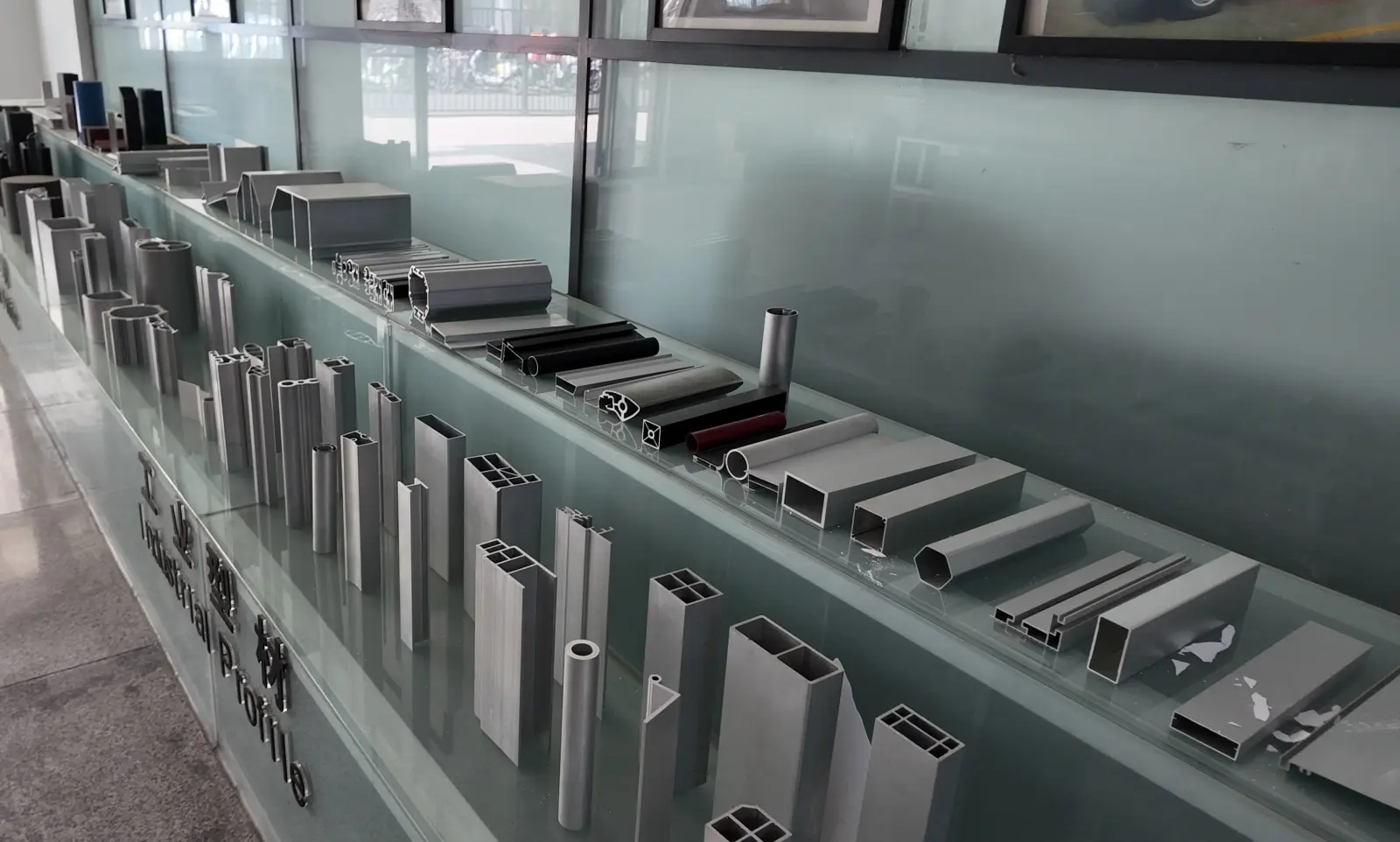
We partner with global engineering companies, energy system developers, and transit authorities to deliver structural solutions.