 Kangjian
Kangjian
Kangjian
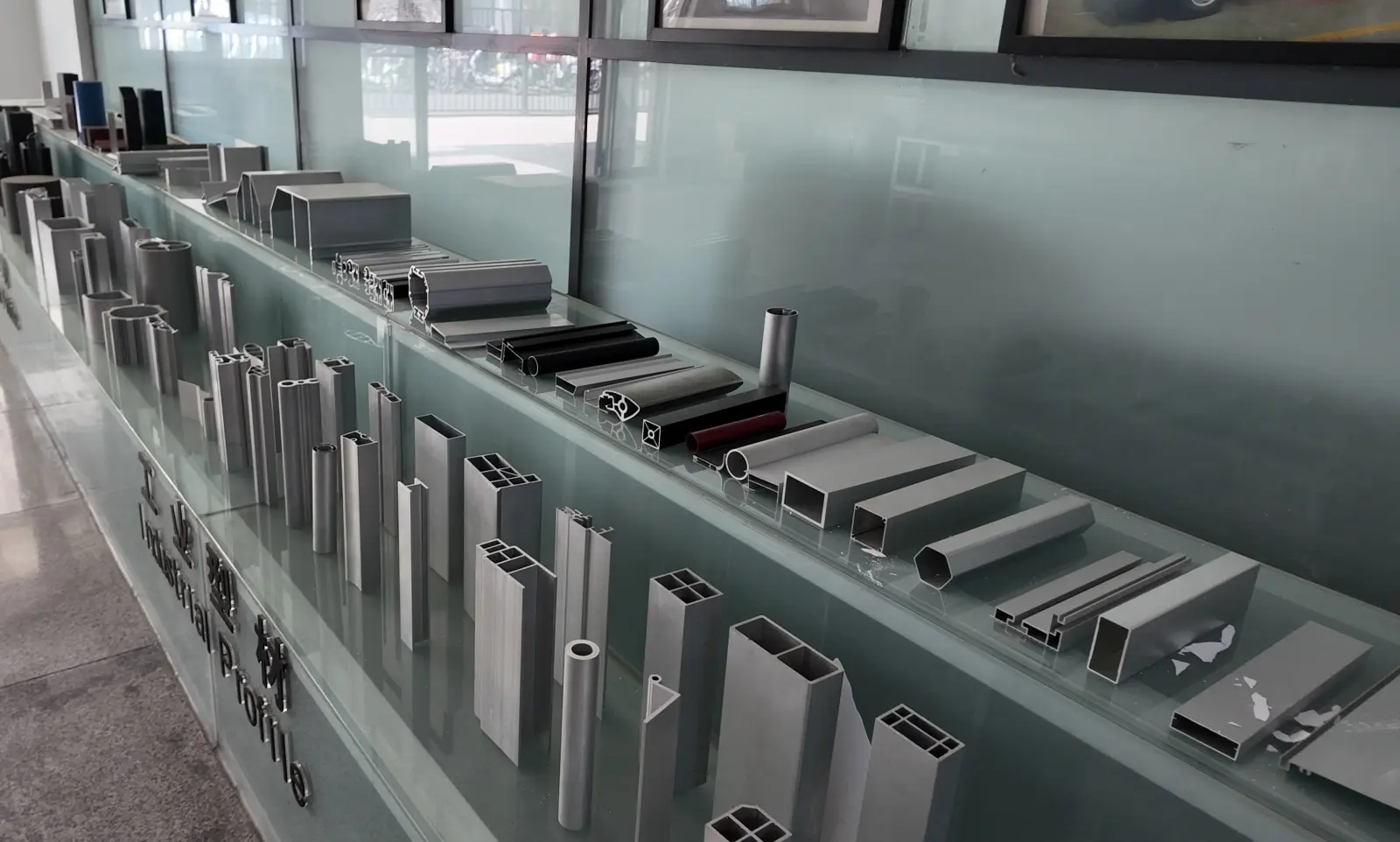
Direct supply from state-of-the-art Chinese extrusion mills. Browse our primary production series engineered for diverse industrial applications.
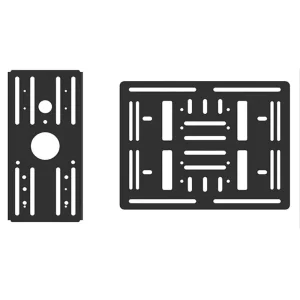
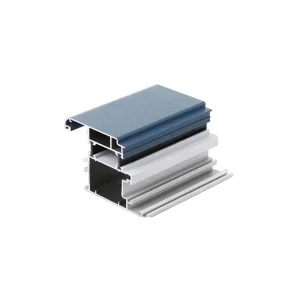
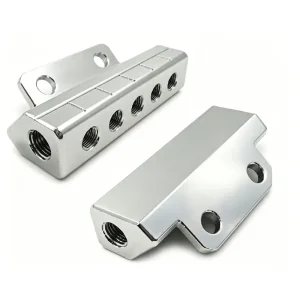
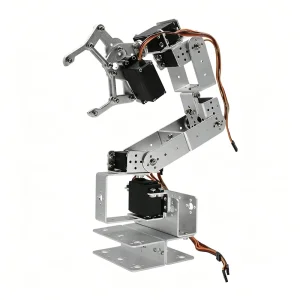
An in-depth metallurgical analysis of engineering tolerances, demand drivers, and technological innovations reshaping the global market.
Aluminum alloy 6061 is a precipitation-hardened alloy containing magnesium and silicon as its major alloying elements. Renowned for its structural integrity, excellent mechanical properties, and outstanding weldability, 6061 aluminum profiles serve as the bedrock of modern structural engineering. Unlike its lower-strength counterpart, 6063, which is primarily optimized for aesthetic architectural facades, the 6061 alloy is designed for high-stress applications. From heavy duty rail cars and marine vessels to precision robotics and aircraft components, its versatility remains unparalleled in the non-ferrous metallurgical industry.
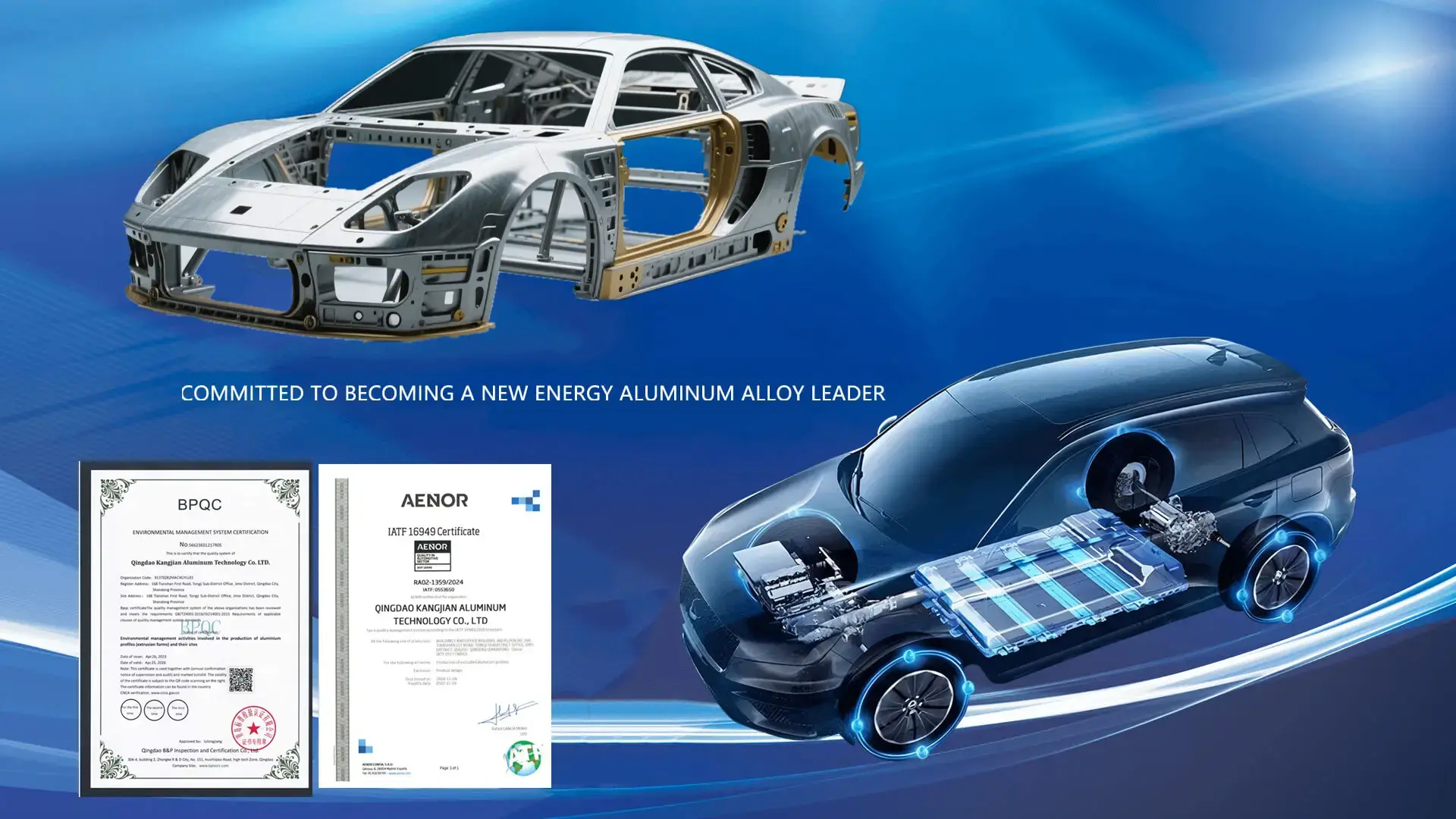
In the global industrial landscape, the shift toward carbon neutrality and energy-efficient systems has accelerated the demand for lightweight structural profiles. Automotive manufacturers are increasingly substituting traditional steel structural members with high-performance 6061-T6 aluminum alloys. This metallurgical transition achieves weight reductions of up to 40% without compromising passenger safety cell rigidity. Concurrently, the rise of industrial automation and advanced robotics requires frames that possess minimal inertia and high structural resonance resistance—two criteria that the mechanical properties of 6061 profile extrusions perfectly satisfy.
To verify compliance with global engineering specifications (such as ASTM B221, EN 755, and JIS H4100), it is vital to analyze the exact chemical composition limits of the 6061 alloy. The addition of Chromium (Cr) in the range of 0.04% to 0.35% is critical as it inhibits grain growth during recrystallization, enhancing grain boundary toughness. Meanwhile, the balanced magnesium-to-silicon ratio (typically Mg: 0.8–1.2%, Si: 0.4–0.8%) forms the microscopic Mg2Si beta-double-prime precipitates during heat treatment, which provides the primary shear resistance that strengthens the aluminum matrix.
| Element | Silicon (Si) | Iron (Fe) | Copper (Cu) | Manganese (Mn) | Magnesium (Mg) | Chromium (Cr) | Zinc (Zn) | Titanium (Ti) | Aluminum (Al) |
|---|---|---|---|---|---|---|---|---|---|
| Min WT% | 0.40 | 0.00 | 0.15 | 0.00 | 0.80 | 0.04 | 0.00 | 0.00 | Balance |
| Max WT% | 0.80 | 0.70 | 0.40 | 0.15 | 1.20 | 0.35 | 0.25 | 0.15 | Remainder |
How advanced extrusion machinery, localized raw material clusters, and high-capacity port hubs create unmatched industrial supply chain advantages.
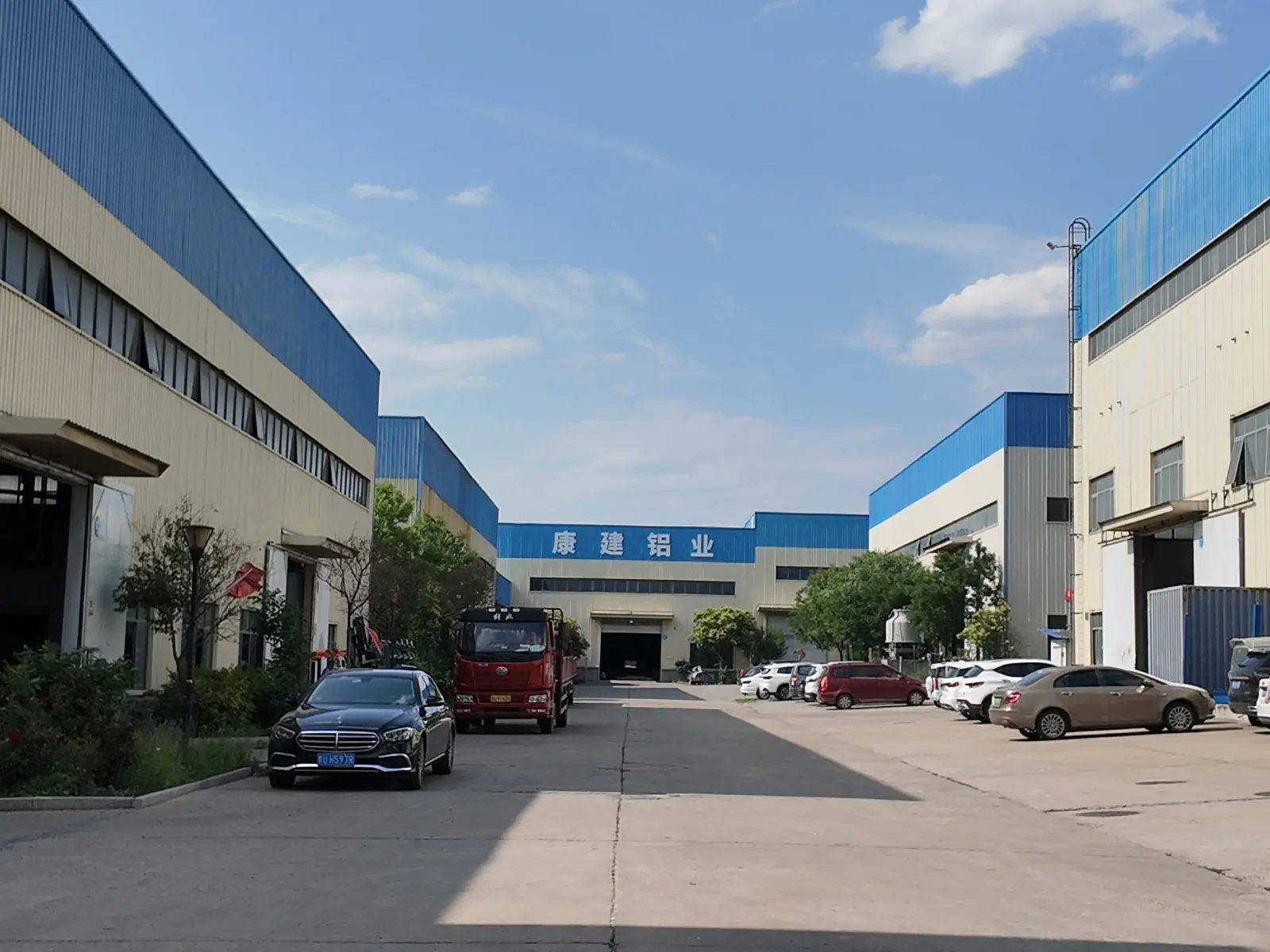
The global competitiveness of China's aluminum extrusion sector is not simply rooted in cost efficiency; it is driven by a massive, highly integrated industrial cluster. Factories like Qingdao Kangjian Aluminum Industry Technology Co., Ltd. leverage localized ecosystems where raw material smelting, die design, precision extrusion, surface treatment, and CNC machining are housed in close proximity. This geographic density minimizes logistics delays, decreases energy loss, and allows for rapid prototype-to-production cycles that Western factories find difficult to replicate.
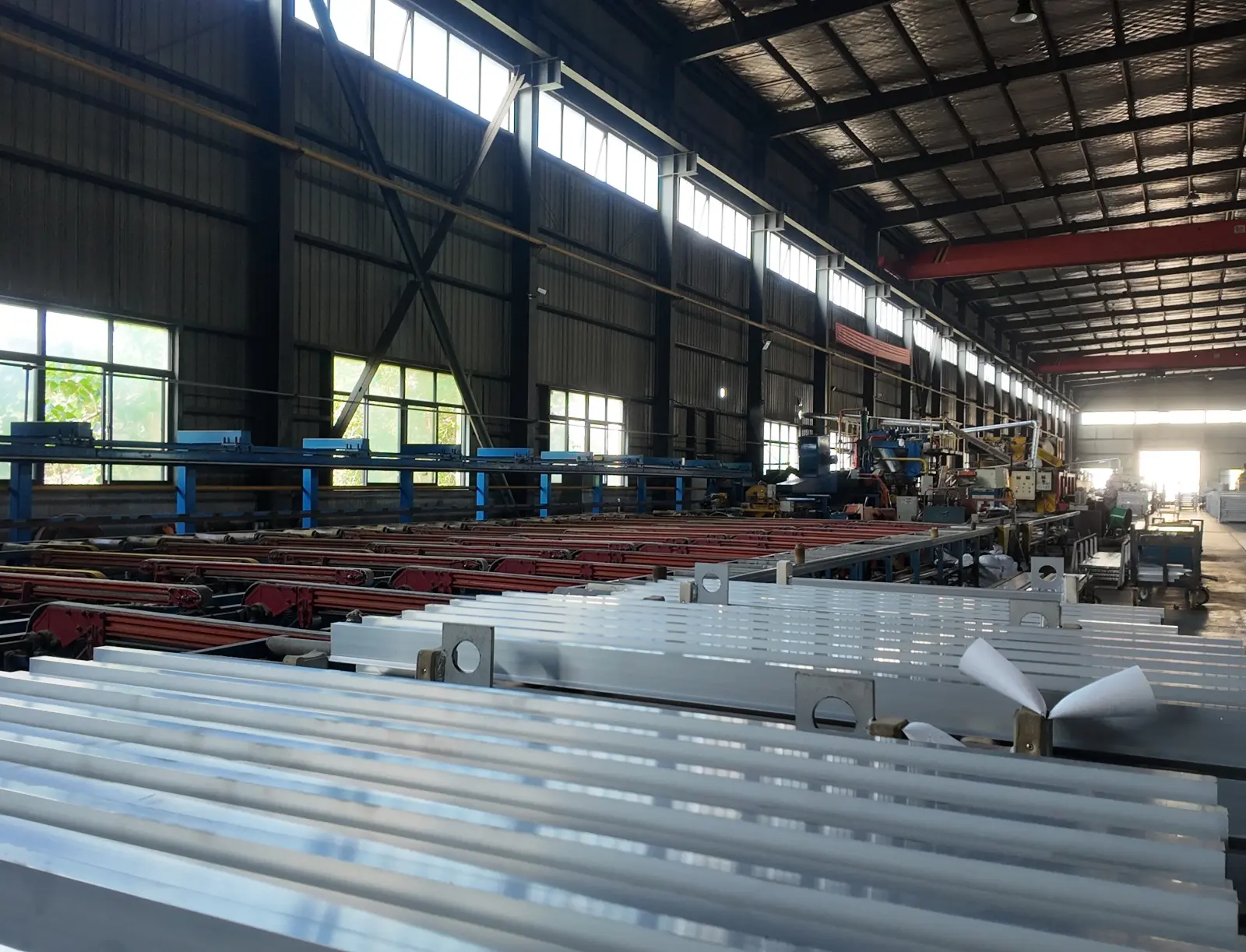
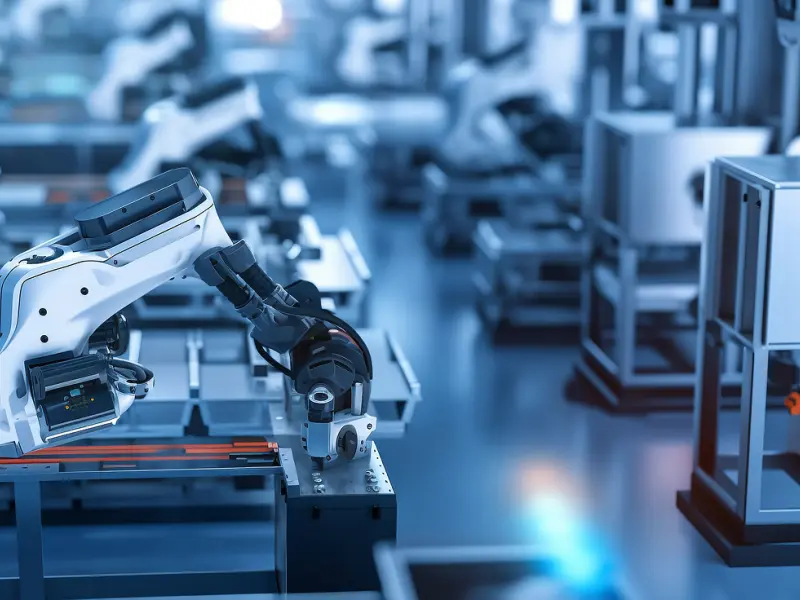
Machinery capability is a critical benchmark of quality. Extrusion press tonnage dictates the maximum circumscribing circle and wall thickness ratio of a profile. Qingdao Kangjian operates five modern extrusion production lines: one 2500T line, one 1450T line, one 1150T line, and two 700T lines. The 2500-ton press allows for the manufacturing of complex, large-format structural profiles (up to 250mm width) with precise wall-thickness tolerances down to ±0.15mm, essential for applications such as high-speed rail chassis, automotive subframes, and solar photovoltaic systems.
Achieving the desired mechanical temper (such as T5 or T6) requires meticulous control over the thermal cycle during the extrusion process. For 6061-T6 profiles, the aluminum billet is preheated in a multi-zone gas furnace to approximately 480°C. As the metal passes through the custom steel die, its exit temperature must exceed 510°C to ensure that the Mg2Si precipitates remain fully dissolved in the solid solution. Immediately upon exit, the profile is subjected to rapid water quenching (cooling rate > 40°C/minute) to freeze the alloy in a supersaturated solid solution state. The profiles are subsequently placed in aging ovens at 175°C for 8 hours to induce controlled precipitation hardening, ensuring consistent tensile strength across the entire batch.
Forging quality and connecting international industrial hubs from the coast of the Yellow Sea.
Founded in 2022 in the Jimo District of Qingdao, China, Qingdao Kangjian Aluminum Industry Technology Co., Ltd. was established to address the global demand for high-end aluminum extrusion capabilities. Leveraging the natural shipping advantage of the deepwater Port of Qingdao, the company expanded from its local manufacturing base to serve critical industrial markets in South Korea, Japan, the United States, and across Europe. Our annual order volume has maintained a consistent growth rate of over 30%, reflecting the market's trust in our metallurgical precision.
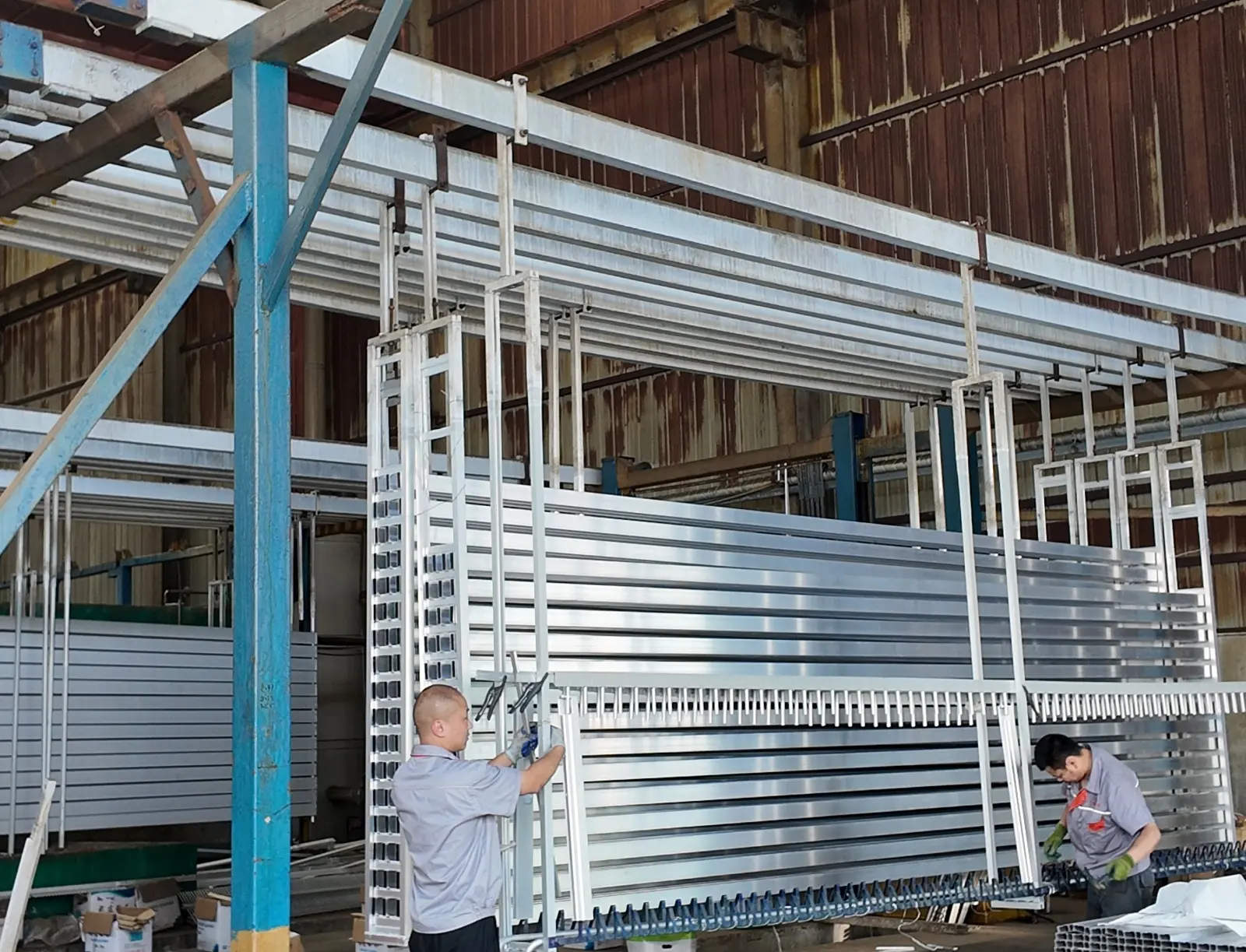
Every precision profile produced in our facility is monitored under strict quality management workflows. By combining vertical integration (die design, extrusion, anodizing, and CNC machining) with high-capacity logistics systems, we ensure that global procurement managers receive custom-engineered products on time, with full material traceability and structural performance documentation.
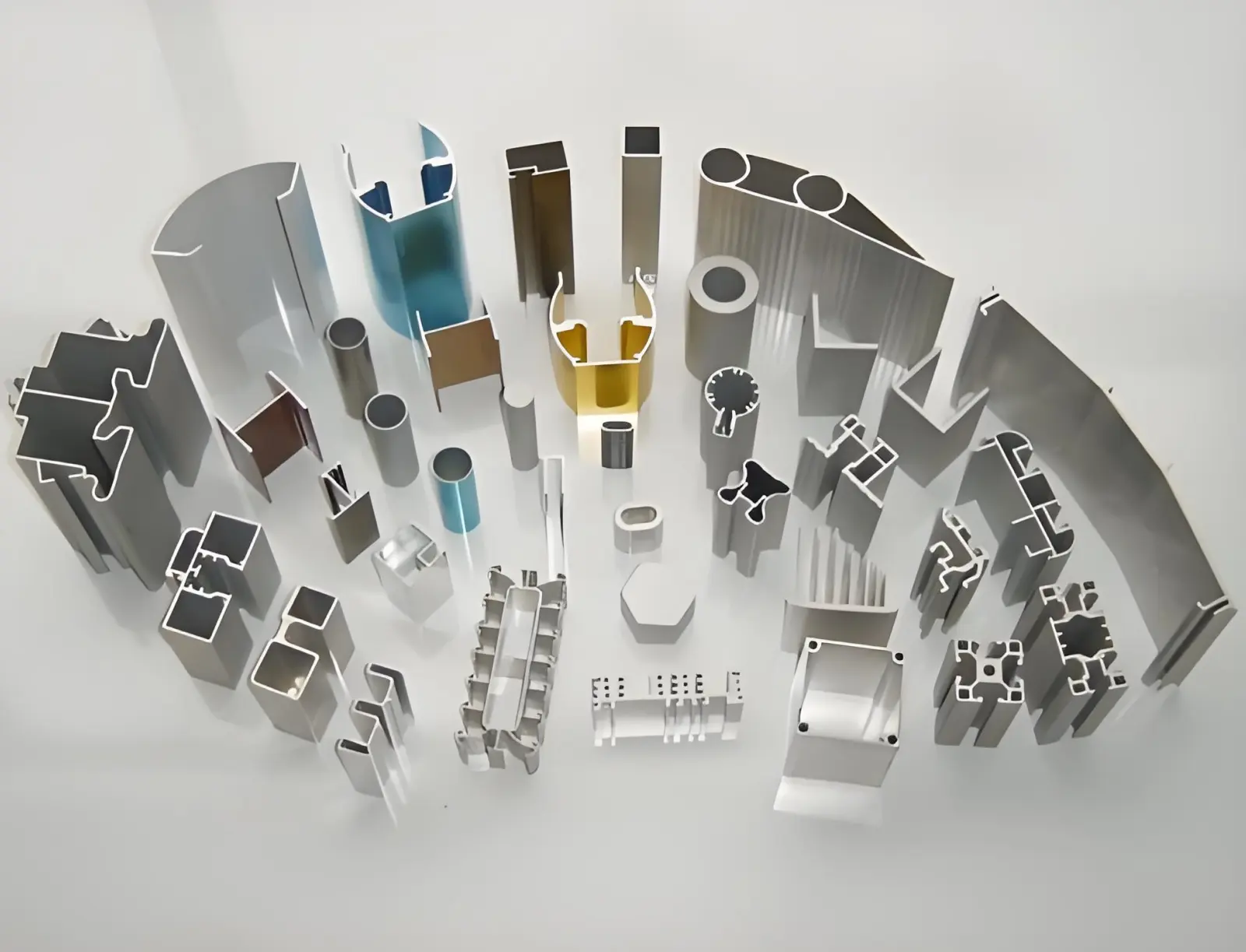
The founding mission of Kangjian Aluminum is simple: "Producing high-end aluminum materials and serving global customers." We strive to replace heavy steel components with lightweight, high-strength aluminum configurations. Our engineering solutions support massive heavy-machinery projects, including crane booms in Nordic shipping ports, lightweight sub-frames for electric vehicles, and precision-engineered structural framing systems.
By integrating design support, metallurgical engineering, and post-extrusion CNC machining, we reduce the complexity of the supply chain for our global partners. Rather than dealing with separate extrusion mills, anodizing plants, and machining shops, our clients receive fully finished components ready for direct assembly.

As global industries pursue decarbonization, lightweight aluminum designs are central to reducing energy consumption. Kangjian focuses on the R&D of next-generation alloys and advanced thermal processes. Our team of 90 professionals, backed by a 20,000 square meter testing facility, ensures that every profile meets strict technical tolerances.
Our operational and welding systems are certified by leading global classification societies and standards bodies.
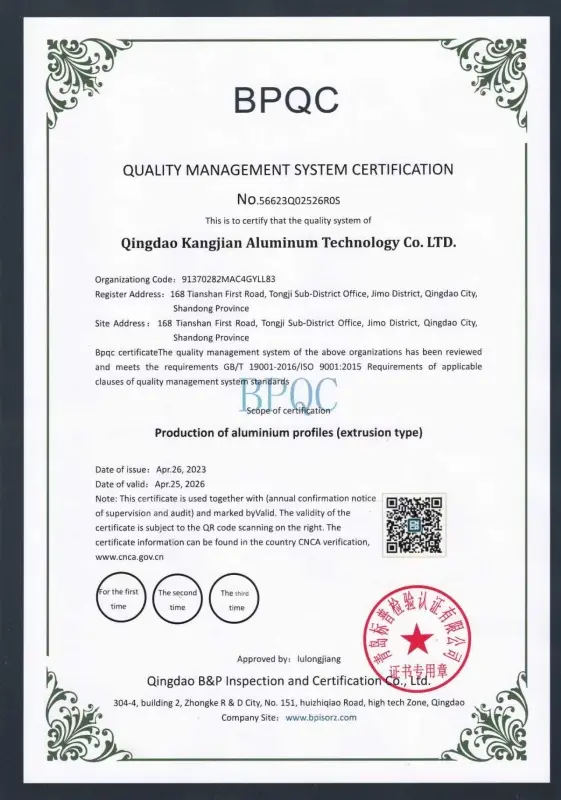
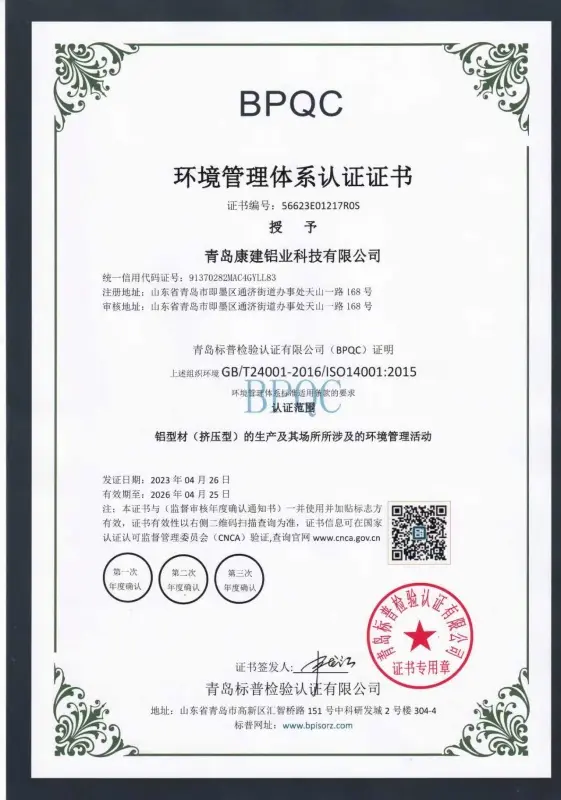
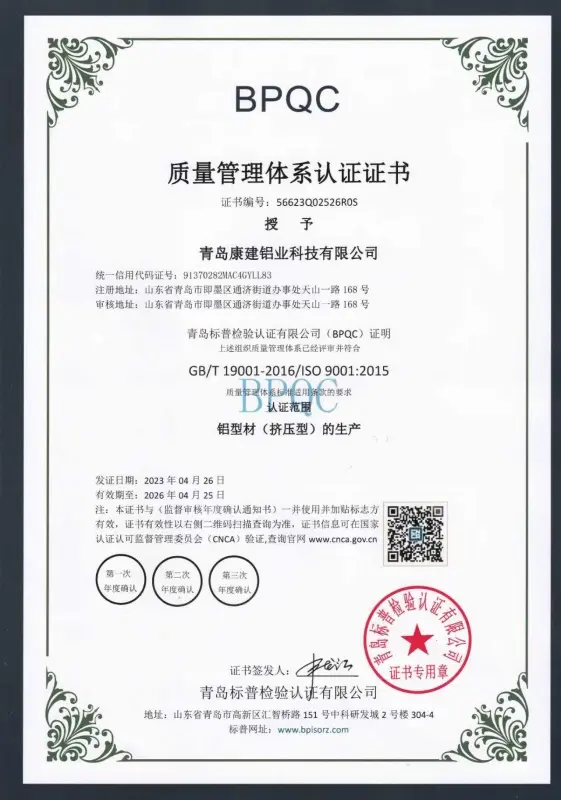
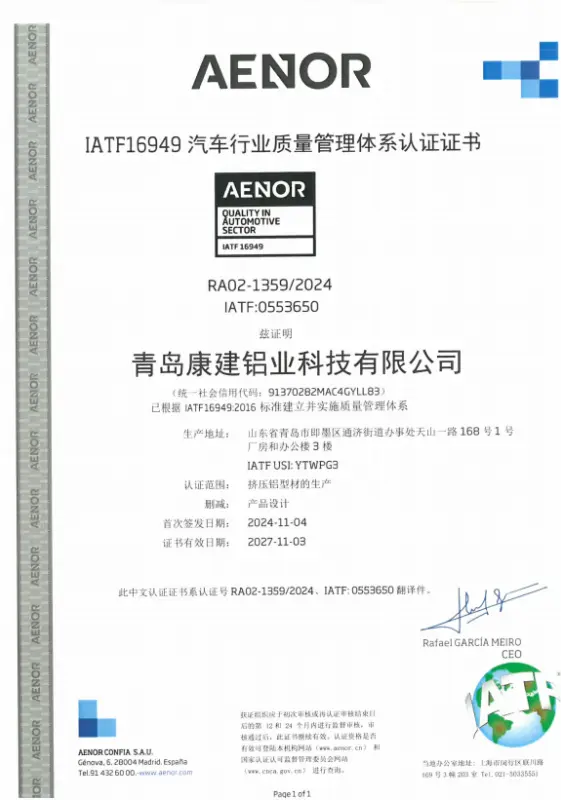
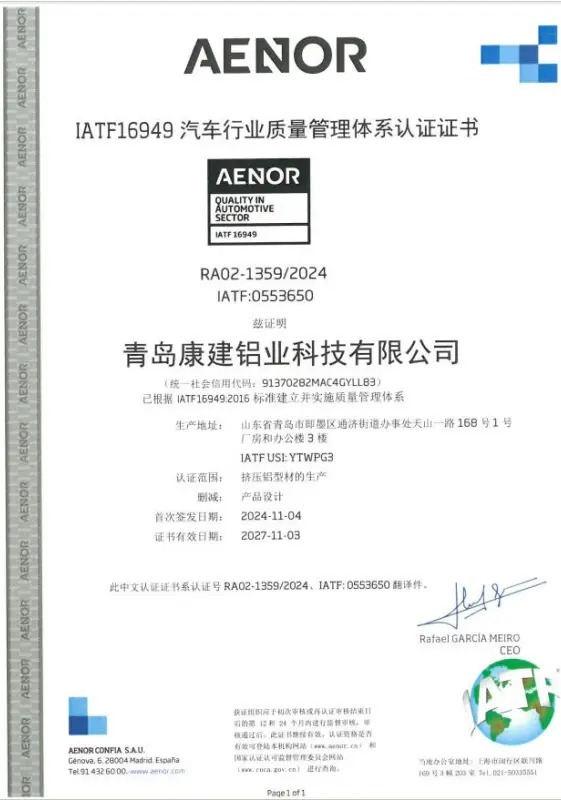
In high-stakes industrial projects, engineering compliance is critical. To ensure reliability in structural, rail, and automotive applications, Qingdao Kangjian has established a comprehensive quality management framework certified to international standards.
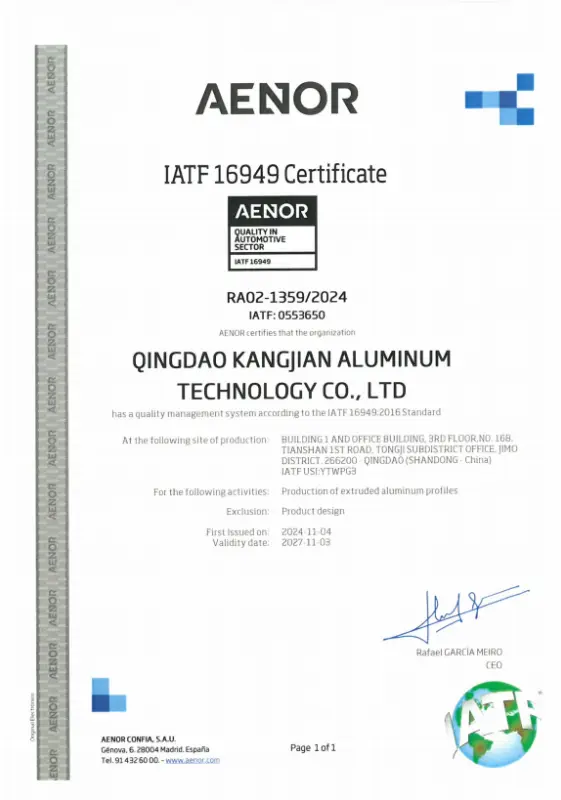
ISO 9001 Quality Control
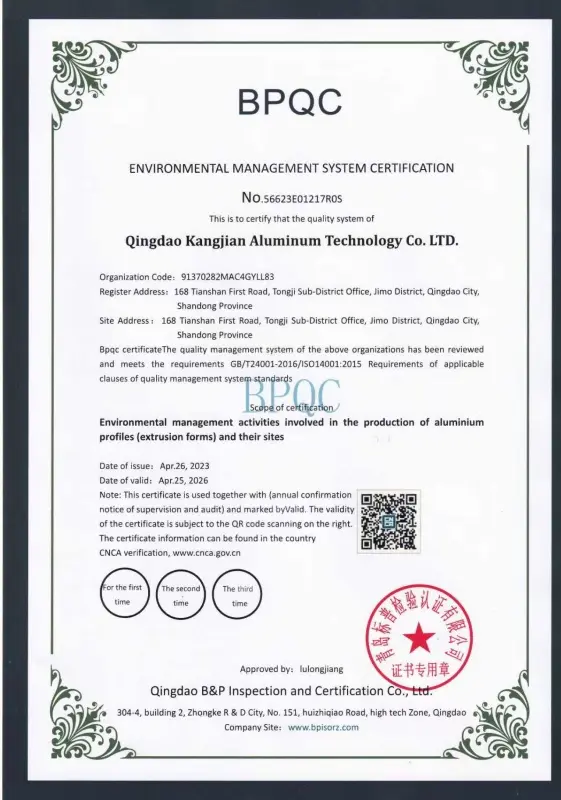
ISO 14001 Environment
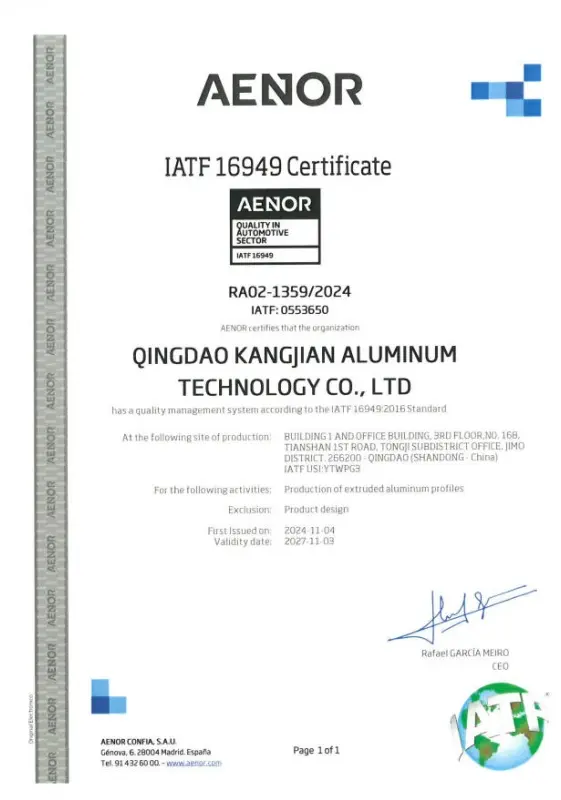
IATF 16949 Automotive
ISO 22163 Rail Transit
EN 15085 Railway Welding
ISO 3834 Fusion Welding
AWS D1.2 Structural Welding
DIN 6701 Adhesive Bonding
Unlike generic profile suppliers, our specialized welding certifications—including EN 15085-2 (Class CL1) and ISO 3834-2—demonstrate our capability to perform high-integrity structural welding on structural aluminum members. This is critical for rail transit frames, heavy transport trailers, and load-bearing marine structures. Additionally, our DIN 6701 certification for adhesive bonding ensures that composite structural joins meet global passenger safety standards, providing engineering assurance for international OEMs.


How 6061 T6 and 6063 T5 profiles are applied across automotive, mechanical engineering, rail systems, and renewable energy sectors.
While the 6061 alloy is preferred for heavy-duty structural components, 6063 is typically selected for complex, thin-walled shapes that require superior surface finish quality. Our facilities produce both alloys to meet diverse engineering specifications. Below are our key application fields:
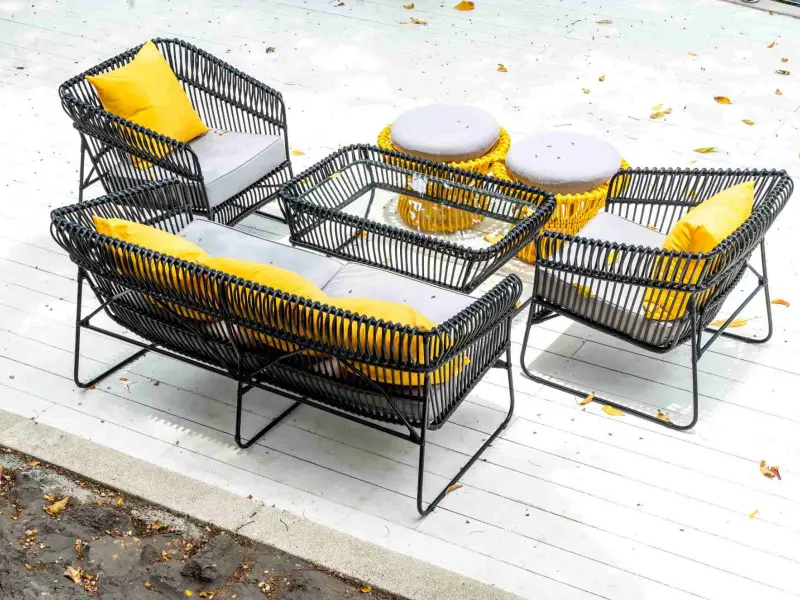
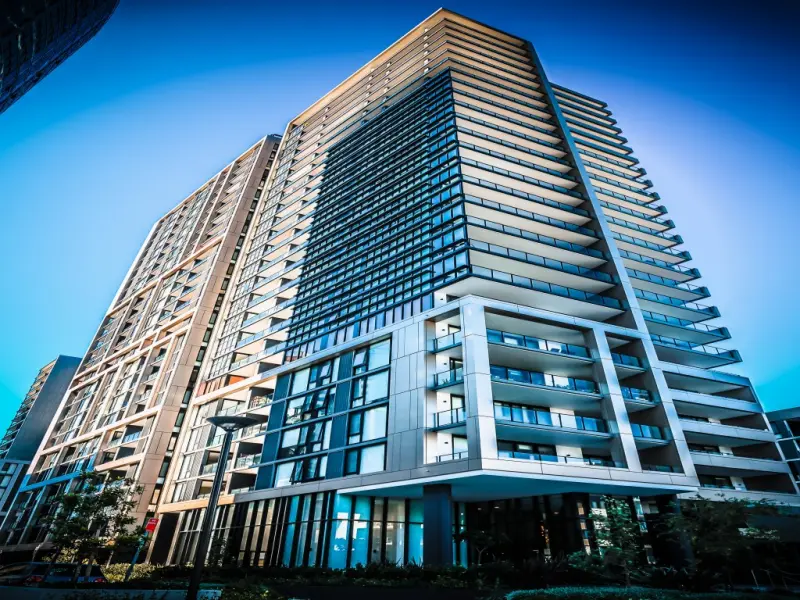
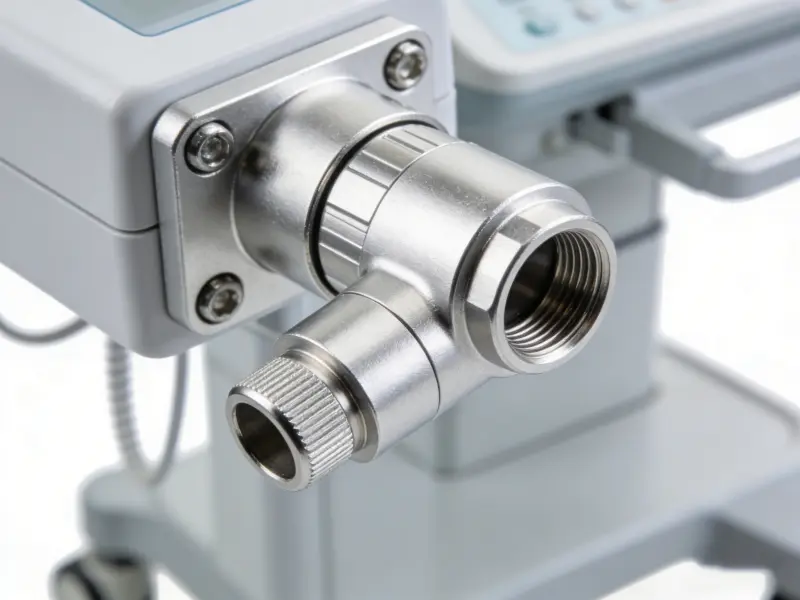
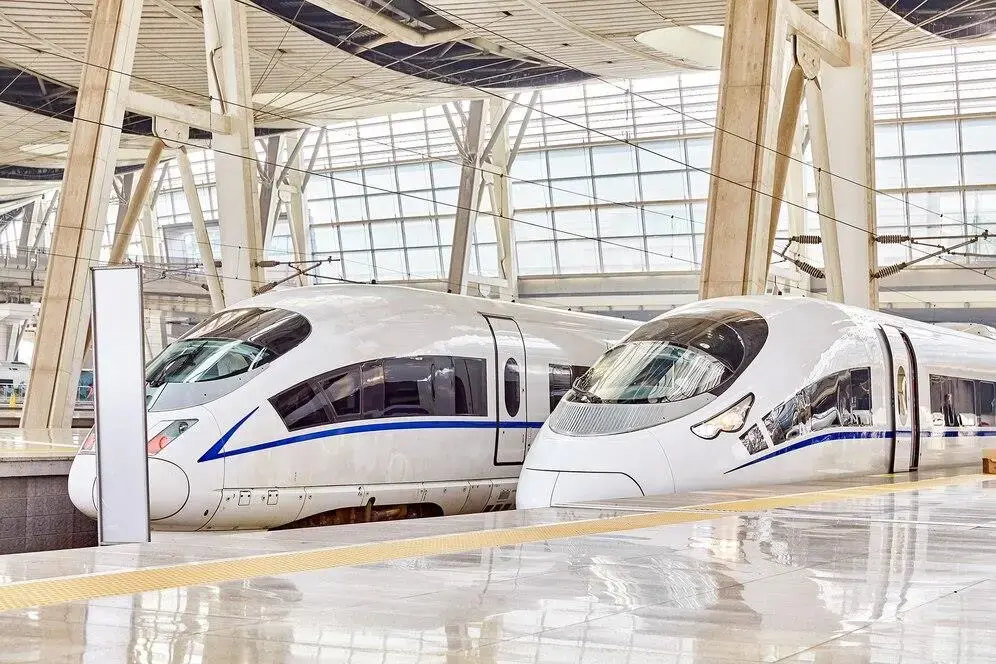
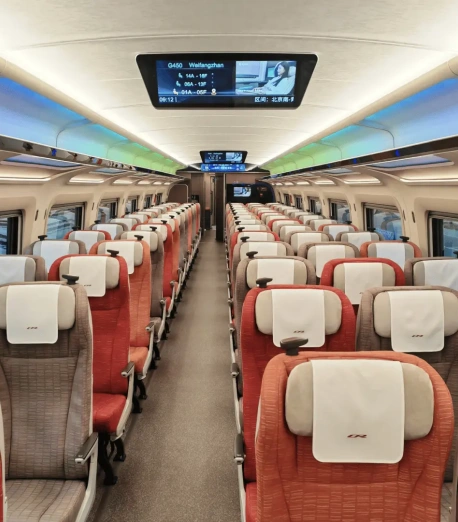
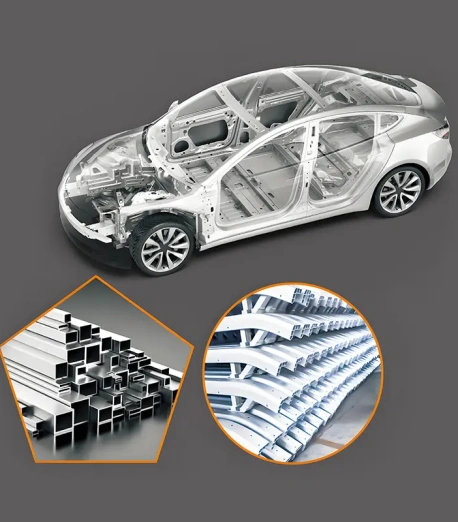
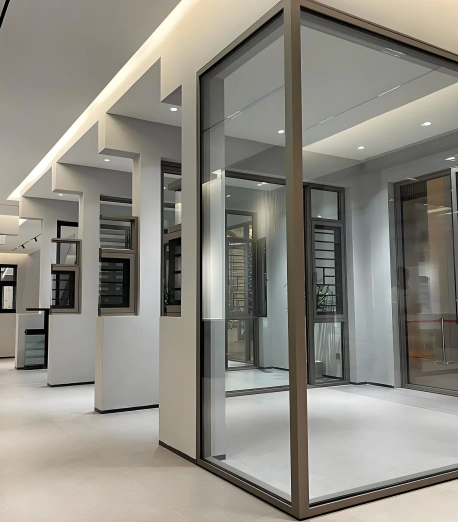
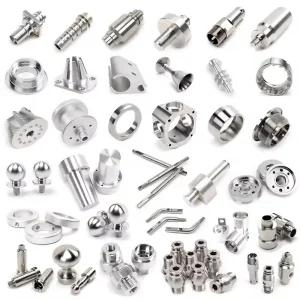
Featured components custom-machined and finished for international electronics, shower enclosures, and building assemblies.
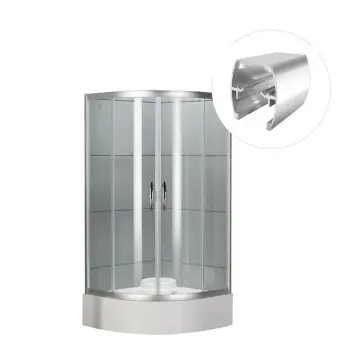
High-grade anodized profiles for domestic and international high-end bath enclosures.
Learn More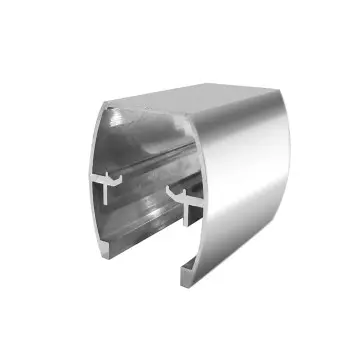
Lightweight profile systems combining slim sightlines with structural stability.
Learn More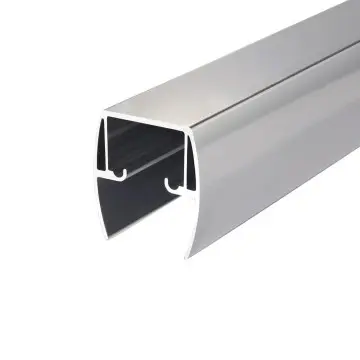
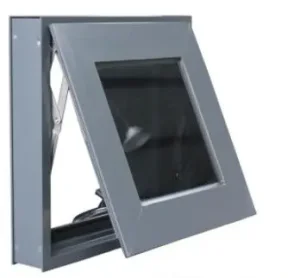
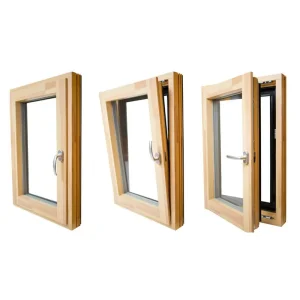
Direct mill-finish or anodized 6063 profiles for window frame manufacturers.
Learn More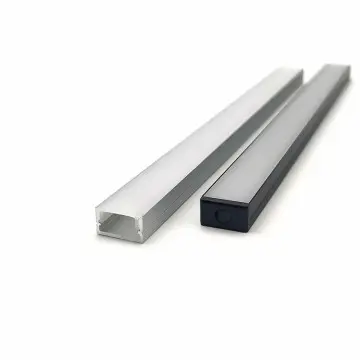
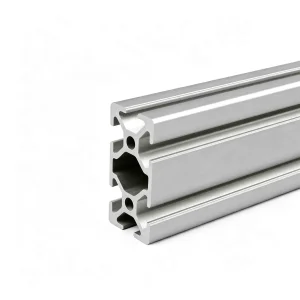
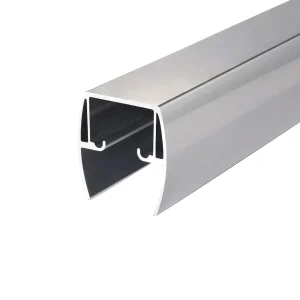
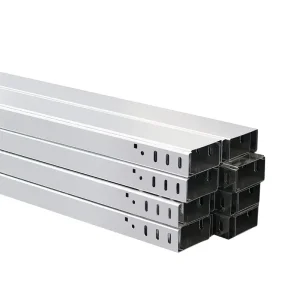
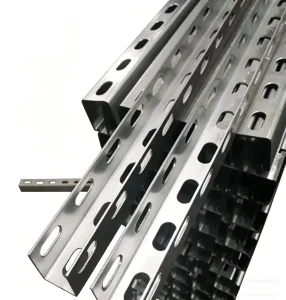
U-channels for machinery framing and structural support assemblies.
Learn More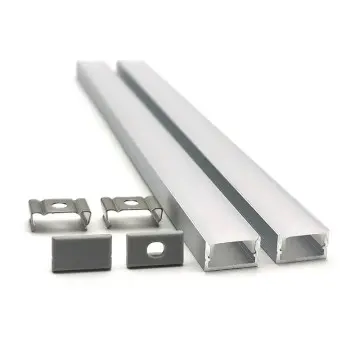
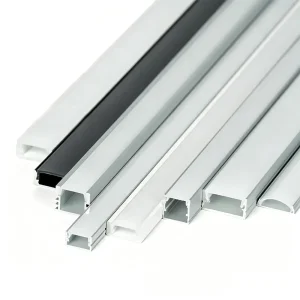
Optimized heat-dissipation profiles for commercial LED light strips.
Learn More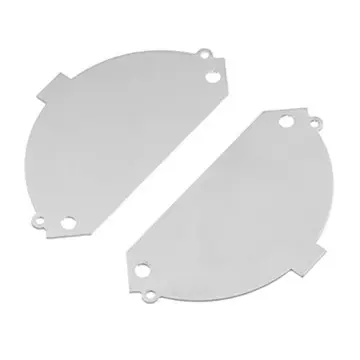
Compact corner-mount lighting profiles for architectural applications.
Learn MoreParticipating in key industry trade fairs and technical symposiums to share insights on aluminum metallurgy.
Critical metallurgical, manufacturing, and logistical questions answered by our engineering team.
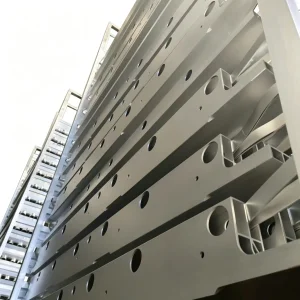
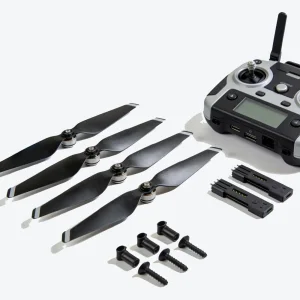
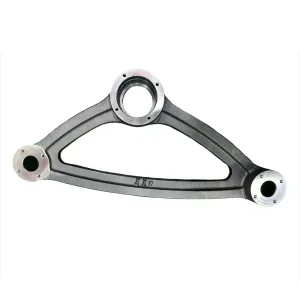
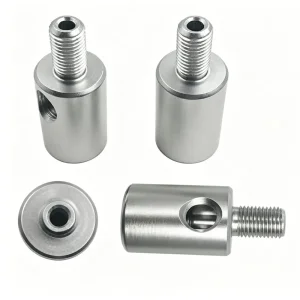
Explore our heavy-duty industrial framing, PV mounting assemblies, and precision-machined robotics components.
Partner with Qingdao Kangjian to optimize your industrial profile designs. We provide mill-run extrusions, structural analysis, and post-machined assemblies.
Contact Our Engineering Office