Kangjian
Kangjian
Kangjian
Explore our precision-engineered extrusion parts, structural modules, and custom profiles tailored for international standard compliance.
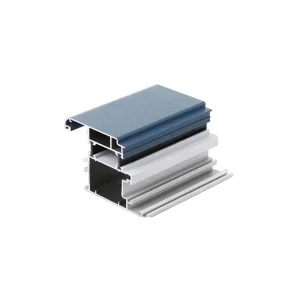
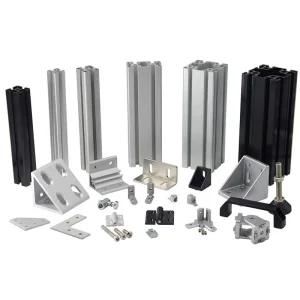
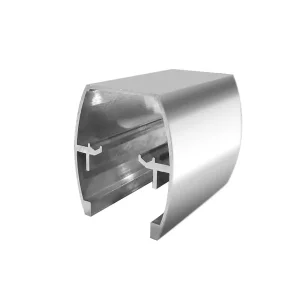
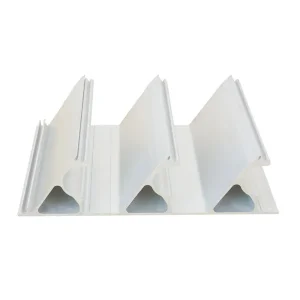
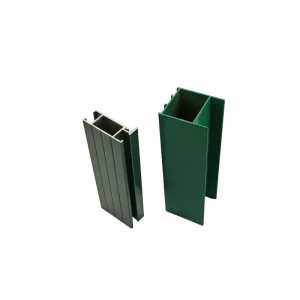
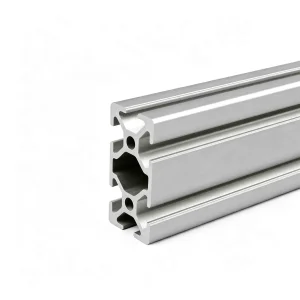
As structural demands shift towards high strength-to-weight ratios, the global industrial sector has increasingly designated aluminum profiles as a key material. Driven by global decarbonization targets, lightweighting in transportation, structural safety requirements, and smart automation infrastructure, industrial extrusions are evolving past simple structural support roles. Today, they serve as engineered platforms featuring built-in thermal management, electric connectivity pathways, and precision assembly mechanics.
Extruded aluminum alloys, particularly the 6000-series (6063, 6061, 6082), have become crucial across multiple sectors. These profiles undergo thermal and mechanical treatment cycles (T5, T6) to secure precise tensile properties and structural stability. Concurrently, micro-alloying techniques incorporating elements like titanium, manganese, and silicon are pushing performance boundaries. This enables extruded sections to match the strength profile of structural steel while reducing component weight by up to 50%.
For international engineering procurement groups, identifying a manufacturer that offers both large-scale volume and precise micro-tolerance control is essential. Kangjian Aluminum remains at the forefront of this segment, blending heavy industrial extrusion capability with sophisticated surface finishing and high-speed multi-axis CNC machining centers to supply global markets.
International procurement strategies have shifted from evaluating base material cost per ton toward analyzing Total Cost of Ownership (TCO), supply chain reliability, and raw material traceablity. Engineering teams require comprehensive performance data, structural certifications, and strict quality assurance frameworks that ensure long-term durability in challenging installations.
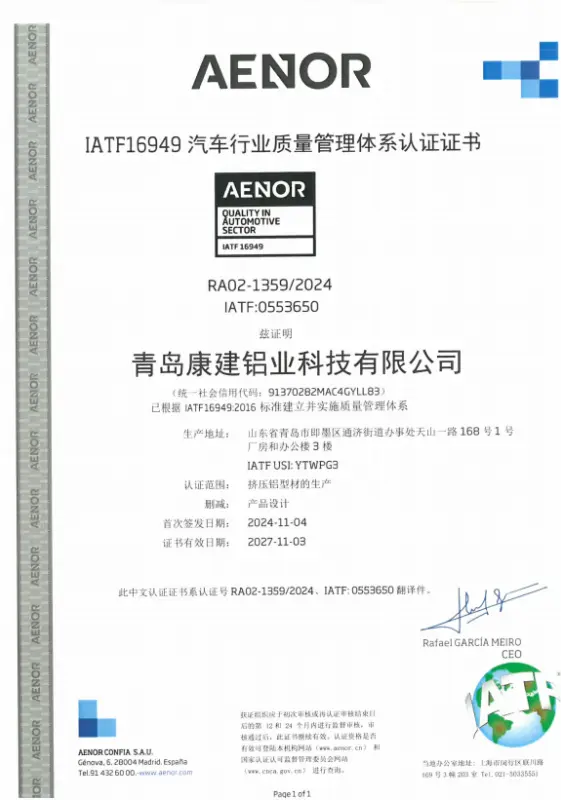
Procuring entities in Europe and North America look beyond basic material certifications. They require specialized credentials, including ISO 9001, ISO 14001, IATF 16949 (Automotive), ISO 22163 (IRIS Railway Standard), and EN 15085/ISO 3834 welding certifications.
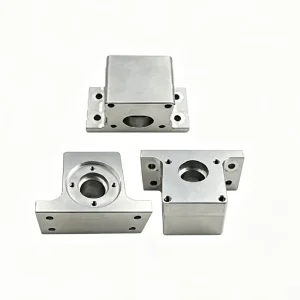
Modern industrial components require highly detailed machining post-extrusion. Leading factories must provide fully integrated 5-axis CNC machining, complex milling, structural punching, precision tapping, and specialized joint preparation to deliver ready-to-assemble solutions.
Enterprise-level buyers must track the carbon intensity of their raw materials. High-quality manufacturers provide complete batch traceability, structural alloy analysis certificates (MTRs), and sustainable, low-carbon manufacturing processes.
China's extrusion sector has transitioned from simple, labor-intensive fabrication into automated Industry 4.0 production bases. By integrating heavy extrusion systems, robotic transport grids, and computer-controlled heat treatment, modern plants manage critical production steps in-house. This centralized control reduces lead times, prevents intermediate material degradation, and maintains consistent mechanical properties across massive runs.
This integration extends from billet smelting and alloy formulation to custom die design, advanced profile extrusion, complex CNC milling, and industrial surface finishes. In-house control over these processes limits external transit risks and ensures consistent quality control. For international buyers, this production structure offers predictable delivery schedules and reliable quality, mitigating global supply chain volatility.
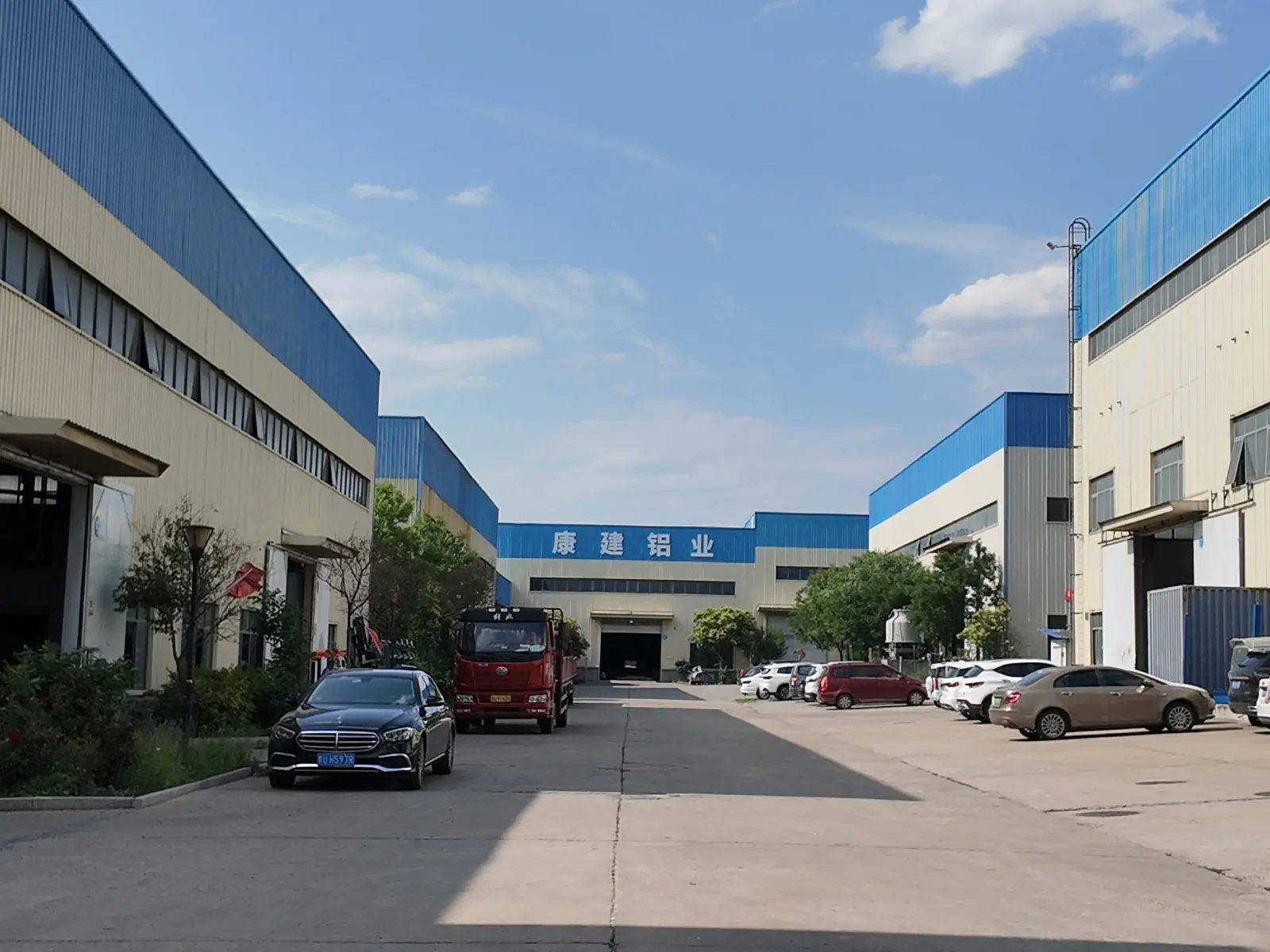
Founded in 2022 and located in the Jimo District of Qingdao, Qingdao Kangjian Aluminum Industry Technology Co., Ltd. has developed into a leading high-end aluminum extrusion partner in Northern China. Spanning an 80,000 square meter industrial facility with 4,000 square meters of administrative office space, our annual production capacity has reached 15,000 tons of high-precision aluminum profiles. We serve demanding sectors, including high-speed rail systems, automotive lightweighting, marine engineering, aerospace, clean energy systems, and high-performance architectural projects.
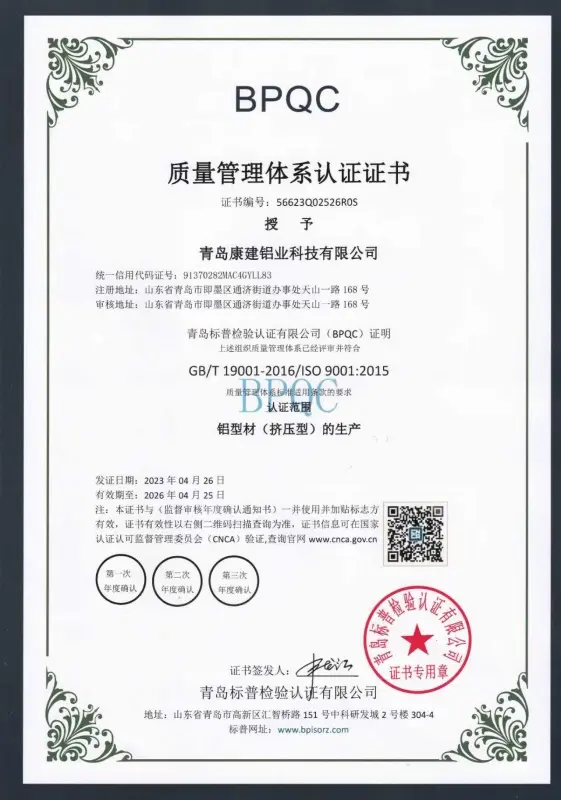
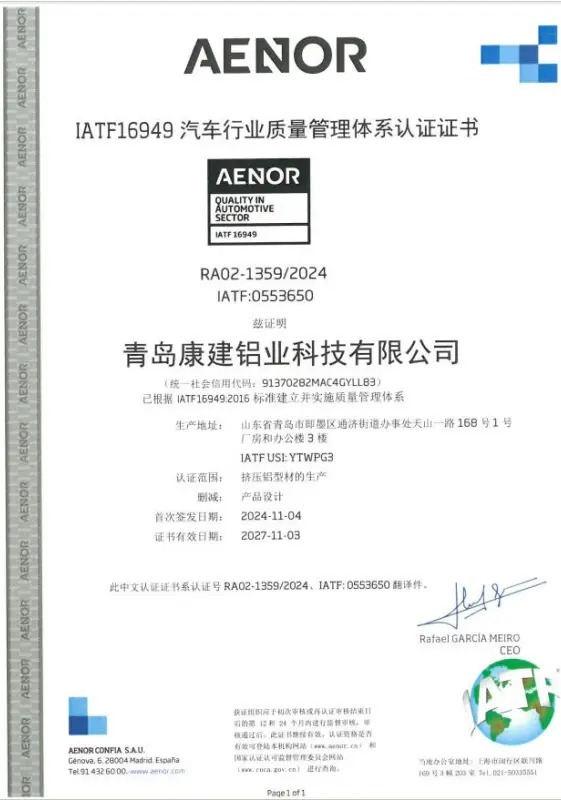
Kangjian's operations are backed by key industrial and quality system certifications. We ensure full process traceability and maintain compliance through the following standard certifications:
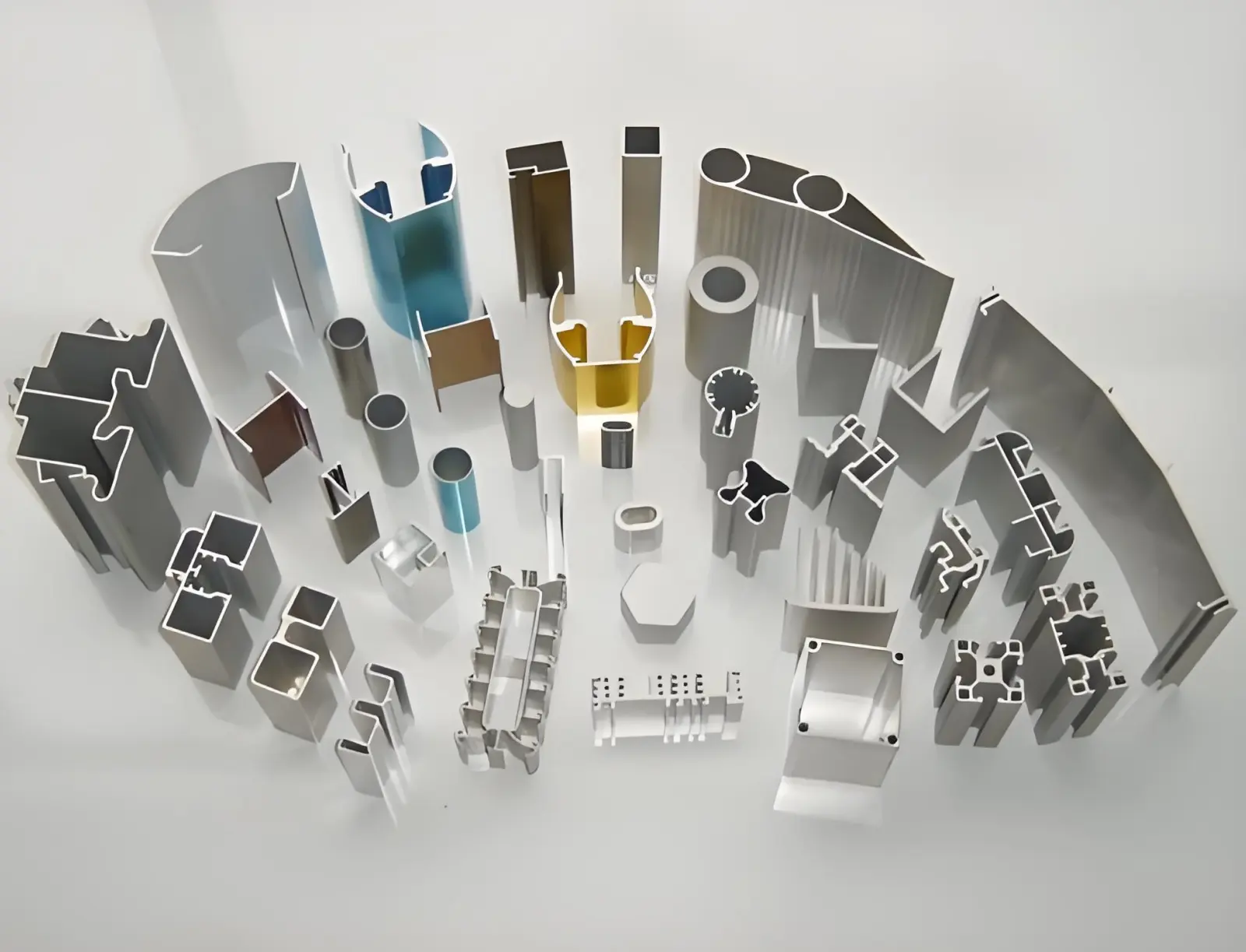
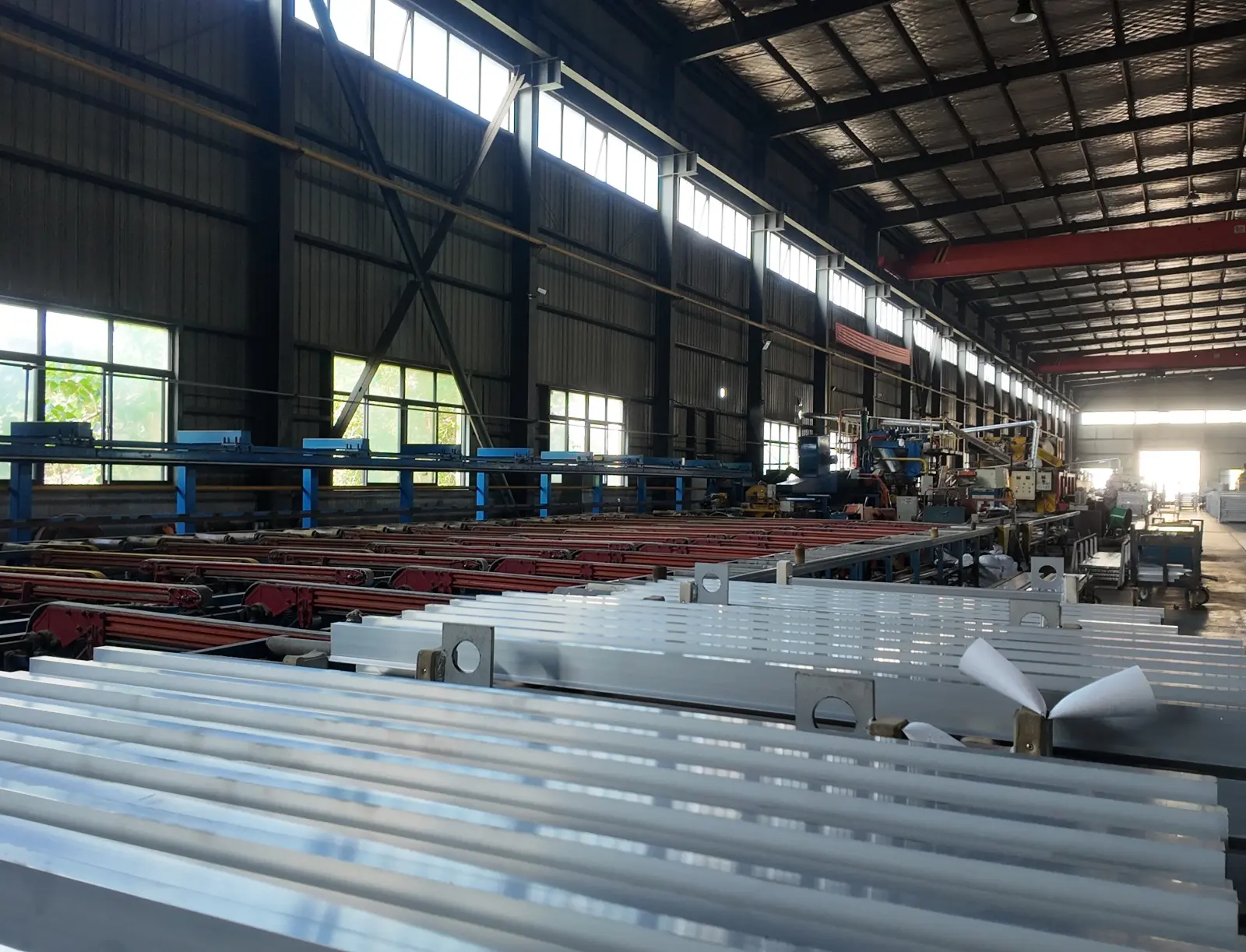
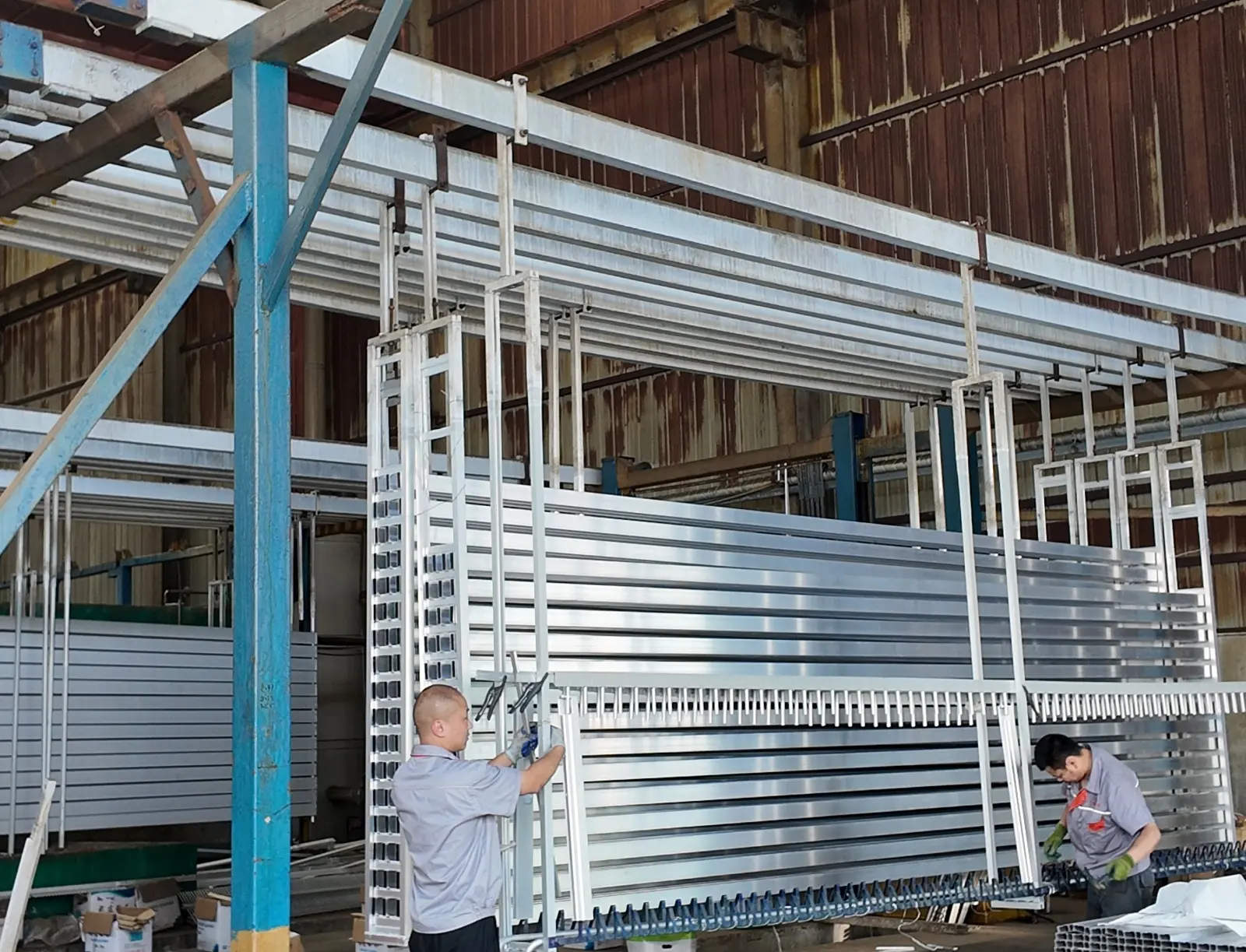
Qingdao's coastal logistics network provides Kangjian with a unique geographic position, combining direct access to international maritime shipping routes with connection to China's domestic industrial base. The company was founded to address the market gap for high-spec, structural-grade custom aluminum profiles that meet rigorous global standards.
Our materials serve demanding applications globally, from structural frames supporting gantry cranes in Nordic commercial ports to custom-engineered industrial extrusions utilized in heavy vehicle chassis and offshore oil platforms. We continue to invest in high-capacity equipment, precise testing machinery, and regular technical training to support our global customer base.

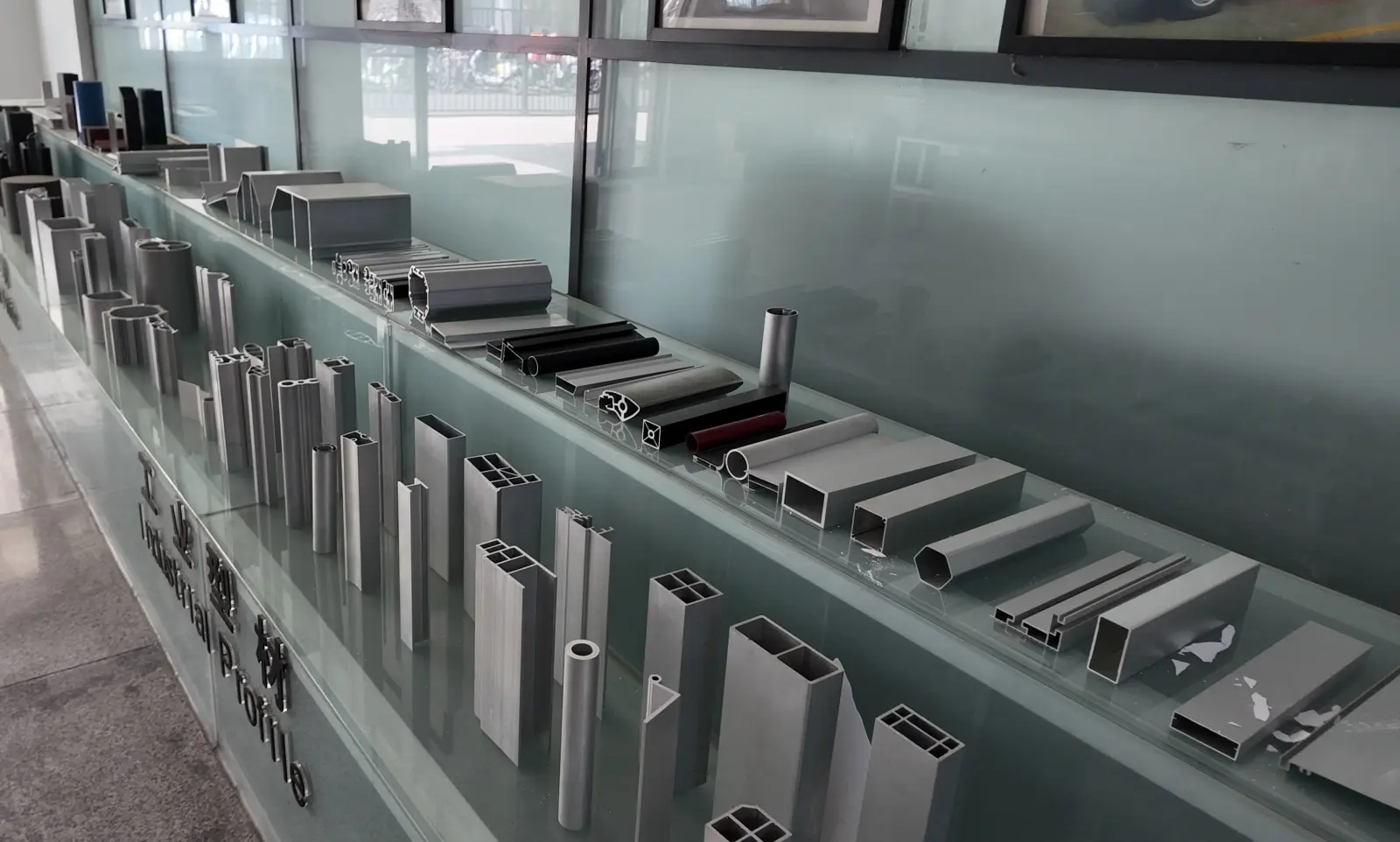
To stand out in the competitive global metal fabrication sector, manufacturers must provide deep engineering support and reliable material performance. Kangjian's development strategy is built on three core operational principles:
Industrial aluminum extrusions are highly versatile. We customize our profile structures, alloy chemical properties, and surface finishes to meet the specific demands of different operating environments:
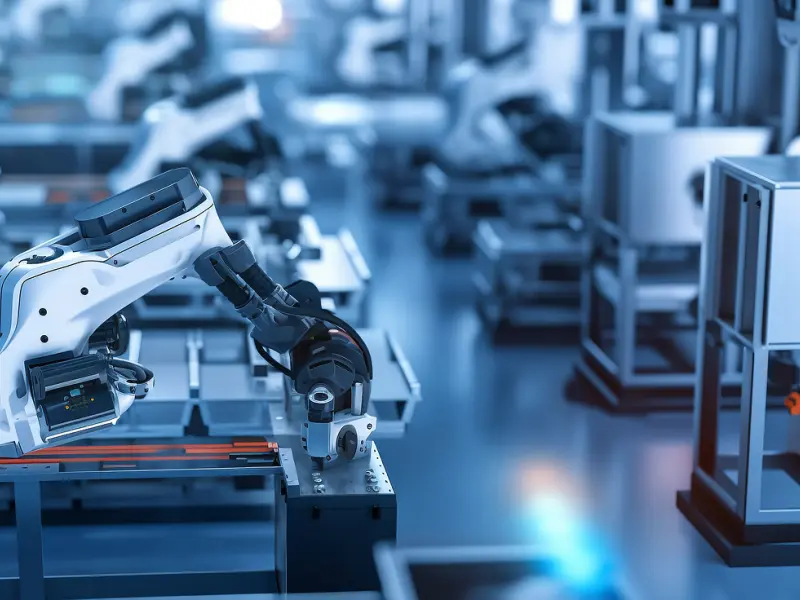
Heavy-duty T-slot framing, modular workstations, automated robotic enclosures, and custom machinery mounts utilizing 6061-T6 and 6082-T6 alloys for maximum structural strength.
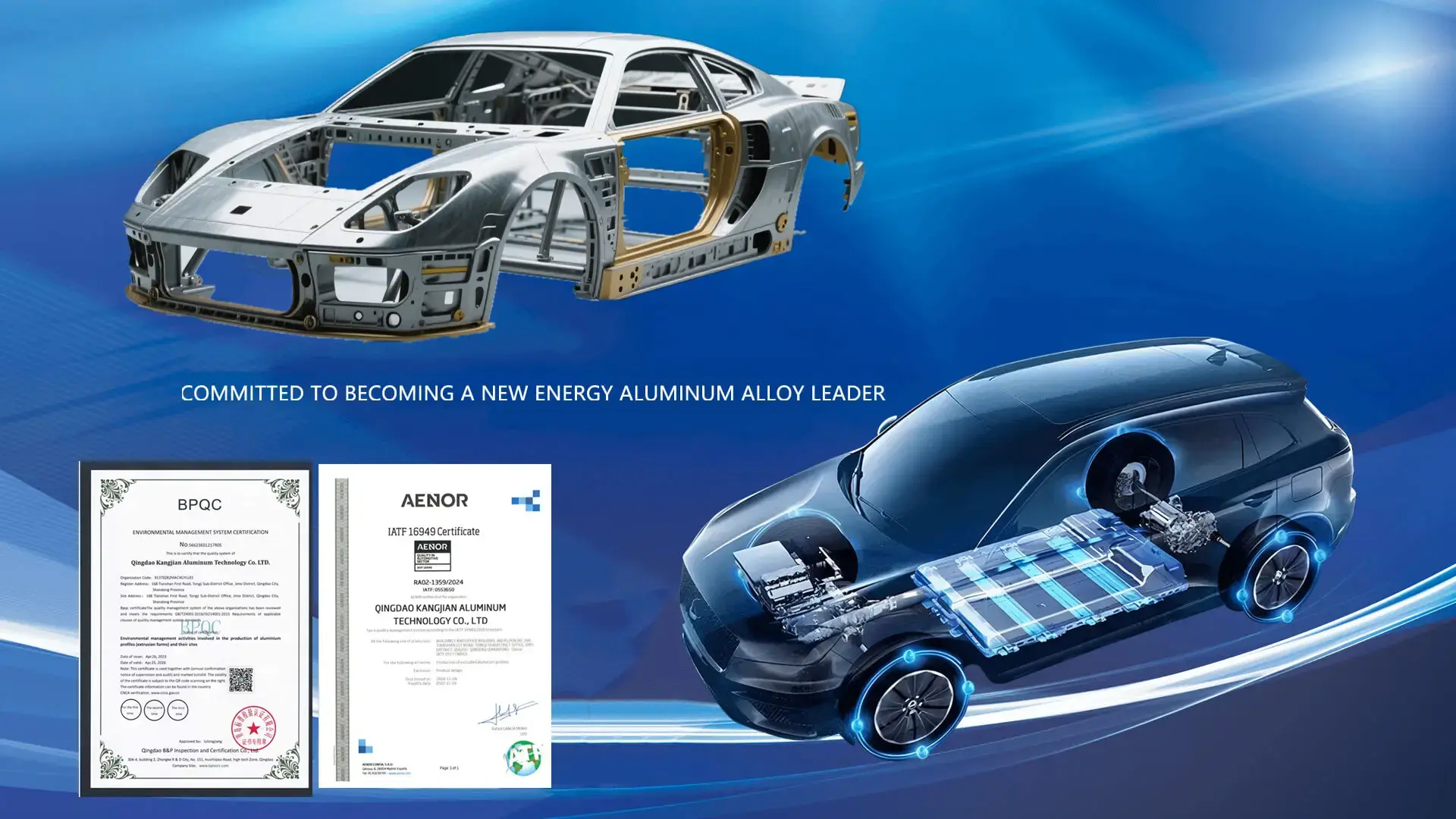
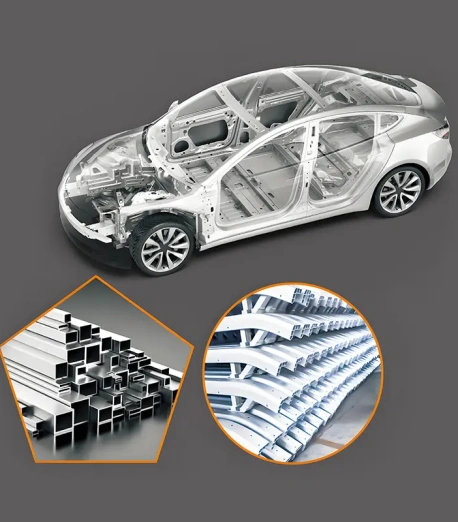
High-precision extrusions for electric vehicle battery enclosures, crash boxes, side impact beams, and lightweight chassis parts complying with IATF 16949 standards.
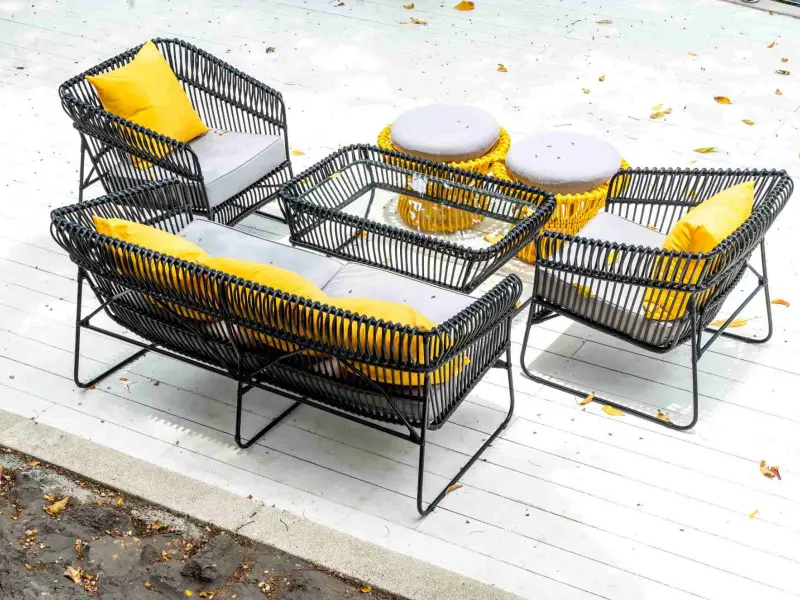
Weatherproof outdoor structures, marine-grade seating frames, and custom architectural louvers finished with high-durability powder coating or structural anodization.
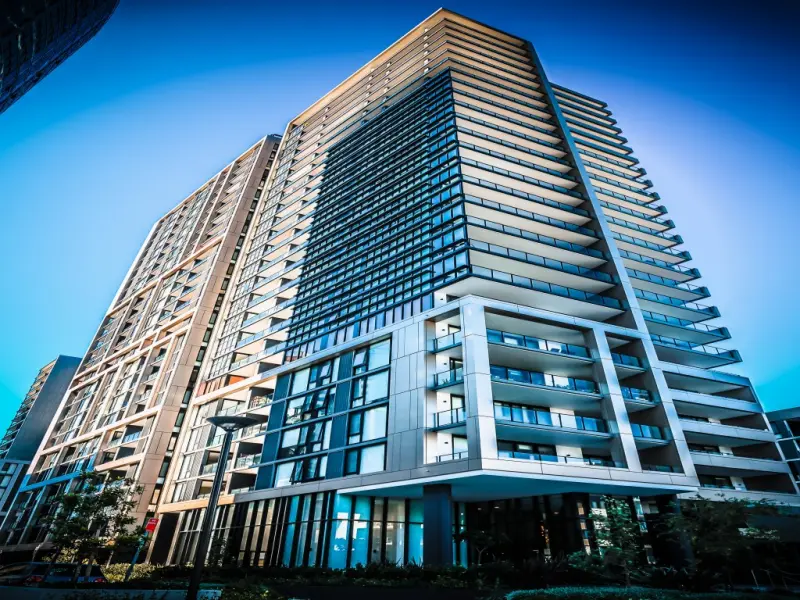
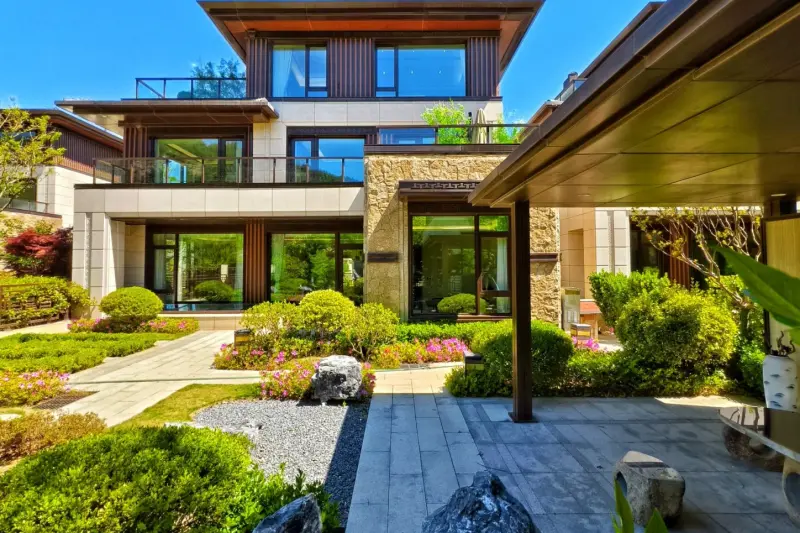
Thermal-break window systems, curtain wall assemblies, structural skylight framing, and door profiles designed for superior insulation and wind resistance.
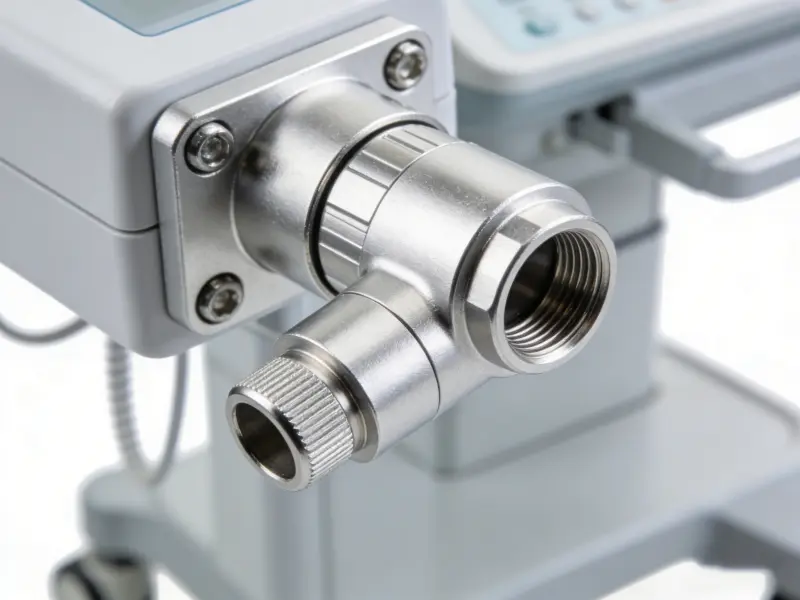
Antimicrobial anodized enclosures, hospital bed framing, mechanical imaging supports, and modular cleanroom equipment demanding ultra-tight dimensional tolerances.
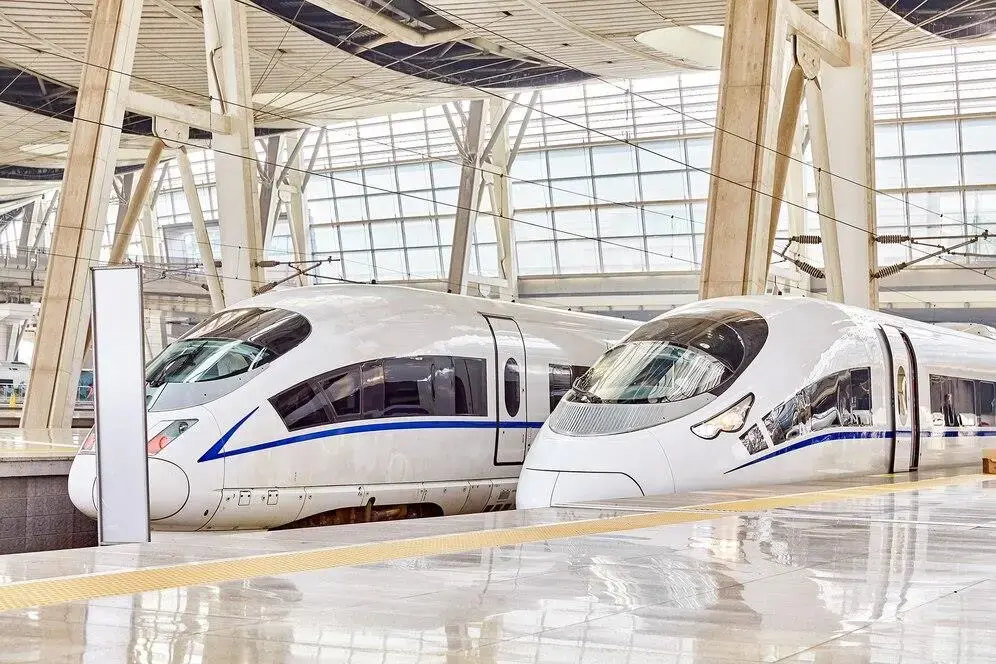
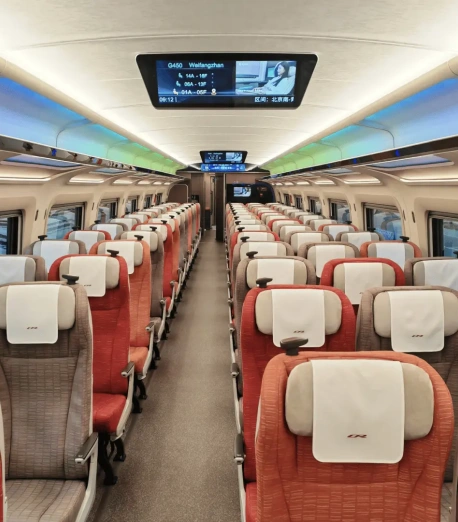
Heavy-duty structural components for rail cars, high-speed trains, semi-trailer floor systems, and container structural frames requiring EN 15085-certified welding.
We operate under a strict quality management system, with all production stages audited and certified by independent international classification societies. This structure guarantees that our raw materials and finished parts meet the specific requirements of global industrial projects.
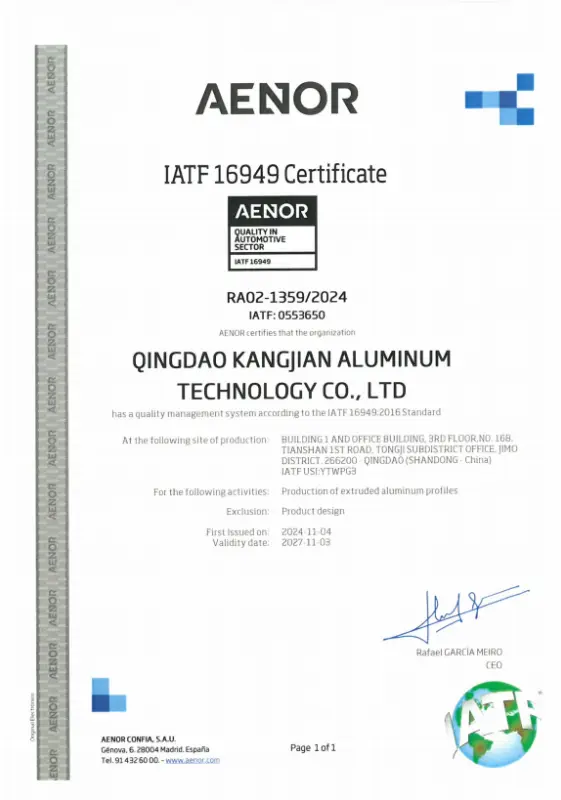
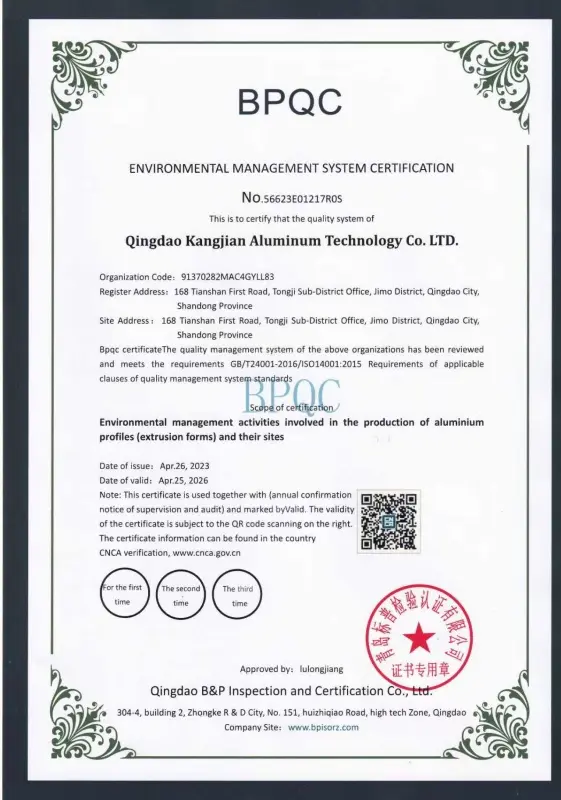
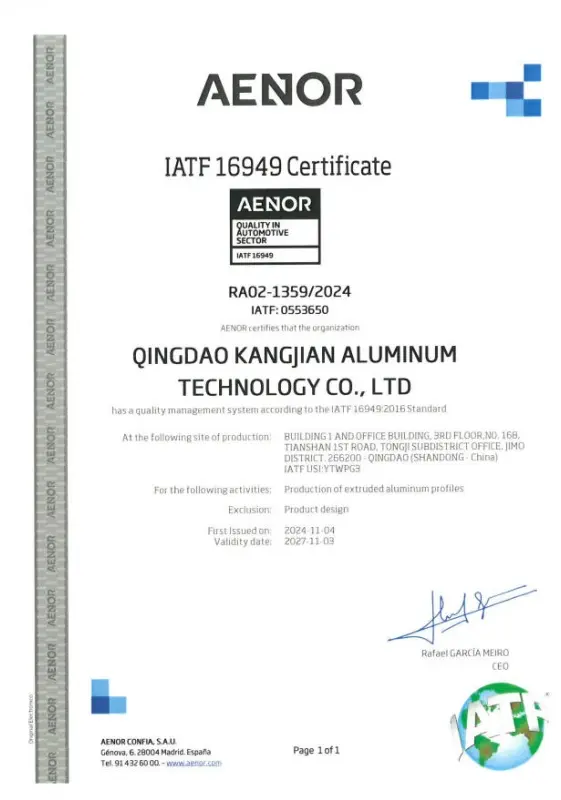
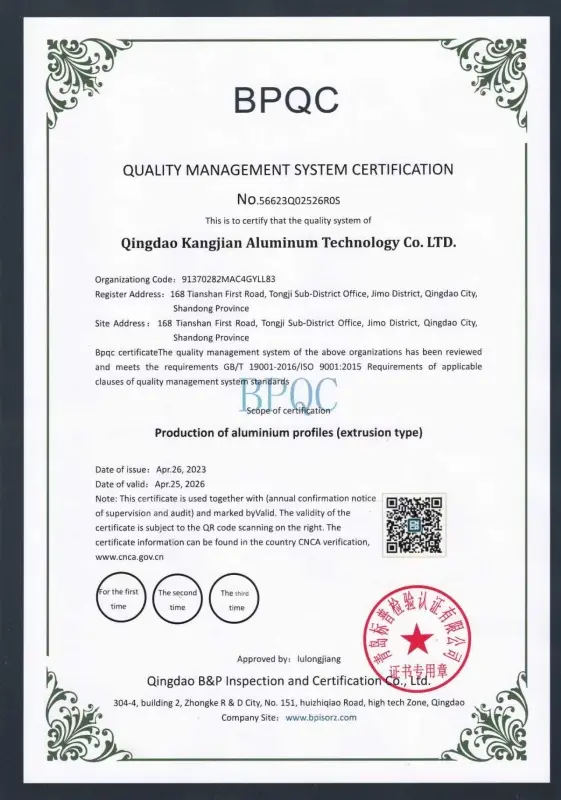
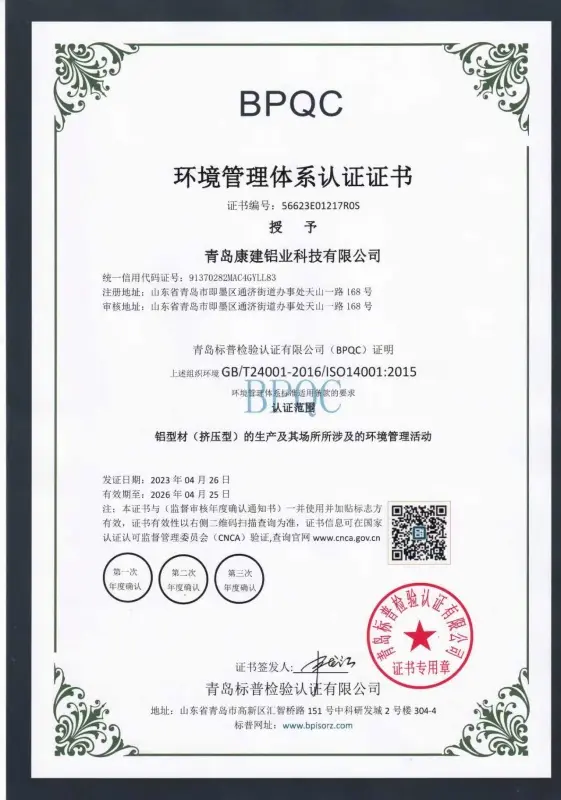

We supply high-strength, corrosion-resistant aluminum alloys engineered for marine infrastructure, high-speed rail systems, heavy machinery framing, and commercial construction projects worldwide.
Review answers to key technical, quality control, and logistical questions regarding custom aluminum extrusion projects.
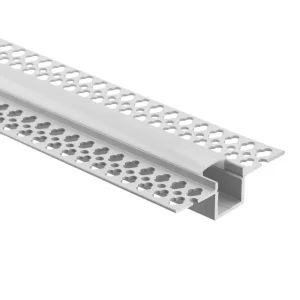
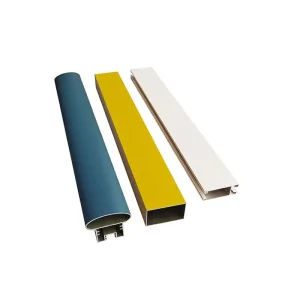
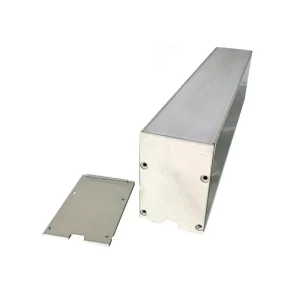
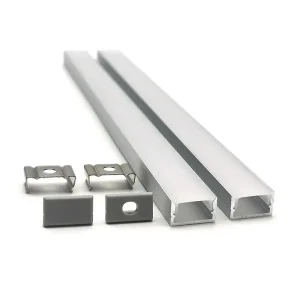
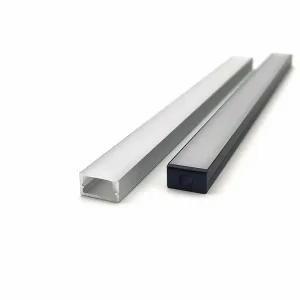
Review our custom structural components, thermal management profiles, and specialized LED housings manufactured to global industrial standards.