Kangjian
Kangjian
Kangjian
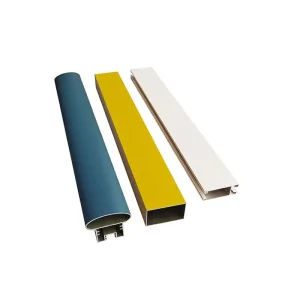
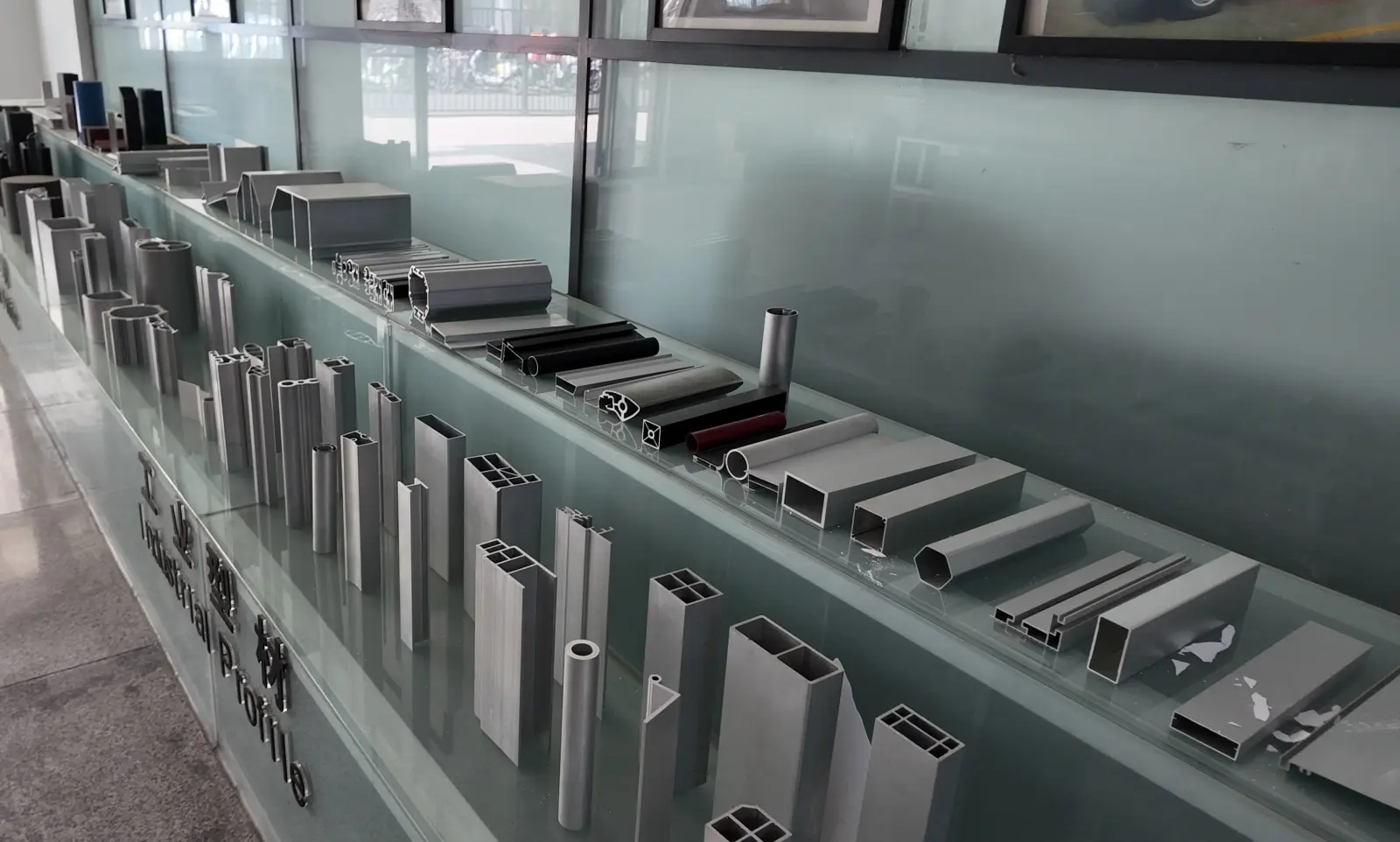
Explore our industrial and architectural profiles, built to precise tolerances for structural longevity and design flexibility.
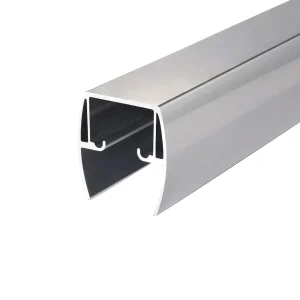
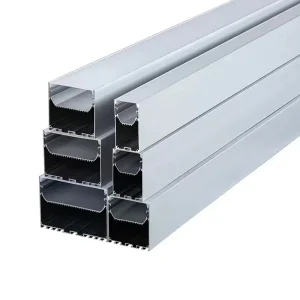
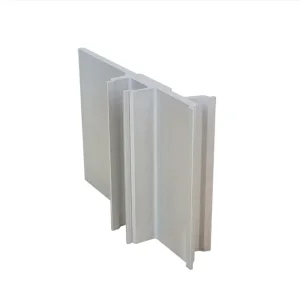
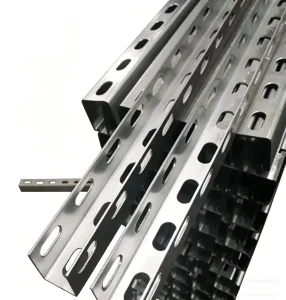
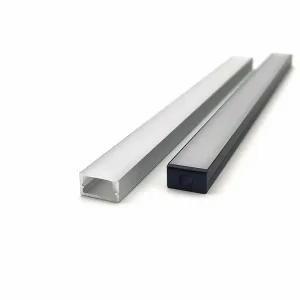
The global luxury residential and commercial hospitality sectors continue to demand minimalist design languages that do not compromise on safety or longevity. Under this paradigm, shower door parts—specifically frames, hinges, stabilizer bars, and sliding tracks—must endure harsh daily environments characterized by extreme humidity, chemical cleaners, and mechanical stresses.
Aluminum alloys, especially 6063 T5 and 6061 T6, represent the pinnacle of materials selected for shower enclosures. They offer an ideal balance of lightweight structure, ease of complex extrusion, and high structural integrity. By choosing China’s premium manufacturers, procurement managers can utilize advanced metallurgical engineering and high-throughput surface treatment technologies to secure components that are resistant to pitting corrosion, structural deflection, and premature aging.
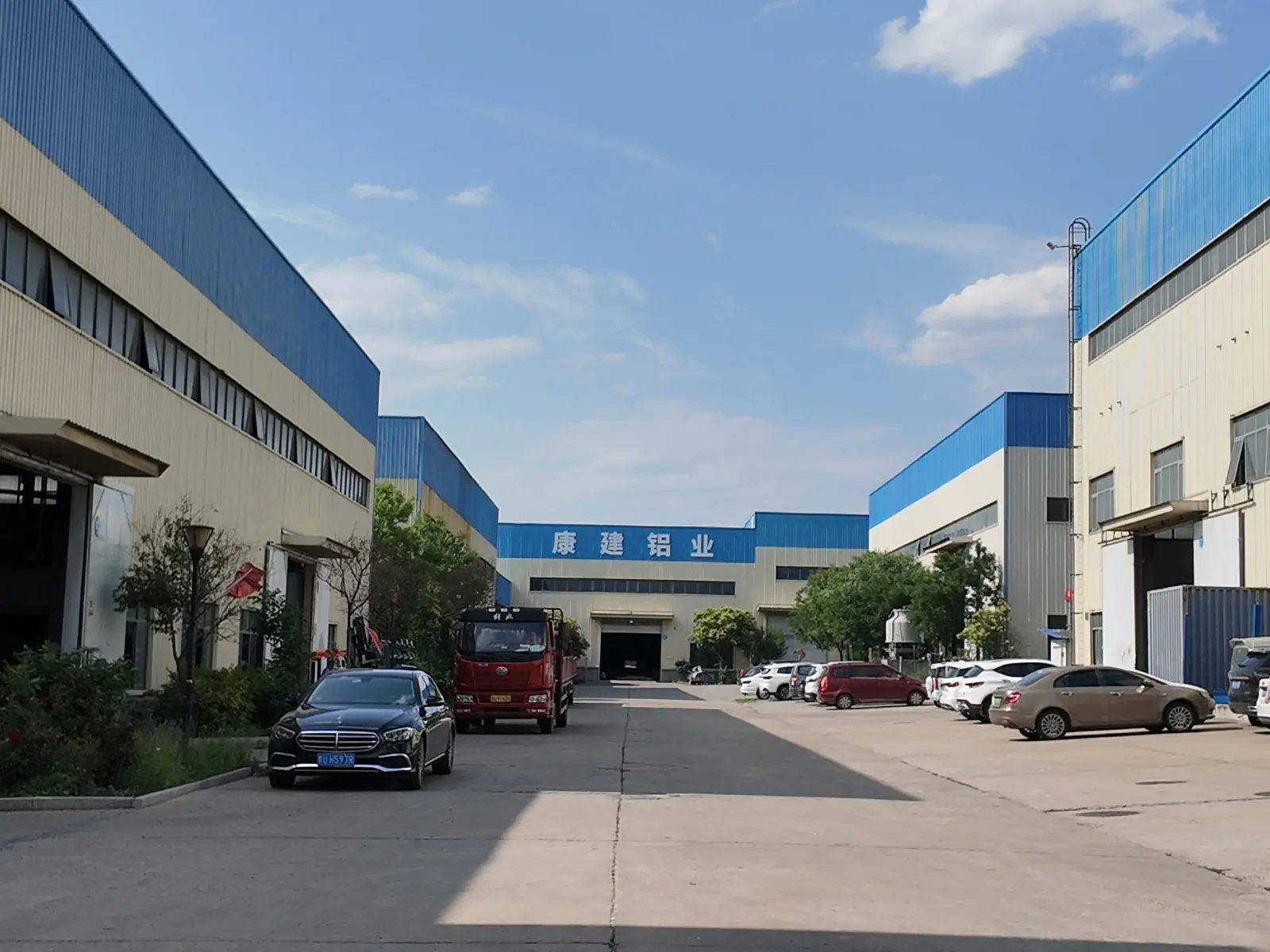
As a leading center for aluminum profile technology, Qingdao Kangjian Aluminum Industry Technology Co., Ltd. (located in Jimo District, Qingdao City) leverages its vast industrial production footprint and ISO-certified processes to manufacture high-spec materials. Established officially in 2022 with a 200 mu production base, the company supplies high-precision, low-tolerance parts for shower door hardware alongside demanding components for subways, automotive lines, and aerospace structures.
Understanding alloy compositions and heat treatment processes is essential to securing components that stand the test of time.
Aluminum alloy 6063 is predominantly chosen for architectural door frameworks due to its highly smooth surface finish after extrusion, superior anodizing receptivity, and high corrosion resistance. The T5 tempering process—where the profile is cooled rapidly from elevated temperature shaping and artificially aged—renders a structural yield strength of approximately 110-130 MPa.
For structural brackets, hinges, and stabilizing bars subjected to heavy tempered glass panels (up to 12mm thick), we utilize 6061 T6 aluminum. Heated and artificially aged to full hardness, 6061 T6 delivers a yield strength exceeding 240 MPa, providing excellent resistance to deformation under load.
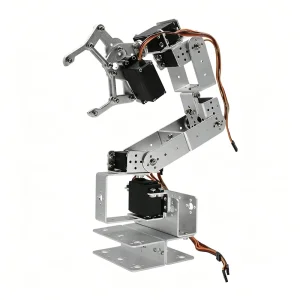
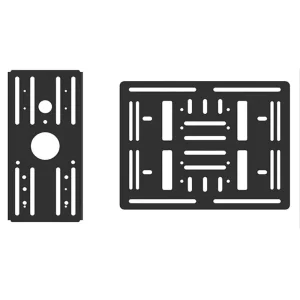
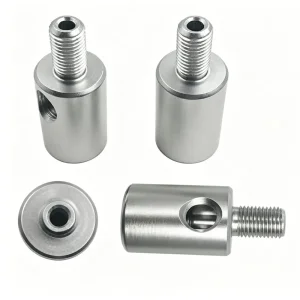
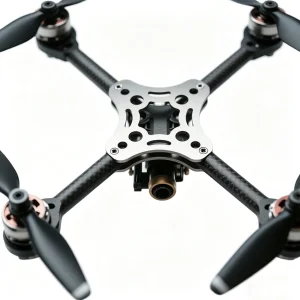
Additionally, our factory uses precision CNC machining for drone parts, robotics, and architectural hardware. This ensures that every bracket, channel, and hinge meets strict tolerance guidelines (+/- 0.02 mm), allowing for smooth installation and long-term mechanical reliability.
| Mechanical Property | 6063 T5 Alloy | 6061 T6 Alloy | Significance for Shower Enclosures |
|---|---|---|---|
| Tensile Strength (min) | 150 MPa | 290 MPa | Determines resilience against high impact. |
| Yield Strength (min) | 110 MPa | 240 MPa | Prevents frame sagging under heavy glass panels. |
| Surface Quality | Excellent (Mirror-like) | Moderate (Industrial) | Directly impacts anodizing cosmetic results. |
| Corrosion Resistance | Superior (High Mg/Si ratio) | Very Good | Prevents oxidation in high humidity. |
| Hardness (Brinell) | 60 HB | 95 HB | Resists scratches during assembly & daily use. |
How localized industrial clusters and state-of-the-art logistics infrastructure drive efficiency and cost savings.
Situated in Qingdao, the facility operates with direct access to major international trade routes via the Qingdao Port. This proximity minimizes inland freight transit, shortens container loading cycles, and mitigates risks associated with cross-border shipping delays.
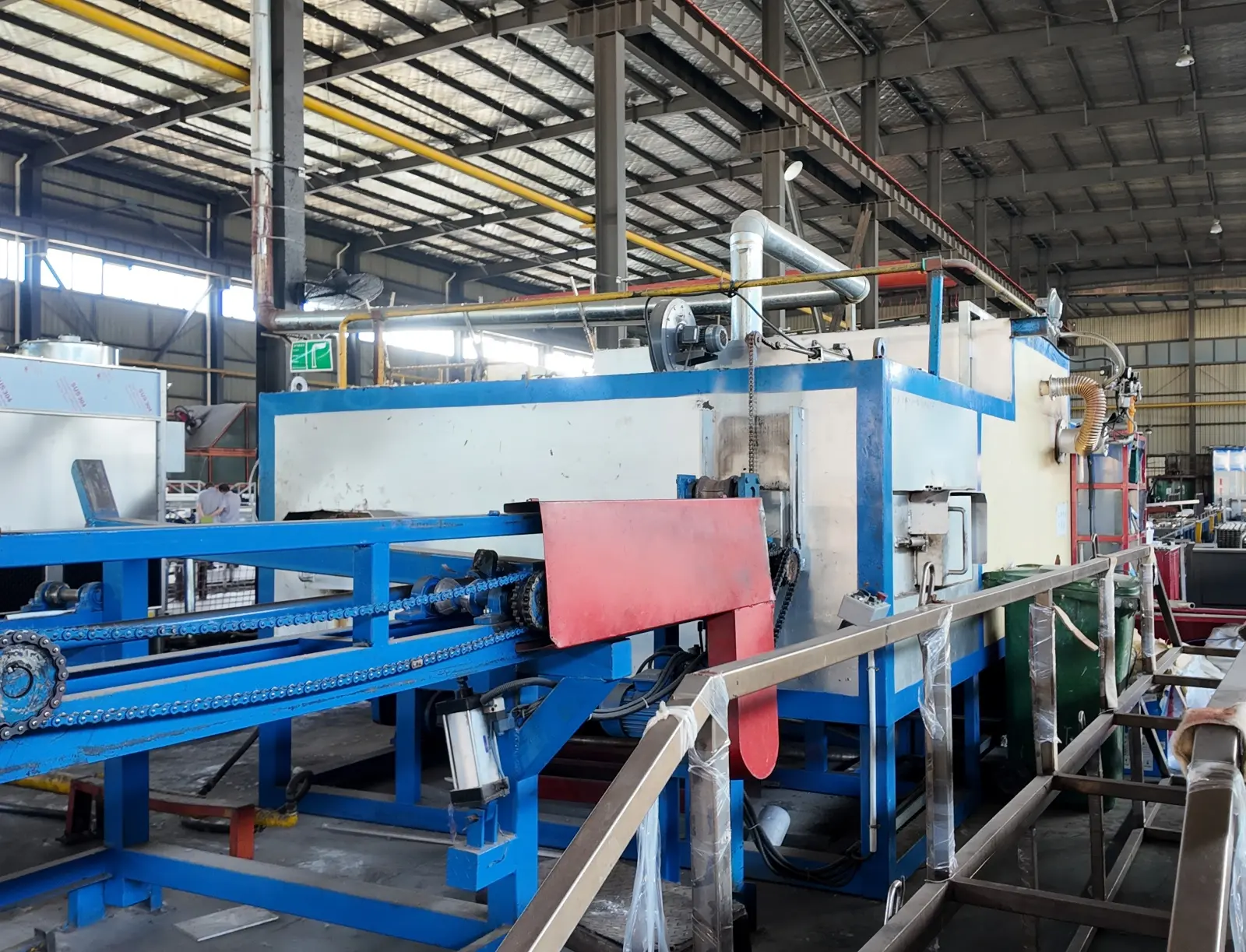
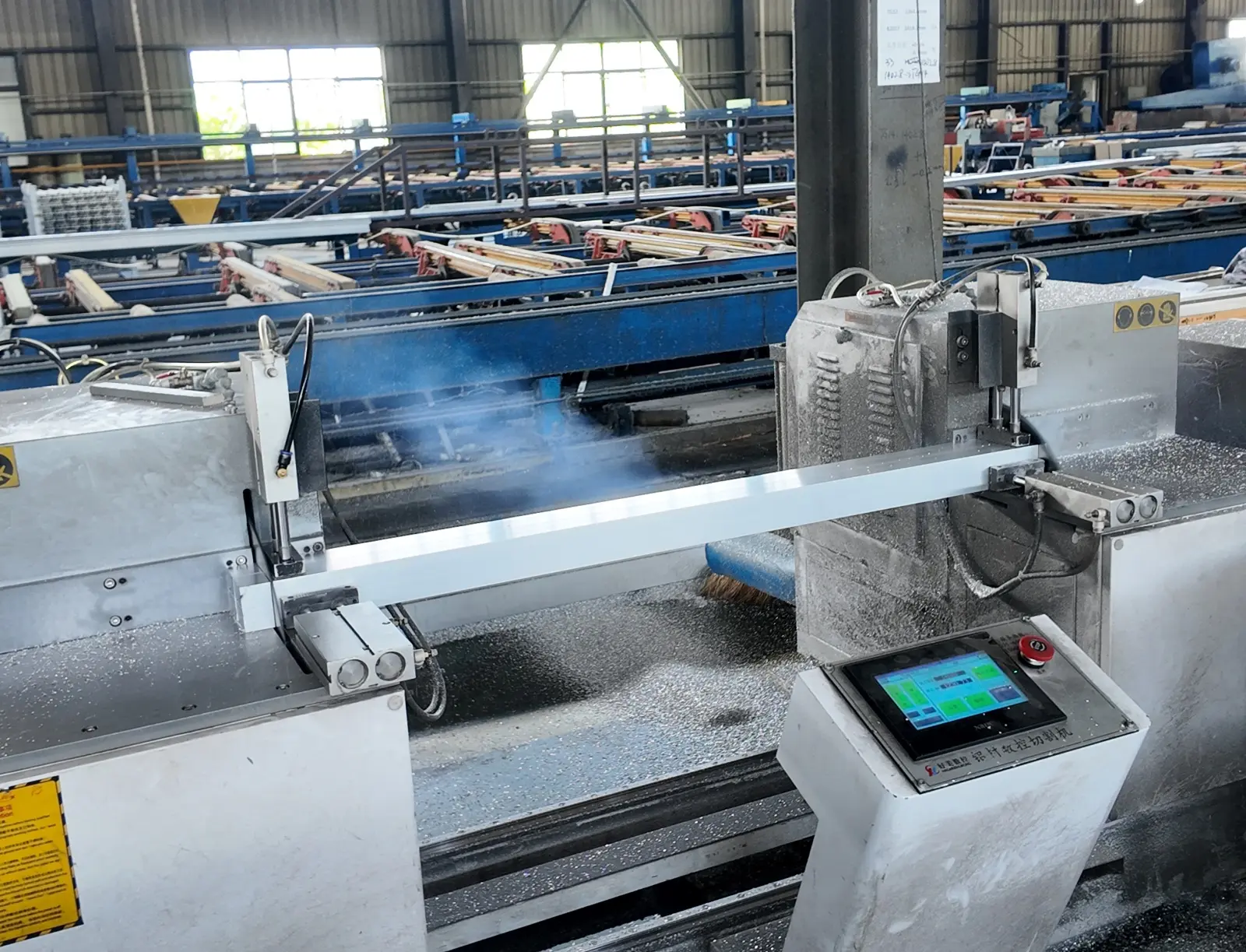
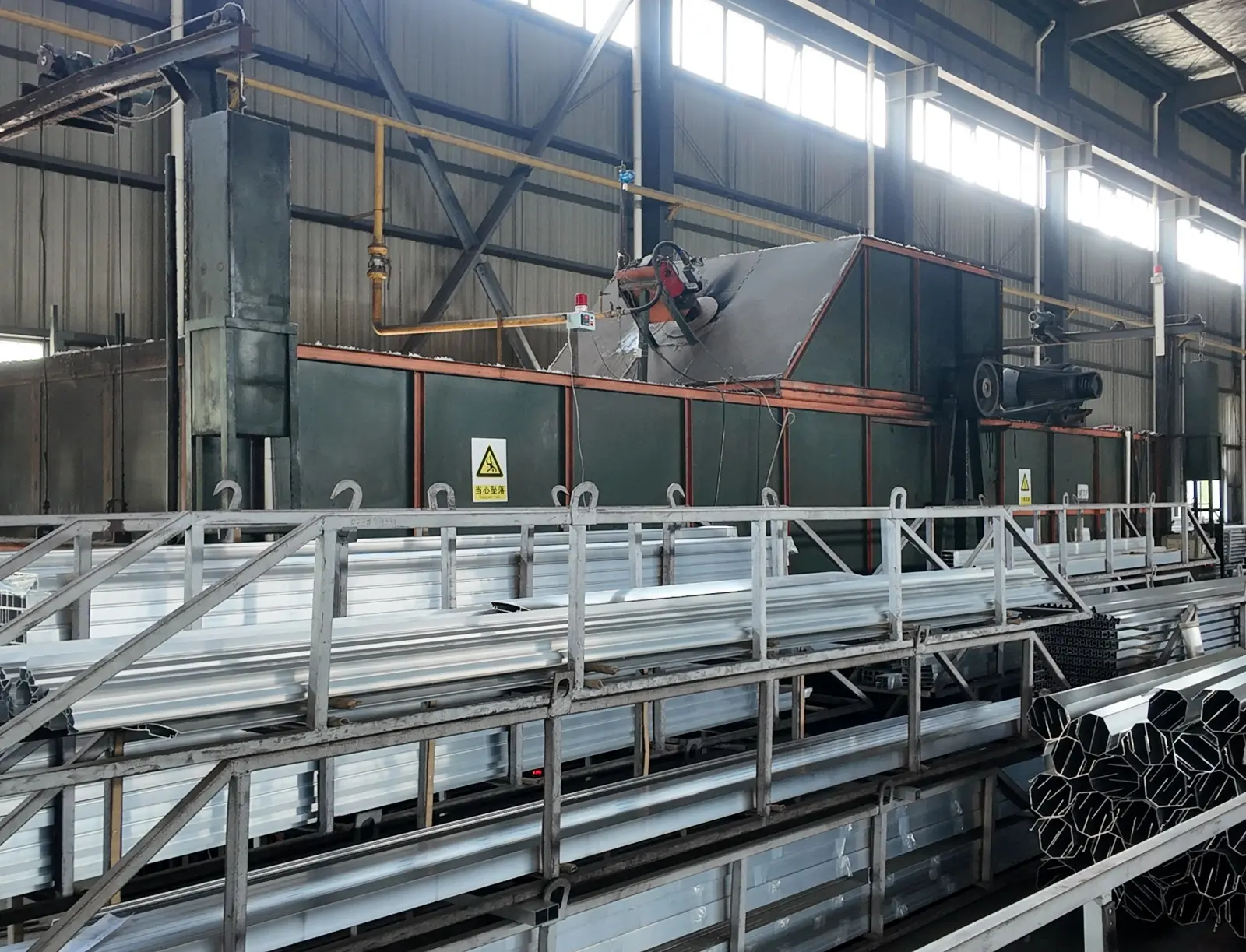
From die design and billet casting to high-tonnage extrusion, advanced CNC machining, and chemical surface treating, our operations are fully integrated. Controlling the production cycle end-to-end ensures that mechanical defects are caught early, resulting in a low rejection rate (under 0.5%).
Operating multiple high-speed extrusion presses (including 2500T and 1450T units) allows our facility to handle mass-volume OEM runs alongside customized project-specific designs. Clients benefit from fast design translation, rapid prototyping, and optimized per-unit production costs.
Our commitment to precision is backed by international certifications that meet strict regulatory benchmarks for major global projects.
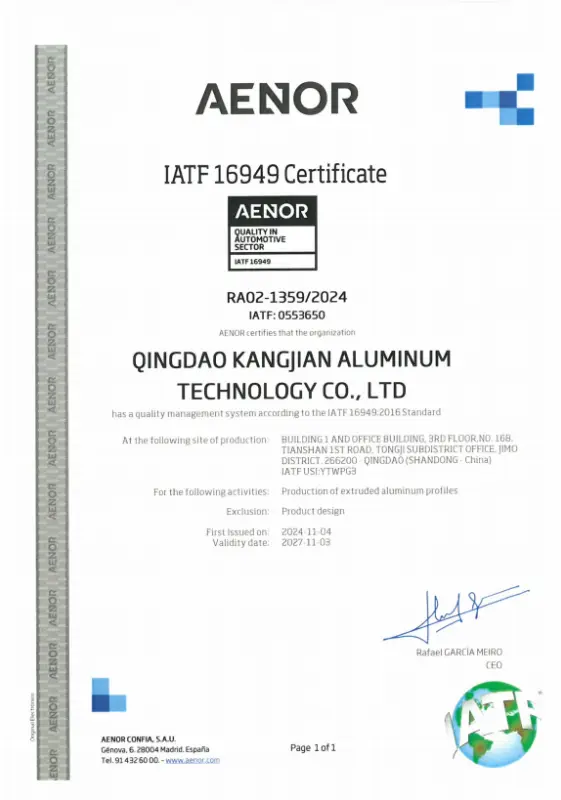
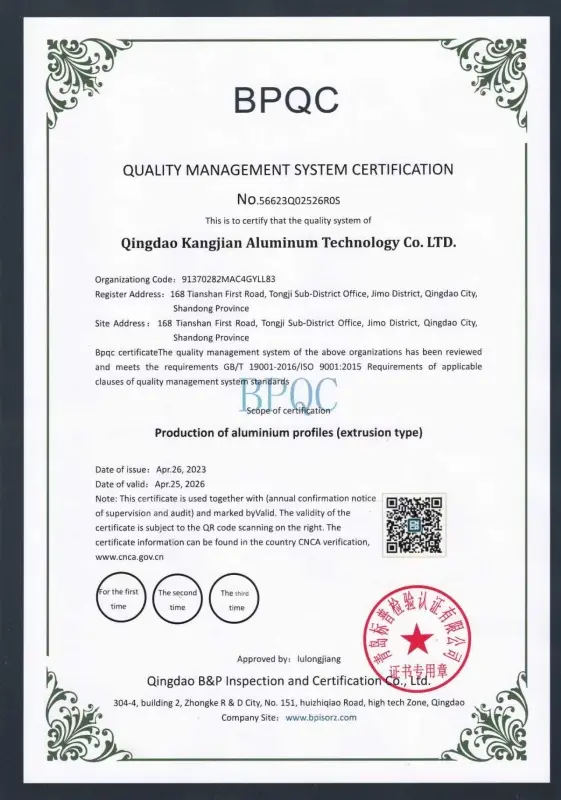
In accordance with Google's E-E-A-T criteria, industrial suppliers must demonstrate verified technical expertise and regulatory compliance. At Qingdao Kangjian, our credentials go beyond basic architectural extrusion. We maintain quality management systems that meet the requirements of highly regulated industries like automotive manufacturing and high-speed rail.
Our facility holds certifications for:
By applying automotive and aerospace quality management to our shower door components, we guarantee that every batch exhibits exceptional dimensional accuracy, surface uniformity, and structural load capability.
ISO 9001
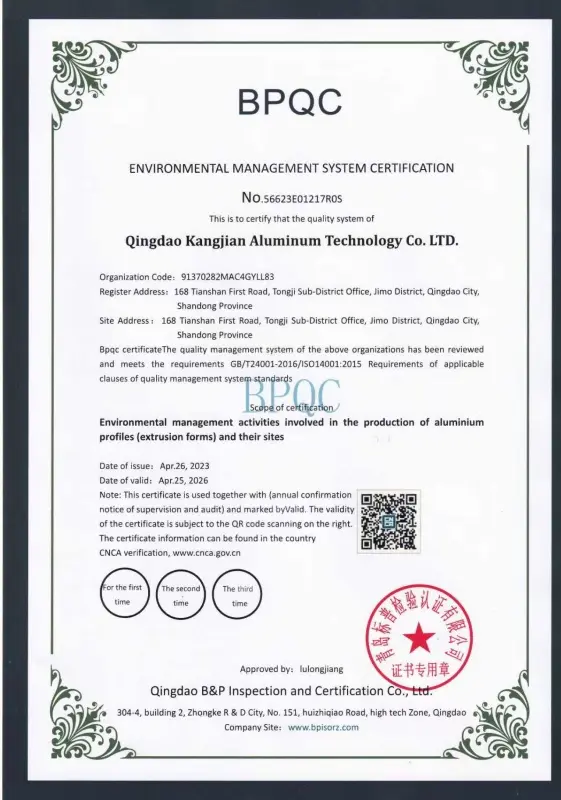
ISO 14001
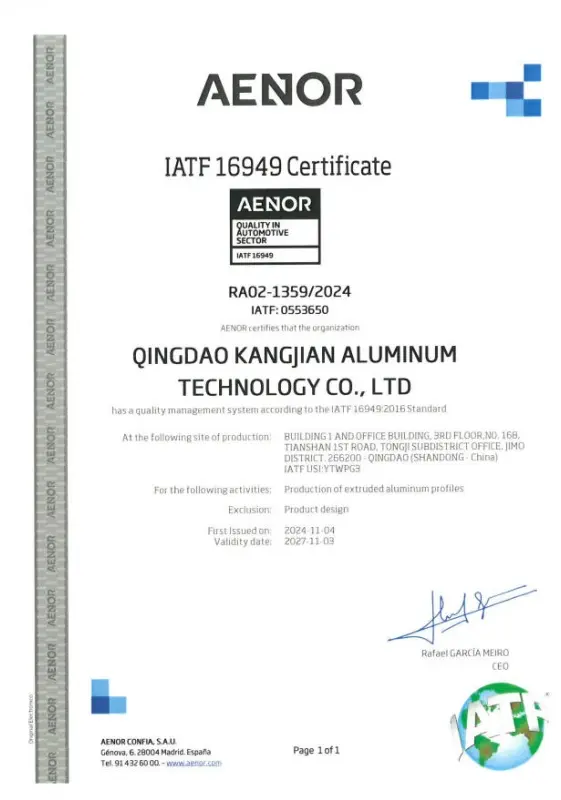
IATF 16949
ISO 22163
Aluminum profiles exposed to warm, humid conditions inside bathrooms are subject to galvanic corrosion and surface pitting if not correctly treated. To ensure long-term performance, our factory utilizes advanced electrochemical processes:
1. Anodizing (Type II / Architectural Class I): We form an engineered aluminum oxide layer on the profile surface (thickness of 10 to 15 microns). This barrier is integrated with the underlying metal, protecting it from corrosion and preventing chipping, flaking, or peeling.
2. Electrophoretic Deposition (E-Coating): E-coating combines anodizing with an organic polymer sealant layer. The result is a smooth, high-density surface finish that resists moisture, chemical cleaners, and fingerprint smudges.
3. Electrostatic Powder Coating: Utilizing premium fluoropolymer and polyester resins, our powder coating processes yield dynamic colors (matte black, brushed bronze, gold) that meet Qualicoat specifications, offering excellent UV stability and scratch resistance.
To verify performance, our quality team conducts regular Neutral Salt Spray (NSS) testing for up to 480 hours and Acidic Salt Spray testing, ensuring our finishes perform well in demanding residential and hospitality environments.

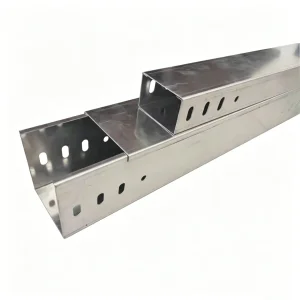
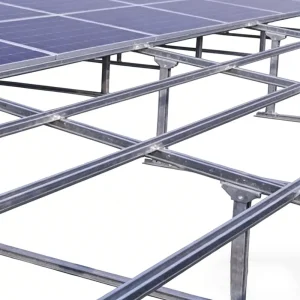
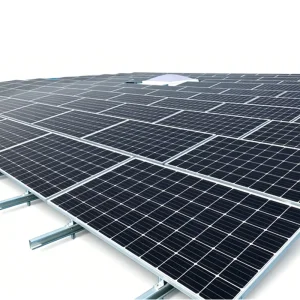
From heavy-duty high-speed rail assemblies to precision-crafted architectural shower frames and solar mounting systems.

Environmental stewardship is a growing priority for global developers and architectural brands. Meeting green building standards (such as LEED or BREEAM) requires suppliers to reduce their embodied carbon footprint.
Qingdao Kangjian is committed to sustainable manufacturing. By optimizing our energy use, incorporating scrap recycling, and selecting low-carbon primary aluminum, we reduce the emissions profile of our products. Our ISO 14001 certification guides our waste reduction, water conservation, and emissions control processes.
Additionally, aluminum’s inherent recyclability means that all extrusion scrap is re-melted and cast on-site. This supports circular economy goals while maintaining the structural and aesthetic quality of the finished profiles.
Find answers to common questions about material selection, customization options, and quality standards.
Browse our complete catalog of industrial profiles, solar mounting frames, and precision-engineered structural parts.