Kangjian
Kangjian
Kangjian
High-performance engineering components custom manufactured for door, window, and dynamic facade systems.
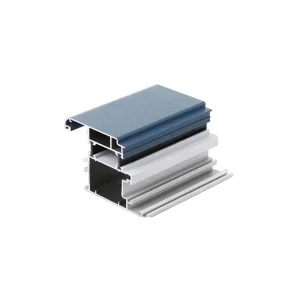
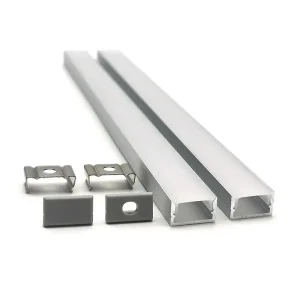
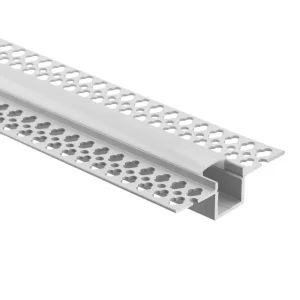
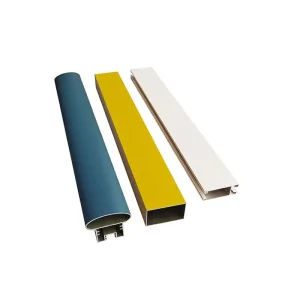
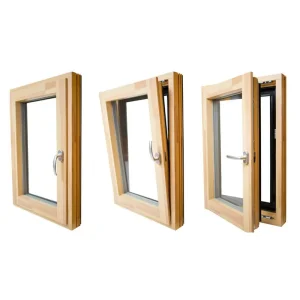
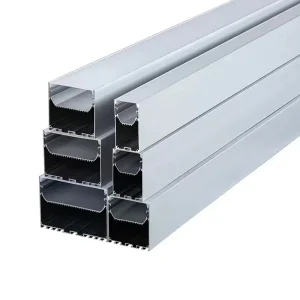
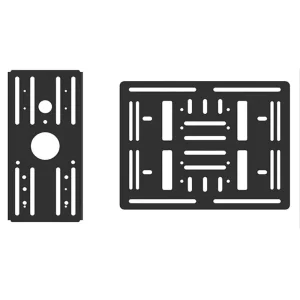
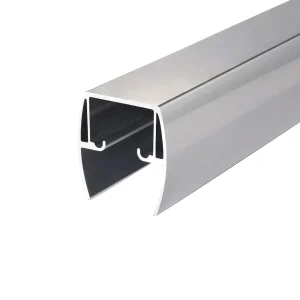
In contemporary building design and B2B civil engineering, the architectural window profile has ceased to be a simple frame designed to hold glass. Today's commercial fenestration systems are highly engineered structural envelopes expected to provide thermal barrier protection, acoustic dampening, structural load deflection, and smart IoT device integration. As global energy conservation policies demand stringent building performance metrics, the role of high-precision aluminum extrusion manufacturers has become crucial.
China has established itself as the global epicenter for aluminum window profile manufacturing, blending massive raw material supply chains with high-level metal extrusion technology. This whitepaper analyzes the technical capabilities, metallurgical progress, and manufacturing infrastructure of top-tier Chinese extrusion plants, showcasing the operational capabilities of Qingdao Kangjian Aluminum Industry Technology Co., Ltd. as a primary case study. In a market where buyers seek both value and top performance, understanding the technological parameters of aluminum extrusions is key to successful international procurement.
Standardizing on architectural-grade 6063-T5 and structural 6061-T6 alloys to deliver ideal yield strength and flawless surface quality.
Developing multi-cavity thermal break sections utilizing PA66-GF25 polyamide glass-fiber struts for ultra-low U-values.
Engineered to comply with the European CE Mark (EN 14351-1), North American AAMA/WDMA standards, and Australian AS2047 frameworks.
Qingdao Kangjian Aluminum Industry Technology Co., Ltd. – Leading Industrial Scaling & Aerospace-Grade Precision
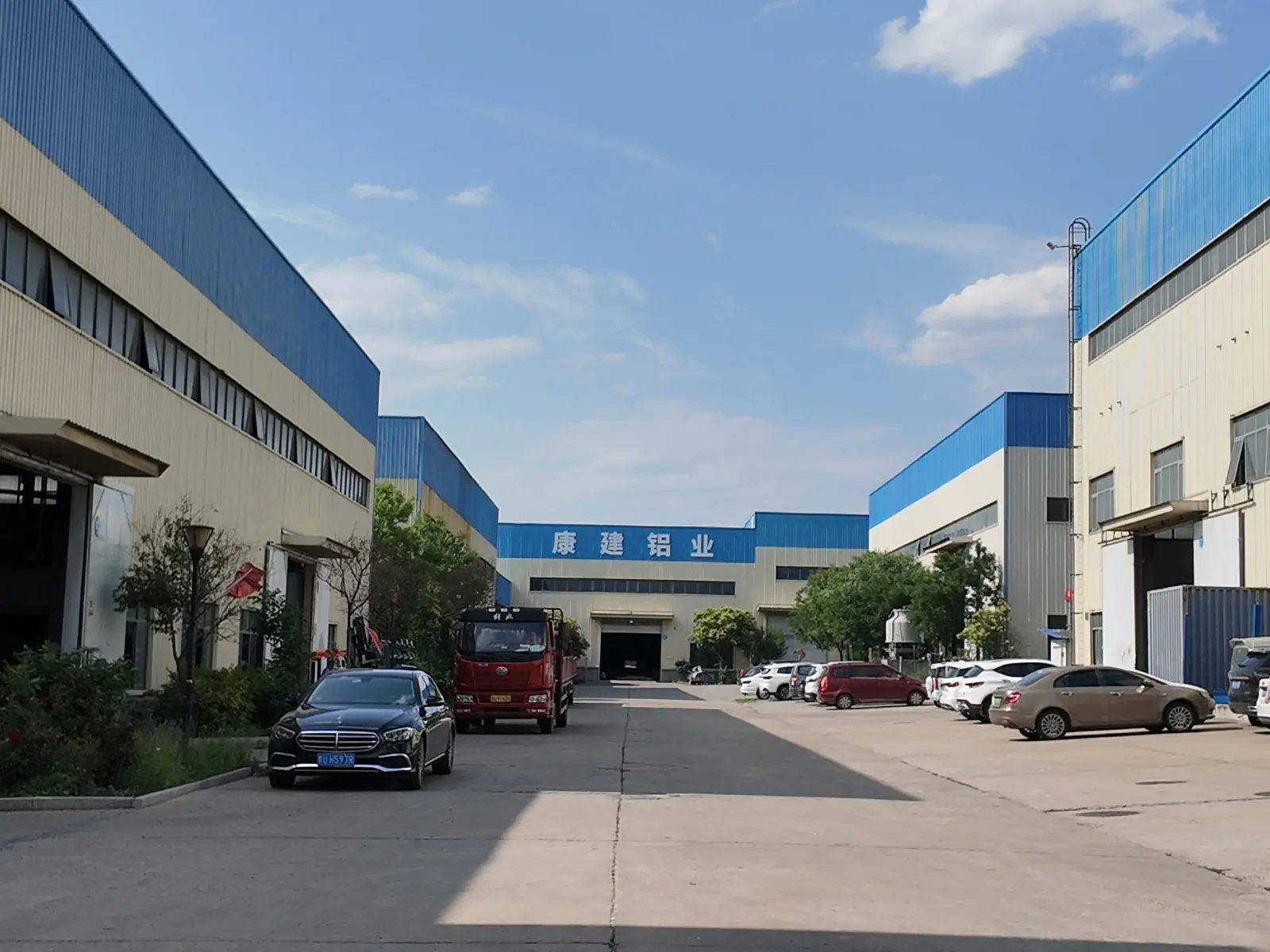
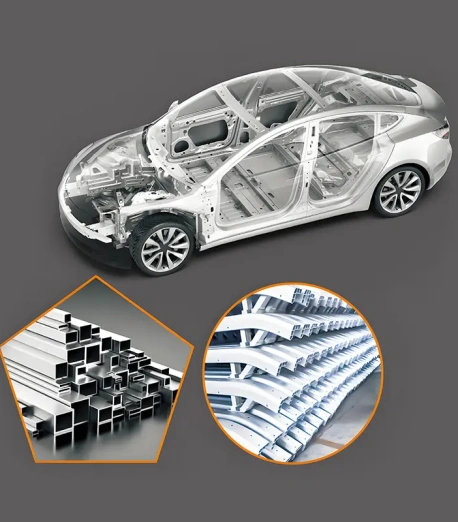
Strategically situated in the Jimo District of Qingdao City, Qingdao Kangjian Aluminum Industry Technology Co., Ltd. has quickly grown into a leading force in high-end aluminum extrusion since its registration in 2022. The company focuses on the processing and precision fabrication of premium architectural window systems, curtain wall profiles, structural transit components, and automotive-grade extrusions.
Kangjian operates a massive industrial footprint spanning 200 mu (approx. 133,000 square meters), featuring 80,000 square meters of high-efficiency production facilities and 4,000 square meters of administrative office space. Currently, its first-phase production facility supports an annual output of 15,000 tons of custom aluminum profiles, run by 90 technicians, metallurgists, and assembly operators.
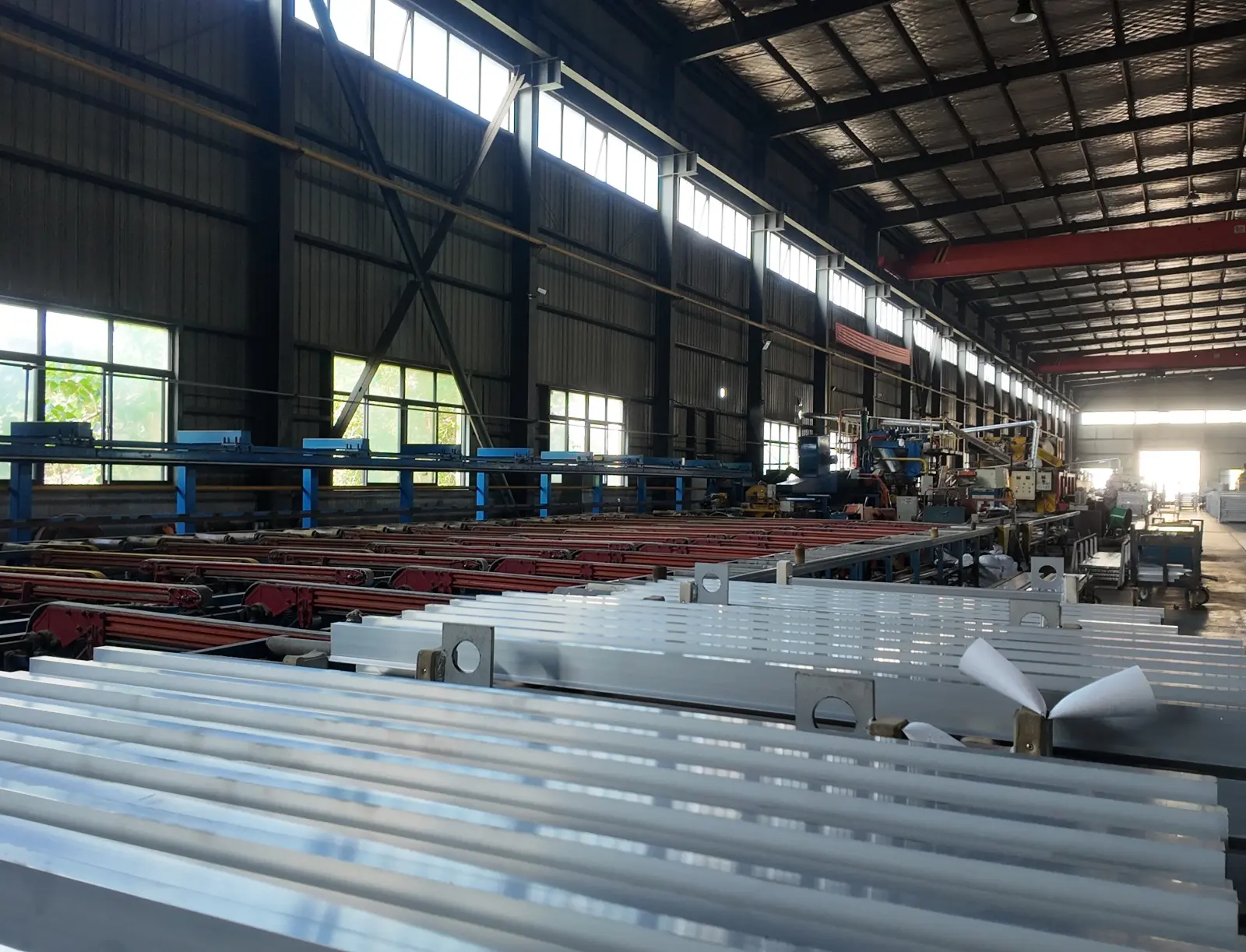
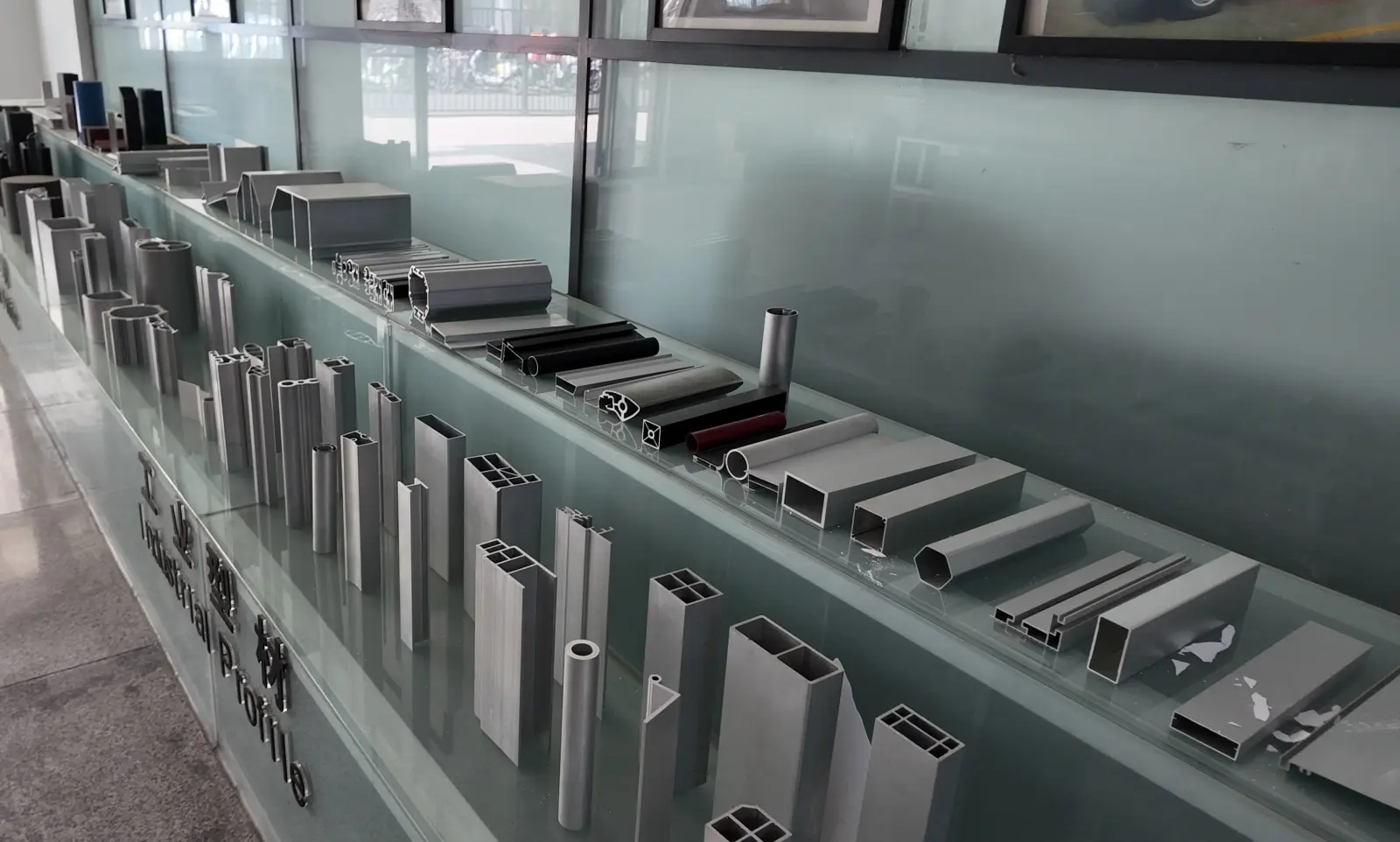
The core of Kangjian's manufacturing facility lies in its 5 advanced extrusion production lines, configured to produce both small, precise components and massive structural window mullions. The machinery configurations include:
Engineered for large-format curtain wall profiles, multi-chamber heavy-duty window profiles, and complex industrial structures requiring maximum physical density.
Configured for commercial storefront systems, standardized residential window frames, structural solar framings, and high-performance sliding profiles.
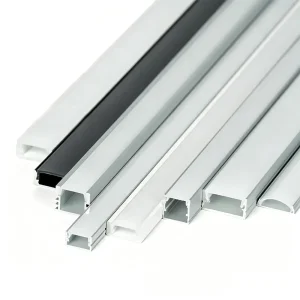
Dedicated to high-precision, thin-walled designs, including LED strip light channels, shower room tracks, and robotics hardware components.
Why global enterprises source aluminum products from advanced Chinese manufacturing clusters.
Sourcing from China's coastal manufacturing centers offers significant supply chain advantages. Unlike isolated manufacturing plants, companies like Qingdao Kangjian Aluminum Industry benefit from proximity to major deep-water ports (Qingdao Port) and an integrated industrial ecosystem. This setup brings raw material sourcing, die design, precision extrusion, surface coating, and CNC machining within a single hub, cutting down on logistics times and preventing transit delays.
Our Factory 4.0 strategy combines automation with lean manufacturing practices. Automated cooling tables, puller systems, and computerized aging ovens ensure consistent mechanical properties across every batch. Furthermore, our raw billet inventory is direct-sourced from premium electrolytic aluminum smelters, ensuring low chemical impurities (such as iron content below 0.15%), which improves both anodizing quality and overall structural resilience.
Custom tooling designed and wire-cut in-house, enabling rapid design iterations from CAD drawings to sample profiles within 7-10 days.
Complete post-processing capabilities, including multi-axis CNC milling, precision punching, and cutting, providing ready-to-assemble profiles.
Our processes integrate recycled aluminum billets where specified, helping clients meet LEED and environmental green building certifications.
The technological trajectory of next-generation window frame extrusions.
The fenestration industry is undergoing a transition driven by global climate initiatives and smart city construction. To help architectural teams achieve Net-Zero energy goals, our technical roadmap focuses on the following key areas:
Traditional non-insulated aluminum frames easily conduct heat, resulting in high thermal transfer. We have engineered multi-chamber extruded profiles designed for polyamide thermal barrier strips. Inserting 24mm to 39mm glass-fiber reinforced polyamide (PA66-GF25) strips breaks the thermal path, lowering frame U-values from 5.8 W/(m²K) down to 1.2 W/(m²K) or less, making them suitable for passive house designs.
Modern commercial buildings rely heavily on automated building management systems (BMS). Our latest window profiles feature dedicated internal pathways and mounting slots. These enable the integration of concealed motor drives, window status sensors, and automated ventilation mechanisms directly within the frame, maintaining clean architectural lines while adding smart functionality.
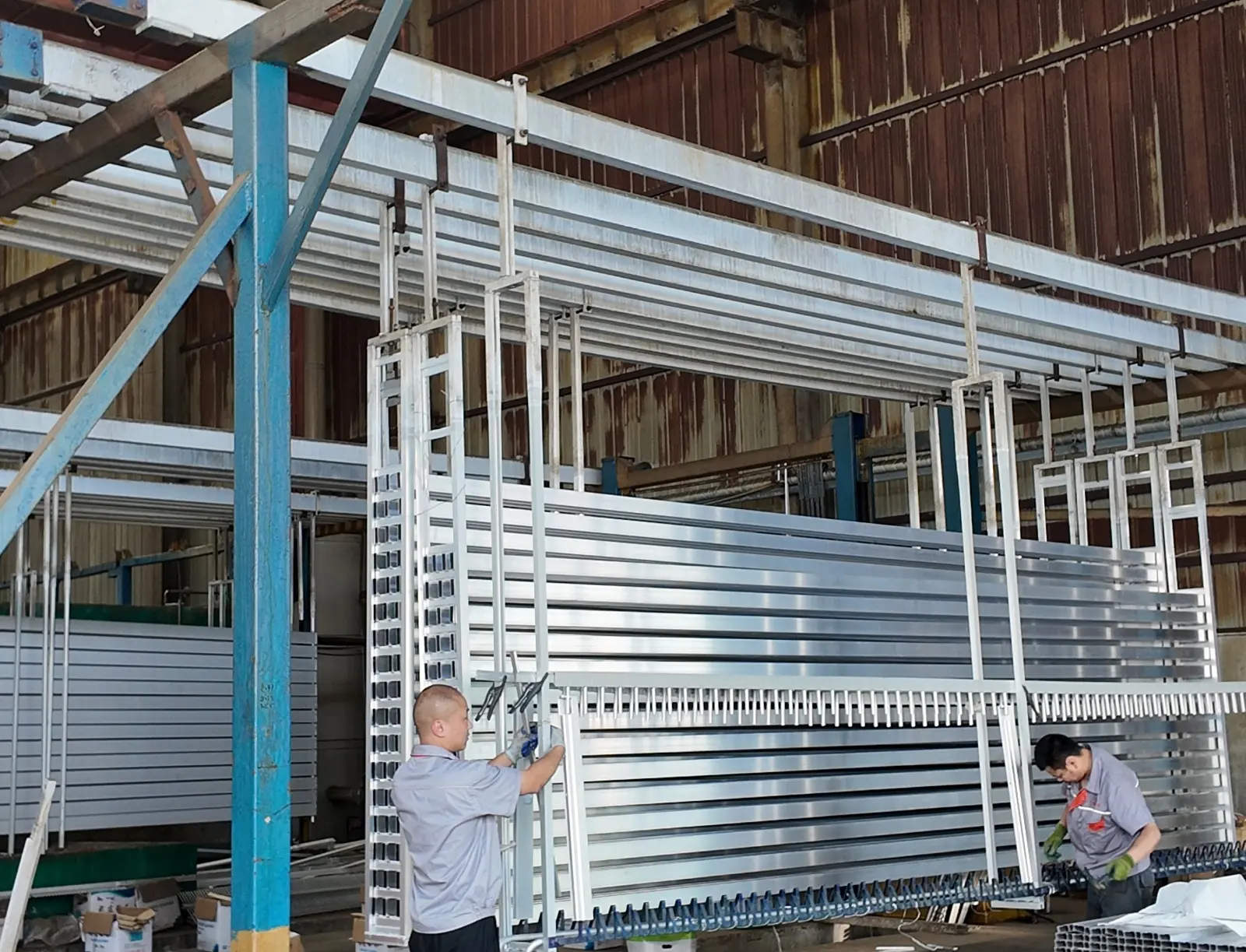
To resist coastal salt-spray and harsh UV exposure, we offer three main surface finishing options:
Engineered extrusion solutions designed for diverse and demanding global projects.
Every building project faces distinct environmental and structural challenges. Our structural engineering department provides customized solutions that adapt to specific local wind loads, seismic activity, and architectural designs.
Engineered to withstand extreme positive and negative wind pressures at high altitudes, using thick 6061-T6 structural alloy supports.
Multi-layered profiles designed for double and triple glazing window setups, helping reduce noise in dense urban environments.
Ultra-slim profiles with high tensile strength that maximize visible glass area, satisfying the aesthetic demands of modern architecture.
Meeting international testing criteria to ensure seamless project integration.
To operate successfully across diverse international markets, window profiles must satisfy strict regional safety and engineering regulations. At Kangjian, we have integrated global quality management standards across our entire supply chain. Our systems are backed by an extensive list of international certifications, ensuring compliance with demanding regional building codes:
Our extrusions comply with EN 14351-1 standards, ensuring certified mechanical resistance, load-bearing capacities, and high air permeability performance.
Engineered to meet AAMA/WDMA/CSA 101/I.S.2/A440 requirements, matching ASTM testing procedures for water penetration, air leakage, and wind resistance.
Tested under AS2047 protocols, verifying housing and commercial structural integrity, deflection limits, and air/water tightness under intense storm simulations.
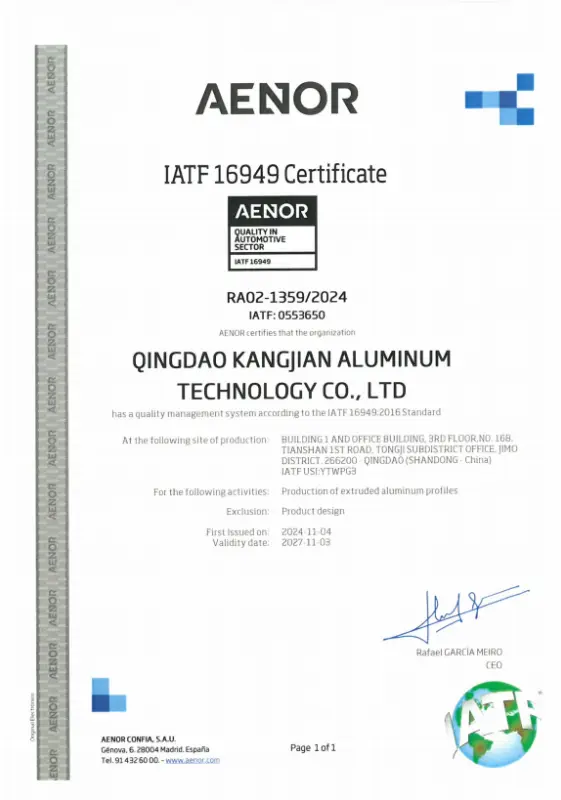
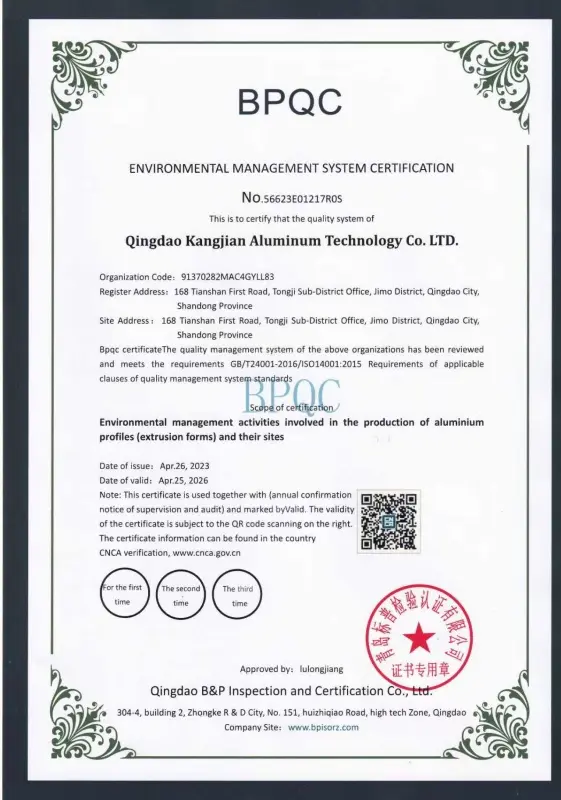
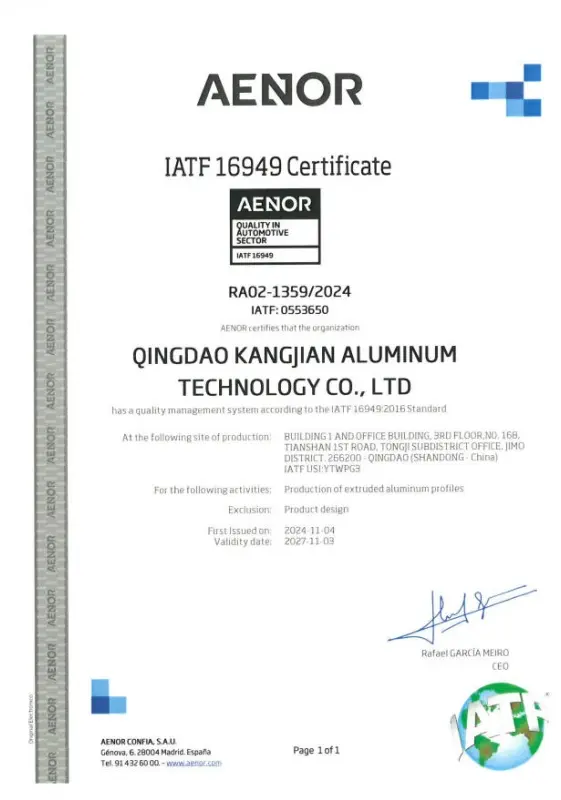
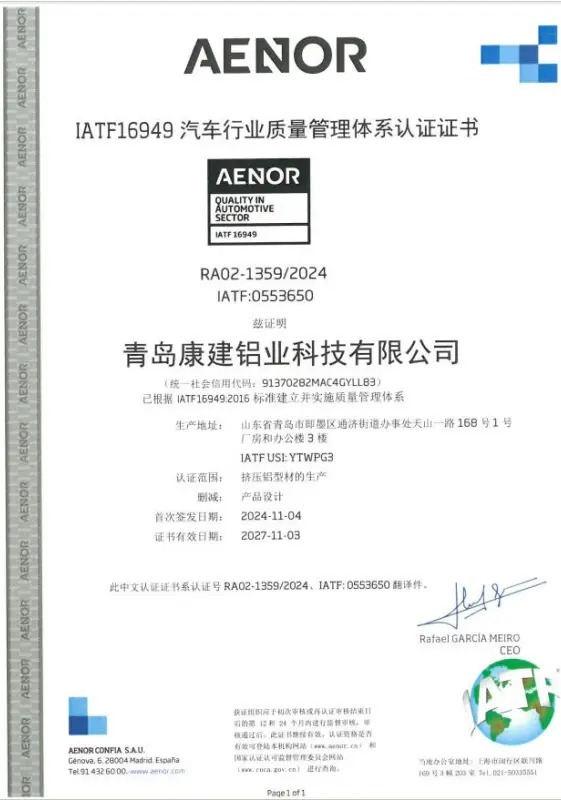
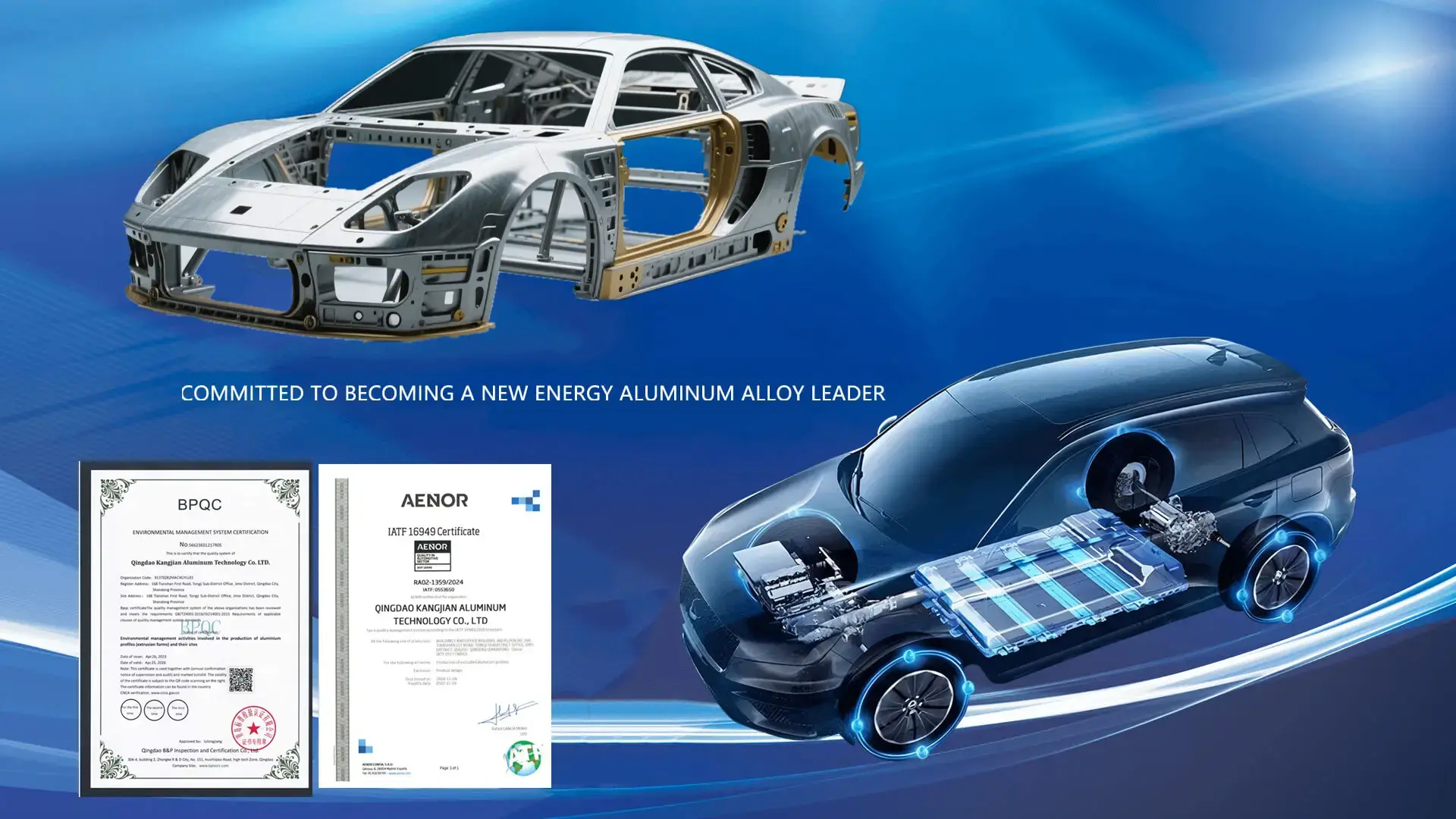
Our company has systematically secured key international quality and management certifications, establishing trust with partners worldwide:
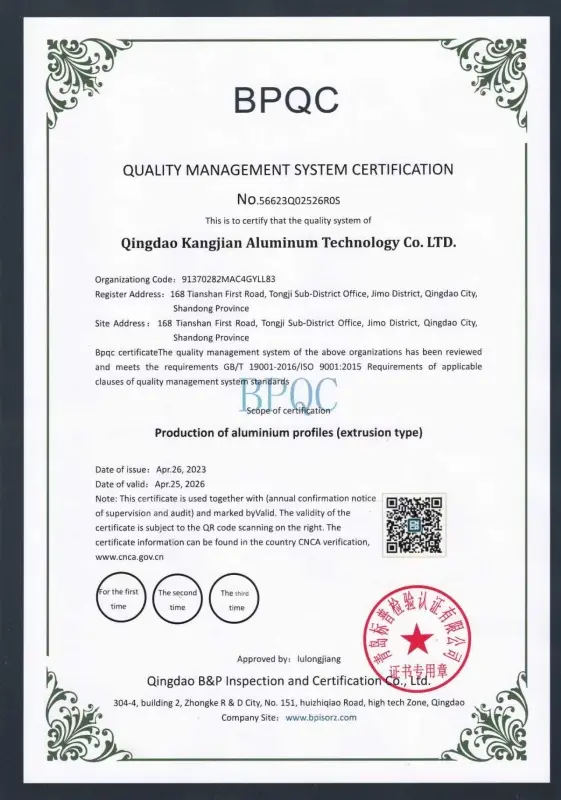
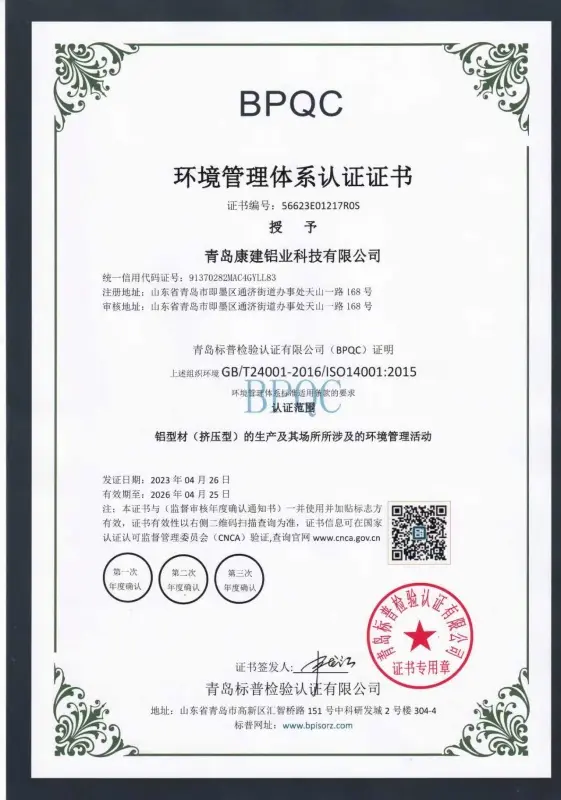
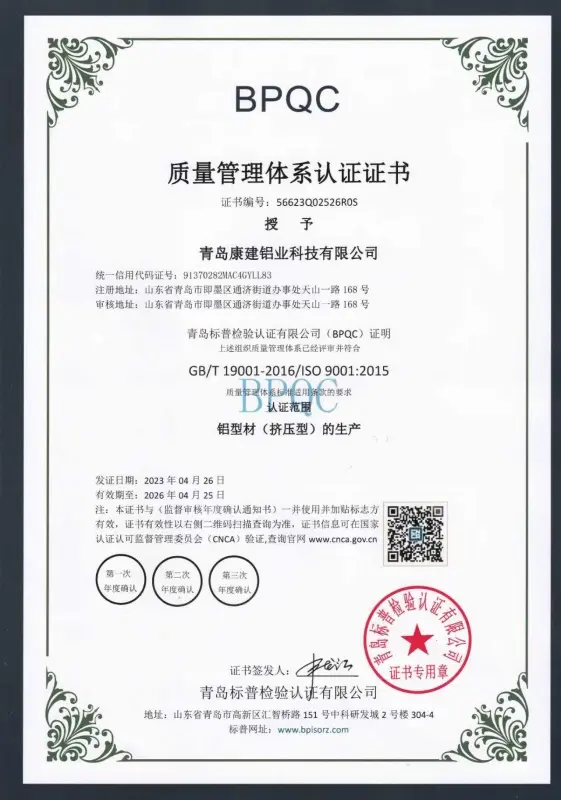
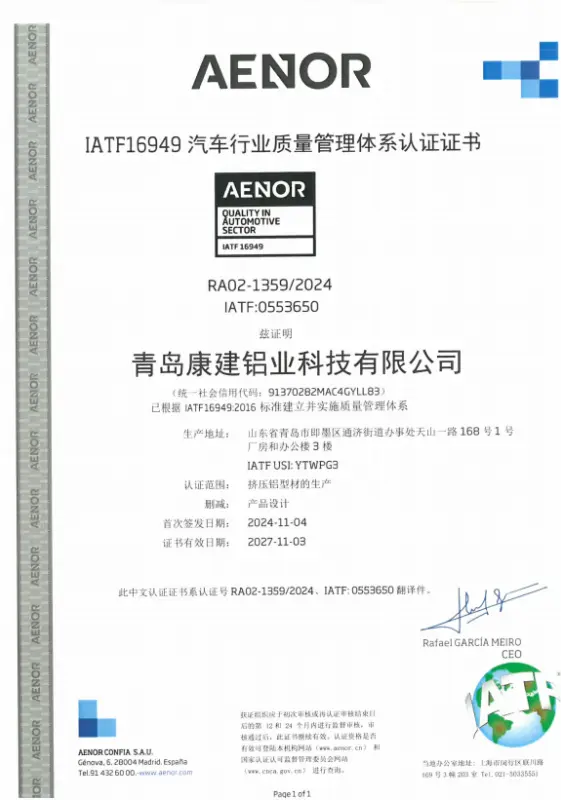
The history, development, and international scale of Qingdao Kangjian Aluminum
The story of Qingdao Kangjian Aluminum Industry Technology Co., Ltd. began with a clear goal: to establish an advanced facility by the Yellow Sea capable of supplying high-end, structural-grade aluminum profiles to the international market.
In three years since our founding, we have grown from a regional producer to a global supply partner. Today, our reach extends across key Chinese industrial regions, including Anhui, Hebei, Tianjin, Hunan, Guangdong, Beijing, and Jiangsu. Backed by the logistics advantages of Qingdao's port infrastructure, we regularly export high-precision profiles to challenging markets in South Korea, Japan, North America, and Europe, maintaining an average annual order growth rate of 30%.
From setting up in Jimo to executing a dual-sea trade strategy, we have built a streamlined plant that delivers complex, custom extrusion profiles to global developers.
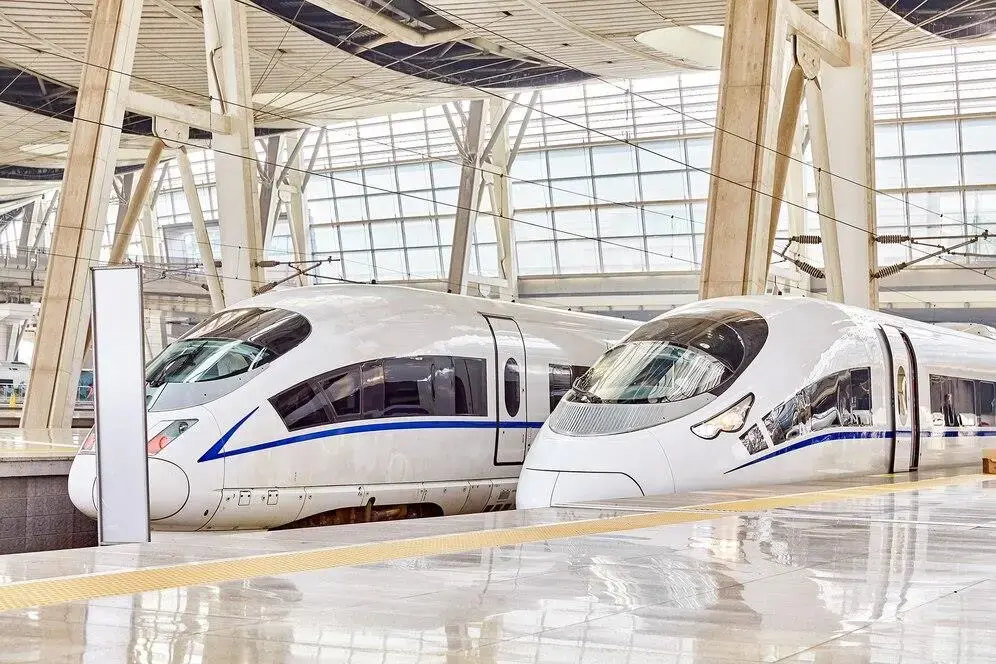
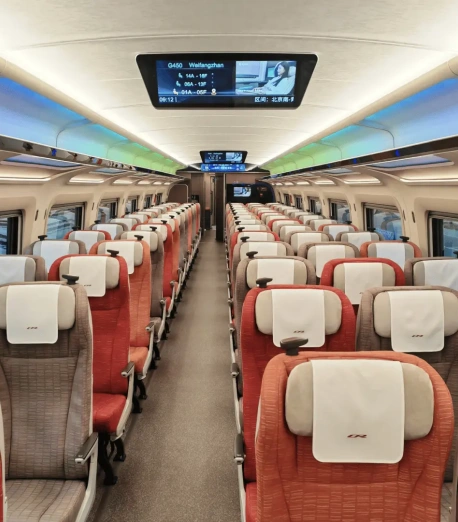
Holding IATF 16949 and ISO 22163 certifications allows us to apply automotive and rail-transit levels of quality control directly to our architectural window profiles.
Our engineering capabilities extend beyond window systems. We supply high-strength, corrosion-resistant profiles for heavy-duty gantry cranes in Nordic ports and structural subways.

Our brand vision is simple: "Based in Qingdao, China, connecting the global market." We are committed to remaining a trusted innovator and manufacturing partner for custom aluminum profiles, supporting architectural and engineering projects worldwide.
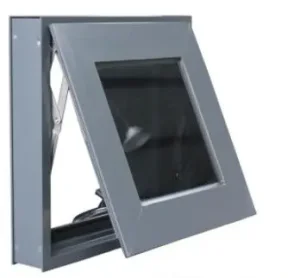
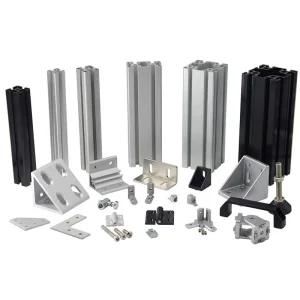
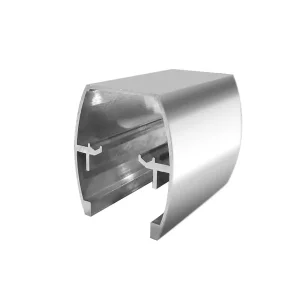
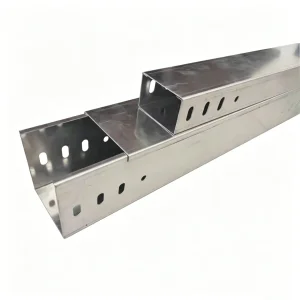
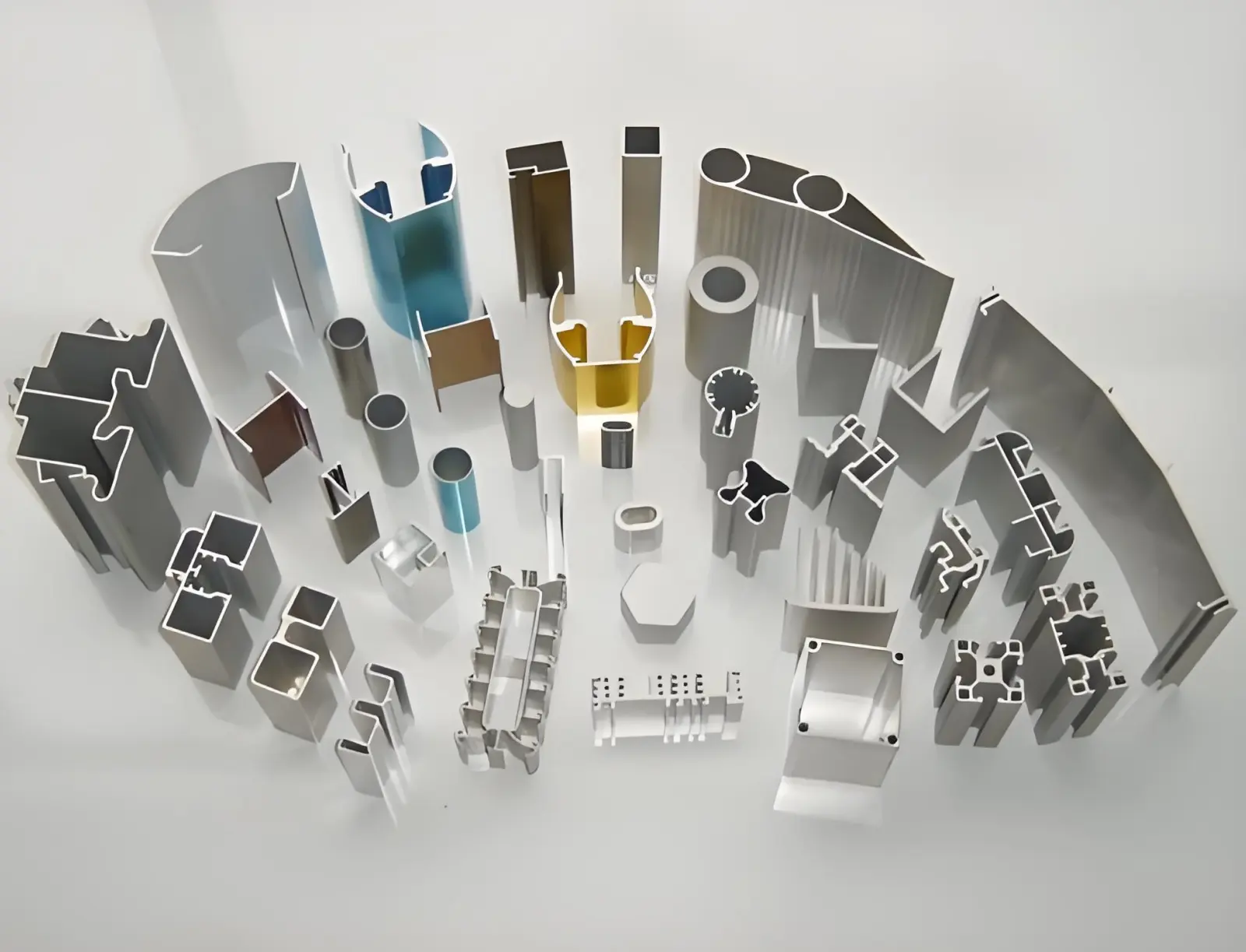
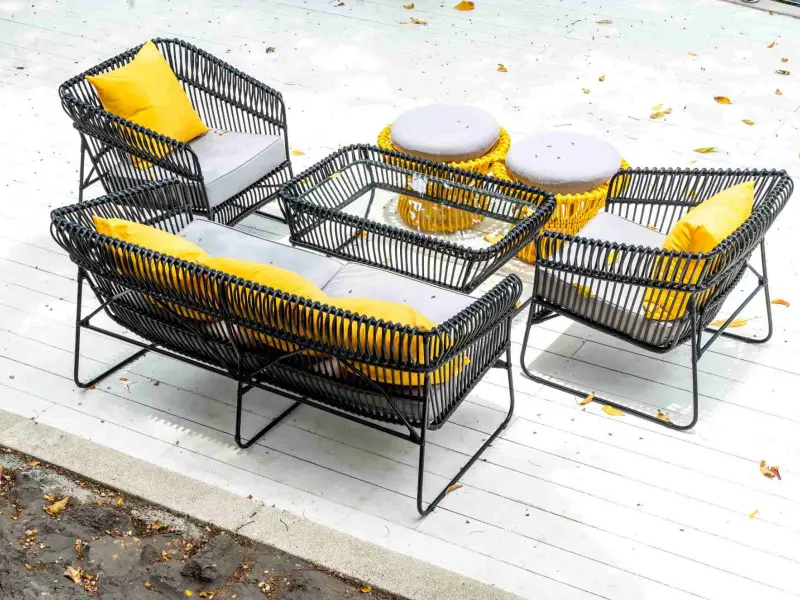
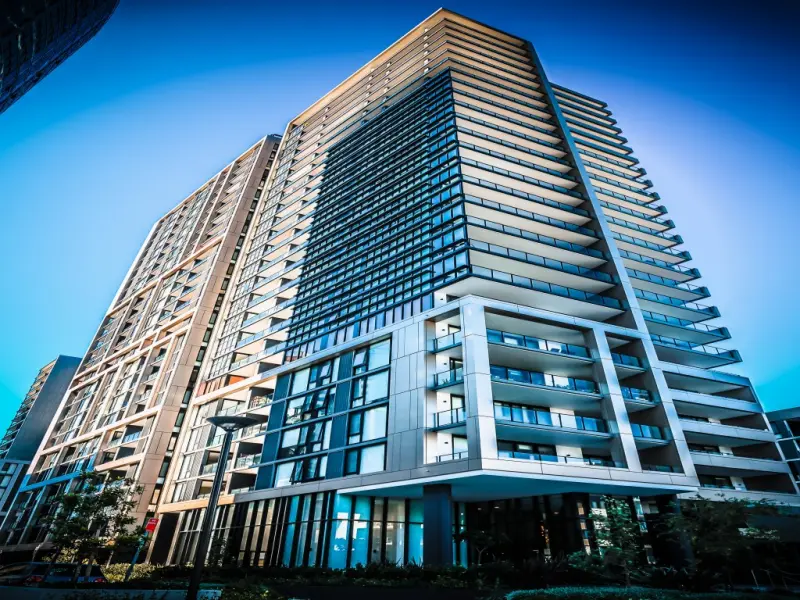
Diverse profile configurations optimized for challenging engineering and structural environments.



Technical answers to key B2B sourcing and architectural engineering queries.
Alloy 6063 is the standard choice for architectural window and door frames. It features a smoother surface finish, excellent corrosion resistance, and is easy to extrude into complex, thin-walled, multi-cavity profiles. It is typically heat-treated to the T5 temper to balance structural strength with fabrication ease.
Alloy 6061 is a higher-strength structural alloy. It is used in load-bearing structural components, such as high-rise curtain wall brackets, heavy mullions, and industrial-grade frames. It is typically heat-treated to the T6 temper, which offers significantly higher yield strength but is more difficult to extrude and has a slightly less uniform surface finish after anodizing.
Thermal break profiles isolate the exterior and interior aluminum sections using low-conductivity polyamide strips (typically PA66-GF25, reinforced with 25% glass fiber). This non-metallic barrier blocks the conduction of heat and cold through the frame. By dividing the aluminum frame into distinct interior and exterior zones, thermal breaks can reduce the frame's U-value from over 5.8 W/(m²K) to below 1.2 W/(m²K), matching the performance of modern double- or triple-glazed insulated window systems.
For custom aluminum profile designs, the tooling and die development process generally takes 7 to 10 working days, depending on the complexity of the cross-section. The MOQ for custom extrusions starts at 1 to 3 tons per profile shape. Once the tool design is approved and samples are verified, production run lead times typically range from 15 to 20 days. Shipments are managed out of our Qingdao port facilities.
We apply thick surface coatings to resist marine-grade salt spray and high humidity. Our Class I anodized profiles feature oxide film thicknesses exceeding 20 microns, which prevents chemical oxidation. Alternatively, we offer three-coat PVDF (fluorocarbon) paint systems, which are tested under accelerated weathering standards to ensure high color and gloss retention over decades of exposure to UV radiation and salt air.
We test every production batch using a multi-step quality assurance protocol:
B2B industrial components, sub-assemblies, and heavy-duty structural alloys.