Kangjian
Kangjian
Kangjian
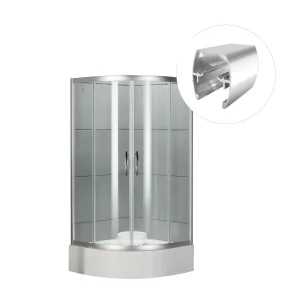
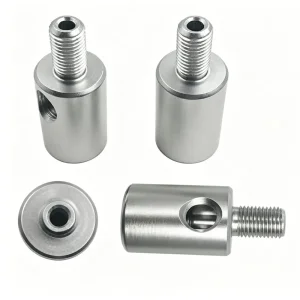
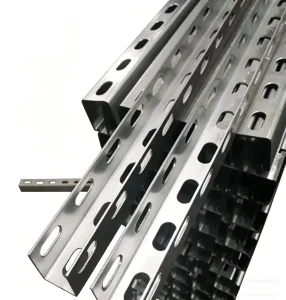
Structural aluminum extrusion is undergoing a technological renaissance, driven by urbanization, green building mandates, and lightweight industrial engineering requirements.
Modern building envelopes require window profiles that contribute to thermal performance rather than compromise it. Sourcing agents are shifting away from standard non-thermal solid designs. The demand for multi-chamber thermal break profiles has skyrocketed due to stricter HVAC performance indexes worldwide, including Europe's EPBD directive and the US ASHRAE standards.
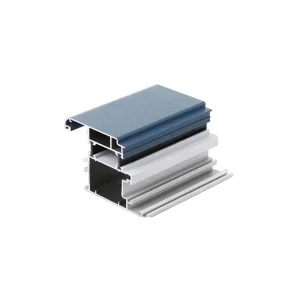
These advanced profiles integrate reinforced polyamide struts between the inner and outer aluminum components. This composite structure dramatically reduces convective and conductive heat transfer, satisfying localized requirements for passive-house levels of energy containment.
"Industrial engineering standards no longer treat window profiles as basic structural frames. They are critical elements in active environmental barrier systems, requiring high mechanical load capabilities, thermal isolation, and decades of weathering resilience."

Choosing the right alloy and temper determines structural integrity, surface finish clarity, and CNC machining viability. Below is a comparative guide utilized by design engineers.
| Alloy & Temper | Yield Strength (MPa) | Tensile Strength (MPa) | Elongation (%) | Primary Industrial Applications |
|---|---|---|---|---|
| 6063-T5 | ≥ 110 | ≥ 160 | ≥ 8 | High-end residential window profiles, thin-wall shower frames, LED light tracks |
| 6063-T6 | ≥ 170 | ≥ 205 | ≥ 8 | Commercial curtain walls, high-wind load window assemblies, solar module frames |
| 6061-T6 | ≥ 245 | ≥ 265 | ≥ 10 | Heavy-duty robotics components, automotive rails, aerospace assemblies, drone brackets |
| 6005-T5 | ≥ 205 | ≥ 260 | ≥ 8 | High-strength structural walkways, rail transit internal frame supports |
We customize temper treatments to achieve the precise balance of tensile strength and mechanical flexibility, ensuring durability under extreme dynamic loads.
Anodized coatings (up to Class 25) and premium PVDF/Powder treatments protect components against maritime salt spray and harsh urban pollutants.
Multi-cavity extrusion geometries optimize thermal efficiency while preserving structural stiffness. These cavities support internal steel/aluminum reinforcements.
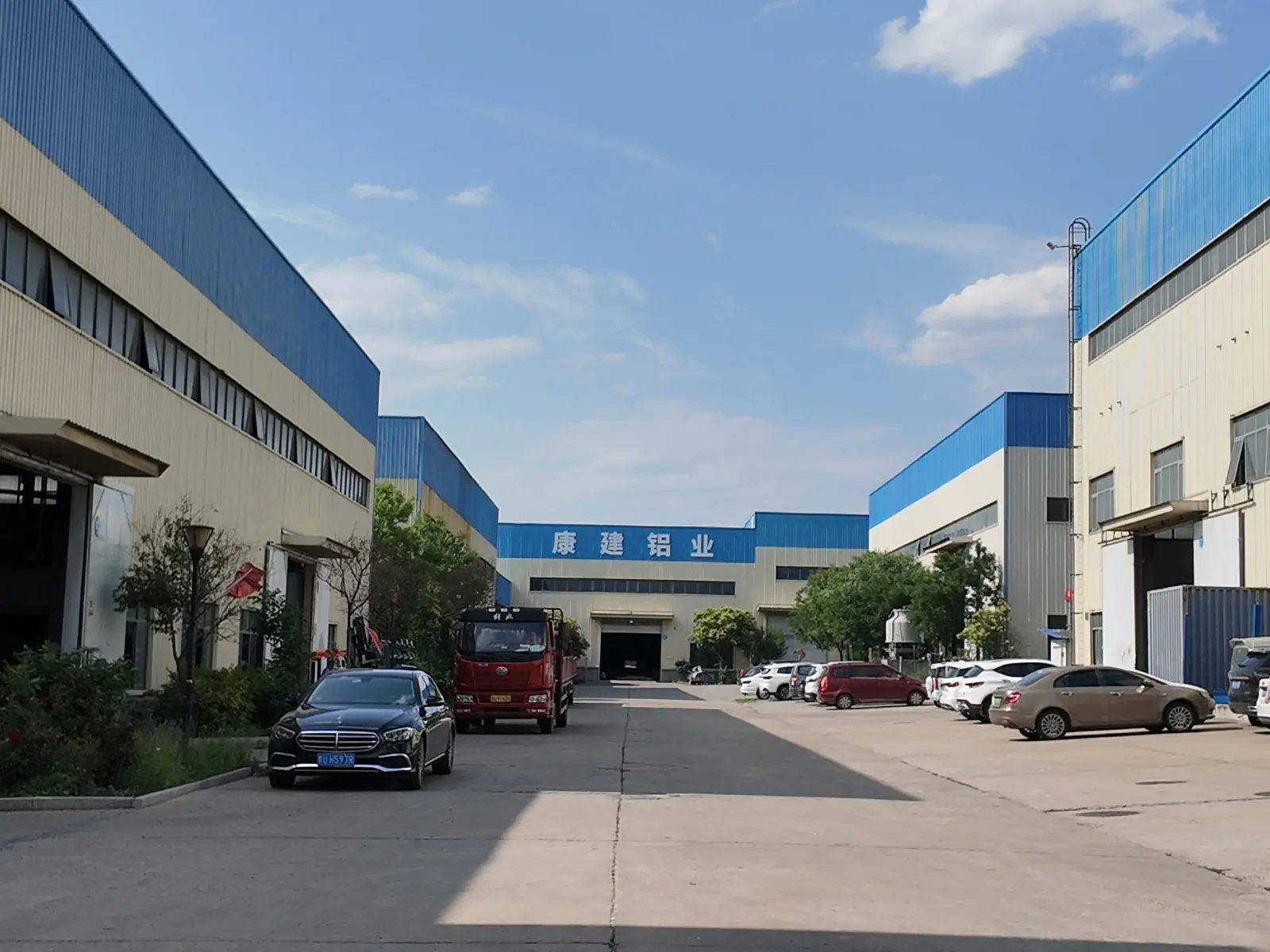
Located in Jimo District, Qingdao City, Qingdao Kangjian Aluminum Industry Technology Co., Ltd. represents the peak of industrial aluminum extrusion and deep CNC post-processing services.
Established in 2022, the company operates a state-of-the-art 200-mu industrial park, featuring an 80,000 square meter facility designed for raw billet processing, precise extrusion, surface treatment, and complex CNC fabrication.
Equipped with 5 advanced extrusion lines (including 2500T, 1450T, 1150T, and dual 700T extruders), Kangjian has an annual output capacity of over 15,000 metric tons. Our logistics center relies on its close proximity to Qingdao Port to facilitate efficient global shipping.
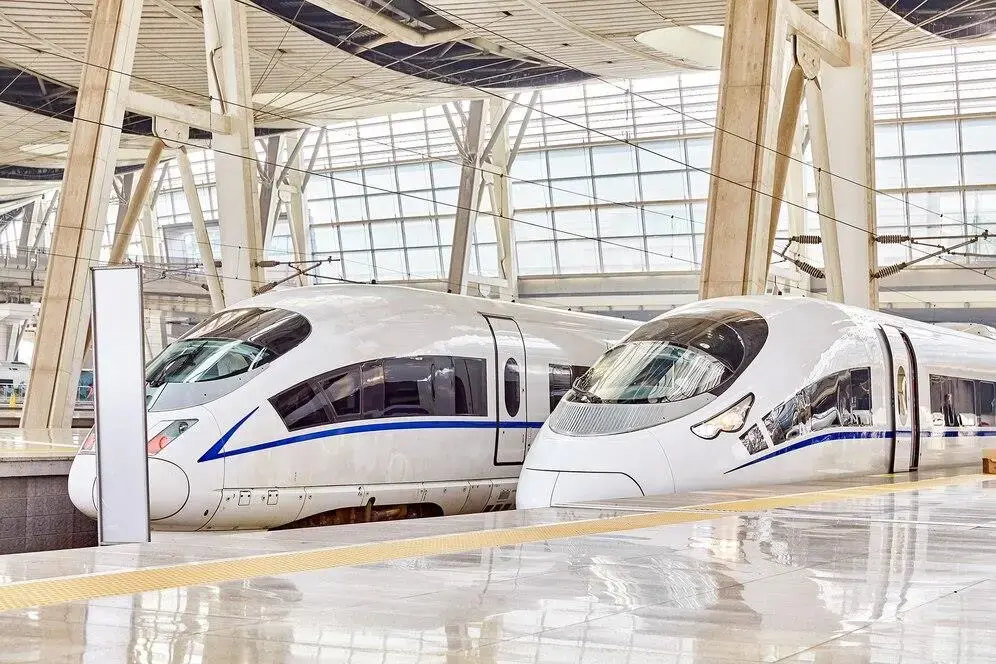
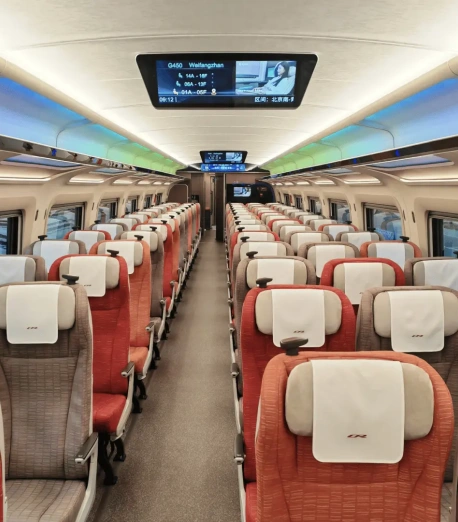
Whether you require profiles for high-speed rail networks, lightweight electric vehicle components, marine-grade panels, solar racking, or advanced building facade projects, Kangjian delivers fully certified assemblies.
Our engineering processes are backed by rigorous compliance certifications, ensuring seamless integration into strict international supply chains.
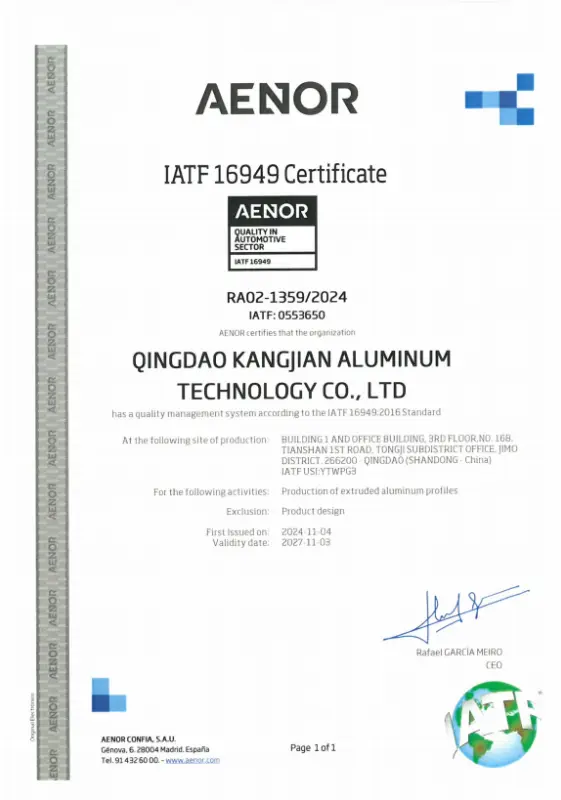
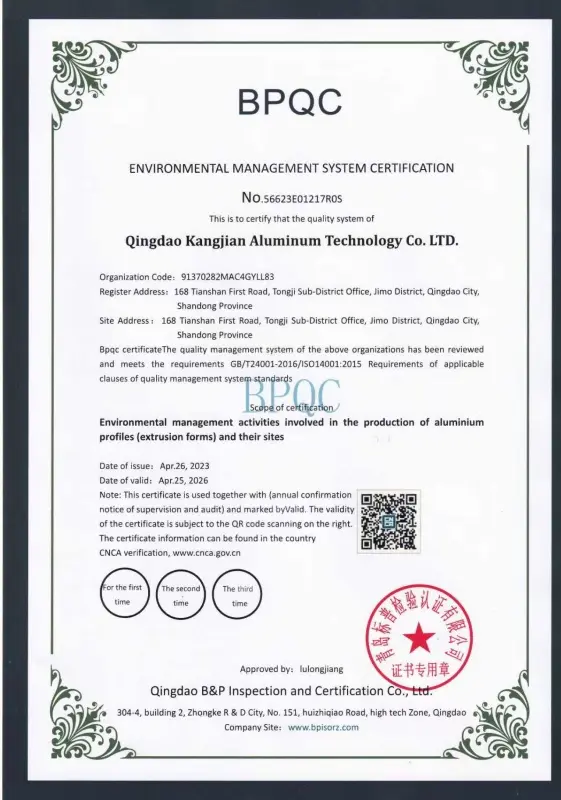
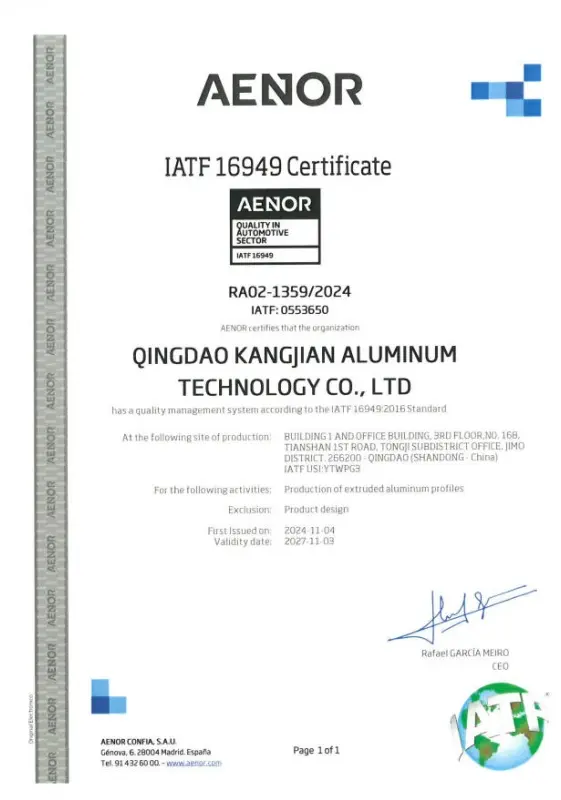
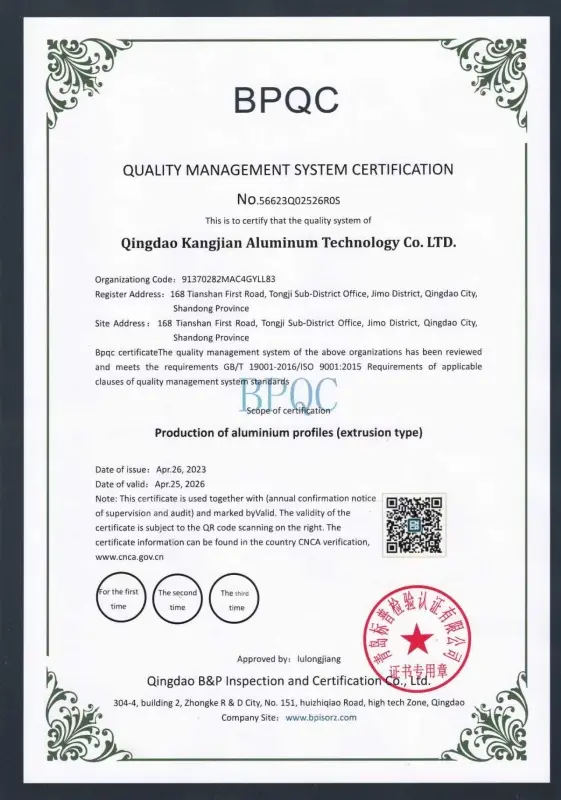
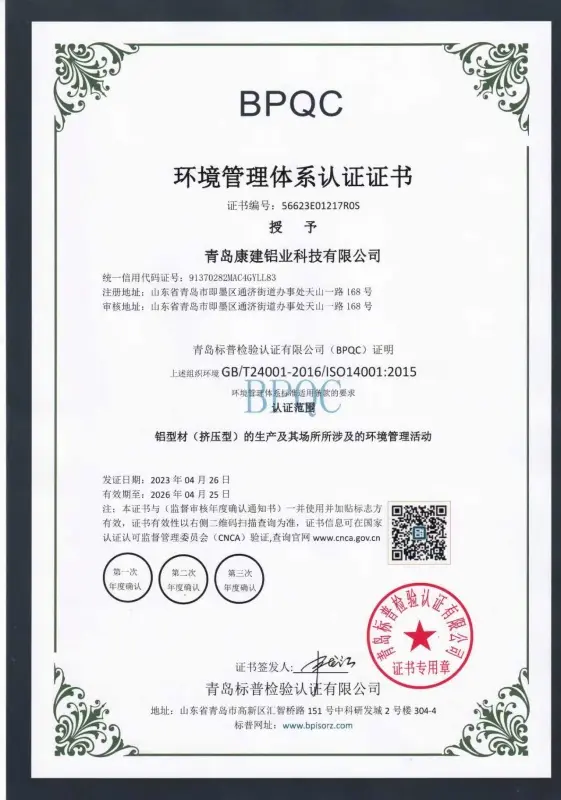
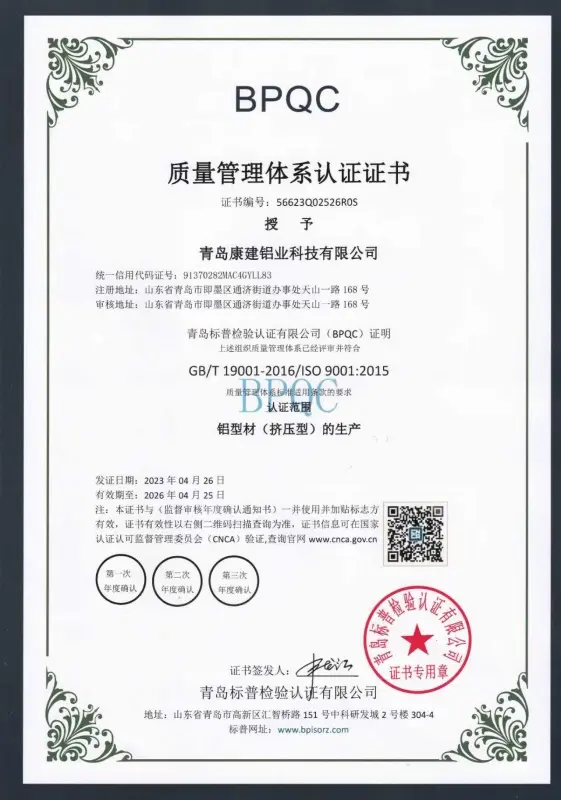
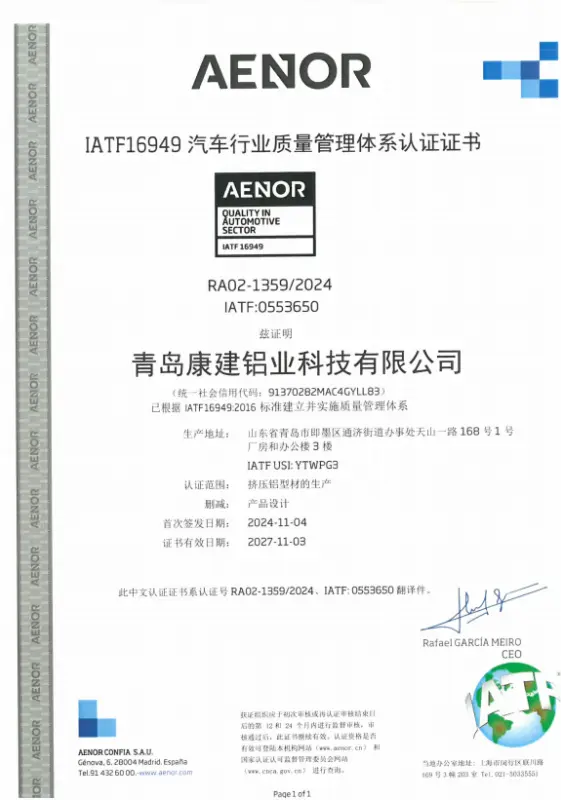
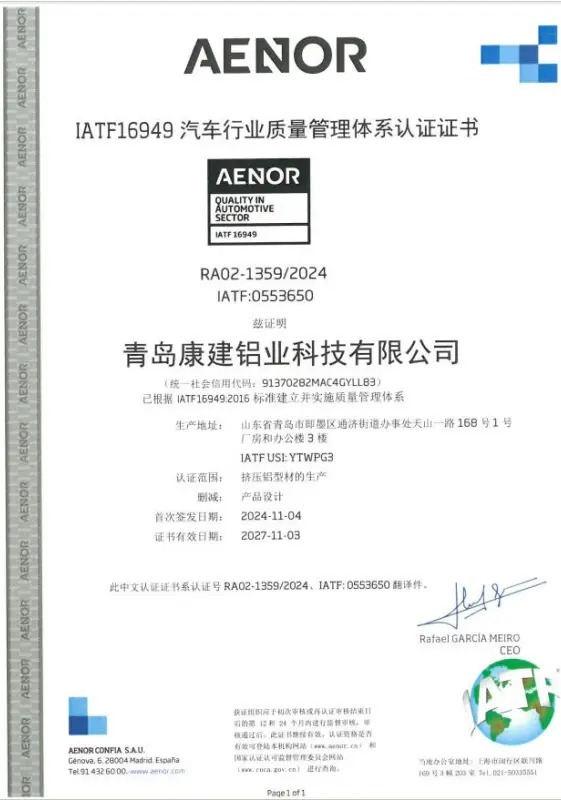
Our compliance with ISO9001, ISO14001, IATF16949, and EN15085 guarantees that all extruded components undergo trace metallurgical analysis and rigorous dimension verification before leaving the facility.
Modern alloy extrusions support multiple downstream industries, combining weight reduction with high structural integrity.

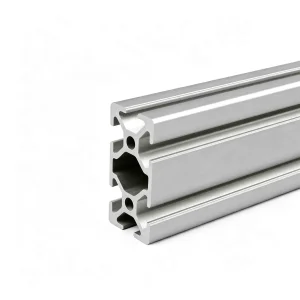
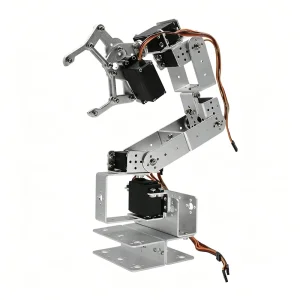
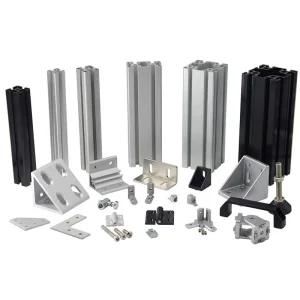
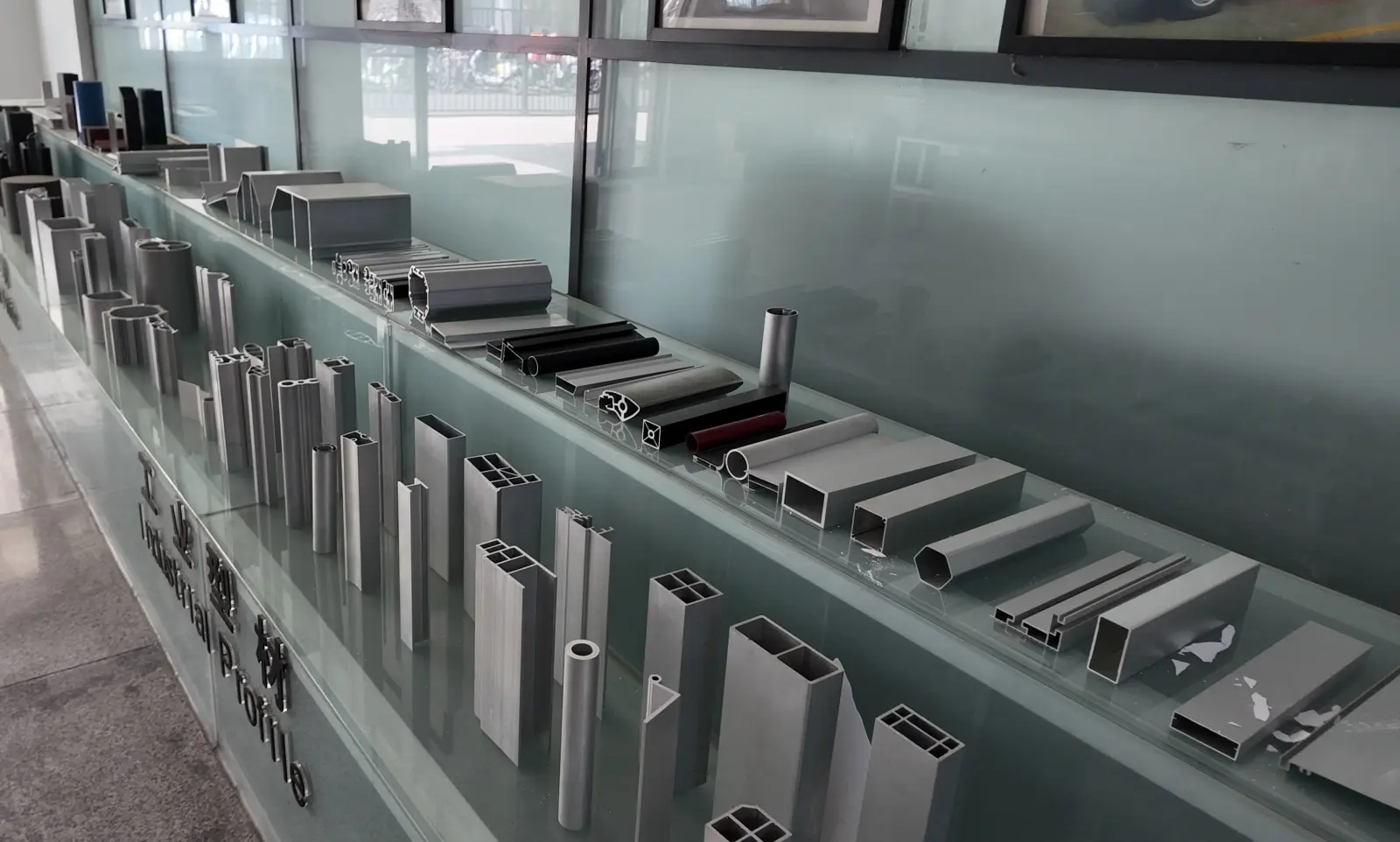
We manufacture custom profiles for T-Slot framing, precision linear motion modules, heavy gantry robotics, and aerospace mounting kits.
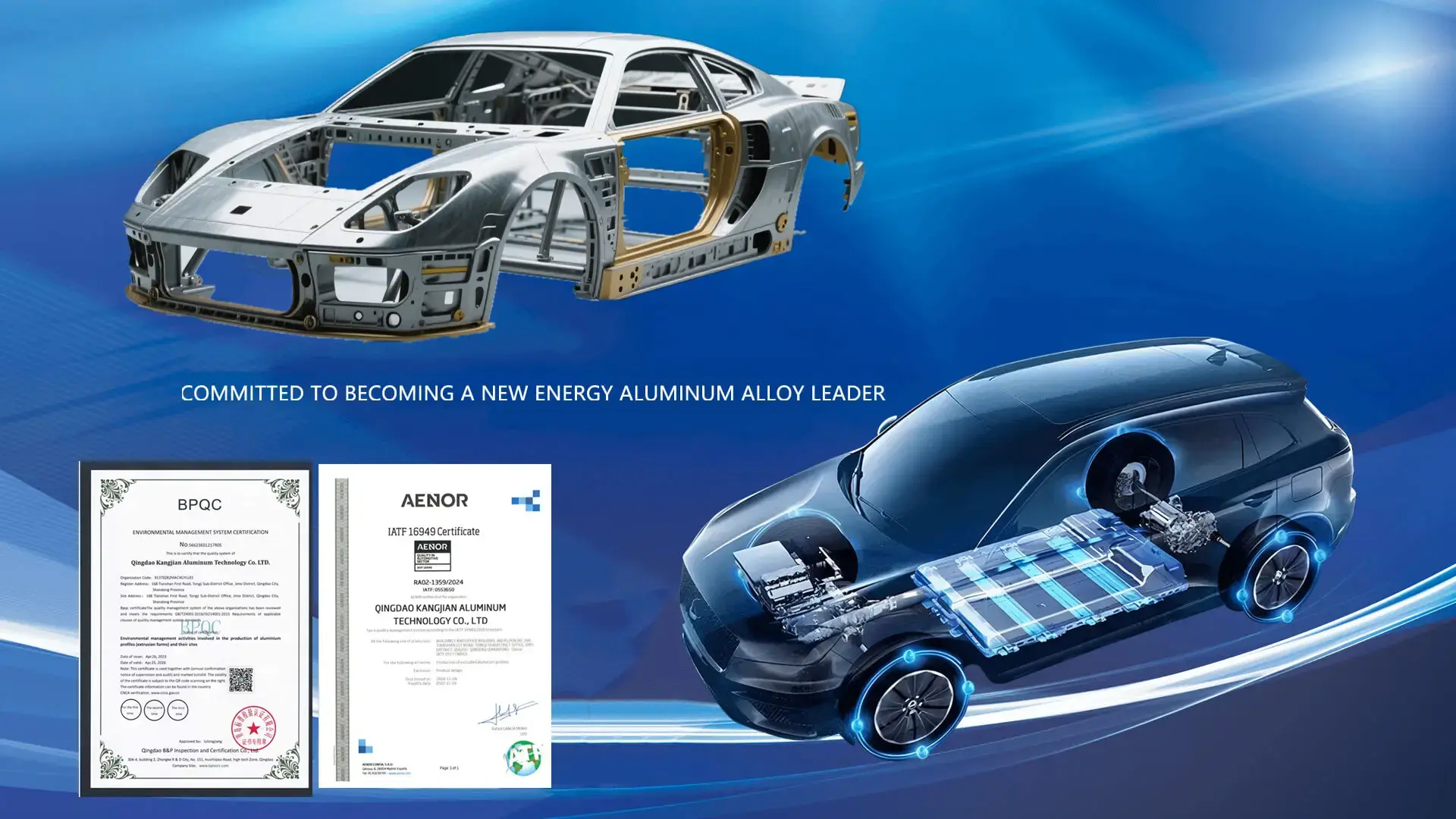
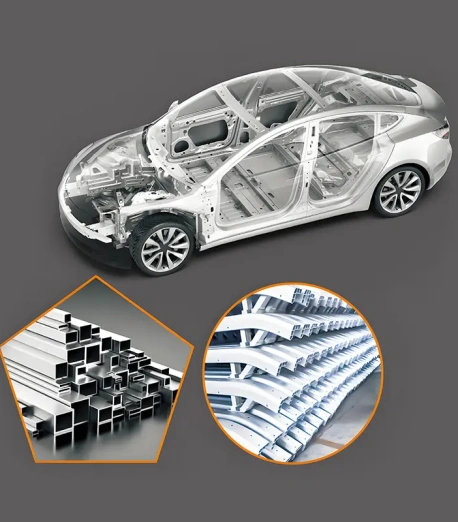
Extrusions for EV battery enclosures, crash boxes, sub-frames, and lightweight high-speed railway structural profiles.
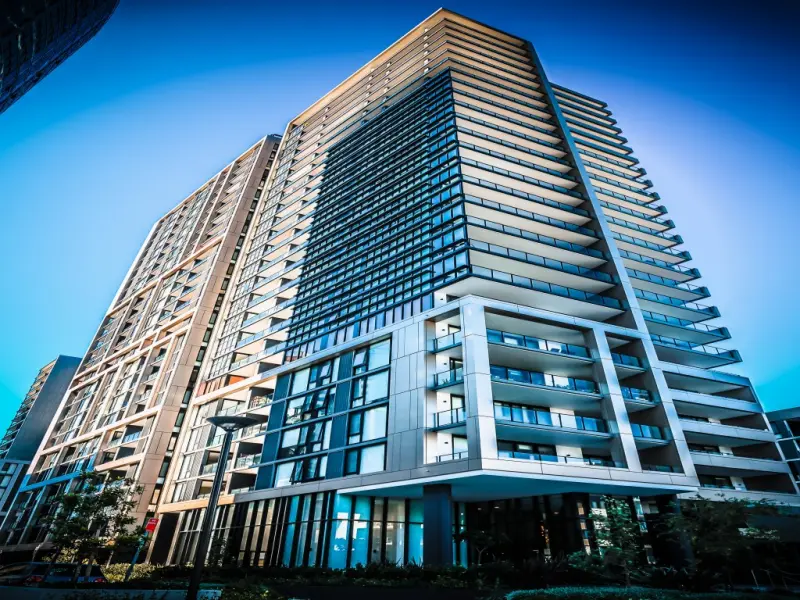
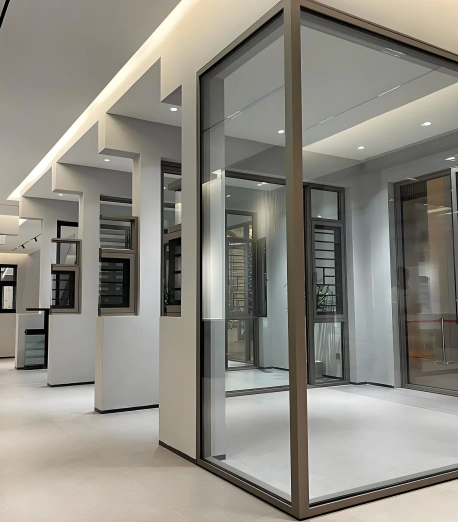
Engineered for commercial storefronts, double-glazed curtain walls, structural window assemblies, and sliding doors.
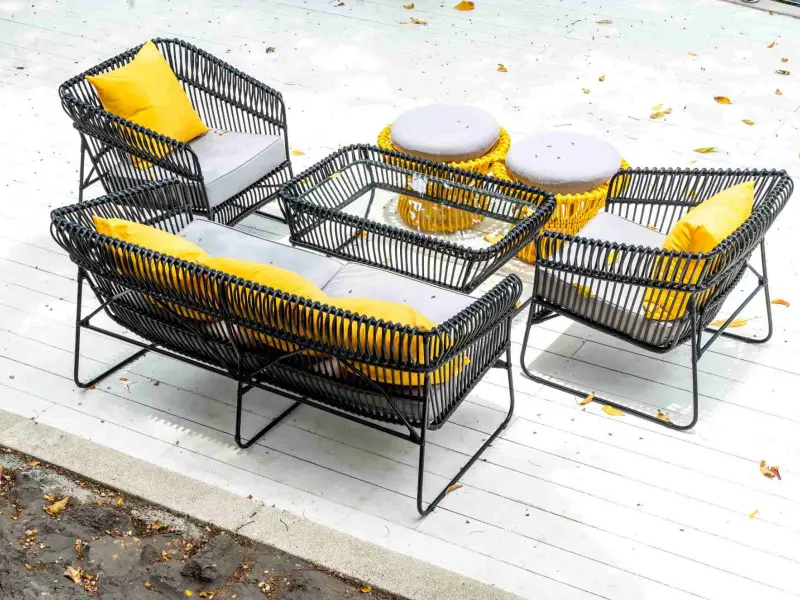
Weatherproof components for architectural pergolas, louvers, fencing panels, and premium patio partition frames.
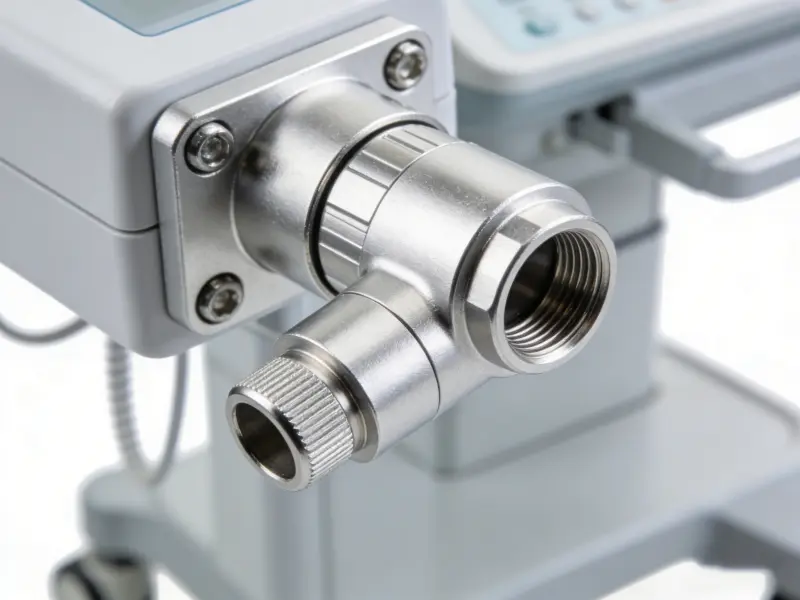
We supply anodized, lightweight structural profiles for medical imaging equipment, operating table components, and wheelchairs.
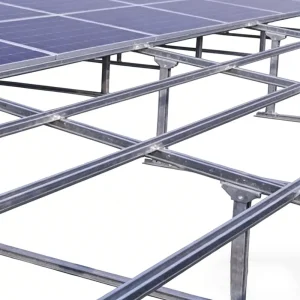
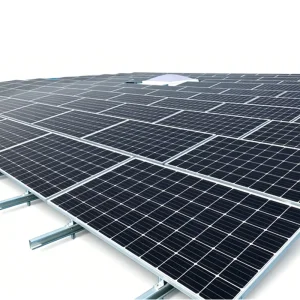
Specialized profiles for photovoltaic solar mounting brackets, commercial shipping container structures, and distribution rail components.
As global building standards target carbon neutrality, the extrusion industry is transitioning toward greener materials and smarter integration.
The carbon footprint of raw primary smelting remains a key concern. We are actively expanding the use of recycled, low-carbon billet feedstock. Integrating post-consumer scrap back into the casting phase reduces energy consumption by up to 95% compared to primary electrolysis, without sacrificing tensile properties.
Next-generation window profiles incorporate hollow chase spaces for wiring and sensors. These profiles interface with automatic opening actuators, electrochromic smart glass systems, and security monitoring loops.
Modern architectural projects require complex cutting, drilling, and tapping processes. We process profiles on 5-axis CNC machining systems to achieve micron-level accuracy, ensuring hassle-free installation on-site.
Our engineered extrusions are installed in marine port infrastructures, industrial facilities, and green-certified skyscrapers worldwide.
Answers to key technical and supply chain questions raised by facade engineers and B2B procurement managers.
6063 is the standard choice for architectural window profiles due to its excellent surface extrudability, corrosion resistance, and post-finishing (anodizing/powder coating) characteristics. 6061 alloy provides higher yield and tensile strength, making it ideal for structural drone parts, heavy robotic kits, and rail transit profiles that undergo intense mechanical stress.
We feature a dedicated engineering department that reviews custom CAD, DWG, and 3D STEP files. The custom tooling process involves drafting structural simulations to check material flow during extrusion. Tooling trials and physical sample approvals are typically completed within 10 to 15 business days.
IATF16949 is a strict quality management standard developed for the automotive supply chain. This certification ensures that our facility maintains strict process control, defect prevention, and product consistency, which translates directly to higher reliability for building facade and industrial structural customers.
For maritime or high-salinity zones, we recommend anodized finishes exceeding 20 microns (Class 20 or Class 25), or PVDF (Fluorocarbon) coatings. These coatings provide excellent protection against pitting, corrosion, and UV-induced chalking.
Multi-chamber designs disrupt the thermal path through the frame. Integrating 24mm or 32mm polyamide (PA66GF25) strips allows system U-values (Uf) to drop below 1.6 W/m²K, which complies with global passive-house specifications and lowers heating and cooling energy use.