Kangjian
Kangjian
Kangjian
Engineered to exact OEM tolerances, featuring advanced robotic structures and custom structural profiles.
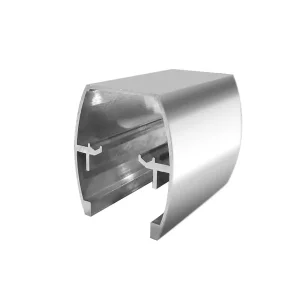
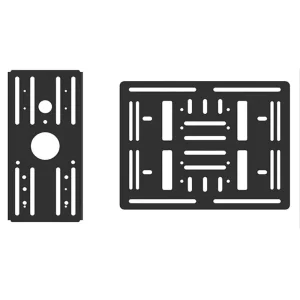
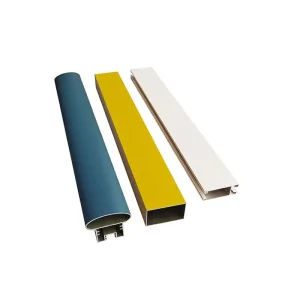
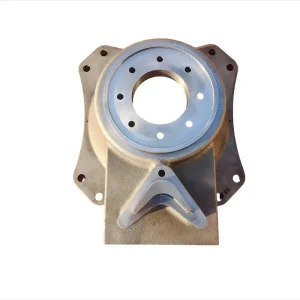
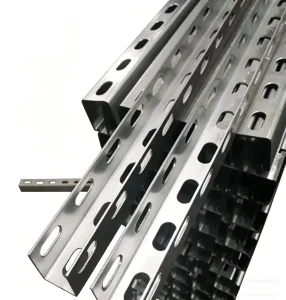
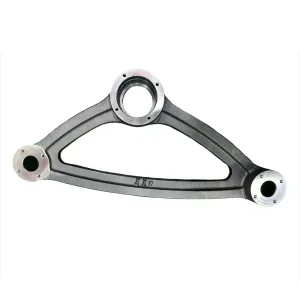
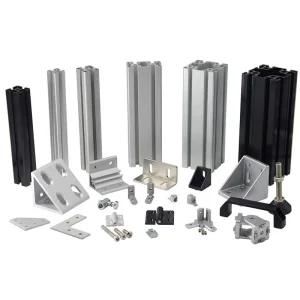
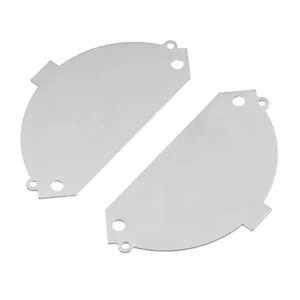
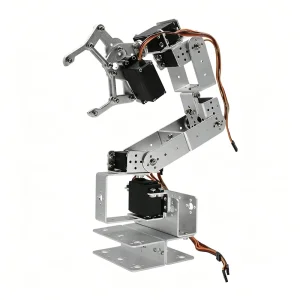
In the contemporary landscape of smart manufacturing, industrial automation, and surgical robotics, the demand for precision-engineered components has scaled exponentially. As industries migrate from massive, energy-intensive mechanisms toward dynamic, high-speed, and energy-efficient systems, lightweight structural metals have become the standard. Aluminum alloy mechanical arm parts represent the core of this transition, bridging the gap between mechanical durability and lightweight performance.
Globally, the robotics market—spanning articulated industrial robots, collaborative robots (Cobots), AGVs/AMRs, and tactical military drones—is expanding at a compound annual growth rate (CAGR) exceeding 15%. This surge places strict demands on structural integrity. Aluminum alloys, particularly premium grades like 6061-T6, 6063-T5, and 7075-T6, are chosen because they deliver a high strength-to-weight ratio, high damping capacity to absorb structural vibrations, and excellent machinability. Standardizing on aluminum profiles and CNC-machined links allows design engineers to lower inertial forces during high-speed acceleration/deceleration cycles, enabling higher positioning accuracy and extending the operational lifespan of servo motors.
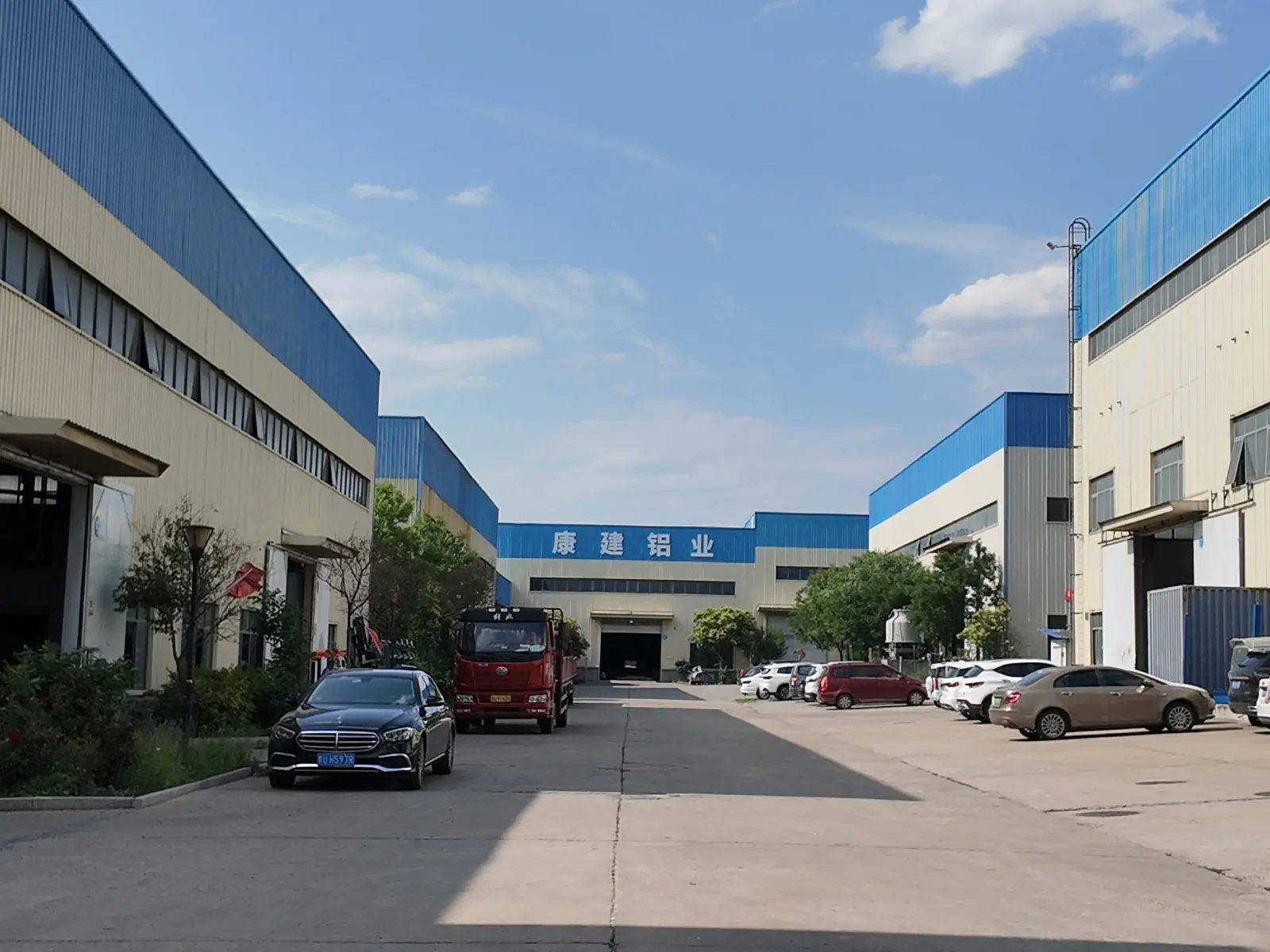
Offering world-class industrial scaling, high precision, and complete certification compliance.
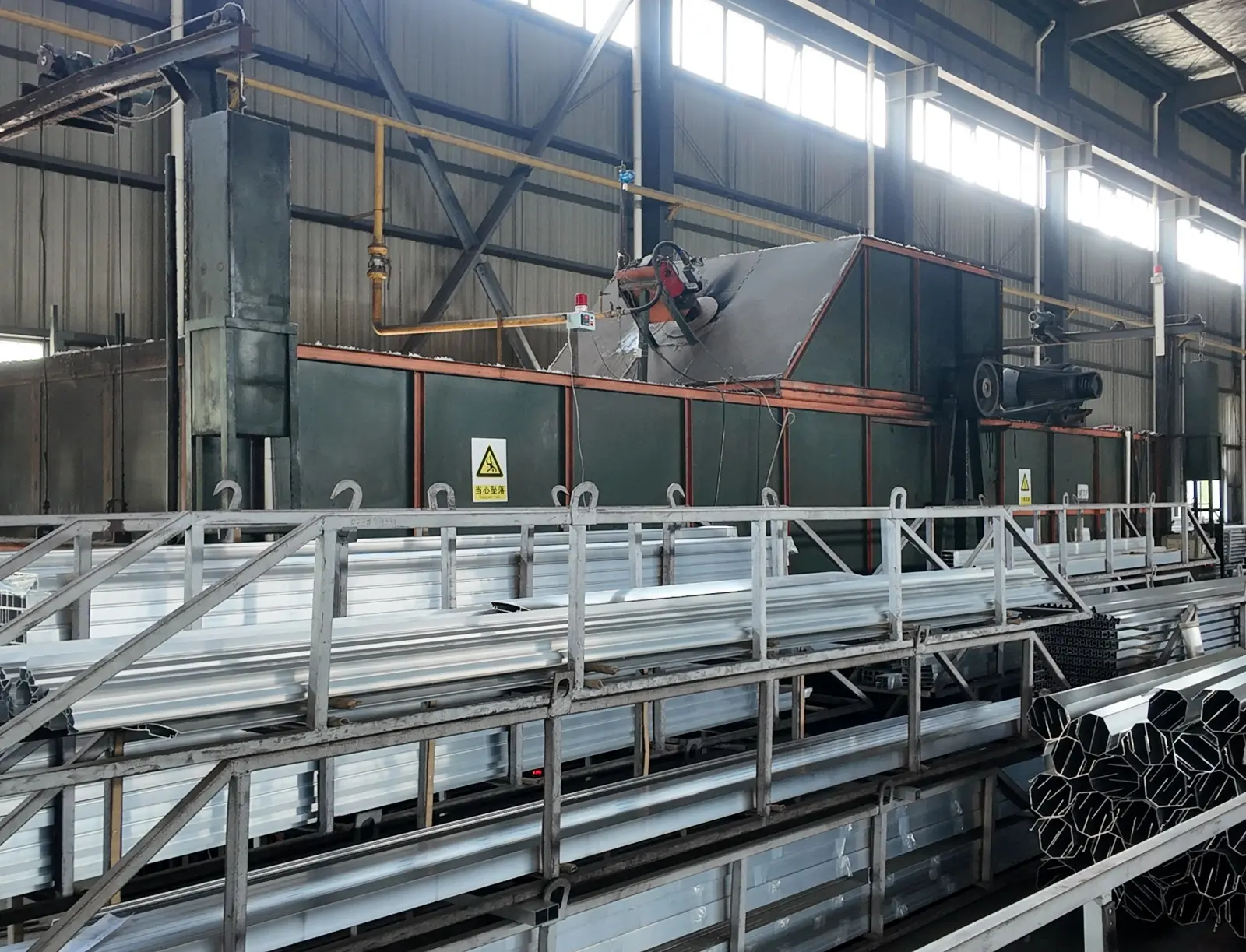
Established in 2022 in the Jimo District of Qingdao, our industrial base covers 200 mu, featuring 80,000 square meters of modern factory structures and a dedicated annual output of 15,000 tons of structural aluminum profiles.
Equipped with 5 world-class extrusion lines including a heavy 2500T extruder, one 1450T unit, one 1150T unit, and two 700T units, enabling highly precise grain structures and clean extrusion profiles for mechanical structures.
Fully certified with GB/T19001/ISO9001, GB/T24001/ISO14001, IATF16949 for automotive standards, ISO22163 (railways), EN15085 & AWS (welding system standards), and DIN6701 for adhesive bonding of rail vehicles.
When engineering mechanical arm linkages, joints, and bases, material selection dictates the operational envelope of the robotic system. The main challenges are maximizing rigidity while reducing moment of inertia, managing fatigue limits, and ensuring structural stability under high cyclic loads. The table below provides a comparative analysis of the primary aluminum alloys used in high-precision structural assemblies:
| Alloy Designation | Tensile Strength (MPa) | Yield Strength (MPa) | Elongation (%) | Key Performance Attributes & Typical Use Cases |
|---|---|---|---|---|
| 6061-T6 | ≥ 290 | ≥ 240 | 8 - 10 | Exceptional corrosion resistance, high weldability, and balanced mechanical values. Primarily used for main robotic link frames, structural brackets, and drone arms. |
| 6063-T5 / T6 | ≥ 180 / 220 | ≥ 110 / 180 | 8 - 12 | Excellent extrusion characteristics, superior surface finish capability for anodizing. Ideal for guide rails, modular framing, enclosure structures, and heat sinks. |
| 7075-T6 | ≥ 540 | ≥ 480 | 7 - 9 | High-strength alloy comparable to structural steel but at 33% of the density. Deployed in high-stress joint mechanisms, heavy-duty gear mounts, and aerospace structures. |
At Qingdao Kangjian Aluminum, our raw materials undergo strict quality controls. Using direct-reading spectrometers, ultrasonic flaw detection, and tensile testing equipment, we ensure that every batch of aluminum profiles meets or exceeds the mechanical properties demanded by international buyers. By controlling grain growth during the thermal extrusion process, we improve fatigue resistance, allowing our parts to withstand millions of work cycles without structural degradation.
Our structural aluminum profiles and CNC-machined parts are utilized globally across key modern industries.
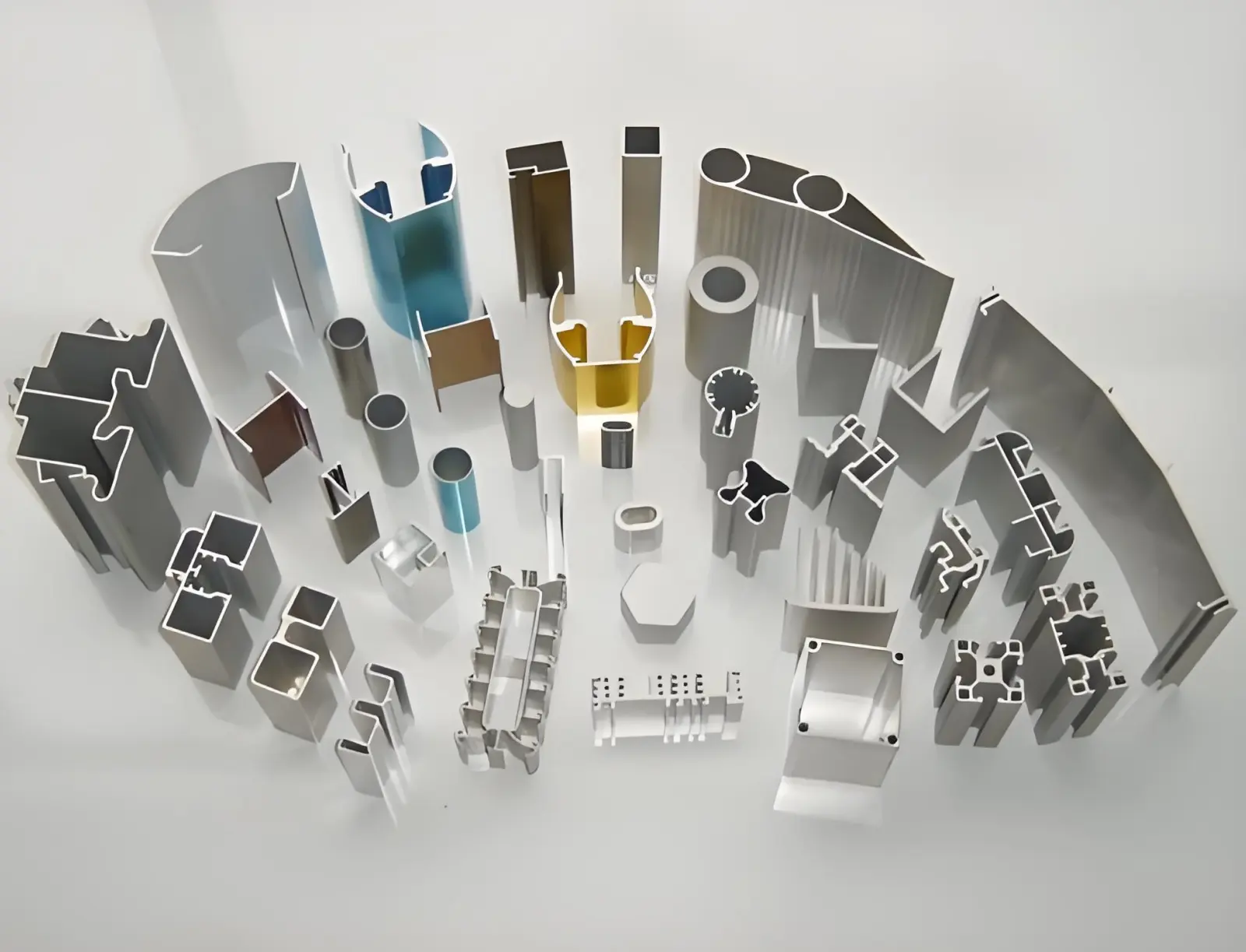
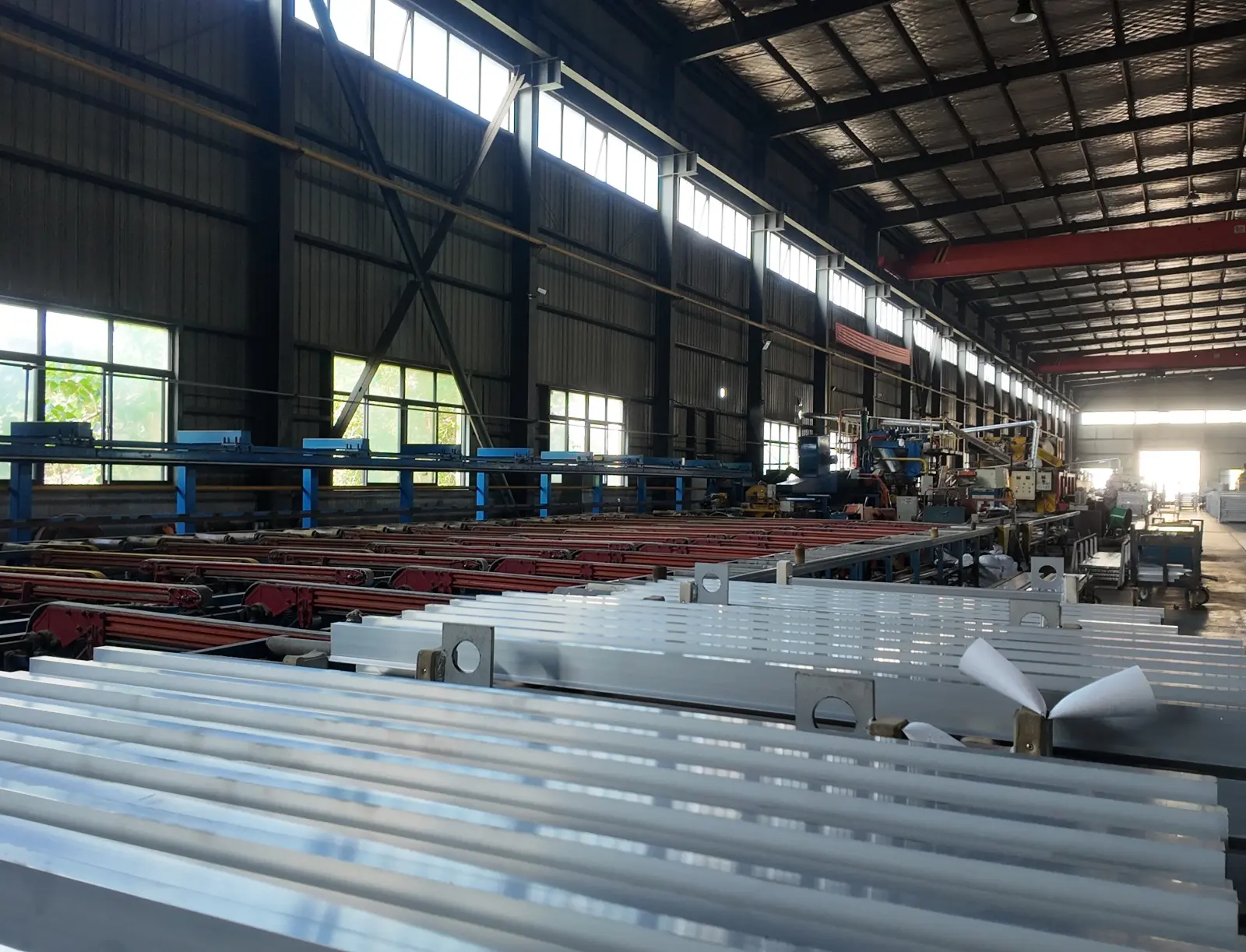
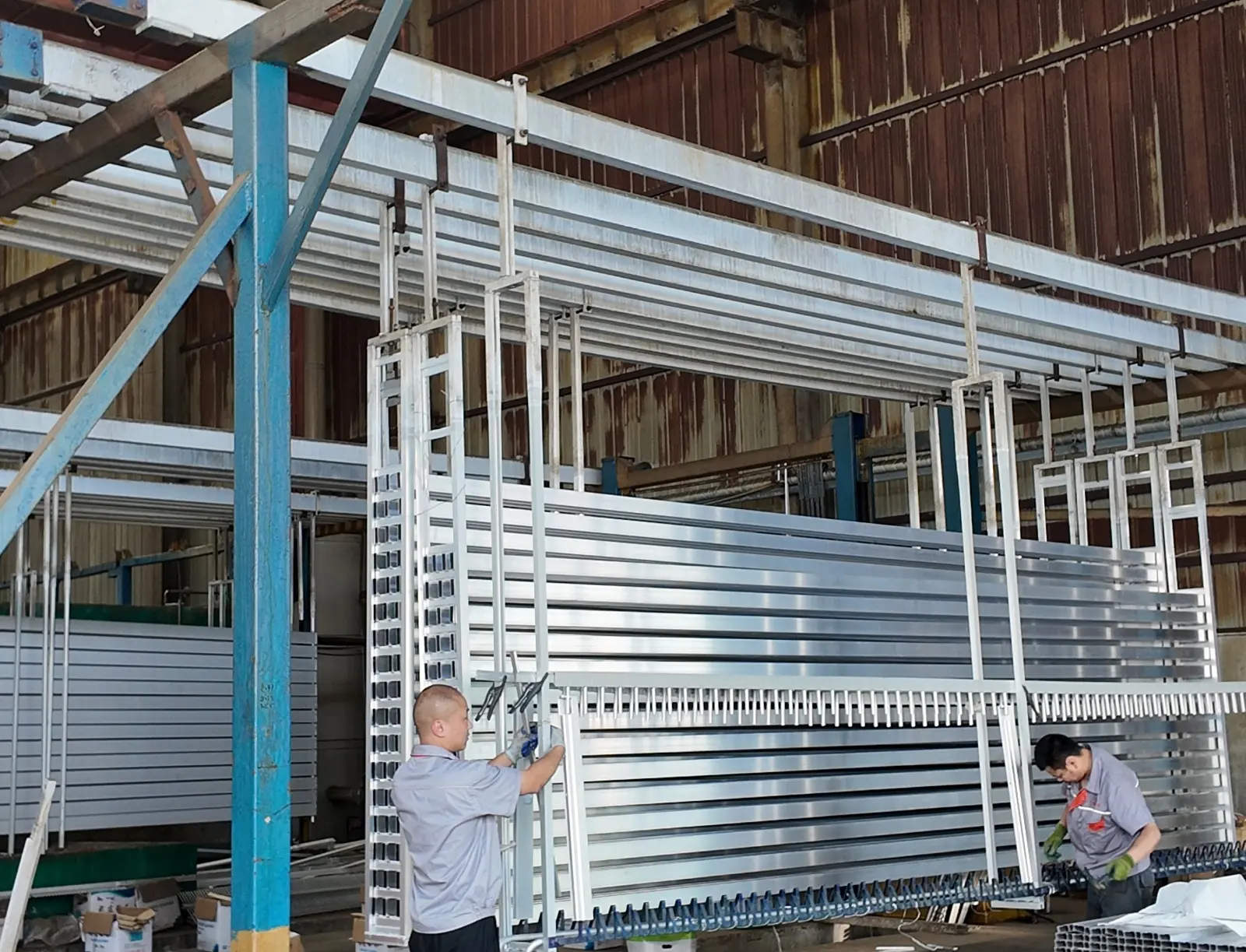

The manufacturing landscape for automated mechanical components is evolving, driven by the following key trends:
When sourcing aluminum profiles and CNC parts, B2B procurement managers should evaluate suppliers based on the following three key pillars to ensure reliability, consistency, and compliance:
Ensure the manufacturer uses multi-axis CNC machines (3-axis, 4-axis, and 5-axis systems) capable of achieving tolerances down to ±0.01 mm. Ask for coordinate measuring machine (CMM) reports and statistical process control (SPC) data, especially for tight-tolerance mating interfaces like bearing seats and guide pathways.
The internal microstructure of extruded aluminum determines its strength. High-quality factories control hot extrusion temperatures and speed to prevent internal tearing and coarse grain layers, ensuring uniform mechanical properties across the entire length of the profile.
A reliable supplier must have deep process integration, supported by industry-standard certifications such as IATF 16949 for automotive-grade reliability, ISO 22163 for rail vehicles, and EN 15085-2 / AWS D1.2 to verify structural welding capabilities.
Expert answers regarding material parameters, customization capabilities, and B2B sourcing.
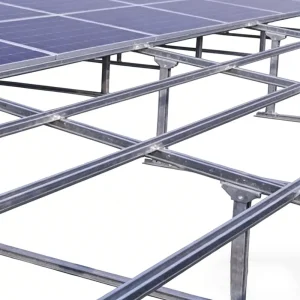
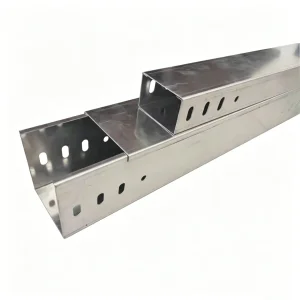
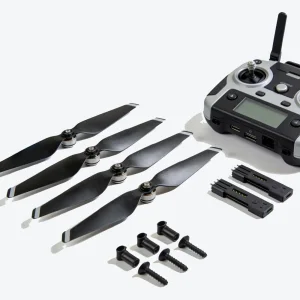
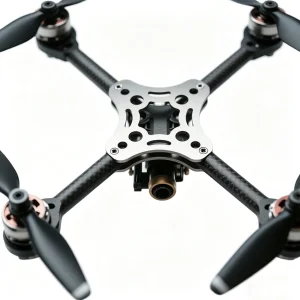
Explore our complete range of specialized industrial profiles, brackets, and drone arm assemblies.