Kangjian
Kangjian
Kangjian
Explore our high-performance extruded aluminum profiles and precision CNC-machined components designed for multi-axis kinematic systems.
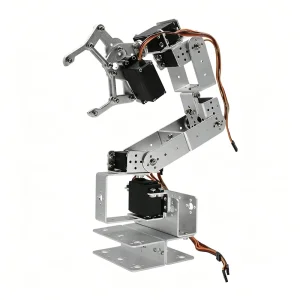
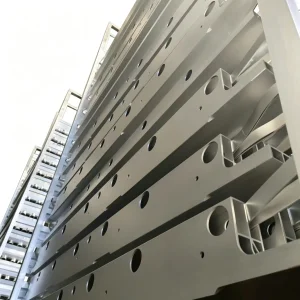
In modern industrial automation, the mechanical arm is the focal point of mechanical stress, dynamic loading, and repetitive kinetic strain. Designing and manufacturing structural components for these systems requires an uncompromising balance of weight, structural rigidity, and fatigue resistance. While steel structures offer high modulus, they introduce massive inertia that limits acceleration rates, increases energy consumption, and demands larger, more expensive servo motors. High-performance aluminum profiles, specifically those engineered from 6000-series alloys, have emerged as the industry standard, providing high strength-to-weight ratios, superior corrosion resistance, and unmatched ease of secondary CNC precision machining.
At Qingdao Kangjian Aluminum Industry Technology Co., Ltd., we bridge the gap between metallurgy and mechanical engineering. Operating from our state-of-the-art production base in Qingdao, China, we supply global system integrators and robotics OEMs with certified structural extrusions and custom-machined mechanical arm profiles that meet the most stringent operational criteria.
Selecting the correct aluminum alloy for a mechanical arm is not merely a choice of material; it is a critical engineering decision that dictates the system's operational envelope, natural frequency, and fatigue life limit. The most common alloys employed in industrial robotics are 6061-T6 and 6063-T5/T6, each possessing distinct metallurgical properties that affect mechanical behavior.
Alloy 6061 tempered to T6 represents the peak of structural utility in medium-to-high stress applications. Major alloying elements include Magnesium (Mg) and Silicon (Si), forming magnesium silicide (Mg2Si) precipitates through solution heat treatment and artificial aging. This alloy demonstrates a tensile yield strength of at least 276 MPa (40,000 psi) and ultimate tensile strength of 310 MPa (45,000 psi). In mechanical arms, 6061-T6 is preferred for base mounts, structural links, and wrist components where dynamic torque resistance and structural rigidity are paramount.
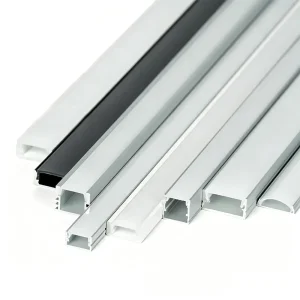
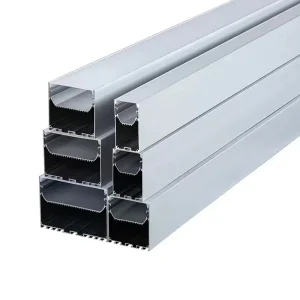
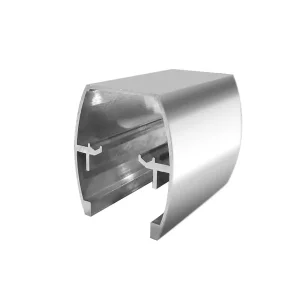
Alloy 6063 is characterized by slightly lower levels of Magnesium and Silicon, which enhances its extrusion properties. This allows for the production of highly complex cross-sections with thinner walls and integrated internal channels (such as pneumatic paths or wire guides). Heat treated to T5 or T6, it offers yield strengths in the range of 145 to 214 MPa. It is highly valued for modular guide rails, protective robotic arm coverings, and peripheral gantries where complex cross-sectional geometries take precedence over maximum load-bearing capacities.
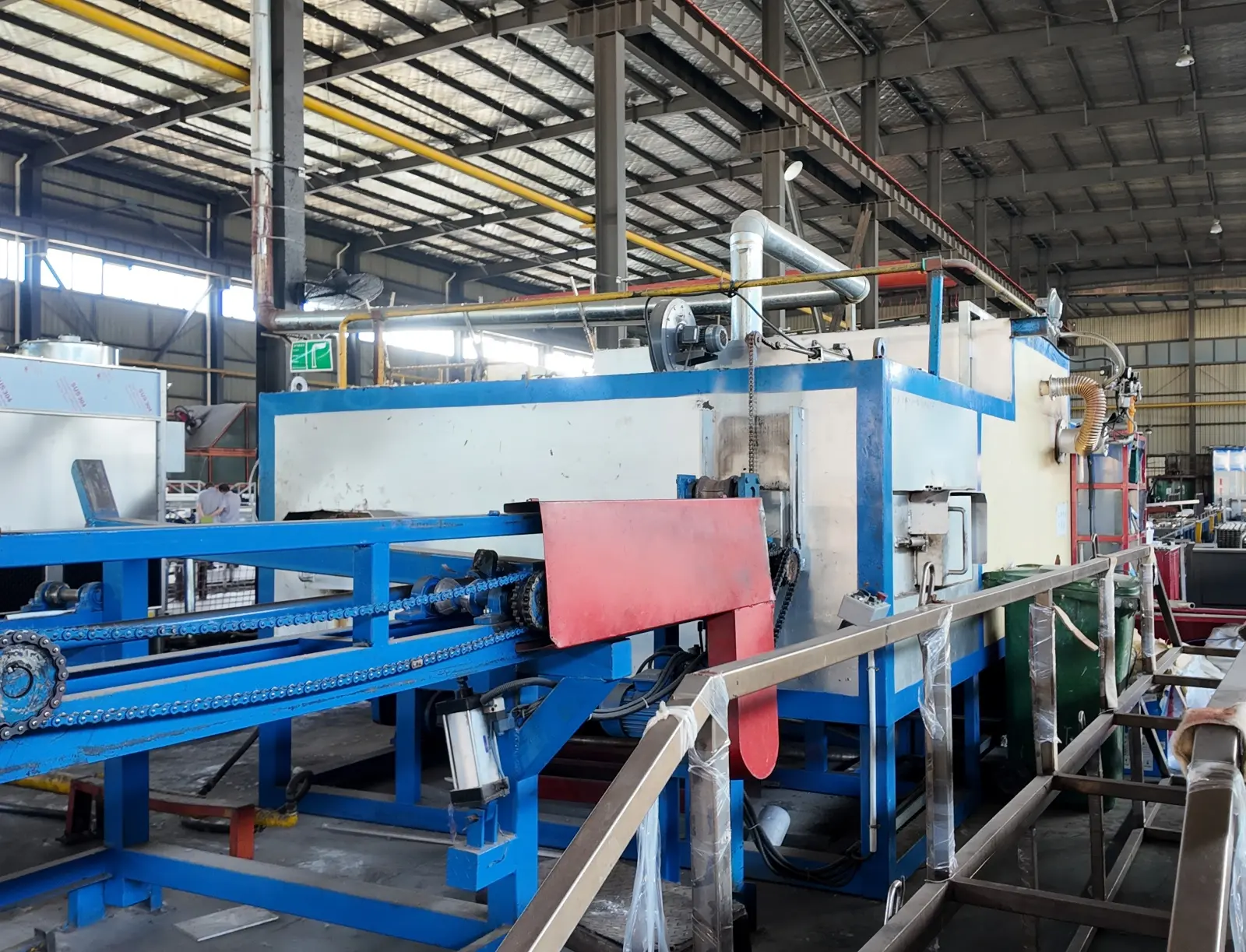
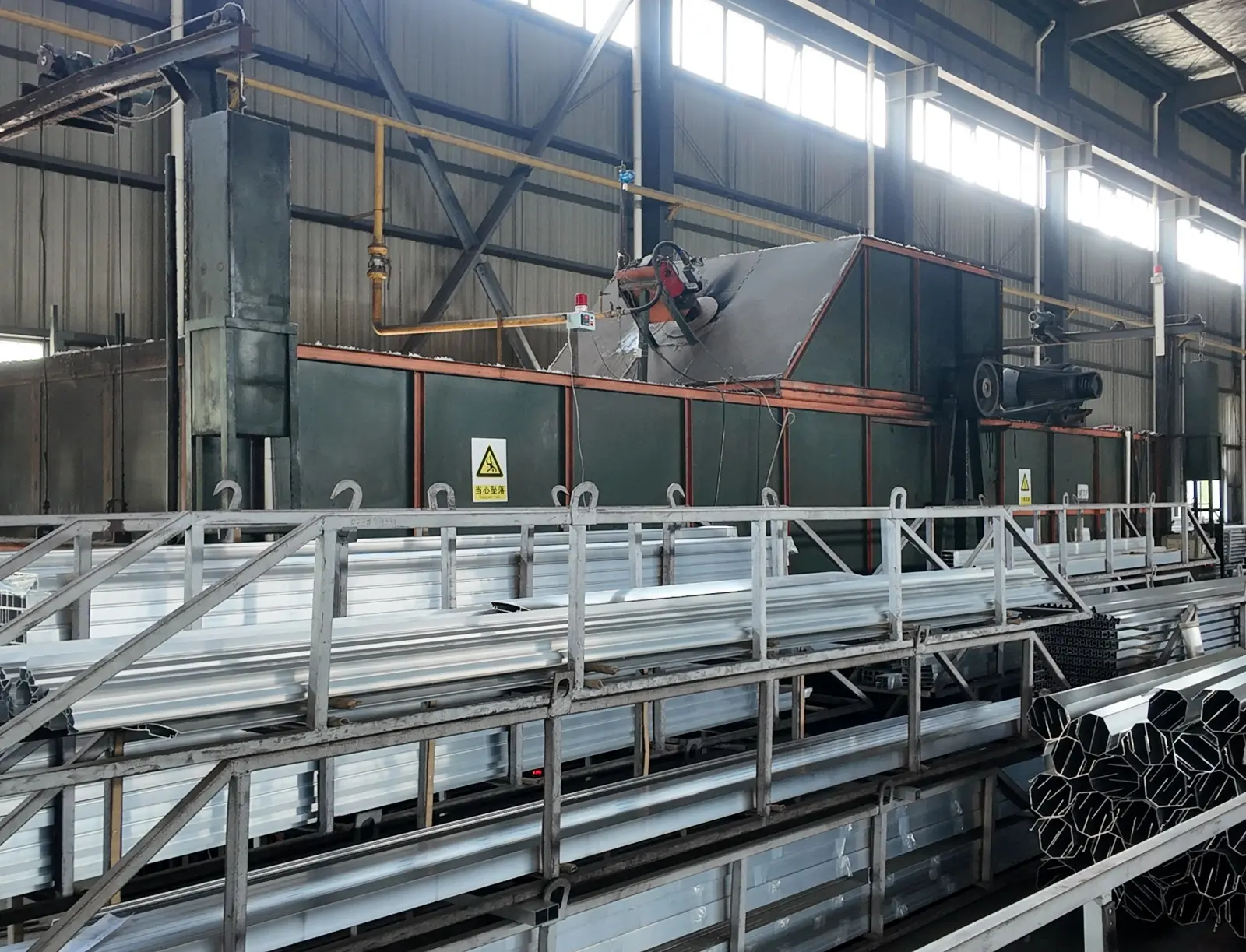
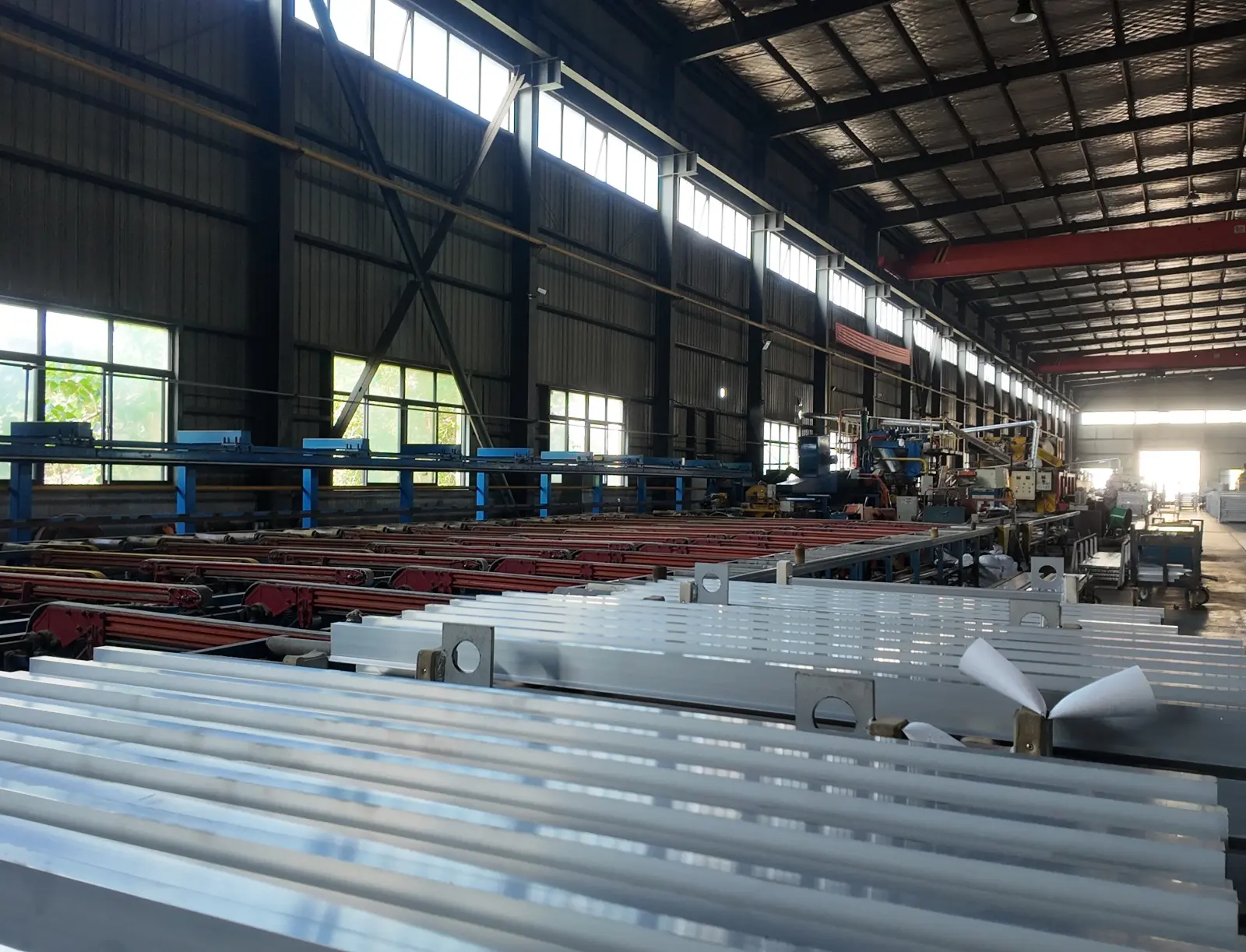
The manufacturing flow at Kangjian Aluminum utilizes an advanced combination of press force control, temperature monitoring, and post-extrusion quenching to secure optimal mechanical properties:
Our fleet of extruders, ranging from 700T to 2500T, enables us to manufacture profiles with wall thicknesses down to 1.0mm and circumscribing circle diameters up to 250mm, ensuring complete design freedom for robotics developers.
Procuring raw materials and semi-finished products from a vertically integrated factory in China offers substantial advantages in lead time reduction, cost efficiency, and design flexibility. Qingdao Kangjian Aluminum operates as a direct manufacturer, eliminating middle-tier margins and offering a seamless progression from raw billet to finished CNC component.
Our strategic placement in the Jimo District of Qingdao aligns us closely with the Port of Qingdao—one of the largest deep-water ports in the world. This proximity drastically reduces domestic logistics costs and translates directly to lower freight rates and shorter maritime transit times to international high-end markets. For clients in South Korea and Japan, transit times can be as short as 2 to 4 days, while direct routes to Europe and the Americas are serviced daily by global shipping alliances.
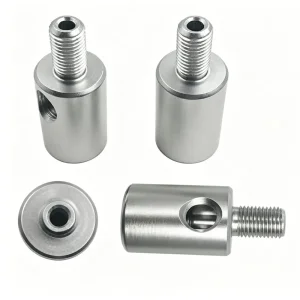
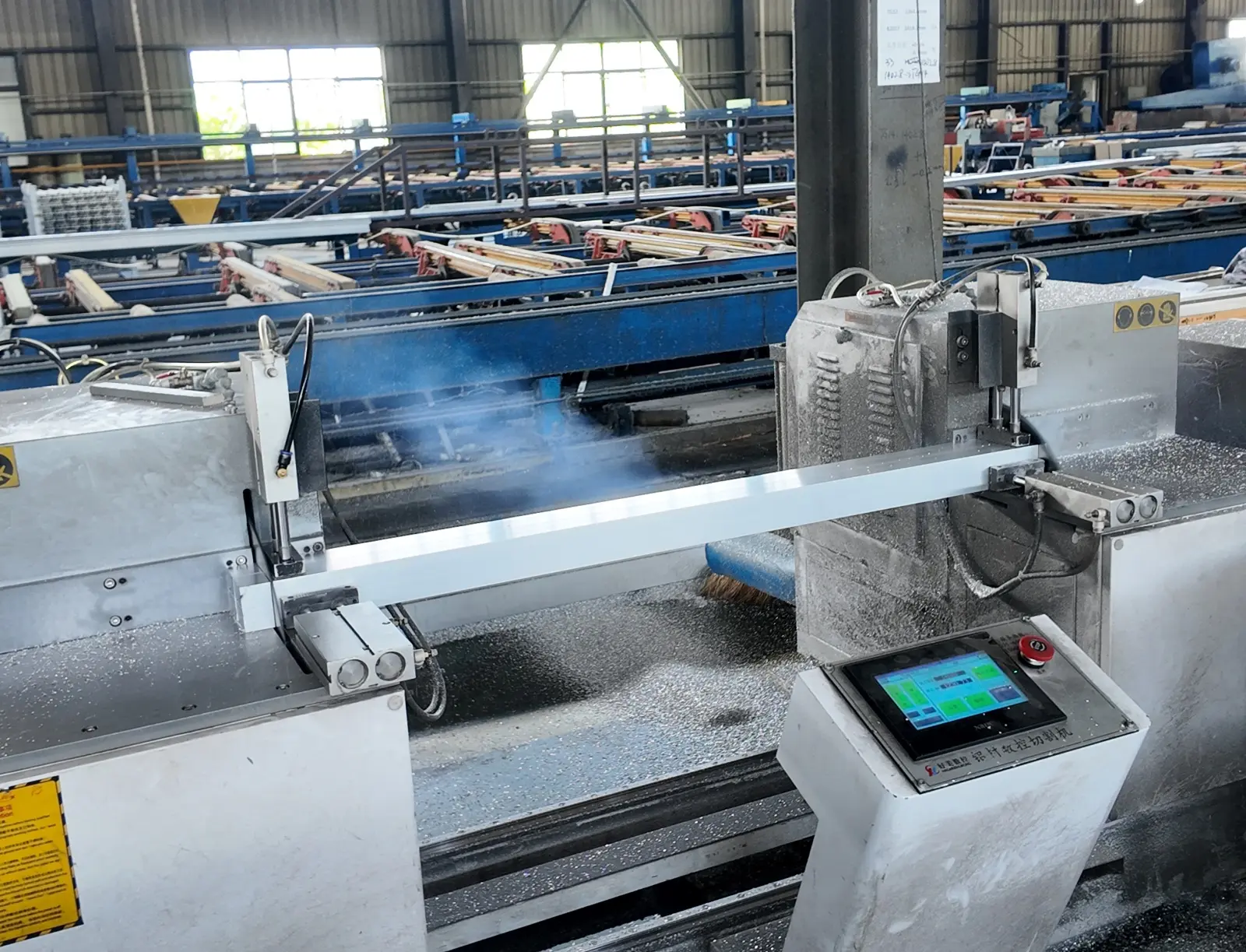
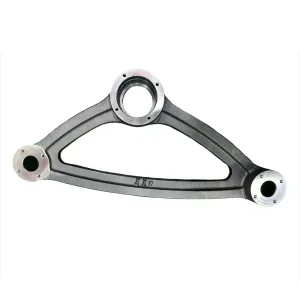
Many suppliers only extrude aluminum, requiring clients to source external CNC machining facilities for precision holes, threads, and slotting. Kangjian operates five advanced extrusion lines alongside an extensive secondary processing workshop. This integrated capability guarantees that critical alignment tolerances (down to ±0.02 mm) are managed under a single quality control system, minimizing cumulative errors across the manufacturing chain.
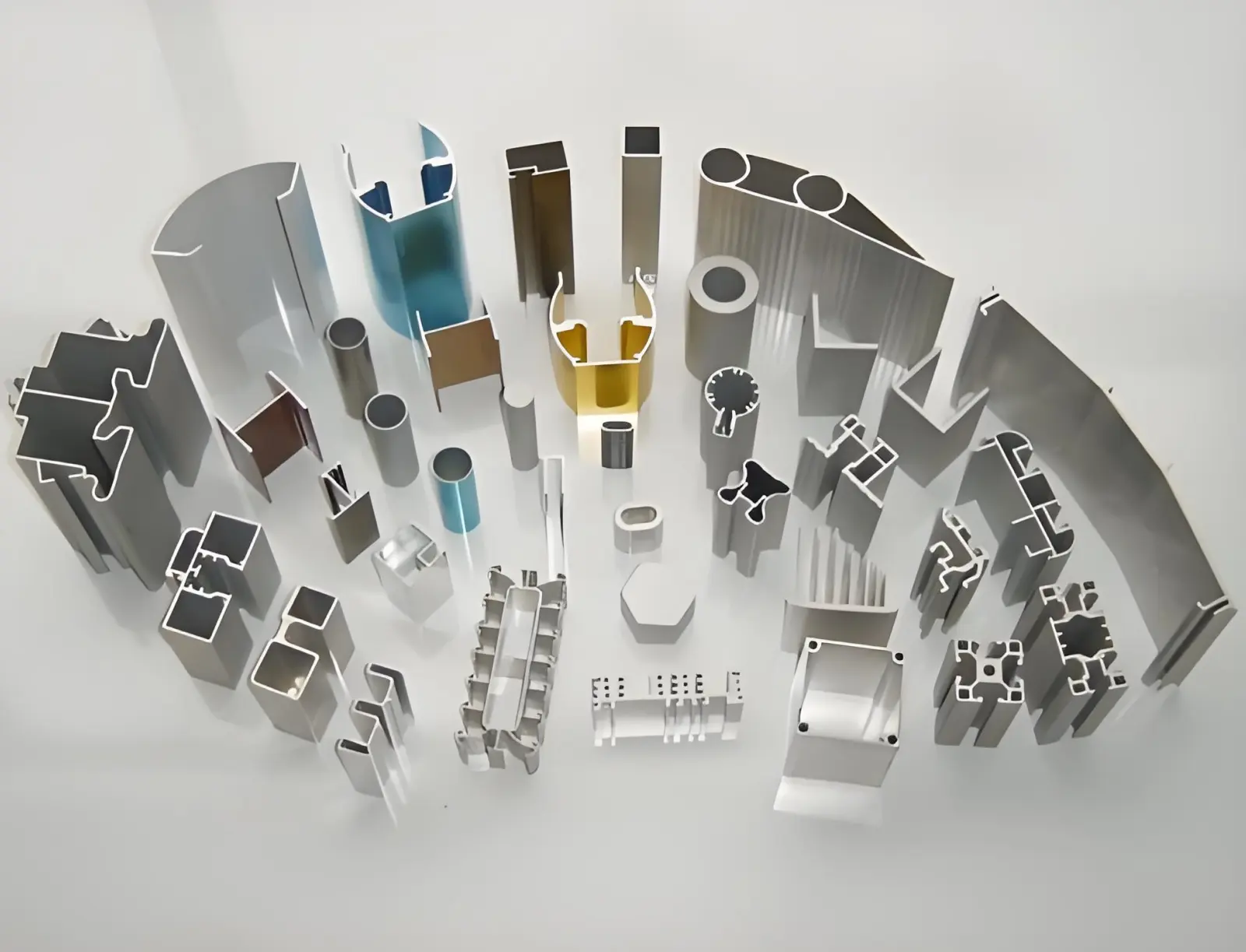
Procurement directors and mechanical engineers sourcing profiles for high-speed mechanical arms must navigate complex technical parameters. Our engineering department operates under a strict "Design for Manufacturability" (DFM) approach, analyzing customer drawings to optimize both structural safety and production efficiency.
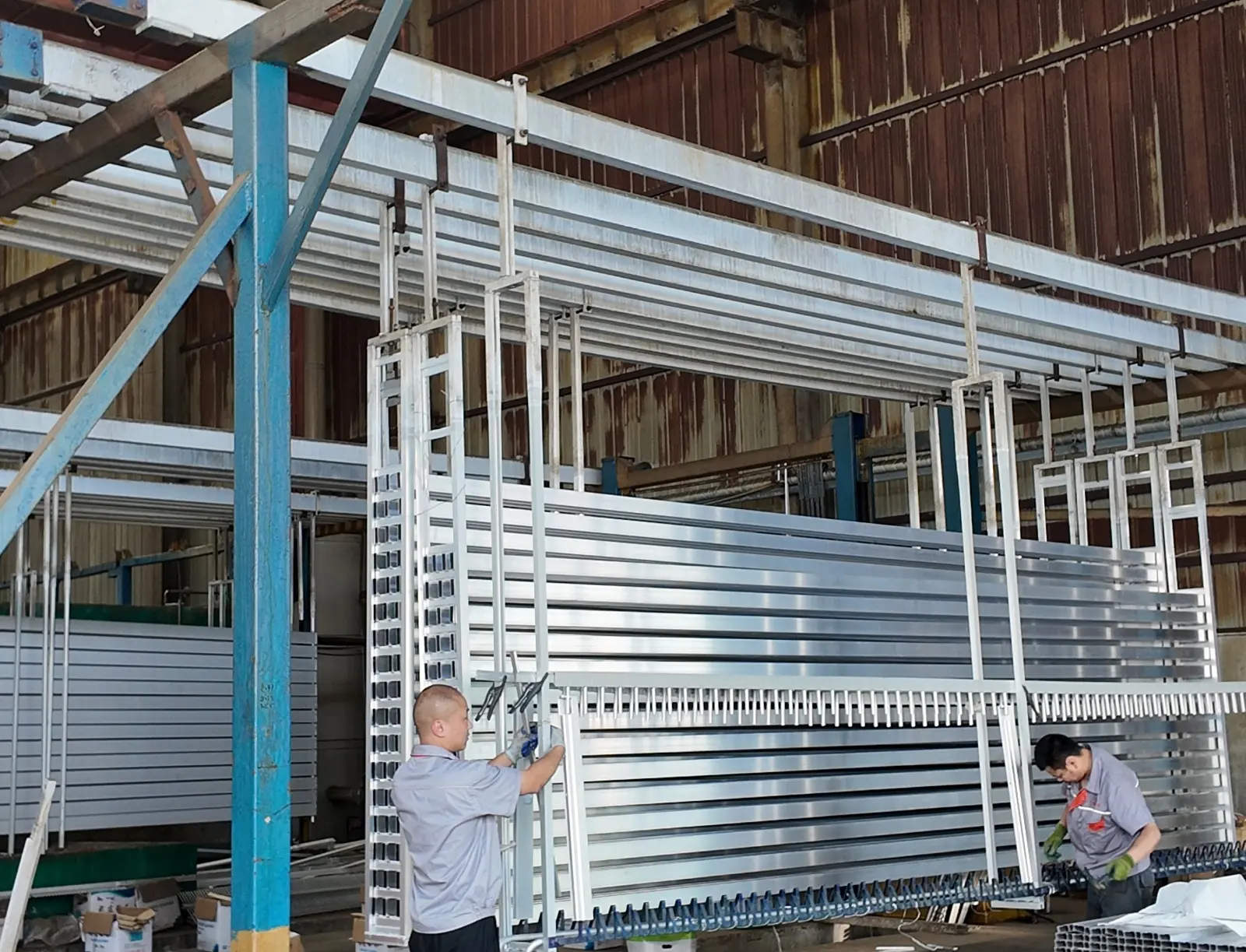
Mechanical arms operate in dynamic, friction-prone environments. Raw aluminum is susceptible to surface oxidation and galling when in contact with other metals. We provide advanced surface treatments to mitigate these issues:
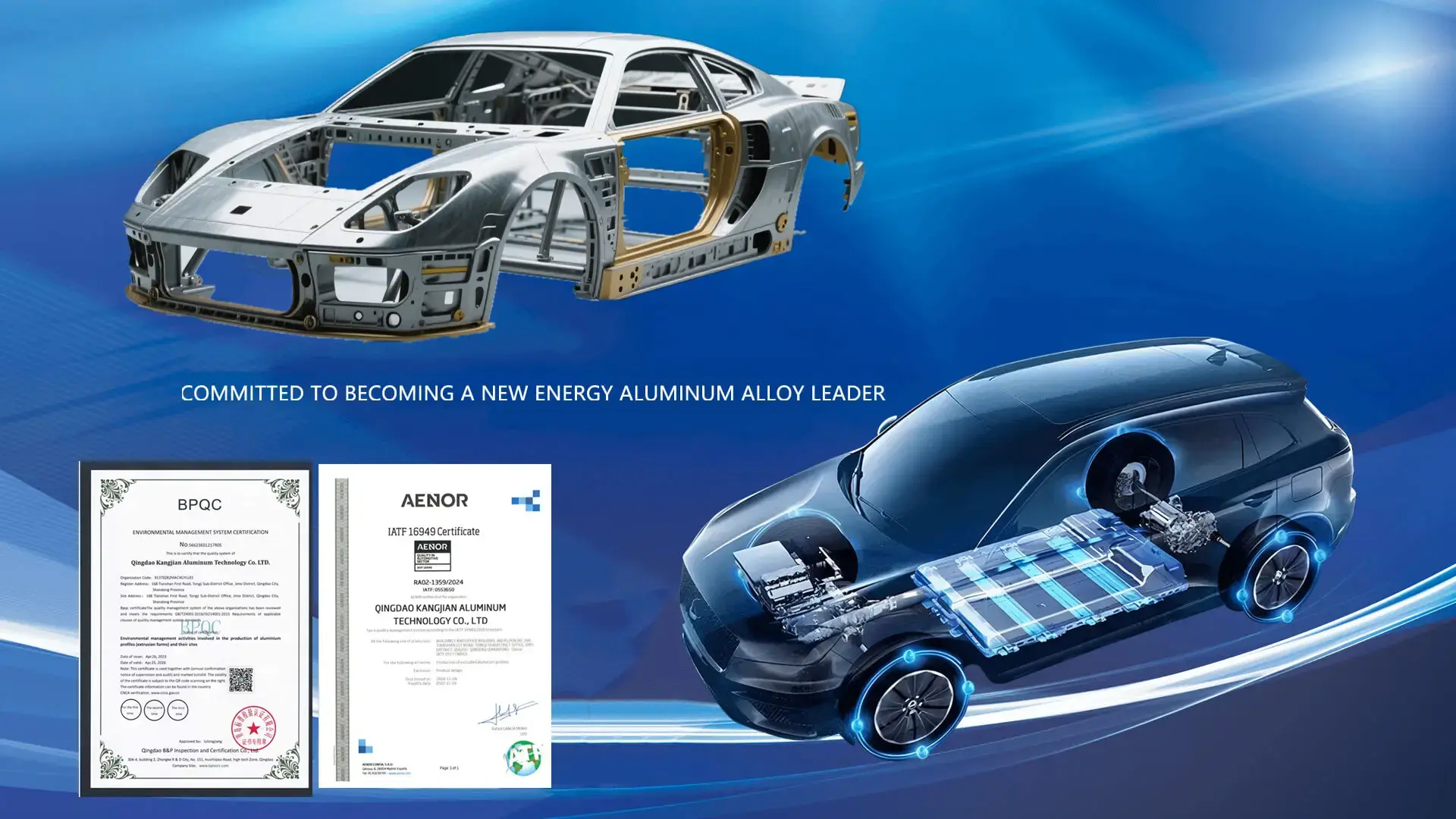
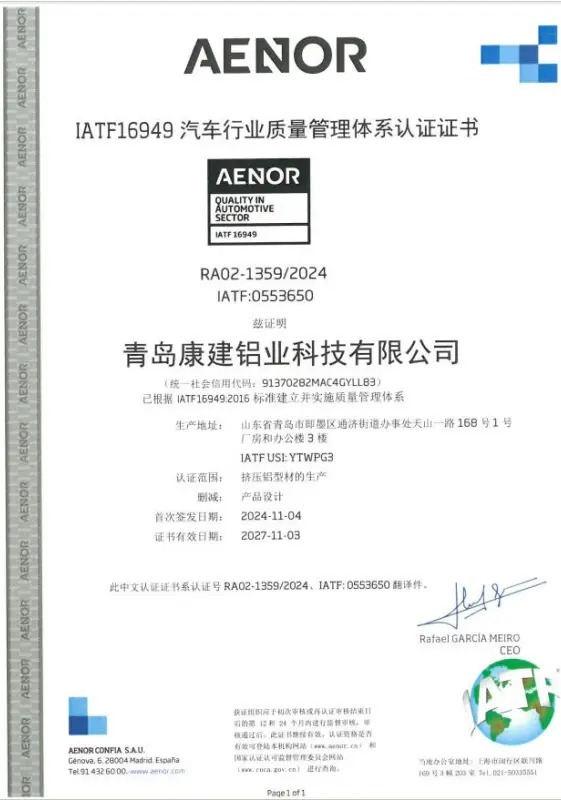
For global enterprises, product compliance is a crucial factor in vendor qualification. A failure in metallurgical quality or quality management system standards can disrupt manufacturing lines and lead to costly field failures. Kangjian Aluminum operates with a comprehensive framework of international industrial certifications, ensuring that our products integrate seamlessly into regulated industry supply chains.
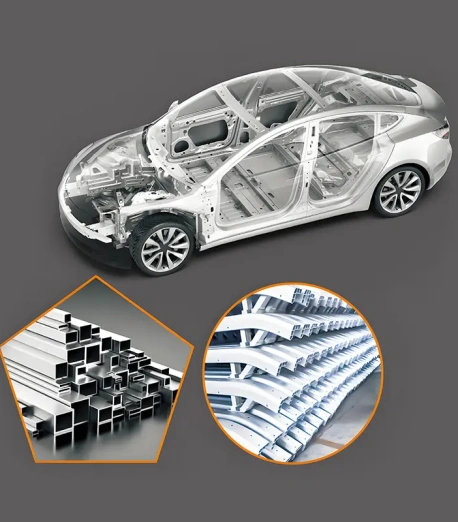
Originally designed for the automotive sector, this strict quality standard emphasizes defect prevention, variation reduction, and supply chain continuous improvement. Applied to mechanical arm fabrication, it guarantees that every extrusion batch exhibits uniform density, minimal grain boundary defects, and highly stable tensile strengths.
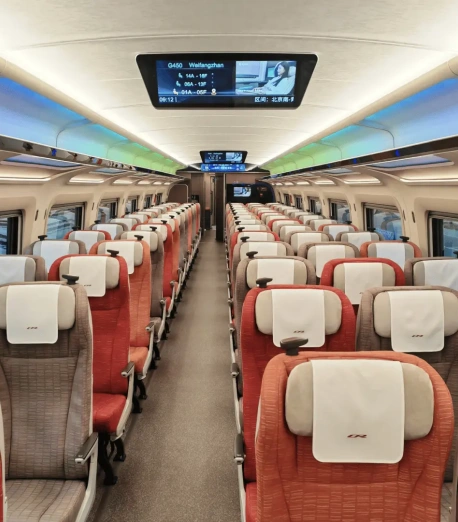
Catering to railway vehicle chassis, structures, and interior components requires high fatigue endurance values. Achieving this standard underscores our capacity to extrude aluminum profiles capable of withstanding hundreds of millions of low-amplitude vibration cycles without experiencing structural crack propagation.
Aluminum welding is highly susceptible to heat-affected zone (HAZ) softening and micro-porosity. Our certified welding lines, operating under EN 15085 Class CL1 and AWS guidelines, verify that our structural fabrications maintain structural integrity at joint interfaces under dynamic stresses.
Supply Chain Security and Auditing: We offer comprehensive Material Test Reports (MTRs) according to EN 10204 3.1, chemical composition analysis reports via optical emission spectrometry, ultrasonic flaw detection for heavy-wall extrusions, and coordinate measuring machine (CMM) dimensional reports for CNC machined arm components.
The global demand for industrial robotics is expanding rapidly, driven by factory automation, the rise of collaborative robots (cobots), and the logistics automation boom. These trends are shaping the design of mechanical arm profiles:
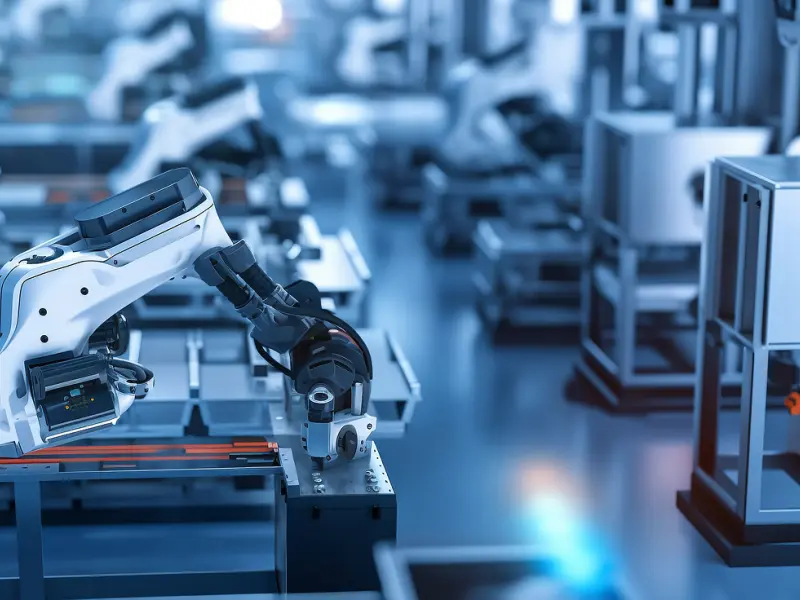
Modern cobots operate alongside human technicians and rely on highly sensitive joint torque sensors to detect collisions. Decreasing the deadweight of the moving arm segments through thin-walled, hollow-core aluminum extrusions reduces overall system inertia. This design choice improves response times and enhances human safety by lowering kinetic energy levels.
Compact, high-power servo motors mounted directly within the joints of mechanical arms generate substantial heat. By utilizing extruded aluminum structures with integrated internal cooling fins or dedicated conduits for air/liquid cooling, the arm itself acts as a structural heat sink, helping maintain optimal motor performance.
Understanding the actual conditions under which aluminum profiles operate is vital to ensure robust designs. Below are key scenarios where our profiles excel:
Expert answers addressing the design, metallurgy, and procurement requirements of aluminum mechanical arm systems.
Established in 2022, Qingdao Kangjian Aluminum Industry Technology Co., Ltd. is located at No. 168, Tianshan 1st Road, Jimo District, Qingdao City. Over our years of operation, we have established a 200-mu industrial production base, comprising 80,000 square meters of factory space and 4,000 square meters of modern offices. Operating five extrusion lines (including 2500T, 1450T, 1150T, and dual 700T units), our facility has an annual production capacity of 15,000 tons of high-grade aluminum profiles.
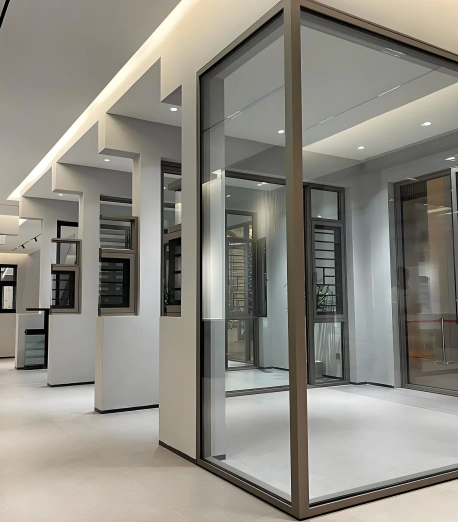
We specialize in manufacturing high-performance profiles for high-speed railways, subways, auto parts, marine craft, and energy-efficient buildings. Guided by our core mission, "Producing high-end aluminum materials and serving global customers," we consistently turn engineering promises into reliable, long-lasting products.
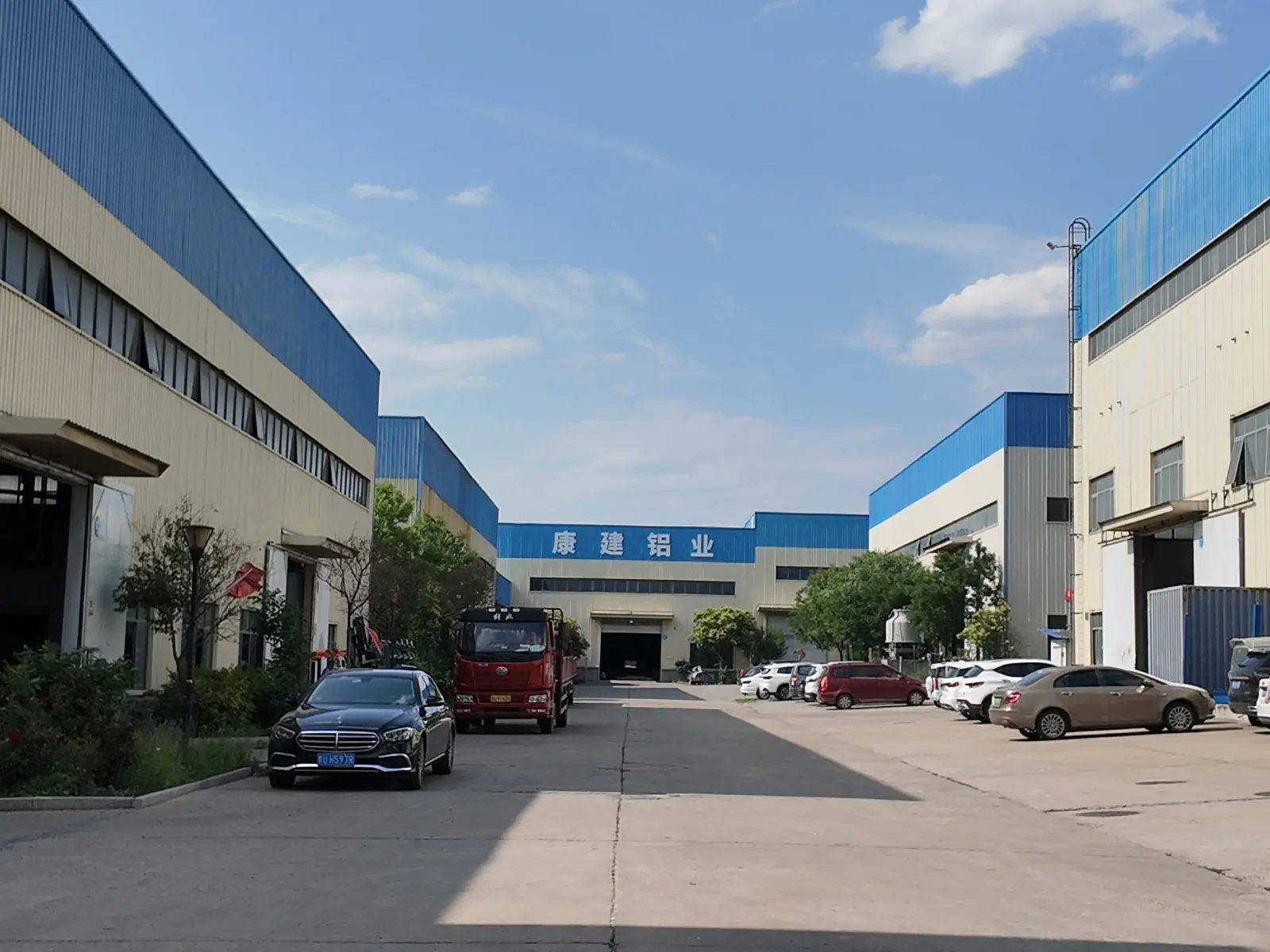
Since our founding, we have expanded our market reach from the coastal region of Qingdao to cover key industrial provinces in China, including Anhui, Hebei, Tianjin, Hunan, Guangdong, Beijing, and Jiangsu. Through our proximity to the Port of Qingdao, we have also developed strong positions in international markets, exporting to South Korea, Japan, the United States, and Europe.
Within three years of establishment, our average annual order delivery volume and output value have grown by 30% year-on-year, demonstrating strong market resilience.
Our product range covers industrial extrusions, automotive profiles, outdoor furniture profiles, building envelopes, medical device frames, and railway transit profiles.
Leveraging Qingdao's logistics advantages, we deliver engineered components directly to overseas automation integrators and mechanical system developers.
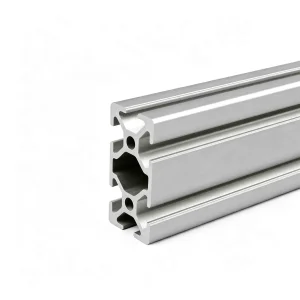
 Industrial Profile
 Automotive Profile
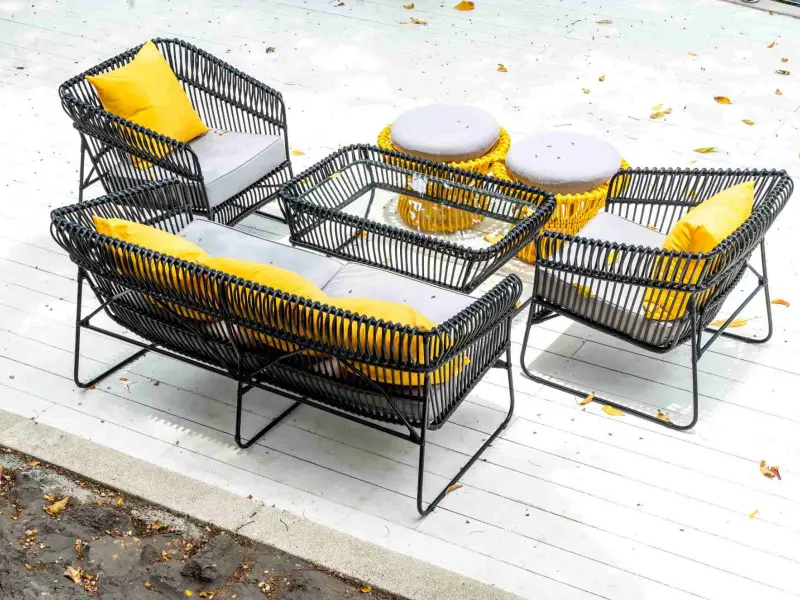 Outdoor Furniture Profile
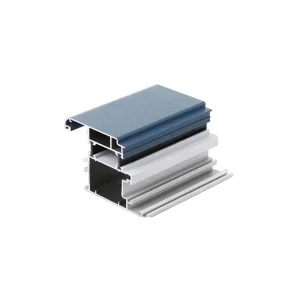
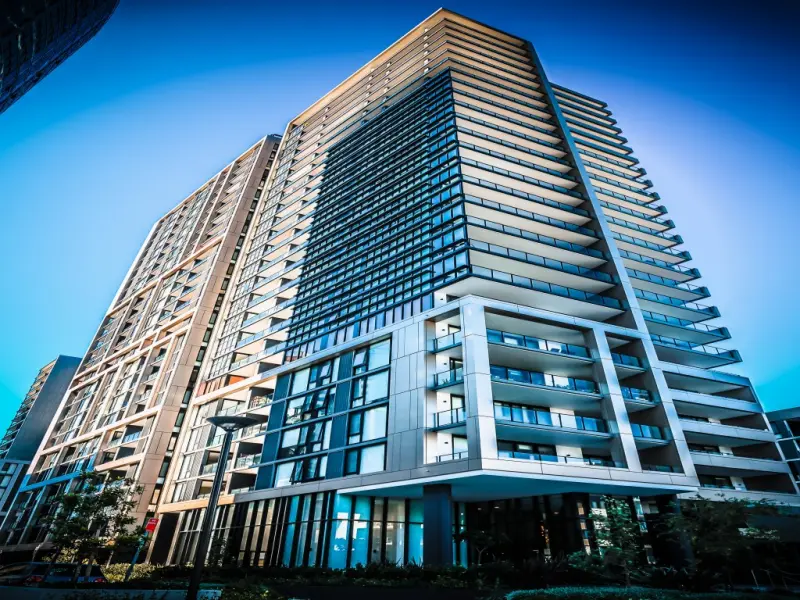 Building Profile
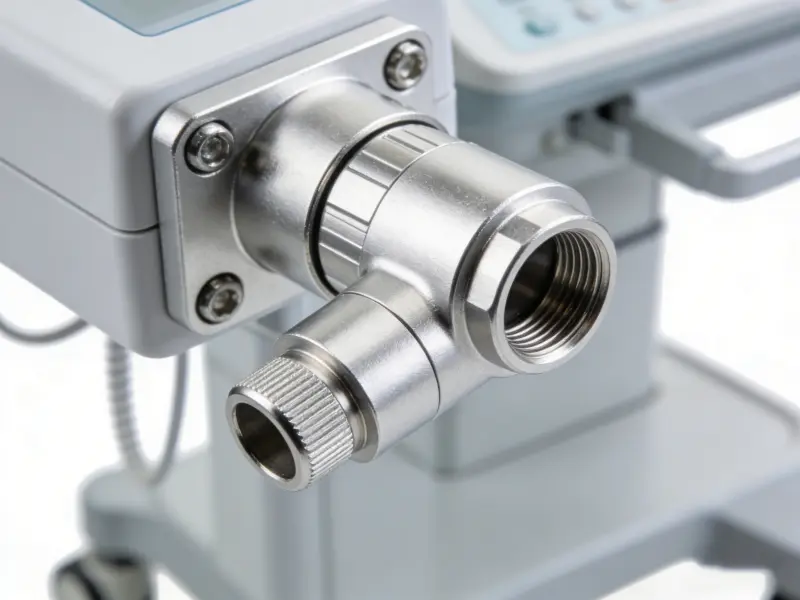 Medical Device Profile
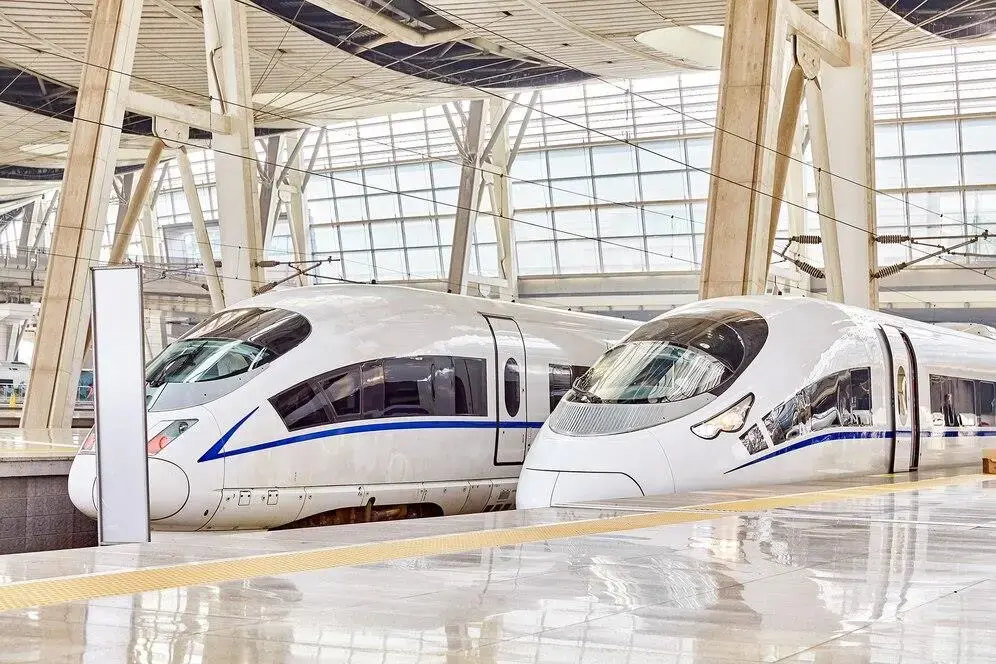 Logistics Profile
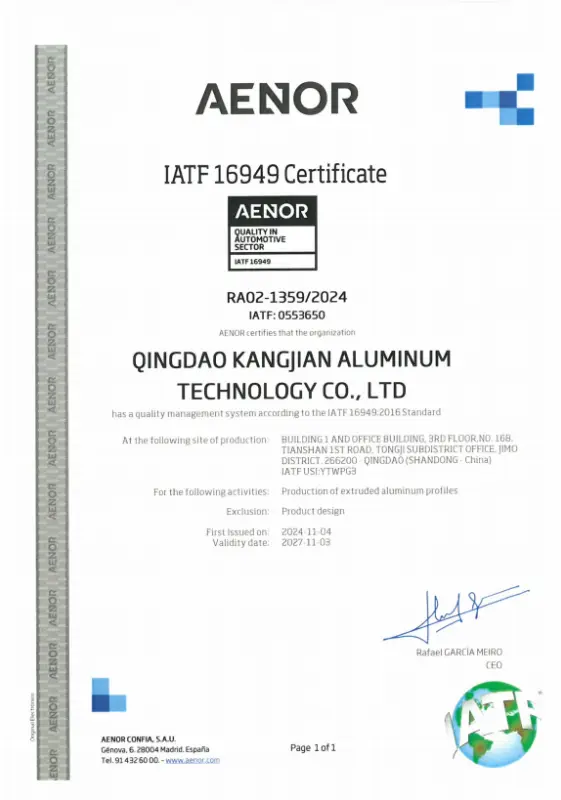
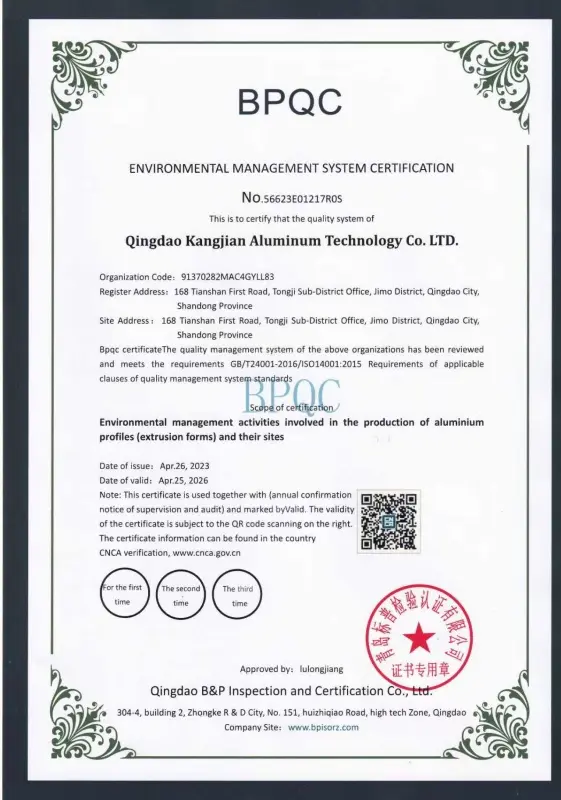
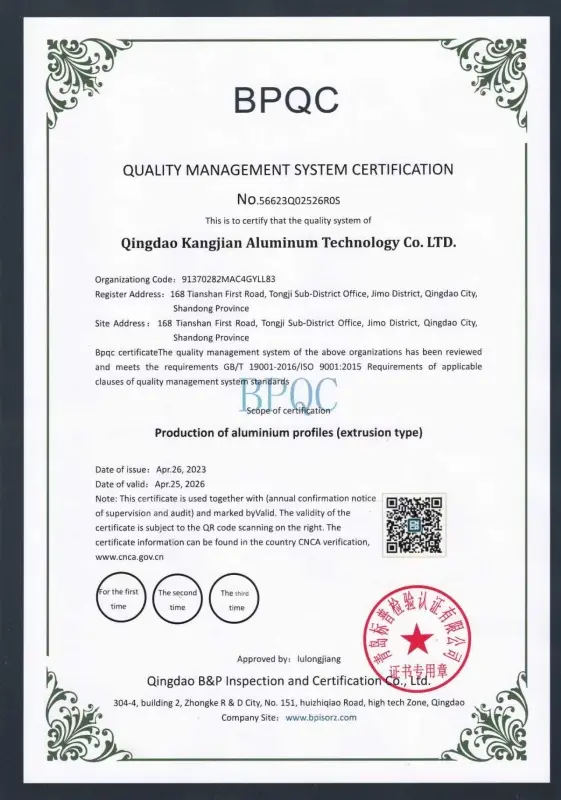
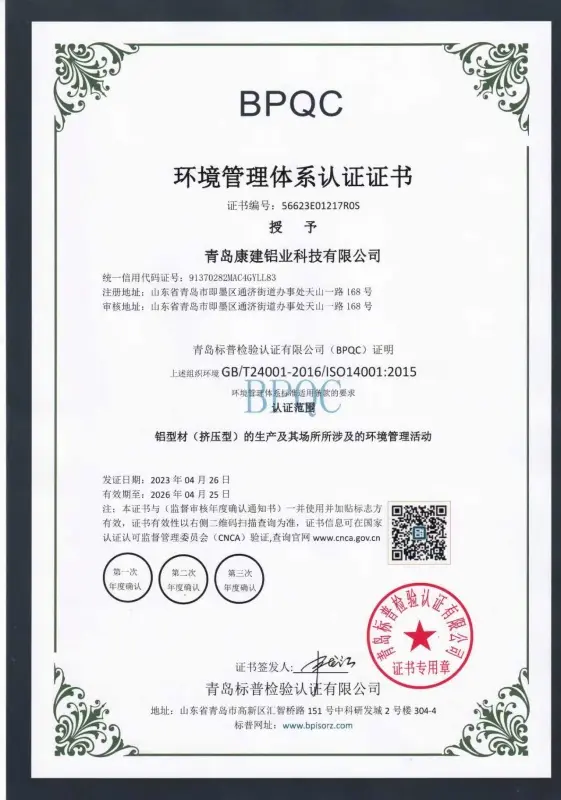
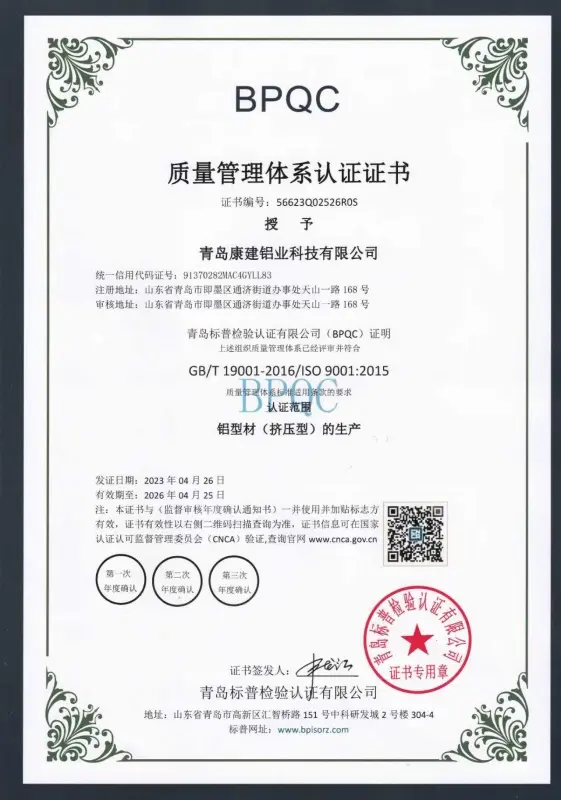
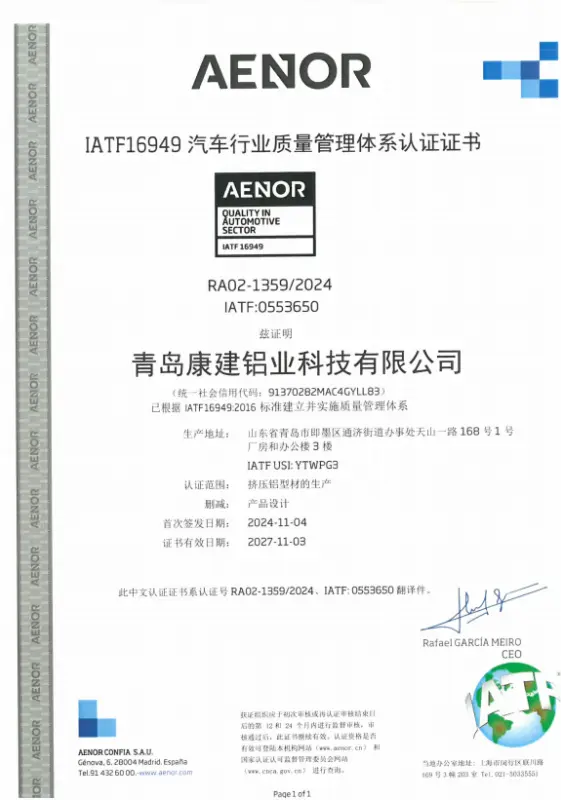


We actively participate in international industrial technology exhibitions, showcasing our latest aluminum extrusions and CNC structural component solutions for advanced manufacturing.

Complete your procurement configuration with our full list of structural sections, bracket assemblies, and high-strength linear profiles.