 Kangjian
Kangjian
Kangjian
Premium architectural and industrial profile systems engineered for structural longevity, precision robotics, and green energy applications.
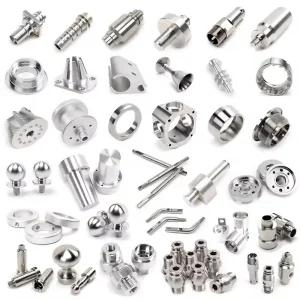
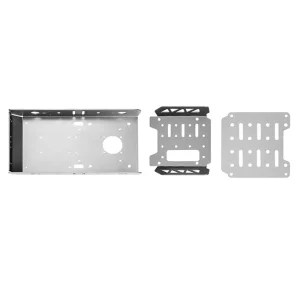
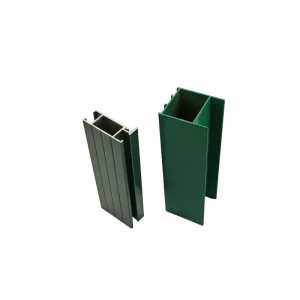
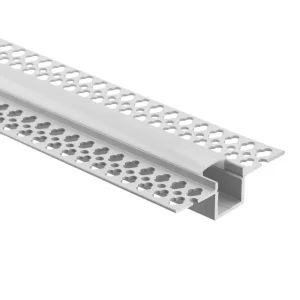
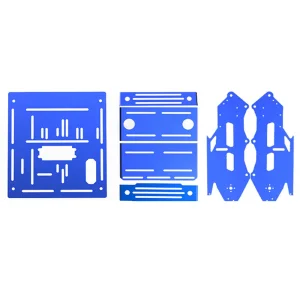
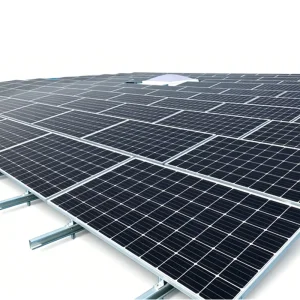
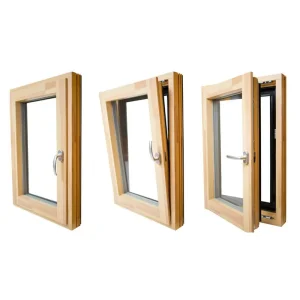
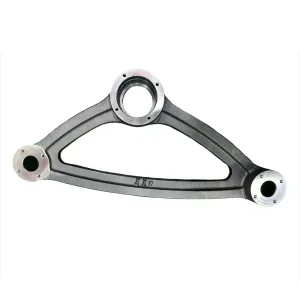
The global manufacturing footprint is experiencing a massive pivot. Industrial designs are moving away from traditional iron and steel in favor of advanced, lightweight aluminum alloys. This shift is particularly noticeable in structural, transportation, and automation applications. Driven by strict global carbon reduction initiatives and the rising demand for energy-efficient products, material science has embraced the aluminum extrusion process as a key driver of modern engineering.
Aluminum's outstanding strength-to-weight ratio, combined with its natural corrosion resistance, makes it highly valuable. When alloys are customized with specific tempering heat treatments—such as the standard 6060, 6061, 6063, or high-tensile 7075 series—their performance can rival structural steel while weighing only a third as much. Consequently, high-volume sourcing of aluminum components has transitioned from simple material procurement to a critical technical partnership focused on engineering precision, tolerance control, and consistent mechanical properties.
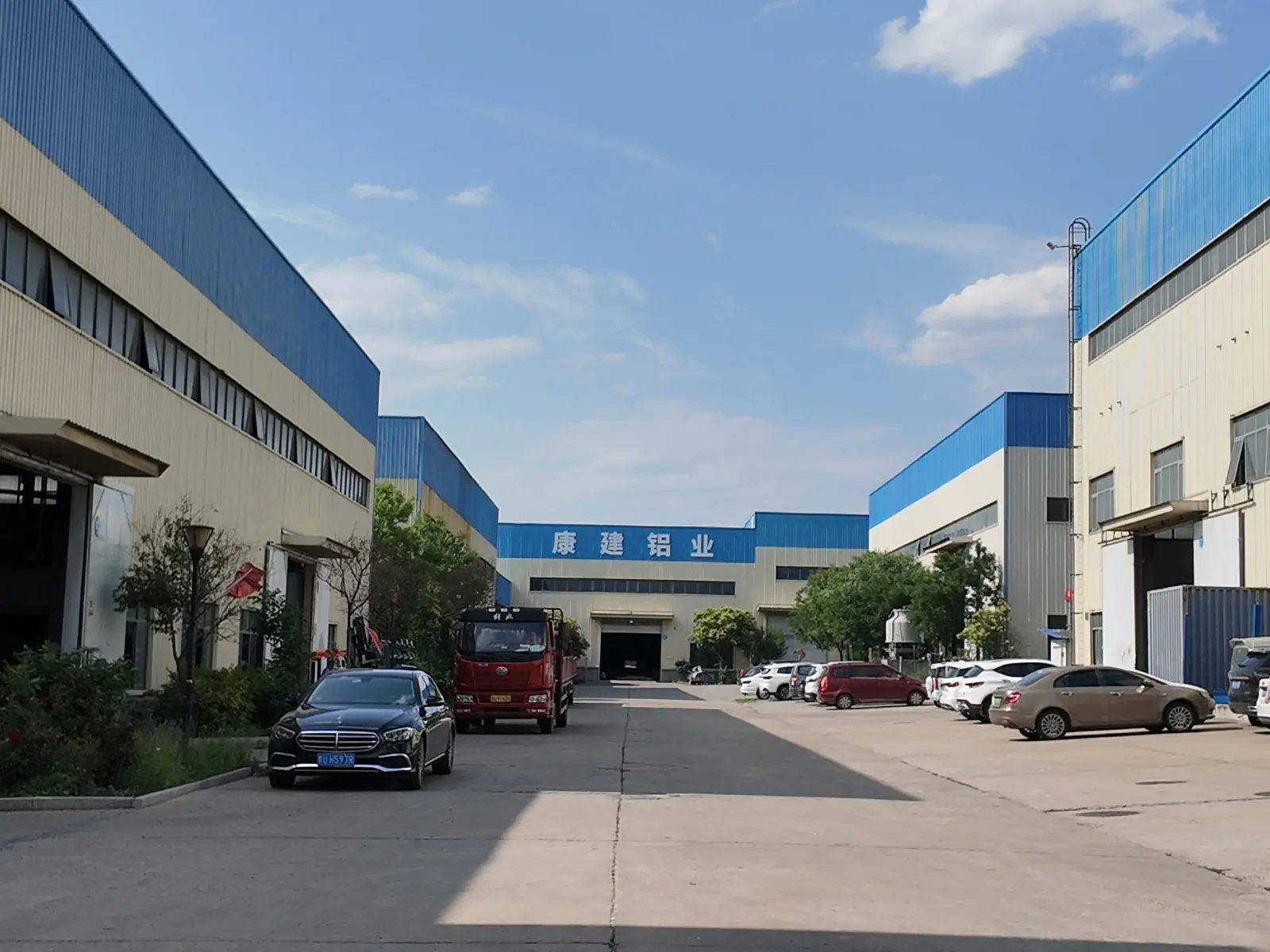
Providing global procurement teams with highly reliable supply chains, specialized metallurgy, and verified international compliance certifications.
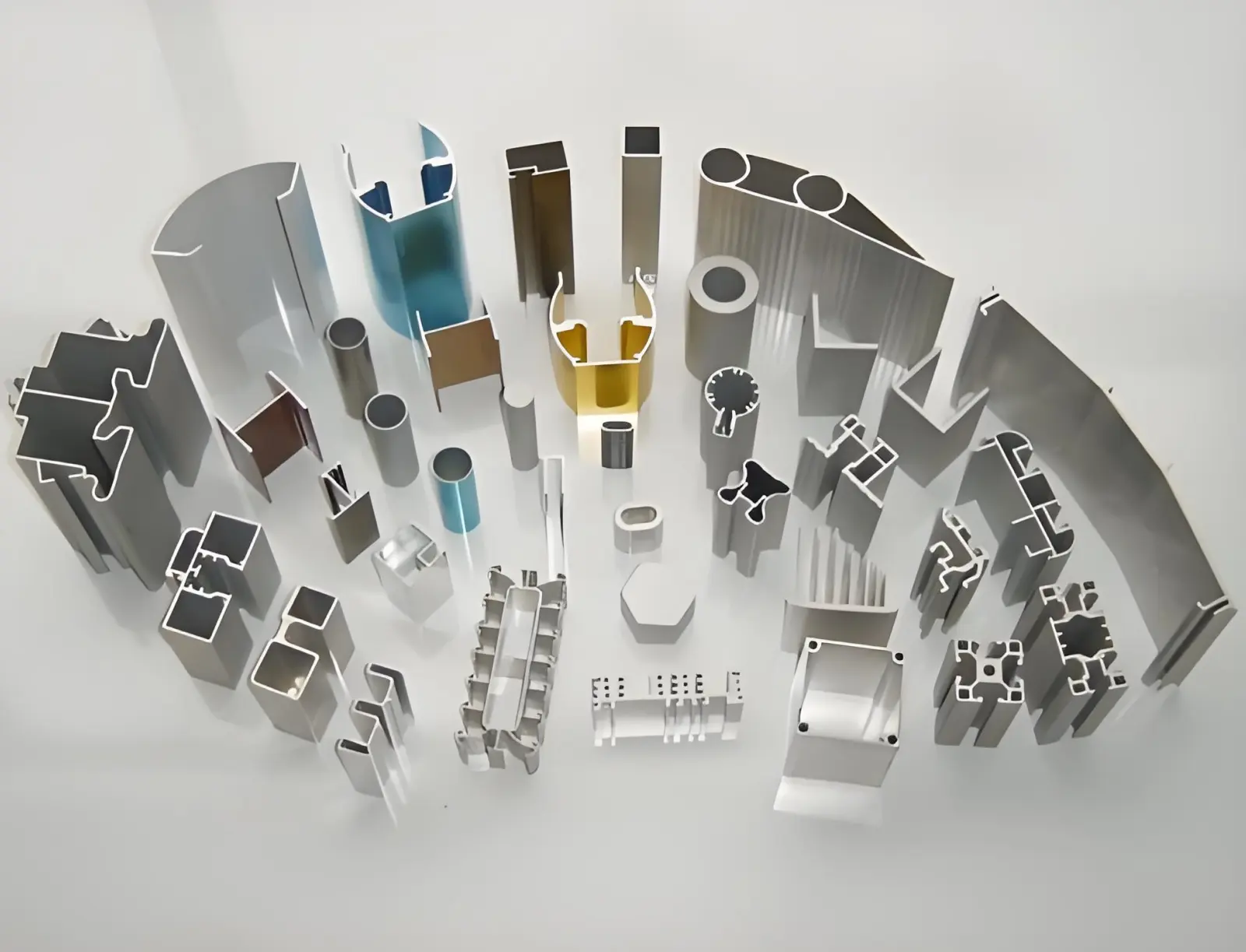
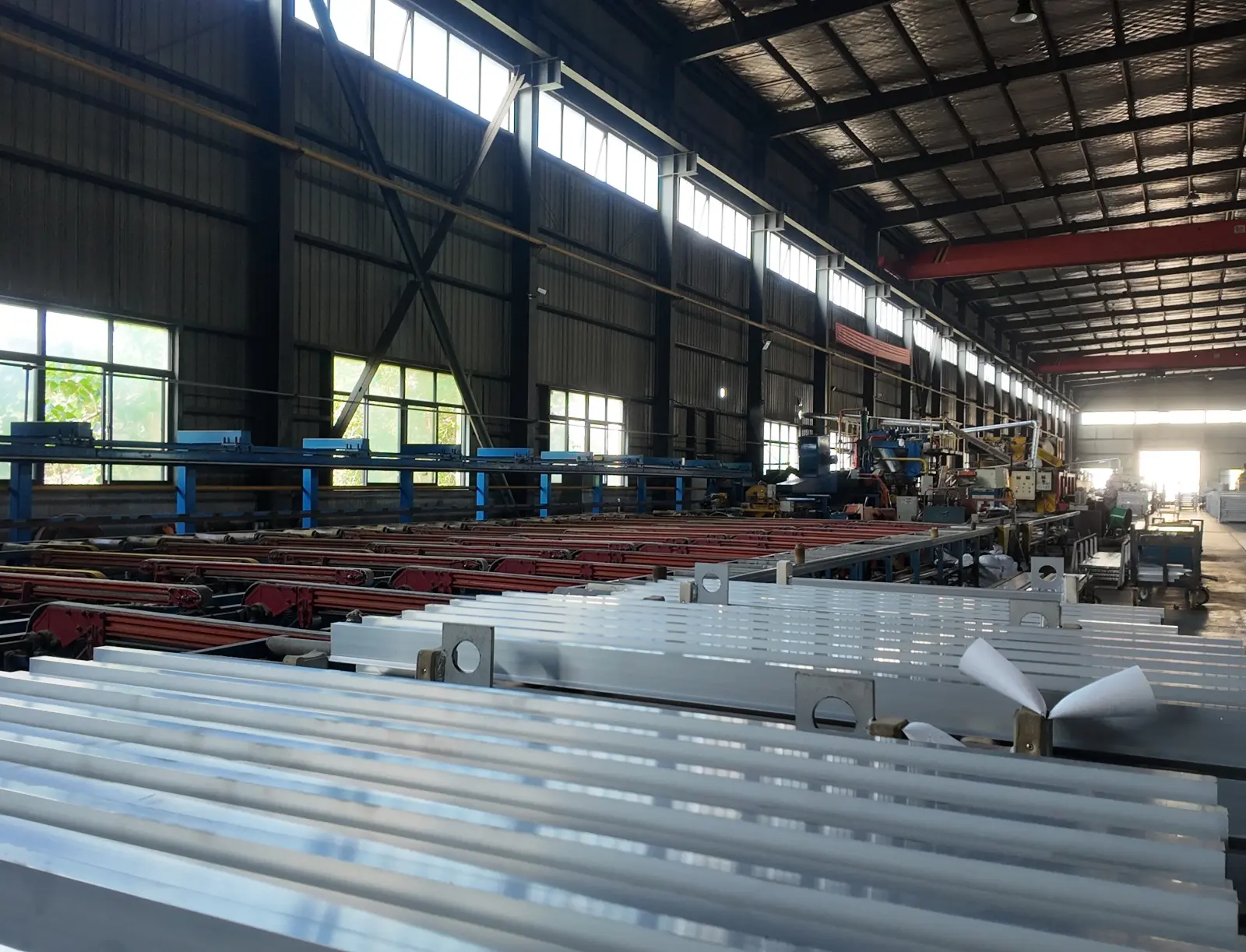
Founded with a focus on high-precision aluminum extrusion, Qingdao Kangjian Aluminum Industry Technology Co., Ltd. is a leading manufacturer in Jimo District, Qingdao, China. Operates within an advanced 200-mu industrial park, featuring an 80,000-square-meter facility dedicated to engineering quality extrusions for demanding global applications.
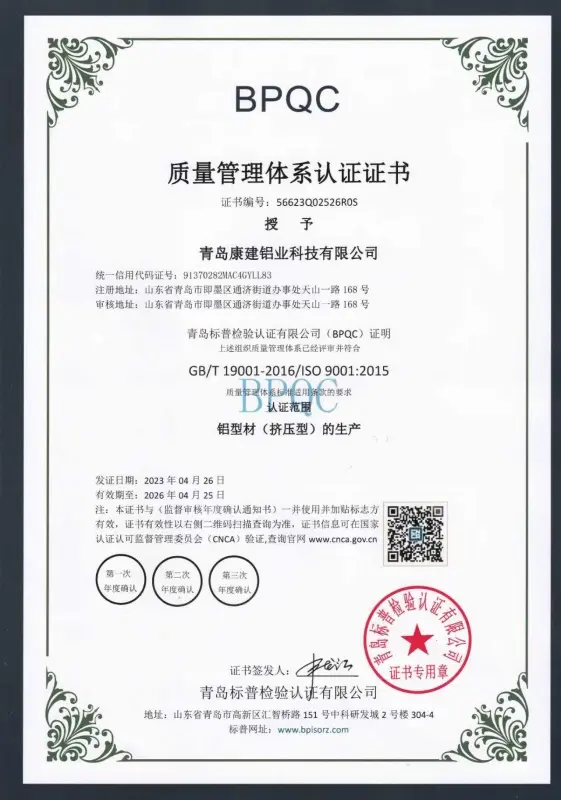
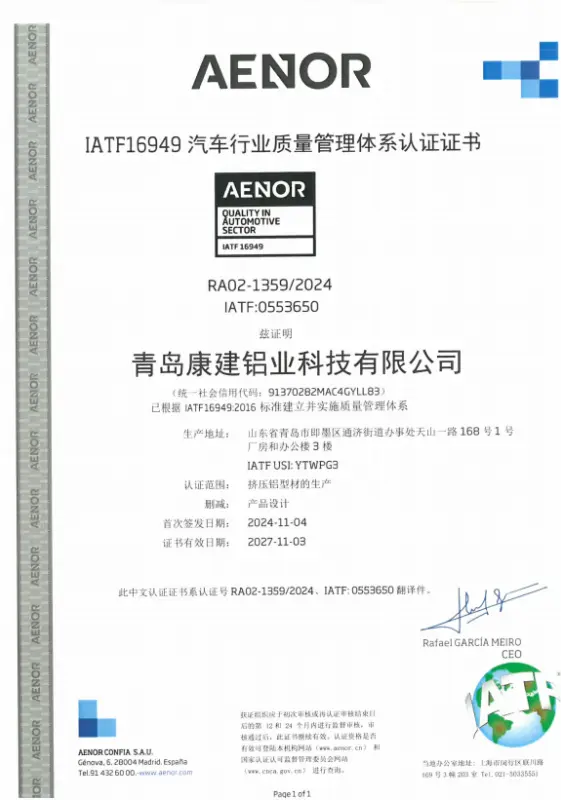
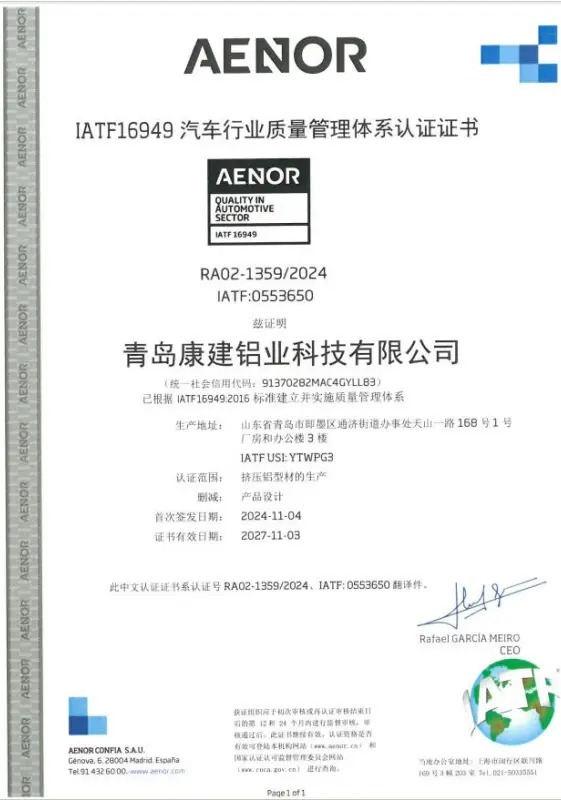
Equipped with five advanced extrusion presses—ranging from 700T to 1150T, 1450T, and a heavy-duty 2500T unit—the company supplies complex components for high-speed rail, automotive chassis, marine structures, and robotics. Its operations are backed by key certifications, including ISO9001:2016, ISO14001:2016, IATF16949 (Automotive), ISO22163 (Rail Transit), EN15085/ISO3834 (Welding), and DIN6701 (Bonding systems).
A technical guide for design engineers and procurement teams to evaluate mechanical properties against application requirements.
| Alloy Grade | Tempering Option | Tensile Strength (MPa) | Yield Strength (MPa) | Key Properties | Typical Applications |
|---|---|---|---|---|---|
| 6063 Aluminum | T5 / T6 | 186 - 241 | 145 - 214 | Excellent surface finish, high corrosion resistance, easy to extrude. | Architectural window profiles, decorative elements, LED lighting housings, light structures. |
| 6061 Aluminum | T6 | 290 - 310 | 240 - 276 | High structural strength, good weldability, great machining characteristics. | Robotic arms, drone frames, automotive sub-frames, marine structures, industrial brackets. |
| 6005A Aluminum | T6 | 270 | 225 | Good thin-wall strength, high fatigue limits, excellent weld properties. | Railway passenger car body parts, structural transport elements, heavy solar frames. |
| 7075 Aluminum | T6 | 572 | 503 | Extremely high yield strength, comparable to steel, light structural build. | Aerospace structural components, high-load military drones, specialized mechanical parts. |
*Note: Mechanical properties vary based on extrusion geometry, wall thickness, and specific heat treatment cycles. Custom tempering configurations can be developed to optimize ductility, stress-corrosion cracking resistance, and structural fatigue life.
How Kangjian integrates design support, production, and quality assurance to meet complex industrial needs.
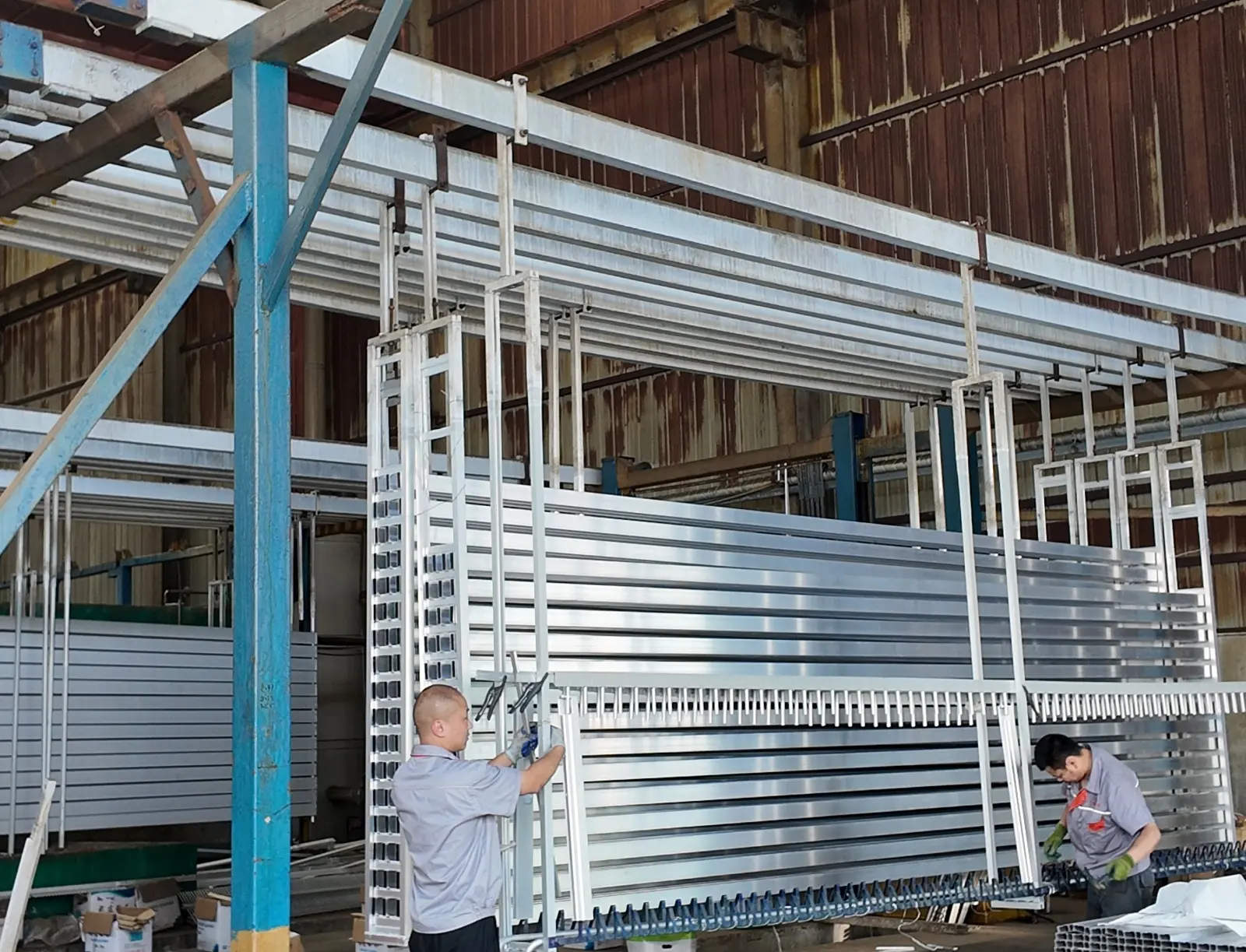
By using direct-factory sourcing from Qingdao, clients reduce middleman markups. Extrusion, CNC machining, surface treatments, and assembly are integrated under one roof to minimize logistics costs.
Every batch undergoes strict inspection processes. From spectrometer checks of the chemical composition of raw billets to CMM geometric checks and ultrasonic weld testing, we ensure reliable field performance.
Whether you need lightweight, thin-walled LED heat sinks, high-load structural profiles for solar PV arrays, or wear-resistant structural components for industrial automation, we tailor our tooling to meet your precise specs.
Based in Jimo District, Qingdao, Kangjian is ideally positioned to serve both domestic and international markets. Backed by the vast manufacturing resources of northern China and facing global maritime shipping routes, our location simplifies the logistics of international distribution. The port infrastructure of Qingdao allows us to maintain consistent shipping schedules to key markets in Korea, Japan, North America, and Europe.
Our company has experienced steady growth, with order delivery volumes and overall output increasing at an average annual rate of 30%. This scale helps us balance material costs and optimize our production runs, ensuring that even large, custom-tooled orders can be completed efficiently and cost-effectively.
We work closely with clients from the initial design phase through final delivery. By providing comprehensive design-for-manufacturability (DFM) support, our engineering team helps optimize section profiles to minimize weight, eliminate structural stress points, and reduce machining cycle times.

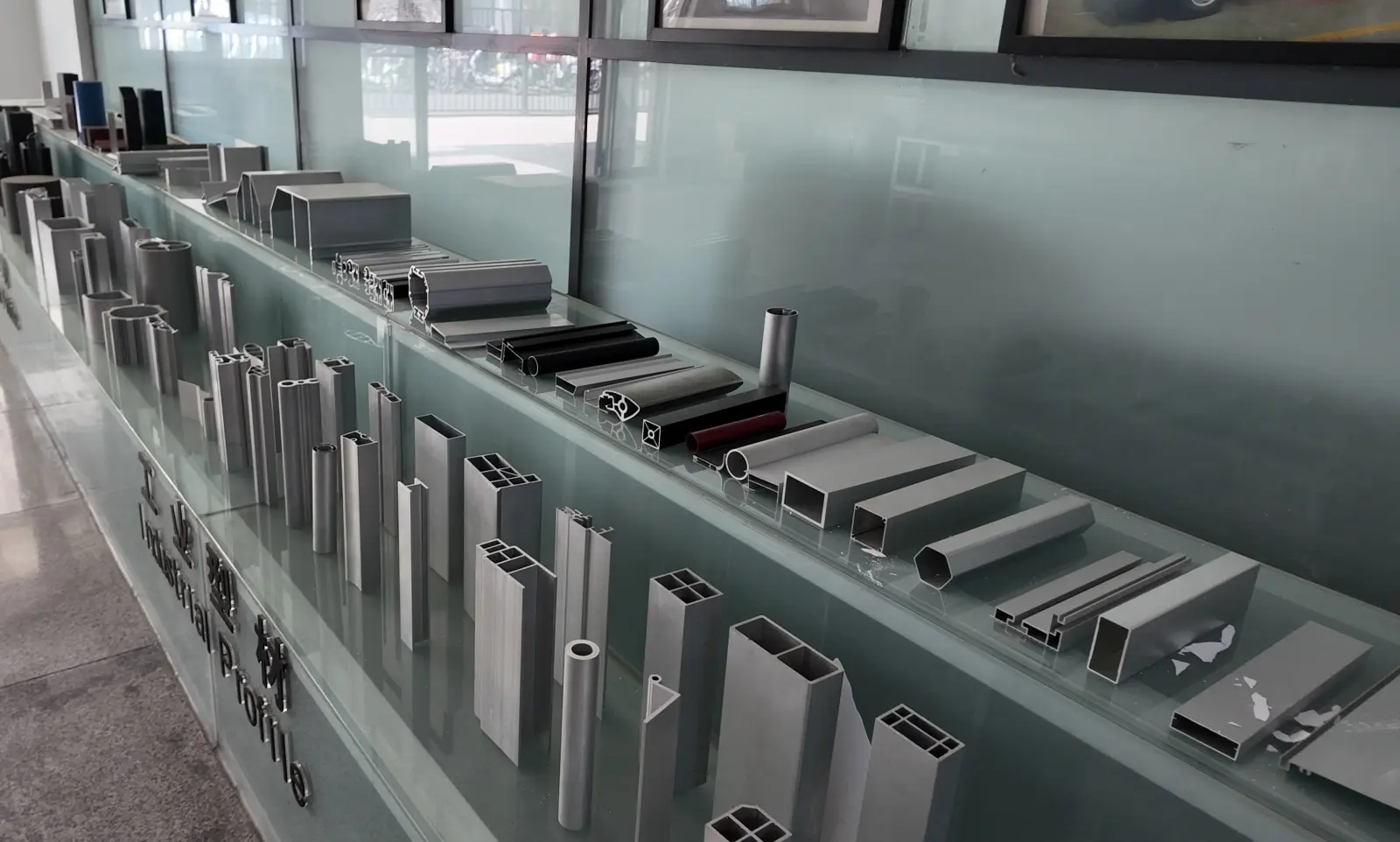
Our high-end profiles are utilized in key global projects where reliability is critical. For example, our high-strength, corrosion-resistant profiles are used in structural components for large gantry systems in Scandinavian ports, which must withstand harsh sub-zero temperatures and marine environments.
Kangjian's development strategy is built on continuous investment in research and development. By updating extrusion dies and integrating modern cooling systems, we maintain close control over grain structure and surface finish. This is essential for structural applications like subways, passenger trains, and high-speed rail assemblies where long-term durability and fatigue resistance are non-negotiable.
We work with a wide variety of finishes, including matte and bright anodizing, multi-color powder coating, electrophoresis, and fluorocarbon (PVDF) spray treatments. This versatility ensures that structural profiles match the visual and environmental requirements of any application.
Providing precision-engineered solutions across major industrial sectors.
Structural framing, structural machine guards, conveyor side-rails, assembly workstations, and modular cleanroom structures built to precise metric and imperial dimensions.
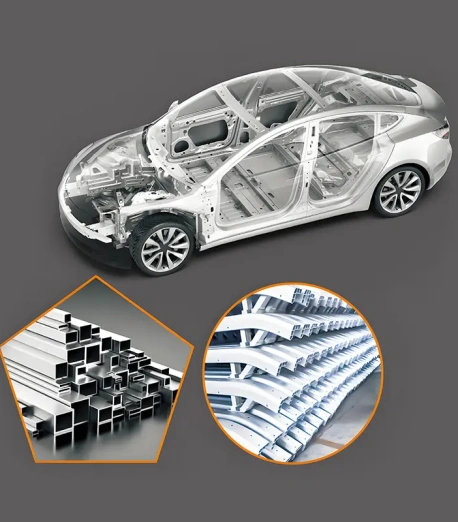
Lightweight bumper beams, engine mounts, internal brackets, battery enclosures, and custom body elements designed to improve vehicle range and efficiency.
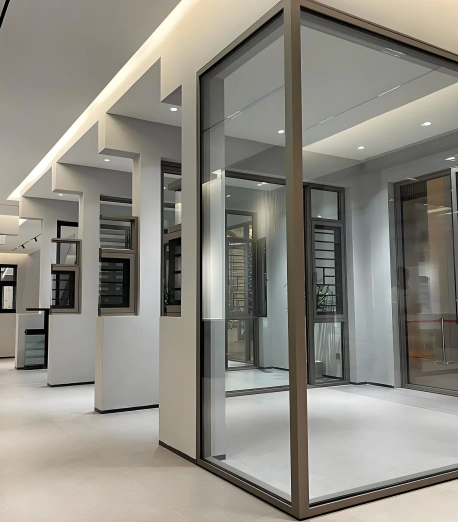
Durable curtain wall systems, thermal-break window profiles, residential door tracks, structural storefront grids, and outdoor furniture frames with high weather resistance.
High-precision framing for diagnostic machinery, structural scanner housings, lightweight mobility aids, and medical workstation brackets requiring smooth, easy-to-clean anodized finishes.
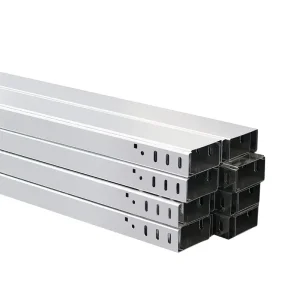
Heavy-duty ladder racks, wire baskets, and closed cable routing profiles designed to organize and protect wiring in high-exposure utility environments.
Optimized mounting rails, structural base trackers, and clamping brackets designed to secure solar modules against wind and seismic loads over extended lifespans.
Our operations are certified under leading international standards, ensuring quality, reliability, and full compliance for safety-critical components.
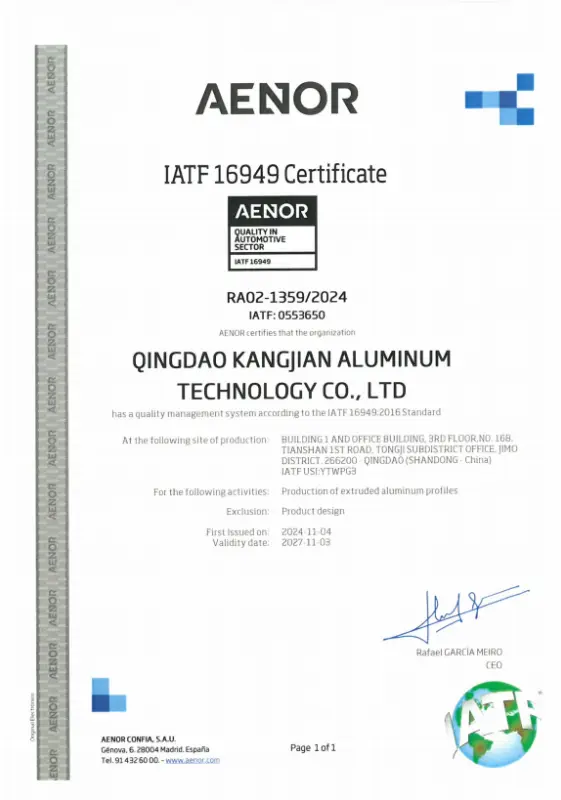
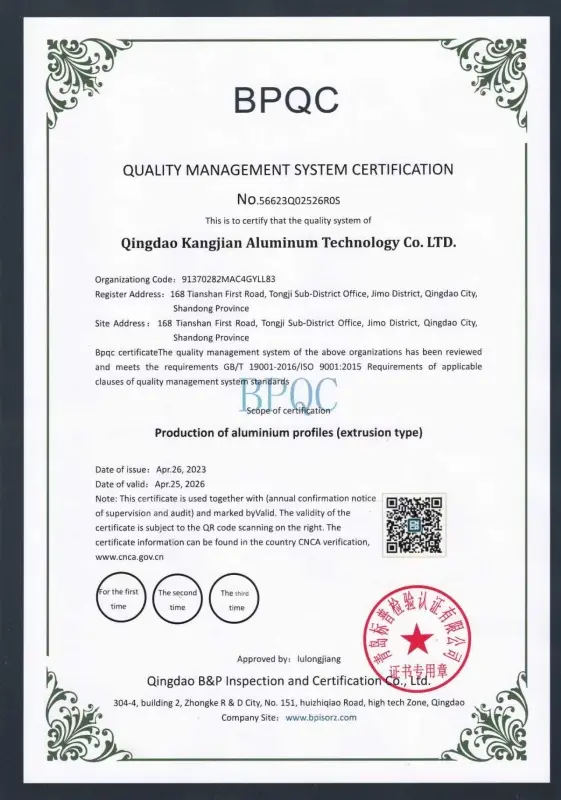
ISO 9001:2016 Quality Management
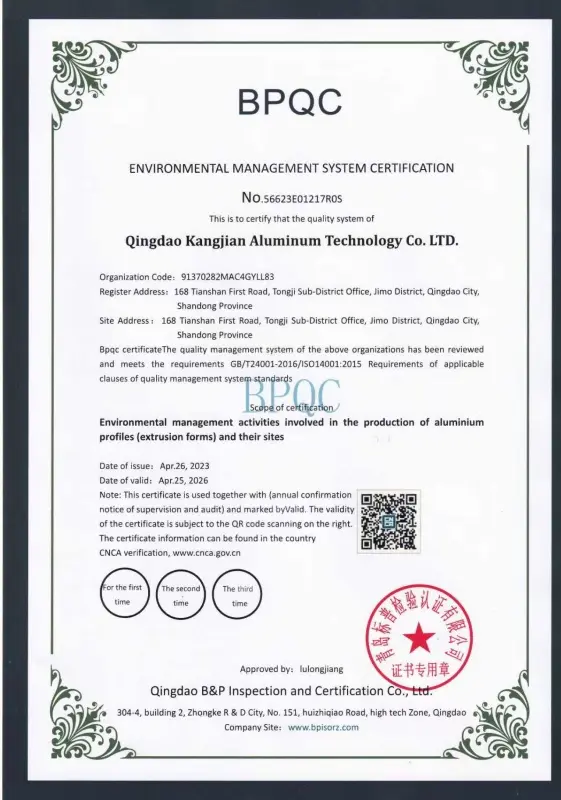
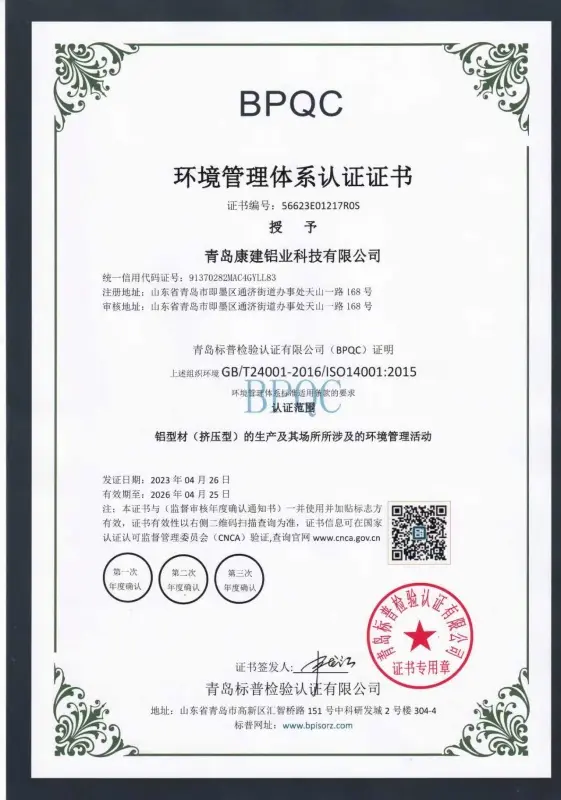
ISO 14001:2016 Environmental
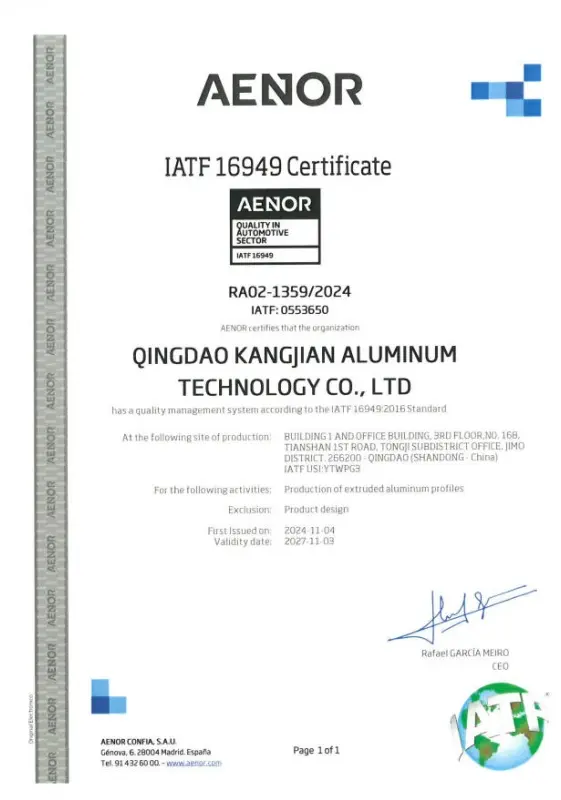
IATF 16949 Automotive Quality
ISO 22163 Railway Application
EN 15085 Railway Welding
ISO 3834 Fusion Welding
AWS Welding Code
DIN 6701 Adhesive Bonding
We work closely with leading suppliers and supply chain networks to maintain consistent quality across all components.



A look at our extrusion techniques, component designs, and structural applications across various projects.
Marine structural extrusions for port handling systems.
Corrosion-resistant custom profiles for offshore structures.
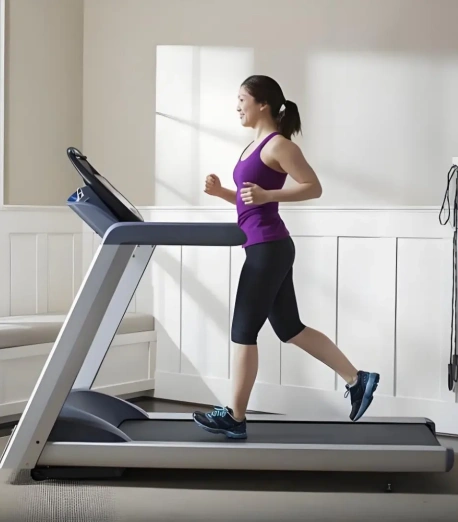
High-load architectural curtain wall structures.
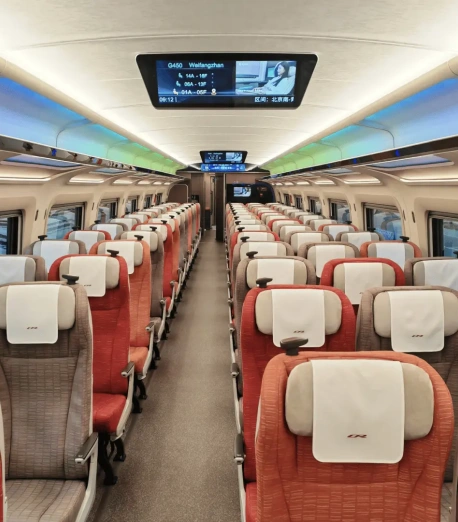
Lightweight structural components for high-speed transit networks.
A closer look at how extrusion technology, tooling design, and precision machining are evolving to support high-performance industrial applications.
The extrusion process requires balancing high temperatures, high pressures, and friction. As profile designs become more complex—with thinner walls and tighter tolerances—controlling the flow of the aluminum alloy through the die is critical. We use advanced thermodynamic simulation software to analyze flow characteristics, predict potential stress points, and refine die geometries before production begins.
By using premium die steels and specialized gas nitriding processes, we increase tool life and improve surface finishes. This approach also helps us maintain cross-sectional tolerances well within European (EN 755) and American (ANSI H35.2) standards, ensuring that even complex mating profiles align correctly during final assembly.
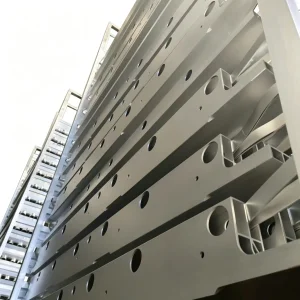
Many modern applications require more than just raw extrusions. To meet this demand, we have expanded our secondary processing capabilities, integrating precision multi-axis CNC machining centers, automated cutting systems, punching presses, and mechanical bending tools.
This integrated approach allows us to deliver finished, ready-to-assemble components straight from the factory. Processing the material in-house reduces handling and transit damage, lowers packaging waste, and ensures that tolerances remain consistent across both the extrusion and machining steps of production.
Sustainability is becoming a core requirement in global industrial supply chains. At Kangjian, we are continuously refining our processes to support a circular economy. This includes incorporating post-industrial recycled aluminum and optimizing energy use across our extrusion lines.
By using efficient billet heating technologies, recovering process heat, and adopting clean water recycling systems, we help clients reduce the overall carbon footprint of their products. Our goal is to continue providing high-strength, lightweight aluminum parts that support the transition to cleaner, more efficient industrial applications worldwide.
Detailed technical answers to help sourcing managers, design engineers, and QA inspectors evaluate custom aluminum extrusions and logistics.
Explore our wide selection of extruded parts, structural lighting profiles, modular slot frames, and heavy-duty cable trays.
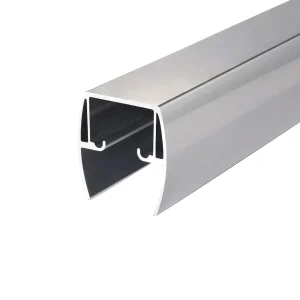
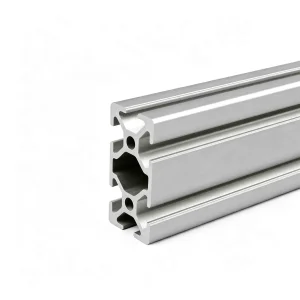
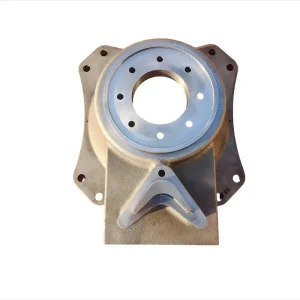
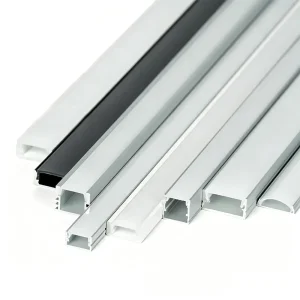
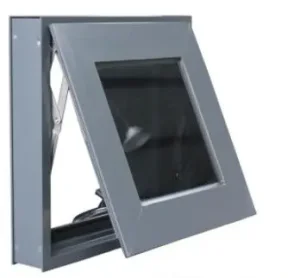
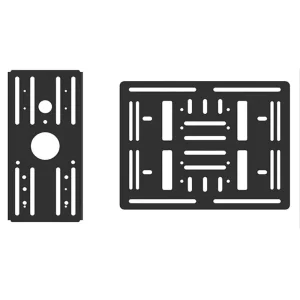
Whether you need standard T-slot structural frames, custom-engineered robotic arm components, or architectural window profiles, our engineering team is here to help. We provide complete design-for-manufacturability (DFM) reviews to ensure your design is optimized for cost-effective extrusion, machining, and surface finishing.
By partnerning with Kangjian, you gain access to an integrated facility that manages every step of production—from raw billet casting to final CNC machining and compliance testing—all backed by IATF16949 and EN15085 quality certifications.
Contact us today to discuss your technical specifications, request an initial estimate, or schedule a virtual review of our manufacturing facilities.