 Kangjian
Kangjian
Kangjian
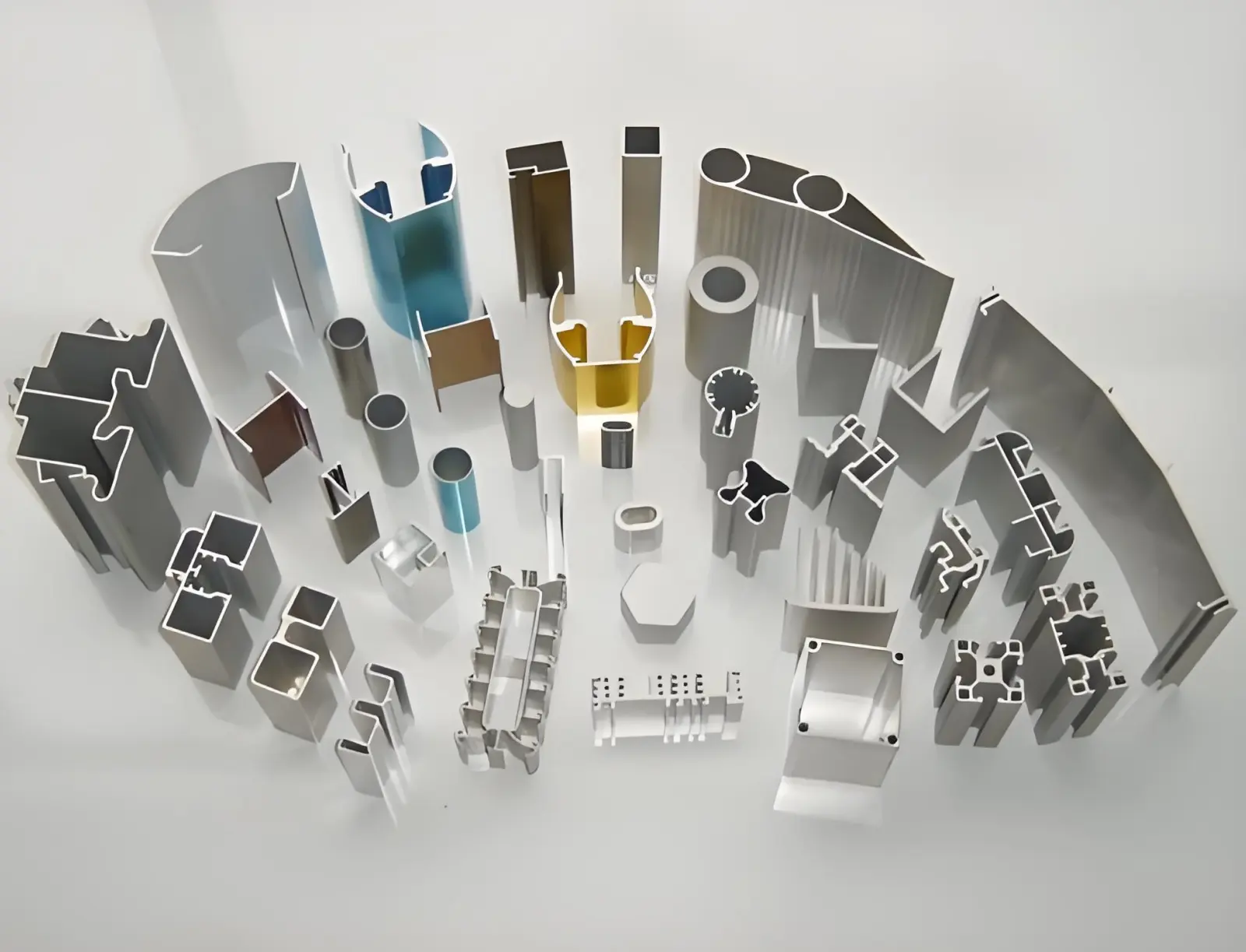
Explore our highly engineered anodized profiles and custom CNC-machined components manufactured under strict ISO 9001 and IATF 16949 standards.
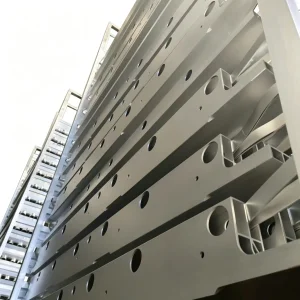
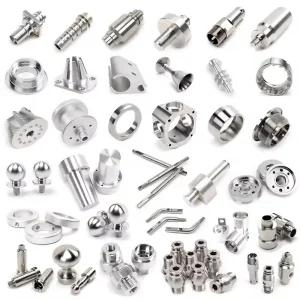
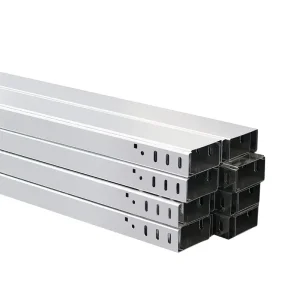
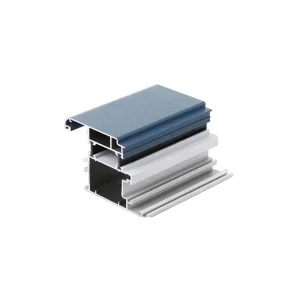
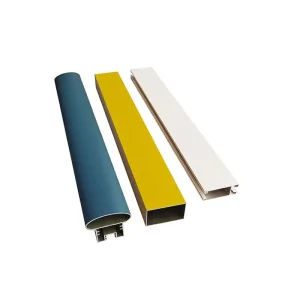
Anodized aluminum profiles have transitioned from basic architectural components to highly critical building blocks of advanced industrial hardware. Anodization is an electrochemical process that converts the metal surface into a decorative, durable, corrosion-resistant, anodic oxide finish. This oxide layer is not applied to the surface like paint or plating, but is fully integrated with the underlying aluminum substrate, meaning it cannot chip, peel, or flake. This structural integrity makes it indispensable in high-wear environments such as rail transit structures, aerospace sub-frames, marine engineering systems, and automated machinery platforms.
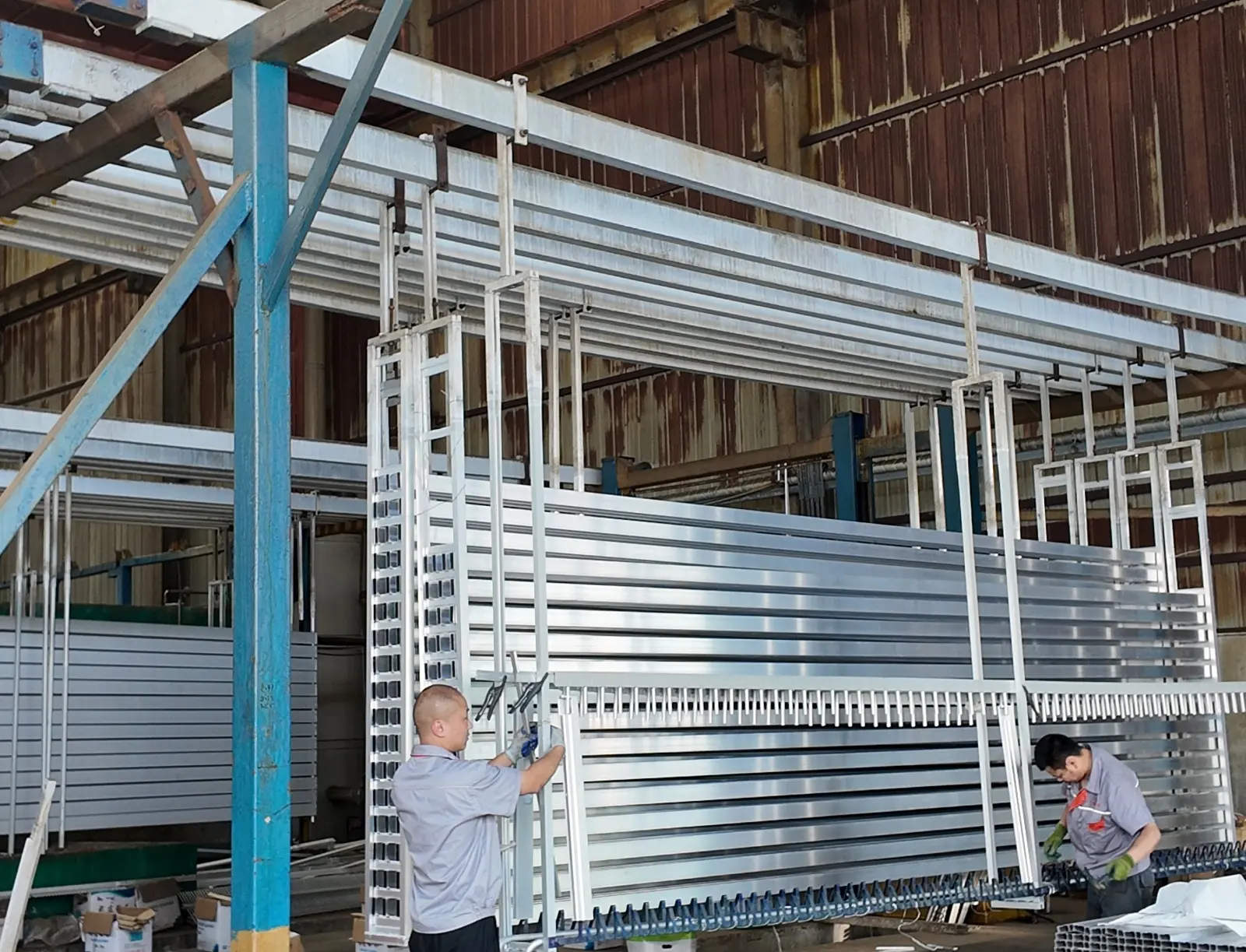
Aluminum's native oxide layer provides basic protection, but controlled electrochemical anodization multiplies this resistance exponentially. During anodization, the aluminum profile acts as the anode in an acid bath. Direct current flows through the electrolyte, releasing oxygen at the anode which reacts with the aluminum to form a dense, microscopic honeycomb structure of aluminum oxide. The thickness of this oxide coating, typically measured in microns (µm), directly dictates the profile's durability.
For structural and architectural projects, Class I (minimum 18 µm) or Class II (minimum 10 µm) coatings are specified. For severe marine environments or sub-frames exposed to abrasive elements, hard coat anodizing (Type III) can produce coatings exceeding 50 µm, offering Rockwell hardness comparable to case-hardened steel. This enables aluminum profiles to replace heavier steel structures, providing significant lightweighting advantages without compromising mechanical resilience.
| Anodizing Class / Type | Typical Coating Thickness | Primary Industrial Utility | Corrosion & Wear Resistance |
|---|---|---|---|
| Type I (Chromic Acid Anodizing) | 0.5 µm - 2.5 µm | Aerospace components, paint bonding base | Good corrosion resistance, highly flexible thin film |
| Type II Class 1 (Clear Sulfuric) | 10 µm - 15 µm | Architectural windows, LED light fixtures, consumer goods | Excellent weatherability, moderate wear resistance |
| Type II Class 2 (Dyed Sulfuric) | 15 µm - 25 µm | Automotive exterior trims, structural railings, solar frames | High UV resistance, excellent decorative life |
| Type III (Hardcoat Anodizing) | 25 µm - 75 µm | Pistons, industrial valves, offshore platforms, robot arms | Extreme abrasion and chemical resistance, ultra-hard finish |
Deep dive into the operational capacity of Qingdao Kangjian Aluminum Industry Technology Co., Ltd. - Driving industrial lightweighting across the globe.
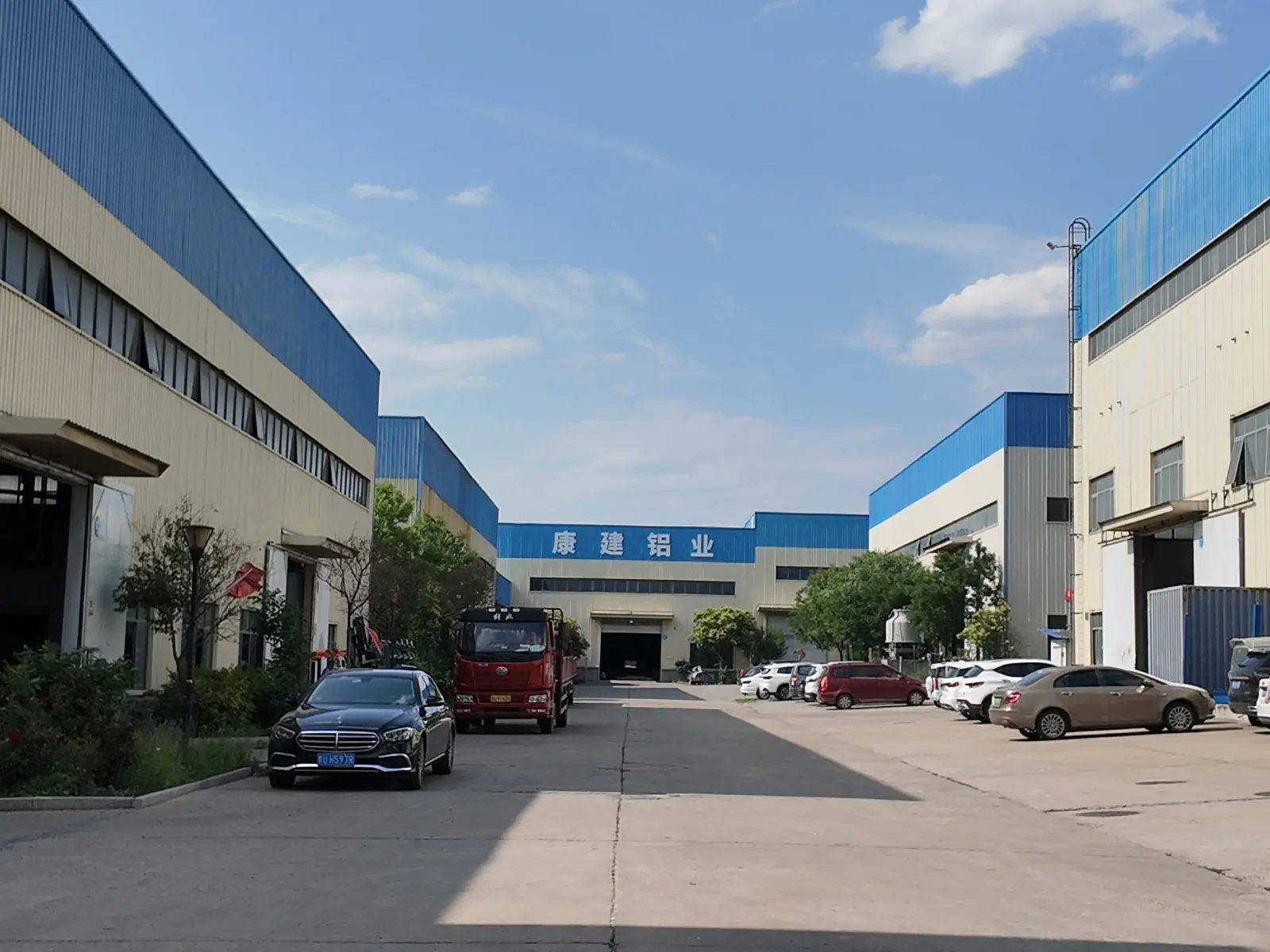
Founded on the coast of the Yellow Sea in 2022, Qingdao Kangjian Aluminum Industry Technology Co., Ltd. (located at No. 168, Tianshan 1st Road, Jimo District, Qingdao) has established a massive industrial presence covering 200 mu (approximately 133,000 square meters). With 80,000 square meters of high-capacity production shops and an annual profile output reaching 15,000 tons, the facility is designed to meet complex, multi-alloy procurement contracts on demand.
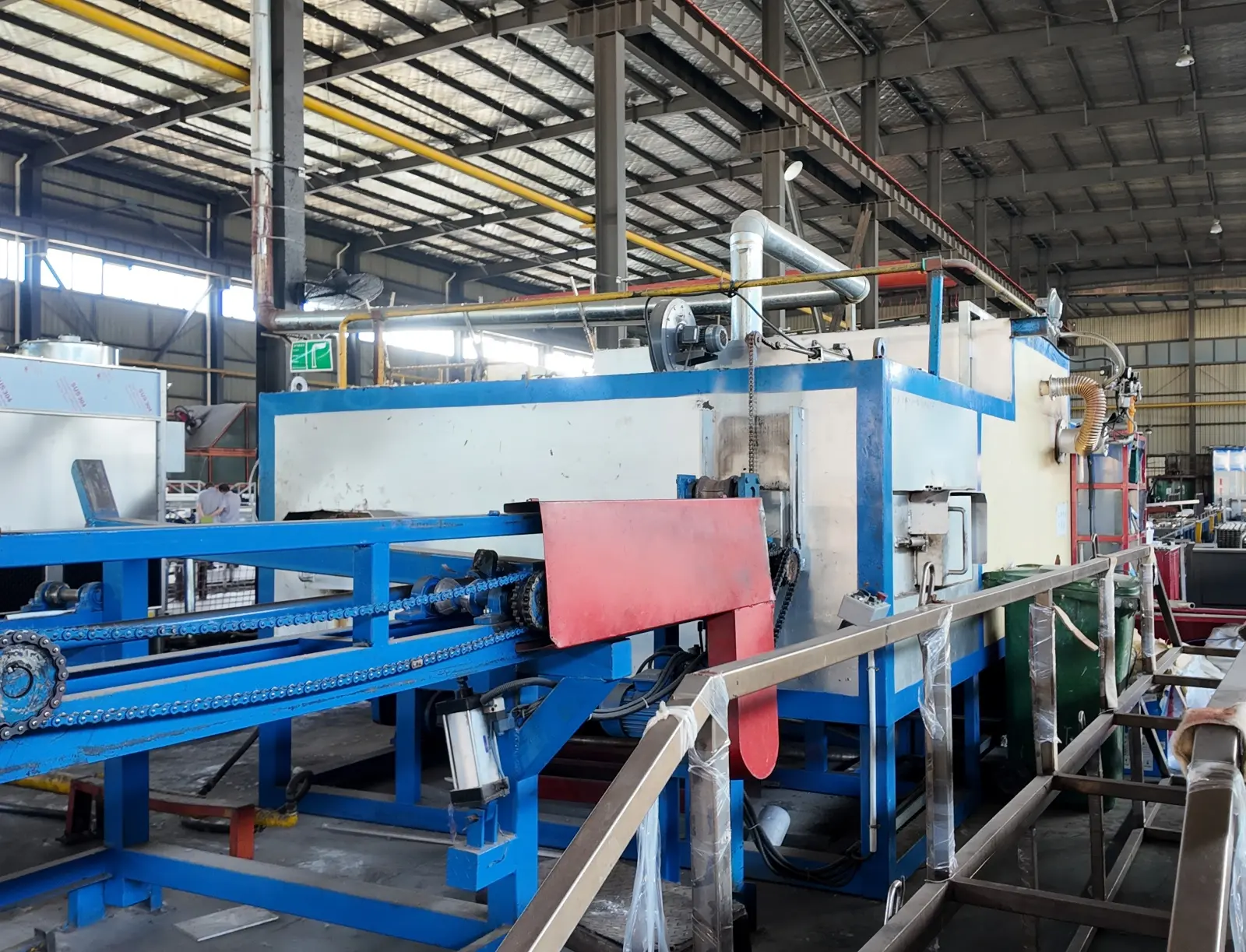
Kangjian's manufacturing fleet consists of 5 advanced extrusion lines, featuring:
• One heavy-duty 2500T extruder for large-cross-section industrial profiles.
• One 1450T and one 1150T medium-range extruders.
• Two 700T high-speed extruders designed for precision architectural, solar, and LED strip profiles.
This layout offers unparalleled flexibility. It allows the facility to execute heavy-gauge structural runs (like railway carriage girders or marine platform fittings) alongside highly intricate thin-walled profiles (such as LED strips and drone frames) simultaneously, minimizing tooling changeover latency and ensuring supply chain continuity.
Meeting the stringent testing protocols of global logistics, automotive, and high-speed rail industries.
Certified under ISO 22163 (Railway Industry Management System) and EN 15085 (Welding of Railway Vehicles), we manufacture structurally optimized profiles engineered to absorb high shear and dynamic vibrational stresses. This makes our alloys perfect for next-generation rolling stock subframes.
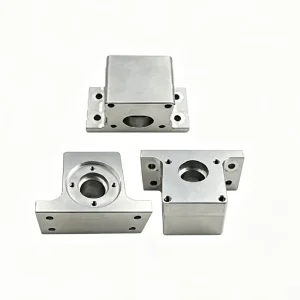
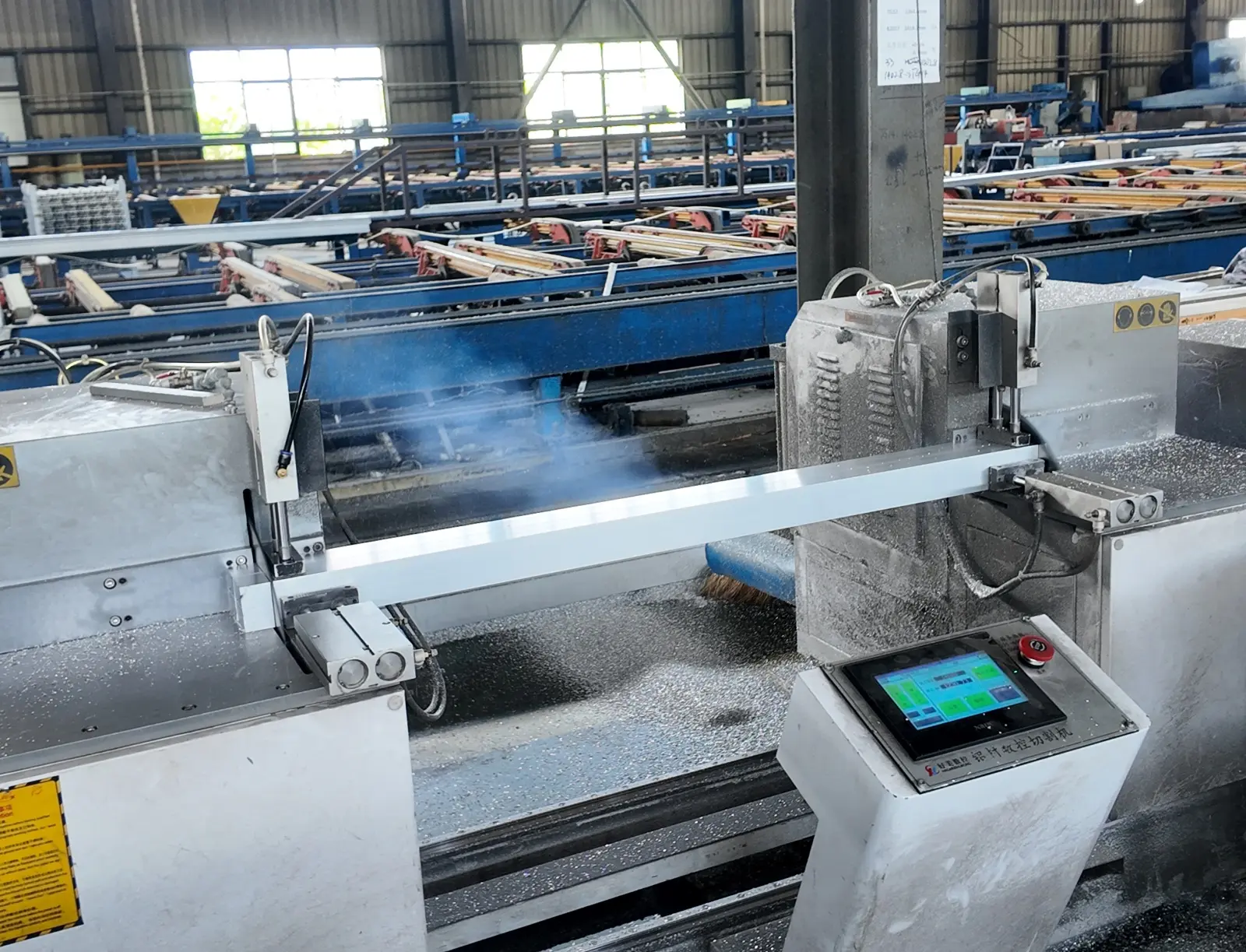
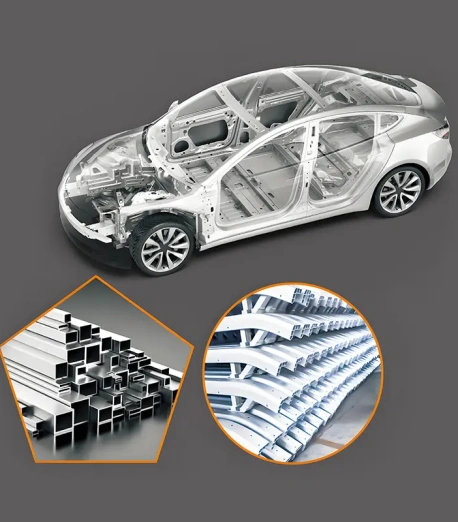
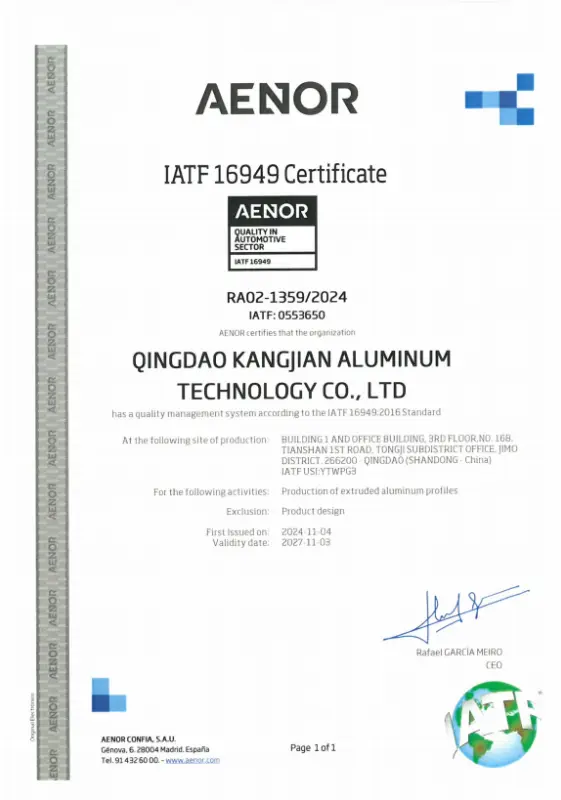
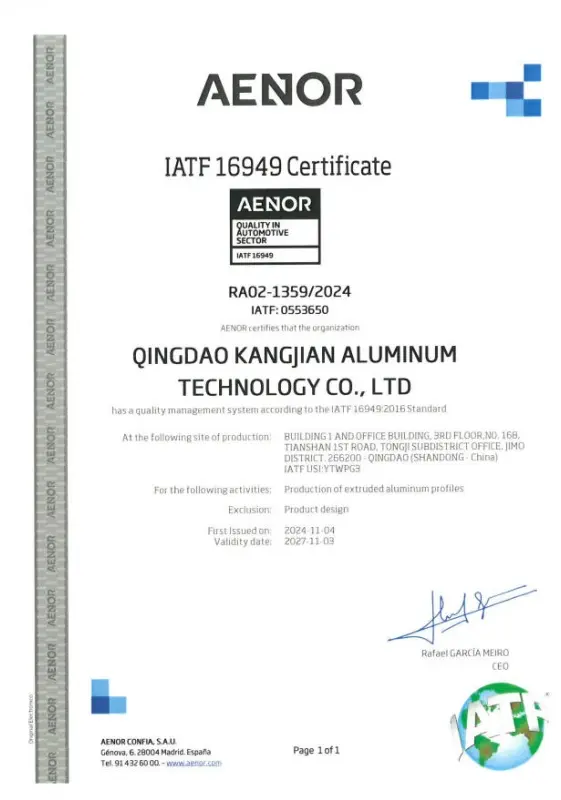
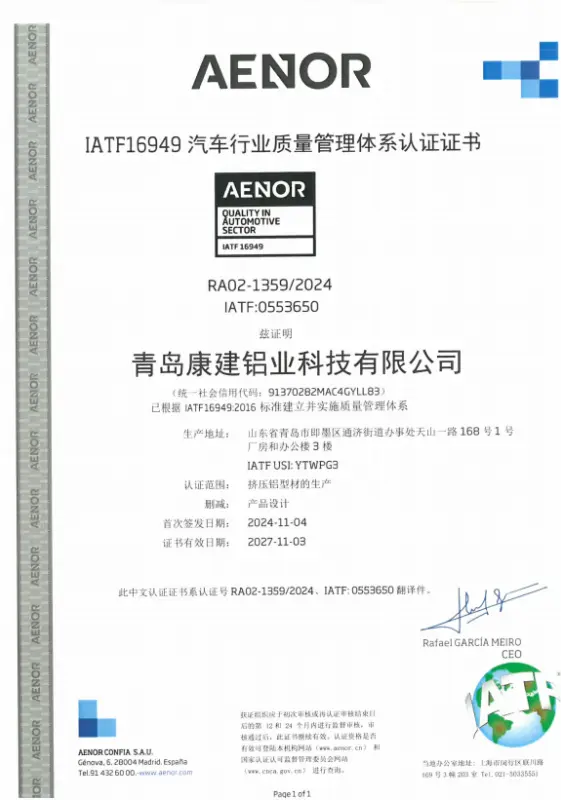
Our automotive lightweighting supply line operates under strict IATF 16949 guidelines, ensuring absolute batch consistency and structural safety for structural bumper beams, motor housings, and battery trays. We offer precision tolerances as tight as ±0.1mm using in-house CNC centers.
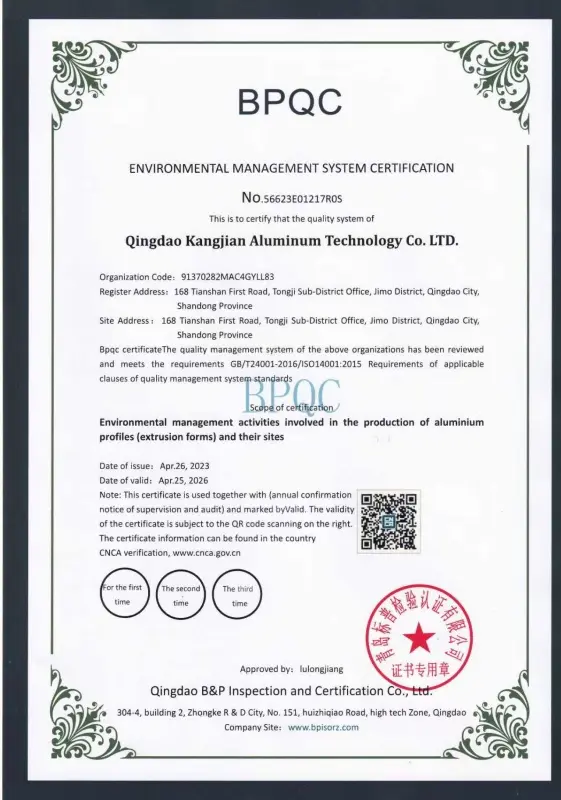
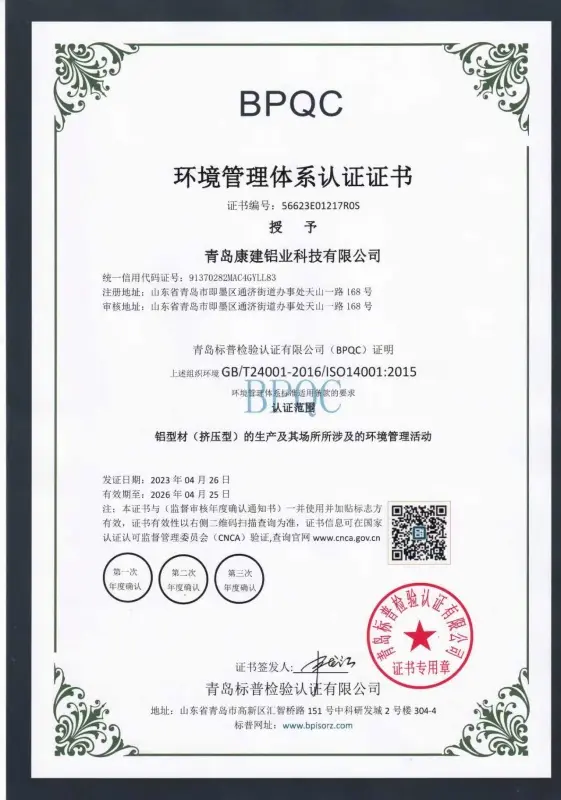
Operating in compliance with ISO 14001 environmental standards, we employ closed-loop water treatment in our acid anodizing plant, dramatically reducing wastewater footprints. Our primary heating processes utilize clean energy, reducing carbon footprints on exported profiles.
In just three years since registration, Kangjian Aluminum has expanded its reach far beyond the domestic hub of Qingdao. Today, our custom-engineered structural solutions support industrial supply networks across regional domestic corridors (including Beijing, Hunan, Jiangsu, Guangdong, and Tianjin) and international high-end markets like South Korea, Japan, the United States, and across Europe.
Our logistics advantage is anchored by Qingdao Port—one of the largest deep-water ports in the world. This ensures direct shipping pathways, competitive freight rates, and seamless customs operations, keeping total lead times under tight control for our wholesale B2B partners worldwide.
From ocean rigs to robotics: How customized alloy chemistry solves specific physical limitations.
Dynamic structural extrusions engineered from 6xxx-series alloys (such as 6005A and 6082). Anodized surfaces resist salt spray, humidity, and wear in complex metropolitan transit networks, maintaining aesthetic appeal and design tolerances for decades.
Weight reduction is critical in modern unmanned aerial vehicles and automated mechanical arms. Our high-precision CNC machined drone arm brackets and robot arm joints provide high tensile strength and minimal deflection, enhancing operational efficiency and payload limits.
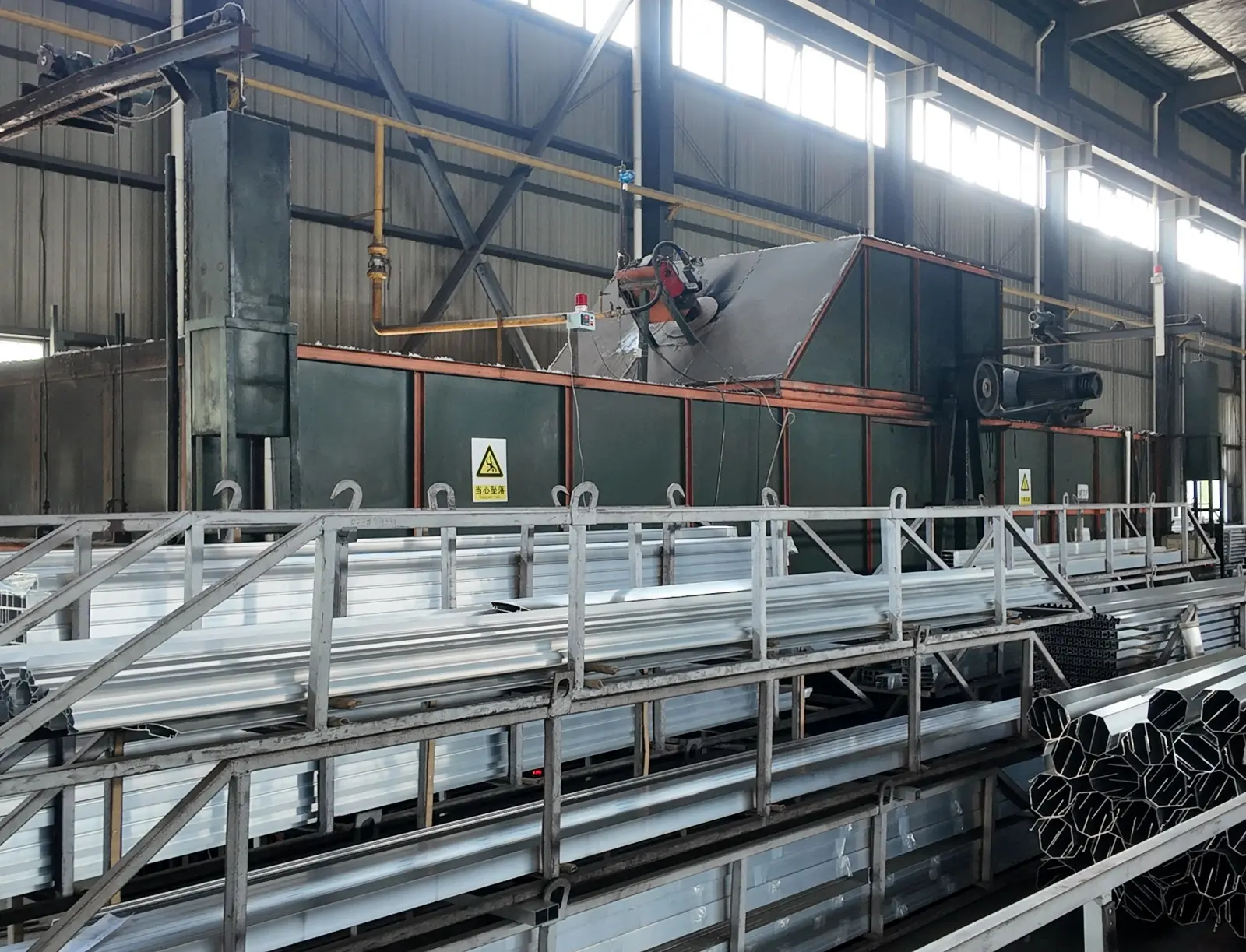
Offshore oil drilling platforms and marine vessels demand profiles that withstand severe exposure. Utilizing 6082-T6 and 5xxx-series alloys paired with dense Type III hard anodizing protects the structural core against chloride pitting, ensuring long-term mechanical reliability.
Established with the vision to bridge the gap in domestic high-end structural extrusion capabilities, Qingdao Kangjian Aluminum Industry Technology Co., Ltd. combines heavy machinery with highly specialized metallurgical engineering. Every production run is backed by comprehensive in-house testing—including optical emission spectrometers for chemical composition control, microhardness testers, tensile strength machines, and dry-film thickness meters for precise coating checks.
Our commitment to custom profiles has allowed us to support major infrastructure initiatives. From heavy-duty gantry cranes operating in Nordic ports to architectural facade systems in dense metropolitan cores, Kangjian-engineered aluminum stands as a testament to durability and engineering precision.

Standardized and custom extrusion categories optimized for high-performance global applications.
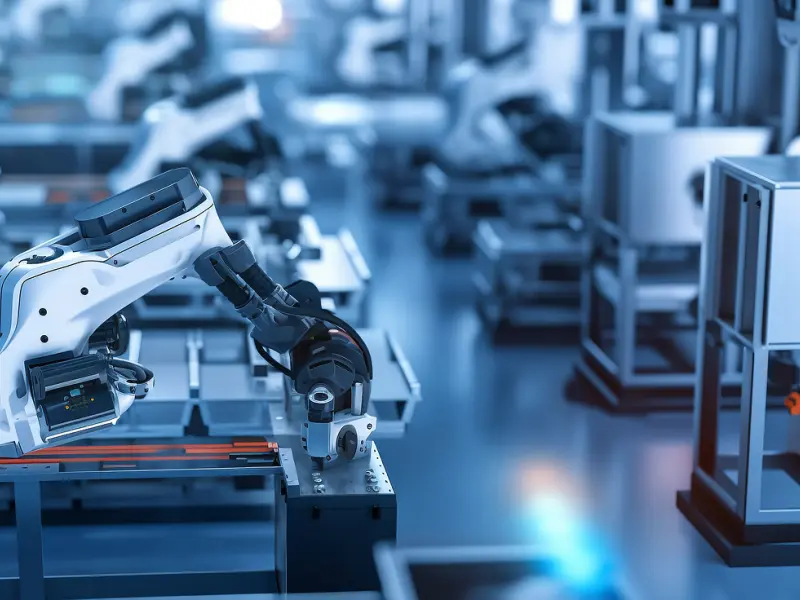
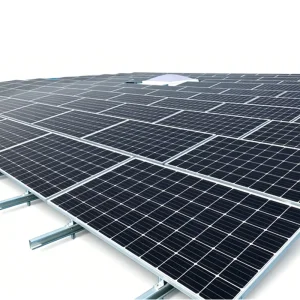
Heavy duty components designed for manufacturing machines, solar PV racking structures, and motor housings.
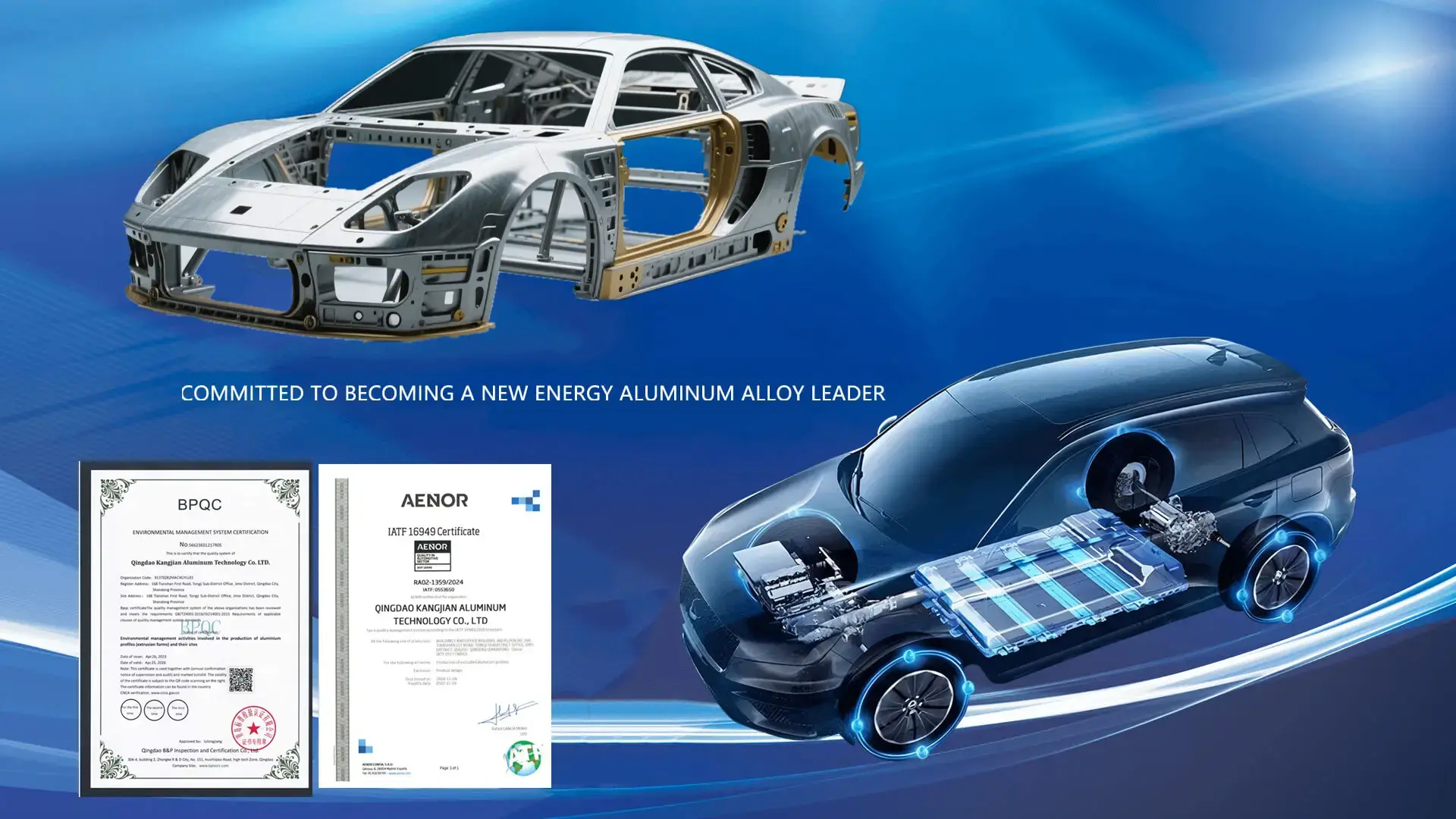
Crash management structures, chassis parts, and battery housing frames matching IATF 16949 rules.
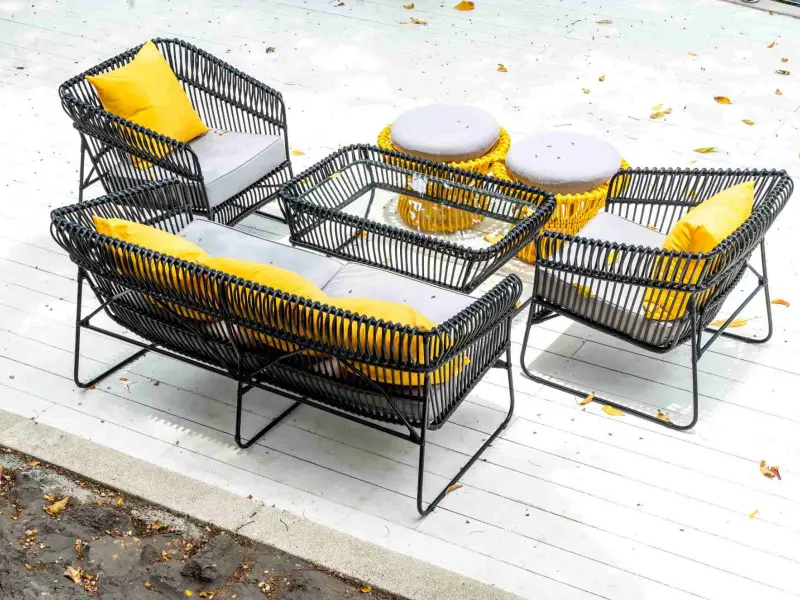
High-anodized and powder-coated frames designed to withstand extreme UV exposure and weathering.
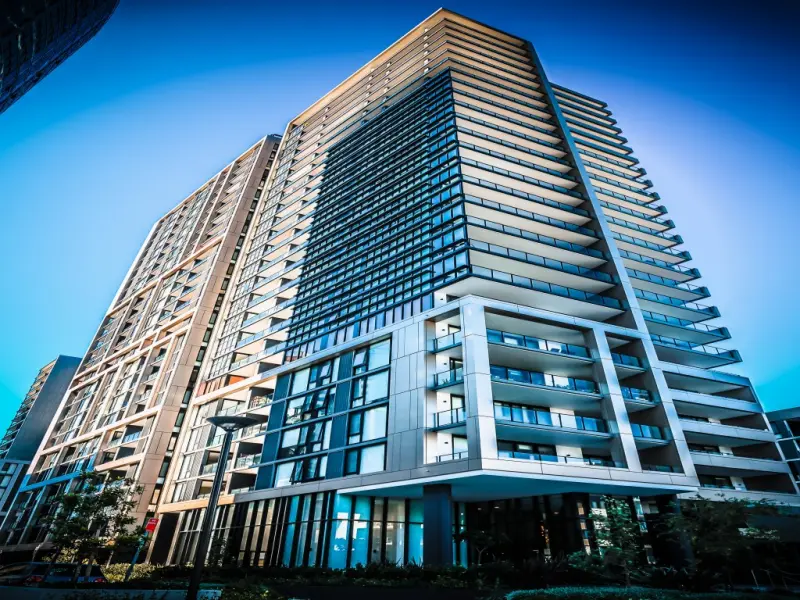
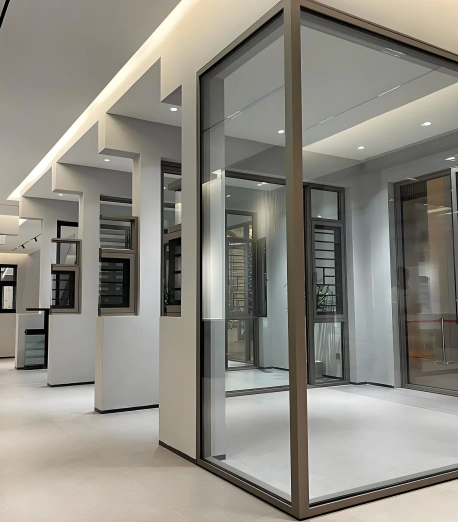
Anodized 6063 profiles for commercial windows, doors, structural glass curtain walls, and thermal breaks.
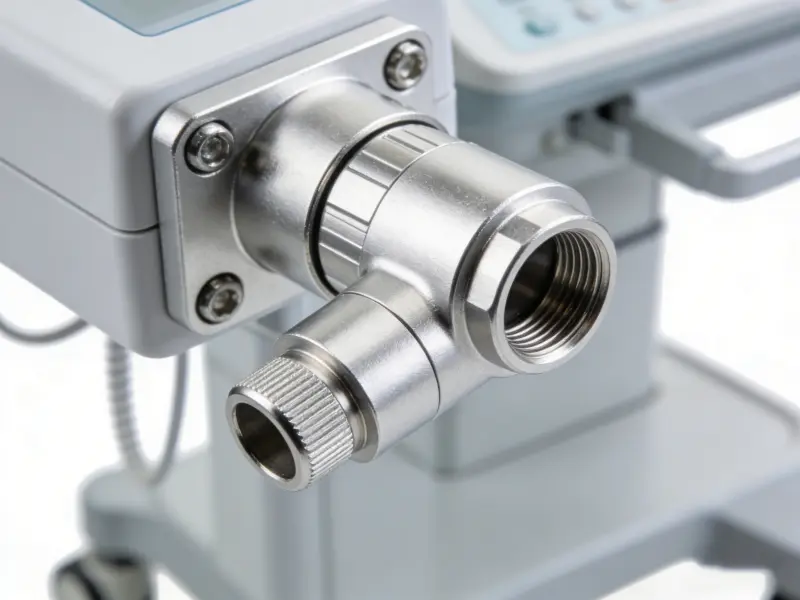
Antibacterial anodized sections optimized for sanitary environments, hospital beds, and clinical machinery.
Ultra-lightweight truck bed panels, cargo wall structures, and modular trailer components.
Solving typical technical and logistical issues faced by engineers and purchasing managers.
Advanced structural systems, LED heat sinks, and custom assemblies engineered for reliability.
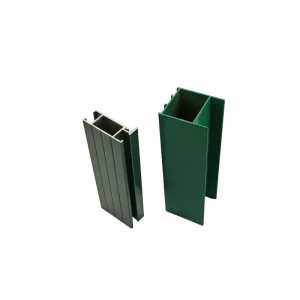
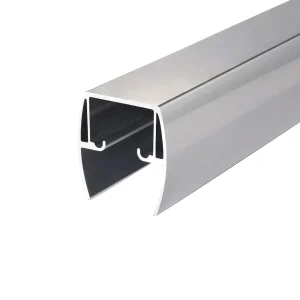
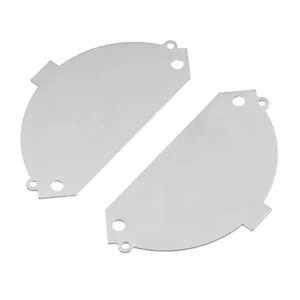
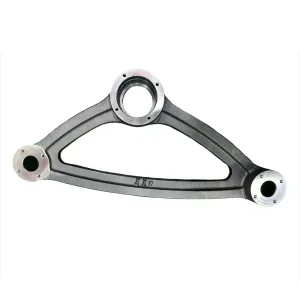
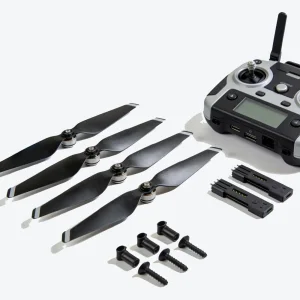
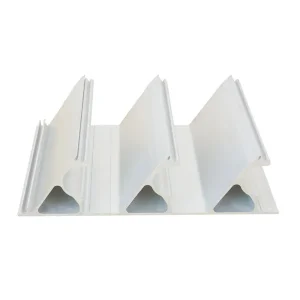
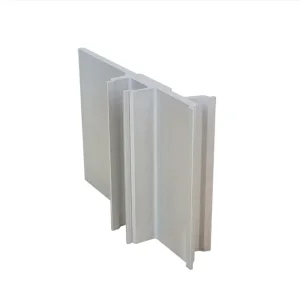
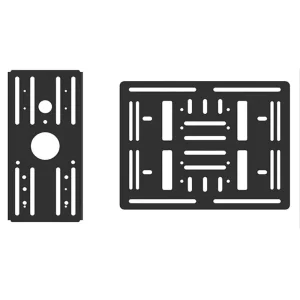
Real-world utilization of Kangjian anodized profiles across heavy machinery and high-exposure projects.
Lightweight anodized structural profiles protecting terminal crane control boxes against salty ocean winds.
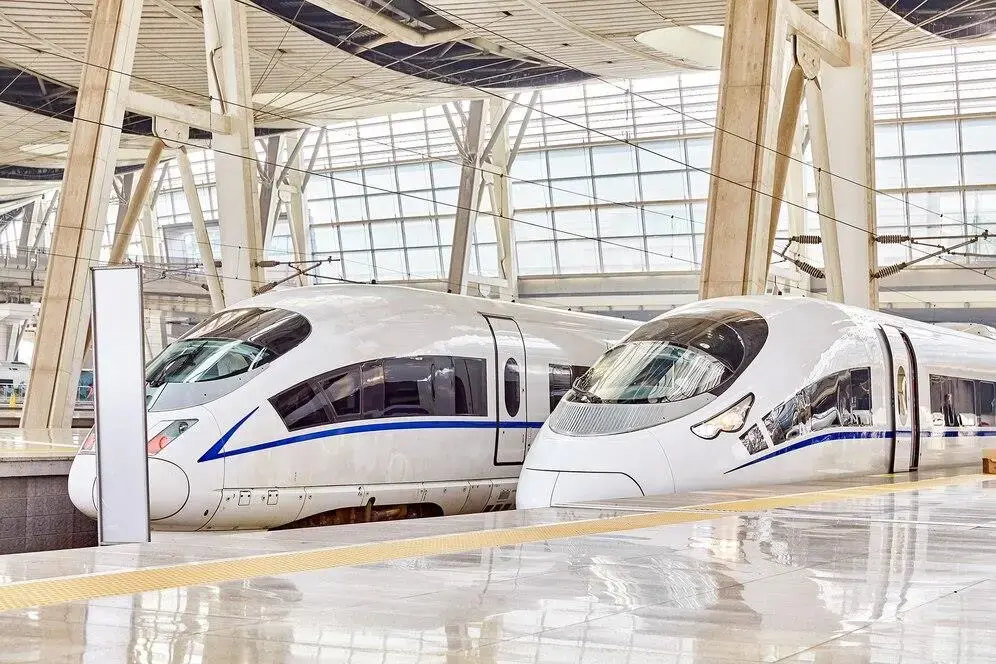
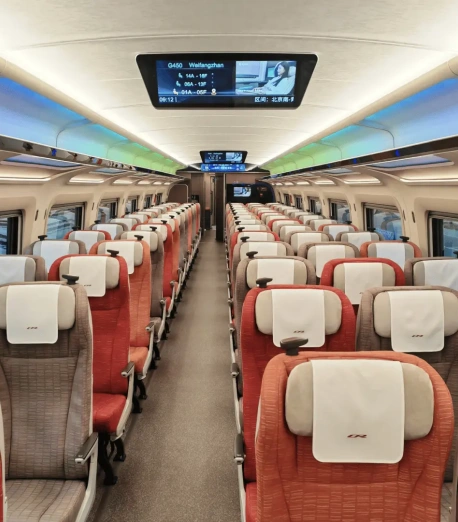
Lightweight profile sub-frames engineered from high-strength 6005A alloys for high-speed rolling stock.
Extruded crash zones and battery housing frameworks with high energy-absorption capabilities.
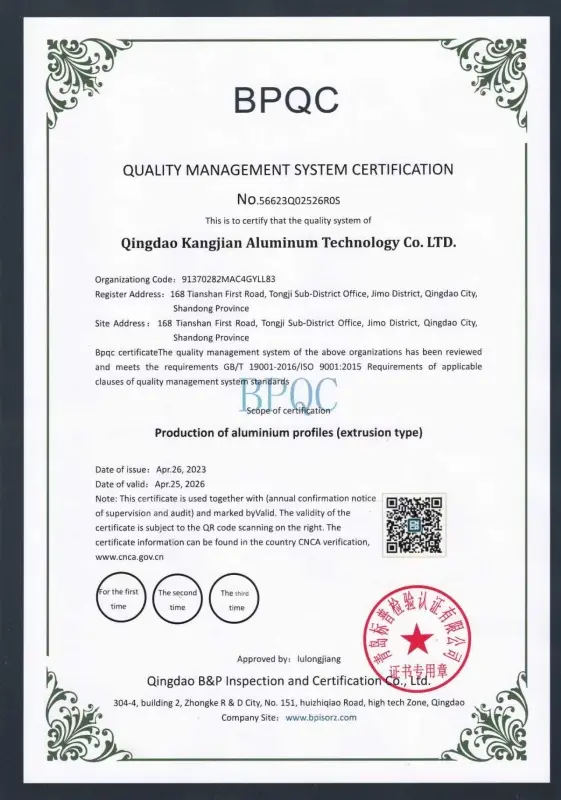
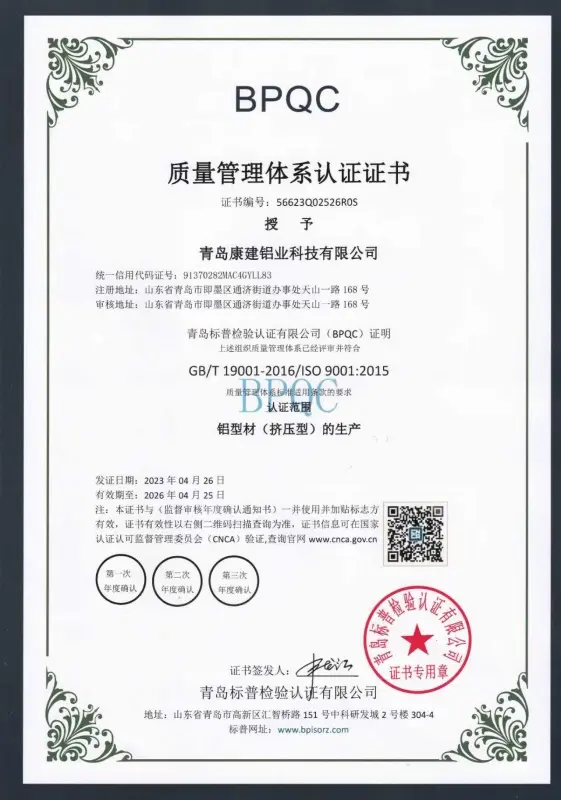
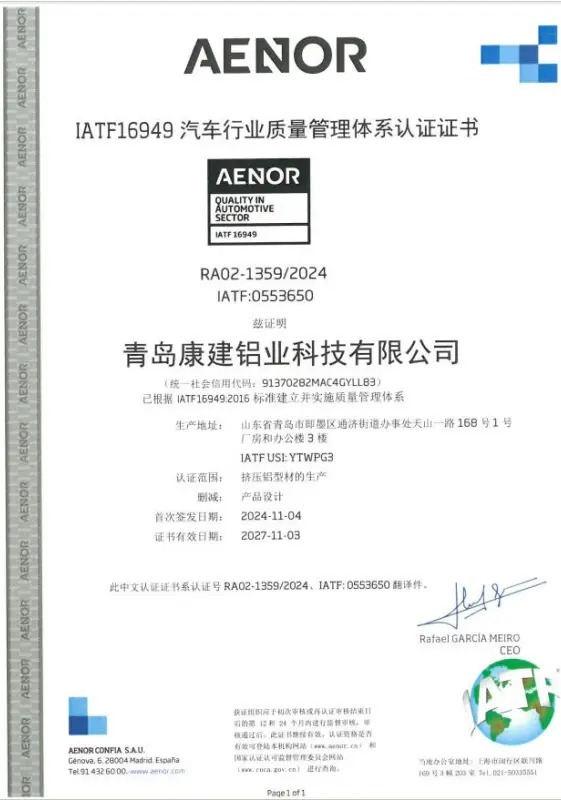
Verification certificates confirming our processes align with strict global industrial expectations.
When selecting a wholesale manufacturer, engineers must understand how alloy chemistry limits or improves the final finish. Pure aluminum yields the most bright, uniform anodic film. However, since structural elements require reinforcement, alloying elements like Magnesium (Mg) and Silicon (Si) are introduced. These elements form magnesium silicide (Mg2Si), which provides the heat-treatable response of 6xxx-series alloys.
Prior to electrochemical anodization, the extruded profile must be etched. Alkaline etching using sodium hydroxide (NaOH) is the traditional approach, stripping the native oxide and creating a uniform matte surface. However, this creates a significant waste stream (spent liquor containing aluminum ions) and leaves a slightly rough texture that can affect thin coatings.
Advanced facilities utilize acid etching based on fluoride mixtures. This yields a finer, more satin-like surface finish, hides minor extrusion lines (die lines) more effectively, and consumes up to 80% less chemical volume. For high-end LED housing and window systems, acid-etched profiles provide a premium, low-gloss modern visual texture that stands out in architectural applications.
The success of the anodization process lies in the sealing phase. Freshly anodized coatings consist of open hexagonal pore channels. If left unsealed, these pores easily absorb oils, atmospheric moisture, and environmental pollutants, leading to rapid discoloration and chemical corrosion. Sealing closes these pores, converting the amorphous aluminum oxide coating into crystalline boehmite (AlO(OH)), which swells to block the pore openings.
We utilize two primary sealing methods:
1. Hot Water Sealing (Hydrothermal): Performed at temperatures above 96°C. This is an environmentally clean process that provides the highest corrosion resistance for structural profiles. It is favored for outdoor architecture and marine applications.
2. Mid-Temperature / Cold Sealing: Utilizing nickel salts (such as nickel fluoride) at lower temperatures. This method allows the pores to seal quickly, offering good efficiency. It is excellent for architectural window profiles and indoor industrial structural frames.
In-depth highlight of specialized engineering products built for demanding global systems.
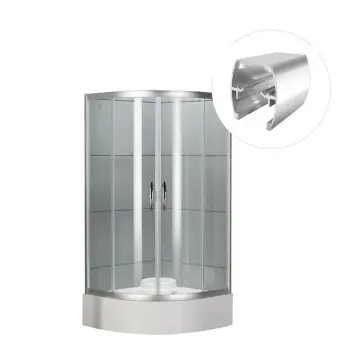
Optimized 6063-T5 profile featuring a dense, high-durability clear anodized finish. Excellent protection against constant water exposure, soap scum, and daily friction wear.
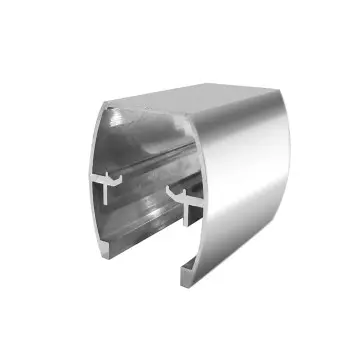
Thin-walled high-strength extrusion designed to reduce hinge wear while retaining high structural rigidity. Perfectly fits modern frameless and semi-frameless designs.
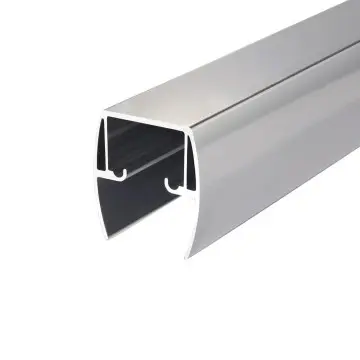
Engineered for commercial storefronts. Built to support heavy glass inserts and high-traffic wear, featuring standard clear anodizing to resist weathering.
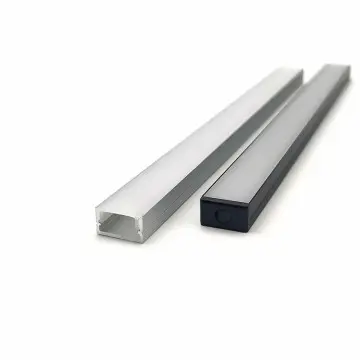
Thick-walled structure engineered for high torsional strength. Ideal for industrial machinery frames, heavy-duty brackets, and ceiling carrier tracks.
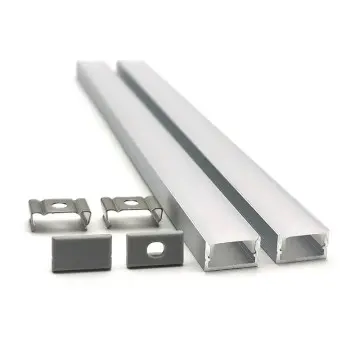
Optimized for structural tracks in logistics centers and truck beds. Designed for wear resistance under heavy sliding loads.
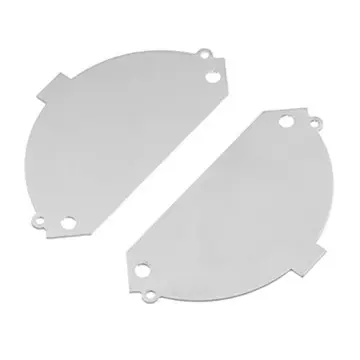
Ultra-thin heat-sinking strip designed to fit into tight 90-degree corners. Delivers optimal heat dissipation to extend LED light strip lifespans.
As international supply chains face challenges from changing maritime policies and fuel surcharges, purchasing managers must seek manufacturing partners that offer more than basic extrusion services. A reliable supplier should provide integrated services under one roof: design assistance, metallurgical alloy formulation, extrusion, anodizing, precision CNC machining, custom packaging, and direct export handling.
Qingdao Kangjian's manufacturing facility minimizes transaction friction by combining all processing steps into a single site. This localized setup eliminates the need to transport materials between extruders, anodizers, and machine shops. As a result, it reduces surface damage risks and shortens transit times.
Our location in Jimo District, Qingdao, places us within a one-hour transport loop of Qingdao Port, allowing us to load containers directly at the factory gate. This logistical setup reduces exposure to overland shipping fluctuations and helps containerized cargo reach international shipping lanes quickly.
Our commitment to export quality means our anodized profiles comply with structural design codes worldwide, including:
By conforming to these international standards, we ensure that our components fit seamlessly into domestic assemblies without requiring costly post-import testing or modifications.