Kangjian
Kangjian
Kangjian
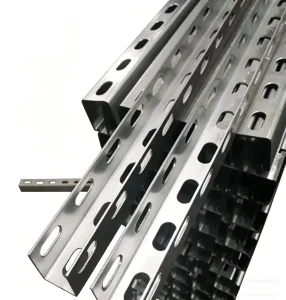
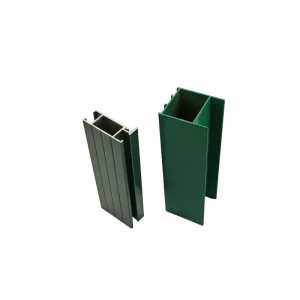
Engineered structural profile solutions, precision machined brackets, and heat sinks tailored for solar, LED, and window structures.
Annual Production Capacity
Industrial Base Area
Advanced Extrusion Systems
Global Quality Certifications
In modern industrial manufacturing, the demand for precision, structural durability, and high structural efficiency is driving a paradigm shift. Lightweight structures have transitioned from being a premium choice to a core engineering mandate. CNC aluminum machining combined with advanced alloy extrusion forms the backbone of critical industries—ranging from next-generation electric vehicle (EV) chassis systems and solar PV infrastructure to high-speed rail systems, aerospace components, and thermal dissipation systems for high-performance LED applications.
Aluminum alloys, especially within the 6000 and 7000 series, present a distinct balance of high strength-to-weight ratio, excellent thermal conductivity, natural corrosion resistance, and high machinability. However, the execution of precision tolerances (+/- 0.01mm or tighter) on large extruded sections requires a deep understanding of metal stress dynamics, tooling design, and multi-axis CNC configurations.
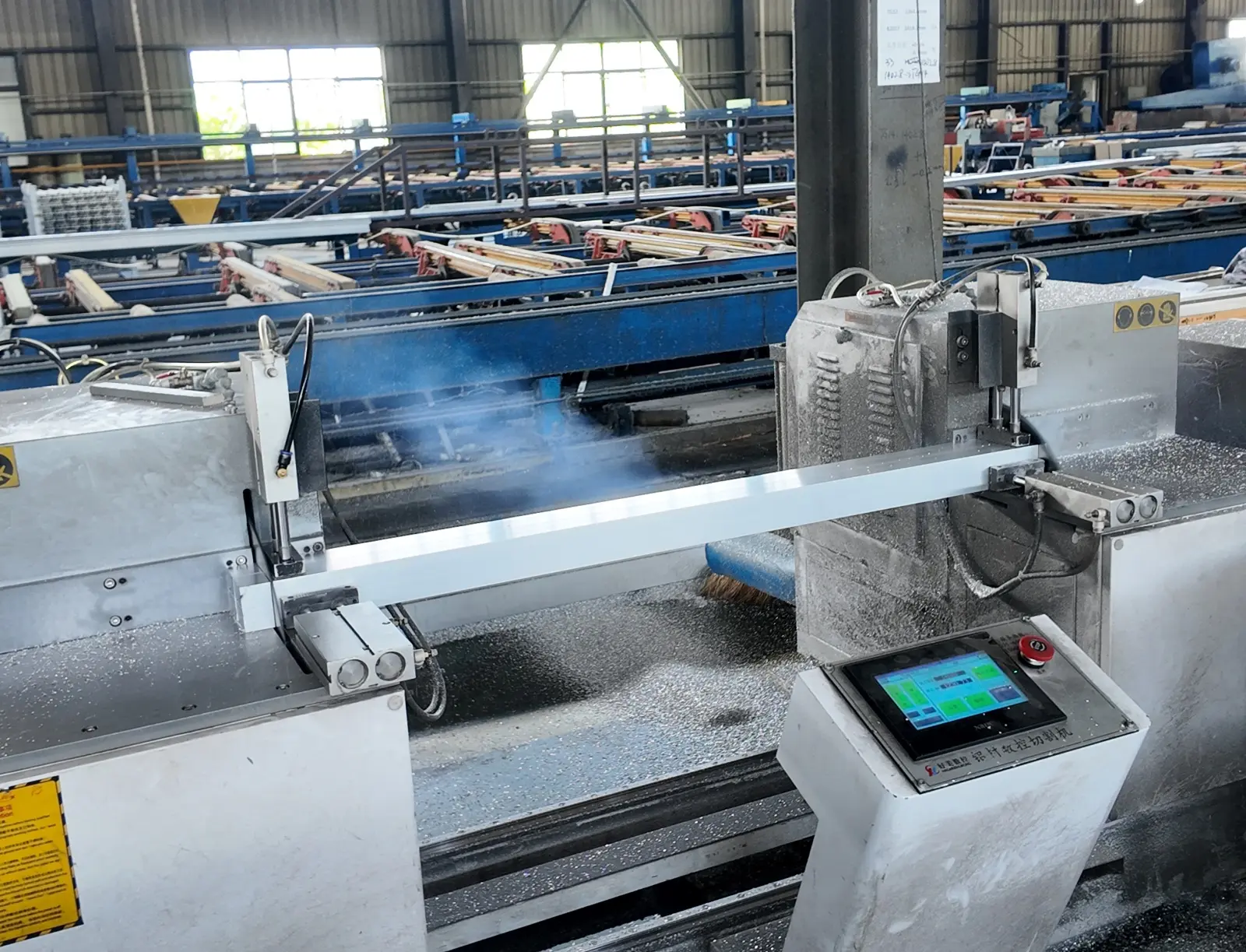
Historically, manufacturers relied on post-process assembly. Modern production lines, such as those at Qingdao Kangjian Aluminum Industry Technology Co., Ltd., consolidate extrusion, precise cross-cutting, high-speed CNC milling, drilling, and surface coating under a single manufacturing flow. This unified process minimizes internal material stress buildup, prevents profile warping, and guarantees dimensional consistency across high-volume production batches.
Technical buyers face significant challenges when vetting wholesale CNC aluminium machining suppliers. The primary evaluation must look beyond unit price to assess several system-level requirements:
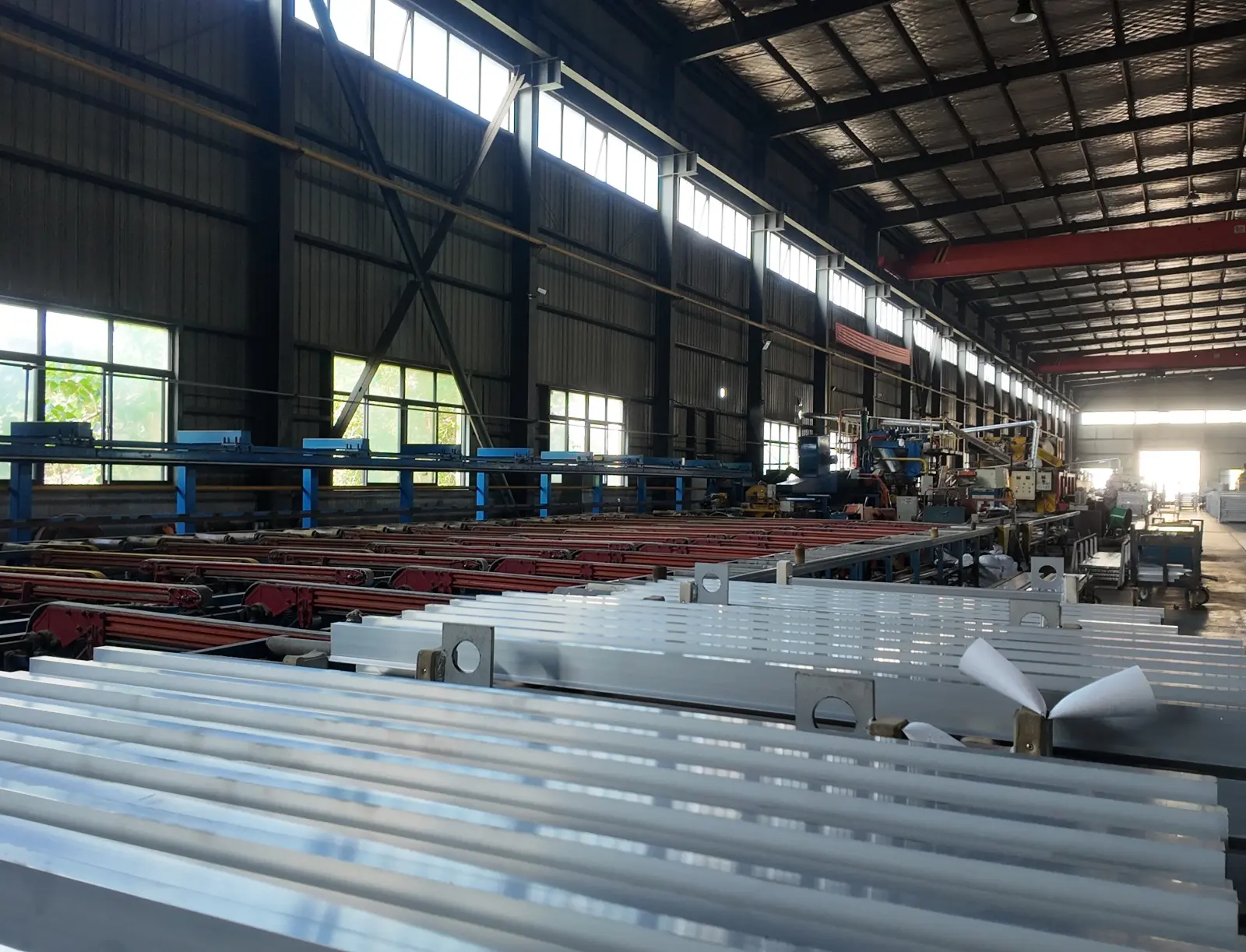
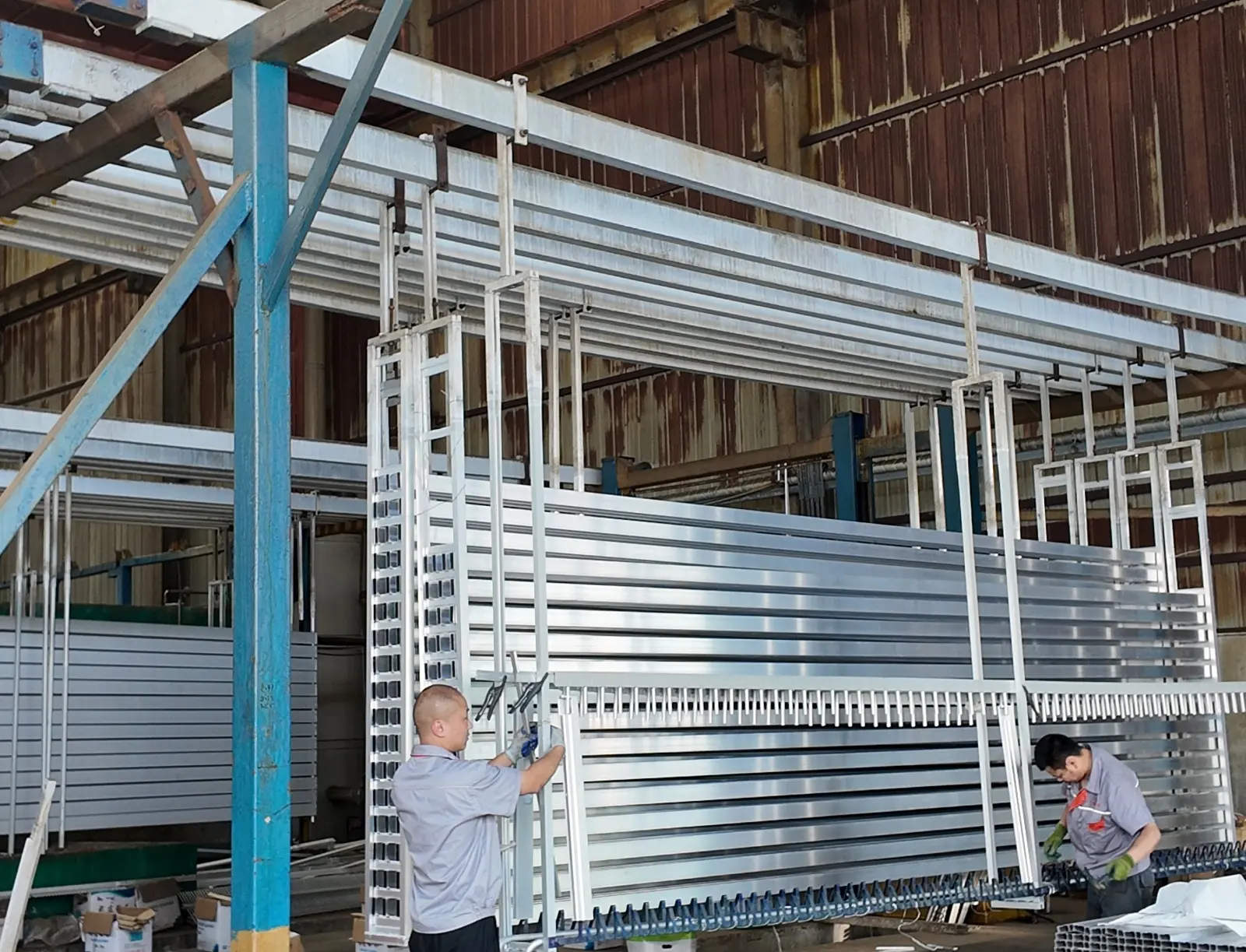
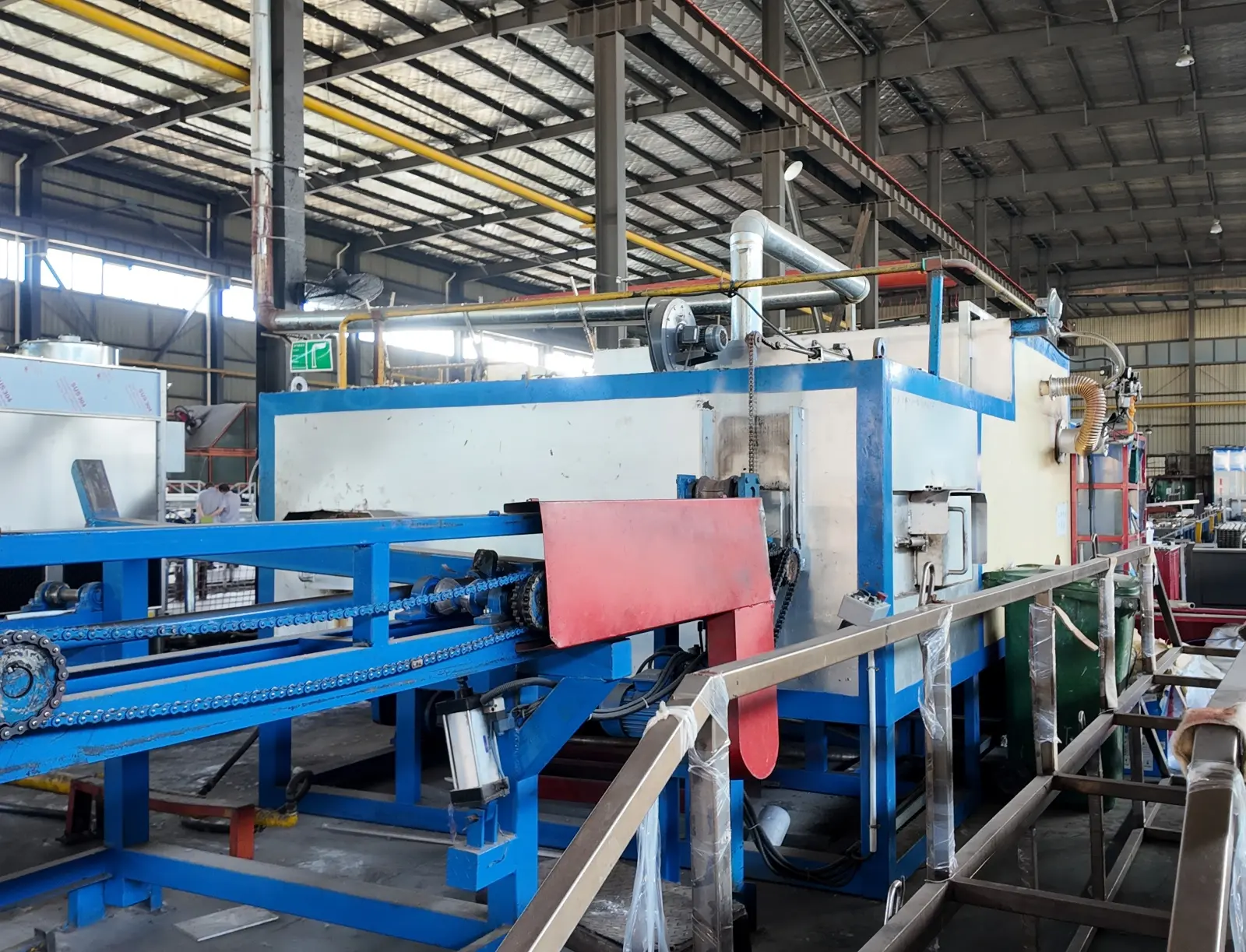
Efficient CNC aluminum machining starts in the extrusion die. High-precision profiles require dedicated extrusion presses designed to control the cooling rate (quenching) and material feed velocity. Qingdao Kangjian operates a fleet of five highly specialized extrusion presses, including 2500T, 1450T, 1150T, and dual 700T units. This comprehensive tooling configuration allows us to fabricate both large structural sub-frames for transportation networks and compact, thin-walled profiles for electrical enclosures and LED U-channels with minimal material waste.
Providing significant information gain by breaking down the engineering factors that define high-yield CNC aluminum component manufacturing.
Precise thermal control of 6063-T5, 6061-T6, and aerospace-grade 7000 series aluminum guarantees targeted tensile strength and yield performance.
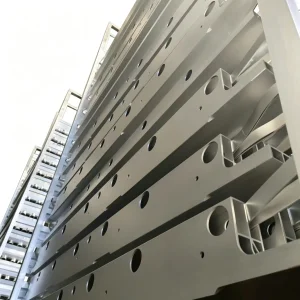
Consolidated milling, drilling, tapping, and counterboring reduce positional errors and cycle times for intricate, long-length structural profiles.
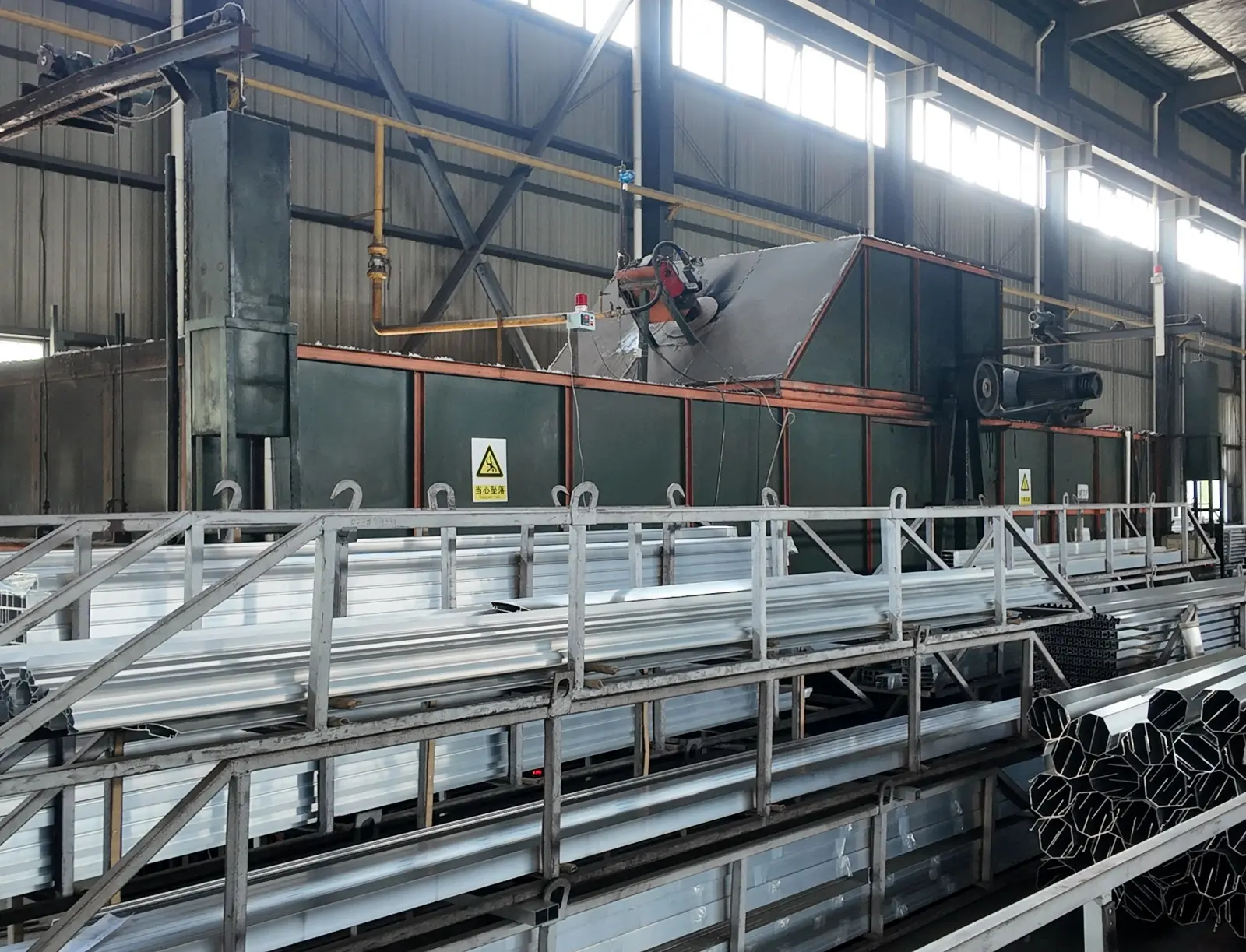
Automated powder coating and precise micro-layer anodizing lines ensure standard salt spray test resistance up to 1000+ hours.
Engineered structural applications that meet rigorous load demands, weight limitations, and extreme weather operating parameters.
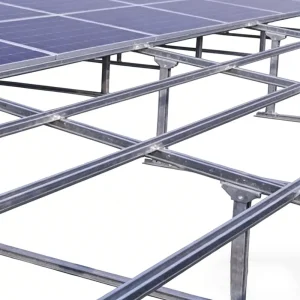
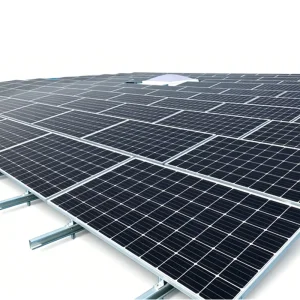
High-strength extruded PV brackets designed to resist heavy wind and snow loads. Anodized 6005-T5/6063-T6 alloys ensure decades of corrosion-free performance in utility-scale solar farms.
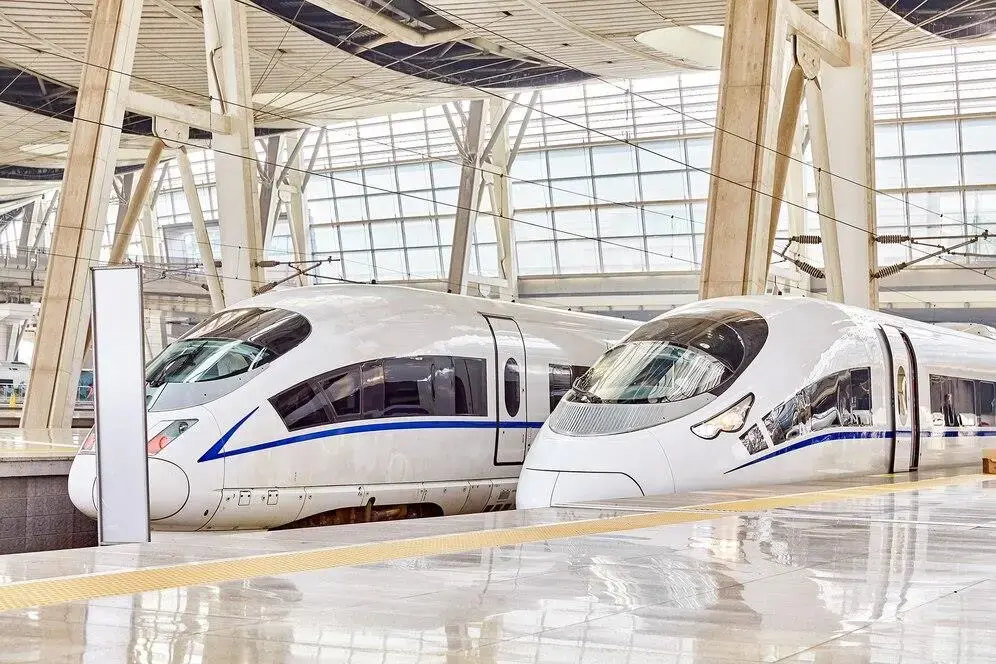
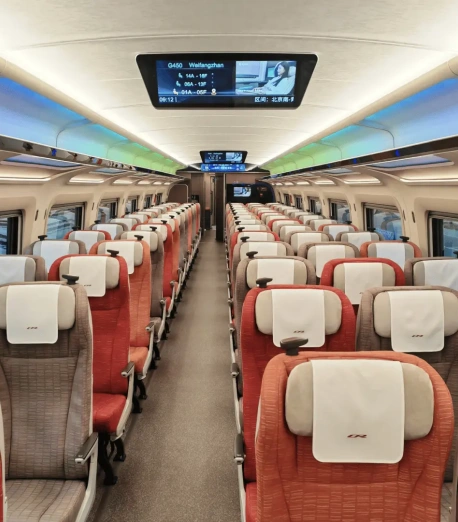
Complex, structural lightweight profiles certified under ISO 22163 (IRIS) and EN 15085. Designed to absorb kinetic impact and optimize train cabin energy efficiency.
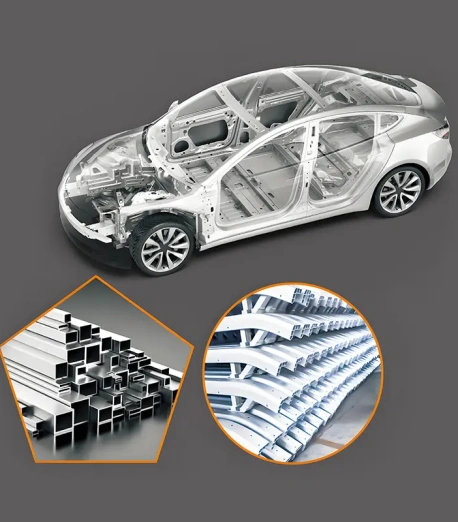
Crash management structures, structural battery pack enclosures, and suspension links machined using advanced multi-axis CNC centers under IATF 16949 automotive quality criteria.
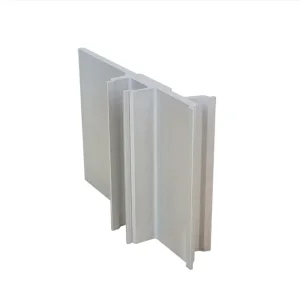
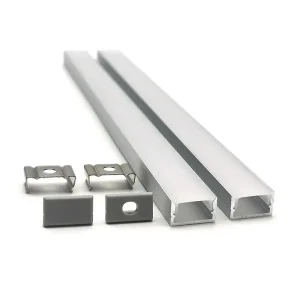
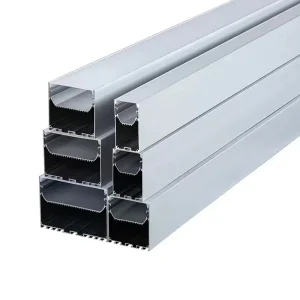
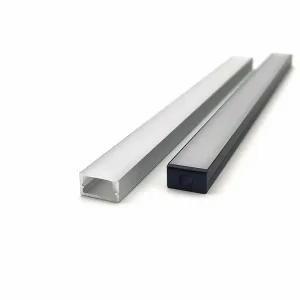
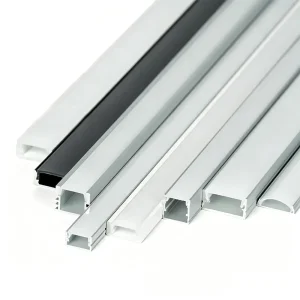
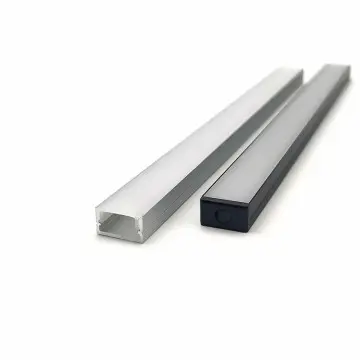
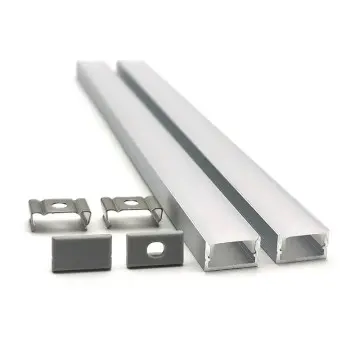
Custom U-channels, V-shape corners, and linear heat sinks designed for optimized thermal dissipation, extending the functional lifetime of high-power LED arrays.
Qingdao Kangjian Aluminum Industry Technology Co., Ltd. - A global leader in custom aluminum extrusion and CNC machining.
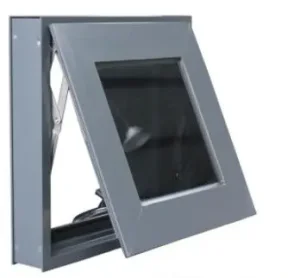
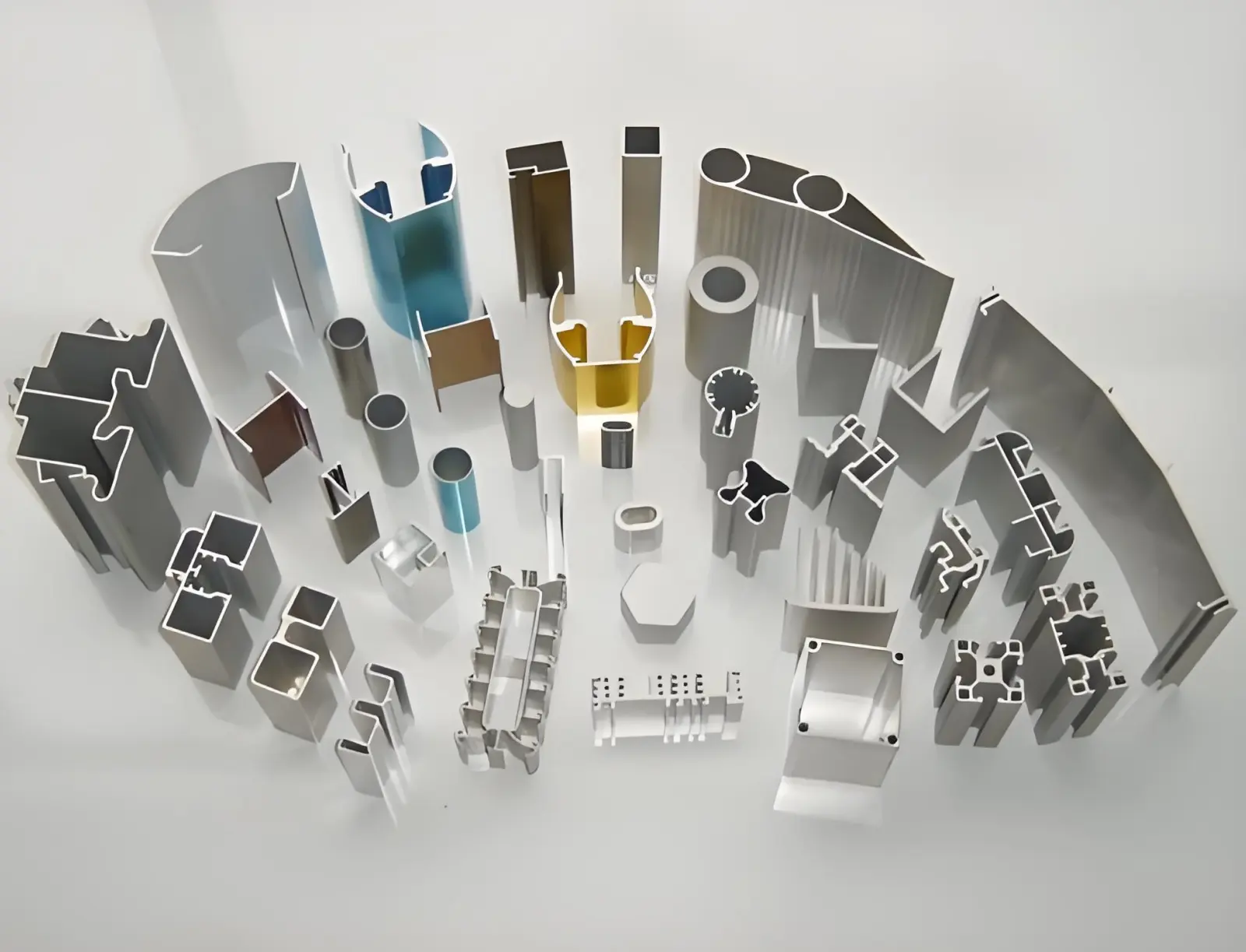
Located in Jimo District, Qingdao City, the company was officially registered and established in 2022. The enterprise mainly produces and processes aluminum and aluminum alloy products. Our product catalog includes aluminum alloy industrial profiles, rail transit profiles, aerospace components, automotive and marine structural profiles, architectural profiles, and high-performance curtain wall profiles.
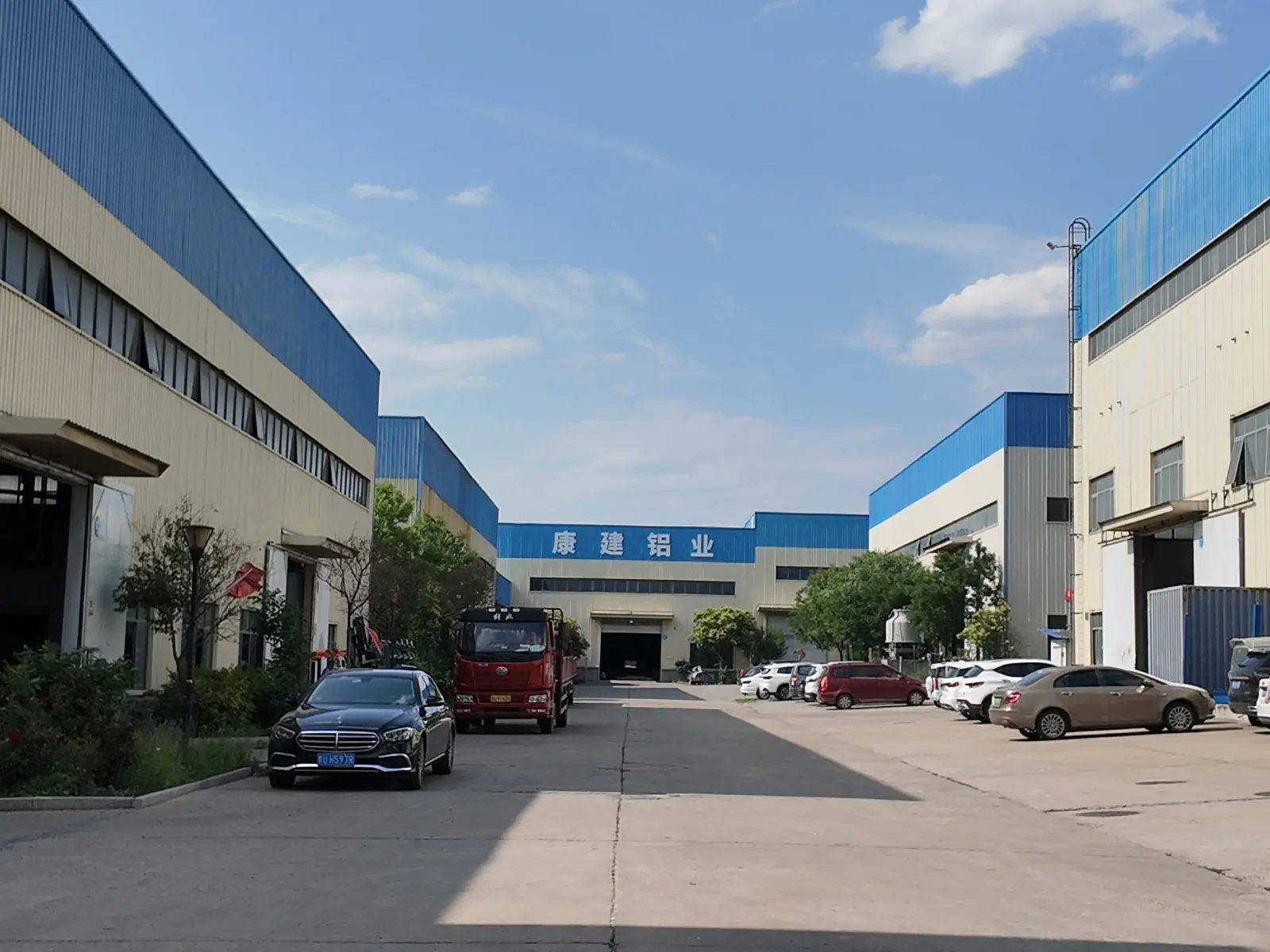
Qingdao Kangjian operates an industrial production base covering an area of 200 mu, with approximately 80,000 square meters of modern factory buildings and 4,000 square meters of office buildings. The production and processing base features an annual output capacity of 15,000 tons of aluminum profiles. The current facility operates with a construction area of 20,000 square meters, 90 highly skilled employees, and 5 state-of-the-art extrusion production lines (including one 1450T extruder, two 700T units, one 2500T unit, and one 1150T unit).
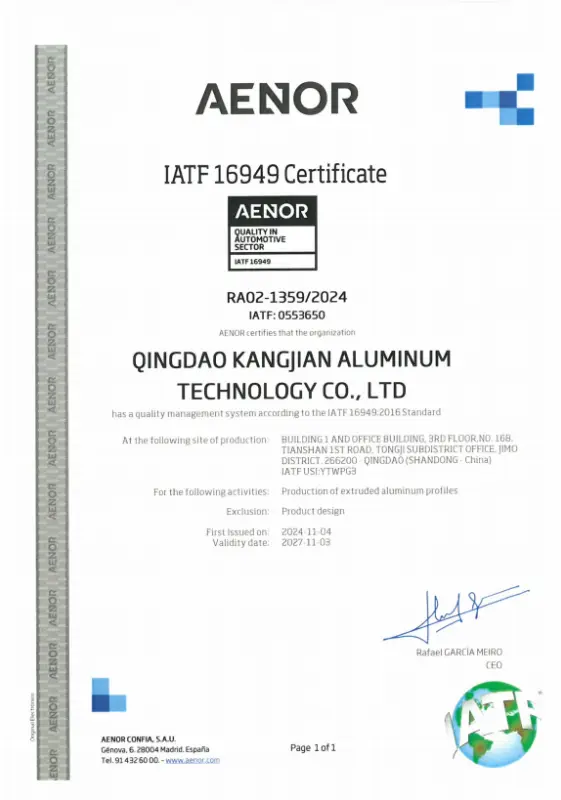
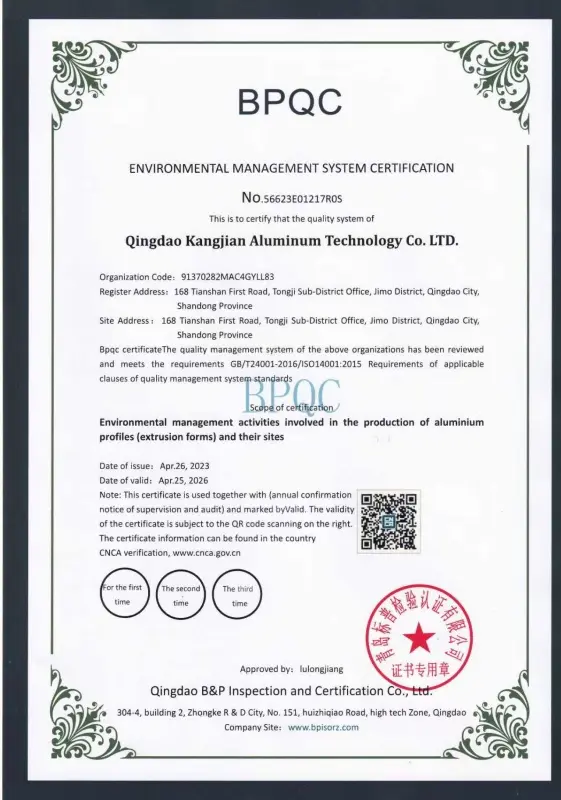
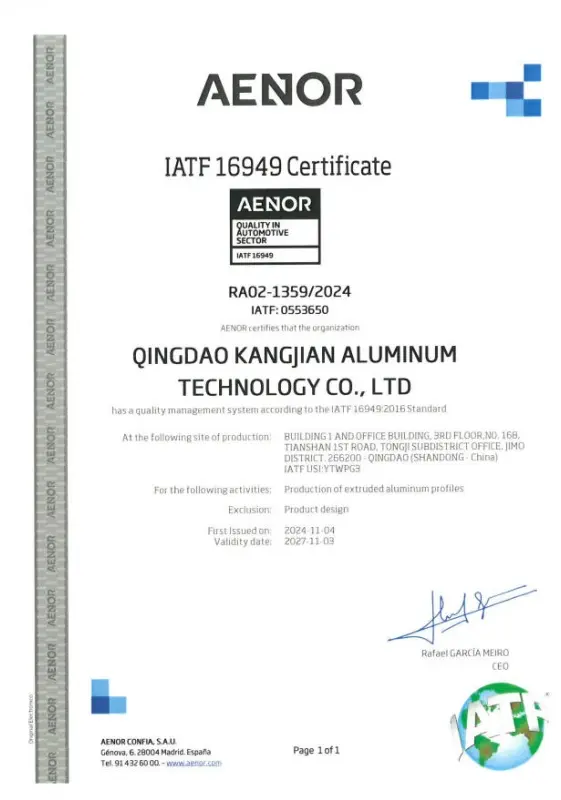
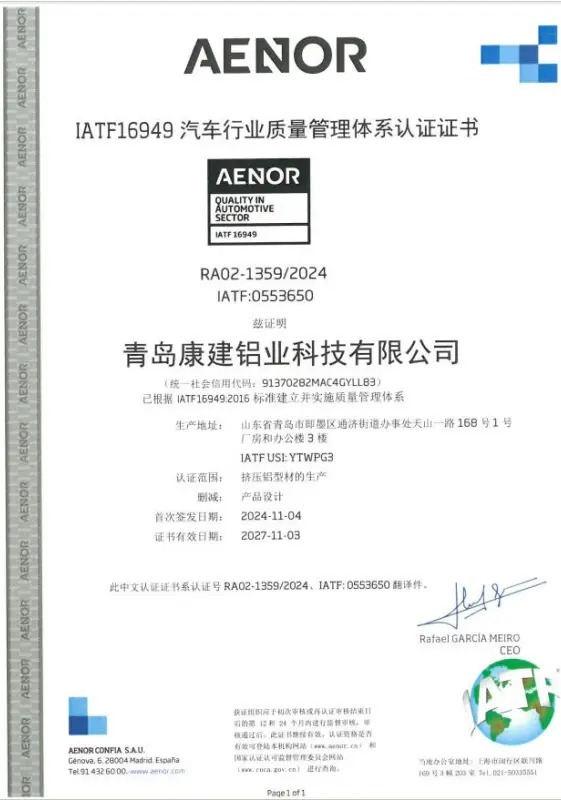
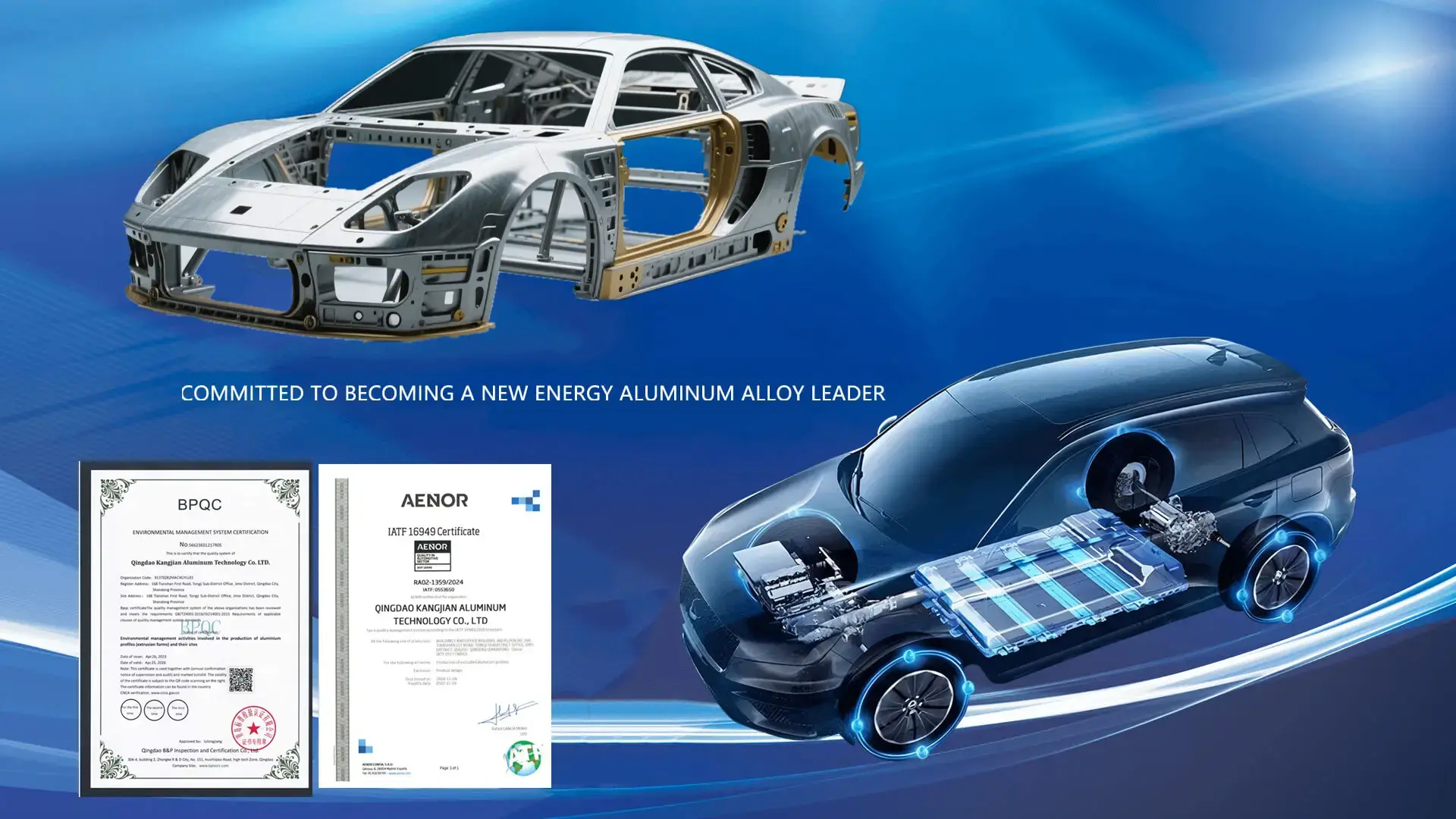
Our commitment to quality is reinforced by multiple international certifications including: National Industrial Product Production License, GB/T19001-2016/ISO9001 Quality Management System Certification, GB/T24001-2016/ISO14001 Environmental Management System Certification, IATF16949 Automotive Industry Quality Management System Certification, ISO22163 Railway Industry Management System, EN15085 Welding system, ISO3834 Welding system, AWS Welding system, and DIN6701 Bonding system.
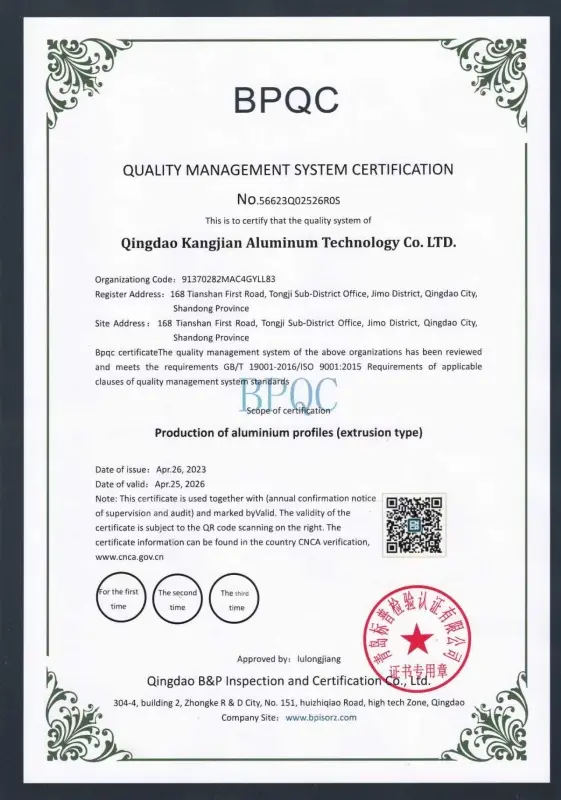
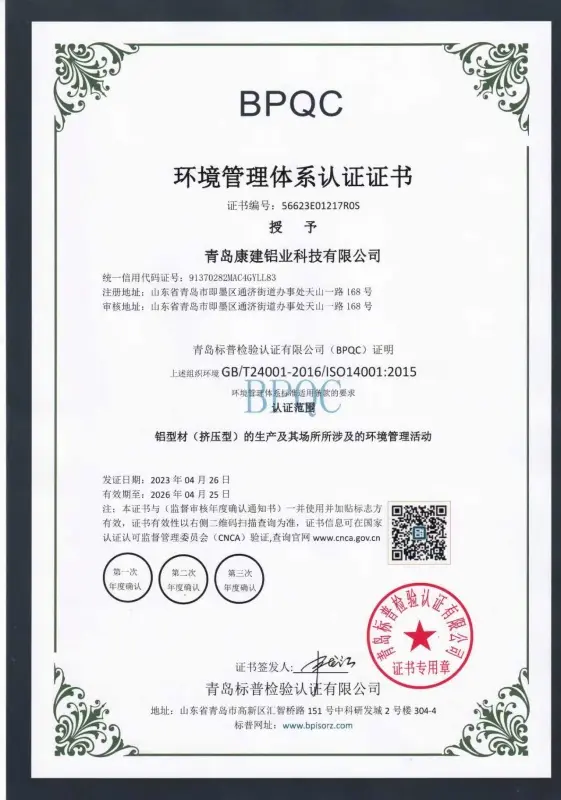
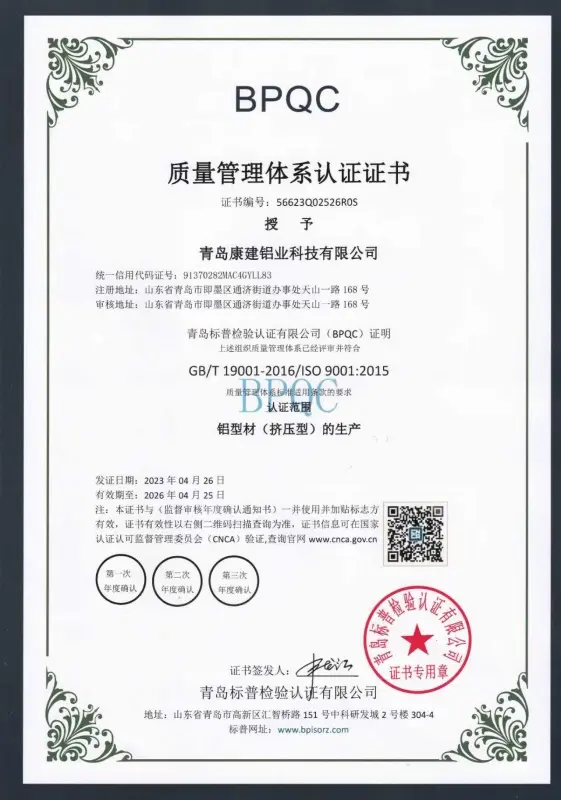
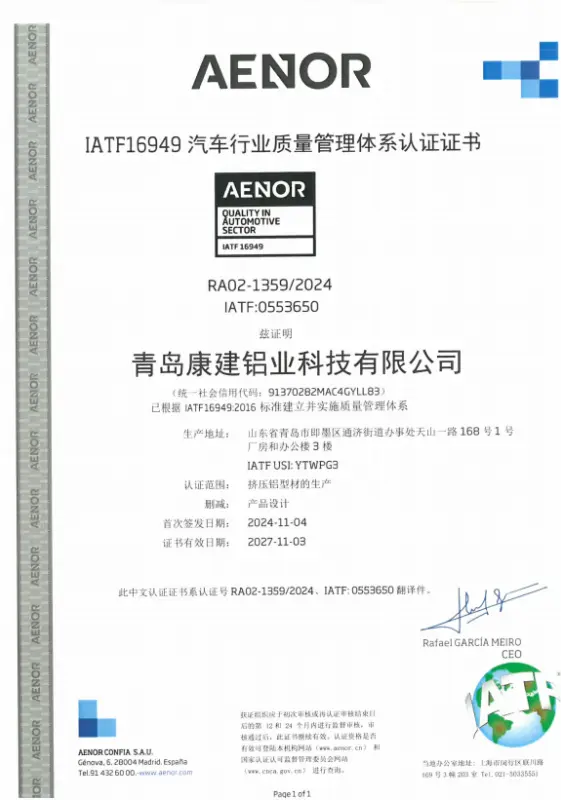
In Qingdao, a city bordered by the Yellow Sea, our dream of delivering high-end structural aluminum profiles launched in 2022. Aware of the demand in this industrial sector, the founders set out to fill the gap in domestic high-end aluminum extrusion capabilities.
Qingdao provides a strong strategic foundation. With a large domestic market and direct access to international trade routes, the city enables our dual-sea layout. This positioning allows us to serve clients globally, shipping custom profiles directly to regional ports worldwide.

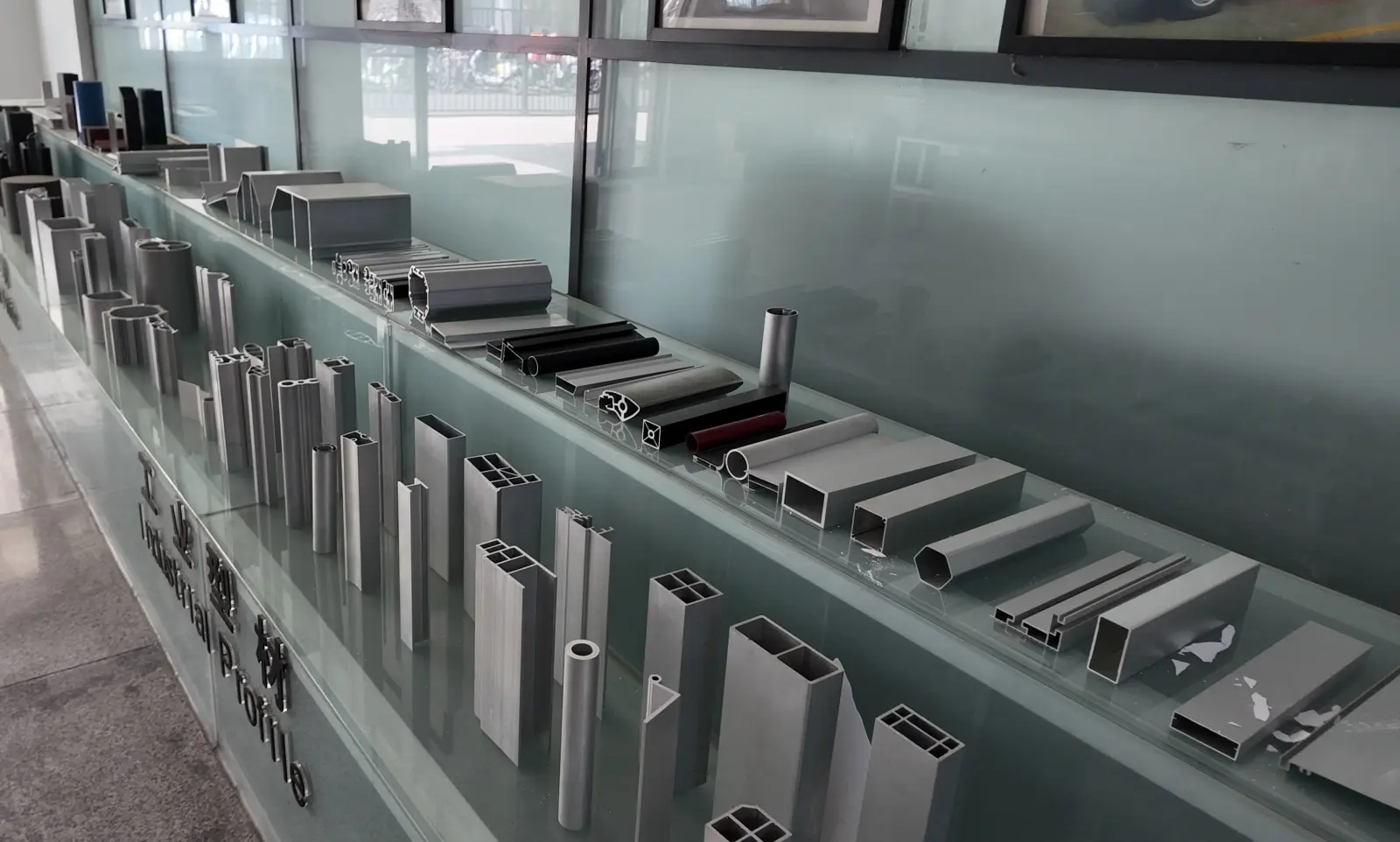
This principle guides our operations. By utilizing modern equipment, rigorous quality control, and ongoing process innovation, we deliver on our promises. Today, structural profiles from our facility support gantry cranes in Nordic ports and contribute to complex international engineering designs.
Relying on the infrastructure of Qingdao, our brand focuses on durability and open cooperation. Each custom-machined profile represents our commitment to reliable, industrial-grade manufacturing.
A look at our growth trajectory and the strategic goals guiding our development.
Over the past three years, Qingdao Kangjian Aluminum has expanded its reach from regional markets to national and global destinations. Our products serve key industrial hubs across China—including Anhui, Hebei, Tianjin, Hunan, Guangdong, Beijing, and Jiangsu. In parallel, our proximity to the Port of Qingdao has facilitated growth into overseas markets such as South Korea, Japan, North America, and Europe.
Average Annual Growth in Order Delivery
We work to develop custom-engineered profiles that match the specific design requirements and load cases of our global customers.
Quality represents the foundation of our business. We apply in-process checks at each stage of extrusion and CNC machining.
Located near the Port of Qingdao, we offer streamlined customs coordination and shipping to support international supply chains.
We supply customized profiles across diverse industrial sectors globally.
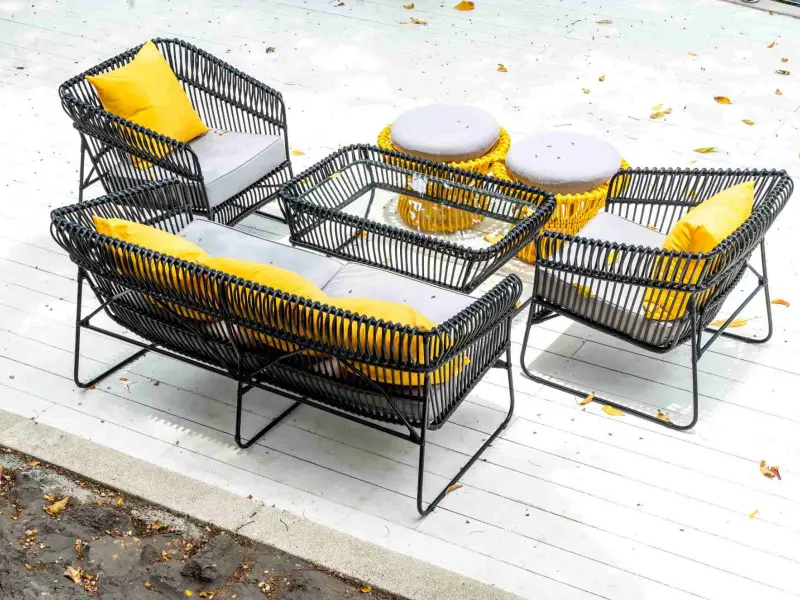
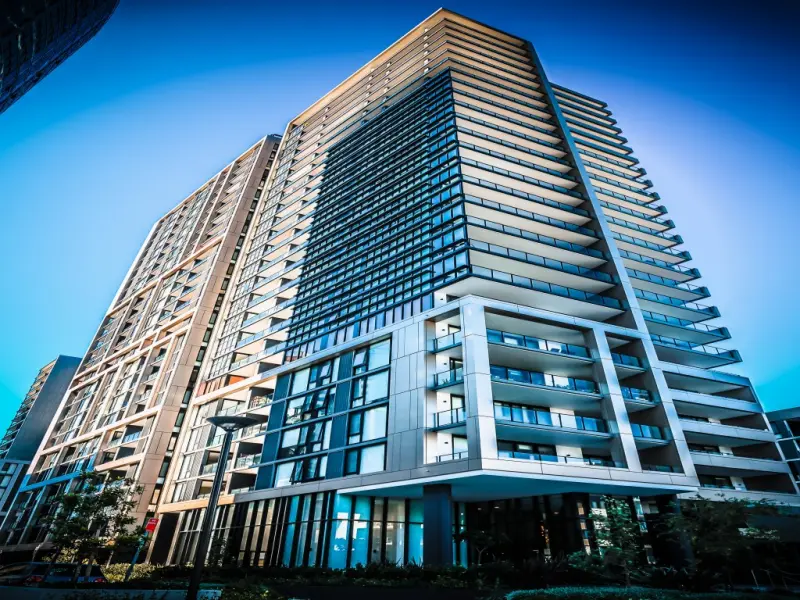
Through regular participation in key trade fairs and industrial exhibitions, we engage directly with global engineering firms to align our design and production processes with changing market needs.


Understanding future trends in alloy development is critical for procurement and engineering teams seeking to maintain product performance over long life cycles. The upcoming decade is marked by three primary shifts in the aluminum processing field:
Environmental policies are driving global demand for low-carbon aluminum. Manufacturers must adapt by using higher percentages of post-industrial and post-consumer recycled aluminum without compromising material strength. Our metallurgy and extrusion processes are calibrated to manage trace alloy variations, ensuring that components made with recycled materials maintain the required structural integrity.
To reduce assembly times and minimize potential structural failure points, industries are moving toward larger, singular extruded components. Instead of welding multiple smaller extrusions, companies utilize heavy-tonnage presses (such as our 2500T unit) to create complex, wide-profile sections. These sections are then processed directly on multi-axis CNC machines, reducing assembly labor and improving structural reliability.
The integration of CAD/CAM systems with automated CNC lines helps reduce human error, speed up cycle times, and support consistent quality controls. By monitoring tool wear and machine calibration in real time, we can maintain tight dimensional tolerances across long production runs.
Standard and custom-machined products engineered for high dimensional stability, load resistance, and clean surface finishes.
Addressing essential technical, quality control, and logistics questions for manufacturing projects.
For standard profile lengths up to 6 meters, we typically hold linear tolerances of ±0.1mm. For critical interfaces and machined mounting patterns, we can hold precision tolerances down to ±0.02mm by using high-speed vertical CNC machining centers, depending on the wall thickness and geometry.
IATF 16949 is a rigorous quality management standard in the manufacturing sector. The strict process controls, failure mode analysis (FMEA), and preventative maintenance it requires help ensure high consistency, lower defect rates, and reliable trace records for all structural and industrial components we manufacture.
For solar mounts, structural framing, and brackets, we typically recommend the 6005A-T6 or 6063-T6 alloys. These variants offer a practical balance of mechanical strength, weldability, and resistance to environmental corrosion. For heavy-duty structures, we also process the high-yield 6061-T6 alloy.
We offer anodizing (clear, satin, and colored finishes), electrostatic powder coating, and electrophoresis. Our powder coating processes are certified to meet international weatherability requirements, achieving over 1,000 hours of salt spray testing for challenging marine and outdoor applications.
Standard tooling integration starts at an average profile weight equivalent of 1 to 3 tons per run, depending on complexity. We also support prototype and small-batch production during the design validation phase (FAIR) prior to full-scale commercial manufacturing.
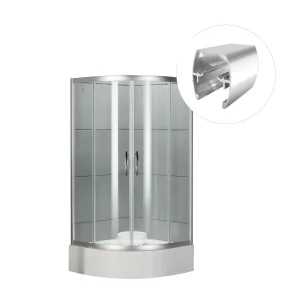
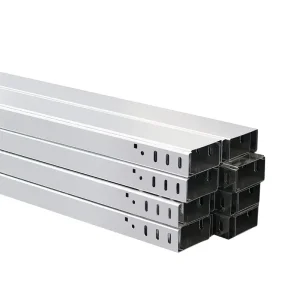
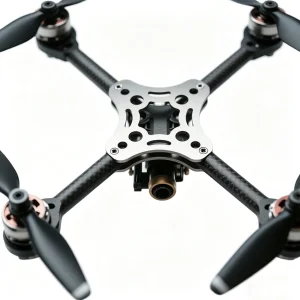
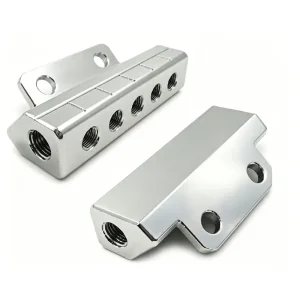
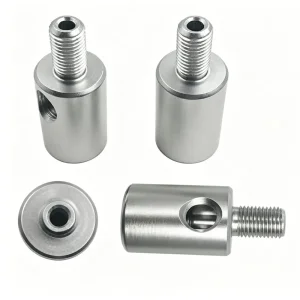
High-precision components manufactured for specialized oil drilling, architectural doors, custom cable trays, LED lighting, and aerospace drone platforms.