Kangjian
Kangjian
Kangjian
Precision extruded profiles and CNC machined assemblies built to exact industrial engineering tolerances.
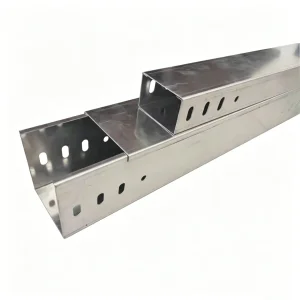
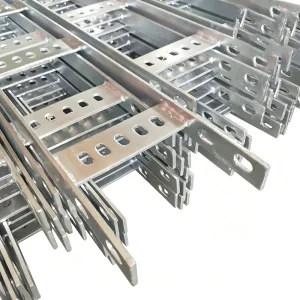
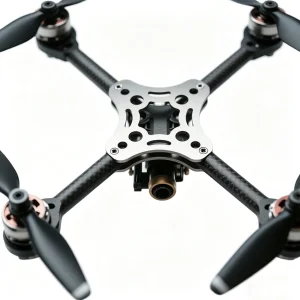
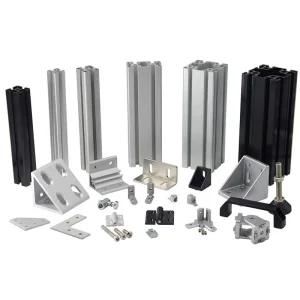
Within modern industrial manufacturing, structural optimization and component longevity depend strongly on sourcing material with exact specifications. As industries transition to lightweight designs to reduce energy consumption, custom extruded and CNC-machined aluminum profiles have become crucial for structural engineering. Modern supply chains require partners who offer more than basic manufacturing. To maintain high production standards, global enterprises look for manufacturers with comprehensive metallurgical knowledge, advanced tooling design, and strict quality control systems.
Aluminum alloys like the 6000-series (silicon-magnesium) and 7000-series (zinc-copper-magnesium) provide the strength-to-weight ratio, corrosion resistance, and thermal conductivity needed for complex assemblies. However, achieving these properties consistently at a high volume requires precise control over parameters like alloy chemical composition, extrusion speed, exit temperature, quenching rates, and aging processes. Partnering with a reliable factory helps procurement teams reduce engineering risks, improve product consistency, and manage total cost of ownership (TCO).
China's custom aluminum extrusion industry provides significant advantages in capacity, cost, and speed due to its integrated production model. Unlike regional suppliers with limited services, advanced Chinese factories combine alloy preparation, tool design, extrusion, precision CNC machining, and surface treatment in a single facility. This vertical integration reduces lead times and minimizes the risks of handling parts across different vendors.
Located in the Jimo District of Qingdao, Qingdao Kangjian Aluminum Industry Technology Co., Ltd. uses these regional advantages to serve international markets. With direct access to major shipping channels and an integrated supply chain, we manage raw material sourcing, profile design, and global shipping efficiently. This allows us to scale production from prototype runs to high-volume manufacturing without sacrificing dimensional accuracy.
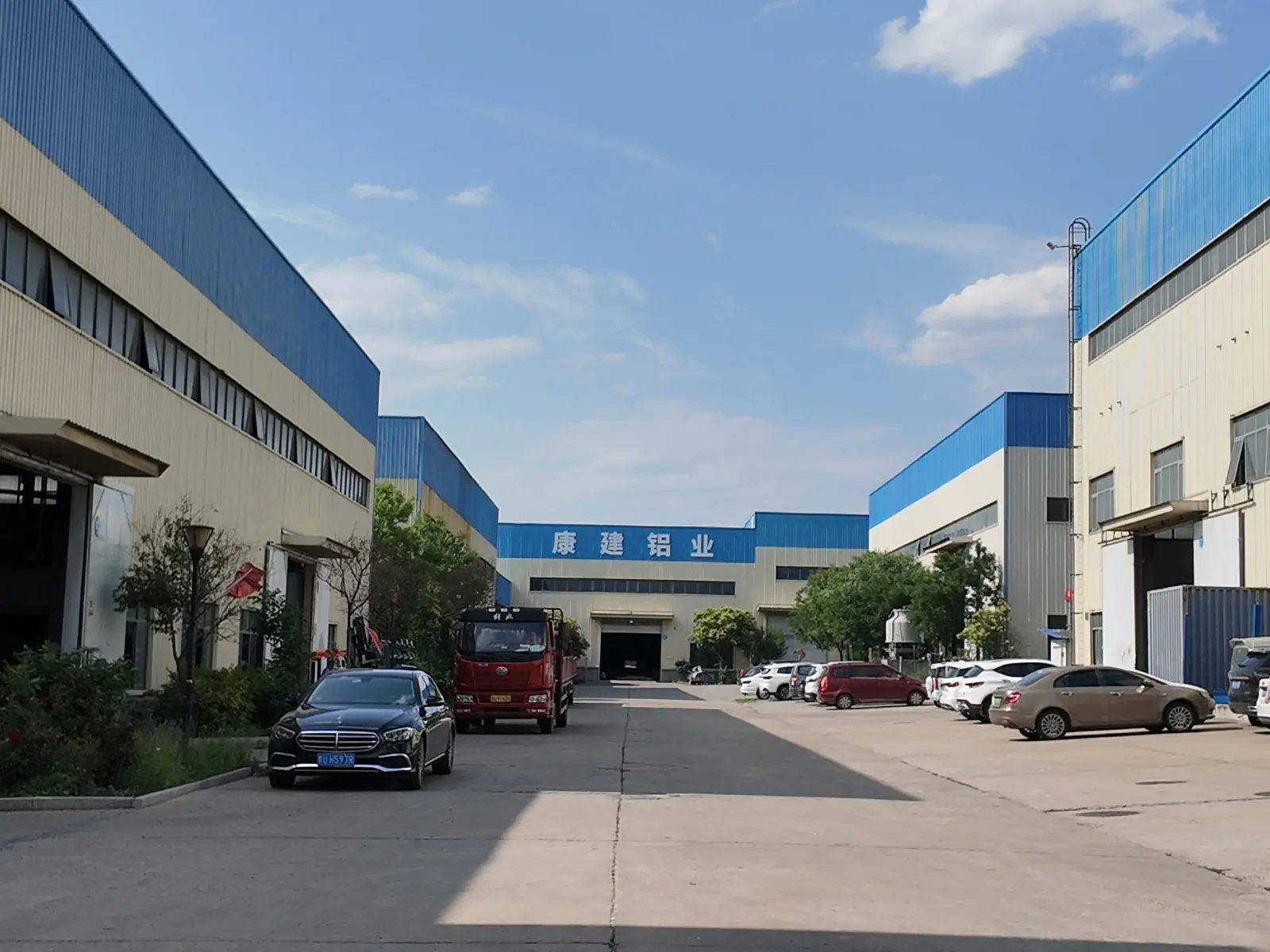
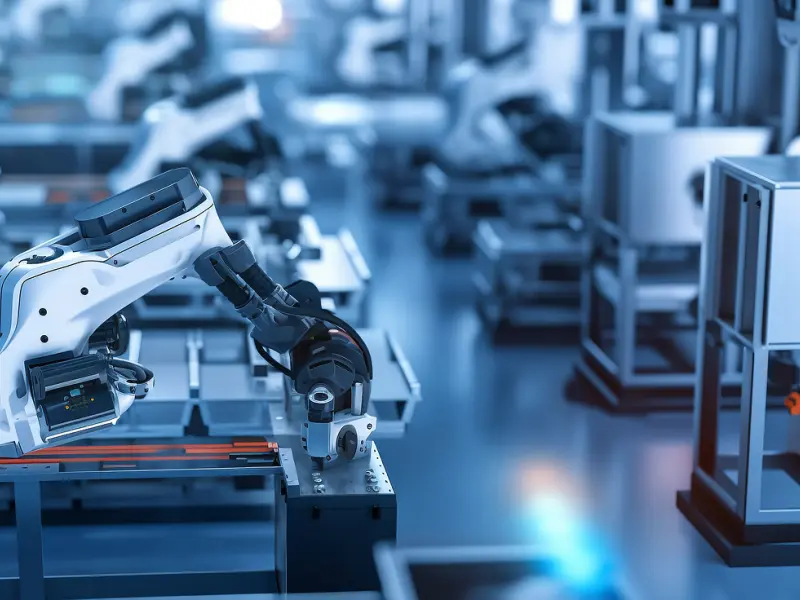
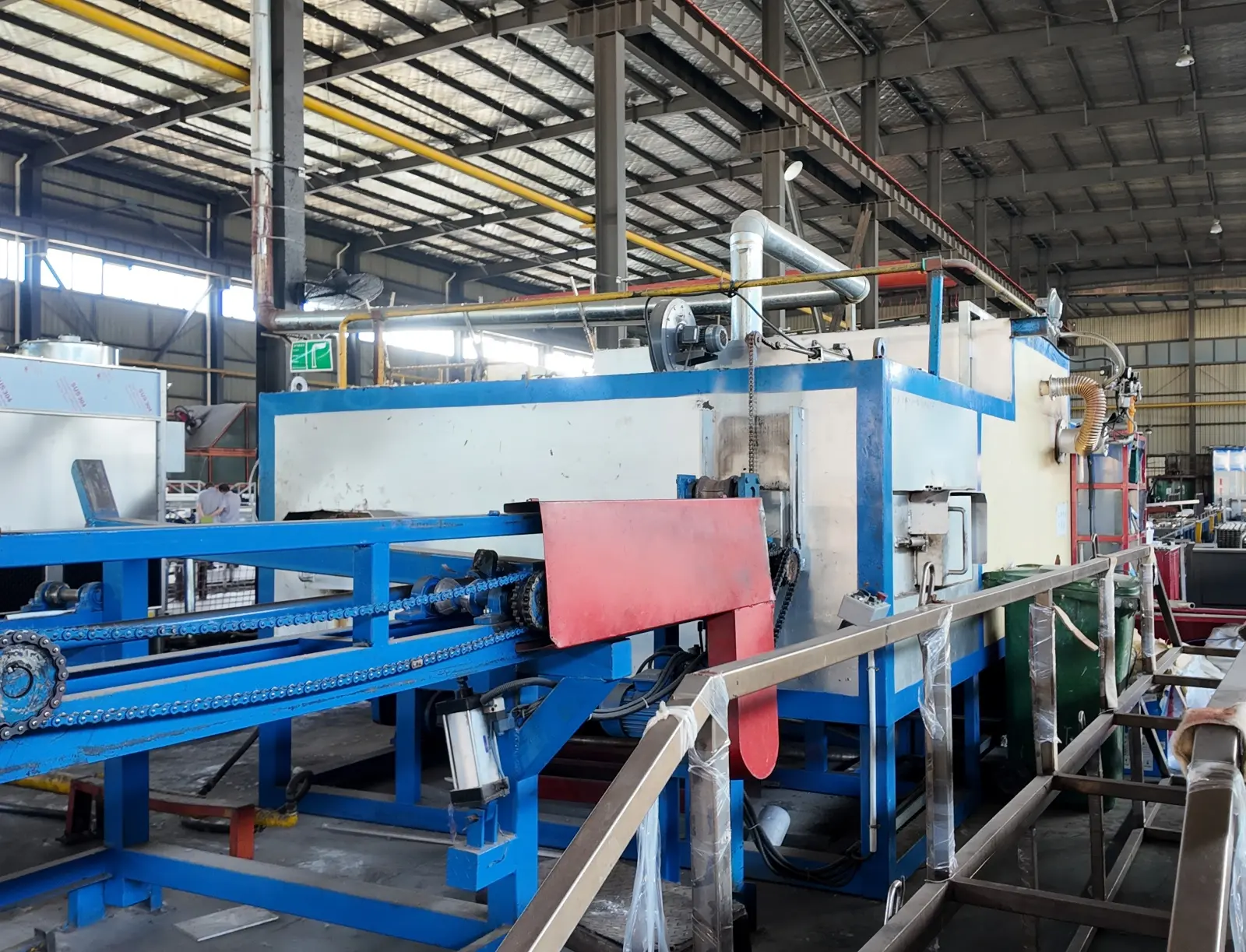
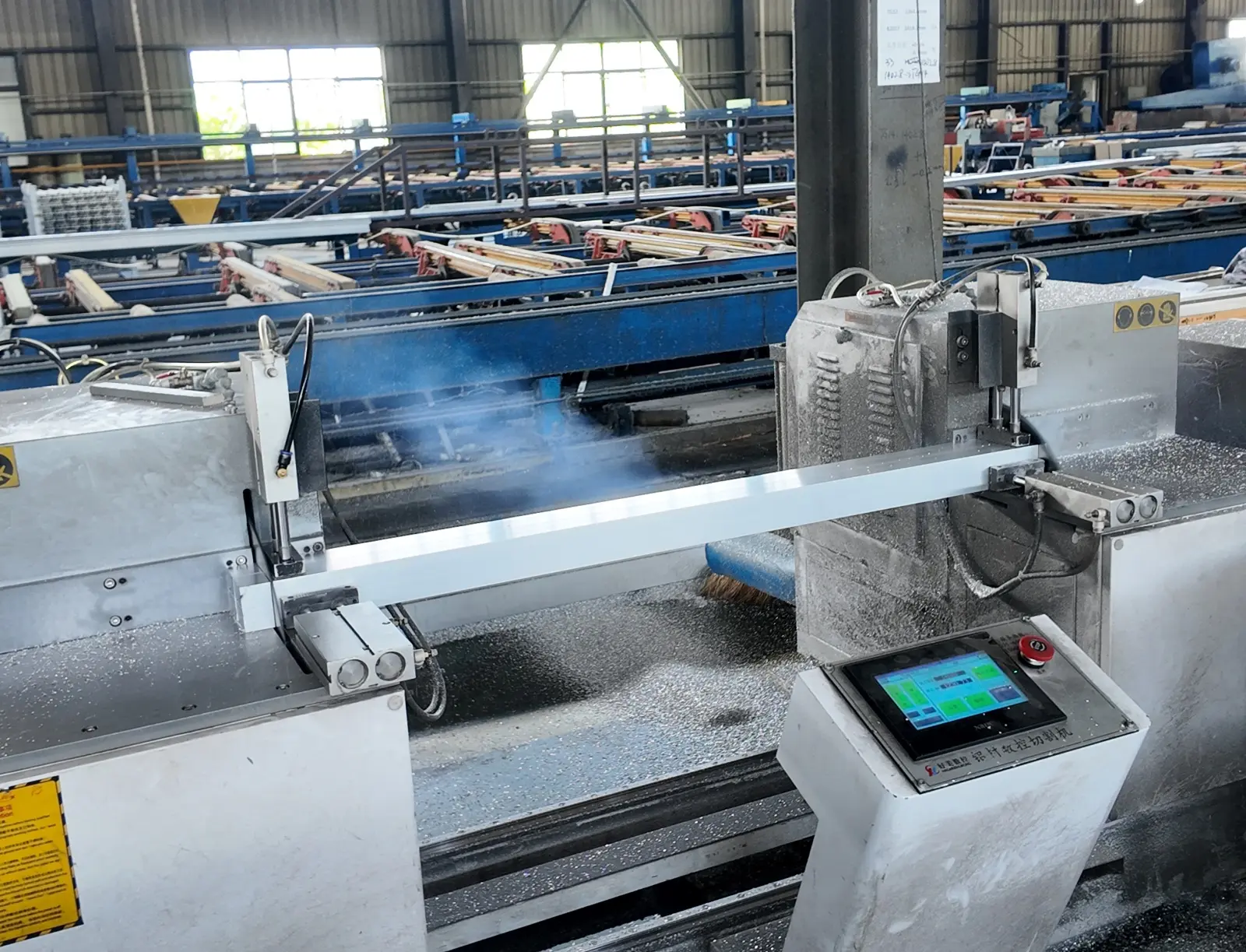
Qingdao Kangjian's 80,000 m² Advanced Production and Extrusion Facility
Procuring custom aluminum profiles requires deep technical alignment between the client's engineering team and the factory's production managers. Modern custom manufacturing goes beyond simple shape extrusion; it requires precise dimensional control, specific material tempering, and complex surface finishes. The most common technical requirements include:
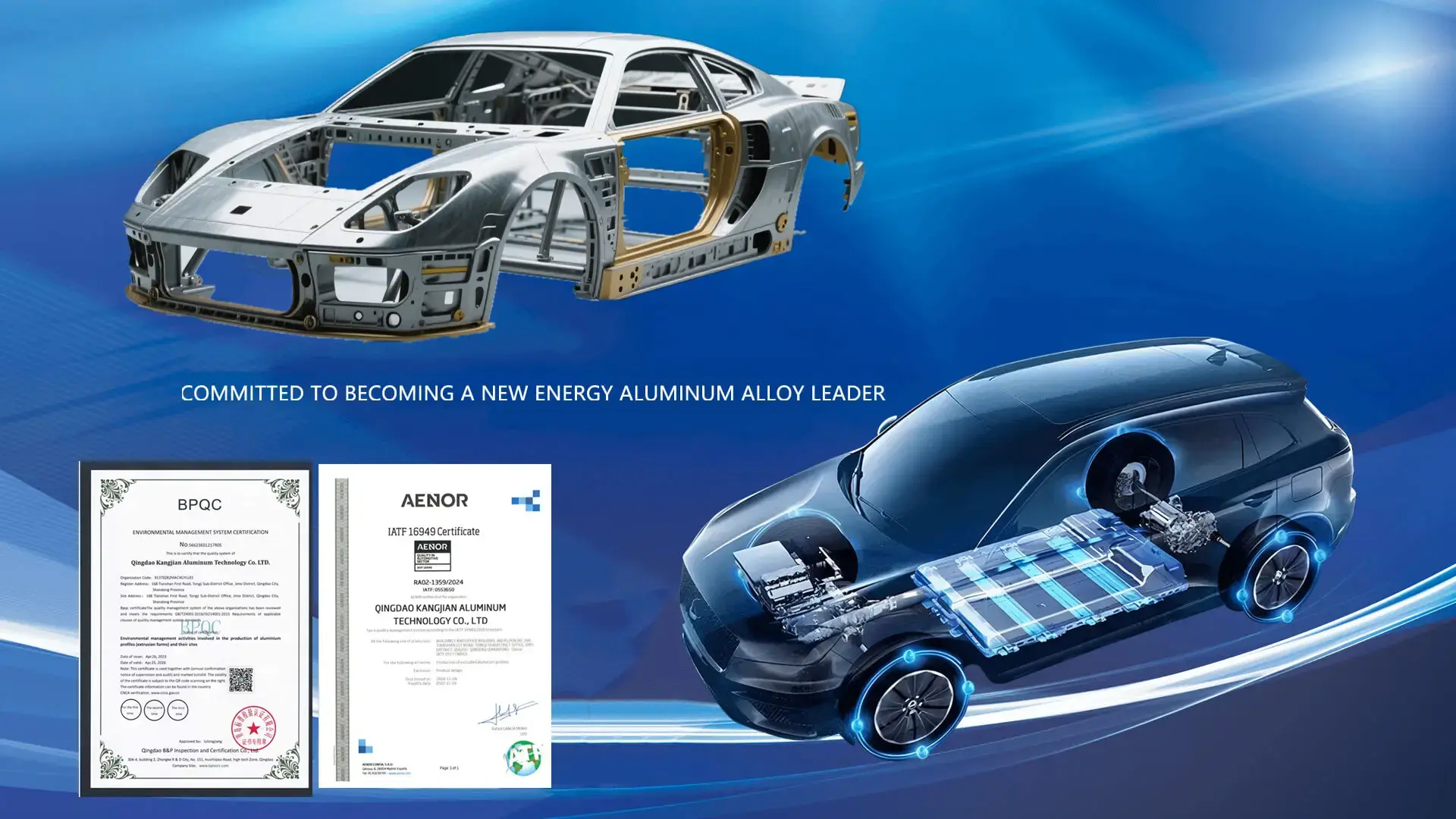
Navigating different international regulatory environments is a key challenge for global supply chains. A reliable manufacturer must maintain certifications that align with various regional standards. This includes complying with environmental laws like EU REACH and RoHS, and obtaining sector-specific quality certifications. For instance, automotive parts require IATF 16949 certification, while structural rail welding requires compliance with EN 15085 standards.
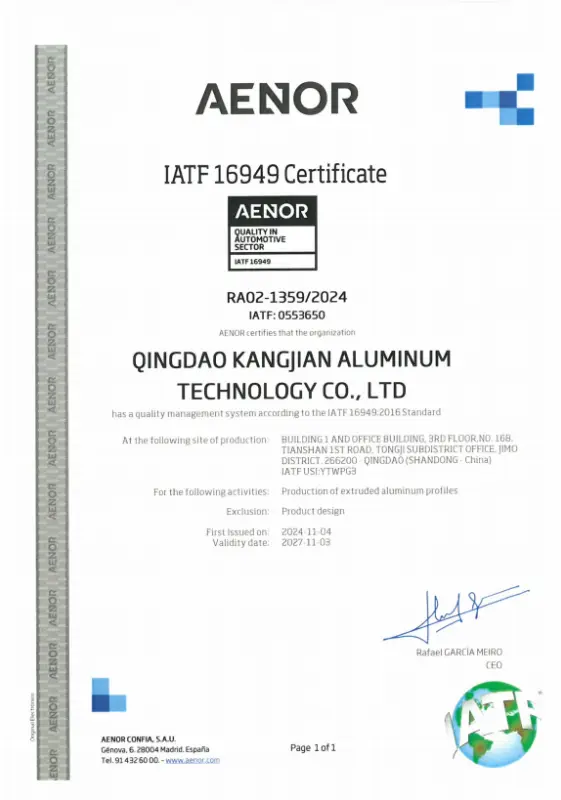
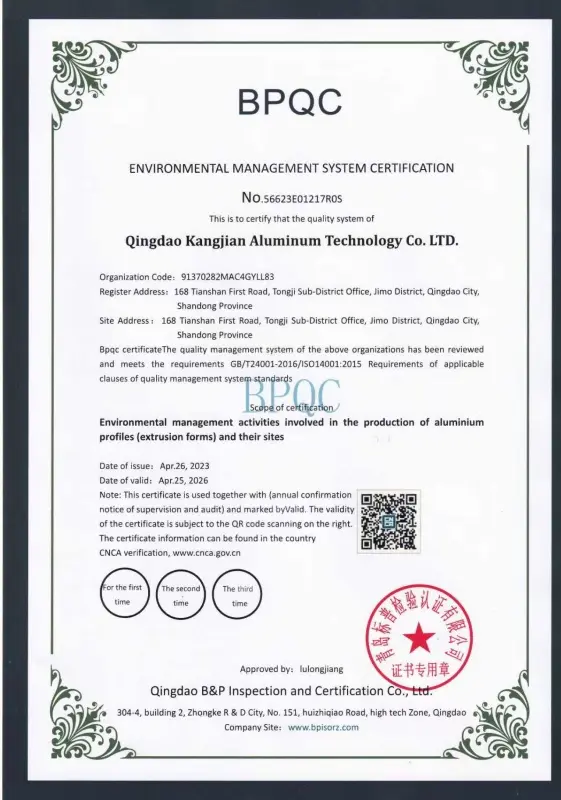
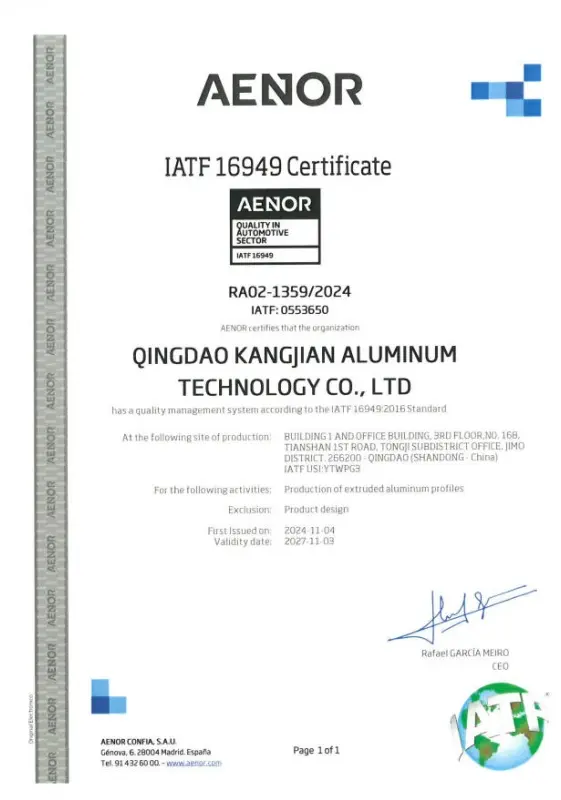
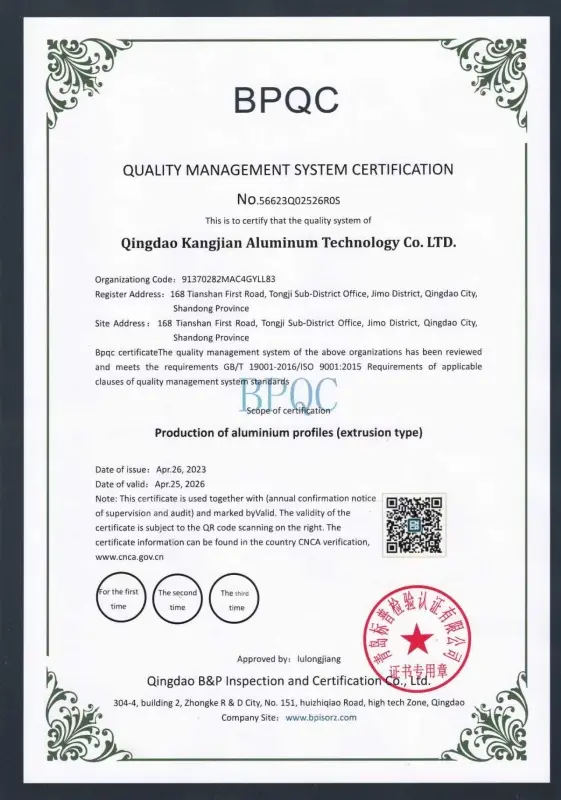
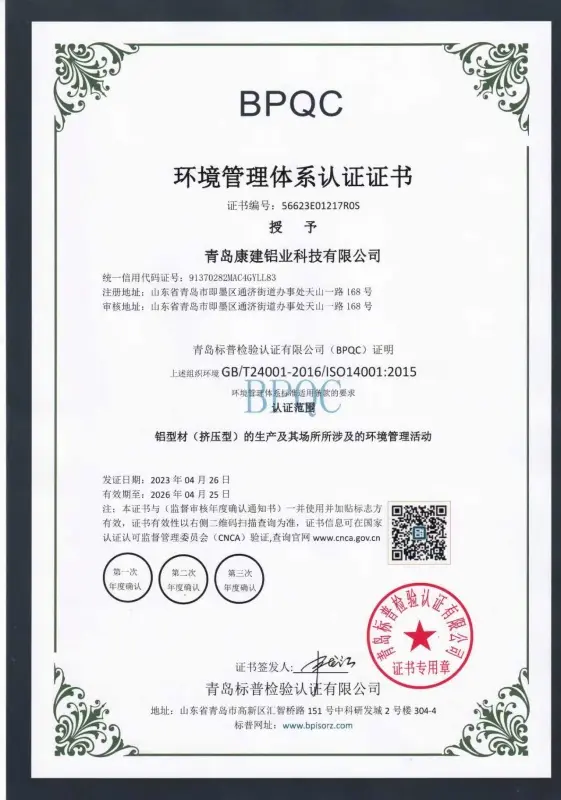
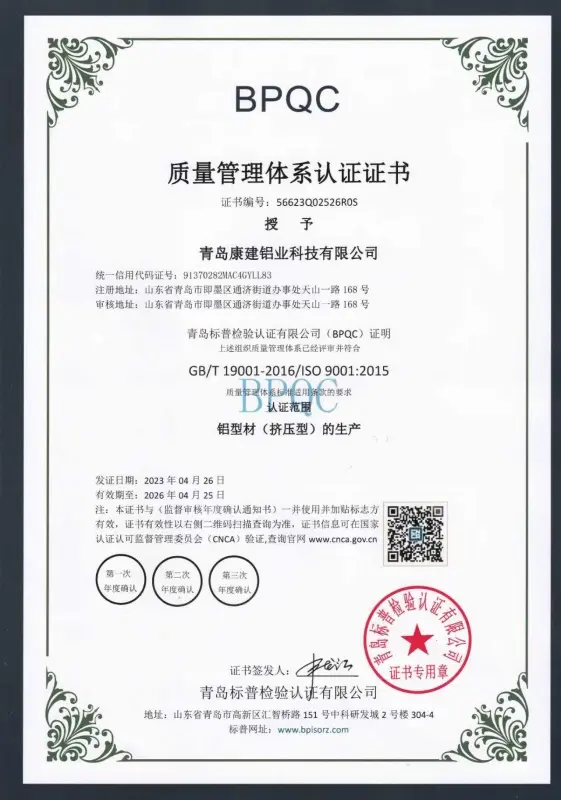
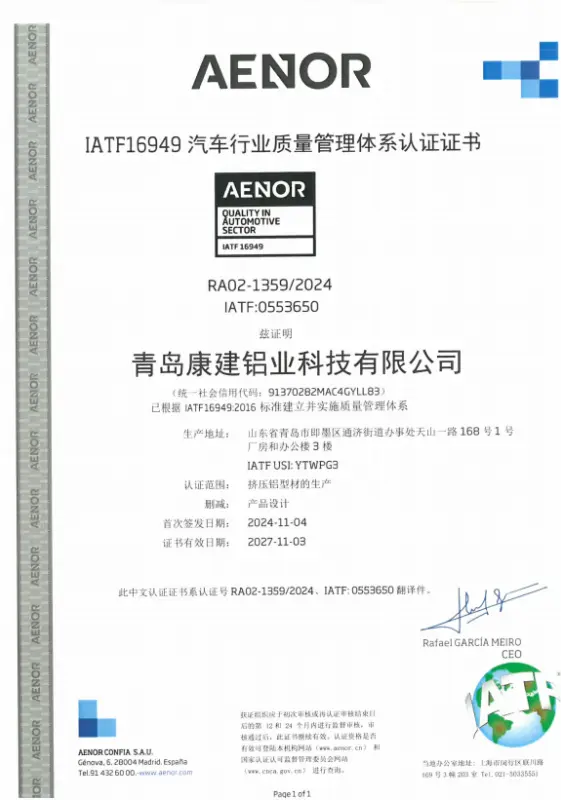
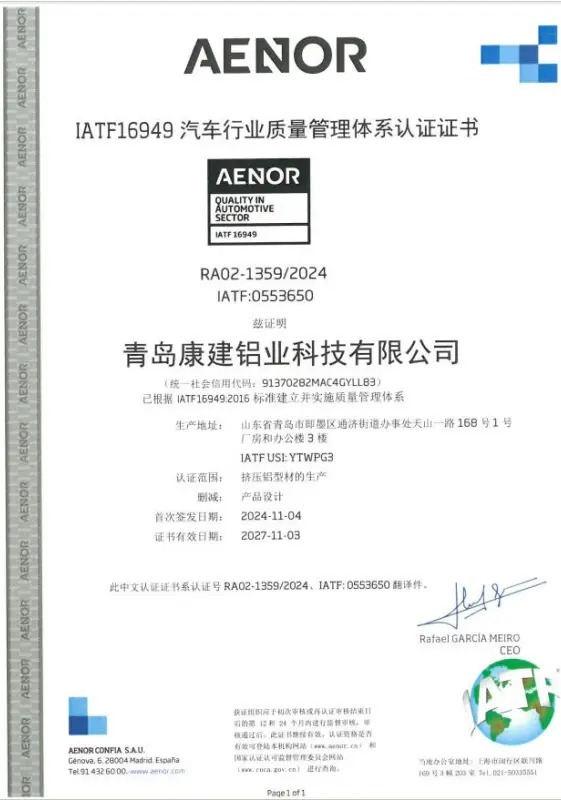
Qingdao Kangjian manages these requirements through a robust quality control framework. We maintain certifications including GB/T19001-2016/ISO9001, GB/T24001-2016/ISO14001, IATF16949 (Automotive Quality), ISO22163 (IRIS - Railway Industry), EN15085 (Welding of Railway Vehicles), ISO3834 (Quality Requirements for Fusion Welding), AWS (American Welding Society standards), and DIN6701 (Adhesive Bonding in Rail Vehicles). This certification portfolio ensures our products meet the compliance requirements of North American, European, and Asian markets.
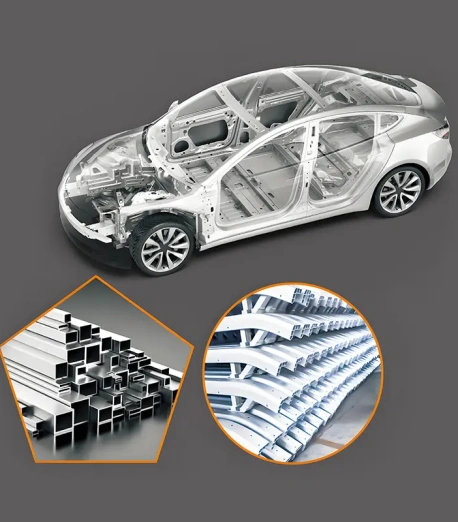
Our automotive parts production lines follow IATF 16949:2016 standards. We use Advanced Product Quality Planning (APQP), Failure Mode and Effects Analysis (FMEA), and Production Part Approval Processes (PPAP) to ensure dimensional accuracy, structural strength, and clean finishes for automotive components.
The aluminum industry is shifting toward higher precision and improved sustainability. Key technological developments include:
Engineered extrusion solutions classified by target industry and structural application.
How our custom-engineered aluminum components perform in challenging operational environments worldwide.
Marine environments require materials with high corrosion resistance and structural integrity. Aluminum-magnesium alloys (such as 5000 and 6000 series) are often chosen for marine structures due to their natural oxide layer. For example, large gantry cranes in Nordic ports use our high-strength, corrosion-resistant profiles to handle cold temperatures and saltwater exposure, ensuring long-term operational safety.
By controlling the alloy composition and tempering process (such as T6 aging), we help these components withstand dynamic wind and sea loads, minimizing stress corrosion cracking over long service periods.

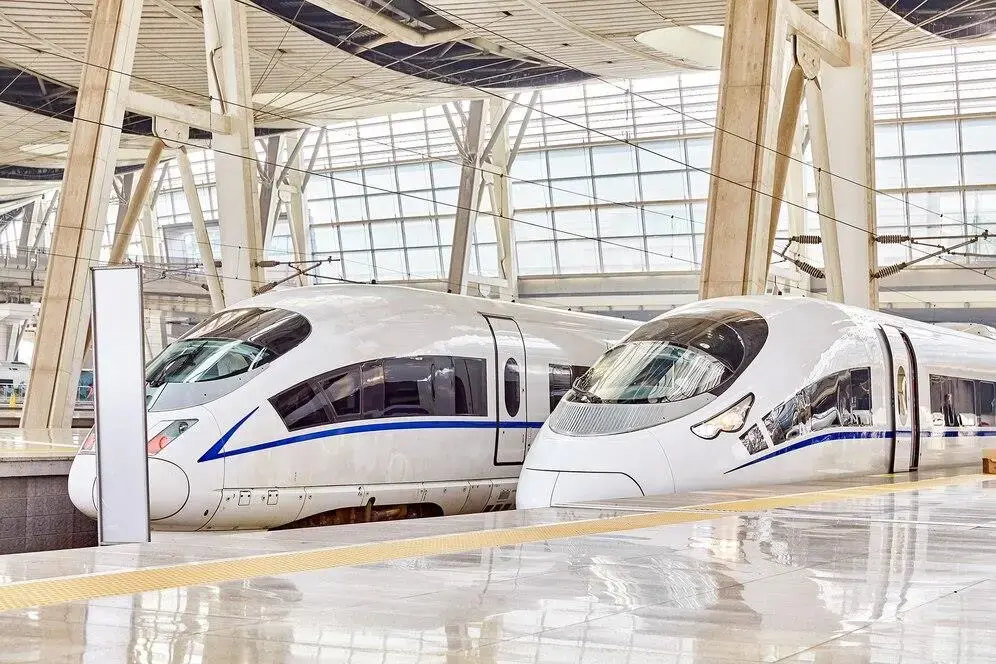
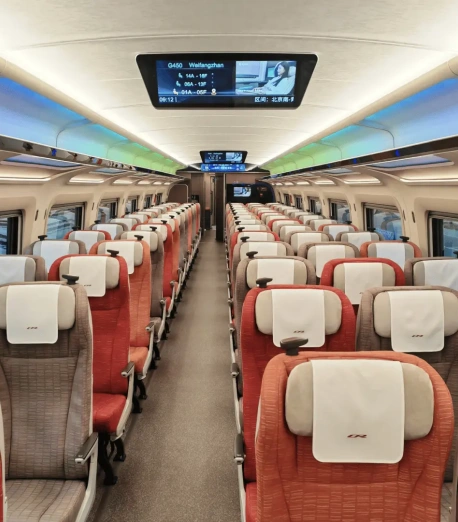
Modern passenger rail transit systems require structural integrity combined with lightweight design. Under our ISO 22163 (IRIS) and EN 15085 quality certifications, we manufacture large structural extrusions used for train body shells, underframes, and interior supports.
These components are extruded on our 2500T press to ensure consistent cross-sections and minimal internal stresses. This enables the profiles to handle high fatigue loads from high-speed operations while reducing vehicle weight, which helps lower energy consumption for transit operators.
Our manufacturing and welding processes are certified by international quality, environmental, and industry-specific auditing bodies.

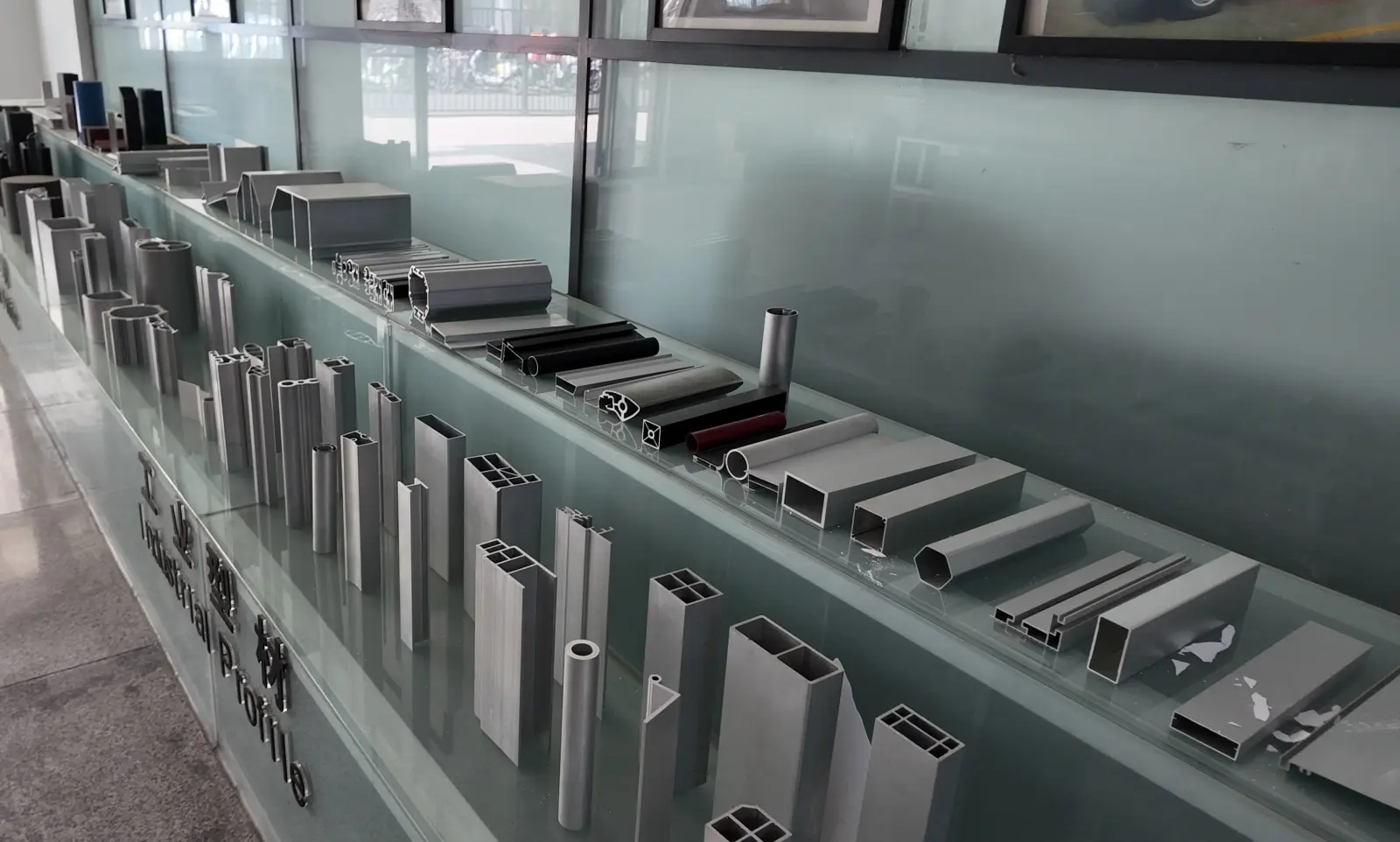
Explore our manufacturing floor, surface finishing lines, and practical field applications.
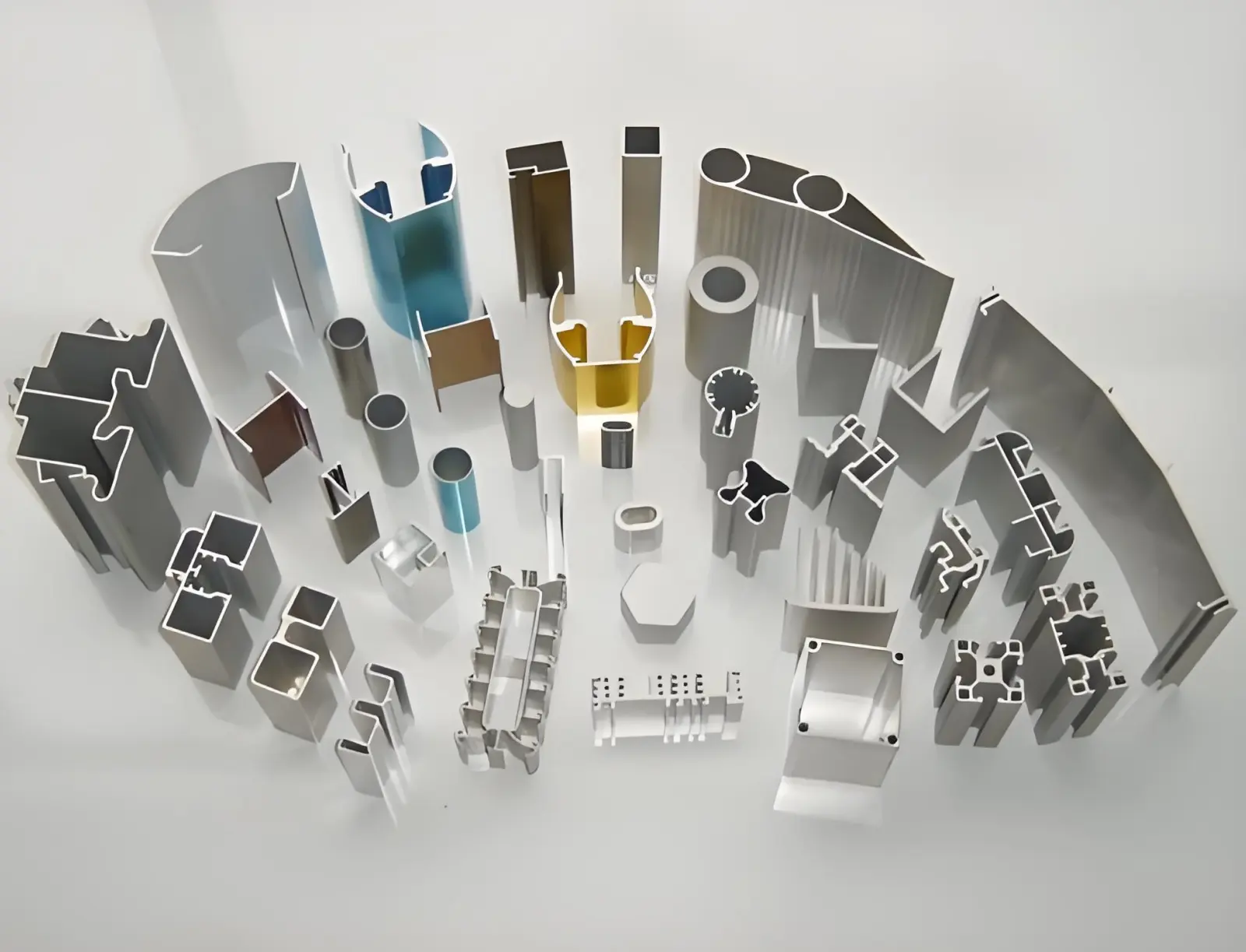
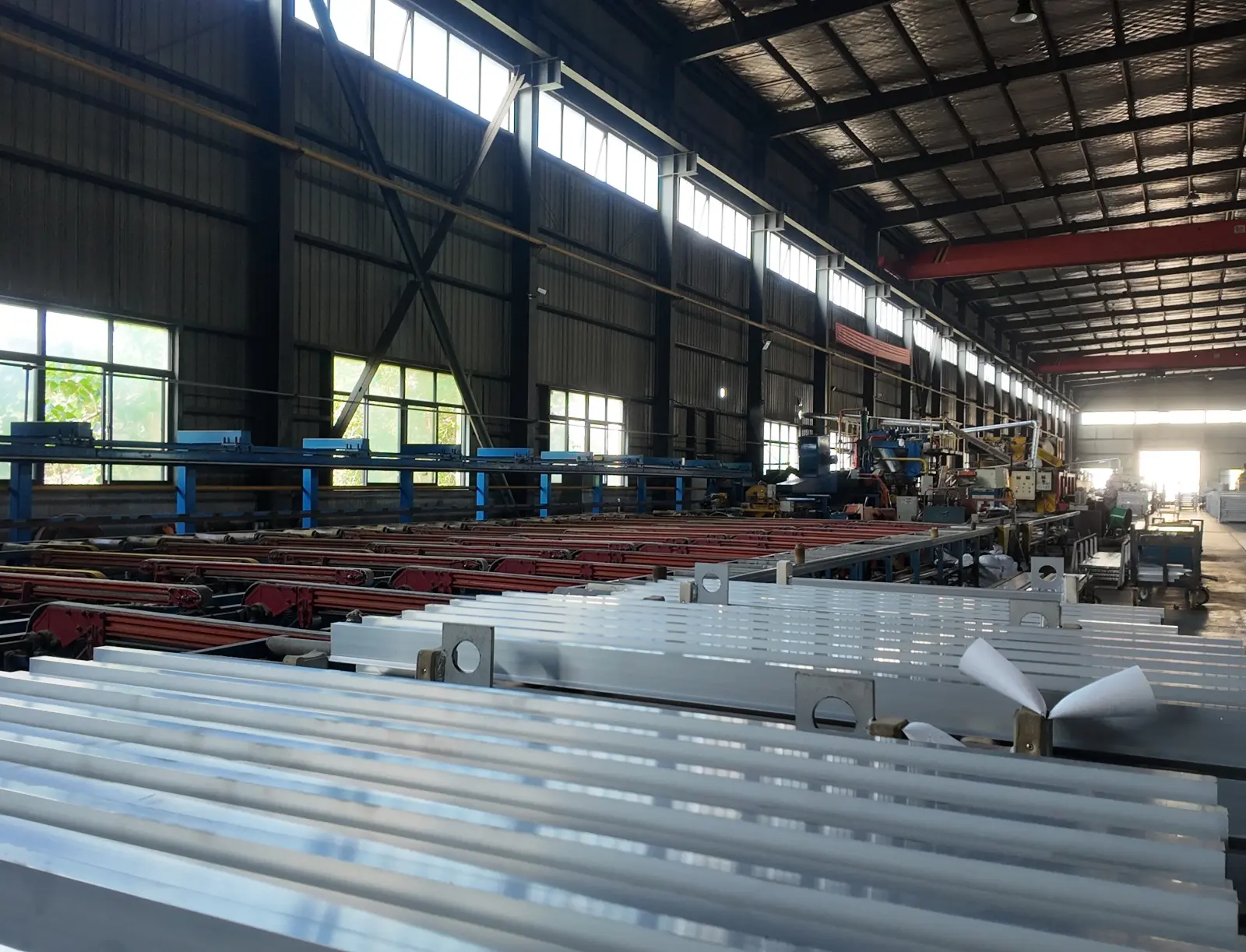
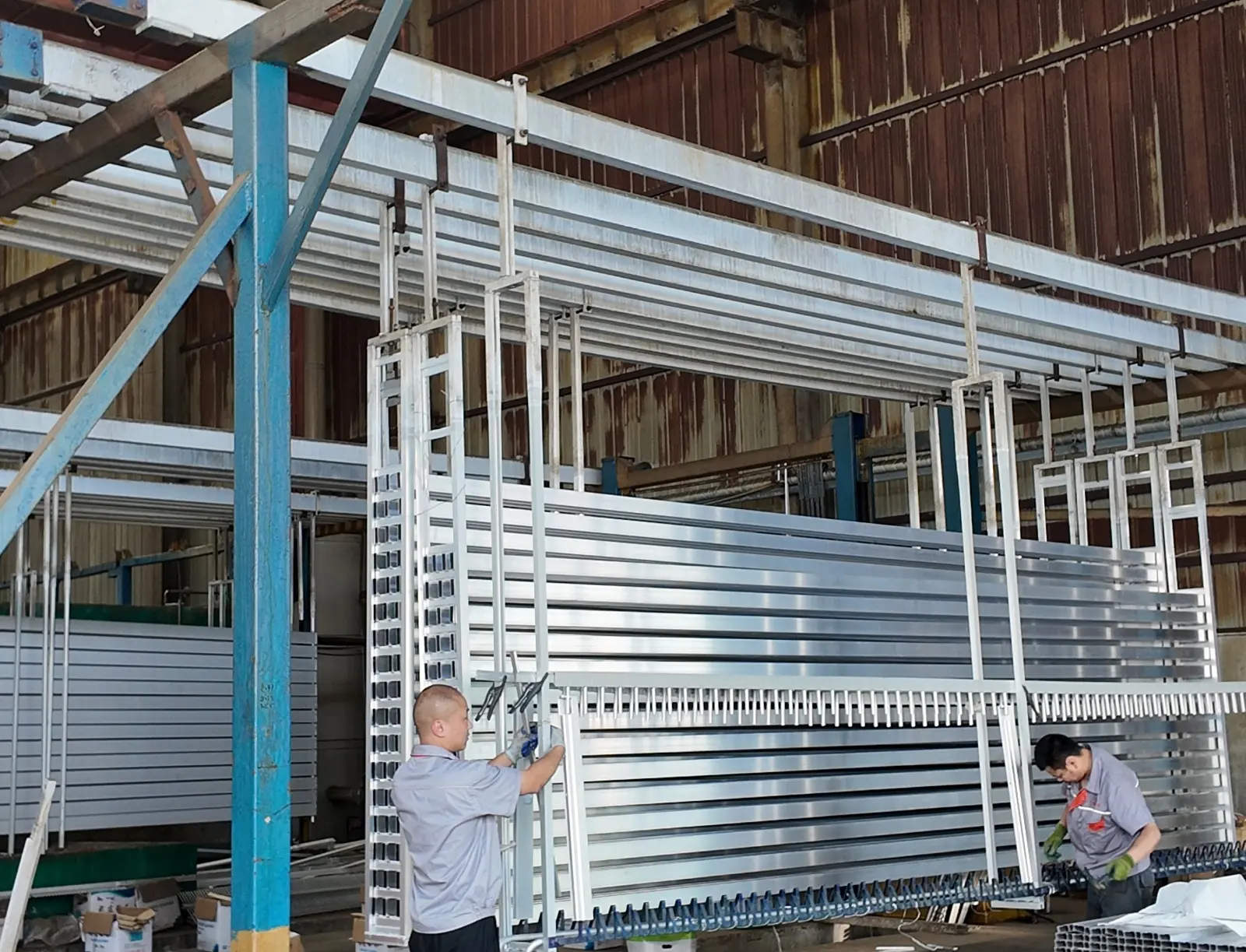
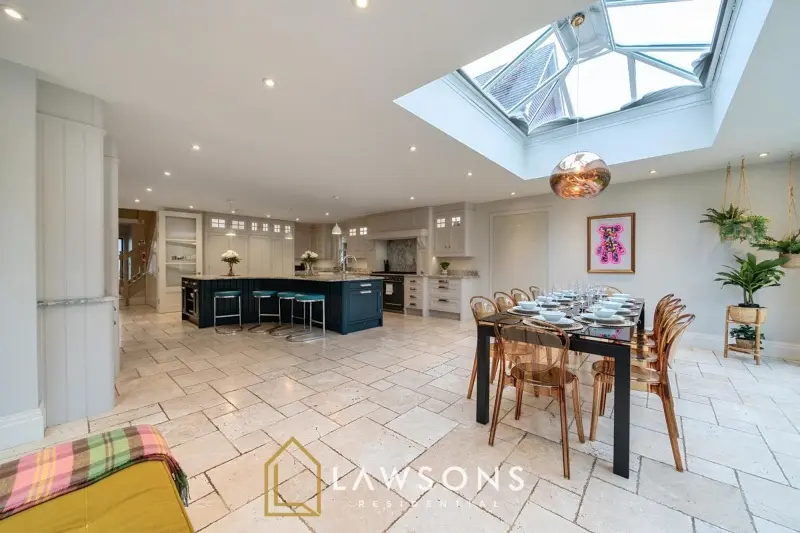
Common questions from global engineering teams, procurement leads, and product designers.
For structural applications where both mechanical strength and weldability are required, the 6000-series (Al-Mg-Si) is typically preferred. Specifically, 6082-T6 is widely used in European rail structures due to its fatigue strength and corrosion resistance. 6061-T6 is a common alternative in North American designs. For automotive crumple zones and impact beams, customized 6xxx series alloys are formulated to provide high energy absorption without cracking during deformation. High-strength structures may also utilize 7005 or 7075, but these require specialized welding and heat-treatment procedures.
Our standard extrusions conform to EN 755-9 standards. For high-precision applications requiring tighter tolerances, we can extrude to EN 12020-2, which limits dimensional variation. For critical interfaces on fully machined components, our secondary CNC milling, turning, and profile-machining centers can maintain tolerances as tight as ±0.01 mm.
We maintain traceability from the raw material ingot to the finished profile. Each production batch undergoes chemical analysis (using optical emission spectrometers) and mechanical property verification (tensile, hardness, and elongation tests). We provide EN 10204 Type 3.1 or 3.2 Material Test Certificates (MTC) with each shipment. Additionally, our operations comply with ISO 9001, IATF 16949, and environmental standards like EU RoHS and REACH.
We operate 5 extrusion lines ranging from 700T to 2500T. The 700T presses are optimized for thin-walled, small cross-section profiles (such as lighting channels and light furniture frames), while our 2500T press is designed for large-scale structural sections, allowing us to extrude profiles with circumscribing circle diameters up to 250-300mm depending on the cross-sectional geometry.
For outdoor and marine applications, we offer anodizing (up to 25 microns) to protect against corrosion. We also provide powder coating using Qualicoat-certified powders, electrophoretic coatings for consistent coverage on complex shapes, and PVDF liquid coatings for architectural projects exposed to high UV radiation and saltwater.
From modular structural profiles to precision-machined enclosures and lighting tracks.
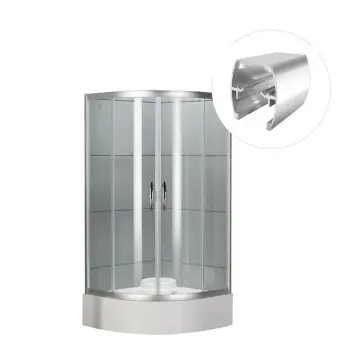
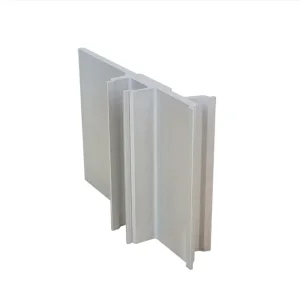
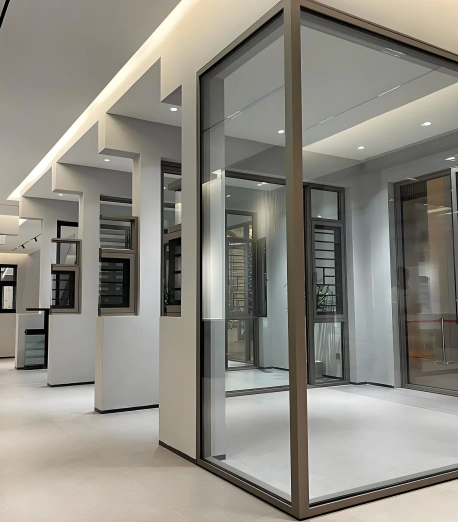
High-finish extruded profiles designed for interior shower enclosures and structural door frames.
Learn More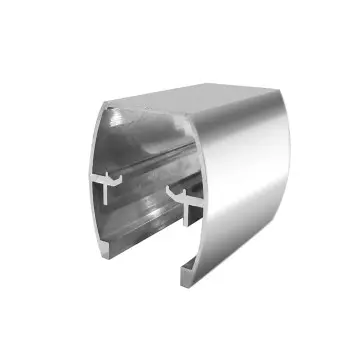
Lightweight anodized shapes offering structural stability with minimal material thickness.
Learn More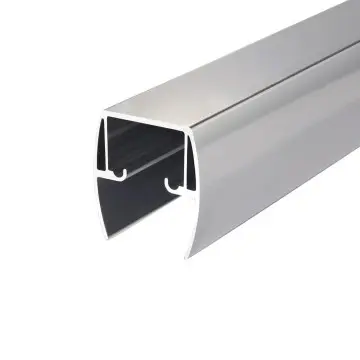
Standard architectural temper 6063 T5 profiles, optimized for surface treatment and machining.
Learn More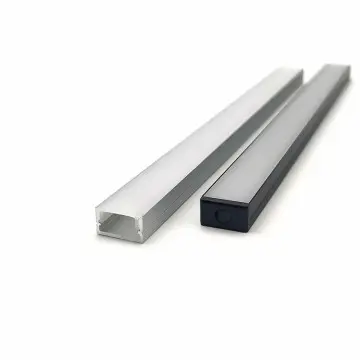
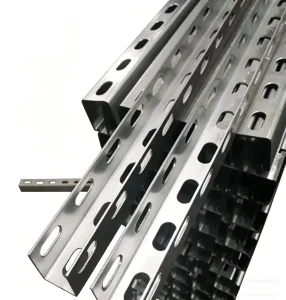
U-channel extrusions designed for protective framing and guide rail assemblies.
Learn More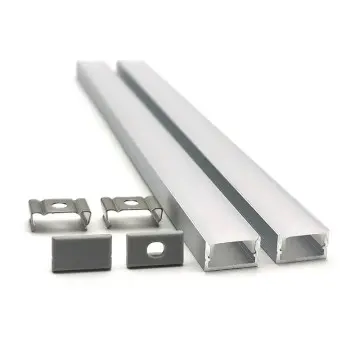
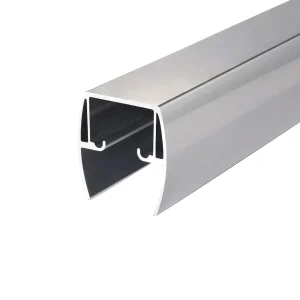
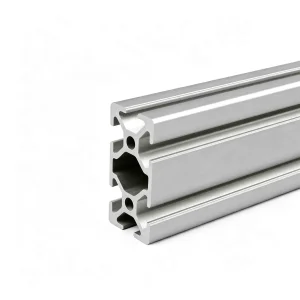
Standard hollow profiles used in lighting guides, partition tracks, and architectural framing.
Learn More
Compact corner-mount light channels designed for integrated LED strip installations.
Learn MoreAdditional custom profile configurations, industrial mounting assemblies, and linear lighting channels.
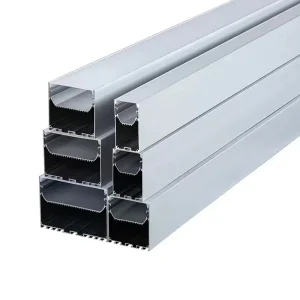
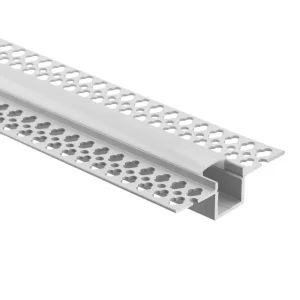
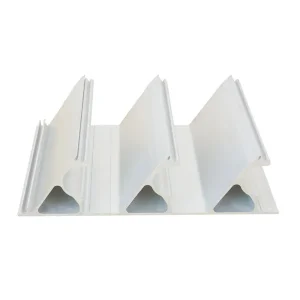
A critical step in manufacturing custom profiles is die design. The die geometry must manage material flow to ensure uniform exit speeds across all sections of the profile. Non-uniform flow can lead to internal stresses, warpage, or dimensional variations.
Our tooling engineering process uses flow simulation software to analyze material flow through the die ports, welding chambers, and land areas. This allows us to optimize the die design before manufacturing, reducing tooling trials and ensuring stable dimensions for complex profiles.
Consistent mechanical properties require precise control over the quenching and aging processes. After extrusion, profiles are cooled using air, water spray, or water bath quenching to lock in the alloying elements. They are then aged in temperature-controlled ovens to achieve the target temper (e.g., T5 or T6).
To verify that each batch meets quality standards, our quality control lab performs a series of checks:
We analyze grain structure and distribution of alloying elements to prevent microstructural issues and ensure consistent mechanical strength.
Tensile testing determines yield strength, tensile strength, and elongation, ensuring profiles perform reliably under design loads.
Every shipment is accompanied by detailed test reports, including chemical analysis and dimensional inspection sheets.
By maintaining these testing protocols and process controls, we help our partners minimize material risks and ensure their custom aluminum components meet international industry standards.