Kangjian
Kangjian
Kangjian
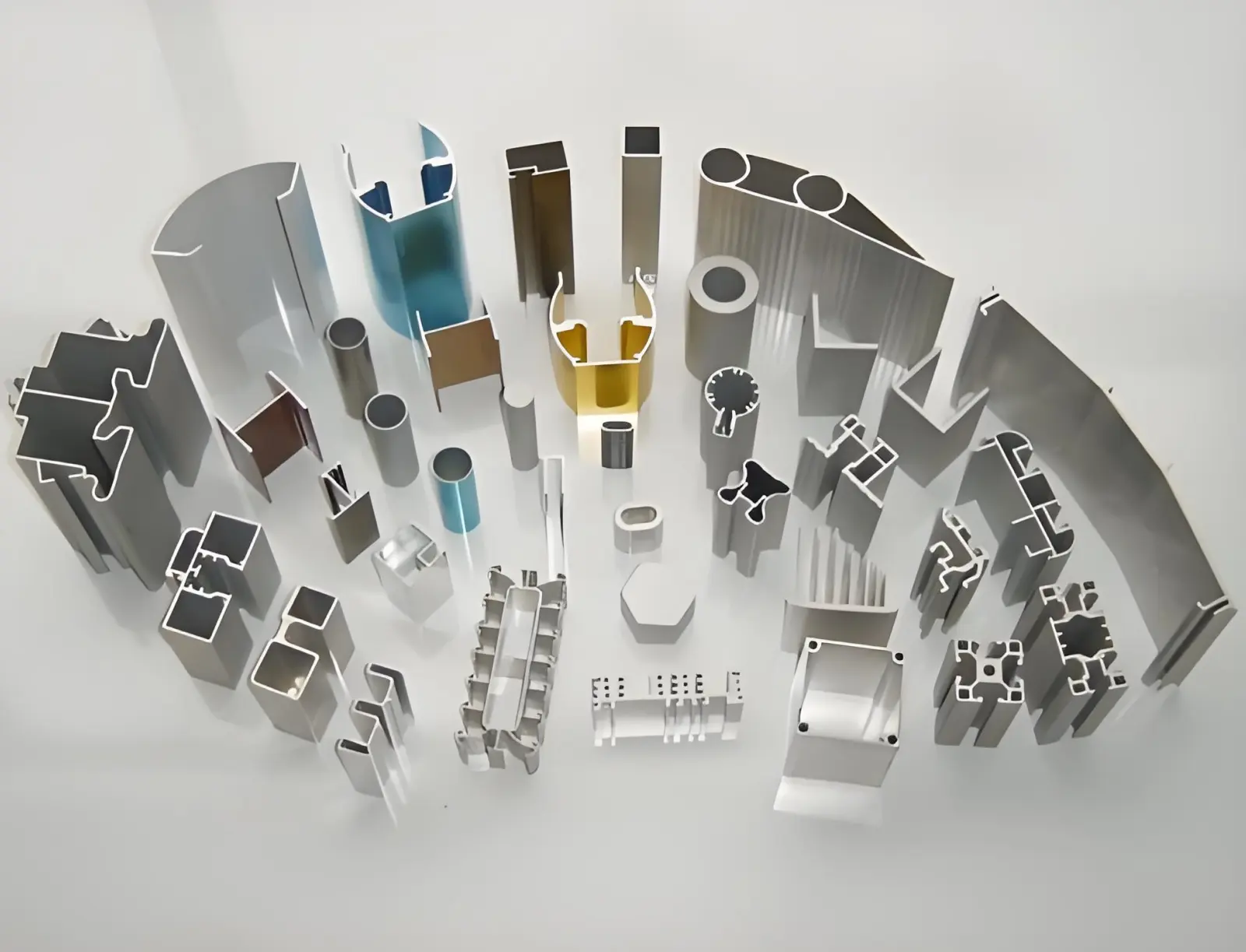
Explore our foundational range of heavy-duty extrusion components engineered to exceed rigid international window and structural door specifications.
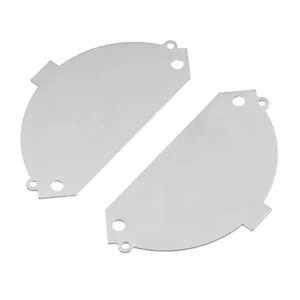
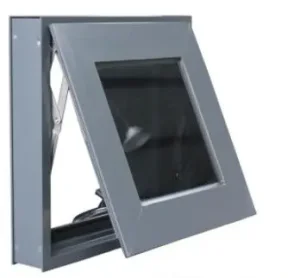
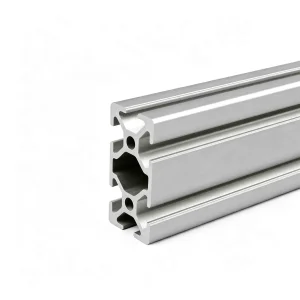
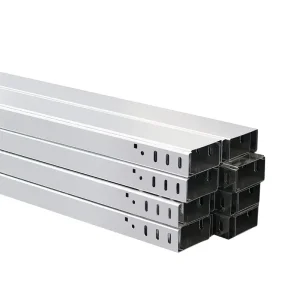
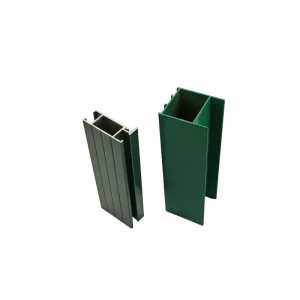
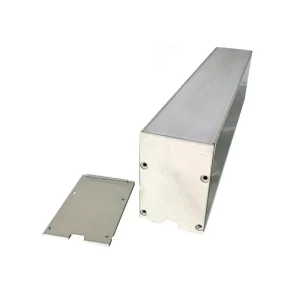
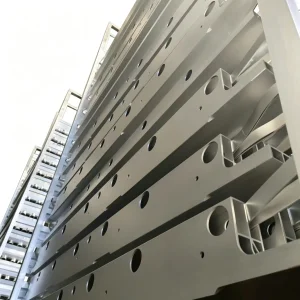
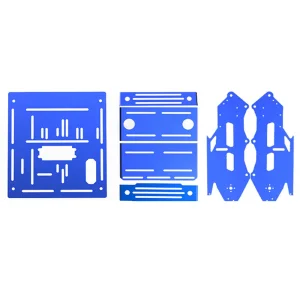
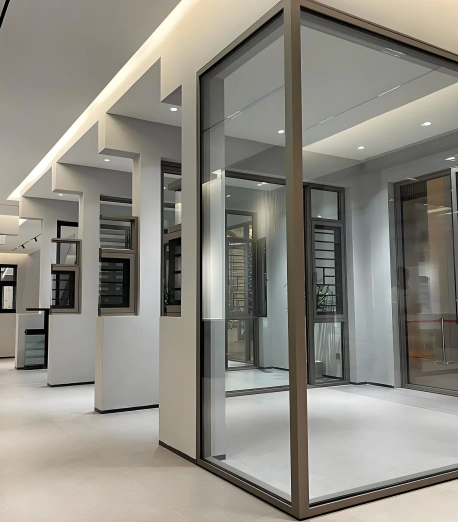
In today's architectural landscape, sliding windows and doors represent far more than simple access points. They function as dynamic system membranes that balance structural load, acoustic insulation, thermal efficiency, and solar heat gain. Global B2B buyers—ranging from engineering consultants to commercial facade contractors—increasingly demand tailored profiles that align with international sustainability regulations, such as the European Energy Performance of Buildings Directive (EPBD) and North American LEED standards.
Aluminum profiles have established dominance in this sector due to their superior strength-to-weight ratio, resilience against wind loading in high-rise constructions, and resistance to environmental degradation. By utilizing high-grade 6063 and 6061 alloys extruded under precise thermal conditions, suppliers like Qingdao Kangjian deliver structural window and sliding door components that meet both aesthetic criteria and demanding safety profiles.
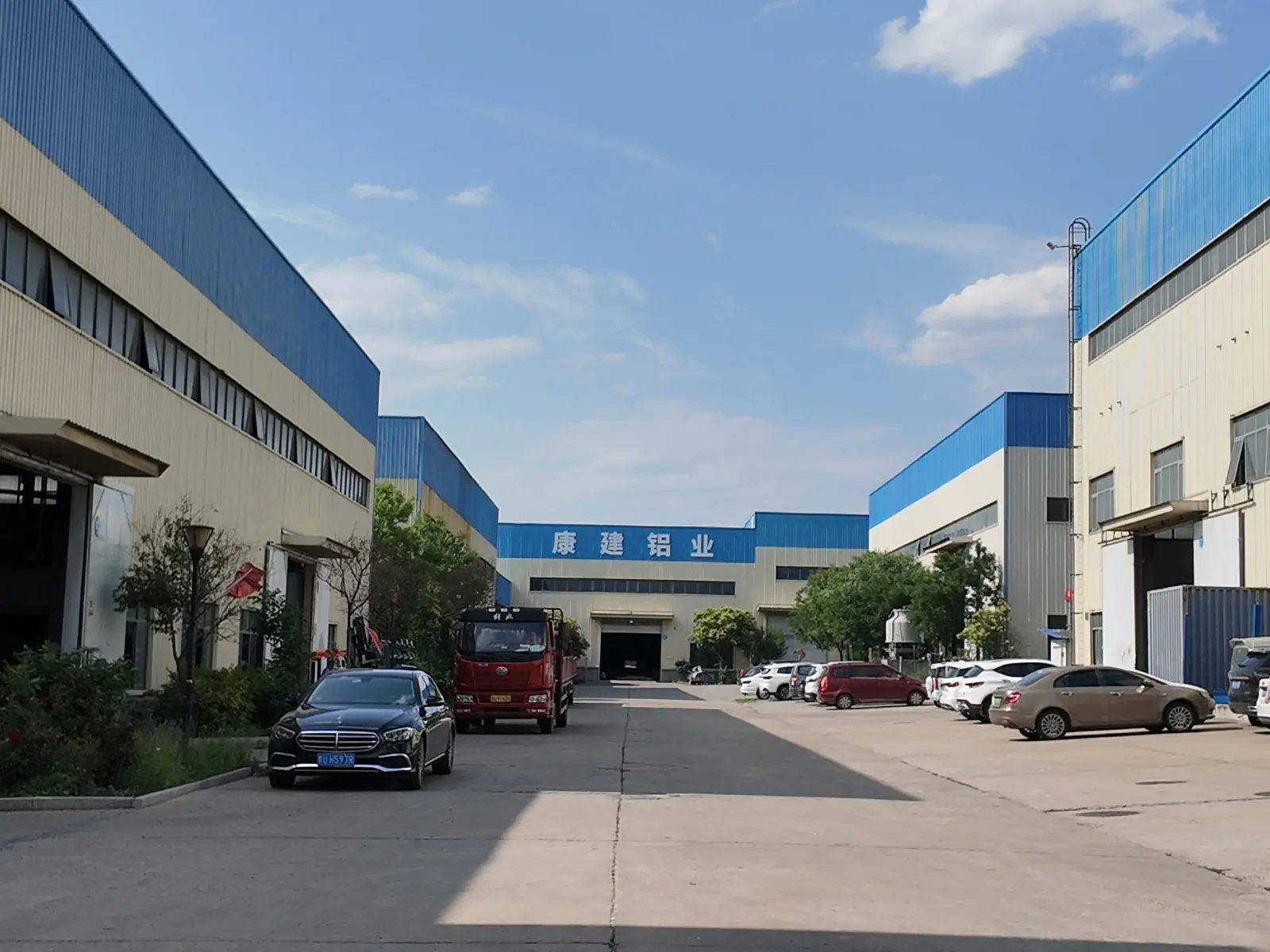
A global leader in high-precision structural and architectural aluminum extrusion systems.
Strategically established in Jimo District, Qingdao, our plant encompasses an 80,000 square meter layout dedicated to state-of-the-art aluminum production and quality control.
Equipped with high-performance extruders (including 2500T, 1450T, 1150T, and dual 700T presses) capable of processing diverse cross-sections for complex window profile designs.
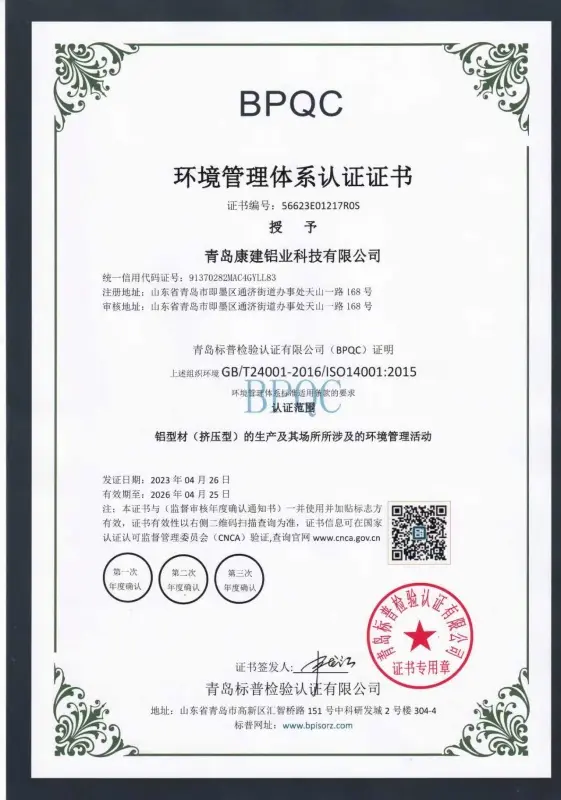
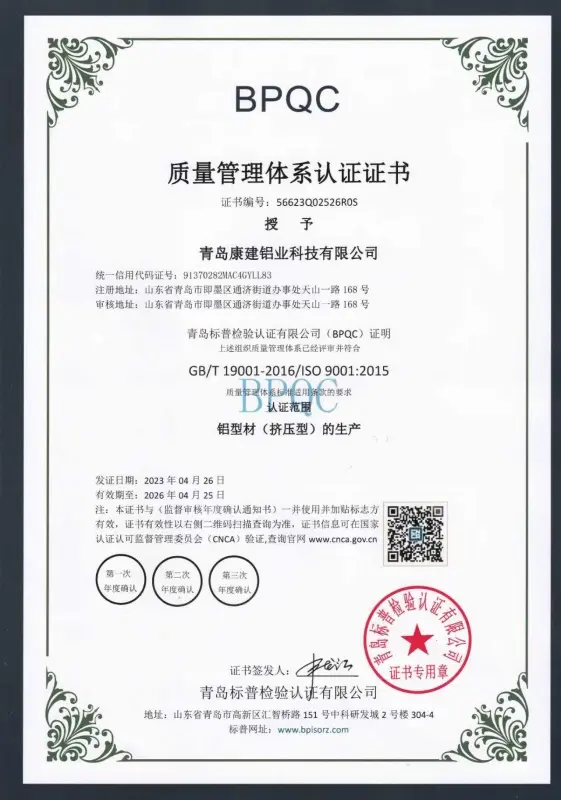
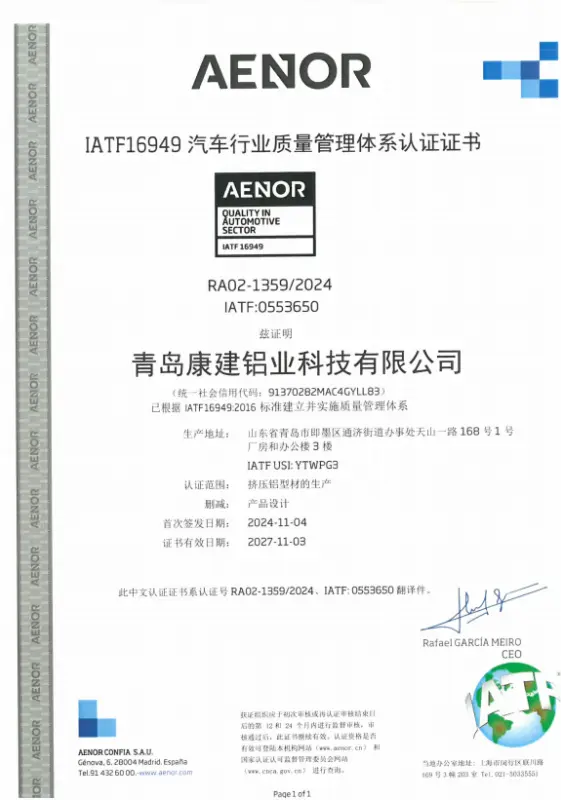
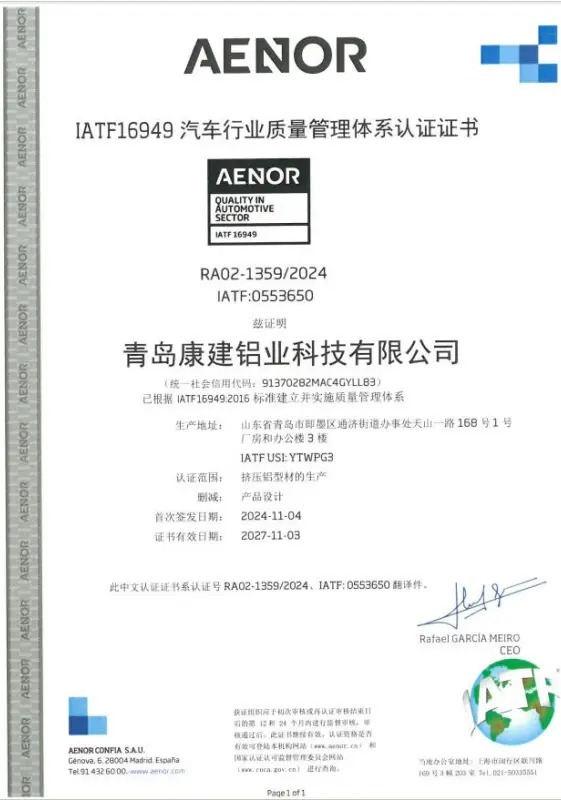
Supported by global quality seals: IATF16949, EN15085 welding systems, ISO9001 quality standards, and DIN6701 adhesive bonding systems.
Architectural aluminum profiles require meticulous mechanical balancing. Our structural profiles leverage custom chemical compositions to achieve extreme longevity.
For architectural framing and sliding door systems, the choice of alloy dictates wind resistance limit states and surface finish quality. 6063-T5 is the industry benchmark for complex architectural profiles, providing excellent extrudability, corrosion resistance, and responsiveness to high-end powder coatings and anodization processes.
Where extreme mechanical load is expected (such as structural heavy-duty high-speed rail profiles, marine environments, and high-rise curtain walls), 6061-T6 is specified. With elevated levels of silicon and magnesium, 6061-T6 profile parts offer superior shear and tensile strength, guaranteeing compliance with strict structural codes.
Both alloys are handled within our facility using state-of-the-art heat-treatment profiles, ensuring the microstructural distribution of Mg2Si precipitate phases is perfectly managed to avoid cracking during high-velocity extrusion.
Modern energy codes require low thermal transmittance (U-factors) for window and door assemblies. To prevent thermal bridging across the highly conductive aluminum frame, our sliding door designs utilize precision crimped PA66GF25 (Polyamide 6.6 reinforced with 25% glass fiber) thermal barriers.
These composite systems preserve structural load transfer capacity under wind load conditions, while dropping heat transfer coefficients dramatically. This engineering balance protects buildings against condensation risk in cold environments and significantly lowers HVAC operating costs in warm climates.
| Alloy Grade | Tensile Strength (MPa) | Yield Strength (MPa) | Elongation (%) | Key Applications |
|---|---|---|---|---|
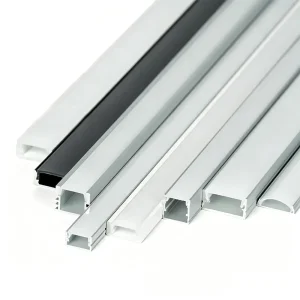
| 6063-T5 | ≥ 160 | ≥ 110 | ≥ 8% | Architectural Window Profiles, Sliders, LED strips, Curtains |
| 6063-T6 | ≥ 205 | ≥ 170 | ≥ 8% | High-Load Exterior Windows, Structural Glazing Mullions |
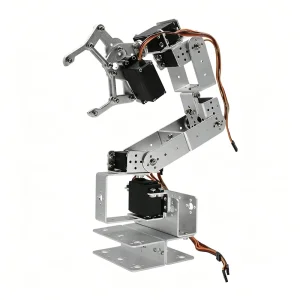
| 6061-T6 | ≥ 265 | ≥ 245 | ≥ 8% | Railways, Structural Robotics Kit, Solar Framing, Industrial Platforms |
| 6005A-T6 | ≥ 260 | ≥ 215 | ≥ 8% | Heavy-Duty Marine Frames, Large-span Structural Glazing |
From high-speed transit networks to commercial energy systems, our extrusions support complex global infrastructure.
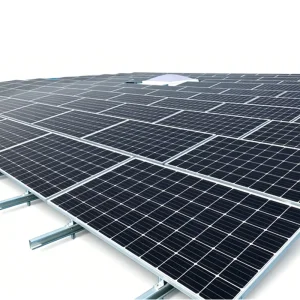
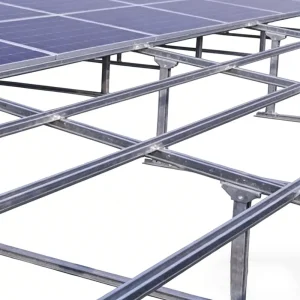
Extruded high-strength structural profiles for photovoltaic (PV) solar racks and tracker frames. Optimized for outdoor atmospheric corrosion resistance over a 25-year operational lifecycle.
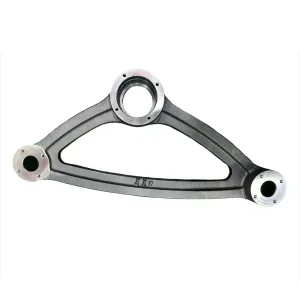
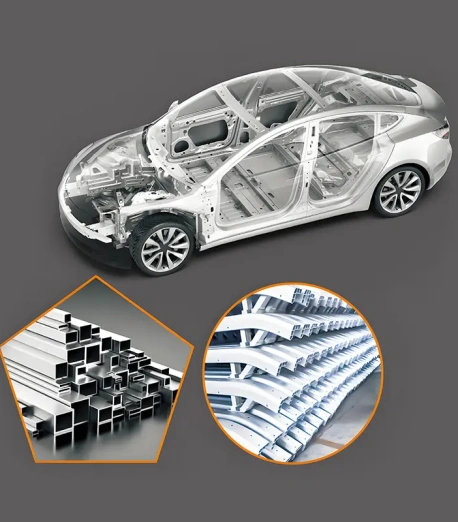
IATF16949-certified automotive lightweight components, including door impact beams, bumper reinforcements, and interior battery enclosures for commercial electric vehicle fleets.
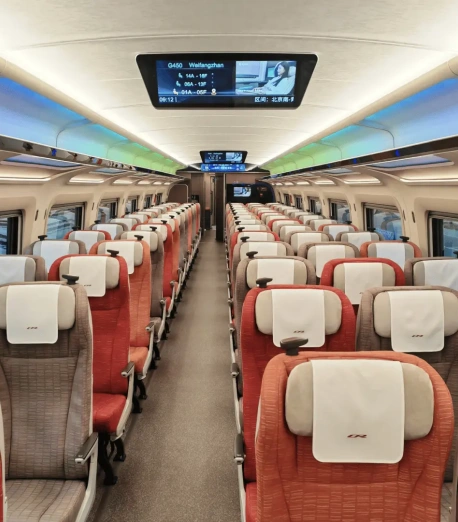
Large-scale profiles engineered for high-speed railways, subways, and structural dock crane systems. Fabricated under specialized EN15085 and DIN6701 guidelines for heavy loads.
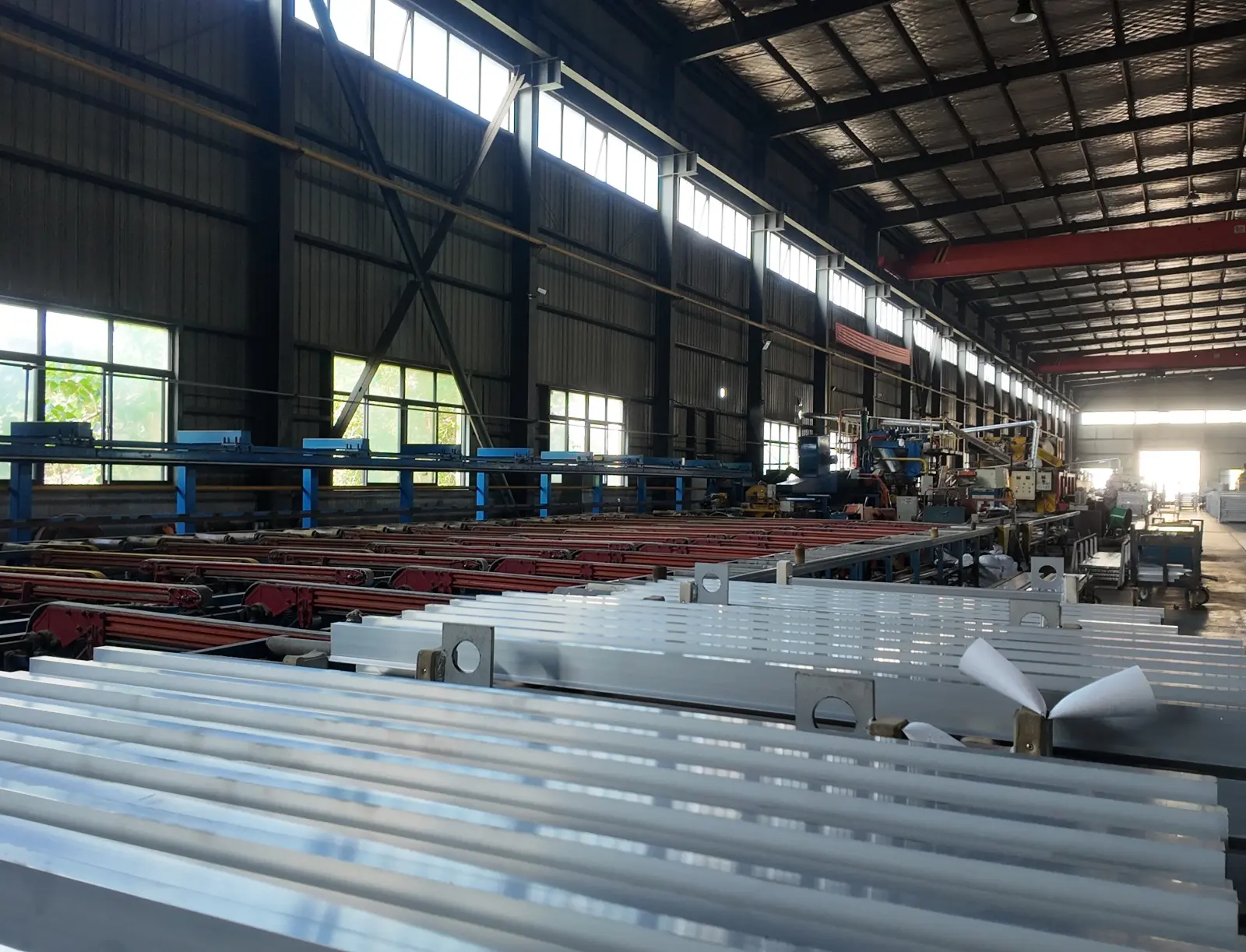
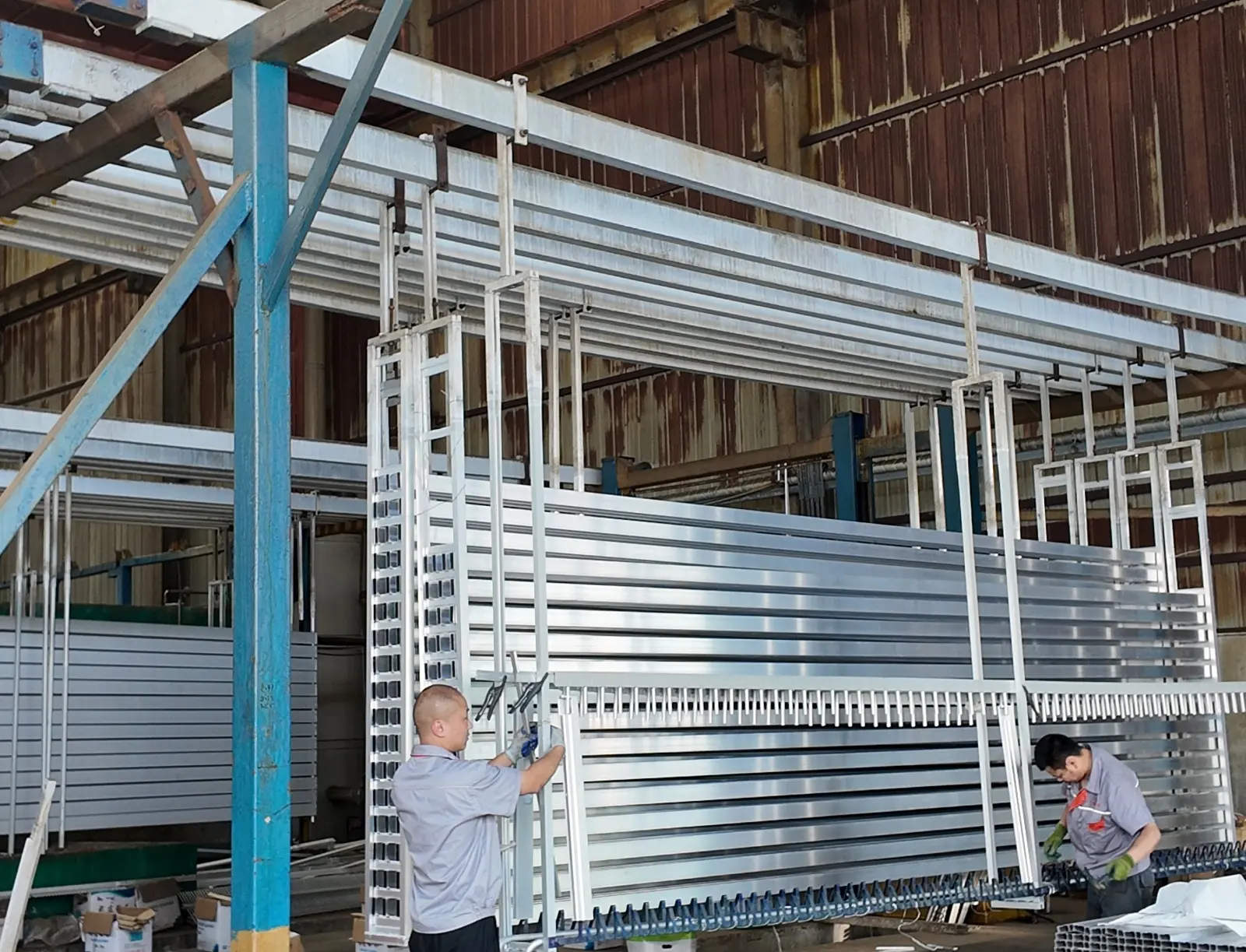

At Qingdao Kangjian, quality is built directly into our manufacturing sequence. We implement a Closed-Loop Quality Assurance program verified by rigorous third-party audits. Every billet of raw material is checked via optical emission spectrometry to confirm alloy composition before entering the pre-heating ovens.
For structural and load-bearing projects, our welding configurations meet the globally recognized EN15085-2 CL1 railway standard and ISO3834-2 welding system requirements. This makes our structural components suitable for high-stress dynamic loads, such as high-speed passenger carriage assemblies and heavy-duty architectural sliding frames.
In addition, our chemical pre-treatment and electrostatic powder coating operations comply with AAMA 2604/2605 and Qualicoat specifications, securing high resistance to UV weathering and salt spray corrosion in coastal zones.
Positioned adjacent to the Port of Qingdao, our plant has immediate access to deep-water shipping lanes. This strategic geographic placement allows us to maintain direct freight routes to core markets including South Korea, Japan, the United States, and across Europe.
This direct access reduces container handling, minimizes transit times, and insulates our international partners from domestic transport disruptions. Our dedicated export logistics department manages customs clearances and documentation in-house, ensuring compliance with varied import standards worldwide.
By combining high-capacity production, local port access, and deep certification coverage, we support complex supply chains with a consistent 30% average annual growth rate in order delivery.
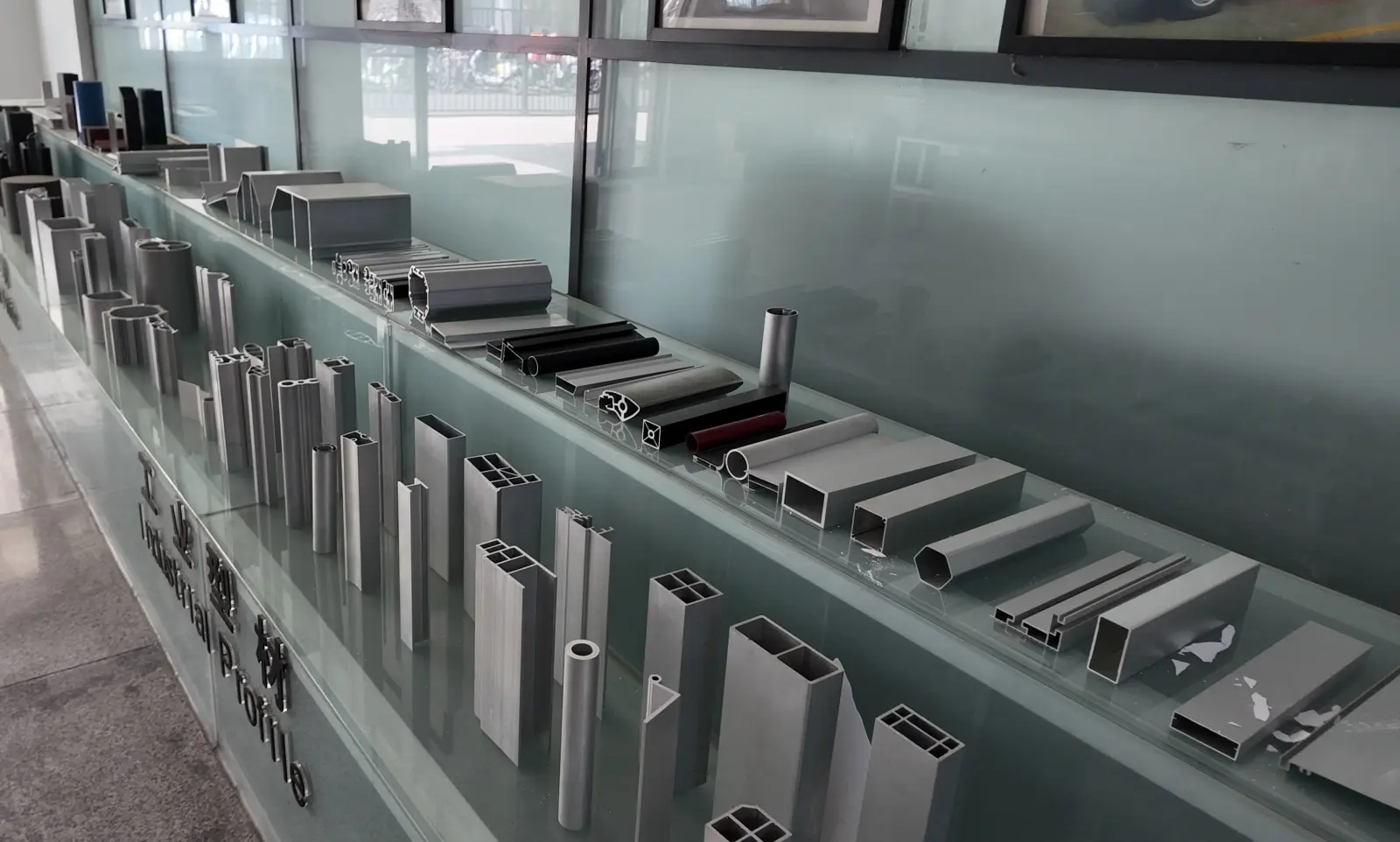
Guiding our manufacturing processes to meet tomorrow's architectural and environmental expectations.
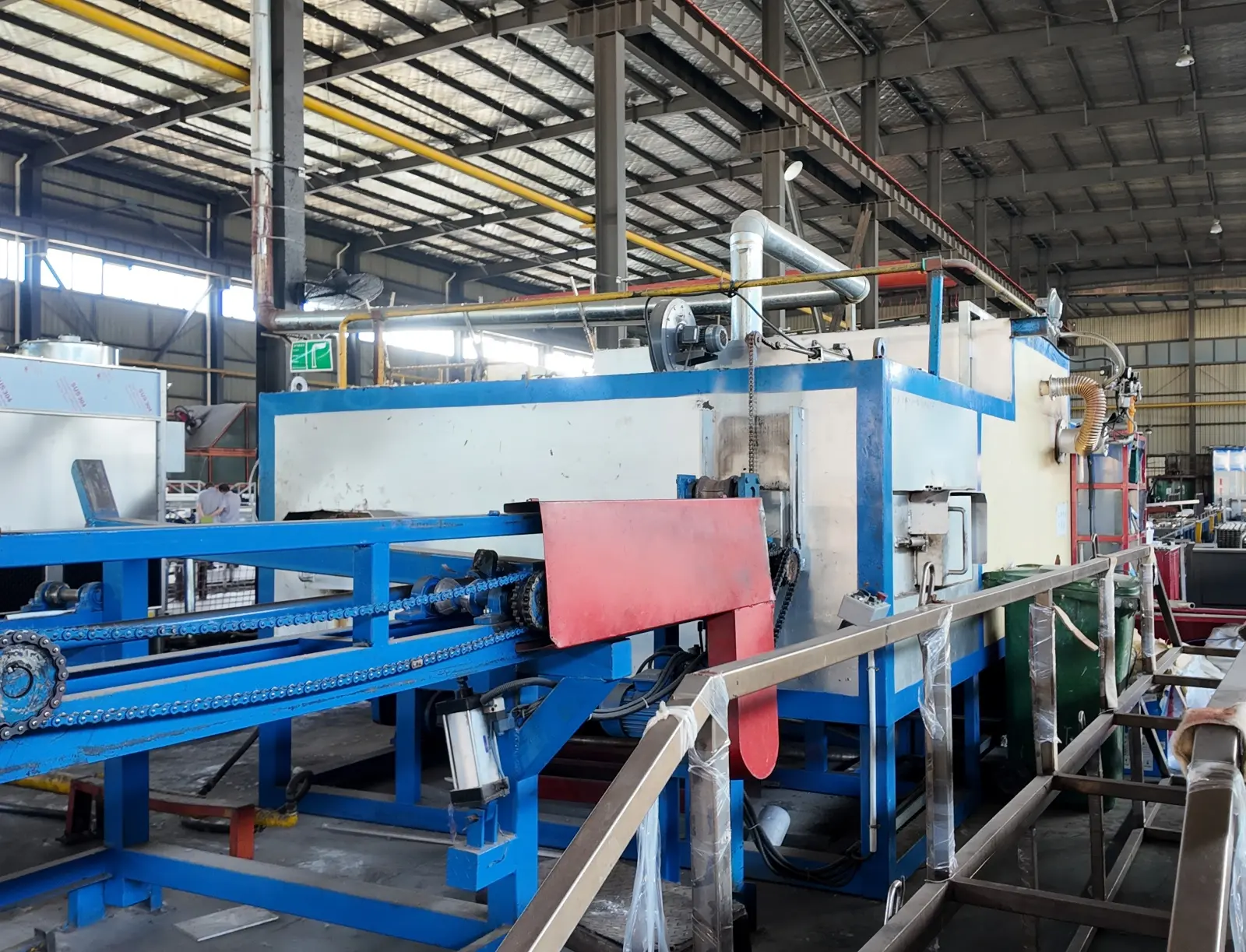
We collaborate with architectural design teams to develop custom profile shapes. Our in-house tooling facility quickly optimizes dies, turning concepts into completed extrusion shapes.
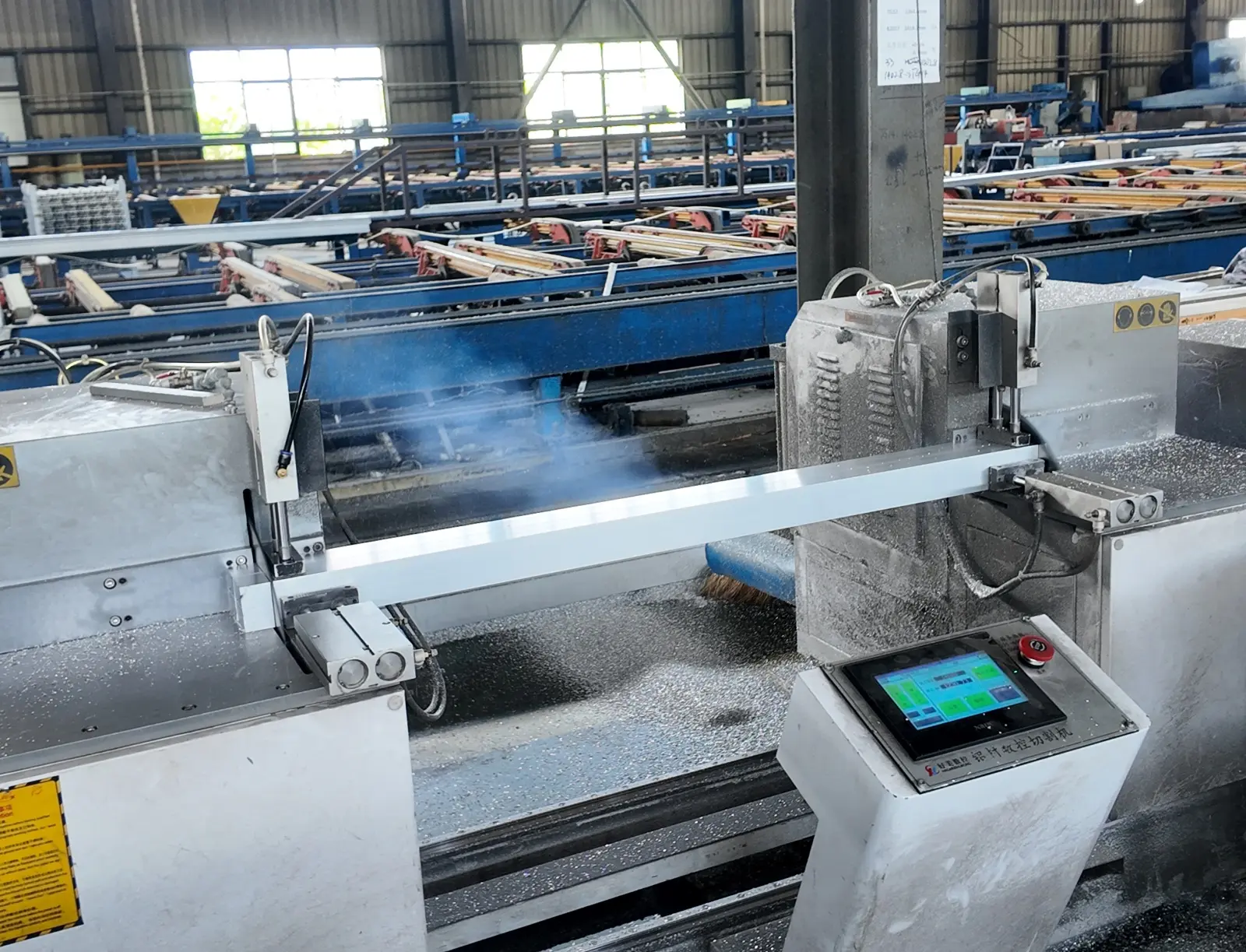
By testing hardness, checking tensile strength, and utilizing coordinate measuring machines (CMM), we confirm that every production run conforms to international building codes.
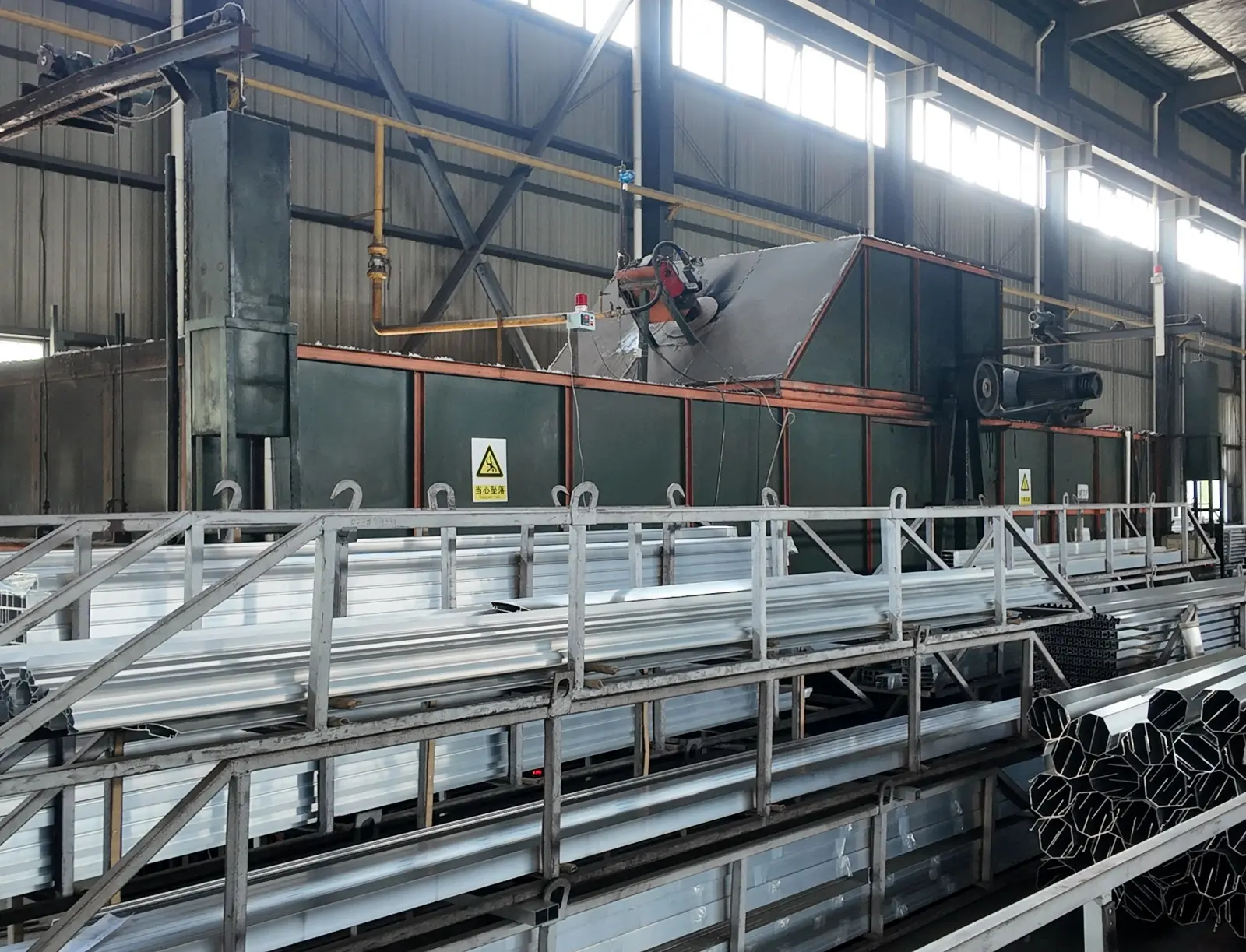
Through flexible scheduling and optimized packaging, we offer reliable delivery for demanding infrastructure and manufacturing projects worldwide.
Our manufacturing workflow is certified to meet strict global engineering and environmental standards.
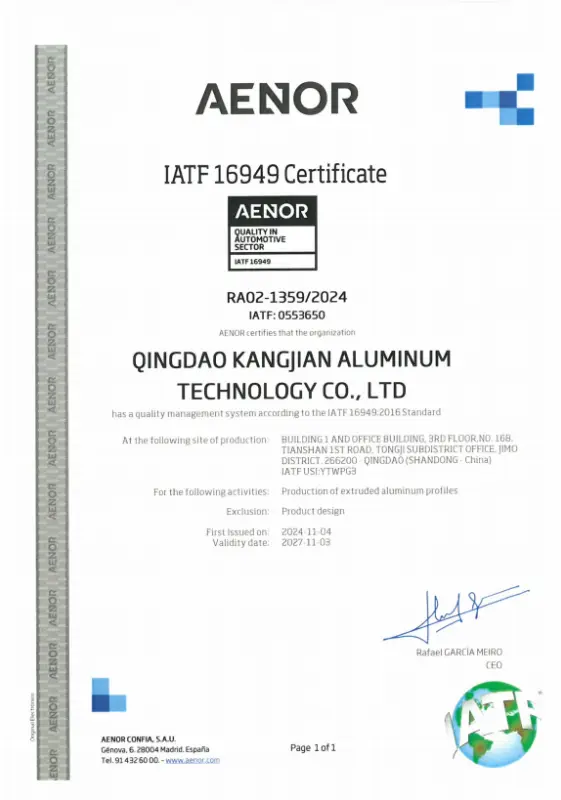
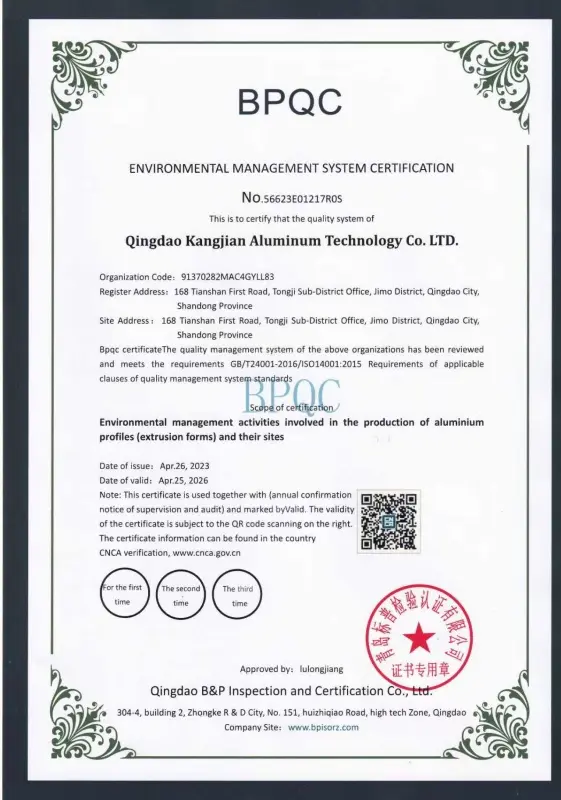
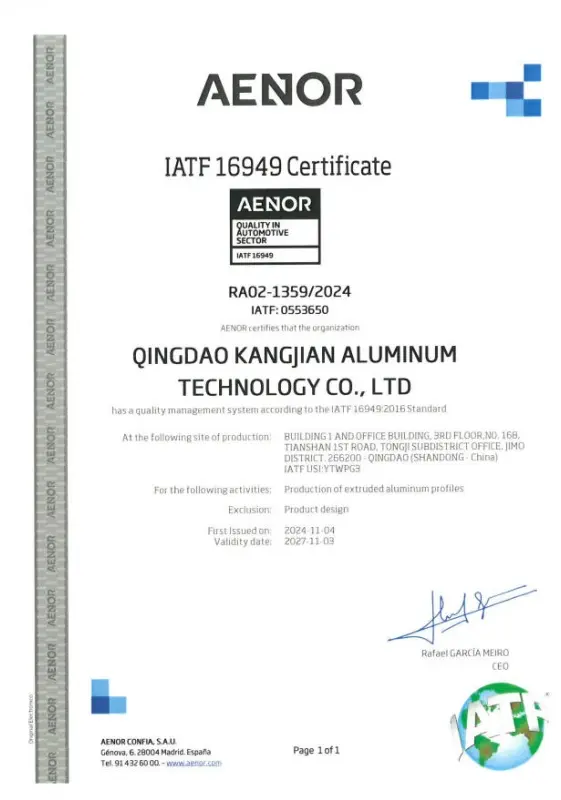
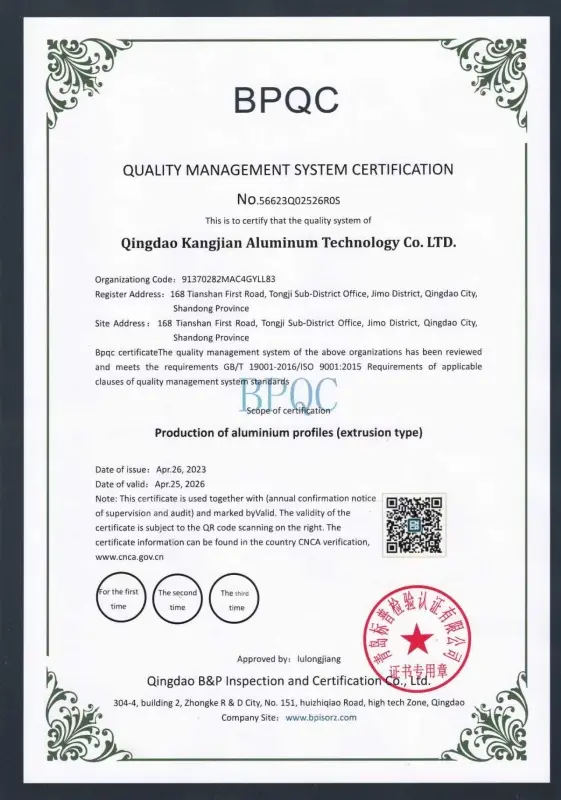
Connecting supply chain technologies to serve demanding industrial sectors.



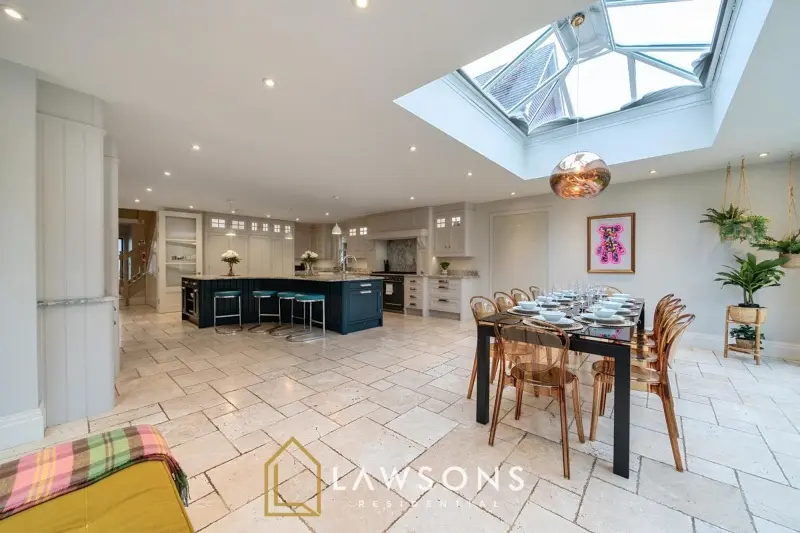
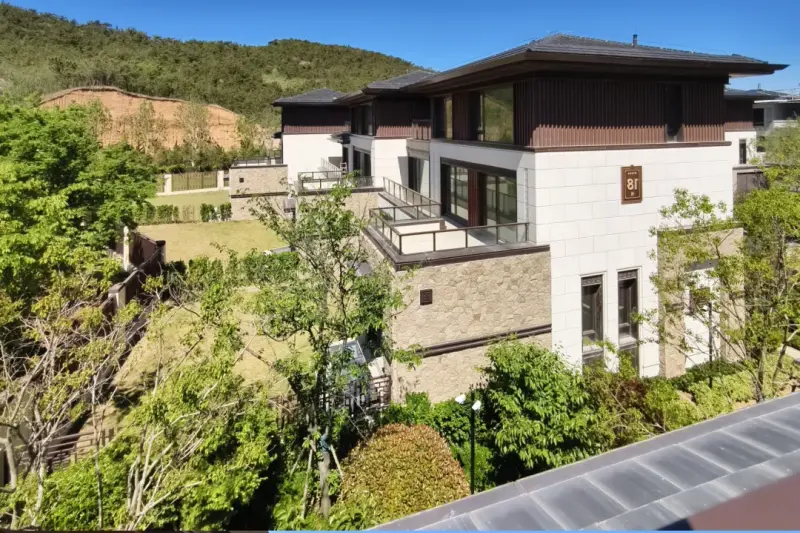
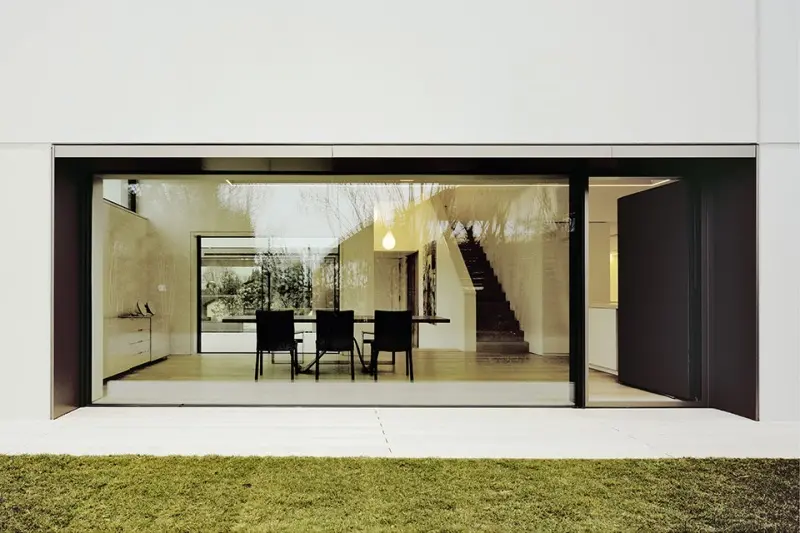
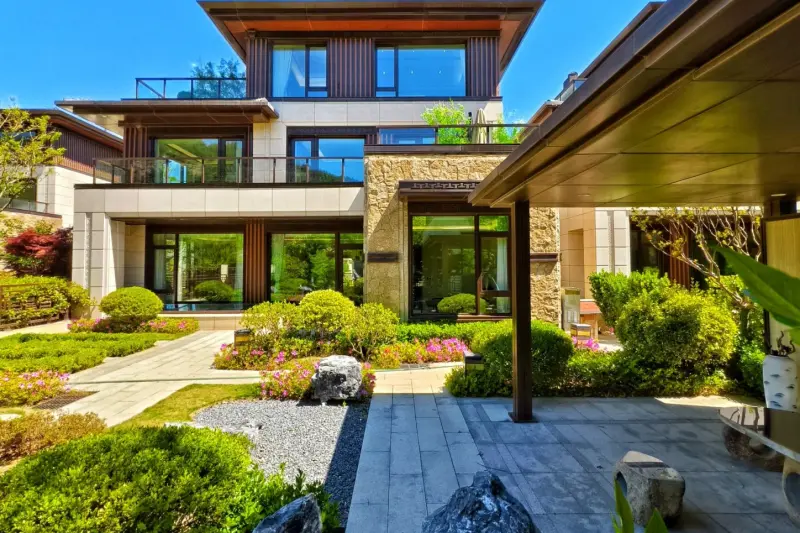
A look at our structural aluminum solutions integrated into demanding build environments.
The global construction industry is shifting toward low-carbon structures. Our future roadmap focuses on utilizing post-consumer scrap and clean energy sources during primary aluminum smelting, helping reduce the embodied carbon footprint of our architectural profiles.
In addition, we are designing smart profiles that integrate seamlessly with automated building management systems. This includes built-in channels for drop-down seal mechanisms, hidden electrical cabling for automated window drives, and structural support for vacuum-insulated double glass units (VIG).
Investing in these design advances helps our partners meet demanding performance requirements and prepare for changing building and environmental regulations.
Addressing essential questions for project managers and B2B buyers.
Our wind load resistance is determined by profile geometry and alloy temper. For high-wind zones, we utilize 6061-T6 or 6005A-T6 alloys with structural wall thicknesses up to 3.0mm, allowing compliance with ASTM E330 and EN 12211 testing requirements.
We pull-test and shear-test our thermal break assemblies in accordance with EN 14024. This confirms the polyamide PA66GF25 strip remains securely bonded to the aluminum profile sections under high temperature and shear strain conditions.
For coastal applications, we recommend either Class 1 / Class 2 anodization (up to 25 microns) or PVDF (fluoropolymer) liquid coatings, which provide strong protection against sea-spray and atmospheric chlorides.
Typically, tooling design and trial extrusion take 10 to 14 working days. Once the sample dimensions are verified and approved by your engineering team, mass production can begin, with lead times ranging from 20 to 25 days depending on total volume.
Explore our structural and industrial aluminum profiles designed for specialized applications, including automotive parts, solar framing, and robotic systems.