Kangjian
Kangjian
Kangjian
High-quality, heavy-duty aluminium profile systems engineered to withstand harsh Middle Eastern climates.
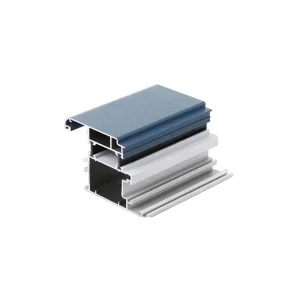
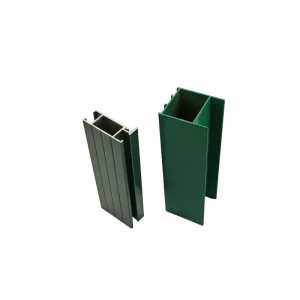
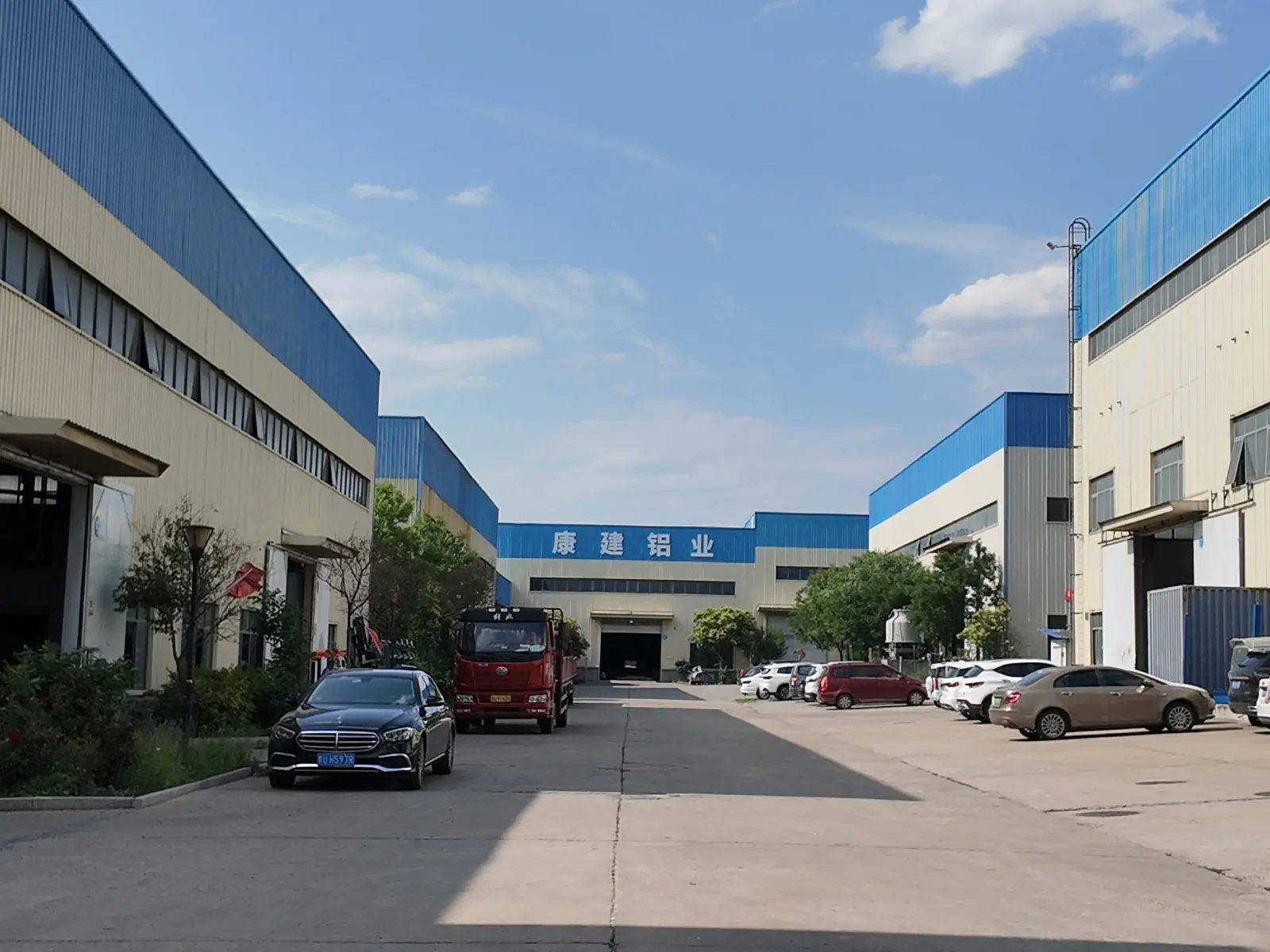
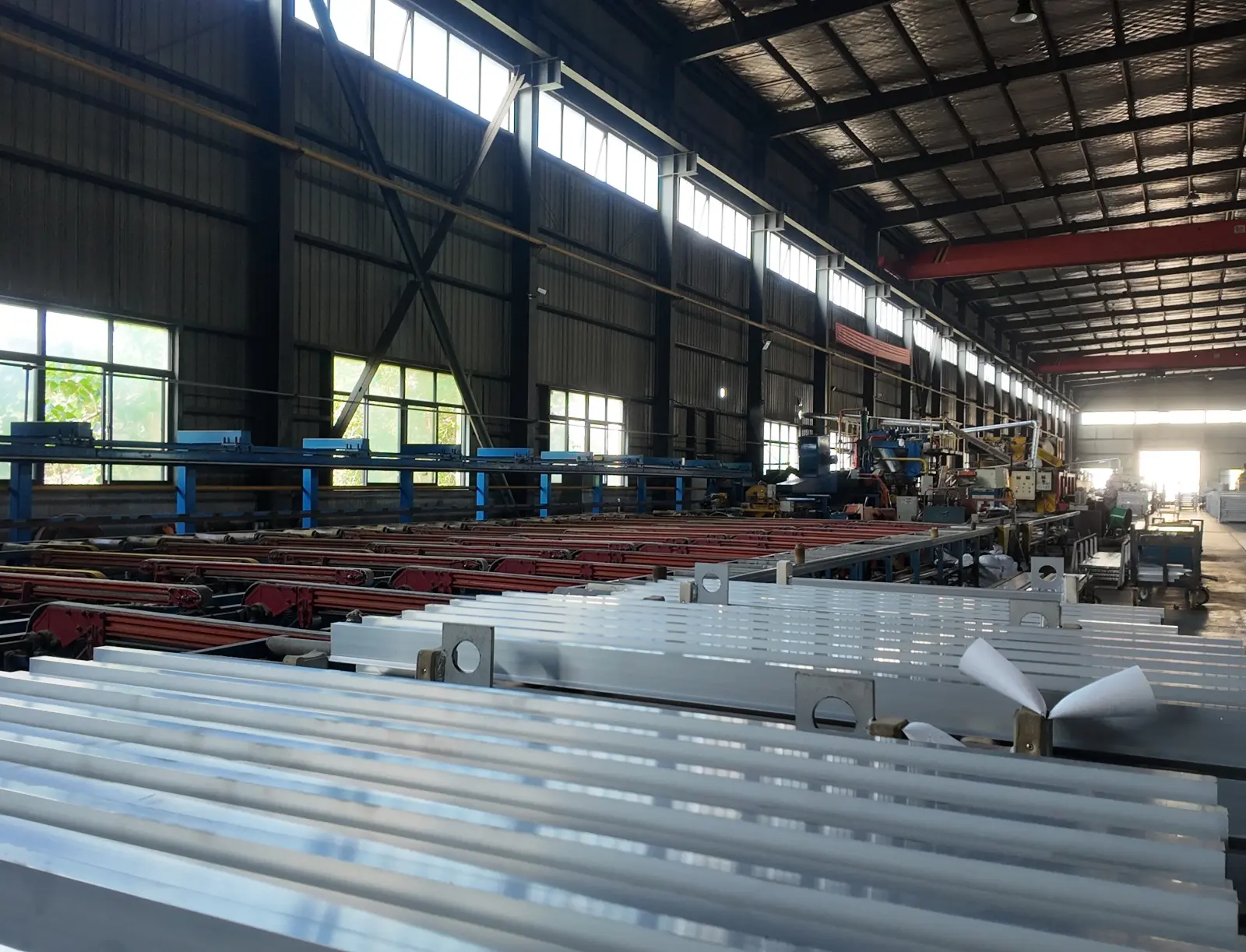
Founded in 2022 and situated in the industrial hub of Jimo District, Qingdao City, Qingdao Kangjian Aluminum Industry Technology Co., Ltd. stands as a premier force in high-performance aluminium and aluminium alloy product manufacturing. Spanning an expansive production base of 200 mu with 80,000 square meters of state-of-the-art manufacturing facilities, we deliver advanced metallurgical solutions tailored for globally demanding environments, including the rapidly growing reconstruction projects across Iraq.
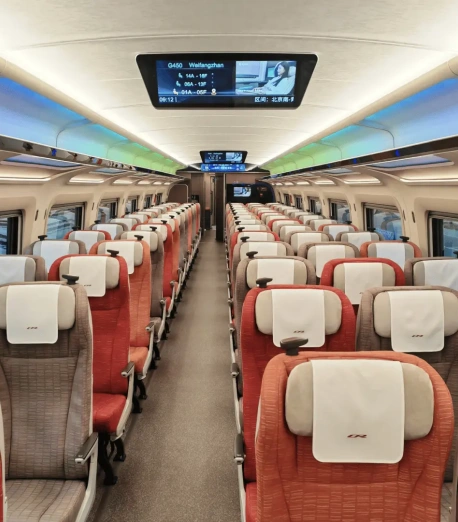
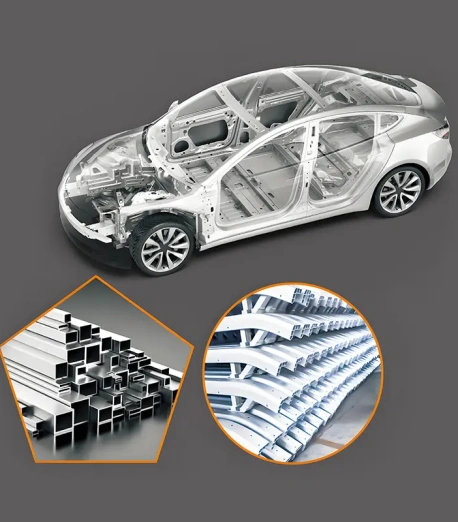
Our operational facility produces an annual output of 15,000 tons of high-grade aluminium profiles, powered by 5 advanced extrusion lines (including 2500T, 1450T, 1150T, and dual 700T extruders). We specialize in industrial aluminium profiles, railway transit sections, aerospace structures, marine profiles, and high-performance architectural curtain walls. Kangjian holds vital quality and environmental certifications: GB/T19001-2016/ISO9001, GB/T24001-2016/ISO14001, IATF16949, EN15085, DIN6701, and compliance standards aligned with international construction mandates.
An analytical overview of the high-performance aluminium requirements in modern Iraqi urban developments.
Iraq is undergoing a historic phase of urban rebuilding and infrastructure expansion. From the major metropolitan zones of Baghdad and Mosul to the commercial hubs of Basra and the developing landscapes of Erbil, there is an unprecedented surge in demand for premium building materials. The structural demands in these regions are highly unique, requiring materials that can withstand extreme environmental challenges.
With summer temperatures regularly exceeding 50°C (122°F), coupled with frequent sandstorms and severe dust exposure, standard architectural metals degrade rapidly. This makes the selection of high-grade, thermal-break aluminium profiles (alloy grades 6063-T5 and 6061-T6) critical. Local real estate developers and government ministries are shifting away from traditional wood and heavy steel frames toward lightweight, highly insulated, and corrosion-resistant aluminium systems.
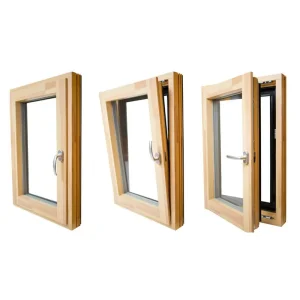
Furthermore, energy conservation initiatives in newly planned housing developments, such as the Al-Rafeel city project near Baghdad, mandate the use of high-performance double-glazed window and curtain wall systems. By utilizing advanced thermal-break technology, our building profiles dramatically reduce HVAC energy consumption in high-ambient environments. This aligns with Iraq's national goals to modernize residential and commercial sectors while reducing the load on the national power grid.
For industrial projects, ranging from energy storage complexes to water treatment facilities, structural durability is key. Anodized finishes and durable powder coatings protect structures from environmental degradation, ensuring a service life exceeding 25 years with minimal maintenance.
Bridging international manufacturing precision with seamless logistics to Iraq's major commercial gateways.
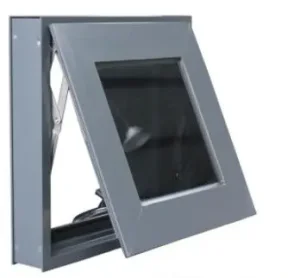
Our engineers convert building designs into precisely optimized aluminium dies. From structural curtain walls for commercial high-rises to modular window profiles, we ensure absolute tolerance control down to ±0.1mm, matching European standards.
Integrating polyamide thermal barriers within our profiles restricts heat transfer. This prevents external desert heat from radiating into building interiors, allowing HVAC systems to function more efficiently and reducing overall carbon footprints.
Operating from the major maritime hub of Qingdao, China, we coordinate streamlined cargo routes to Iraq's primary port, Umm Qasr. Our logistics teams handle multi-modal transit, including containerized shipping, custom wooden crate packaging, and comprehensive transit insurance.
High-fidelity extrusion processes and advanced testing protocols ensuring lifetime performance.
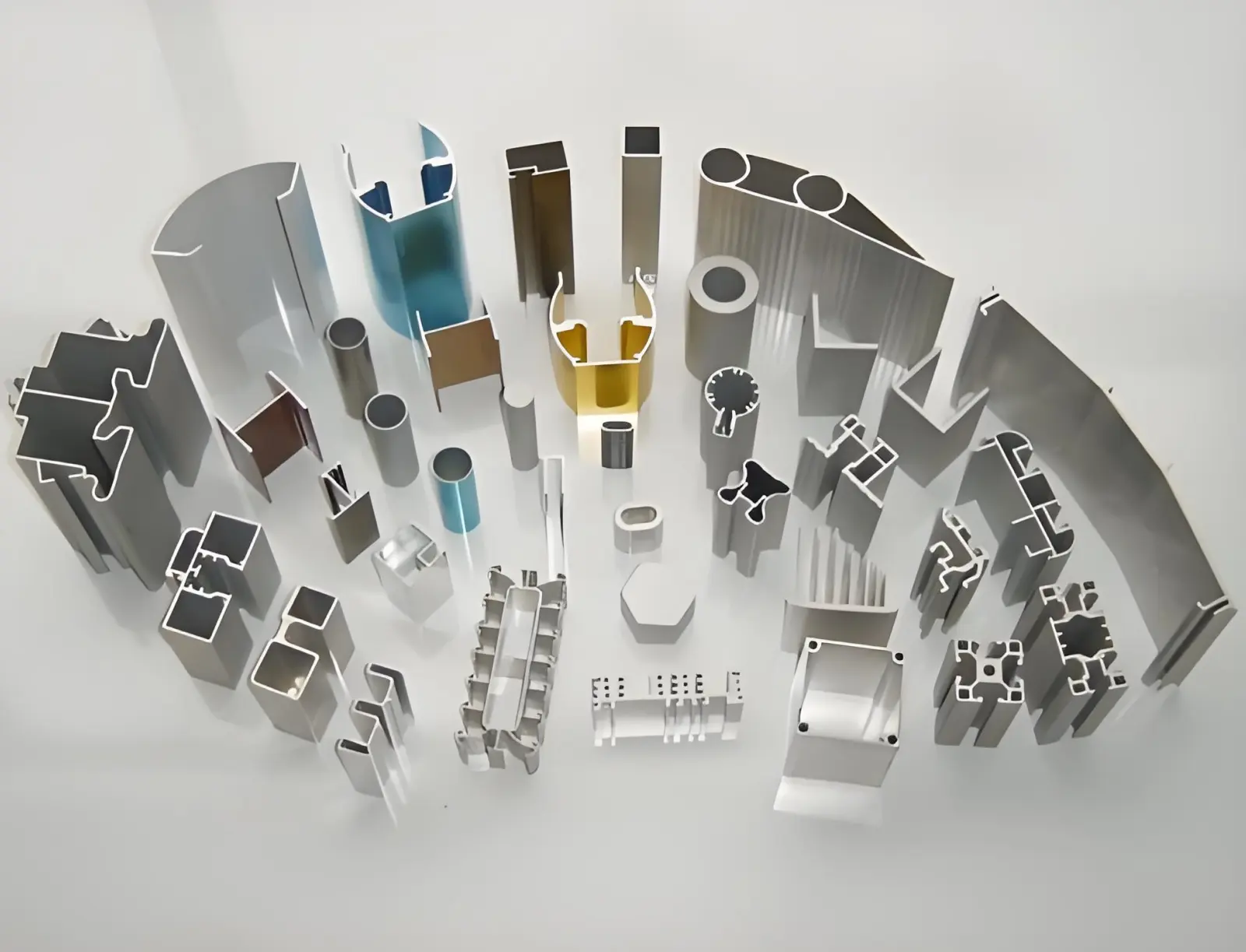
We strictly utilize primary, high-grade A00 aluminium ingots. For structural architectural systems, we employ 6063-T5/T6 and 6061-T6 alloys. These alloys provide the ideal balance of tensile strength, yield strength, and excellent surface finish characteristics required for architectural anodizing and powder coating.
Our quality control processes include continuous inspection throughout production: spectrometer alloy verification, mechanical tensile testing, ultrasonic weld line detection, and precise dimensional verification on computerized shadowgraphs. This ensures every length of profile delivered to Iraq is structurally sound.
In addition, our advanced anodizing lines achieve coating thicknesses up to 25 microns (Class AA25), ensuring our products remain highly resistant to salt spray, sand erosion, and UV radiation.
Assisting contractors in Iraq with certified building compliance and quality verification.
Navigating import regulations and quality mandates in Iraq requires strong documentation. We provide comprehensive verification packs conforming to the requirements of the Central Organization for Standardization and Quality Control (COSQC) of Iraq. From raw material test reports (MTR) to SGS or Bureau Veritas pre-shipment inspections, we ensure smooth customs clearance at all borders.
Our ISO9001 and ISO14001 certified facilities ensure that environmental, health, and safety regulations are strictly integrated into production. When working on government-subsidized housing or large commercial infrastructure projects, our clients can easily verify the origin and quality of their supply chain, guaranteeing long-term building safety.
Crucial procurement, engineering, and logistics answers for buyers and EPC contractors in Iraq.
Versatile structural materials deployed across power generation, transport, and commercial construction sectors.
Corrosion-resistant marine alloy frames deployed in the Persian Gulf port developments, supporting structural stability in saltwater-exposed zones.
Extruded aluminum enclosures designed to protect sensitive mechanical hardware from abrasive dust and high temperatures in oil field zones.

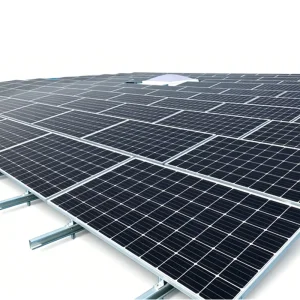
Specially designed structural alloy frames used for mounting large solar PV tracking panels in desert clean energy facilities.
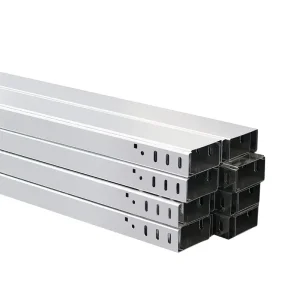
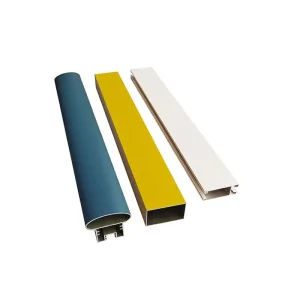
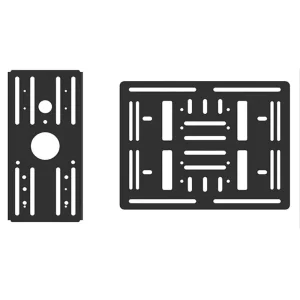
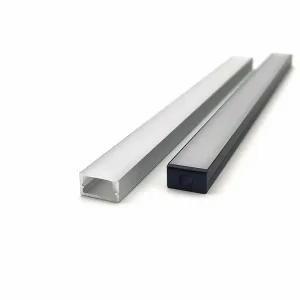
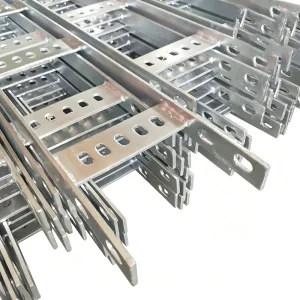
Explore our diverse selection of standard and custom architectural profiles, cable systems, and solar frames.
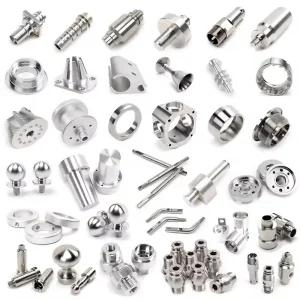
Modern architectural and civil engineering projects require structural components capable of withstanding both mechanical load and environmental degradation. This challenge is particularly acute in Iraq, where the combination of high ambient heat, low humidity, sandstorms, and coastal salinity near Basra calls for specialized materials. Building profiles are no longer simple architectural frames; they are functional barriers that determine the safety, longevity, and thermal efficiency of modern structures.
The choice of alloy composition directly affects the performance of extruded profiles. Aluminium 6063 is the industry standard for architectural applications. Containing silicon and magnesium in precise concentrations, it exhibits excellent extrusion characteristics, allows for thin-walled profile geometries, and offers a smooth surface finish. The 6063-T5 heat treatment delivers a minimum tensile strength of 150 MPa and yield strength of 110 MPa, making it ideal for windows, entryways, and light curtain walls.
For larger commercial projects requiring high-altitude wind resistance, such as the high-rises in Baghdad's financial districts, Aluminium 6061 is the preferred material. With higher structural strength, it contains higher percentages of copper, chromium, and magnesium, achieving a tensile strength of 260 MPa and yield strength of 240 MPa in the T6 temper. This alloy is ideal for large-span skylights, heavy-duty solar panel support structures, and industrial platforms. We optimize our extrusion parameters for both alloys, tailoring heat treatments and quenching speeds to match the application's demands.
Raw aluminium forms a natural oxide layer when exposed to air, but this thin barrier is insufficient in harsh environments. We apply advanced chemical treatments to enhance surface protection:
Operating a modern production facility requires a strict quality management system (QMS). Our facility features a fully integrated laboratory to verify physical and chemical properties at every stage. We hold certifications including ISO 9001 for general manufacturing processes and IATF 16949 for our automotive-grade components, ensuring high quality control across all production lines.
Furthermore, our structural welding processes are certified under EN 15085-2 and ISO 3834-2, which is critical for structural frameworks, rail transit, and heavy industrial support systems. We utilize advanced optical emission spectrometers to analyze alloy composition, ultrasonic flaw detectors to inspect for internal extrusion defects, and coordinate measuring machines (CMM) to verify physical tolerances. This ensures that every shipment delivered to our partners in Iraq meets project specifications.