Kangjian
Kangjian
Kangjian
Premium architectural aluminum profile integrations optimized for modern French construction envelopes, featuring advanced thermal control and strict structural capacities.
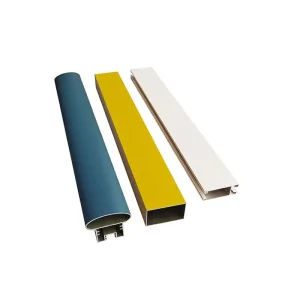
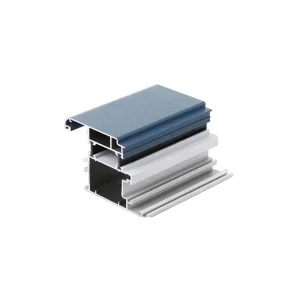
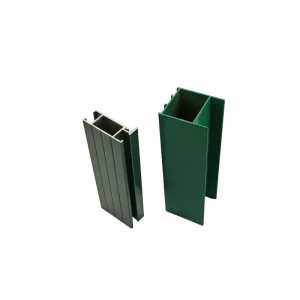
The Greater Paris metropolitan area, driven by the ambitious Grand Paris Express urban planning initiative and the strict regulatory frameworks of RE2020 (Réglementation Environnementale 2020), is undergoing a profound transformation. As Europe's leading economic hub, Paris demands architectural materials that do not simply meet aesthetic desires but actively contribute to the reduction of embodied carbon emissions. Aluminum building profiles stand at the center of this structural transition.
This whitepaper analyzes the current commercial realities, technical routes, compliance frameworks, and global manufacturing collaborations shaping the supply of premium aluminum extrusions to French contractors, developers, and façade engineering firms. Through the operational lens of Qingdao Kangjian Aluminum Industry Technology Co., Ltd., we examine how Sino-European supply chain integration meets Paris's high criteria for sustainable construction.
"The challenge of modern Parisian architecture lies in balancing historical preservation with ultra-low thermal transmittance envelopes. Advanced aluminum profiles are the only structural components that offer the strength-to-weight ratio, design versatility, and recyclability profile required to meet these targets."
The Parisian construction market presents a dual challenge: the restoration of classical Haussmannian facades and the construction of high-tech commercial properties in districts like La Défense. Both sectors require custom profile solutions but impose radically different constraints.
Achieving structural reliability requires choosing the correct alloy and heat treatment profiles. In the French building sector, the 6xxx series aluminum alloys dominate due to their balanced extrudability, strength, and finish characteristics.
6063 Aluminum: Primarily used for complex architectural profiles (windows, doors, curtain walls). T5 temper offers good structural strength, while T6 provides enhanced mechanical properties via artificial aging. This alloy supports intricate geometries and yields a superior finish for anodizing and powder coating.
Surface treatments must withstand urban atmospheric pollutants and coastal wind shifts. European compliance demands standard conformity:
Modern architectural profiles serve as active utility components. Smart façades integrate solar photovoltaics (BIPV), automated climate control, and structural tracking systems. In Paris, our profiles support:
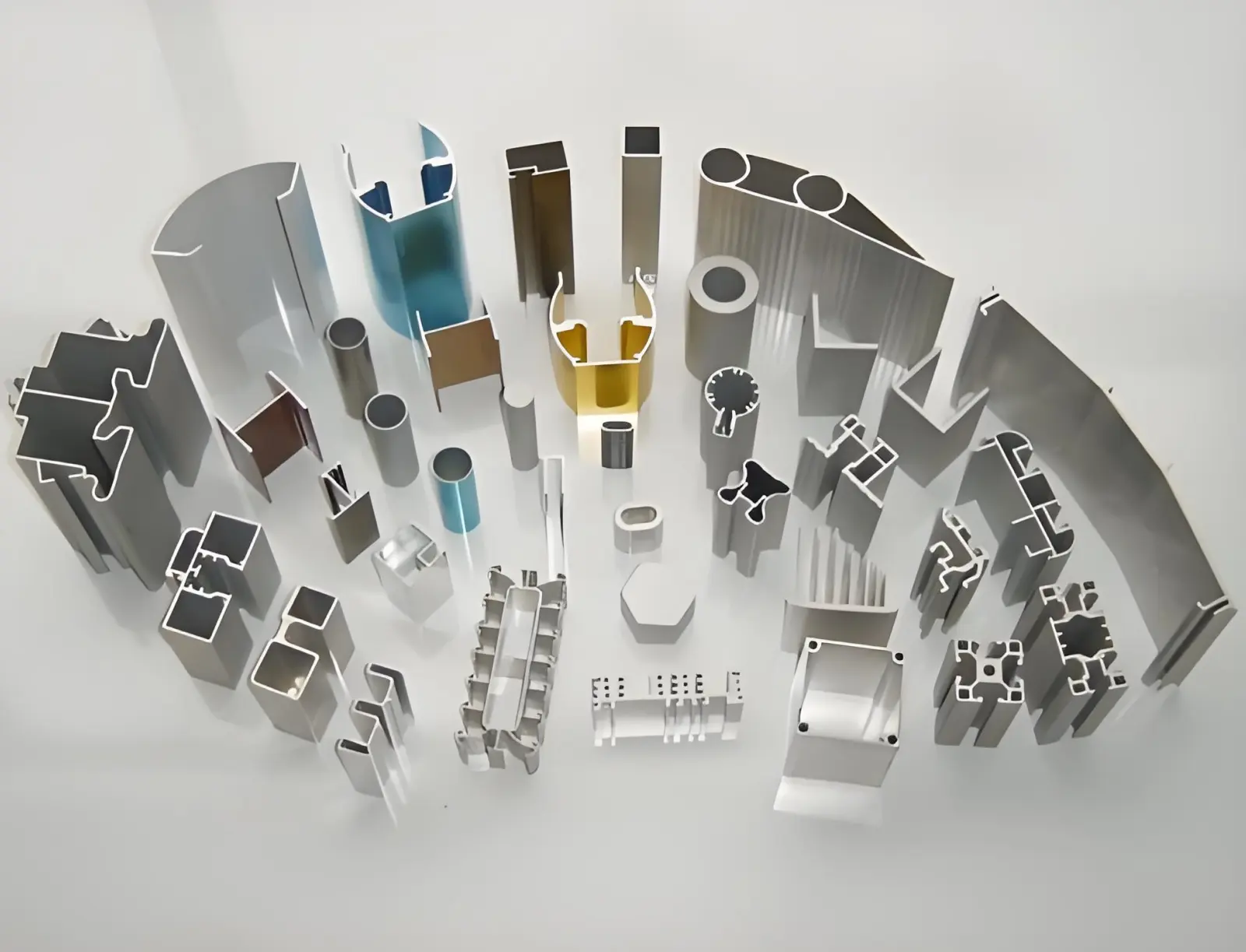
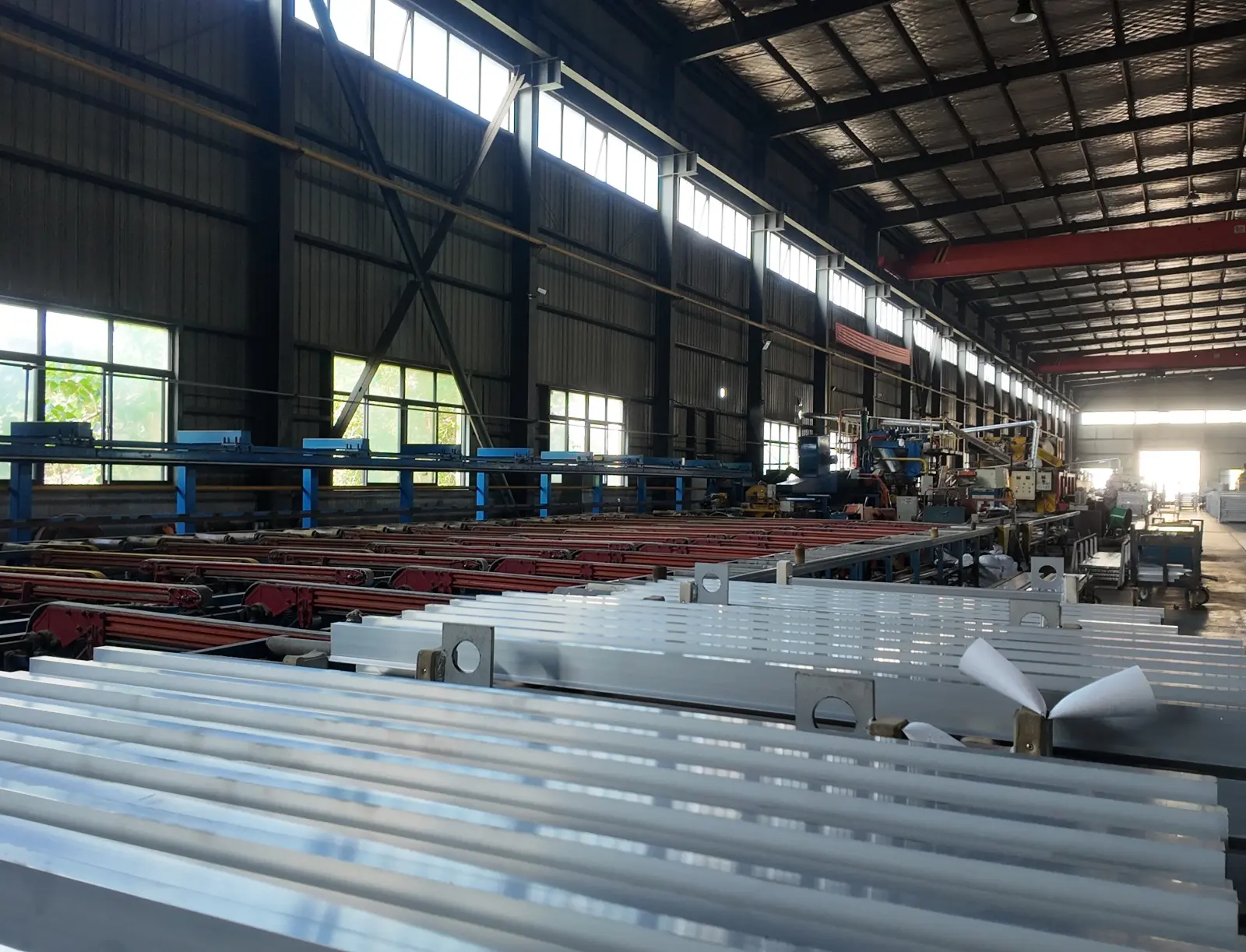
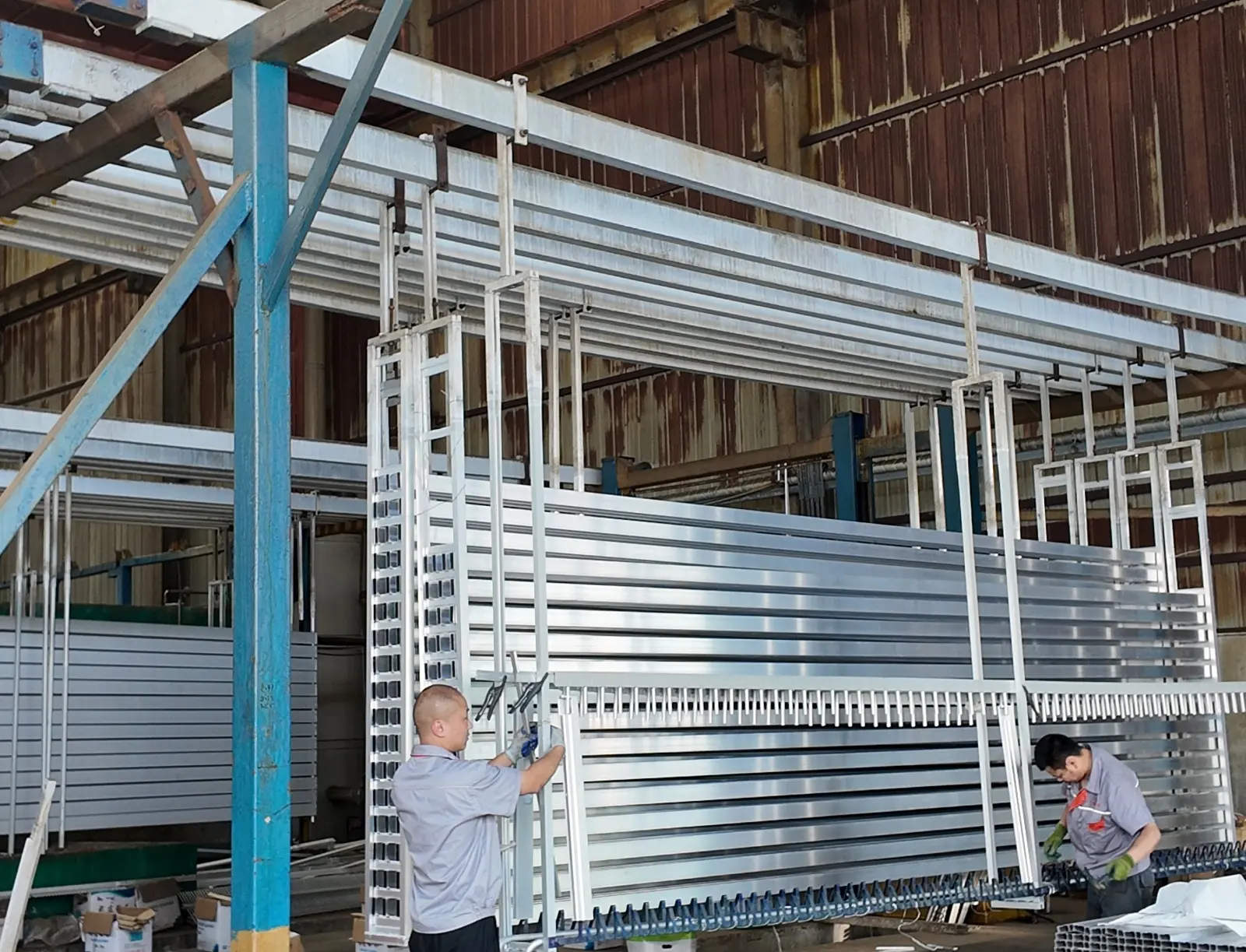
Entering the French construction ecosystem requires strict adherence to European norms. Non-compliance results in immediate project shutdowns and financial liability.
Annual Profile Output
High-Tech Extrusion Systems
Global Quality Certified
Industrial Production Footprint
Combining raw material access with automated extrusion, heat treatment, and precision CNC finishing to guarantee stable supply lines for French development projects.
Located in the Jimo District of Qingdao, Qingdao Kangjian Aluminum Industry Technology Co., Ltd. represents the next generation of Chinese high-end aluminum manufacturing. Established in 2022, the company has grown into a major supplier of architectural, industrial, automotive, and transit-related aluminum alloys. Supported by Qingdao's logistics port infrastructure, Kangjian provides a direct maritime supply chain to European ports like Le Havre, serving the Paris basin.
The facility covers a 200 mu industrial production footprint, containing 80,000 square meters of factory space and 4,000 square meters of office buildings. Armed with 5 modern extrusion production lines (featuring one 2500T, one 1450T, one 1150T, and two 700T extruders), Kangjian matches specific structural requirements to the optimized extrusion tonnage, maximizing alloy grain structure and finish consistency.
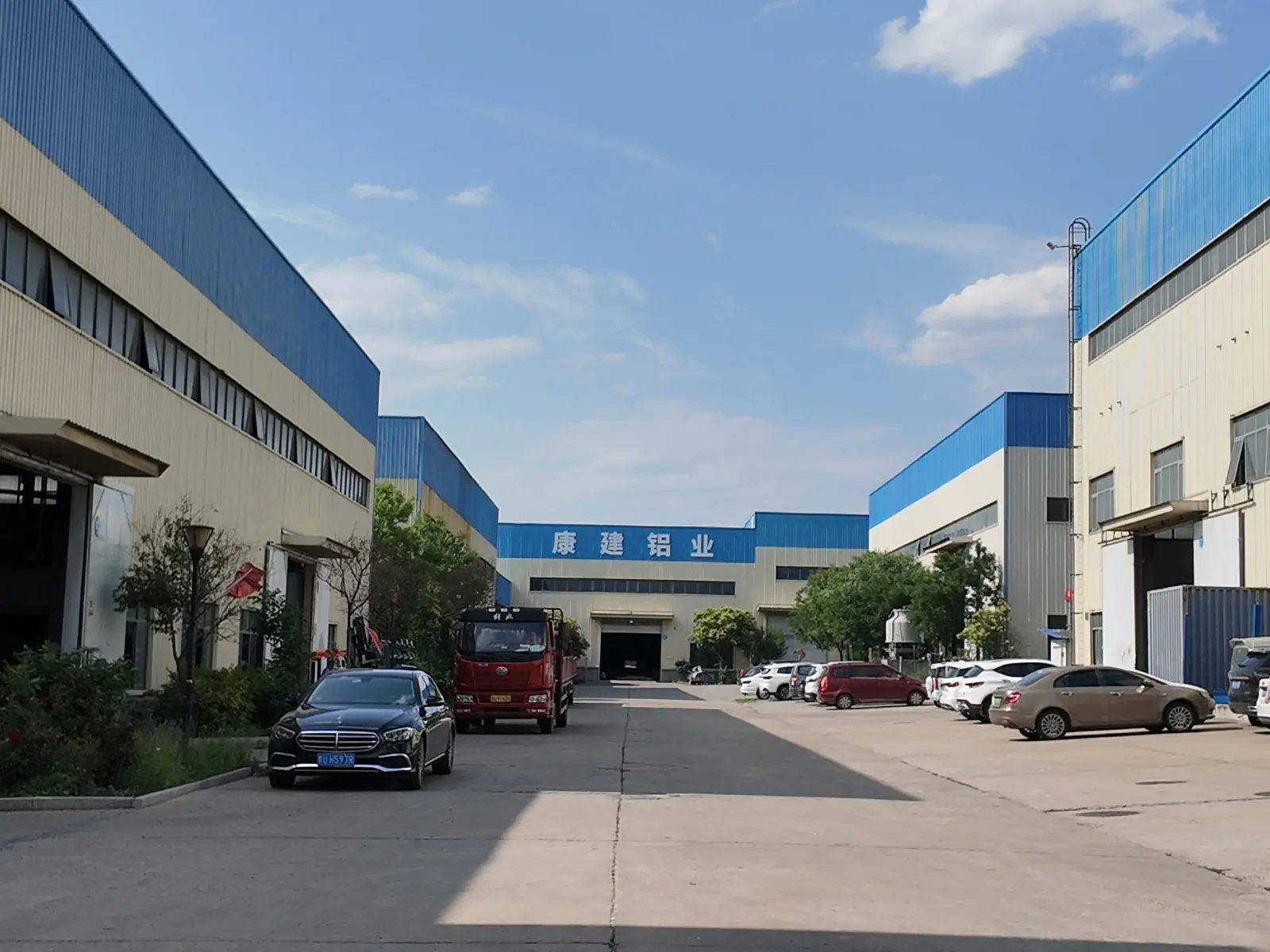
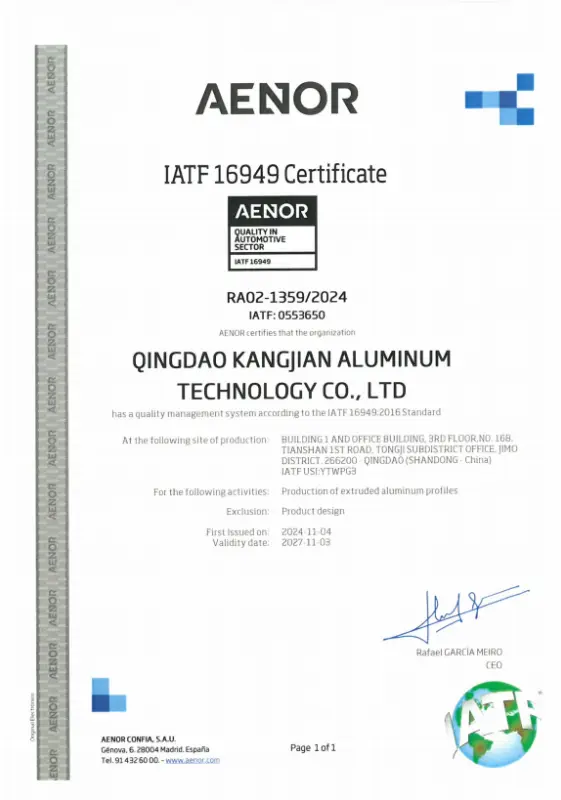
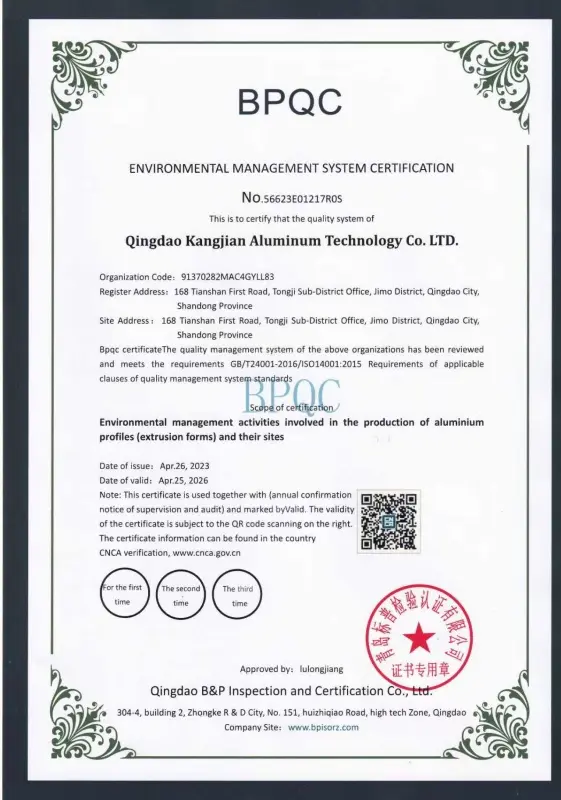
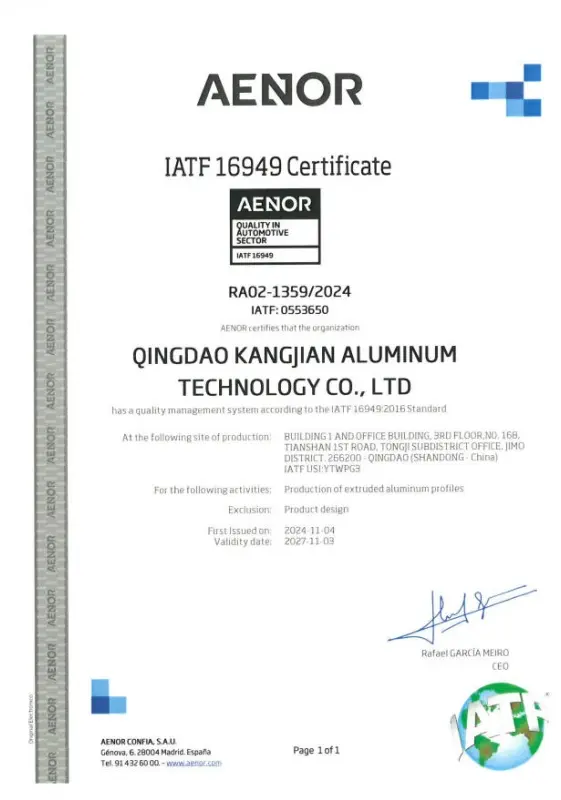
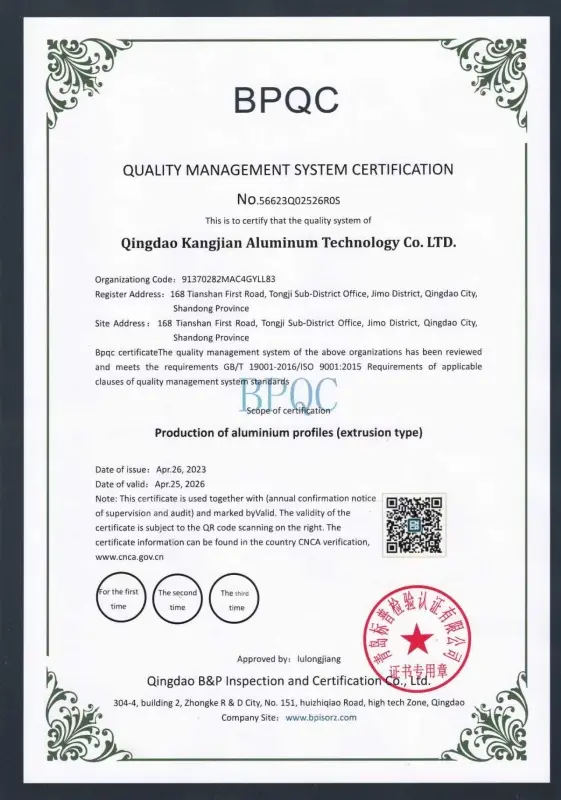
Kangjian's quality system is backed by extensive certifications, ensuring immediate fit-for-purpose compatibility on Western European construction sites:
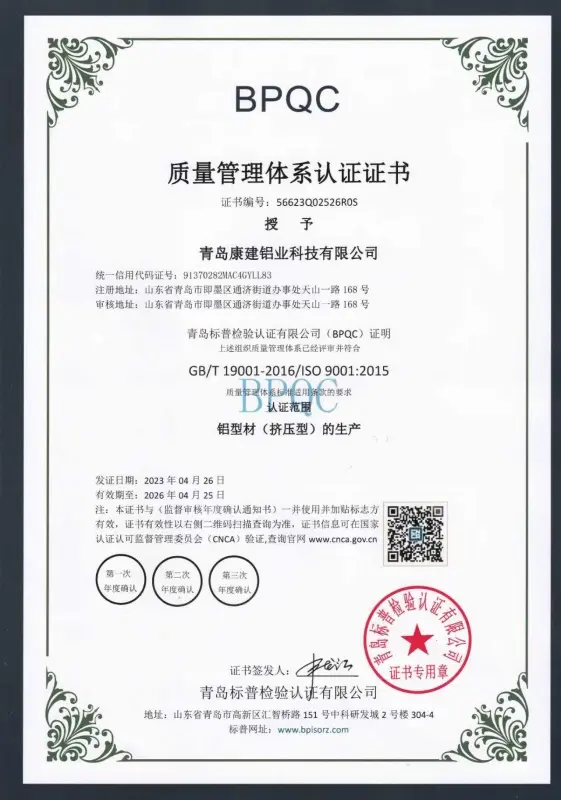
Certified under GB/T19001-2016/ISO9001, providing consistent trace-to-billet documentation for external auditing.
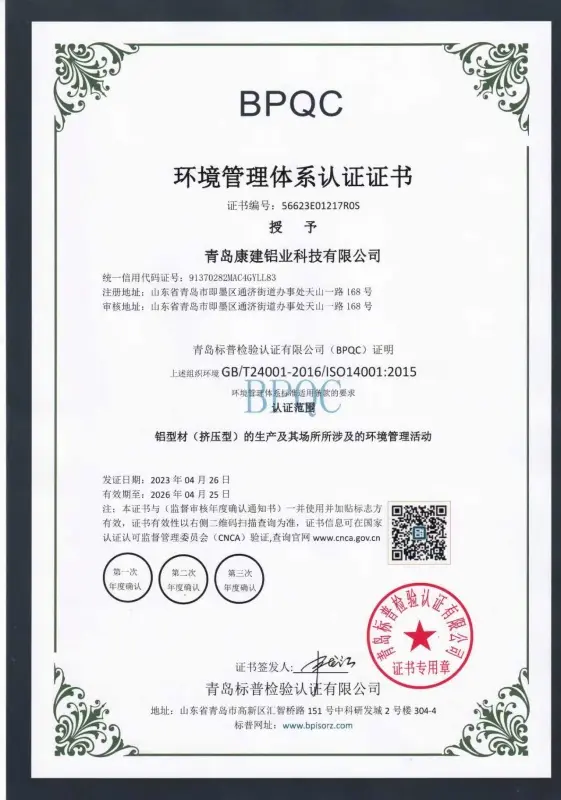
GB/T24001-2016/ISO14001 compliant, utilizing low-impact cooling lines and water filtration systems.
EN15085, ISO3834, and AWS certifications guarantee that fabricated profile assemblies meet European welding safety norms.
Additionally, the factory maintains the DIN6701 Bonding System certification for structural adhesive application (crucial for structural glazed curtain walls) and IATF16949 Automotive Industry Quality Management System Certification for precise automotive components, proving high engineering capabilities across sectors.
European procurement managers evaluate suppliers using a Total Cost of Ownership (TCO) methodology. Purchasing raw materials is only one part of this equation; structural engineering, custom finishing, packing, and on-time shipping are equally critical. Value engineering at the pre-extrusion stage can reduce profile weights while retaining moment of inertia requirements, saving up to 15% in material costs.
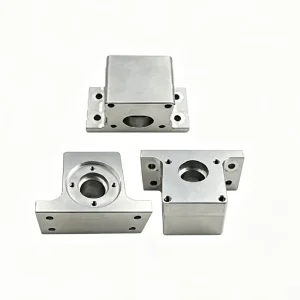
Our engineering team works with clients to optimize cross-sections for easier extrusion, reducing surface defects and speeding up production. By offering in-house CNC machining (milling, drilling, tapping, and precise cutting), we deliver ready-to-assemble profiles directly to building sites, eliminating the need for mid-stage fabrication steps in France.
Addressing technical, environmental, and logistical questions from European procurement teams.
Explore our wide range of aluminum products, supporting projects from HVAC and commercial buildings to solar installations and smart robotics.
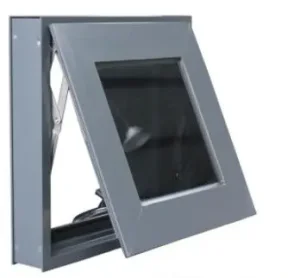
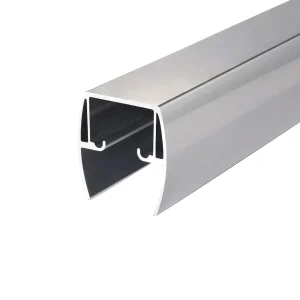
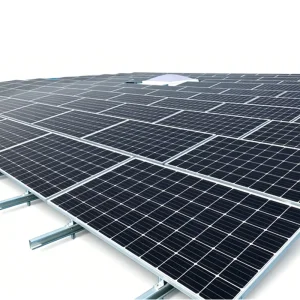
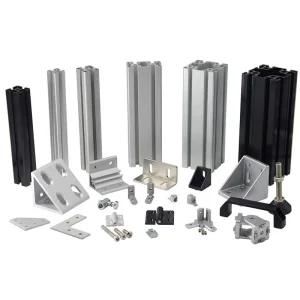
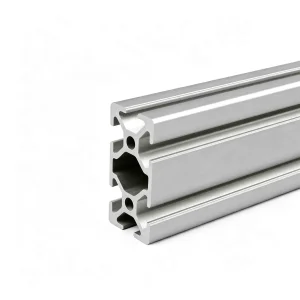
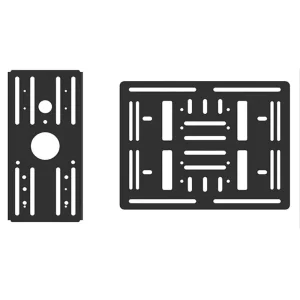
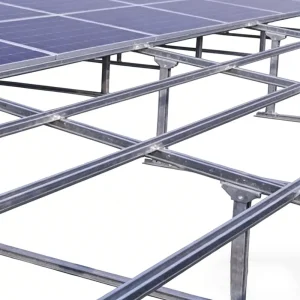
Our manufacturing and processing lines hold global certifications to support compliance and safety in French and international projects.