Kangjian
Kangjian
Kangjian
Engineered for extreme structural integrity, high-efficiency thermal performance, and compliance with modern building regulations.
The urban landscape of New York City and the wider tri-state area is undergoing its most significant structural evolution in a century. Driven by stringent sustainability mandates, architectural design in New York no longer prioritizes aesthetics alone; it requires exceptional energy efficiency, structural resilience, and material transparency. Centered around this reality is the city's focus on **Local Law 97 (LL97)**, which places strict limits on the carbon emissions of buildings over 25,000 square feet starting in 2024, with even more drastic reductions mandated for 2030.
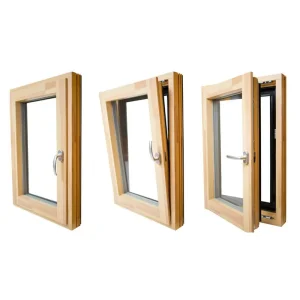
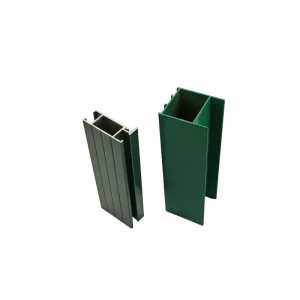
For structural engineers, facade consultants, and real estate developers in Manhattan, Brooklyn, and Queens, this regulatory shift impacts procurement directly. The building envelope (or curtain wall system) accounts for a massive portion of a building's thermal envelope performance. Thermally broken building profiles manufactured from high-quality 6063-T6 or 6061-T6 aluminum alloys have become the baseline necessity for modern construction.
Aluminum's inherent strength-to-weight ratio allows for expansive glass units that maximize natural light while sustaining the extreme wind loads typical of coastal New York. However, local supply chains are facing bottlenecks. The demand for architectural aluminum extrusions is surging, yet local fabrication capacities in New York are limited. This gap highlights the need for strategic global partners capable of delivering precision-engineered, anodized, and powder-coated profiles that conform strictly to ASTM and American Architectural Manufacturers Association (AAMA) standards.

Understanding the economic pressures, material specifications, and logistics involved in sourcing custom structural aluminum profiles.
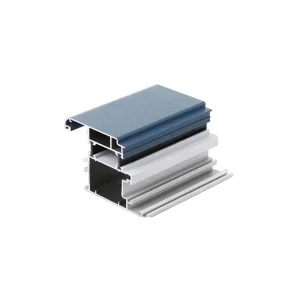
Under LL97, architectural designs require U-factors below 0.38 for storefronts and 0.28 for curtain walls. High-performance, multi-cavity thermal break extrusions are necessary to eliminate thermal bridging in harsh NY winters.
New York is classified as a category B wind-load zone, requiring structural window wall components to withstand up to 50 PSF. Extrusions must have high mechanical properties, strict dimensional tolerance, and superior alloy composition.
Relying purely on domestic mills in North America often leads to 24+ week lead times. Incorporating direct-factory Chinese manufacturers with robust port infrastructures ensures project timelines remain uninhibited.
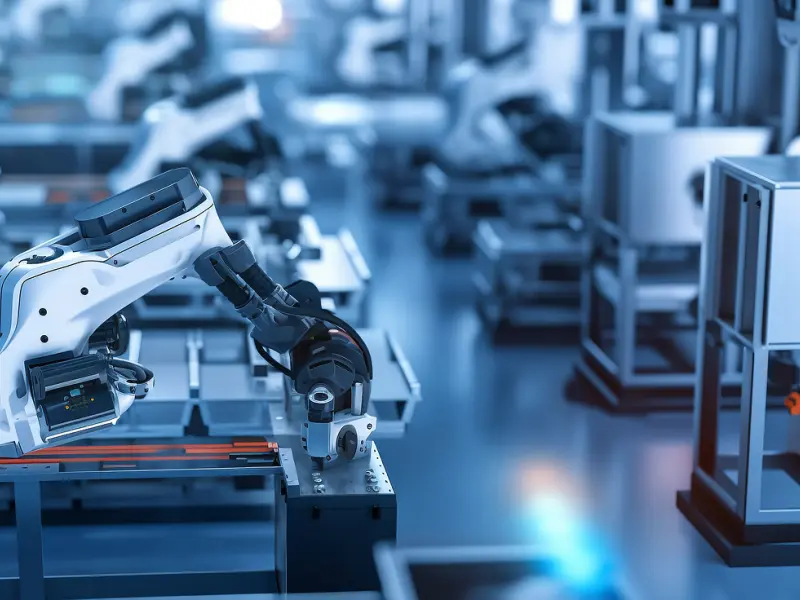
To support global supply chains, Chinese manufacturers have embraced Industry 4.0 paradigms. This transition represents a shift from labor-intensive extrusion houses to automated, smart-manufacturing ecosystems that deliver unparalleled output consistency, material traceability, and rapid scaling.
By using automated billet heating, smart multi-directional extrusion cooling systems, and advanced computerized aging furnaces, factories can ensure that every profile meets the targeted tensile and yield strength requirements. For international buyers, particularly those managing large-scale projects in New York, this degree of control reduces material failures and guarantees compatibility with structural glazing setups.
Additionally, integrated shipping networks out of Qingdao, a premier industrial port hub, allow for seamless maritime transit directly to Eastern US ports, mitigating inland supply bottlenecks.
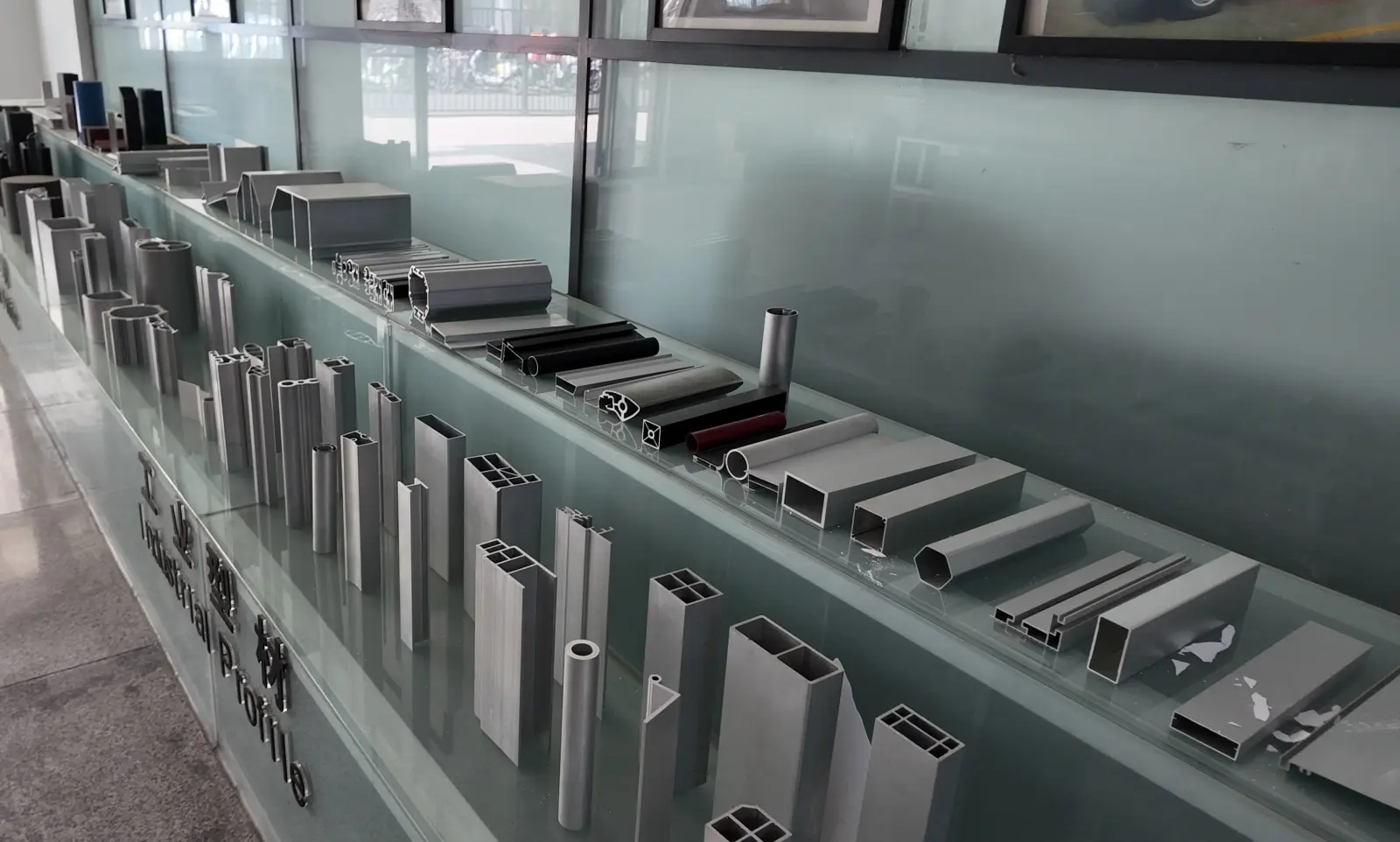
Qingdao Kangjian Aluminum Industry Technology Co., Ltd. — A Leader in Custom Heavy Extrusion and Technical Structural Profiles.
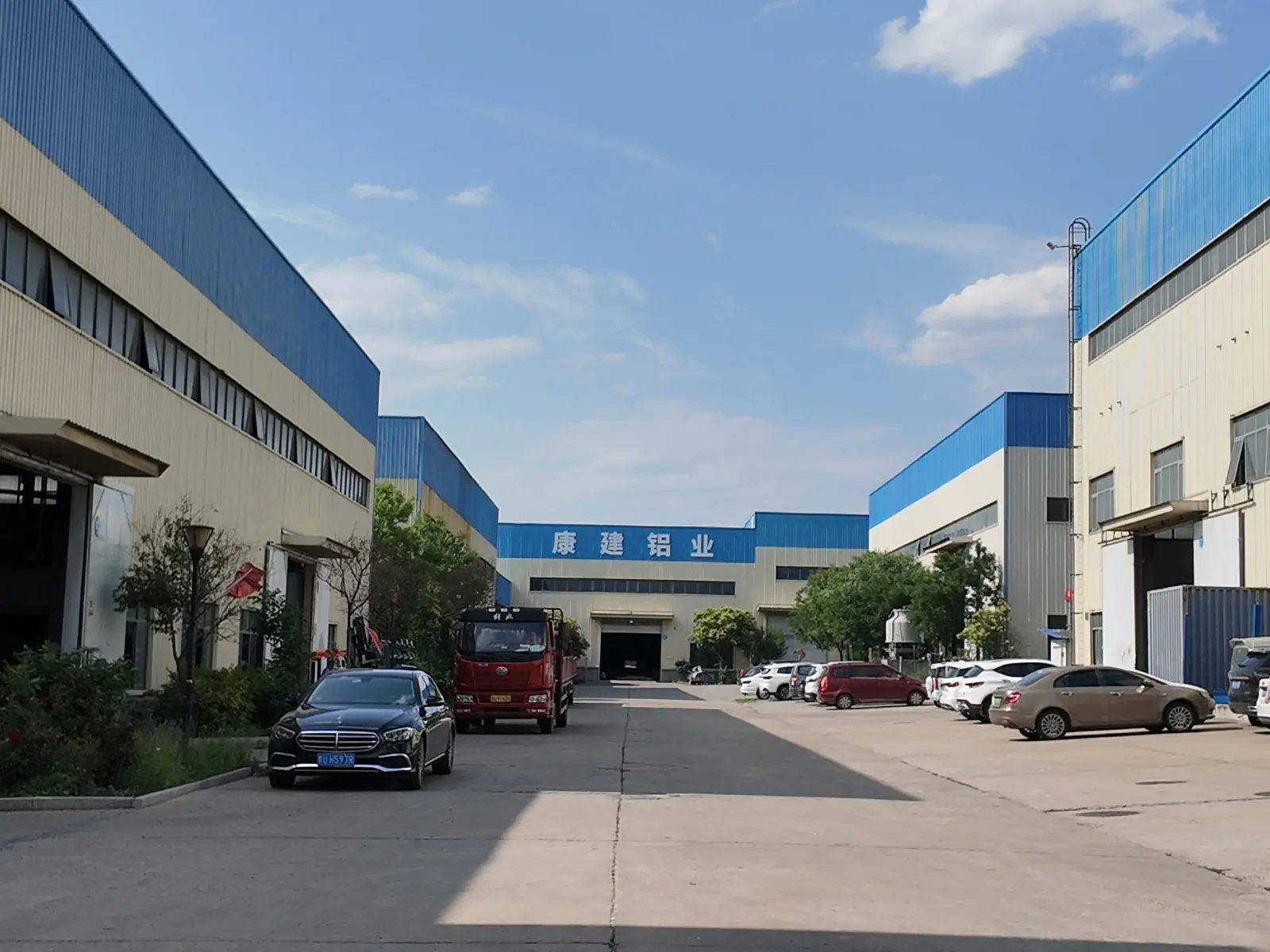
Located in the Jimo District of Qingdao, Qingdao Kangjian Aluminum Industry Technology Co., Ltd. was established in 2022 and has quickly grown into one of the region's largest architectural and industrial extrusion manufacturers. We produce structural aluminum and aluminum alloy products engineered for demanding international markets.
Our expansive 200-mu production facility contains 80,000 square meters of modern manufacturing space. With a current capacity of 15,000 tons annually, our facility features 5 automated extrusion press lines, including heavy-duty 2500T, 1450T, 1150T, and dual 700T press systems. This enables the extrusion of profiles across diverse wall thicknesses and profile cross-sections.
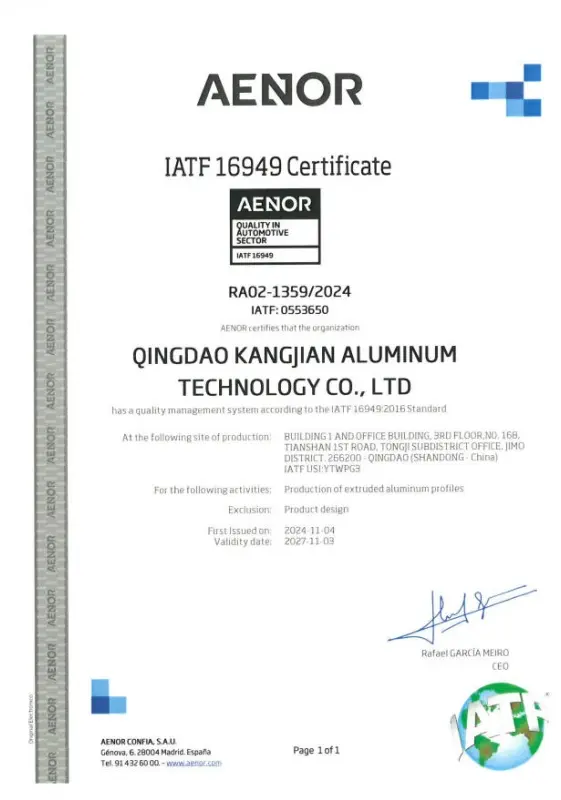
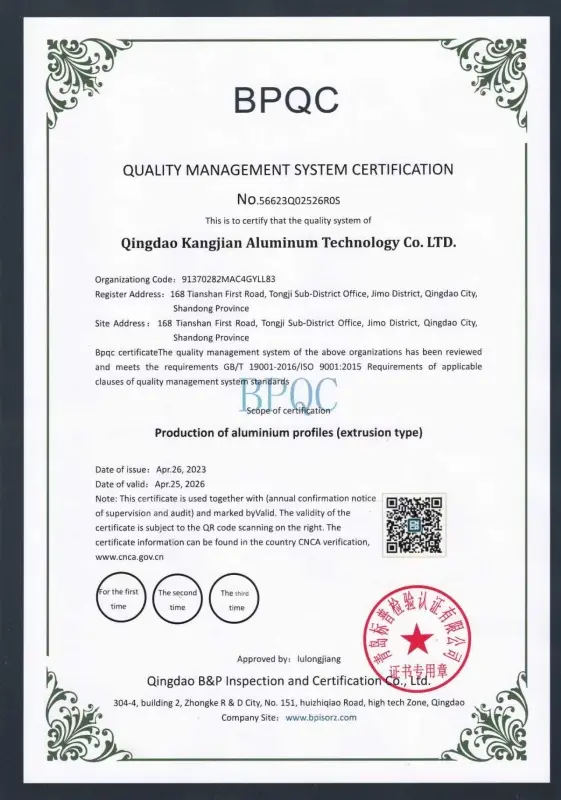
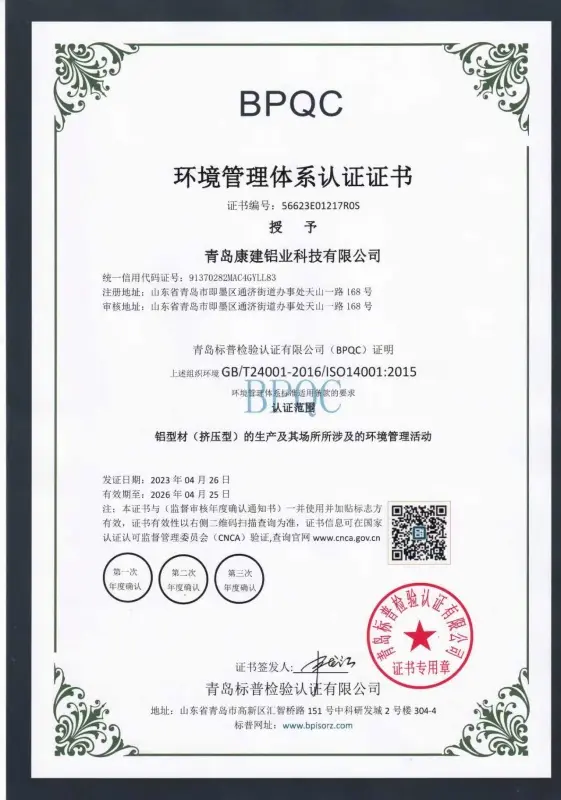
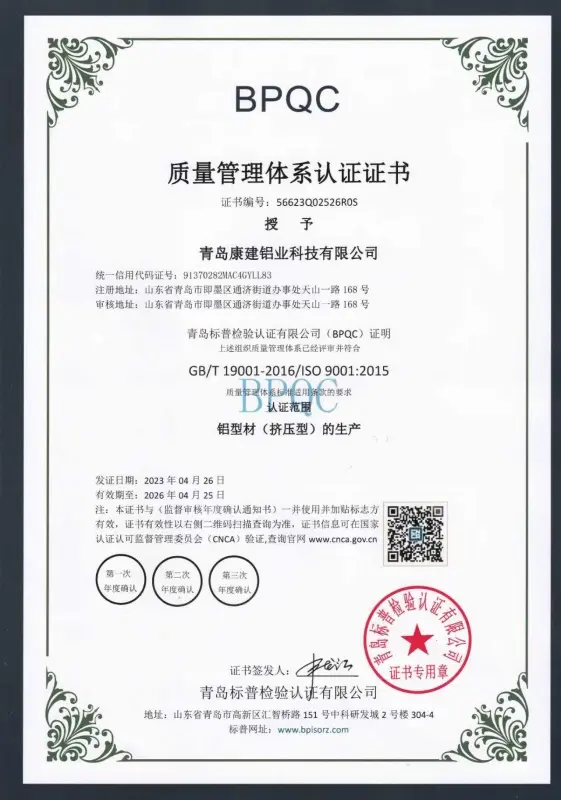
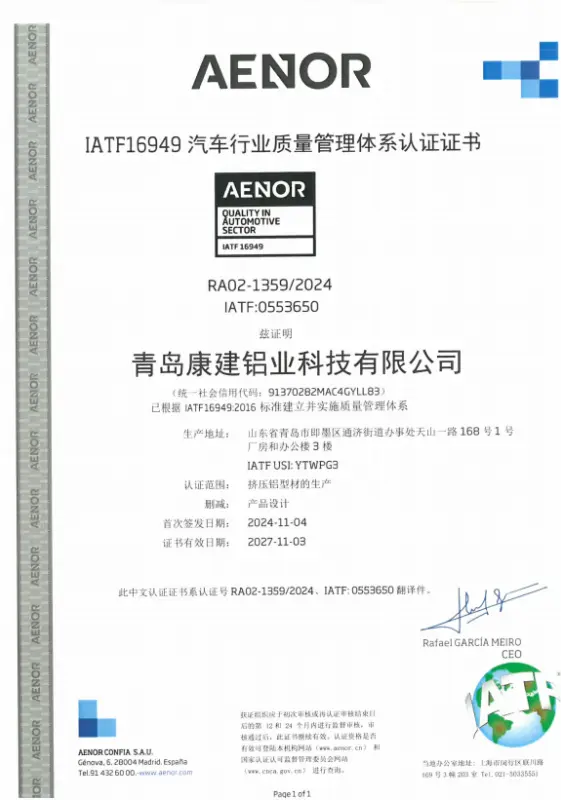
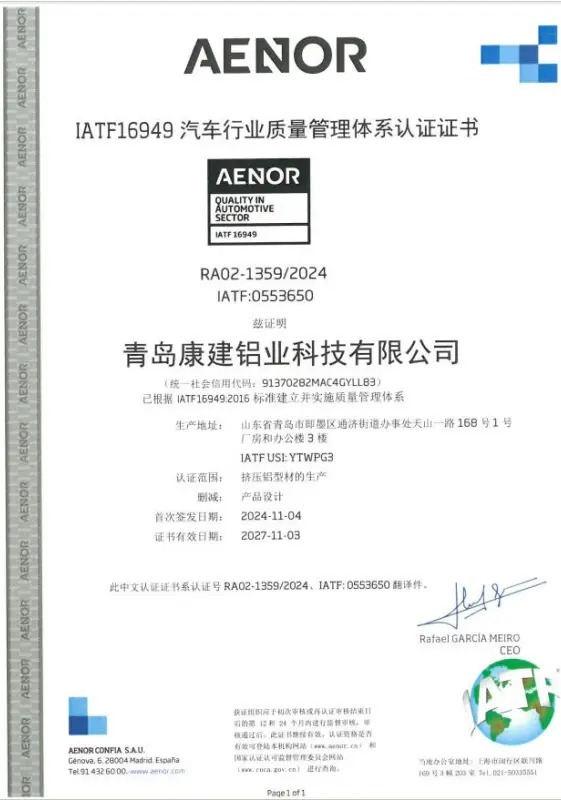
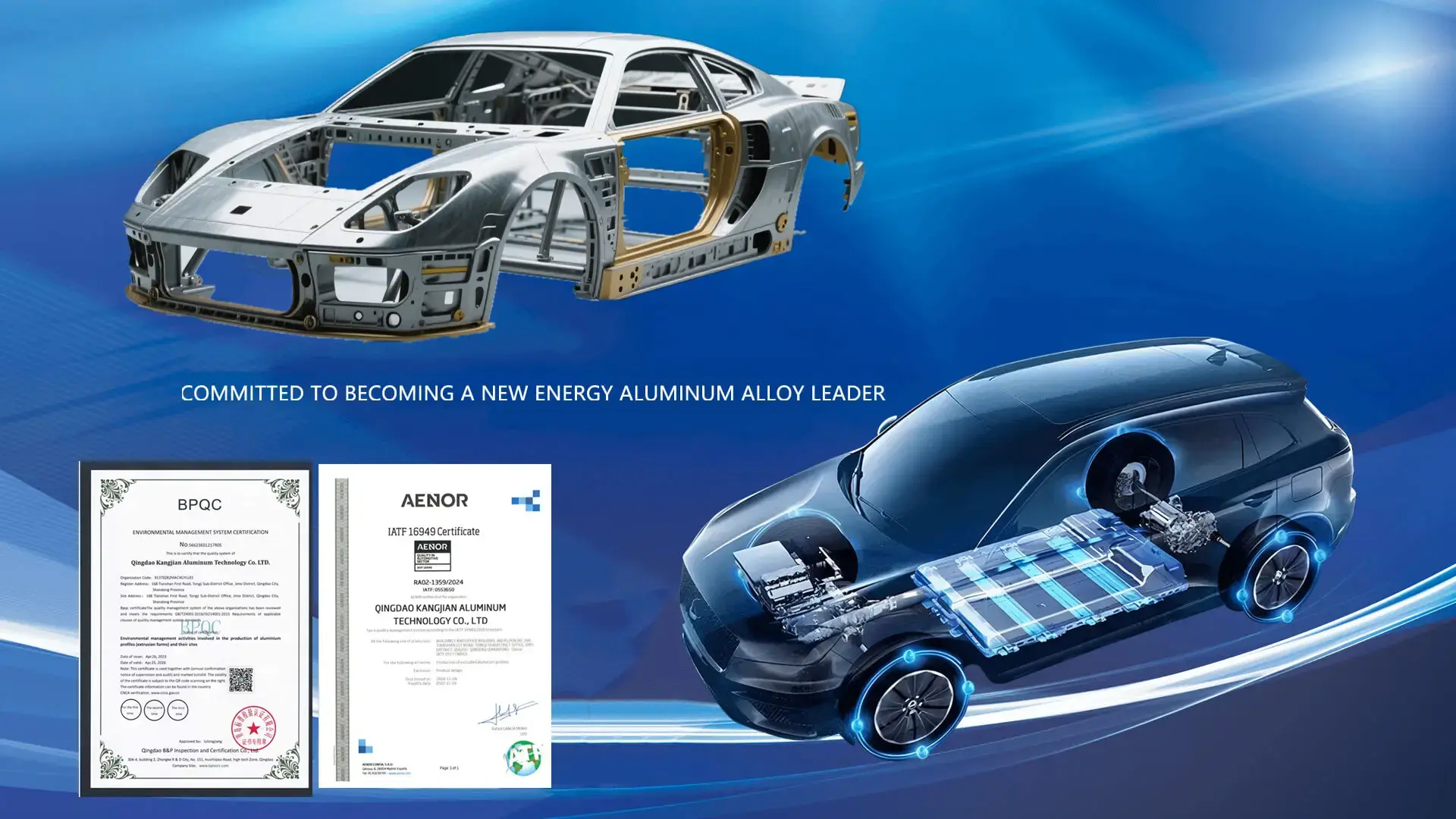
We are a certified partner for high-level industries, holding certifications that include GB/T19001-2016/ISO9001 Quality Management System, GB/T24001-2016/ISO14001 Environmental Management System, and the automotive standard IATF16949. Our welding processes conform to EN15085, ISO3834, and the American Welding Society (AWS) frameworks, while our adhesive systems are certified under DIN6701.
Forging ahead with determination and building a globally trusted partnership in aluminium profiles.
In just three years since its establishment, Qingdao Kangjian Aluminum Industry Technology Co., Ltd. has rapidly expanded from its local market in Qingdao to the national and global markets. Our products not only cover domestic industrial centers in Anhui, Hebei, Tianjin, Hunan, Guangdong, Beijing, and Jiangsu, but also reach international high-end markets including South Korea, Japan, the United States, and Europe.
Showing strength under pressure: Against the backdrop of a challenging global market, Kangjian Aluminum Industry has demonstrated strong resilience. Business volume and shipment volume have continued to rise, with our average annual growth rate of order delivery and output value reaching as high as 30%.
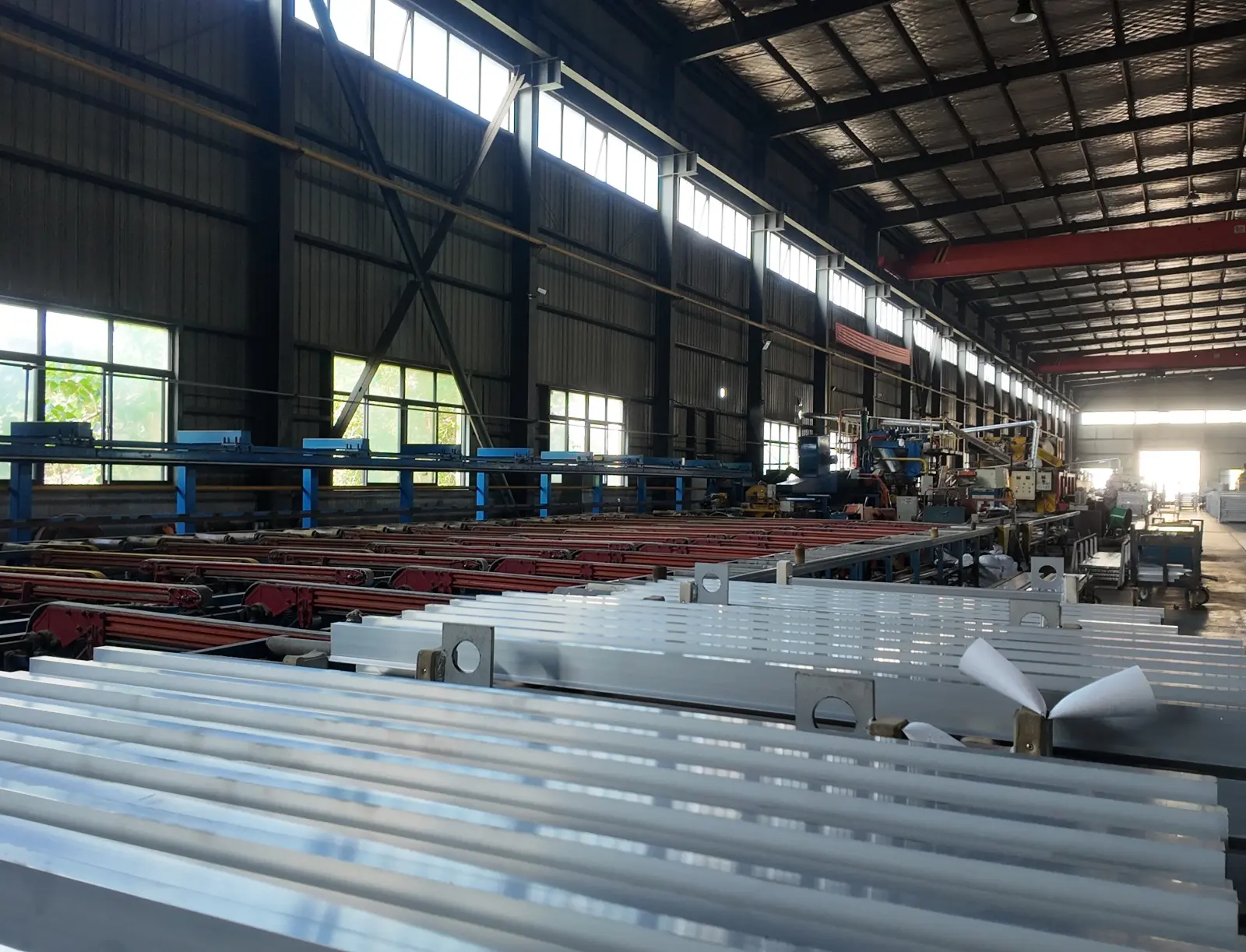
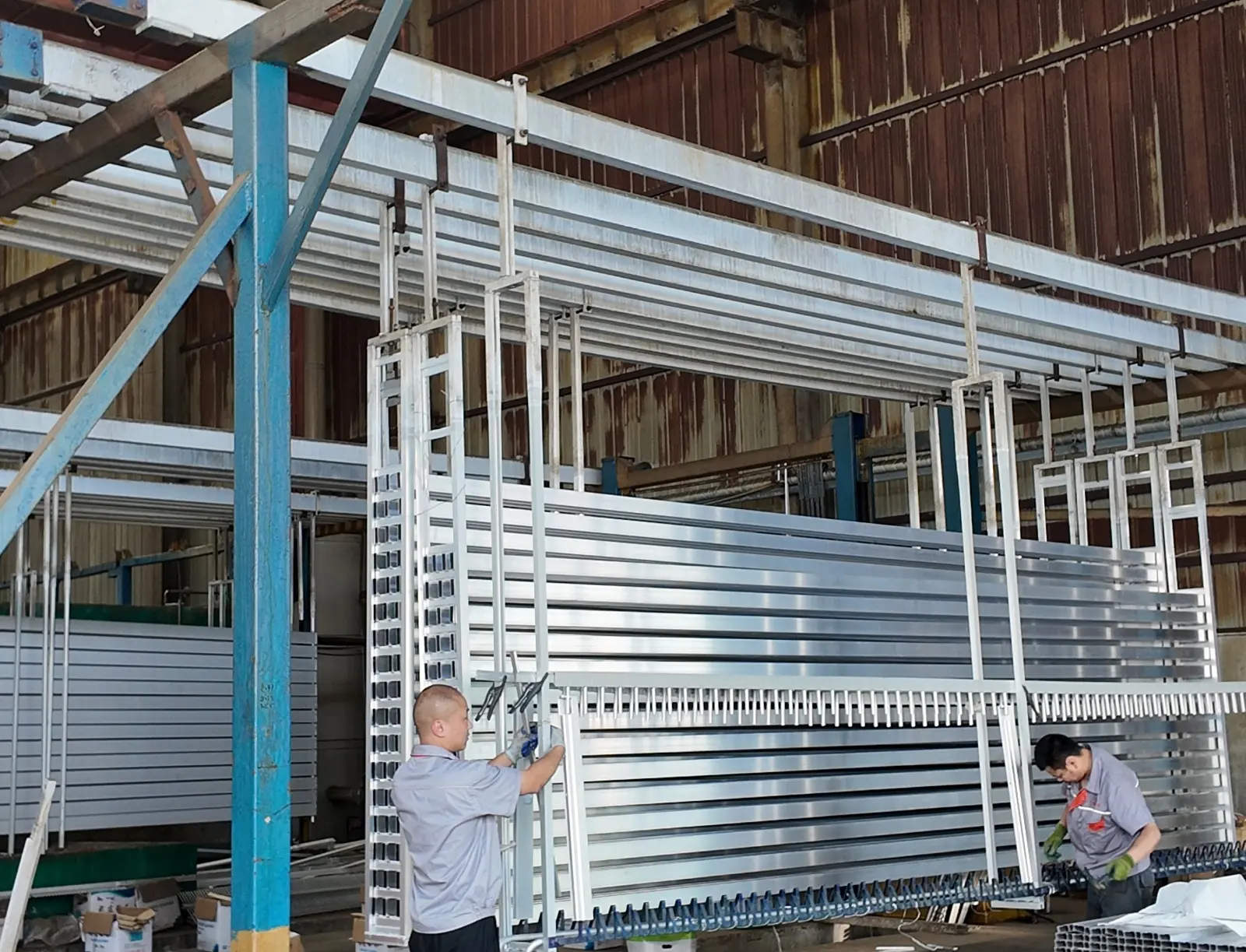
Meeting the strict QA/QC expectations of New York's municipal, commercial, and structural engineering firms.
To qualify for massive public and private projects in New York, building profile suppliers must provide documented proof of third-party quality audits. Our factories operate under globally recognized regimes to assure absolute reliability:
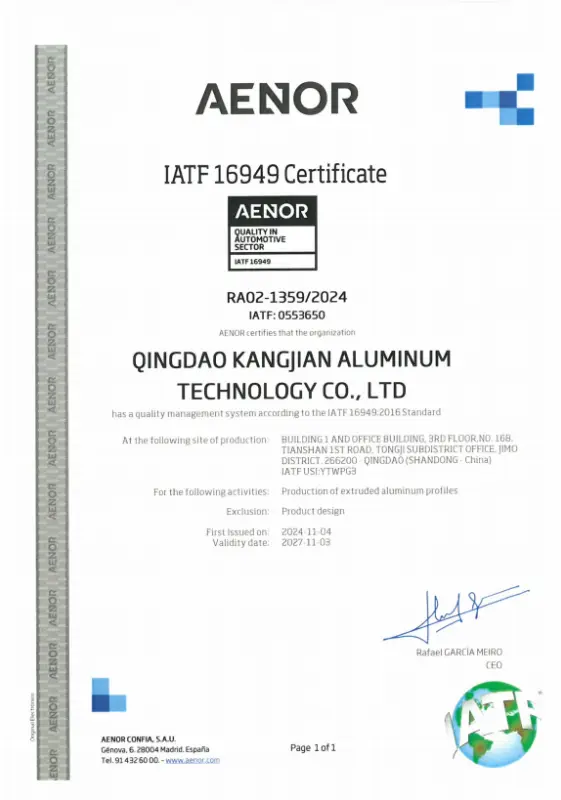
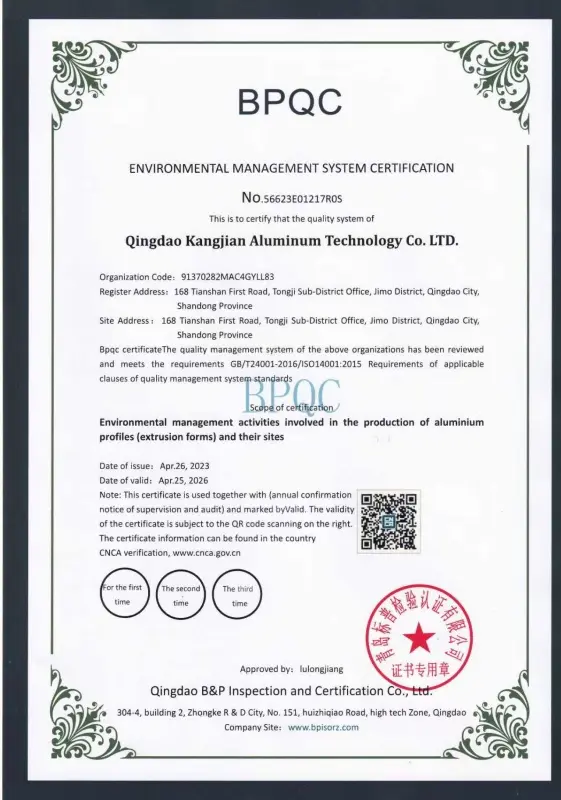

Supporting multi-sector development across the New York metropolitan region with diverse industrial profiles.
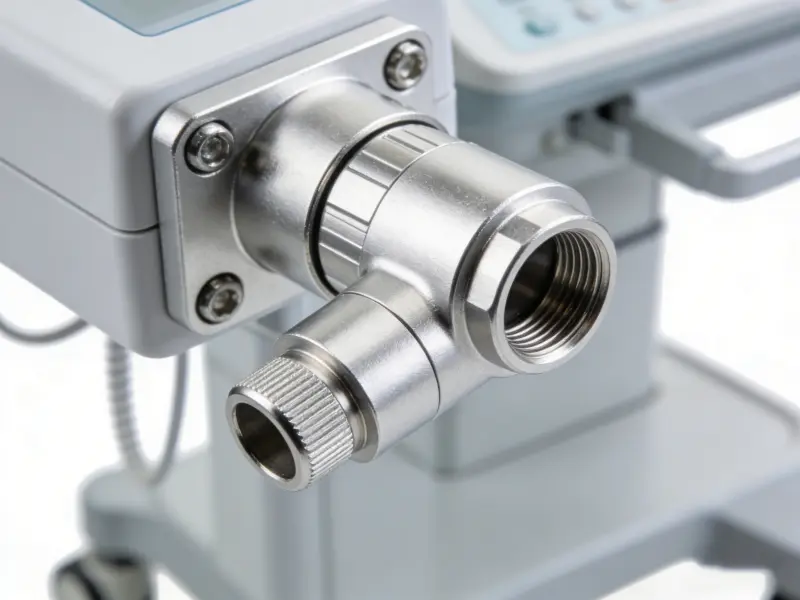
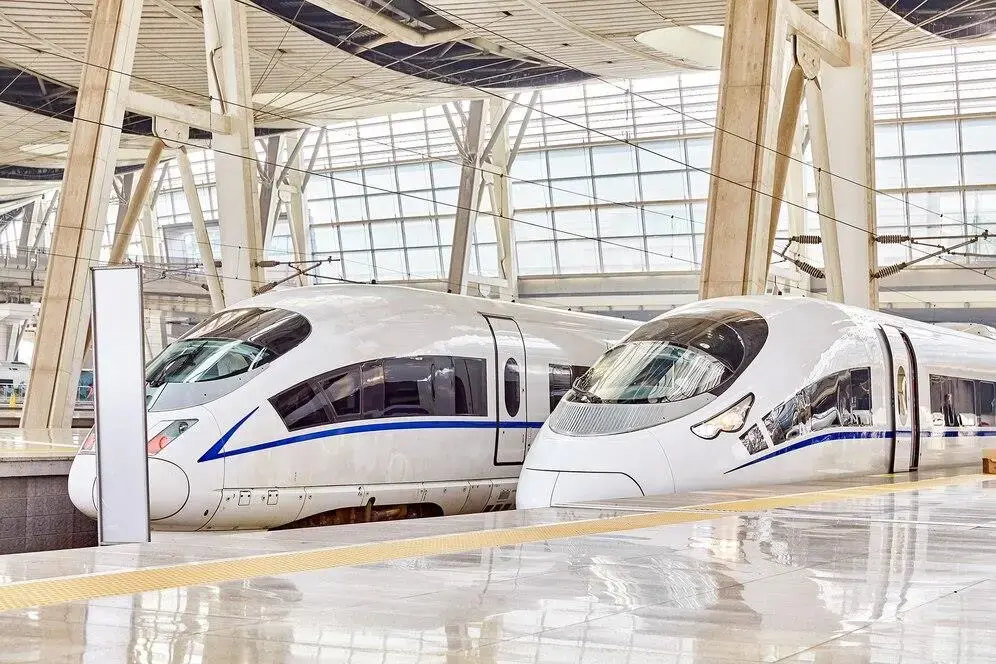
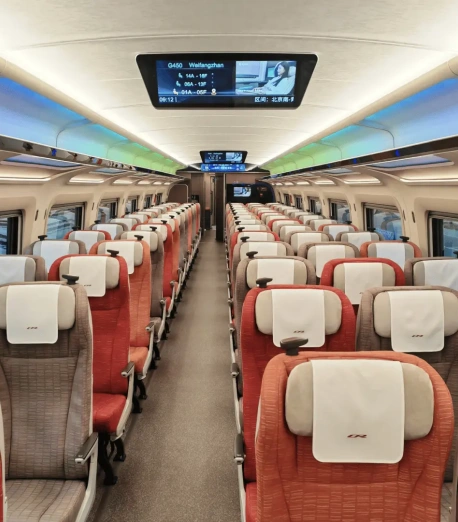
Under our strict certifications like ISO22163 (Railway Industry Management System) and EN15085 (Welding of Railway Vehicles and Components), we supply high-integrity profiles for subways, high-speed rail, and public transit terminals. These systems demand exceptional resistance to cyclic stress, fatigue, and environmental corrosion in high-traffic city terminals.
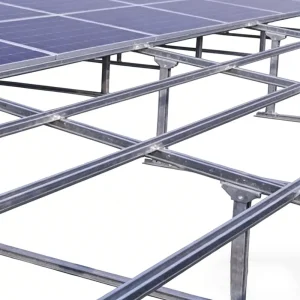
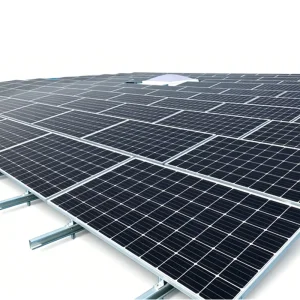
With solar installations expanding across flat-roof commercial buildings in Queens and upstate New York, our custom-extruded Photovoltaic (PV) solar energy alloy frames provide wind-resistant, lightweight mounting systems that lower dead-load stresses on historic roofs while maximizing structural longevity.
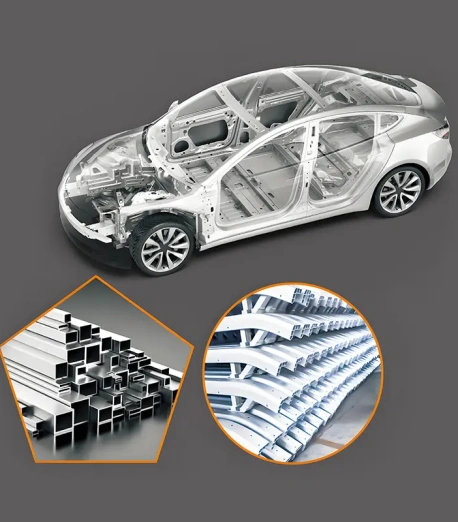
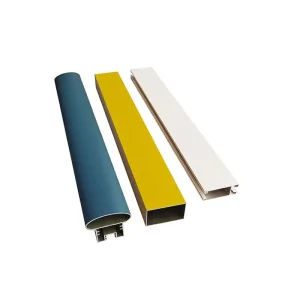
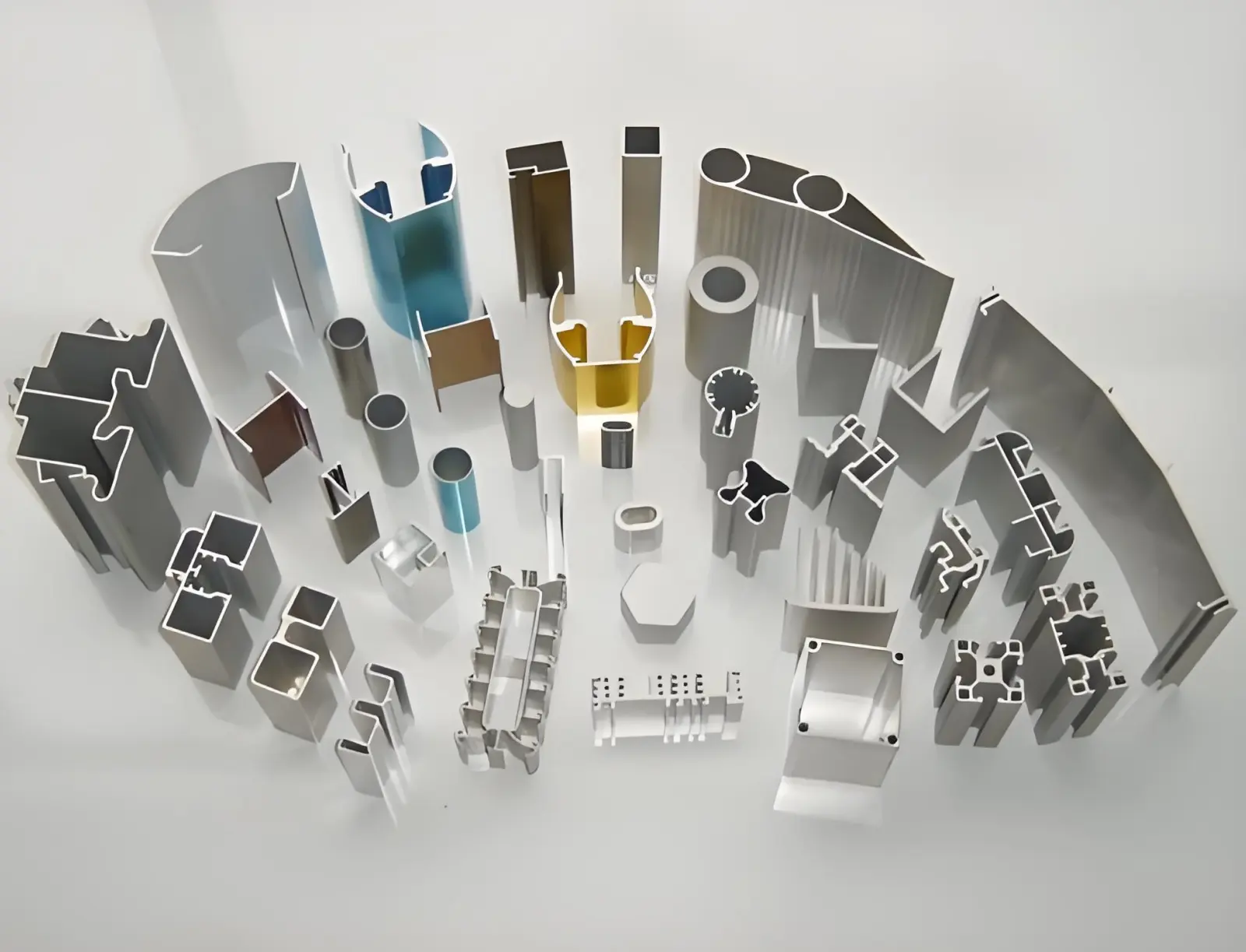
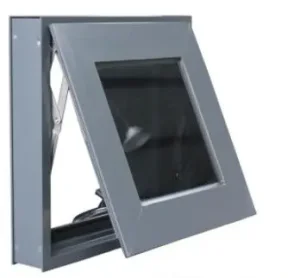
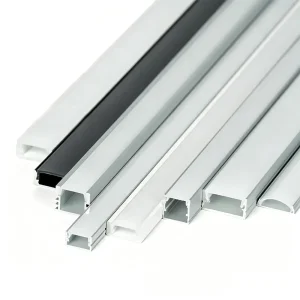
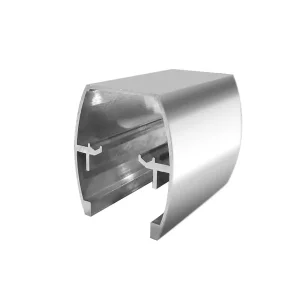
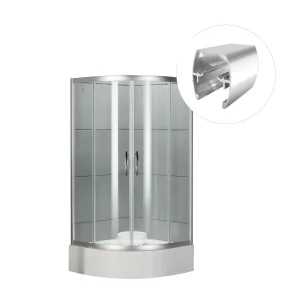
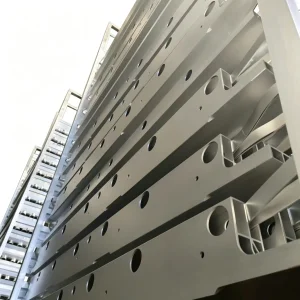
A comprehensive portfolio of precision-milled structural profiles, framing plates, and application-specific components.
Frequently Asked Questions by Structural Engineers, Procurement Officers, and Facade Consultants in New York.
Leverage our structural engineering expertise, smart manufacturing lines, and certified quality control systems. Get a custom quotation and lead-time analysis for your New York infrastructure or commercial development project.