Kangjian
1. Barcelona Market Demands: Sustainable Architecture & CTE Compliance
The construction sector in Barcelona and the wider Catalonia region is undergoing a profound paradigm shift. Driven by the European Union's Energy Performance of Buildings Directive (EPBD) and Spain's localized Código Técnico de la Edificación (CTE), structural engineers and developers can no longer rely on conventional building materials. Structural components must now actively minimize embedded carbon footprints while maximizing envelope thermal performance (reducing U-values down to the target range of 1.0 to 1.8 W/m²K depending on the climatic zone classification).
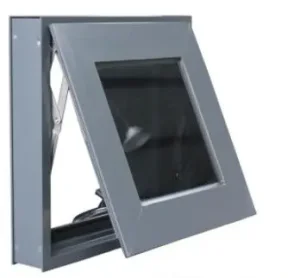
Whether executing a contemporary facade retrofitting in the 22@ Barcelona innovation district or restoring historical residential buildings in the Eixample district, material selection represents the critical difference between project certification and compliance failure. Aluminum alloys, specifically extruded Al-Mg-Si configurations (6060, 6063, and structural 6061), have emerged as the foundational metal systems for curtain walls, structural window assemblies, solar PV frames, and automated solar shading louvers.
Key Structural Constraints for Barcelona Coastal Projects:
- Saline Atmospheric Corrosion Resistance: Projects situated near the Port of Barcelona and coastal beaches require Class 15 to Class 25 (15-25 micron) anodized profiles or Qualicoat Seaside certified powder coatings to eliminate pitting corrosion.
- Thermal Expansion Management: The thermal profile of Barcelona ranges from mild Mediterranean winters to intense summer direct sun, requiring calculated structural thermal break cavities populated with high-performance polyamide glass fiber-reinforced strips (typically 24mm to 34mm wide).
- Wind Load Dynamics: High-altitude coastal winds near Diagonal Mar require high-tensile alloys (6061-T6 or 6063-T6) extruded with precise wall thickness tolerances to guarantee deflection criteria parameters (typically L/200 or L/300) are securely met.
2. Technical Spec Roadmap: Extrusions Engineered for Spain's Climate
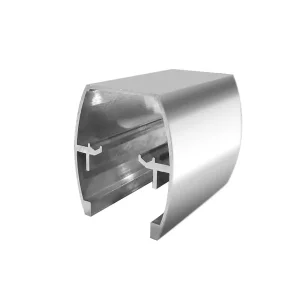
To deliver structural reliability, building profile suppliers must support architects with detailed mechanical maps. Qingdao Kangjian Aluminum Industry Technology Co., Ltd. provides architectural profiles conforming to EN 755 (European standard for extruded aluminum profiles) and EN 12020 (precision profiles standard), ensuring seamless installation on-site.
3. Global Commercial Realities: China-to-Europe Supply Chain Resilience
The global construction market demands speed, price stability, and consistent material purity. While European local extruders face high energy prices, the strategic collaboration with Chinese manufacturers who possess integrated upstream energy grids and massive metallurgical refining capacities provides Barcelona developers with a secure pricing model.
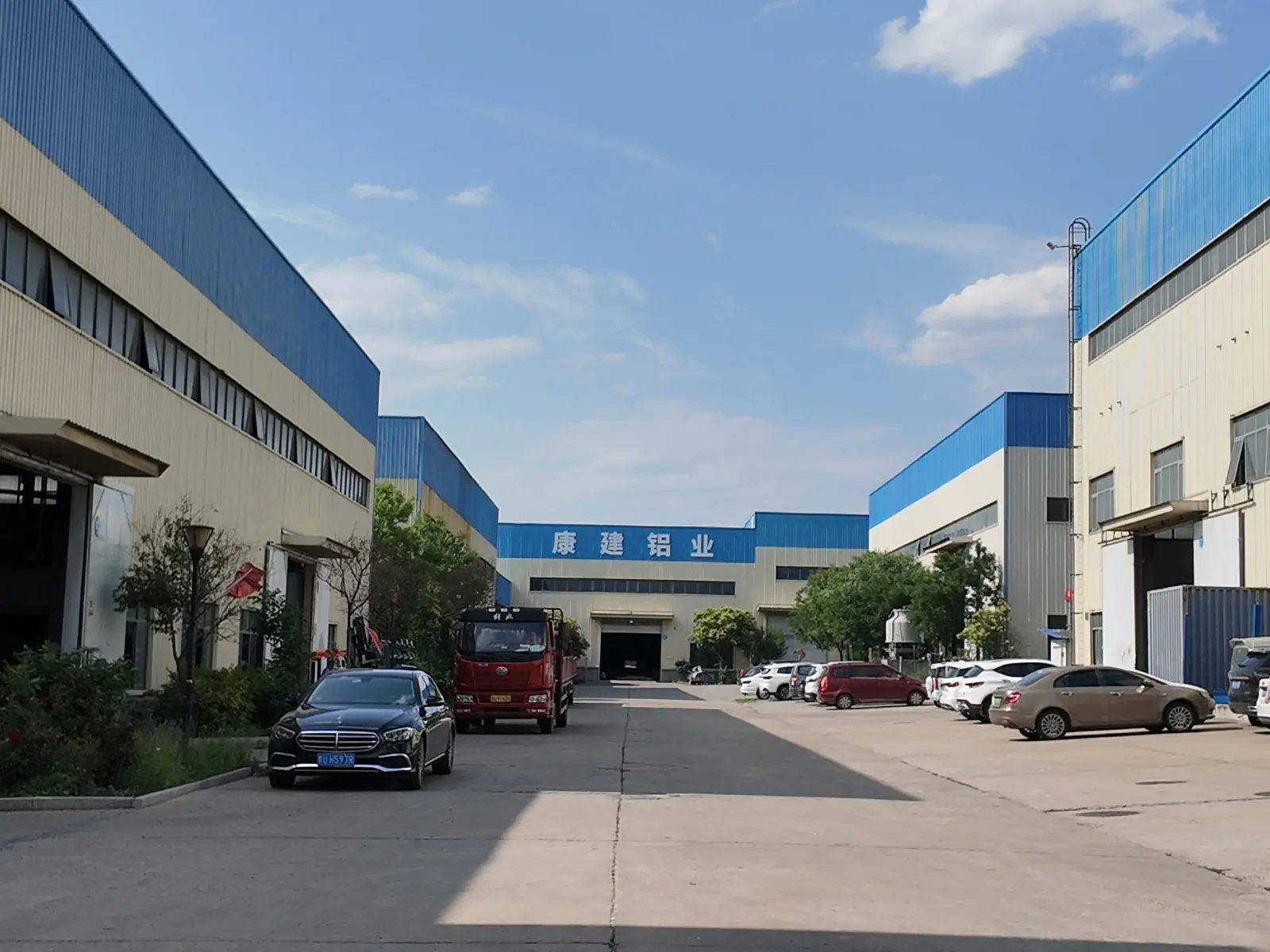
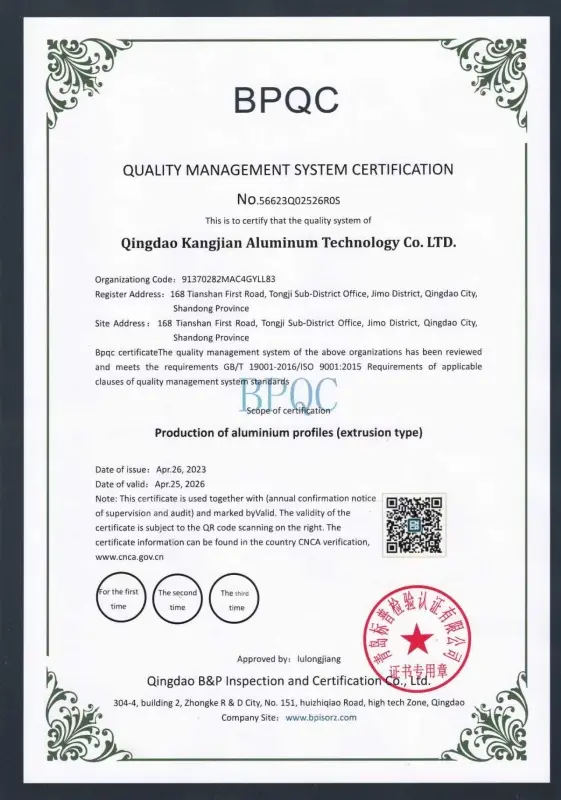
Located in the Jimo District of Qingdao, Qingdao Kangjian Aluminum Industry Technology Co., Ltd. serves as a reliable global supply partner. With an industrial production base covering 200 mu and 80,000 square meters of modern factories, we operate 5 specialized extrusion production lines (including a heavy-duty 2500T extruder, a 1450T unit, an 1150T unit, and two 700T units) producing an annual output capacity of 15,000 tons of high-grade profiles.
By leveraging direct deep-water container lanes from Qingdao Port straight to the Port of Barcelona, we reduce logistics complexity. Container shipments are packaged in customized steel crates or reinforced wooden crates to ensure zero deformation or surface abrasion during maritime transit, arriving ready for offloading at construction zones across Catalonia.