 Kangjian
Kangjian
Kangjian
Designed and manufactured to meet European standards (EN 12020 & EN 755) and optimized for Algiers' demanding urban and maritime construction conditions.
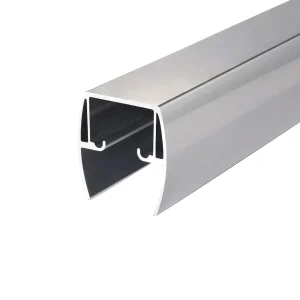
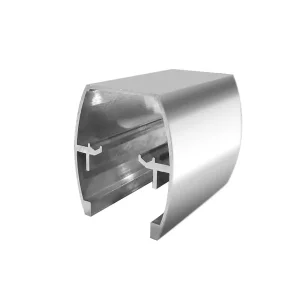
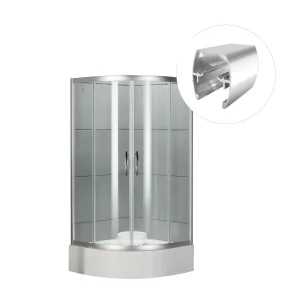
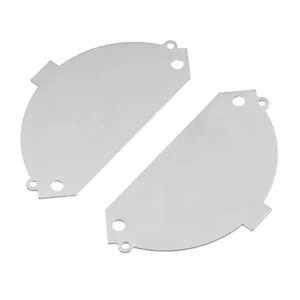
The construction and infrastructure sector in Algeria is undergoing an unprecedented structural expansion, fueled by massive government housing schemes (such as the AADL public housing initiatives), urban modernization projects in major hubs like Algiers, Oran, Constantine, and Annaba, and the growth of commercial real estate. Concurrently, the Algerian government's ongoing economic diversification efforts under recent finance acts emphasize local manufacturing development and import substitution strategies. As a result, the domestic demand for premium-grade, highly durable structural components—specifically high-performance aluminum extrusions, thermal barrier window systems, and precision-engineered door hardware—has experienced significant growth.
However, Algeria’s geographical and climatic diversity poses unique challenges for construction materials. The country spans multiple distinct zones, from the humid, saline Mediterranean coastline in the north to the arid, high-radiation, and high-temperature Saharan Desert in the south. Building systems exposed to these conditions must possess exceptional durability, thermal efficiency, and mechanical strength. Standard architectural materials face accelerated degradation due to salt-spray corrosion along coastal regions or intense thermal expansion and contraction cycles in desert interior areas. Consequently, standard structural materials are no longer sufficient; developers, contractors, and national procurement agencies now require materials with verified chemical compositions, certified surface treatments, and precise mechanical tolerances to ensure long-term structural integrity.
Structural door and window frames along the Mediterranean coast demand advanced anodization treatments (minimum 15-20 microns) and robust architectural powder coatings (Qualicoat certified) to withstand continuous salt-spray and coastal moisture.
With temperatures exceeding 45°C in the interior regions, advanced thermal break technology using high-performance polyamide insulating strips (PA66GF25) is essential to reduce mechanical stress and cooling energy costs.
Algerian architectural and engineering offices increasingly mandate compliance with EN 12020-2 (tolerances on dimensions and form) and EN 755 (mechanical properties) for all structural aluminum profiles.
Procurement teams managing commercial construction in Algeria face a dual challenge: maintaining cost competitiveness while ensuring compliance with stringent regulatory frameworks. Importing industrial building components into Algeria requires thorough documentation, strict compliance with the central bank’s financial regulations (including Letter of Credit / Credoc provisions and recent import certification requirements), and cargo quality inspections. Consequently, raw material sourcing is not merely a transaction; it is a critical supply-chain process that requires trusted manufacturing partners capable of providing comprehensive certification and product tracing documentation.
In the architectural aluminum extrusion industry, international buyers look for manufacturers that control the entire production pipeline. This starts from the selection of premium alloy billets (such as 6063, 6061, or 6005 alloys) through precision extrusion, specialized heat treatments (T5, T6 tempers), advanced surface finishing (anodizing, electrophoresis, powder coating, PVDF coating), and final CNC machining. For Algerian buyers, choosing a supplier with integrated logistics channels that can ship directly from major maritime hubs (such as Qingdao Port) to Algerian destination ports (including Algiers, Oran, Annaba, and Bejaia) is a significant advantage. This minimizes transshipment delays and lowers overall freight costs.
Integrated manufacturing to port-of-entry logistics
As a leading Chinese industrial aluminum profile manufacturer, Qingdao Kangjian Aluminum Industry Technology Co., Ltd. (located at No. 168, Tianshan 1st Road, Jimo District, Qingdao) operates a 200-mu industrial production base. This state-of-the-art facility features 80,000 square meters of modern workshops and is designed to meet the demands of global infrastructure projects. The facility has an annual production capacity of 15,000 tons of high-performance aluminum profiles, driven by a highly skilled workforce of 90 specialized technicians and operators.
Our production floor features a fleet of 5 advanced horizontal extrusion lines designed to handle diverse structural requirements: one high-capacity 2500T extruder, one 1450T extruder, one 1150T extruder, and two 700T units. This equipment allows us to extrude wall thicknesses and cross-sectional profiles to exact tolerances. Our manufacturing capabilities are supported by comprehensive international quality certifications, including:
Integrating these standards into our production lines ensures that every architectural profile shipped to North Africa meets the requirements of modern civil engineering. By leveraging automated extrusion monitoring, digital thermal control systems, and integrated CNC precision machining (including milling, turning, and multi-axis drilling), Qingdao Kangjian delivers consistent mechanical performance and surface finish quality at scale.
Qingdao Kangjian's industrial profiles are designed for structural applications across multiple key sectors in Algeria:
In high-density residential developments in Algiers and Constantine, thermal comfort and mechanical stability are major structural requirements. Our 6063 T5 thermal barrier aluminum profiles form the backbone of sliding and casement window systems. These systems are designed to accommodate double-glazing configurations, helping reduce interior heat gain and cooling energy consumption.
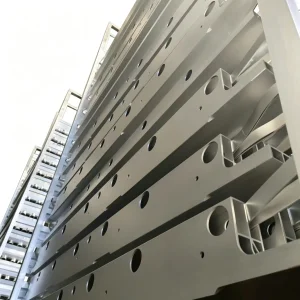
Building facades along the Mediterranean coastline of Oran and Annaba are subject to wind loads and corrosive marine air. Kangjian’s custom curtain wall extrusions and door hardware systems undergo strict mechanical stress testing. Our anodized finishes are designed to withstand coastal exposure, helping prevent surface degradation and minimizing structural maintenance costs.
Modern luxury residential and hospitality projects in Algeria demand high aesthetic standards and moisture resistance. Our lightweight, high-durability shower room frames and metal hardware parts are designed for corrosion resistance and ease of installation, ensuring long-term aesthetic and functional performance in damp interior environments.
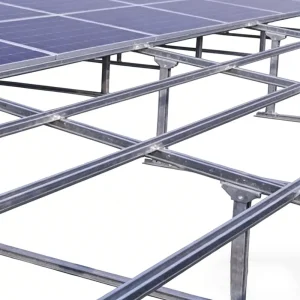
Algeria's focus on renewable energy in the High Plains and southern Saharan regions has driven the demand for solar mounting hardware. Our high-strength extruded aluminum frames (6061-T6 and 6005-T5 alloys) provide structural support for solar PV installations, offering resistance to high winds, sand abrasion, and extreme temperature variations.
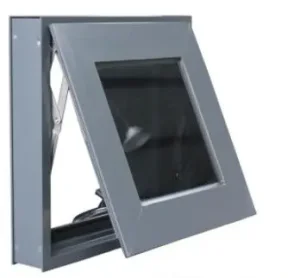
Supplying high-volume, standard sliding window frames and door profiles to national developers, certified to match EN standards.
Providing heavy-duty anodized curtain walls and glass facade supports designed to withstand high wind loads and coastal marine atmospheres.
Supply of structural, corrosion-resistant alloy support frames engineered to resist high sand abrasion and extreme diurnal temperature shifts in the Sahara desert.
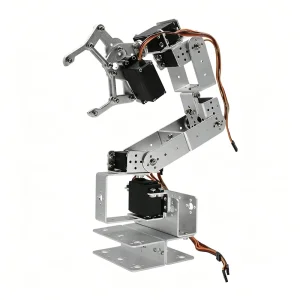
High-precision extrusions engineered for demanding structural, mechanical, and solar energy applications in the Algerian market.
Answering the technical, financial, and logistical questions of project managers, quantity surveyors, and structural engineers importing to Algeria.
Alloy 6063 (specifically with T5 or T6 temper) is the industry standard for architectural window and door frames. It offers a good balance of extrudability, surface finish quality, and corrosion resistance. For heavy structural curtain walls or solar PV brackets subjected to wind loads in the High Plains, Alloy 6061 or 6005A is recommended due to their higher tensile and yield strength.
Coastal regions like Algiers and Oran exhibit high atmospheric salinity, which can cause filiform corrosion in untreated or poorly coated aluminum. For these zones, we recommend powder coating according to Qualicoat Class 2 standards, or anodizing with a minimum thickness of 15 to 20 microns. Electrophoresis coating is also an option for high-gloss, corrosion-resistant finishes.
Importing into Algeria requires a set of standard documents, including the Commercial Invoice, Packing List, Bill of Lading, Certificate of Origin, and a Certificate of Quality / Compliance issued by an accredited inspection body. Qingdao Kangjian provides full compliance documentation, including test reports for chemical composition and mechanical properties, to support smooth customs clearance at Algerian ports.
We manufacture our profiles in compliance with European standard EN 12020-2, which governs high-precision profiles. Our facility uses advanced CNC machining stations and automated optical projection systems to monitor dimensions in real-time. This helps ensure that complex structural profiles fit precisely during building assembly.
Goods are shipped directly from Qingdao Port, a major deepwater cargo hub in northern China. Ocean transit to primary Algerian ports (such as the Port of Algiers, Port of Oran, or Port of Skikda) typically ranges from 25 to 35 days, depending on carrier routes and transshipment schedules in the Mediterranean.
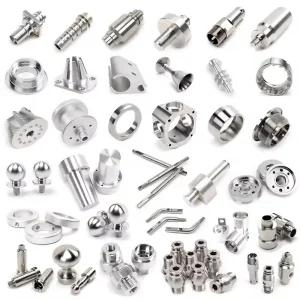
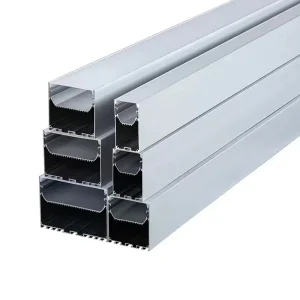
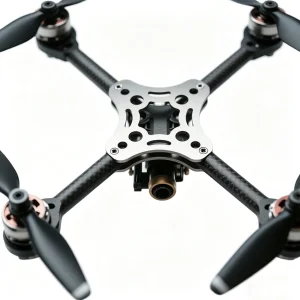
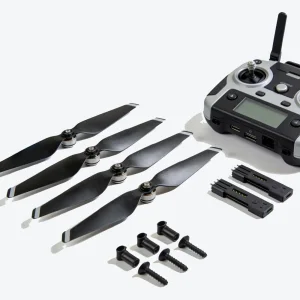
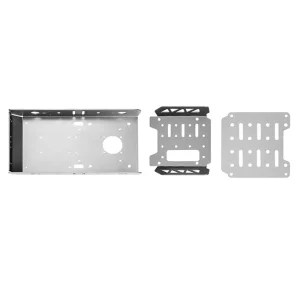
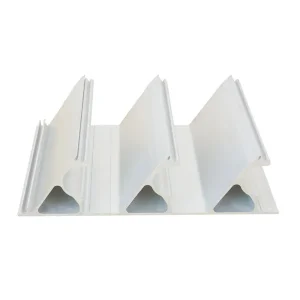
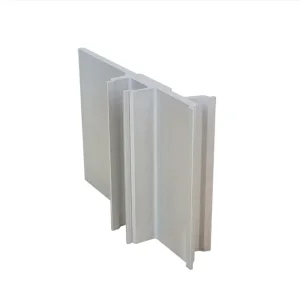
Standard and customized structural elements designed for integration into commercial, lighting, and specialized mechanical installations in Algeria.
Our engineering and logistics teams are ready to support your project requirements, from custom structural profile design and alloy selection to sea freight delivery to Algerian ports.