 Kangjian
Kangjian
Kangjian
High-tolerance engineering profiles certified for architectural, thermal barrier, and multi-track sliding systems configured for commercial deployments in the Chubu industrial region.
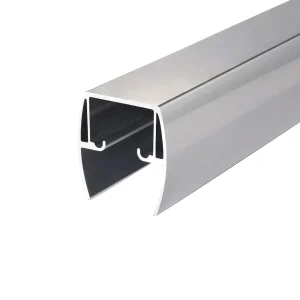
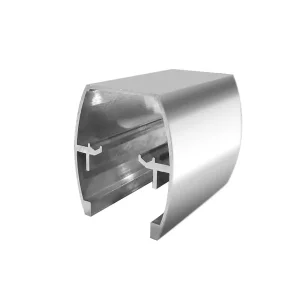
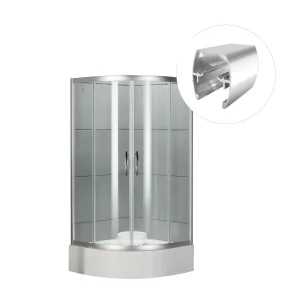
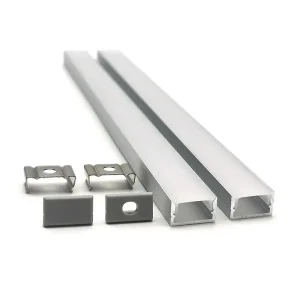
Nagoya, the industrial capital of Aichi Prefecture, represents a highly specific architectural and structural market. Situated along the coastal plains of the Chubu region, construction projects in Nagoya face complex environmental challenges.
These challenges demand high-performance thermal barriers, extreme wind-pressure resistance, and superior seismic resilience. Modern structural designs in Nagoya prioritize the integration of highly durable building envelopes. The city's industrial coastal exposure amplifies the risk of salt-spray corrosion, creating strict requirements for architectural aluminum alloys.
Furthermore, under Japan's revised energy conservation standards and the progressive roadmap toward ZEH (Net Zero Energy House) and ZEB (Net Zero Energy Building) compliance, structural fenestration systems must achieve exceptionally low thermal transmittance (U-value) thresholds. Standard profiles are no longer sufficient. Local projects require complex, multi-cavity, thermal break profiles combined with advanced gaskets and high-precision CNC machining to ensure structural integrity and airtightness.
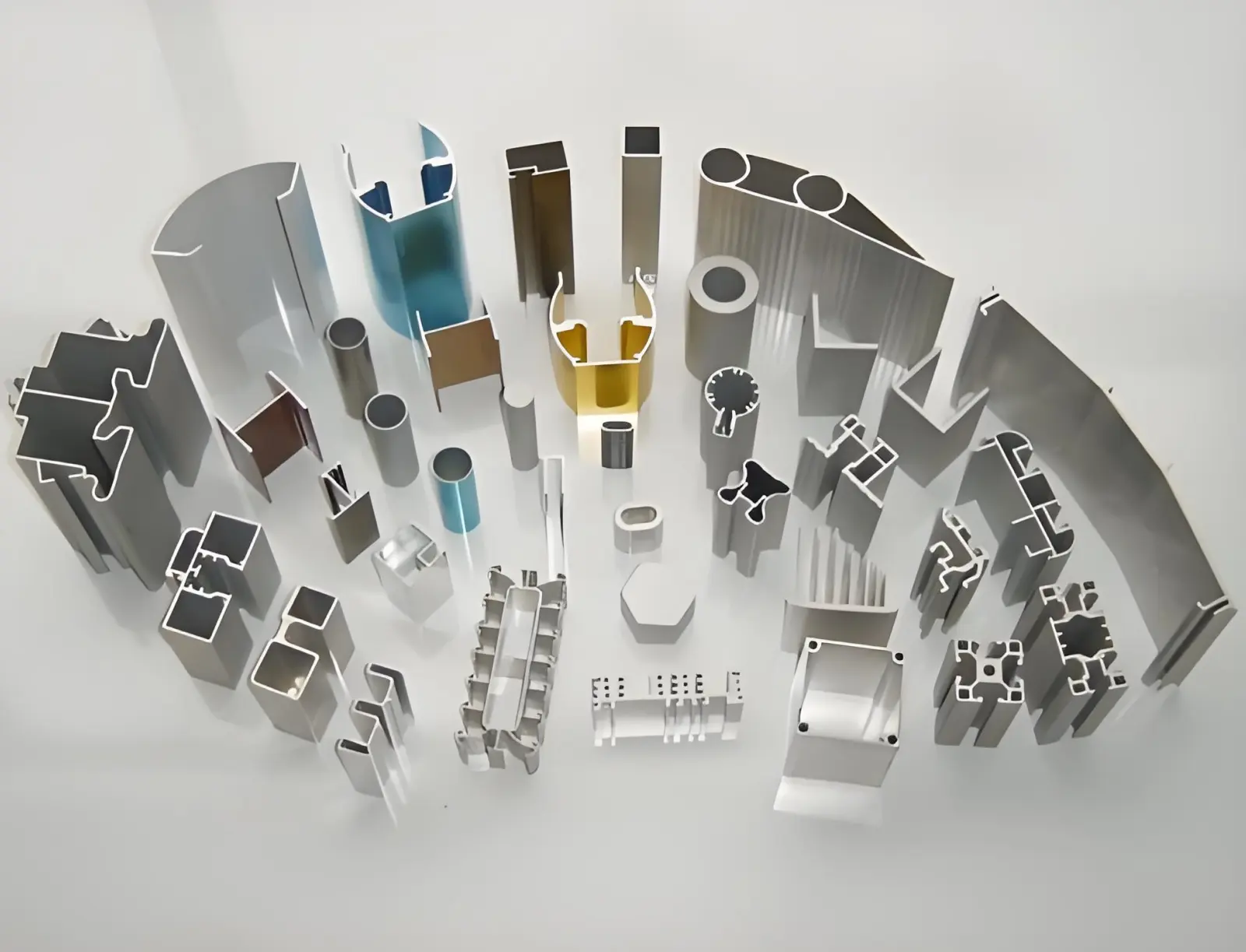
Analysing the transition from generic building materials to high-performance, digitally-integrated architectural systems.
With global sustainability mandates tightening, the demand for thermal-break polyamide strips embedded inside structural aluminum frames has expanded exponentially. Our customized 6063-T5 aluminum extrusions provide the ideal substrate, ensuring structural load-bearing capabilities while minimizing heat transfer to meet strict energy conservation metrics.
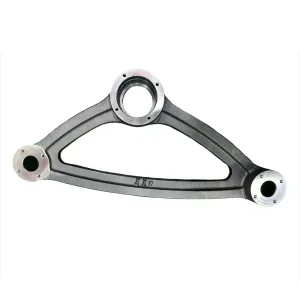
Nagoya's geographical position requires building components to withstand high seismic forces (calculated via Japan's Building Standards Act) and typhoons. Using premium structural alloys like 6061-T6, we manufacture base mounts and framing systems that offer high tensile strength and elongation metrics, preventing catastrophic structural failure under cyclic loading.
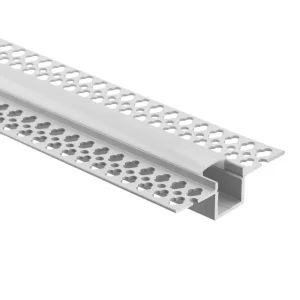
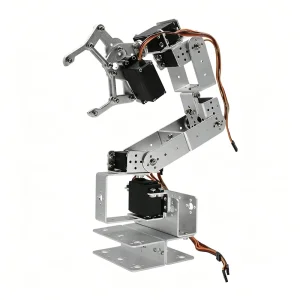
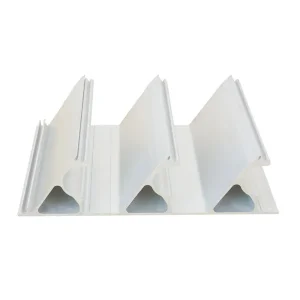
Modern fenestration is increasingly automated. Our development of precise structural profiles for LED strip channels, robotic hardware integration, and automated ventilation pathways matches this industry evolution. Linear LED profiles and multi-function magnetic tracks are now standard features in luxury residential projects in Sakae, Nagoya, and modern commercial builds in Meieki.

As a leading supplier of doors and windows components, we leverage China's advanced industrial ecosystem. Our production facilities feature modern, automated extrusion equipment, enabling high dimensional consistency, precise tolerances, and excellent surface finishes.
By using premium high-grade primary aluminum billets and strictly monitoring the cooling and aging cycles, we ensure our architectural extrusions meet or exceed the performance parameters of the JIS H4100 standard.
Strategically located near major shipping corridors, we offer reliable shipping routes directly to the Port of Nagoya. This integration minimizes lead times and ensures a stable supply chain, allowing Japanese commercial contractors and window manufacturers to implement Just-in-Time (JIT) inventory management strategies.
A verified manufacturer of high-end aluminum alloy products, industrial extrusions, and precision structural components serving global engineering sectors.
Established in 2022, Qingdao Kangjian Aluminum Industry Technology Co., Ltd. is located in the Jimo District of Qingdao, occupying a modern industrial production base covering 200 mu. This facility includes approximately 80,000 square meters of advanced manufacturing workshops and a 4,000 square meter administrative headquarters. Equipped with five high-tonnage extrusion lines (including 2500T, 1450T, 1150T, and dual 700T extruders), our annual output reaches 15,000 tons of high-performance profiles.
Our comprehensive manufacturing processes serve demanding sectors including rail transit, aerospace, automotive systems, marine engineering, and energy-saving architectural designs. With a robust global supply footprint spanning South Korea, Japan, the United States, and European markets, we are dedicated to providing the global fenestration industry with premium structural components.
International Quality & Compliance Certifications:
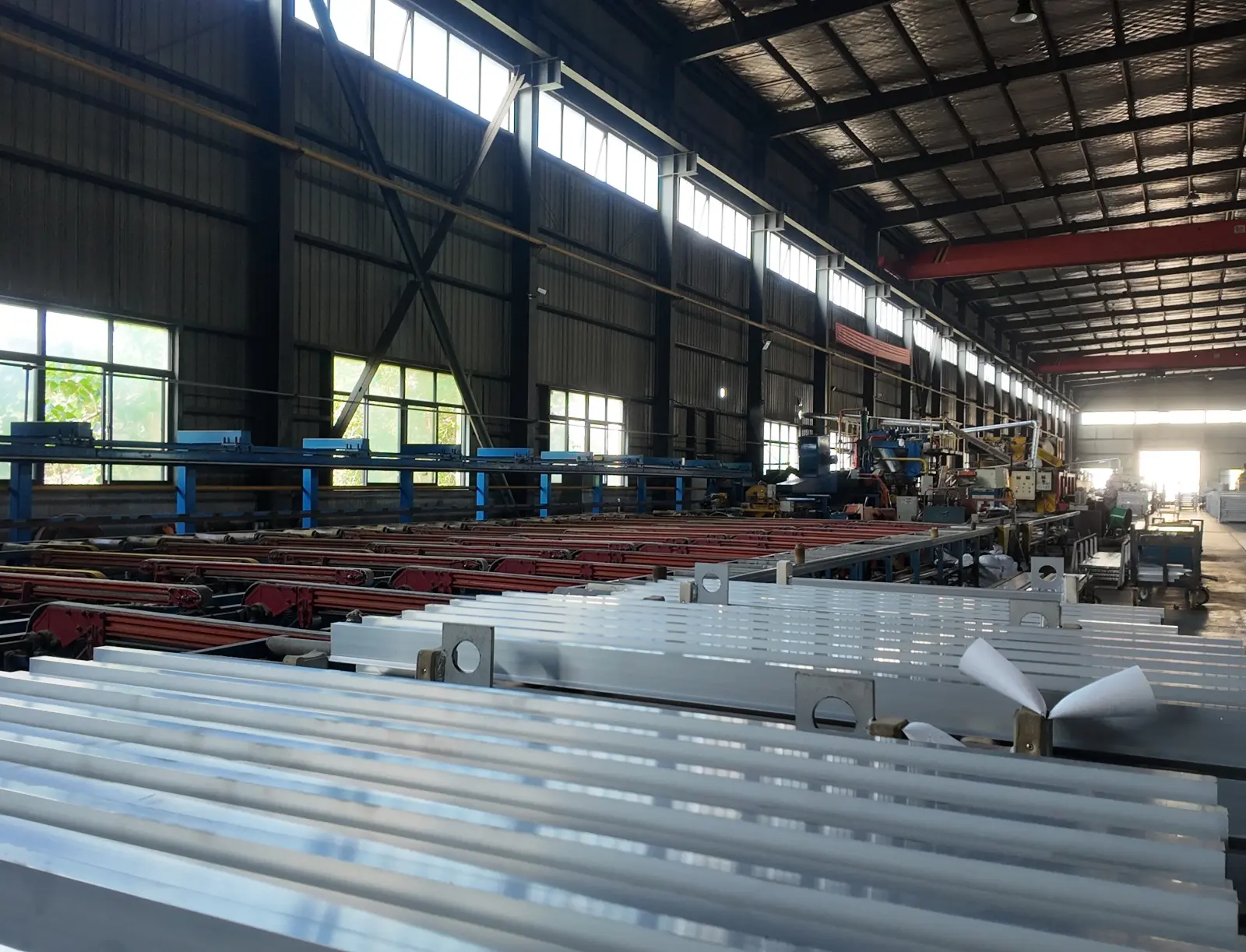
From structural fenestration systems to robotic hardware components, we support diverse industrial applications.
We supply high-rigidity structural aluminum profiles designed for unitized glass curtain walls and large commercial windows, ensuring durable wind-load performance in high-wind zones.
Our multi-axis CNC machining centers produce detailed, complex profiles with pre-milled hardware slots. This design simplifies the installation of locks, hinges, and automated actuator arms.
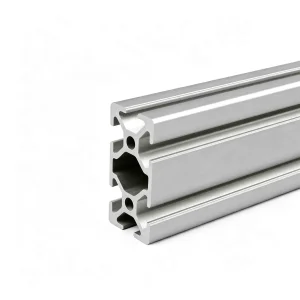
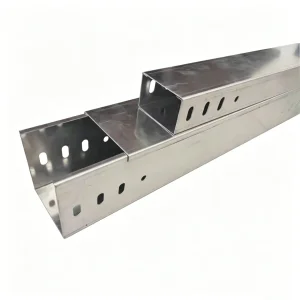
In addition to building materials, we supply high-performance 6061-T6 and 7075 components, heavy-duty industrial T-slots, cable trays, and structural profiles for automation and cleanroom systems.
Explore our selection of commercial extrusions, LED fixtures, and CNC machined parts designed for the Nagoya and wider international markets.
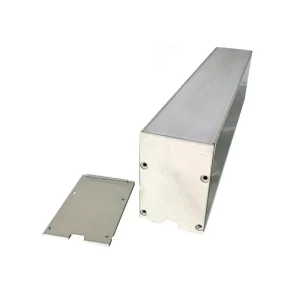
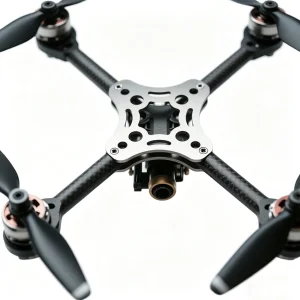
How global engineering procurement directors evaluate structural aluminum suppliers to ensure product consistency and minimize logistical risks.
Procuring window and door parts from overseas requires strict quality verification. Professional procurement managers prioritize suppliers that maintain rigorous in-house laboratory testing, including tensile strength tests, Rockwell hardness checks, and salt-spray corrosion chamber exposure. All extrusions should comply with JIS H4100 and ASTM B221 standards to ensure uniform mechanical characteristics.
For coastal urban areas like Nagoya, anodized coatings must meet structural thickness requirements (minimum Class AA15 or AA20) to prevent atmospheric degradation. Electrophoresis coating and high-durability fluorocarbon (PVDF) powder coatings are recommended to prevent peeling and fading caused by UV exposure and coastal moisture.
To secure reliable material deliveries, verified manufacturers offer robust logistics packaging. Profiles are packed in heavy-duty protective film and securely loaded into shipping containers, preventing surface scratches and physical deformation during ocean transport.
Answers to technical questions from engineering managers and procurement departments regarding specifications and logistics.
For standard architectural profiles, 6063-T5 is widely used due to its excellent surface finish, ease of extrusion, and sufficient tensile properties. However, for high-rise buildings along Nagoya's coastal areas subjected to heavy wind loads, 6061-T6 or customized 6063-T6 alloys are recommended to achieve higher yield and tensile strength. For corrosion resistance, profiles should receive an anodized coating of Class AA15 or higher, or a durable PVDF powder coat to withstand salty coastal air.
Our manufacturing processes follow strict quality management guidelines, including ISO 9001 and IATF 16949 standards. We perform raw material spectrum analysis on incoming aluminum billets. During extrusion and heat treatment, we monitor critical temperatures and aging cycles, verifying mechanical properties like hardness and elongation to ensure our profiles meet the physical requirements of the JIS H4100 specification.
Our proximity to major ports allows us to optimize logistics. After production and quality approval, goods are containerized with protective packaging. Ocean freight transit from the export terminal to the Port of Nagoya typically ranges between 5 to 9 days, depending on carrier schedules. We provide all necessary documentation—including Certificates of Origin, commercial invoices, and detailed packaging lists—to support straightforward customs clearance in Japan.
Yes. Our engineering department can work with CAD or 3D files to design custom extrusion dies. With built-in tooling capabilities and CNC machining centers, we can extrude multi-cavity profiles designed for thermal-break insulation. This supports structural designs aiming to meet strict U-value requirements in energy-efficient construction.
Partner with an established manufacturer certified under ISO9001 and IATF16949. Request a detailed technical consultation and get a factory-direct quote for your custom profiles.