Kangjian
Kangjian
Kangjian
Engineered structural extrusions for custom door systems, architectural framing, and industrial integration
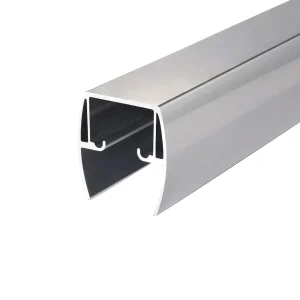
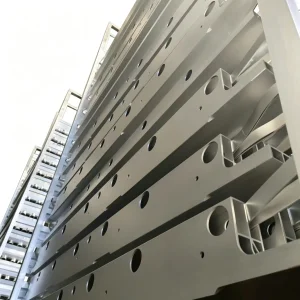
Analyzing modern structural requirements, architectural spatial design, and energy regulations
In contemporary commercial and high-end residential architectural planning, the boundary between interior environments and natural outdoor spaces is increasingly blurred. Accordion patio doors, also referred to globally as bi-folding doors, have transitioned from luxury design statements to crucial structural integrations. By folding back multiple door panels into a compact stack on one or both sides of an opening, accordion doors can yield up to 90% clear opening clearance, compared to traditional sliding doors which maximize at approximately 50-60%.
This fundamental transformation in spatial utilization has driven a surge in demand across several markets:
However, scaling these systems requires highly engineered profiles capable of supporting large glass weights (often up to 150 kg per panel) while retaining optimal thermal efficiency and wind-load performance.
How 6063-T5 aluminum and advanced ISO-certified treatments ensure reliability
We process structural frames using premium 6063-T5 aluminum alloys. This combination delivers the mechanical toughness required to resist deflection under high wind loads, combined with the structural flexibility necessary for complex CNC machining.
Modern energy codes (such as ASHRAE 90.1 and European EnEV standards) mandate high thermal performance. Our custom profiles integrate glass-reinforced polyamide thermal barriers, drastically lowering U-values and preventing interior condensation.
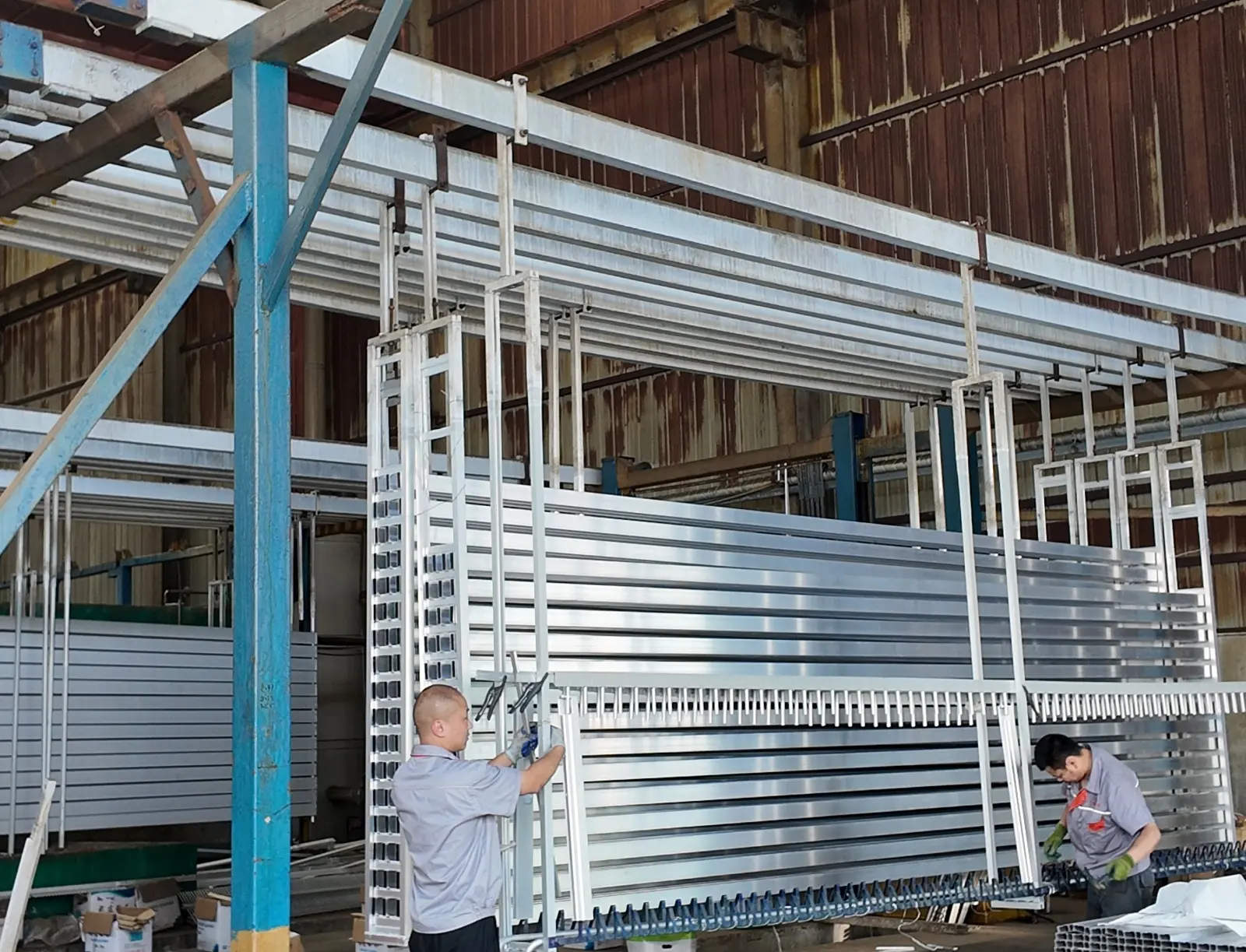
For coastal installations exposed to high salinity, we employ architectural powder coating and anodizing that surpass AAMA 2604/2605 requirements, safeguarding raw structures from oxidation and UV degradation.
Leveraging regional infrastructure, advanced machinery, and certification portfolios

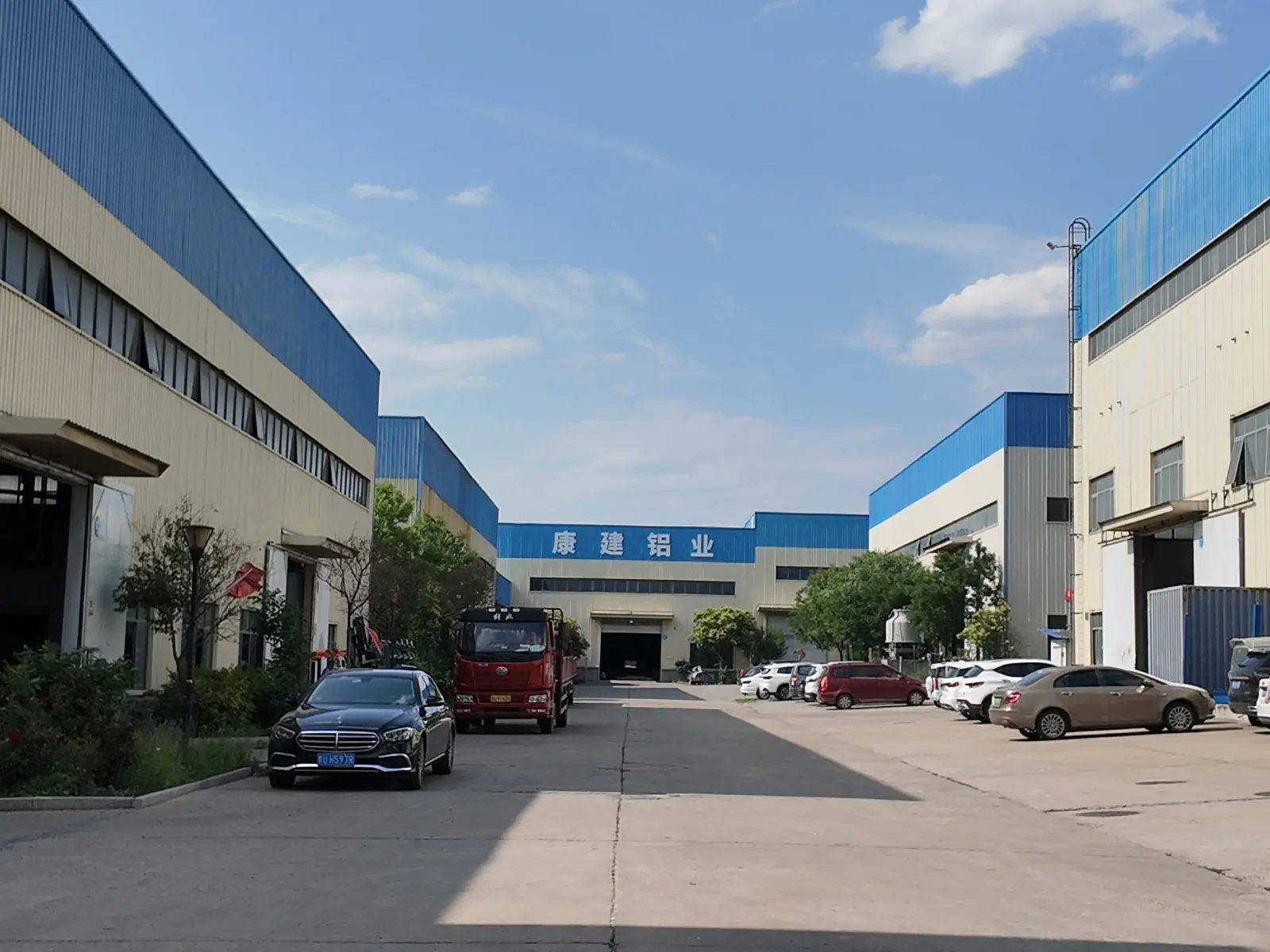
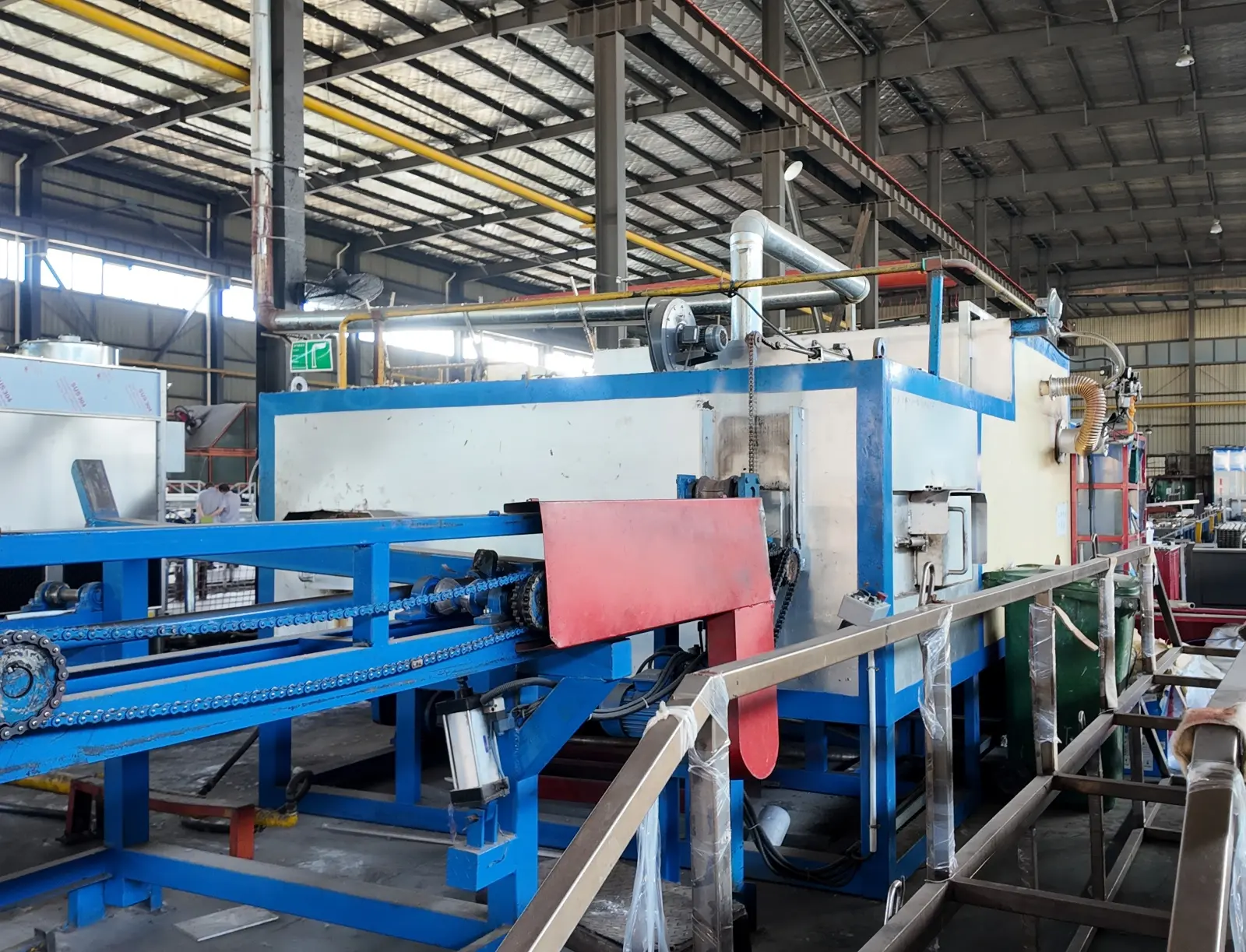
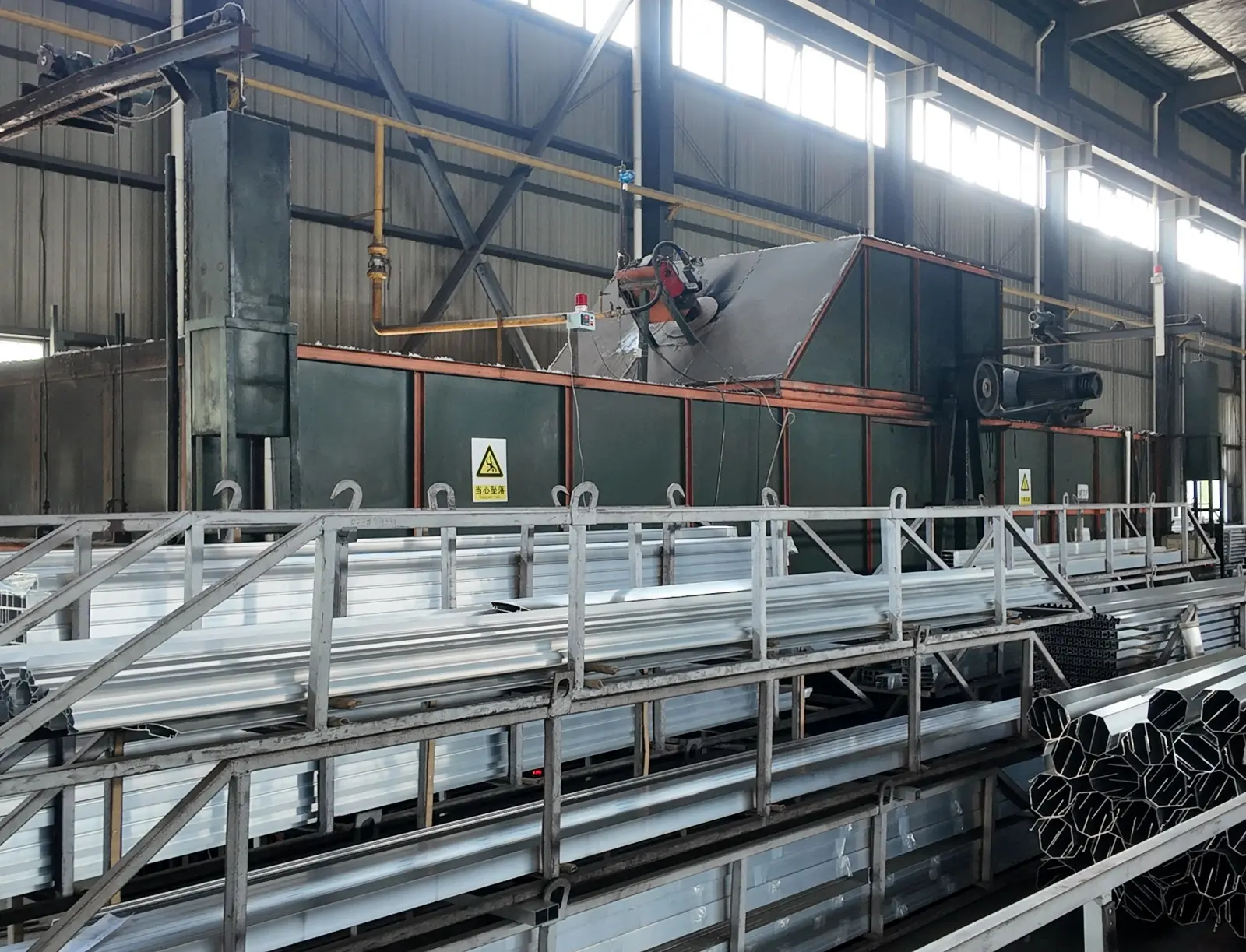
As a leading domestic hub, Qingdao houses some of the most integrated aluminum supply chains. Qingdao Kangjian Aluminum Industry Technology Co., Ltd. (established in 2022) operates a 200-mu manufacturing base equipped with 80,000 square meters of high-tech production space.
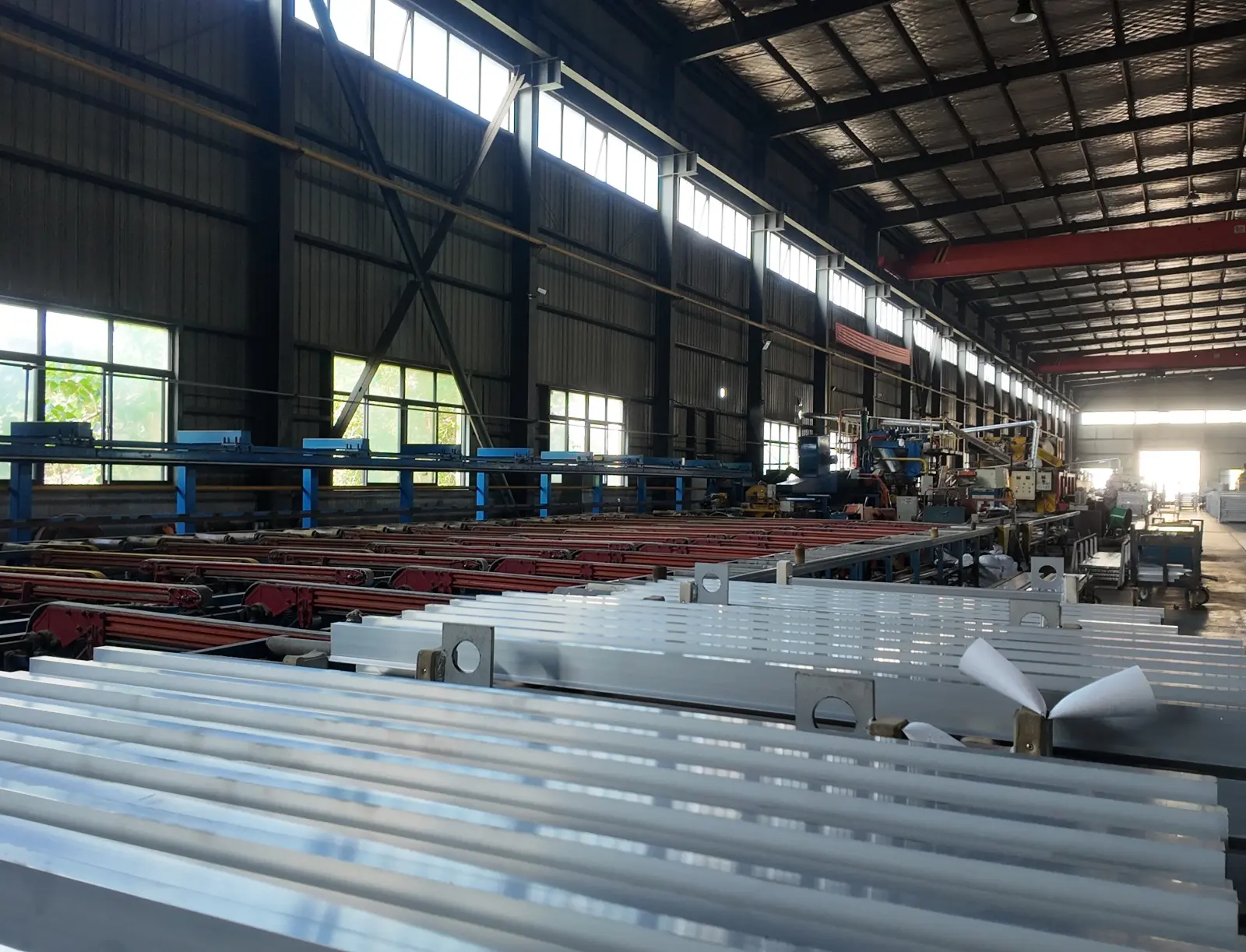
With 5 modern extrusion lines (including massive 2500T, 1450T, and 1150T extruders), the facility delivers an annual capacity of 15,000 tons. This concentration of equipment allows for:
E-E-A-T validated through international industrial standards and automotive-grade quality systems
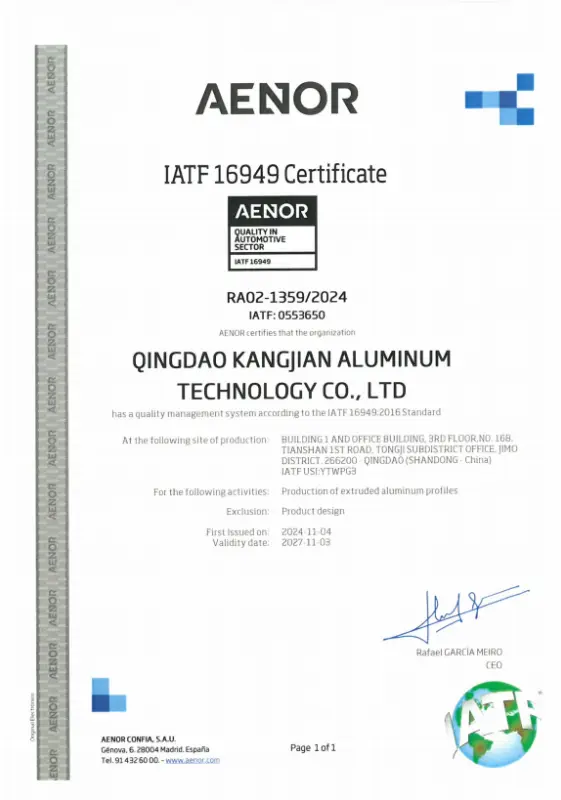
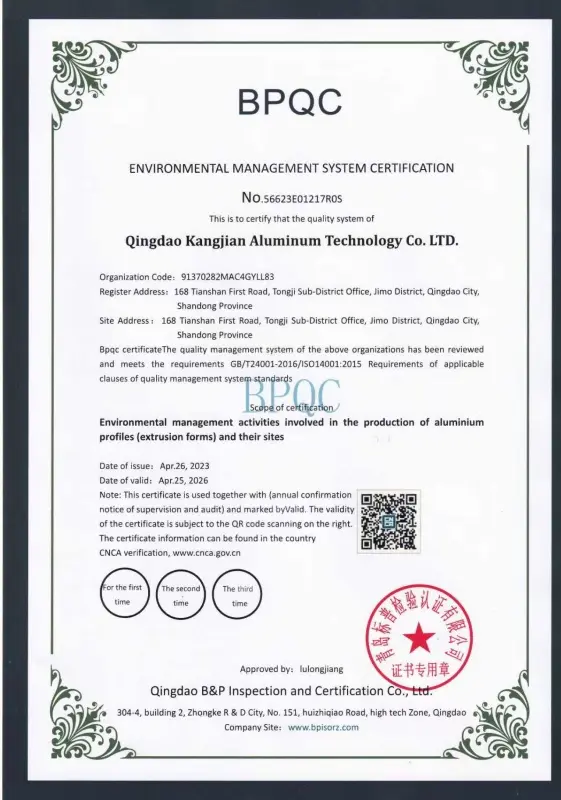
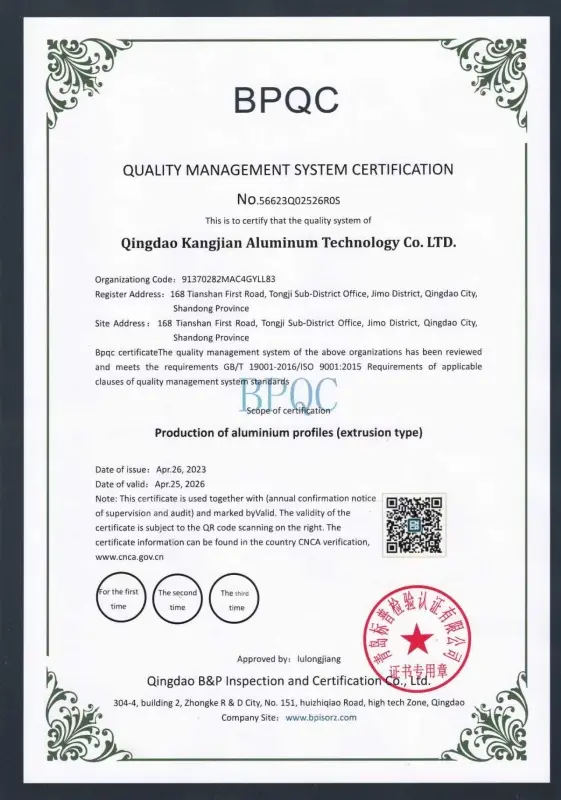
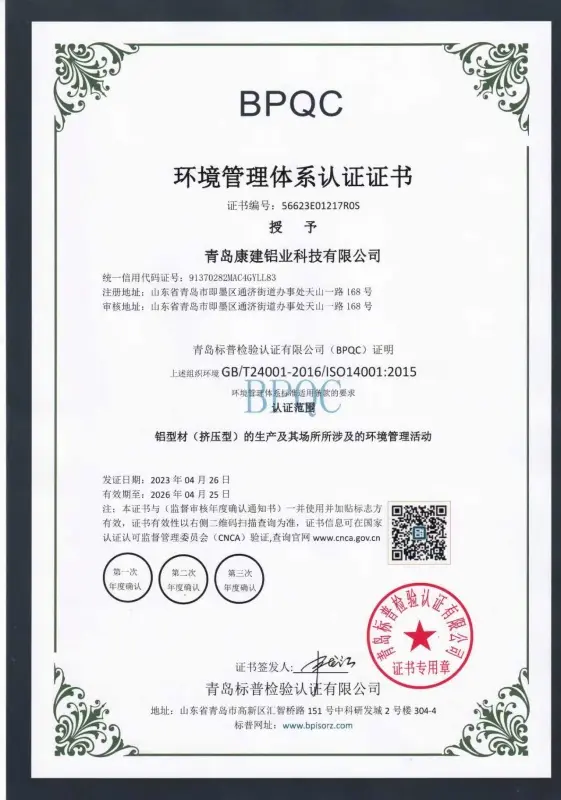
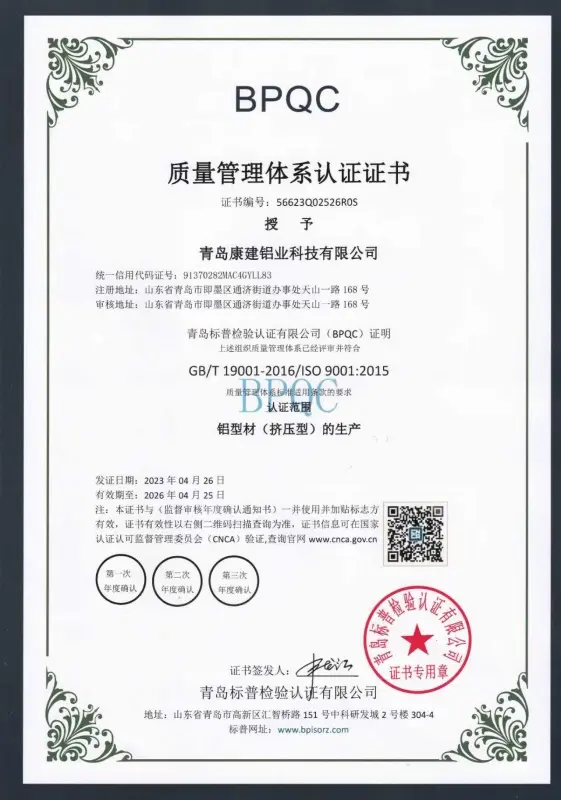
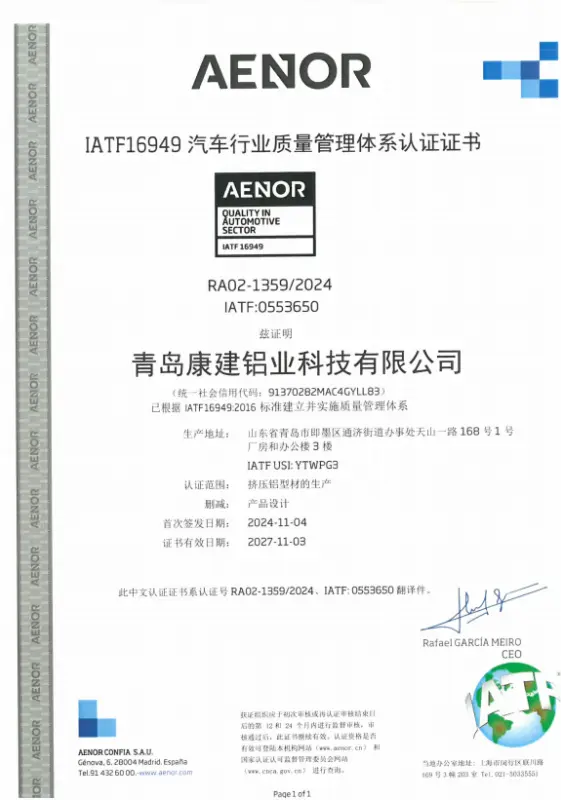
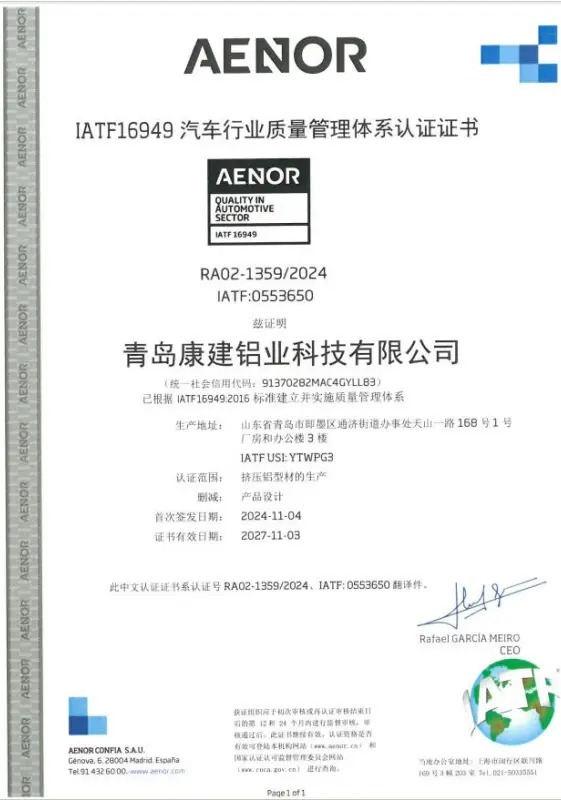
Architectural structural components require robust certification records. Qingdao Kangjian maintains a comprehensive regulatory footprint:
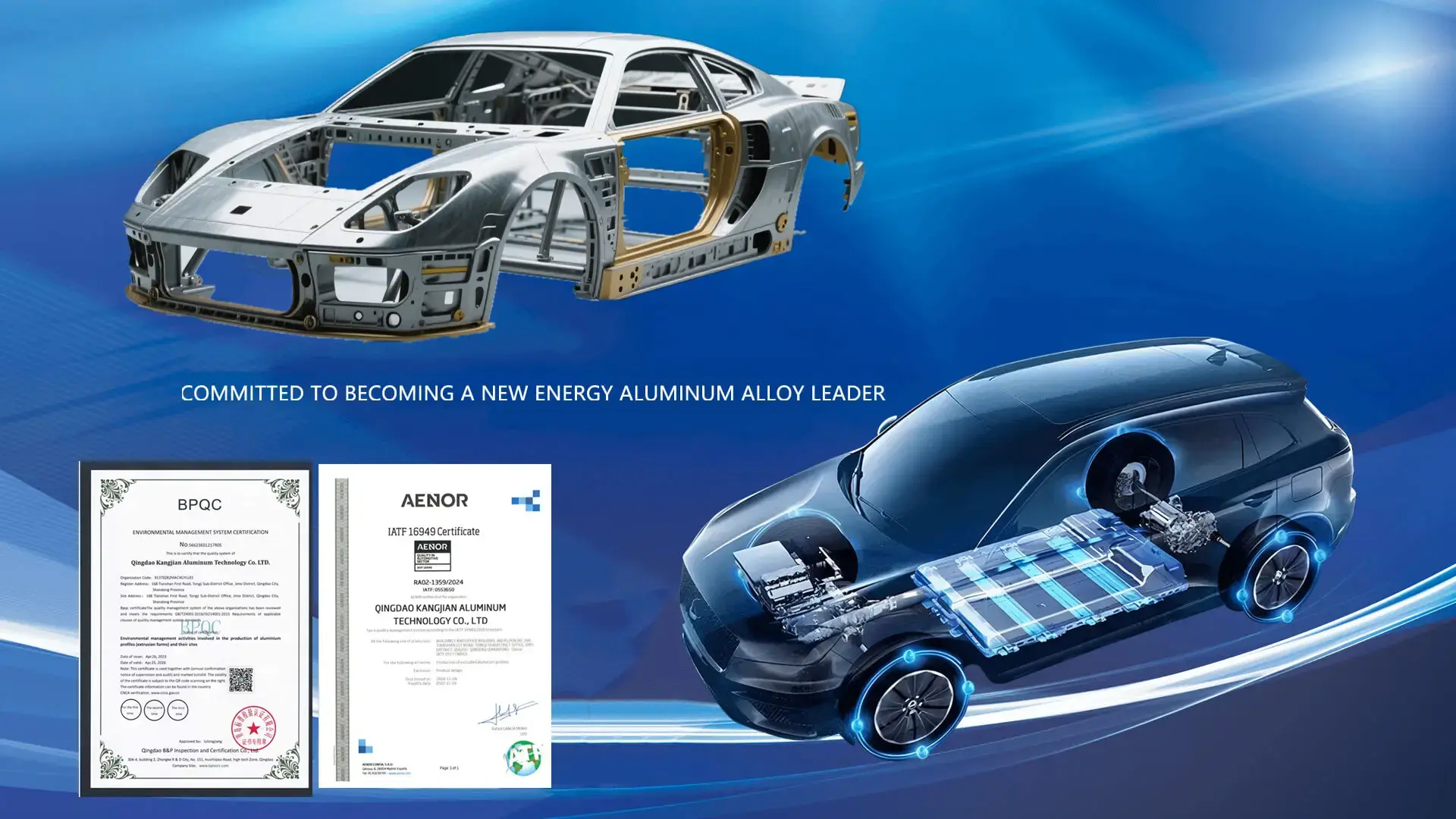
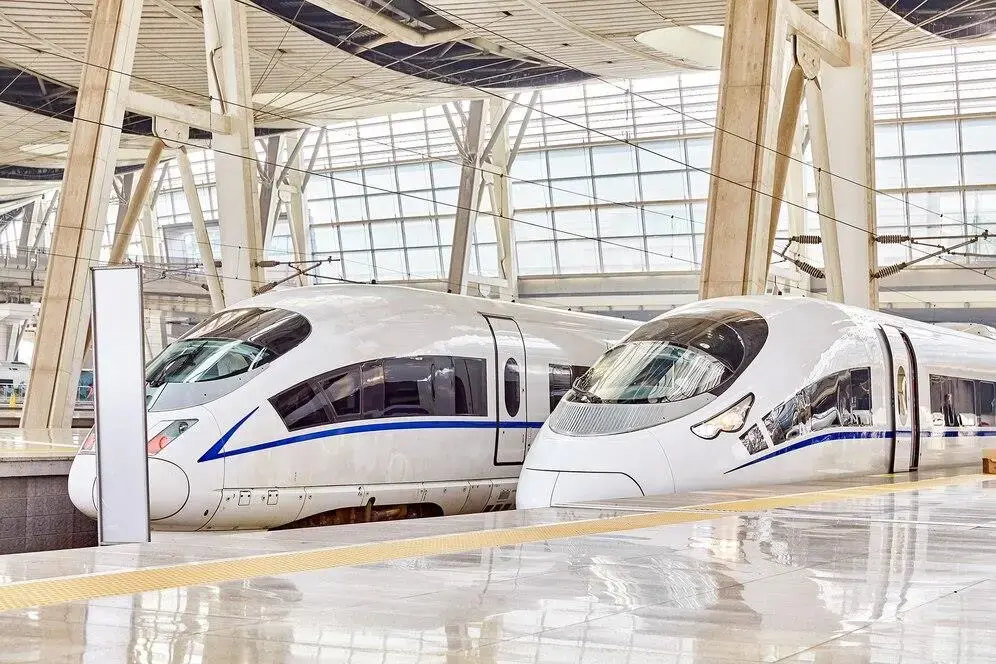
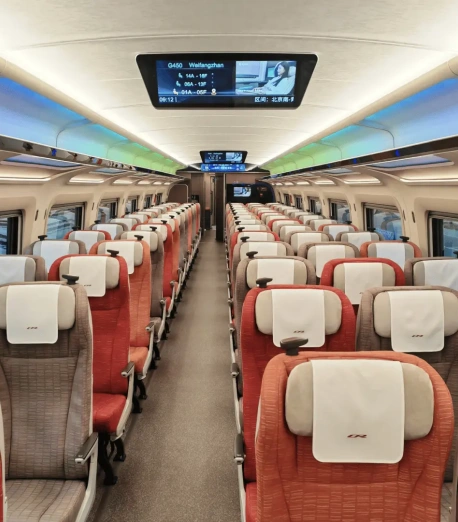
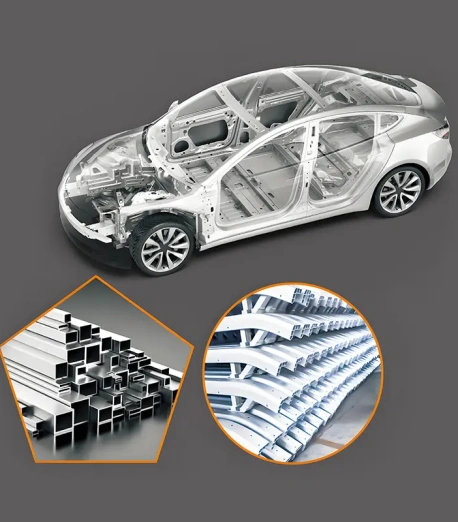
Our facility holds the GB/T19001-2016/ISO9001 Quality Management System and GB/T24001-2016/ISO14001 Environmental Management System certifications. Furthermore, for advanced structural and dynamic transport applications, we are certified to IATF16949 (Automotive Quality System), ISO22163 (Railway Industry Management System), and highly demanding welding and bonding standards like EN15085, AWS, and DIN6701.
This level of quality assurance guarantees that each custom-extruded structural framing element for accordion doors will perform flawlessly under long-term cyclical loads and high wind pressures.
Adapting profile design to regional climate variables and client specifications
Coastal and High-Salinity Zones: For projects along coastal areas, standard aluminum finishes will corrode rapidly. Our solution utilizes structural marine-grade anodizing (exceeding 20 microns) or PVDF coatings to ensure structural integrity and prevent aesthetic degradation.
Cold Temperate Regions: Extreme northern climates require heavy-duty thermal break profiles. We combine double or triple low-E argon-filled glass packages with thermal insulation inserts in the profile chambers to achieve U-values under 1.2 W/m²K.
Wholesale distributors and real estate developers prioritize structural longevity and reliable hardware integration. Our custom systems support standard European groove profiles, permitting smooth installation of premium hardware from tier-1 suppliers such as ROTO, SIEGENIA, and HOPPE.
We provide custom engineering services including detailed finite element analysis (FEA) to confirm wind-load limits and load-bearing performance before commencing production runs.
The global market is rapidly transitioning toward ultra-slim sightlines. Developers and end-users seek to maximize glass area. To support this design direction without compromising structural stability, we employ high-density alloy formulations and internal web designs to reinforce load-bearing elements.
Smart home integrations, including automated opening systems, integrated sensor arrays, and motorized locks, are also driving changes in aluminum profile shapes, requiring dedicated channels for clean wiring runs.
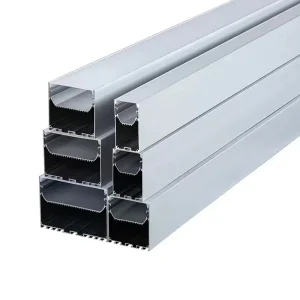
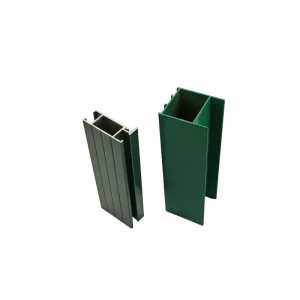
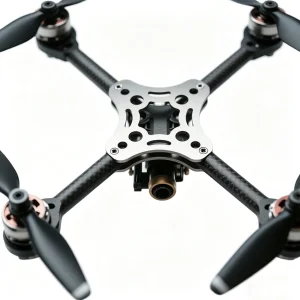
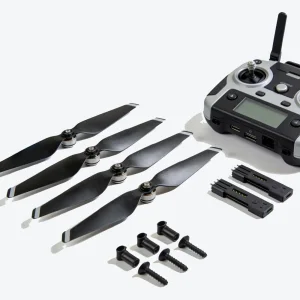
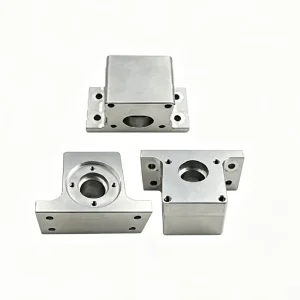
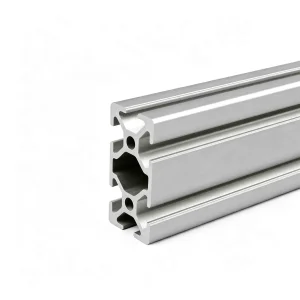
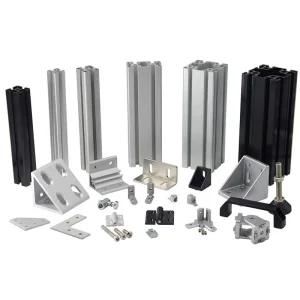
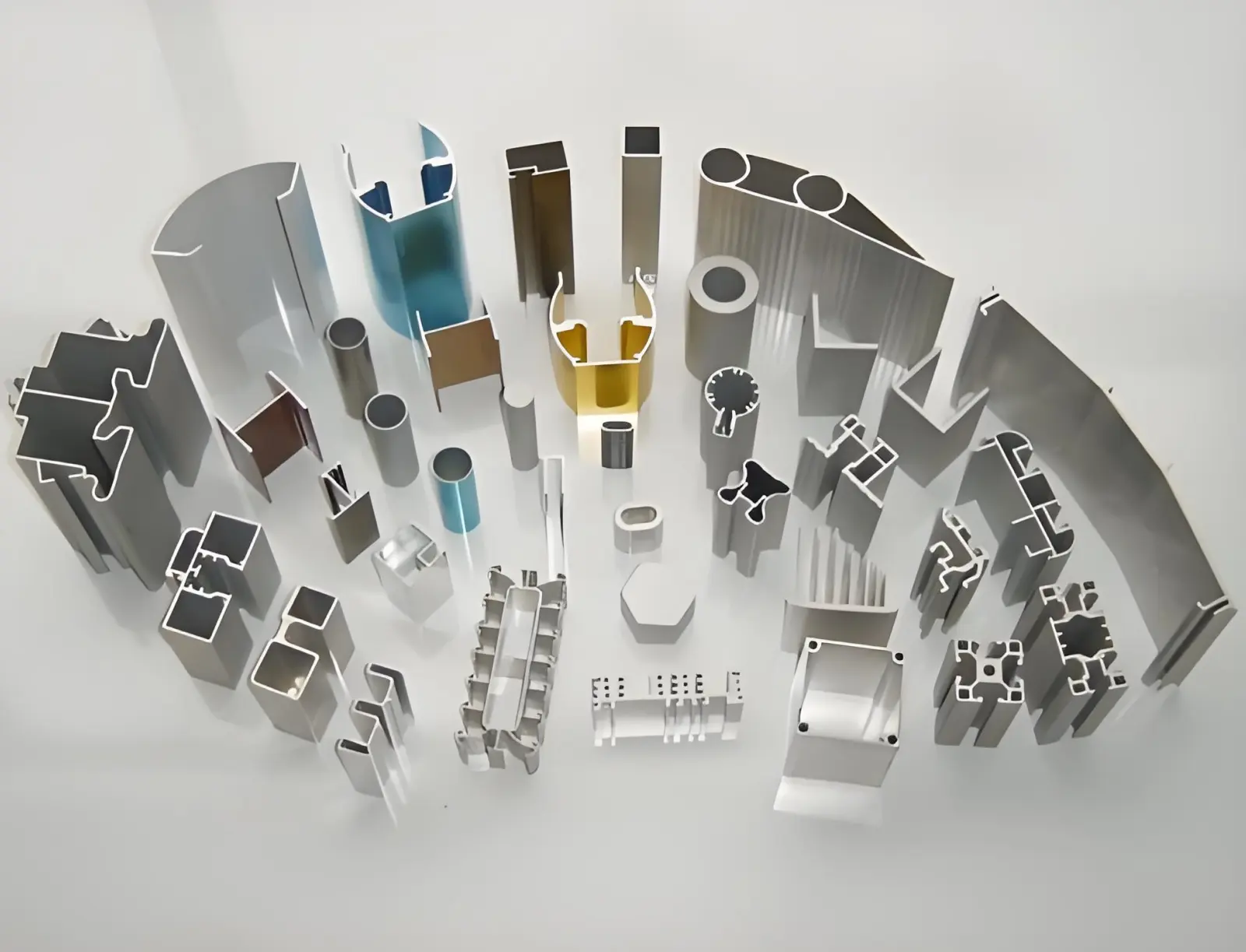
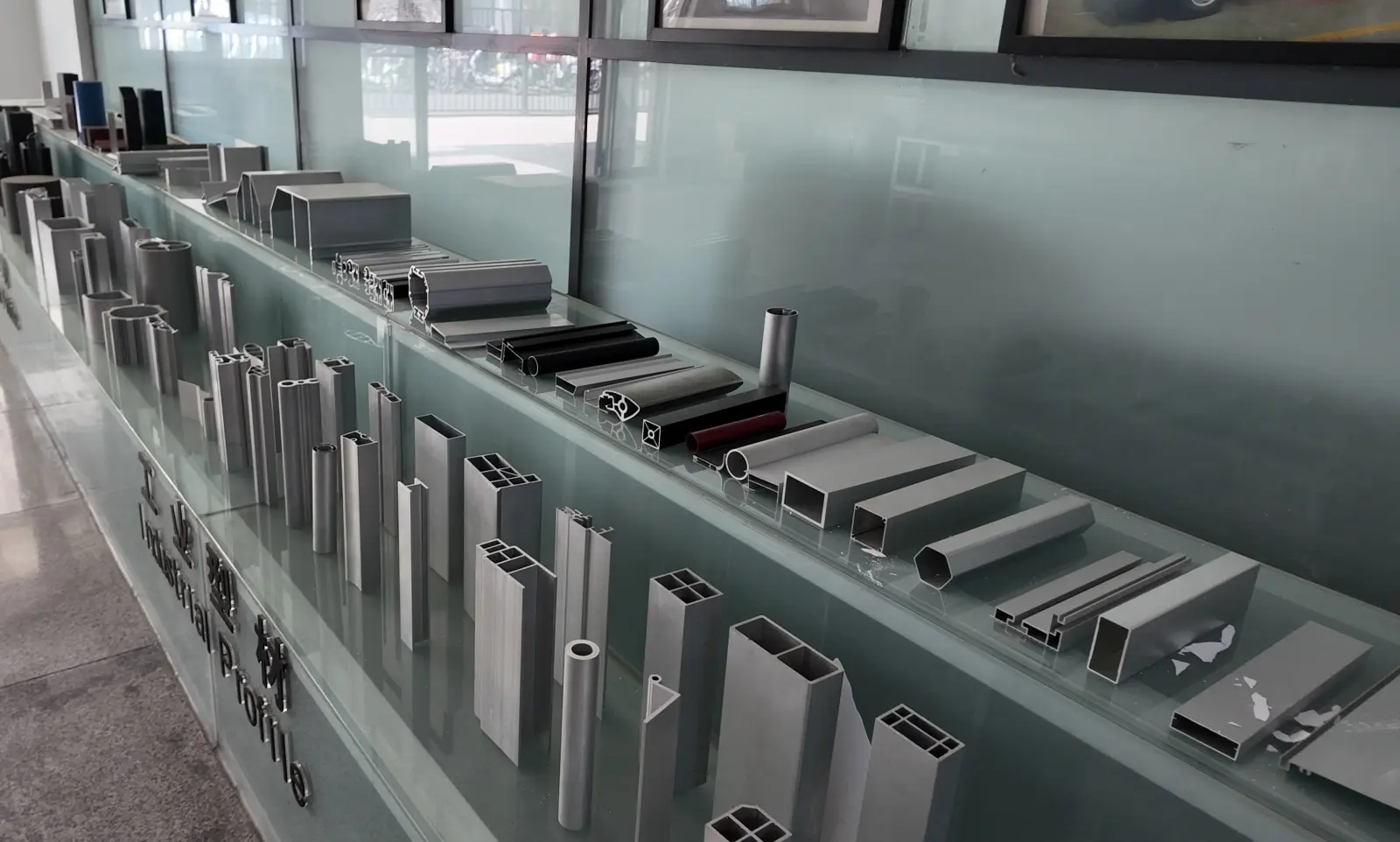
Our dynamic extrusion range covers various heavy-duty and precision industrial applications

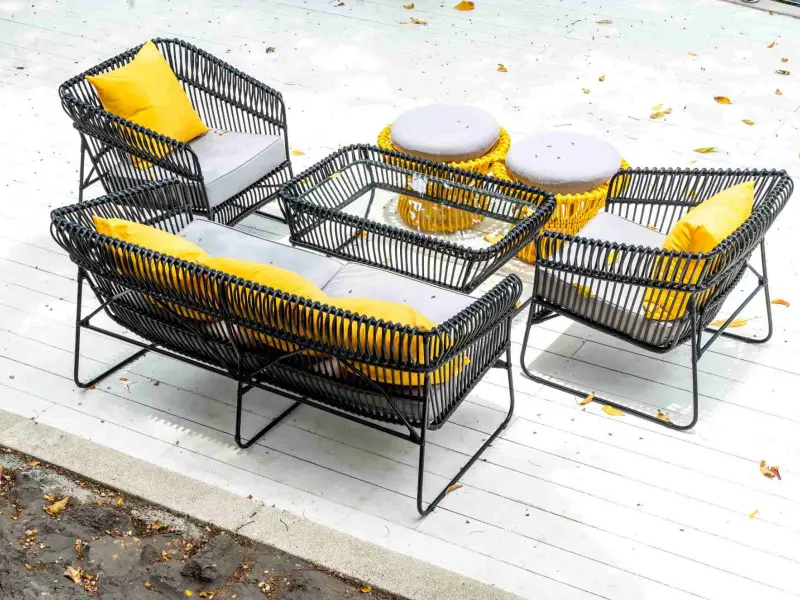
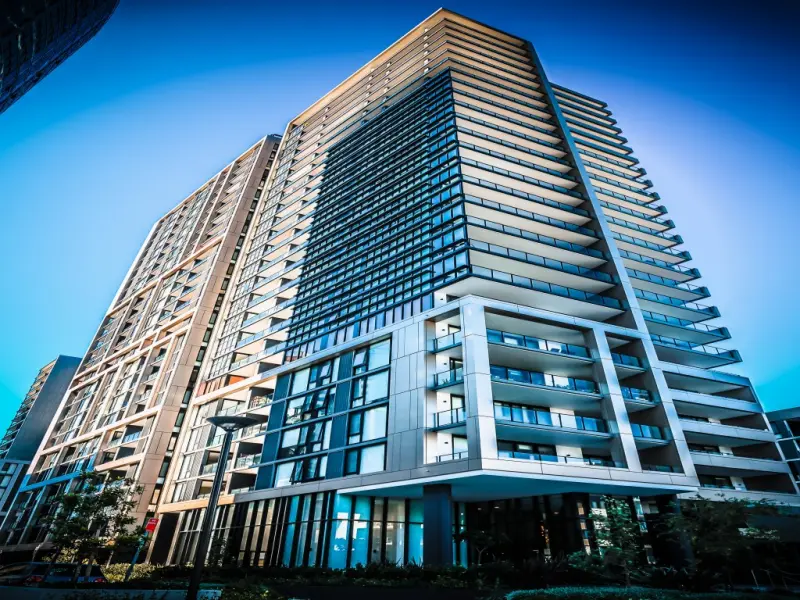
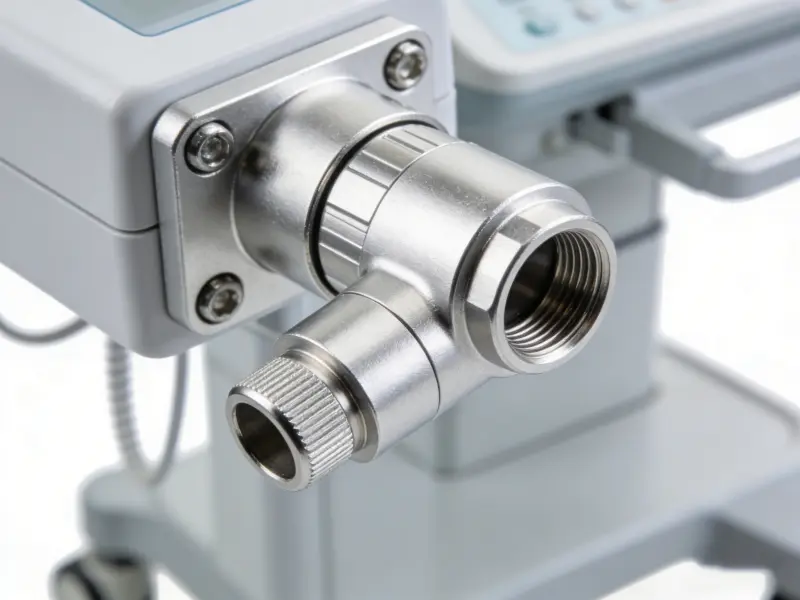
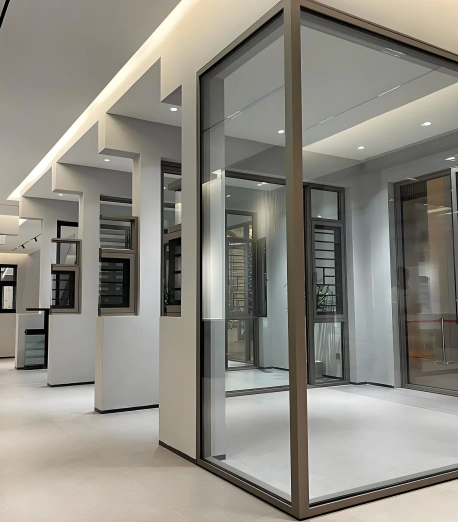
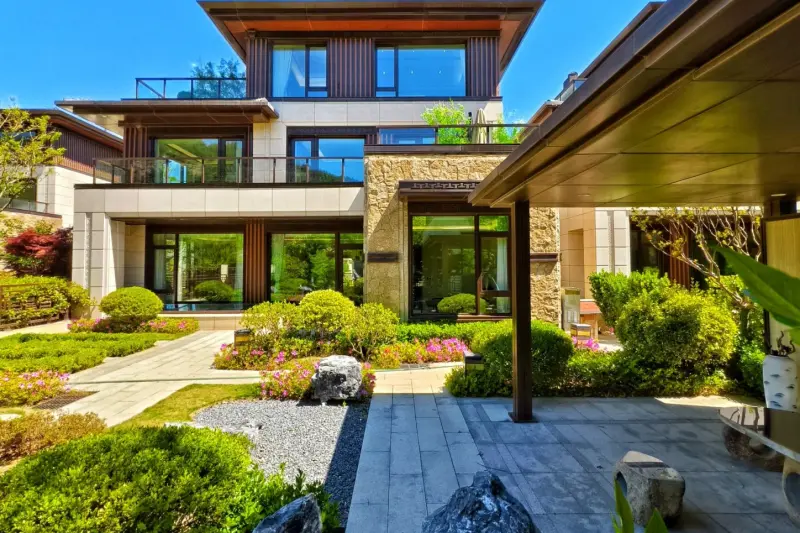
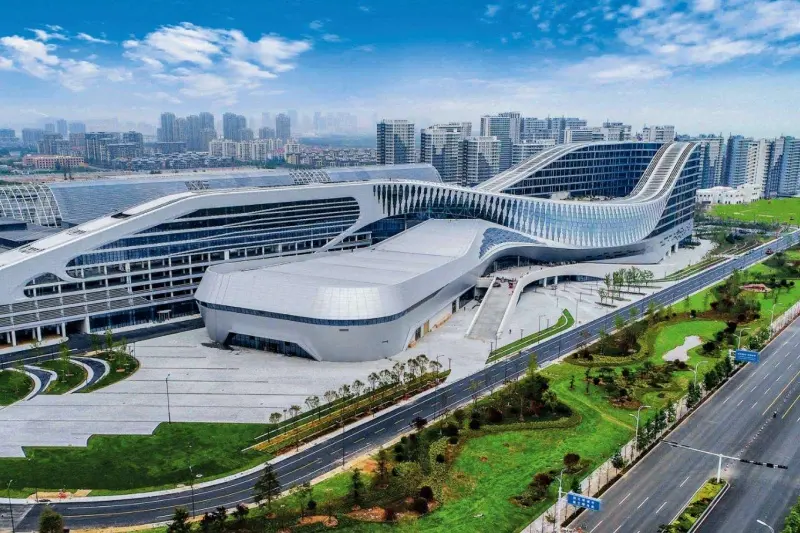
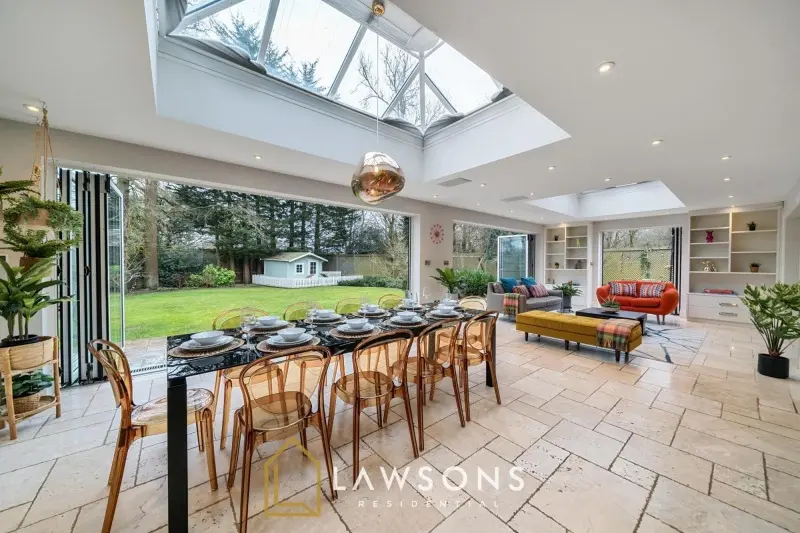
Architectural installations utilizing custom structural framing systems
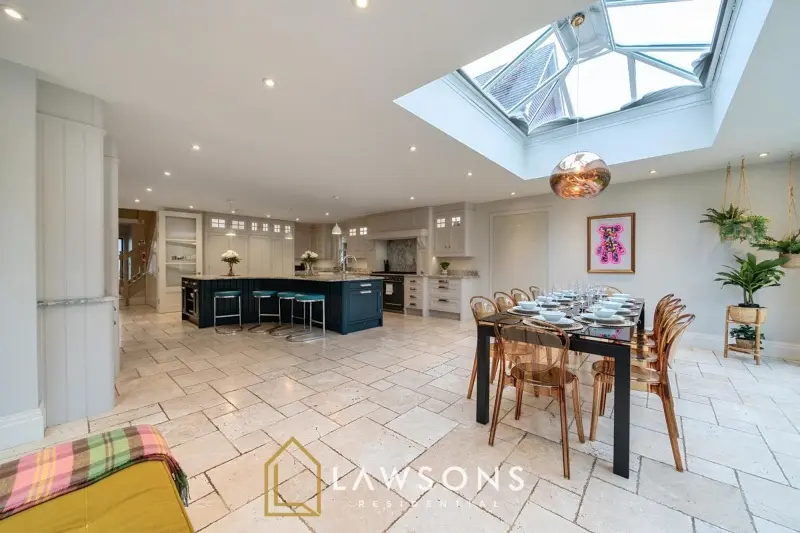
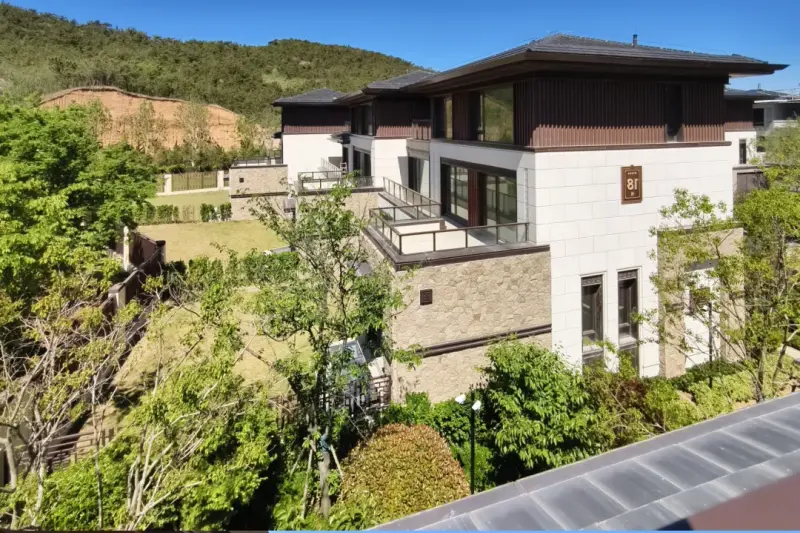
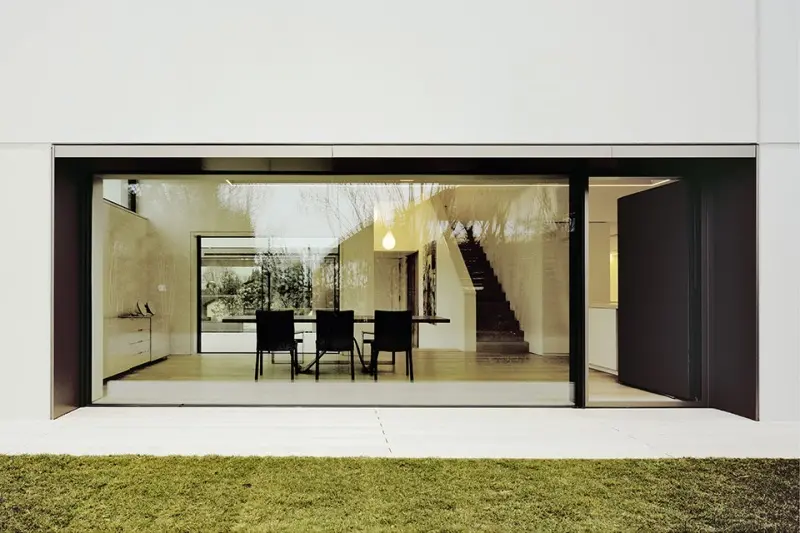
Answering crucial technical questions from architects, contractors, and international buyers
For standard profiles, our turnaround typically ranges from 15 to 20 days. When manufacturing custom profiles that require tooling adjustments, we generally schedule 10 to 14 days for die design, fabrication, and initial sample extrusion. Once samples are approved, mass production takes approximately 20 to 25 days, depending on order size.
6063-T5 aluminum provides the ideal combination of tensile strength, surface finish, and corrosion resistance. It allows for complex, thin-walled designs that can still support heavy double-glazed units without bending. T5 tempering provides structural stability and reduces deflection under high wind loads.
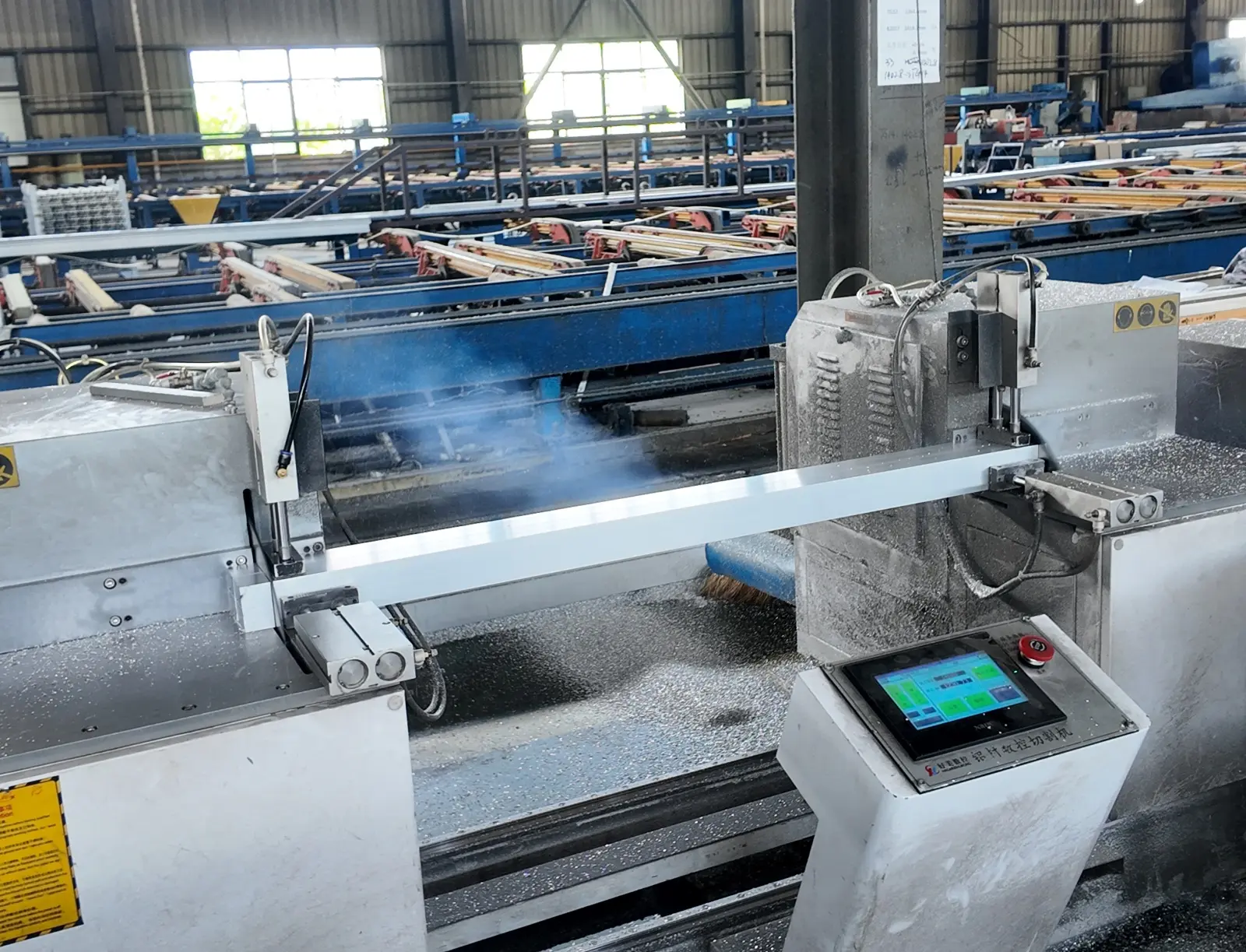
We operate under a certified ISO 9001 quality system, backed by specialized certifications including IATF16949 (automotive) and EN15085 (welding). We employ coordinate measuring machines (CMM) and optical profile projectors to measure dimensional deviation. Our in-house testing laboratory performs mechanical, tensile, and hardness tests to ensure every batch meets international standards.
For coastal installations, we recommend high-micron anodizing (above 20 μm) or PVDF (fluorocarbon) coatings. PVDF coating offers superior resistance to UV radiation, salt spray, and chemical pollution, passing the stringent AAMA 2605 specifications to ensure long-term stability in marine environments.
Thermal breaks isolate the exterior aluminum from the interior frame using high-density polyamide strips. This significantly reduces thermal conductivity, helping buildings maintain stable interior temperatures. The design lowers heating and cooling energy use by up to 30%, which is essential for achieving LEED certification.


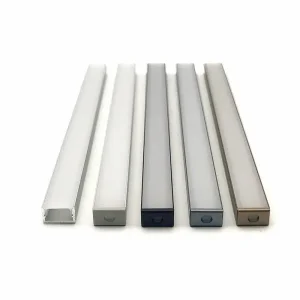
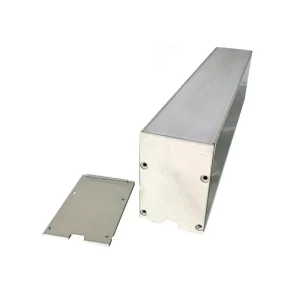
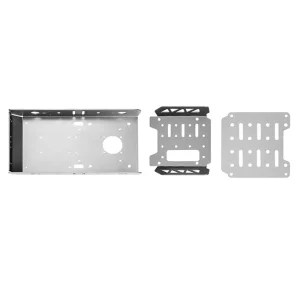
Exploring high-precision structural products, LED housing channels, and mounting profiles