1 / 3
 Kangjian
The aluminum alloy undergoes precise heat treatment, featuring excellent tensile strength, yield strength and impact resistance. The wall thickness of the profiles has been calculated through rigorous mechanical analysis, enabling it to withstand extreme loads such as strong winds and earthquakes, thereby fully ensuring the safety of the building structure.
The multi-chamber structure combined with multiple sealing designs can effectively isolate 25-40 decibels of noise. When used in conjunction with insulating glass, the sound insulation effect is even better, perfectly solving the problems of urban traffic, industrial and daily noise pollution, and creating a quiet and comfortable environment indoors.
The aluminum alloy surface naturally forms a dense oxide film. Combined with multi-layer surface treatment processes such as anodizing, electrophoretic coating, fluorocarbon spraying, and powder spraying, it can pass more than 2,000 hours of neutral salt spray tests. It has excellent resistance to ultraviolet rays, acid rain, and salt spray, and can last for more than 50 years, remaining unchanged, not fading, and not corroding over a long period of use.
Q1: How durable are these aluminum alloy profiles?
A1: They feature high-strength structures that undergo precise heat treatment. With surface coatings like fluorocarbon and anodizing, they have passed more than 2,000 hours of neutral salt spray testing and can last for over 50 years without corroding or fading.
Q2: Can these profiles help reduce noise in busy urban areas?
A2: Yes, they feature a multi-chamber design combined with multiple sealing details that can effectively block 25 to 40 decibels of noise. Using them alongside insulating glass offers even better soundproofing.
Q3: Are these structures strong enough to resist extreme weather conditions?
A3: Absolutely. The profile wall thickness is calculated through rigorous mechanical analysis. They possess excellent tensile and yield strength, allowing them to withstand extreme structural loads such as strong winds and earthquakes.
Q4: What are the main applications of these aluminum profiles?
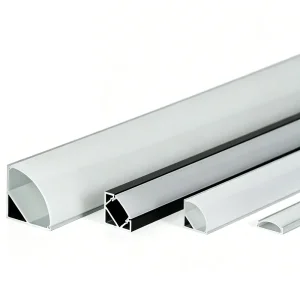
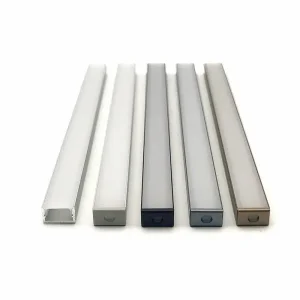
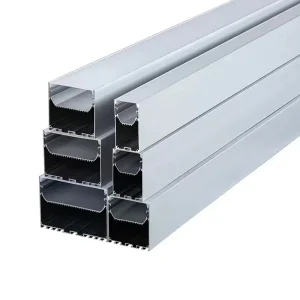
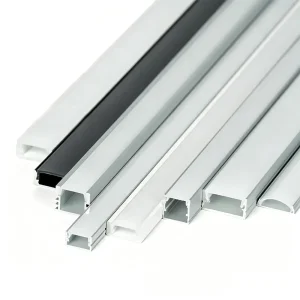
A4: They are widely applied in residential buildings (doors, windows, sunrooms), commercial projects (glass curtain walls), public structures (airports, schools), prefabricated residences, and municipal facilities like landscape posts and city railings.
Q5: What surface treatments are available for these profiles?
A5: We utilize various professional surface treatment processes including anodizing, electrophoretic coating, fluorocarbon spraying, and powder spraying to provide superior corrosion resistance and longevity.