Kangjian
Kangjian
Kangjian
The global industrial landscape is experiencing a profound paradigm shift driven by requirements for light-weighting, decarbonization, and extreme operational durability. Aluminium alloy metal has transitioned from a fundamental building block into a highly engineered material system of choice. From structural segments of high-speed rail systems to internal thermal management elements of smart electronic vehicles (EVs), selecting a high-fidelity supplier has become a crucial commercial factor.
For strategic procurement directors and design engineers, sourcing from a competent Chinese manufacturer is not only about finding low production costs, but also about identifying strong capabilities in metallurgical consistency, advanced extrusion technologies, and high-precision CNC multi-axis post-machining. This whitepaper analyzes these capabilities using the manufacturing workflows and engineering protocols of Qingdao Kangjian Aluminum Industry Technology Co., Ltd. as a baseline.
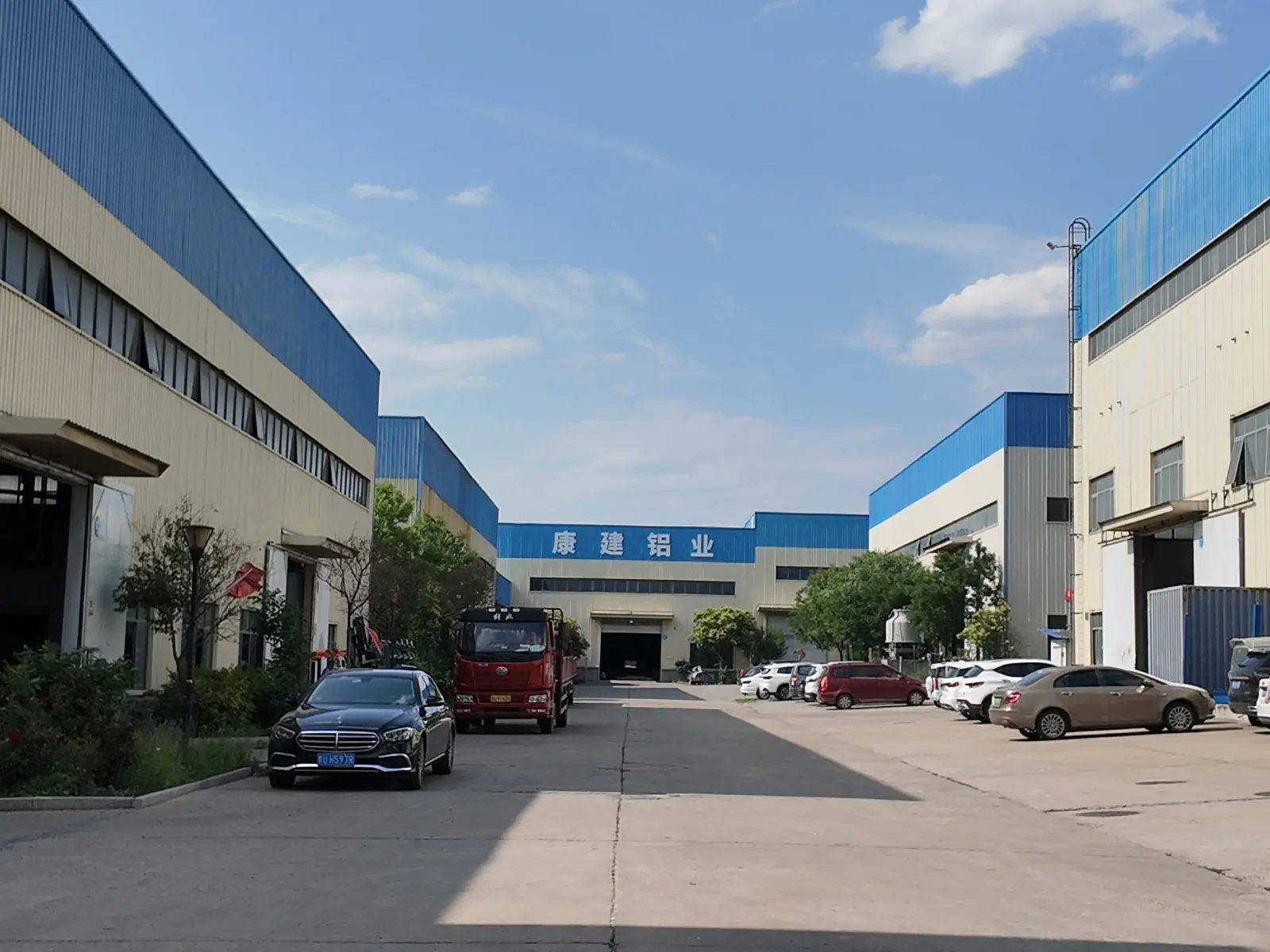
Qingdao Kangjian Aluminum Industry Technology Co., Ltd. is a leading manufacturer of high-end aluminum profiles.
Strategically situated in Jimo District, Qingdao, our facility spans 200 mu with 80,000 square meters of high-density production bays and 4,000 square meters of administrative offices. Our primary operation delivers an annual output of 15,000 tons of high-performance profiles.
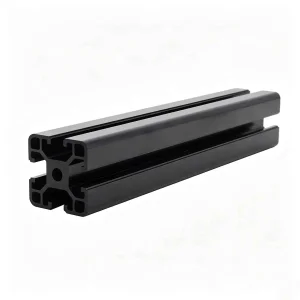
Our facility runs five custom heavy-duty horizontal extrusion lines configured to process diverse dimensional shapes: one 2500T, one 1450T, one 1150T, and two 700T extruders. This machinery configuration supports thin-wall precision profiles and large industrial cross-sections alike.
We maintain certified compliance with quality and performance frameworks: IATF16949 (Automotive Quality), ISO9001, ISO14001, ISO22163 (Railway), and international welding/bonding benchmarks including EN15085, ISO3834, AWS, and DIN6701.
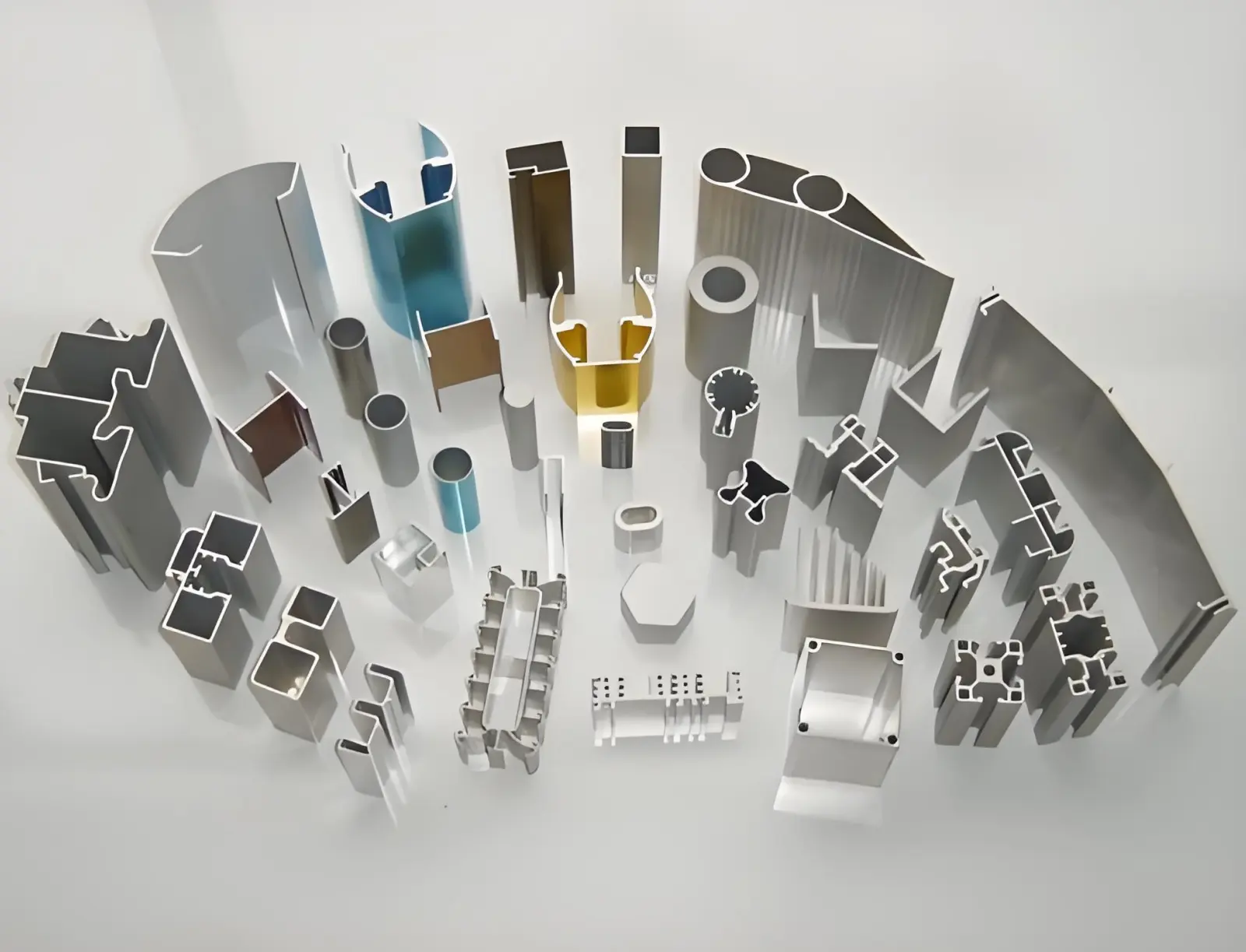
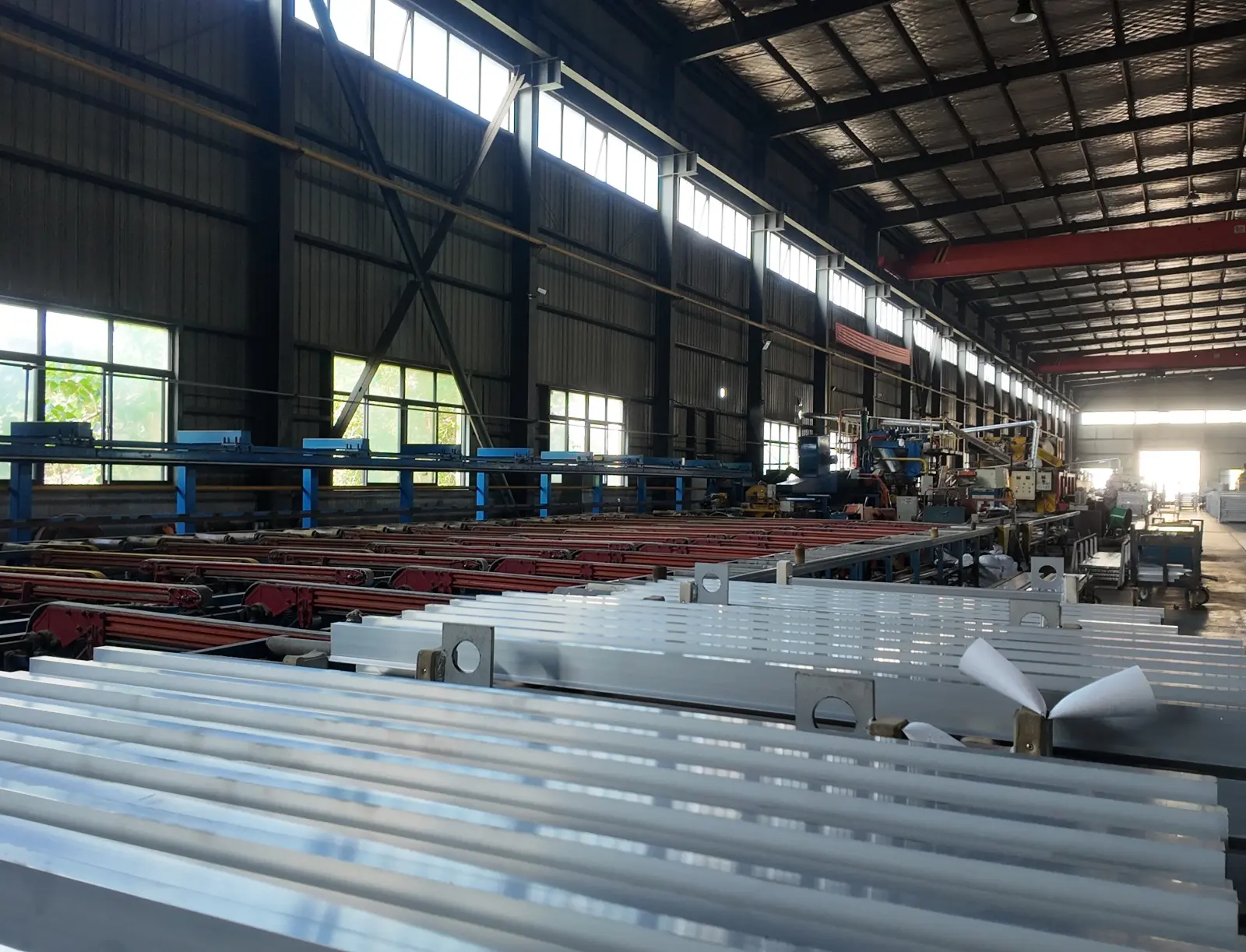
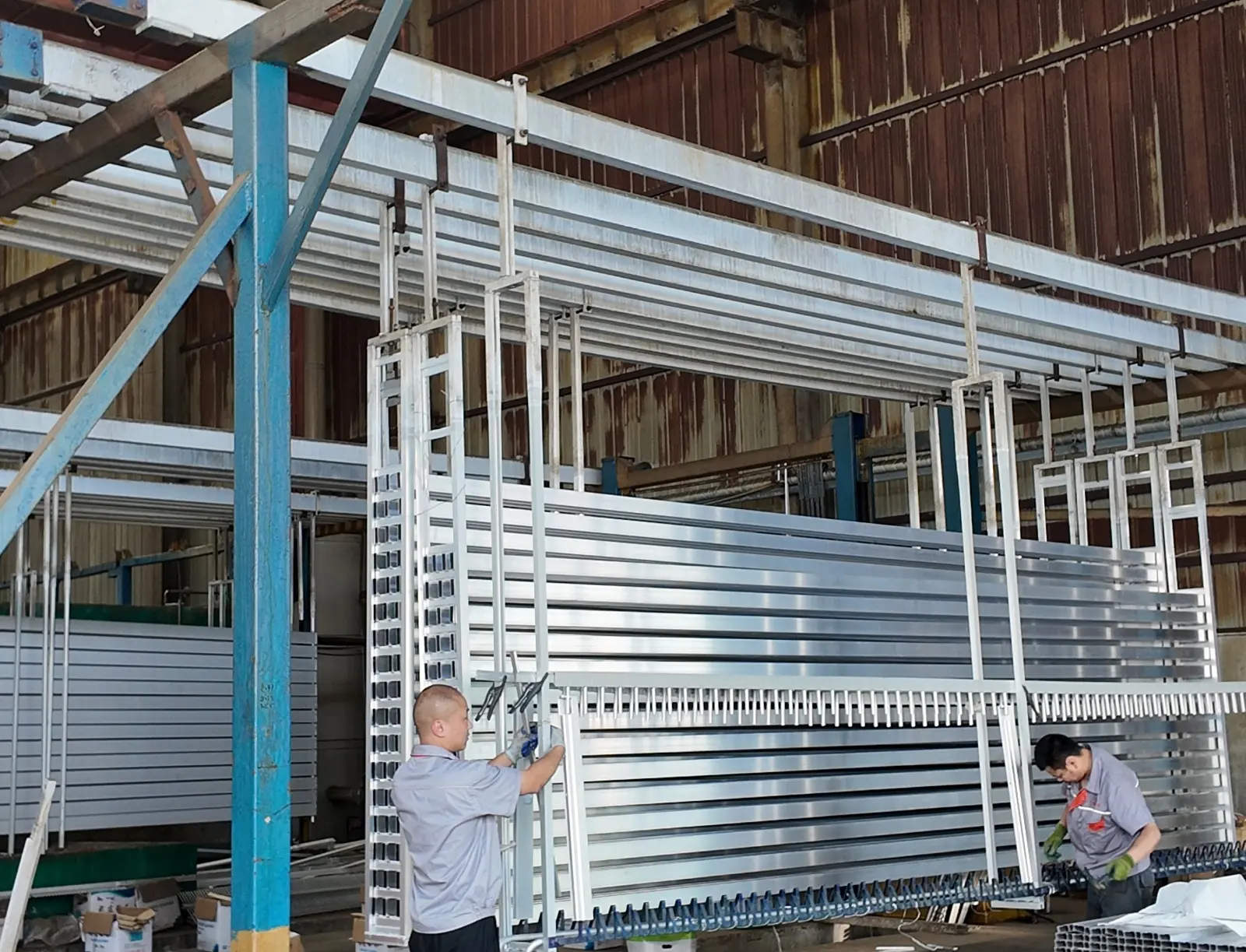

Aluminum extrusion requires precision control across metallurgical variables. At Kangjian, we focus our development efforts on high-toughness, age-hardened 6000-series (6063, 6061, 6082) and 7000-series structural alloys. These systems undergo specialized thermal processing (T5 and T6 heat treatments) to optimize tensile strength, yield strength, and grain structure uniformity.
Our material roadmap integrates several key technologies:
Our engineering divisions deliver specialized profile designs across key global industrial sectors.
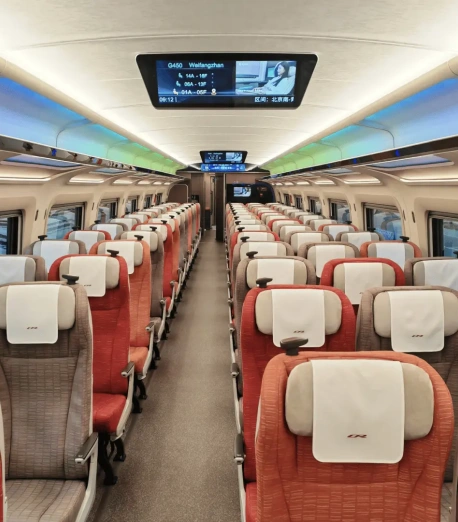
Our structural aluminum profiles are engineered to meet the high fatigue limits required by subways and high-speed rail systems, using custom alloy compositions that optimize overall vehicle weight.
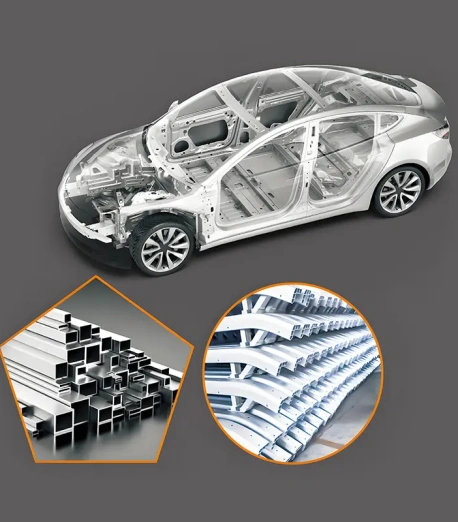
Certified to the IATF 16949 standard, our production processes provide the mechanical consistency needed for vehicle crash management parts, battery enclosures, and chassis subframes.
By using corrosion-resistant magnesium-silicon-based alloys and specialized anodized coatings, we manufacture heavy extrusions that withstand continuous exposure in harsh marine environments.
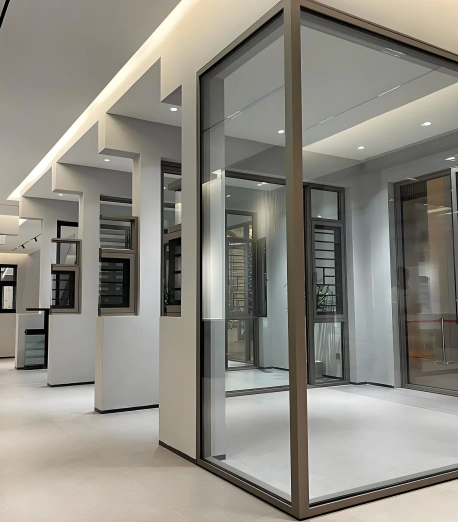
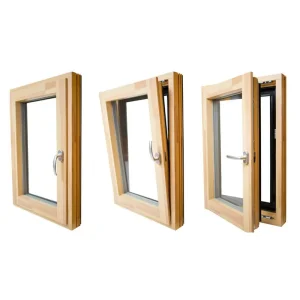
Our construction materials feature clean structural joints, wear-resistant surface coatings, and thermal break profiles that support sustainable building envelopes.
We supply high-rigidity profiles and lightweight structural components for robotic arms and automated guided vehicles (AGVs) that undergo high-speed repeating cycles.
We maintain systematic audits to keep our design, manufacturing, and shipping workflows aligned with global standards.
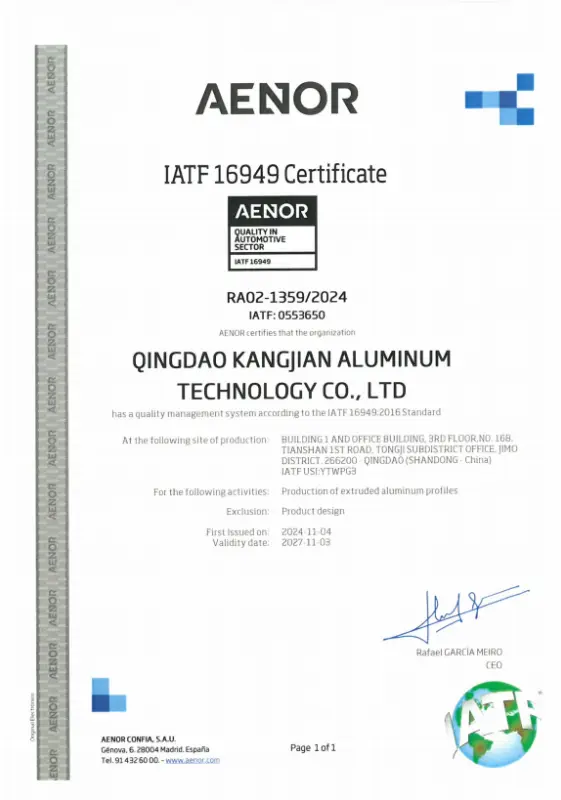
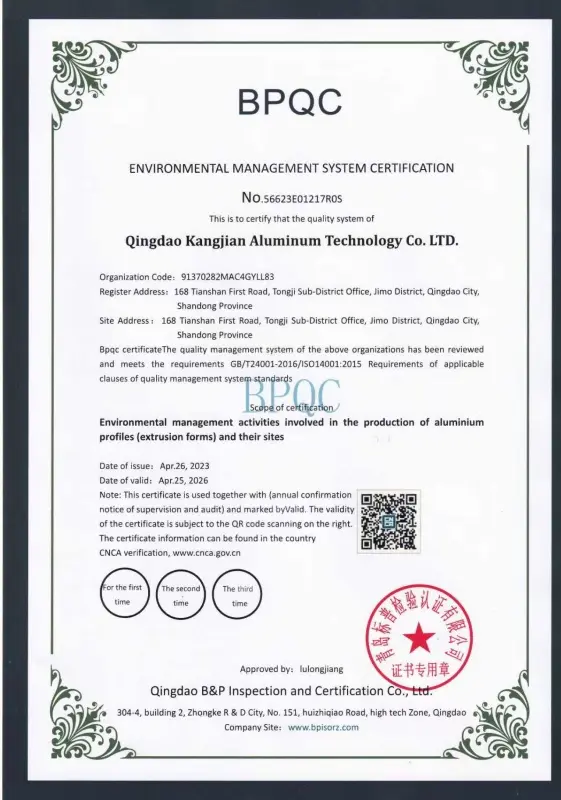
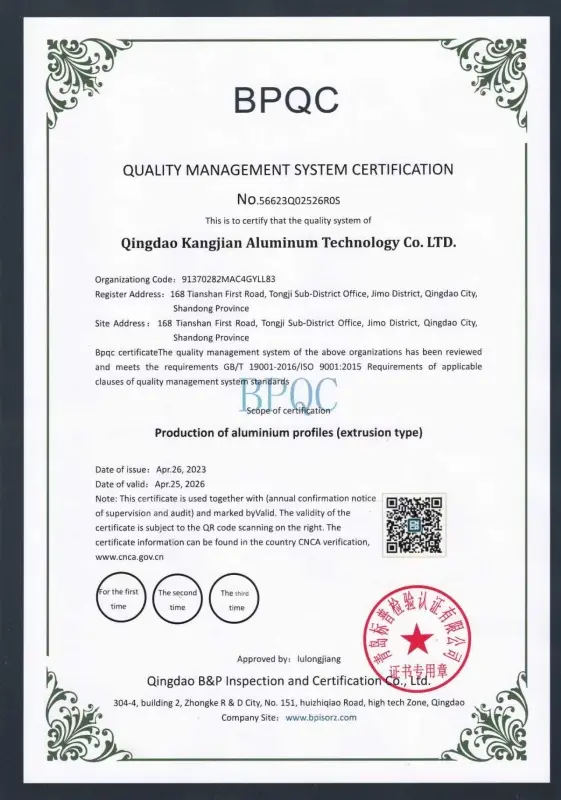
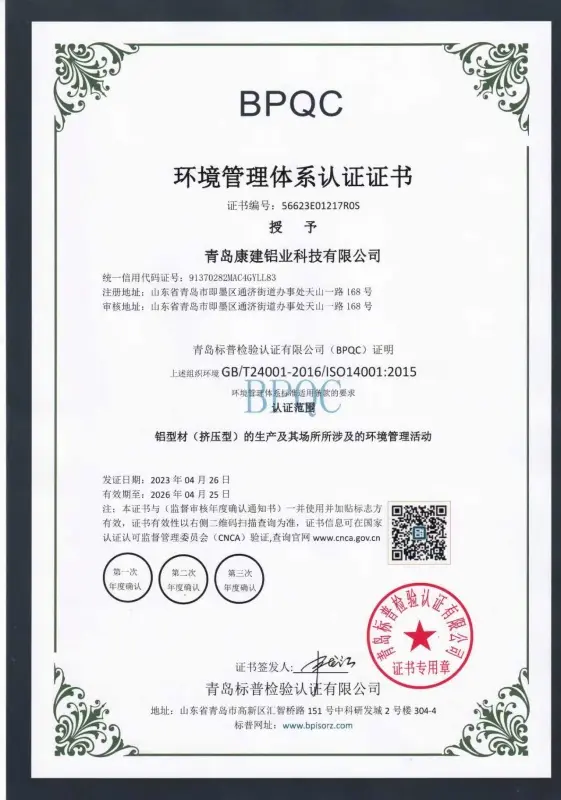
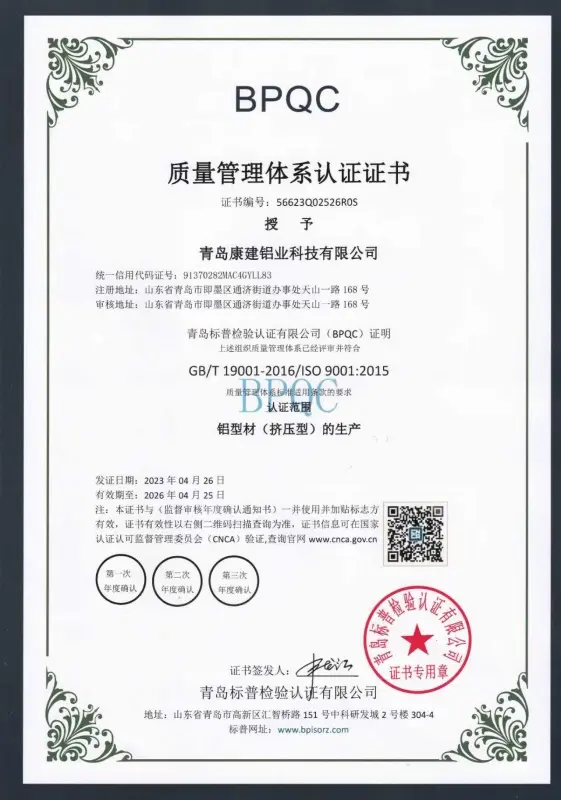
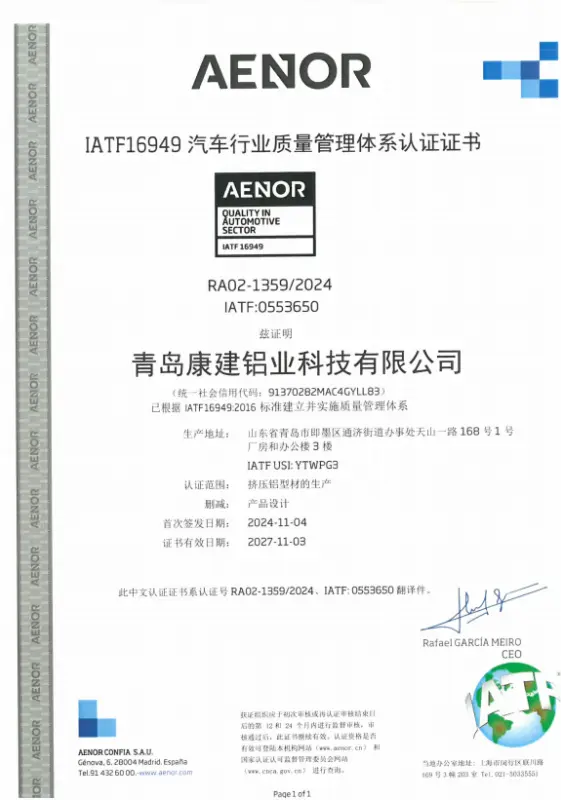
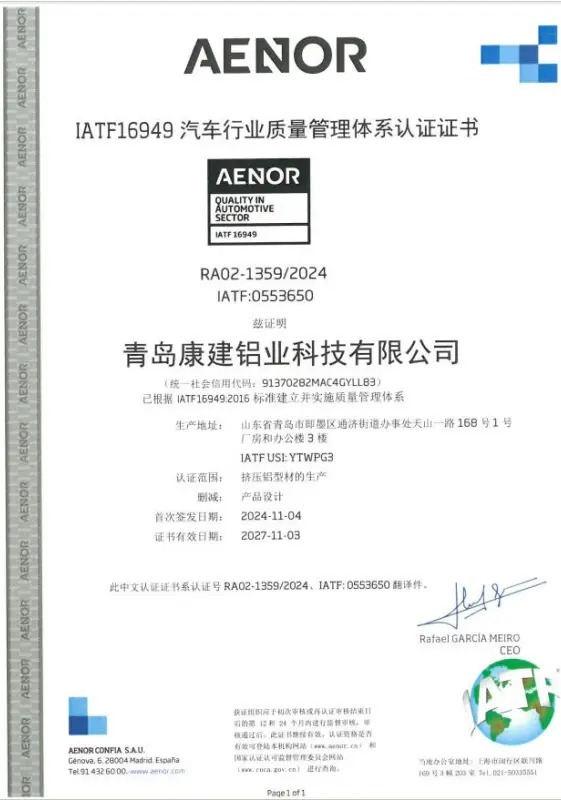
Navigating international shipping timelines and trade requirements is a key part of our global partnerships. Utilizing our proximity to the Port of Qingdao, we coordinate marine logistics to lower transit times and reduce risks for global trade corridors including North America, the European Union, South Korea, Japan, and Southeast Asia.
Our trade compliance and supply chain workflows feature:
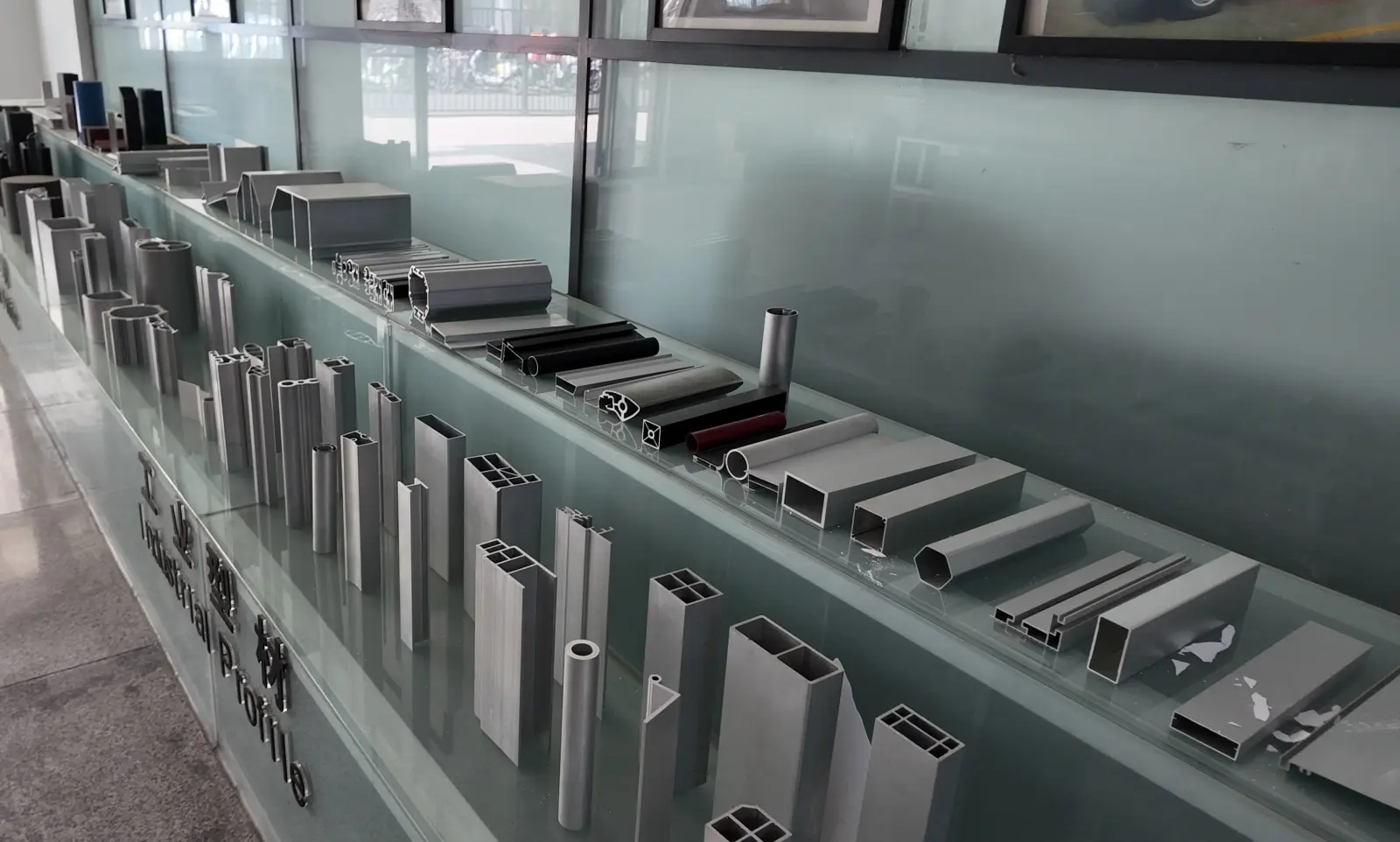


Find technical answers about aluminum alloys, extrusion processes, and procurement coordination.
6063 Aluminum Alloy: Offers excellent extrusion response and surface finish characteristics. It has moderate strength and is commonly used for complex profile cross-sections, architectural doors and windows, and decorative parts. It responds well to anodizing.
6061 Aluminum Alloy: Features higher mechanical strength, toughness, and weldability. It is suitable for structural parts like robot mechanical arms, drone frames, and transport subassemblies. It is often heat treated to a T6 temper to maximize its yield strength.
We work to standard structural tolerances (such as GB/T 14846 or EN 755) and can meet tighter custom specifications upon request. Our quality control processes include coordinate measuring machines (CMM), optical profile projectors, and online digital measuring equipment to verify that dimensional deviations remain within design limits.
We provide several surface finishing options to protect against corrosion:
Our facilities are certified to: