1 / 4
 Kangjian
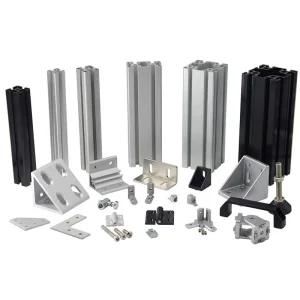
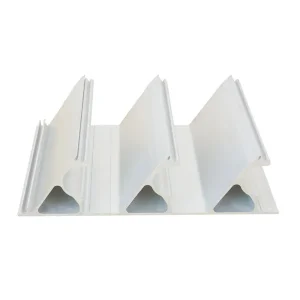
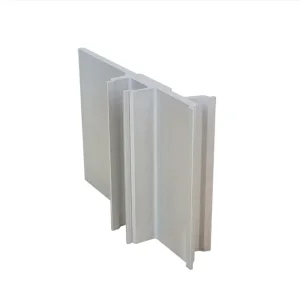
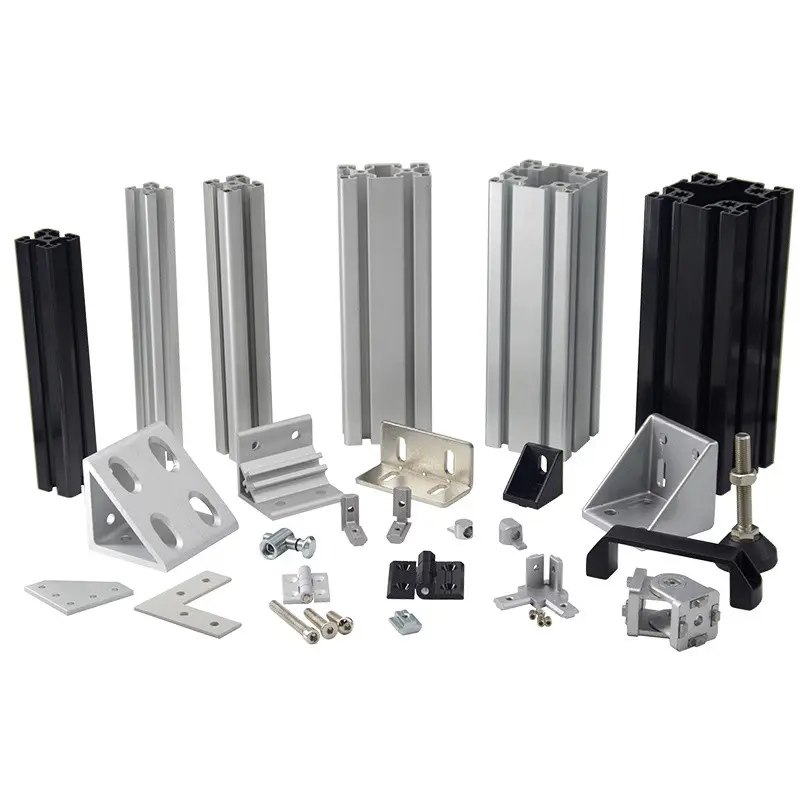
It has excellent strength-to-weight ratio, corrosion resistance and thermal conductivity. The raw materials have undergone strict component and mechanical property tests, with a long service life and the ability to adapt to various complex working conditions such as humidity, acid and alkali.
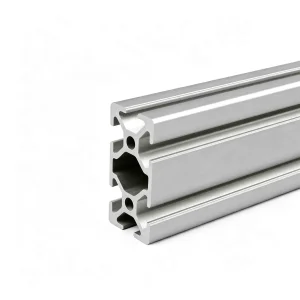
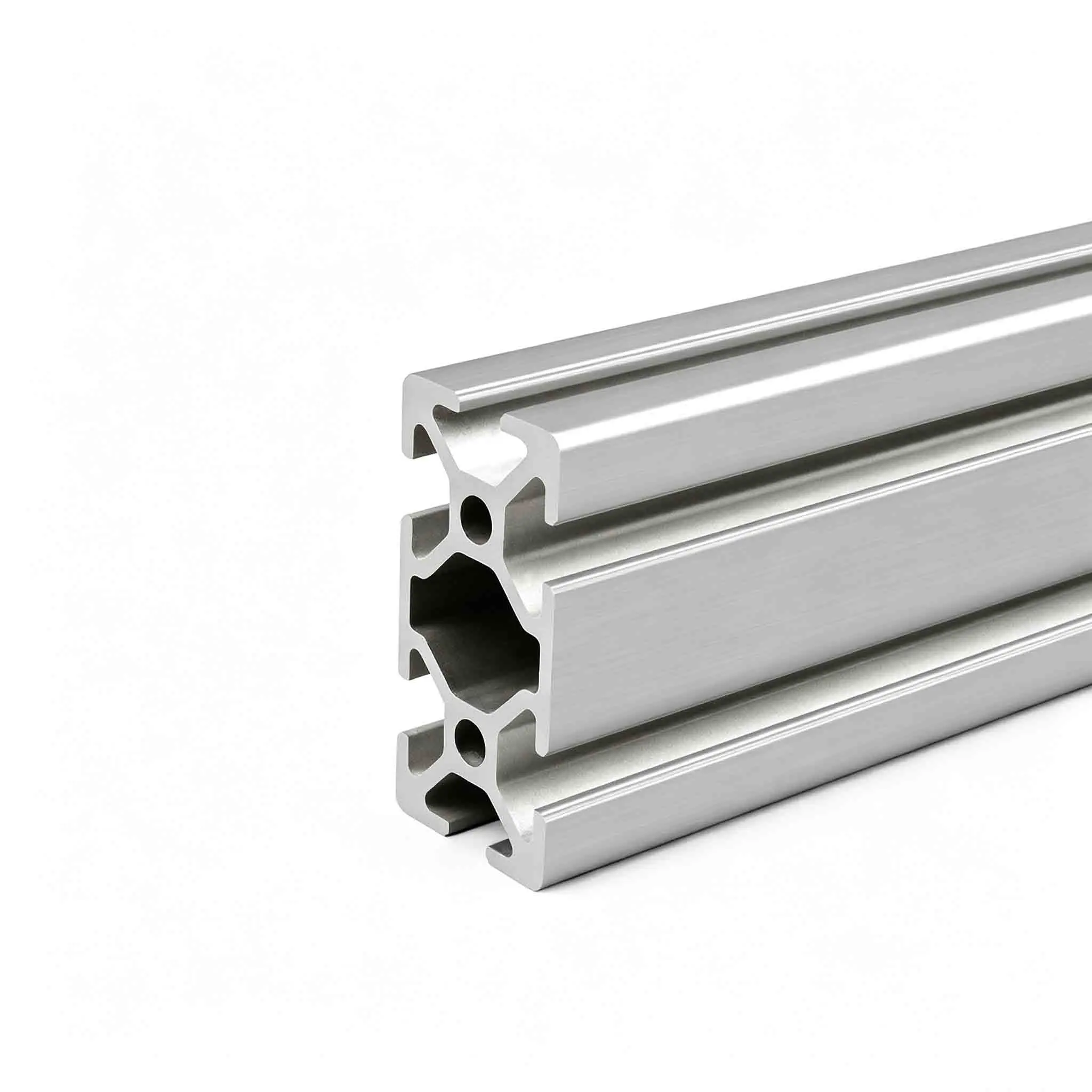
Using CNC extrusion equipment and precision molds, the size tolerance of the profiles is controlled within 0.1mm, the surface flatness is high, and the slot size is precise. This ensures seamless compatibility with global universal accessories, and different batches of products can be completely interchangeable.
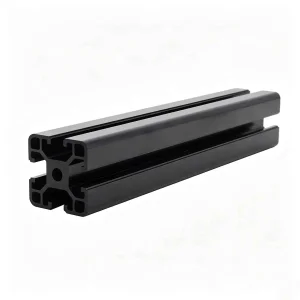
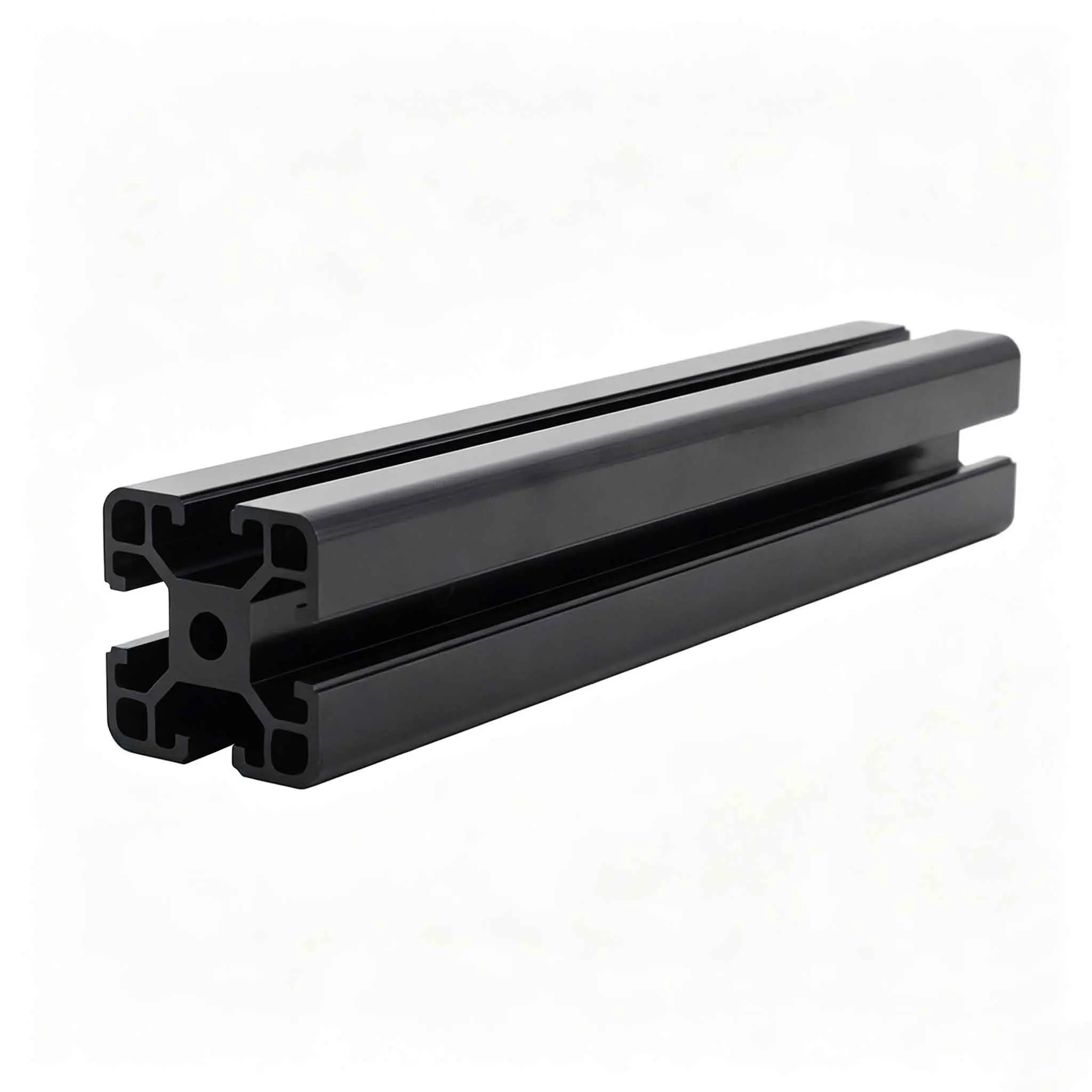
It offers various surface treatment processes such as anodizing (silver white / black / colored), sandblasting, polishing, powder coating, and electrophoretic coating. After treatment, the surface of the profiles is smooth and fine, scratch-resistant and wear-resistant, corrosion-resistant and rust-proof, while also enhancing the aesthetic appeal of the product to meet the appearance requirements of different application scenarios.
Q: What materials are used for the industrial aluminum profiles?
A: The profiles are made of high-quality aluminum alloys that offer an excellent strength-to-weight ratio, strong corrosion resistance, and high thermal conductivity.
Q: What is the manufacturing precision of these profiles?
A: We control the dimensional tolerances within 0.1mm by using high-precision CNC extrusion equipment and precision molds, which ensures compatibility with global standard accessories.
Q: What surface treatment options do you provide?
A: We offer a variety of surface treatments including anodizing (in silver white, black, or custom colors), sandblasting, polishing, powder coating, and electrophoretic coating.
Q: Can these aluminum profiles be used in outdoor or harsh environments?
A: Yes. Because they undergo strict mechanical testing and protective surface treatments, they are highly resistant to moisture, acids, and alkalis, ensuring stable performance in complex conditions.
Q: In what industries are industrial aluminum profiles most commonly applied?
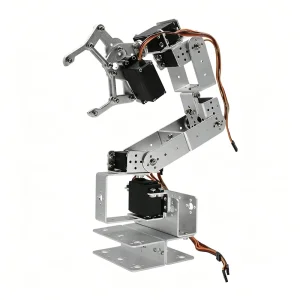
A: They are widely used in industrial automation structures, robot protective guards, assembly workbenches, logistics racks, architectural projects (doors, windows, curtain walls), automotive parts, and electronic enclosures.