Kangjian
Kangjian
Kangjian
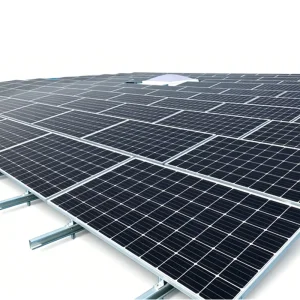
Engineered solutions designed for heavy-duty commercial framing, solar systems, architectural glazing, and custom industrial designs.
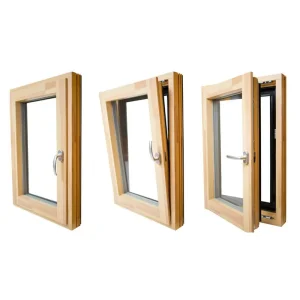
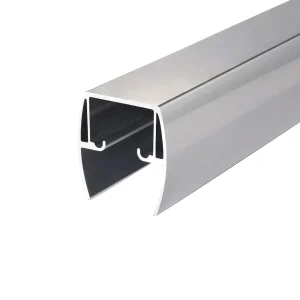
Modern architectural demands require structural elements that deliver exceptional thermal insulation, superior wind load management, and outstanding weathering resistance. Aluminum alloy frames have emerged as the premier material choice for high-rise facades, structural windows, and performance-oriented building envelopes. By utilizing premium-grade alloys such as 6063-T5 and 6061-T6, manufacturers can engineer profiles that support expansive double or triple-glazed units while maintaining structural deflection limits under extreme atmospheric pressure.
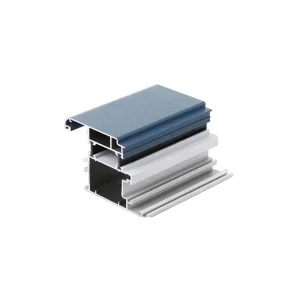
In the context of the global green transition, window framing technologies have evolved. Modern designs integrate advanced thermal breaks—specifically Glass-Fiber Reinforced Polyamide (PA66GF25) strips—which isolate inner and outer aluminum components to obstruct conductive heat paths. As an industry-leading manufacturer, Qingdao Kangjian Aluminum Industry Technology Co., Ltd. produces profiles designed to meet demanding LEED and Passivhaus standards, helping minimize thermal bridging and reduce carbon emissions.
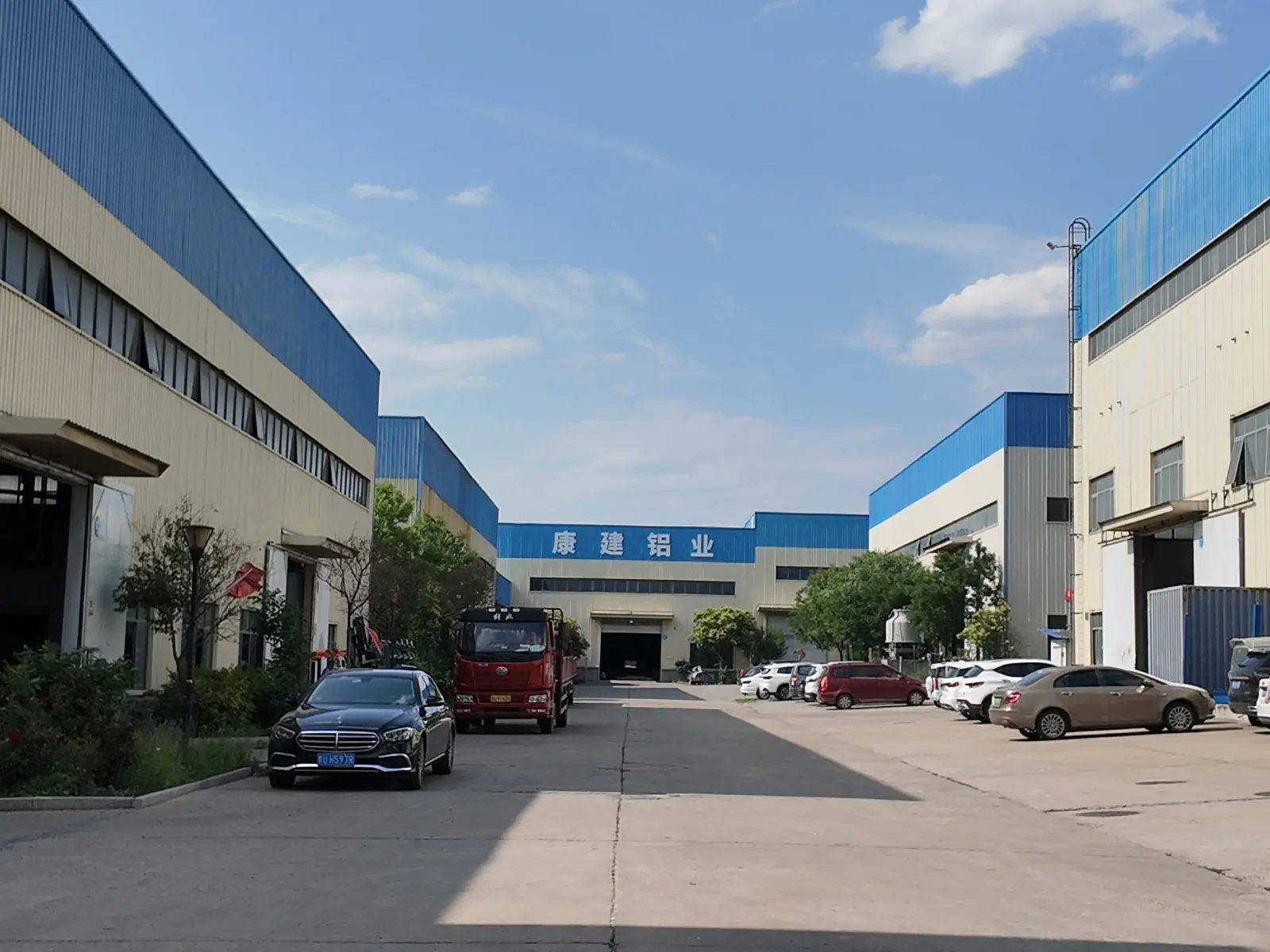
Establishing advanced standardizations in metallurgical extrusion and structural engineering from our marine-connected hub in China.
Founded in 2022 and located in the Jimo District of Qingdao, Qingdao Kangjian Aluminum Industry Technology Co., Ltd. operates from a 200-mu industrial production base. With a state-of-the-art factory building encompassing 80,000 square meters and a 4,000-square-meter corporate office park, the company has grown into a regional leader in high-performance aluminum extrusions. Equipped with five specialized extrusion production lines—including a 2500T heavy-duty extruder, one 1450T unit, one 1150T unit, and two 700T units—our annual capacity reaches 15,000 tons. This machinery allows us to produce profiles that meet precise tolerance margins and structural parameters.

Performance metrics driving our high-volume output and engineering consistency.
China’s dominance in the global aluminum extrusion market is built on deeply integrated production ecosystems. At Kangjian Aluminum, we source raw primary ingots from local smelters, maintaining stable input costs and material purity. Our location in Qingdao—a key deep-water port on the Yellow Sea—gives us a logistics advantage, allowing direct shipping access to major international trade corridors across North America, Europe, Australia, and Asia.
This concentrated supply chain supports high operational agility. Tooling design, die fabrication, casting, extrusion, anodizing, powder coating, and CNC machining are co-located within a small geographical radius. This integration minimizes lead times and facilitates strict cross-process quality audits, ensuring stable shipping schedules even amid global logistics fluctuations.
By choosing Qingdao Kangjian as your manufacturing partner, you leverage a structured production system designed for continuous output, stable pricing, and custom container packaging. This packaging is engineered to withstand long ocean transits and minimize dockside damage.
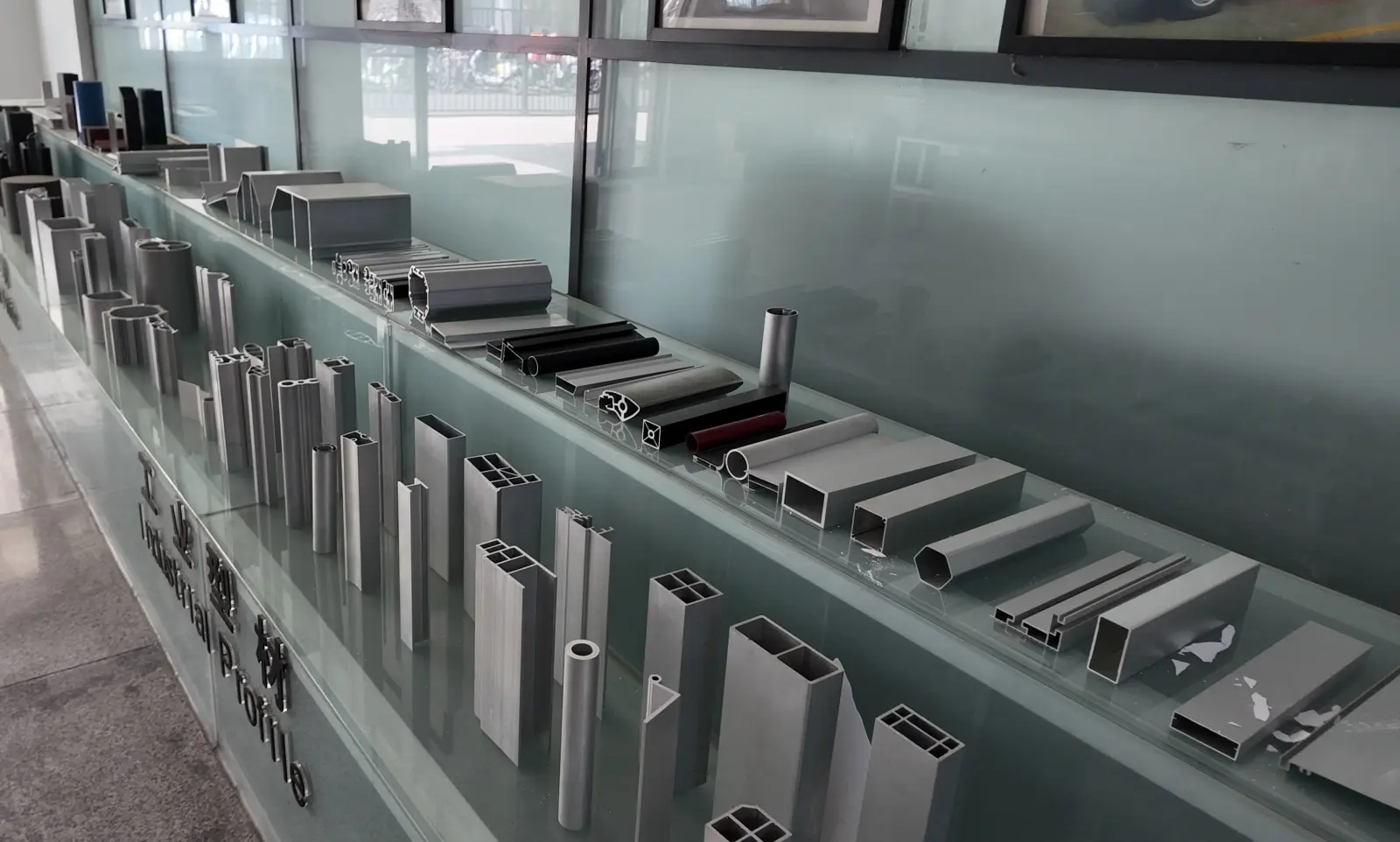
Engineered structural frames optimized for regional wind loads, thermal barriers, and corrosive environments.
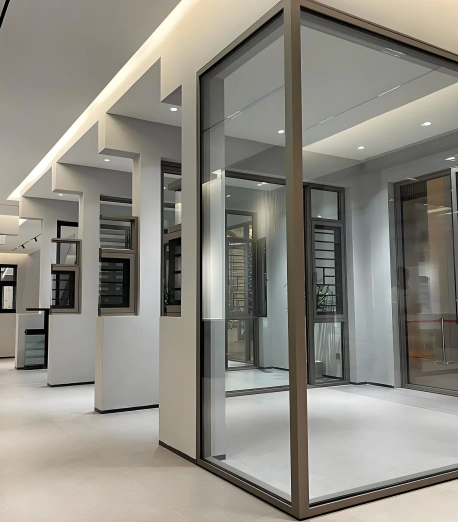
High-rise structures require framing that can withstand extreme wind forces without structural deformation. By utilizing 6061-T6 alloy components, our heavy-duty framing systems provide the mechanical properties needed to support large, heavy structural glazing units.
These systems are built to meet international standards (including AAMA/WDMA/CSA 101/I.S.2/A440), offering reliable performance for municipal office parks, high-density residential towers, and large-scale industrial complexes.
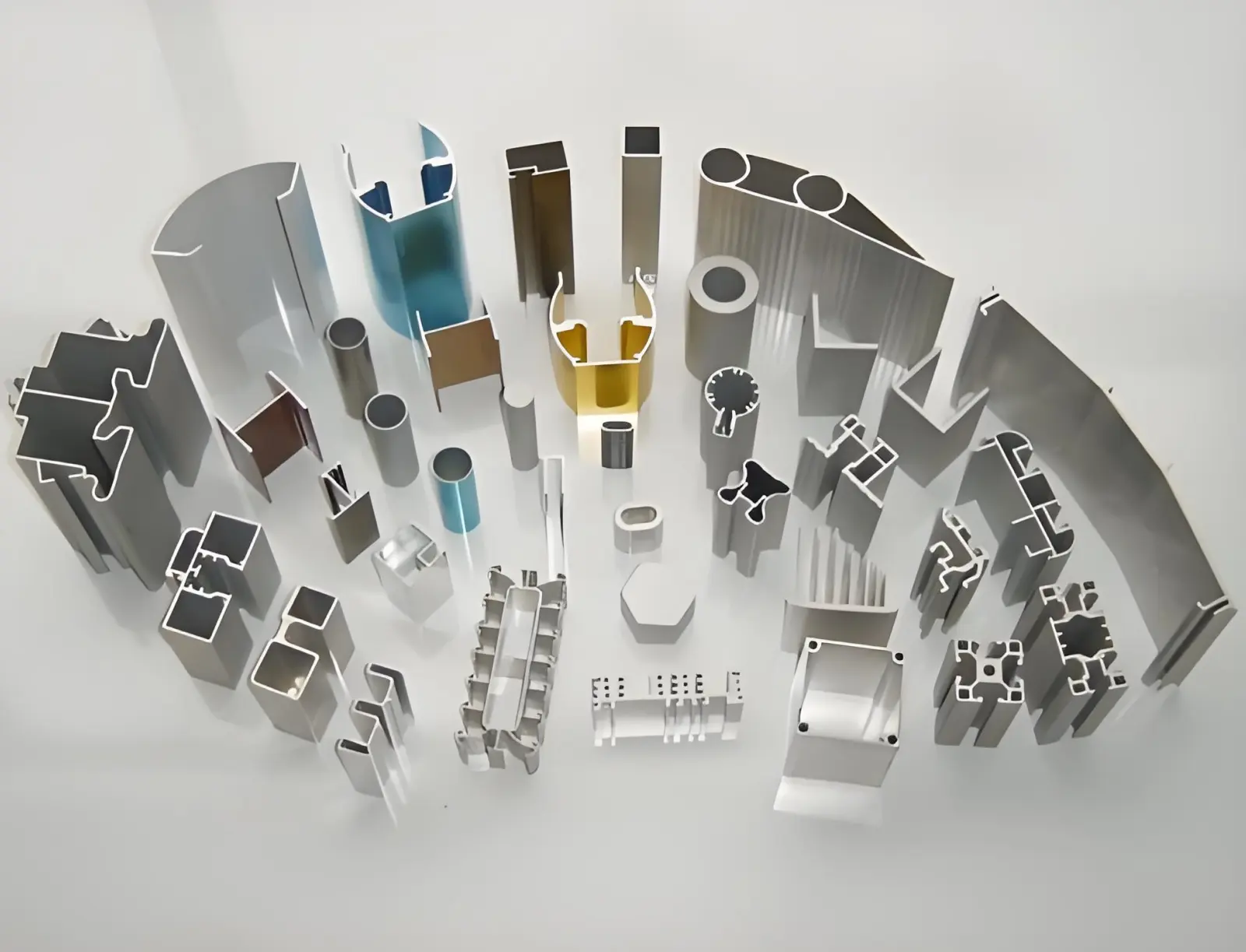
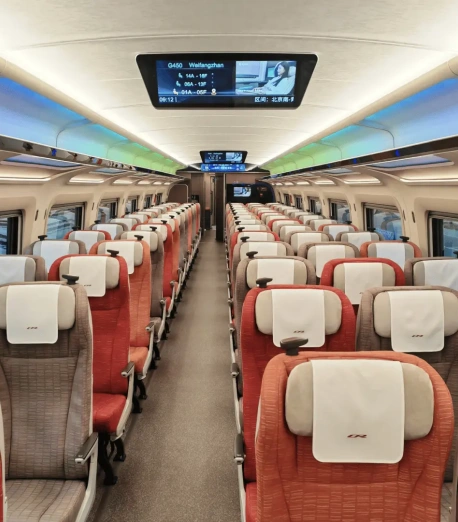
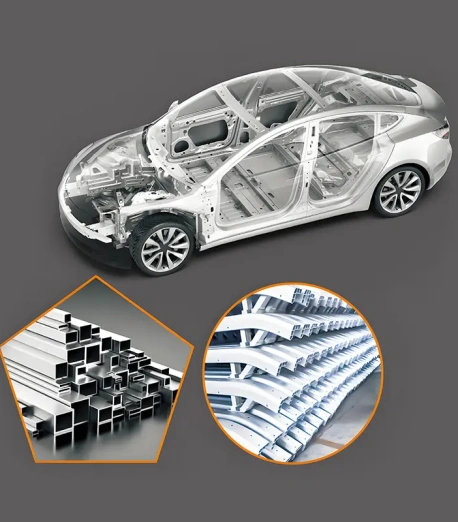
How Kangjian Aluminum is addressing structural thermal performance, low-carbon fabrication, and automation integration.
To achieve building energy targets, we are developing multi-cavity thermal break designs using PA66GF25 polyamide insulations. Combined with polyurethane foam infills, these profiles achieve U-factors below 1.2 W/m²K, which helps minimize operational energy costs.
Using Finite Element Analysis (FEA), we model structural load scenarios and extrusion dynamics. This allows us to optimize wall thicknesses, placing strength at high-stress concentrations while reducing structural weight to optimize material efficiency.
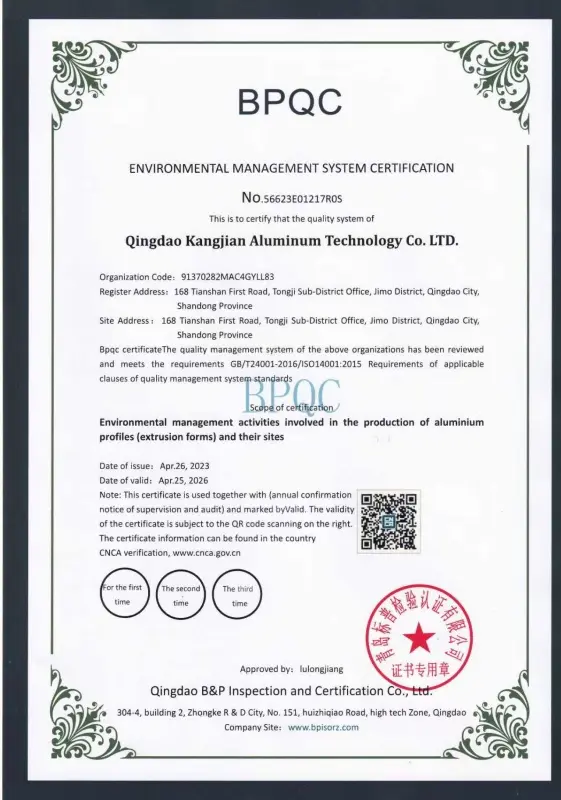
We process clean, post-industrial recycled aluminum scrap, which requires significantly less energy than primary aluminum smelting. This approach supports decarbonization initiatives without compromising the tensile or physical properties of the finished extrusions.
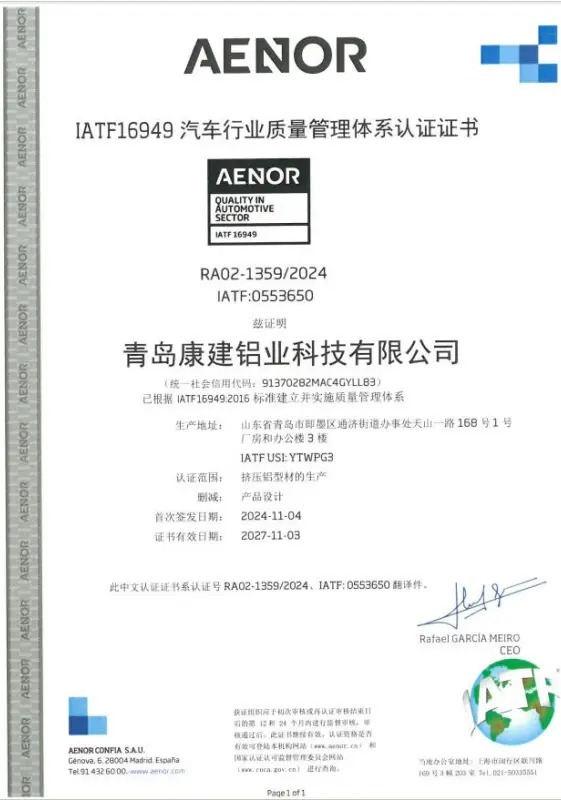
Our operational framework is independently verified by recognized international inspection and standards bodies.
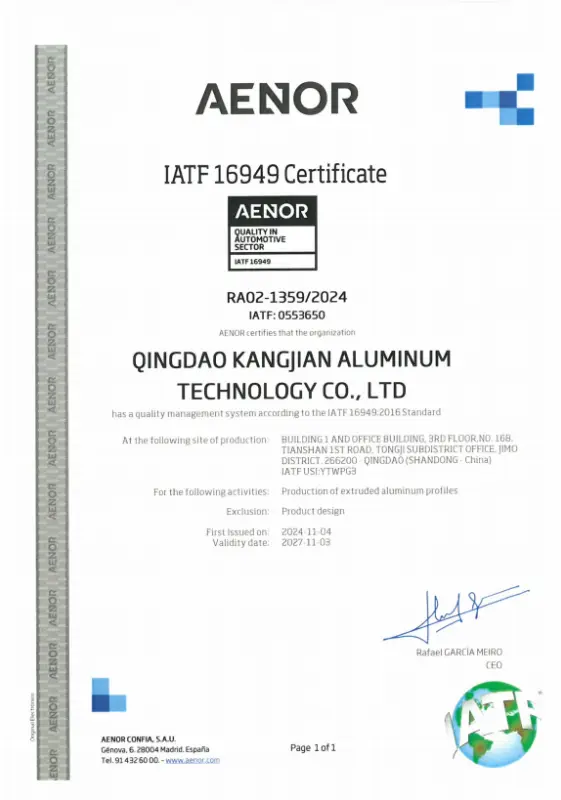
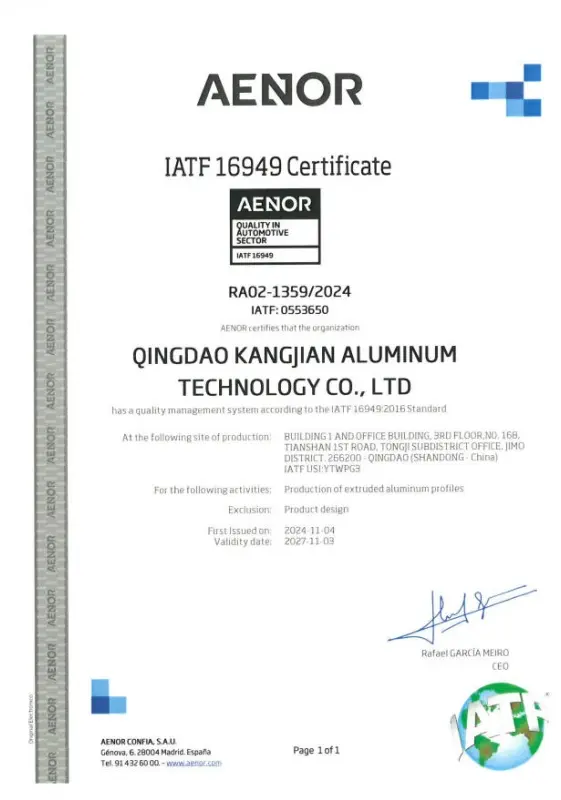
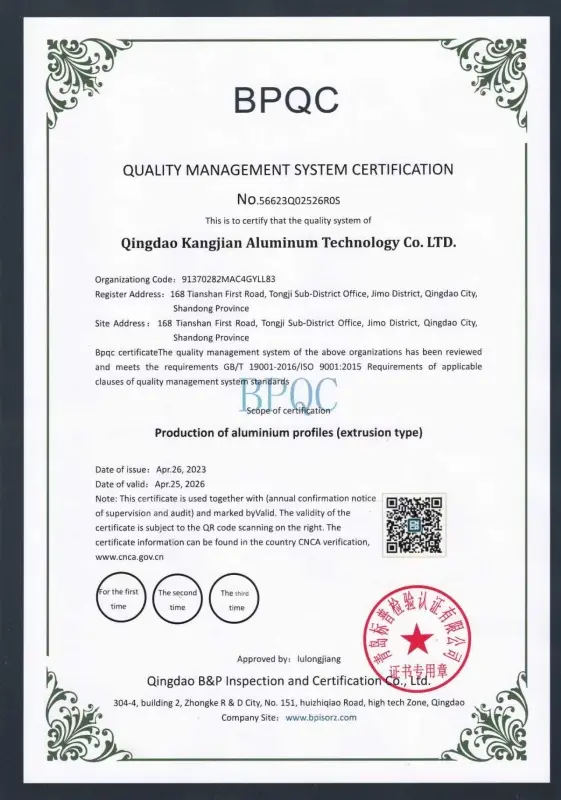
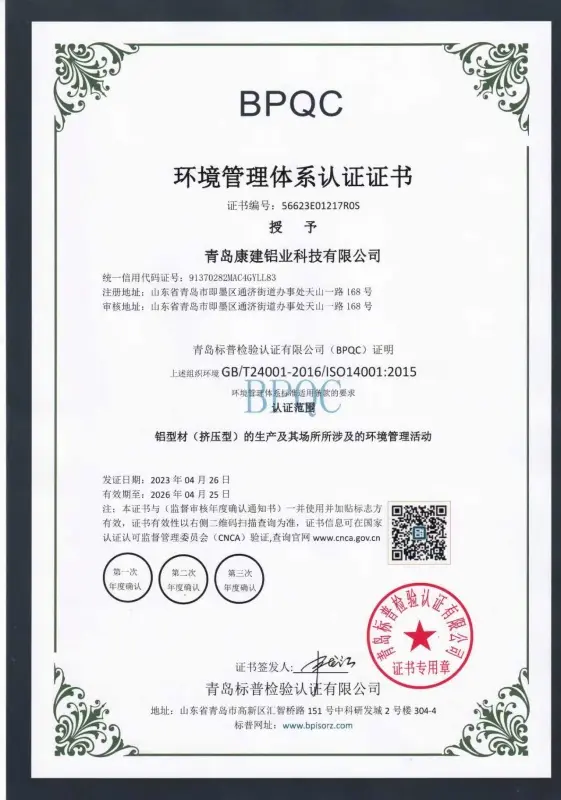
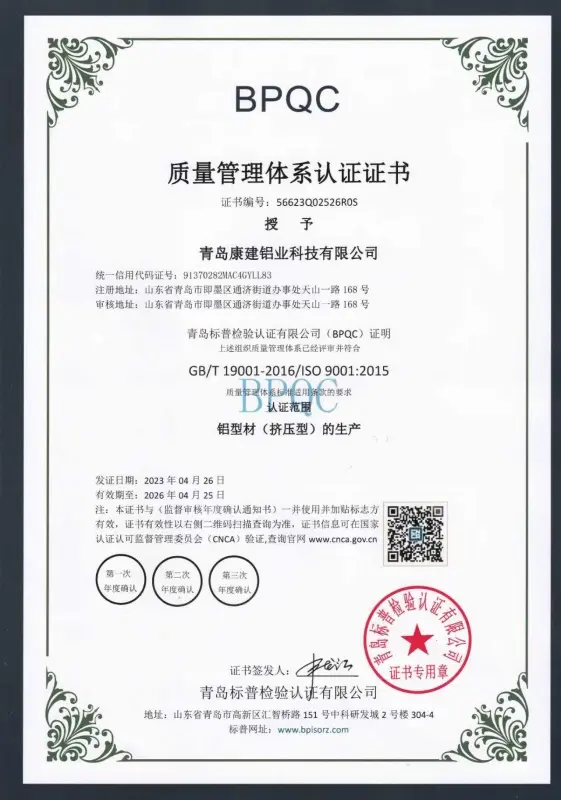
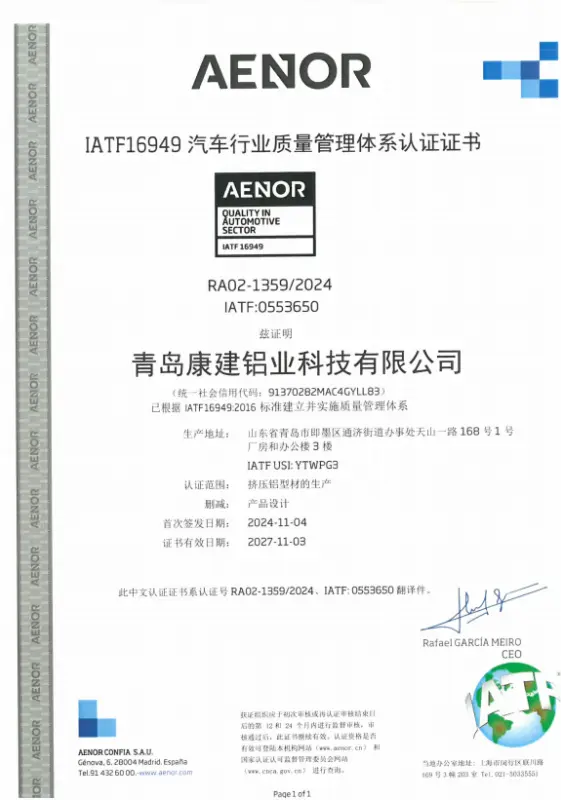
From automotive component manufacturers to international glazing contractors, we supply structural profiles to projects in Japan, South Korea, Europe, North America, and Australia.


Continuous investment in modern production lines ensures processing consistency for all structural profile designs.
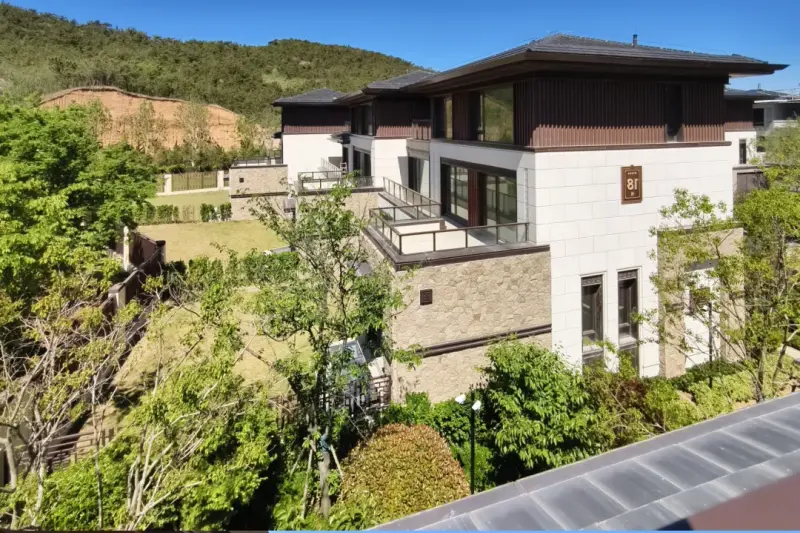
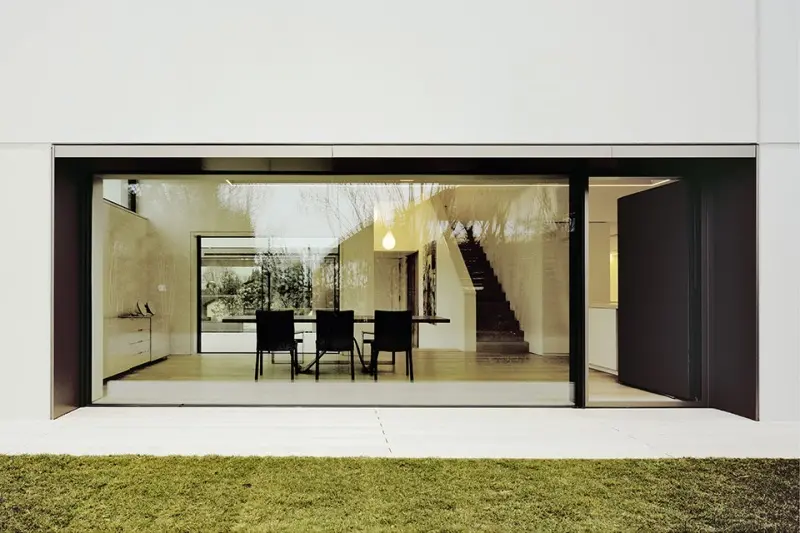
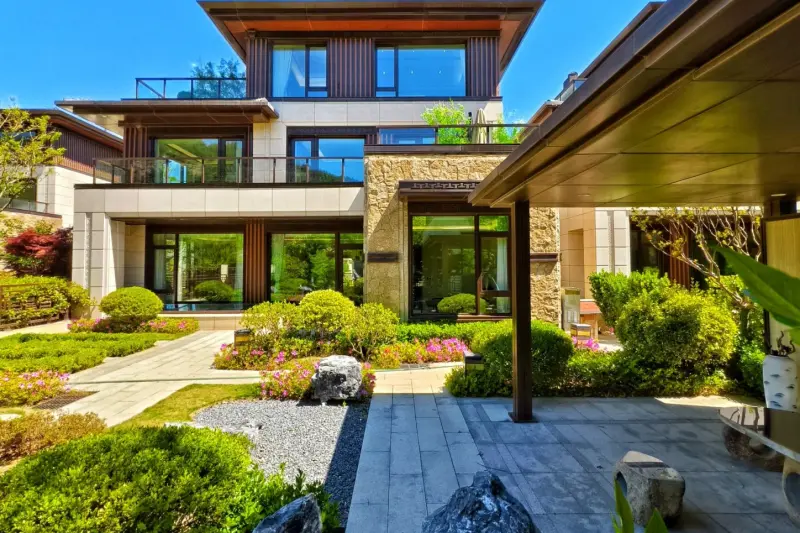
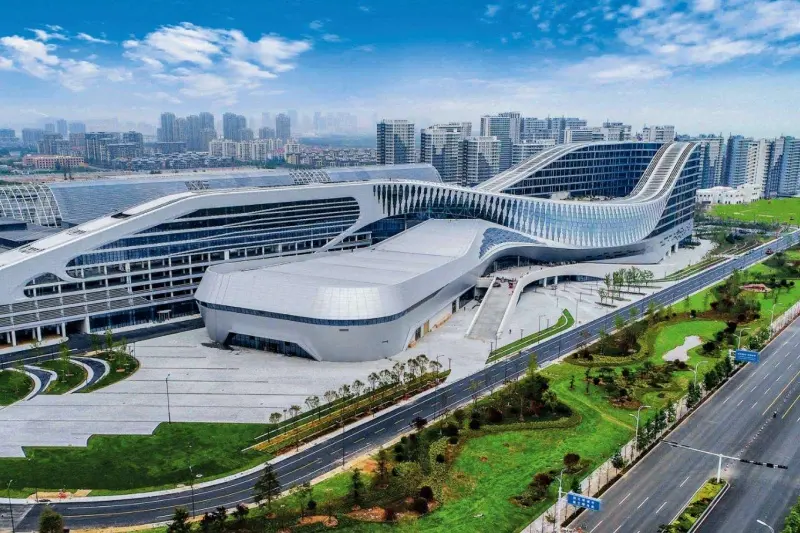
Addressing key mechanical specifications, alloy selection criteria, and quality validation processes for commercial glazing systems.
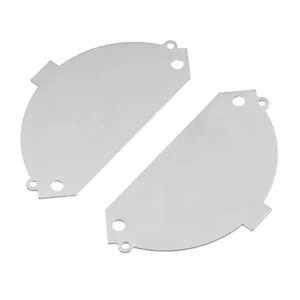
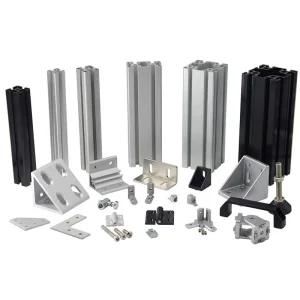
Explore our selection of heavy-duty window and door parts, cable management systems, and specialized precision profiles.