Kangjian
Kangjian
Kangjian
High-performance mechanical components, LED extrusions, and heavy-duty structural alloys for industrial applications.
In the rapidly evolving landscape of global industrial automation, robotics, aerospace, and energy distribution, structural components require an optimal balance of strength, lightweight design, and long-term durability. Aluminum arm parts—ranging from articulated robotic arms and drone support structures to heavy-duty industrial mechanical linkages—have emerged as the fundamental standard for high-speed dynamic assemblies. Sourcing these components from a premier manufacturer in China requires deep insight into alloy selection, precision manufacturing capabilities, and strict engineering compliance protocols.
By utilizing advanced extrusion technologies combined with multi-axis CNC machining, modern manufacturers can achieve dimensional tolerances as tight as ±0.02mm. This whitepaper analyzes the metallurgical characteristics, structural designs, and strategic manufacturing capabilities that make Chinese manufacturers, particularly those in the Qingdao industrial region, trusted partners for international enterprises. We examine the full cycle from primary ingot smelting to custom CNC fabrication and surface finishing, outlining how to verify and partner with high-end suppliers.
Utilizing premium aerospace-grade 6000 and 7000 series aluminum alloys. Proper grain alignment during extrusion ensures high fatigue limit resistance and load-bearing performance under dynamic stresses.
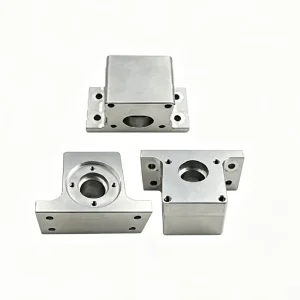
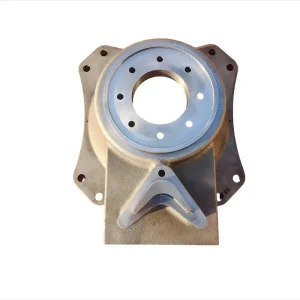
Post-extrusion machining using multi-axis CNC centers allows for complex geometries, interior wire channels, threaded mounting patterns, and high-tolerance mating surfaces essential for robotic arm joints.
Positioned as a major force in the high-end industrial aluminum sector, Qingdao Kangjian Aluminum Industry Technology Co., Ltd. (located at No. 168, Tianshan 1st Road, Jimo District, Qingdao City) represents the peak of Chinese custom extrusion and fabrication. Established as a consolidated hub for manufacturing innovation, the company operates a massive 200-mu industrial production base, featuring 80,000 square meters of modern factory structures and a dedicated 4,000 square meter administrative headquarters.
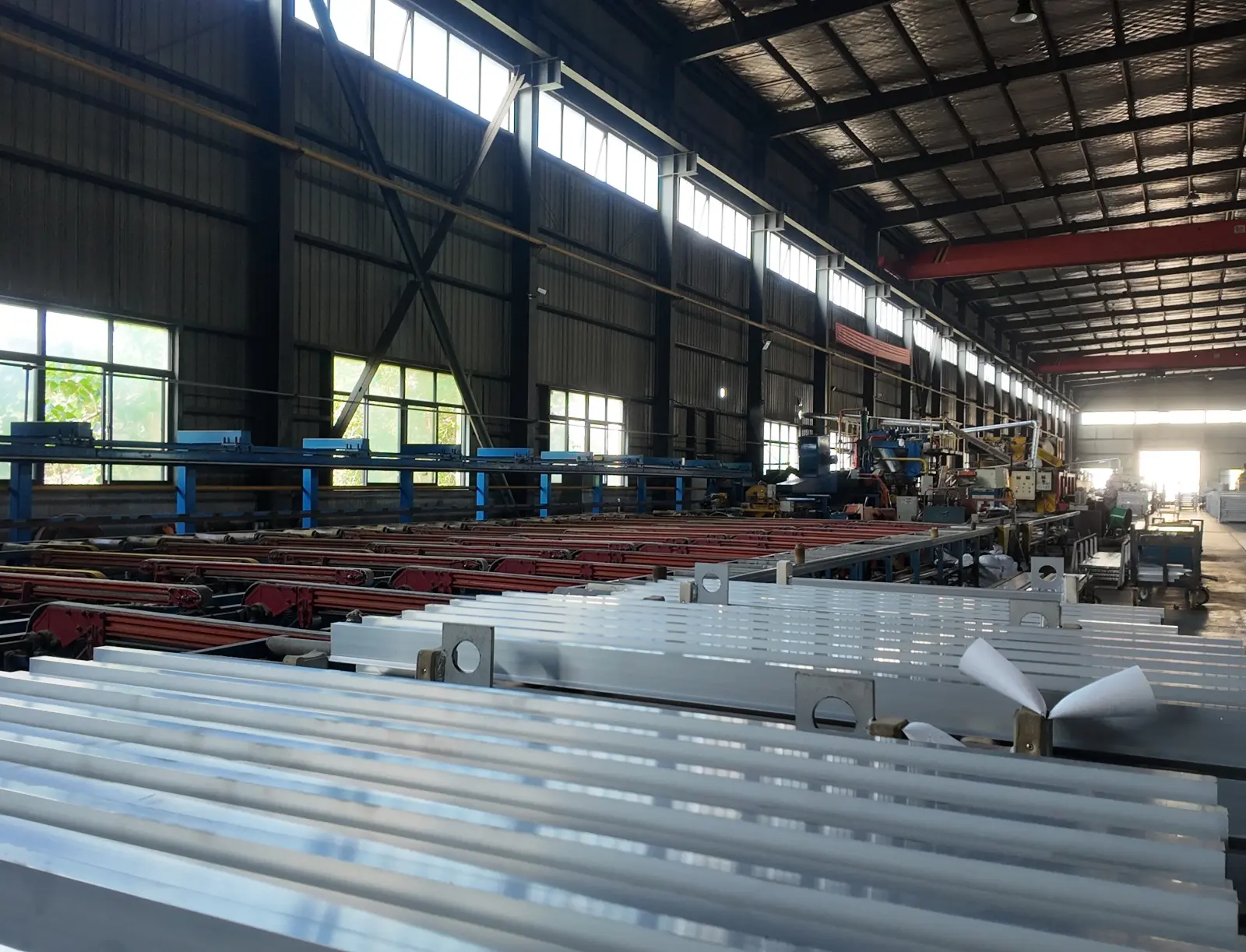
With an active workforce of highly trained technicians and engineers, Kangjian operates 5 state-of-the-art extrusion production lines, including specialized extruders with press capacities of 2500T, 1450T, 1150T, and two 700T units. This diversity in machinery allows the company to produce components ranging from micro-lightweight drone arms to massive, structural profiles for rail transit and marine vessels. The company's annual output currently reaches 15,000 tons of structural aluminum profiles, making it the leading supplier in the region.
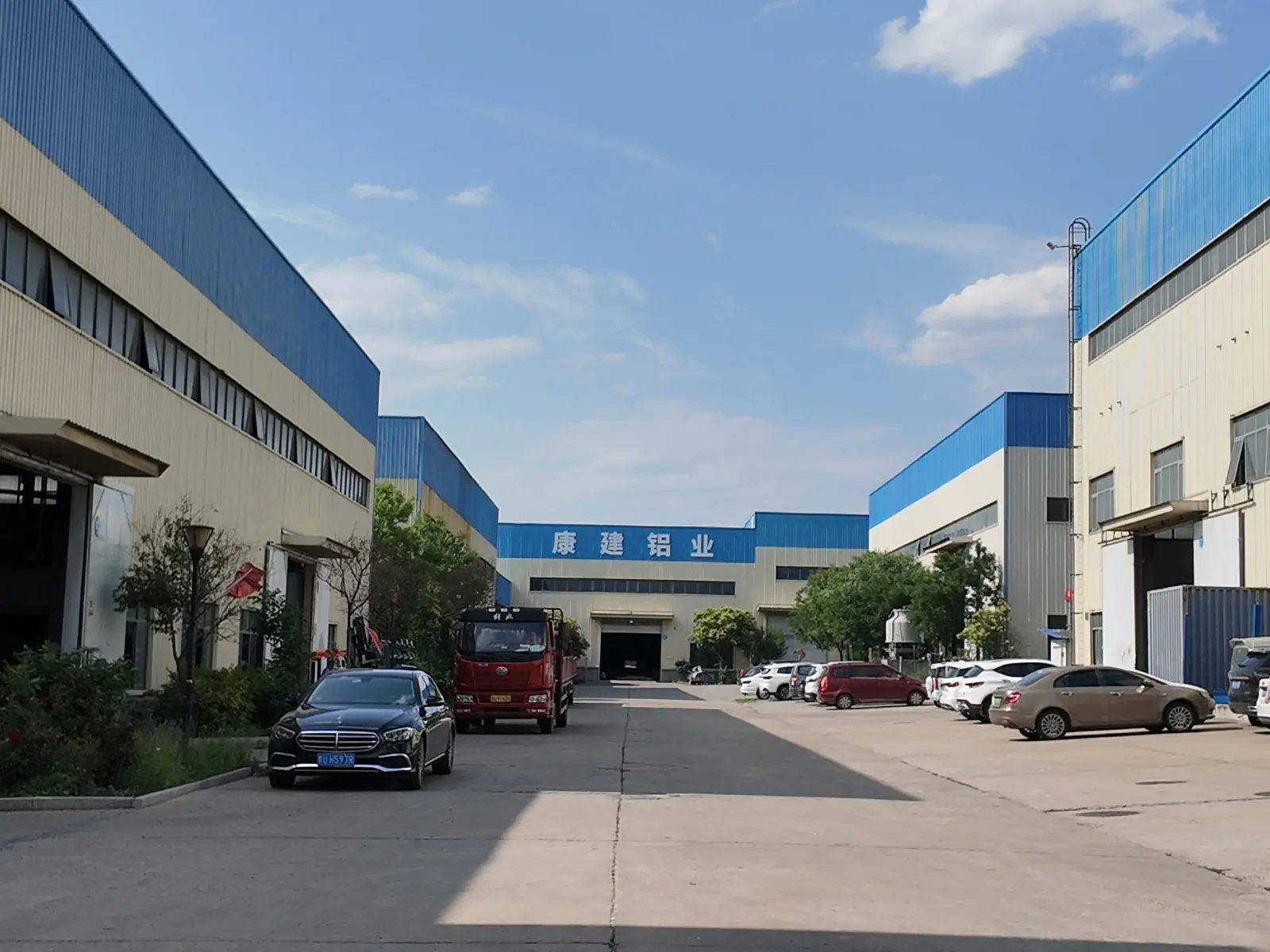
From small prototyping batches to high-volume automotive production, the multi-ton extrusion setups adapt to custom profile cross-sections up to 300mm width.
Equipped with 2500T heavy-duty extruders, CNC precision machining tools, automatic surface finishing lines, and non-destructive quality testing stations.
Located in Jimo District, Qingdao, the facility utilizes the port infrastructure of the Yellow Sea region, reducing transit times to Korea, Japan, the Americas, and Europe.
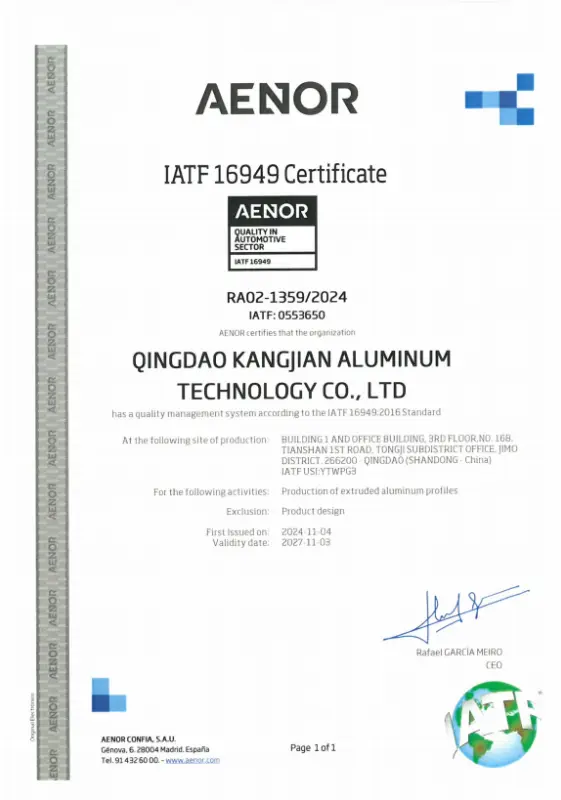
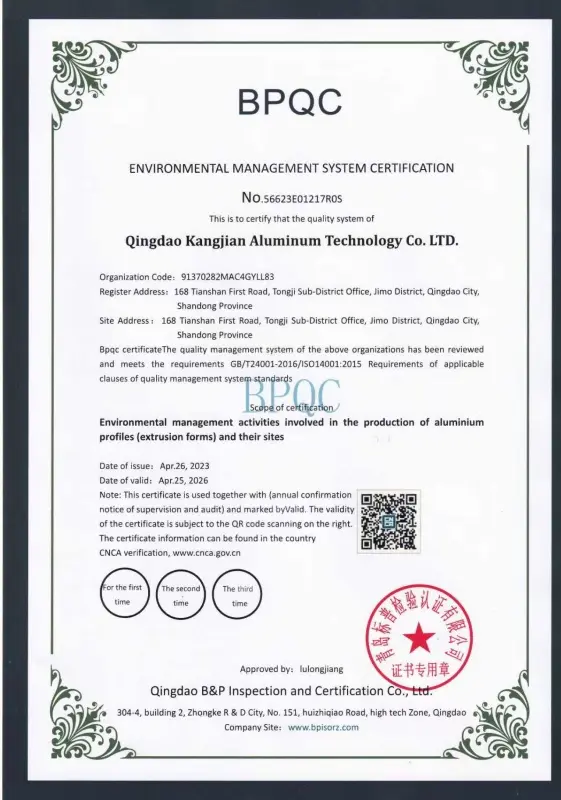
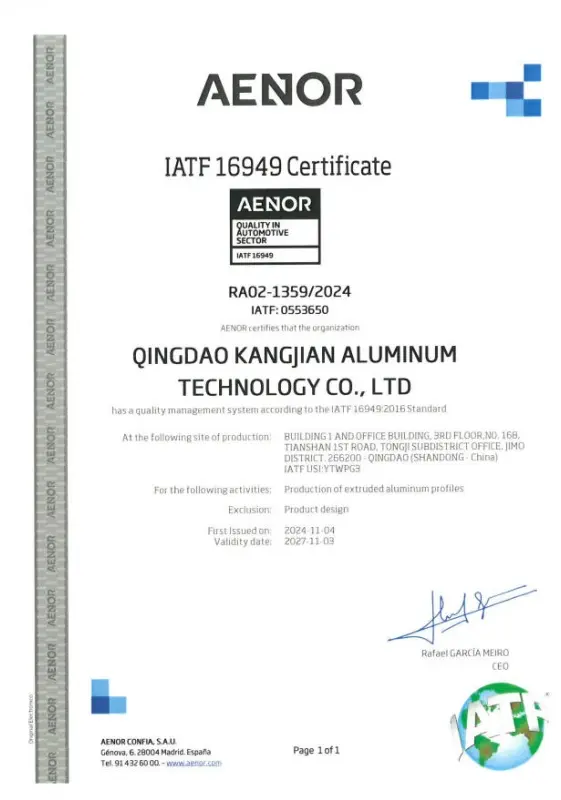
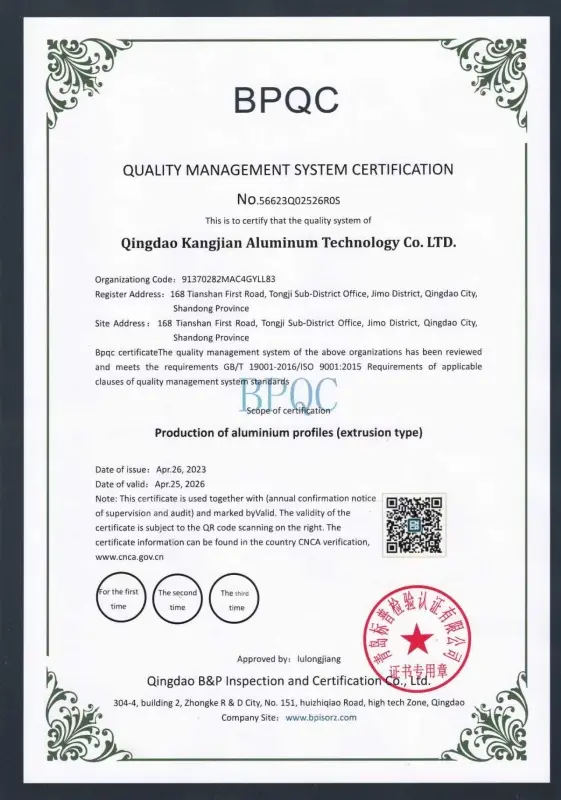
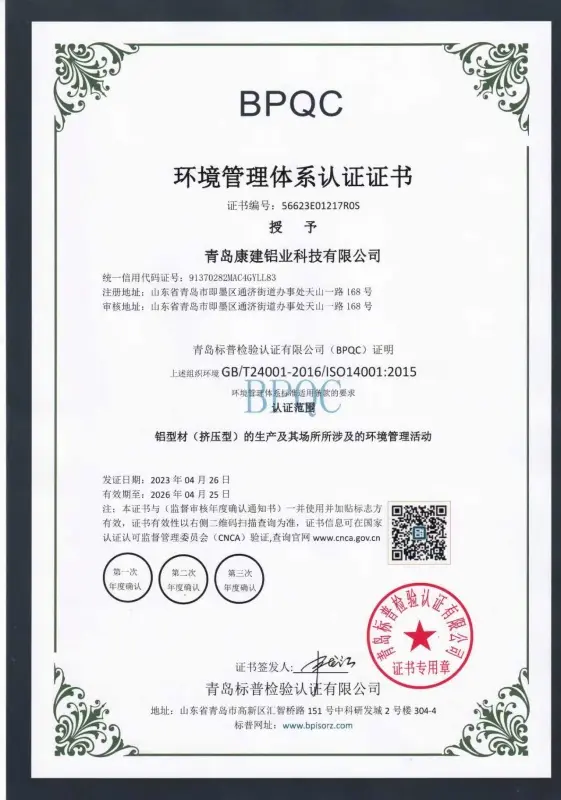
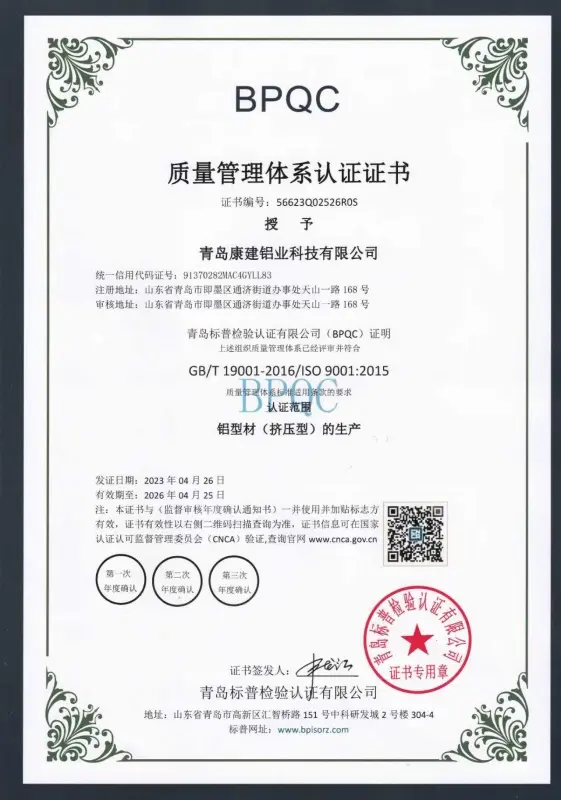
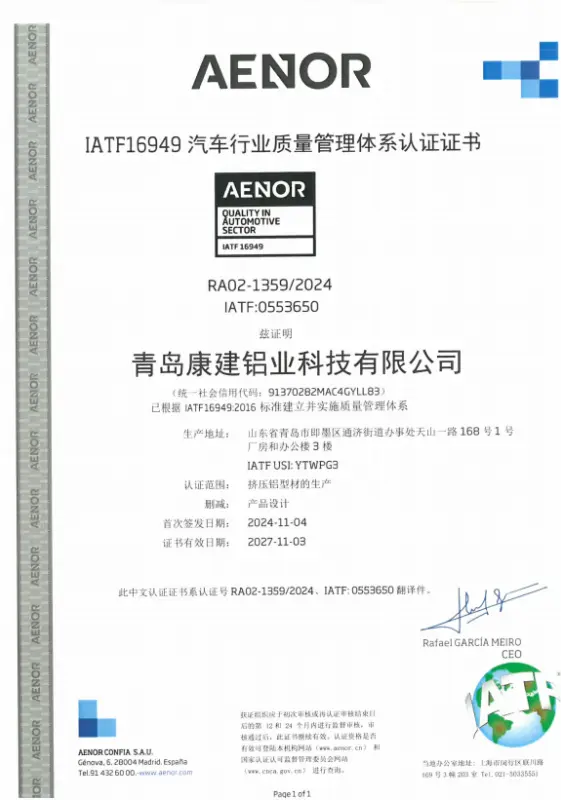
For global procurement departments and aerospace engineers, the trustworthiness of a Chinese manufacturing partner rests on their certified management frameworks. Qingdao Kangjian maintains a comprehensive set of international certifications, proving their commitment to safety, precision, and environmental responsibility.
The facility is certified under GB/T19001-2016/ISO9001 (Quality Management) and GB/T24001-2016/ISO14001 (Environmental Protection). In addition, for critical sectors like automotive parts, passenger rail, and aviation structures, the facility holds certifications including IATF16949, ISO22163 (Railway Industry), EN15085 (Welding of Railway Vehicles), ISO3834 (Fusion Welding of Metallic Materials), AWS (American Welding Society standards), and the highly specialized DIN6701 certification for adhesive bonding in rail vehicles. This ensures all assemblies comply with international safety regulations.
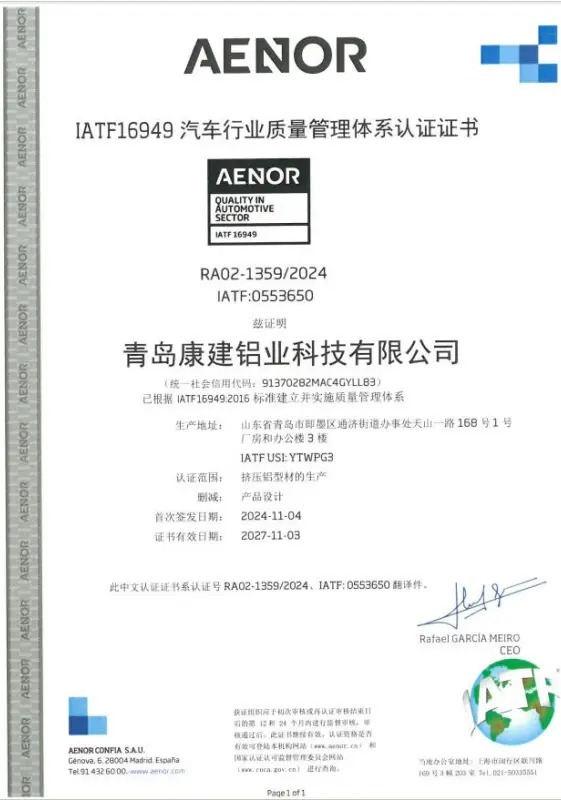
Selecting a Chinese factory for precision aluminum profile extrusion and CNC machining provides distinct competitive advantages in the global market. These advantages go beyond cost savings, focusing heavily on technology integration and supply chain efficiency.
Chinese industrial clusters house aluminum smelters, die-making shops, tooling engineers, and surface treatment facilities in close proximity. This local integration minimizes logistics overhead and speeds up prototype iterations.
By utilizing in-house tooling creation and automated extrusion runs, companies like Qingdao Kangjian can progress from design blueprints to sample physical parts in under 15 working days, accelerating time-to-market.
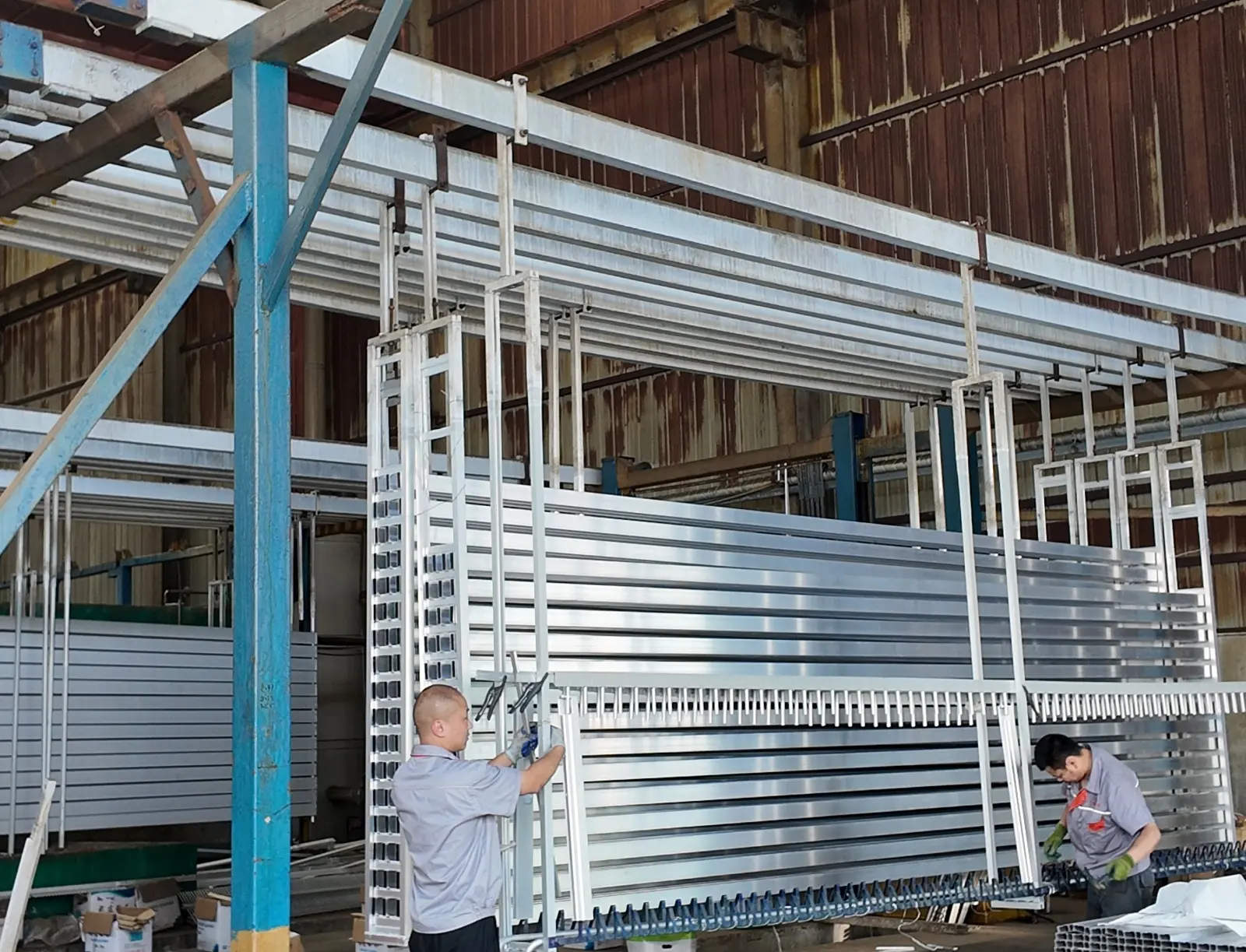
Chinese facilities offer advanced, environmentally compliant surface treatment options, including type II/III sulfuric acid anodizing, sandblasting, fluorocarbon PVDF painting, and hard-coat wear-resistant layers.
Over the past three years, Qingdao Kangjian has expanded from a regional manufacturer into a global exporter. The company serves key Chinese industrial hubs (such as Anhui, Hebei, Tianjin, Hunan, Guangdong, Beijing, and Jiangsu) and has established supply chains into high-precision international markets including South Korea, Japan, the United States, and European nations. Despite global economic shifts, Kangjian has maintained average annual growth rates of 30% in order delivery and output value, showing its capability to meet high global demand.
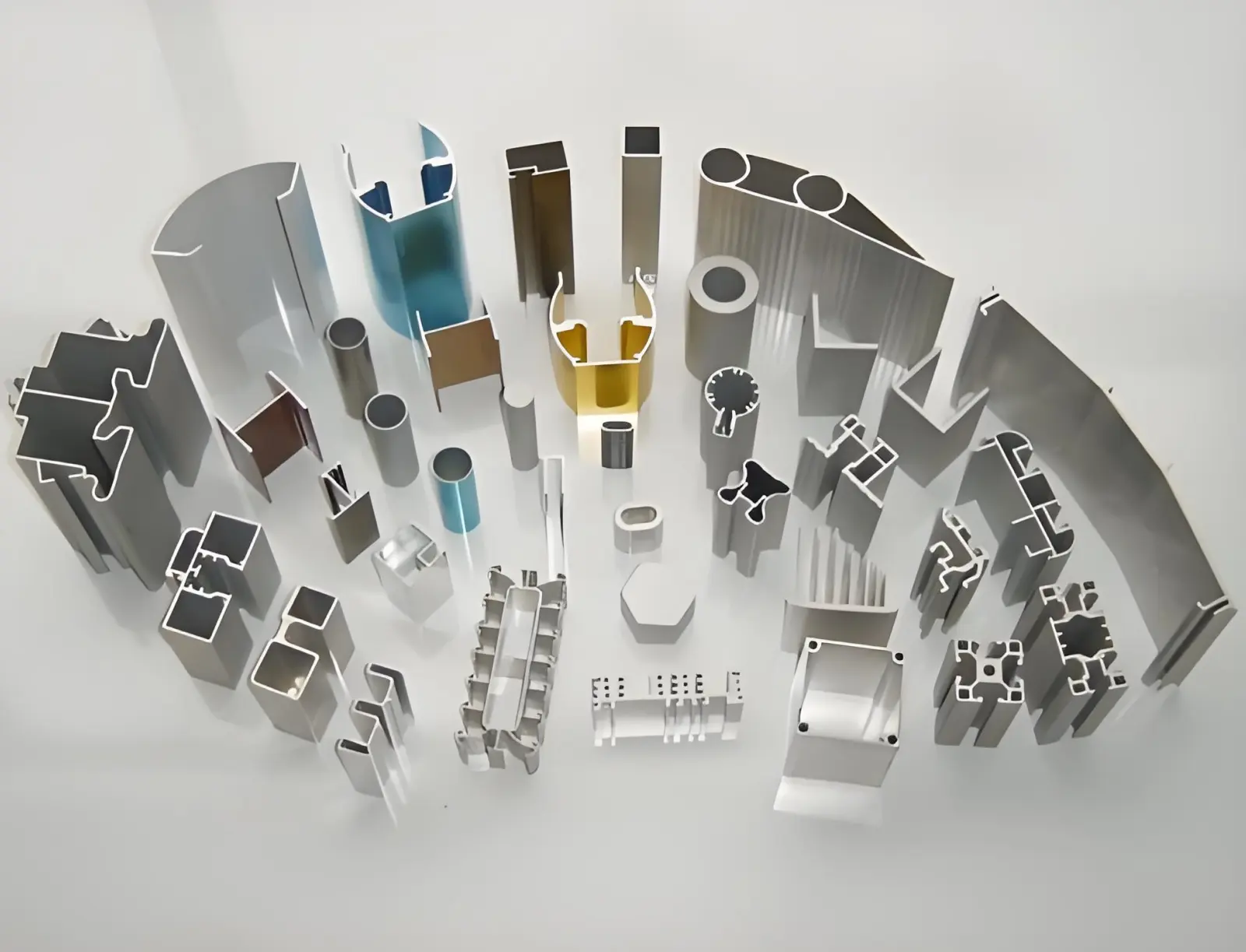
Precision aluminum arm profiles are engineered for specific, high-stress applications across multiple key industries:
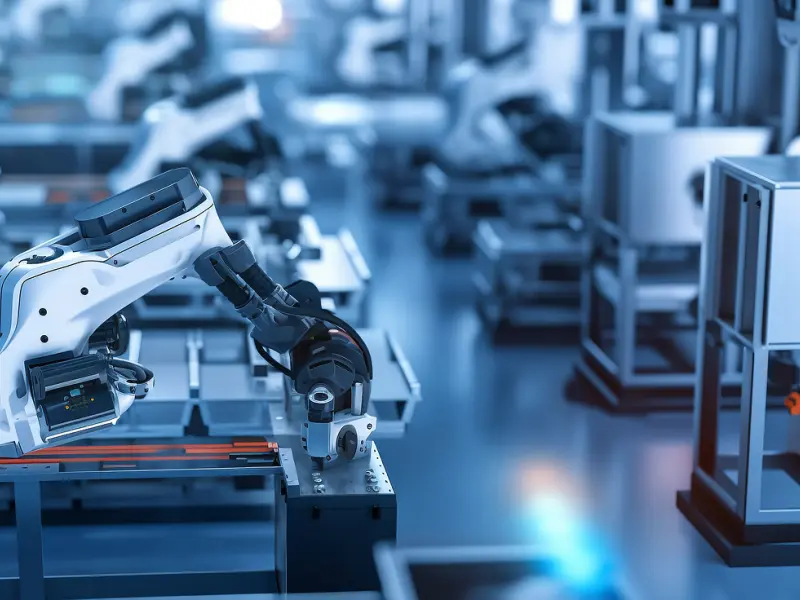
Multi-axis articulated robot arms require structural elements with low rotational inertia and high rigidity. Extruded aluminum components in 6061-T6 alloys provide the strength needed to handle high payloads, while keeping weight low to optimize motor power consumption. Integrating internal wire pathways directly into the extruded profiles prevents cable wear in automated environments.
For drone systems and commercial UAVs, structural arm parts must withstand high vibrational stress from high-speed motors. CNC-machined lightweight aluminum components provide high durability without affecting flight times. Specialized anodized coatings protect these parts from corrosion in challenging marine and outdoor operational environments.
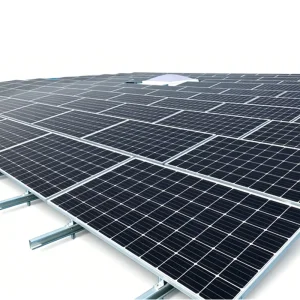
Solar mounting structures and PV frames operate in harsh, exposed conditions. Extruded aluminum alloy profiles offer natural corrosion resistance, which can be further improved with anodized surface finishes. This makes them ideal for long-term outdoor installations, ensuring structural stability over multi-decade lifespans.
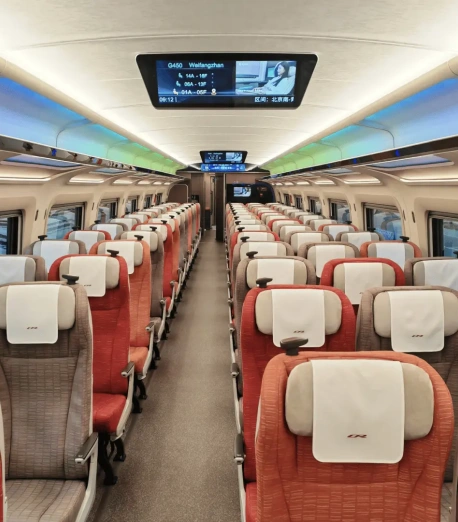
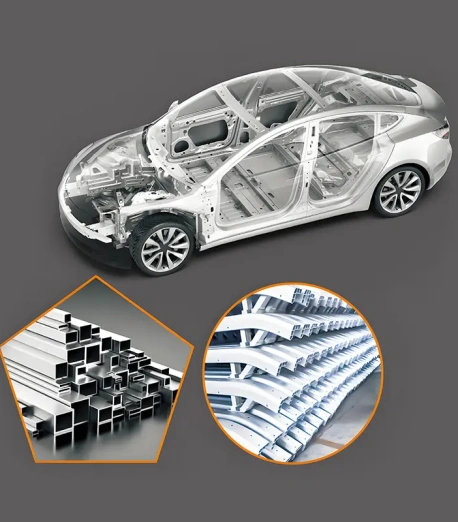
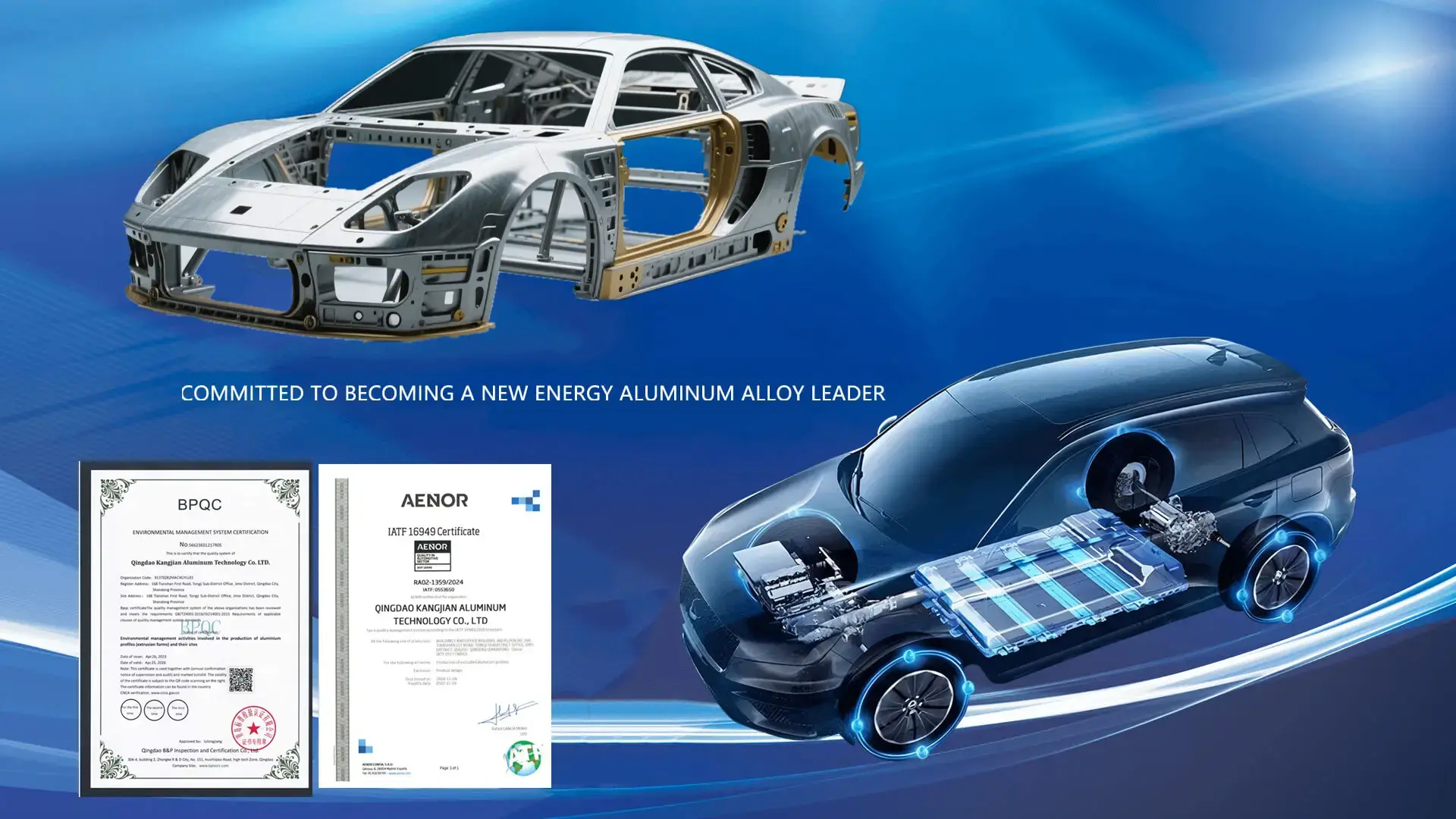
Modern transportation systems focus heavily on reducing vehicle weight to improve efficiency. IATF16949 certified aluminum extrusions are used for chassis parts, passenger train frames, and interior support structures. These components are designed to absorb energy during impacts, improving passenger safety while reducing overall vehicle weight.

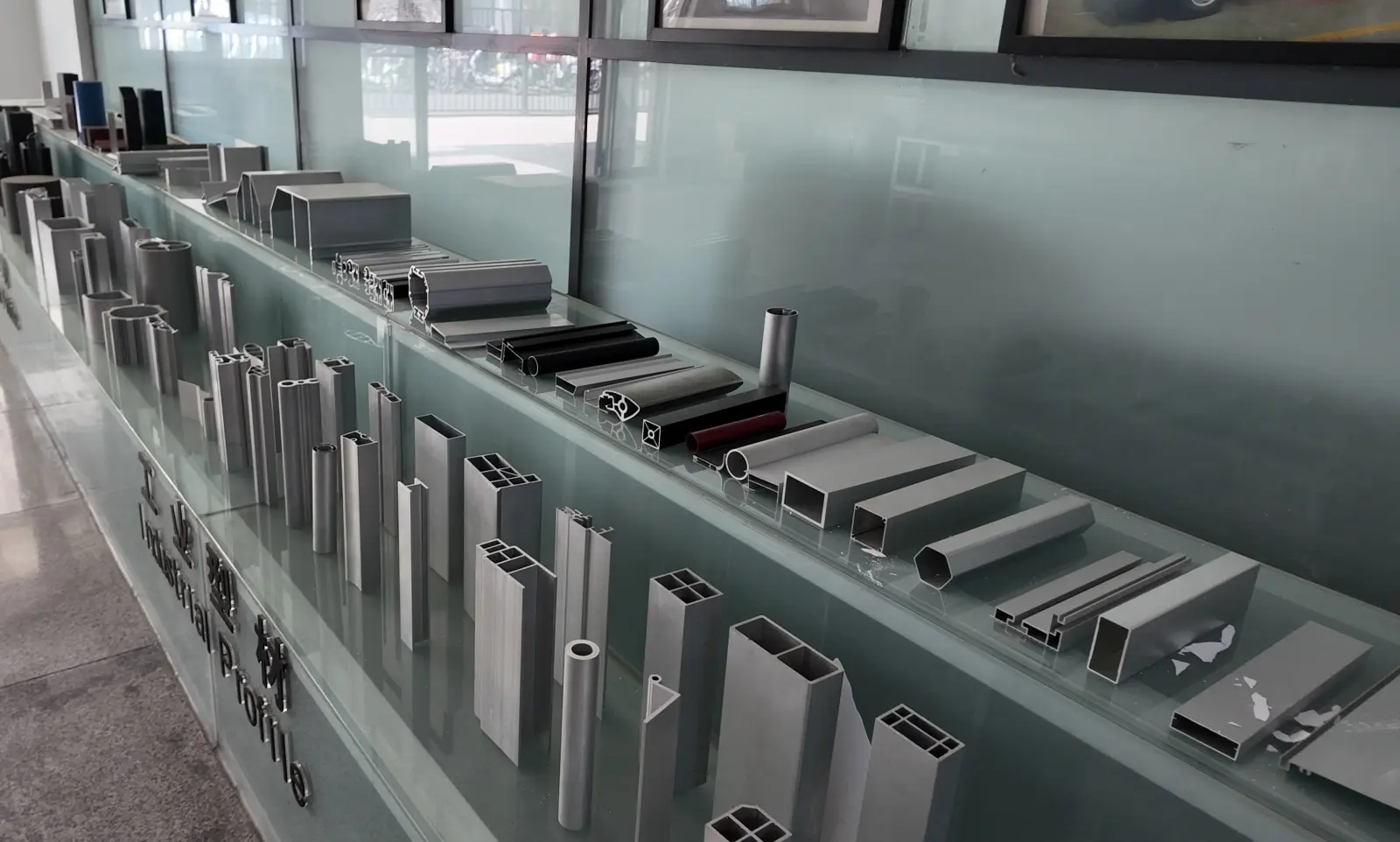
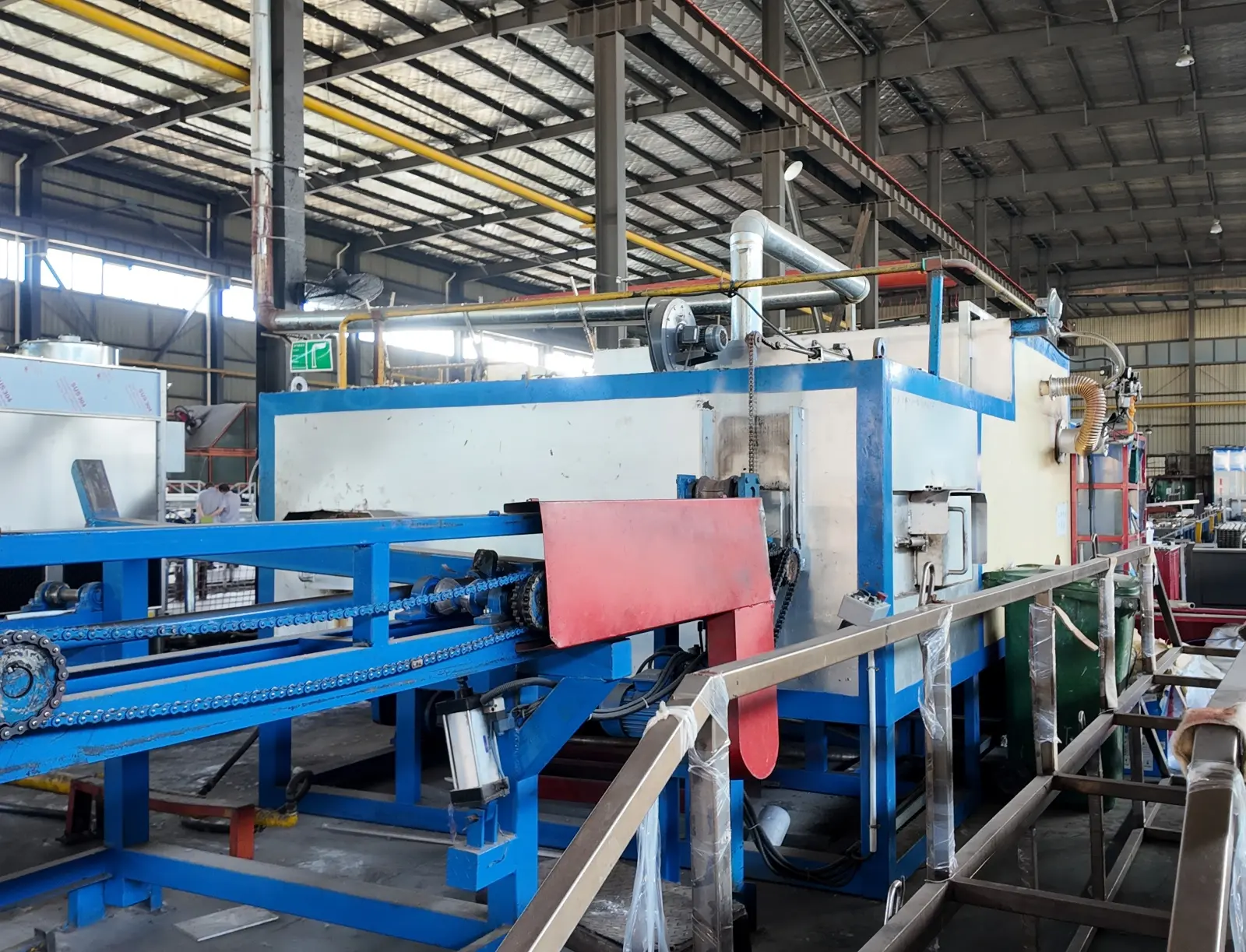
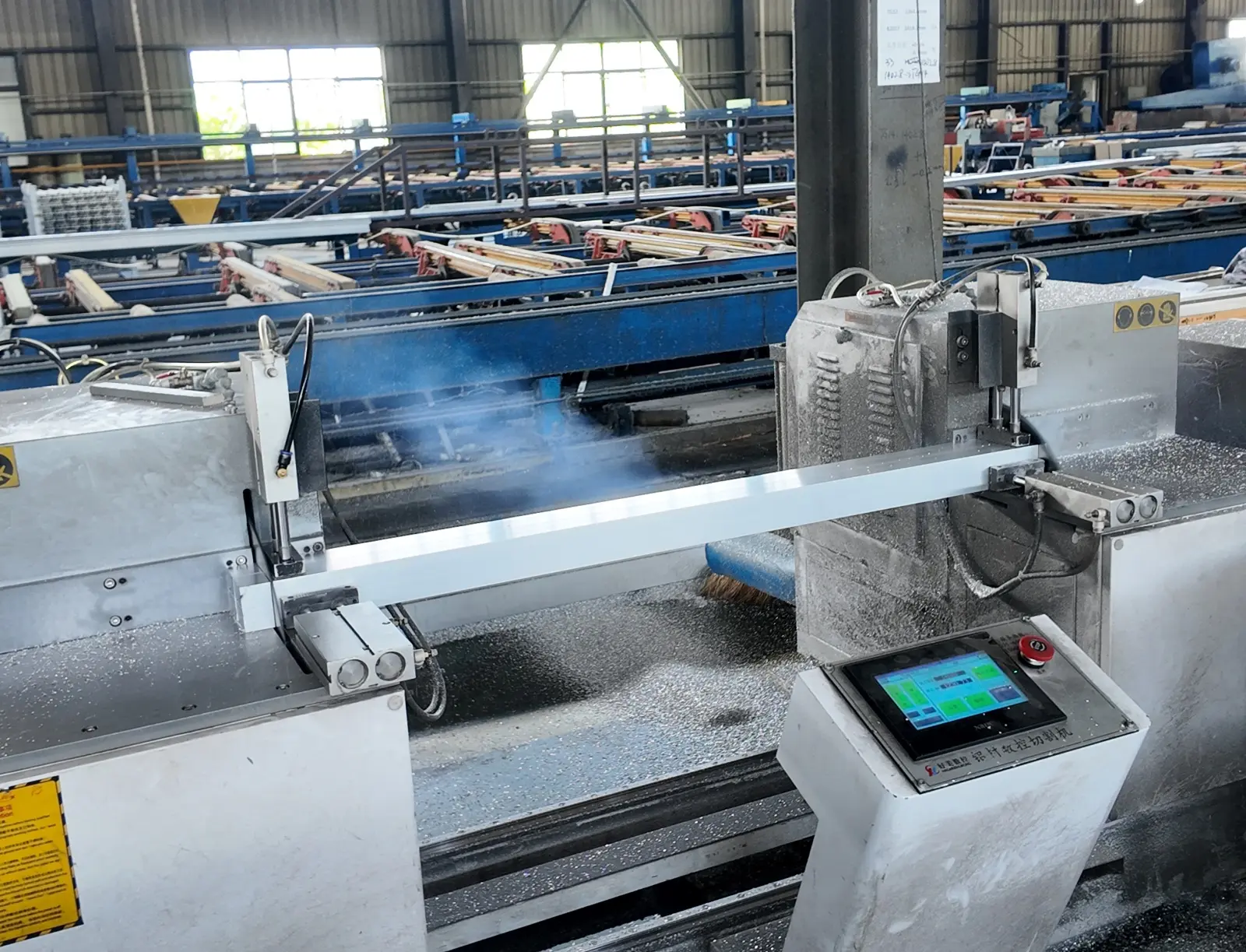
Our production capabilities span across several specialized structural and industrial sectors:
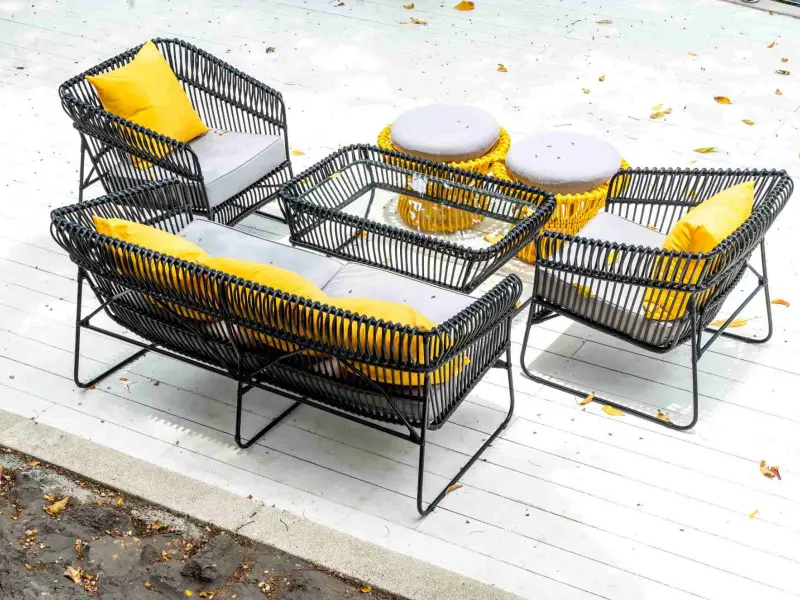
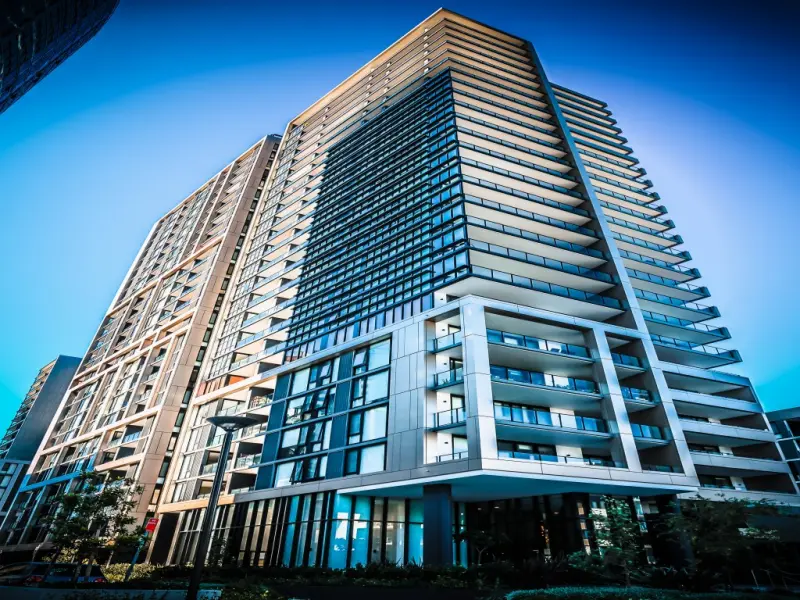
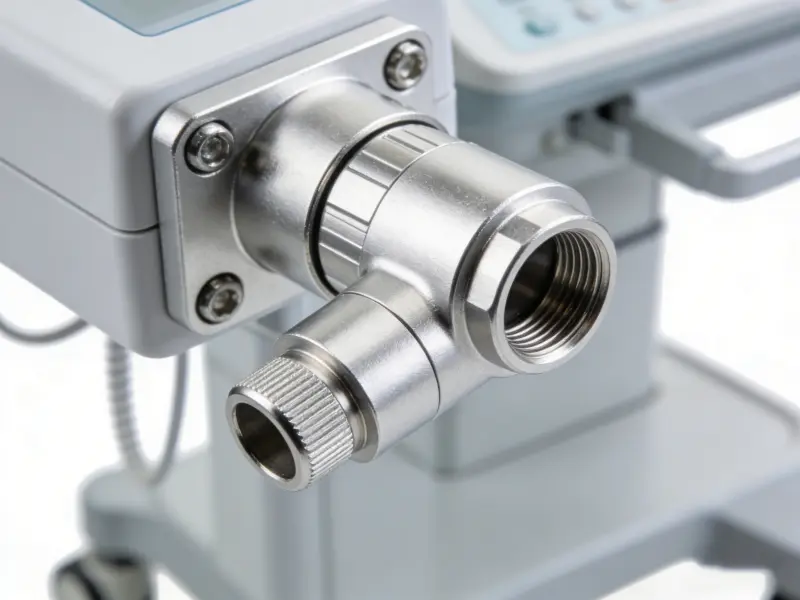
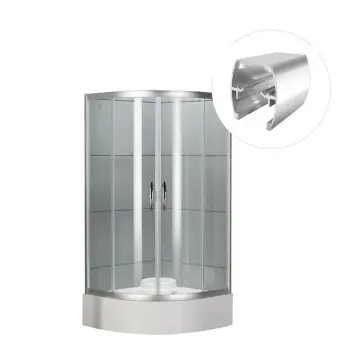
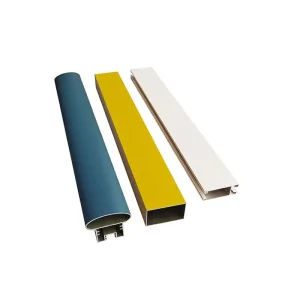
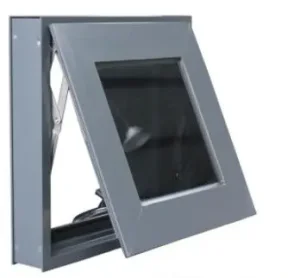
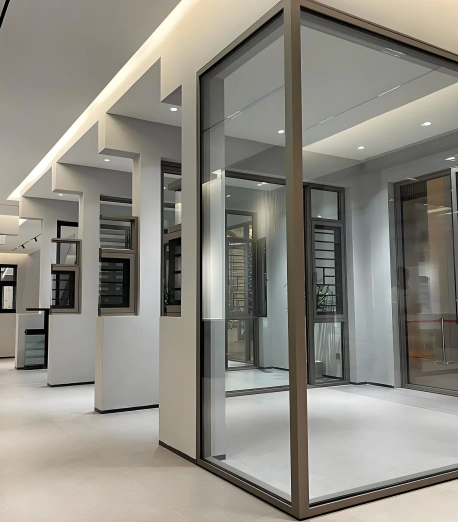
High-performance extruded aluminum components designed for modern architectural and shower enclosure applications.
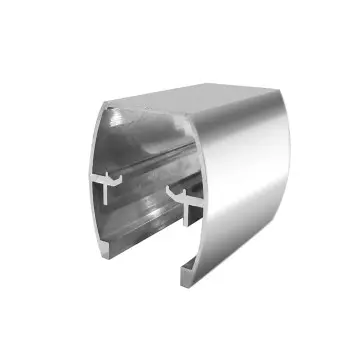
Precision engineered, anodized aluminum frames with excellent corrosion resistance for wet environments.
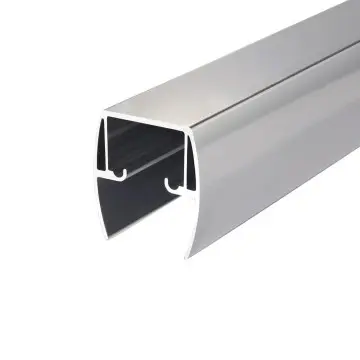
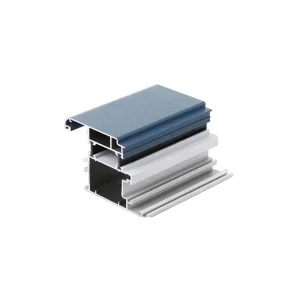
Structural extrusions featuring strict dimensional tolerances, optimized for modern door frame construction.
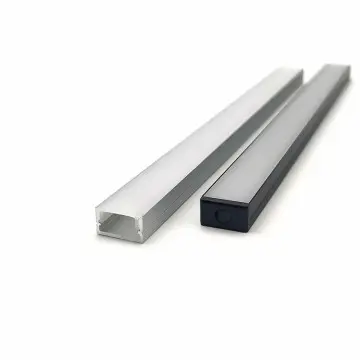
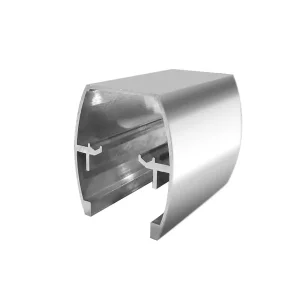
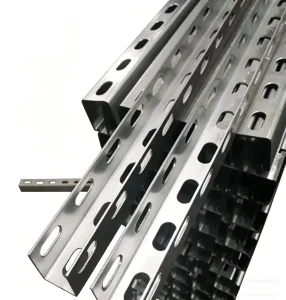
Versatile, high-precision structural U-channel extrusions designed to support dynamic architectural loads.
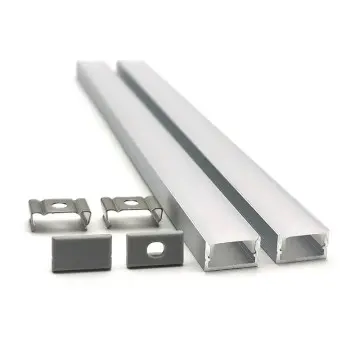
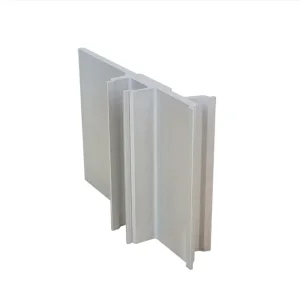
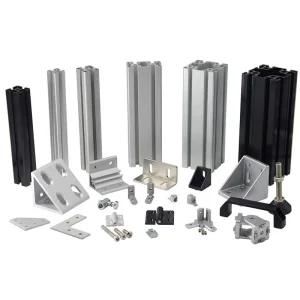
Engineered aluminum profiles designed to support heavy framing assemblies, industrial shelving, and logistics setups.
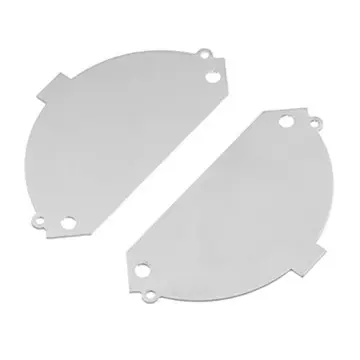
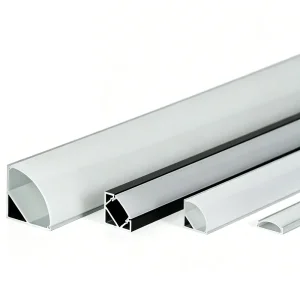
Compact corner-mount linear profiles that act as heat sinks to extend the life of high-power LED strips.
When sourcing critical engineering components like aluminum arm parts, international procurement officers evaluate key factors beyond basic pricing. Quality consistency, shipping reliability, and compliance with local environmental standards are critical for long-term supply chain stability.
A primary challenge is managing transportation and lead times. Qingdao Kangjian addresses this through its strategic location in Qingdao's industrial zone, providing direct access to deep-water shipping lanes. This port access enables efficient transit to North America, Europe, and neighboring Asian markets. Additionally, the factory provides comprehensive documentation, including mill test reports, RoHS and REACH compliance sheets, and coordinate measuring machine (CMM) dimensional reports, ensuring all shipments meet client quality requirements.
Every manufacturing batch begins with certified premium primary aluminum ingots. We maintain complete material traceability throughout the extrusion process, heat treatment, and precision CNC finishing stages.
Our surface treatment and anodizing facilities feature fully integrated wastewater treatment systems, complying with both Chinese and European environmental protection standards.
Our profiles are used in challenging projects worldwide, from industrial cranes in Northern European ports to complex structural systems in modern automotive assembly lines.



A showcase of our industrial profile installations in global logistics ports, transit lines, and engineering projects.
Important insights to help engineering and sourcing departments plan custom manufacturing projects.
For robotic arm components, the primary alloys selected are 6061-T6 and 7075-T6. 6061-T6 offers good weldability, structural strength, and corrosion resistance, making it suitable for general mechanical arms. For high-payload robotic systems or aerospace applications, 7075-T6 is preferred because of its higher yield strength, though it comes at a higher cost.
Our CNC machining centers regularly achieve tolerances within ±0.02mm for key mating surfaces, bearing fits, and joint holes. Standard extruded profiles follow the DIN EN 12020-2 standard. Tight tolerances ensure smooth joint rotation and minimal play in robotic assemblies.
The DIN6701 certification is the international standard for adhesive bonding in rail vehicles and vehicle structures. It ensures that any bonded joints—such as those on high-speed rail profiles or vehicle components—are designed, tested, and assembled using validated processes, preventing structural bonding failures under high vibrations.
Custom die design and production of initial samples typically take 10 to 15 working days. Once the samples are approved, standard production runs require 15 to 20 working days, depending on order volume and the complexity of required CNC machining or surface treatments.
For outdoor installations like solar frames, we recommend anodized surface finishes with layer thicknesses exceeding 15 microns. In coastal or chemical-heavy environments, we offer hard-anodizing or PVDF powder coatings to prevent corrosion and maintain structural integrity over 25+ years of exposure.
Our quality control process includes raw material spectroscopy, ultrasonic flaw detection, mechanical testing, and coordinate measuring machine (CMM) reports. Each production batch is assigned a unique tracking number, linking it directly to the source ingot mill certificate, ensuring complete traceability for our clients.
High-performance custom extrusions and functional parts for transit, building, and industrial applications.