Kangjian
Kangjian
Kangjian
Explore our specialized catalog of aluminum profiles engineered for structural integrity, strict dimensional tolerances, and optimal thermodynamic performance.
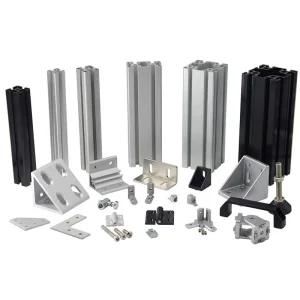
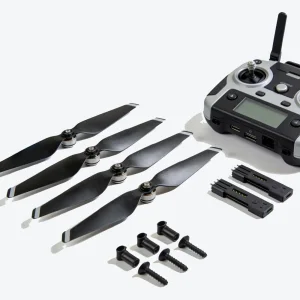
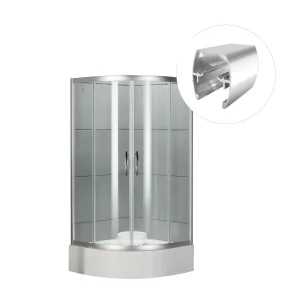
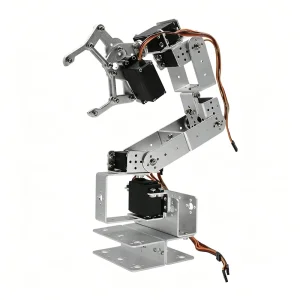
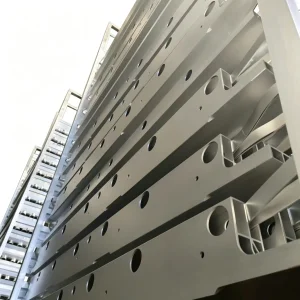
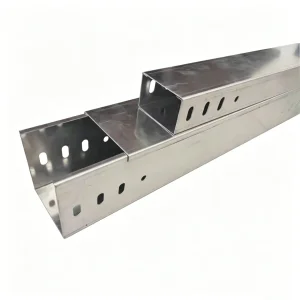
Modern industrial projects require more than standard metal extrusions; they demand precision engineering, material consistency, and structural compliance. Sourcing aluminum mechanical parts from China has evolved from a simple cost-saving measure into a strategic partnership. Global buyers now look for high engineering capability, state-of-the-art machinery, and strict adherence to international standards.
Aluminum alloys like 6061 and 6063 are standard in structural, robotic, and automotive projects because of their strength-to-weight ratio, machining capabilities, and natural corrosion resistance. The challenge is keeping these properties consistent across thousands of parts in a production run. To avoid assembly errors, manufacturers must maintain tight tolerances, consistent thermal characteristics, and clean surface finishes.
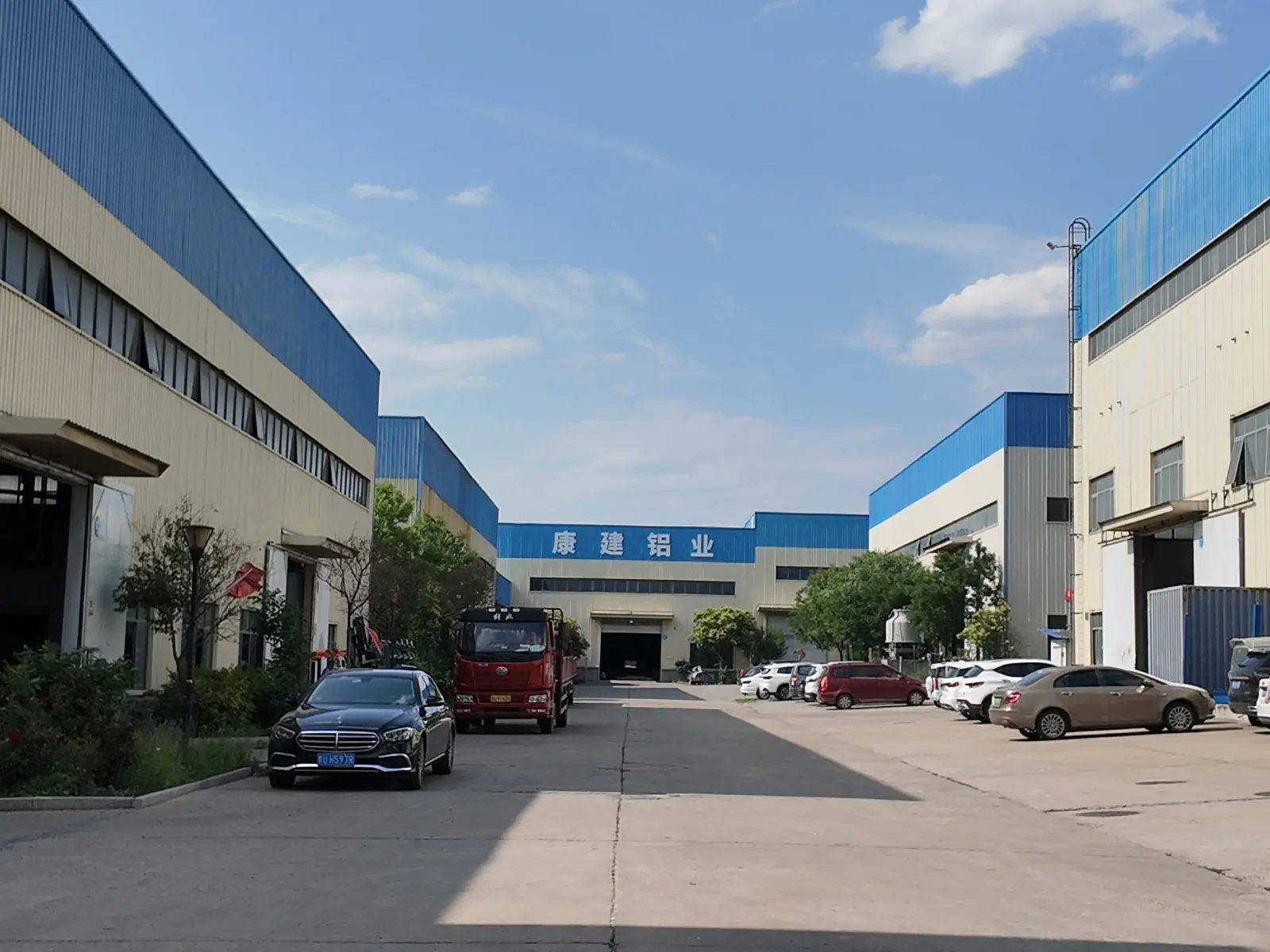
As a leading supplier in Jimo District, Qingdao, China, Qingdao Kangjian Aluminum Industry Technology Co., Ltd. bridge the gap between heavy metallurgy and micro-precision machining. Our facility uses advanced extrusion technology and CNC machining centers to produce parts that meet international requirements for automotive, aerospace, railway, and logistics applications.
Our aluminum parts are designed for reliability and performance in demanding environments across key industries.
We manufacture structural elements like robot arm bases, mounts, and drone arms using high-strength 6061-T6 alloys. These parts are designed to be lightweight with low inertia, helping robotic systems operate faster and with higher precision.
Certified under IATF 16949, our facility supplies custom extrusion components for EV battery enclosures, crash cans, body structures, and lightweight chassis elements that improve vehicle range and structural safety.
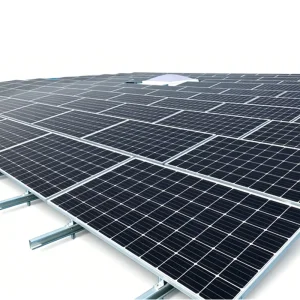
We manufacture anodized solar mounting rails and photovoltaic frames designed to withstand harsh outdoor conditions. These structural profiles offer long-term resistance to wind load and environmental corrosion.
Complying with ISO 22163 (IRIS) and EN 15085 welding standards, we fabricate structural sub-assemblies for high-speed trains, subways, and marine vessels. These profiles use corrosion-resistant alloys built to handle dynamic loads.
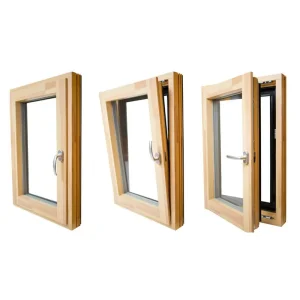
We produce customized linear LED channels, thermal heatsinks, shower room frames, and structural building profiles. These items combine aesthetic finishes with efficient thermal management to extend component lifetimes.
Qingdao Kangjian utilizes the industrial infrastructure and logistics network of the Port of Qingdao to supply aluminum profiles to global markets.
Industrial buyers need components delivered on time, with consistent quality, and at predictable costs. The Chinese industrial ecosystem supports this through vertically integrated clusters, local material sourcing, and advanced toolmaking capabilities.
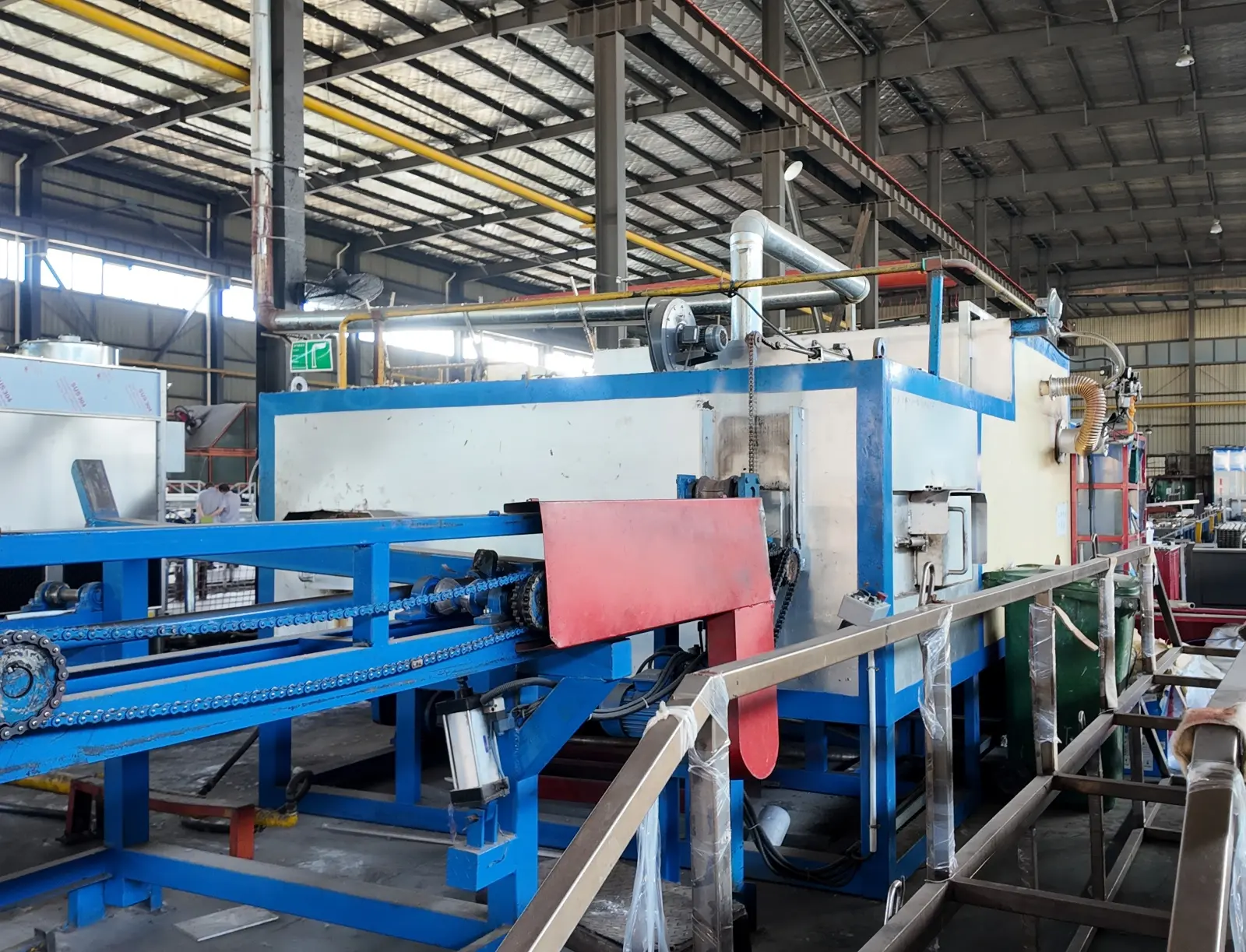
Operating from a 200 mu production base in Jimo, Qingdao, we handle the entire manufacturing cycle. This includes designing and fabricating dies, extruding raw shapes on our 5 specialized presses, and performing post-extrusion CNC milling, surface treatments, and testing under one roof.
Our manufacturing facility is equipped to handle complex profiles from initial tooling to final surface finishing:
| Factory Area | 80,000 m² modern facility |
| Extrusion Presses | 5 Lines (1x 2500T, 1x 1450T, 1x 1150T, 2x 700T) |
| Alloy Capability | 6000-series, 7000-series (6061, 6063, 6082, 7075) |
| Logistics Advantage | Located in Qingdao, near high-capacity shipping terminals |
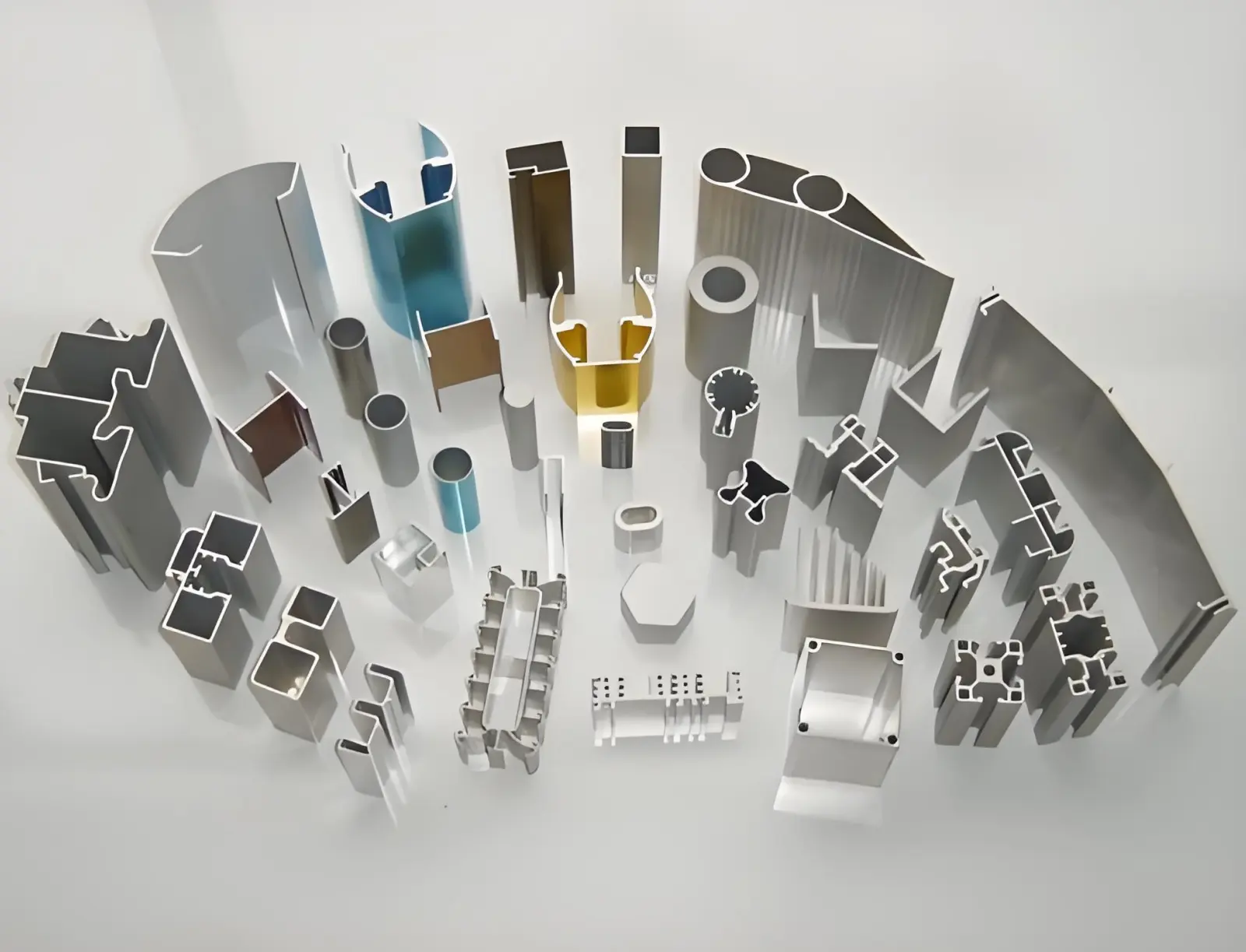
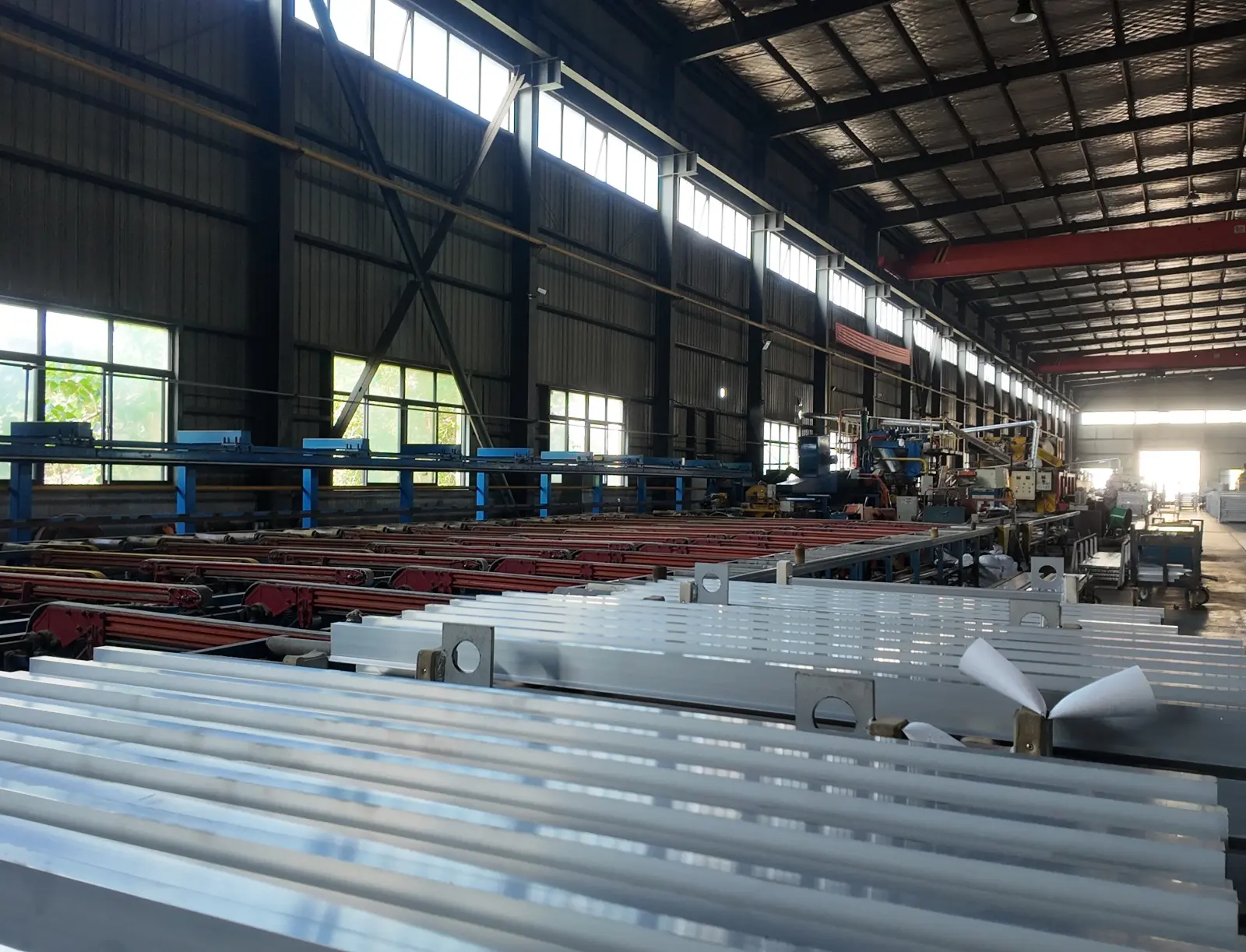
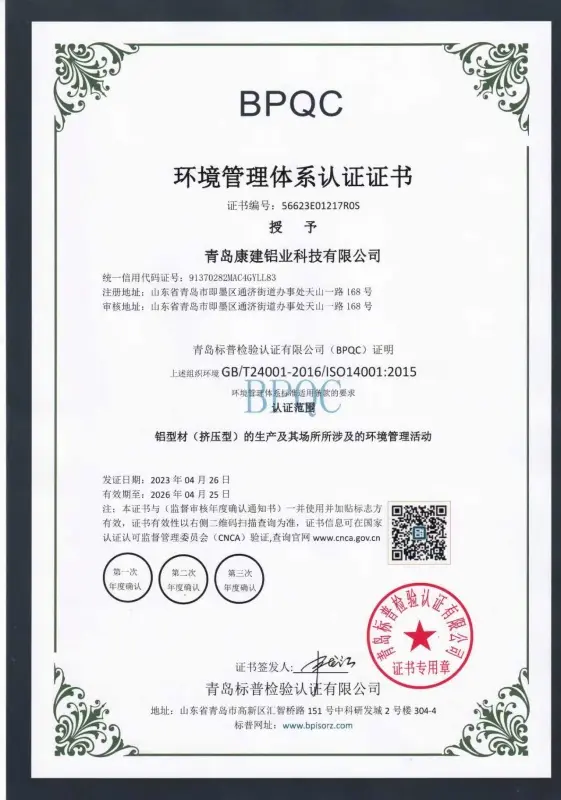
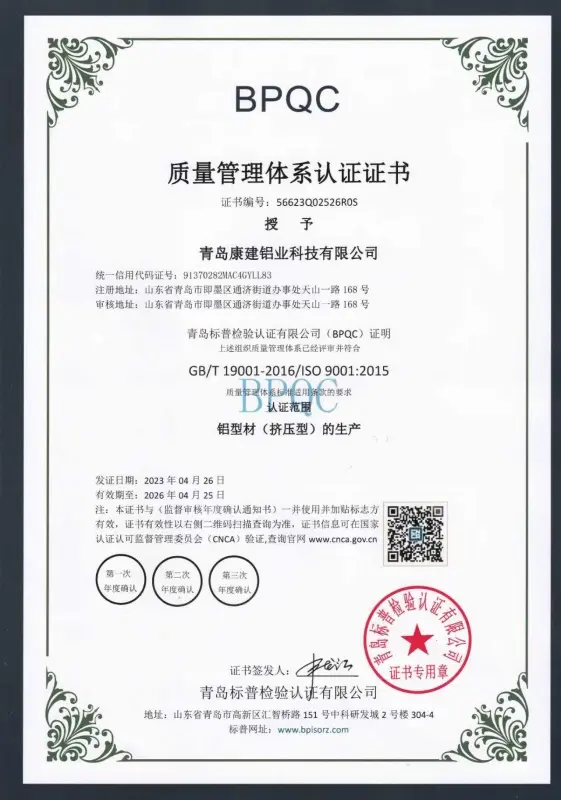
Our production facility operates under recognized international standards to ensure mechanical reliability and structural safety.
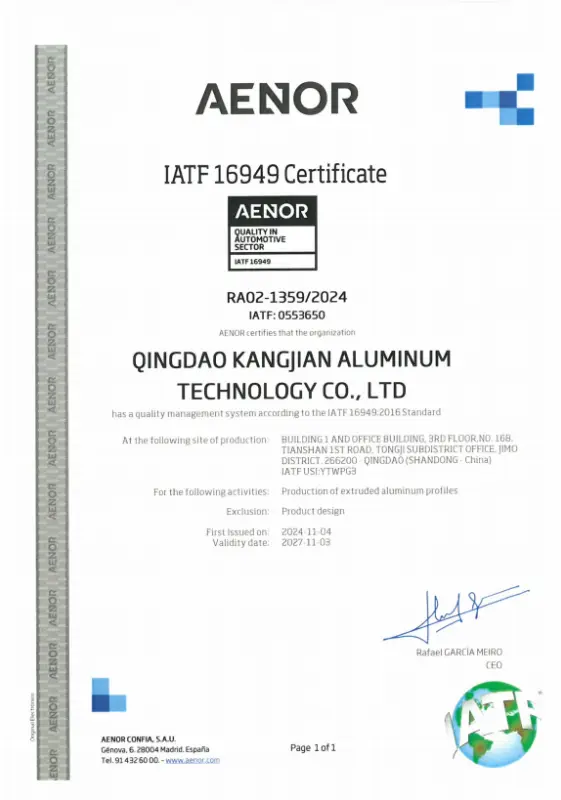
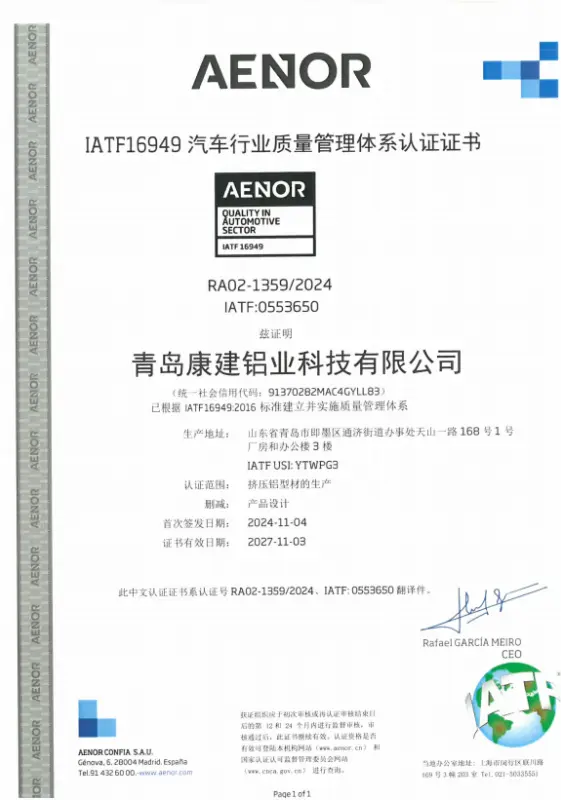
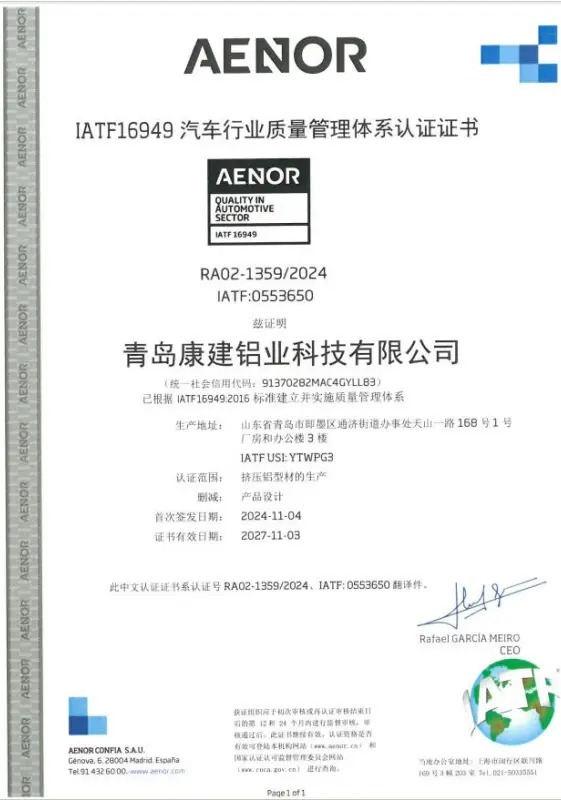
Certified under IATF 16949, we implement Failure Mode and Effects Analysis (FMEA), Statistical Process Control (SPC), and Production Part Approval Processes (PPAP) to meet the requirements of automotive assembly lines.
Our structural components are certified under EN 15085 (railway vehicle welding) and ISO 3834. Using AWS welding systems and DIN 6701 adhesive bonding, we guarantee strong, reliable joints for safety-critical parts.
Operating with ISO 22163 (IRIS) compliance ensures traceabilty and structured quality control across our supply chain, meeting the design life and reliability needs of global transit networks.
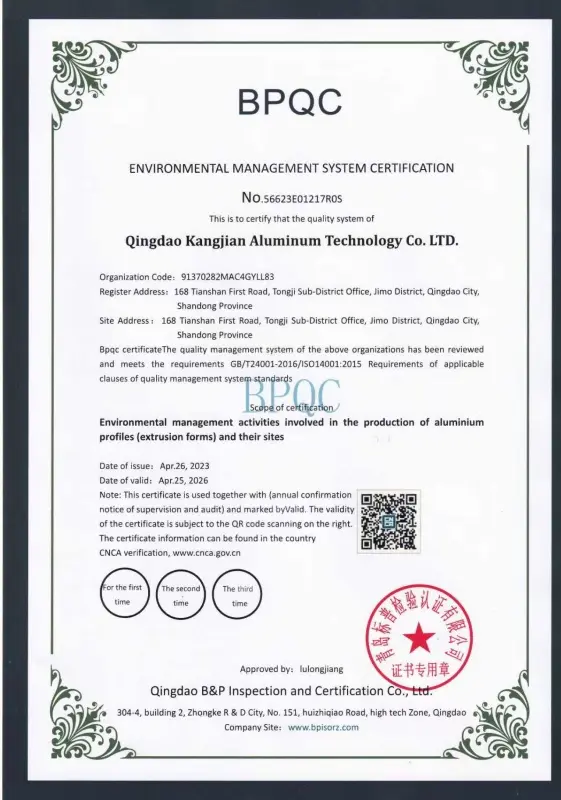
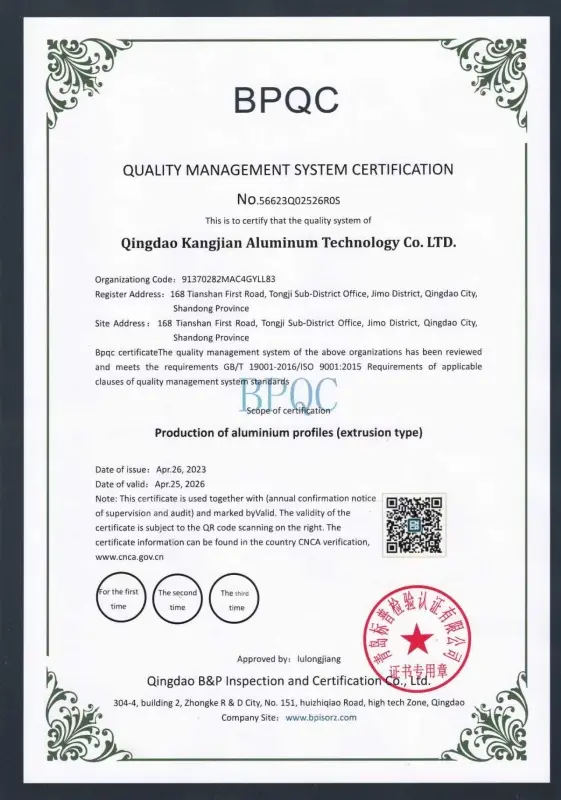
Our facility's quality management certifications include ISO 9001, ISO 14001, IATF 16949, and railway welding standards.
Choosing the right aluminum alloy is essential to balancing mechanical performance, corrosion resistance, and total production cost. In the extrusion and machining processes, 6061 and 6063 are the primary alloys used for mechanical parts.
Alloy 6061: Formulated with silicon and magnesium, 6061 offers high tensile strength and load-bearing capacity when heat-treated to a T6 temper. This alloy is widely used for structural parts like robotic arms, drone bodies, and automotive frames that undergo continuous stress.
Alloy 6063: Known for its surface finish and extrusion characteristics, 6063 is suitable for parts requiring complex shapes, thin walls, or smooth anodized surfaces. It is commonly used in LED lighting rails, shower enclosures, and custom heatsinks where thermal conductivity and cosmetic finish are key.
| Mechanical Properties | Aluminum Alloy 6061-T6 | Aluminum Alloy 6063-T6 |
|---|---|---|
| Tensile Strength (MPa) | ≥ 290 MPa | ≥ 200 MPa |
| Yield Strength (MPa) | ≥ 240 MPa | ≥ 170 MPa |
| Elongation at Break (%) | ≥ 9 - 10 % | ≥ 10 - 12 % |
| Thermal Conductivity (W/m·K) | 167 W/m·K | 200 W/m·K |
| Common Applications | Structural components, UAV arms, Heavy frames | LED heat sinks, Architectural trim, Enclosures |
Qingdao Kangjian Aluminum Industry was founded to supply high-end domestic and international projects requiring precise extrusion and clean surface finishes. Drawing on Jimo District's proximity to regional shipping terminals, we expanded from regional supply to major industrial markets in North America, Europe, and Northeast Asia.
Today, our structural parts are utilized in high-load port cranes in Northern Europe, structural frames for high-speed rail systems, and specialized lightweight robotics components. We maintain strict control over our manufacturing processes to deliver consistent mechanical properties for both high-volume orders and complex custom components.

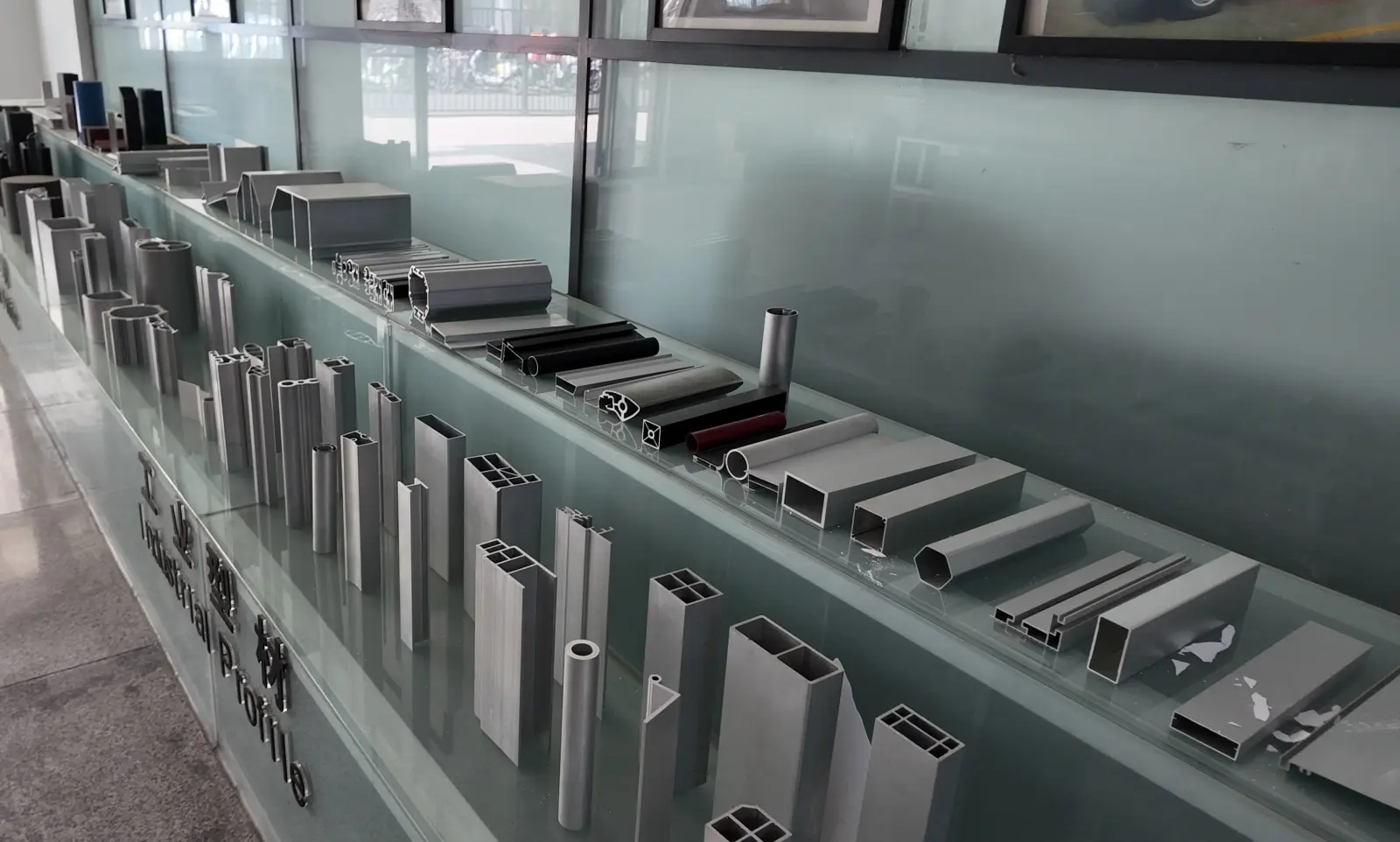
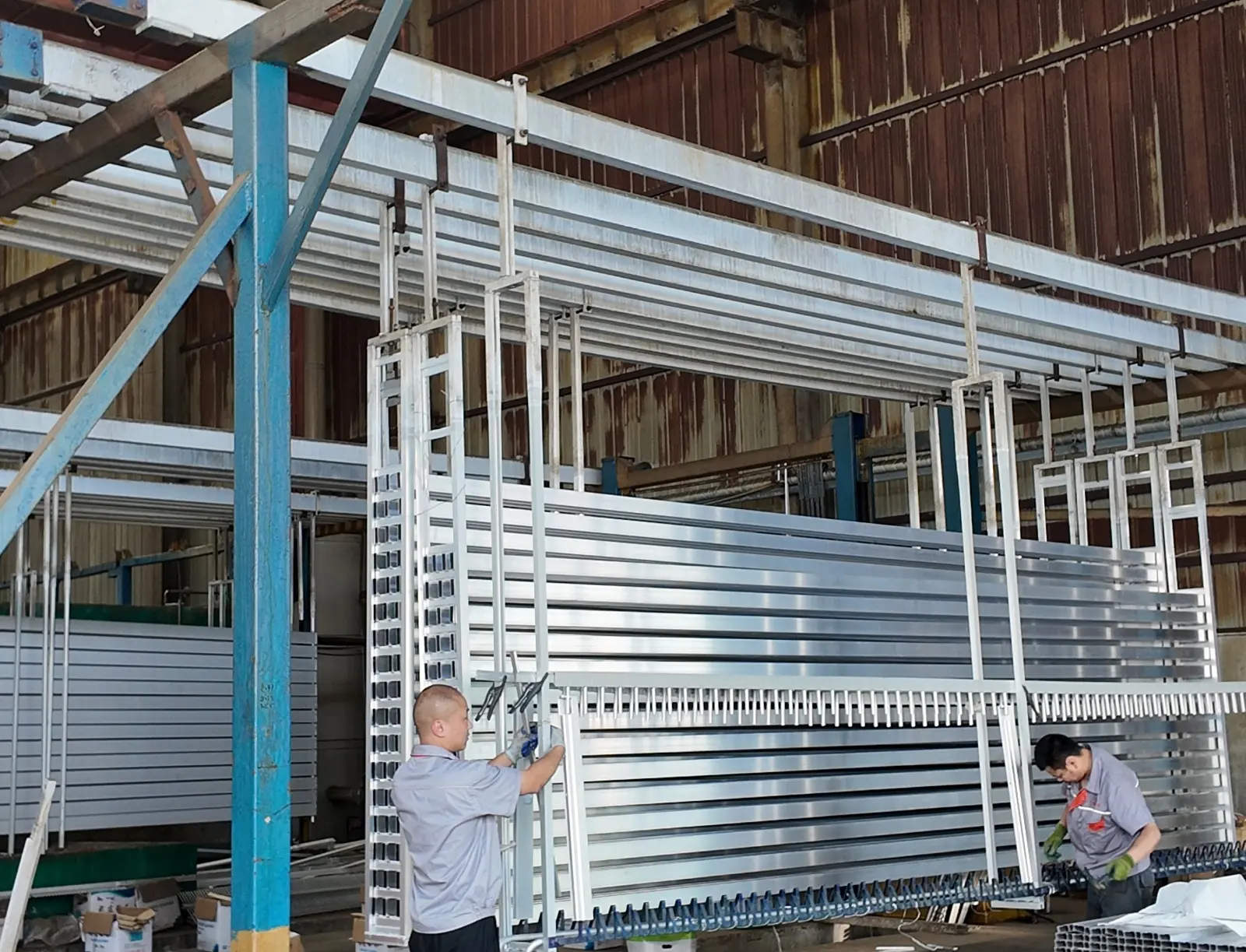
We assist engineering teams throughout the entire development cycle, from raw material selection to final delivery.
Our engineers review profile designs to optimize wall thickness, internal web support, and extrusion speed. This process reduces material usage and limits structural weak spots before tooling begins.
We offer anodizing, powder coating, electrophoresis, and sandblasting treatments. These finishes protect components from environmental degradation while ensuring clean visual presentation.
Using custom packaging and localized warehouses near main container ports, we manage international customs documentation, optimize freight space, and arrange delivery to your facilities.
Our manufacturing program is structured to help procurement officers and designers transition seamlessly from prototypes to high-volume production. By maintaining internal tooling capabilities, we can modify molds and run test extrusions quickly, helping to keep project timelines on track.
We use coordinate measuring machines (CMM) and mechanical testing equipment to verify dimensional accuracy, hardness, and load performance for every production run, ensuring parts match design drawings.
Find technical answers regarding lead times, alloy selection, dimensional tolerances, and custom ordering procedures.
Using our CNC machining centers, we can maintain dimensional tolerances down to ±0.02 mm for milled features, depending on the part geometry and alloy. Standard extrusion tolerances follow GB/T 14846 or EN 755-9 specifications unless tighter tolerances are requested during design review.
We hold certifications including IATF 16949 for automotive quality management, ISO 22163 (IRIS) for railway applications, EN 15085-2 for structural welding of railway components, and DIN 6701 for adhesive bonding. These systems require strict traceability and testing protocols across all production runs.
New extrusion tooling is typically designed, cut, and tested in 10 to 15 business days. Once the tool is verified, we run initial samples and provide inspection reports for customer approval. Bulk extrusion and machining are scheduled immediately upon sample acceptance.
To prevent transit damage, we apply protective tape to critical surfaces, wrap bundles in plastic film, and place parts in sturdy wooden crates or steel frames. Every shipment is loaded with desiccants to control humidity and prevent oxidation during ocean transport.


Visual highlights of our aluminum profiles and mechanical parts applied in real-world environments.
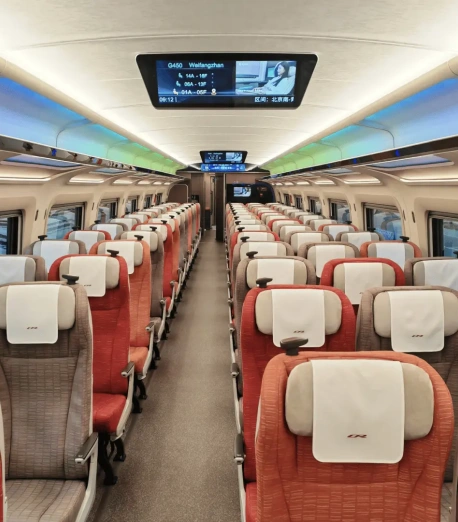
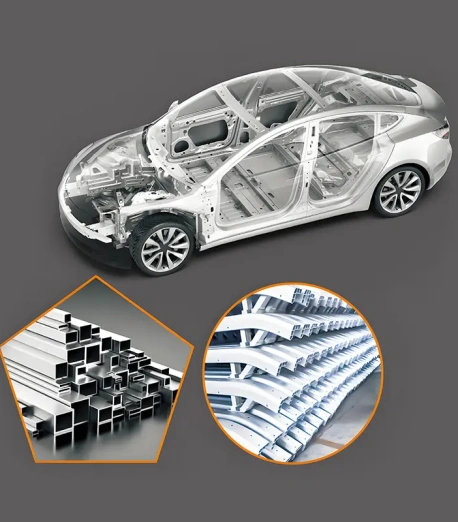
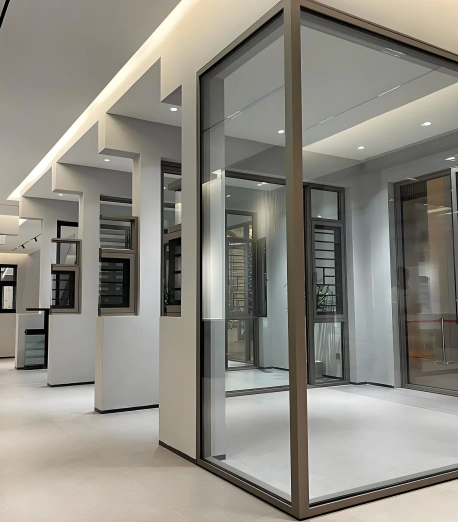
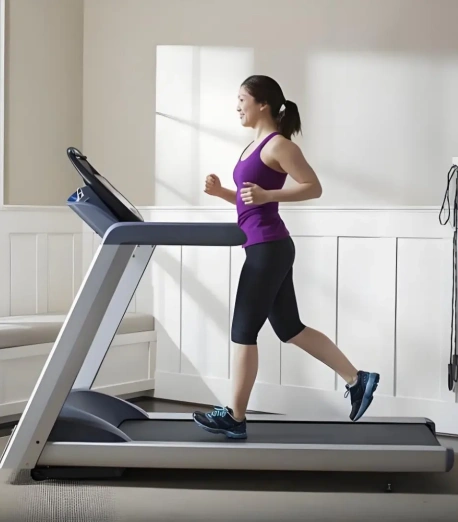
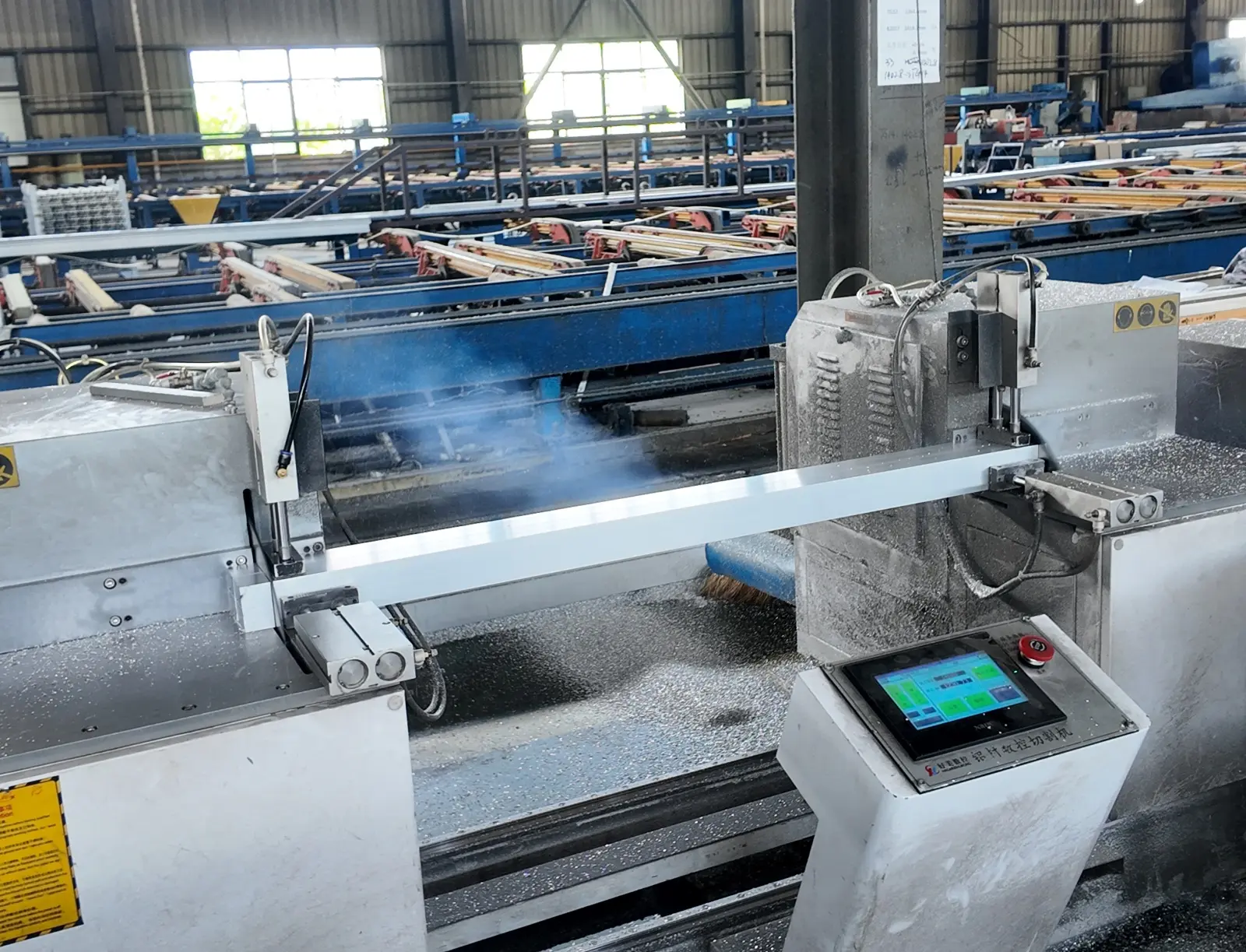
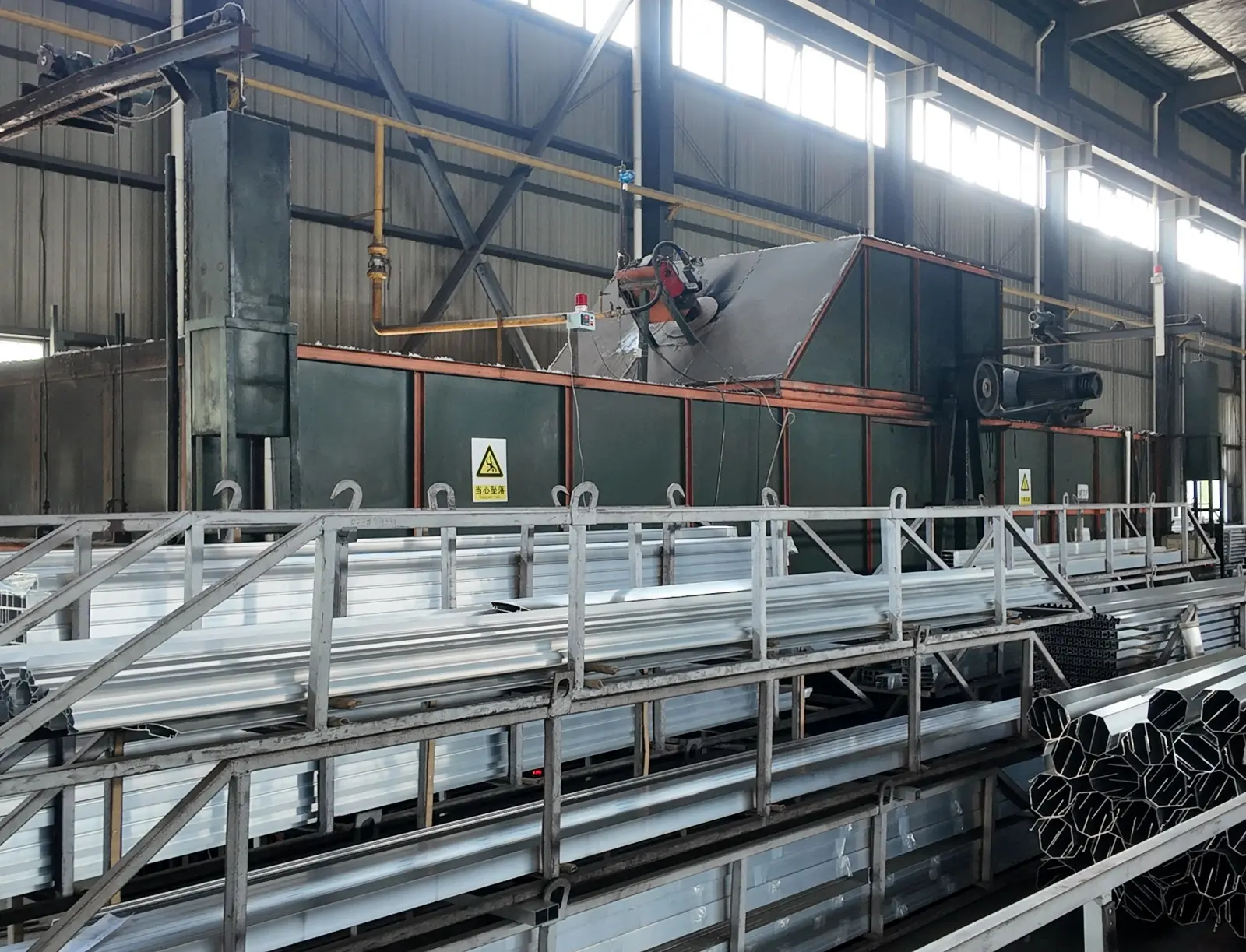
Our facility handles the entire production process, including die design, extrusion, precision machining, and surface treatment, under a single quality control system. This unified workflow supports part traceability, reduces production lead times, and ensures consistent quality for complex assemblies.
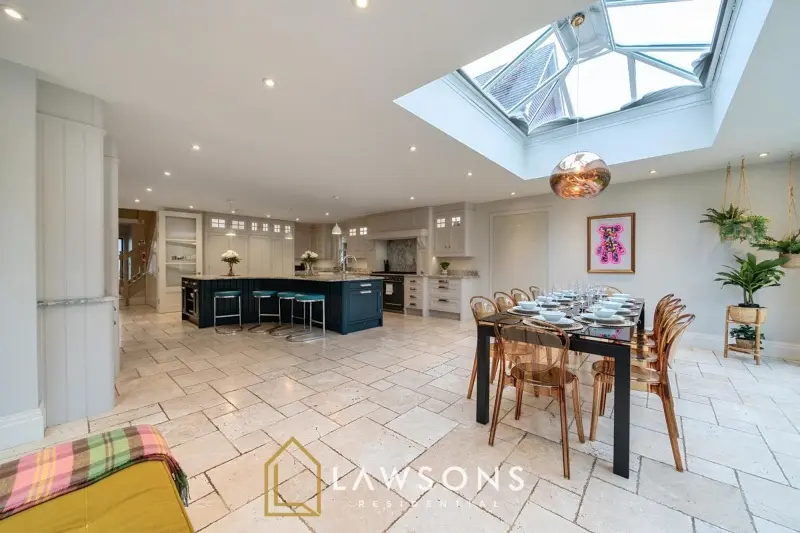
Explore additional specialized components designed for mounting, housing, and structural assemblies across multiple industries.
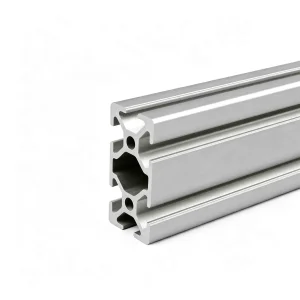
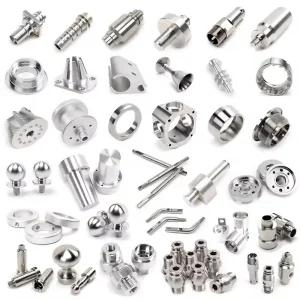
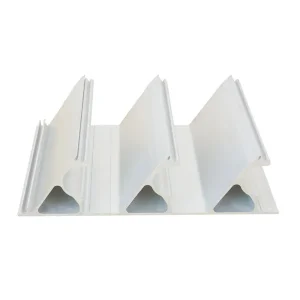
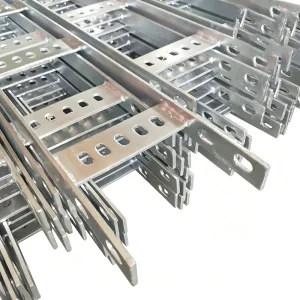
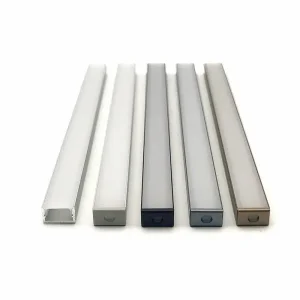
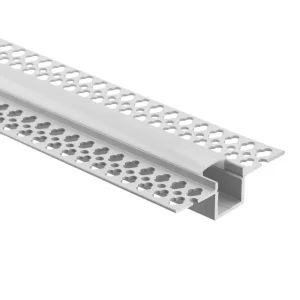
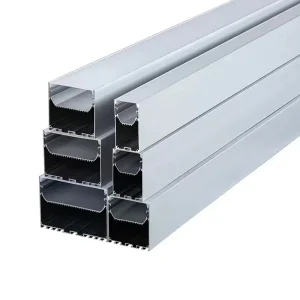
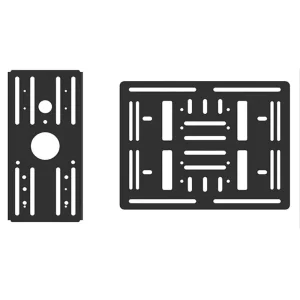
A closer look at the finish and detail of our most popular aluminum components.
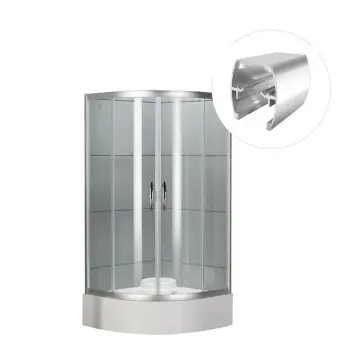
Anodized shower room profile with corrosion-resistant sealing surface.
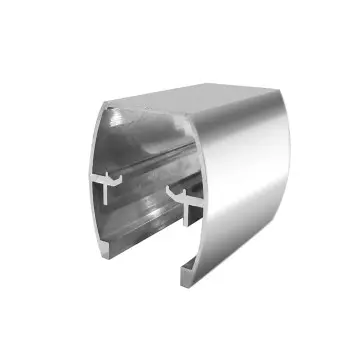
Designed for interior doors, featuring low unit weight and clean powder coat finish.
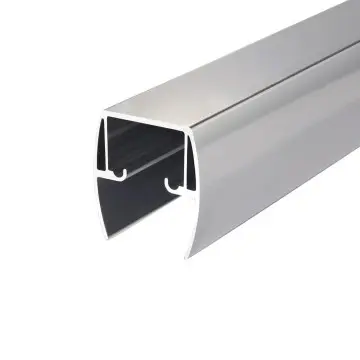
A versatile architectural extrusion with stable mechanical properties.
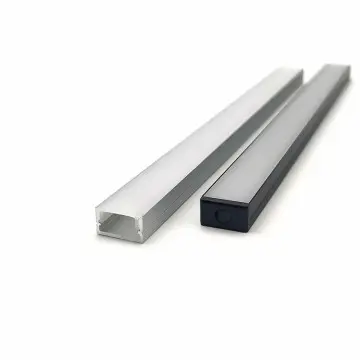
Thick-walled mechanical channel built for structural applications.
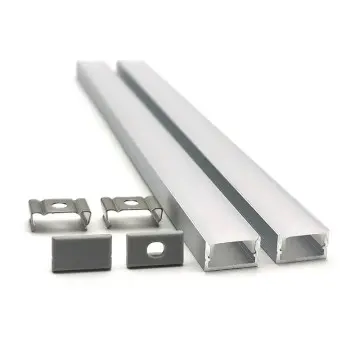
Precision linear housing designed for heat dissipation in lighting systems.
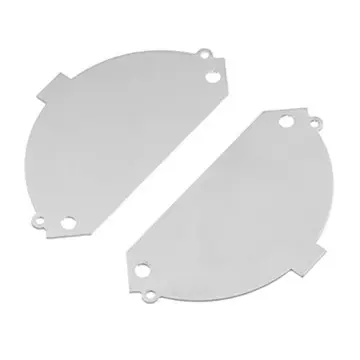
Compact profile designed for corner-mounted lighting installations.
Qingdao Kangjian Aluminum Industry is currently a major aluminum profile manufacturer in the Qingdao area. We produce profiles for high-speed railways, subways, auto parts, ships, and energy-saving buildings.