Kangjian
Kangjian
Kangjian
A deep technical exploration into the metallurgical selection, thermal management principles, and structural integrity required for modern architectural and industrial lighting architectures.
Modern high-power LED systems convert roughly 30% to 40% of their electrical power consumption into visible light, while the remaining 60% to 70% is converted directly into heat. If this heat is not continuously and rapidly dissipated, the LED junction temperature ($T_j$) will rise. Under thermal stress, optical degradation accelerates, leading to permanent lumen depreciation, severe color shifting, and reduced lifespan of driver components. Custom-engineered LED aluminum profiles act as the primary heat sink, optimizing thermal conduction paths to lower overall thermal resistance ($R_{\theta}$).
Choosing the correct aluminum alloy determines the performance threshold of lighting fixtures. 6063-T5 aluminum alloy is the industry standard for light profiles due to its superior surface finish, extrusion responsiveness, and strong thermal conductivity (approx. 200 W/m·K). For high-load industrial installations or suspension components, 6061-T6 aluminum is utilized. It offers higher yield strength (minimum 240 MPa compared to 6063's 145 MPa) and structural resilience, ensuring long-term safety for suspended ceiling light channels, smart robot car frames, and industrial cable trays.
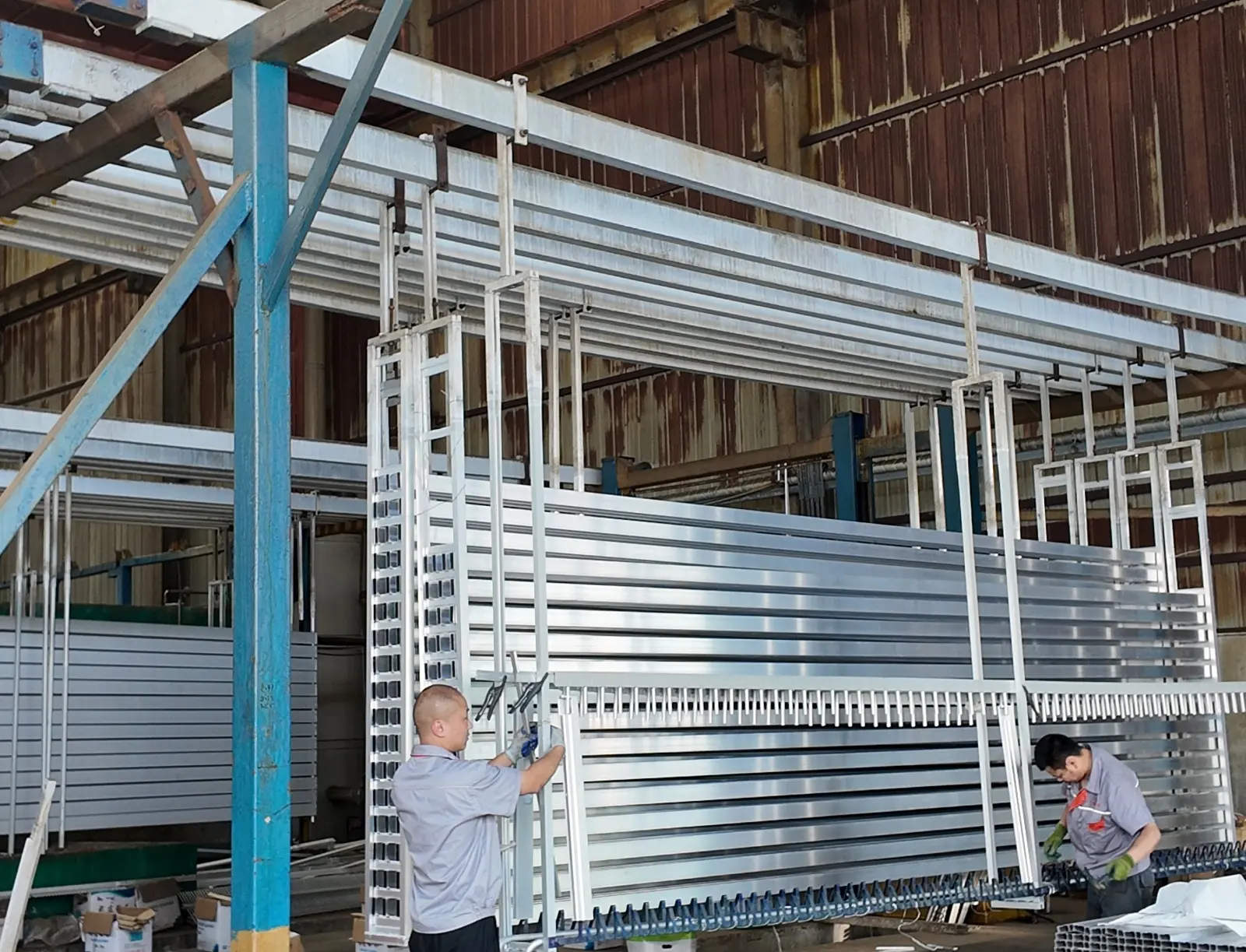
Anodizing is crucial to establish high surface emissivity and corrosion resistance. Standard anodized profiles from Chinese factories feature a coating thickness ranging from 10 to 15 microns for indoor use, and up to 25 microns for heavy-duty marine, architectural facade, and industrial solar frame applications. The protective oxide layer resists oxidation and chemical cleanings while improving structural surface emissivity, allowing the profile to radiate heat into the ambient air efficiently.
Qingdao Kangjian Aluminum Industry Technology Co., Ltd. — Pioneering high-precision industrial profile manufacturing in Northern China.
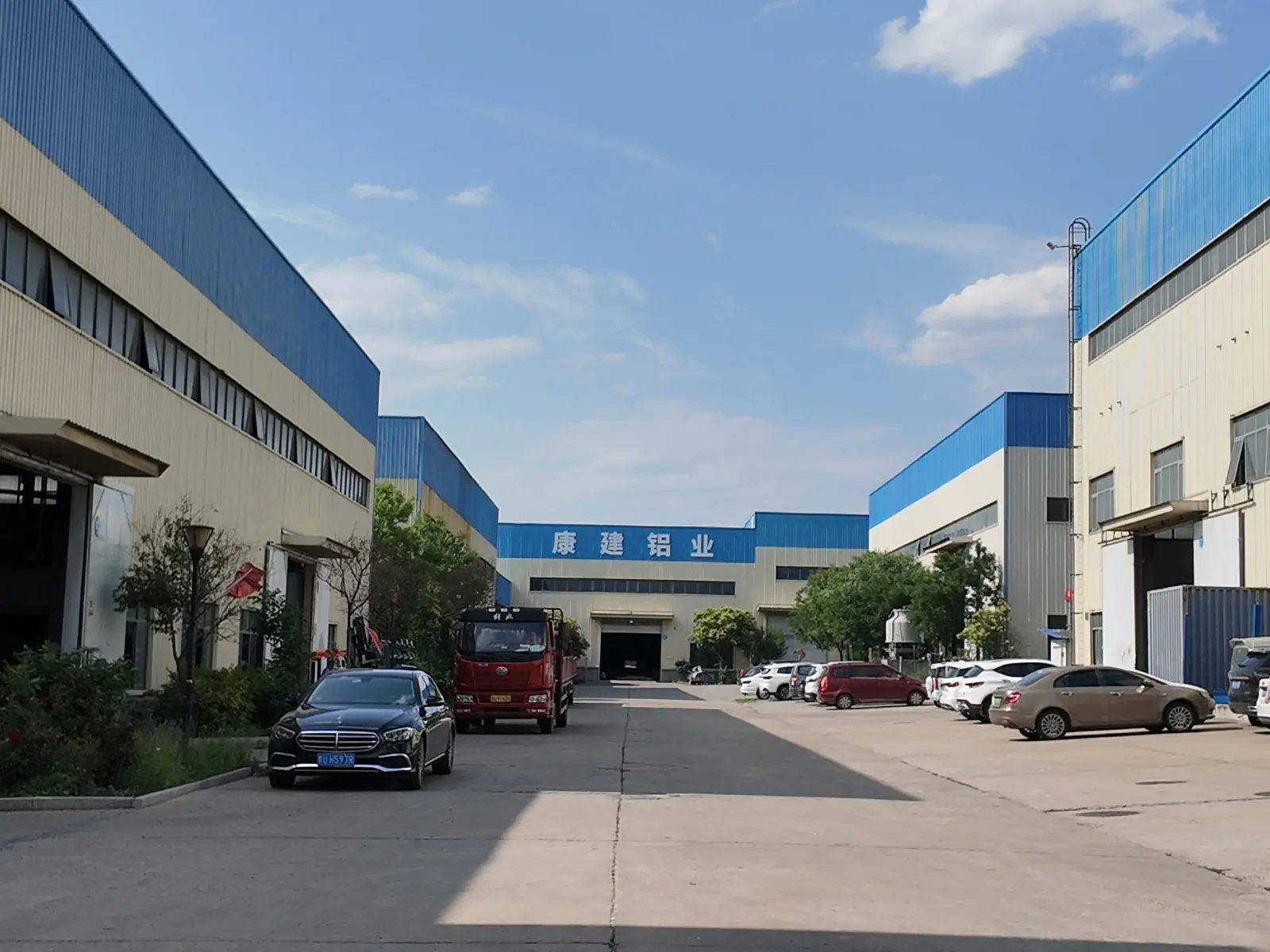
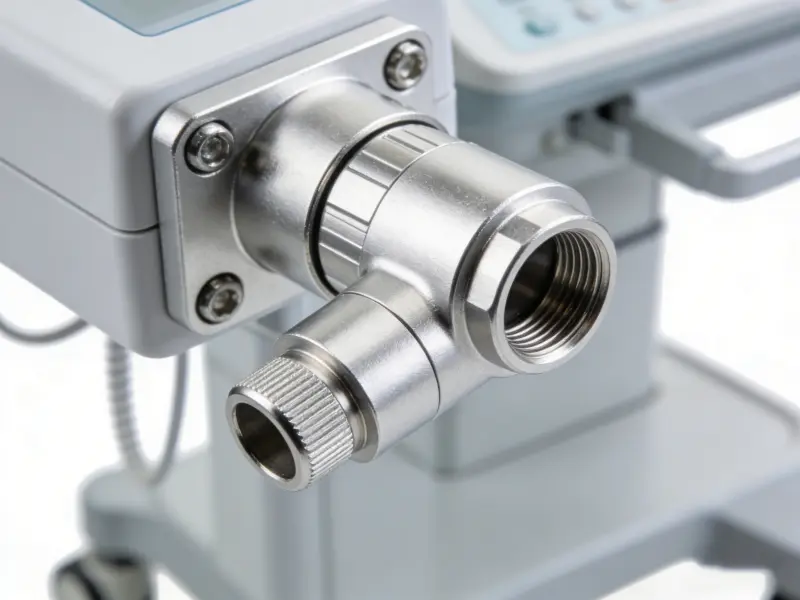
Established in 2022 and located in Jimo District, Qingdao City, Qingdao Kangjian Aluminum Industry Technology Co., Ltd. is the largest aluminum profile manufacturer in the Qingdao area. Backed by a vast domestic supply chain and direct maritime shipping corridors from the Port of Qingdao, we provide specialized structural components for high-speed railways, aerospace applications, marine vessels, and energy-efficient lighting and building systems.
Our expansive industrial base covers 200 mu, housing over 80,000 square meters of production facilities and 4,000 square meters of executive space. Running an annual production output of 15,000 tons of aluminum profiles, our facility employs state-of-the-art machinery and skilled engineers dedicated to international standards.
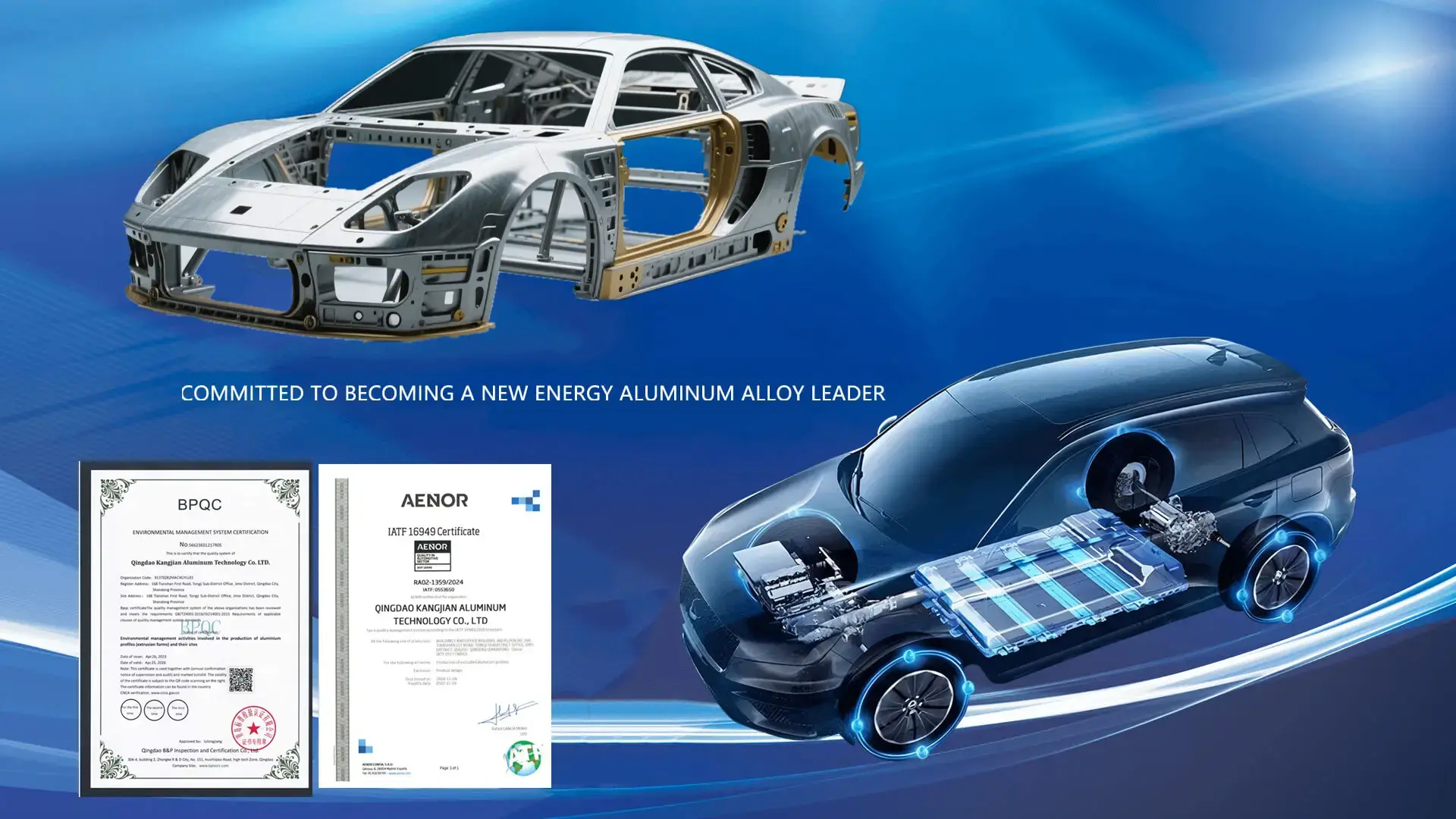
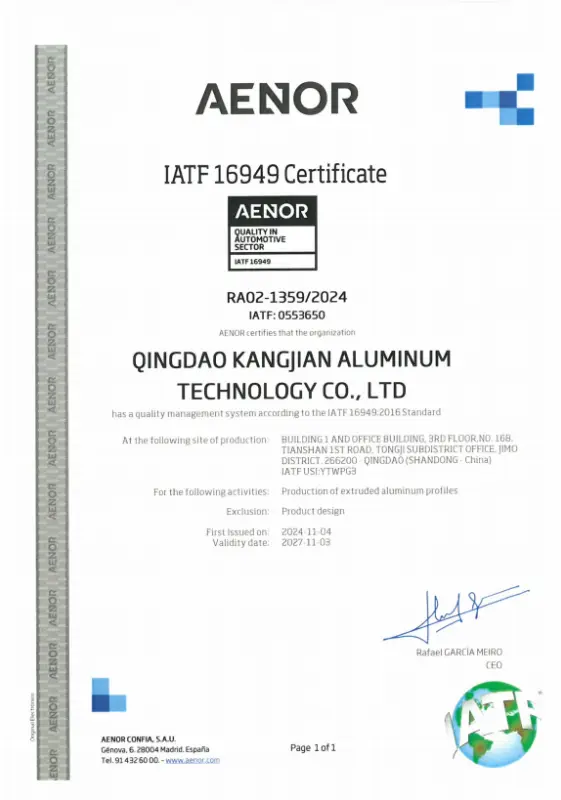
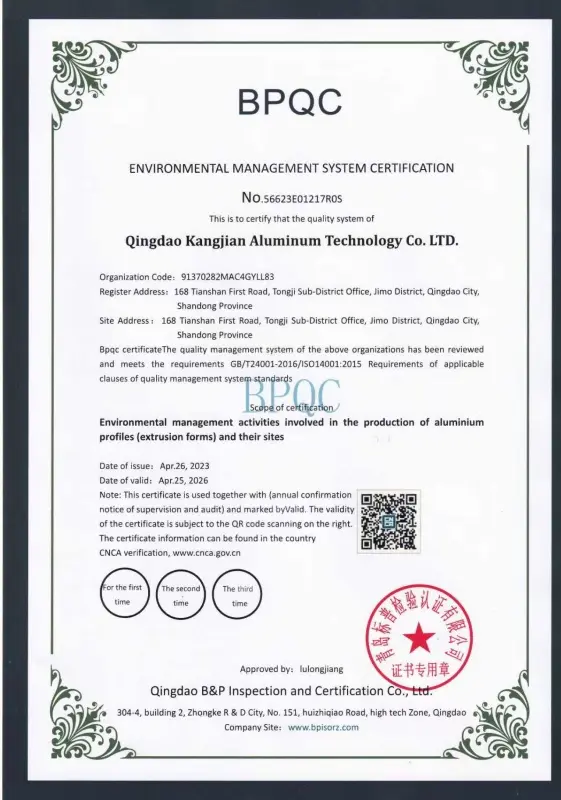
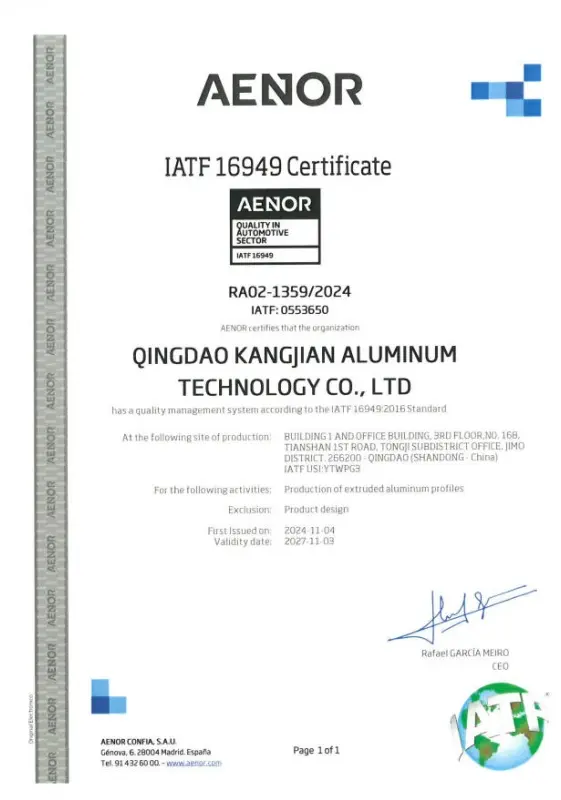
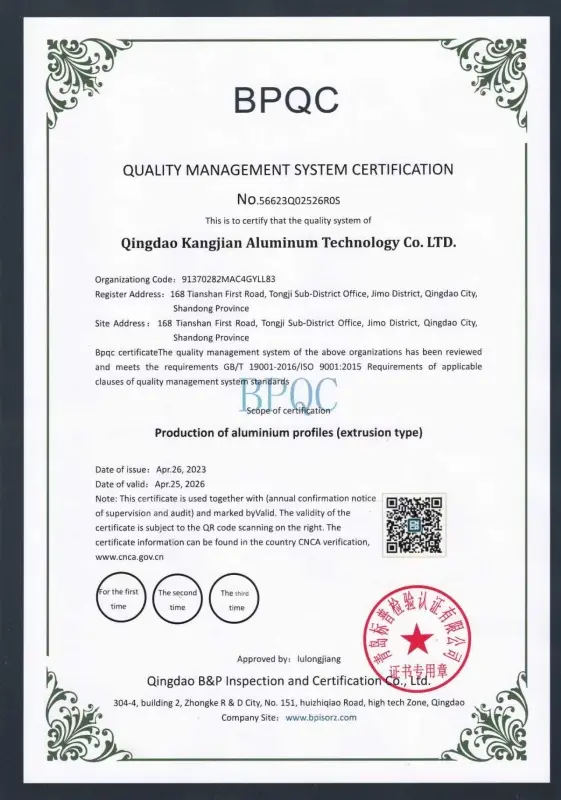
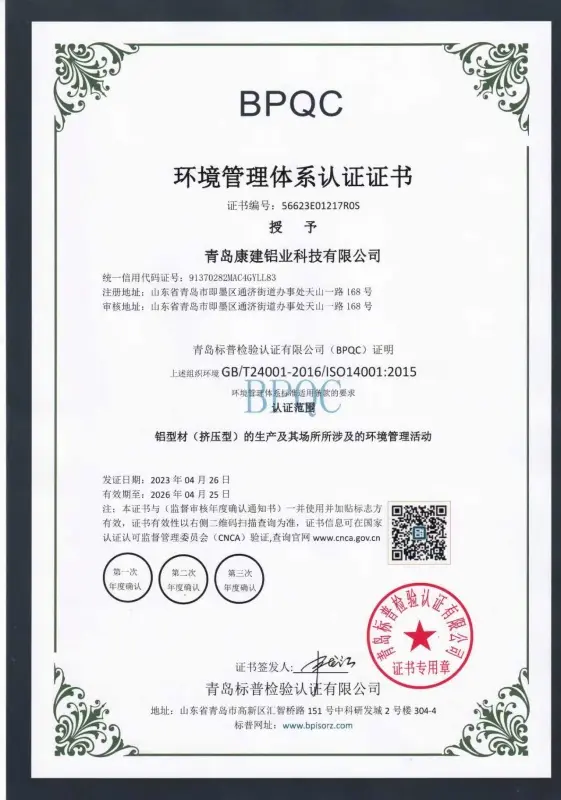
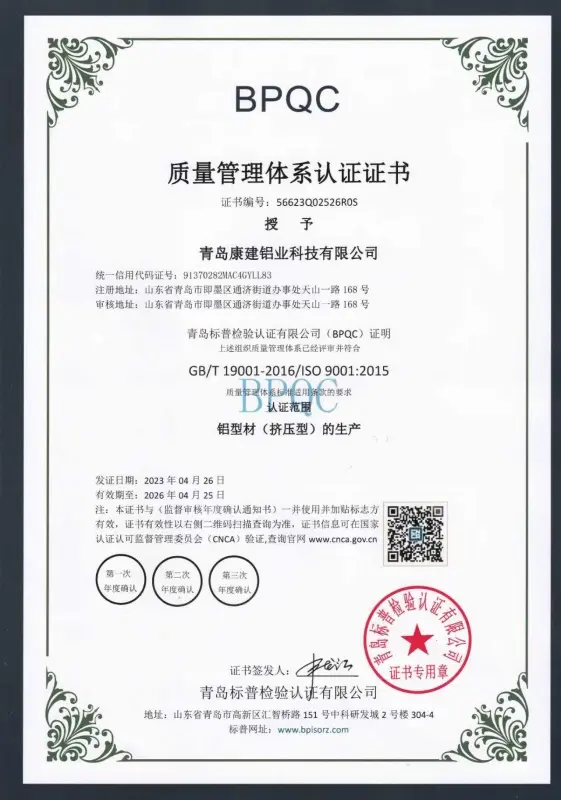
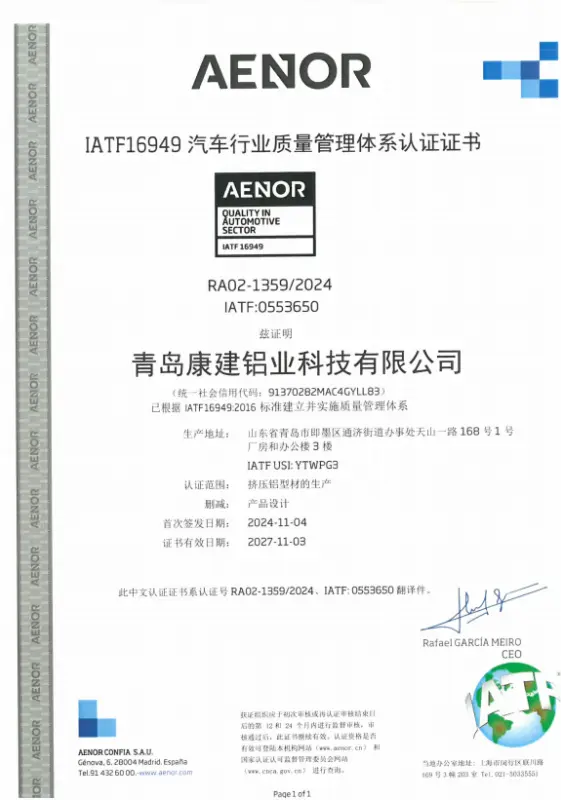
Through strict adherence to quality assurance models, our enterprise has secured key global certificates: ISO9001:2016 (Quality Management), ISO14001:2016 (Environmental Management), IATF16949 (Automotive Quality Standards), ISO22163 (Railway Industry Management), EN15085/ISO3834/AWS (Welding Standards), and DIN6701 (Structural Bonding System).
Unmatched vertical integration, manufacturing scale, and technological agility.
From primary bauxite smelting to downstream precision CNC machining and anodizing, China’s industrial hubs pack the entire value chain into concentrated clusters. This localization cuts logistics delays, reduces intermediate raw material transport emissions, and enables fast tooling iterations for custom extruded shapes.
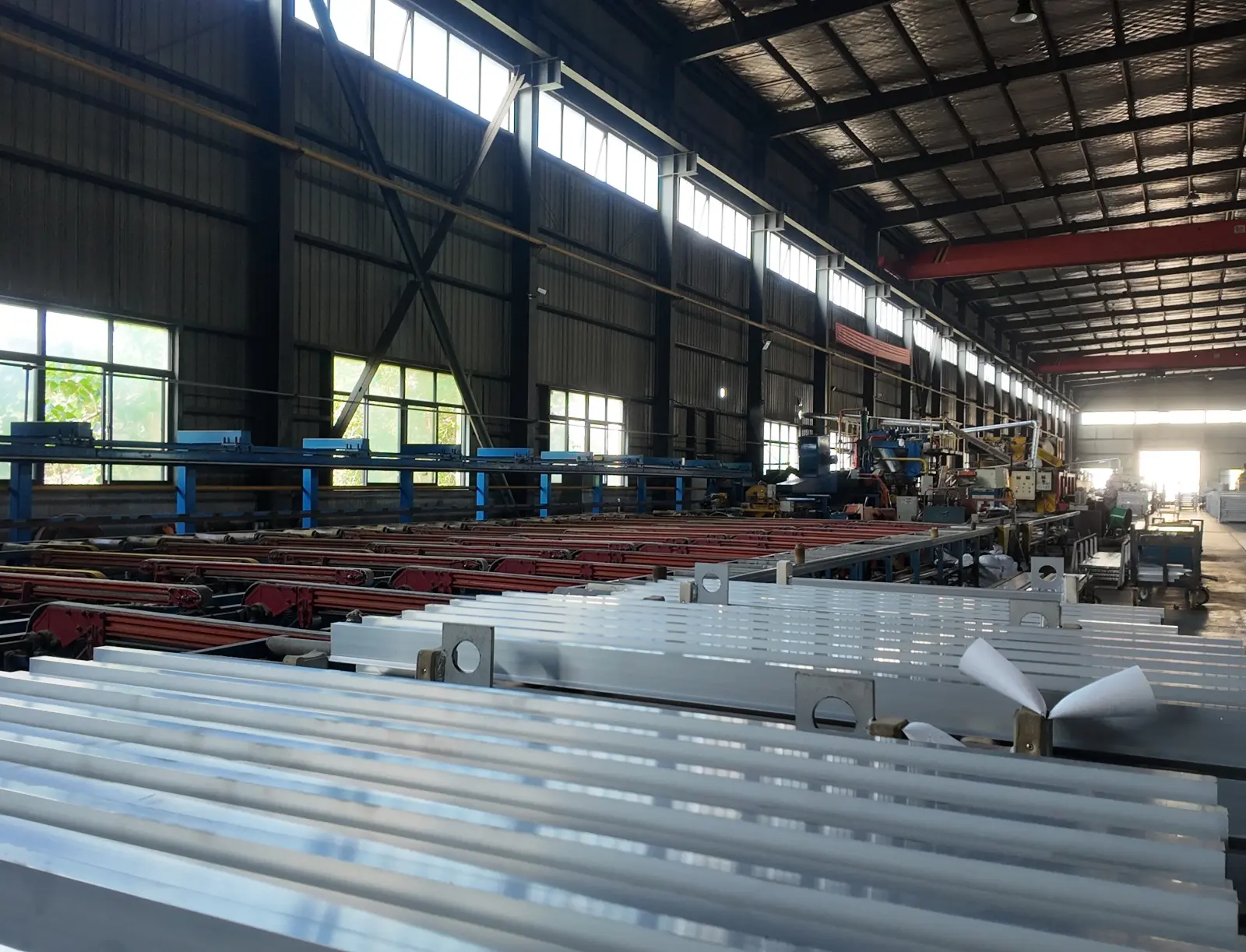
High-capacity machinery (ranging from 700T to 2500T extrusion presses) and automated production paths allow Chinese factories to minimize operational overhead. These economies of scale result in highly competitive pricing for global architectural designs and volume lighting rollouts.
Experienced tooling engineers can fabricate complex extrusion dies with tight tolerances down to ±0.1mm. This design agility is critical for micro-linear lighting channels, curved profiles, and interlocking assembly systems used in modern architecture.

From architectural installations to harsh industrial environments, our profiles are designed to perform.
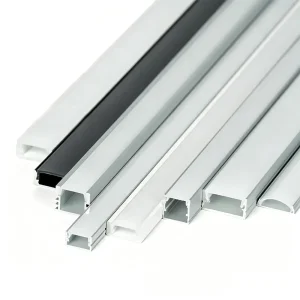
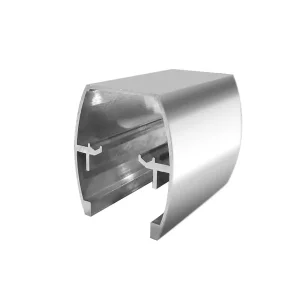
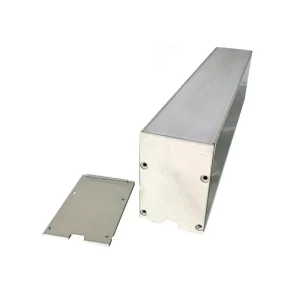
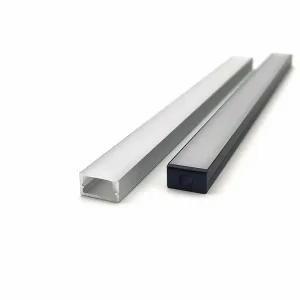
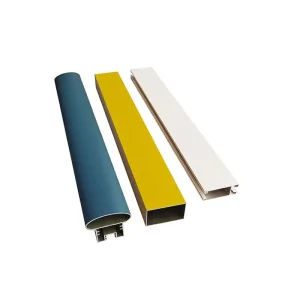
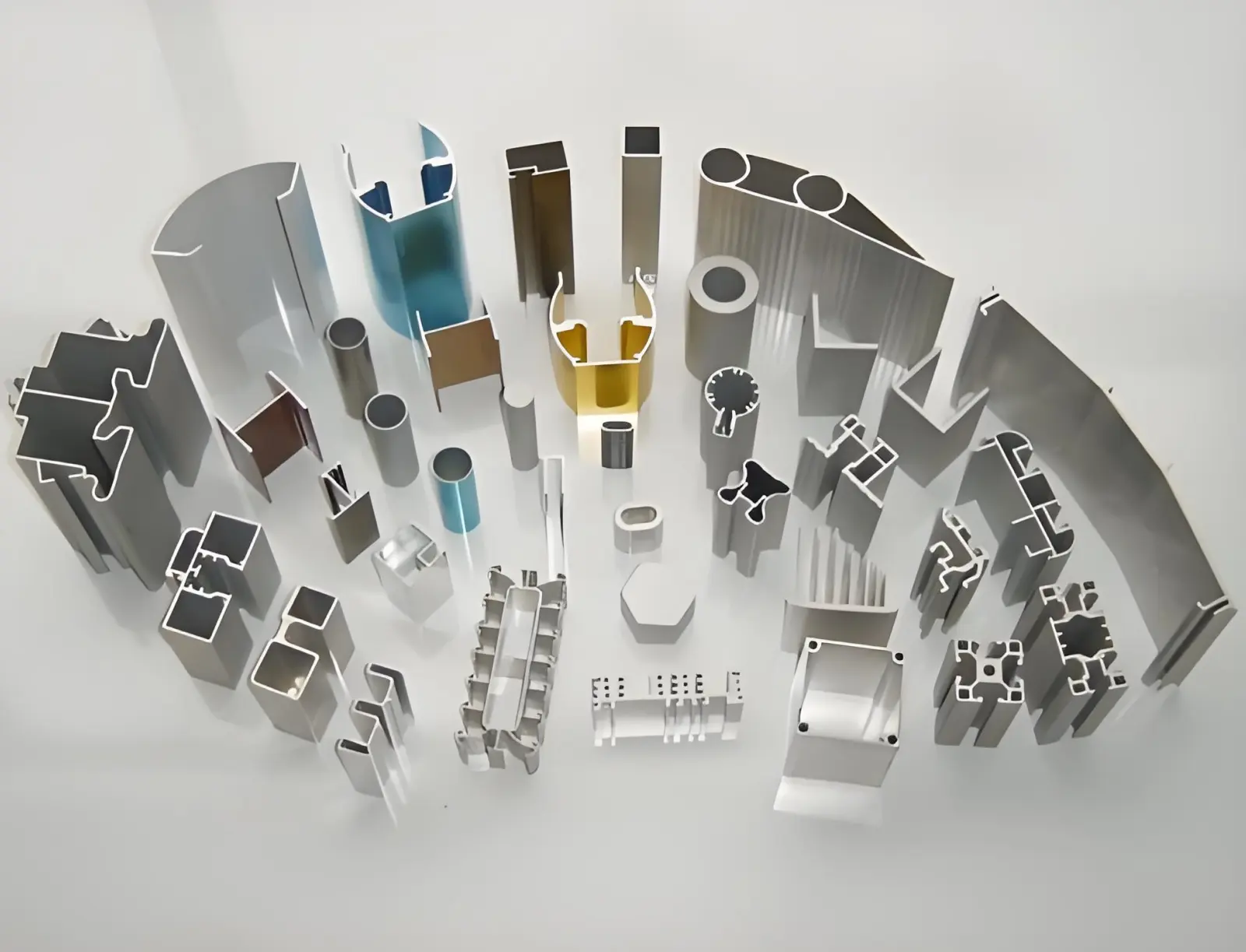
Linear LED fixtures require profiles that integrate seamlessly into walls, ceilings, and floors. Custom U-channel and V-shape corner designs shield LED strips, dissipate heat, and house diffusers to eliminate light hot-spots. Key profiles include:
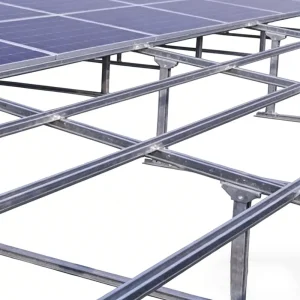
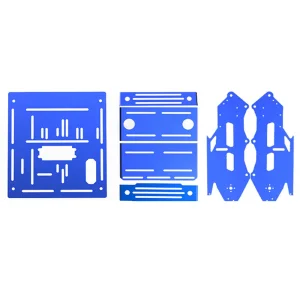
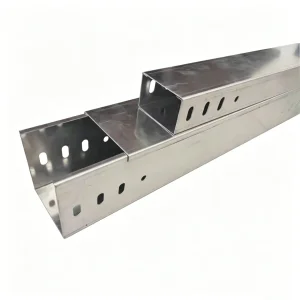
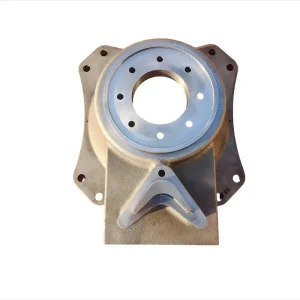
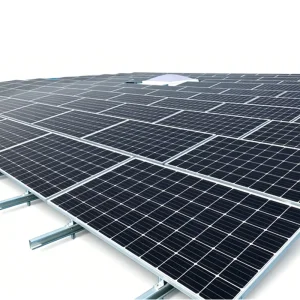
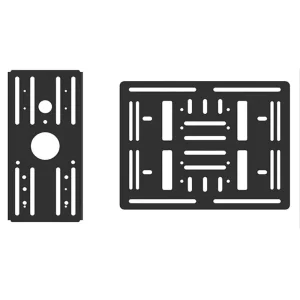
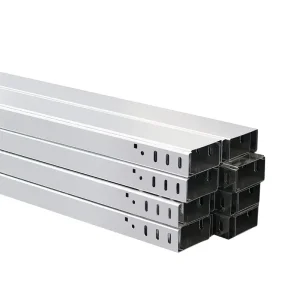
Beyond standard illumination, heavy industry demands high-load structural aluminum systems. Our production lines supply robust structural parts for severe environments:
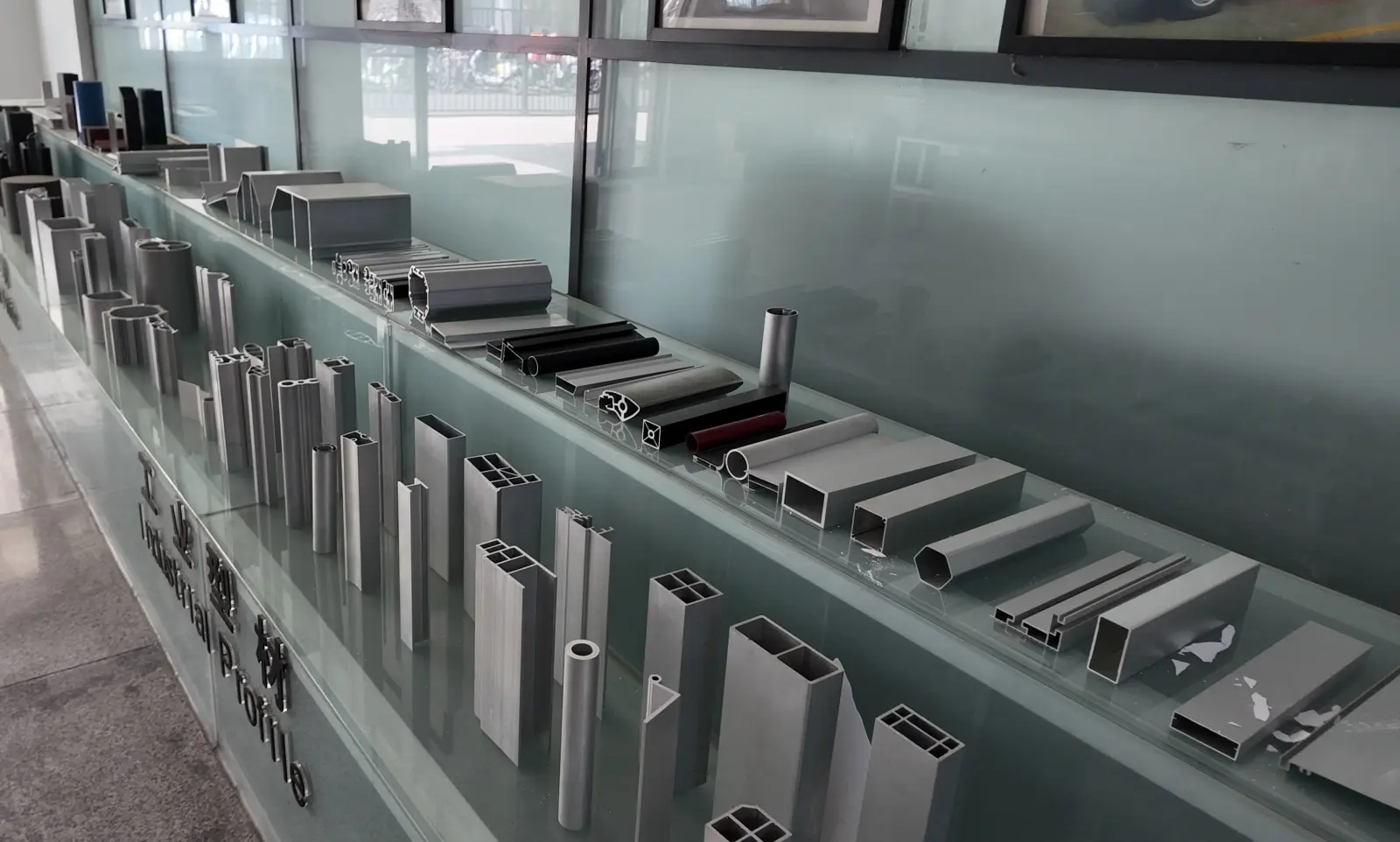
How we align precision engineering with green manufacturing standards.
Our factory adopts low-carbon extrusion practices and uses recycled aluminum scrap inputs where appropriate. This helps lower the overall carbon footprint of your project supply chain without sacrificing structural strength.
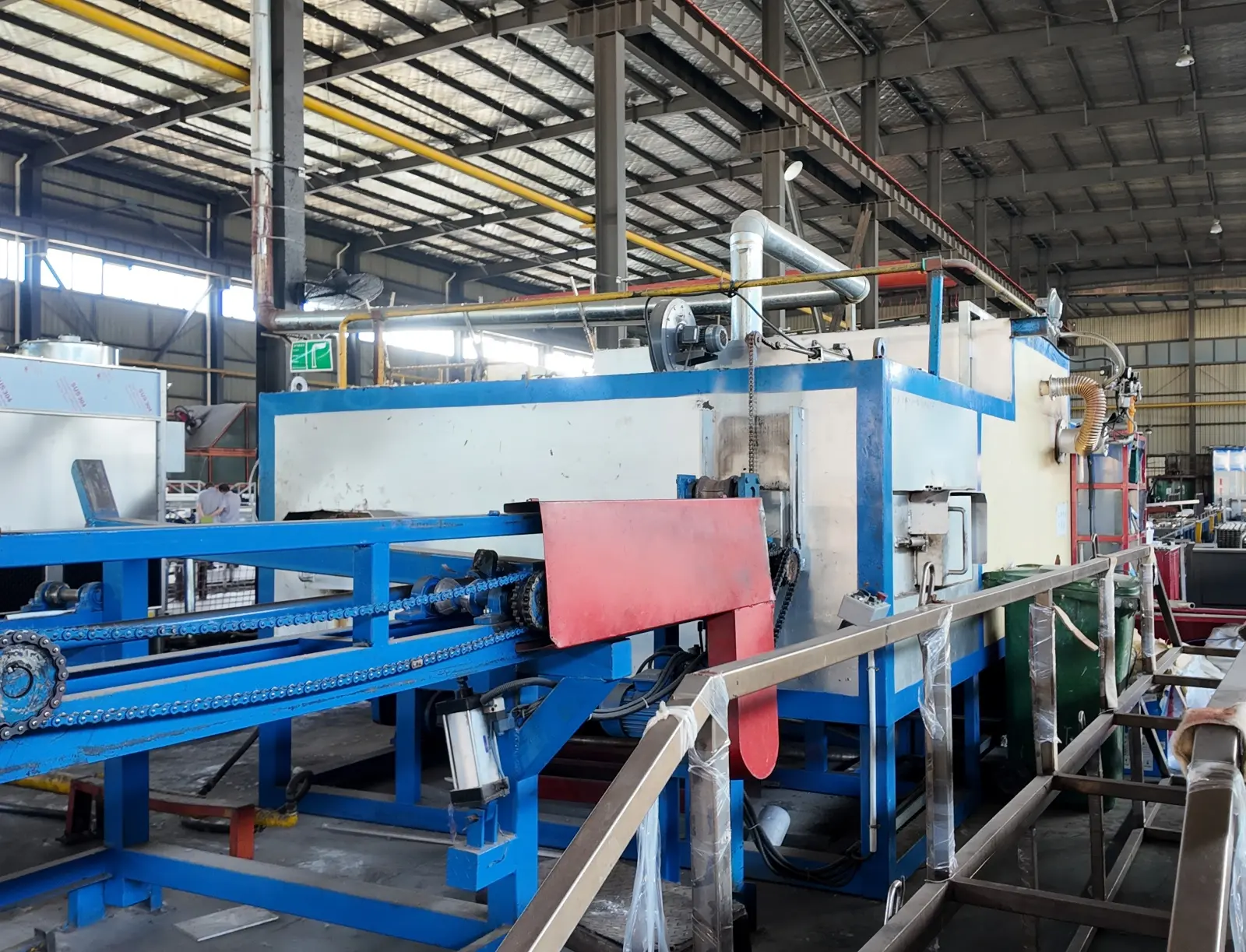
Operating under strict compliance with ISO9001 and IATF16949 standards ensures our materials are fully traceable. Automated optical scanners inspect profile dimensions online to catch defects before shipping.
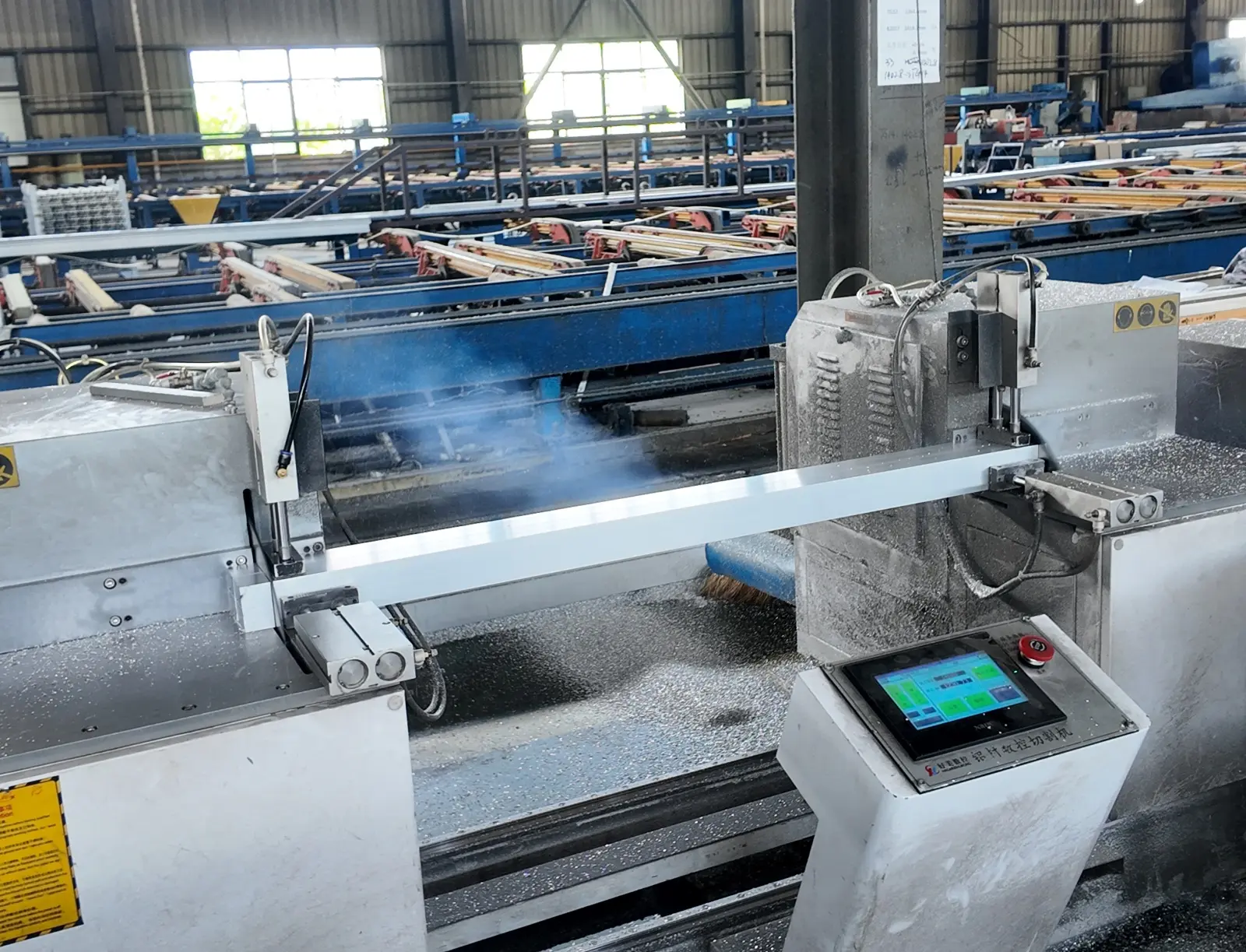
Our strategic location near the Port of Qingdao provides reliable, efficient maritime transport to buyers across Europe, the Americas, and Southeast Asia. We offer robust packaging to prevent scratching and bending during sea transit.
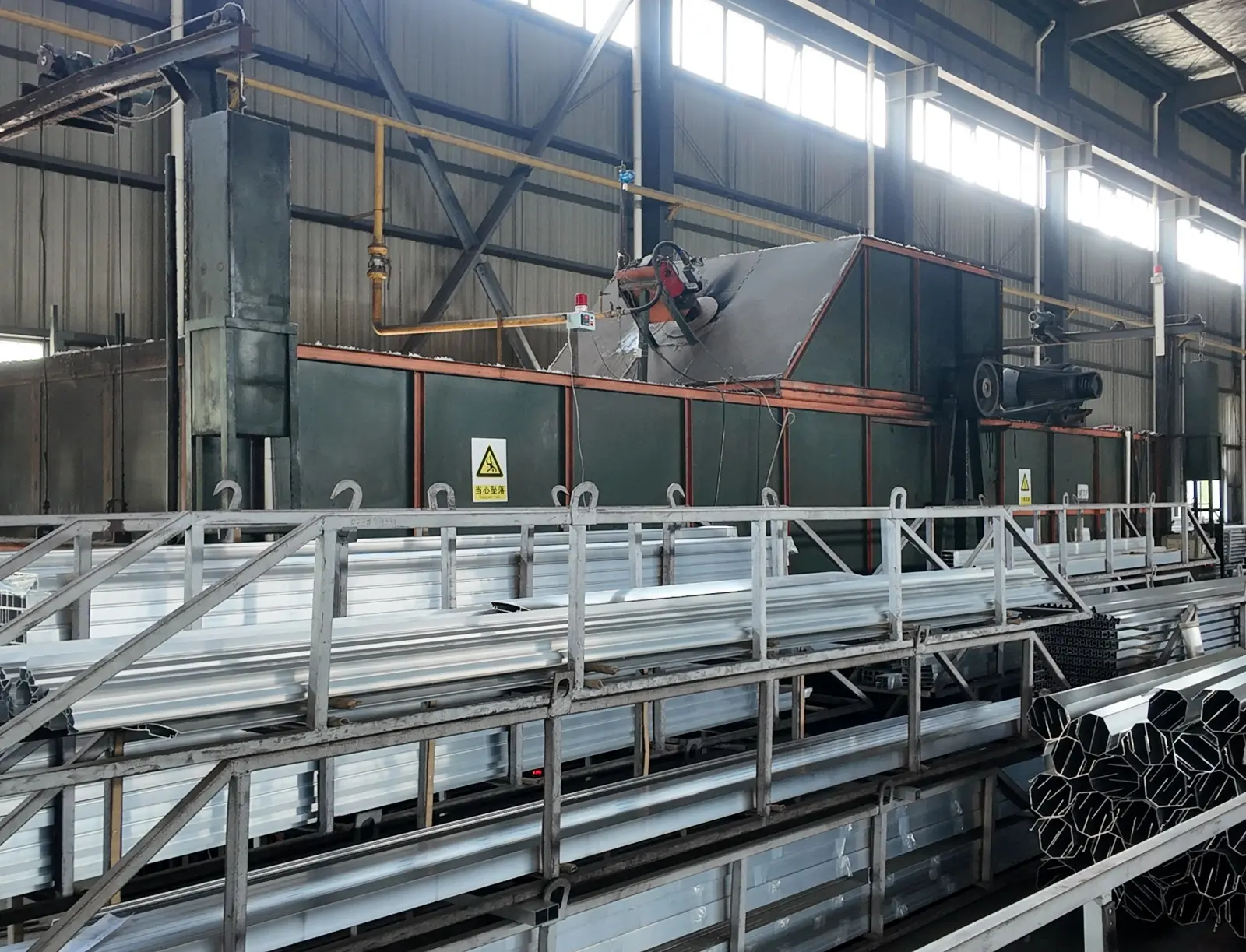
Our manufacturing capabilities span multiple industries and functional classes.
Meeting rigorous testing parameters for worldwide markets.
Delivering high-integrity structural components to construction projects, transport grids, and cleanrooms worldwide.
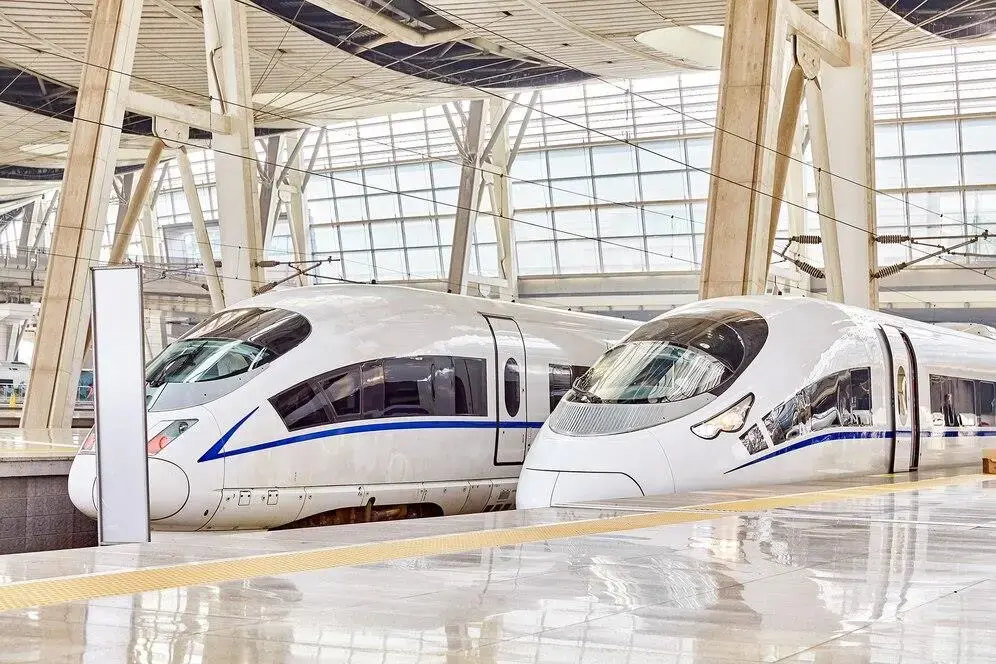
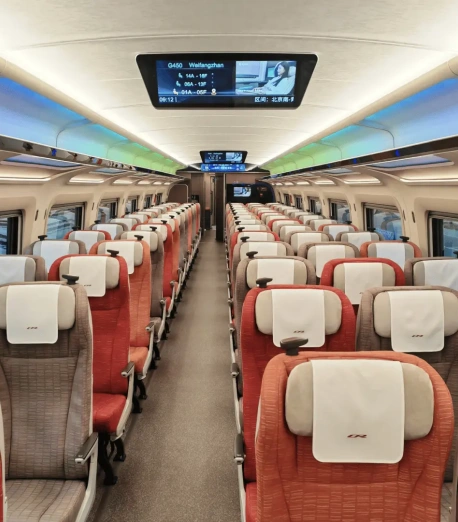
Our specialized extrusions provide lightweight, high-load structural frames and interior lighting channels for commercial subways and high-speed railways, meeting EN15085 safety codes.
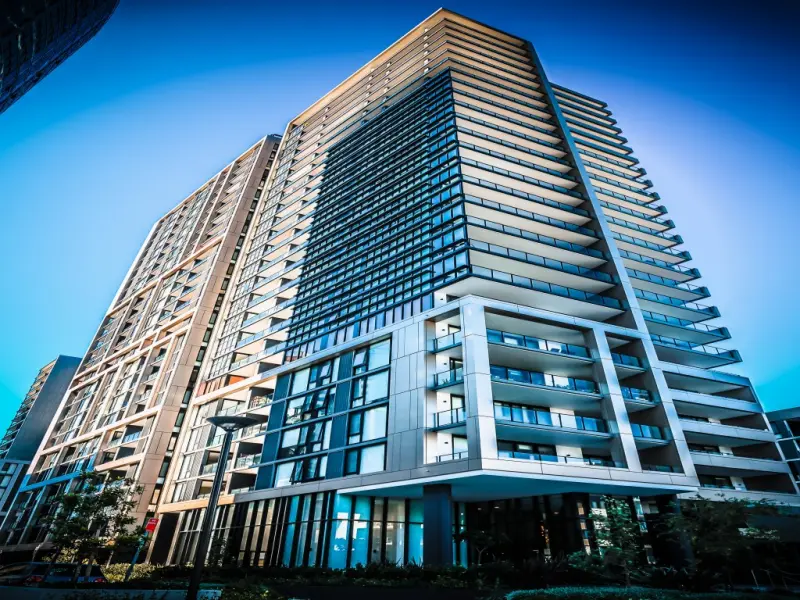
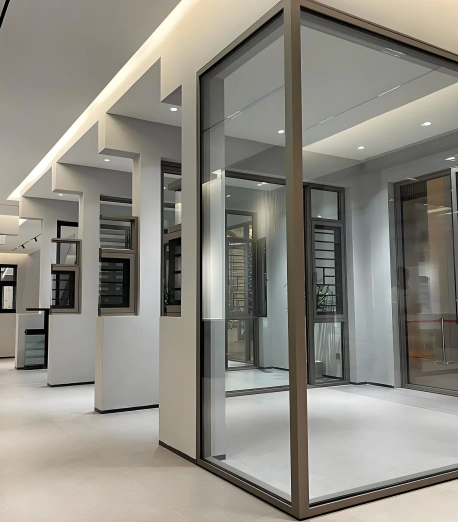
We supply thermal-break aluminum windows and structural facade frames for energy-efficient commercial and residential buildings, reducing operational energy needs.
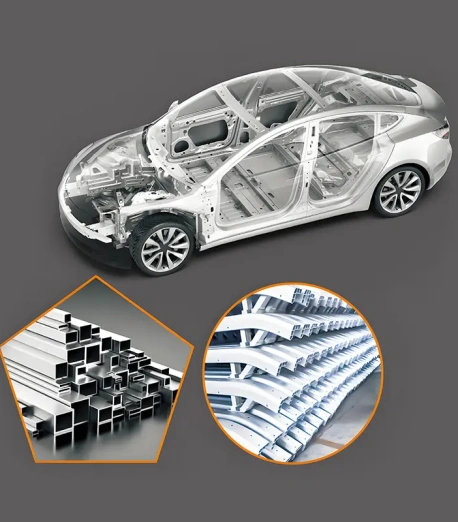
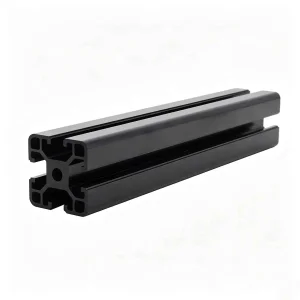
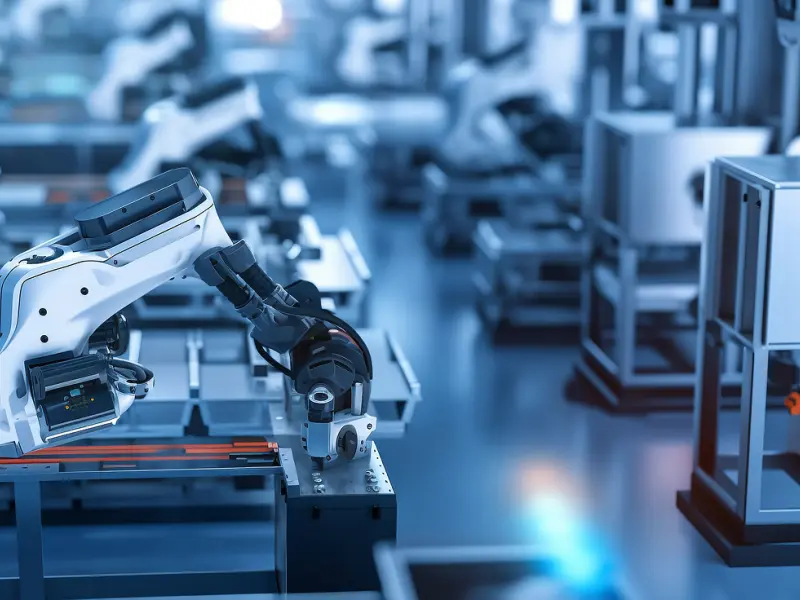
High-strength T-slot extrusions and robotic arm structural parts allow automation integrators to build robust packaging and sorting lines with tight clearances.
Answers to technical and logistical questions to assist engineering and procurement teams.
For standard architectural linear profiles and lighting fixtures, 6063-T5 aluminum is the ideal choice. It features a thermal conductivity value of roughly 200 W/m·K and offers excellent surface finishes after anodizing. 6061-T6 aluminum provides higher structural yield strength (typical of structural solar brackets or cable ladders) but has slightly lower thermal conductivity (around 167 W/m·K) and is more difficult to extrude into thin-walled, intricate shapes.
We work to standard dimension tolerances in line with EN 755-9 and GB/T 14846. Precision dies allow us to hold dimensions to ±0.1mm to ±0.15mm on critical mating details, ensuring a tight fit for plastic diffusers (PC/PMMA) and end caps.
For indoor linear profiles, a 10μm anodized coating is standard. For outdoor and architectural facade systems exposed to high humidity and weather, we apply a 15μm to 25μm oxide layer. This protects against weathering and salt spray, complying with ASTM B117 standards.
Custom extrusion tooling design and die fabrication typically take 7 to 10 working days. Once the die is completed, sample runs and initial quality control approvals are completed in 3 to 5 days. Full volume production runs generally ship within 20 to 30 days depending on the extrusion size and finish requirements.
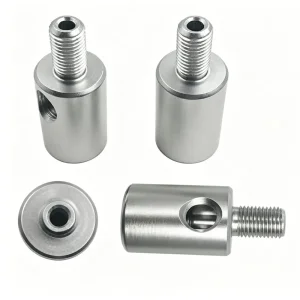
Yes, we operate a fully integrated CNC machining division. Our capabilities include high-speed milling, precision cross-cutting, drilling, tapping, deburring, and slotting to deliver ready-to-assemble structural parts.
High-quality industrial parts, solar energy frameworks, and custom cable management systems.