Kangjian
Kangjian
Kangjian
High-precision custom extrusions engineered to critical tolerances for global commercial application.
Modern commercial infrastructure demands materials that combine lightweight characteristics, structural strength, corrosion resistance, and precision engineering. In the global B2B procurement framework, sourcing from a vetted China Building Material Supplier & Factory is no longer merely about cost arbitrage. Instead, it is a strategic decision centered on technical capacity, supply chain integration, and structural safety standards.
As structural specifications become increasingly complex, procurement teams, project engineers, and original equipment manufacturers (OEMs) require partner factories that offer significant technical depth. For instance, the difference between general 6000-series alloy extrusions and certified structural alloys (such as 6061-T6 and 6063-T5/T6 with precise thermal treatment) can dictate the success of large-scale projects, whether they involve high-load solar PV arrays, railway carriage sub-assemblies, heavy-duty marine gantries, or smart industrial robotics frames.
This whitepaper details the metallurgical processes, factory certifications, supply chain structures, and engineering parameters that define high-caliber aluminum manufacturing in China. By presenting verified production capabilities and quality management pathways, we aim to provide global buyers with the necessary data to mitigate supply chain risks and achieve engineering alignment.
An in-depth look at Qingdao Kangjian Aluminum Industry Technology Co., Ltd. and its advanced manufacturing infrastructure.
Established in 2022 and located in the Jimo District of Qingdao City, Qingdao Kangjian represents the convergence of advanced metallurgy and state-of-the-art extrusion technology. The facility occupies an industrial production base covering 200 mu, featuring 80,000 square meters of modern factory workshops and 4,000 square meters of administrative offices.
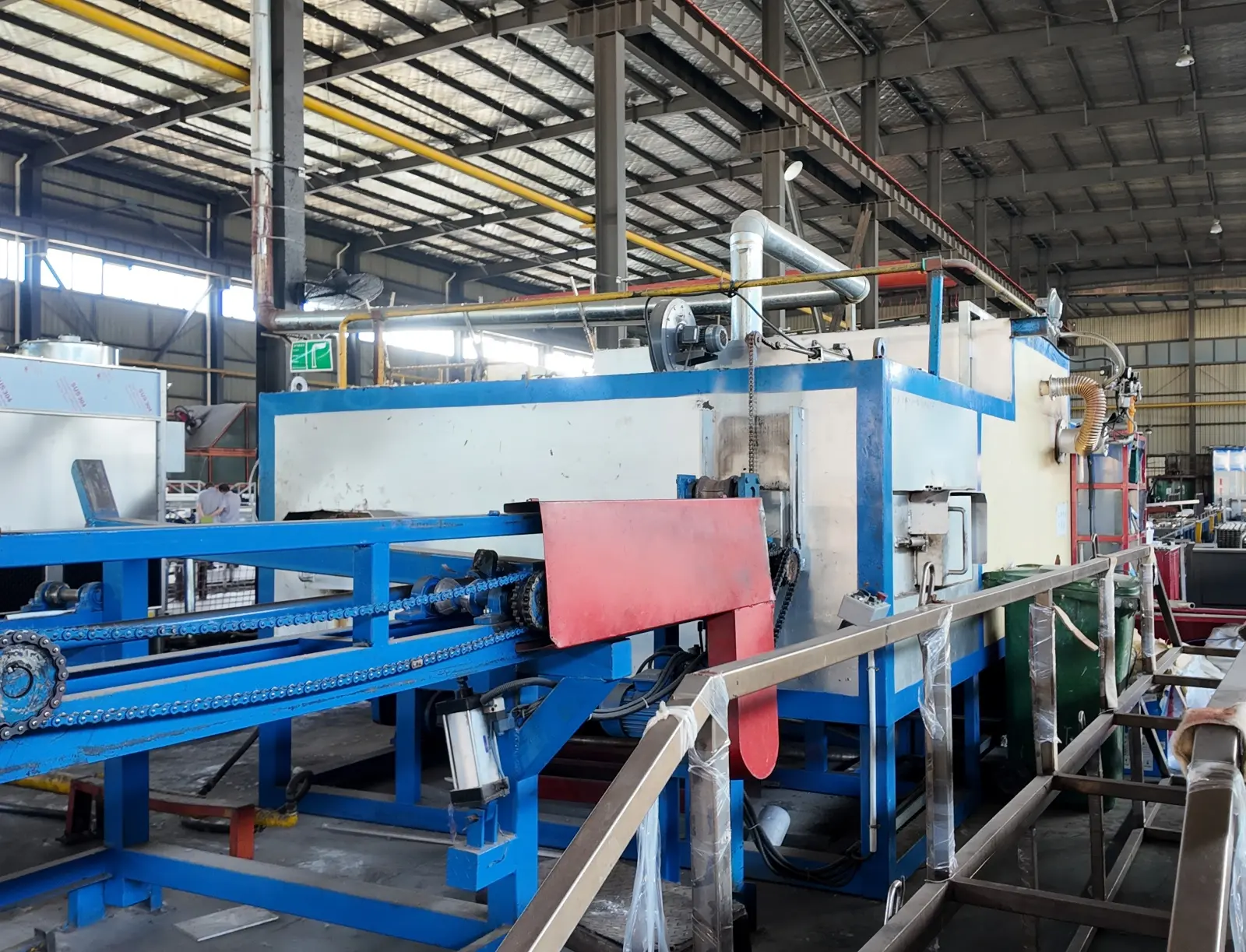
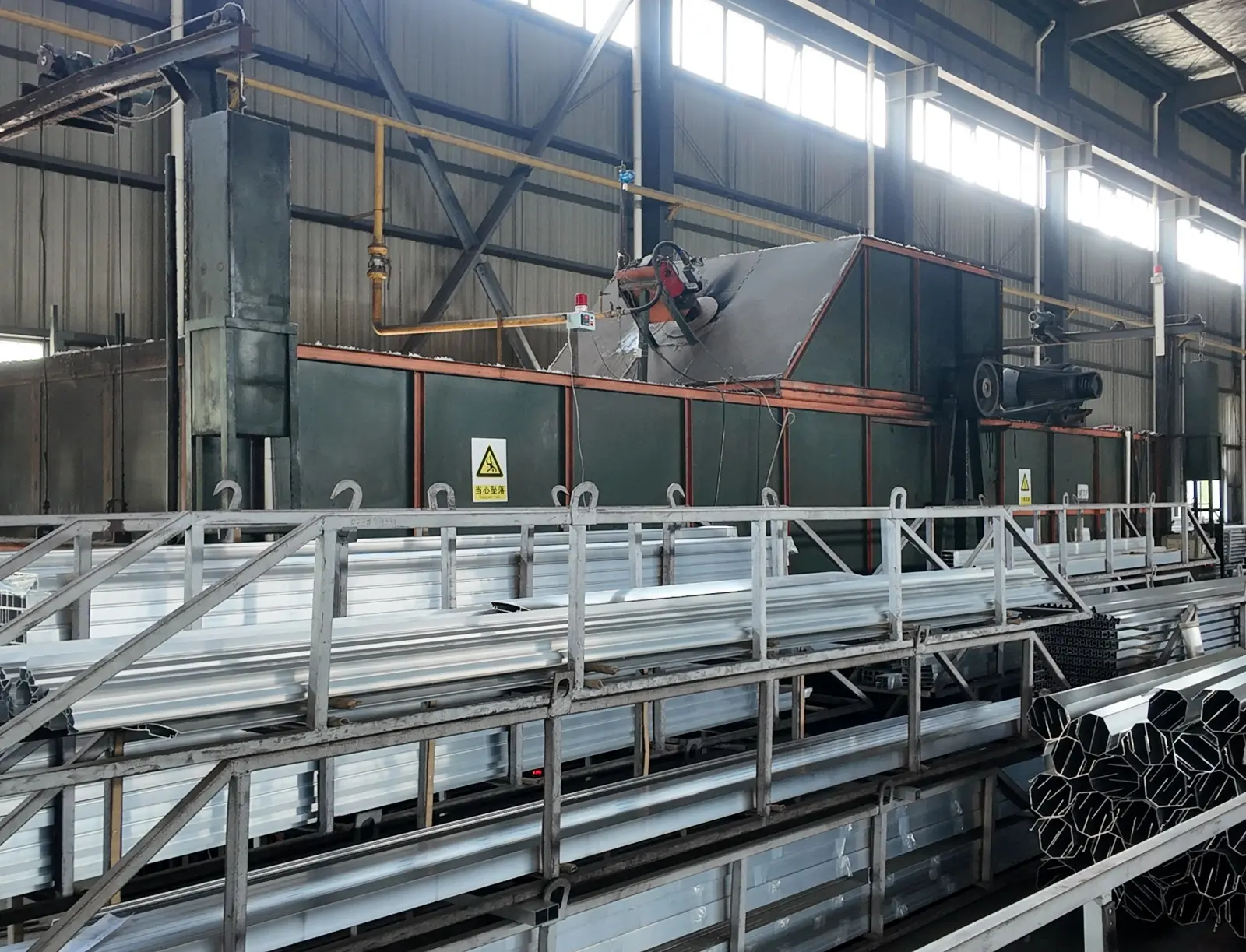
Designed for an annual output of 15,000 tons of structural aluminum profiles, our manufacturing plant operates five main extrusion production lines. This allows us to handle large-scale, high-complexity orders with tight tolerances for clients worldwide. The machinery list is strategically configured to cover a wide range of profile sizes:
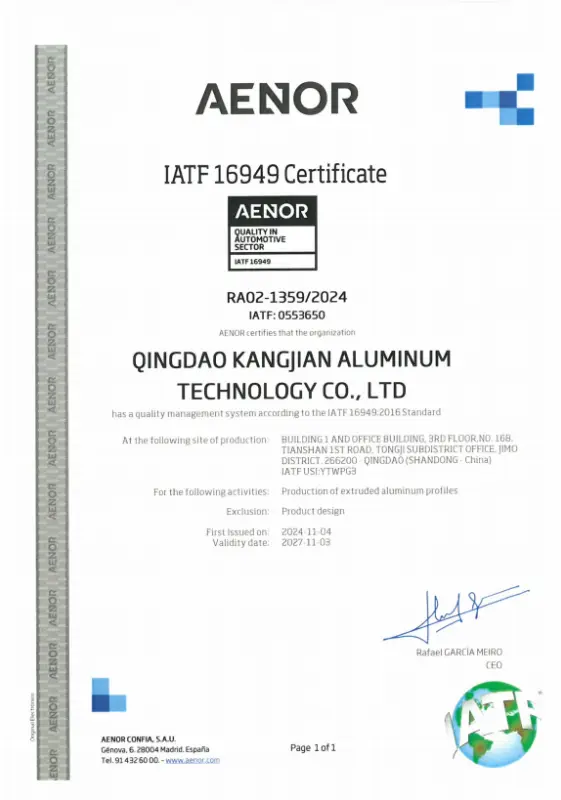
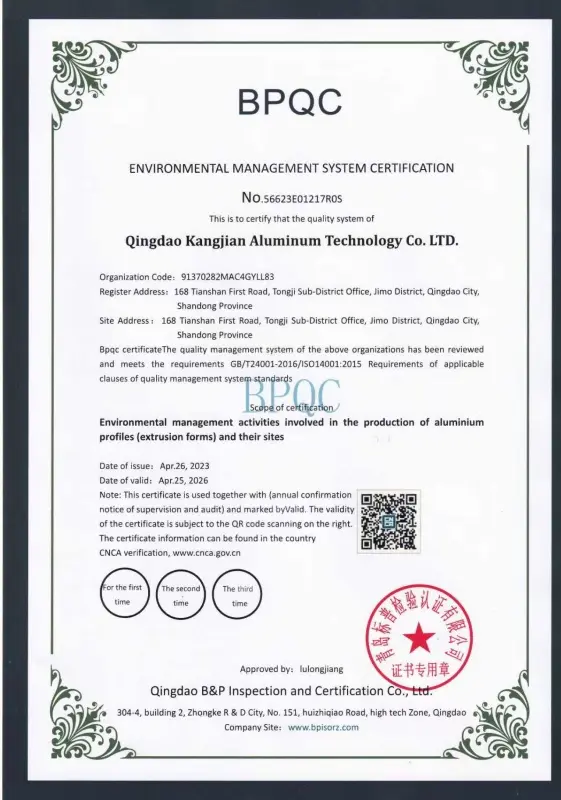
To operate at the highest levels of global manufacturing, our facilities are regularly audited and certified under international quality, safety, and environmental frameworks. These certifications reflect our alignment with international engineering specifications:
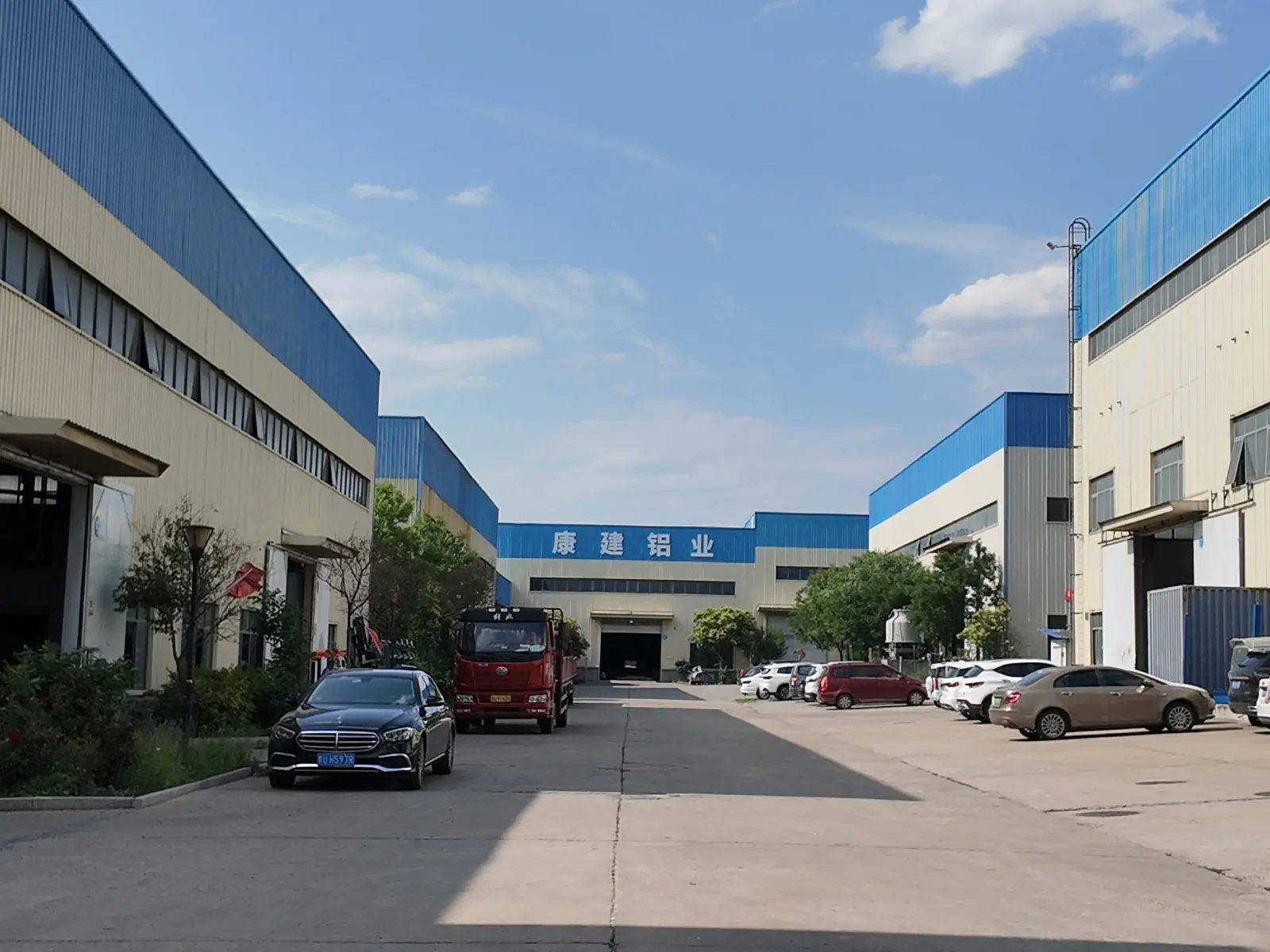
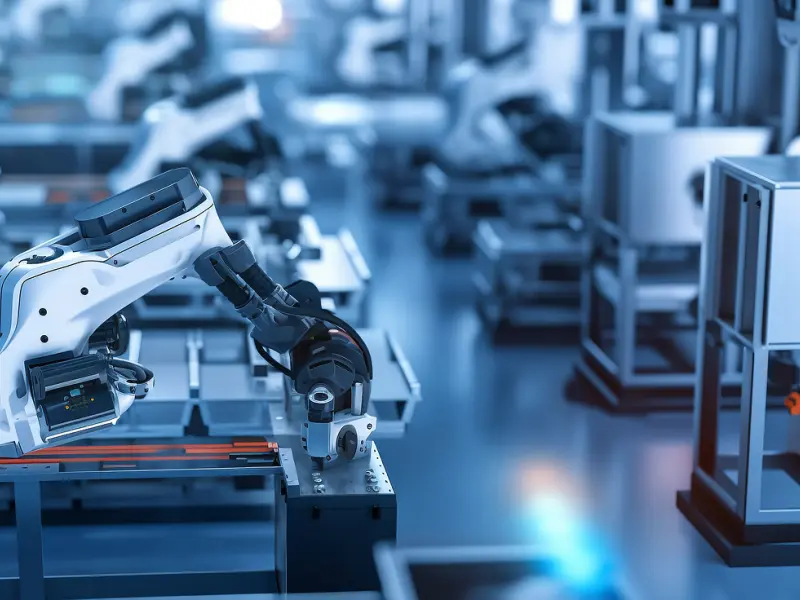
Figure 1: Automated manufacturing facility in Jimo District, Qingdao
The global industrial aluminum landscape has evolved beyond simple raw material extrusion. Today, the competitive advantage of sourcing from a specialized China factory lies in three main areas: metallurgical control, advanced post-extrusion CNC machining, and deep integration within the local industrial supply chain.
The performance of an aluminum profile is largely determined in the melting and casting house. Kangjian maintains strict control over alloy chemical compositions, ensuring our 6060, 6061, and 6063 formulations comply with ASTM, EN, and GB standards. Precise control over magnesium (Mg) and silicon (Si) ratios is critical to achieving target mechanical properties during heat treatment. For example, maintaining iron (Fe) levels below 0.35% helps prevent brittleness, which is essential for structural railway components and automotive parts that must absorb kinetic energy without failure.
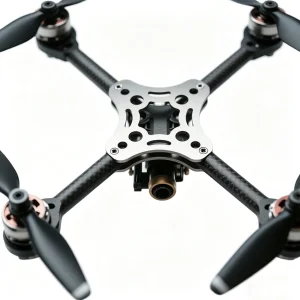
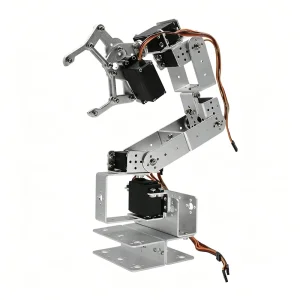
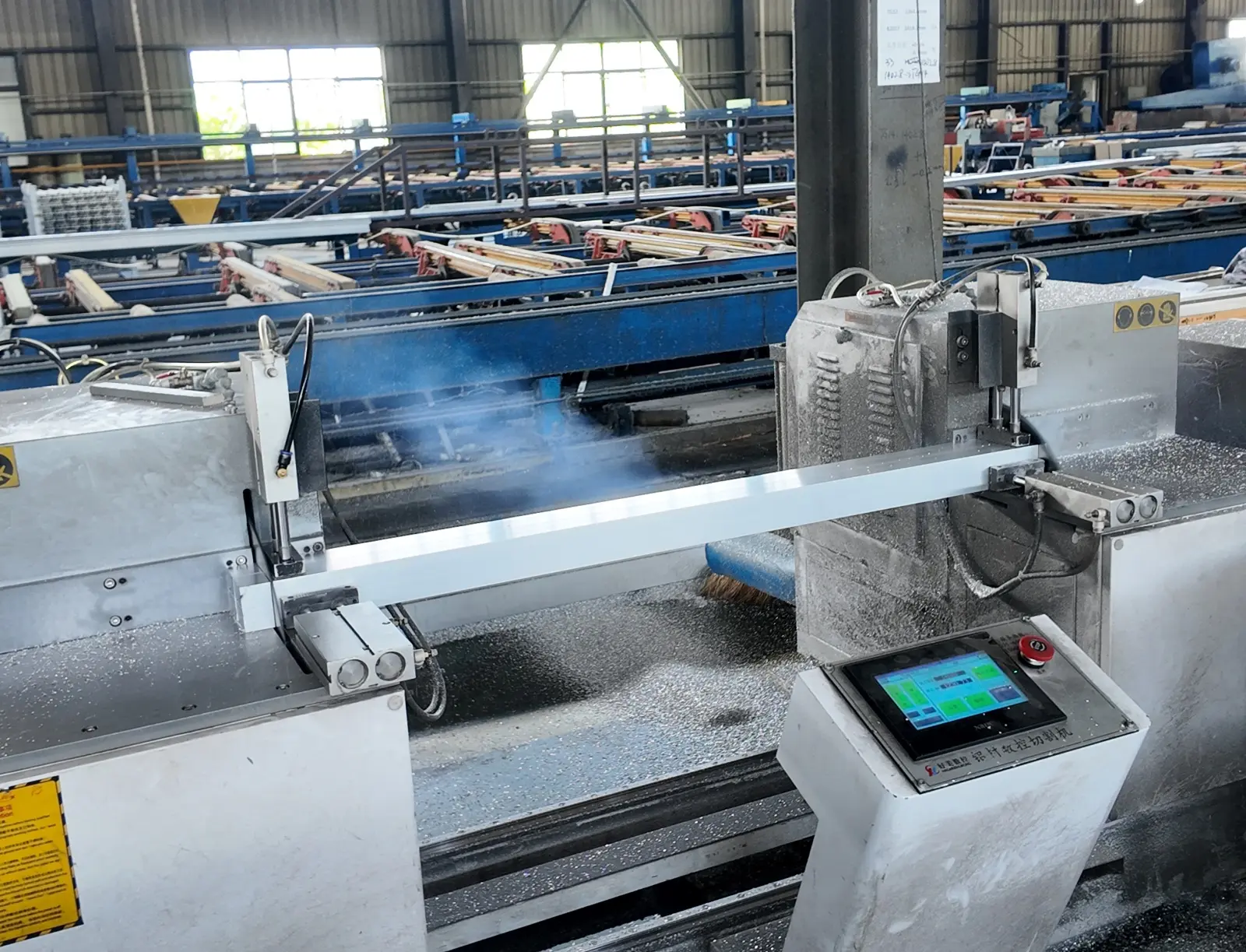
Extrusion alone is rarely the final step. Our factory integrates multi-axis CNC milling, precision cutting, deburring, and tapping under one roof. This setup eliminates the geometric errors that often occur when transferring parts to secondary processors. Whether you require tight tolerances for mechanical robotic arms (such as 6061 base mounts) or complex hollow shapes for drone frames, our CNC tooling ensures repeatable dimensional accuracy down to ±0.05 mm.
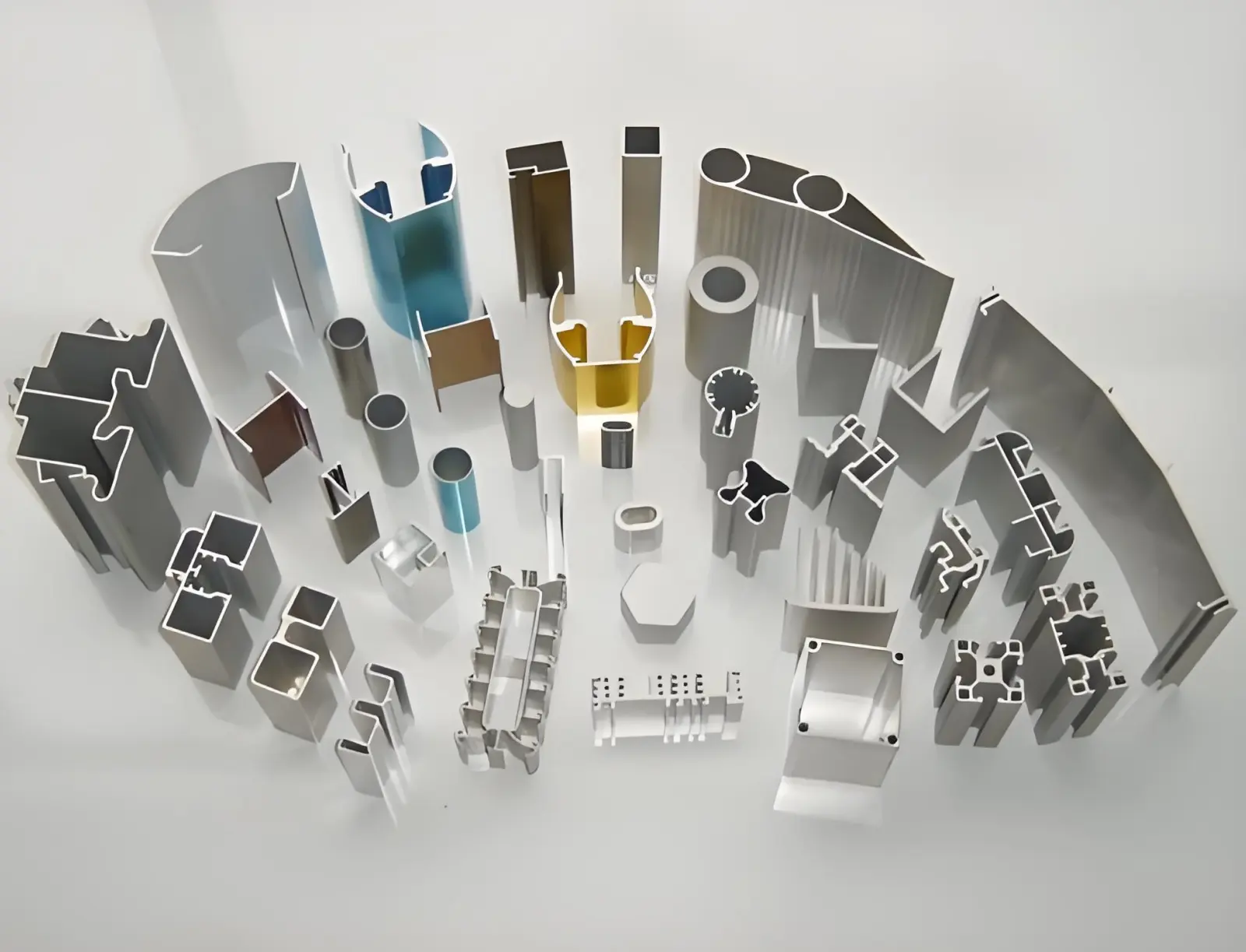
In-house tooling design enables fast prototyping and precise flow control during extrusion, reducing surface friction and defects.
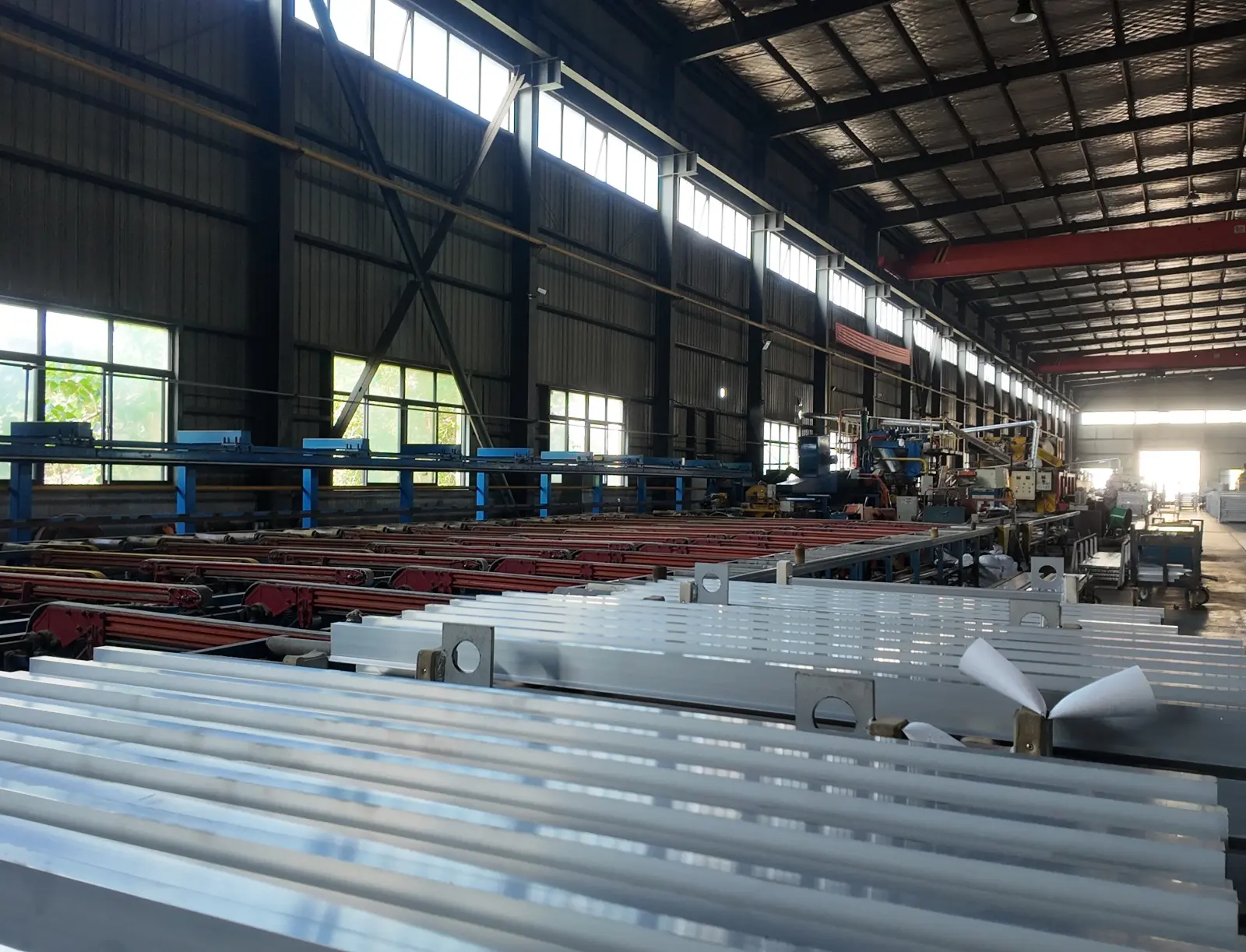
Controlled air and water quenching processes ensure profiles reach their designated T5 or T6 temper states with minimal warping.
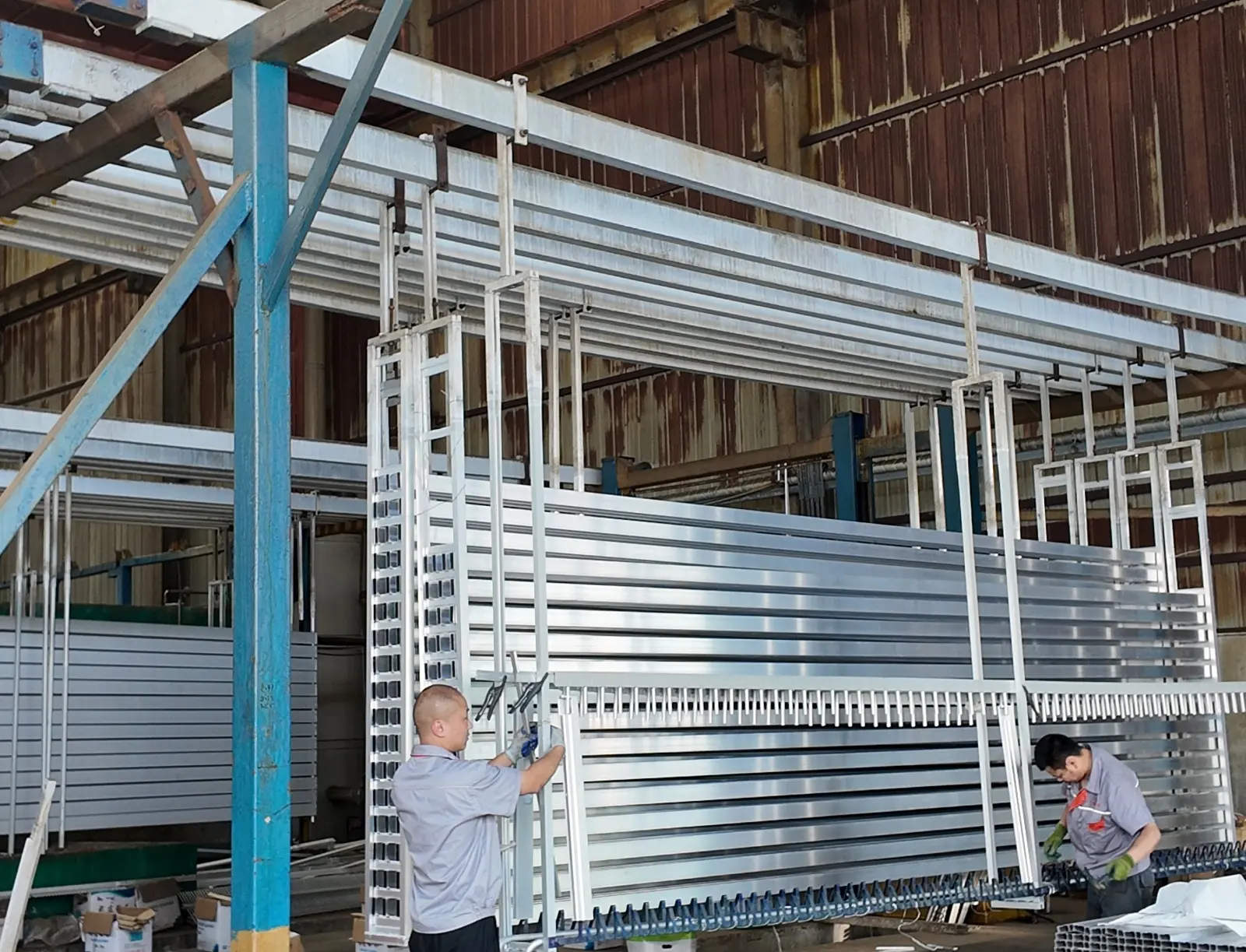
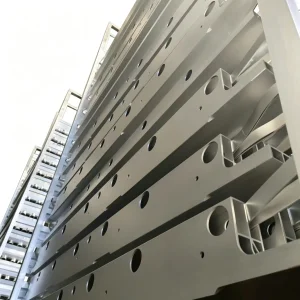
Dedicated CNC milling and tapping centers convert long-run extrusions into ready-to-assemble structural parts.
Logistics and shipping times are critical components of total cost of ownership (TCO). Located in Qingdao, our facility benefits from proximity to the Qingdao Port, one of the world's largest deep-water container ports. This geographic position allows us to offer direct shipping routes to major international ports in North America, Europe, and the Asia-Pacific region, reducing transit times and cargo handling risks.
How advanced aluminum profiles serve as the structural foundation for modern engineering projects.
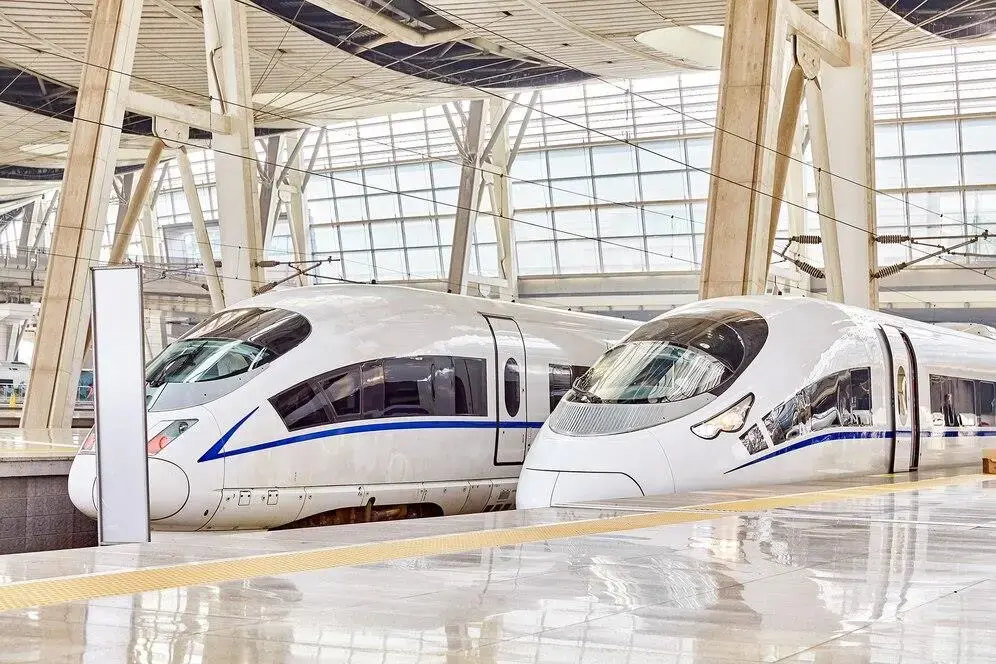
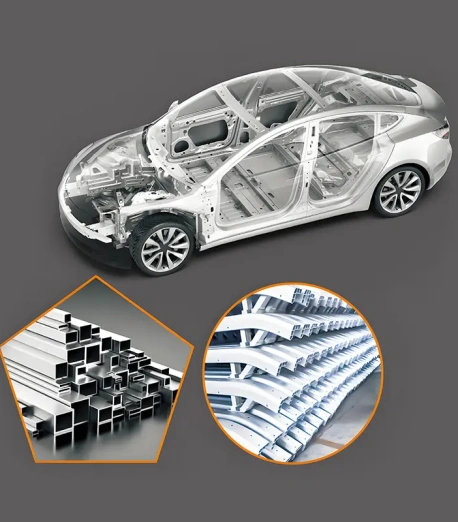
Lightweight designs directly translate to energy efficiency in transit systems. Under certifications like IATF 16949 and ISO 22163, we manufacture structural profiles for high-speed railways, subways, and automotive sub-assemblies. These profiles must meet strict crash safety and structural fatigue specifications, maintaining their mechanical properties under continuous stress.
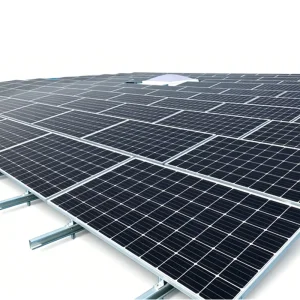
Utility-scale solar arrays require mounting structures that can withstand decades of exposure to wind, snow, and rain. Our extruded 6005-T5 and 6063-T6 aluminum solar frames and mounting brackets are anodized to resist atmospheric corrosion (Class Class C5-I), providing long-term structural stability without requiring ongoing maintenance.
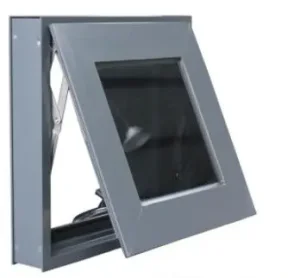
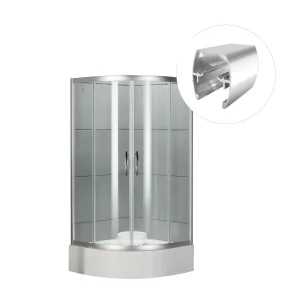
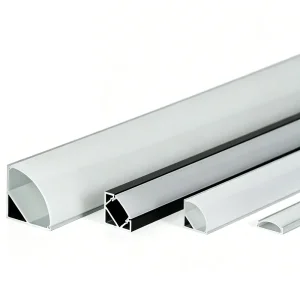
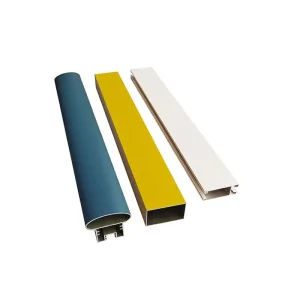
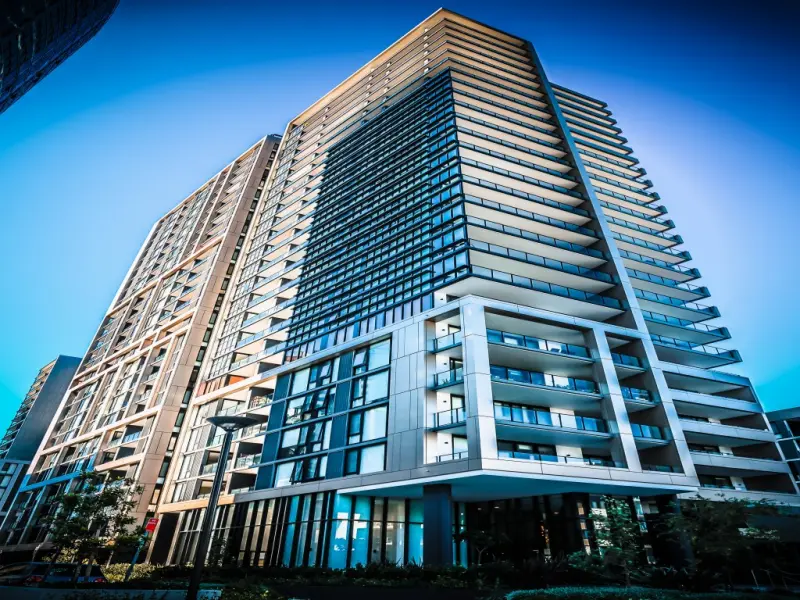
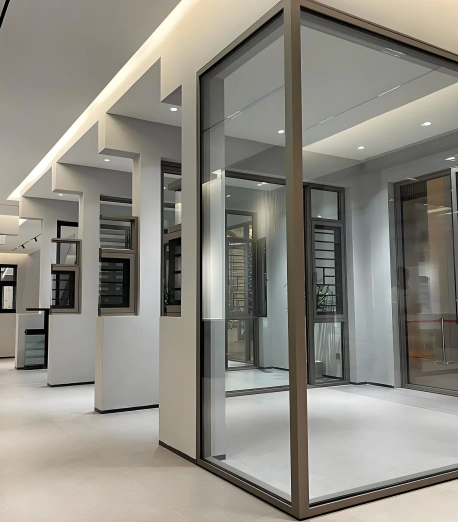
Modern building envelopes require high structural strength and precise dimensional tolerances. We produce anodized, powder-coated, and electrophoretic building profiles for curtain walls, shower room systems, and high-insulation window systems. These components are engineered to resist high wind loads while maintaining tight thermal seals.
Qingdao Kangjian's industrial story began with a clear objective: to bridge the gap in domestic high-precision aluminum extrusion for specialized sectors like high-speed rail and heavy manufacturing. Operating from our hub by the Yellow Sea, we have built a business model that balances domestic production with direct access to global shipping channels.
This dual-market approach enables us to support infrastructure projects both within mainland China and in demanding international markets, including South Korea, Japan, the EU, and North America. Over the past three years, we have maintained a 30% average annual growth rate in shipment volume, reflecting our commitment to reliable delivery and strict quality control.

Select your industry-specific engineering profile category below.
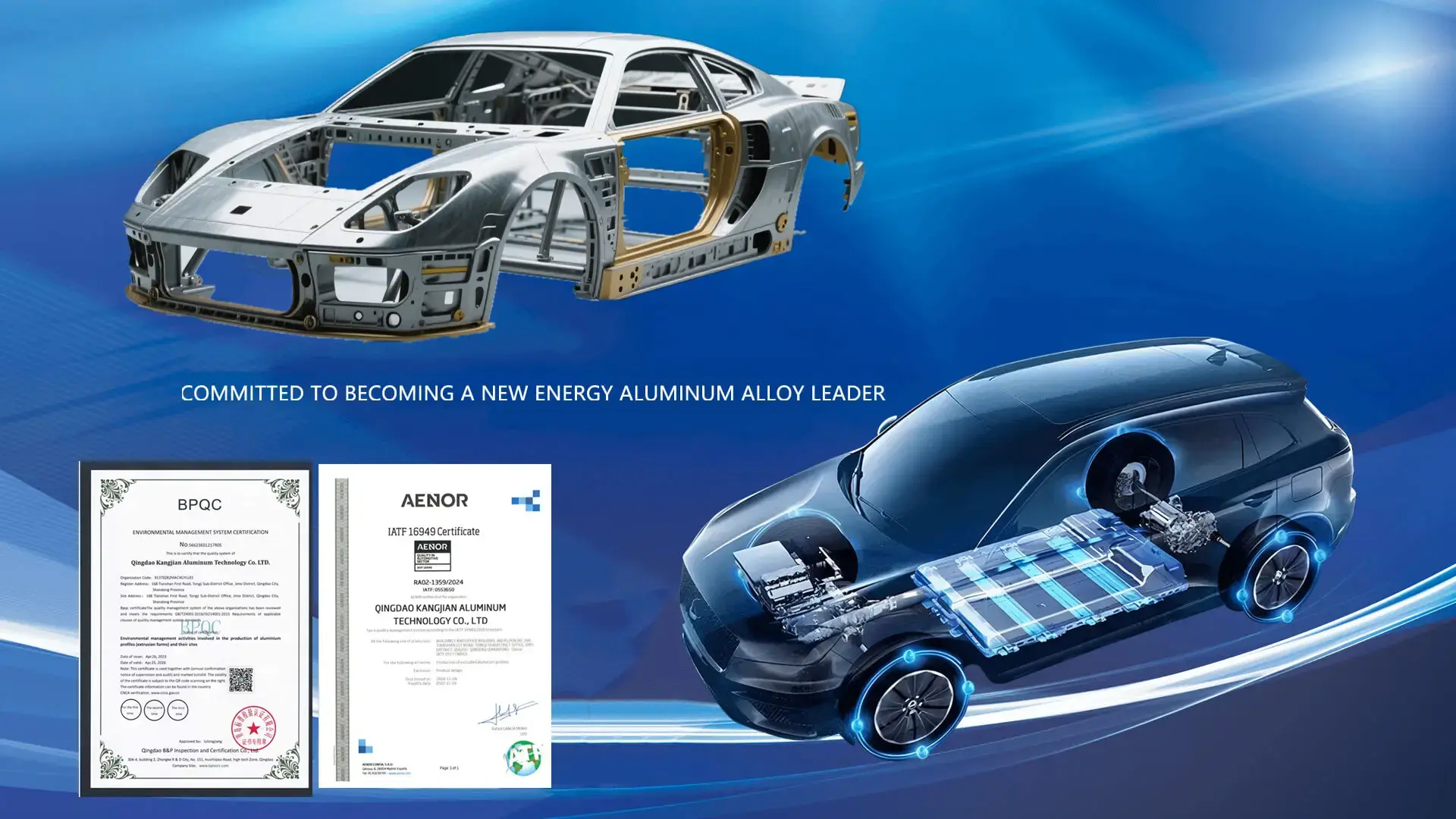
Third-party testing reports and systems certification proving strict compliance to technical requirements.
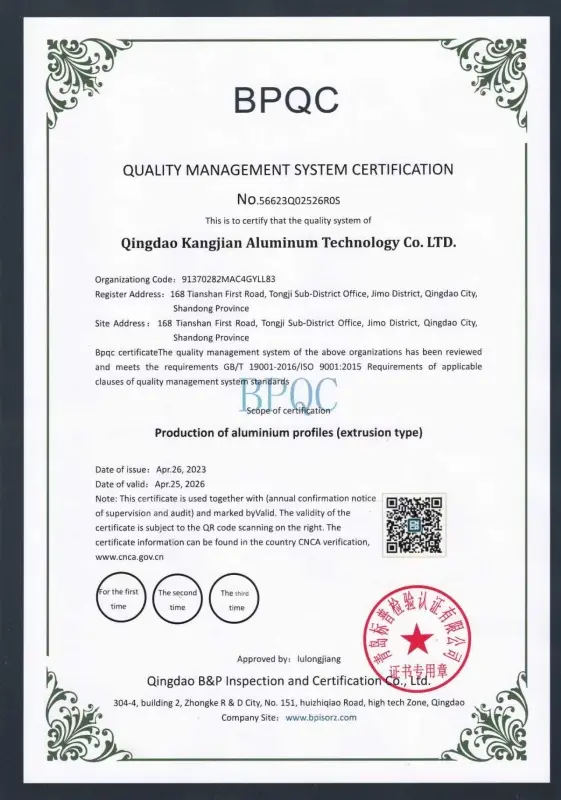
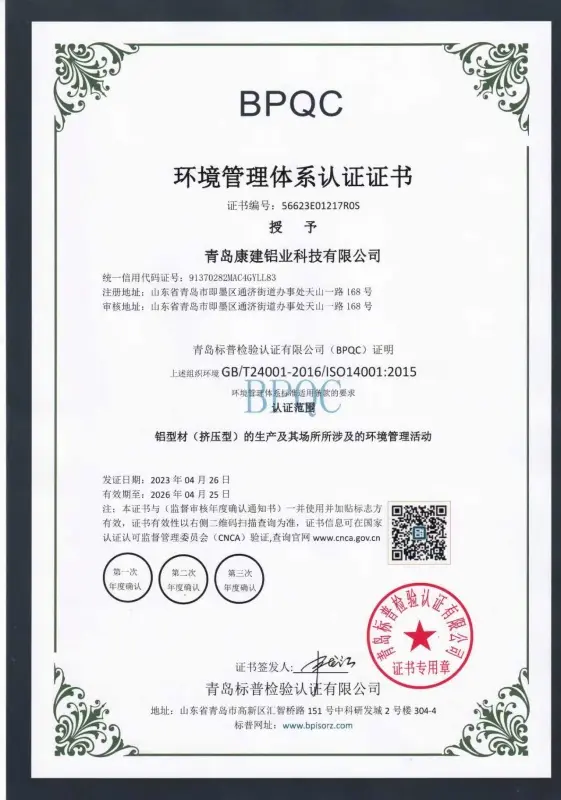
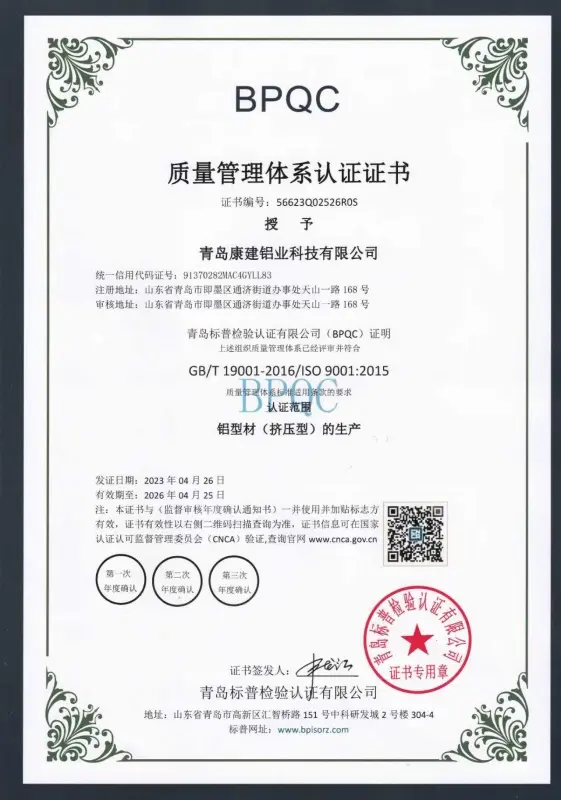
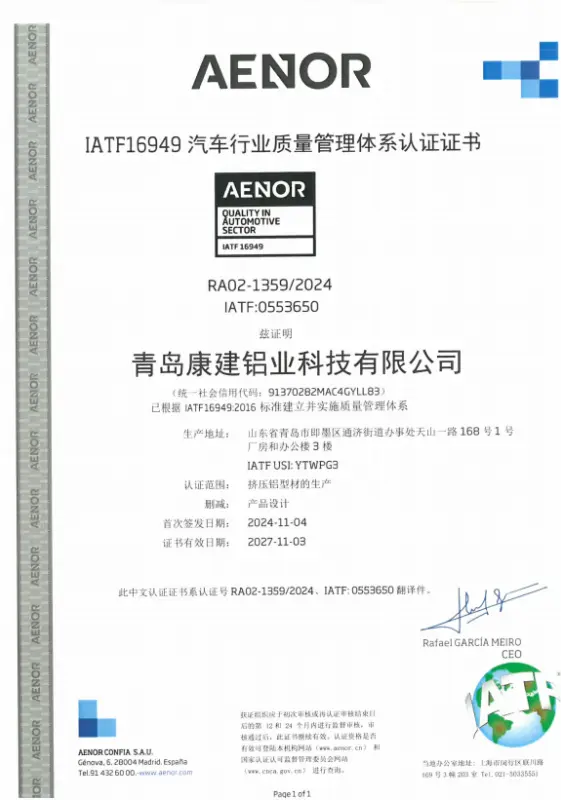
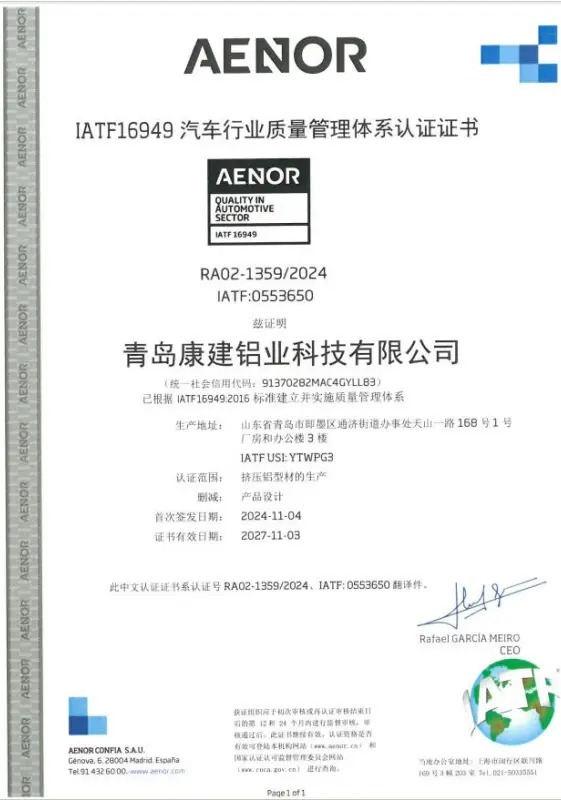
Working alongside global industry leaders to supply critical structural components.


Deployments in marine ports, transportation systems, and industrial infrastructure.
Corrosion-resistant marine alloy structural extrusions for crane assemblies and dock systems.
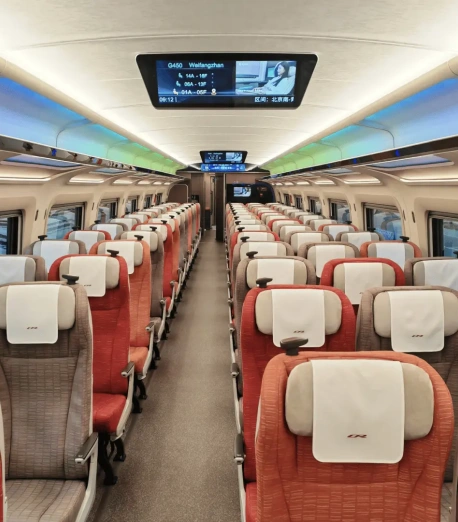
Lightweight structural panels and flooring components for high-speed rail systems.
Heavy-duty structural framework for automated warehousing robots and material handlers.
High-strength structural framing for utility-scale solar arrays subject to high wind loads.
Key information regarding structural designs, metallurgy, tolerances, and B2B ordering procedures.
We manage mechanical properties through precise metallurgical control and standardized thermal processing. For 6061-T6 profiles, we target a magnesium range of 0.8%–1.2% and a silicon range of 0.4%–0.8%. Following extrusion, components undergo automated water quenching to lock in the solid solution state, followed by artificial aging at 175°C for 8 hours. This process yields a minimum tensile strength of 290 MPa and a yield strength of 240 MPa. For 6063-T6, air quenching is followed by aging at 185°C to achieve a minimum tensile strength of 185 MPa, optimizing the balance between strength and surface finish.
Our standard extrusions conform to the EN 755-9 and GB/T 14846 standards. For customized high-precision profiles processed in our CNC division, we routinely achieve dimensional tolerances of ±0.05 mm on critical features, with angular tolerances held to ±0.5 degrees. Every production run undergoes coordinate measuring machine (CMM) testing to verify geometry against client CAD designs before packing and shipping.
Yes. Qingdao Kangjian operates under certified IATF 16949 (Automotive Quality Management) and ISO 22163 (Railway Quality Management System) standards. Our structural welding processes comply with the EN 15085-2 and ISO 3834-2 requirements, and our adhesive bonding processes meet the DIN 6701 standard. These certifications confirm our capability to manufacture load-bearing structural parts for high-speed rail, regional subways, and passenger vehicles.
We offer three primary surface treatment options to protect against environmental degradation: anodizing, powder coating, and electrophoresis. For solar mounting systems, we typically specify anodized coatings with thicknesses ranging from Class AS12 (12-15 microns) up to AS25 (25+ microns) for coastal or industrial environments. Our powder coatings utilize architectural-grade Qualicoat-approved powders, providing resistance to UV radiation, moisture, and salt spray exposure.
For custom profile designs, the tooling and die fabrication process takes approximately 10 to 14 working days. Once the die is completed, we run trial extrusions to produce initial samples. These samples undergo coordinate measuring machine (CMM) dimensional checks and tensile testing. A First Article Inspection Report (FAIR) along with sample pieces are shipped to the client for validation, typically within 18 days of design finalization.
Yes. We customize packaging to protect surfaces and prevent structural deformation during transit. Profiles are interleaved with protective paper or shrink-wrapped in PE film to prevent metal-on-metal abrasion. Bundles are then secured with steel straps, wrapped in heavy-duty waterproof woven material, and packed into custom wooden crates or steel frames. This packaging structure supports forklift handling at international ports while protecting the products from moisture and physical impact.
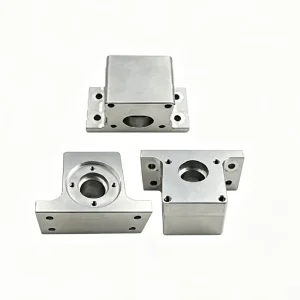
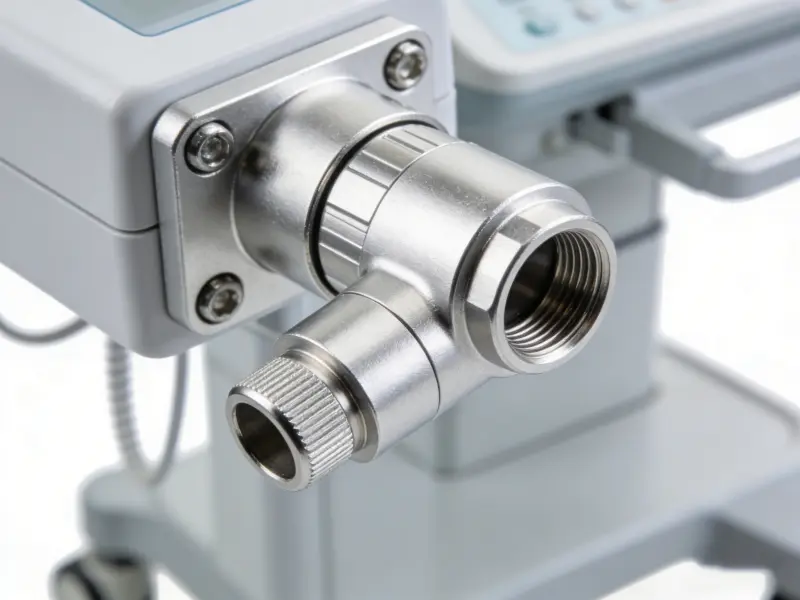
Industrial components machined and finished to international quality and dimensional standards.