Kangjian
Kangjian
Kangjian
Engineered to extreme tolerances, serving leading global industries from robotics to commercial lighting.
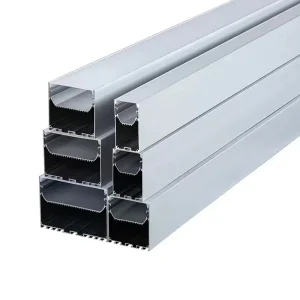
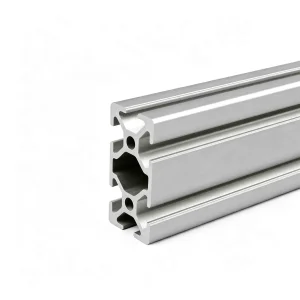
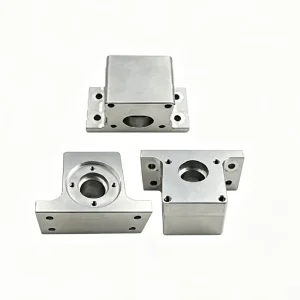
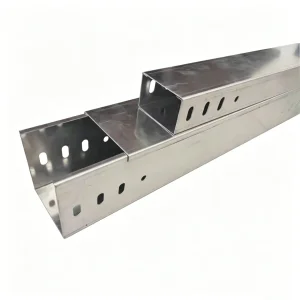
In the modern manufacturing landscape, the demand for precision, efficiency, and structural reliability has pushed aluminum extrusion and CNC machining integration to the forefront. At Qingdao Kangjian Aluminum Industry Technology Co., Ltd., we understand that finding the right partner in China's manufacturing ecosystem requires assessing technological capabilities, regulatory compliance, quality management systems, and a commitment to innovation. This comprehensive industry whitepaper outlines how our advanced facility bridges the gap between state-of-the-art aluminum extrusions and high-precision CNC machining parts.
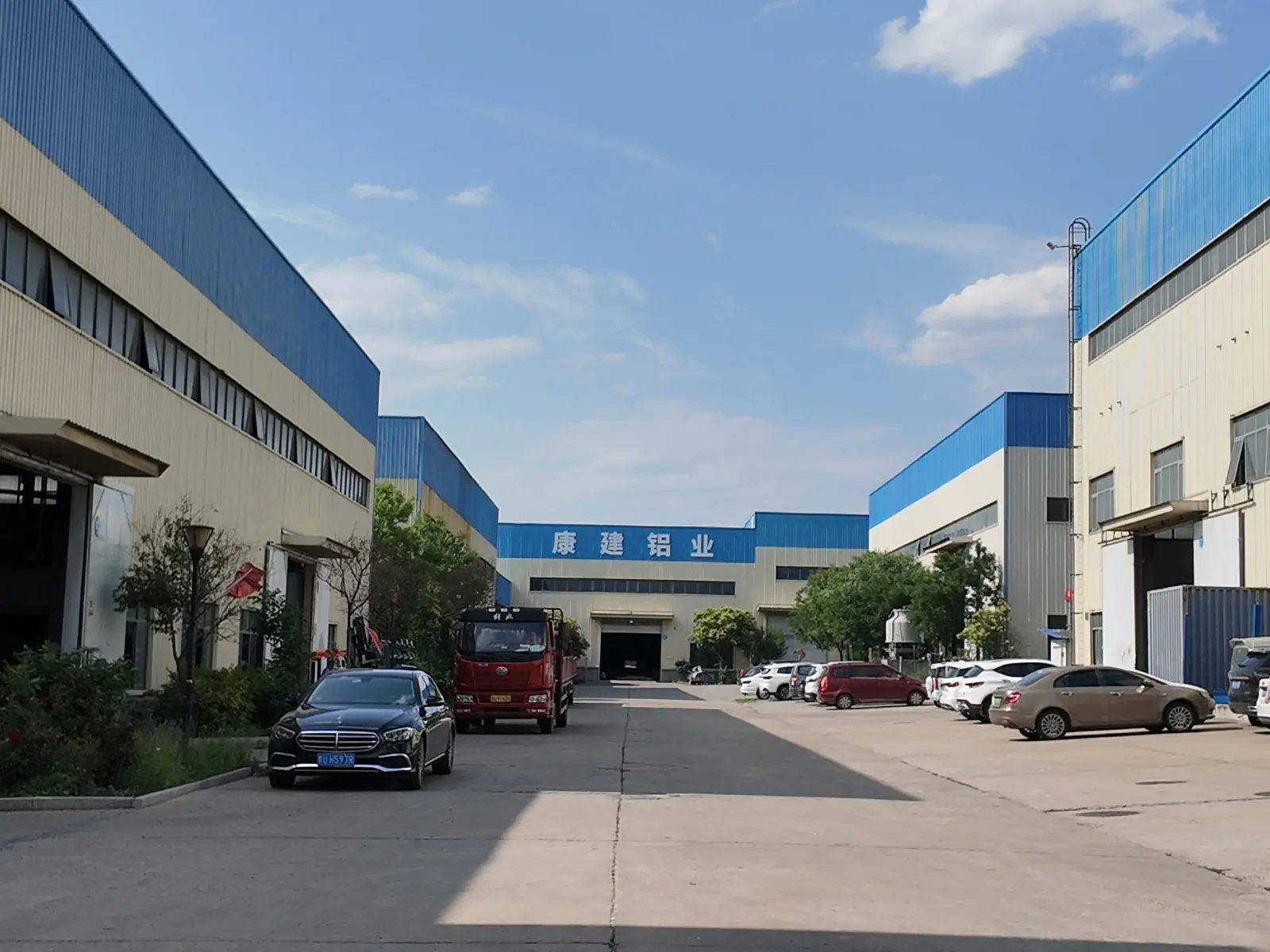
Founded with a focus on manufacturing integrity, Qingdao Kangjian Aluminum Industry Technology Co., Ltd. is based in the Jimo District of Qingdao, Shandong Province. Formally registered and expanded rapidly, our operations utilize a massive 200-mu industrial park consisting of an 80,000 square meter modern factory space and a 4,000 square meter engineering and administrative center.
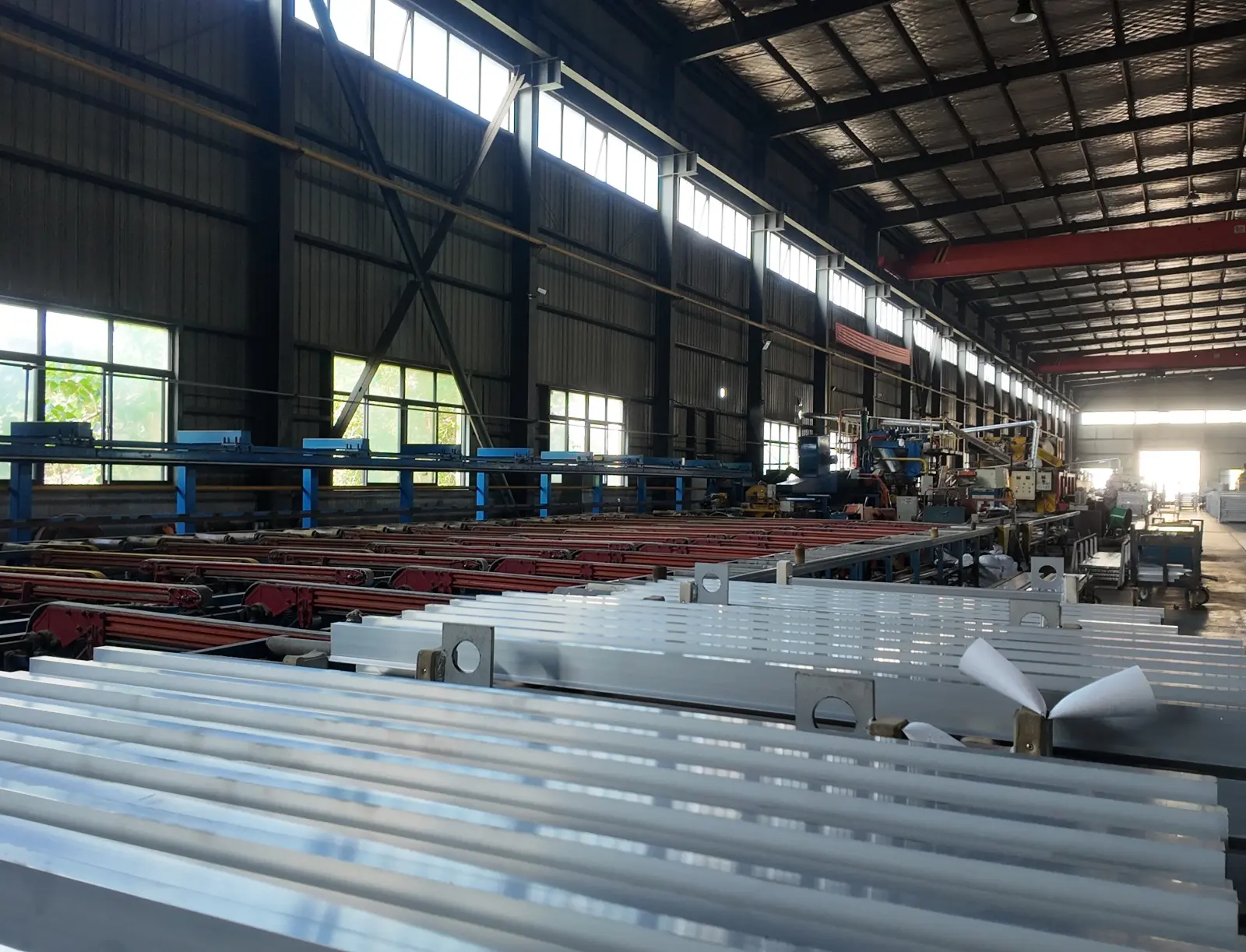
We operate 5 highly automated extrusion production lines—including a high-pressure 2500T extruder, a 1450T unit, an 1150T unit, and two 700T extruders—providing an annual output capacity of over 15,000 metric tons of specialized aluminum profiles. By combining extrusion capabilities with precision multi-axis CNC milling, turning, cutting, and advanced welding, we serve as a comprehensive partner for complex metal components.
Annual Production Capacity
Modern Factory Footprint
Advanced Extruders (Up to 2500T)
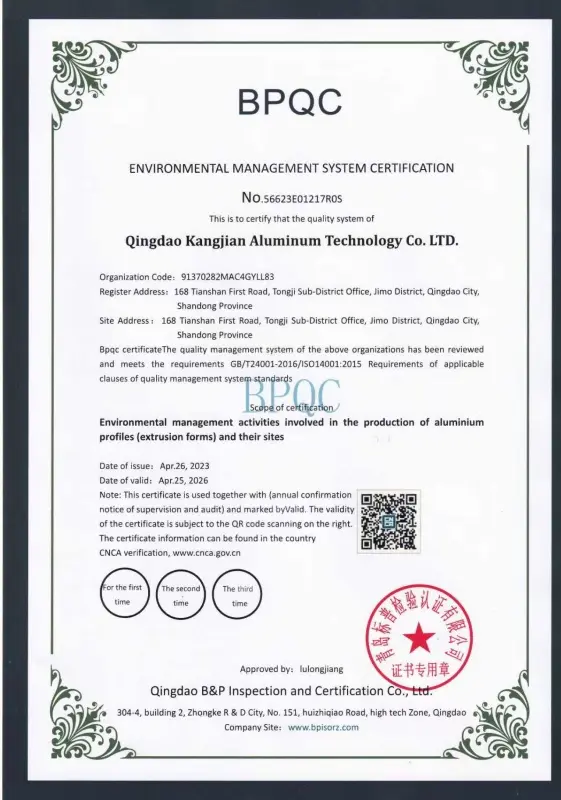
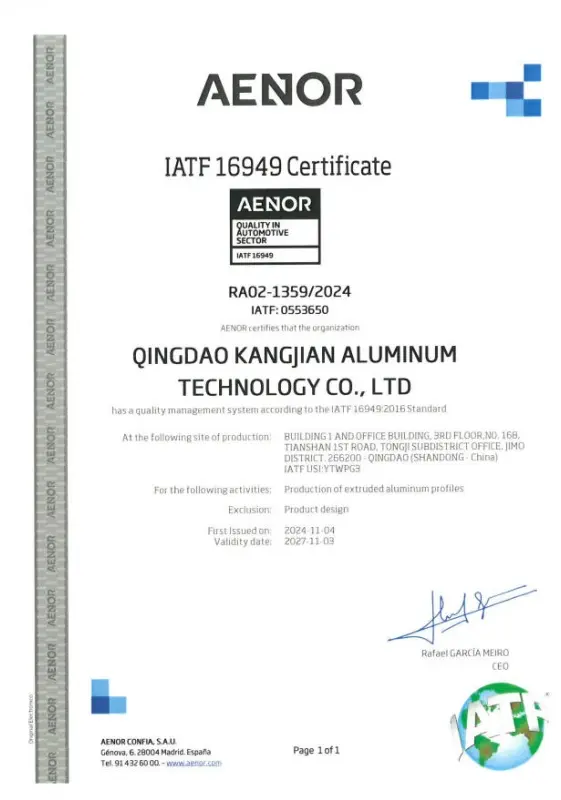
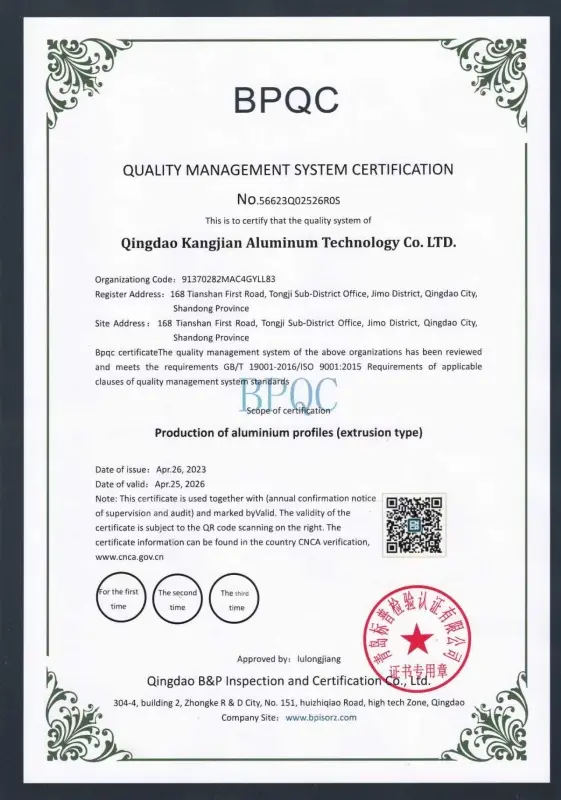
ISO, IATF16949, EN15085, AWS
Uncompromising standards verified by international authorities, ensuring consistent performance for high-risk applications.
Adhering to automotive standards means zero-defect planning, robust failure mode effects analysis (FMEA), and complete material traceability from ingot to final machined components.
Certified to EN 15085 (Railway applications - Welding of railway vehicles and components) and ISO 3834, we ensure structural integrity for components subjected to high dynamic loads.
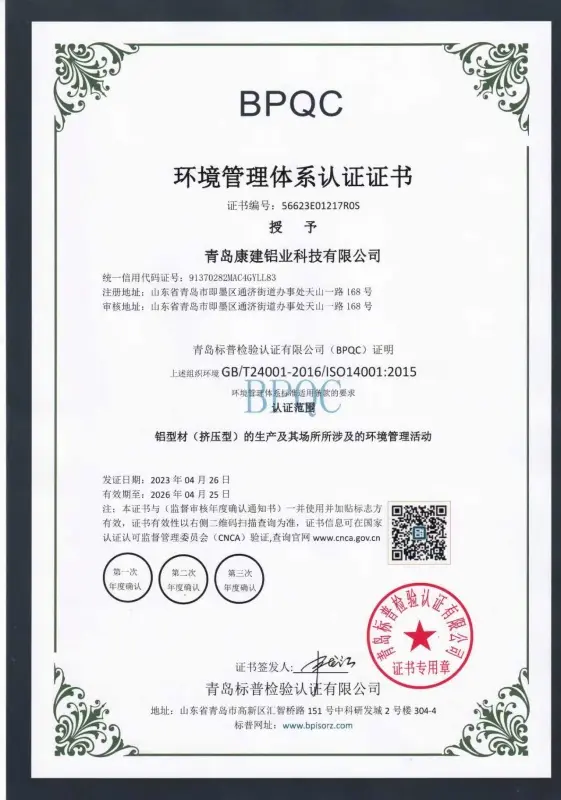
Our environmental and quality infrastructure ensures sustainable operations, safe chemical handling, and consistent mechanical property profiling for all extruded alloys.
How Kangjian integrates automated extrusions and lean CNC machining to optimize Lead Time and Cost.
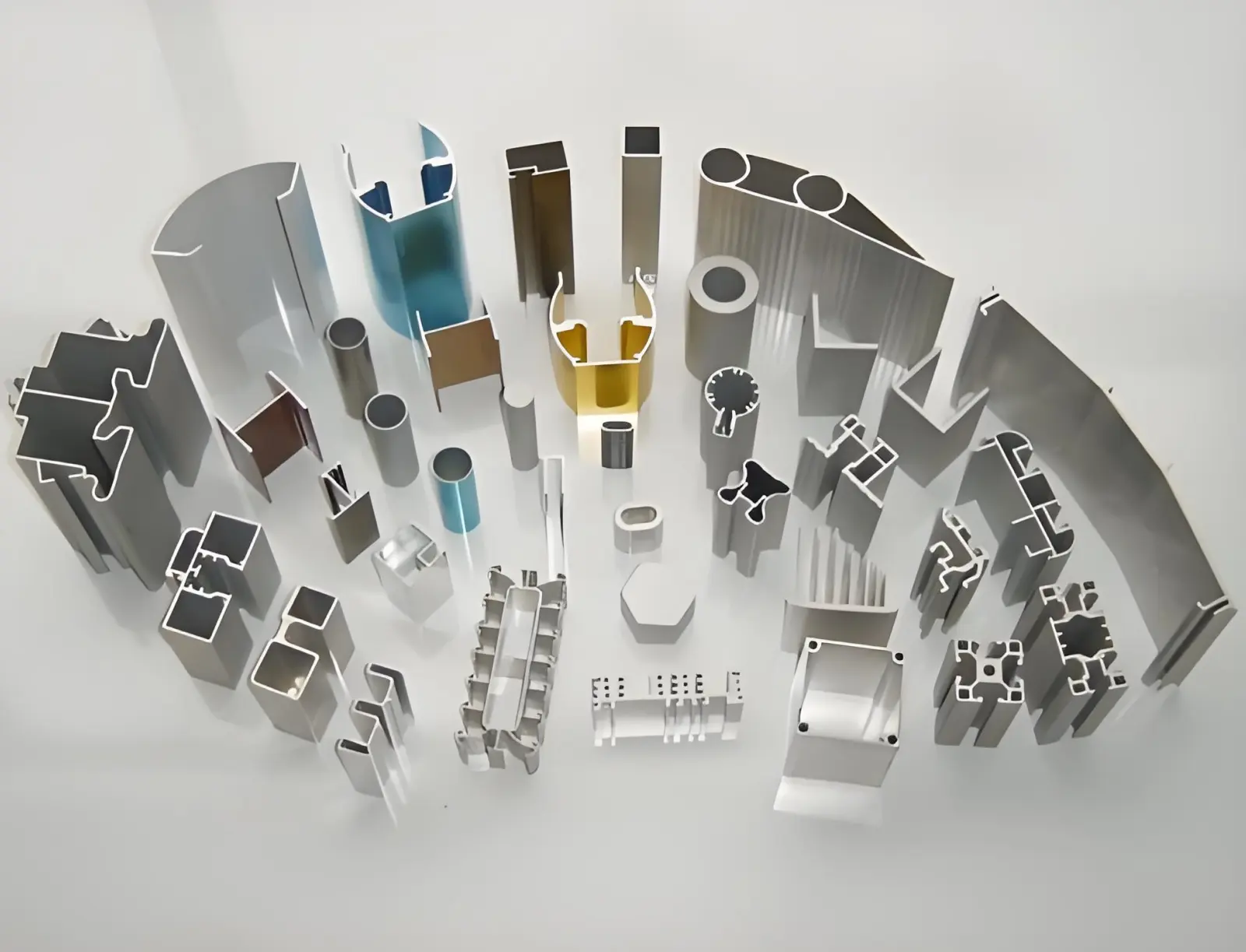
Many suppliers outsource their extrusion profile manufacturing and only complete the secondary CNC machining, leading to communication gaps, dimensional stack-ups, and extended lead times. Qingdao Kangjian eliminates these points of failure by managing the raw extrusion and precision machining under one roof.
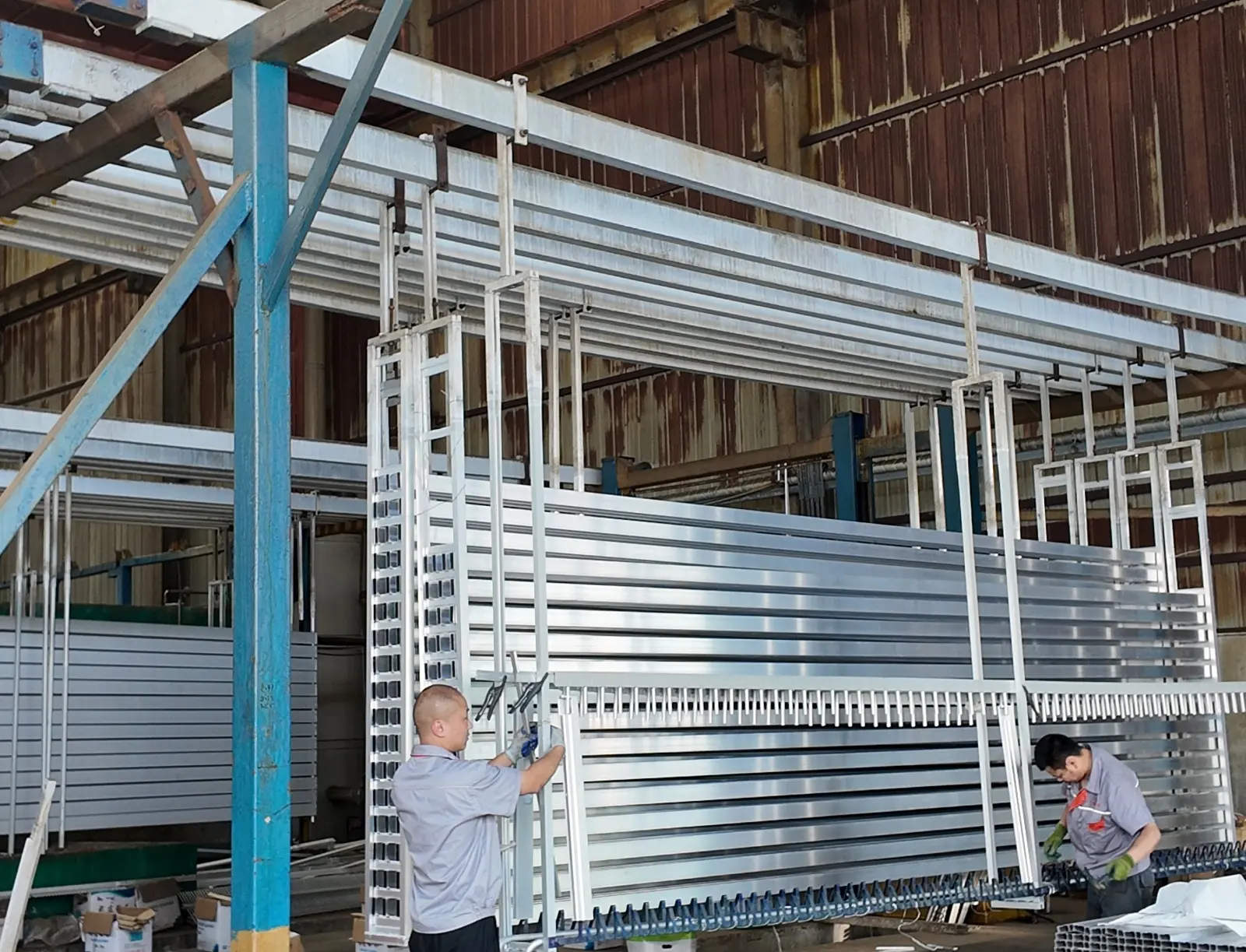
Our facility designs and manufactures custom extrusion dies, controls the chemistry and mechanical properties of the alloy billets (such as 6063, 6061, 6082, 7075), and transitions the profiles directly to our multi-axis CNC machining centers. This vertical integration allows us to achieve tight geometric tolerances, perform surface treatments (including anodizing, powder coating, and sandblasting), and execute quality inspections in one continuous loop.
Our average annual order delivery and output value have expanded by 30% year-over-year, demonstrating our capacity to support global procurement needs without supply chain interruptions.
Take a look inside our processing zones, where advanced technology ensures precision at scale.

Tailoring physical configurations, mechanical tolerances, and surface treatments to unique industrial requirements.
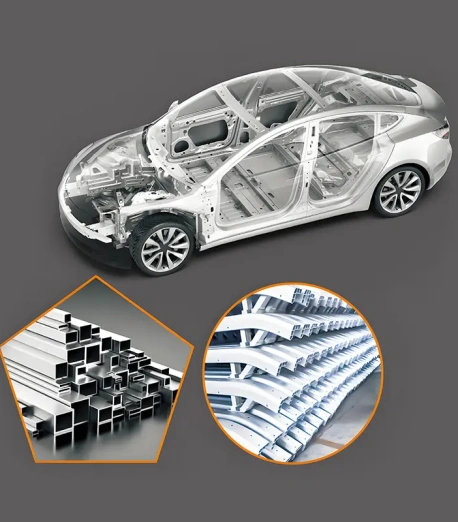
By producing structurally optimized, thin-walled, high-strength extrusions combined with IATF 16949 compliant machining, we manufacture vehicle crash beams, battery housings, subframe parts, and interior support structures.
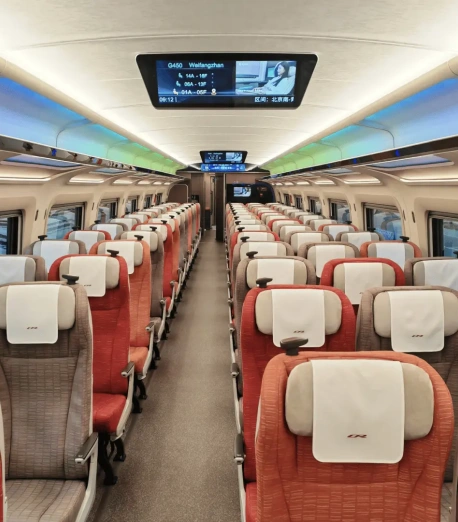
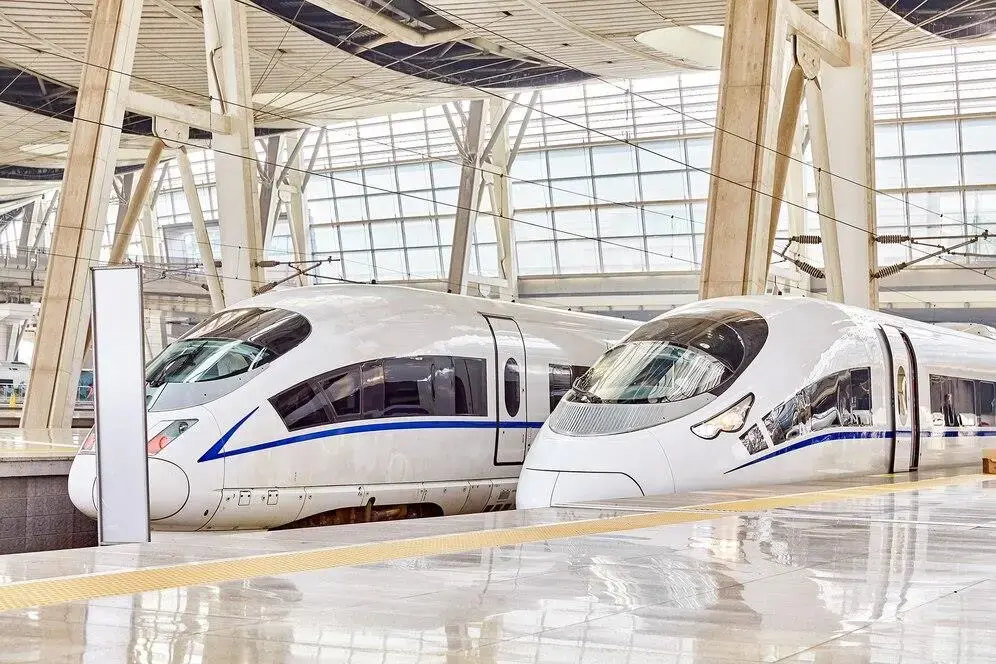
Specializing in profiles for high-speed railways and subways. Large structural sections require strict flatness tolerances, mechanical properties, and specialized welding certifications like EN15085 and DIN6701.
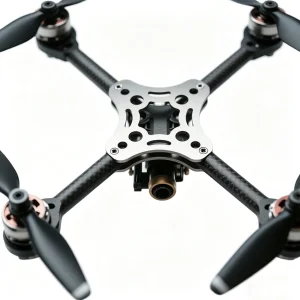
Utilizing high-strength alloys (e.g., 7075 T6) for robotic mechanical arm joints, drone chassis, and structural frameworks. Our CNC processes ensure clean cut finishes, minimal tool deflection, and low dimensional variation.
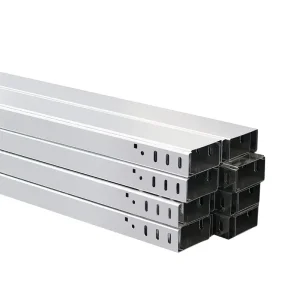
Producing corrosion-resistant, high-payload platform fittings, cable ladders, and structural frame profiles capable of withstanding harsh offshore marine and chemical environments.
We supply precision profiles for diagnostic machinery, patient handling beds, and equipment housings, prioritizing clean cosmetic surfaces, anodized finishes, and deburred edges.
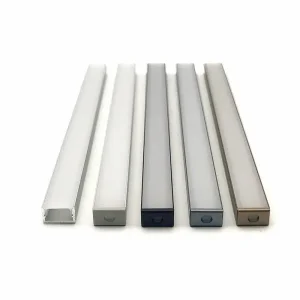
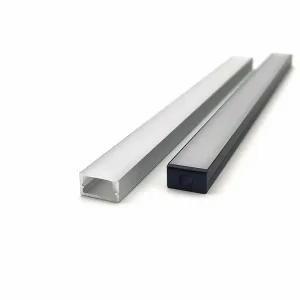
Creating extruded profiles with precise channels for thermal dissipation. High-volume, aesthetic components such as architectural fixtures, light guide channels, and custom pendant brackets.
Adapting to evolving global design requirements through ongoing technical research and development.
We continue to develop and test alloys characterized by high elongation and strength, such as specialized 6xxx and 7xxx variations. Additionally, we are optimizing tooling configurations to produce ultra-thin extrusion walls (down to 0.8mm) without compromising structural integrity or mechanical properties.
Our facility is integrating robot arm loading/unloading systems for our CNC milling stations and laser measurement systems. Transitioning to robotic CNC handling improves part-to-part consistency, reduces unit costs on high-volume production runs, and limits manual handling issues.
Industrial components are increasingly subject to low-carbon lifecycle assessments. We are working to minimize energy consumption during extrusion, source low-carbon raw materials, and optimize scrap recycling loops within our facility to support our partners' sustainability initiatives.
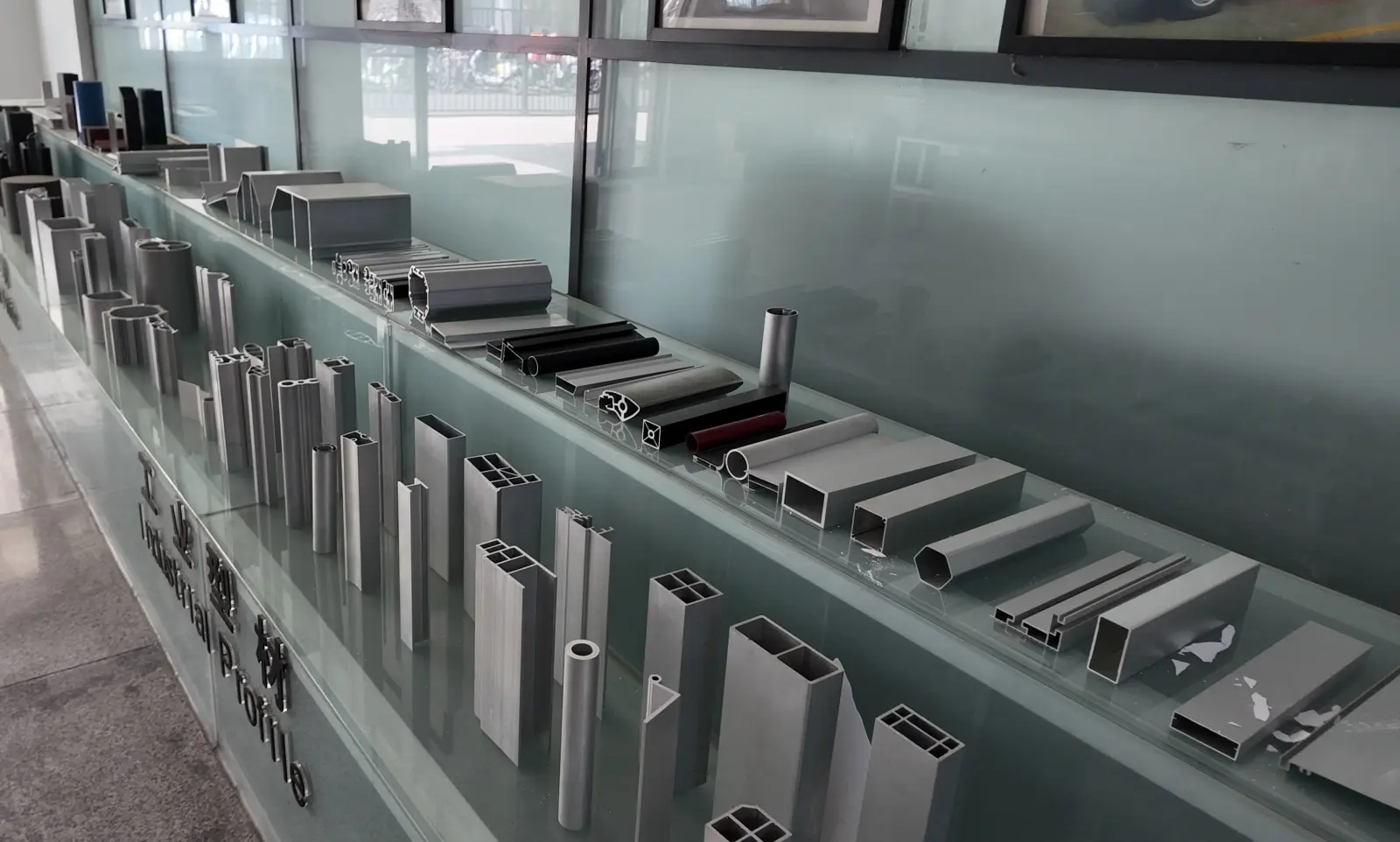
Addressing key risk areas when sourcing from overseas manufacturers.
We provide chemical composition analyses and mechanical property testing logs for every production batch, ensuring structural grades align with target specifications.
Managing both the extrusion and machining stages in a single facility minimizes transit delays and reduces lead times for complex assemblies.
Our engineering team reviews 2D/3D CAD models (STEP, IGES, DWG) for DFM (Design for Manufacturing) optimization, helping to lower production costs before tooling begins.
Providing specialized profile geometries and machining options tailored to diverse application environments.
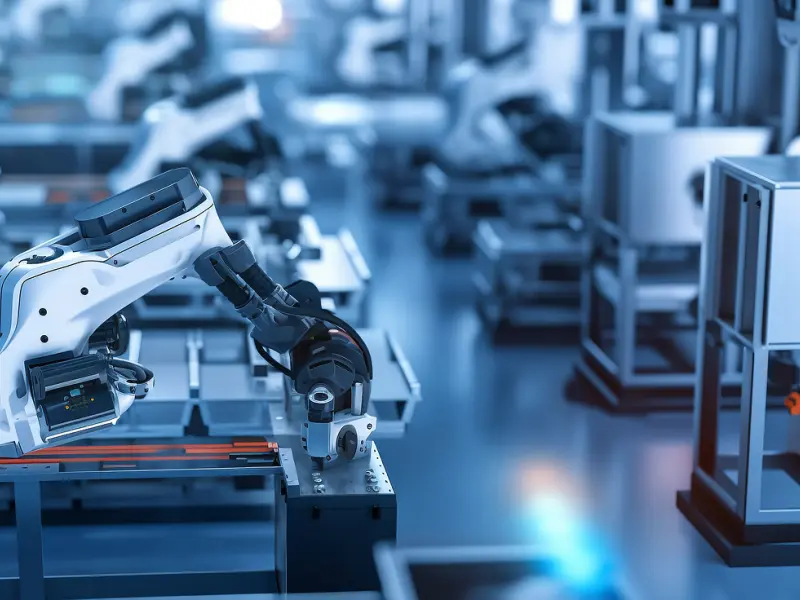
T-Slot setups, modular frames, and support brackets for automation lines, conveyors, and mechanical equipment platforms.
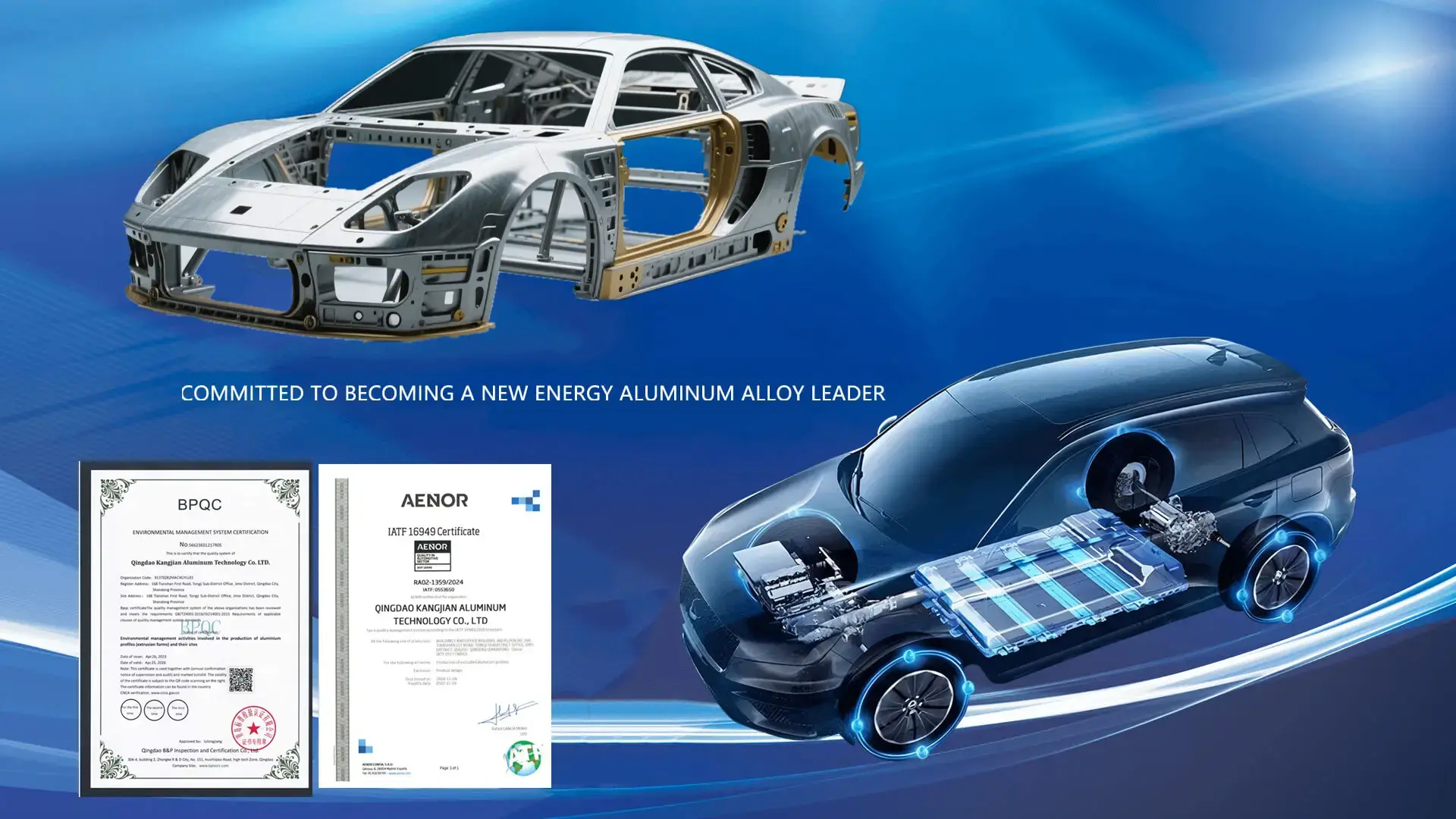
Precision structures including battery box enclosures, crash-absorption tubes, and interior door mounting frames.
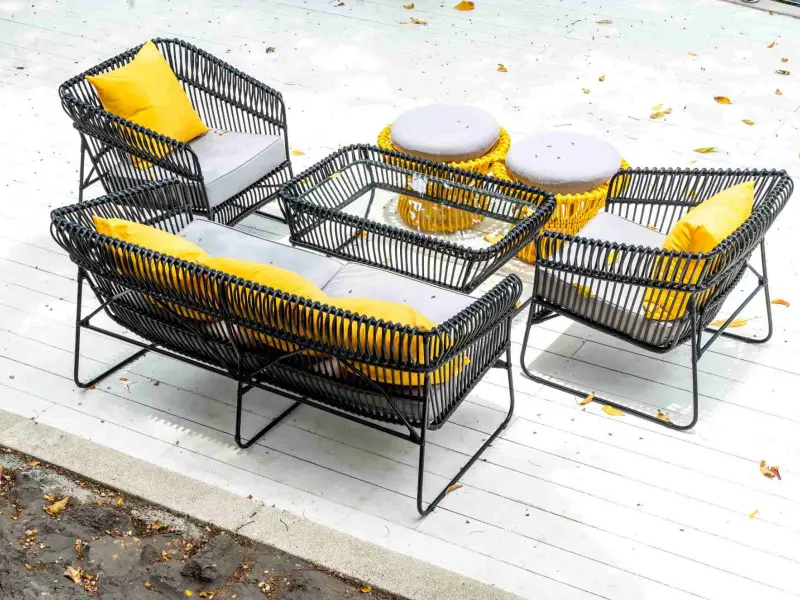
Weather-resistant extrusions for patio frames, pergolas, and outdoor structural systems requiring long-term durability.
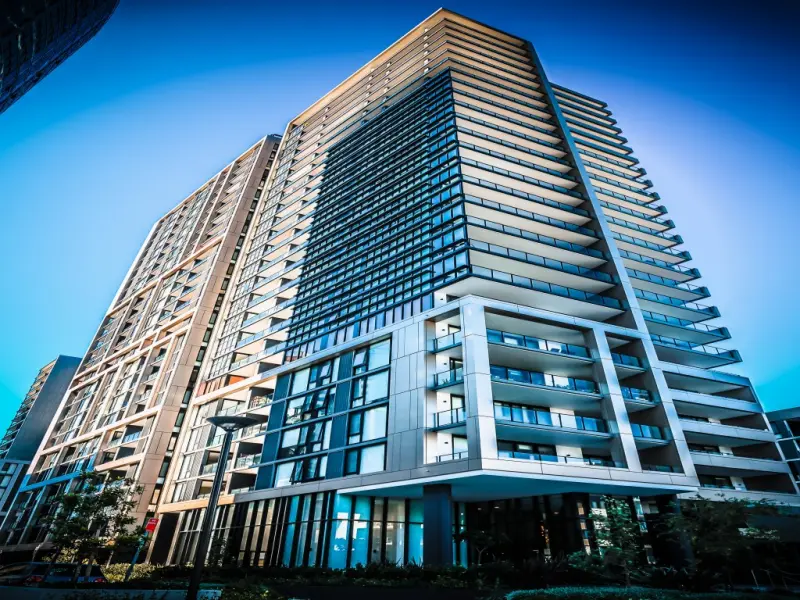
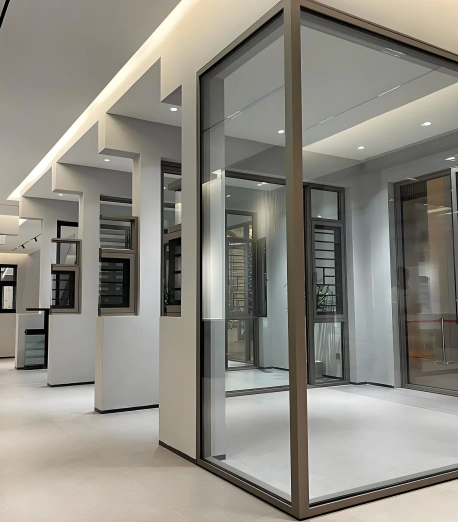
Anodized structural sections for curtain walls, door and window framing, and modular partitioning systems.
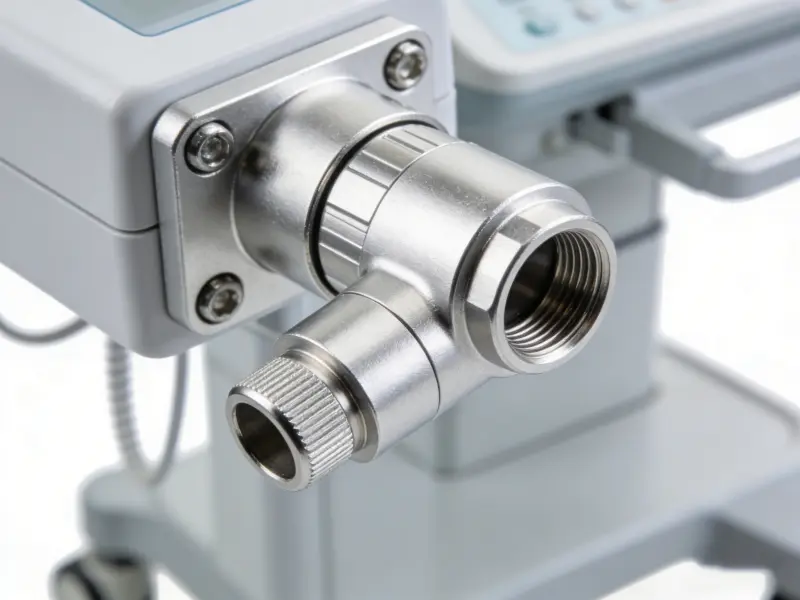
Hygienic, corrosion-resistant framing and support parts designed for medical devices and cleanroom environments.
Components for cargo containers, commercial trailer beds, and material handling applications that undergo heavy wear and tear.
Where our custom aluminum extrusions and CNC machined parts operate globally.
Documented quality compliance for high-stress aerospace, railway, and automotive structures.
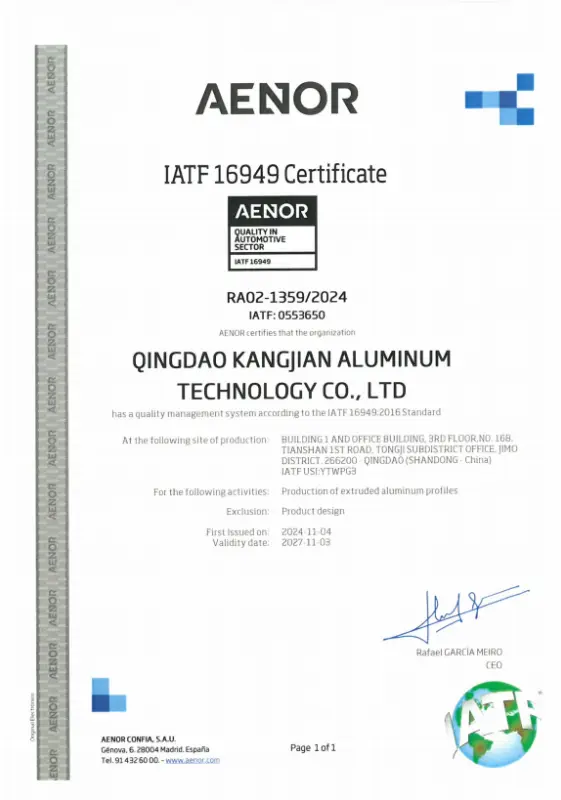
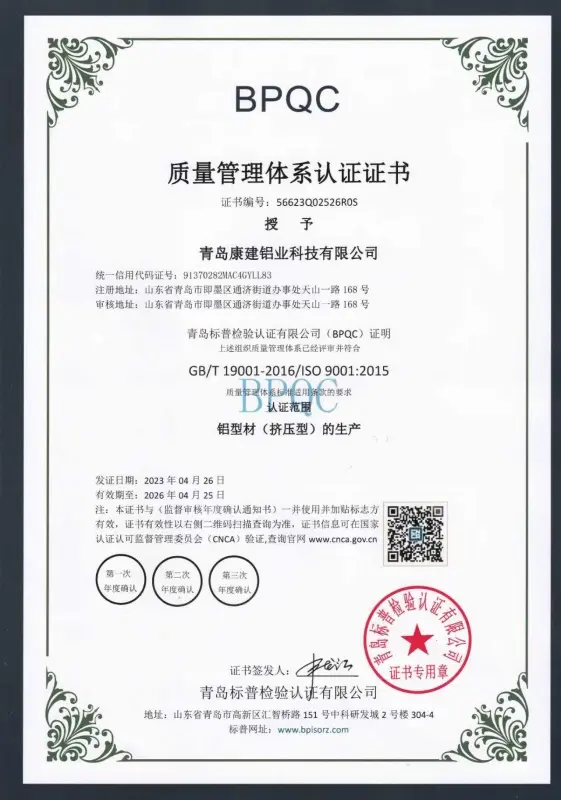
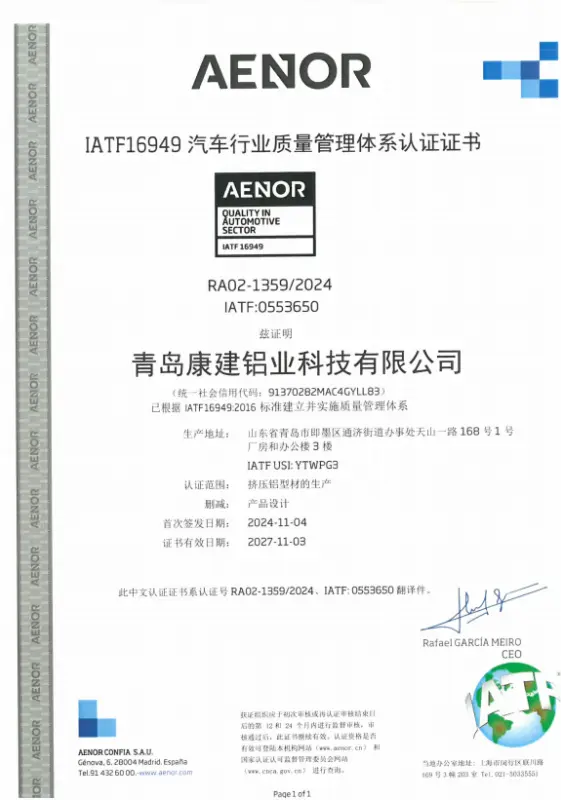
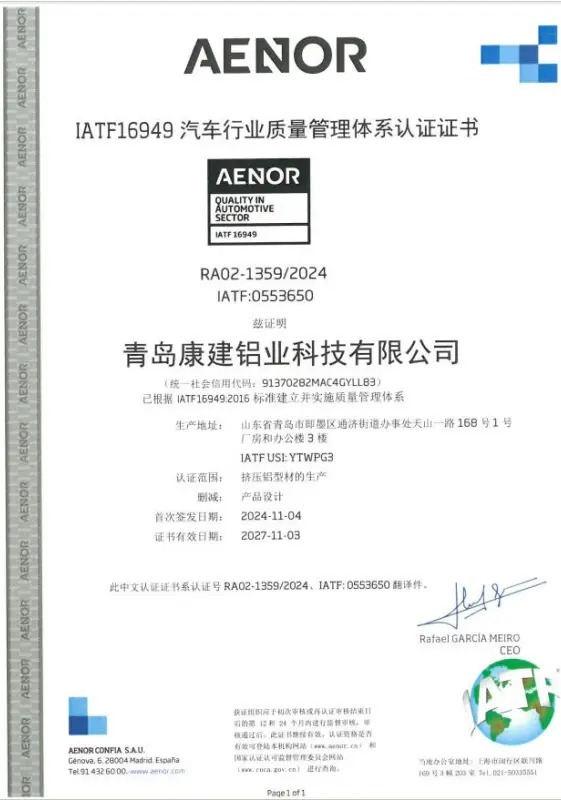
Optimized global logistics and regulatory adherence for major importing regions.
Navigating cross-border shipments requires compliance with regional environmental and safety standards. Our aluminum products undergo third-party chemical compliance testing, including RoHS and REACH declarations, ensuring they meet the requirements for import into European and North American markets.
Our facility's proximity to the Port of Qingdao—one of the largest deepwater container ports in the world—enables convenient shipping routes. This location helps reduce local transport costs, simplifies customs export processing, and offers reliable shipping schedules to key destinations in Europe, North America, Japan, and South Korea.
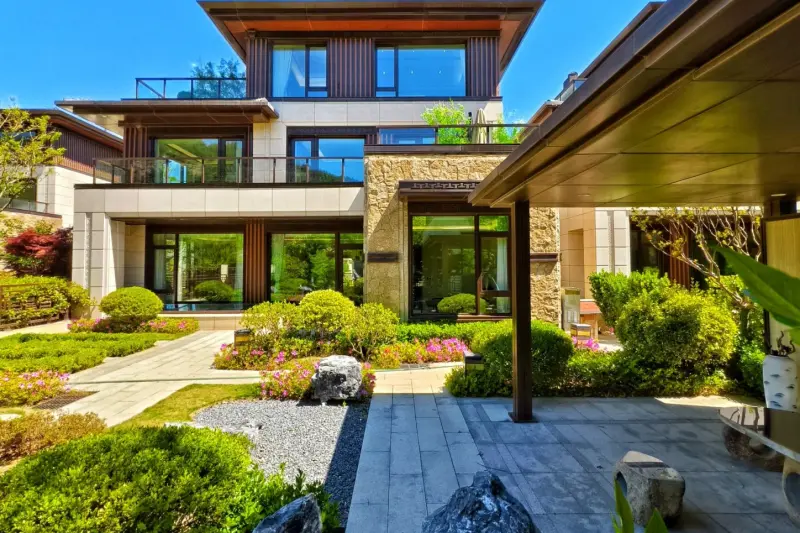
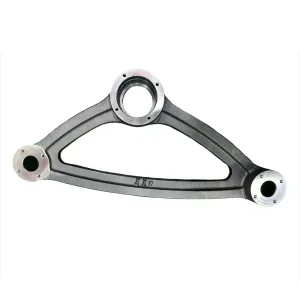
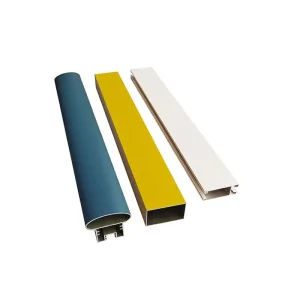
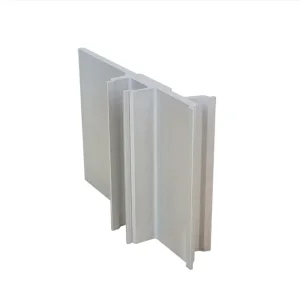
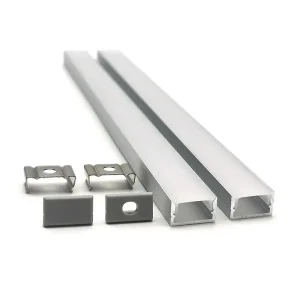
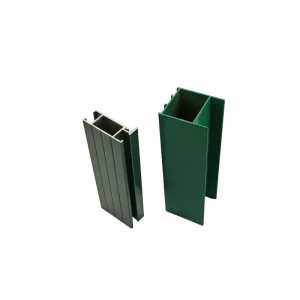
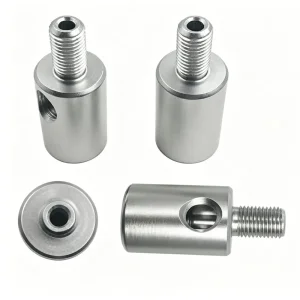
Browse more customized machined profiles, custom heat sinks, and structural hardware.
Answers to common inquiries regarding our custom CNC machining and extrusion capabilities.
The choice of alloy depends on application requirements. For general structural applications requiring a balance of strength and surface finish, 6063 T5/T6 is commonly used. For load-bearing structures requiring higher tensile strength, we suggest 6061 T6 or 6082 T6. For high-stress applications such as aerospace or robotics, we utilize 7075 T6.
For custom profile extrusions, we work to international standards (e.g., EN 755 or DIN 12020). For secondary CNC precision machining (milling, drilling, turning), we routinely maintain tolerances down to ±0.02 mm on critical dimensions, depending on the geometry and design requirements.
We maintain an integrated quality management framework, holding certifications including IATF 16949 (Automotive), EN 15085-2 Class CL1 (Railway welding), ISO 9001:2015, ISO 14001:2015, ISO 3834, and DIN 6701 for adhesive bonding. These systems help ensure compliance with demanding international criteria.
Tooling design and trial extrusion runs typically require 15 to 20 business days from final drawing approval. Once the profile tooling is validated, prototype machining and surface finishing generally take an additional 7 to 10 days, allowing us to ship initial samples for validation within approximately 4 weeks.