Kangjian Kangjian

China CNC Machining Part Suppliers & Manufacturer

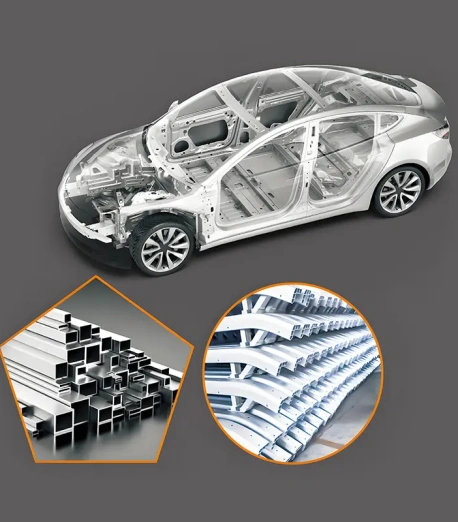
High-Precision Aluminum Extrusions & Structural Profiles Engineered for Global Heavy Transit, Automotive Lightweighting, and Industrial Robotics

The Global Paradigm Shift in CNC Machining & Advanced Aluminum Metallurgy

In the modern industrial landscape, structural light-weighting, decarbonization, and automation drive the material specification requirements for global infrastructure projects. The transition from heavy carbon steel fabrications to high-strength, structural-grade aluminum profiles has transformed sectors ranging from high-speed railway systems to complex robotic arm mechanics.

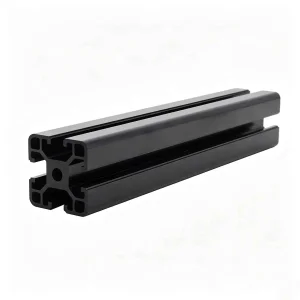
As precision requirements shrink tolerances down to the micron level (±0.01 mm), integrating extrusion processes directly with multi-axis CNC milling and turning has become the definitive benchmark for cost efficiency and product integrity. Custom high-performance profiles, particularly in the 6000 and 7000 alloy series, demand specialized metallurgical controls, precision extrusion speeds, and rigorous thermal tempering protocols.

Qingdao Kangjian Aluminum Industry Technology Co., Ltd. bridges this demand gap. Operating from the East Coast manufacturing powerhouse of Qingdao, China, we offer integrated custom extrusion and precision CNC post-machining to deliver ready-to-install structural solutions for clients worldwide.
High precision industrial CNC milling of aluminum profiles

Qingdao Kangjian Aluminum Industry Technology Co., Ltd.

A certified, elite-tier manufacturer dominating China's high-end aluminum extrusion sector

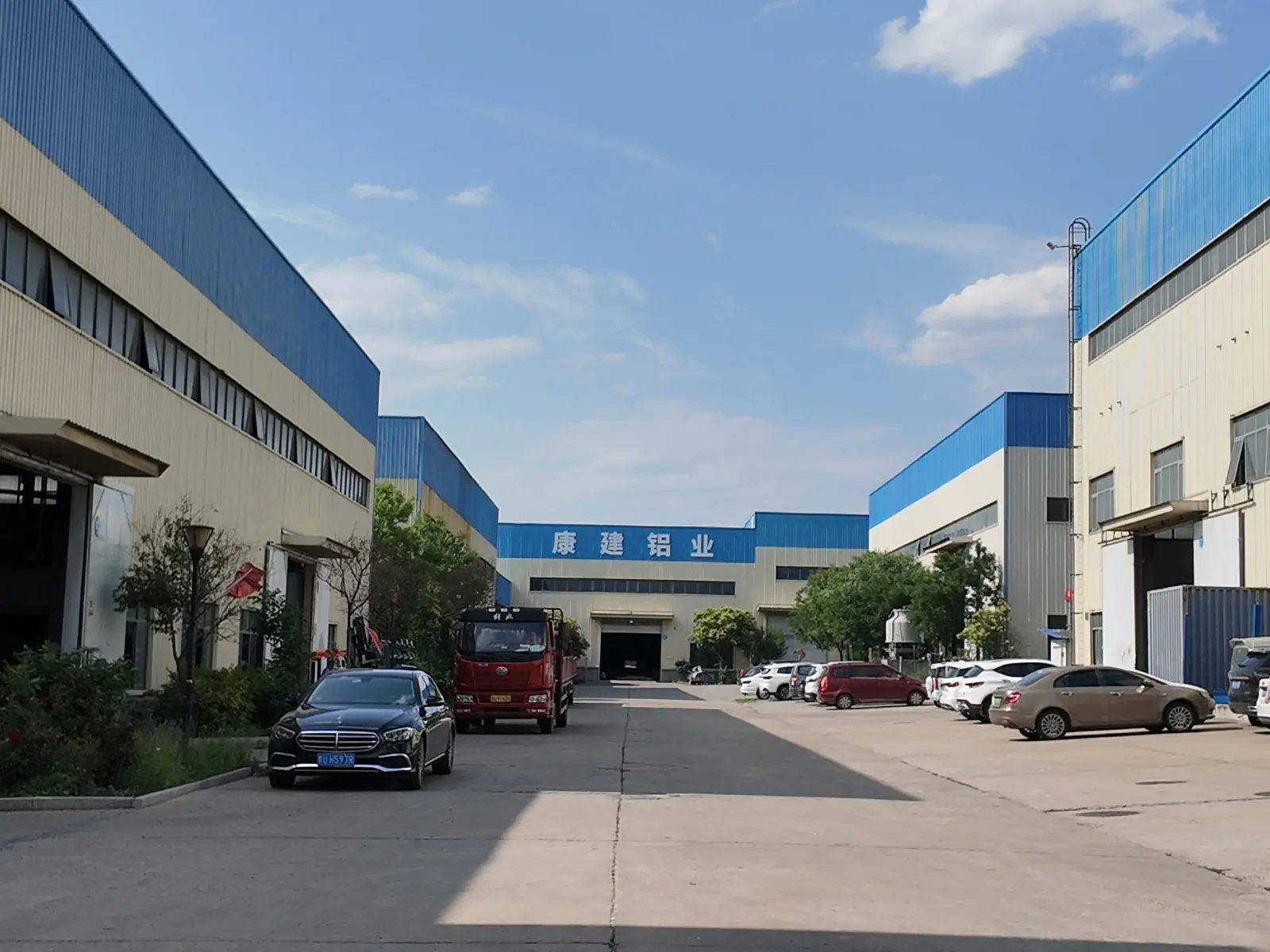
Qingdao Kangjian Aluminum Extrusion Factory Facility

Engineered to Exceed Global Standards

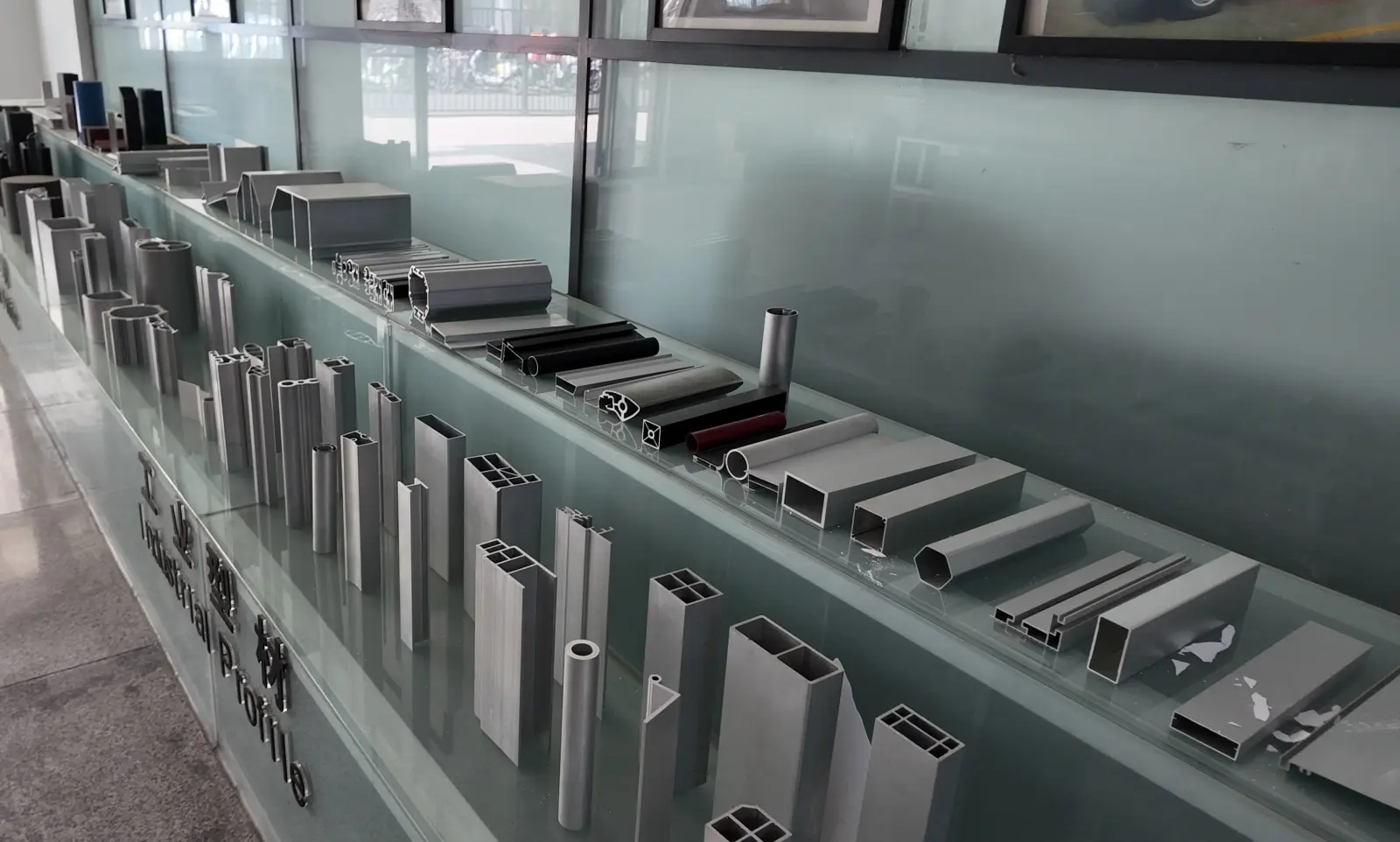
Established in 2022 in the industrial Jimo District of Qingdao, China, Qingdao Kangjian Aluminum Industry Technology Co., Ltd. has developed into a premier force in advanced aluminum extrusion and precision structural fabrication. Spanning a state-of-the-art 200-mu manufacturing base with 80,000 square meters of production plants and 4,000 square meters of offices, the company operates at a scale designed to meet high-volume global requirements.

Equipped with 5 major extrusion production lines—ranging from 700T to a robust 2500T extruder capacity—our current annual output stands at 15,000 tons of structural-grade profiles. From subways to Nordic port cranes, Kangjian's engineering profile represents absolute reliability, backed by a workforce of elite mechanical designers, metallurgists, and QA technicians.

15k Tons
Annual Processing Capacity
2500T
Max Extrusion Press Tonnage
80k m²
Advanced Production Facility
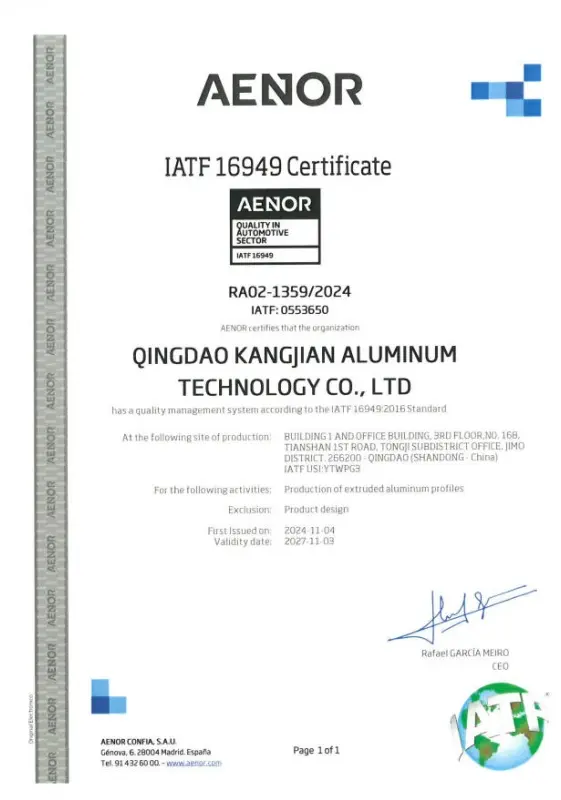
IATF
16949 Certified Quality

Uncompromising Quality Frameworks & Global Certifications

Meeting the strict qualification requirements of high-risk aerospace, automotive, and railway sectors

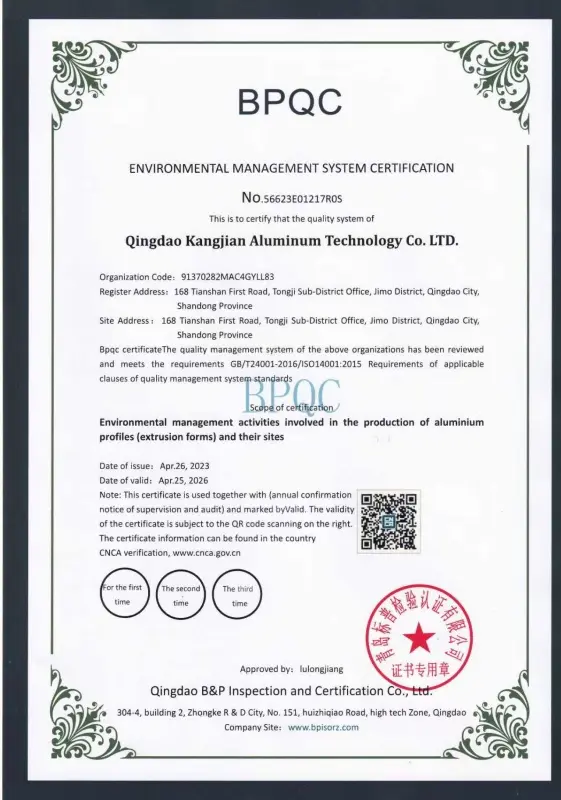
True industrial reliability is built on documented quality systems and rigorous international standards. Qingdao Kangjian meets these performance expectations by securing comprehensive, high-level credentials across critical sectors:
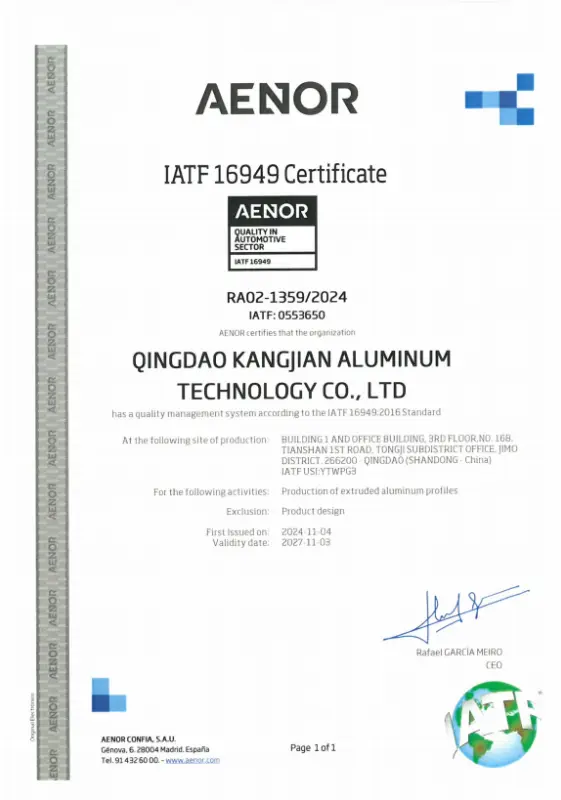
  • IATF 16949: The automotive sector's highest standard, ensuring failure mode analysis (FMEA) and zero-defect product runs for structural electric vehicle (EV) components.
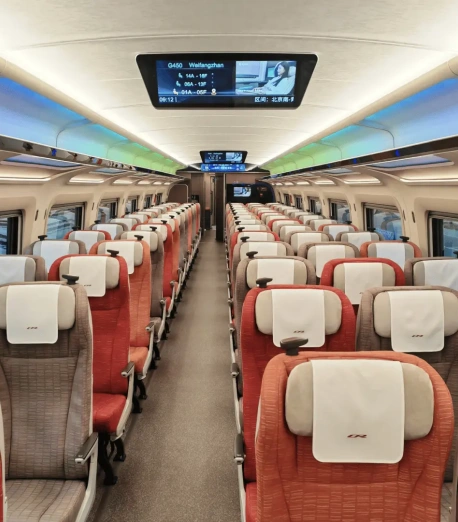
  • ISO 22163 (IRIS): The international quality standard for railway vehicles and parts, qualifying us to manufacture critical interior and chassis structures for high-speed trains.
  • EN 15085 CL1 / ISO 3834 / AWS: Global welding system certifications for structural joints in rolling stock and load-bearing infrastructure.
  • DIN 6701: High-end adhesive bonding system certification, crucial for modern lightweight multi-material assembly in transit industries.
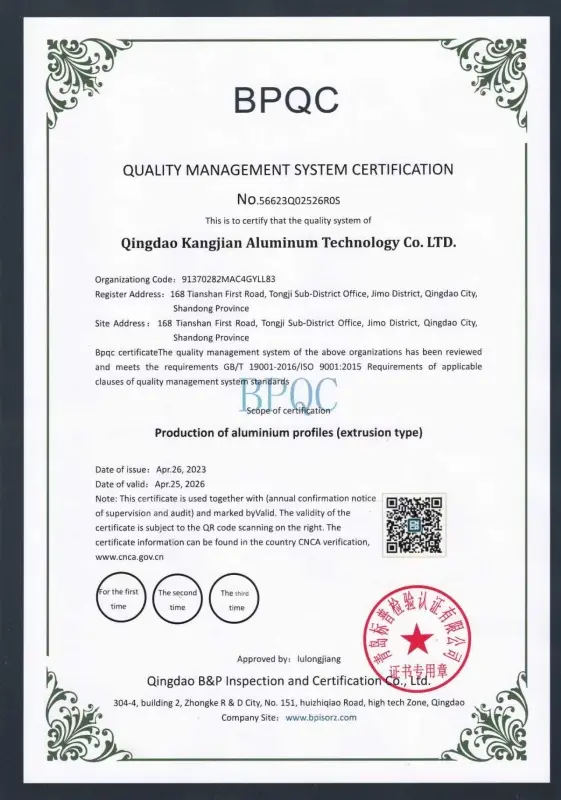
  • ISO 9001:2016 & ISO 14001:2016: Environmental and quality management foundations certifying efficient operations.

Advanced Manufacturing & Engineering Roadmap

Integrating heavy extrusion, multi-axis machining, and custom metallurgy

Alloy Formulation & Tempering
Expert metallurgy covering 6061-T6, 6063-T5/T6, 6082, and high-tensile 7000 series. Custom recipes ensure optimal weldability, corrosion resistance, and post-machined mechanical performance.
Multi-Axis CNC Machining
High-precision milling, turning, drilling, and tapping on extended-bed CNC machinery. Ideal for processing long-length rail car components and multi-axis complex profiles with high repeatability.
Advanced Surface Finishing
In-house mechanical and chemical treatments including industrial sandblasting, high-micron anodizing, electrocoating, and powder coating for long-term outdoor and marine corrosion resistance.

Cross-Industry Sector Solutions

From deep-sea drilling assemblies to structural railway frames, our products thrive in critical environments
The Marine Standard: Nordic Port Gantry Cranes Case Study

Nordic ports present some of the world's most corrosive atmospheres, combining continuous saltwater exposure, high winds, and low temperatures. Standard carbon steel assemblies require high-maintenance corrosion control and increase crane dead-weight.

Qingdao Kangjian successfully engineered custom structural-grade, corrosion-resistant aluminum profiles for Nordic gantry cranes. Through specialized alloying, chemical controls, and custom anodizing, our components reduced deadweight by 35% while maintaining structural safety parameters, leading to lower energy requirements and reduced maintenance cycles.
Nordic port gantry cranes using high strength aluminum profiles
Global Shipping and Logistics Fleet from Qingdao Port

Strategic Port Access: Maximizing Supply Chain Resiliency

In the global manufacturing sector, lead-time control and shipping logistical overhead are crucial metrics. Located in Qingdao, Shandong Province, Kangjian benefits from proximity to Qingdao Port, one of China's most active deepwater marine transport nodes.

We run direct container shipping lanes to Korea, Japan, the United States, and across Europe. Our domestic logistics chain connects directly with major industrial hubs in Anhui, Hebei, Tianjin, Hunan, Guangdong, Beijing, and Jiangsu. This strategic location enables us to offer reliable, cost-effective container dispatch, customs clearance support, and optimized ocean freight rates.

Technical & Commercial FAQ Database

Addressing the primary engineering and supply chain inquiries for custom CNC aluminum parts

How does Kangjian maintain tolerances across complex CNC machined profiles?
We operate modern CNC machining centers capable of maintaining linear tolerances of ±0.05 mm and dimensional tolerances of ±0.02 mm across multi-meter extrusions. Critical geometric features, such as robot arm pivot points and automotive alignment pins, are calibrated down to ±0.01 mm using high-performance carbide tooling and integrated coordinate measuring systems.
Which aluminum alloy is best: 6061, 6063, or 7000 Series?
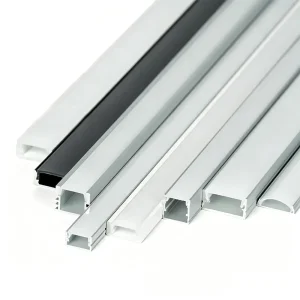
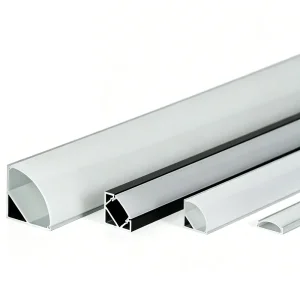
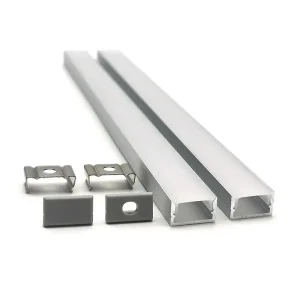
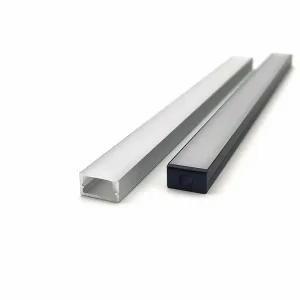
The choice depends on your structural and finishing requirements. Alloy 6063 offers excellent extrusion quality and surface finish potential, making it ideal for architectural trim, LED strips, and shower doors. Alloy 6061 provides higher structural yield strength and machinability, suited for robotics, machinery, and automotive chassis. 7000 Series alloys are selected for aerospace or high-stress structural parts requiring high strength-to-weight ratios.
What is the standard lead time for custom tooling and product deliveries?
Die engineering and tooling trial runs typically require 10 to 14 working days, depending on profile complexity. Upon sample approval, the typical production cycle for high-volume extrusion and CNC machining runs is 20 to 25 days. Shipping times vary from 12 days to the West Coast of the US to 28-35 days to major Northern European ports.
Why are sector certifications like IATF 16949 and ISO 22163 (IRIS) necessary?
These certifications demonstrate our commitment to safety-critical engineering standards. IATF 16949 ensures structured risk mitigation and product traceability for automotive components, while ISO 22163 establishes strict process controls for high-speed railway rolling stock manufacturing, helping clients navigate regulatory requirements.
How does anodizing layer thickness affect component service life?
Anodizing thickness is specified based on the operating environment. Standard indoor applications (e.g., LED housings or shower frames) use a 5-10 micron thickness. Heavy-duty industrial environments and outdoor frameworks require a 15-20 micron layer, while marine or coastal applications (e.g., port cranes and marine platforms) utilize hard-anodized coatings exceeding 25 microns to prevent galvanic corrosion.
Partner with Qingdao Kangjian

Get in touch with our engineering team to discuss material specifications, design configurations, and custom tooling schedules.

Factory Location:
No. 168, Tianshan 1st Road, Jimo District, Qingdao City, Shandong Province, China
Scale & Output Capacity:
200 Mu Industrial Footprint | 15,000 Tons Annual Yield Capacity
Export Coverage:
South Korea, Japan, United States, Germany, Scandinavia, and Global Heavy Transit Markets
Strategic Transit Partner 1 Strategic Engineering Partner 2 Strategic Rail Infrastructure Partner 3

Request a Technical Consultation

Submit your CAD designs (.step/.dwg) or profile specifications to receive an engineering review and quotation.