Kangjian
Kangjian
Kangjian
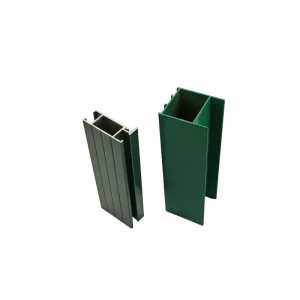
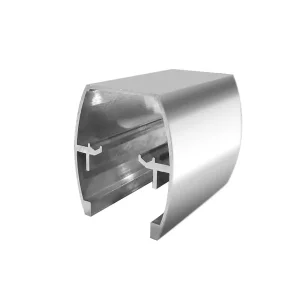
Explore our high-grade aluminum profiles optimized for smart commercial facades, sliding assemblies, and heavy-duty building systems.
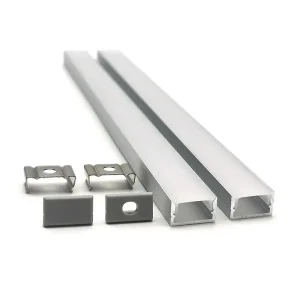
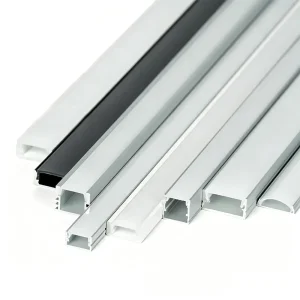
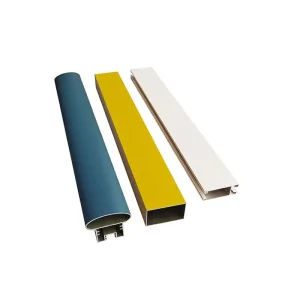
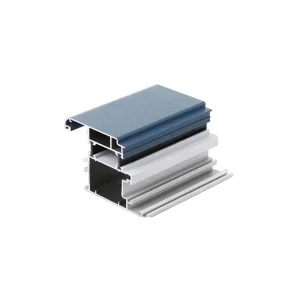
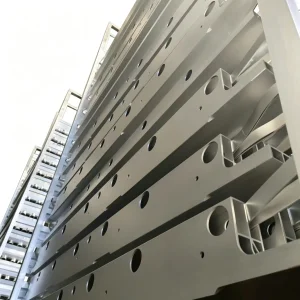
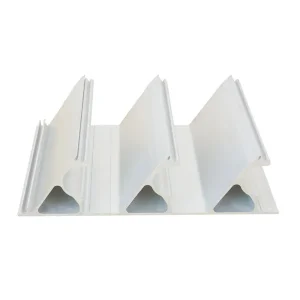
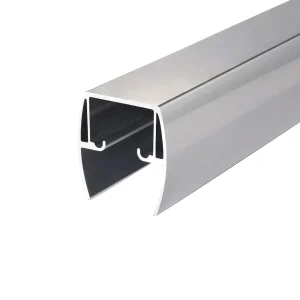
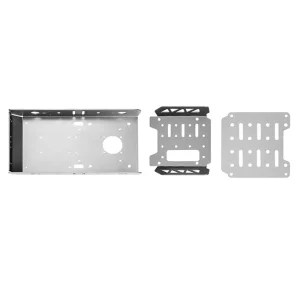
In modern architectural design, the boundary between interior sanctuaries and exterior environments has dissolved. Leading this structural revolution is the rapid adoption of large-scale folding and sliding door systems. Architects, structural engineers, and commercial developers globally turn to China's advanced manufacturing bases to secure these complex, high-performance systems. As a dominant global supplier, Chinese fabricators provide the crucial hardware, complex profiles, and raw material engineering required to meet stringent international building envelopes.
This industry document analyzes the strategic parameters of sourcing China Doors Folding Sliding solutions. It outlines how advanced aluminum extrusion technology, rigorous global quality certifications, and direct-from-factory logistics align to provide overseas buyers with substantial structural performance and economic efficiency.
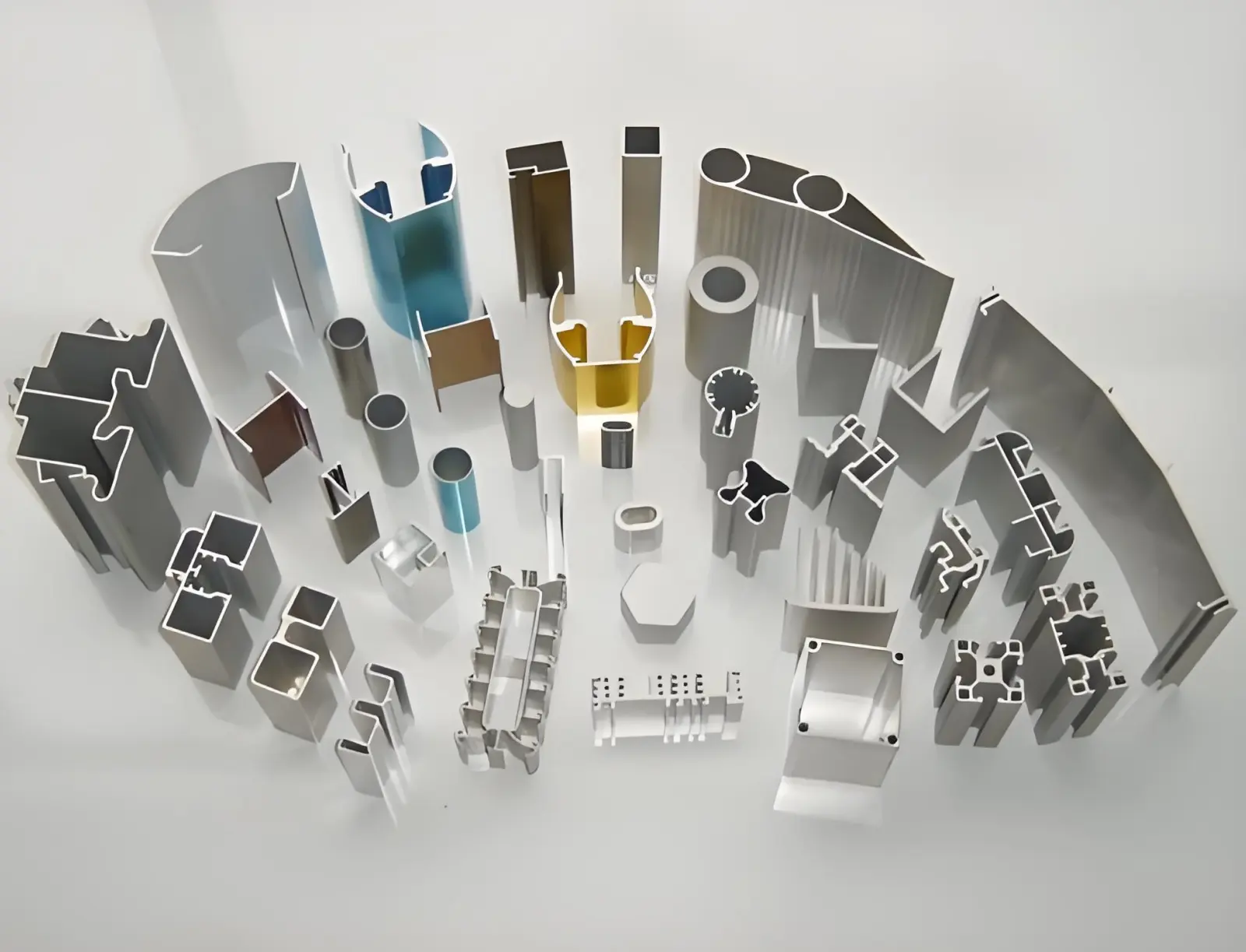
The structural reliability of folding and sliding door assemblies depends directly on the quality of their underlying aluminum frames. Qingdao Kangjian Aluminum Industry Technology Co., Ltd. utilizes premium 6063 and 6061 alloys, heat-treated to T5 and T6 tempers, to guarantee long-term stability and high wind-load resistance. The choice of alloy determines not only the ultimate tensile strength but also the precision of the surface finishes and structural longevity:
Advanced architectural projects demand extreme precision. By utilizing computer-aided die design and executing extrusion via high-tonnage presses—ranging from 700T to 2500T at our Qingdao facility—we maintain dimensional tolerances that meet or exceed standard European and American specifications (such as EN 12020-2 and ASTM B221). These tight tolerances are critical for multi-panel sliding folding systems. Minimal variances across structural tracks can result in binding, accelerated roller wear, or failures in weatherproofing seal integrity.
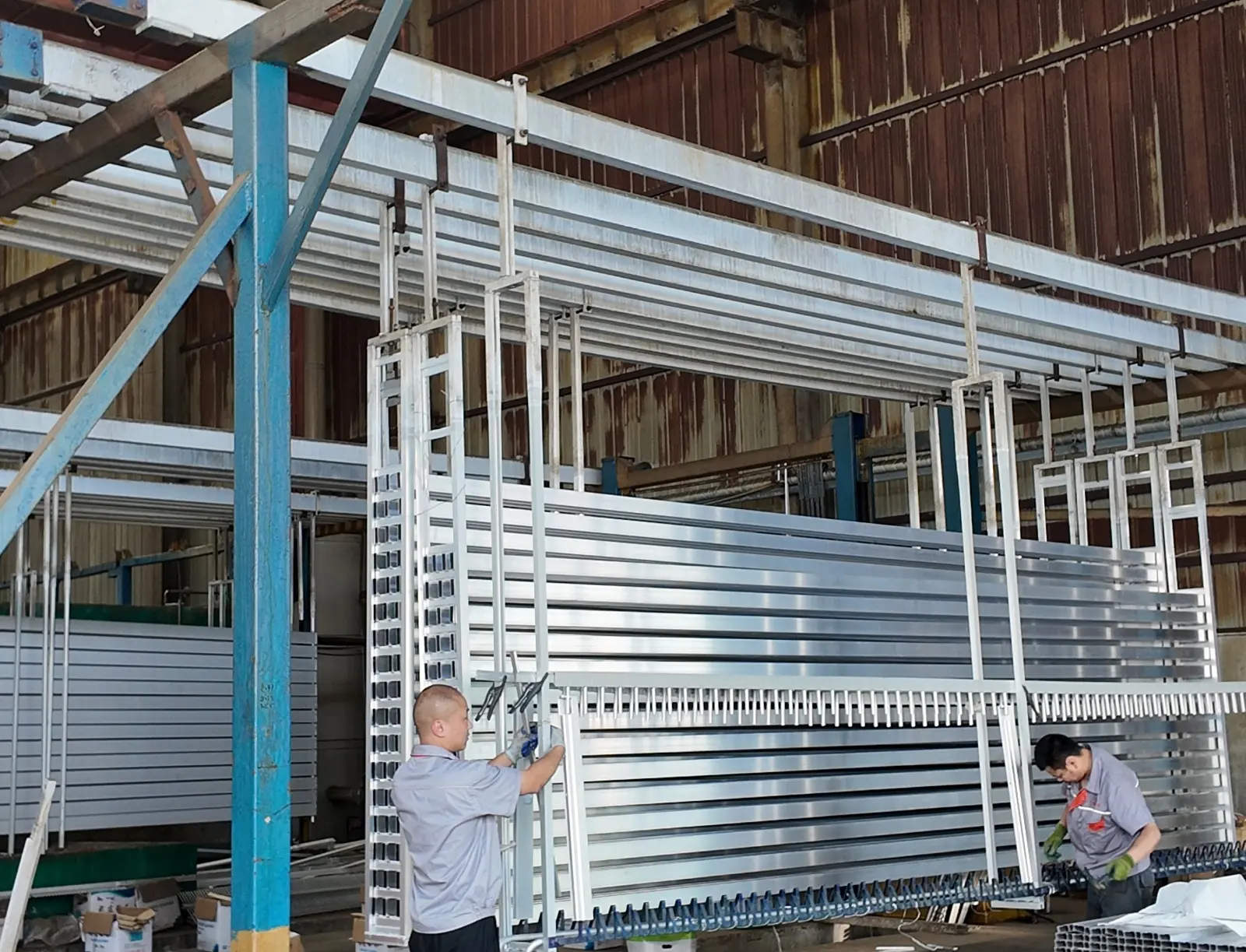
To withstand extreme solar radiation, high coastal humidity, and acidic industrial precipitation, our profiles undergo advanced surface treatments. Options include thick-film anodizing (up to 25 microns) to protect against oxidation, and electrostatic powder coatings using premium fluorocarbon (PVDF) resins that guarantee color retention for over twenty years in harsh architectural environments.
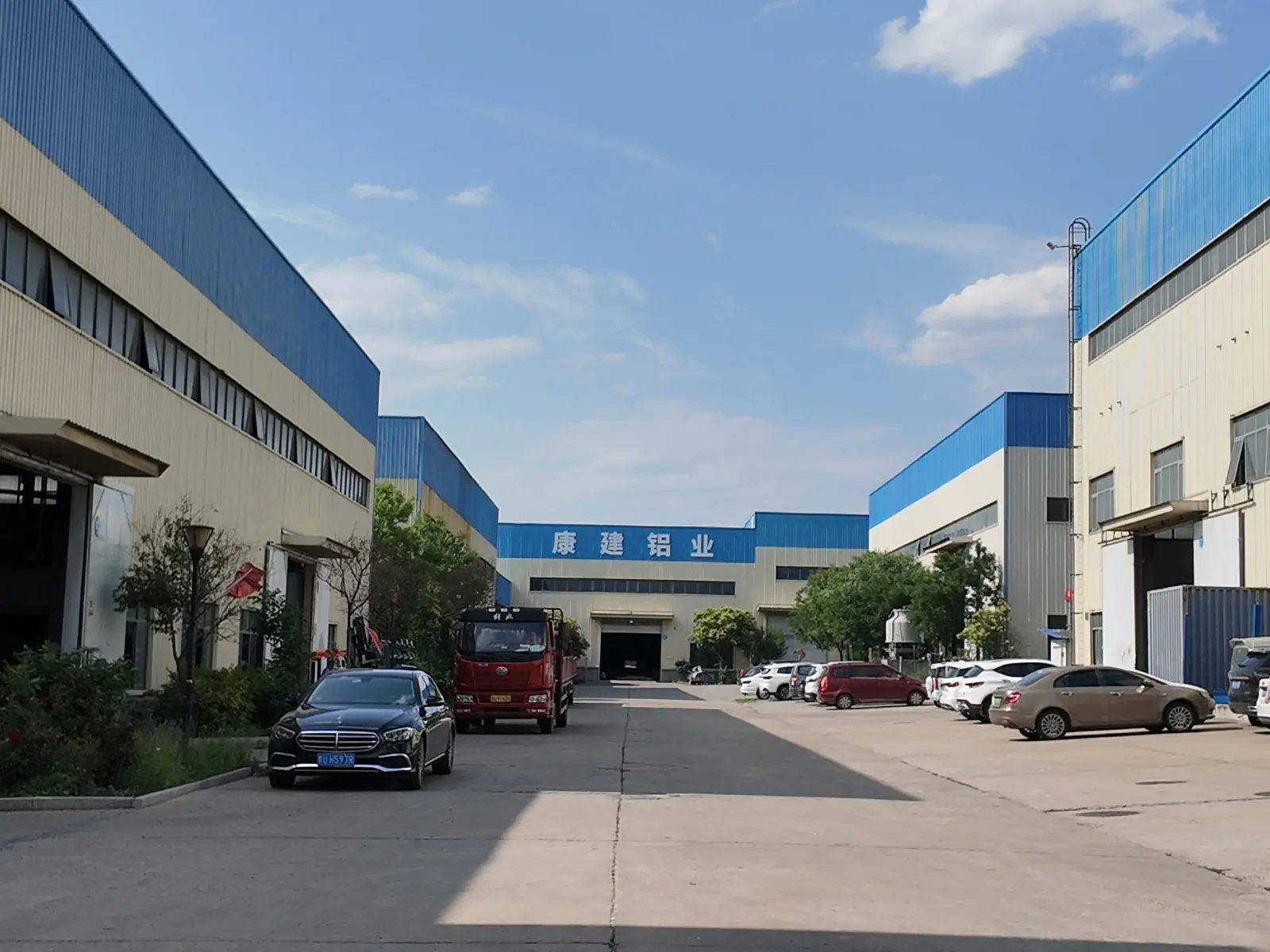
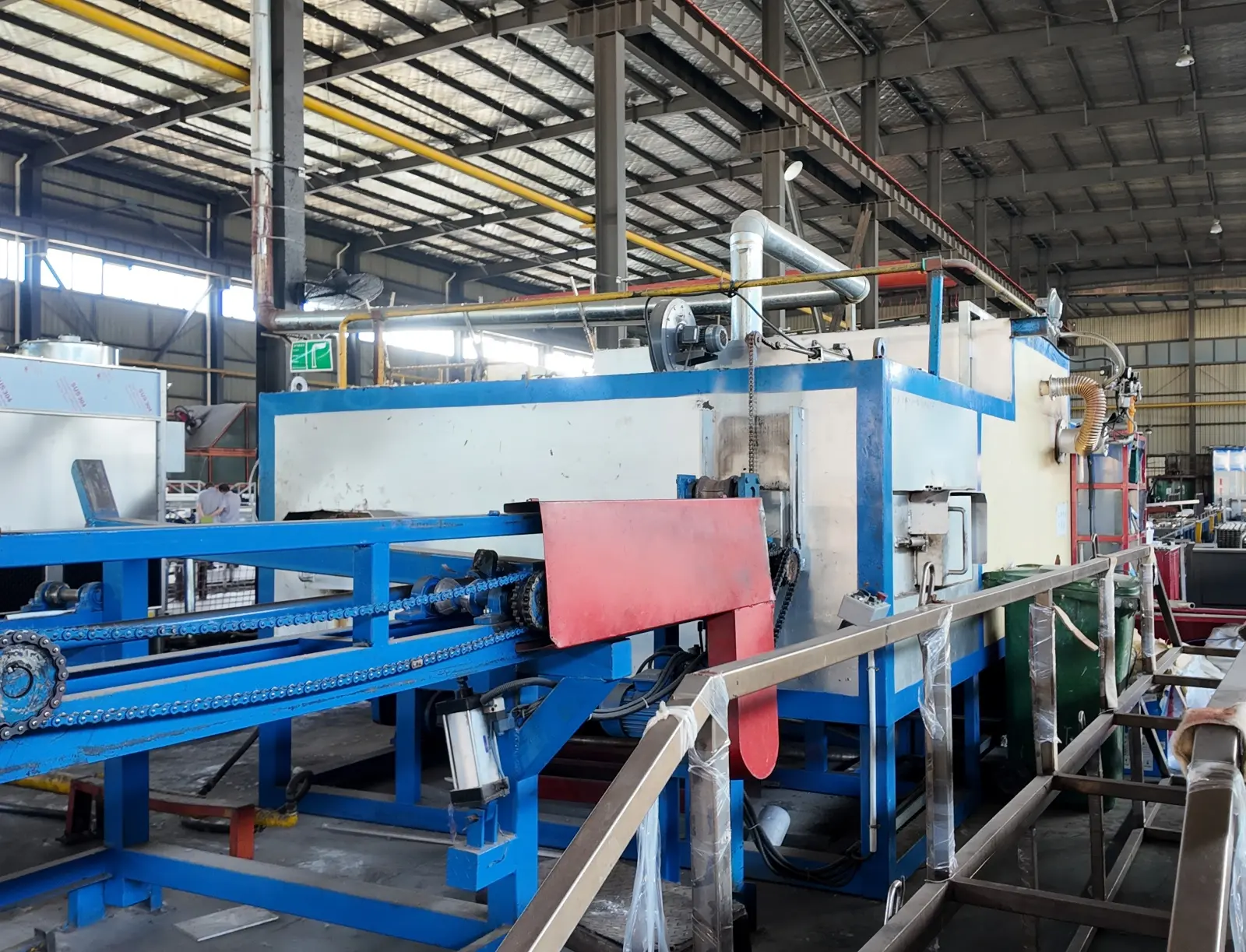
Operating from our 200-mu industrial park in Qingdao, we integrate engineering precision with high-capacity production lines.
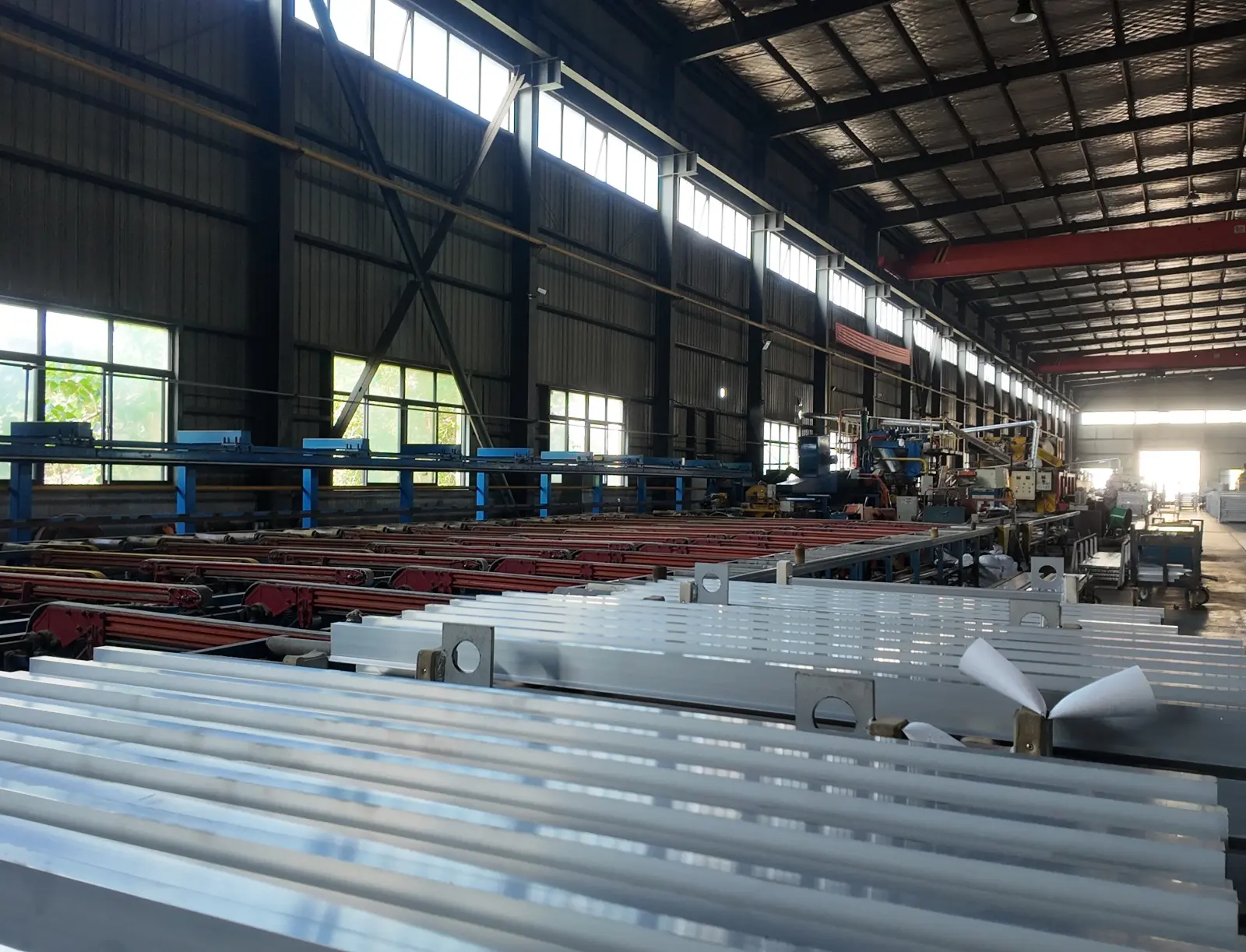
Equipped with 5 advanced extrusion lines including a 2500T heavy press, an 1150T unit, a 1450T press, and twin 700T lines, ensuring versatile structural capacity.
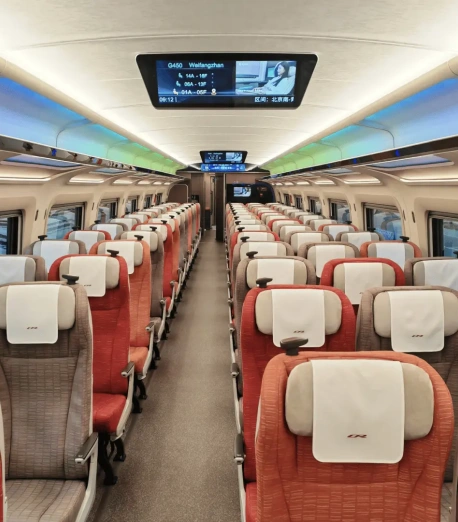
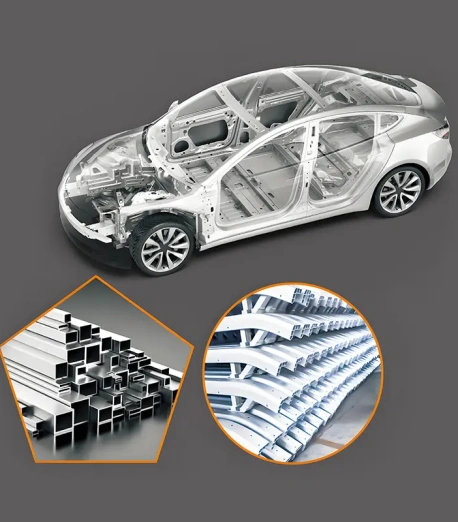
Fully compliant with IATF16949 (Automotive Quality), ISO9001, ISO14001, and specialized rail transit system certifications including EN15085 and ISO22163.
Adhering strictly to DIN6701 Bonding and ISO3834 Welding systems, we ensure structural profiles meet safety regulations in European & American markets.
In modern commercial construction, compliance is the key to project viability. Architectural components must withstand rigorous local code assessments. Sourcing profiles directly from certified Chinese plants like Qingdao Kangjian guarantees that all incoming materials align with major global testing frameworks.
Our facility holds the IATF 16949 Automotive Quality Management System Certification. In the aluminum industry, implementing IATF 16949 standards translates to exceptionally low defect rates, advanced statistical process control (SPC), and strict traceability from raw billet to finished profile. If a structural profile fails in the field, our digital logging systems track the exact batch, extrusion date, chemical composition, and tempering run within minutes.
Furthermore, our compliance list covers the demands of high-end structural markets:
By prioritizing these standards, we ensure that engineers and project managers in North America, the EU, and Australia can easily integrate our profiles into their local certification plans (such as NFRC, AAMA, CE, and AS2047 requirements).

Building codes vary significantly across climatic zones. A folding door system installed in Northern Europe has very different performance requirements than one destined for coastal Florida or Western Australia. We address these regional challenges through localized engineering support:
To comply with European Energy Performance of Buildings Directives (EPBD) and ASHRAE energy conservation standards in the United States, we engineer multi-cavity thermal break profiles. By inserting high-density polyamide insulation strips (typically PA66 reinforced with 25% glass fiber) between the inner and outer aluminum skins, we interrupt heat transfer pathways. This design reduces frame U-values, preventing condensation in cold climates and reducing HVAC loads in hot regions.
For high-rise residential properties or exposed coastal commercial projects, wind pressure resistance is critical. Our engineering team conducts finite element analysis (FEA) to determine stress distribution across door frame mullions. We optimize profile cross-sections and specify wall thicknesses to meet structural requirements for deflection (typically L/175 or L/240 under local design wind pressures).
In beachfront developments, ocean spray containing high concentrations of sodium chloride causes rapid filiform corrosion of poorly treated aluminum. We provide heavy-duty anodized options and architectural-grade powder coatings that pass the rigorous 3000-hour acetic acid salt spray (AASS) tests, complying with international Qualicoat and Qualanod standards.
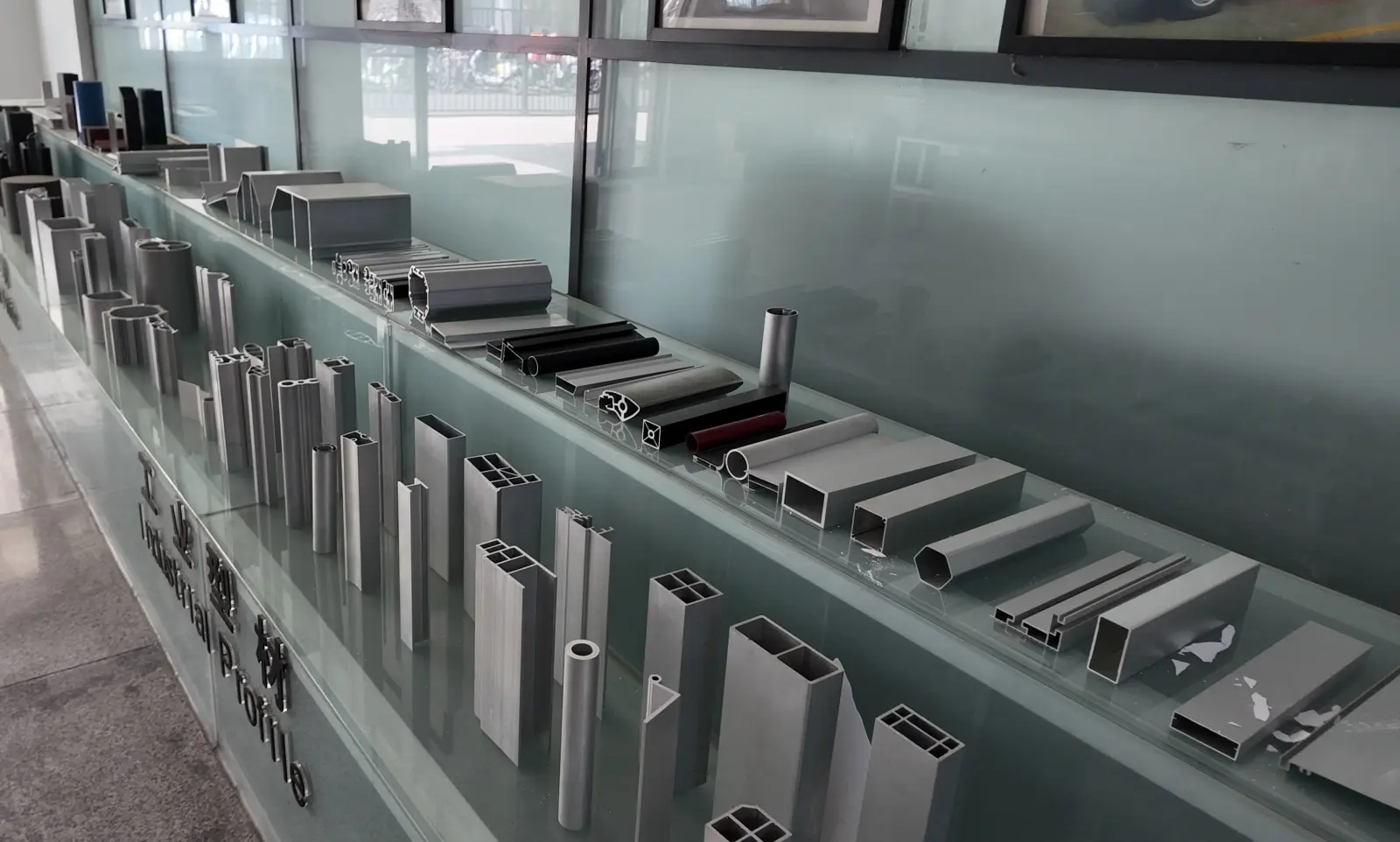
Our high-precision profiles are utilized in infrastructure, commercial developments, and demanding mechanical assemblies globally.
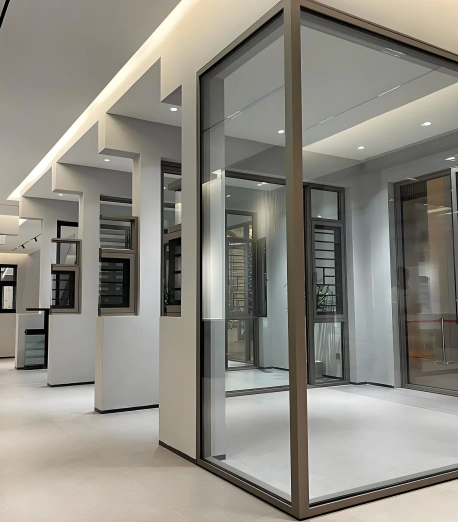
Custom engineering solutions for complex folding sliding doors, structural glazing, and cleanroom architectural envelopes.
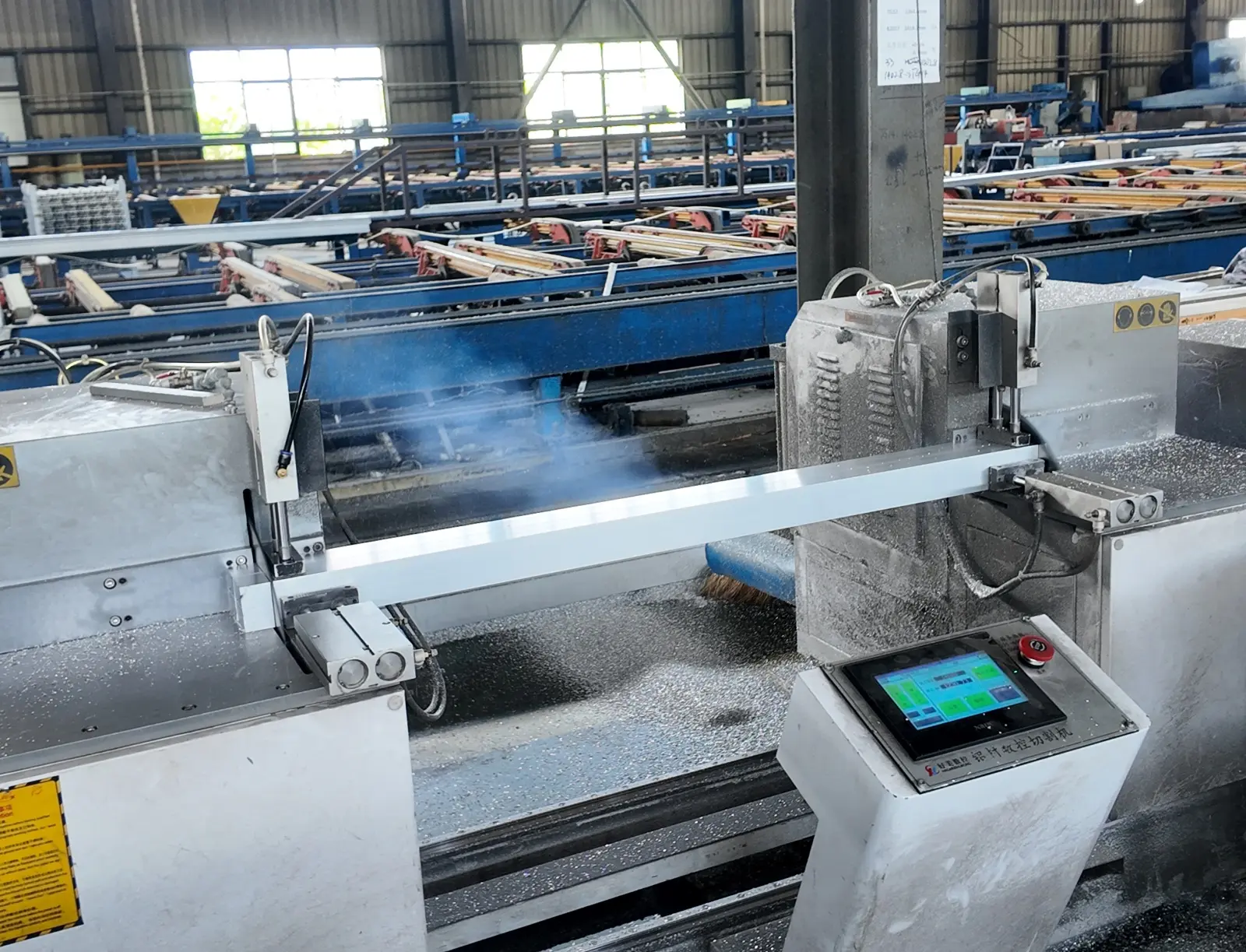
Strict adherence to international standards and rigorous material testing ensure reliable performance under high loads.
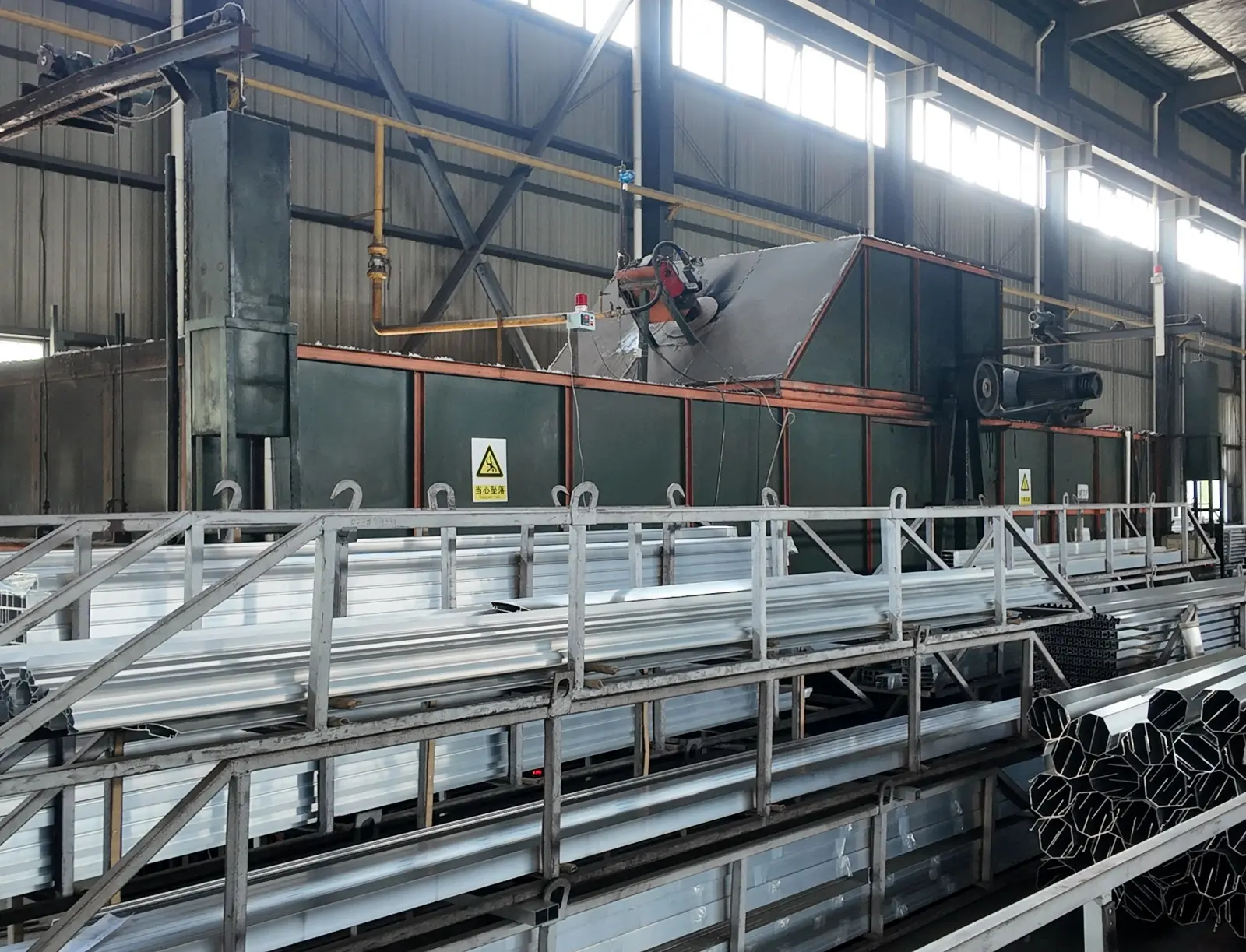
Supporting developers and distributors worldwide with flexible production, custom tooling, and reliable export logistics.
The decision to procure from a Chinese manufacturer is often driven by a combination of technological capability, raw material access, and cost efficiency. Sourcing directly from our base in Jimo District, Qingdao, provides significant logistical advantages:
With an annual capacity of 15,000 tons of aluminum profiles and 80,000 square meters of production space, we can easily scale production to meet the demands of large-scale commercial real estate developments and high-volume industrial orders.
The architectural hardware and glazing sectors are evolving rapidly. We continuously update our product lines to align with these global design and engineering trends:
Architects increasingly specify ultra-slim sightlines that maximize glass area. Engineering these slim frames requires stronger alloys (such as 6061-T6 or optimized 6063-T6) and precise extrusion structures to ensure the frames can support heavy double- or triple-glazed units without bending.
Modern sliding doors are frequently integrated into automated building management systems (BMS). We design specialized cavities within our profiles to accommodate power lines, sensor brackets, and electric drive motors, enabling seamless smart home and automated security integration.
Decarbonization is a key focus for the construction industry. Aluminum is highly recyclable, and our manufacturing processes focus on minimizing waste. We utilize scrap-metal recycling systems and energy-efficient billet pre-heating technology to reduce the embodied carbon of our extruded profiles, helping clients achieve LEED and BREEAM green building certifications.



Get answers to the most common technical questions regarding profile engineering, mechanical performance, and global supply logistics.
From heavy harbor crane structures to precision building envelopes, see our products in action.
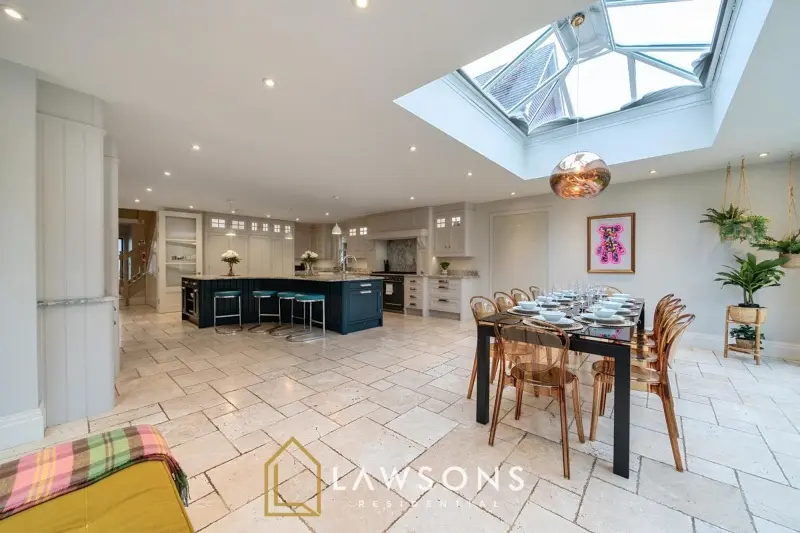
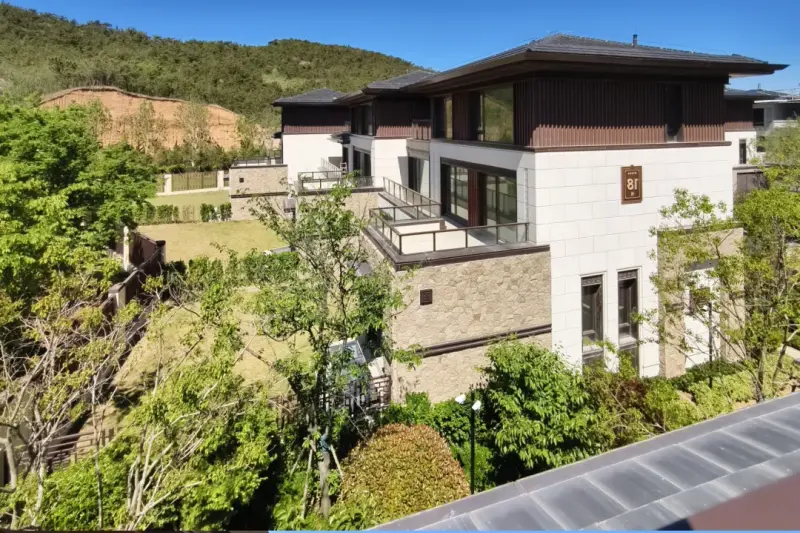
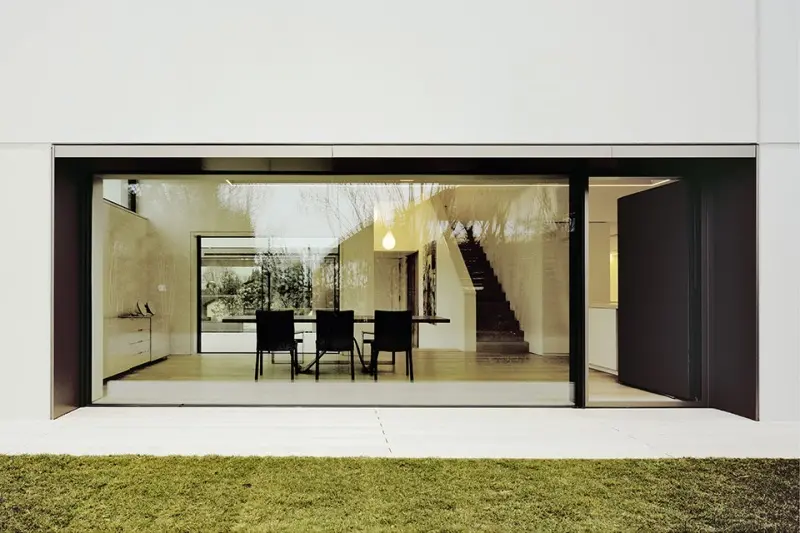
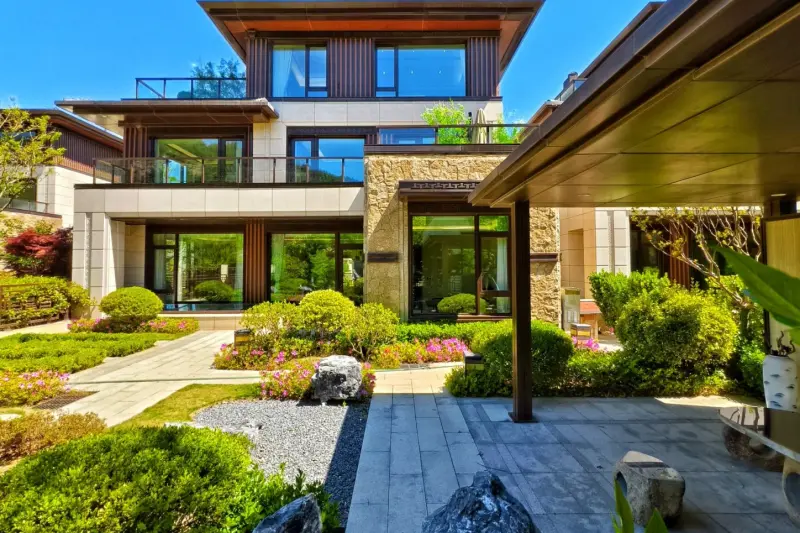
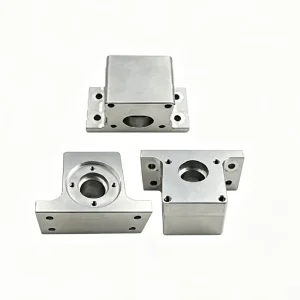
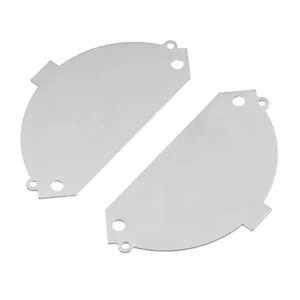
Explore our specialized industrial assemblies, thermal-coated frames, and CNC-machined components.