Kangjian
Kangjian
Kangjian
Premium architectural, industrial, and precision-engineered mechanical arm parts sourced directly from China's leading manufacturing facility.
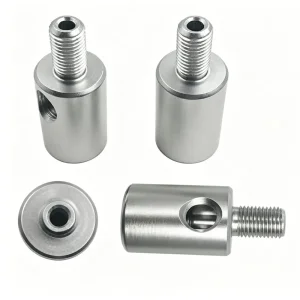
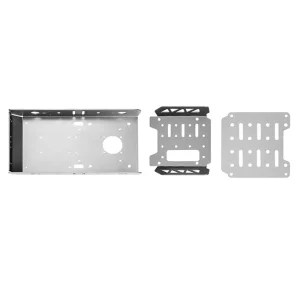
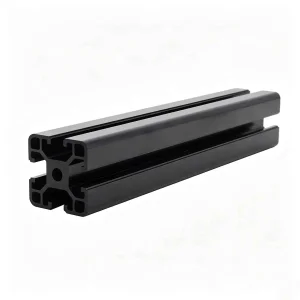
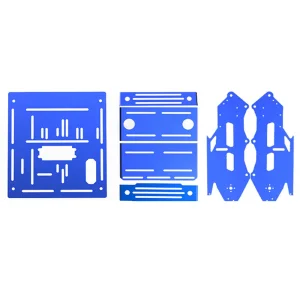
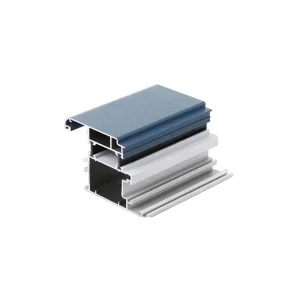
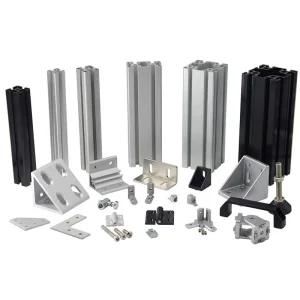
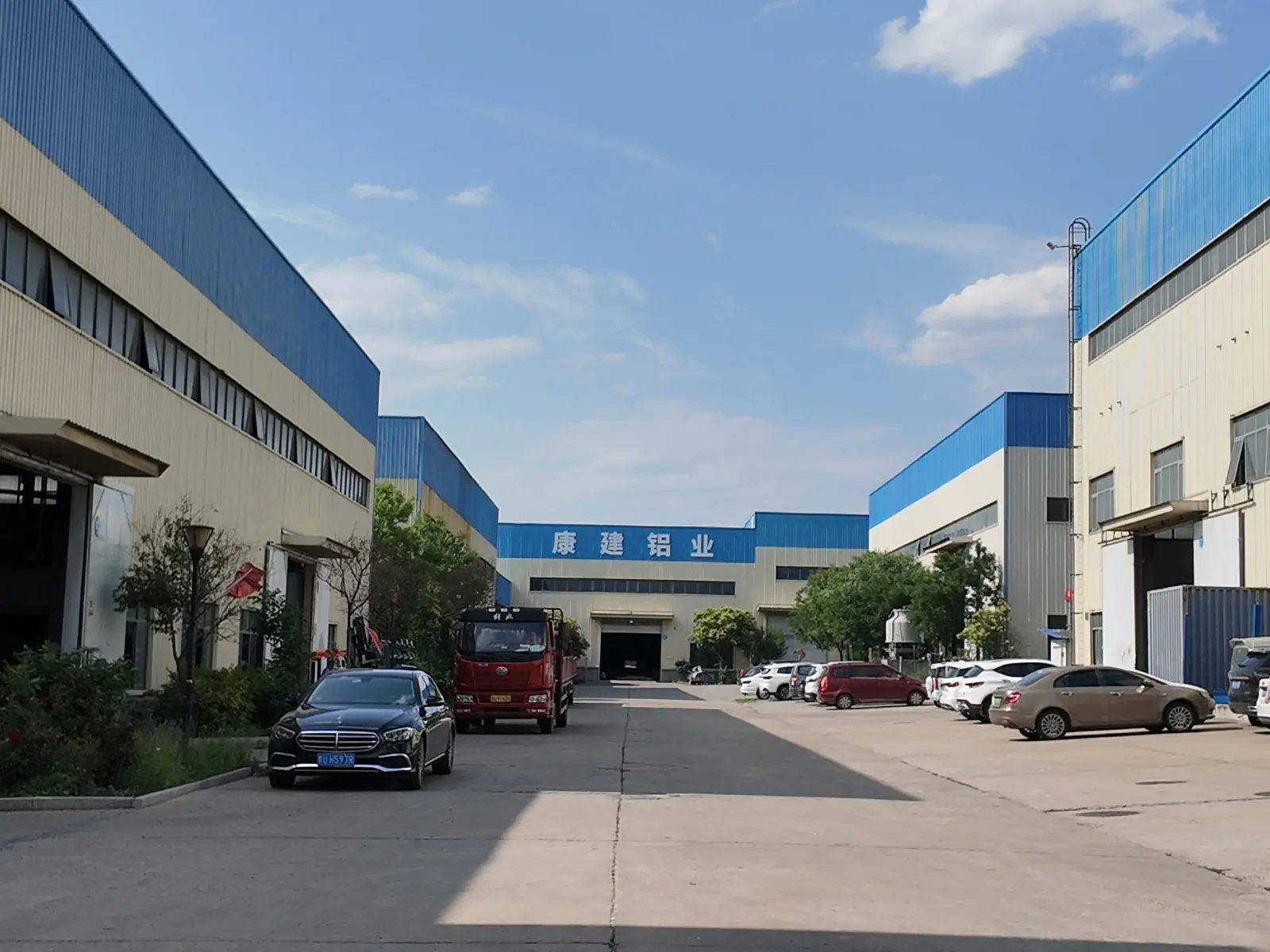
Established in 2022 and situated in the industrial hub of Jimo District, Qingdao City, Qingdao Kangjian Aluminum Industry Technology Co., Ltd. has grown to become the premier force in advanced aluminum profile development and metallurgical fabrication. We specialize in engineering high-durability, lightweight aluminum alloys for rail transit, aerospace, marine engineering, automotive structures, and advanced smart robotics arm frameworks.
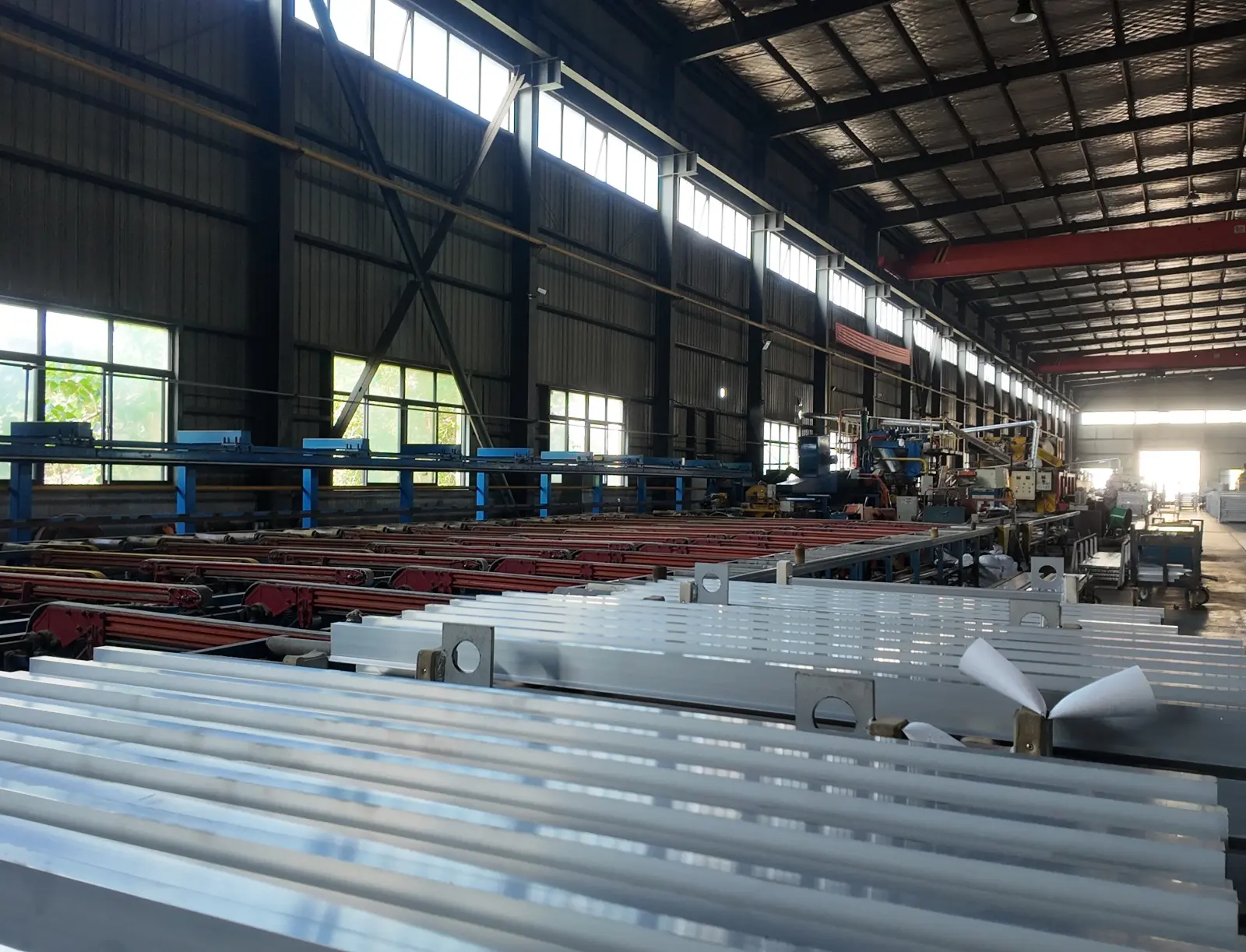
Operating a state-of-the-art facility spanning 200 mu (approx. 80,000 m² of factory space), our production lines yield over 15,000 tons of high-precision profiles annually. Supported by 90 structural engineers and metalworkers, we run five advanced extrusion production lines: one 2500T extruder, one 1450T extruder, one 1150T extruder, and two 700T extruders. Our commitment to quality is reinforced by major international certifications, including IATF 16949 (Automotive Quality Management), ISO 9001, ISO 14001, ISO 22163 (Railway Management), EN 15085 (Welding of Railway Vehicles), ISO 3834, and DIN 6701 (Structural Adhesive Bonding).
Within three years of establishment, our footprint expanded from Qingdao to domestic manufacturing hubs (Anhui, Beijing, Jiangsu, Guangdong, Tianjin) and premium overseas markets including South Korea, Japan, North America, and Europe, maintaining an average annual order growth rate of 30%.
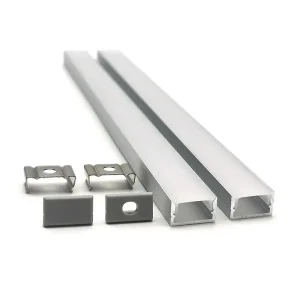
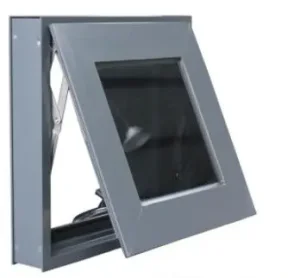
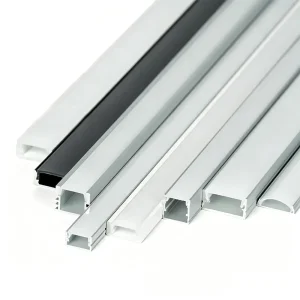
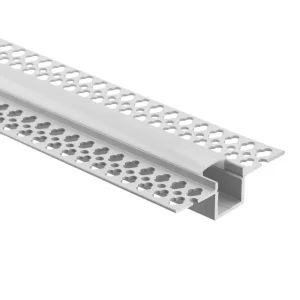
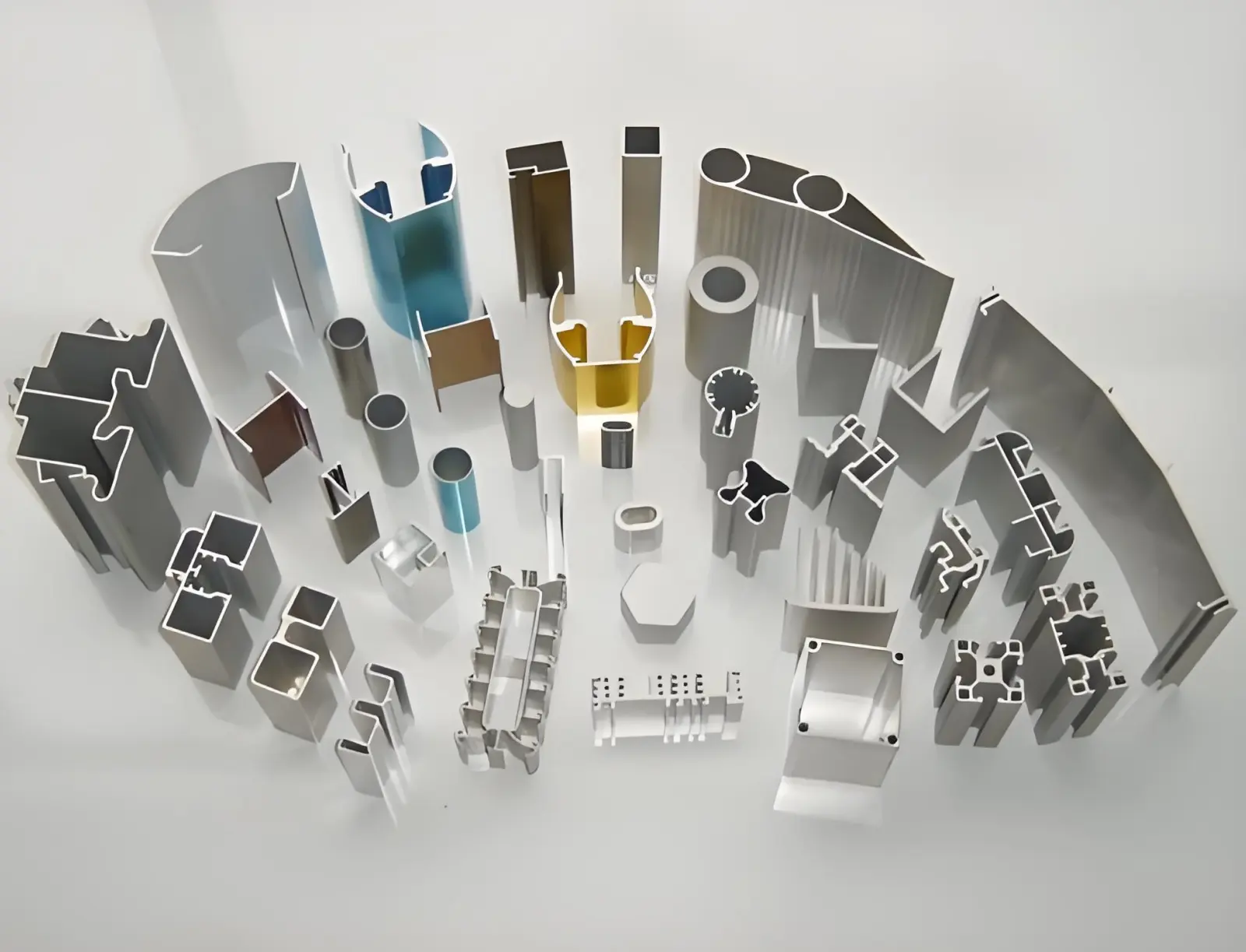
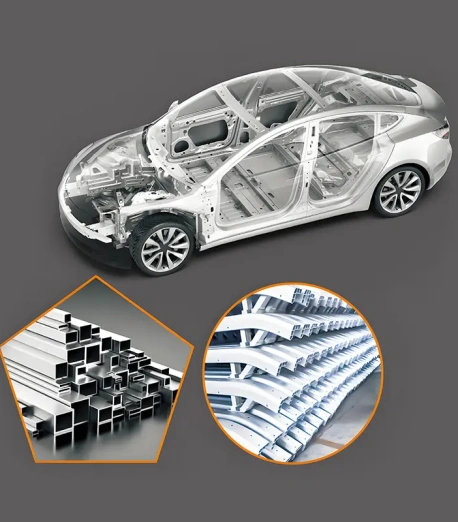
We provide a comprehensive range of structural materials—from micro-machined LED strips and door panels to structural frameworks for subway systems, aerospace brackets, marine cranes, and custom robotic linkages.
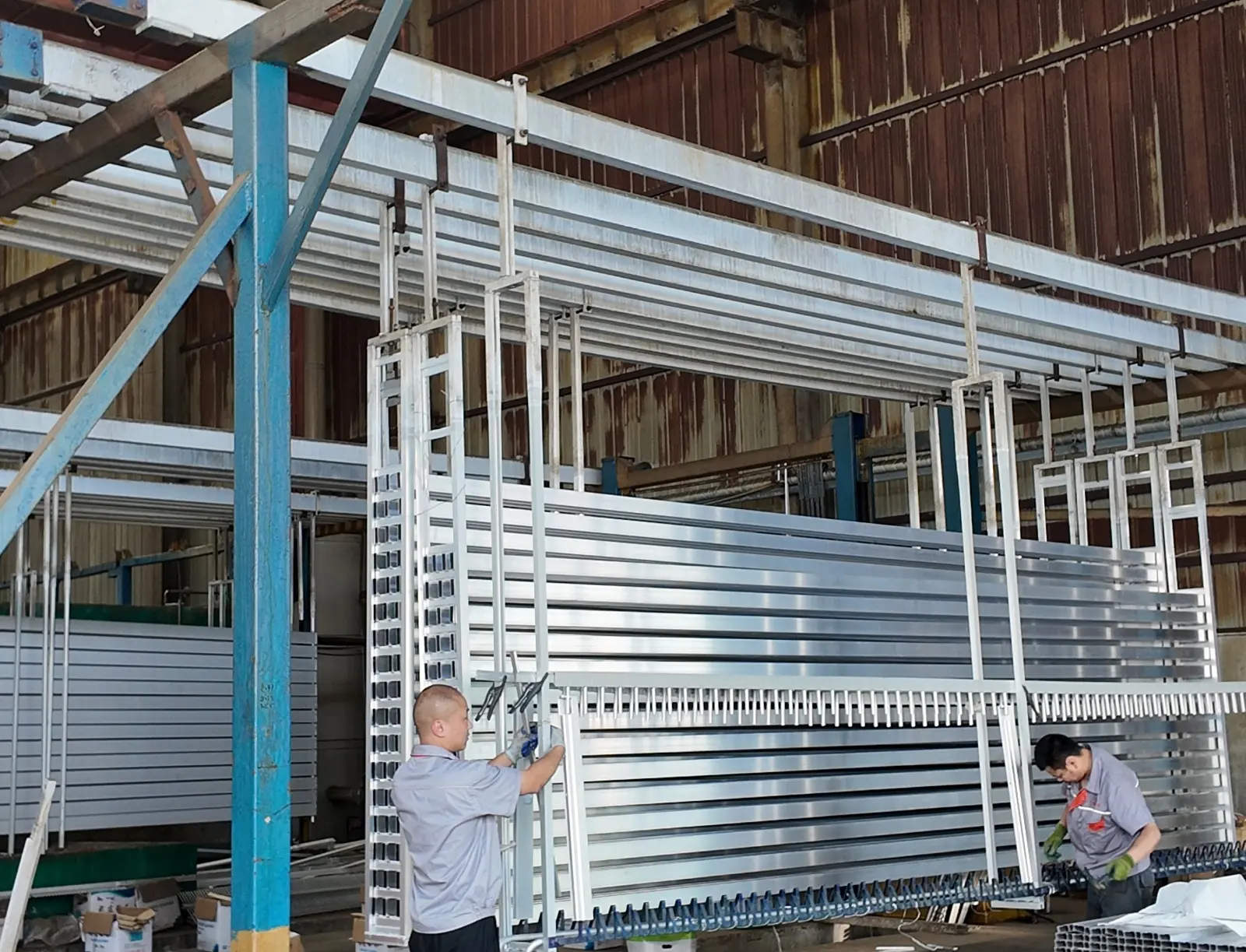
Equipped with modern extrusion presses and multi-axis CNC mills, we control the entire process from custom alloy preparation and profile design to precision machining and protective anodizing.
A comprehensive analysis of metallurgy, structural design, and CNC tolerances required for modern automation systems.
The global industrial robotics sector is undergoing a massive shift. In the past, heavy steel cast structures were the standard for mechanical arms. However, the demand for higher cycle speeds, energy efficiency, and collaborative safety has shifted focus toward lightweight, high-strength materials.
Aluminum alloys (particularly the 6000 and 7000 series) have emerged as the ideal choice for mechanical arm structural links, chassis components, and end-of-arm tooling (EOAT). By utilizing aluminum extrusions, designers can reduce the inertia of moving parts by up to 50%, allowing smaller servo motors to achieve identical or superior acceleration rates. This directly translates to lower operational energy consumption and extended service lives for actuators and gearboxes.
Achieving the tolerances required for high-speed robotic linkages demands advanced fabrication capabilities. At Qingdao Kangjian, our 2500-ton and 1450-ton extrusion lines process architectural and structural alloys with precise grain control. Following extrusion, the profiles undergo artificial aging to achieve the required hardness levels (typically Webster hardness ≥ 15 HW for 6063-T6).
After extrusion, high-speed multi-axis CNC machining centers perform the final profiling. For parts like joint links, motor mounting brackets, and guidance rails, we maintain linear and angular tolerances down to ±0.02 mm. This precision prevents axial misalignment during robotic assembly, reducing backlash and ensuring smooth movement paths during high-speed pick-and-place cycles.
We source high-grade primary aluminum ingots, ensuring low trace element levels. This results in stable thermal properties and excellent surface finishes after anodizing.
Our structural designs are optimized using finite element analysis (FEA) to maximize torsional rigidity under rapid acceleration profiles.
Anodizing layers are thickness-controlled (ranging from 10 to 25 microns) to provide reliable corrosion protection and electrical insulation.

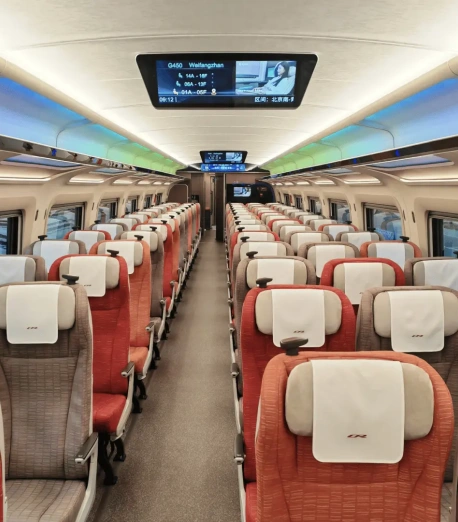
Our core philosophy, "Producing high-end aluminum materials and serving global customers," shapes our manufacturing process. We design and manufacture parts for demanding environments, including structural frames for marine ports, high-speed rail cabins, and automated industrial assembly lines.
By leveraging Jimo's location near international shipping lanes, Kangjian maintains a reliable export logistics network. We serve tier-one manufacturing partners globally, ensuring short lead times and robust packaging for long-distance shipping.
Whether dealing with low-temperature conditions in high-altitude rail systems or high-humidity marine environments, Kangjian's custom alloy formulations prevent stress-corrosion cracking and structural degradation over time.
We work closely with structural design engineers to design custom extrusions that integrate multiple functions, such as internal cooling channels or wire-routing passages, directly into the profile cross-sections. This helps reduce total assembly weight and streamlines end-product manufacturing.
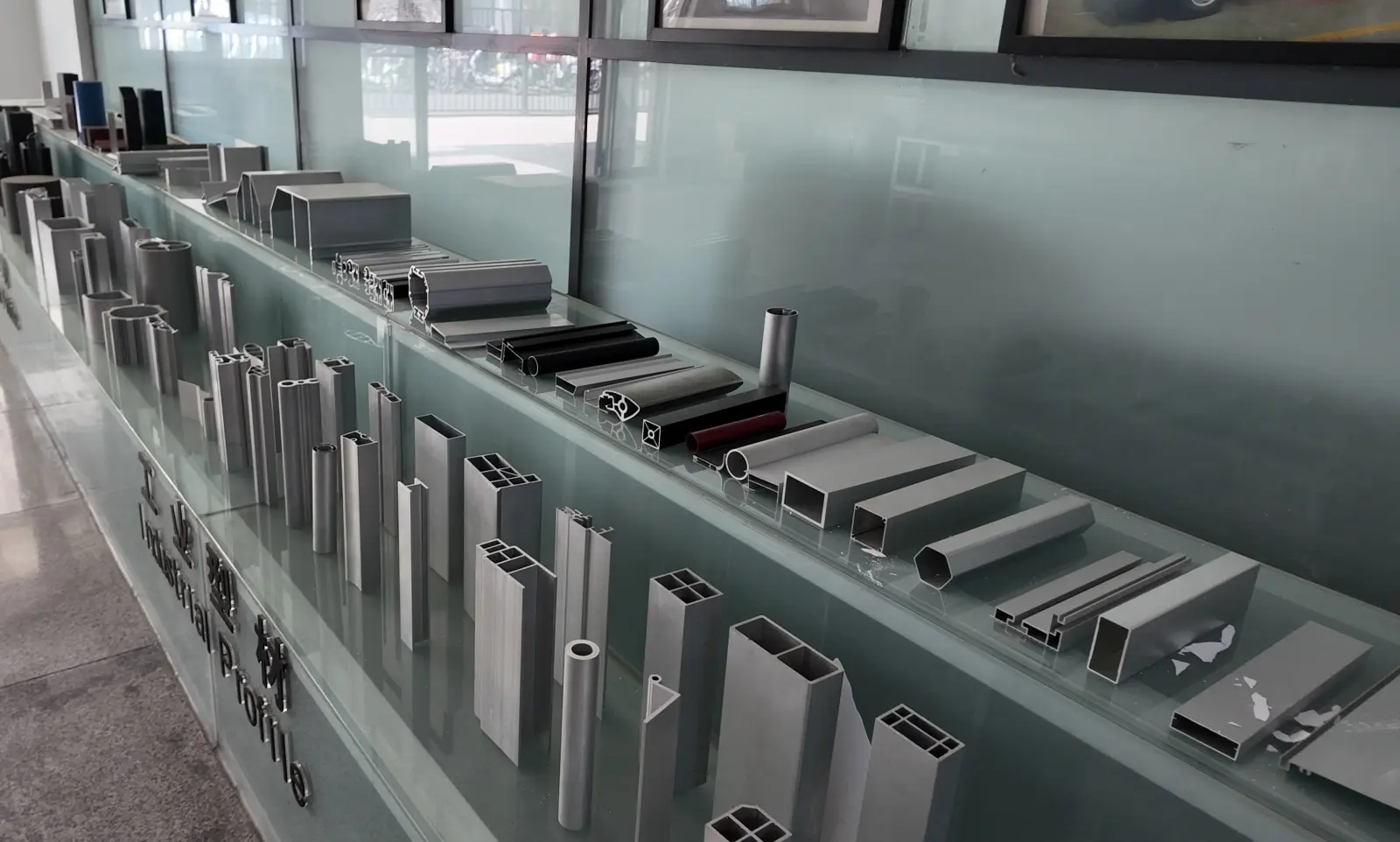
Key standards, testing requirements, and quality parameters that procurement teams evaluate during vendor qualification.
Purchasing components for robotic arms requires careful quality evaluation. Because industrial robots run continuously, structural failure can lead to expensive downtime. Procurement teams evaluate potential manufacturing partners based on three key parameters:
Every shipment must include mill test reports detailing the chemical composition and mechanical properties of the alloy. We maintain full heat-number traceability from raw aluminum billet to the finished machined component.
Robotic assemblies rely on tight tolerances. We conduct CMM (Coordinate Measuring Machine) inspections on critical dimensions to ensure batch-to-batch consistency and easy drop-in assembly.
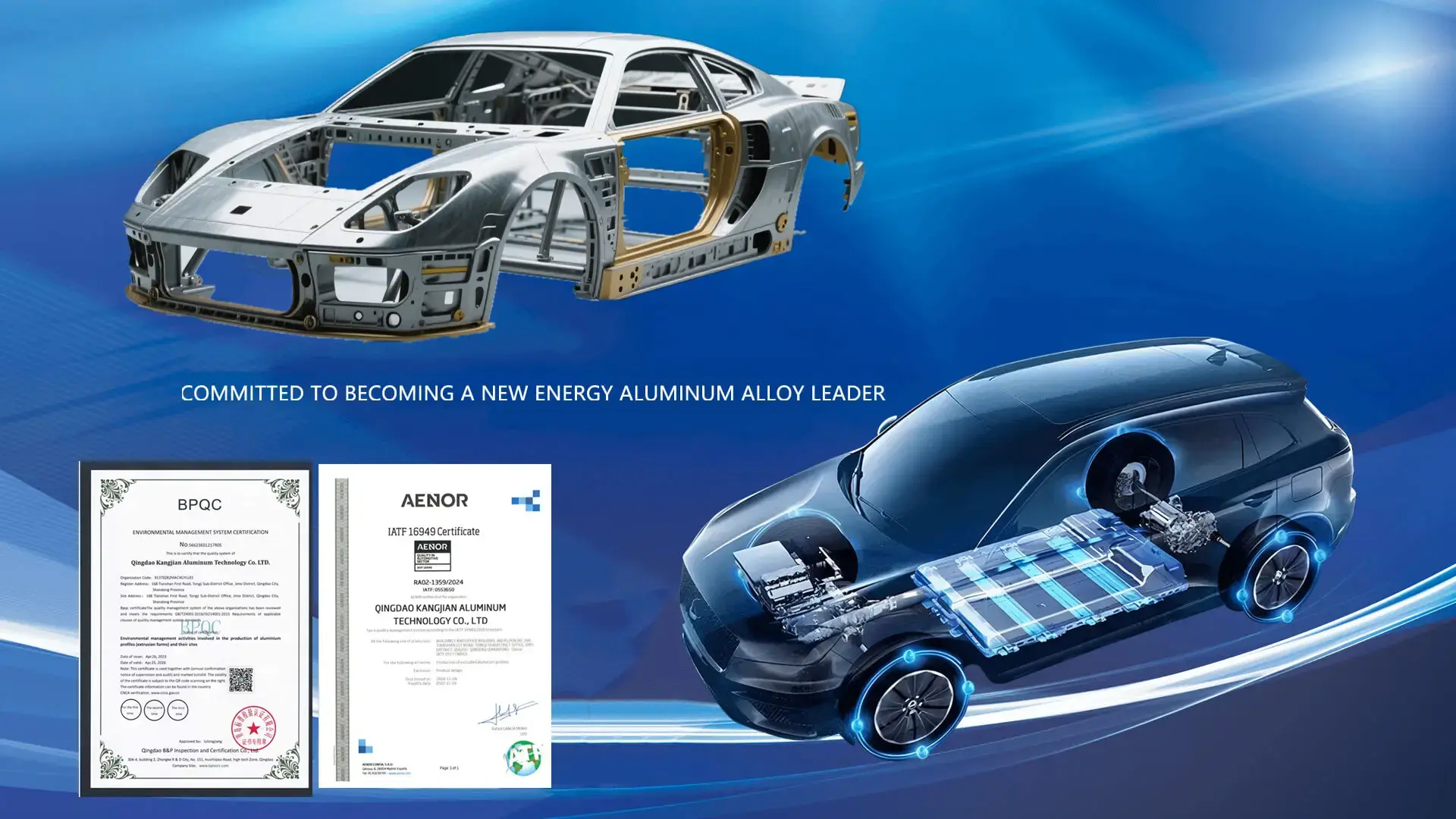
We maintain full compliance with quality management systems, including IATF 16949 for automotive components, ISO 22163 for rail systems, and EN 15085 for structural welding.
To meet these requirements, Qingdao Kangjian uses advanced testing equipment, including spectrum analyzers for material composition verification, tensile testing machines for mechanical verification, and ultrasonic testing equipment to detect internal defects in structural extrusions.
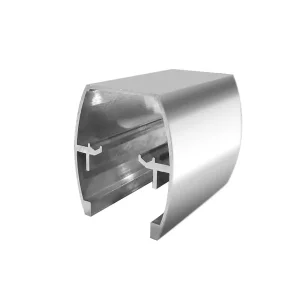
Our structural aluminum extrusions are categorized by application to meet specific industry requirements.
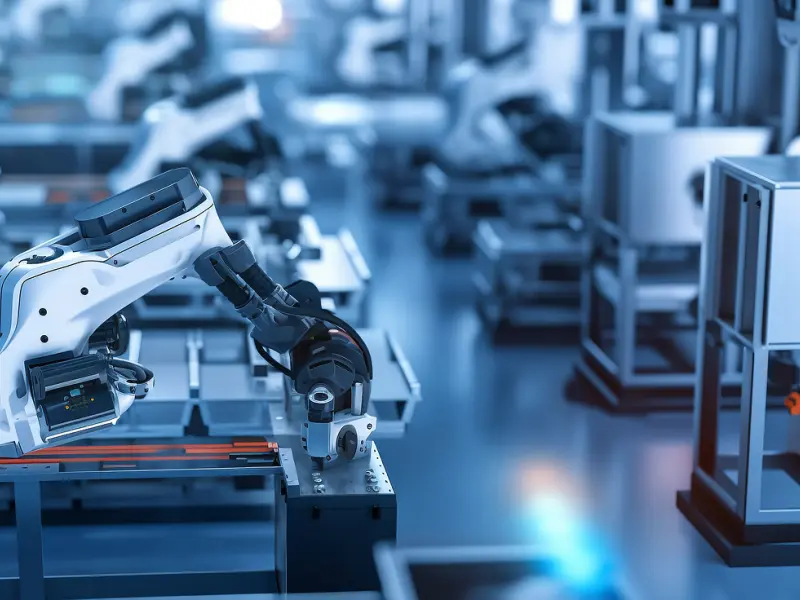
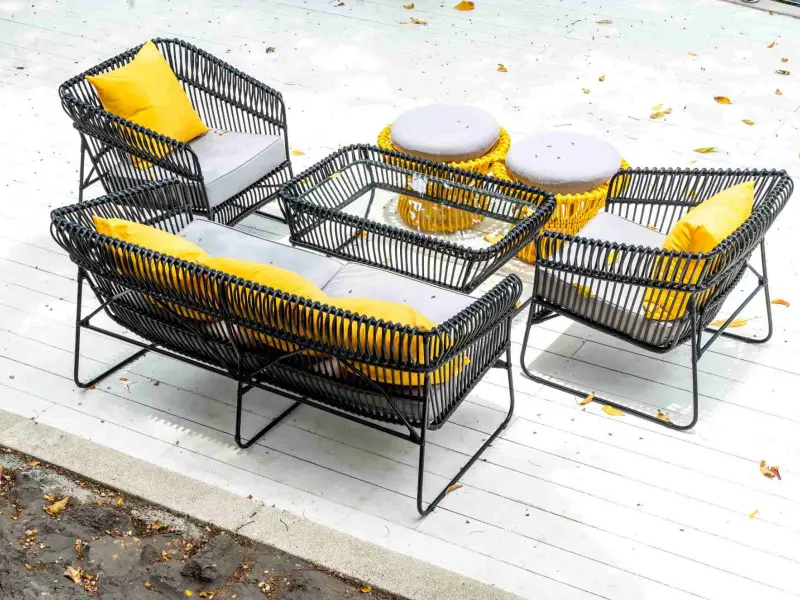

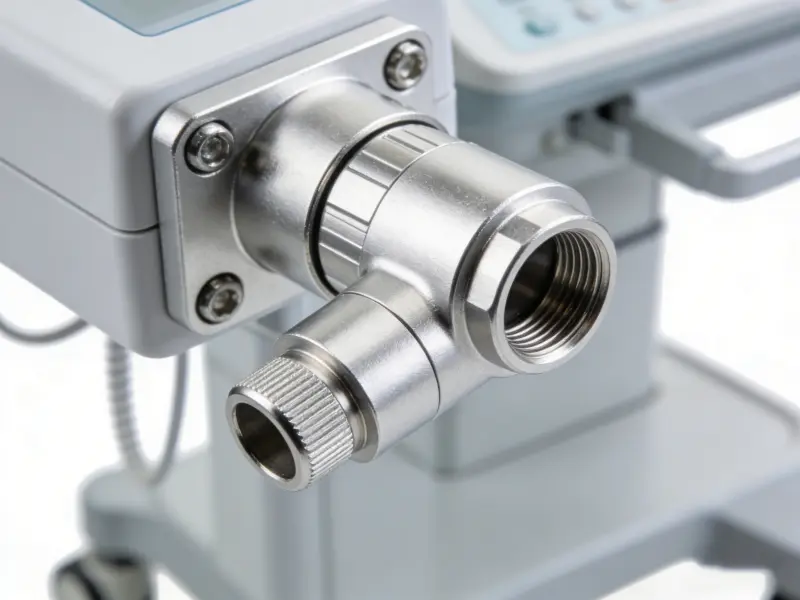
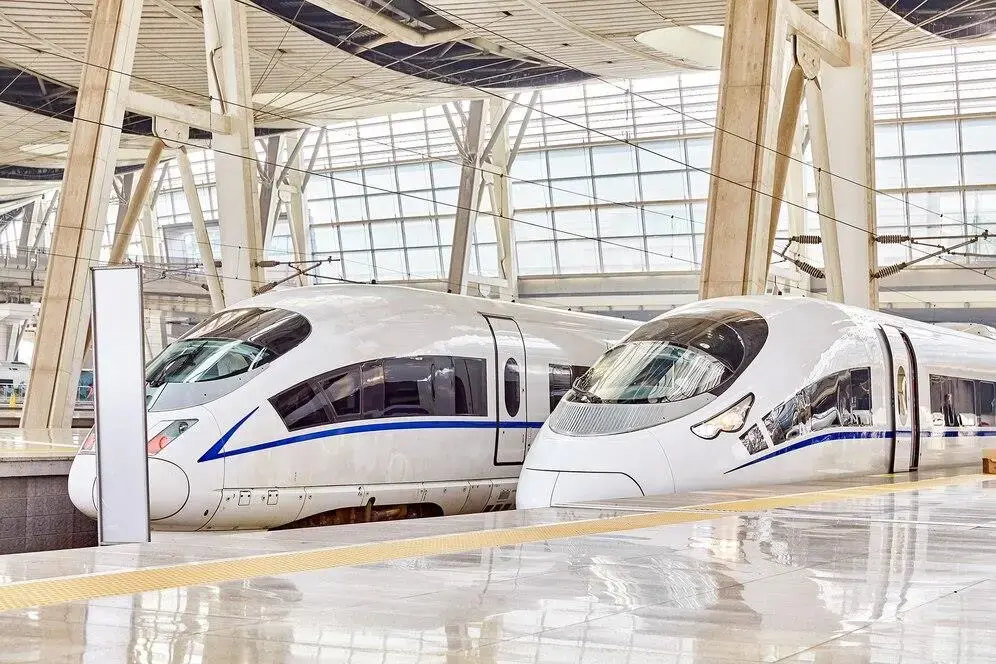
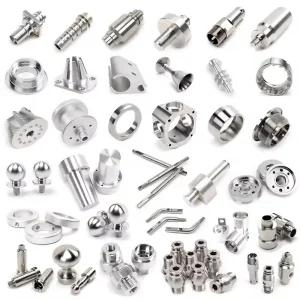
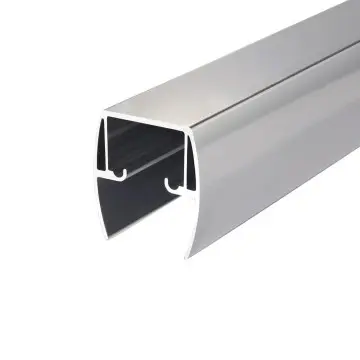
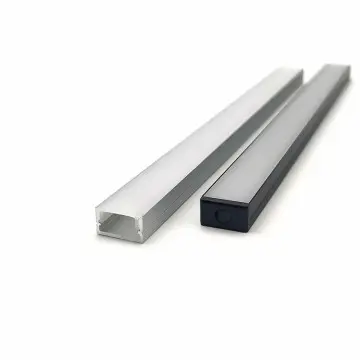
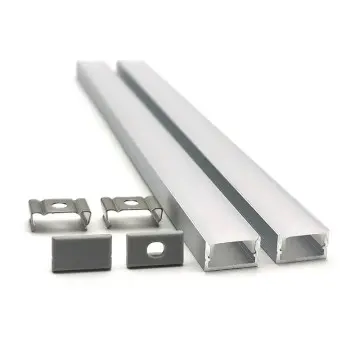
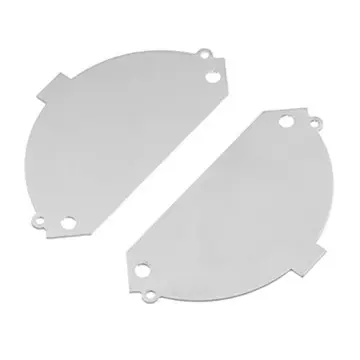
Our most frequently requested profile systems and precision hardware assemblies currently in active production.
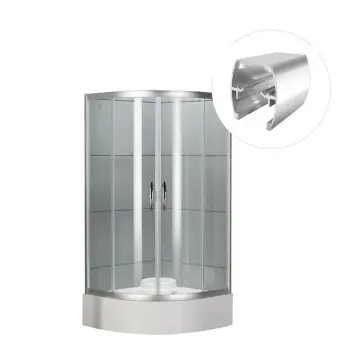
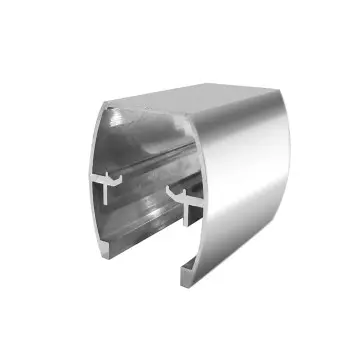
Qingdao Kangjian operates under strict quality management frameworks, carrying major certifications required by demanding global industries.
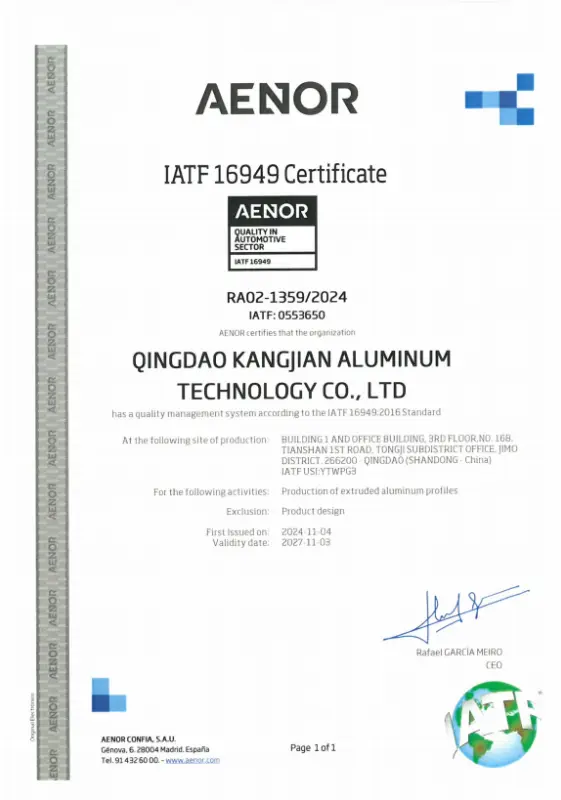
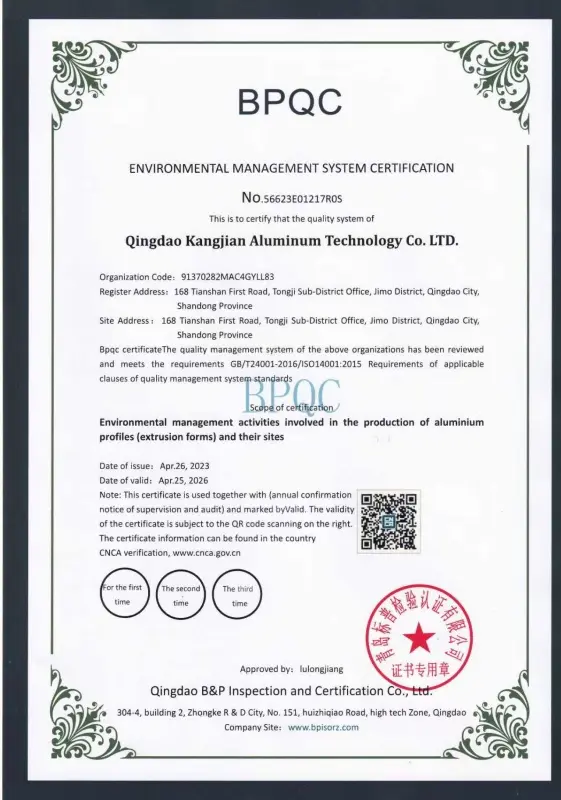
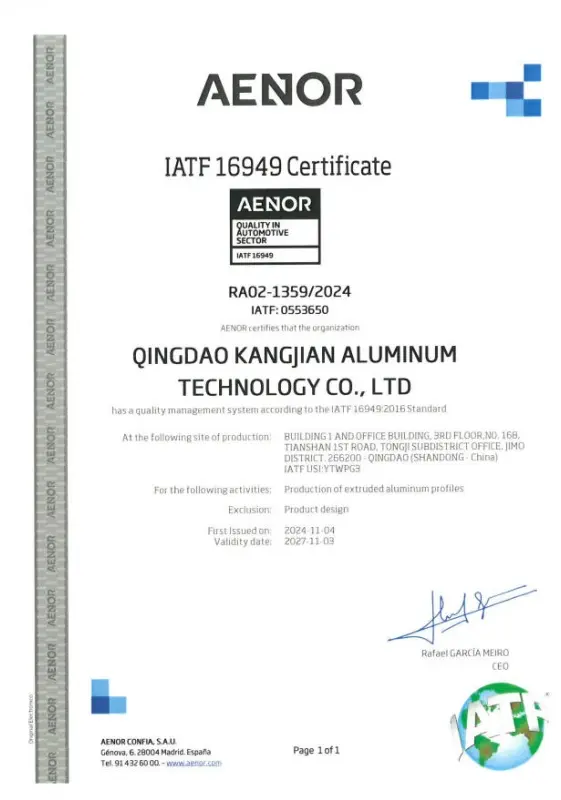
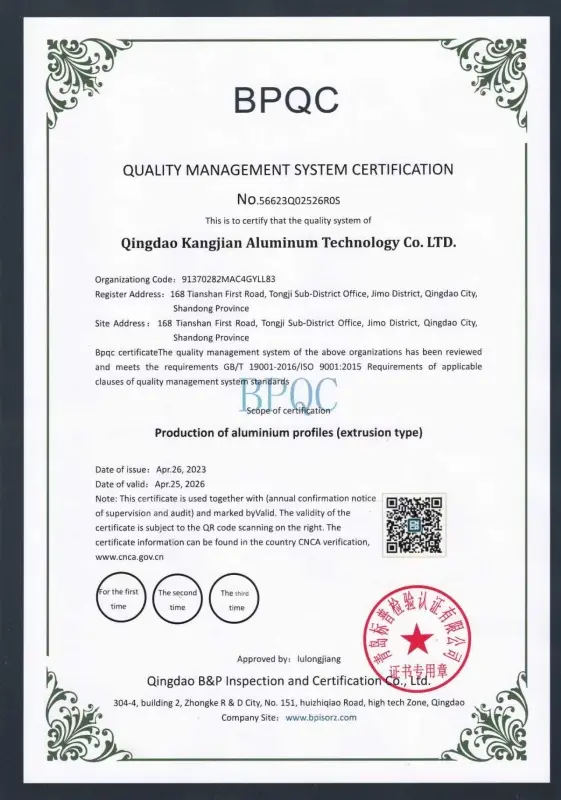
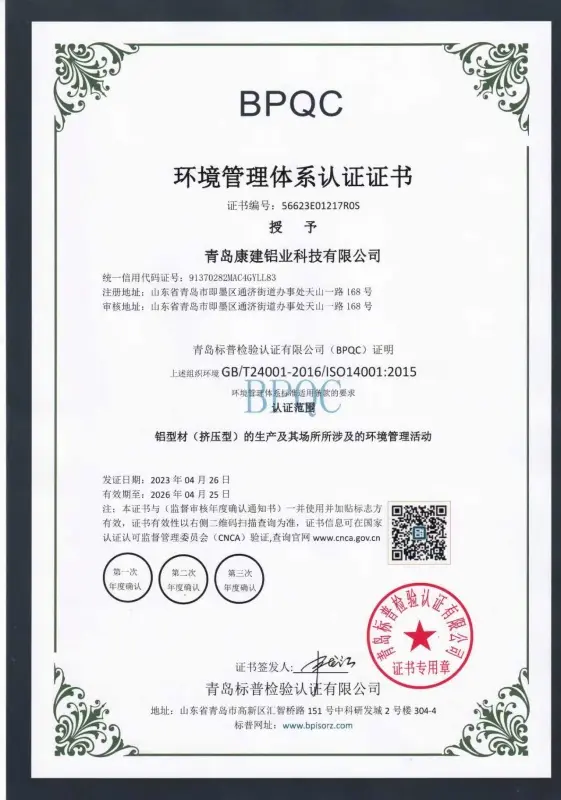
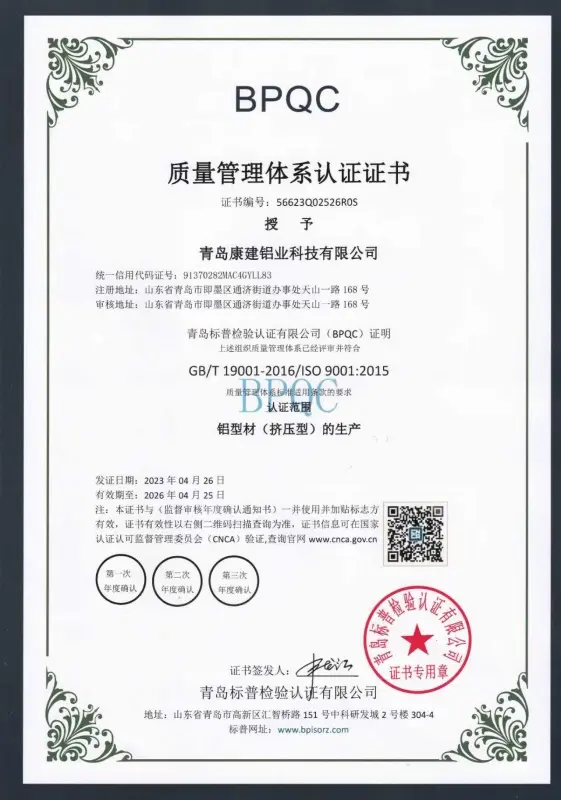
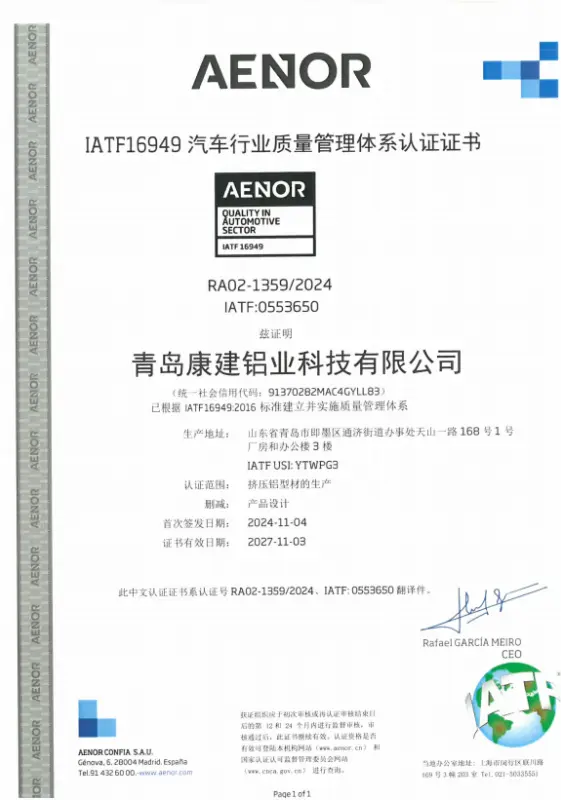
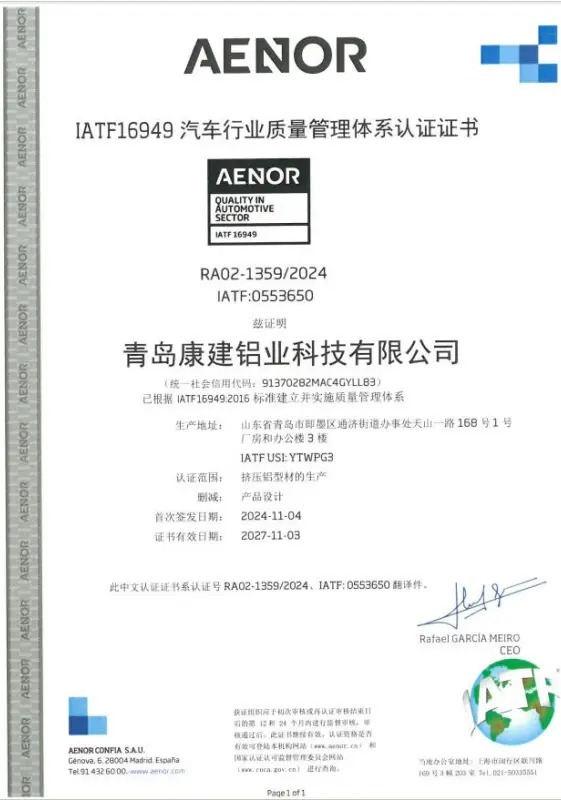


Our high-strength aluminum extrusions and structural parts are utilized across several major sectors:
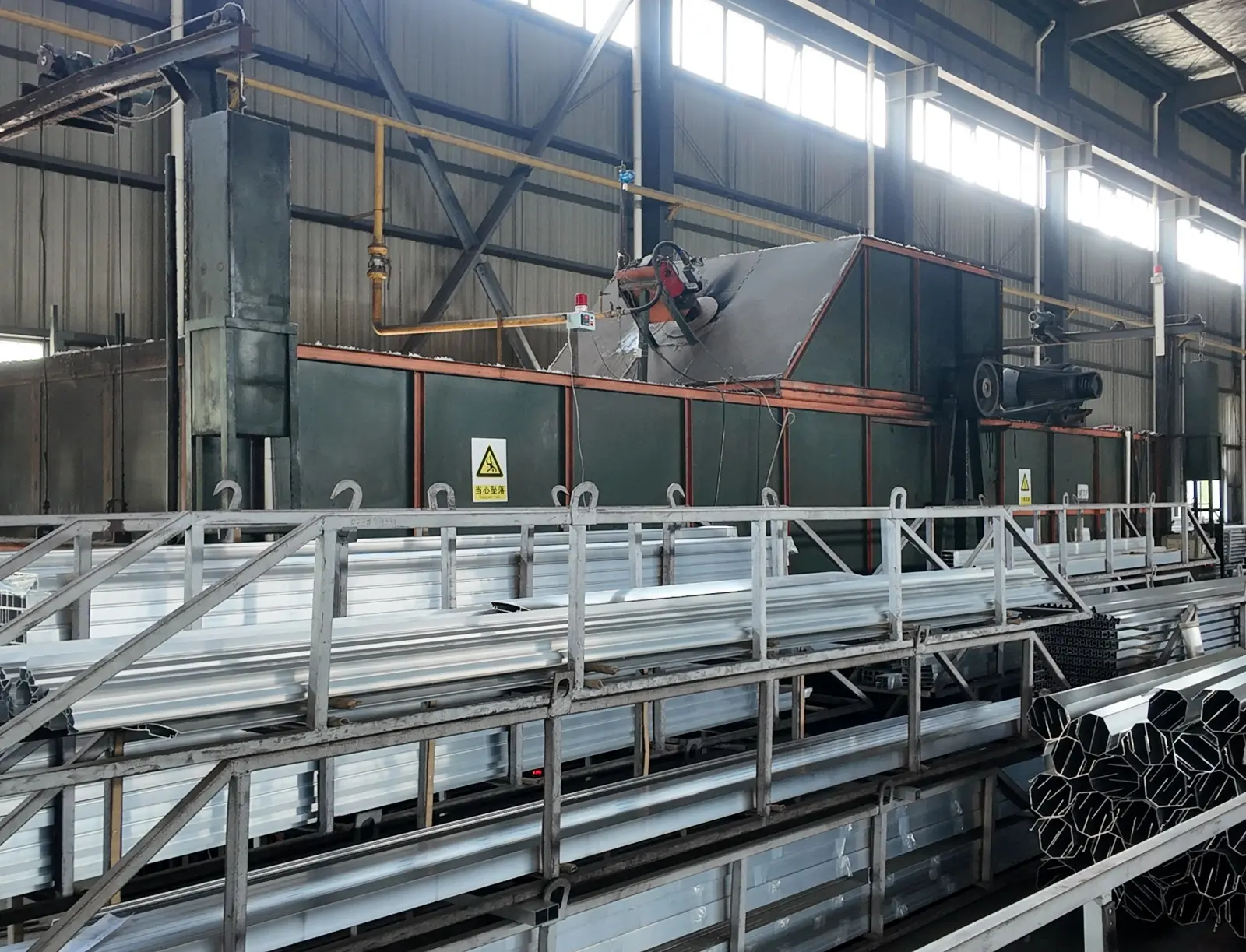
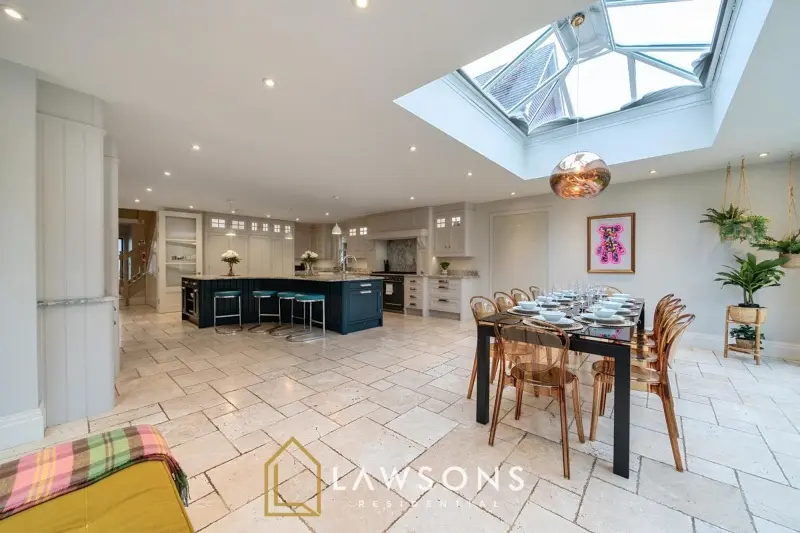
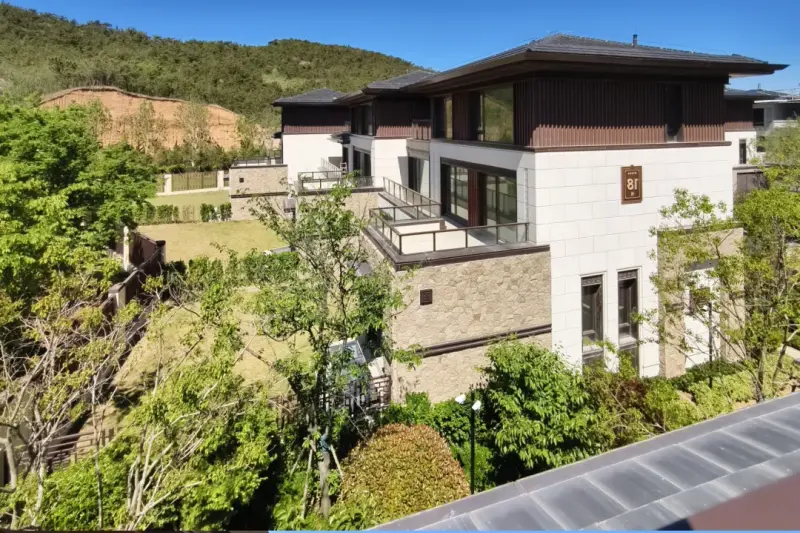
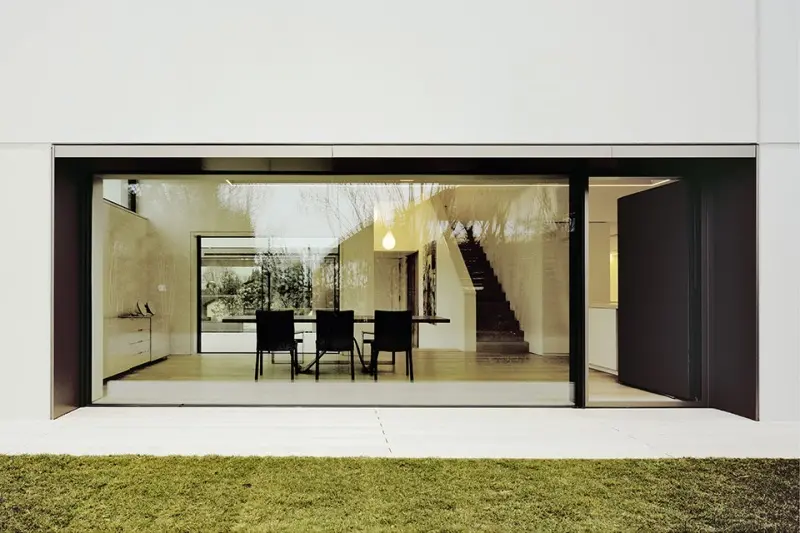

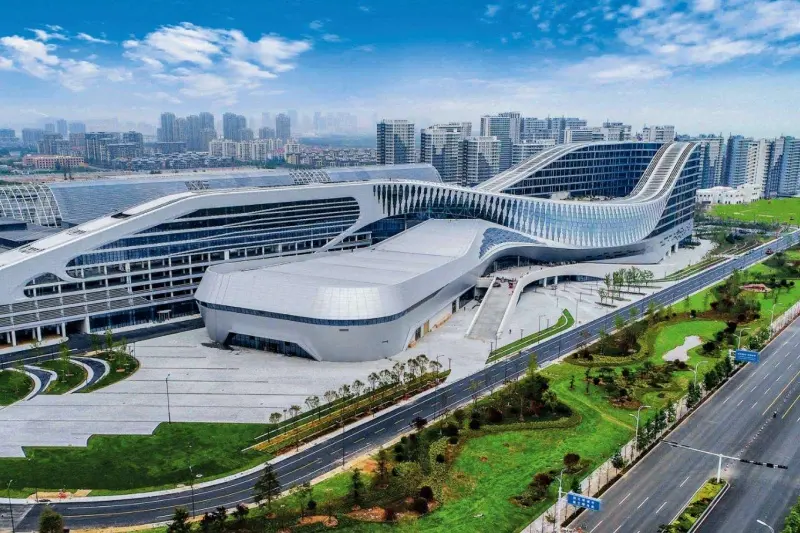
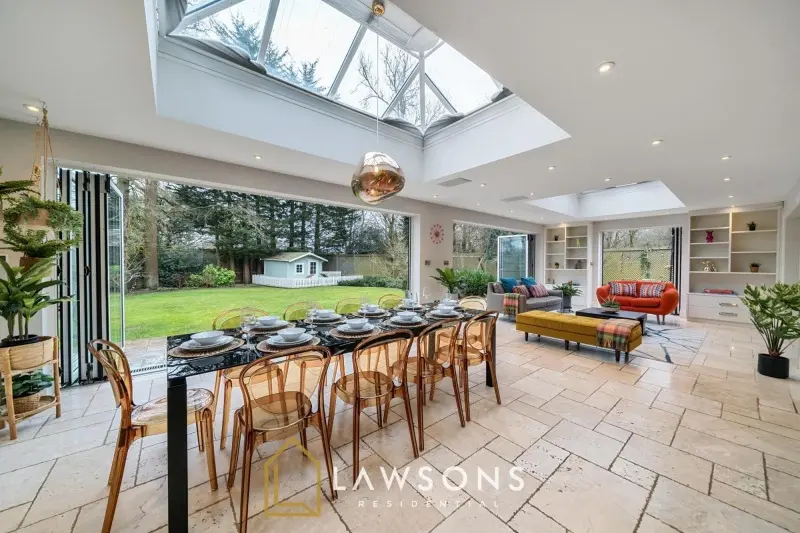
How our structural aluminum profiles integrate into large-scale automated networks and structural assemblies.
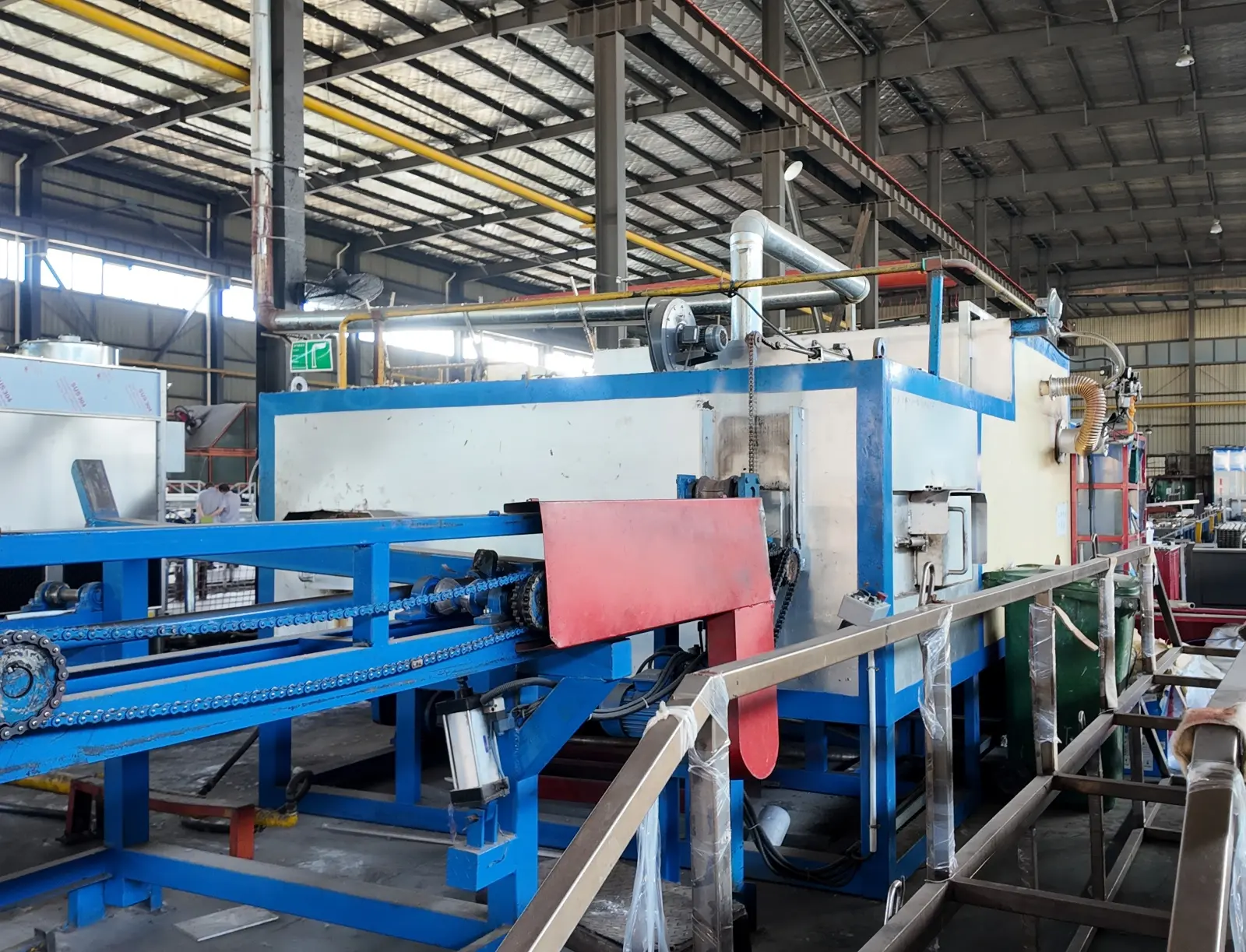
Our heavy-duty T-slot profiles and precision-ground linear rails are commonly used to build modular gantry setups and overhead tracks. These profiles feature structural designs that reduce sag over long spans, ensuring alignment and positioning accuracy during high-load transport operations.
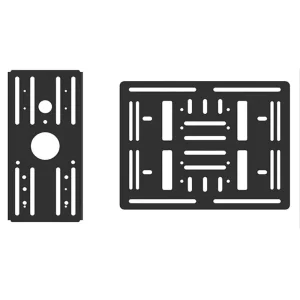
By using custom-machined joining plates, connectors, and mounting brackets, systems can be modified or scaled up without requiring major structural redesigns.
Our small-profile extrusions and custom-machined mounting brackets are used in structural kits for mobile automation systems, research platforms, and smart warehouse logistics units (AMRs/AGVs).
These parts undergo precision CNC machining to create integrated channels for mounting sensors, routing cables, and locating motors. This helps reduce total part counts and simplifies final assembly.
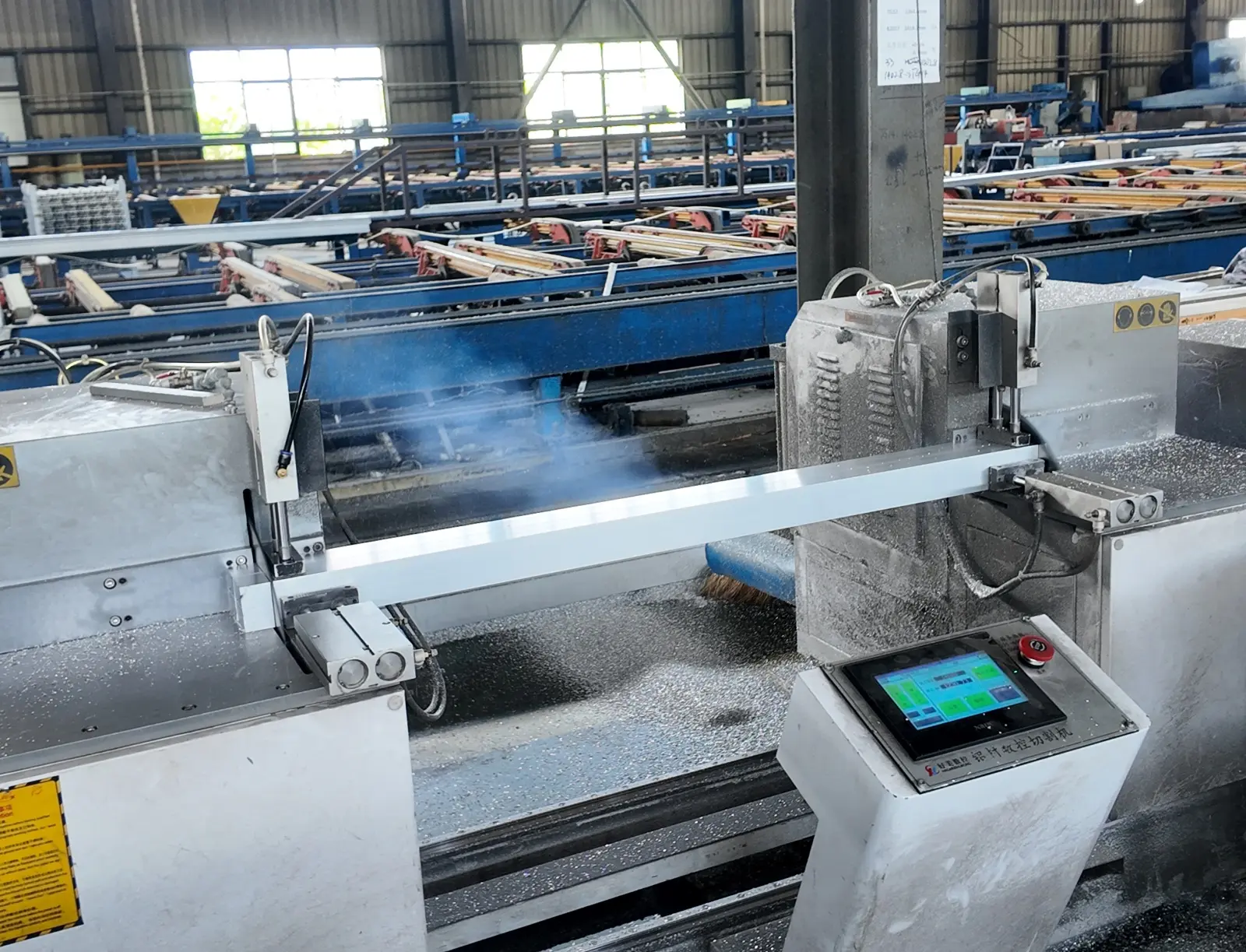
Technical details, design considerations, and alloy recommendations for mechanical arm parts and custom extrusions.
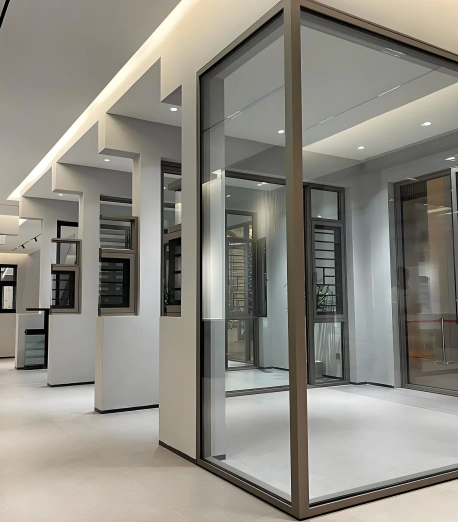
A showcase of structural parts and profiles deployed across automotive assemblies, rail vehicles, and logistics hubs.
Premium architectural, industrial, and precision-engineered mechanical arm parts sourced directly from China's leading manufacturing facility.