Kangjian
Kangjian
Kangjian
Precision-engineered aluminum components designed to withstand harsh mechanical loads and aggressive marine environments.
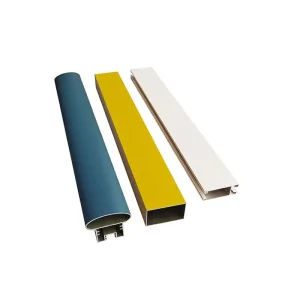
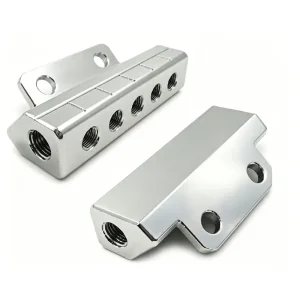
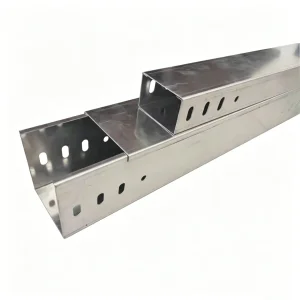
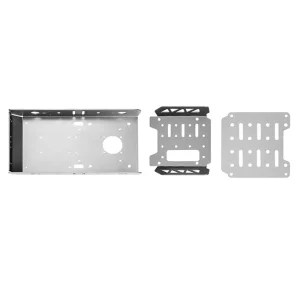
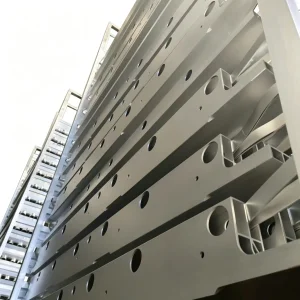
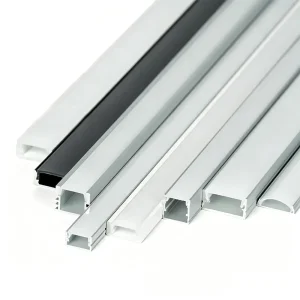
Navigating the Transition from Heavy Steel to Lightweight, Corrosion-Resistant Alloys in Modern Energy Exploration.
Modern oil and gas extraction has moved deep into marine environments. Platforms in the North Sea, the Gulf of Mexico, and the South China Sea encounter extreme wind, high-salinity splash zones, and continuous mechanical stress. Conventional structural materials like structural steel are prone to rapid degradation, leading to significant maintenance downtimes and high operational costs.
Topside weight reduction is critical for deep-water floating production storage and offloading (FPSO) units and semi-submersible rigs. Every ton saved on topside equipment translates directly to increased stability, payload capacity, and lower structural construction costs. High-strength aluminum profiles have emerged as the standard solution for structural frames, walkways, and protective systems.
Drilling activities involve contact with highly corrosive drilling muds, sour gas (H2S), and atmospheric salt. Engineered aluminum alloys, particularly the 6xxx series (6061, 6082, 6063), undergo advanced anodizing treatments to form thick protective oxide barriers. These alloys are non-sparking, a critical safety criteria in explosive hydrocarbon zones (ATEX/Class I Div 2).
A Technical Breakdown of Metallurgical and Structural Requirements for Heavy Engineering.
To understand the role of specialized aluminum profiles in oil drilling infrastructure, one must analyze the mechanical properties and metallurgical composition required for heavy-duty engineering. The standard materials used on marine structures must satisfy strict parameters regarding yield strength, weldability, corrosion resistance, and cryogenic performance (for Arctic drilling zones).
While 6061-T6 is the global standard for general structural engineering due to its excellent toughness and weldability, 6082-T6 has become the preferred choice in European marine sectors. Alloy 6082 contains higher manganese levels, which control grain structure during extrusion. This results in superior shear strength and mechanical properties in welded joints, making it ideal for offshore helidecks, heavy-duty gangways, and crane components.
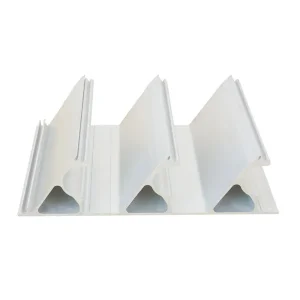
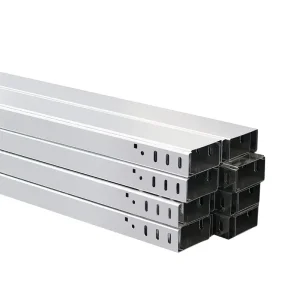
Additionally, Alloy 6063 is widely selected for secondary structural components, such as custom cable management trays and architectural enclosures for personnel quarters on rigs. Its excellent extrudability allows for the creation of intricate multi-hollow profiles that minimize material weight while maintaining high bending stiffness. When anodized to thicknesses exceeding 20 microns, these profiles resist localized pitting and galvanic corrosion in marine environments.
| Alloy & Temper | Yield Strength (MPa) | Tensile Strength (MPa) | Elongation (%) | Marine Suitability |
|---|---|---|---|---|
| 6061-T6 | ≥ 276 | ≥ 310 | ≥ 10% | Excellent |
| 6082-T6 | ≥ 260 | ≥ 310 | ≥ 10% | Outstanding |
| 6063-T6 | ≥ 170 | ≥ 215 | ≥ 8% | Moderate-High |
Integrating Advanced Chinese Manufacturing Efficiency with International Quality Certifications.
Founded in the Jimo District of Qingdao, Qingdao Kangjian Aluminum Industry Technology Co., Ltd. (located at No. 168, Tianshan 1st Road) operates a state-of-the-art production base covering 200 mu (approx. 133,333 sqm), with 80,000 square meters of dedicated manufacturing facilities. By leveraging Jimo’s industrial cluster and Qingdao's major deep-water seaport, we maintain efficient global supply chains and export routes.
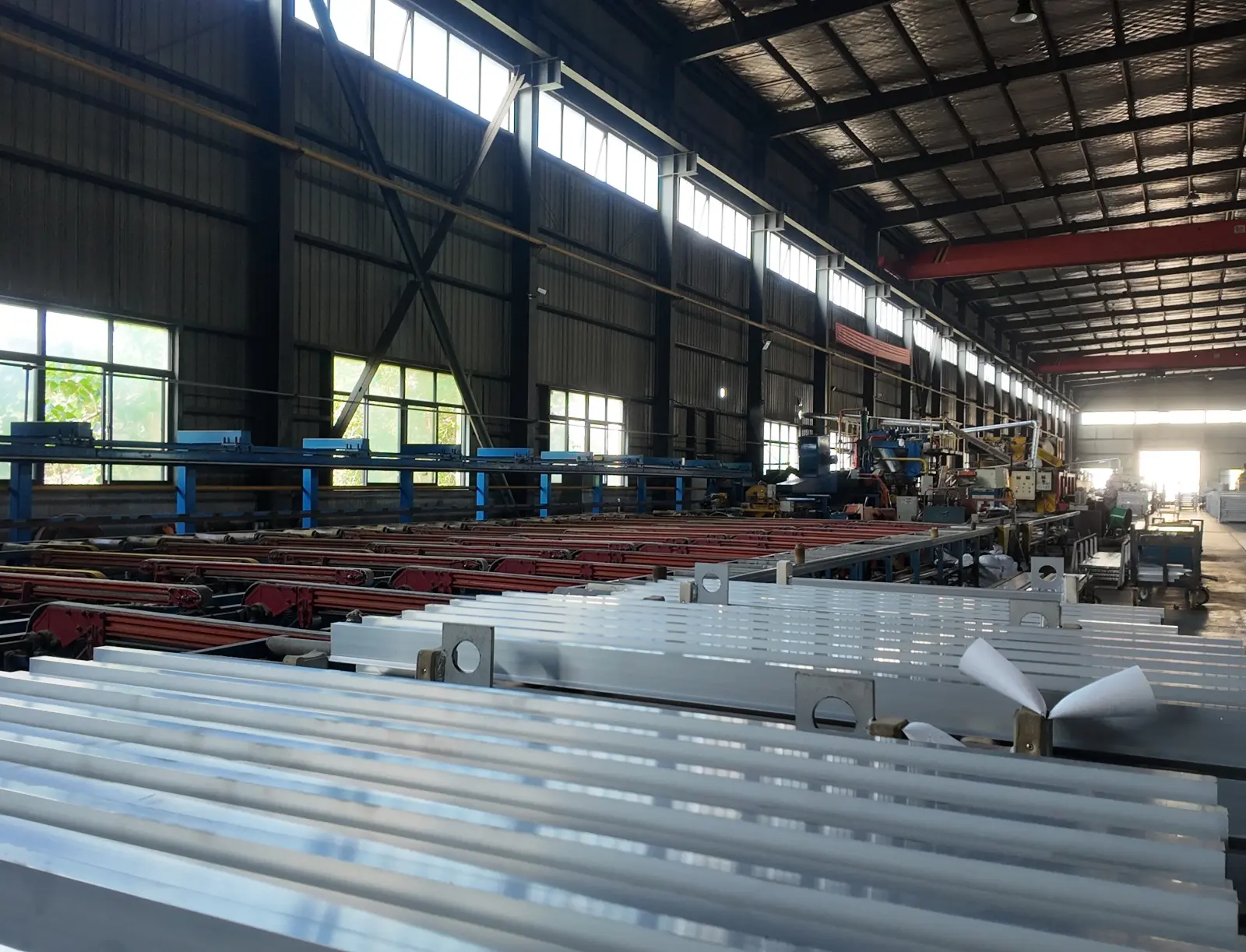
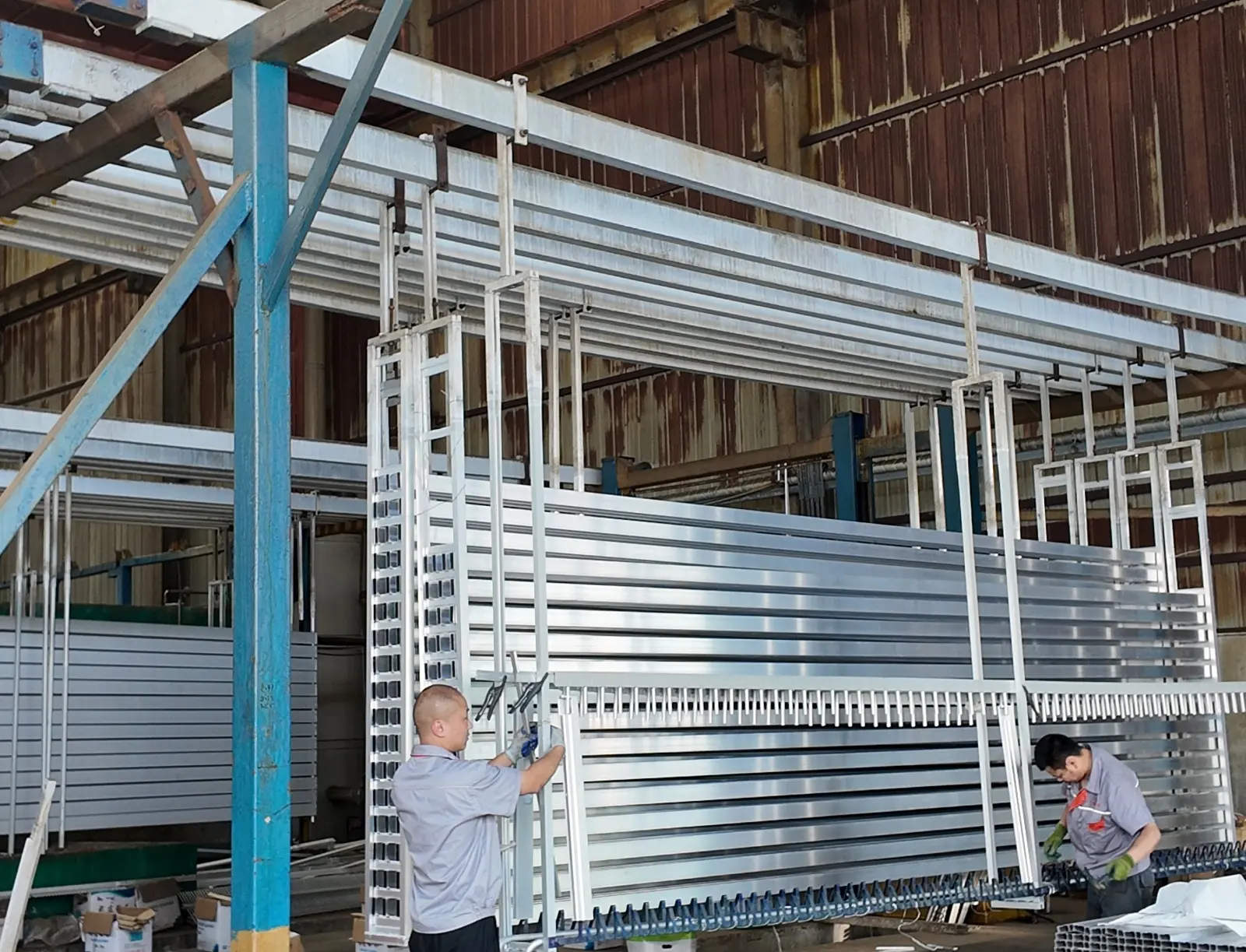
Our production lines include a heavy 2500T extruder, one 1450T extruder, one 1150T extruder, and two 700T units, enabling the production of profiles in various wall thicknesses and section shapes. With specialized tempering ovens, anodizing lines, and multi-axis CNC machining centers, we handle everything from basic extrusions to complex machined assemblies for marine and drilling clients.
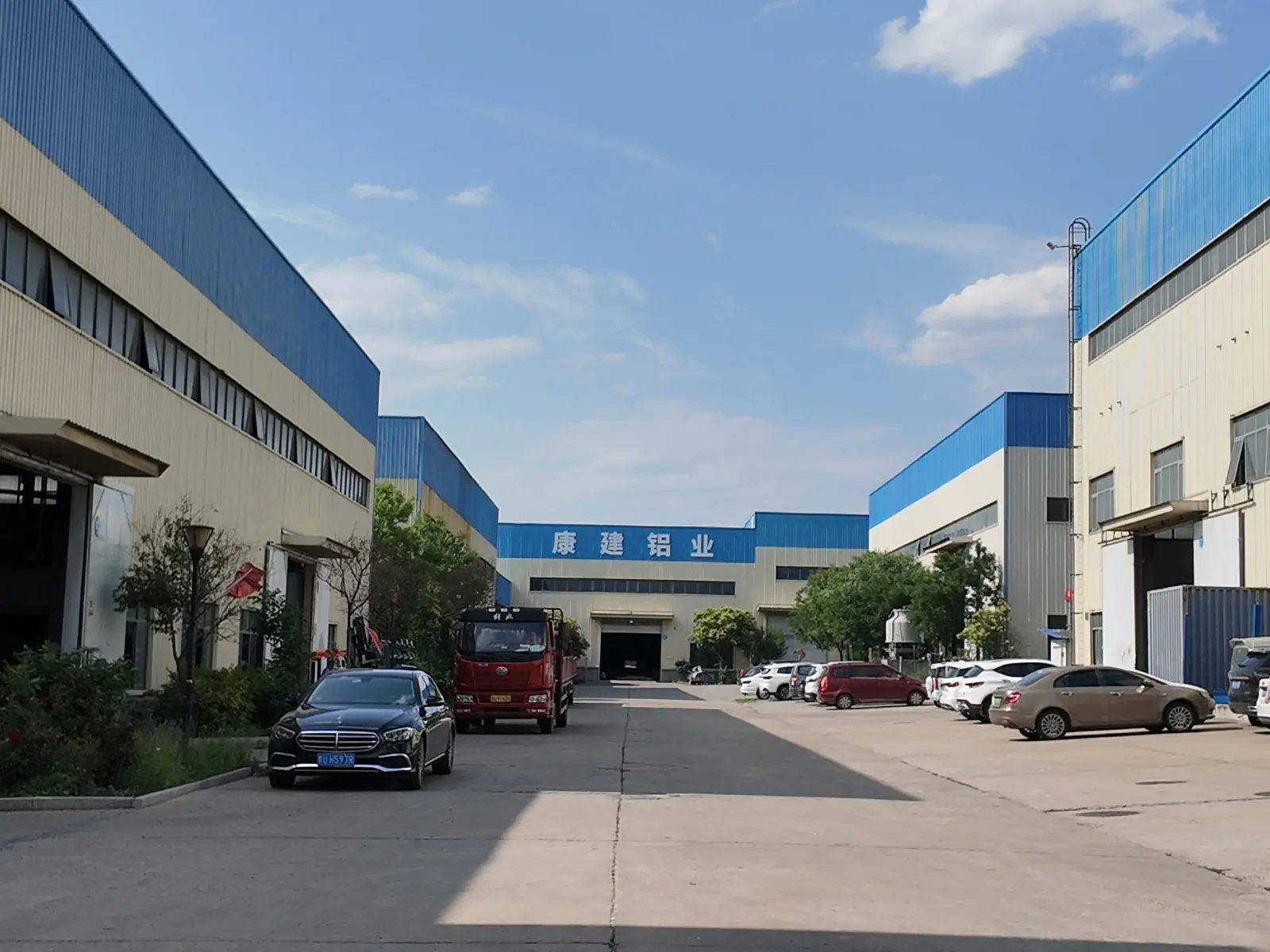
Kangjian Production Base - Jimo District, Qingdao

Advanced Heavy-Duty Extrusion Lines
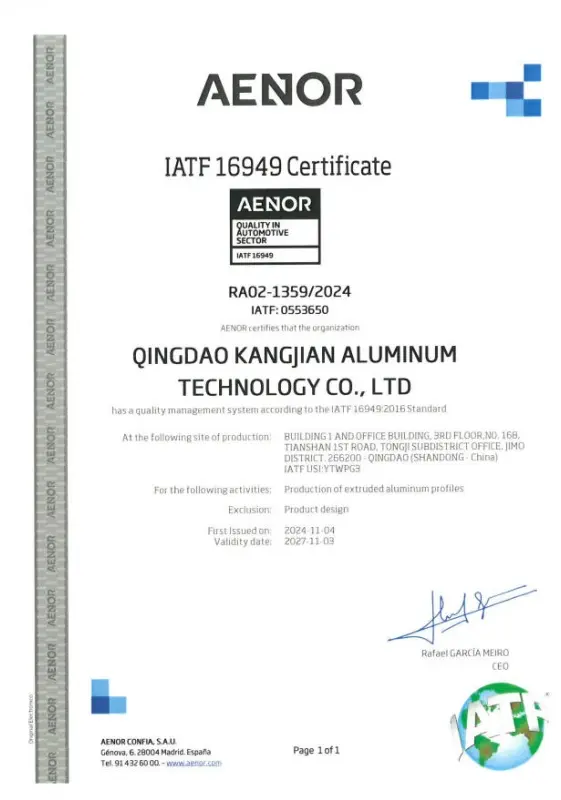
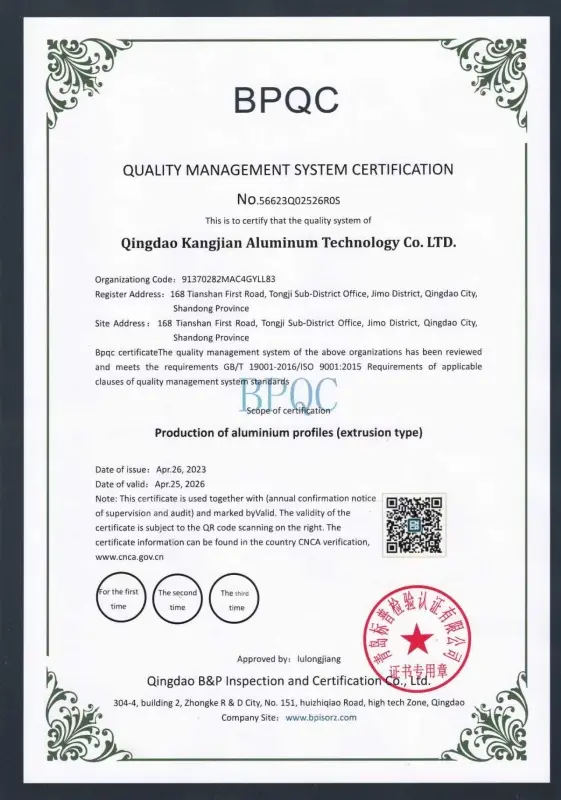
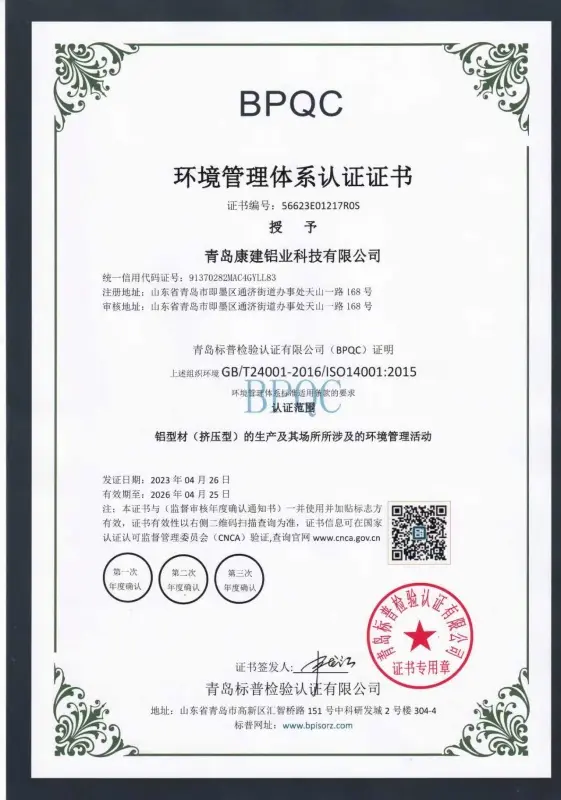
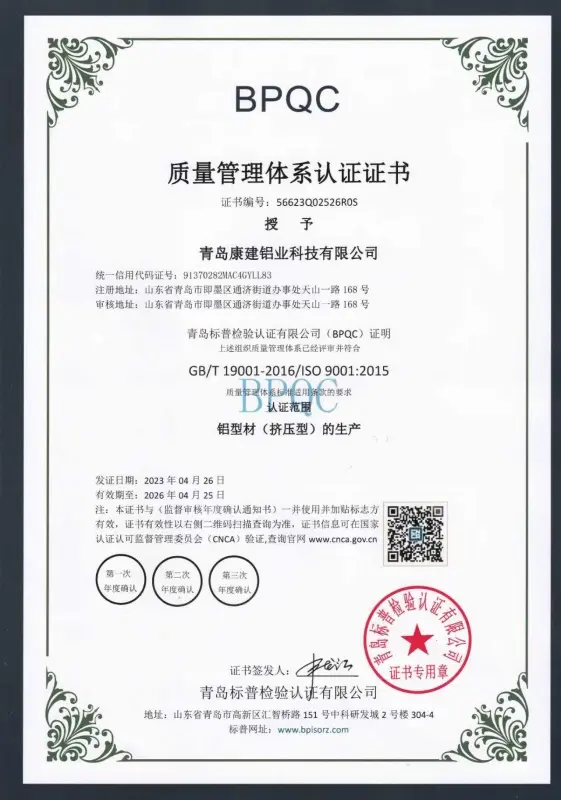
To ensure reliability in high-risk industries like aerospace, rail transit, and marine oil drilling, we maintain a comprehensive quality management system. Our manufacturing processes conform to the following standards:
From Deep-Sea Drilling Platforms to Automated Industrial Systems.
Heavy-duty aluminum extrusions (alloys 6082-T6 and 6061-T6) are utilized for crew stairs, helidecks, gangways, and equipment enclosures. These structures resist chloride-induced corrosion, eliminating the need for periodic paint recoating.
Drilling rigs house kilometers of power, control, and optical fiber lines. Aluminum power cable trays and ladders prevent physical damage and thermal buildup, providing reliable routing pathways in wet, marine conditions.
Smart oil and gas installations utilize automated pipeline inspection gauges (PIGs) and crawler systems. Extruded aluminum frames supply the required rigidity and lightweight properties for robotic drive kits in deep conduits.
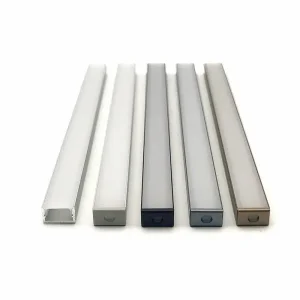
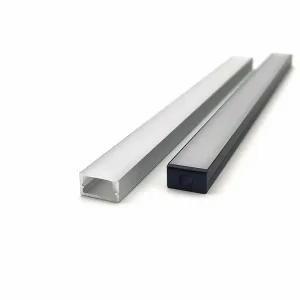
Illumination in volatile zones requires heavy-duty housing. Extruded aluminum LED profiles supply excellent heat dissipation, keeping temperatures below ignition limits in environments containing flammable gases.
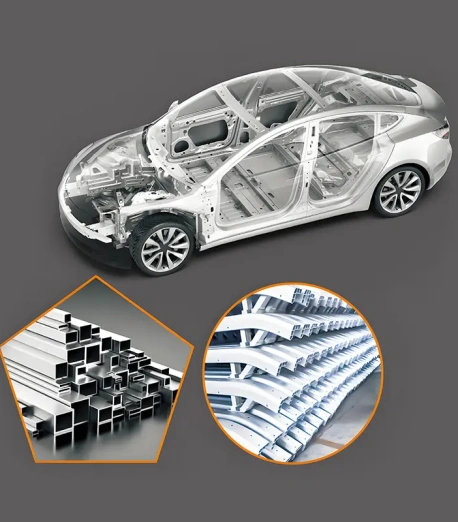
Analyzing the shift toward carbon neutrality, robotic automation, and harsh-weather structural resilience.
Major energy conglomerates (including Saudi Aramco, Shell, and BP) are targeting carbon reduction across their operations. Using primary aluminum produced via hydro or solar energy—as well as recycled aluminum alloys—helps lower structural carbon footprints. Modern extrusion facilities must adapt to run scrap-feed mixtures without reducing tensile strength or seawater durability.
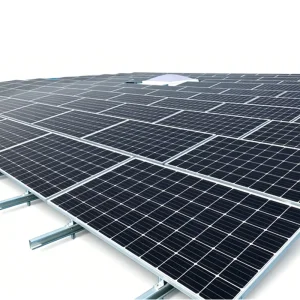
Offshore rigs are increasingly utilizing solar and wind arrays to power monitoring equipment and crew quarters. This change creates demand for lightweight, storm-resistant structures like photovoltaic mounting frames, which must survive category-5 hurricane forces without structural failure.
Smart drilling relies on automated sensor feedback and remote control. Incorporating smart systems into structural extrusions requires designing internal channels for cabling, fiber optics, and sensor modules. This permits real-time stress tracking, structural deflection monitoring, and early warning for component fatigue.
Navigating lead times, quality assurance checklists, and global delivery channels.
Procuring structural aluminum profiles for oil fields requires careful attention to material tracking, dimensions, and shipping timelines. With a regional port system nearby, Qingdao Kangjian exports directly to Korea, Japan, Europe, and North America.
Ensure chemical compositions (silicon, magnesium, iron) meet ASTM or EN standards to prevent material failure in saltwater environments.
Request Class I anodizing (minimum 15-25 microns thickness) or offshore-grade powder coating to protect against pitting and abrasion.
Verify that the manufacturer can handle deep processing (milling, drilling, tapping, welding) to minimize onshore construction labor.
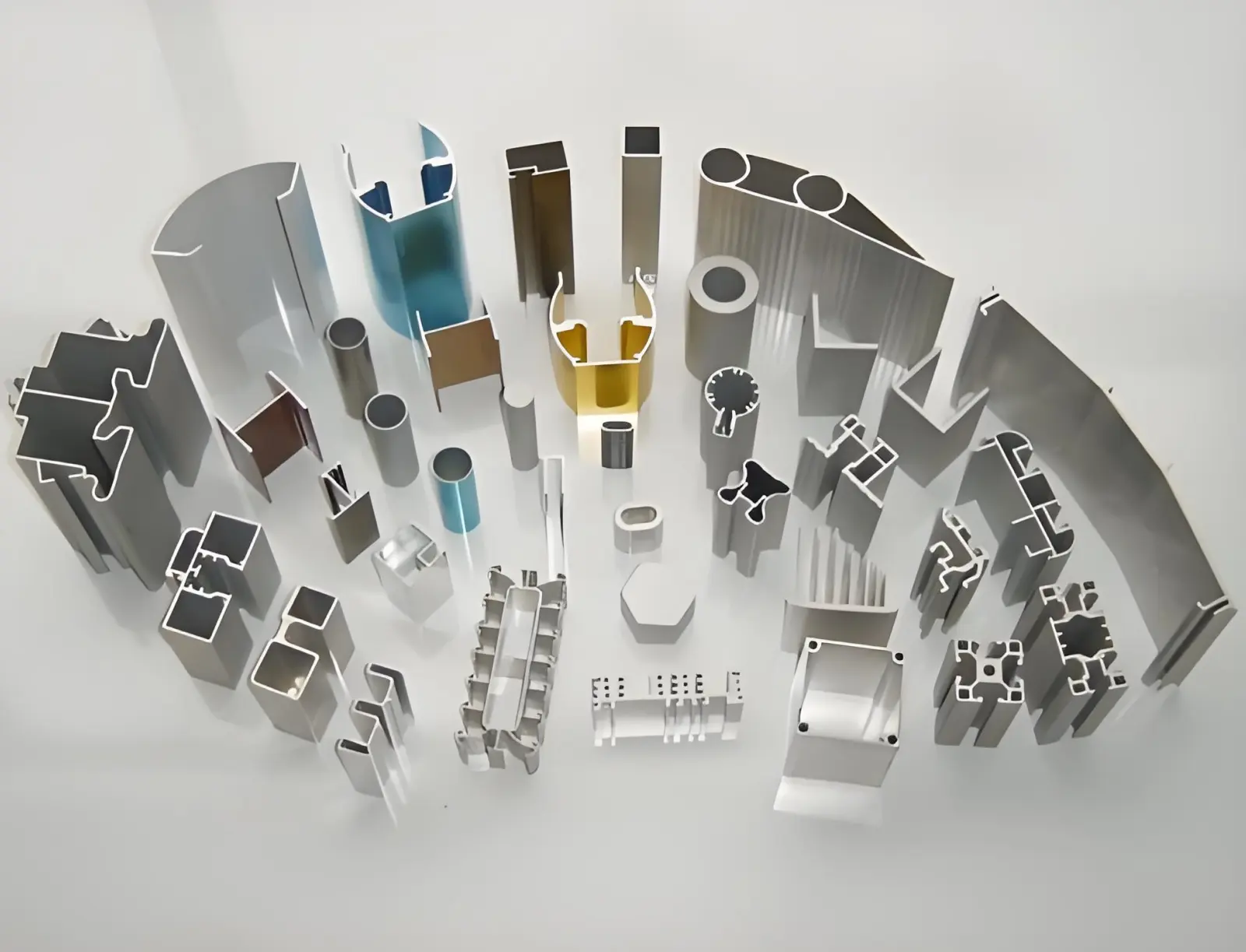
High-Grade Raw Billets Quality Control
Automated Tempering and Quenching
Export Packaging & Ocean Protection
Expert answers to common engineering, quality control, and international logistics questions.
Delivering verified quality compliance across international markets.
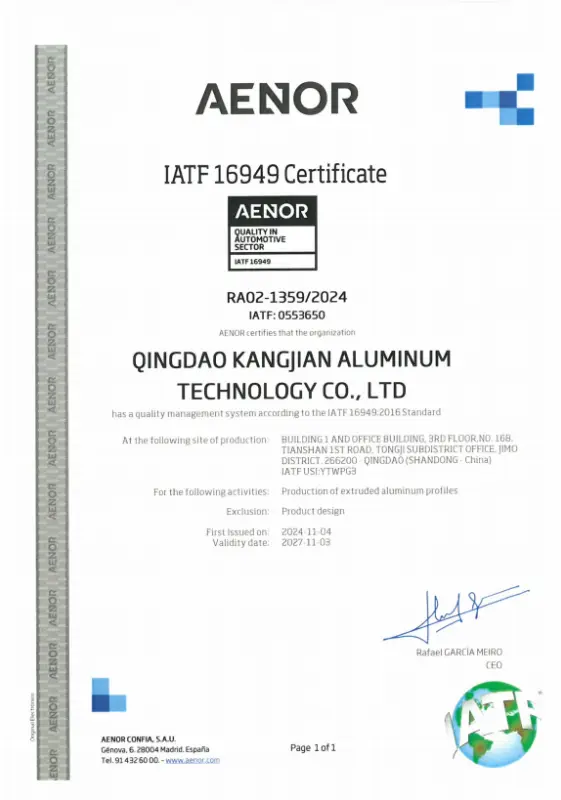
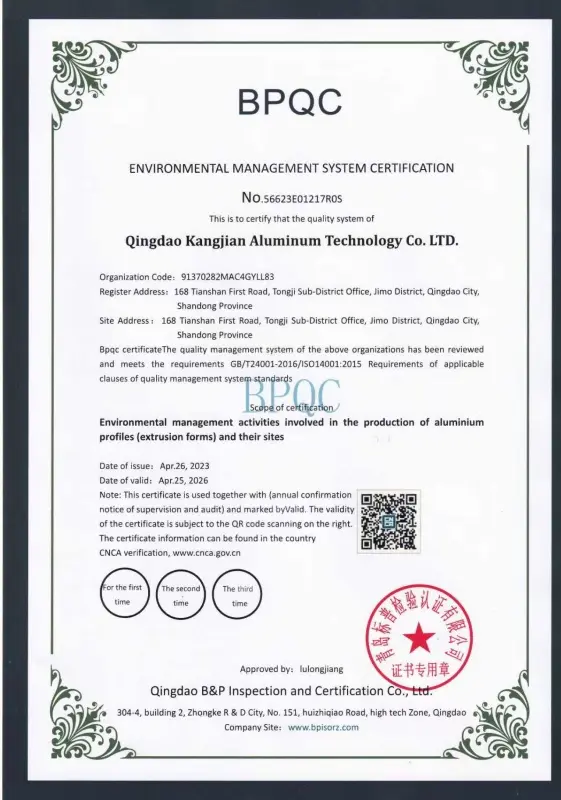
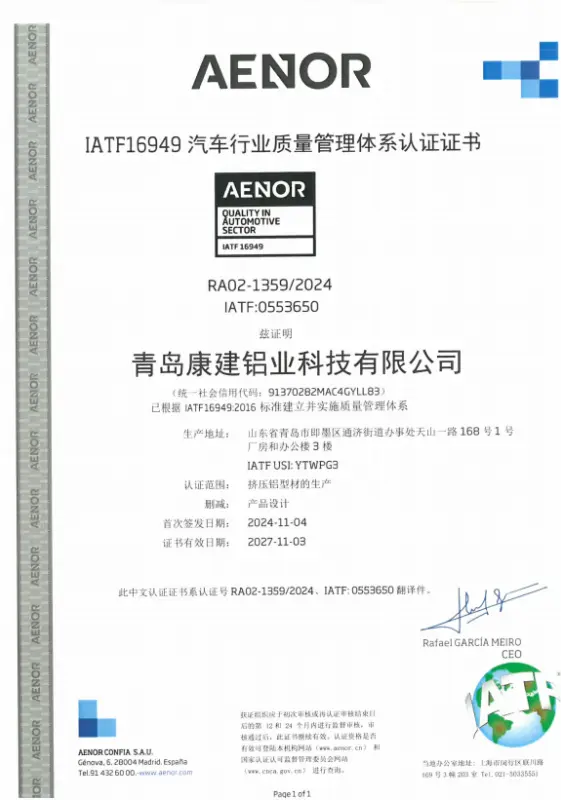
Showcasing our precision manufacturing, clean working environments, and dynamic logistics operations.
Explore our custom mechanical structures, LED lighting extrusions, and heavy-duty industrial profiles.