Kangjian
Kangjian
Kangjian
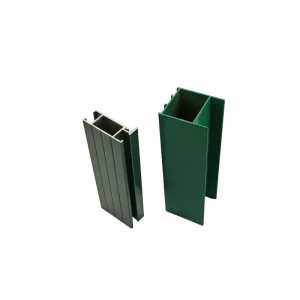
Explore our highly-engineered structural configurations developed for utility-scale PV trackers, commercial roofing arrays, and custom industrial designs.
In the global quest for clean energy, structural stability is as critical as photovoltaic cell efficiency. Photovoltaic aluminum profiles form the physical framework of solar systems. They undergo immense physical stress, outdoor degradation, wind forces, and heavy snow loads. The transition to larger format modules (such as 210mm wafer cells and bifacial dual-glass panels) has elevated the engineering demands of solar frames and mounting brackets.
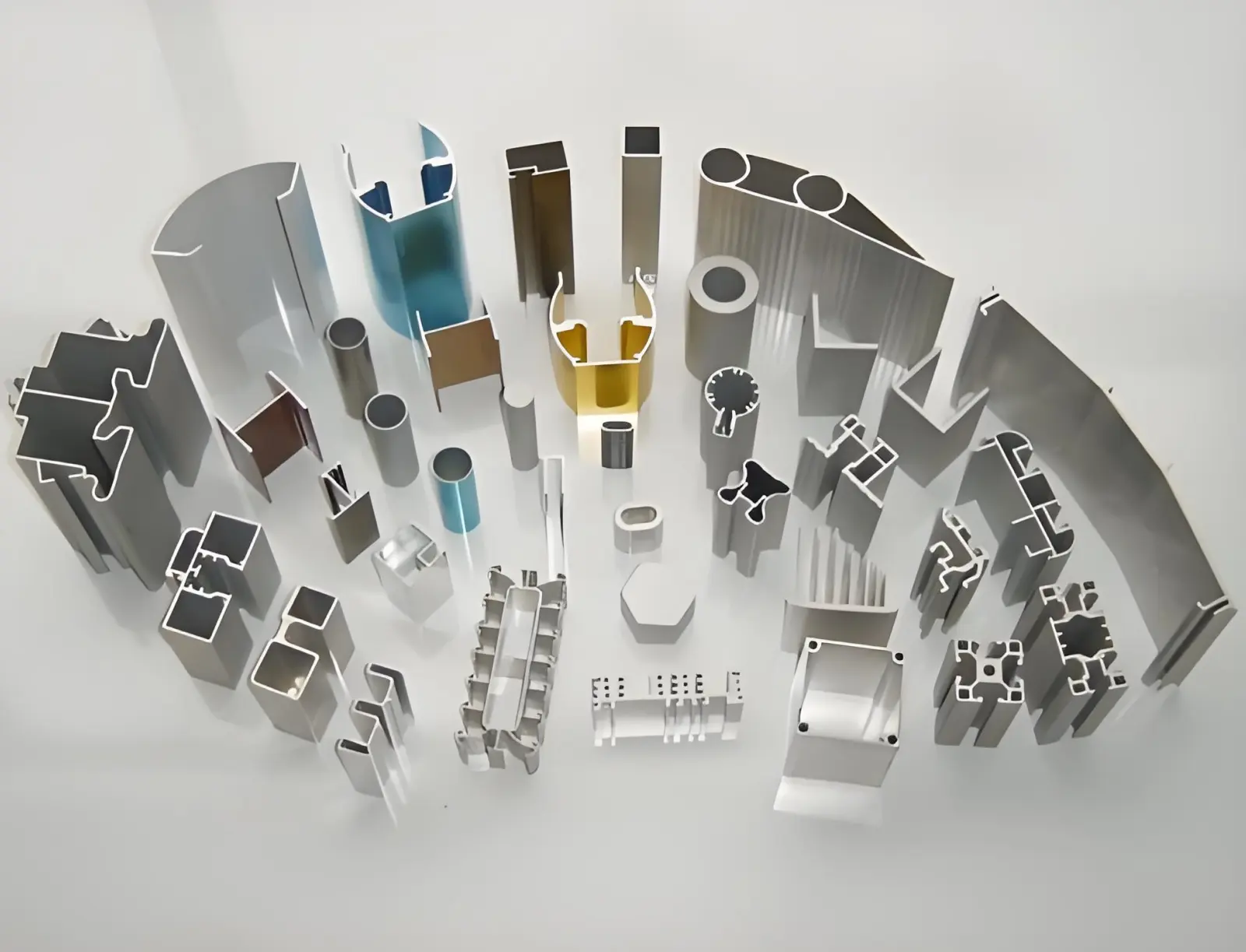
As a premier China PV extrusion supplier, we analyze the structural load-to-weight margins. We utilize high-yield 6000-series aluminum alloys (primarily 6063-T5, 6063-T6, and 6005A-T6) to supply structures that deliver minimum yield strength of 215 MPa. These alloys match the physical demands of global trackers, keeping dead weight low to minimize overall tracker system energy consumption.
Our manufacturing team controls the cooling profiles during billet quenching. This ensures Mg2Si precipitates are uniformly dispersed throughout the structural matrix. This process eliminates localized mechanical weaknesses. By achieving optimal grain structures, our solar profiles endure decades of cycle fatigue without showing stress corrosion cracking. This performance is vital in coastal solar plants and desert environments.
International EPCs and developers face distinct operational hurdles when sourcing aluminum components. In utility projects, logistics, tariff mitigation, and supply line consistency directly impact delivery margins. Sourcing departments seek suppliers who deliver high manufacturing volumes alongside compliant risk management frameworks.
We supply materials containing precise elemental profiles. We verify iron, copper, and manganese levels using optical emission spectrometers. This guarantees corrosion resistance under standard ASTM B117 salt spray protocols.
Every profile batch is supported by Mill Test Certificates (MTC) conforming to EN 10204 3.1. These documents detail mechanical property indices: tensile strength (UTS), yield strength (YS), and elongation percentages (EL%).
By using precision extrusion dies and advanced CNC post-processing equipment, we maintain geometric tolerances below EN 755-9 benchmarks. This ensures seamless onsite component integration.
A global leader in high-end structural extrusion manufacturing and custom precision components.
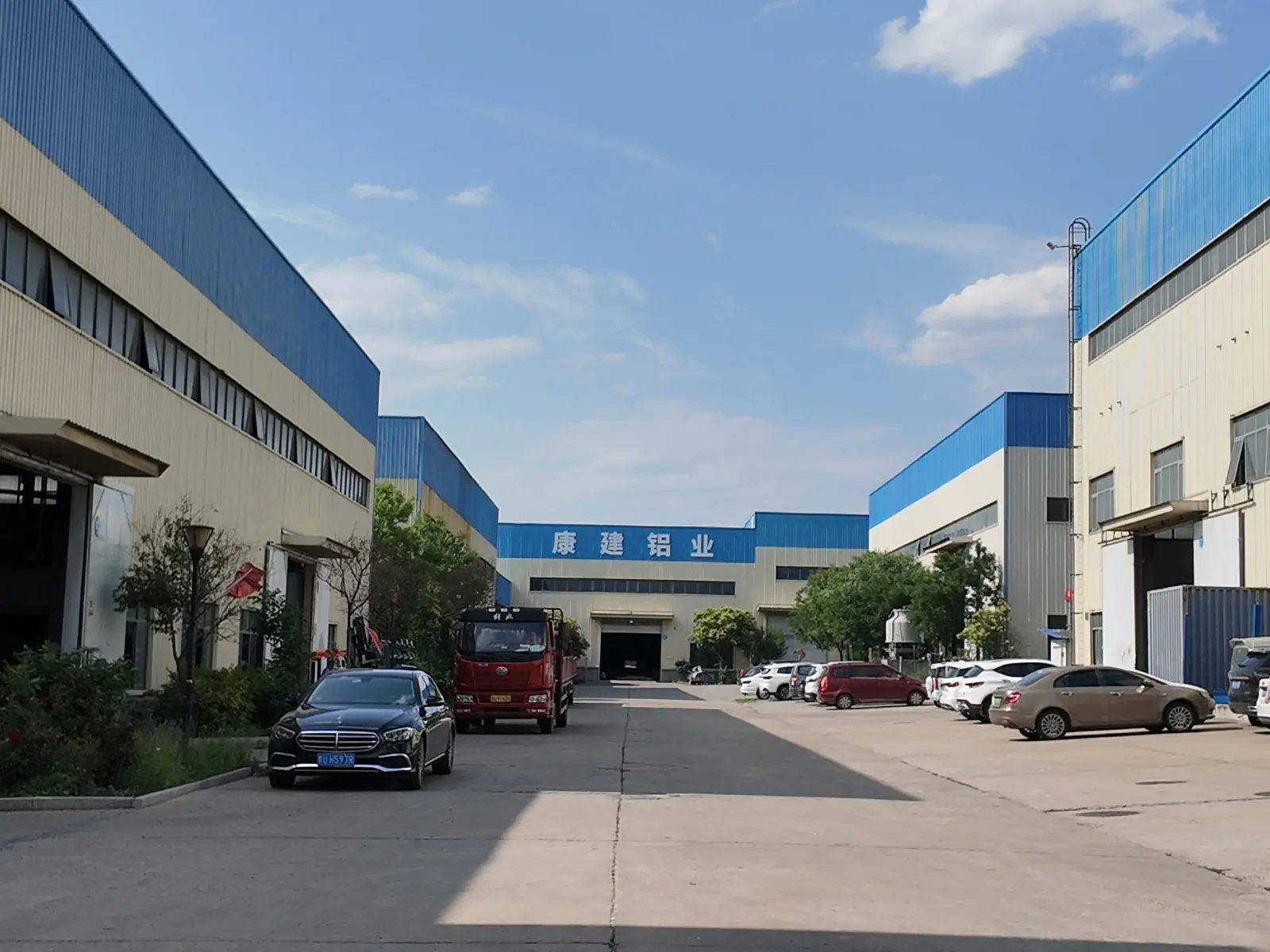
Established and registered in 2022 in the Jimo District of Qingdao, Qingdao Kangjian Aluminum Industry Technology Co., Ltd. specializes in the manufacturing and processing of industrial aluminum and aluminum alloys. Our product catalog features high-strength industrial profiles, rail transit structures, aerospace, automotive, marine-grade profiles, and structural architectural systems.
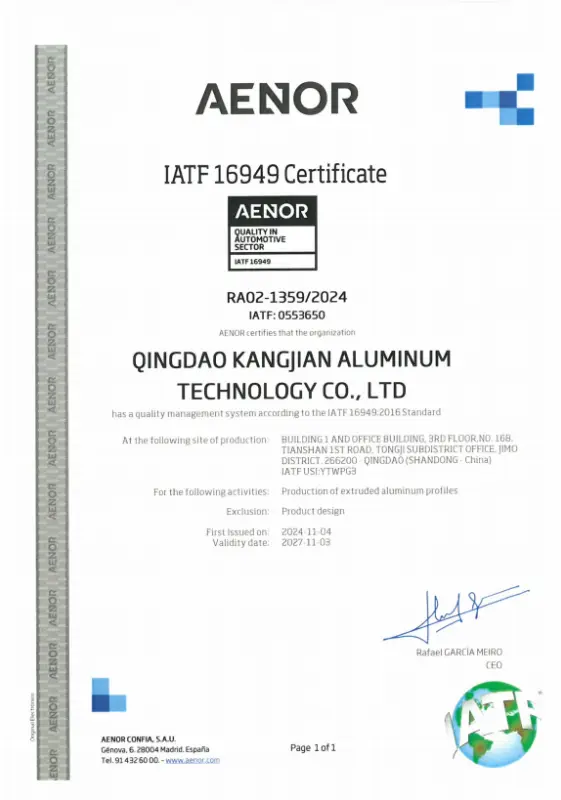
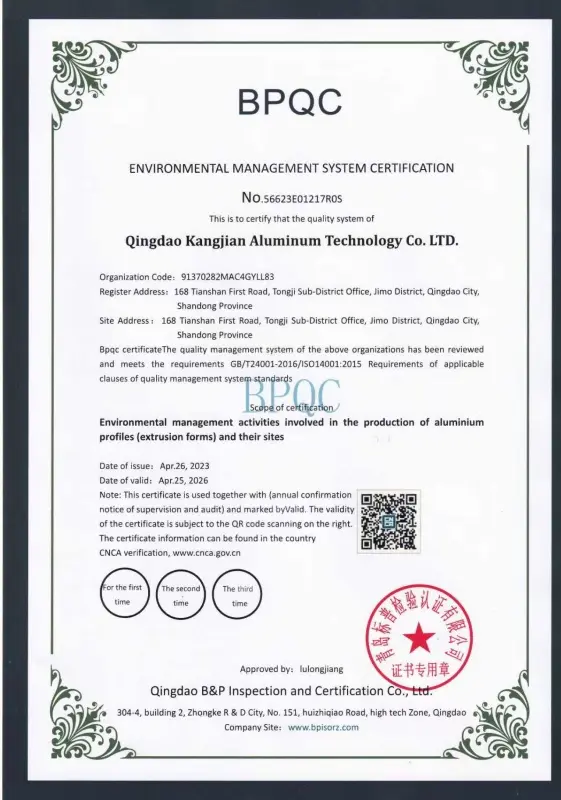
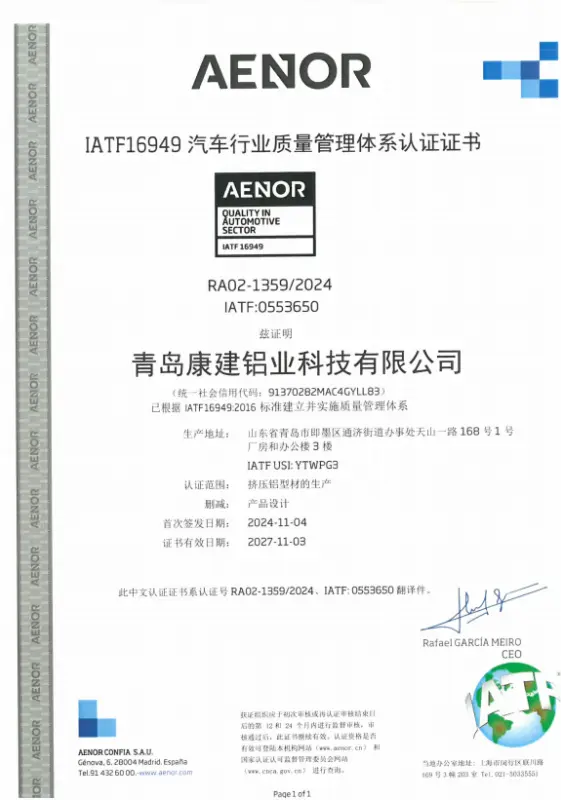
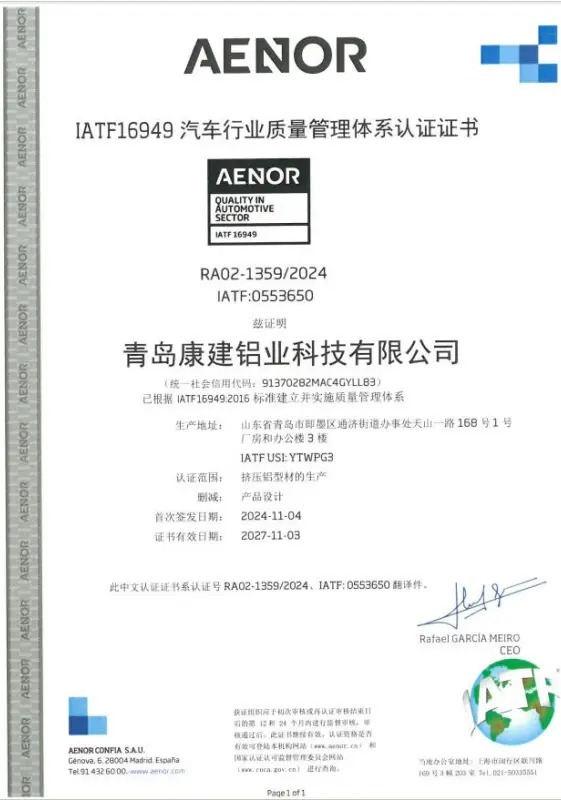
The company has secured multiple industrial certifications, including the National Industrial Product Production License, GB/T19001-2016/ISO9001 Quality Management System, GB/T24001-2016/ISO14001 Environmental Management System, and IATF16949 Automotive Quality Certification. Furthermore, we maintain specialized compliance status including ISO22163 (Railway Industry Management), EN15085 & ISO3834 (Welding Standards), AWS Welding compliance, and DIN6701 Bonding system certification.
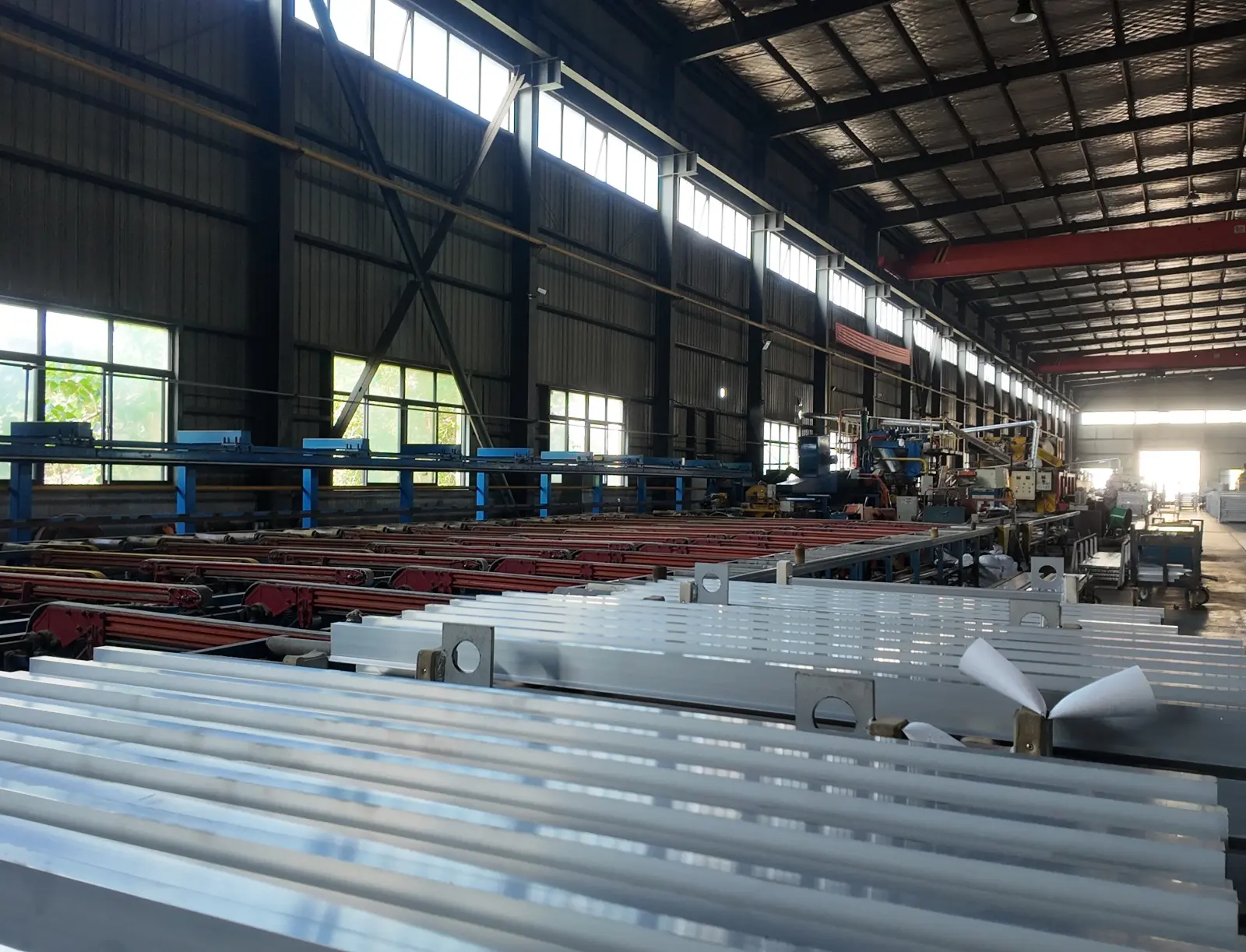
Operating out of a 200-mu industrial zone containing 80,000 square meters of manufacturing space, our facility handles an annual profile capacity of 15,000 tons. The operations team manages 5 advanced extrusion lines: one 2500T unit, one 1450T unit, one 1150T unit, and two 700T units.
How Qingdao Kangjian grew from local expertise to a reliable global partner in high-performance aluminum materials.
Expanding operations from our regional base in Qingdao to key manufacturing centers across Anhui, Hebei, Tianjin, Hunan, Guangdong, Beijing, and Jiangsu. The factory delivers sustained order volume increases of 30% year-over-year.
Providing high-precision components tailored for industrial automation, high-speed rail, subways, defense drones, maritime frames, outdoor structures, and photovoltaic racking systems.
Leveraging Qingdao Port logistics to ship specialized structural alloys to partners in South Korea, Japan, the United States, and across European industrial hubs.
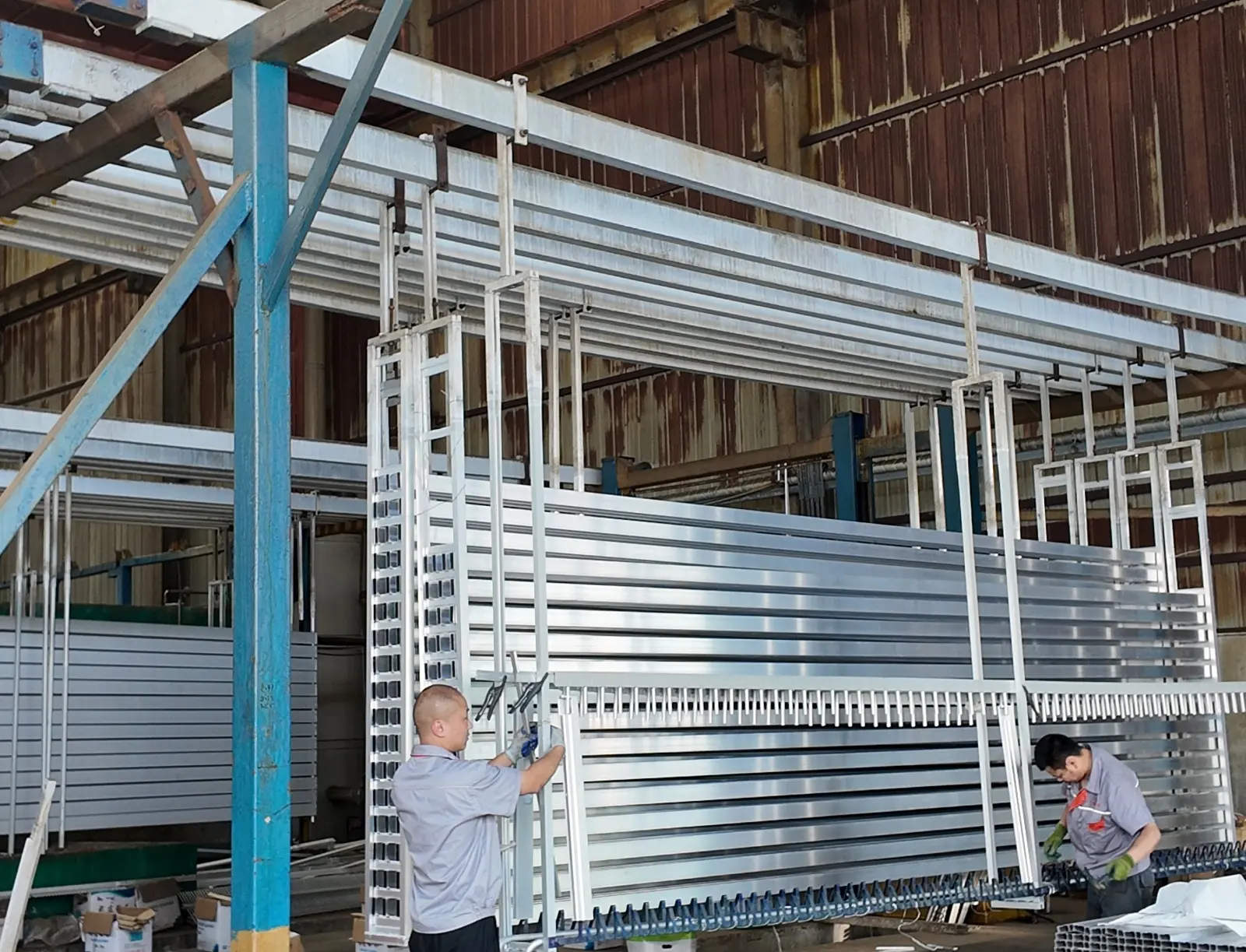

Photovoltaic projects are deployed in increasingly diverse environmental regions, from arid deserts to offshore floating sites. The environmental conditions dictate the surface treatment and structural thickness specifications.
Coastal and floating PV arrays face high moisture and salinity levels. To prevent degradation, we use anodizing treatments exceeding class AA15 (15μm) and AA20 (20μm) coating thickness. This prevents chloride ion penetration and galvanic corrosion.
Desert solar plants operate under high ambient heat, extreme thermal shifts, and sand abrasion. We supply 6005A-T6 alloy frames to maintain structural load-bearing capacity up to 65°C, providing stability against thermal movement.
Heavy snow loads require profile designs with high moments of inertia. Using 3D FEA (Finite Element Analysis) stress modeling, we optimize profile geometry. This maximizes load resistance while minimizing material weight.
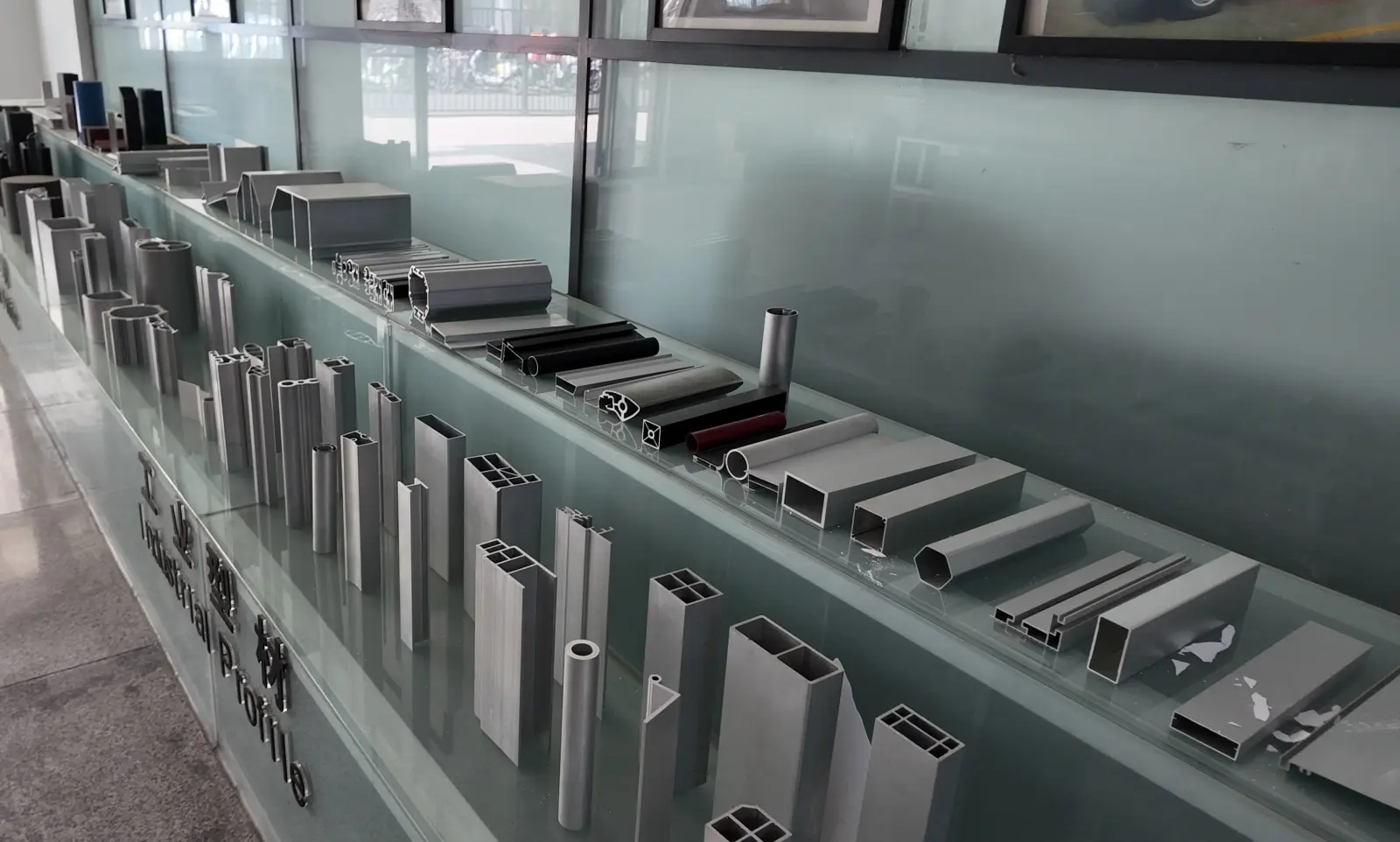
In 2022, several founders launched Kangjian in Qingdao to address the regional demand for high-end domestic aluminum extrusion capabilities. Positioned near primary international trade lanes, the company established a dual-sea logistics network to serve domestic and international markets.
Under the principle of "Producing high-end aluminum materials and serving global customers," Kangjian products support structures worldwide. This includes corrosion-resistant alloys for Nordic shipping docks and structural frames for modern solar and transit networks. Our facility is engineered to deliver reliable aluminum components to developers globally.
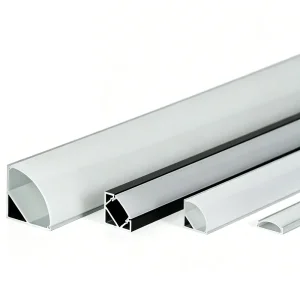
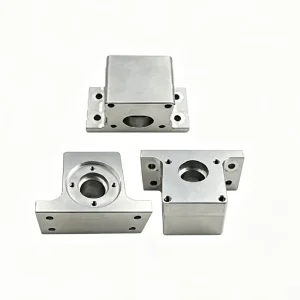
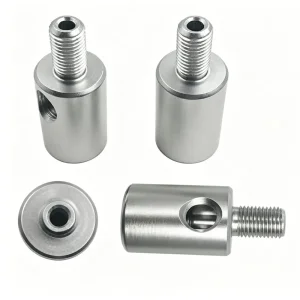
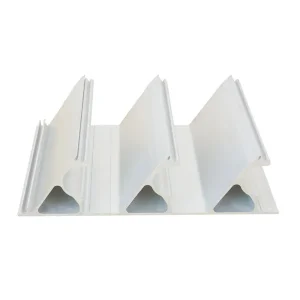
We supply diverse industrial, structural, and custom-engineered profile configurations.

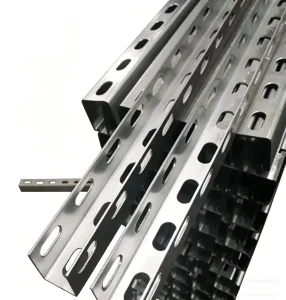
Heavy-duty framing, modular structural systems, and machinery rails.
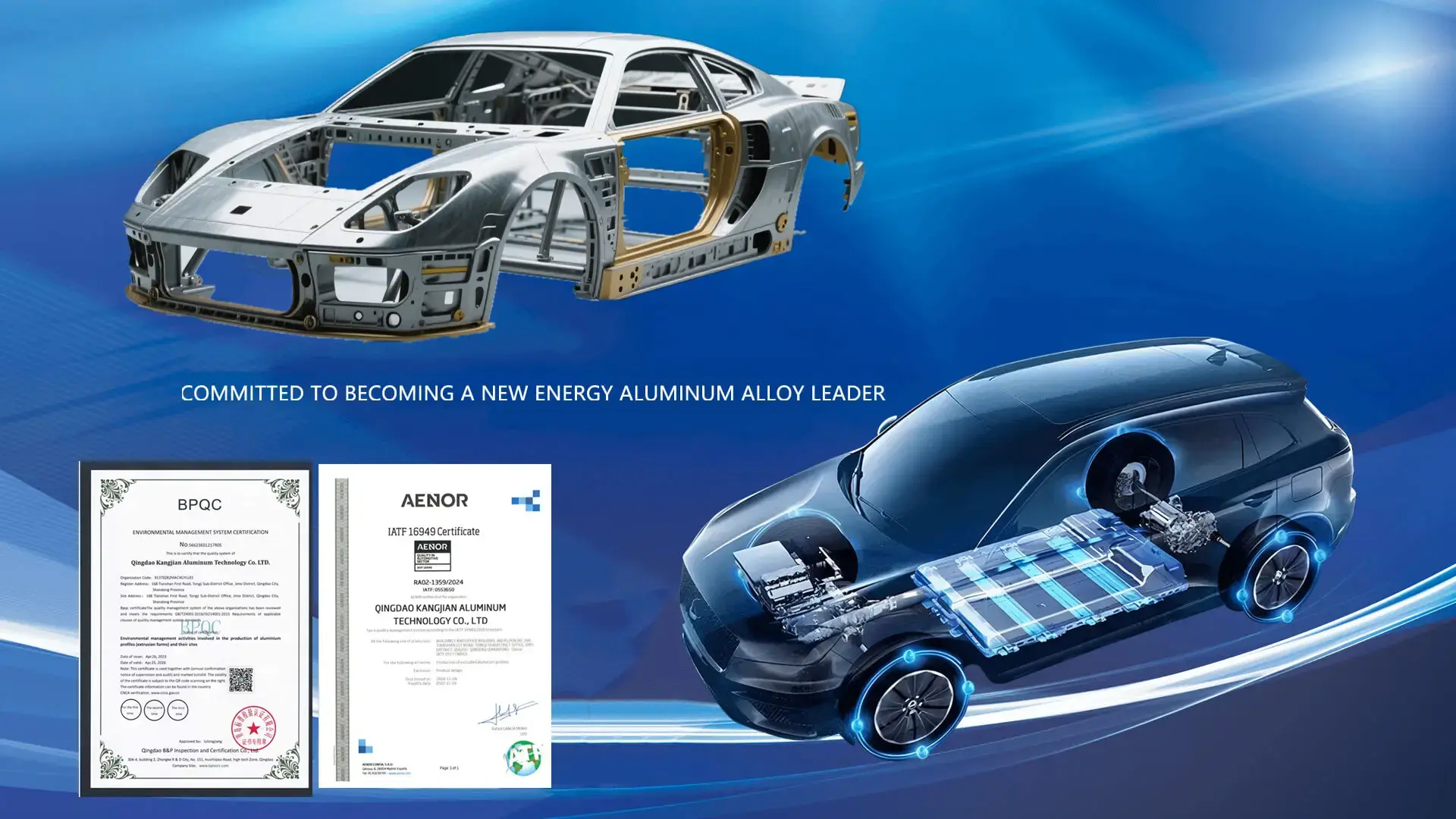
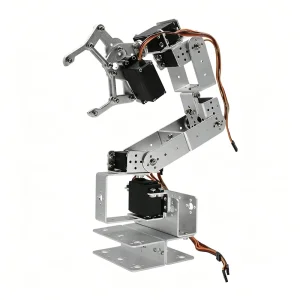
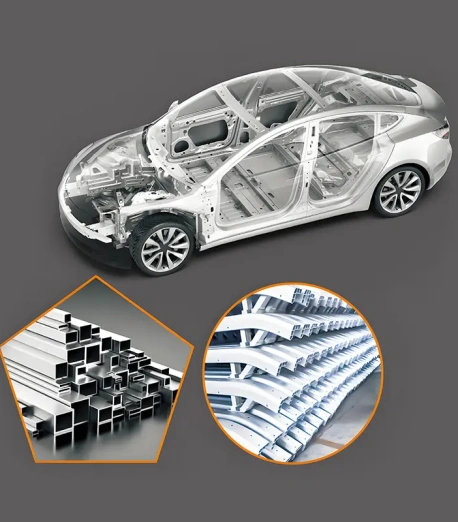
IATF 16949-compliant lightweight frame elements and battery housings.
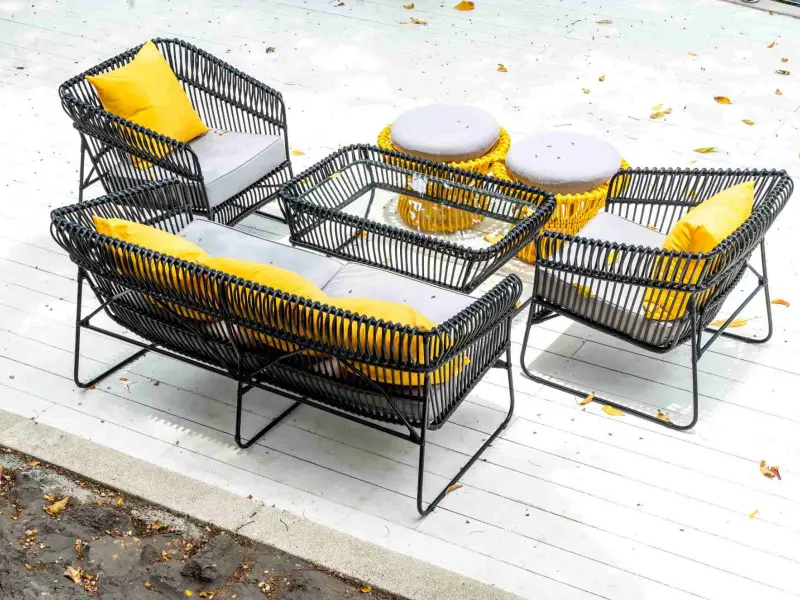
Weather-resistant anodized and powder-coated architectural components.
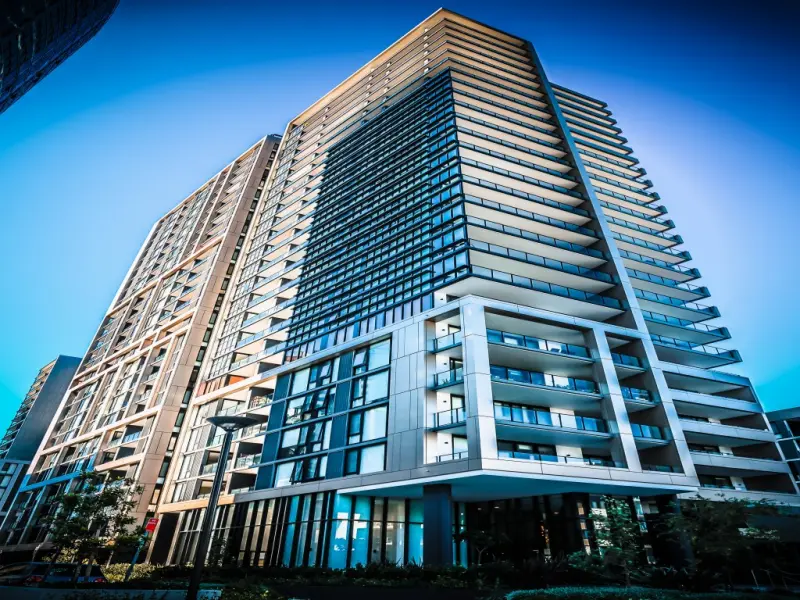
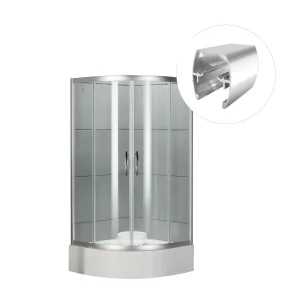
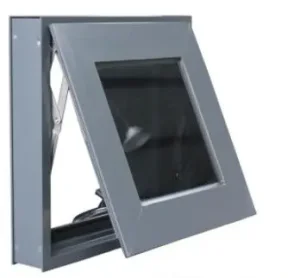
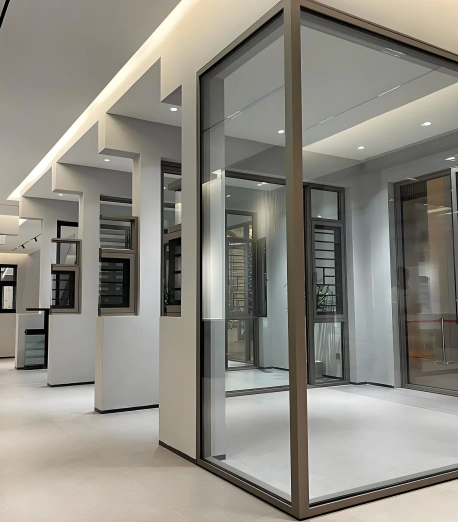
Thermal break windows, door framing systems, and curtain wall structures.
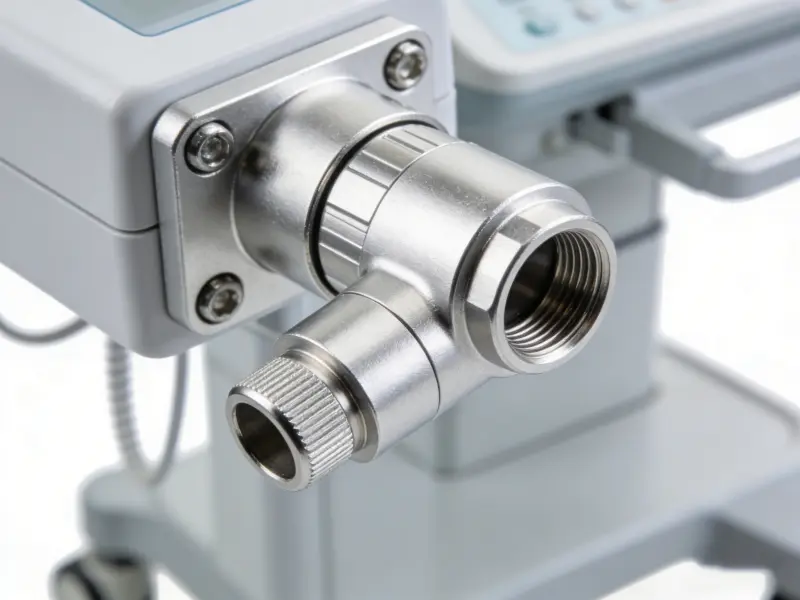
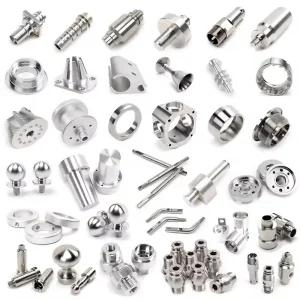
High-precision, smooth-surface components for sanitation environments.
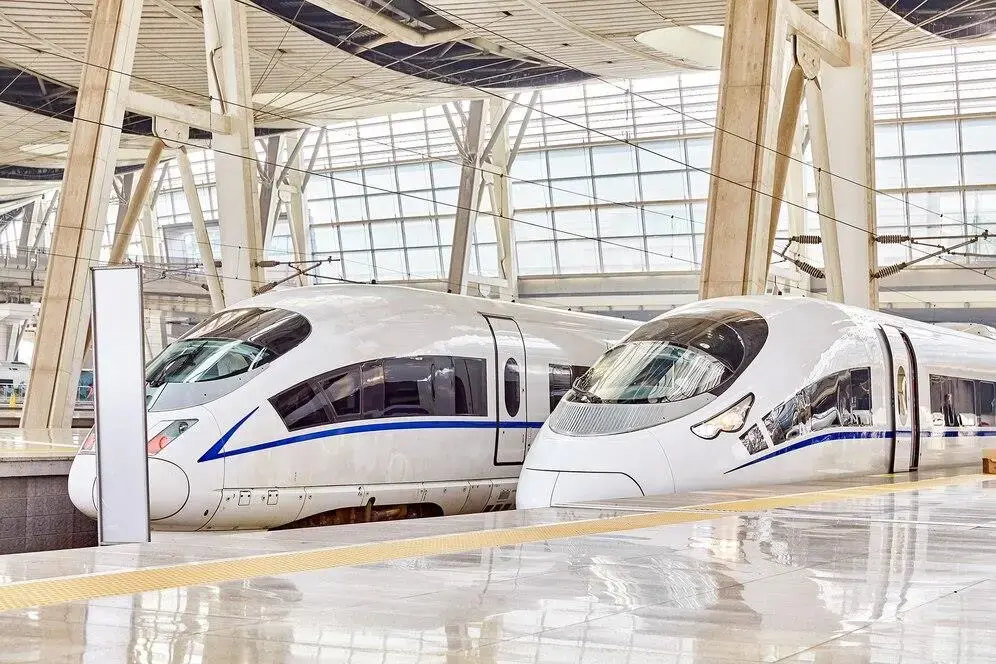
Heavy transit structures compliant with ISO 22163 welding standards.
Meeting regional regulatory standards is necessary to minimize development risks for international solar installations. Our products are manufactured to align with standard international regulatory frameworks.
By integrating international certification parameters into our early-stage manufacturing processes, we help EPCs streamline the onsite commissioning process.
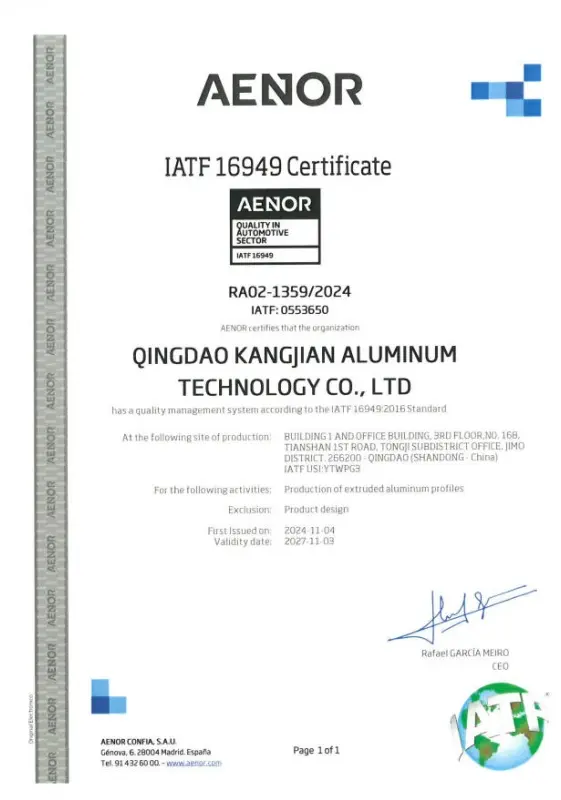
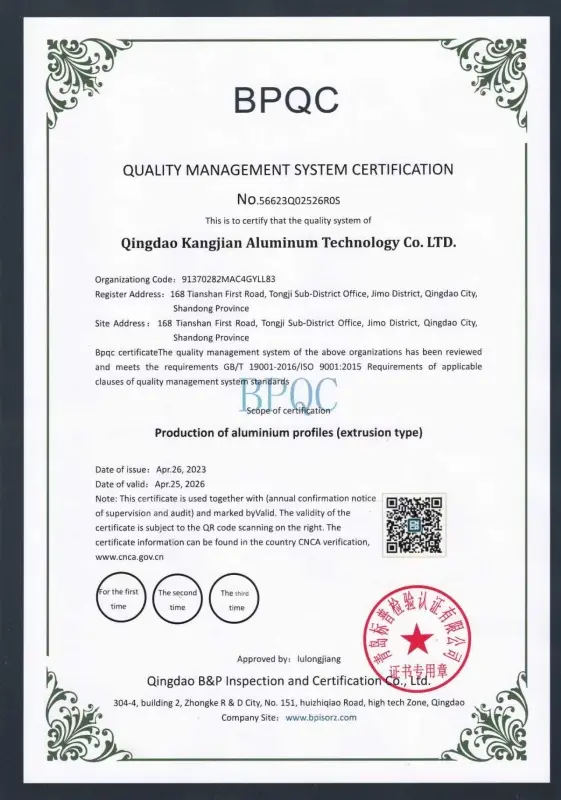
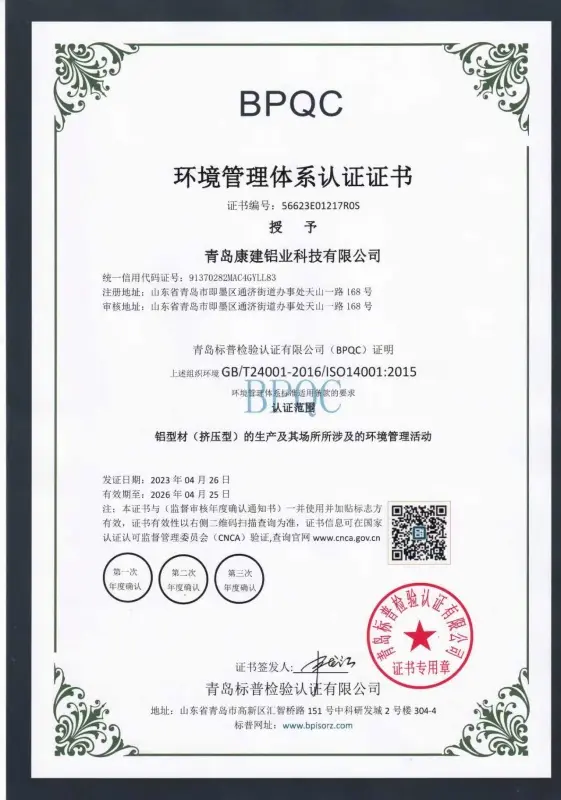
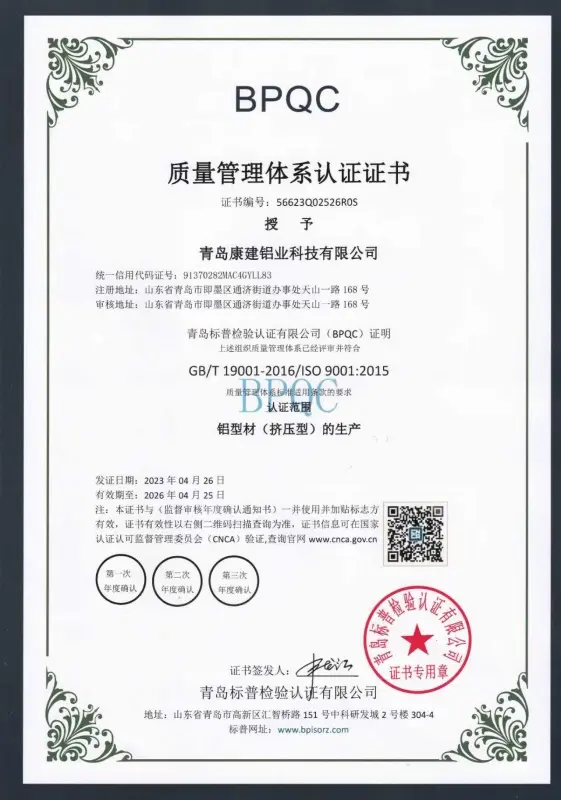
Utility PV project criteria require continuous engineering updates for structural frame designs. Our development team focuses on three primary areas to improve performance and compatibility:
We are developing high-iron tolerant 6000-series alloy structural matrices. This aims to allow the utilization of up to 75% recycled industrial aluminum without degrading structural yield strength.
We are testing organic-inorganic composite coatings. This layer acts as a barrier on anodized surfaces to maintain structural integrity in high-salinity marine environments.
Our facility has integrated robotic drilling and cutting centers to control machining tolerances within ±0.15mm, supporting quick assembly during site installation.


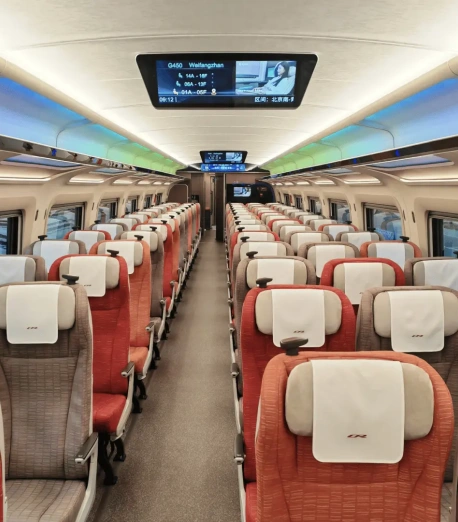
Qingdao Kangjian Aluminum produces profiles specialized for high-speed rail networks, marine logistics, heavy transit, and structural components.
Expert clarifications regarding alloy composition, finish durability, and custom design processes.
For standard solar frames, 6063-T5 or 6063-T6 is the standard specification due to its balance of extrusion performance and surface finish. For tracker systems and heavy-load structural rails, 6005A-T6 is preferred because of its higher yield strength and fracture resistance under dynamic load changes.
The lifespan of the profile depends directly on the thickness of the anodized oxide layer. Standard inland environments require an AA10 coating (10μm). Coastal areas and industrial sites with higher salt levels require AA15 (15μm) or AA20 (20μm) protection to resist pit corrosion over a 25-year service life.
We maintain tolerances within EN 755-9 standards by using precision die components, monitoring heat levels during extrusion, and using multi-axis CNC machines for post-processing cuts and hole placements.
Yes. Our engineering department uses CAD/CAM modeling tools to analyze user designs. We support the process from initial tooling development to final profile extrusion and surface treatments at our Qingdao facility.
We provide EN 10204 3.1 Mill Test Certificates with every batch. This documentation tracks chemical composition and mechanical properties back to the original billet cast.
Developing new tooling typically requires 10 to 14 days. Once the sample is approved, production runs are completed within 15 to 20 days depending on the total volume and required surface treatments.
We monitor trade regulations and supply custom components under correct tariff classifications. We assist clients by supplying comprehensive origin documentation to support smooth import clearance.
We perform standard mechanical tests, including tensile, yield, and elongation testing. Additionally, we conduct hardness tests, thickness checks of the anodized layer, and salt-spray testing to verify long-term durability.
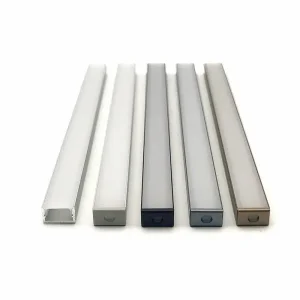
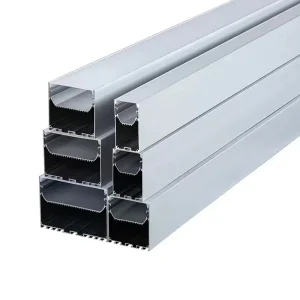
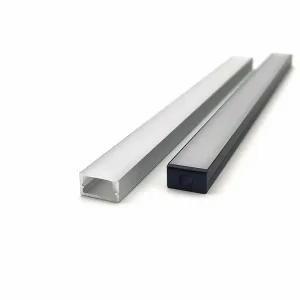
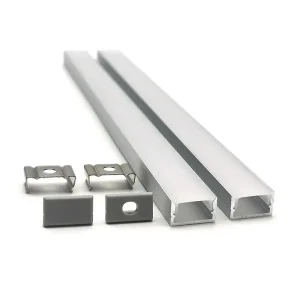
Browse our full catalog of aluminum components, including linear profiles, exterior structural frames, and custom architectural shapes.