Kangjian
Kangjian
Kangjian
Industrial-grade custom solutions manufactured to stringent international quality systems, ready for global deployment.
Analyzing the technical trends, material science advancements, and sustainability standards driving modern extrusion procurement.
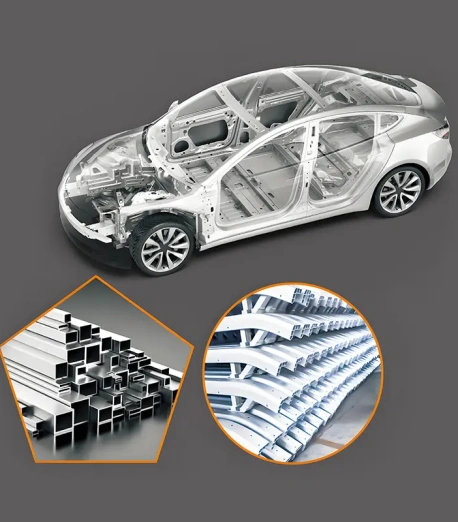
The global push for carbon neutrality has turned profiled aluminium into the material of choice for electric vehicles, rail transit, and aerospace sectors. Replacing structural steel with high-strength 6000 and 7000 series alloys reduces overall system weight by up to 50% without compromising structural integrity.
Modern profile applications demand smart capabilities. In fields such as automated robotics and logistics systems, structural profiles act as active components. They are designed with precise channels to house micro-sensors, internal wiring, and integrated mounting rails, turning passive structures into smart frameworks.
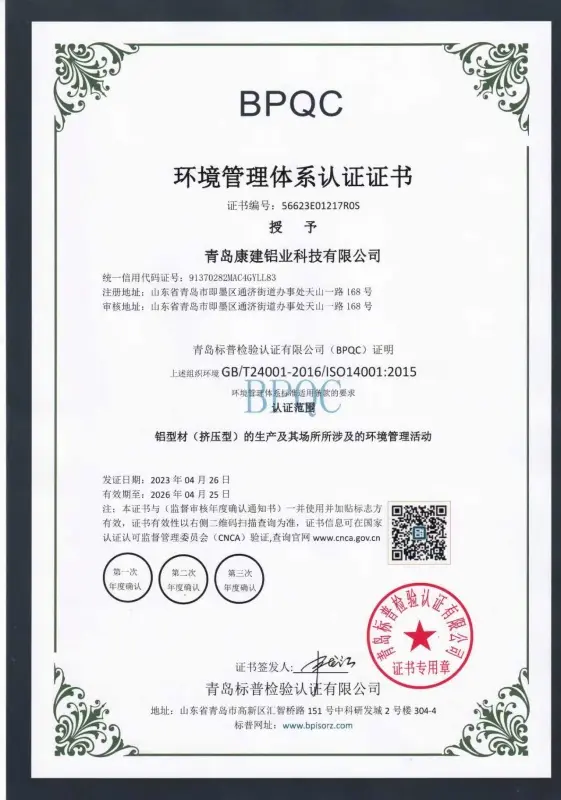
Aluminium stands out for its high recyclability, retaining original material properties with minimal energy input. Industrial users increasingly mandate certified environmental management standards (like ISO 14001) and trace carbon footprints from ingot smelting to the final extruded profile.
Procuring custom aluminium profiles requires strict adherence to physical tolerances, specific metallurgical tempers, and international production certificates.
Procurement managers look for partners who can deliver consistent dimensional stability, clean surface finishes, and deep machining capabilities. Anodizing, CNC milling, and high-precision welding must be coordinated under a single quality system to mitigate risk.
Furthermore, the transition to lightweight structures in sectors like rail transit and renewable energy demands specific welding certs (such as EN 15085 and ISO 3834) and bonding certifications (DIN 6701) to ensure public safety and structural performance over decades of operation.
How advanced extrusion infrastructure and strategic geographic locations combine to optimize procurement costs and delivery schedules.
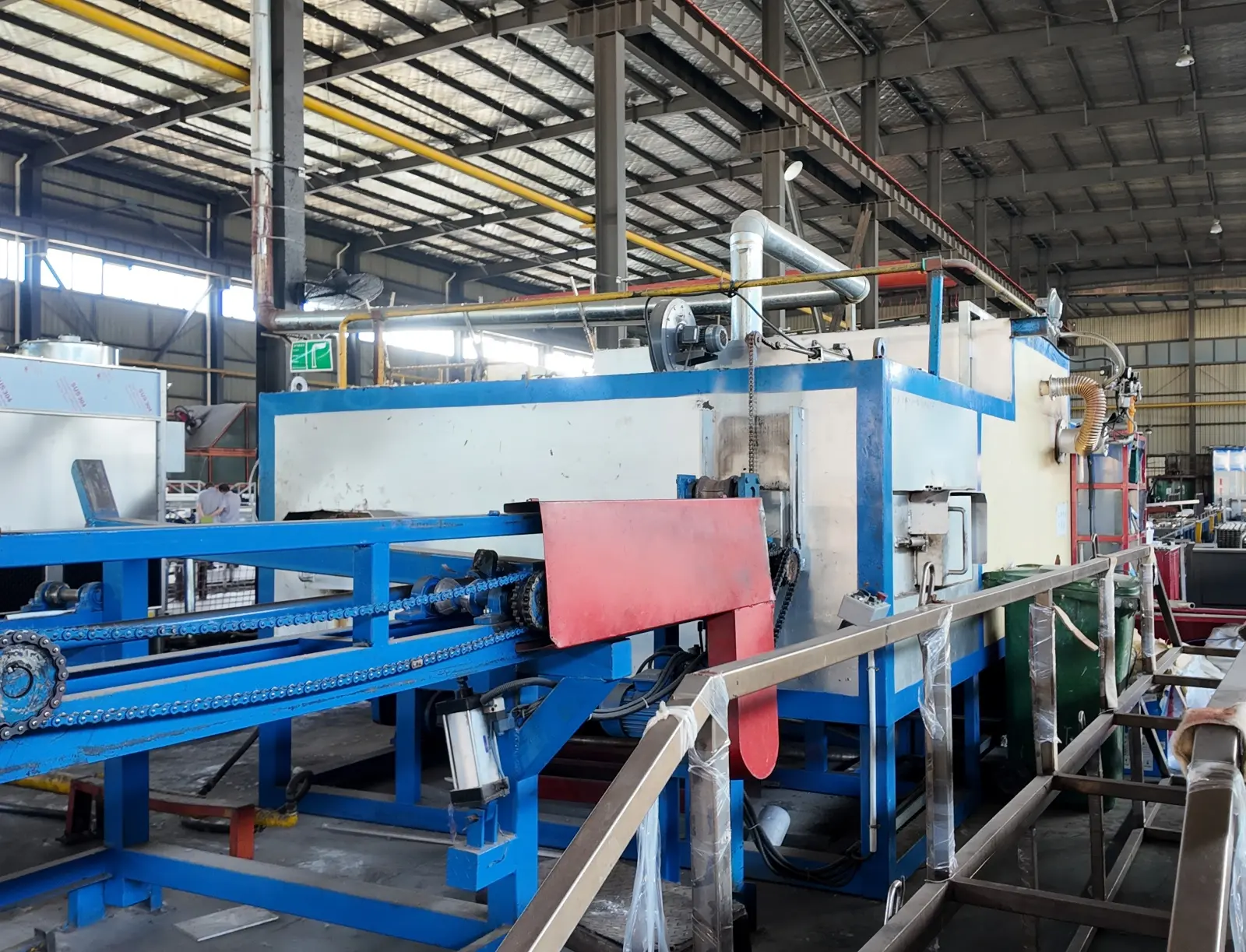
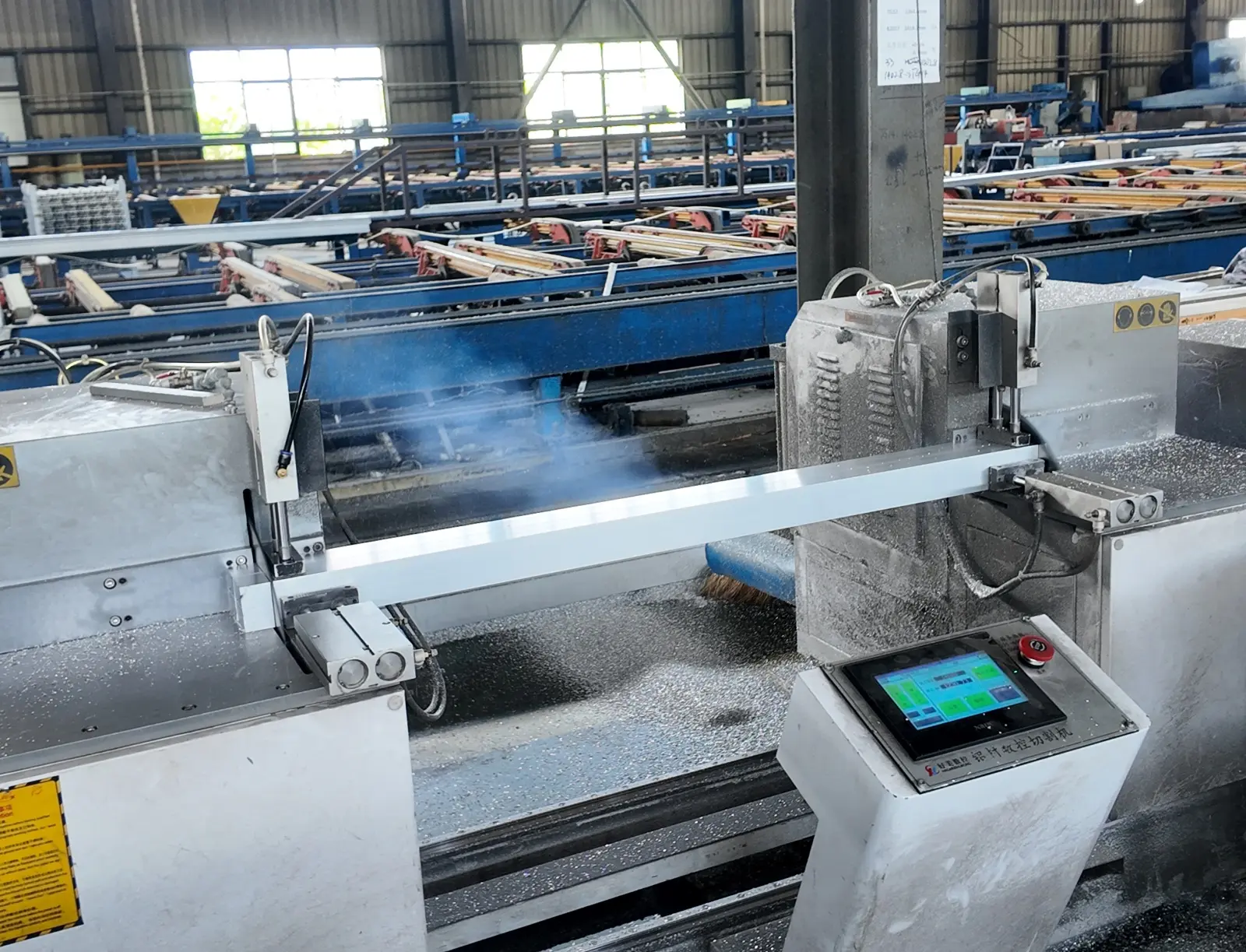
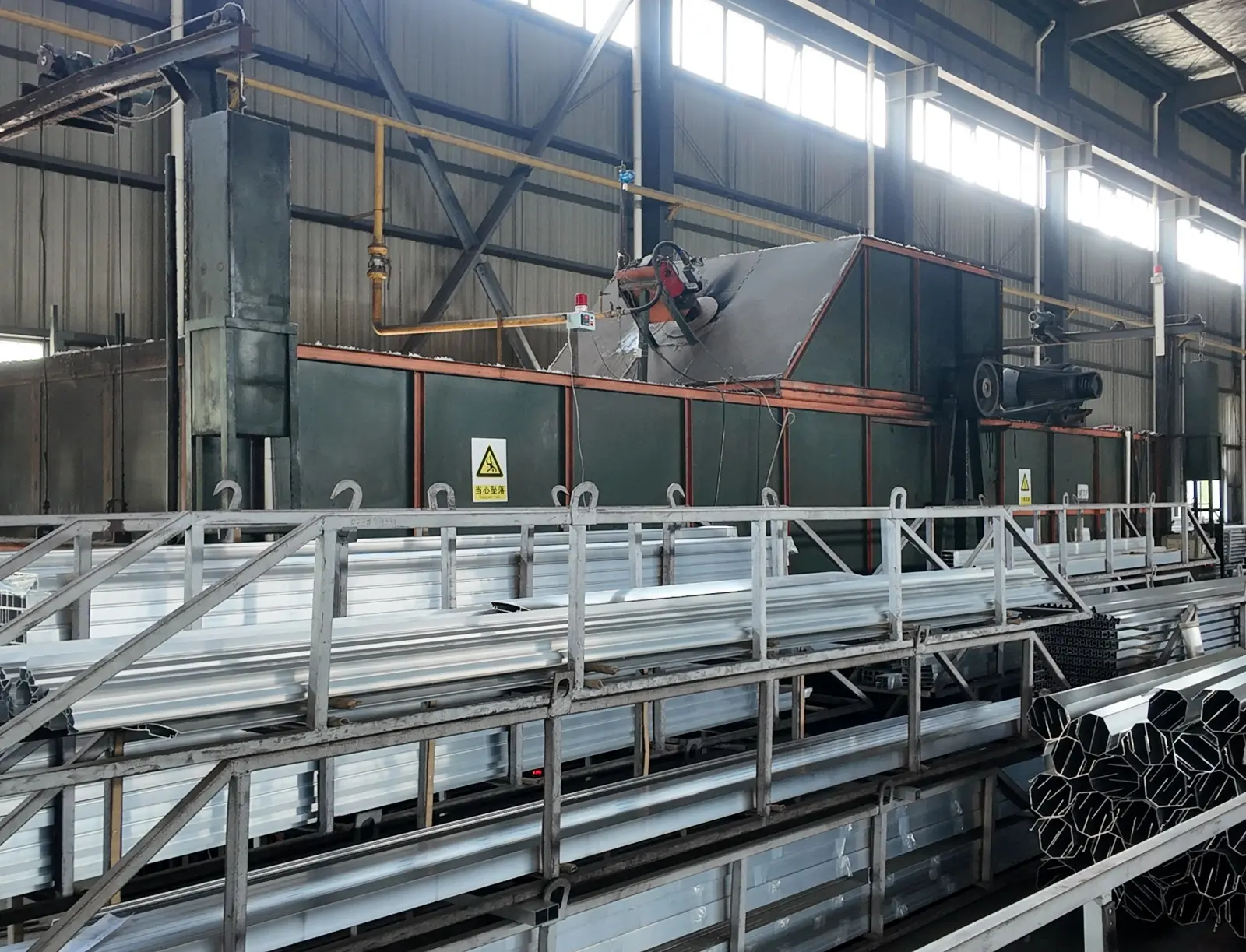
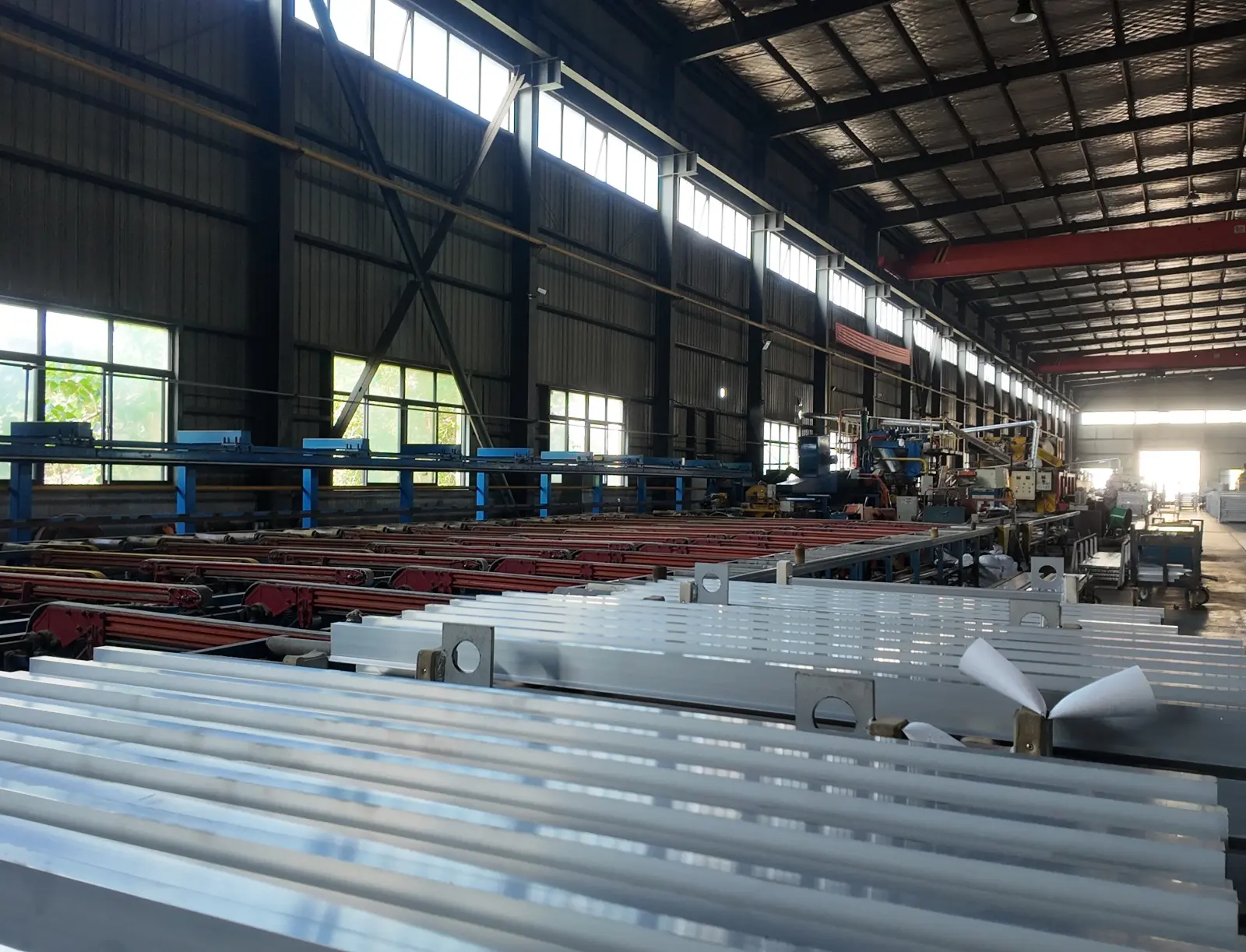
Operating a multi-tonnage fleet of modern extruders is key to handling diverse profile designs. Our production floor hosts 5 advanced extrusion lines: one 2500T unit for large-scale structural sections, one 1450T unit, one 1150T unit, and two 700T units for precision profiles. This diverse equipment array ensures balanced workloads and reliable lead times.
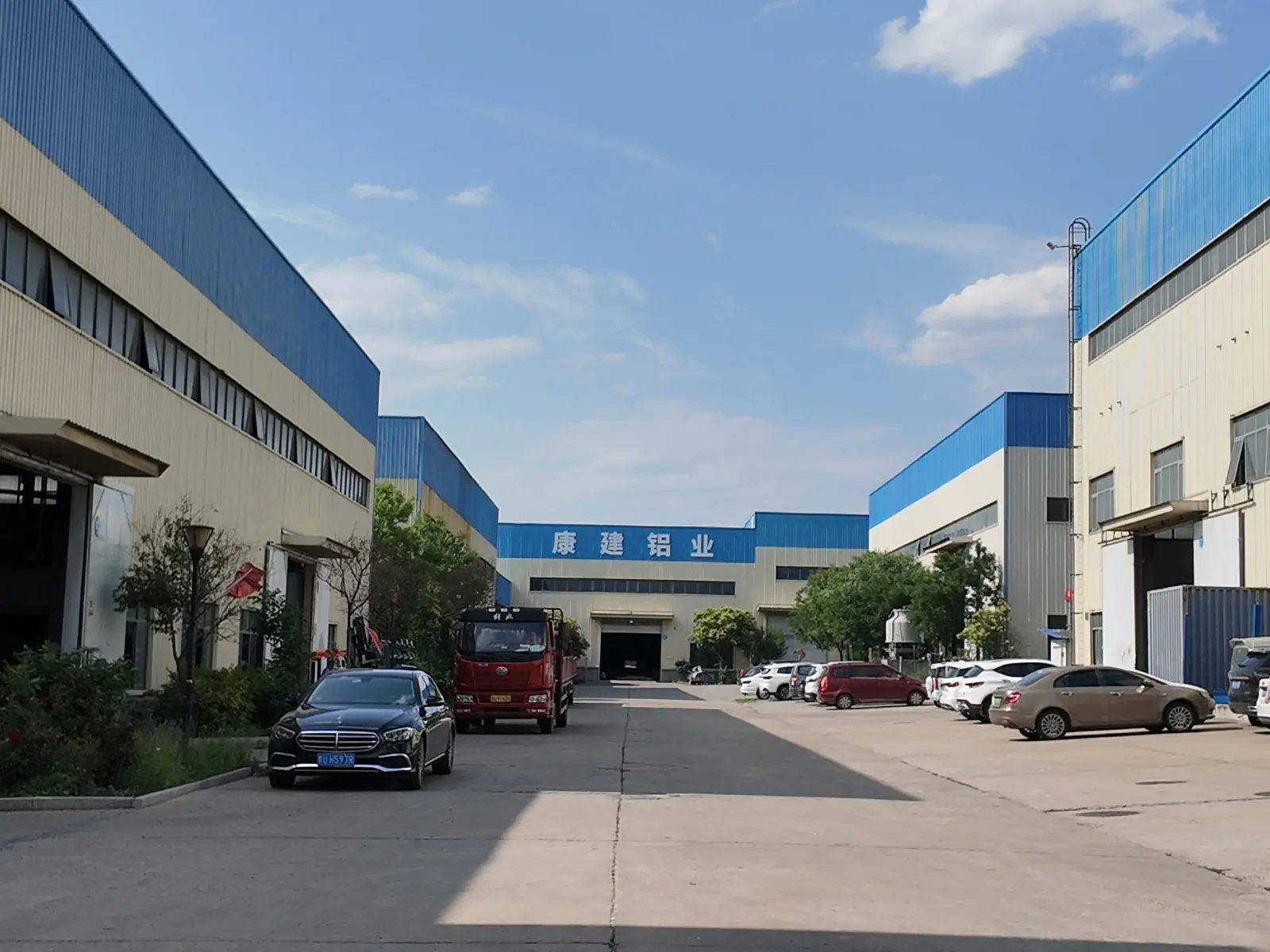
Established in 2022 in Jimo District, Qingdao, our industrial base covers 200 mu with 80,000 square meters of factory space and 4,000 square meters of offices. With a dedicated staff of 90 professionals, we run an annual capacity of 15,000 tons of high-performance aluminium and alloy profiles, serving rail transit, automotive, and clean energy sectors.
From local production to international high-end markets, guided by technical quality systems.
Leveraging Jimo's position, we serve major economic zones across China, including Anhui, Hebei, Tianjin, Hunan, Guangdong, Beijing, and Jiangsu. Our international network delivers products to South Korea, Japan, the United States, and European markets, showing a robust 30% average annual growth in order delivery and output value.
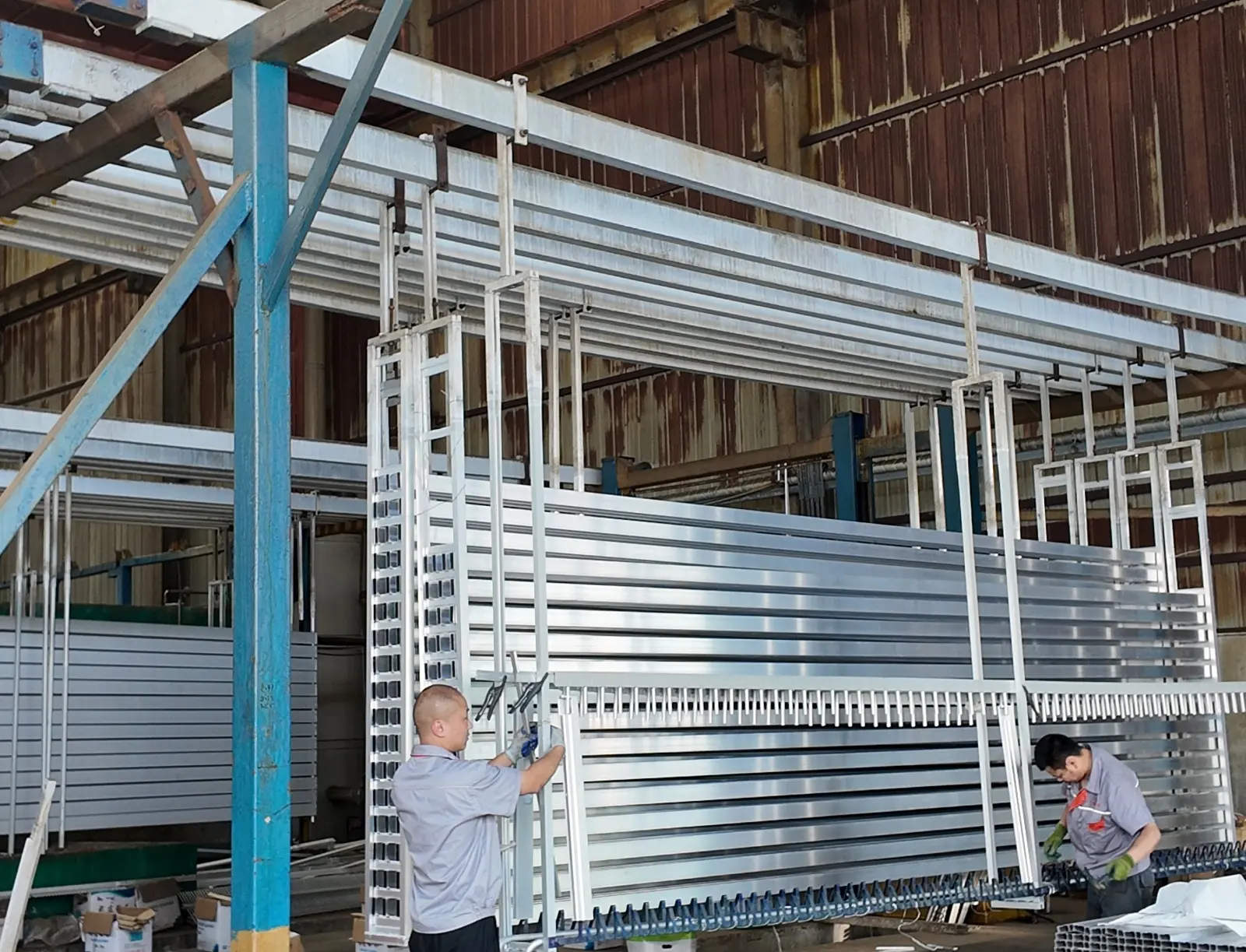
The vision of Qingdao Kangjian Aluminium Industry: Providing precision materials designed to exceed standard tolerances.
Founded in 2022 along the Yellow Sea in Qingdao, Kangjian set out to meet the global demand for high-end aluminium extrusion capabilities. Our "dual-sea layout" leverages China's domestic market while maintaining direct maritime trade links to global ports.
Our guiding principle is simple: "Producing high-end aluminum materials and serving global customers." From Nordic port crane components to high-speed rail sections, Kangjian aluminium supports critical infrastructure projects worldwide.

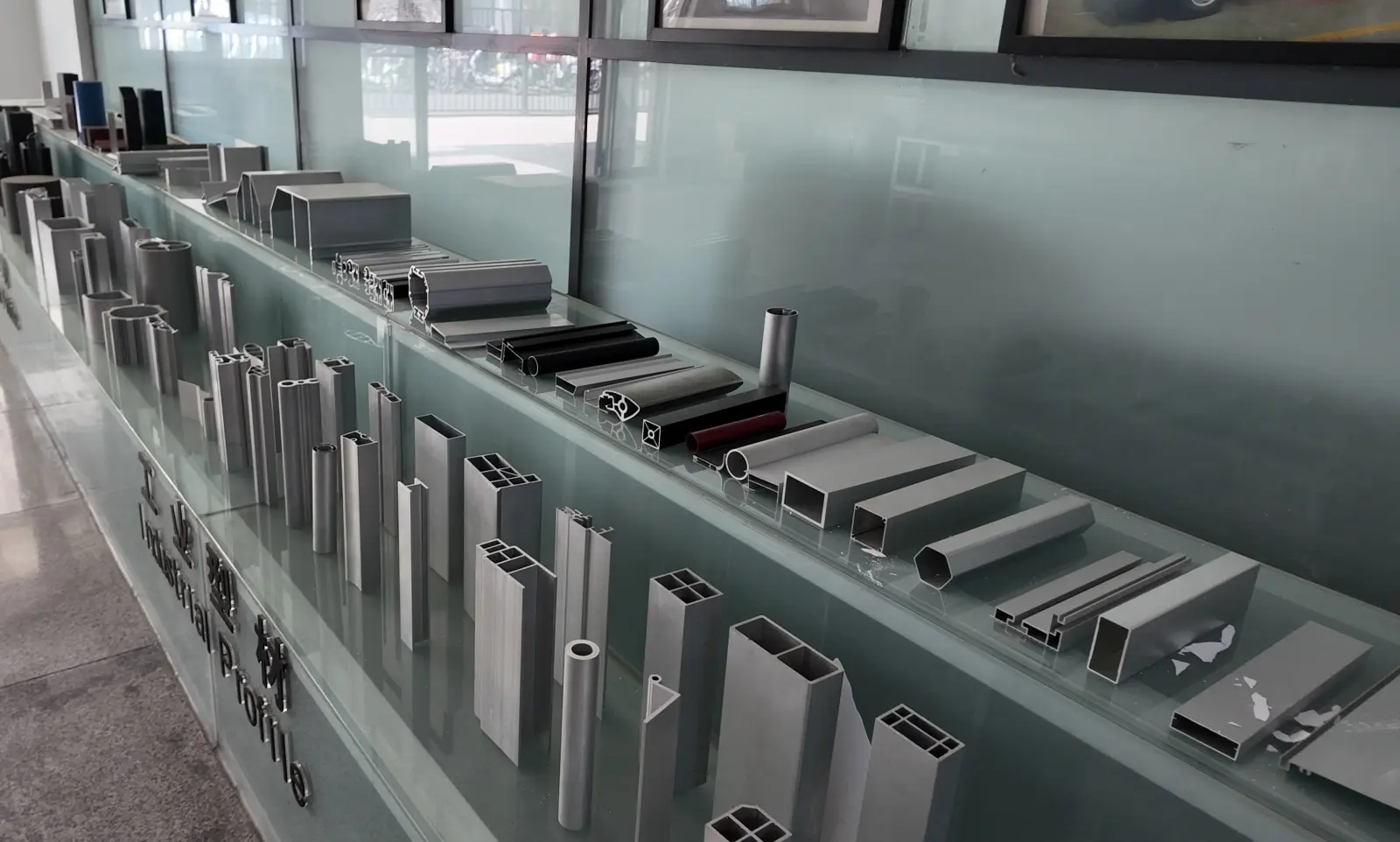
We focus on high-speed rail profiles, automotive parts, marine vessels, and energy-saving structures. As the demand for lightweight and low-emission materials grows, aluminium alloys will continue to find new applications in emerging tech sectors.
Through careful material selection, rigorous quality control, and continuous design innovation, we supply components that help our clients achieve their engineering and sustainability goals.
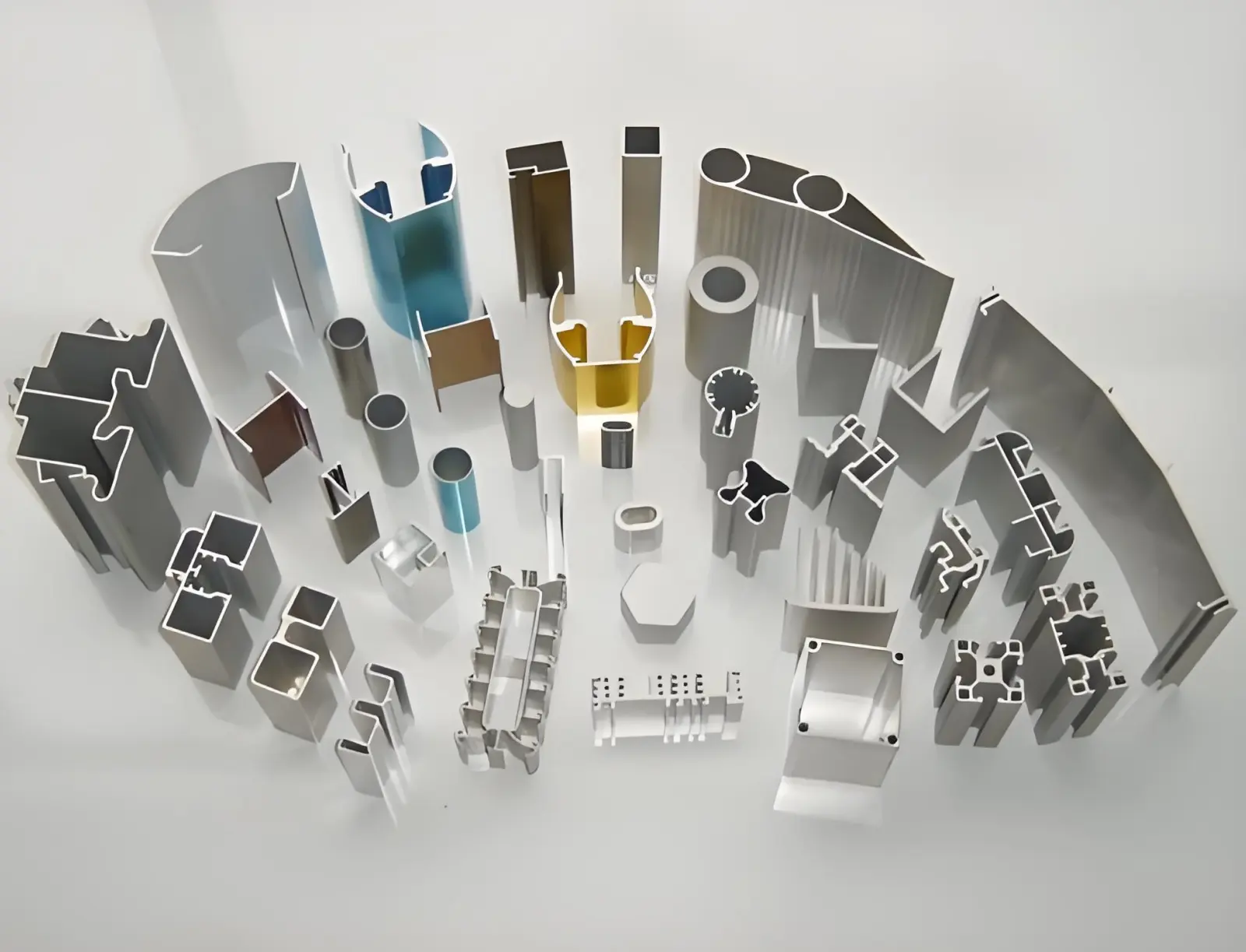
Our manufacturing capabilities cover a wide range of profile geometries and specialized alloy formulations.
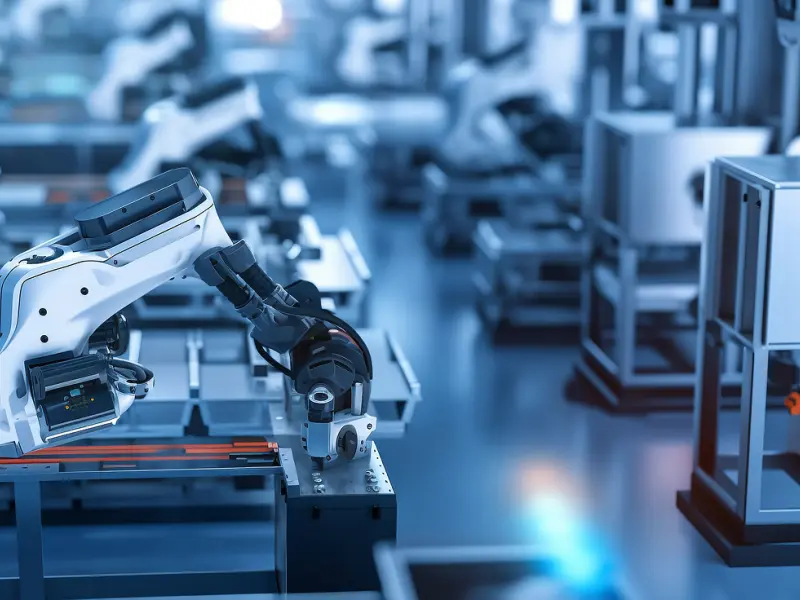
Heavy machinery, robotics frames, automated assembly lines, and custom enclosures.
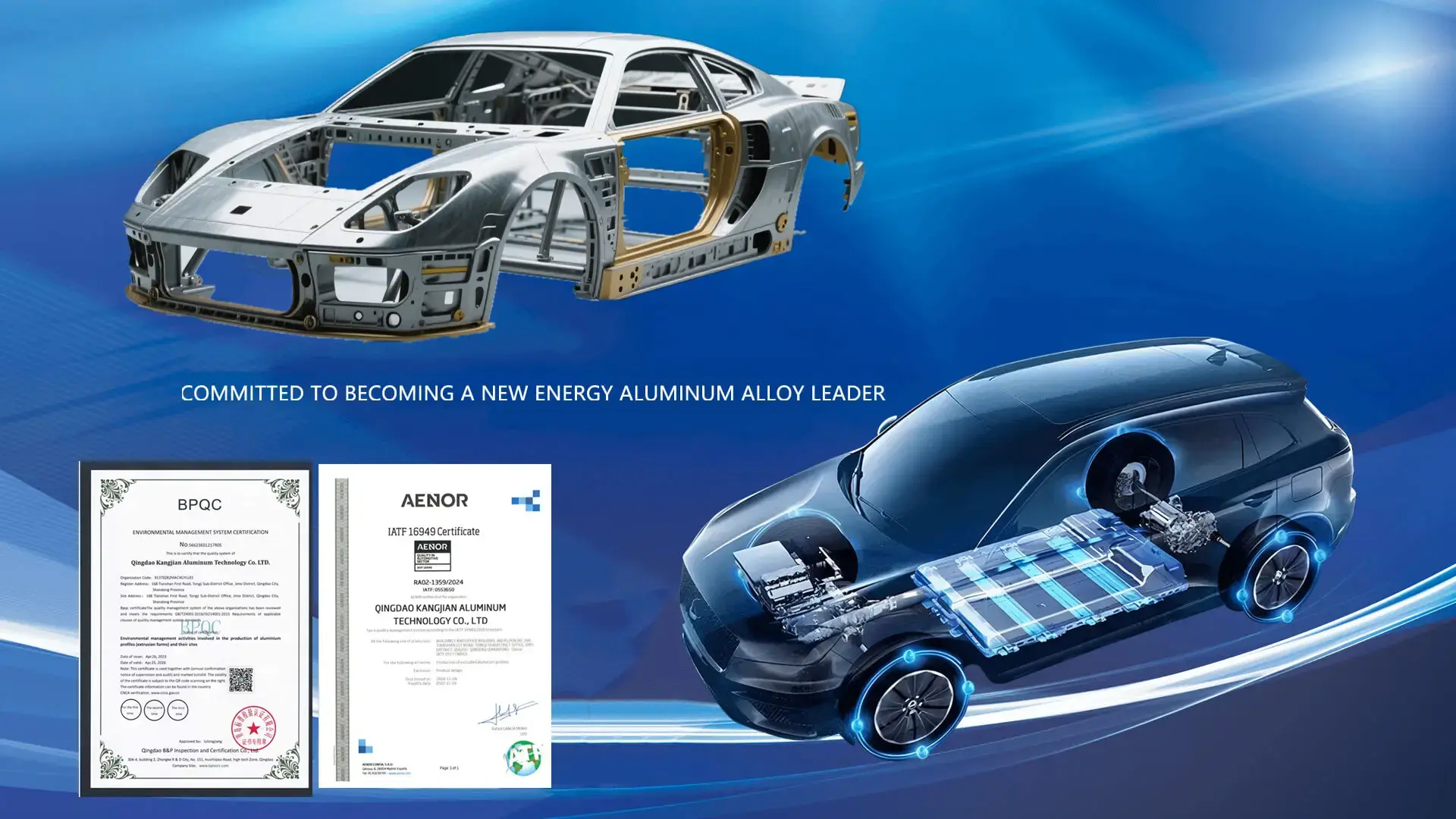
Lightweight EV chassis members, battery trays, heat sinks, and interior supports.
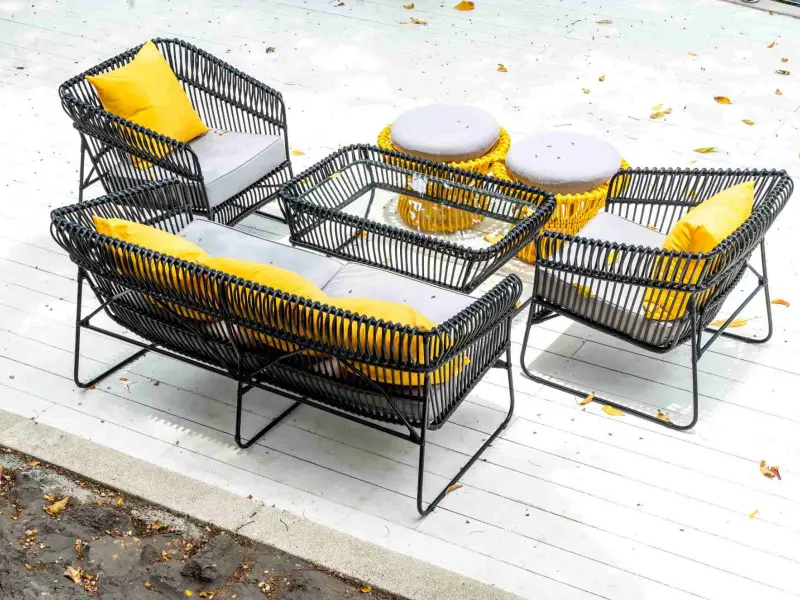
Corrosion-resistant frames, high-strength structural tubes, and anodized joinery.
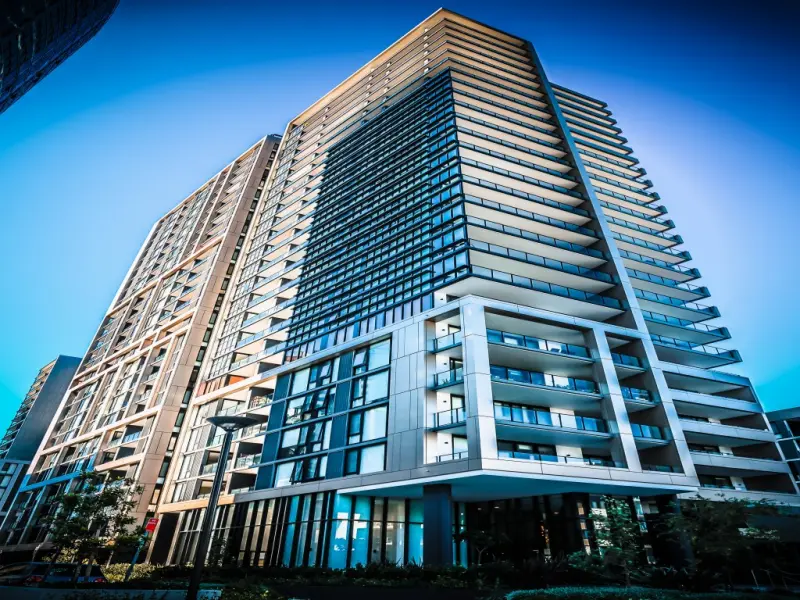
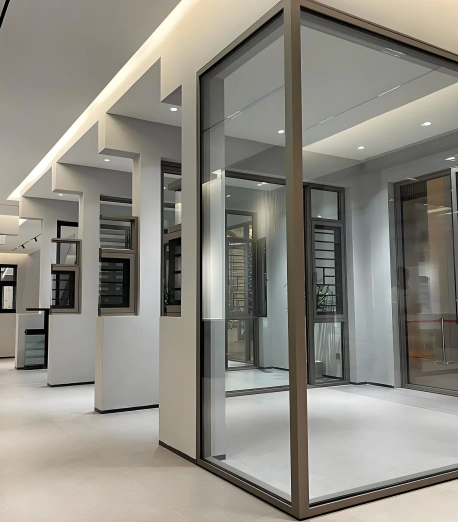
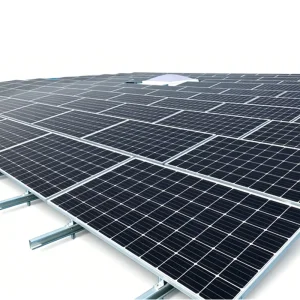
Curtain walls, thermal break windows, architectural cladding, and solar frames.
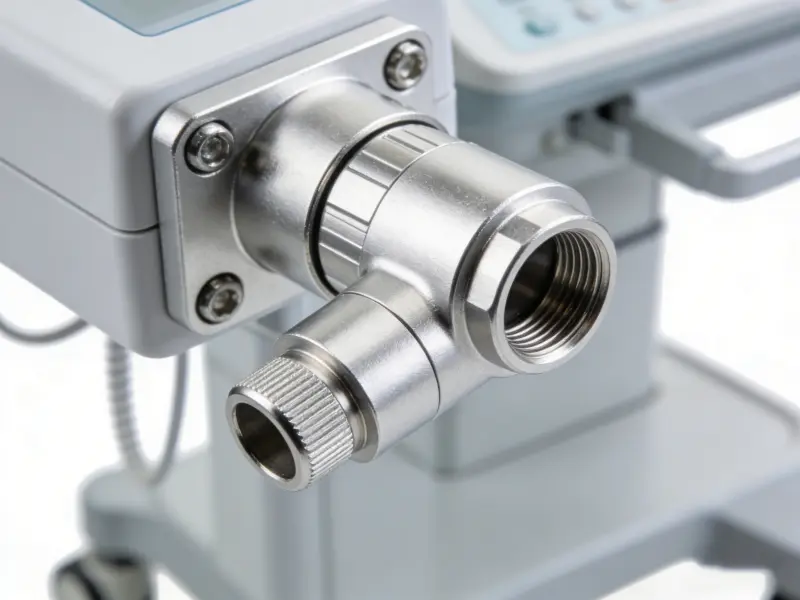
Precision hardware, patient bed frames, lightweight enclosures, and sterile tracks.
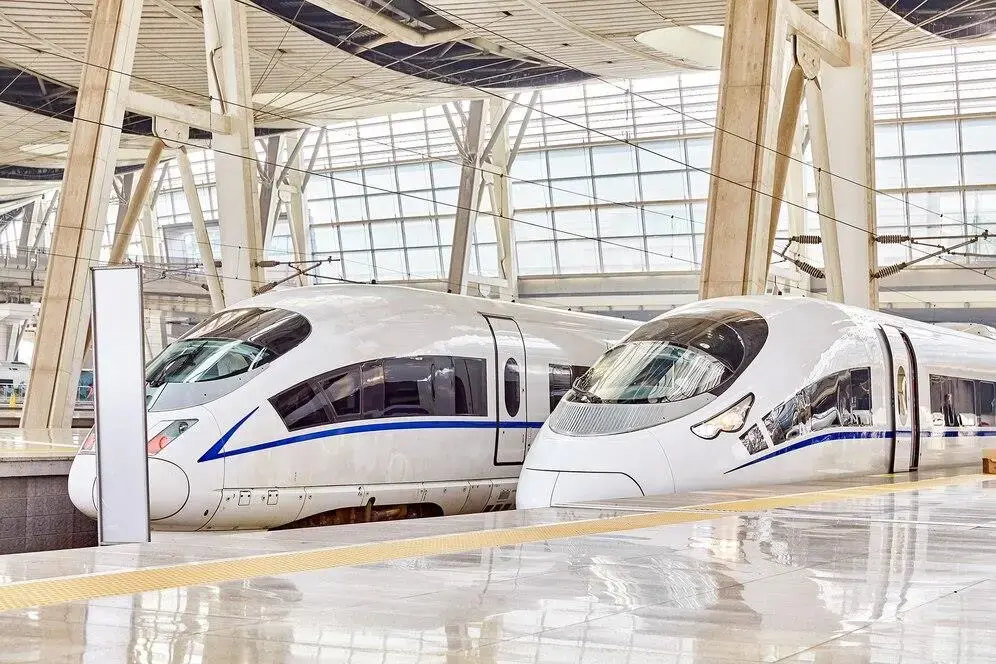
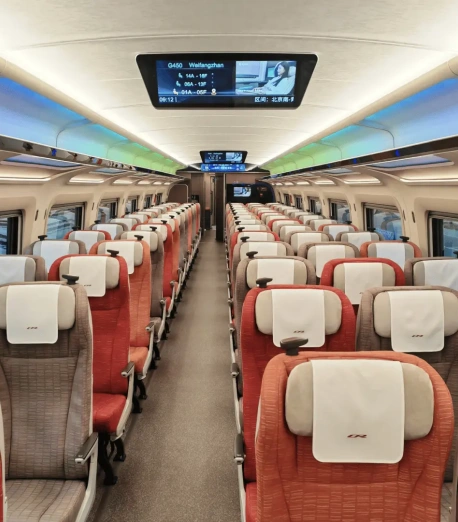
High-speed rail body structures, metro panels, container beds, and trailer frames.
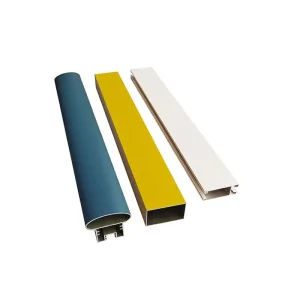
High-performance profiles developed for critical structural and visual applications.
Our processes are certified to meet the standards required by international rail transit, automotive, and industrial equipment sectors.
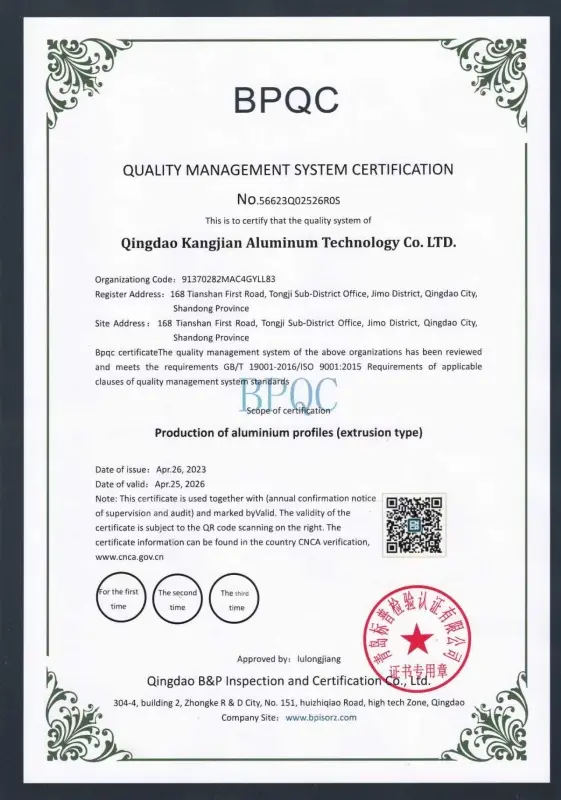
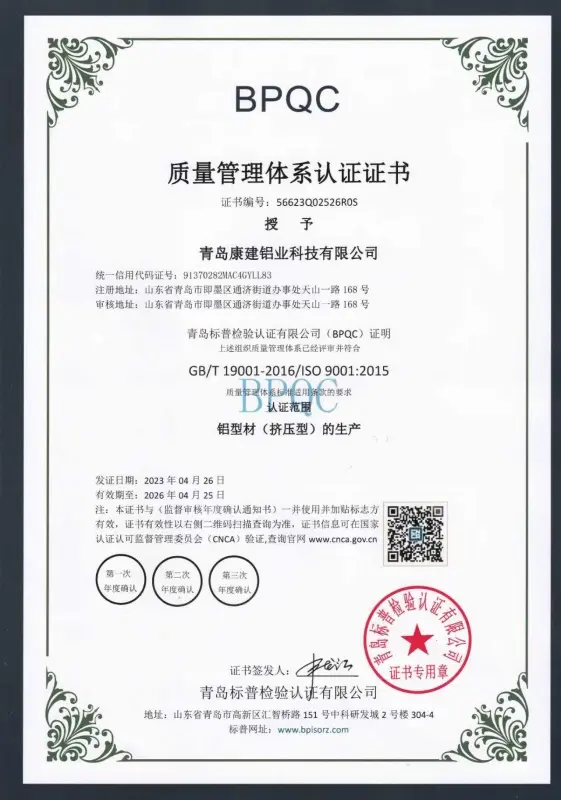
ISO 9001 System
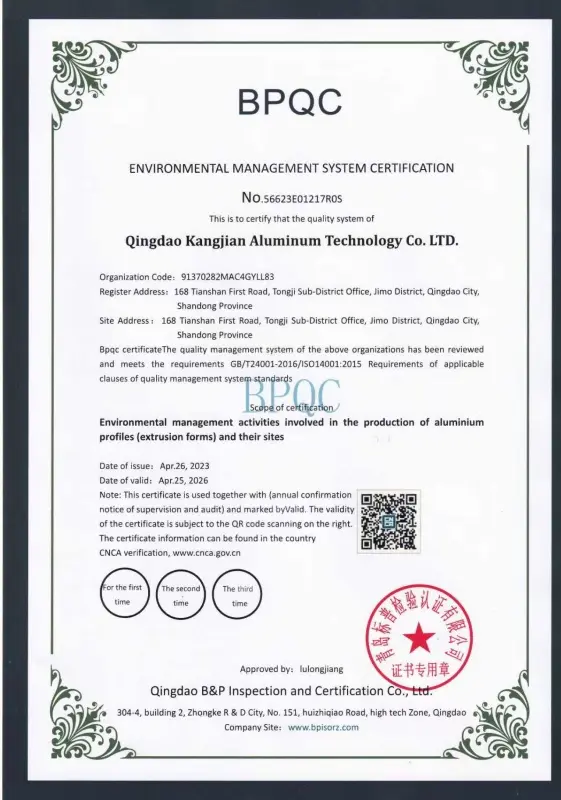
ISO 14001 System
EN 15085 Welding
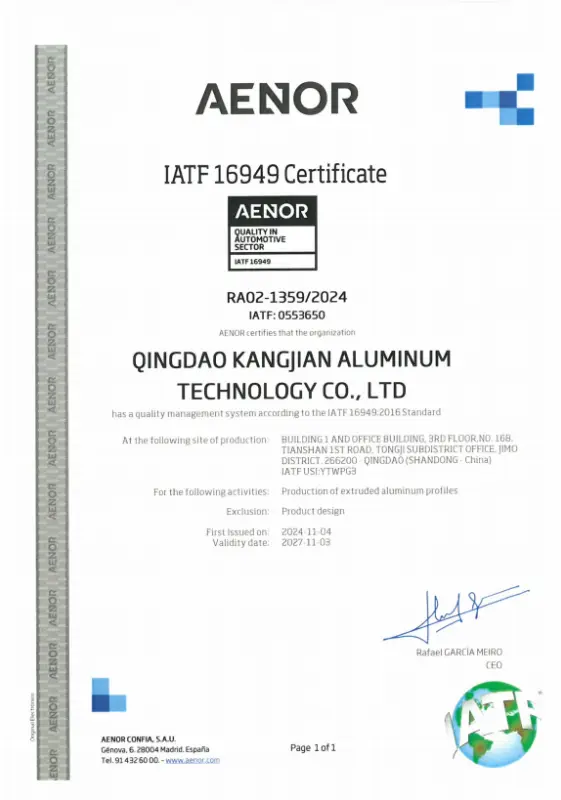
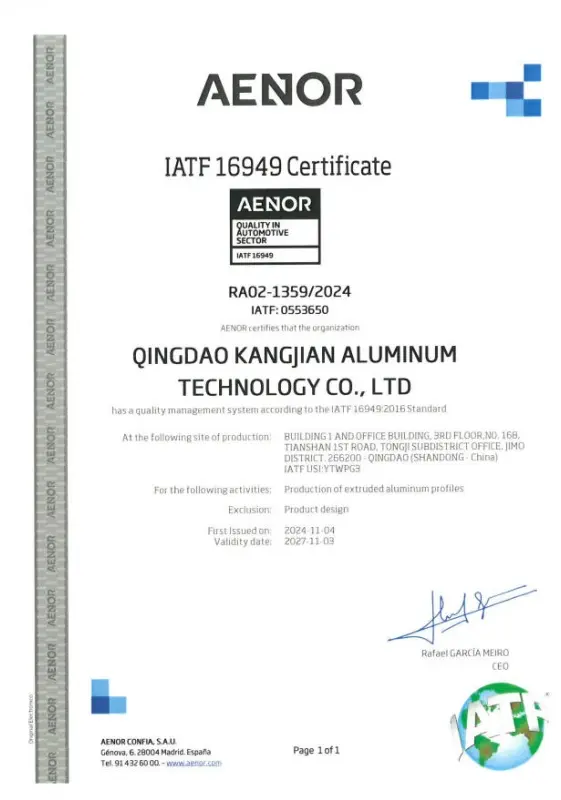
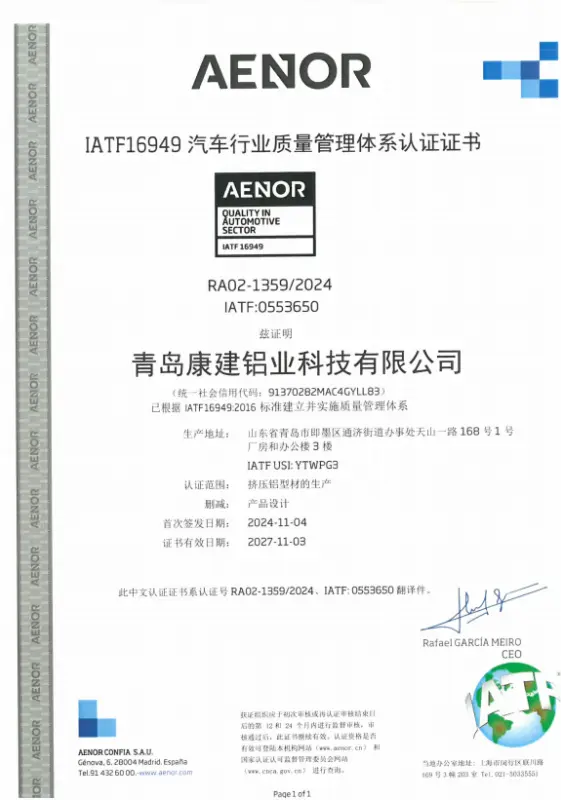
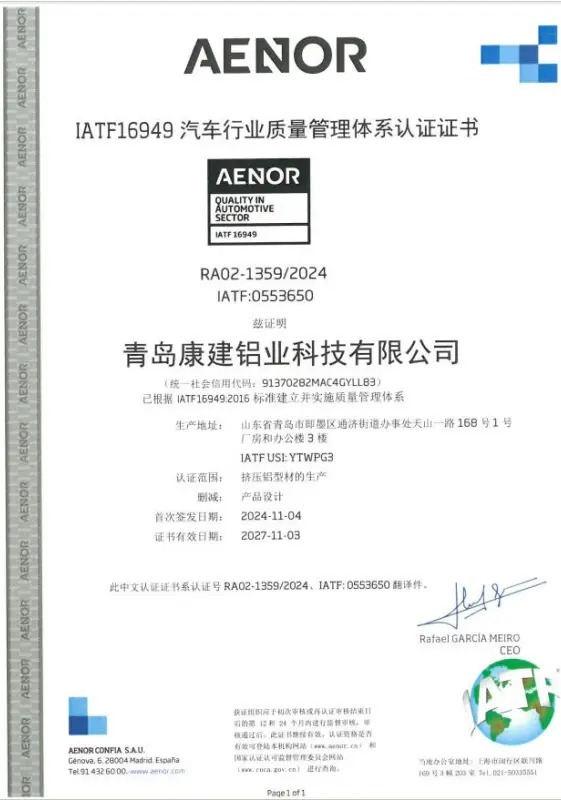
IATF 16949 System
ISO 22163 Rail System
DIN 6701 Bonding
AWS Standards
ISO 3834 Welding
Our extruded sections are applied in heavy rail structural assemblies, marine ports, solar racking, and modern building envelopes.
Find answers to common questions about material selection, tolerance standards, and manufacturing certifications.
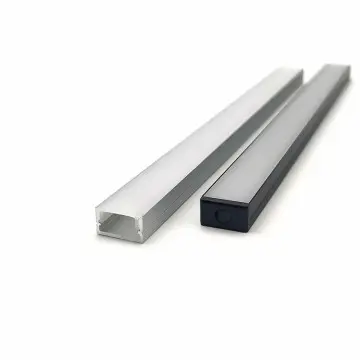
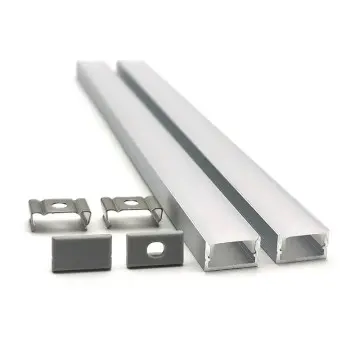
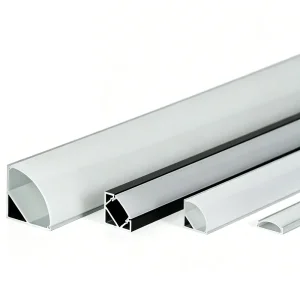
Alloy 6063-T5 is widely used for architectural applications, LED framing, and lightweight trims due to its excellent surface finish, high corrosion resistance, and good response to anodizing. It typically has a tensile strength of 150 MPa and yield strength of 110 MPa.
Alloy 6061-T6 is a structural grade material suited for heavy-duty applications such as robotics frames, marine components, and CNC-machined fittings. It undergoes a solution heat treatment and artificial aging process, achieving a higher tensile strength of 290 MPa and yield strength of 240 MPa, though it has a less refined surface finish compared to 6063.
DIN 6701 is the class-defining German standard that regulates adhesive bonding in rail vehicles and their components. Adhesive joints in high-speed railways and subways are load-bearing, structural links that experience dynamic stresses and thermal fluctuations.
Obtaining DIN 6701 certification verifies that our factory has the necessary environmental controls, bonding procedures, and qualified technicians to execute these safety-critical joints. This level of quality control is required by tier-1 global rail systems to prevent joint failures over long service lifetimes.
IATF 16949 is the global quality management standard for the automotive industry. It emphasizes defect prevention, continuous improvement, and reduction of variation in the supply chain.
For automotive OEMs and parts manufacturers, sourcing from an IATF 16949 certified supplier like Kangjian ensures that every production run of battery trays, structural members, or collision-management profiles adheres to strict Failure Mode and Effects Analysis (FMEA), production part approval processes (PPAP), and statistical process controls (SPC).
By default, our extrusions meet the standard requirements of EN 755-9 or DIN EN 12020-2 for precision profiles. For applications requiring closer fits—such as CNC-machined drone parts, medical housings, or tight-fitting sliding tracks—we can achieve tighter tolerances through post-extrusion CNC machining, straightening, and calibration, depending on the cross-sectional geometry.
Our facility in Jimo District, Qingdao, is located near major container ports and international airports. This proximity allows us to load container shipments directly and route them through global maritime shipping channels. This helps reduce land transport costs, cut transit times, and simplify customs procedures for clients in South Korea, Japan, Europe, and North America.
Heavy-duty industrial, energy, and electronics components manufactured to international certifications.
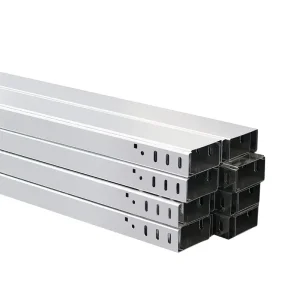
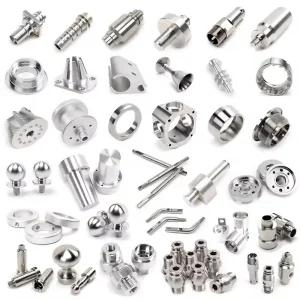
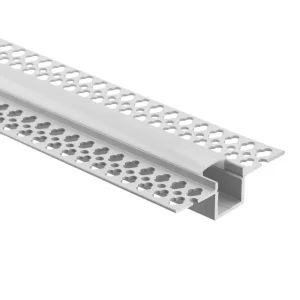
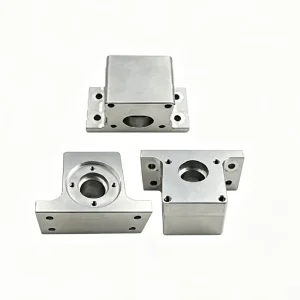
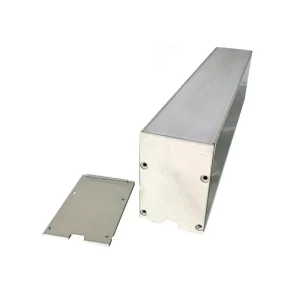
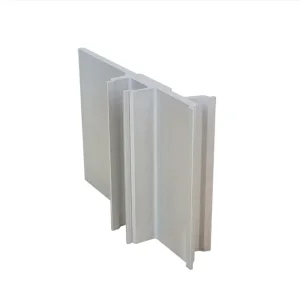
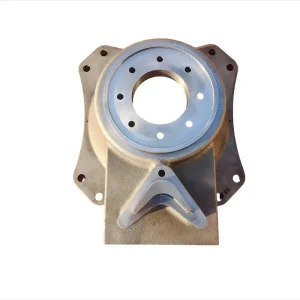
Contact our engineering team to discuss material specifications, design tolerances, and custom tooling options for your next project.
Factory Address: No. 168, Tianshan 1st Road, Jimo District, Qingdao, China
Capabilities: 5 Extrusion Lines, Custom Alloy Formulations, CNC Machining, Anodizing, and Specialized Structural Welding.