Kangjian
Kangjian
Kangjian
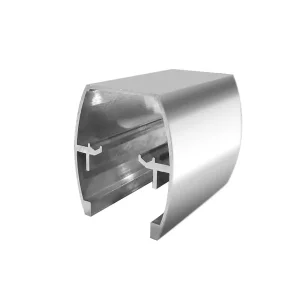
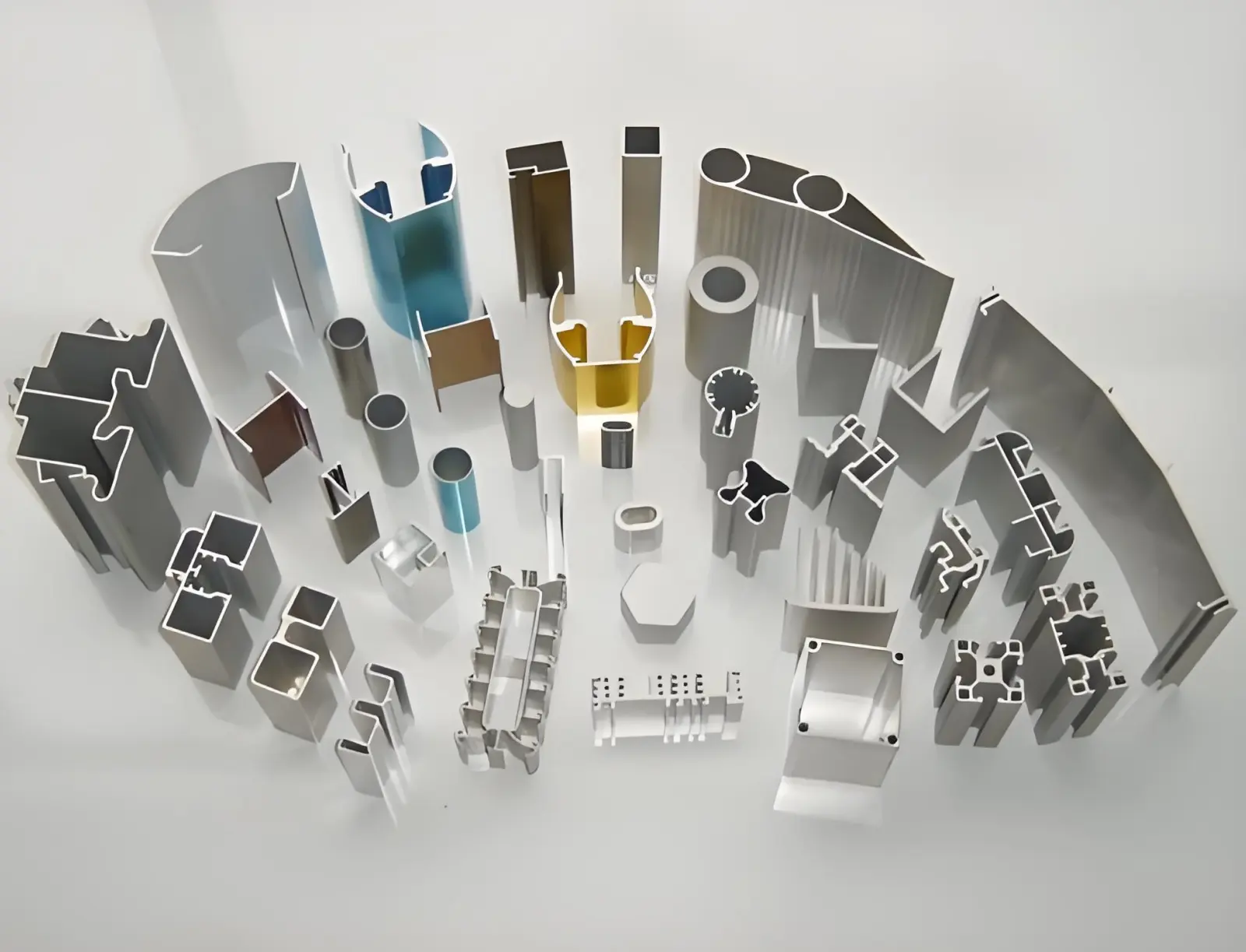
In the global transition toward decarbonized energy networks, solar photovoltaic (PV) utility installations act as the primary operational cornerstone. The structural core of these assemblies depends heavily on solar mounting aluminum profiles. Beyond providing simple physical support, these profiles are critical load-bearing structural mechanisms designed to withstand extreme wind shear, heavy snow loads, and constant seismic activity over a 25-to-30-year operational life cycle. As a premier manufacturer in China, we deliver high-performance solar mounting profiles utilizing engineered 6005-T5/T6 and 6063-T5/T6 grade aluminum alloys. These materials are processed through heat treatment and precise chemical formulations to achieve an optimal balance of structural strength and ductile resilience.
Standard structural steel possesses high yield strength but incurs significant weight and corrosion challenges when deployed in marine or high-humidity environments. Our solar mounting aluminum profiles undergo high-speed extrusion processes followed by targeted water/air quenching to maximize the precipitation of Mg₂Si (magnesium silicide) phases. This molecular configuration yields:
The global solar tracking and fixed-tilt racking market is experiencing rapid growth. Distributed Commercial & Industrial (C&I) rooftop arrays and utility-scale ground-mount projects require optimized supply chains capable of delivering custom-designed profiles with minimal lead times. Large-scale developers and Engineering, Procurement, and Construction (EPC) firms increasingly rely on Tier-1 Chinese manufacturing centers to secure cost-efficient, high-volume production without sacrificing quality standards.
Operating from Qingdao, China, Qingdao Kangjian Aluminum Industry Technology Co., Ltd. leverages a highly efficient maritime logistics gateway to export custom and standard structural aluminum sections. Our proximity to the Port of Qingdao ensures direct shipping access to major solar infrastructure hubs across North America, Europe, Australia, and Southeast Asia. This geographical advantage helps mitigate transit risks and reduces supply chain lag.
Reliability is key in structural solar applications. Over their 30-year lifetime, solar mounting profiles must endure harsh physical loading and weather conditions. Qingdao Kangjian Aluminum adheres to comprehensive quality control protocols to ensure our profiles deliver dependable, long-term performance under demanding field conditions.
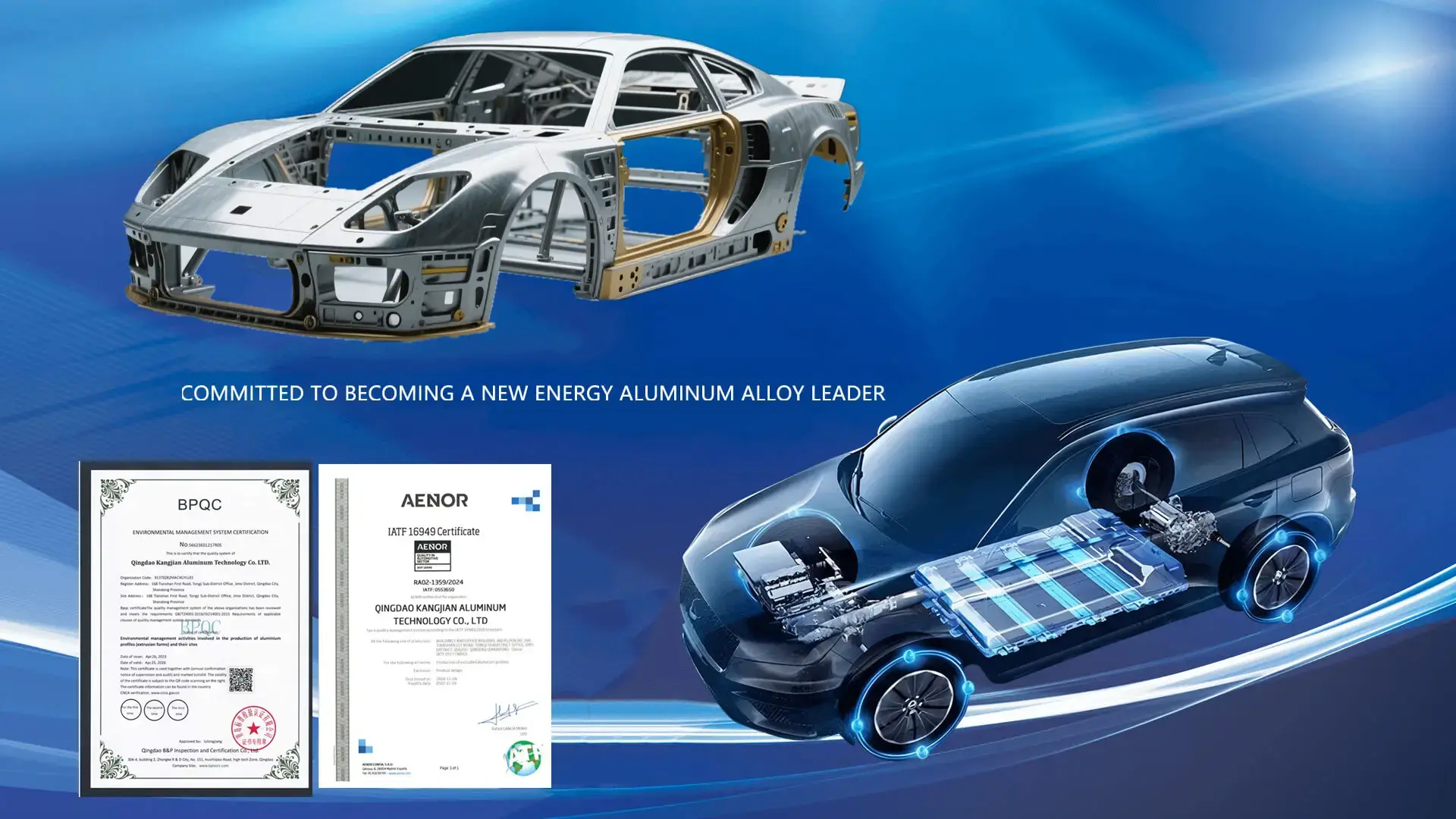
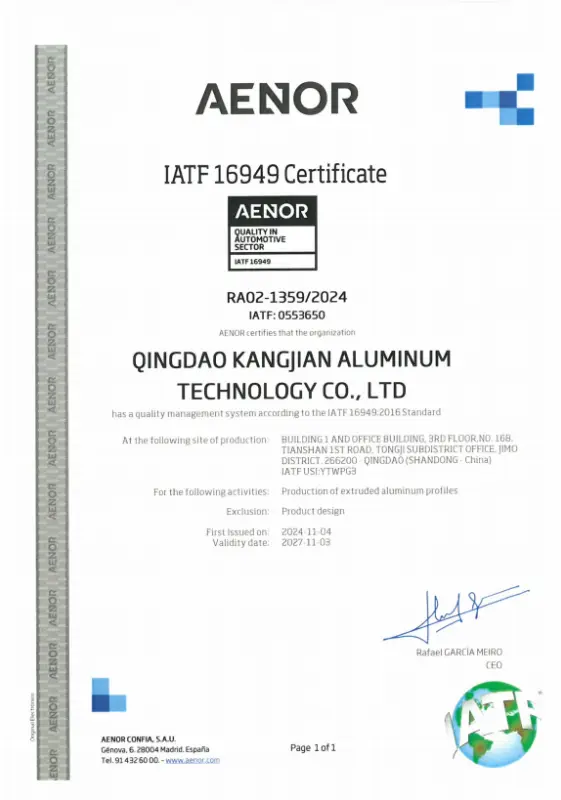
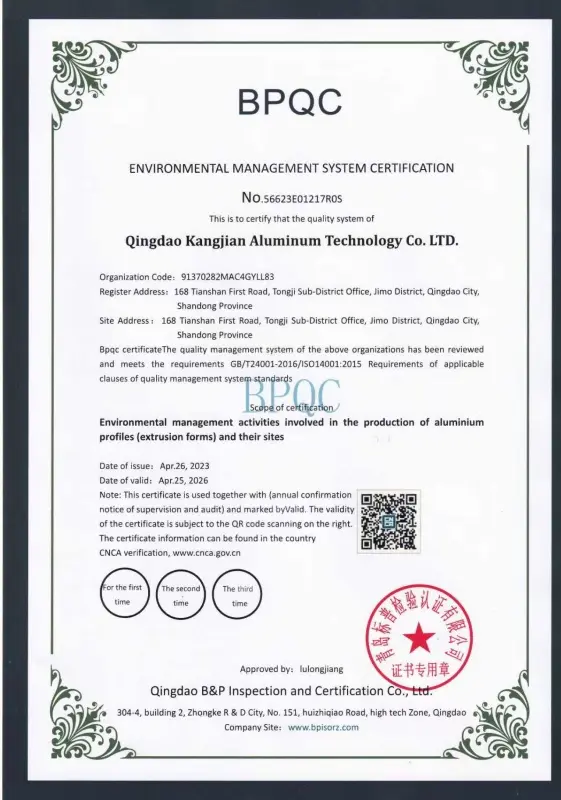
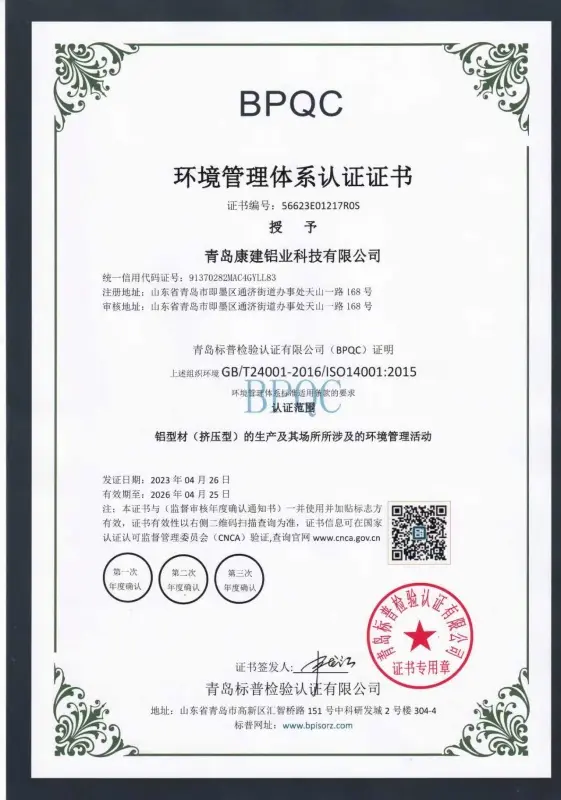
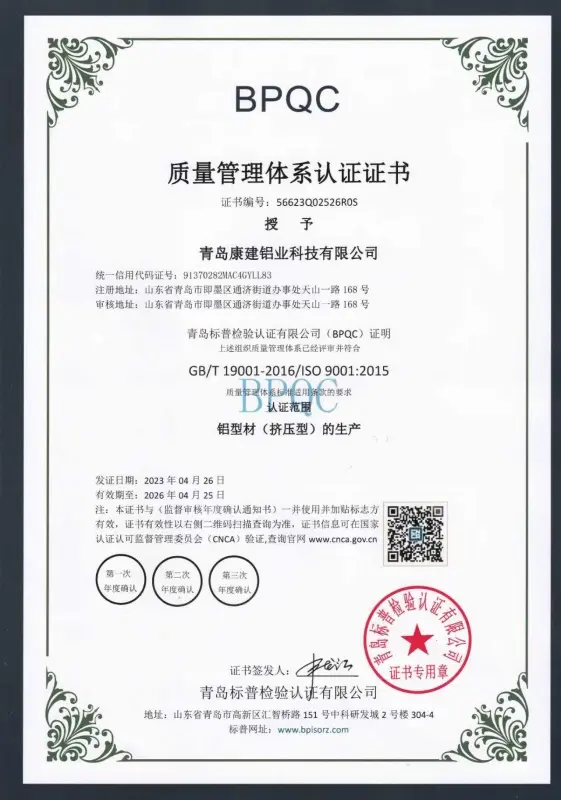
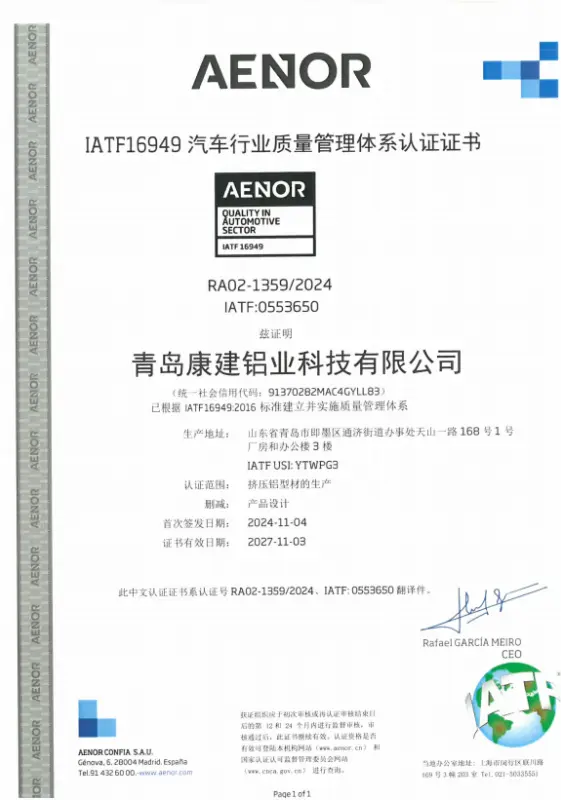
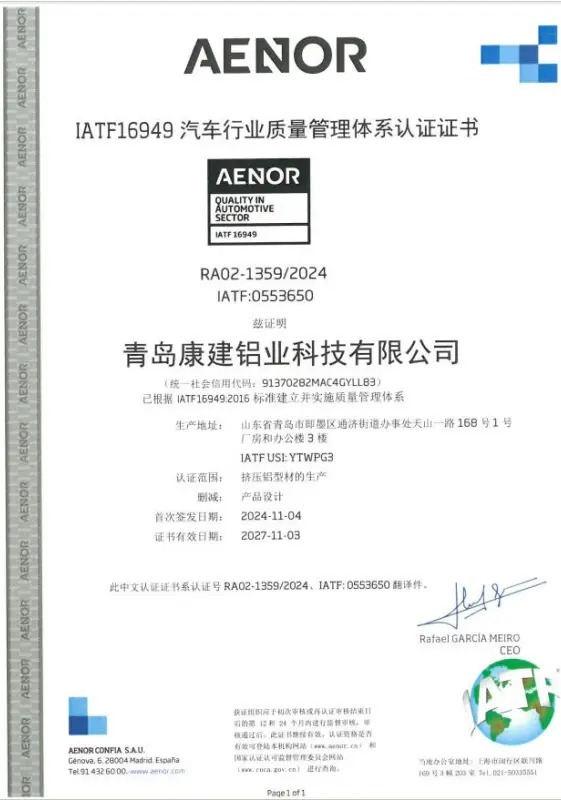
Our production facilities are certified to international industrial standards, including:
Environmental challenges vary by geographic location. Solar installations in sub-zero alpine areas face heavy snow loads, while projects in desert or coastal regions deal with abrasive sandwinds and high humidity. Our technical department designs custom profiles optimized for these localized conditions:
Optimized for residential and C&I rooftops. Standardized light-weight rails and clamp assemblies allow for fast installation while minimizing load stress on older roofing structures.
Designed for long-span structural stability. These heavy-duty profiles feature optimal cross-sections that require fewer foundation piles, lowering civil installation costs.
Engineered with high torsional strength to withstand wind loads on rotating single-axis and dual-axis tracking arrays, ensuring smooth torque transfer during orientation adjustments.
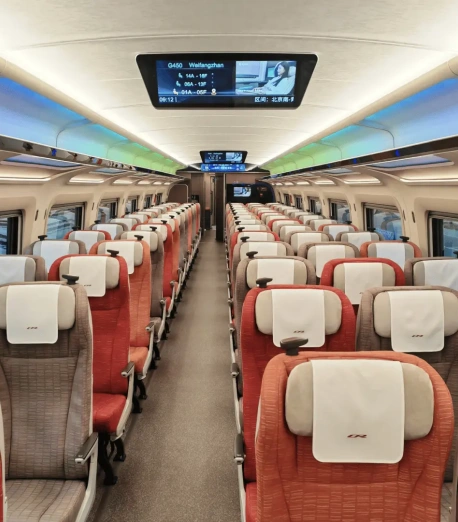
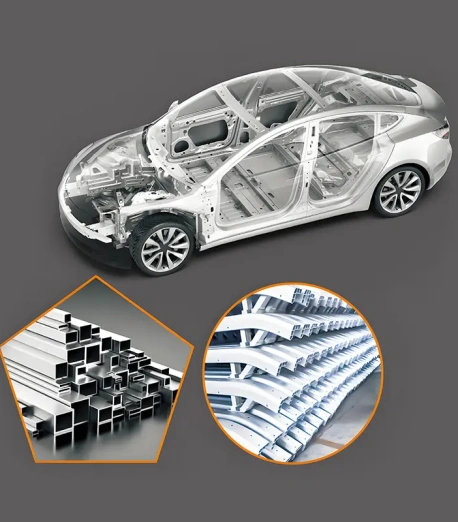
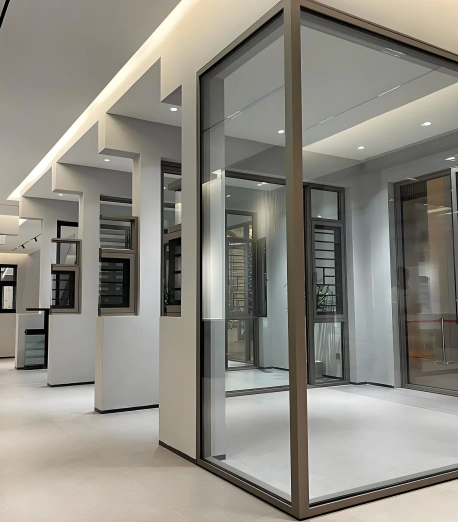
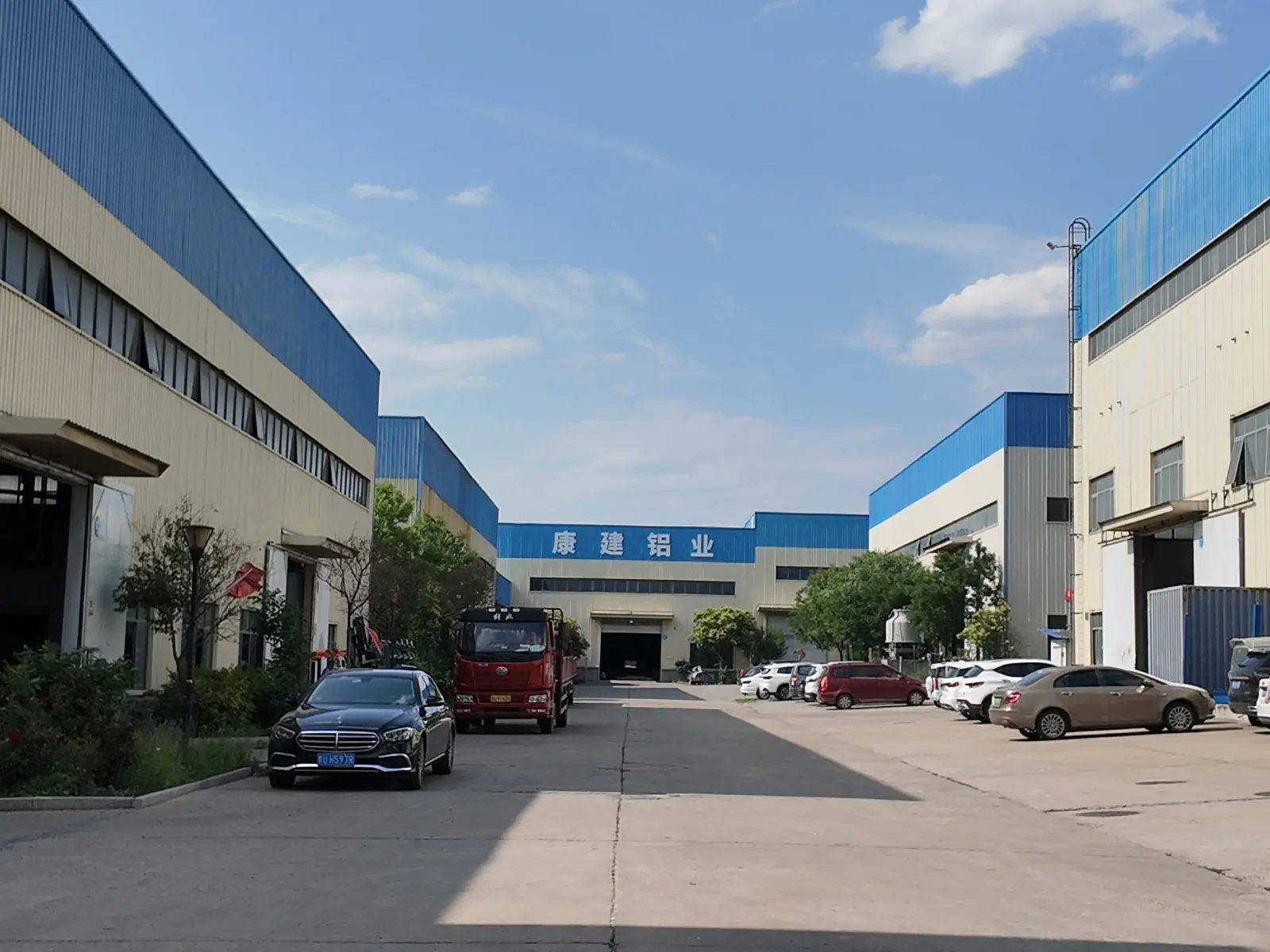
Established in 2022 in the Jimo District of Qingdao City, Qingdao Kangjian Aluminum Industry Technology Co., Ltd. has developed into a major producer and processor of aluminum and aluminum alloy products. Our manufacturing capabilities support a wide range of industries, including industrial profiles, rail transit components, aerospace parts, automotive and marine sections, architectural systems, and curtain wall assemblies.
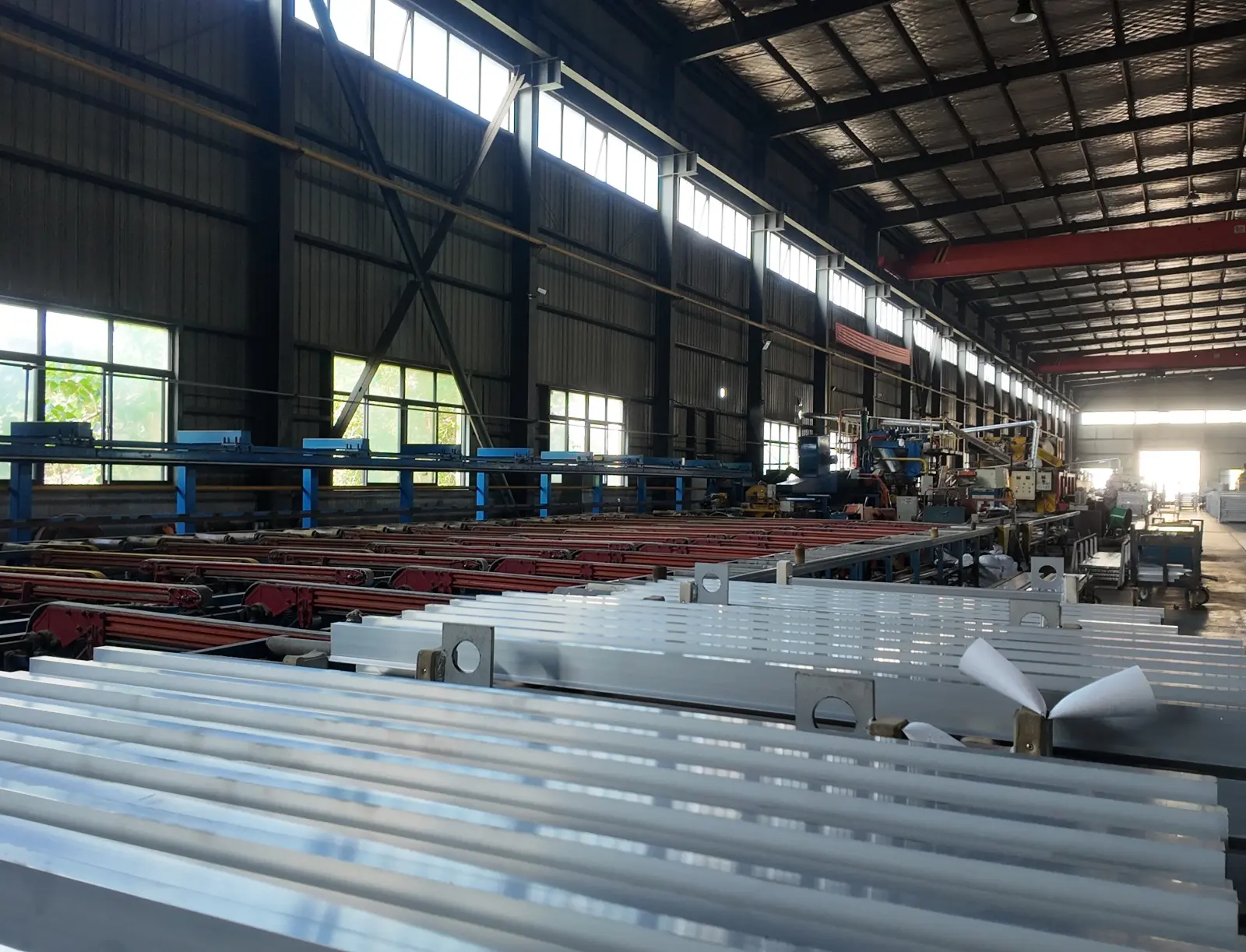
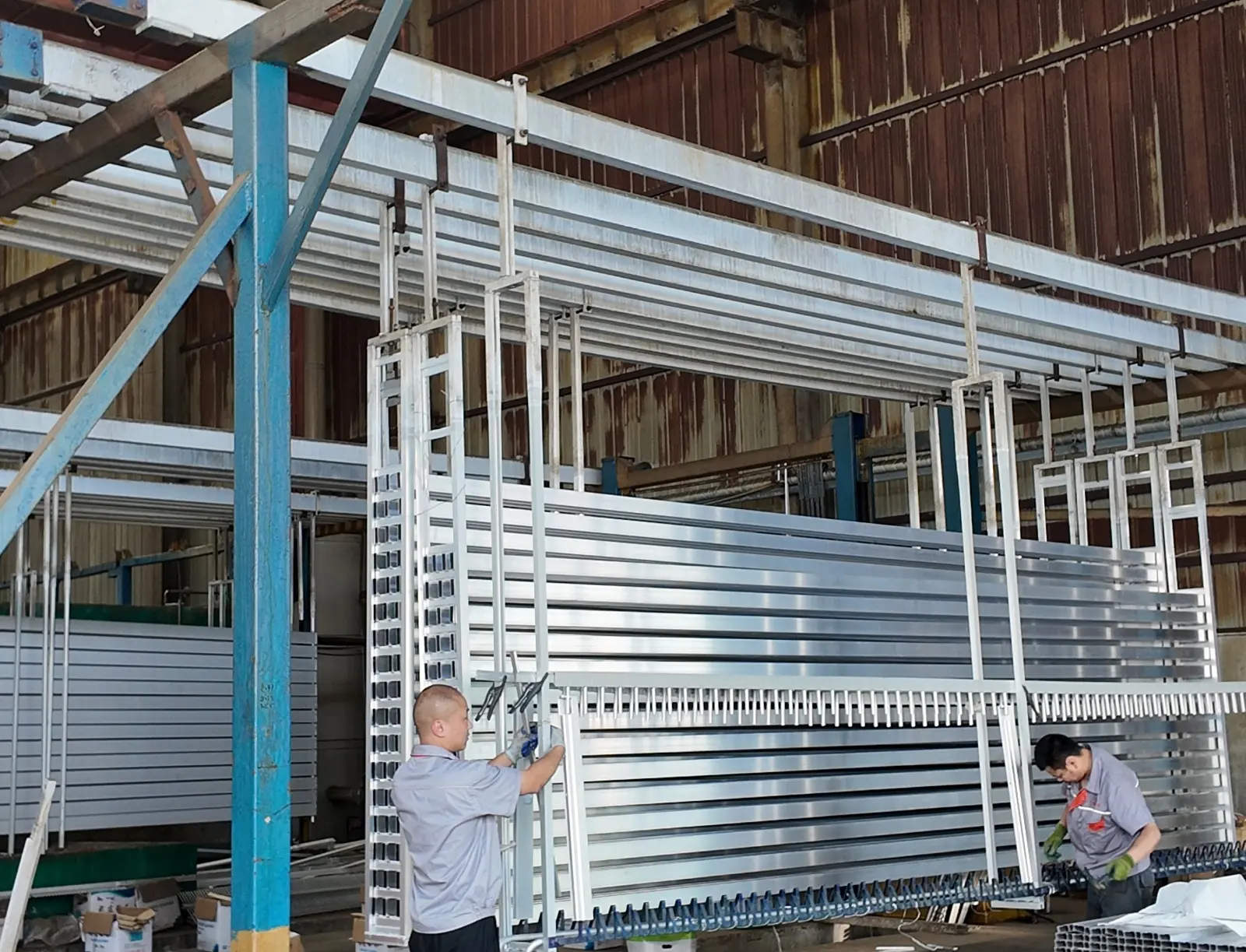
Our modern industrial production base covers an area of 200 mu, featuring 80,000 square meters of manufacturing plants and a 4,000 square meter office complex. The facility is equipped to produce 15,000 tons of high-precision aluminum profiles annually.
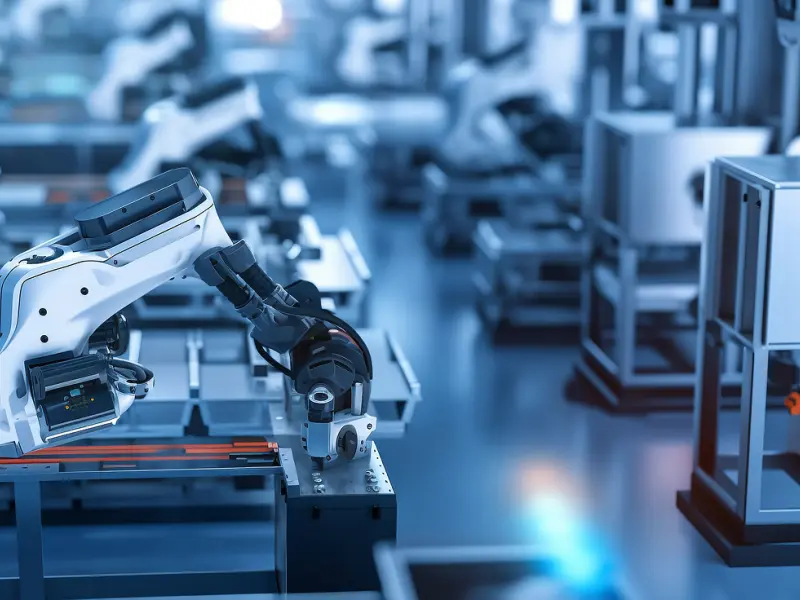
Our manufacturing operations are supported by 90 skilled personnel and 5 modern extrusion production lines, including:
As the solar industry adopts larger, high-efficiency PV modules, mounting structures must evolve to support heavier weights and wider spans. Our R&D division is focused on development areas that will define the next generation of solar mounting materials:
Development of specialized 6xxx-series alloys designed to increase tensile yield values, reducing overall wall thickness requirements for solar rails and lowering logistics costs.
Adopting low-carbon smelting processes and integrating recycled aluminum content into solar structural components to help customers meet strict environmental compliance standards.
Developing advanced anti-corrosion barrier coatings that provide improved resistance to high-salinity marine environments and harsh desert climates.
We answer key technical questions asked by global solar project procurement managers, structural engineers, and EPC planners during the sourcing and design phases: