Kangjian
Kangjian
Kangjian
Architectural and industrial-grade aluminum solutions customized for high-durability global infrastructure demands.
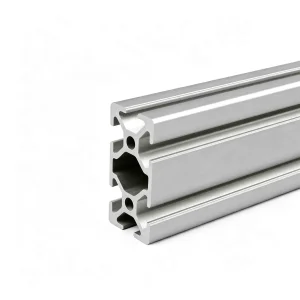
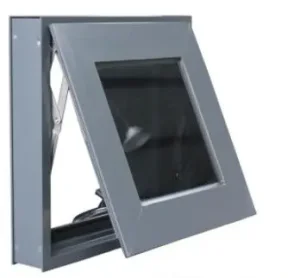
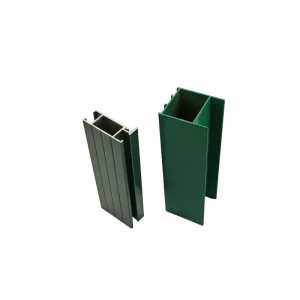
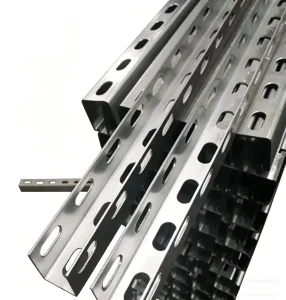
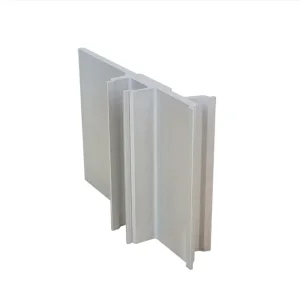
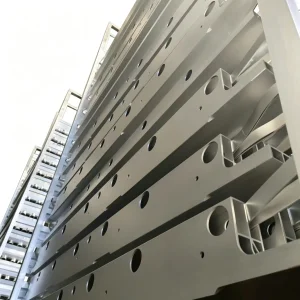
Aluminium hinged doors represent the standard in high-traffic commercial building envelopes and modern residential entries. The core structural integrity of a heavy-duty entry system lies in its raw profile extrusion design. Utilizing premium 6060, 6063, and 6061 alloys, specialized manufacturers design structural profiles capable of withstanding extreme mechanical forces, high wind-load cycles, and sustained thermal stress.
Architects and systems designers specify hinged door systems based on their structural wall thickness, structural depth, and thermal management. A classic industrial hinged door demands a profile frame thickness of no less than 2.0mm to 3.0mm, assuring long-term resistance to warping and sagging. When coupled with advanced thermal barrier systems—specifically multi-cavity polyamide glass fiber reinforced strips (typically PA66 GF25)—these profile systems transform standard entrance designs into highly insulated enclosures, yielding exceptionally low U-values compliant with strict global energy codes.
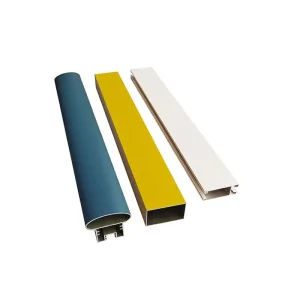
To withstand extreme environments—from highly corrosive maritime coastlines to chemical-heavy industrial corridors—profiles undergo strict surface finish processes. Anodizing creates an integral aluminum oxide layer (often Class I exceeding 15 microns), preventing galvanic and pitting corrosion. Powder coating via electrostatic spray systems applies PVDF or architectural grade polyester coatings, yielding colors that match Qualicoat standards and maintain color stability over decades.
A global leader in high-performance aluminum extrusions, precision CNC machining, and heavy-duty structural profiles.
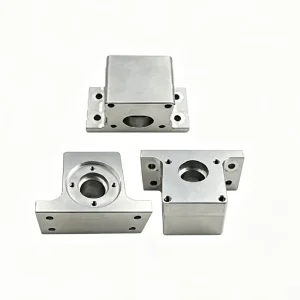
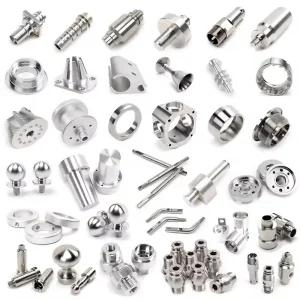
Established in 2022 and located in the Jimo District of Qingdao, Qingdao Kangjian Aluminum Industry Technology Co., Ltd. has grown into the premier aluminum profile manufacturer in the region. Occupying a state-of-the-art 200 mu industrial base with 80,000 square meters of production plants and a dedicated 4,000 square meter office complex, we provide full-service manufacturing, from billet casting and precision extrusion to complex multi-axis CNC machining and high-grade surface finishing.
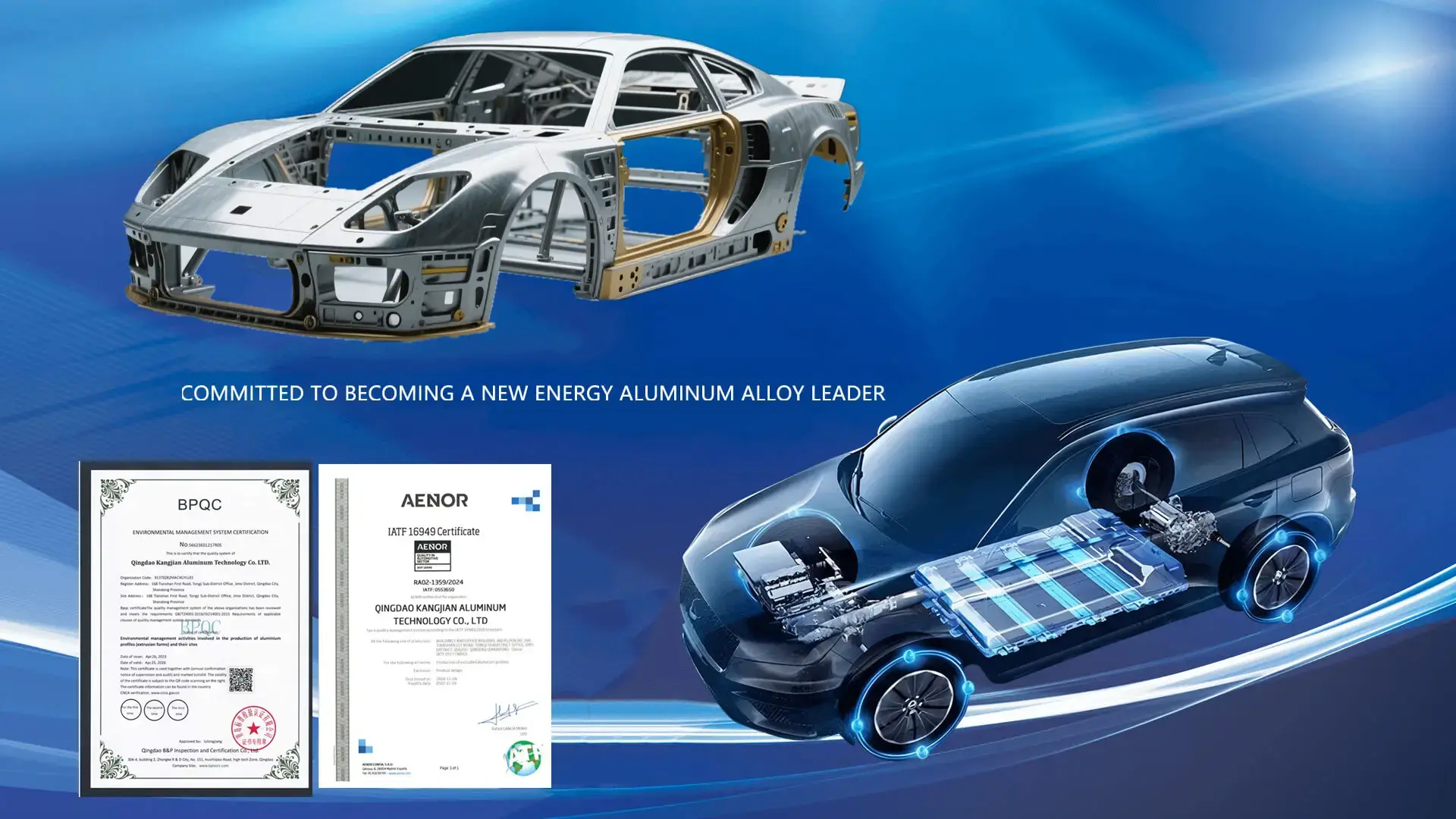
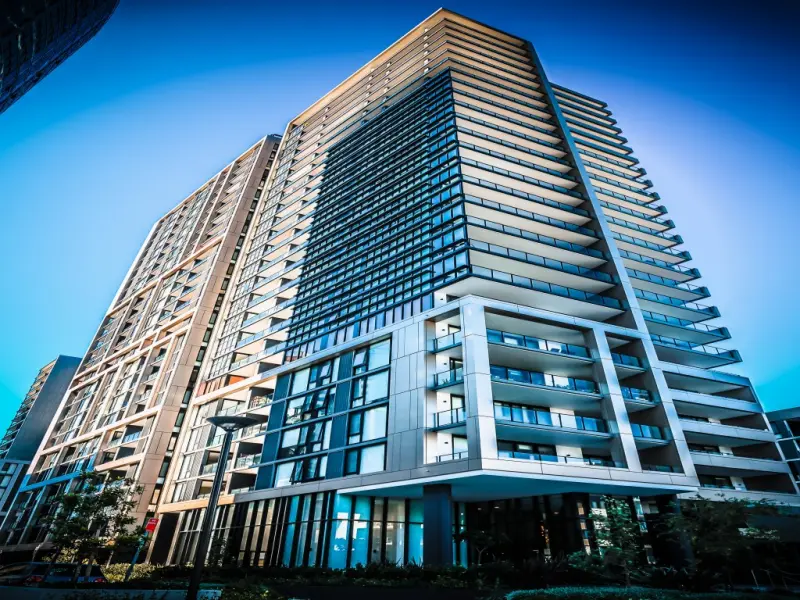
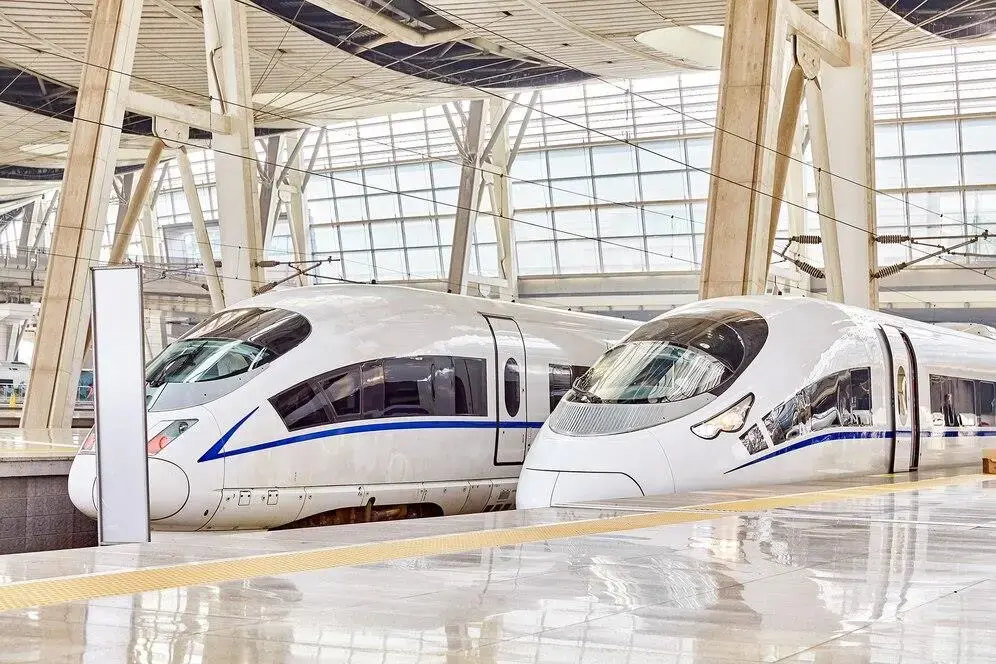
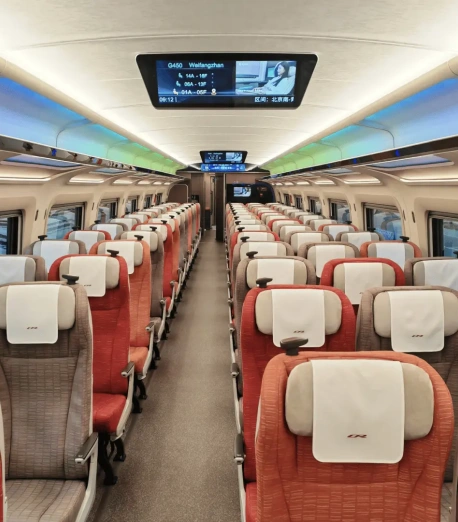
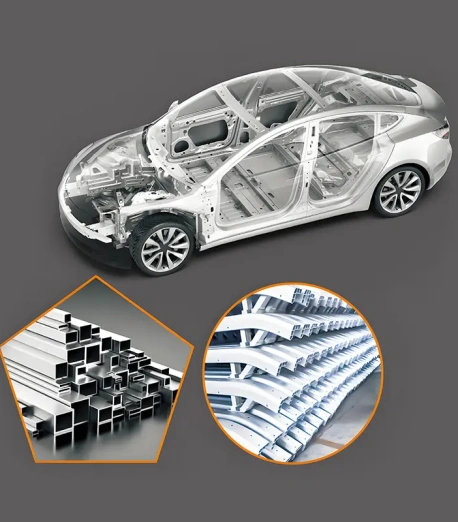
Kangjian specializes in producing critical structural profiles for rail transit (high-speed railways, subways), automotive structural components, maritime shipping, aerospace, energy-efficient building envelopes, and curtain walls. With an annual capacity of 15,000 tons of high-precision aluminum extrusions, we stand ready to support major global infrastructure developments.
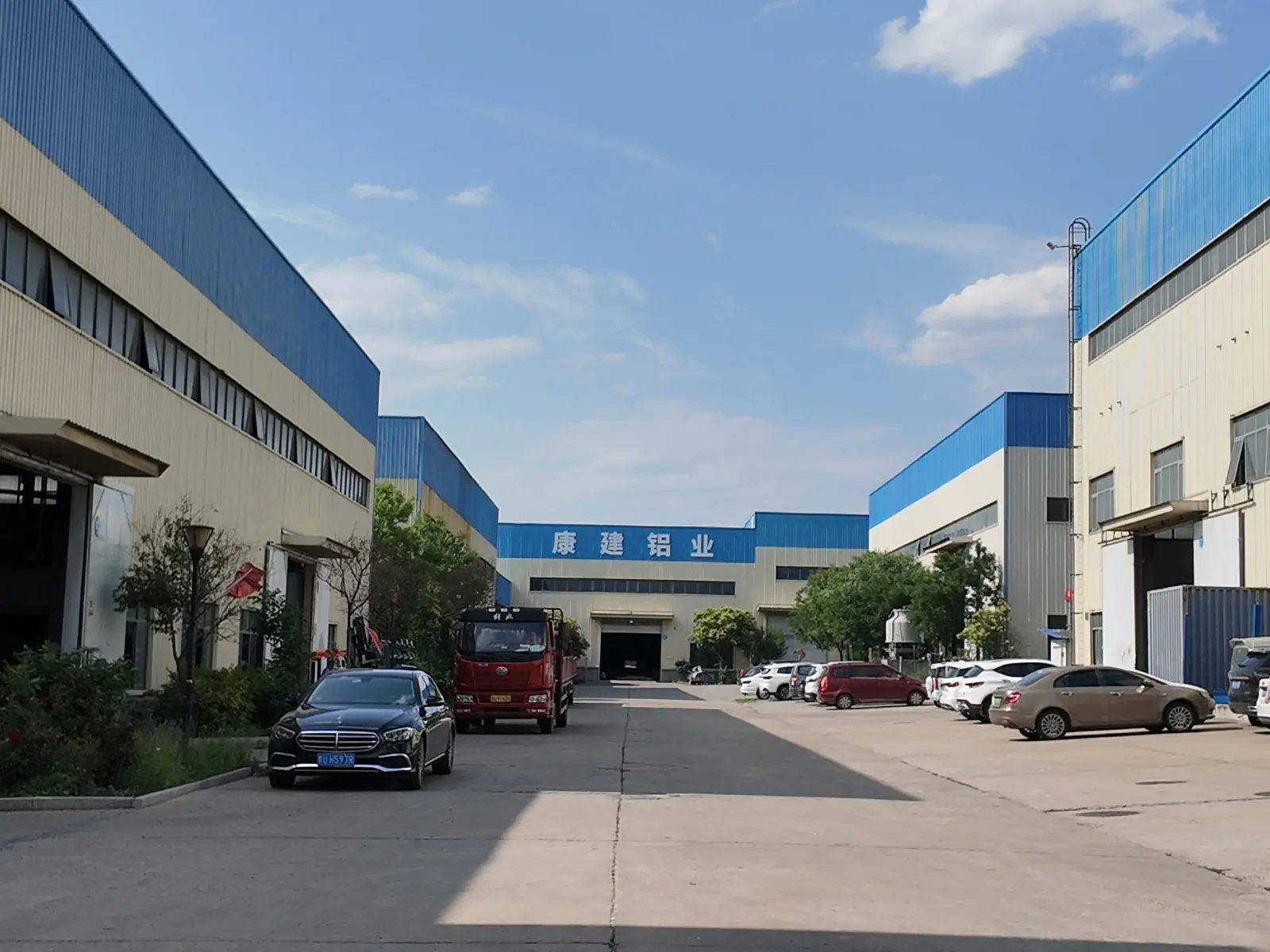
From local engineering excellence to global supply chain integration.
In just three years since our 2022 establishment, Kangjian Aluminum has expanded from a regional fabricator to a global supplier. Our order delivery and output value have maintained an average annual growth rate of 30%.
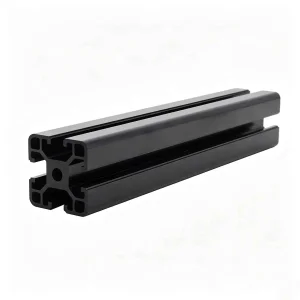
Our product portfolio ranges from lightweight window frame channels and solar PV racks to heavy-duty rail transit body structures, aerospace components, automotive crash beams, and high-performance commercial entrance profiles.
Leveraging Qingdao Port logistics, we supply architectural markets globally. We deliver custom solutions to developers, contractors, and industrial partners in South Korea, Japan, North America, and Europe.
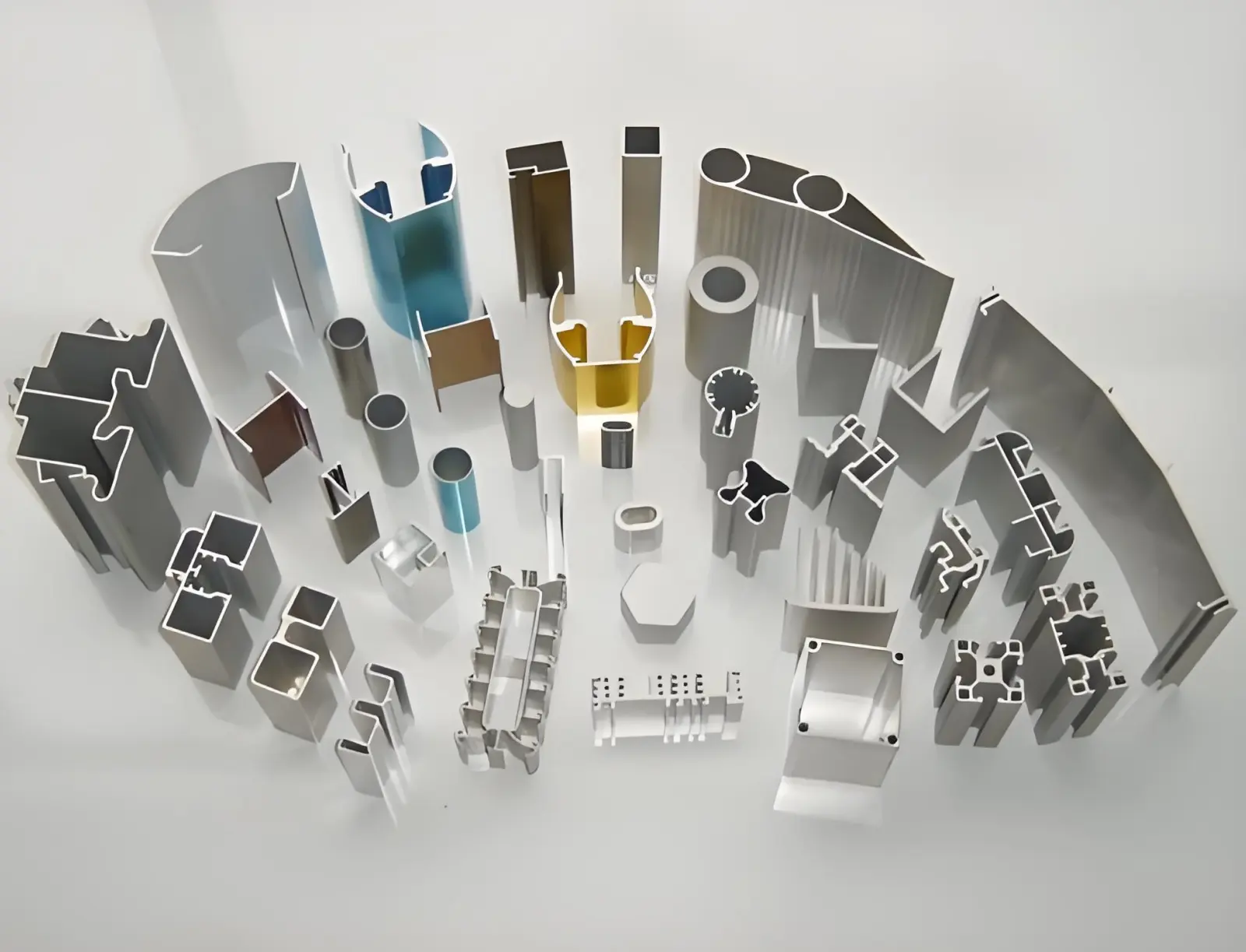
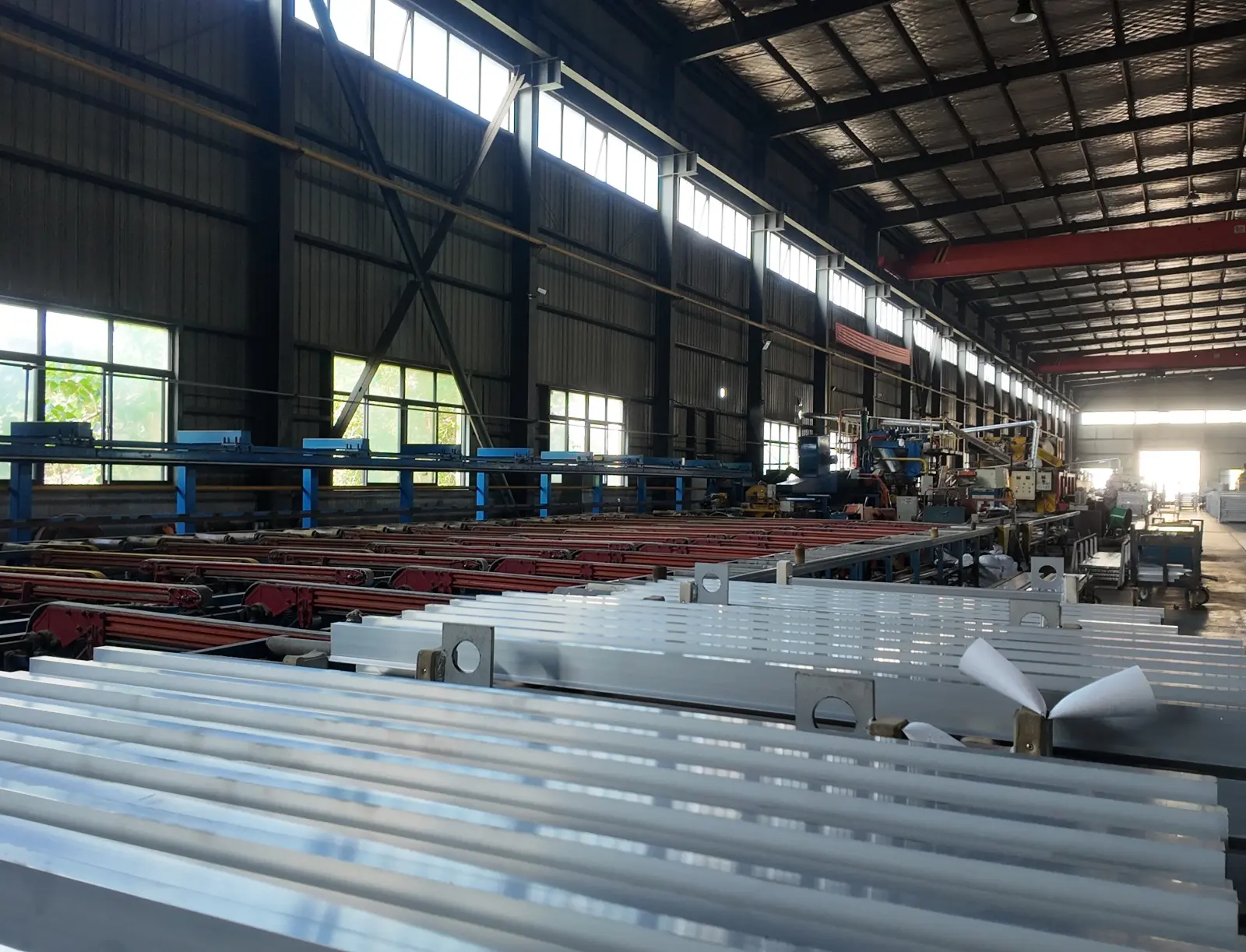
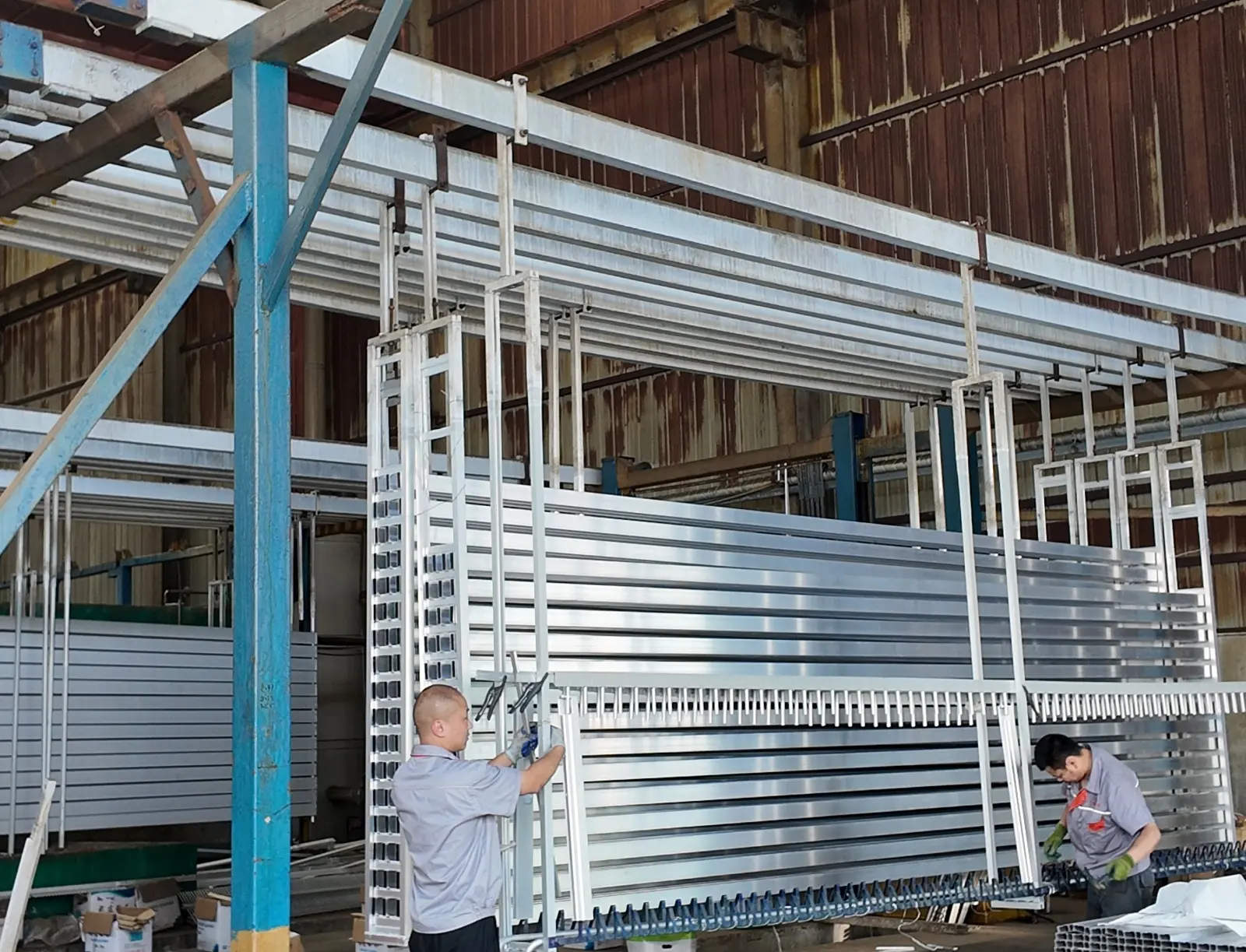

The global dominance of Chinese aluminum extrusion factories is built on structural efficiencies, integrated raw material processing, and advanced downstream operations. Factories like Qingdao Kangjian leverage direct access to high-purity primary aluminum ingots, allowing us to maintain stable chemistry standards and precise alloy control.
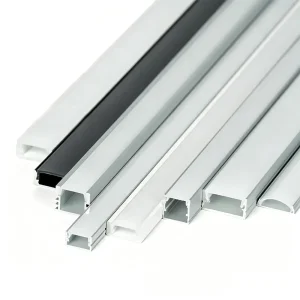
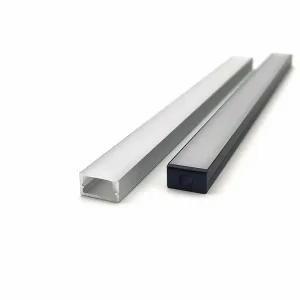
Our integrated manufacturing model combines multi-scale extrusion presses with high-precision multi-axis CNC machining centers. With extrusion lines ranging from 700T to a heavy-duty 2500T press, we can adjust tooling and parameters for diverse requirements—from ultra-thin wall LED channels to dense, complex profiles for architectural hinged doors.
Additionally, our location in Qingdao's industrial corridor provides logistical advantages. Direct proximity to the Port of Qingdao ensures efficient container loading, custom clearance, and international ocean freight shipping, reducing transit times to key global hubs.
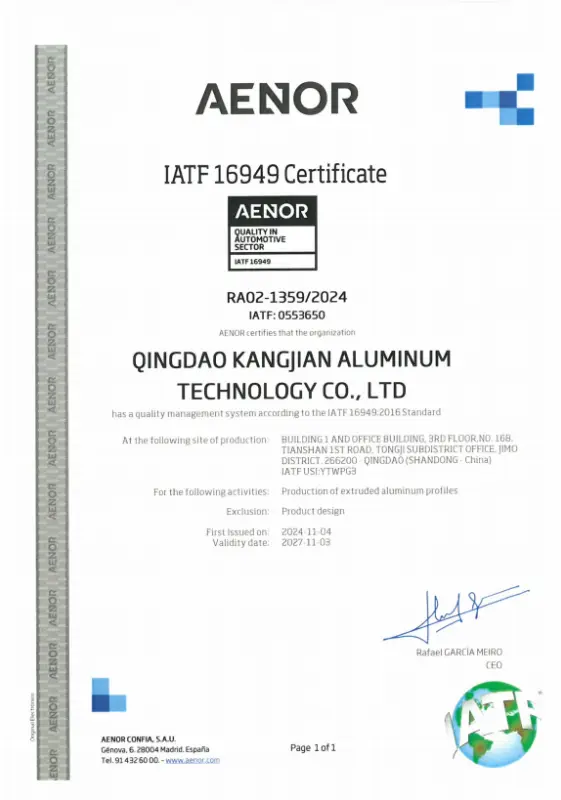
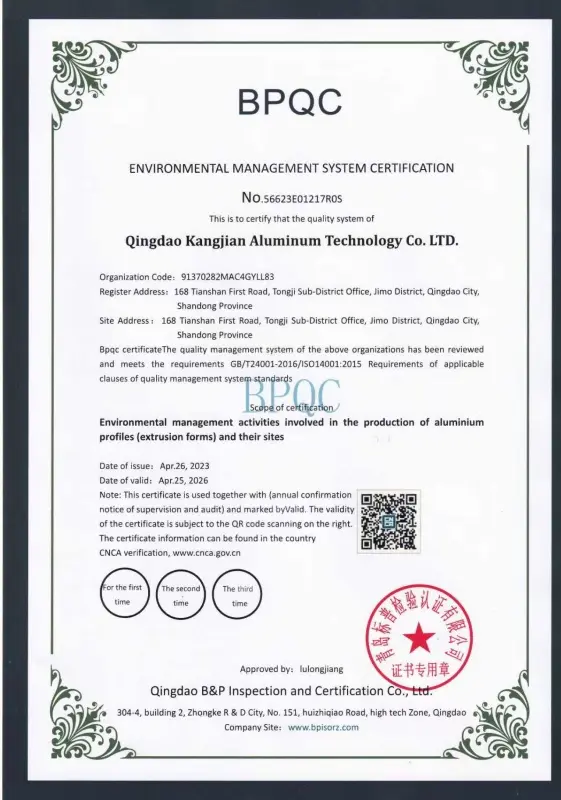
Engineered tolerance controls validated by respected international standards organizations.
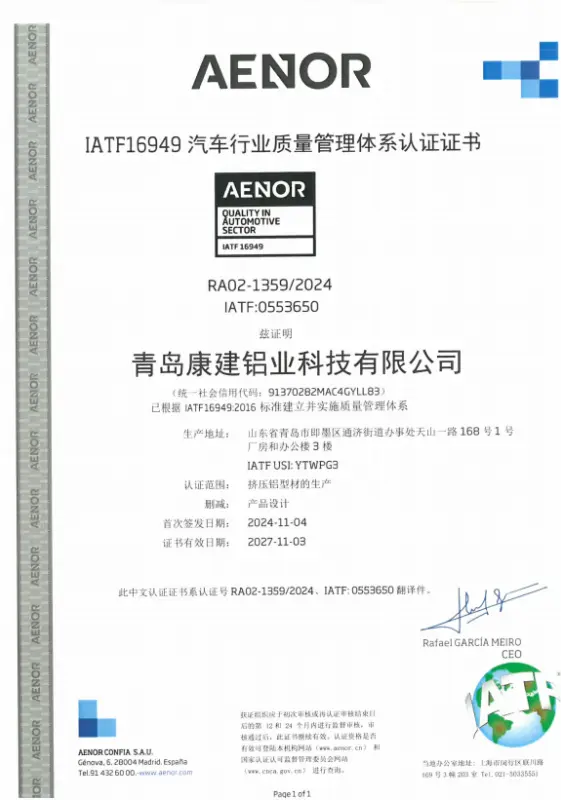
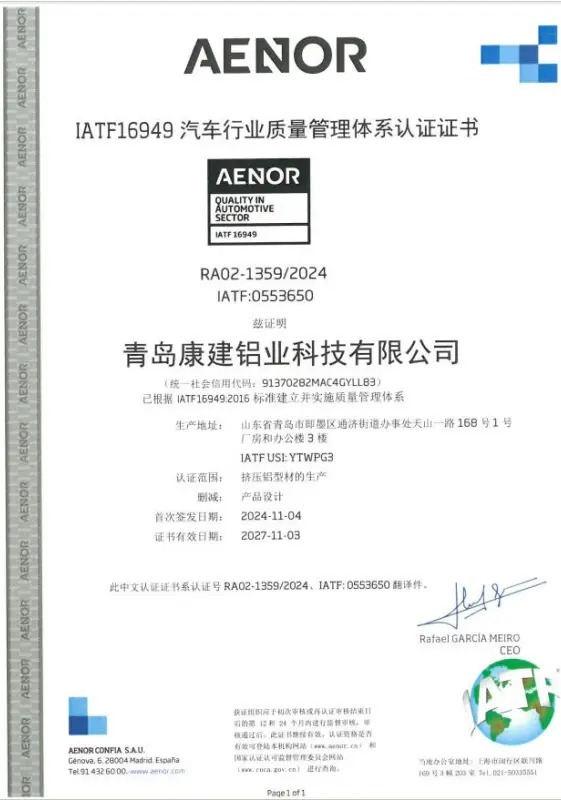
Our manufacturing capability is backed by a robust suite of international quality certifications. We have established rigorous operational controls to meet and exceed global specifications for architectural, structural, and industrial applications:
Our active extrusion facility houses five heavy-duty hydraulic extrusion presses designed to support varying production profiles:
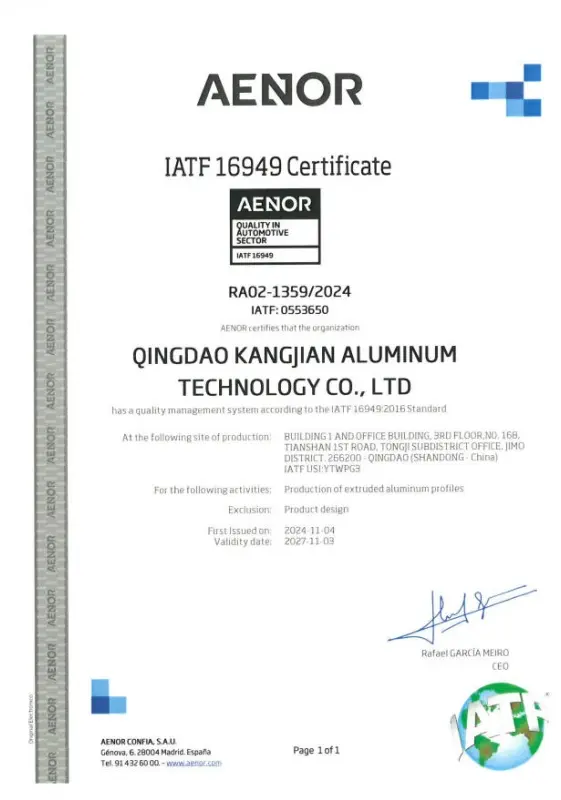
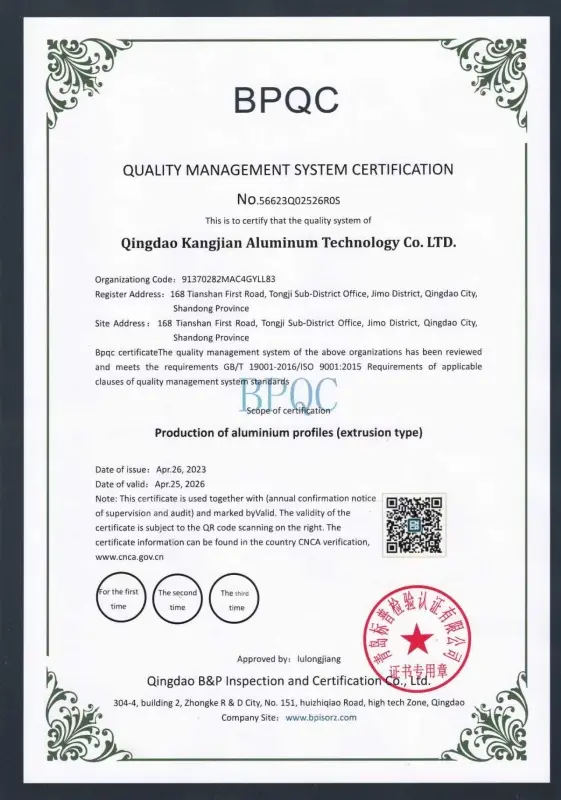
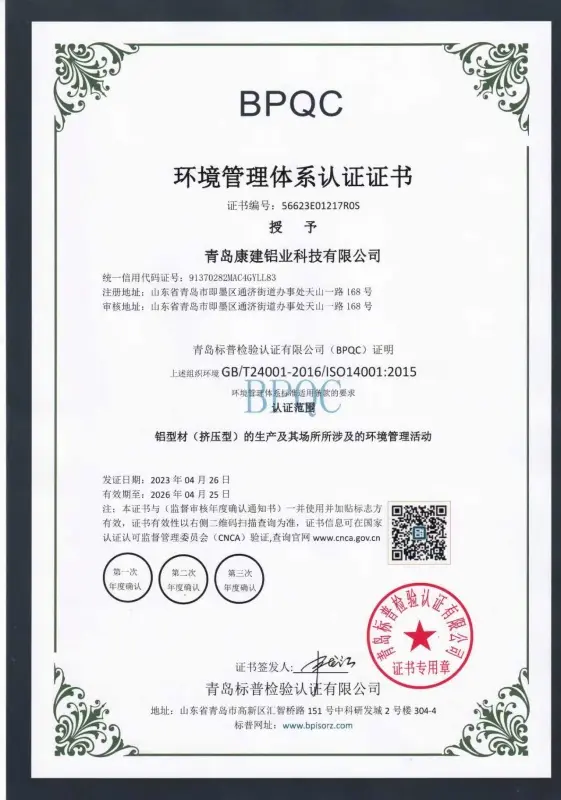
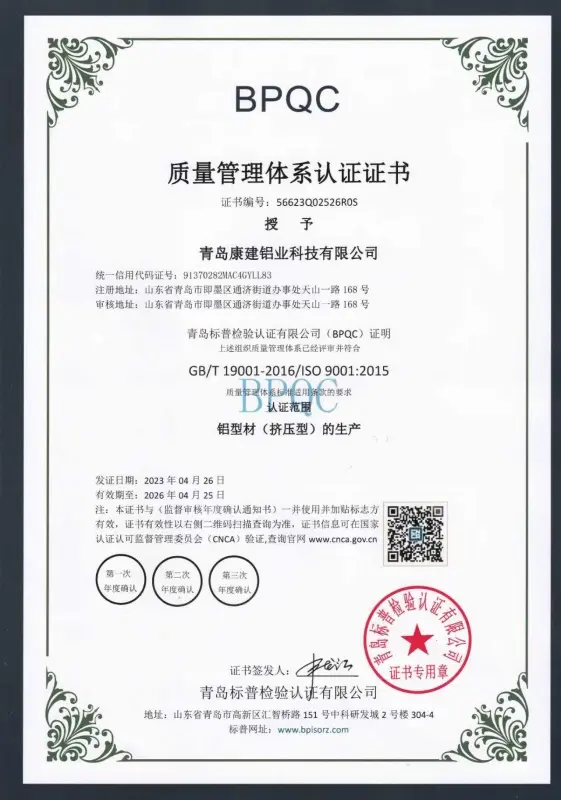
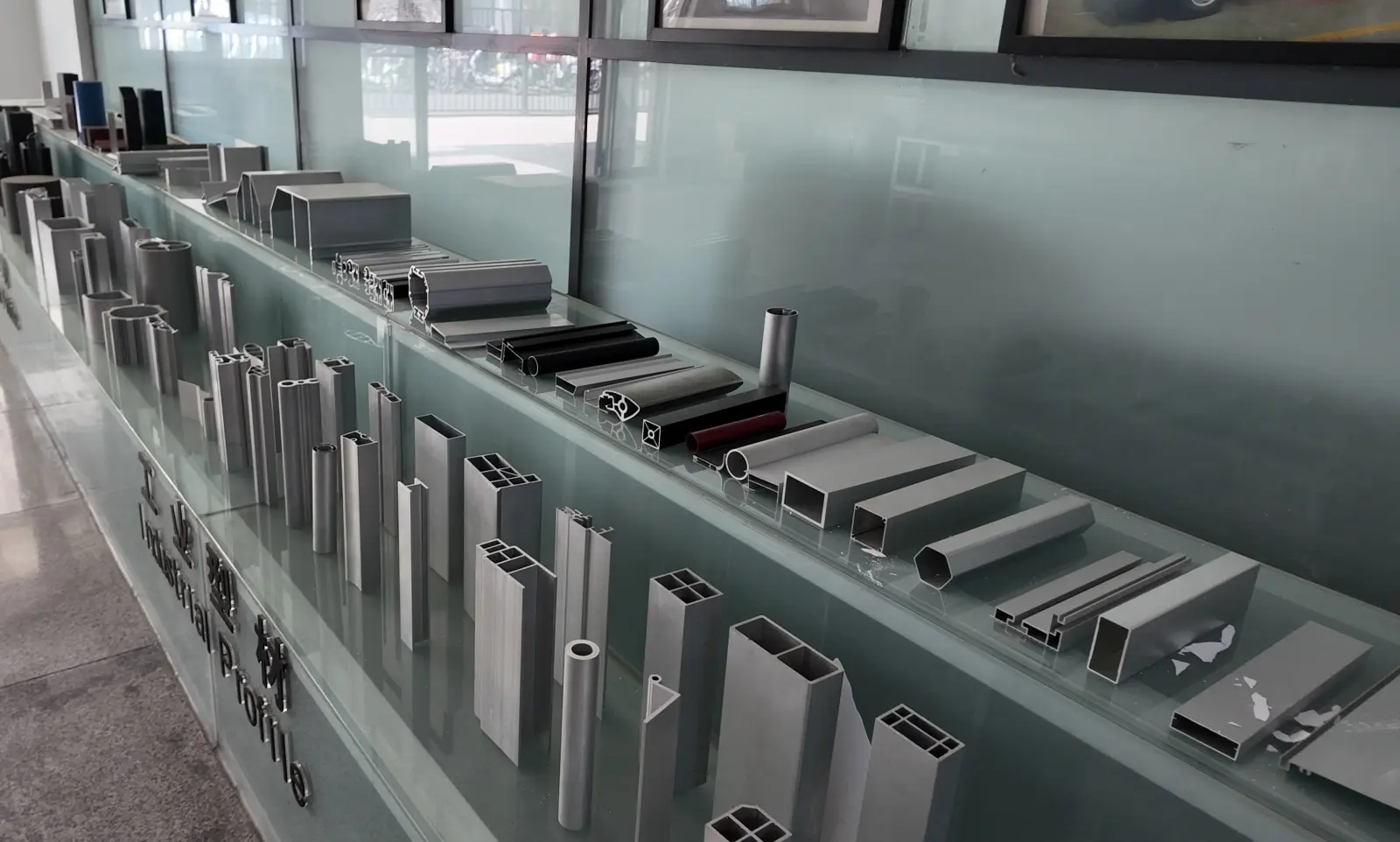
High-precision extrusions engineered for architectural, industrial, and transportation sectors.
Enterprise procurement teams face distinct challenges when sourcing custom architectural extrusions. Modern structural specifications demand compliance with international building regulations, including European CE standards, American AAMA requirements, and Australian AS2047 frameworks. Our engineering processes are structured to address these performance and testing requirements systematically.
For high-rise commercial installations, entry doors must withstand high wind loads. Structural profile calculations must verify deflection limits under peak design pressures (e.g., in accordance with ASTM E330 or EN 12210). We utilize structural FEA (Finite Element Analysis) to optimize door frame geometries and ensure proper load distribution across hinge anchors, latch points, and corner joins.
With tightening carbon emissions regulations worldwide, fenestration products must meet strict thermal transmittances (U-factor limits). Our profiles support advanced thermal break designs, utilizing precision-inserted polyamide thermal barriers to isolate exterior temperatures. This design minimizes heat transfer, prevents condensation, and supports energy compliance in regions with cold climates or high heating costs.
Urban and high-traffic installations require effective acoustic isolation. The profile designs accommodate multi-layer weather stripping and double or triple EPDM sealing gaskets, providing reliable acoustic barriers that reduce outdoor noise transmission in commercial and multi-family residential projects.
Aluminium hinged doors are widely specified across a range of structural and commercial applications, each presenting distinct performance challenges:
High salinity and moisture accelerate corrosion on standard metals. In these locations, our profiles utilize high-thickness anodized finishes (Class I, >15 microns) or PVDF coatings to protect the underlying alloy from pitting corrosion, ensuring durable structural performance.
Heavy use in transit centers, schools, and commercial complexes places high mechanical stress on door frames. Utilizing reinforced 6061-T6 profiles with thick structural walls prevents door sagging and hinge failures under high-cycle operations.
Controlled environments demand airtight enclosures that resist chemical sanitizers. We manufacture precise profile tolerances and flush frames that integrate with industrial sealing gaskets to maintain pressure control and chemical resistance.
Supporting leading names in infrastructure, transportation, and industrial engineering.



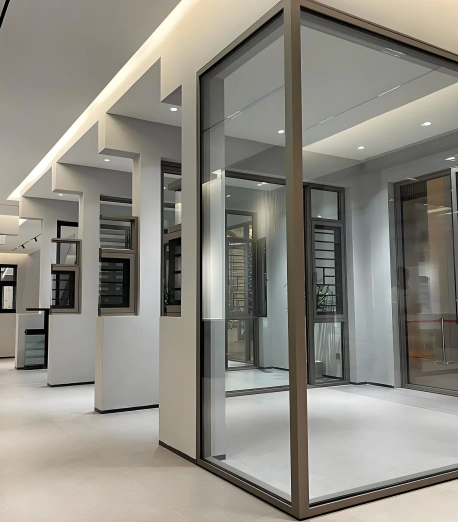
The architectural sector is shifting toward products that combine clean aesthetics with high-performance metrics. We highlight three key developments influencing the design of modern door profiles:
Modern architectural layouts prioritize large glass panels with minimal frame profiles. Achieving these slim sightlines requires using high-strength aluminum alloys (such as 6061-T6 or customized 6063-T66) that provide the necessary structural rigidity in a narrower cross-section, maintaining resistance to wind load and physical impact.
Hinged door profiles are increasingly designed to route wiring for smart access systems, magnetic locks, and multi-point automated locking mechanisms. Extrusions feature integrated internal channels to protect wiring harnesses and allow seamless hardware mounting within the frame.
Environmental standards increasingly evaluate the embodied carbon in building components. Sourcing low-carbon primary billets and incorporating clean, post-industrial recycled content helps project teams meet green building certifications (such as LEED or BREEAM) and comply with local carbon regulations.
A visual look at our production capacity, material preparation, and finished profile storage.
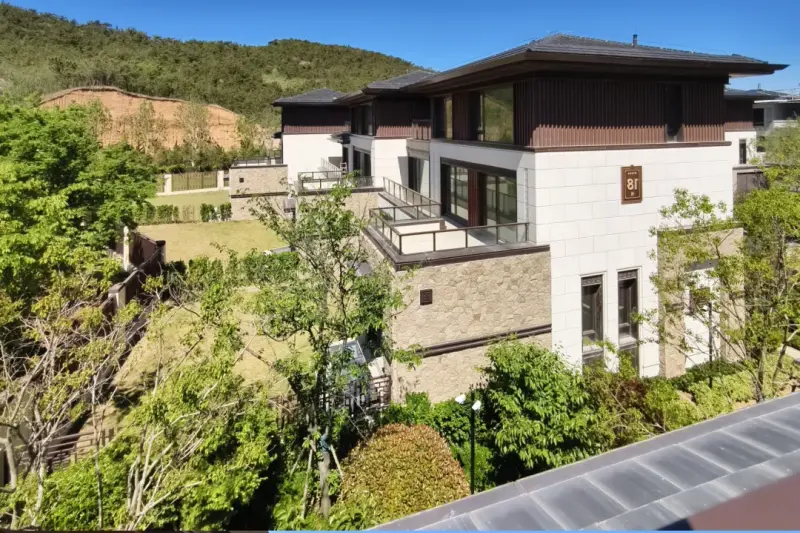
Detailed technical answers to common B2B procurement and engineering questions.
Explore our full range of structural and custom-engineered profiles designed for global industry standards.