Kangjian
Kangjian
Kangjian
High-tolerance extruded assemblies engineered for industrial robotics, drone platforms, solar brackets, and architectural fixtures.
Mapping the primary production capacities, trade patterns, and downstream manufacturing advantages across global industrial hubs.
In the macro-industrial landscape, sourcing high-grade aluminium profiles requires a thorough understanding of the primary aluminium producing countries and the capabilities of their associated factories. While smelting raw alumina is concentrated in regions with abundant energy sources, the transformation of raw ingots into custom extruded profiles, CNC-machined aerospace parts, and critical automotive assemblies relies on localized industrial infrastructure. This whitepaper analyzes global suppliers to provide key information gain for international procurement executives.
Smelting is energy-intensive, making cheap electricity the defining factor for primary production. Countries like Russia, Canada, and the United Arab Emirates utilize hydro-electric power and low-cost oil-gas infrastructure to smelt raw aluminium. However, downstream processes—such as precision extrusion, specialized heat treatment (T5/T6 tempering), advanced CNC machining, and surface finishes like anodization—require mature industrial clusters. It is within these advanced processing clusters that the real value for high-tech industries is unlocked.
| Aluminium Producing Country / Region | Primary Production Output (Million Metric Tons) | Downstream Processing Strengths | Energy Mix Profiles | Primary Industrial Applications |
|---|---|---|---|---|
| China (Shandong/Qingdao Industrial Hub) | ~40.0+ | Precision Extrusions, 5-Axis CNC Machining, Custom Alloys (6061, 6063, 6082, 7075) | Mixed (Hydropower, Coal, and Expanding Renewable Portfolios) | High-Speed Rail, Automotive, Industrial Robotics, Solar Energy Platforms, Micro-electronics |
| Russia | ~3.7 | High-purity primary ingots, standard structural shapes | Predominantly Hydropower (Low-Carbon Primary Alloys) | Heavy Engineering Structural Plates, Aerospace Castings |
| India | ~4.0 | Basic structural frames, electrical busbars | Predominantly Coal-Fired Power | Infrastructure, Electrical Distribution, Construction Profiles |
| Canada | ~3.0 | Eco-friendly primary ingots (low-carbon footprints) | 100% Hydro-electric Power | Automotive Casting Cast-Stock, Aerospace Sheet Plates |
| United Arab Emirates (UAE) | ~2.6 | Premium structural billets, hot-metal supply links | Natural Gas (High energy density plants) | High-rise Architectural Systems, Architectural Extrusions |
Why specialized factories in China, particularly in coastal shipping hubs like Qingdao, offer distinct supply chain advantages.
Smelting, billet casting, tool die design, multi-axis CNC machining, and electro-chemical surface finishing are co-located in a single regional supply chain, reducing transit times and quality variance.
Equipped with high-tonnage extruders (up to 2500T and beyond), Chinese factories process high volumes with minimal setup times. Tooling cost amortization makes even complex, low-run custom shapes financially viable.
Proximity to major international ports like Qingdao Port guarantees reliable shipping lines to North America, Europe, Japan, and Southeast Asia, integrating with modern container freight logistics networks.
Qingdao Kangjian Aluminum Industry Technology Co., Ltd. - A Trusted Partner in Aluminium Extrusions
Integrated Precision Engineering from the Heart of Qingdao
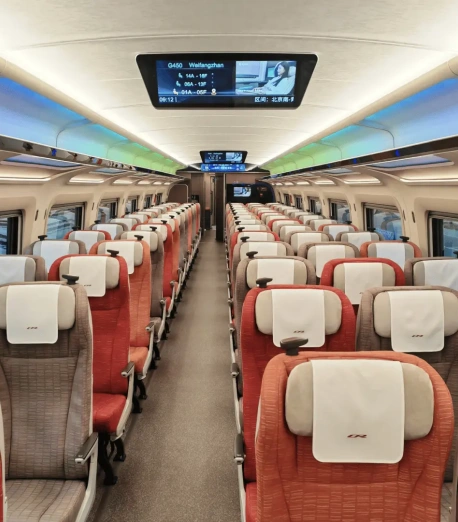
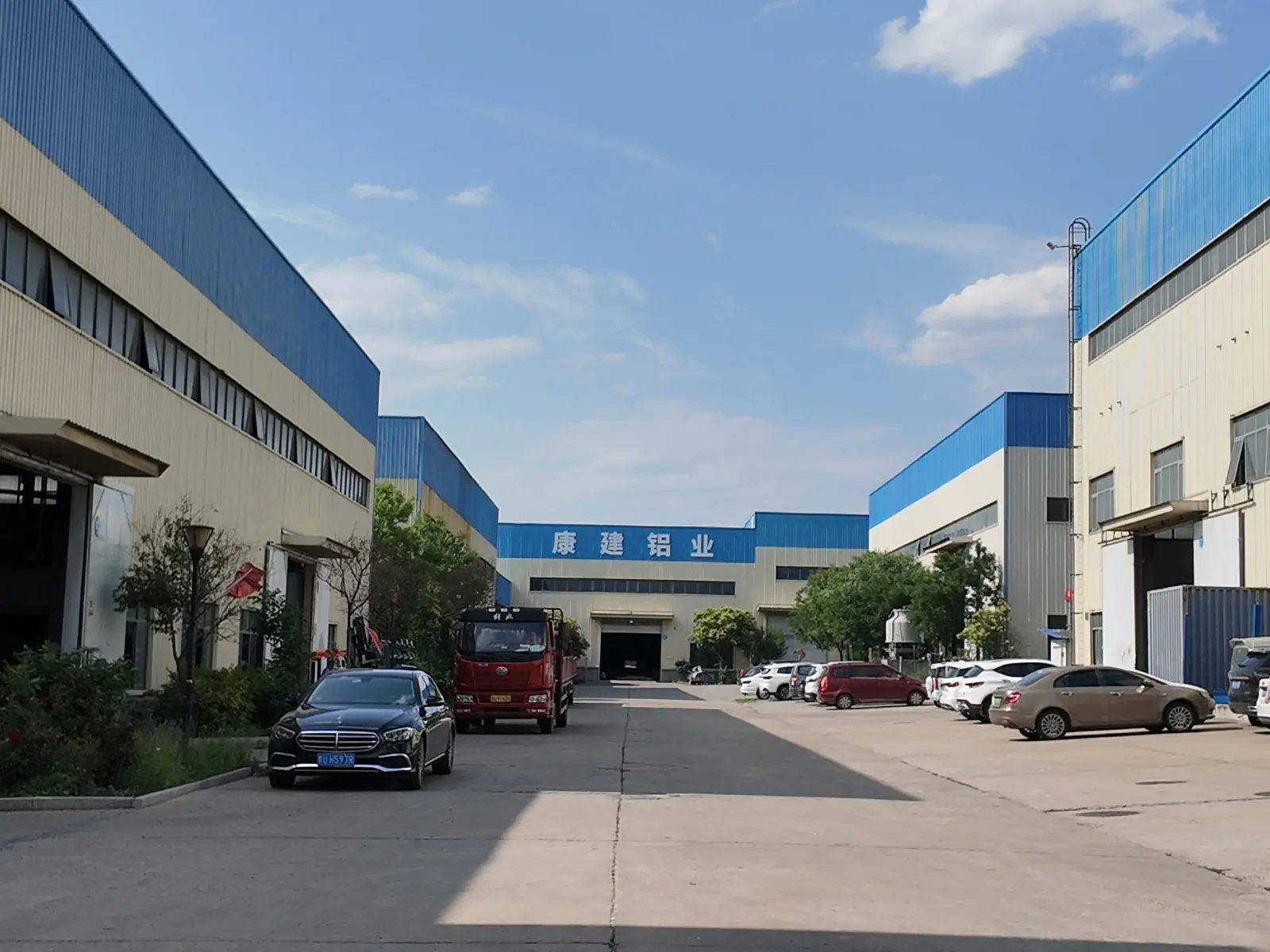
Qingdao Kangjian Aluminum Industry Technology Co., Ltd. is located in Jimo District, Qingdao City, Shandong Province. Officially established in 2022, the enterprise occupies a 200-mu industrial production base, comprising 80,000 square meters of state-of-the-art factories and a 4,000 square meter administrative headquarters. Specialized in custom profiles for high-speed railways, subways, auto parts, marine vessels, and green energy systems, Kangjian has established itself as the largest aluminium profile manufacturer in the Qingdao region.
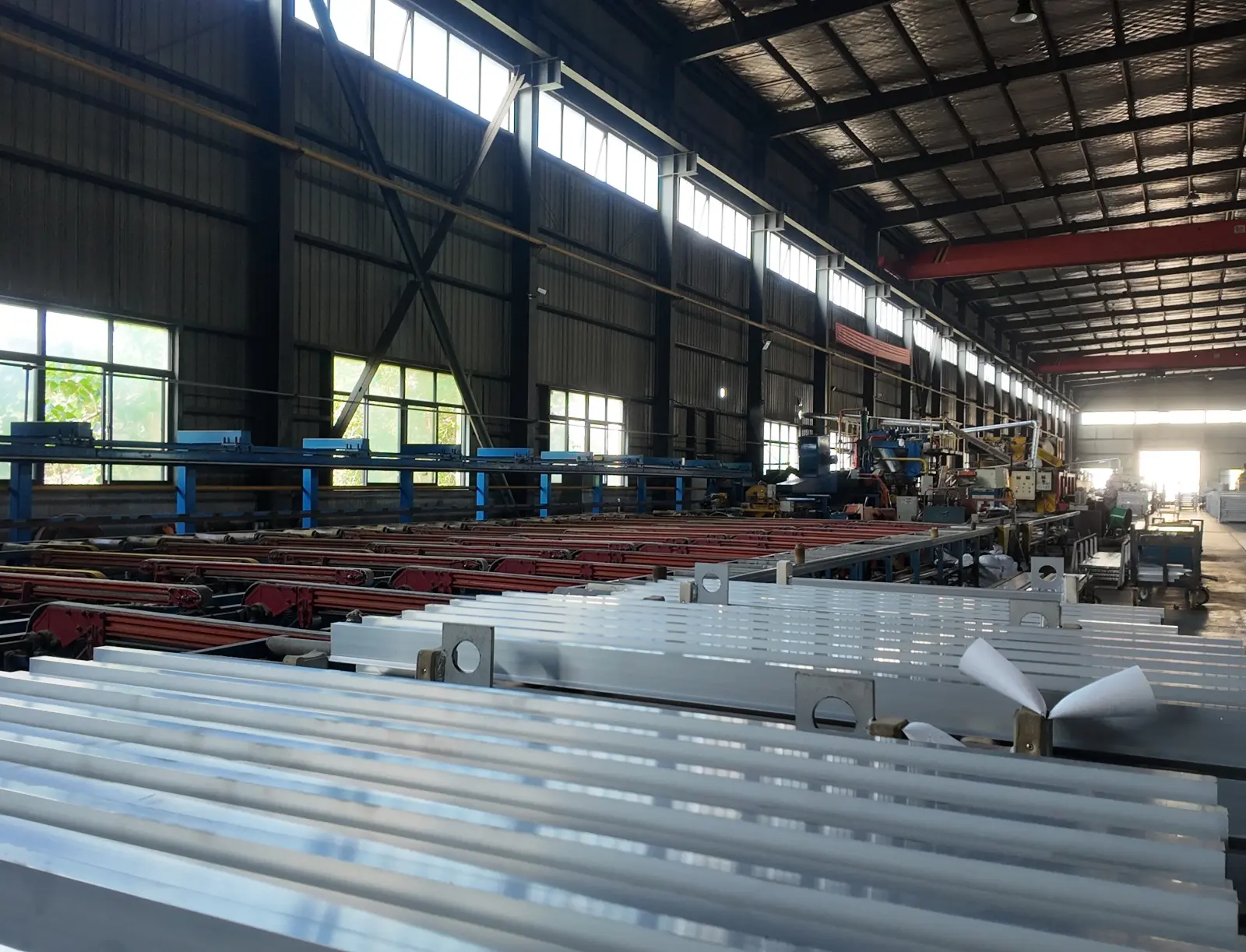
The facility runs 5 advanced extrusion production lines, including two 700T units, one 1150T unit, one 1450T unit, and a high-tonnage 2500T unit. This setup allows for the manufacturing of complex profiles with cross-sections designed for demanding engineering specifications. Backed by in-house CNC machining and surface treatment shops, Kangjian delivers fully machined components, removing the need for third-party processors and guaranteeing structural integrity across all product runs.
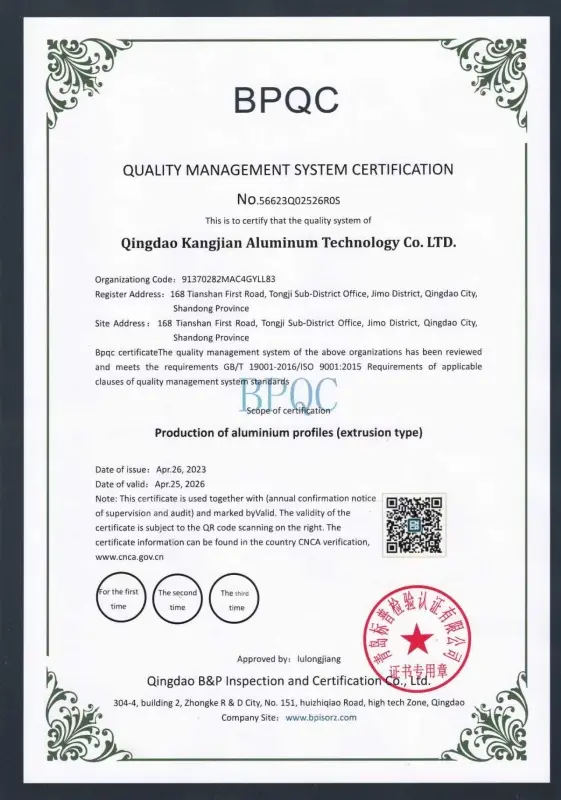
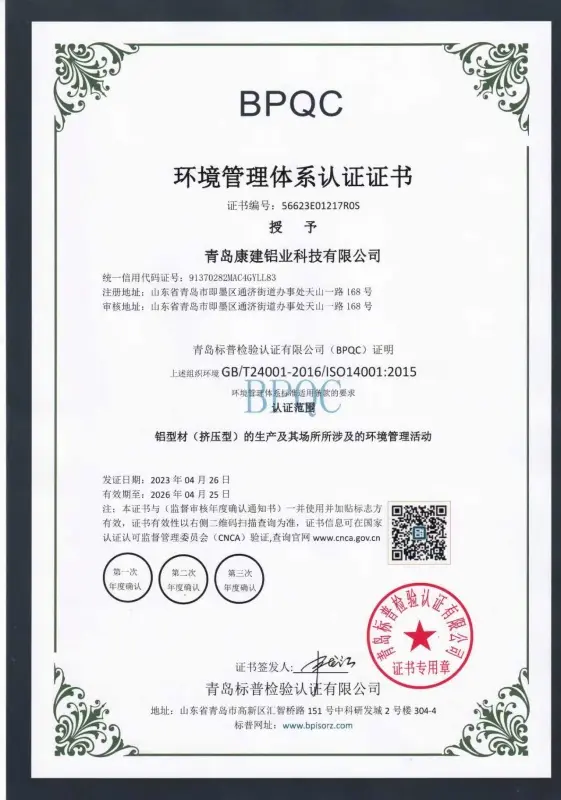
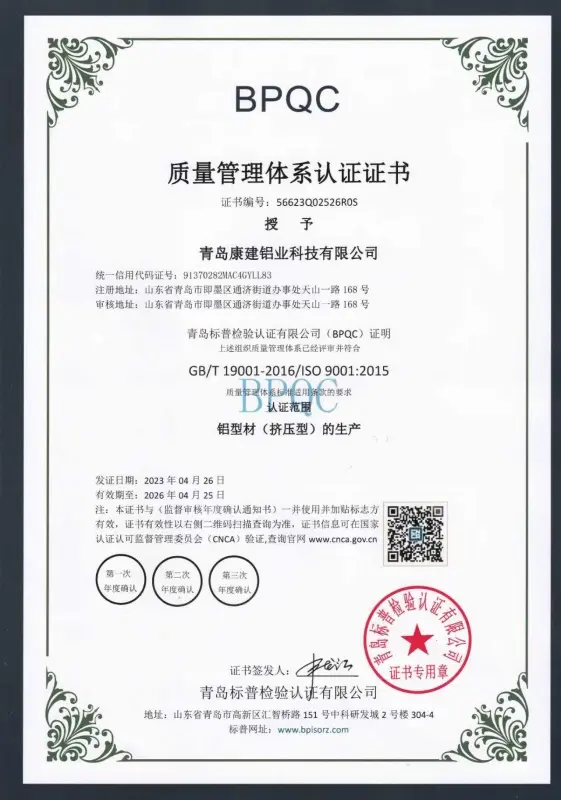
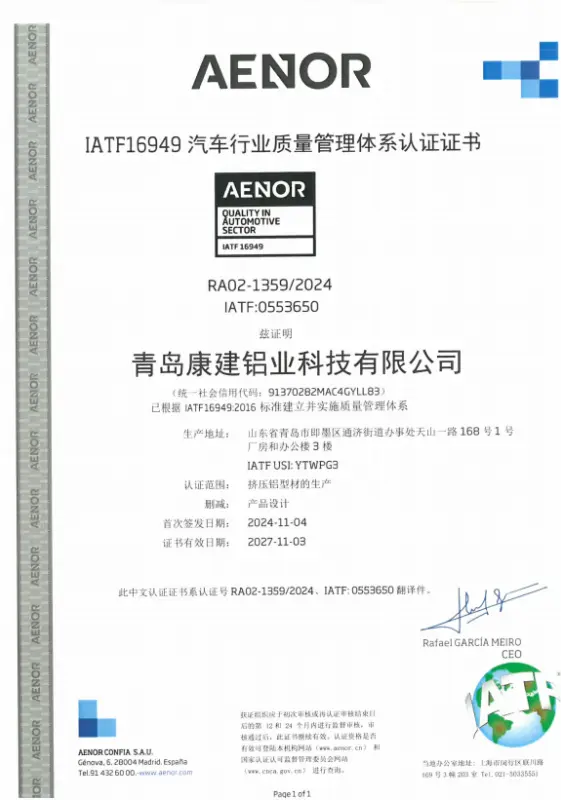
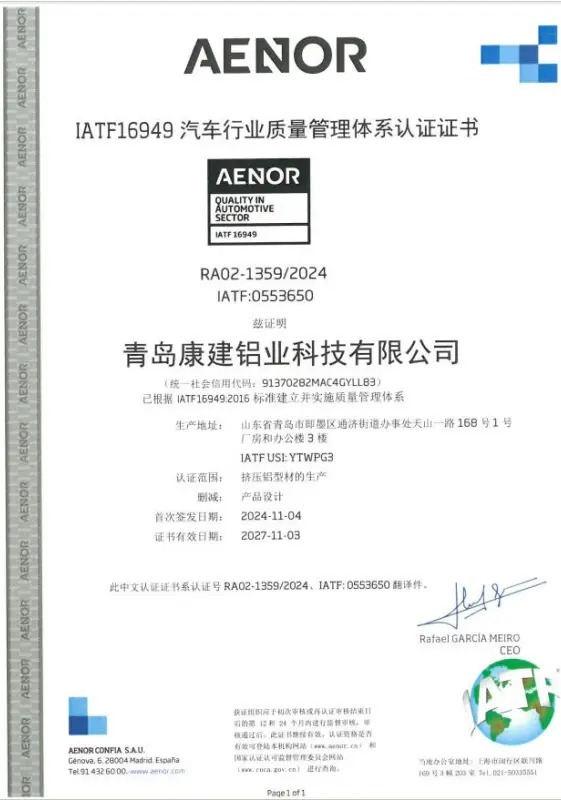
To satisfy the requirements of global tier-one supply chains, the factory has secured certifications including ISO9001:2015, ISO14001:2015, and the automotive industry standard IATF16949. Specialized certifications include ISO22163 (Railway Quality Management System), EN15085 and AWS (Welding Standards), and DIN6701 (Structural Adhesive Bonding System for Railway Vehicles).
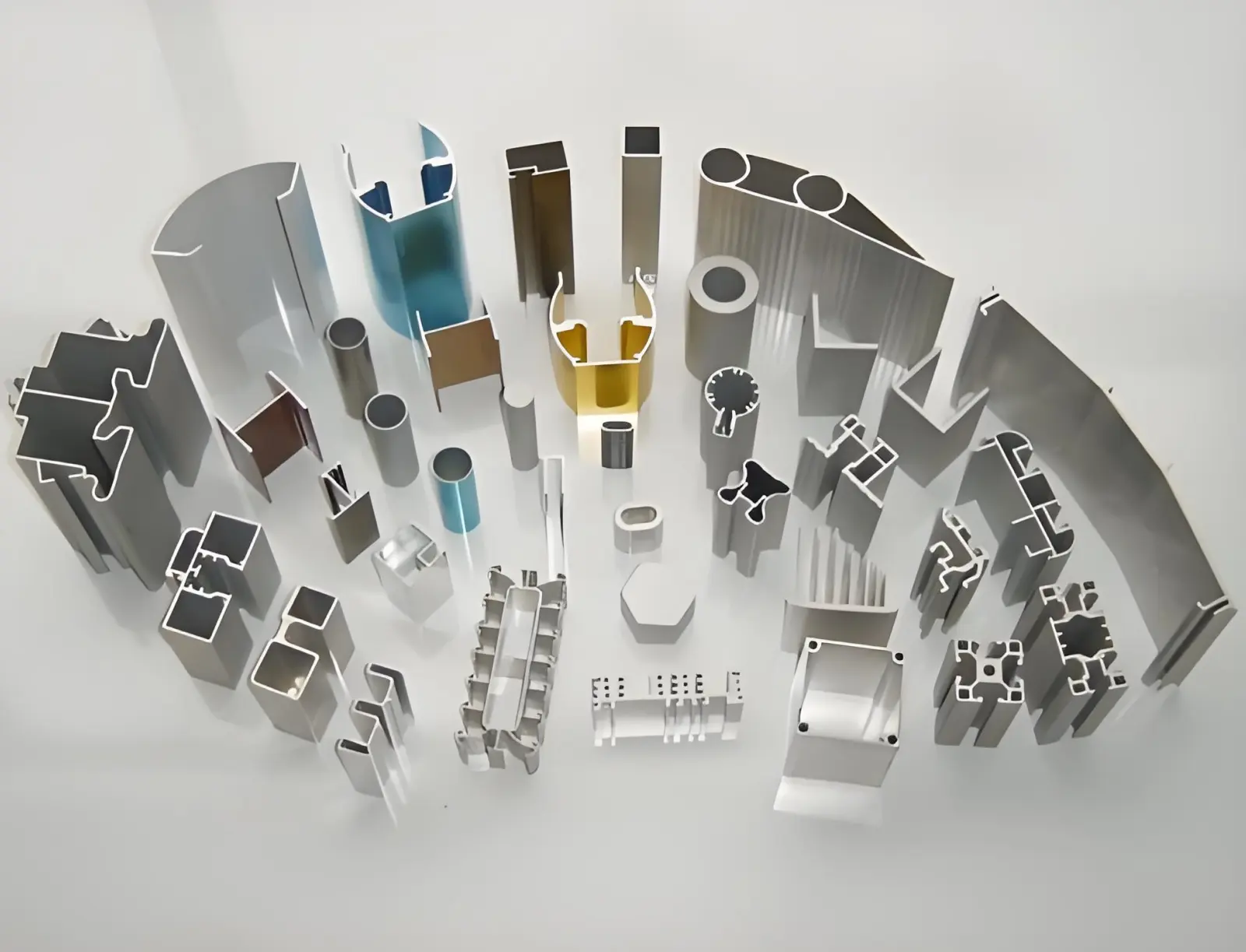
With raw billets sourced from premium primary smelters, we extrude alloys ranging from lightweight 6063 (ideal for fine-detailed heat-sinks, LED channels, and windows) to structural 6061, 6082, and 6005A (ideal for heavy-load automated robotic arms, train carriages, and oil drilling platforms).
Supported by an export infrastructure, Kangjian services clients across South Korea, Japan, North America, and Europe. Our average annual order delivery rate has maintained a stable 30% growth year-over-year, showcasing resilience in the global market.
In Qingdao, a key port city on the Yellow Sea, Kangjian set sail with a clear goal: to bridge the gap between heavy aluminium extrusion and high-precision CNC finishing under one roof. The founders recognized that overseas buyers struggled to coordinate between basic extrusion mills and independent machining shops. By locating the facilities near Qingdao Port, the company established a dual-market pipeline, enabling smooth shipping routes to international industrial hubs.
Expanding footprint from regional projects to global contracts across key automotive and robotic applications.
Handling complex heat-treatments and precision custom tooling for specialized aerospace and marine profiles.
Integrating logistics and custom clearances for direct deliveries to major industrial ports worldwide.
This "Made in China, Serving the World" approach ensures that whether it's structural profiles for gantry cranes in Scandinavian ports or high-tolerance components for automated assembly lines in Central Europe, the structural integrity and quality standards are guaranteed. We combine advanced machinery with strict quality control processes to ensure every shipment meets our clients' operational requirements.
Exploring how advanced extrusion processes satisfy structural and functional requirements across diverse modern sectors.
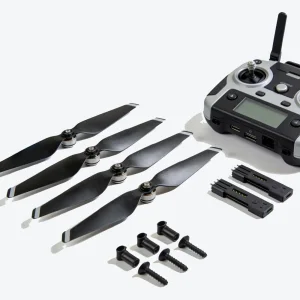
Automated robotic arms and drone airframes require materials that combine minimal weight with high fatigue resistance. Extruded 6061-T6 profiles, precision machined on 5-axis centers, provide the structural integrity needed to support dynamic loads during continuous operation.
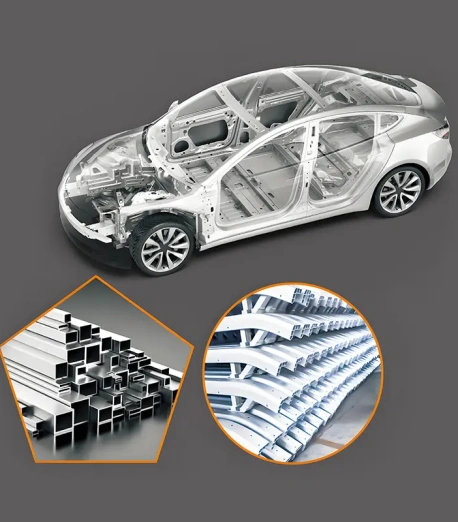
With global demand for lighter vehicles, passenger car frames, battery enclosures, and passenger cabin structures are increasingly transitioning to specialized aluminum extrusions. Our production complies with the automotive standard IATF16949 and welding standard EN15085.
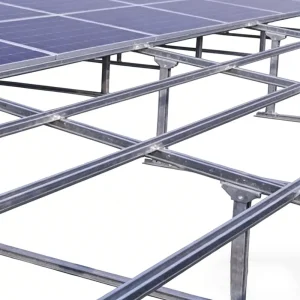
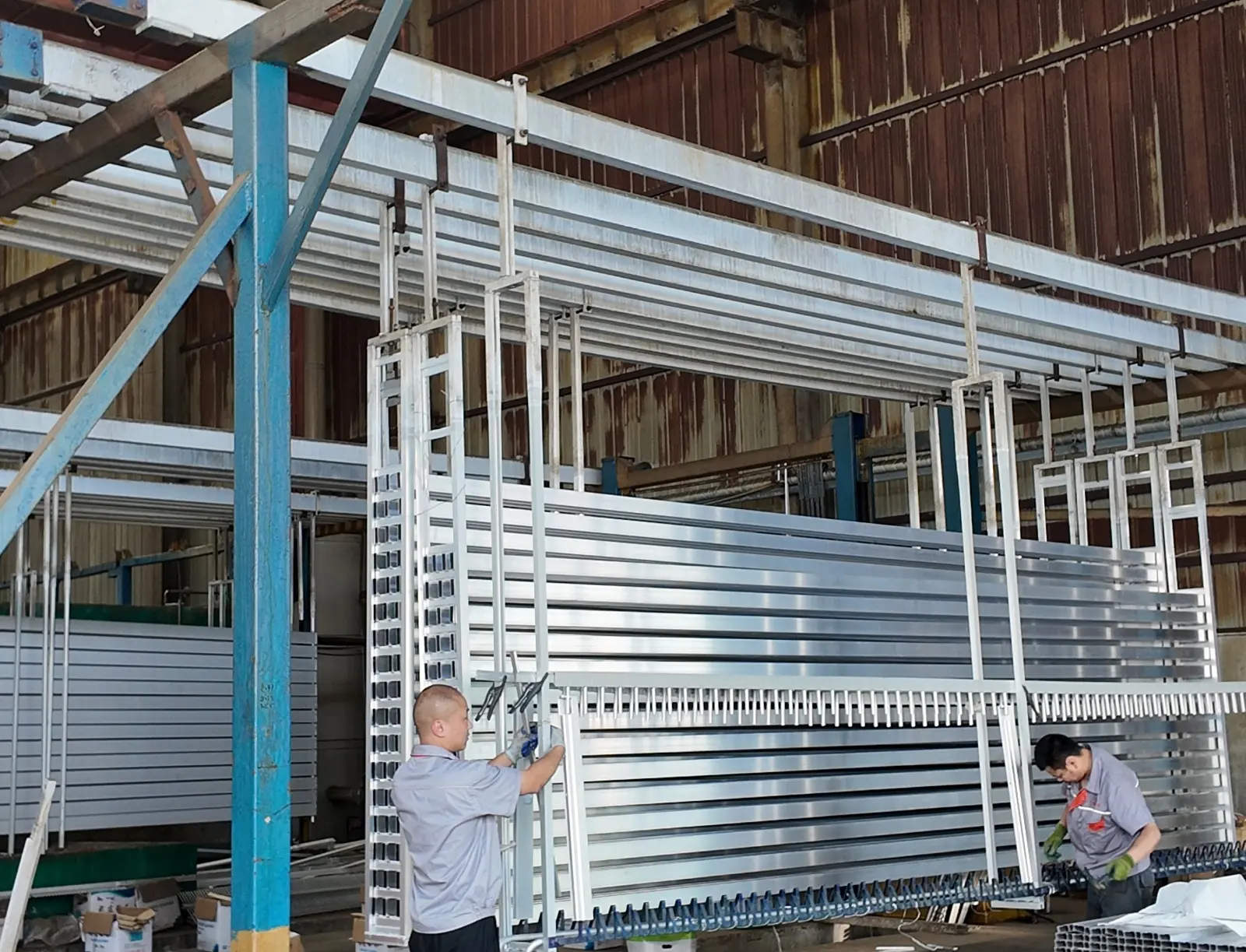
Solar installations require support structures that can withstand environmental exposure for decades without structural failure. Heavy-duty anodized profiles (with coating thickness exceeding 15 microns) provide the necessary corrosion protection against coastal salt air and industrial air pollutants.
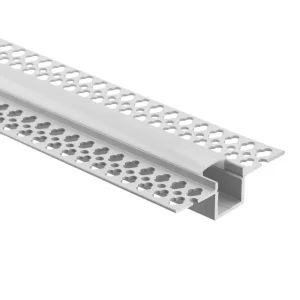
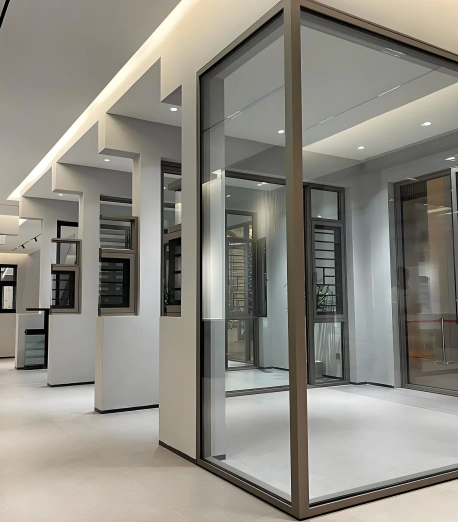
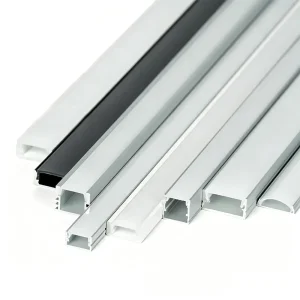
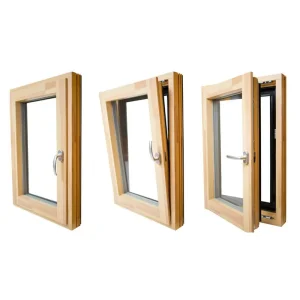
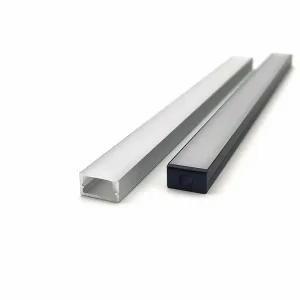
Linear LED installations and modular glass-door frames require high-quality surface finishes and precise dimensional control. Micro-extrusion processes produce compact channels that function as protective housings and heat-sinks, helping extend LED service life.
Offshore environments demand high corrosion resistance and high mechanical strength. Through alloy selection (such as 6082 and 5083 series) and specialized T6 tempering, our profiles perform reliably under high-humidity, high-saline marine conditions, serving as primary structural supports for offshore drilling platforms and vessel deck components.
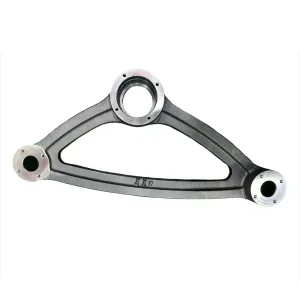
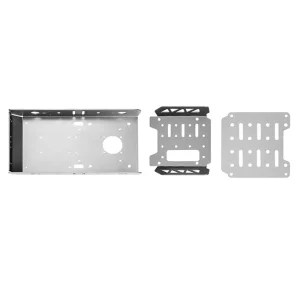
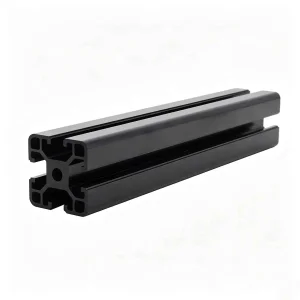
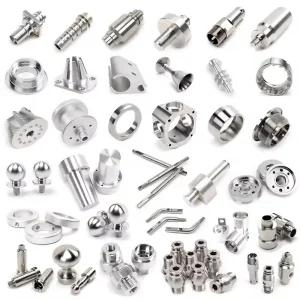
Explore our most popular and high-demand custom extruded solutions, engineered to meet international performance standards.

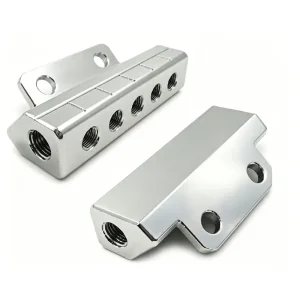
Qingdao Kangjian Aluminum Technology Co., Ltd. Offers extensive range of high-performance aluminum products designed for global architectural, industrial, and engineering applications...
Learn More

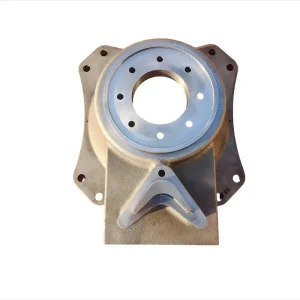
Qingdao Kangjian Aluminum Technology Co., Ltd. Offers extensive range of high-performance aluminum products designed for global architectural, industrial, and engineering applications...
Learn More

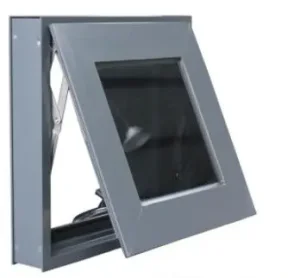
Qingdao Kangjian Aluminum Technology Co., Ltd. Offers extensive range of high-performance aluminum products designed for global architectural, industrial, and engineering applications...
Learn More
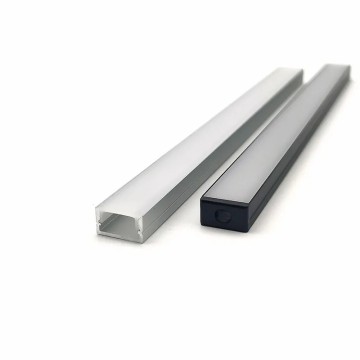
Qingdao Kangjian Aluminum Technology Co., Ltd. Offers extensive range of high-performance aluminum products designed for global architectural, industrial, and engineering applications...
Learn More

Qingdao Kangjian Aluminum Technology Co., Ltd. Offers extensive range of high-performance aluminum products designed for global architectural, industrial, and engineering applications...
Learn More

Qingdao Kangjian Aluminum Technology Co., Ltd. Offers extensive range of high-performance aluminum products designed for global architectural, industrial, and engineering applications...
Learn More
Demonstrated quality certifications and brand interactions highlighting our presence in global trade events.
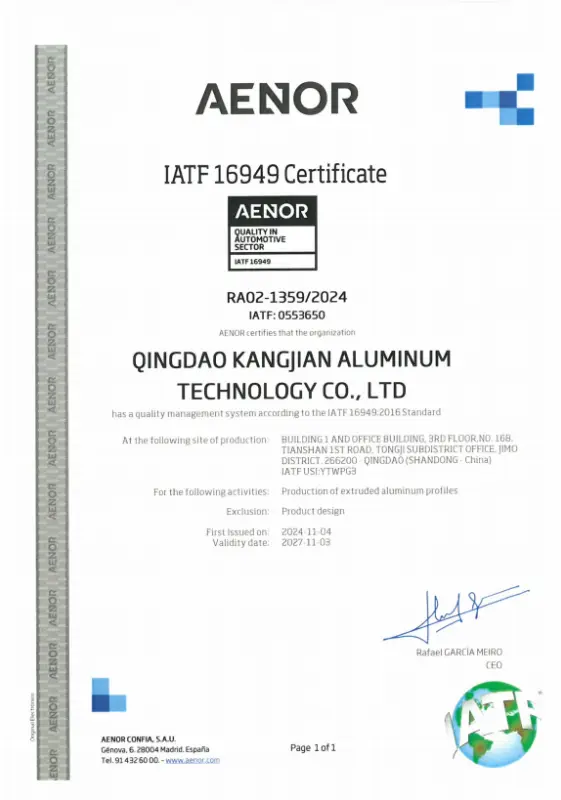
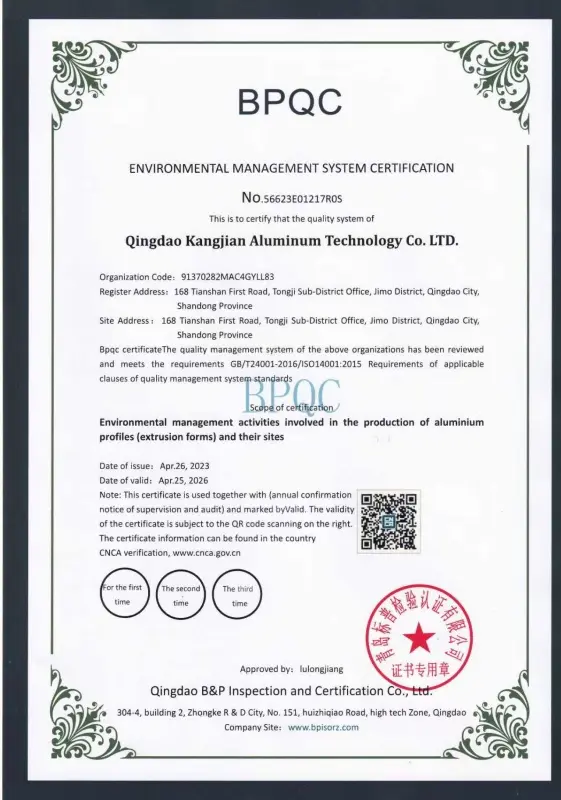


Extruded aluminum components in heavy-duty maritime, logistics, and high-load structural installations.
The core of quality extrusion lies in the design of the tooling dies. When extruding high-strength profiles for railway structural framing or robotic arm joints, flow velocities must be calculated using 3D finite element analysis (FEA). This process prevents internal micro-tears and reduces surface drag lines as the billet passes through the die-gate.
By using premium die steels (H13 hot-work tool steels) and multi-stage heat treatment, our tooling maintains dimensional tolerance over long production runs. Our strict quality control ensures tolerances comply with international standards like EN-755-9, helping reduce downstream CNC setups and cycle times for automated assemblies.
Essential benchmarks for international buyers to evaluate reliability, supply chain security, and quality compliance.
Purchasing managers must confirm the source of base primary ingots. Direct verification of metallurgical composition (via spectrometer analysis) ensures compliance with structural specifications and ASTM/EN standards.
Tooling costs are a major factor in custom profiles. Partnering with factories that offer in-house tool design and maintenance ensures long tool life and consistent dimensional accuracy across production cycles.
Given the dynamics of ocean shipping, suppliers must maintain flexible logistics partnerships. Selecting factories with structured logistics support and warehouse storage helps mitigate port delay risks.
Technical answers to key structural, metallurgical, and logistical questions frequently asked by engineering and procurement teams.
The primary difference lies in their mechanical properties and chemical compositions. 6061-T6 features higher silicon and magnesium content, along with traces of copper and chromium, yielding a tensile strength of approximately 310 MPa and a yield strength of 276 MPa. This makes it suitable for high-stress applications such as robotic arms, drone structures, and marine framing. In contrast, 6063-T6 has a lower alloying content, offering a tensile strength of about 220 MPa and a yield strength of 186 MPa. However, it provides better surface finish quality, making it ideal for micro-extrusions, architectural door frames, and LED strips where aesthetics and anodization response are key.
These certifications verify process control under high-stress dynamic loading conditions. EN15085 regulates the welding of railway vehicles and components, ensuring welded joints withstand continuous vibrations without fatigue cracking. DIN6701 sets the standard for quality assurance in adhesive bonding, a key technology for modern lightweight composite joining. Having these certifications indicates that the factory has the technical control and safety management systems required to supply structural parts to European and global transport manufacturers.
Extrusion press tonnage defines the maximum cross-sectional area and complex wall-thickness profiles a press can handle. A 700T press is optimized for thin-walled, small cross-section profiles like LED housings, strips, and simple architectural trims. Conversely, a 2500T press can push larger billets through multi-cavity dies to produce wide hollow sections, heavy structural profiles, and thick-walled framing used in high-speed rail cabins, PV frames, and marine installations. Matching the profile design with the correct press tonnage helps optimize production efficiency and control costs.
Extruded profiles can contain residual stresses from the cooling table. To ensure consistent dimensions during CNC machining, the profiles must be straightened using tension stretchers immediately after cooling. Additionally, heat treatments (T5/T6 aging cycles) help relieve internal stresses. For post-extrusion CNC milling, routing, and drilling, the factory uses custom clamping fixtures and multi-axis machining centers. This process maintains tight tolerances, often down to ±0.05 mm or ±0.02 mm depending on the component's geometry.
For outdoor and marine applications, Type II or Type III sulfuric acid anodizing is recommended, with coating thicknesses ranging from 15 to 25 microns. Anodizing converts the aluminum surface into a durable aluminum oxide layer that resists salt spray and weathering. For environments with high chemical exposure, PVDF (polyvinylidene fluoride) powder coatings provide excellent UV protection and chemical resistance. These treatments help protect the underlying aluminum from galvanic corrosion and surface degradation.
Additional custom solutions designed for transportation infrastructure, heavy engineering, and specialized architectural applications.