Kangjian
Kangjian
Kangjian
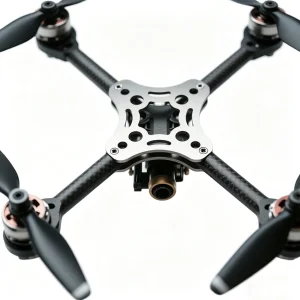
Premium Grade Extruded Aluminum Components engineered for Structural Integrity, Lighting Systems, and Advanced Robotics.
Strategic Shifts, Environmental Targets, and Material Innovation in Global Extrusion Markets
To hit Scope 3 sustainability targets, multinational enterprises are prioritizing aluminum produced using renewable energy sources (hydroelectric/solar) or scrap-recycled content, lowering structural carbon footprints by up to 75%.
The structural design space is quickly shifting from basic 6063 alloys to customized thermal treatments (T5/T6) and magnesium-silicon heavy profiles like 6061-T6 and 6082-T6, offering elevated yields under mechanical loads.
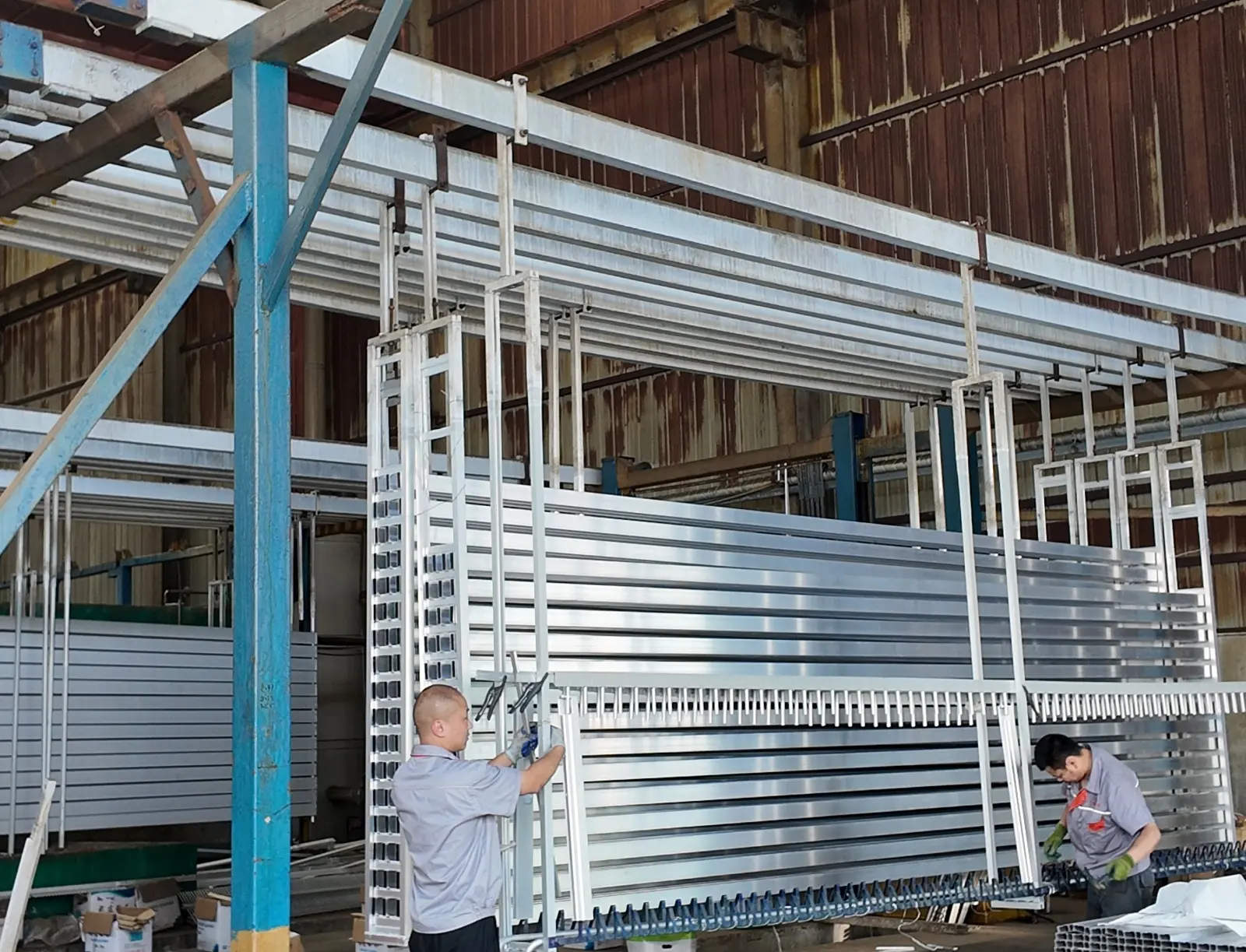
Modern applications demand secondary post-extrusion processes. High-speed multi-axis milling, drilling, and precision anodizing on a single supply chain guarantee assembly line ready components directly from the mill.
The global demand for high-strength, lightweight materials has accelerated the adoption of aluminum alloy profiles across diverse engineering domains. According to global industrial reports, the transition from traditional structural steel to lightweight aluminum (which exhibits roughly one-third the density of steel) is not only driven by mass reduction but also by superior corrosion resistance and high design flexibility. Modern structural profiles enable complex hollow cross-sections that place metal strictly where strength is needed, maximizing structural efficiency while minimizing material waste.
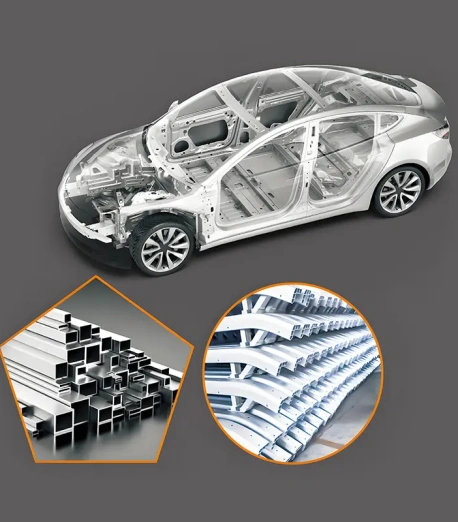
Furthermore, in the automotive, aerospace, and rail transit sectors, lightweight design equates to reduced energy consumption and higher payload capabilities. As a result, global procurement requirements are evolving to demand strict compliance with international mechanical properties and metallurgical standards. For instance, profiles used in electric vehicle (EV) battery packs require extremely close geometric tolerances and flawless weldability to guarantee crashworth integrity.
Overcoming Global Sourcing Bottlenecks with Decisive Engineering and Strict Quality Guidelines
To optimize product design and mechanical properties, global purchasing managers must select the appropriate alloy and temper for their specific applications. The following table highlights the comparative specifications of the key alloys utilized in high-performance structural systems:
| Alloy Grade | Typical Temper | Key Chemical Properties | Tensile Strength (MPa) | Recommended Application Fields |
|---|---|---|---|---|
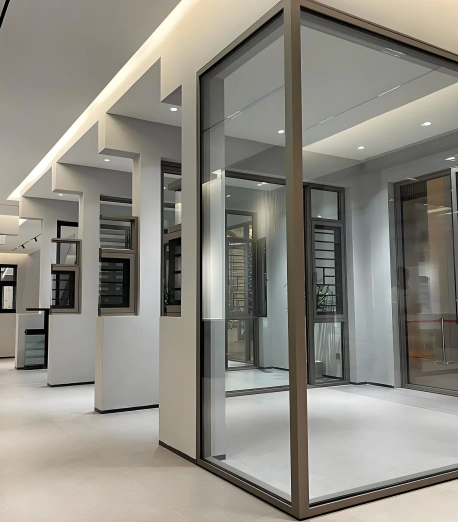
| 6063 | T5 / T6 | Mg-Si trace, excellent surface finish | 185 - 220 | Architectural doors, LED fixtures, shower rooms, thermal heatsinks. |
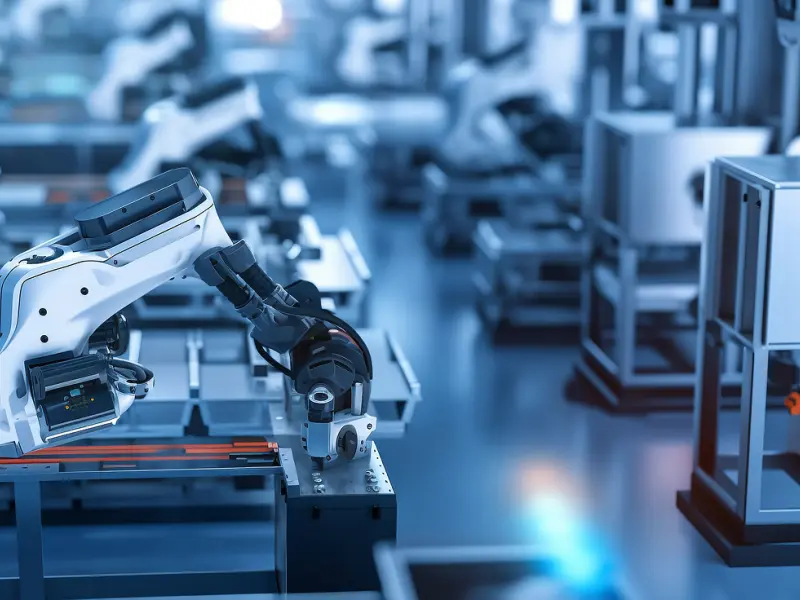
| 6061 | T6 | Higher Mg, Si, and Cu additives | 260 - 310 | Robotic arm frameworks, drone chassis, structural brackets, heavy machinery. |
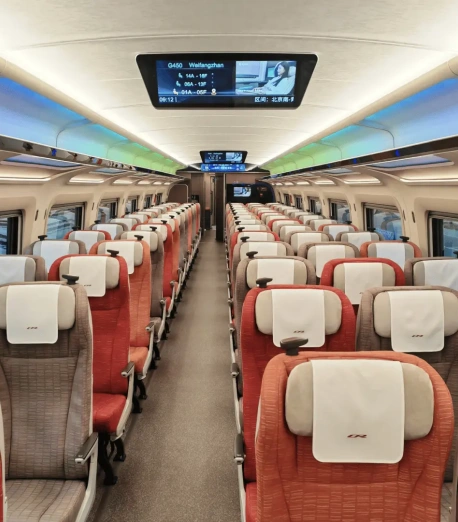
| 6005A | T6 | Medium strength, superior weldability | 270+ | High-speed train body structures, railway crash boxes, structural framing. |
| 6082 | T6 | High Manganese (Mn) elements | 290 - 330 | Marine gangways, structural bridges, heavy load cargo platforms. |
Procuring large quantities of aluminum profiles from international sources exposes enterprises to critical risks: dimensional deviation, surface scratching during maritime transport, and customs compliance roadblocks. A professional manufacturing plant mitigates these issues through structured packaging solutions (polyethylene interleaving, robust wooden crates, moisture-barrier wrapping) and direct proximity to major deep-water ports, such as the Port of Qingdao.
Additionally, rigorous internal inspection protocols must be followed. Quality verification should encompass chemical analysis via optical emission spectrometers, mechanical pull testing, hardness scanning, and microscopic examination of anodized layer thickness. By ensuring each profile batch arrives with full Mill Test Certification (MTC), factories protect buying companies from structural failures and costly production delays.
Qingdao Kangjian Aluminum Industry Technology Co., Ltd.
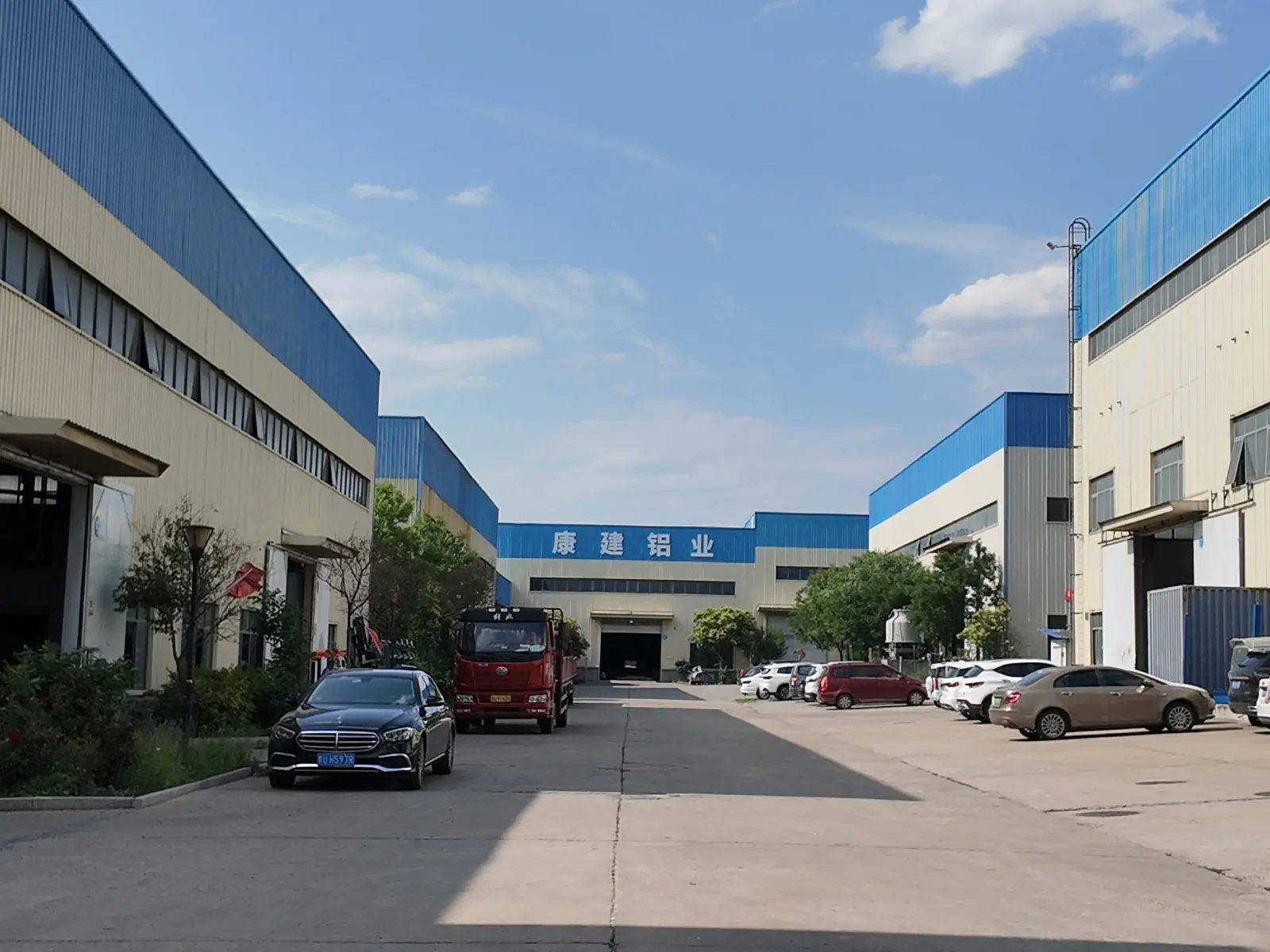
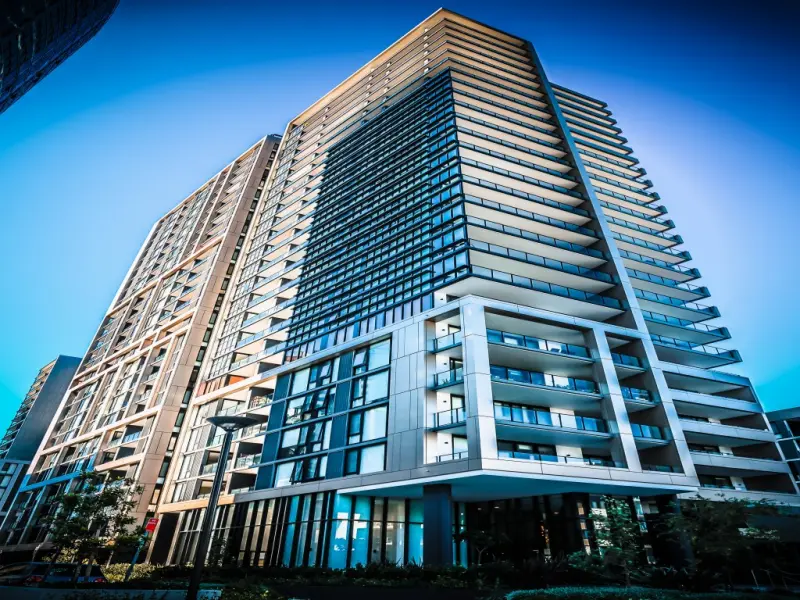
Qingdao Kangjian Aluminum Industry Technology Co., Ltd. is located in the Jimo District, Qingdao City, Shandong Province. Formally registered and established in 2022, we have rapidly emerged as the region's largest aluminum profile processing and production base, dedicated to architectural, automotive, rail transit, and heavy industrial applications.
With an industrial base covering over 200 mu, including 80,000 square meters of state-of-the-art manufacturing plants and 4,000 square meters of administration offices, we have constructed a comprehensive production chain. Our initial phase features an annual output capacity of 15,000 tons of high-precision aluminum extrusions, backed by a dedicated workforce and strict quality controls.
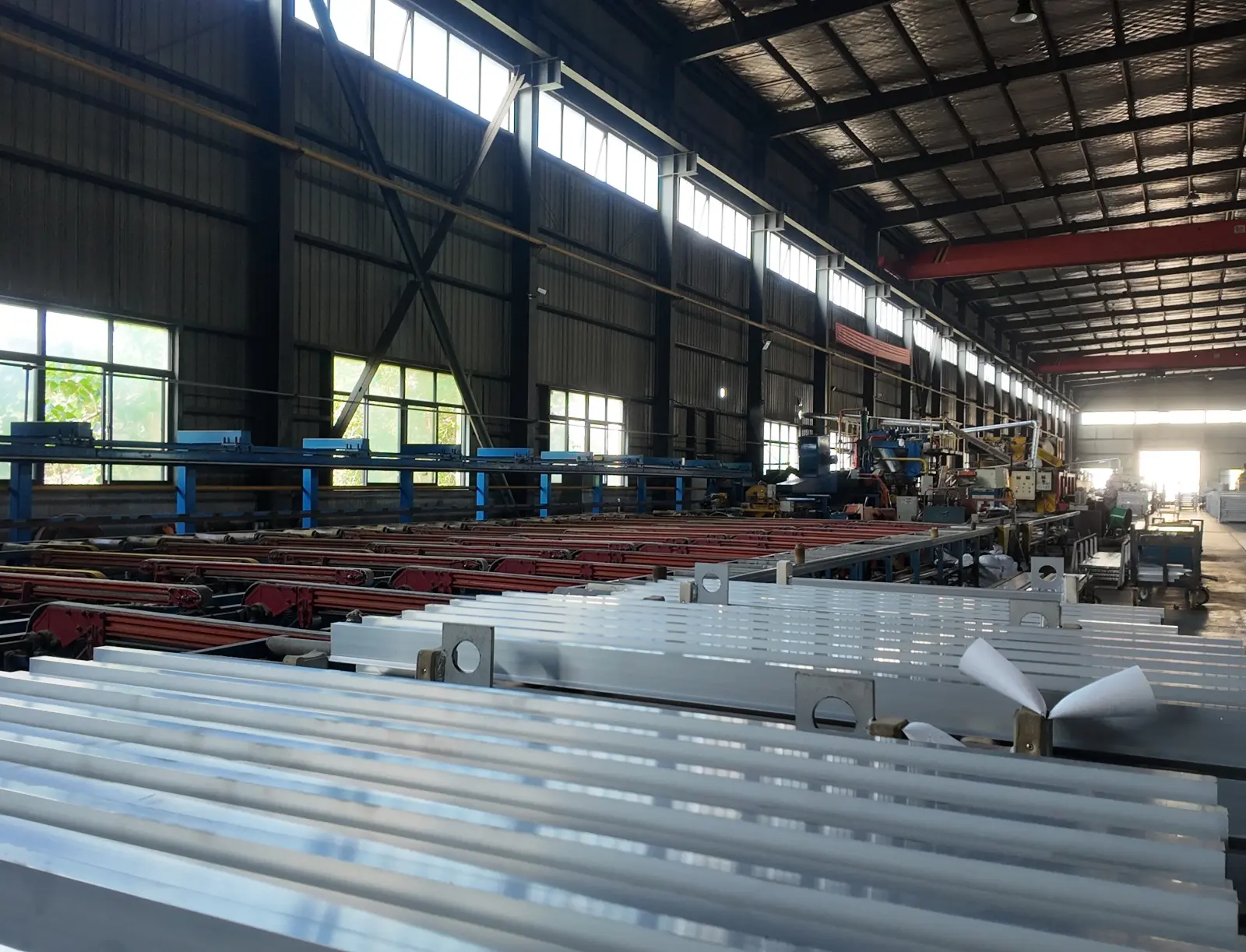
Officially established the industrial facility in Jimo, Qingdao. Constructed the initial 20,000 square meter processing workshop, employing 90 highly skilled staff and implementing 5 advanced extrusion production lines (including one 1450T extruder, two 700T units, one 2500T heavy unit, and one 1150T unit). Acquired National Industrial Product Production License and ISO9001 certifications.
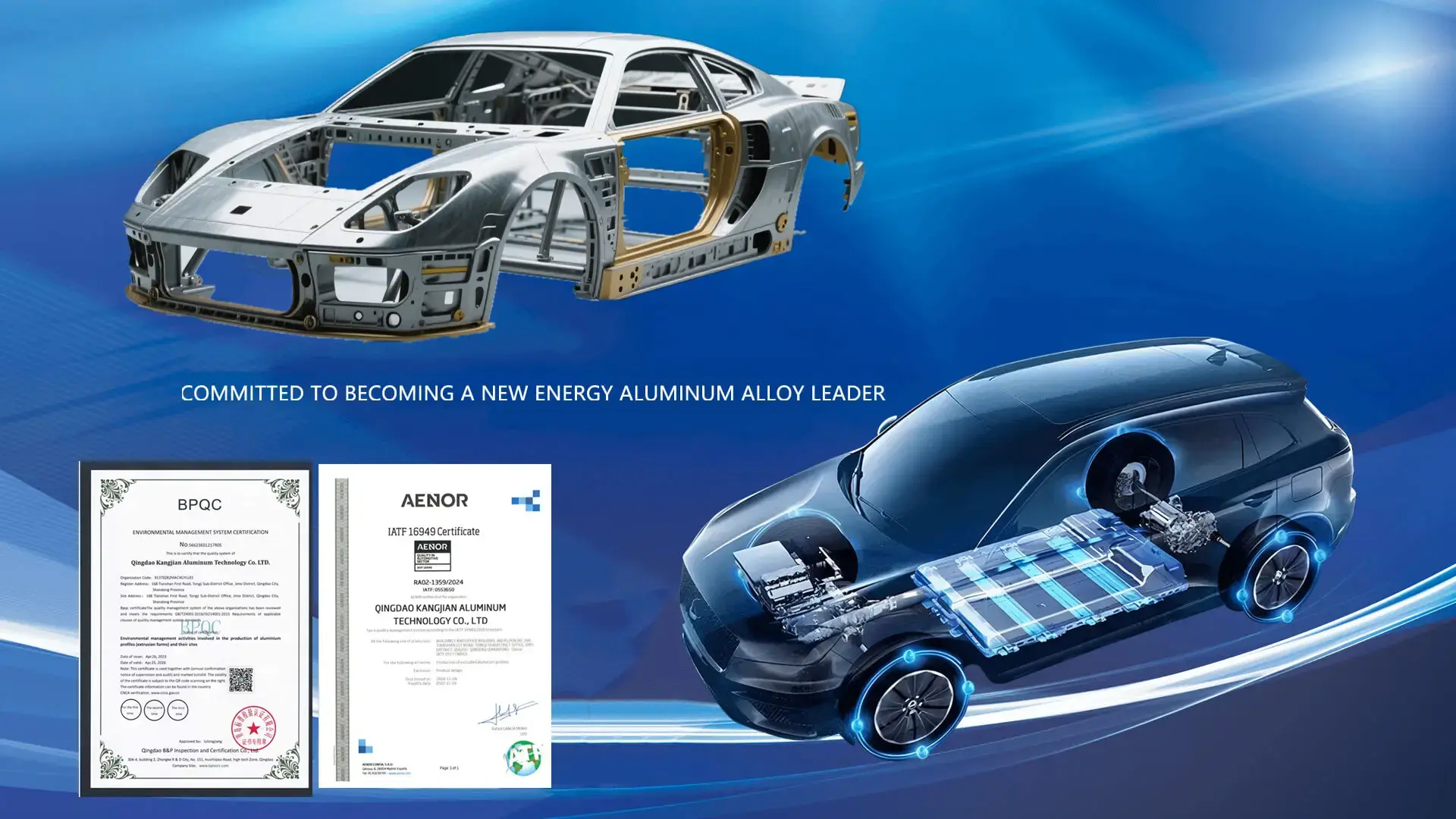
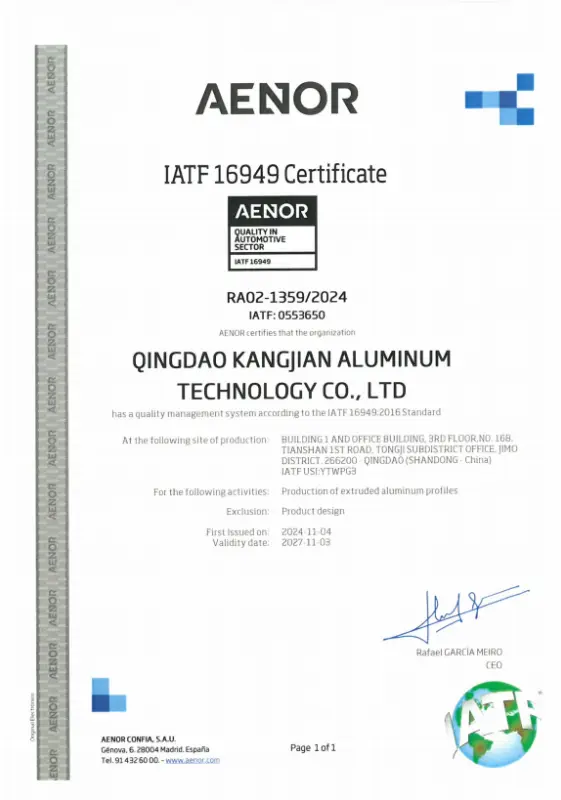
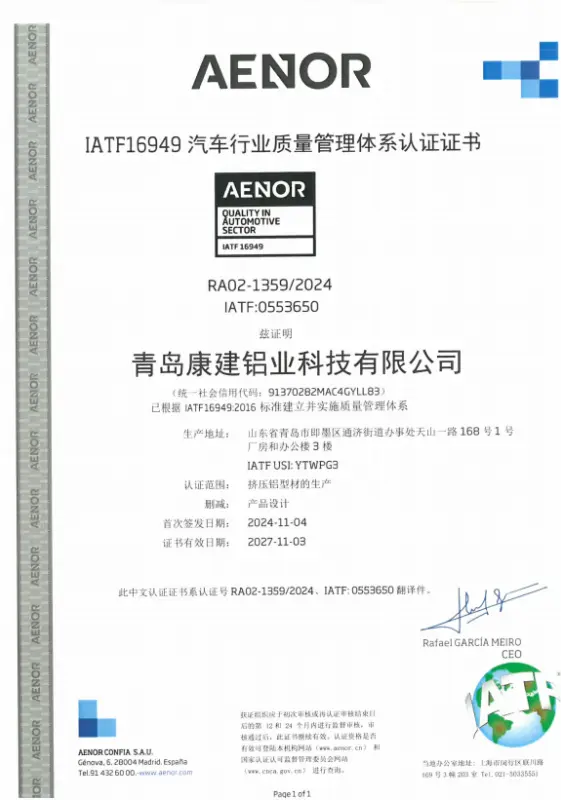
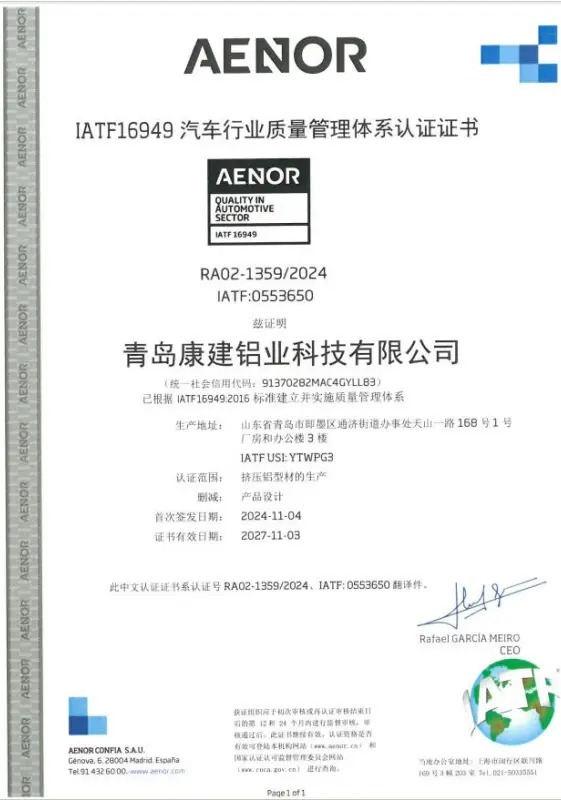
Expanded rapidly into core domestic economic belts. Completed critical supply contracts for high-speed rail systems, municipal infrastructure, and industrial robot developers in Beijing, Jiangsu, Anhui, Guangdong, Hunan, and Hebei. Acquired IATF16949 Automotive Quality System Certification to supply direct parts to new energy vehicle (NEV) OEMs.
Achieved a comprehensive dual-sea layout. Capitalizing on Qingdao's logistics advantages, we successfully established export channels to South Korea, Japan, North America, and Europe. Acquired ISO22163 (Railway Industry Standard), EN15085/ISO3834 welding certifications, and DIN6701 adhesive bonding certification, positioning the company as a key global tier-1 industrial supplier.
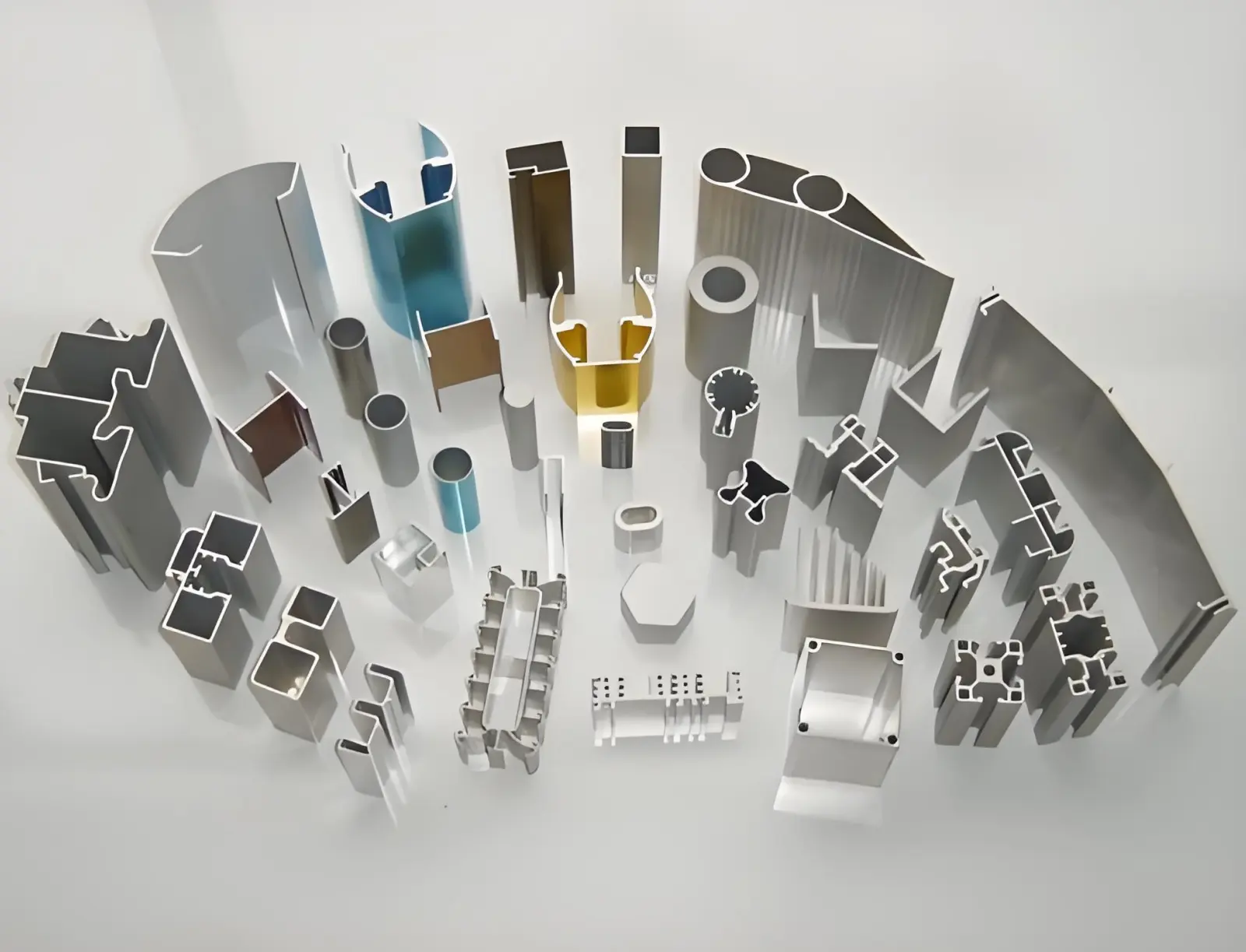
"Producing high-end aluminum materials and serving global customers is the core principle deeply ingrained in our operations. Every precision profile we manufacture tells a story of outstanding quality."
Engineering Custom Extrusions Across Six Major Global Sectors
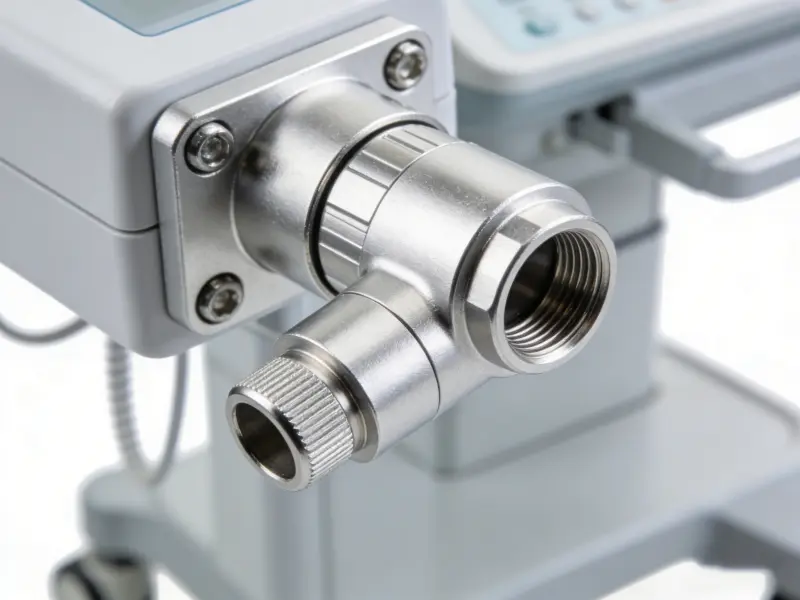
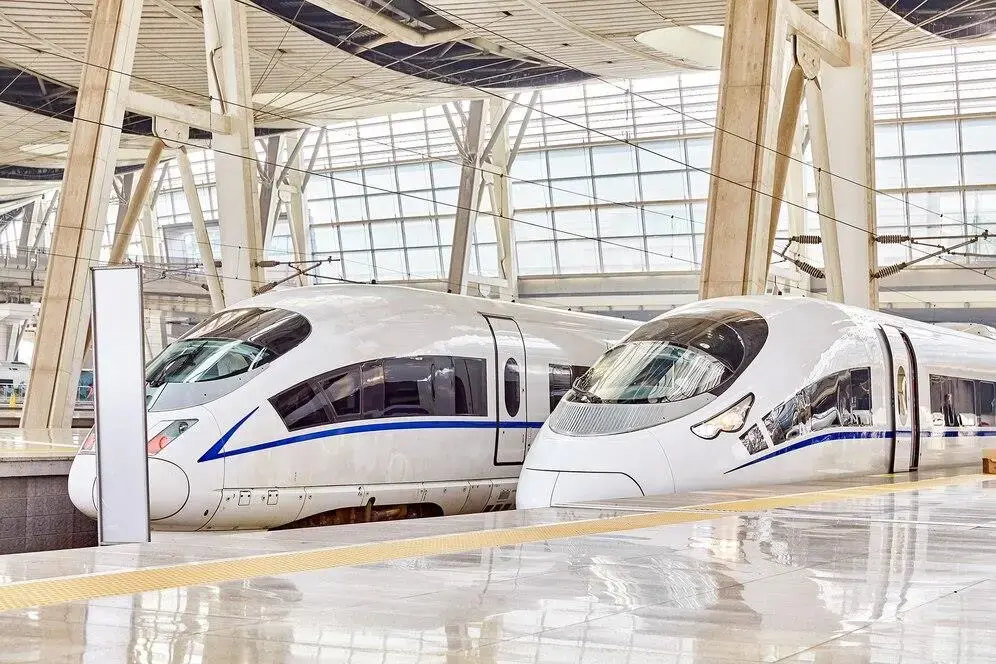
High Demand Profiles Designed and Manufactured for Immediate Deployment
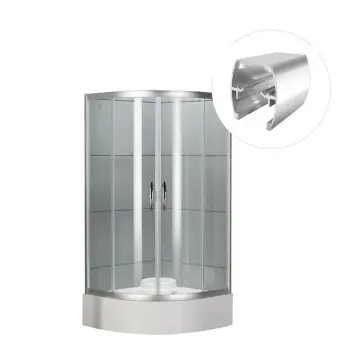
High-performance decorative bathroom frames designed with anti-corrosion anodized layer coatings.
Learn More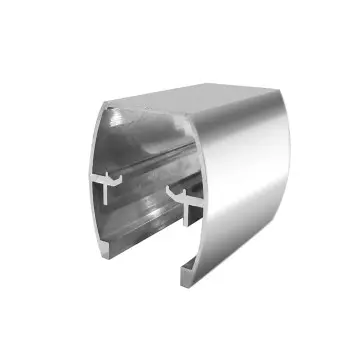
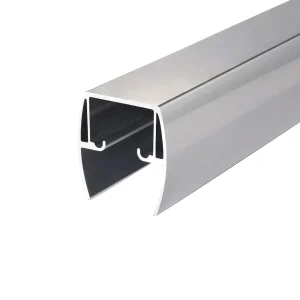
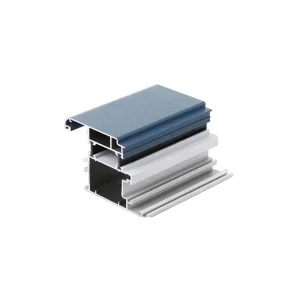
Specialized weight-reduction profiles optimized for modern sliding door mechanisms and frame configurations.
Learn More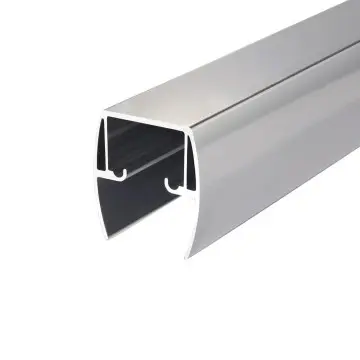
Our baseline architectural extrusion solution, offering reliable yield strength and perfect weldability characteristics.
Learn More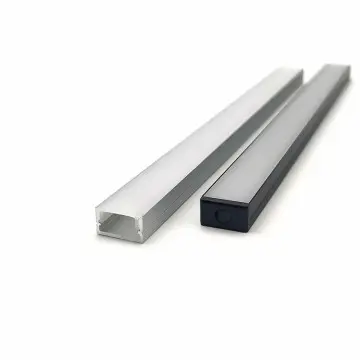
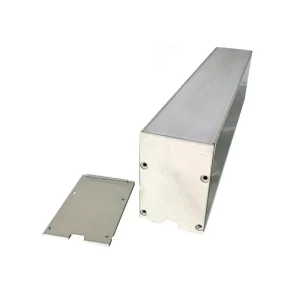
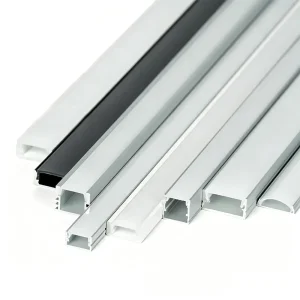
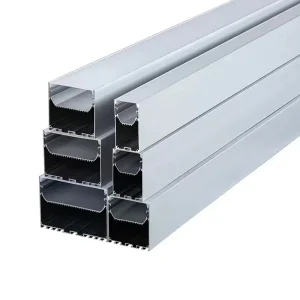
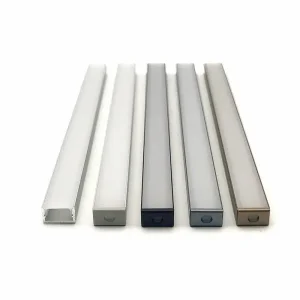
Engineered for high thermal conductivity, protecting LED strip lights from early lumen depreciation.
Learn More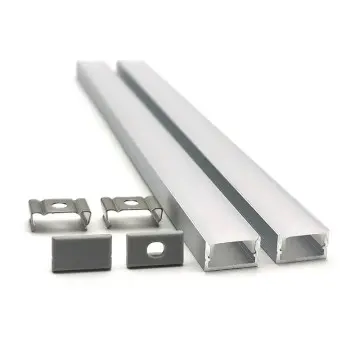
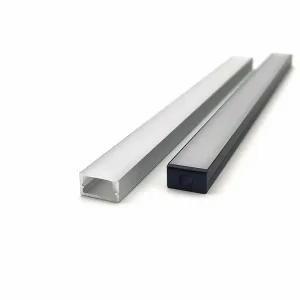
Slim-line architectural channel designs that integrate seamlessly into gypsum board ceilings and cabinets.
Learn More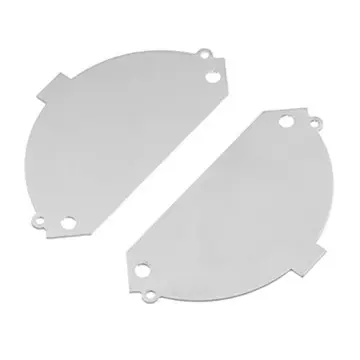
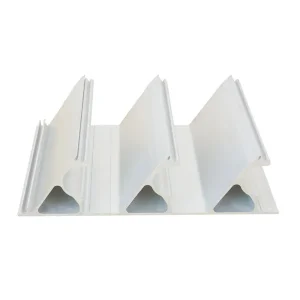
Precision V-shape corner light profiles, offering excellent heat dispersion and simplified hardware mounting.
Learn MoreIn Qingdao, a key port city backing the Chinese manufacturing heartland, our founders identified a profound industrial disconnect. While modern smart factories, high-speed rail manufacturers, and green energy companies were scaling up globally, there was a consistent deficit in the supply of high-end, precision-engineered aluminum extrusions that possessed both advanced mechanical tolerances and the rigorous certifications required by tier-1 automotive and rail firms.
Kangjian Aluminum Industry was founded to bridge this gap, establishing a vast manufacturing footprint in Jimo District. Today, our advanced components serve demanding engineering setups worldwide, from Nordic port cranes to cutting-edge robotic assembly lines.

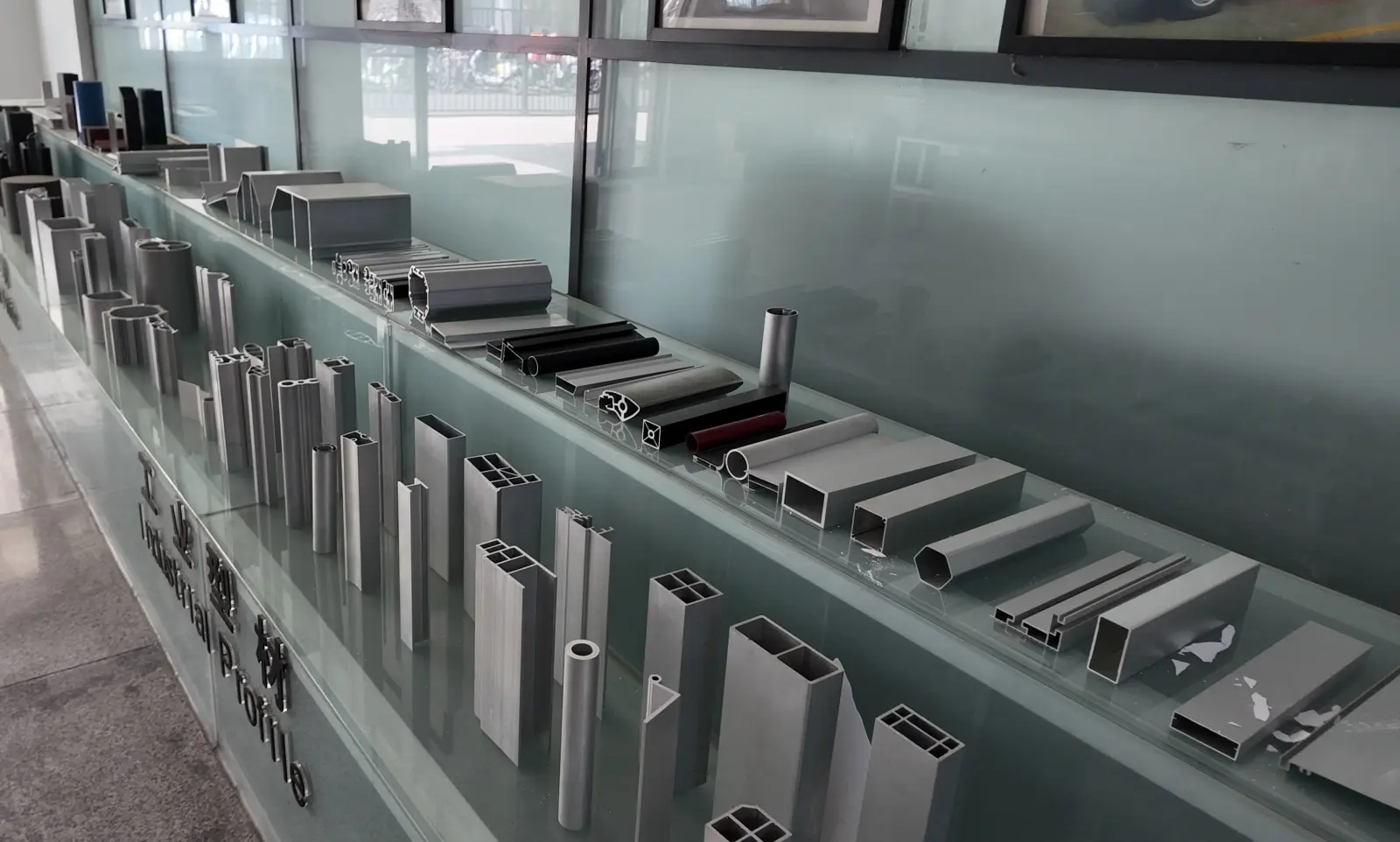
Our operation relies on a modern factory setup, featuring 5 advanced extrusion systems designed to press custom dies for various alloys. We integrate critical post-processing steps such as multi-axis CNC milling, high-precision punching, orbital welding, and adhesive bonding. This allows us to supply complete product kits rather than unfinished raw materials, improving the output capacity and assembly speed of our global client network.
Rigorous Quality Management and Engineering Credentials Supporting Global Infrastructure
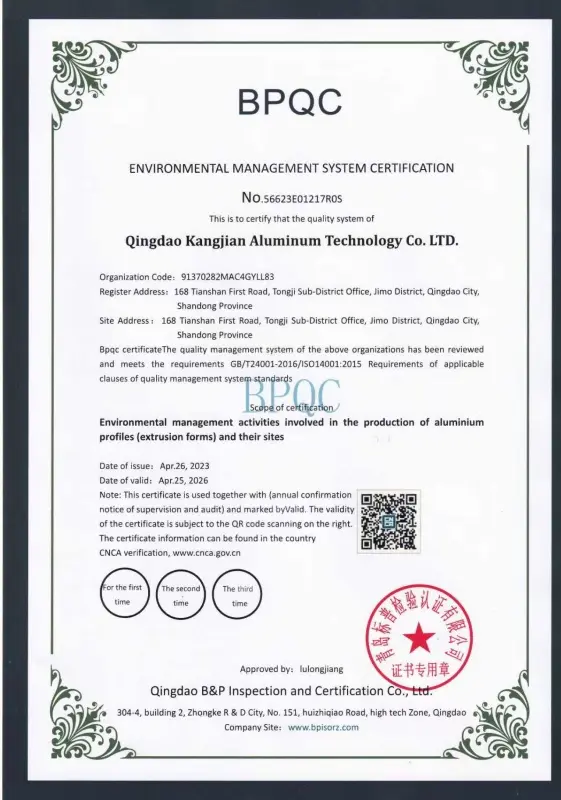
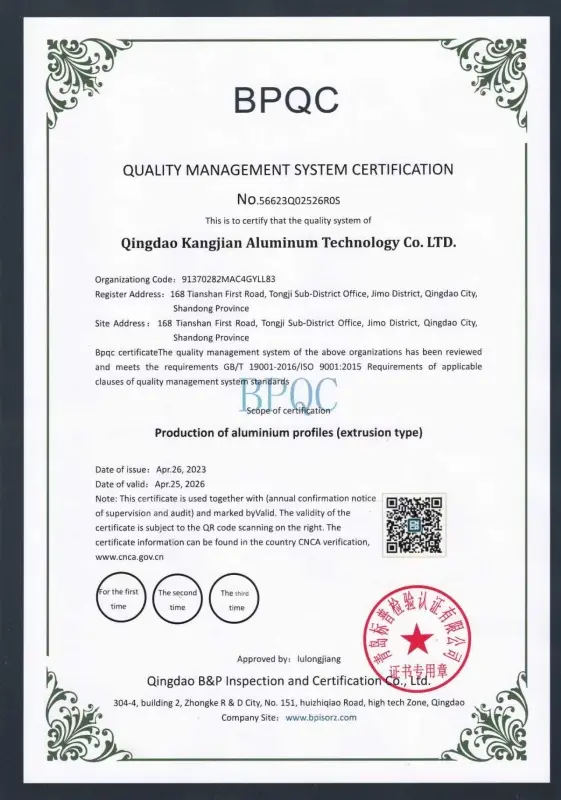
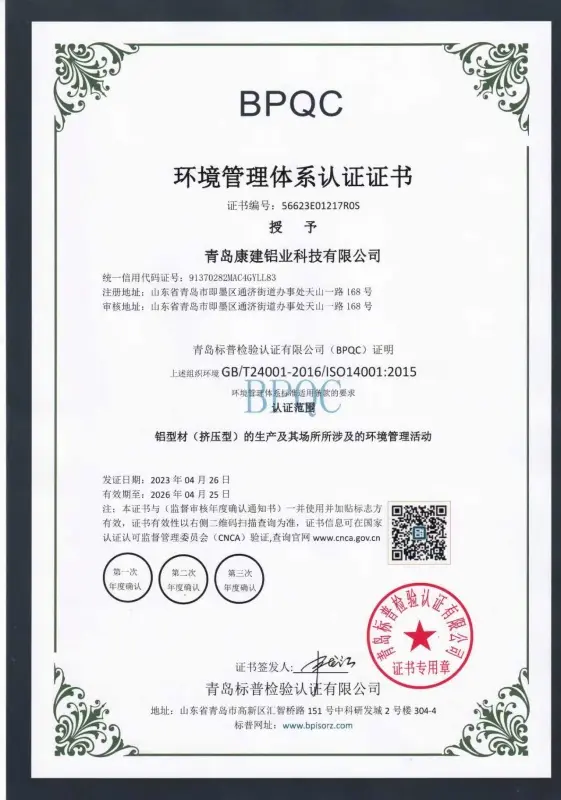
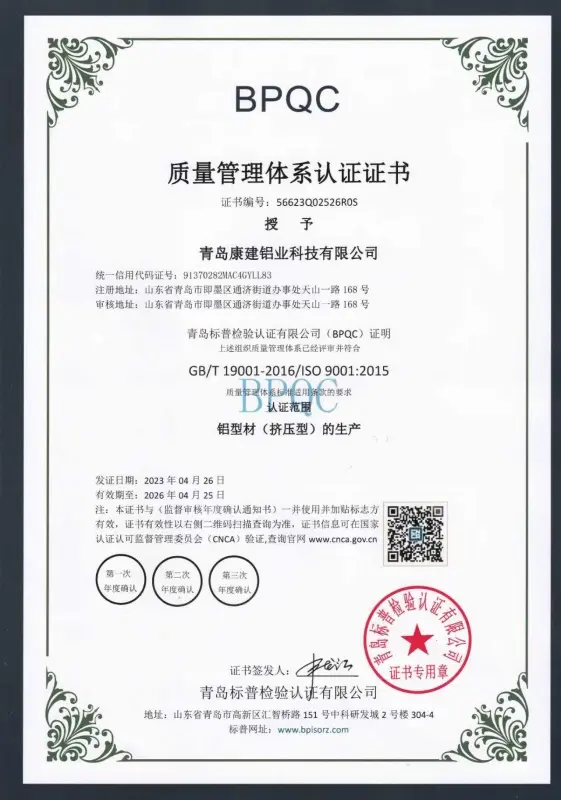
For global tier-1 buyers in railway, automotive, and structural applications, compliance is a non-negotiable requirement. Kangjian Aluminum has achieved a comprehensive range of credentials, verifying our commitment to international safety and quality standards:


Translating Aluminum Properties into Concrete Structural Solutions Globally
Industrial Extrusion Matrix & Tooling Setup
Automated Quality Verification Metrics
Heavy-Duty Surface Protection Wrapping
Finished Alloy Warehouse & Logistics Bay
Precision Aging Ovens (T5 & T6 Temper Control)
Custom Extrusion Die Manufacturing & Quality Store
Future-Proofing Industrial Extrusion Systems with Smart Manufacturing and Next-Gen Alloys
Integrating AI-driven heat control algorithms across all five extrusion lines. Real-time infrared sensors monitor the billet exit temperature, automatically optimizing extrusion speed to ensure uniform metal grain flow and reduce structural defects.
Constructing an integrated scrap recovery loop within the factory. Melting clean industrial process scraps into high-grade billets reduces initial energy requirements by 95% compared to primary smelting, helping international buyers hit low-carbon import thresholds.
Furthermore, we are actively developing advanced 7000-series zinc-aluminum-magnesium alloy variants. These alloys are formulated to match the structural strength of mild steel while cutting overall assembly weight by half. By expanding our CNC post-processing options to include precision laser cutting, friction stir welding, and fully automated multi-axis milling, we are transitioning from a traditional aluminum profile extrusion factory into a comprehensive engineering partner for advanced aerospace, marine, and high-speed rail manufacturers worldwide.
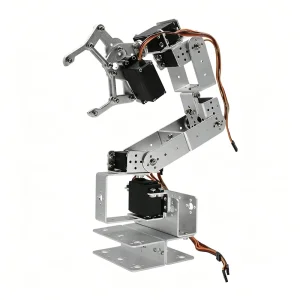
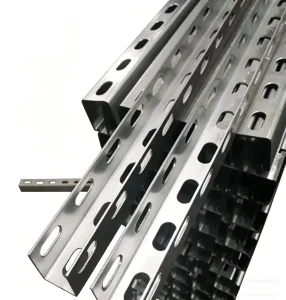
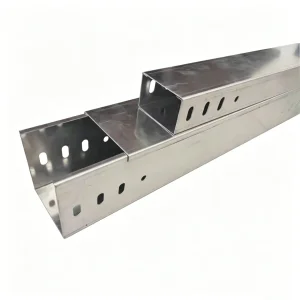
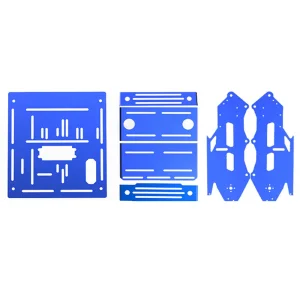
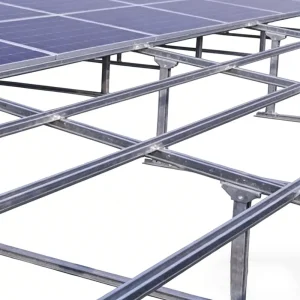
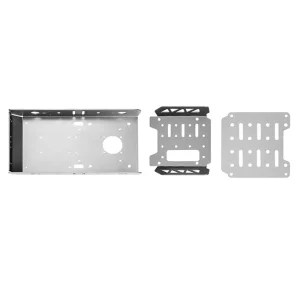
Heavy Duty Structural Profiles, Industrial Platform Extrusions, and Specialized Robotics Frameworks.
Addressing Critical Technical Questions for Engineering and Sourcing Teams