Kangjian
Kangjian
Kangjian
High-performance structural components engineered for global industrial, building, and lighting applications.
A deep dive into the metallurgy, mechanical properties, and manufacturing physics of industrial aluminum profiles.
Within structural engineering and modern precision manufacturing, the choice of aluminum alloy dictates the viability, stress tolerance, and performance index of the final component. At the core of the extrusion domain sit the 6000-series alloys, primarily alloying aluminum with magnesium and silicon to construct magnesium-silicide (Mg2Si) precipitate phases during thermal processing.
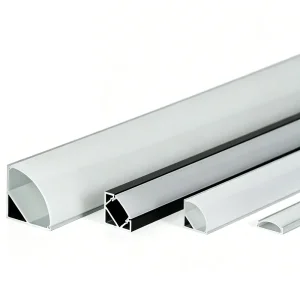
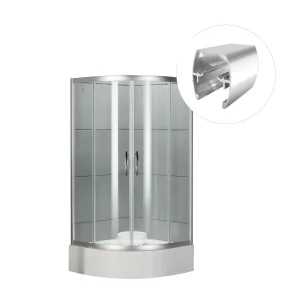
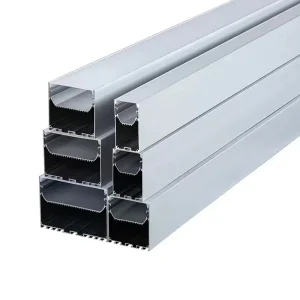
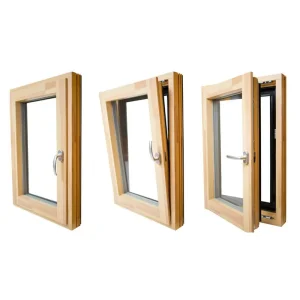
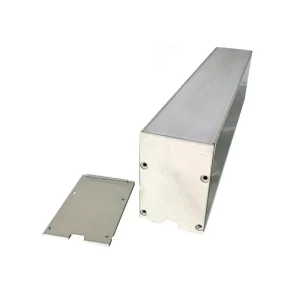
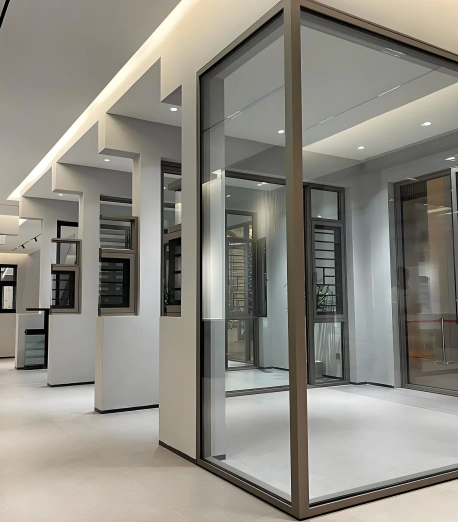
Alloy 6063 is predominantly chosen for its exceptional extrudability, high surface finish quality, and superior corrosion resistance. It acts as the backbone of architectural systems, structural window framing, precision LED linear light housings, and custom shower enclosures. It responds exceptionally well to anodizing, producing aesthetic, highly uniform oxide layers that resist environmental degradation.
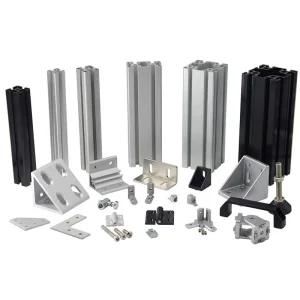
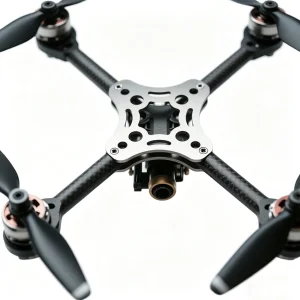
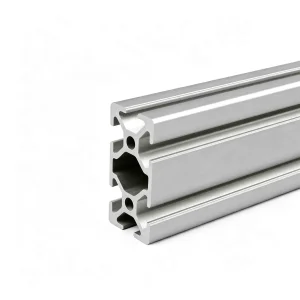
Alloy 6061, conversely, represents structural excellence. Formulated with slightly higher concentrations of silicon, copper, and magnesium, 6061 delivers significantly higher tensile strength and yield strength. It is standard for applications enduring heavy structural loading, including robotic arm base mounts, drone chassis, railway subassemblies, marine components, and heavy-duty industrial T-slot frameworks.
Mechanical properties are determined not only by alloy chemistry but also by the thermal tempering cycle applied downstream of the extrusion die. The primary tempers utilized in global manufacturing are T5 and T6:
| Alloy & Temper | Tensile Strength (MPa) | Yield Strength (MPa) | Elongation (%) | Common Industrial Applications |
|---|---|---|---|---|
| 6063-T5 | ≥ 150 | ≥ 110 | ≥ 8% | Architectural systems, LED profiles, custom structural frames |
| 6063-T6 | ≥ 205 | ≥ 170 | ≥ 8% | Solar brackets, high-load light fixtures, automotive trims |
| 6061-T6 | ≥ 260 | ≥ 240 | ≥ 10% | Robotic arms, drone parts, aerospace, railway framework |
Unifying heavy-industry extrusion capacity with precision CNC machining and advanced global compliance.
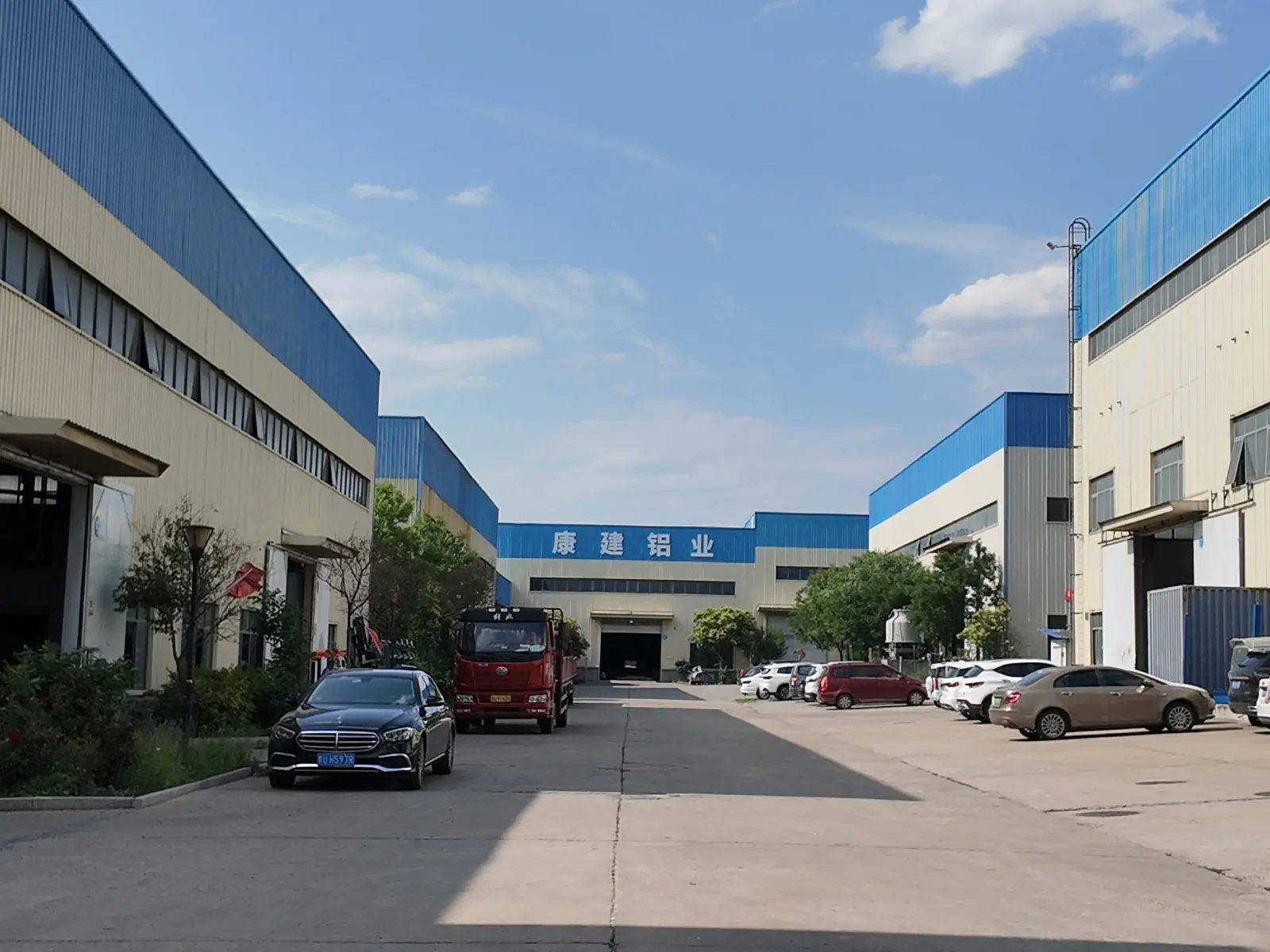
Qingdao Kangjian Aluminum Industry Technology Co., Ltd. (located in the Jimo District of Qingdao City, established in 2022) has rapidly grown to become the largest aluminum profile manufacturer in the Qingdao area. Backed by the logistics power of the Yellow Sea port networks, Kangjian provides a seamless "dual-sea layout"—delivering highly competitive logistics pipelines straight to international high-end markets across South Korea, Japan, the United States, and Europe.
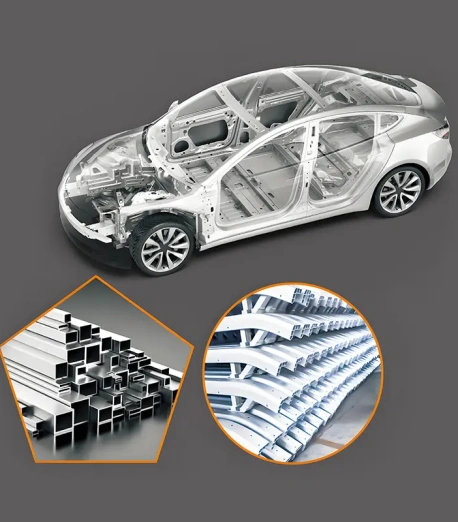
Operating a production center equipped with five massive extrusion lines—ranging from high-speed 700T presses to multi-ton 1450T and 2500T heavy-duty extruders—Kangjian maintains the capacity to produce profiles of complex cross-sections and large volumetric footprints. This machinery enables the brand to cater to diverse industrial sectors including high-speed railways, subways, auto parts, structural shipping elements, and energy-saving building envelopes.
Full in-house CAD tooling design, custom die manufacturing, and profile testing protocols to match strict design criteria.
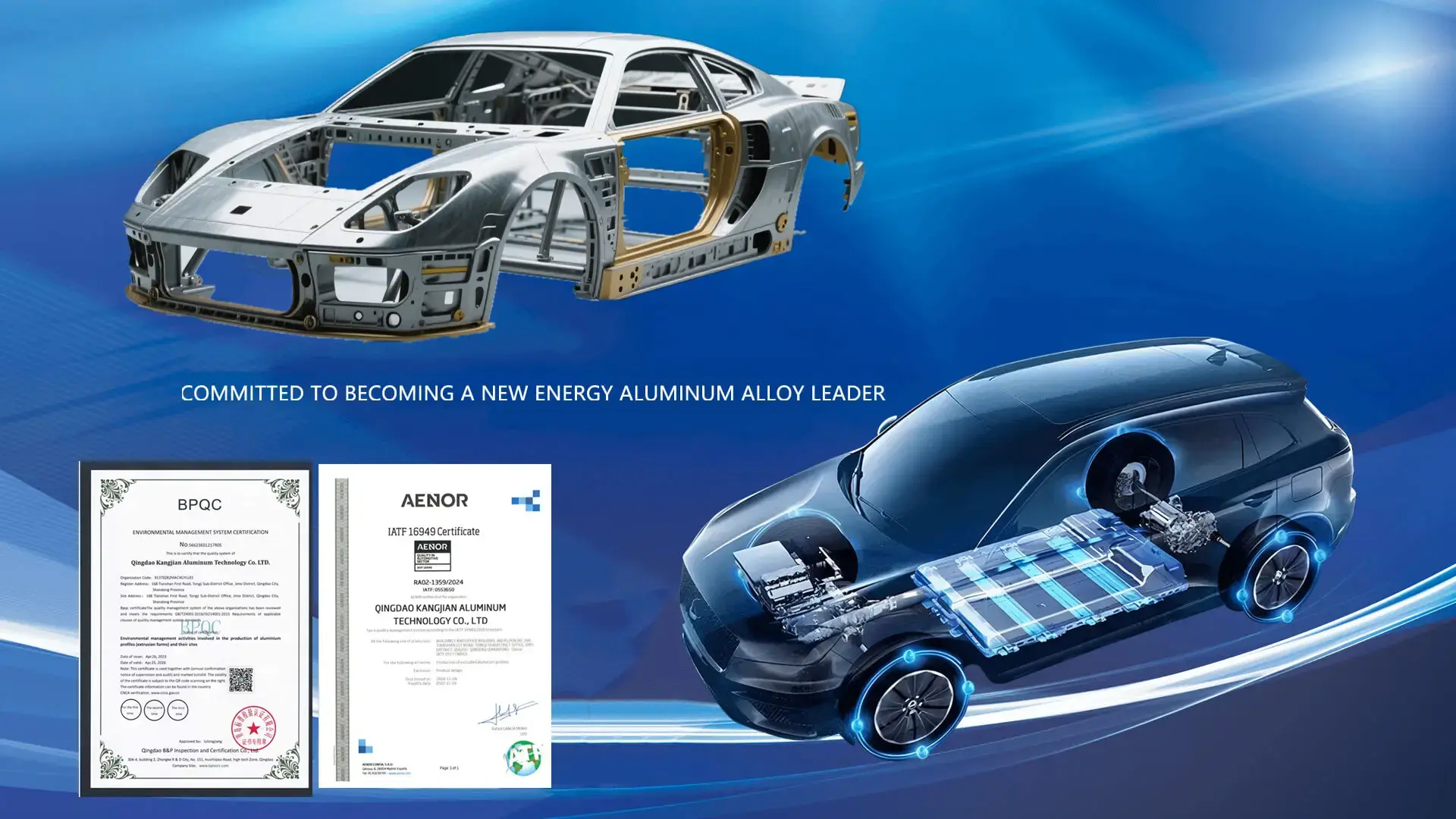
ISO9001:2016, ISO14001:2016, IATF16949 (Automotive), ISO22163 (Railway Industry), and EN15085 Welding standards.
Strategic geographic location minutes from Qingdao Port, ensuring secure ocean shipping container setups and direct custom clearances.
Developing tailored solutions across critical global industries, optimized for mechanical and thermal stress loads.
 Industrial Profile
 Automotive Profile
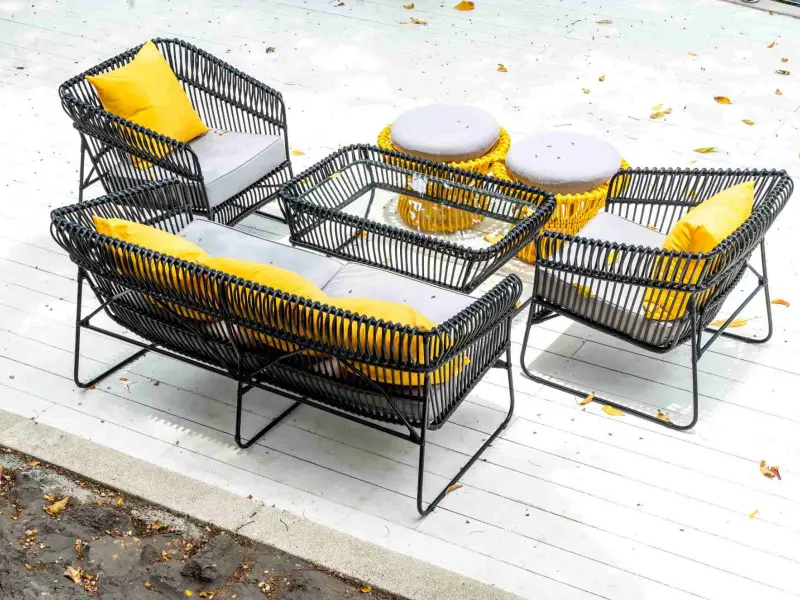 Outdoor Furniture
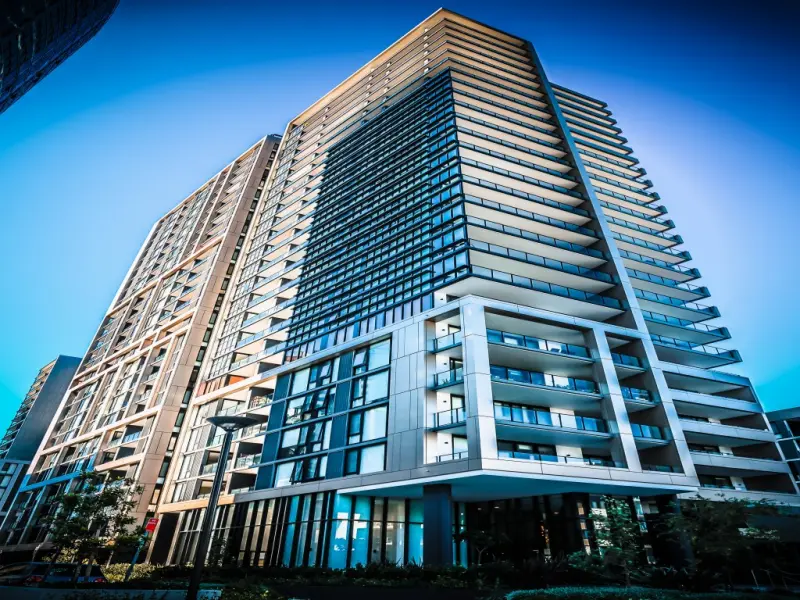 Building Profile
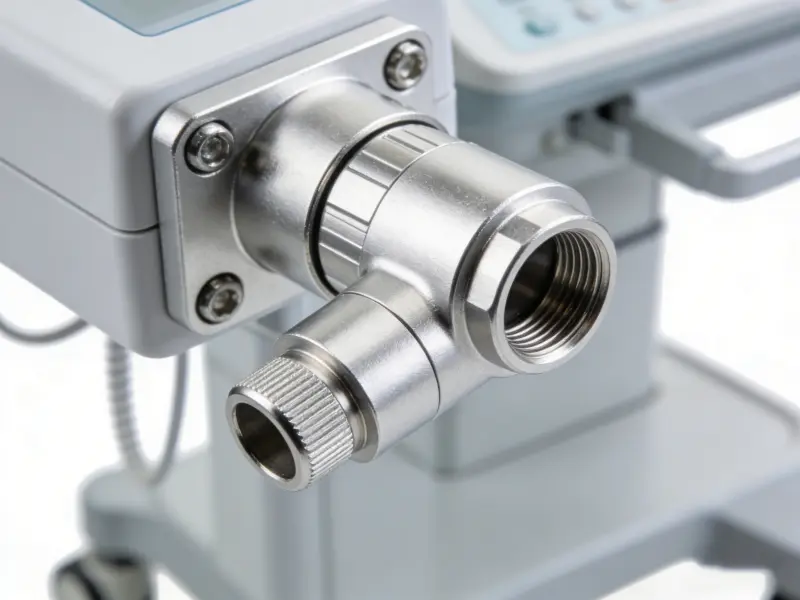 Medical Profile
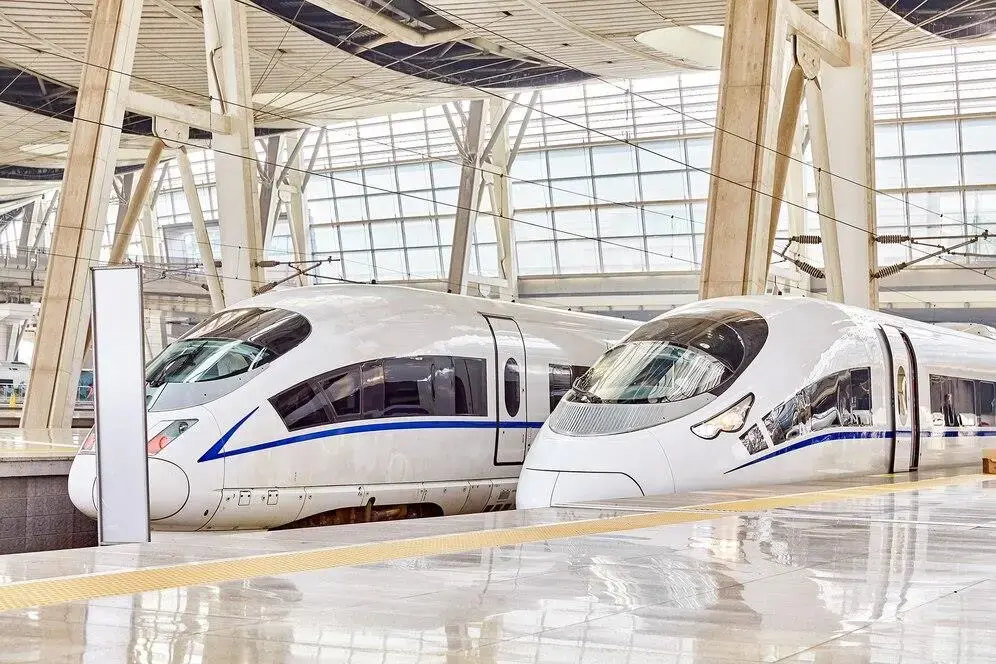 Logistics Profile
Modern procurement directors look beyond base aluminum costs; they look for strategic resilience, precision, and reliable tooling capacities. For heavy equipment manufacturing, T-slot systems, and robot bases, the mechanical components must offer micro-level flatness tolerances. A slight dimensional variation in an assembly frame can cause systematic failures in automated assembly lines.
Kangjian Aluminum utilizes state-of-the-art CNC precision machining facilities, including multi-axis milling, turning, and profile processing centers. By offering a vertical integration of die casting, extrusion, surface finishing, and custom machining, we reduce dimensional deviations, eliminate third-party logistics delays, and lower procurement overheads for our partners globally.

In the industrial sectors of Qingdao, a city built on shipping and manufacturing heritage, Kangjian was founded to bridge the gap between high-volume extrusion capabilities and custom precision engineering. The brand specializes in high-integrity aluminum alloys for critical transportation, aerospace, and energy-saving architectural designs.
Today, Kangjian stands as a reliable, certified production partner, supporting large-scale infrastructure projects worldwide. From heavy harbor crane structures in Scandinavia to lightweight components on EV battery trays, our focus on high E-E-A-T manufacturing practices ensures every metric ton of profile matches client design requirements and strict engineering standards.
Decarbonization, structural lightweighting, and next-generation aluminum alloy design.
Global demand is rapidly shifting toward low-carbon manufacturing. As automotive OEMs and green energy system designers commit to Net-Zero milestones, the embedded carbon footprint of raw materials becomes a key selection factor. By sourcing primary aluminum ingots from smelters using hydro-electric energy and integrating clean scrap reclamation loops, we are actively reducing the lifecycle emissions of our profiles.
Precision tolerances require collaborative design. Kangjian's engineering teams integrate with client mechanical designers using digital CAD/CAM files. This direct engineering exchange allows us to run finite element analysis (FEA) on profile cross-sections, optimizing wall thicknesses to reduce weight while maintaining high structural load capacities.
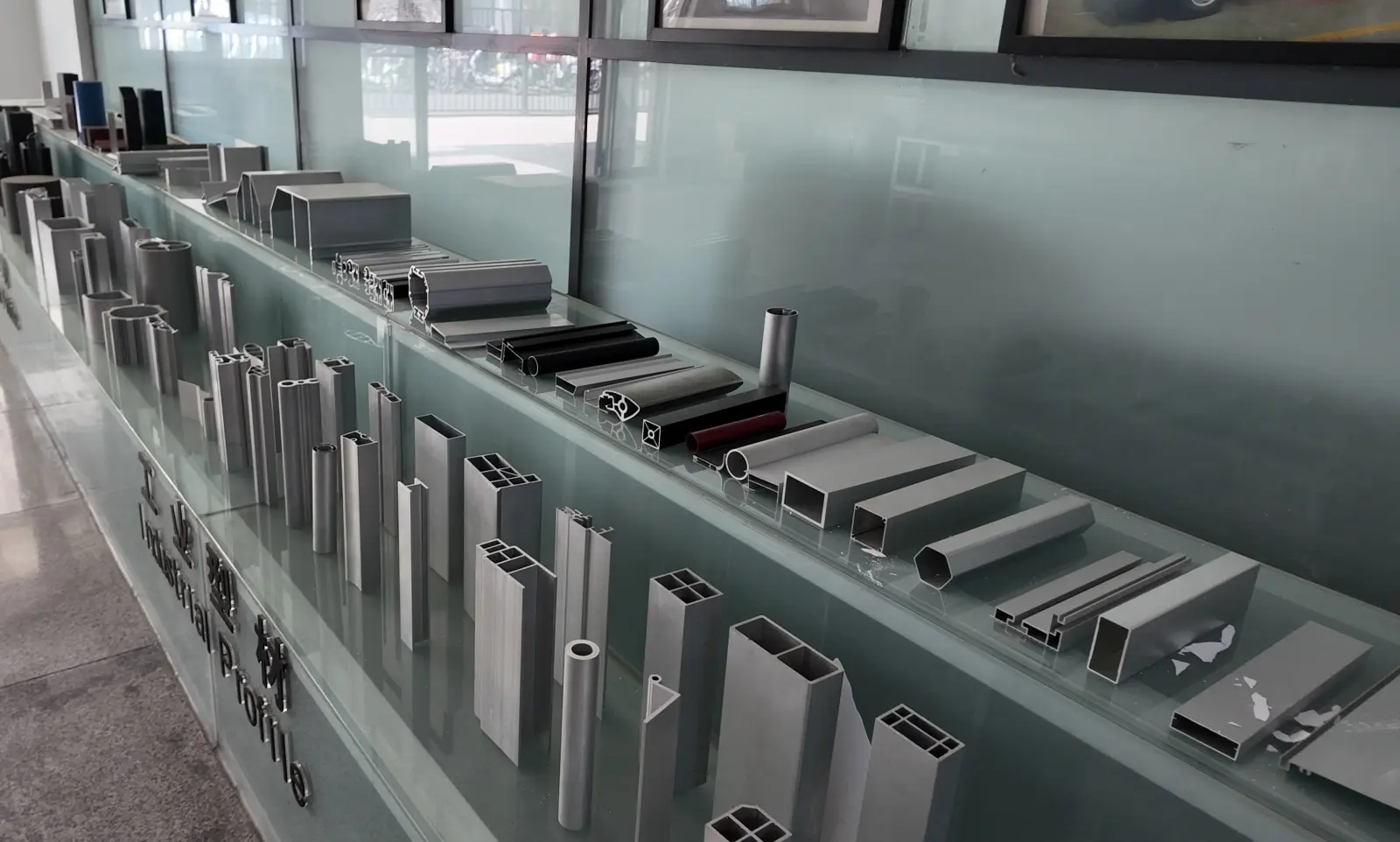
Meeting global industrial safety, environmental management, and structural welding standards.
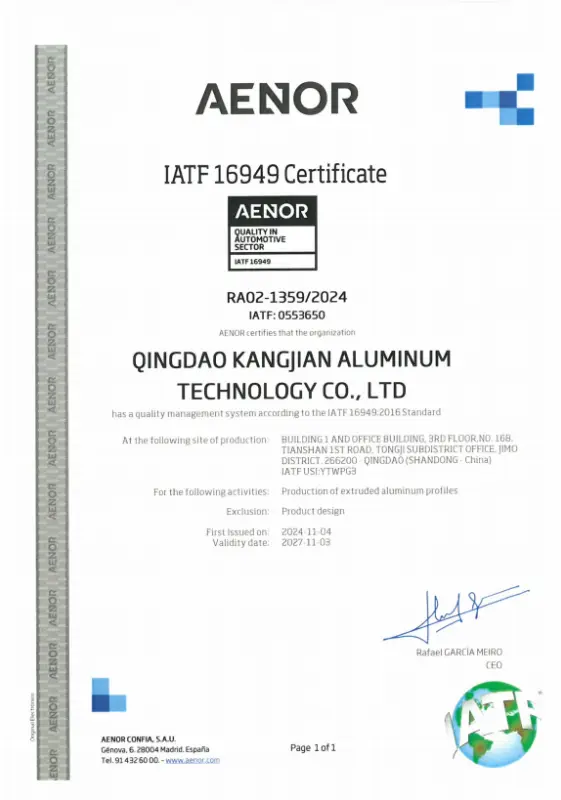
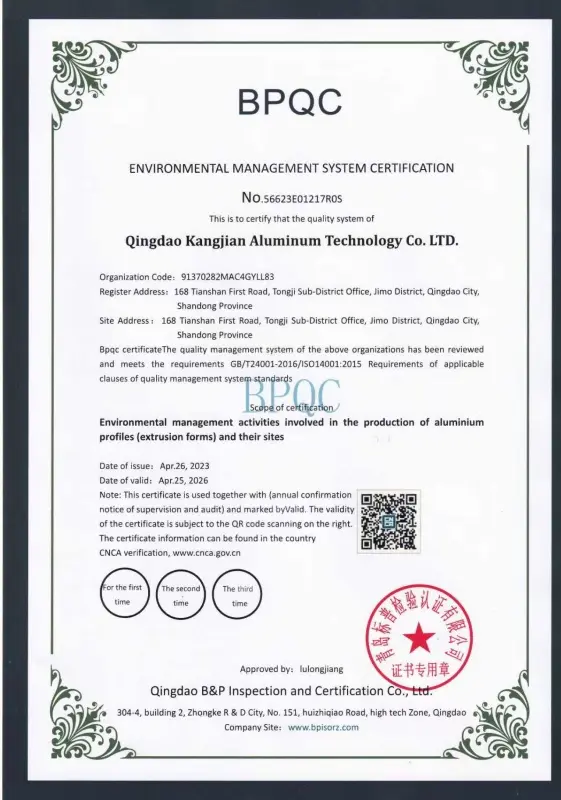
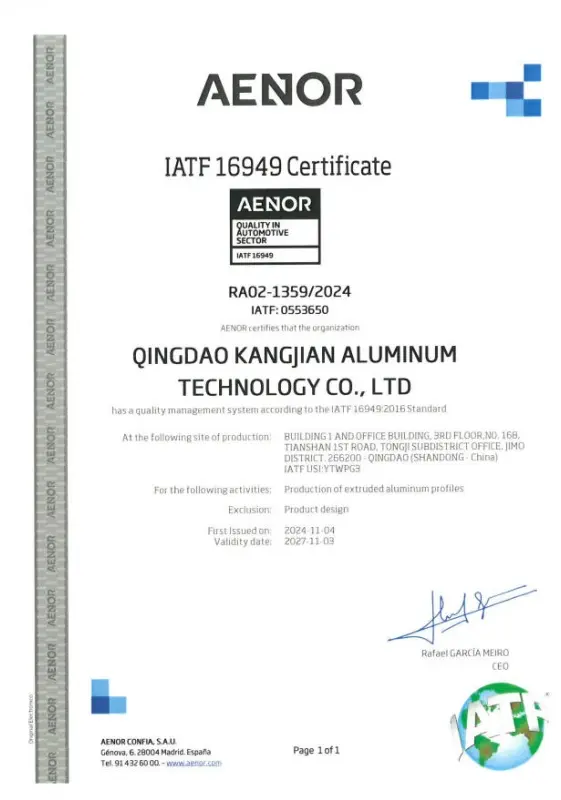
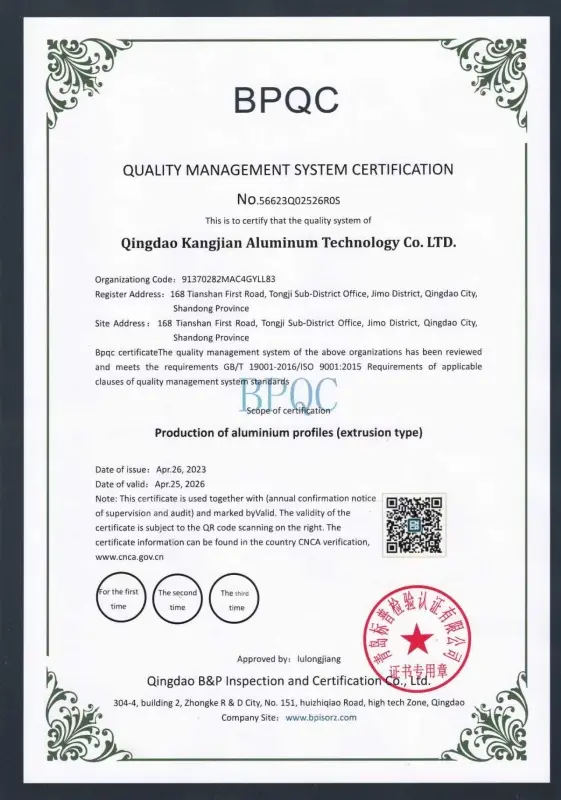
Our quality control protocols monitor the production process from raw material sorting to final shipment packaging. Every batch of aluminum undergoes spectrometer verification to confirm alloy chemistry, along with tensile testing to check yield properties, and micrometer checks to verify extrusion tolerances. With specialized certifications including IATF16949 for automotive components, EN15085 and ISO3834 for structural welding systems, and DIN6701 for adhesive bonding, Kangjian is fully equipped to meet demanding global contract requirements.


Explore our technical components, robotic fittings, and customized industrial structural solutions.
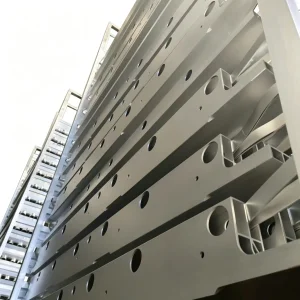
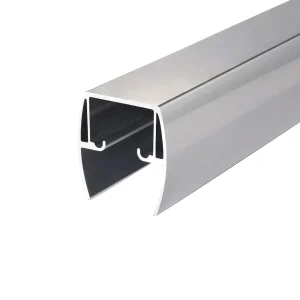
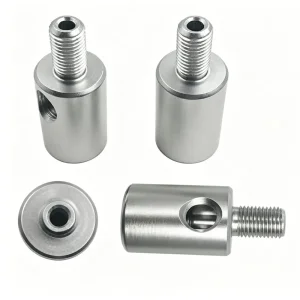
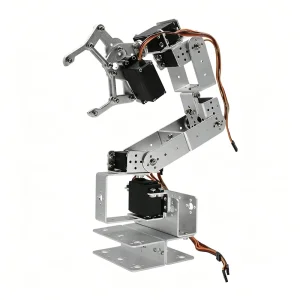
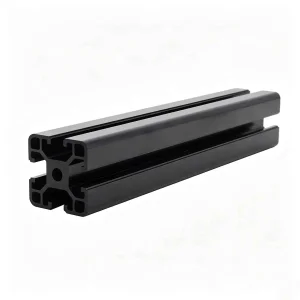
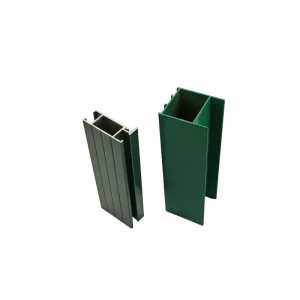
Exhibiting high-integrity projects, logistics channels, and industrial use-cases globally.
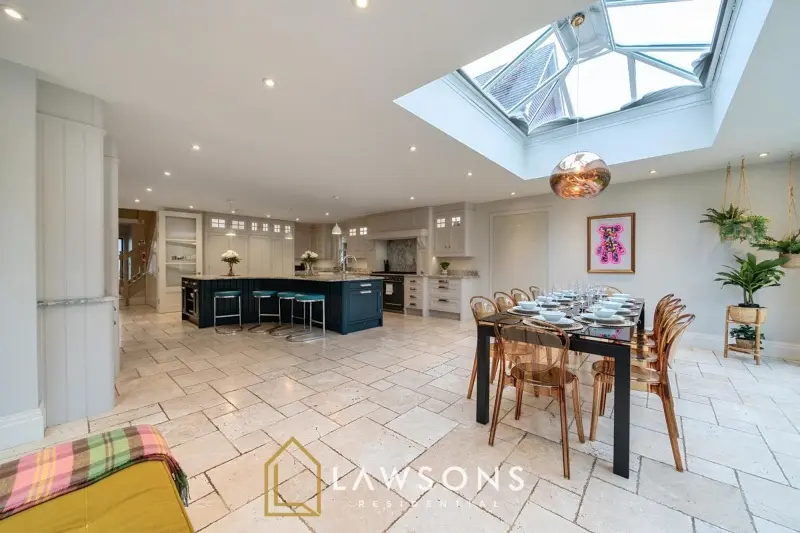
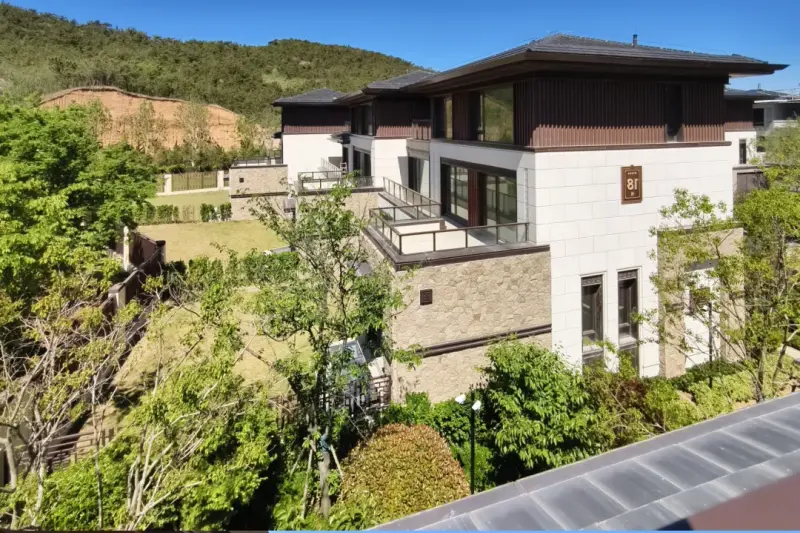
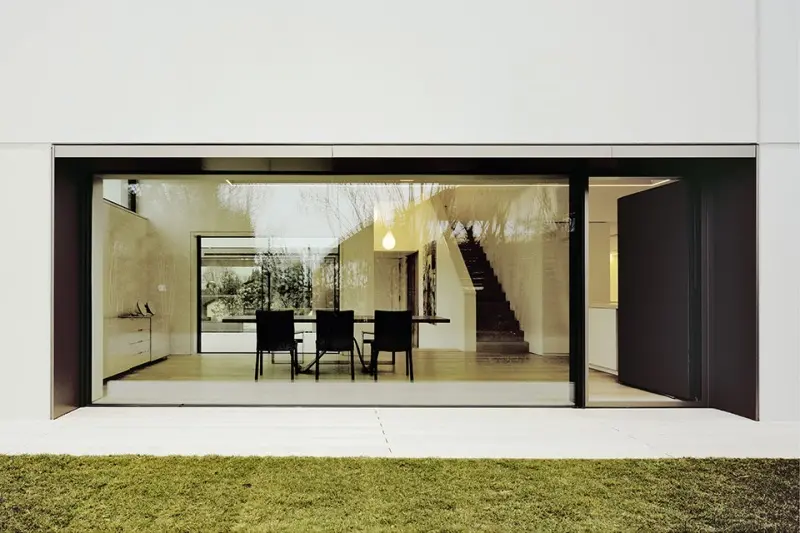
Our global outreach integrates marketing insight with technical application engineering. Working closely with structural engineers, façade consultants, and industrial system integrators, we supply profiles that meet international design standards. Our products undergo rigorous field evaluation, ensuring that they provide long-term structural integrity and aesthetic performance in diverse climates.
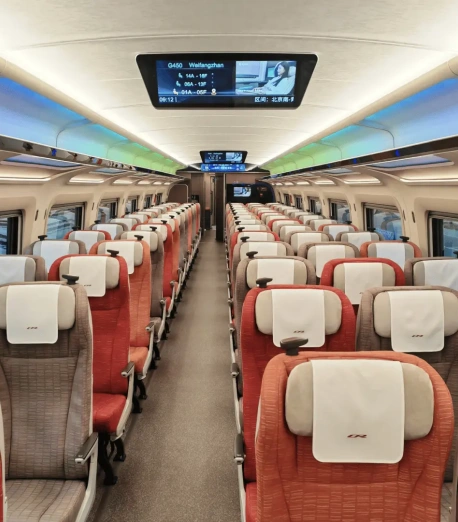
Technical answers to key structural engineering, chemical finish, and global custom tooling inquiries.