Kangjian
Kangjian
Kangjian
Direct supply-chain access to high-performance profiles, frames, and parts engineered for modern large-opening architectural designs.
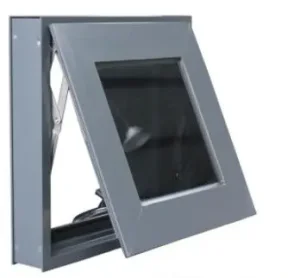
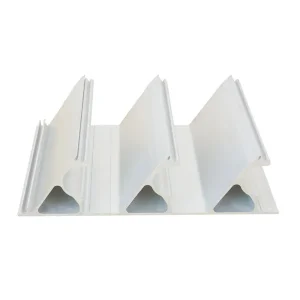
Whitepaper Analysis: The evolution of wide-span sliding and folding structures in modern building design.
Modern architectural layouts call for expansive glazed openings that break down structural barriers between interior spaces and exterior environments. Executing this requires robust frame engineering, dynamic deflection control, and high structural moment resistance to handle localized wind pressures in coastal or high-altitude zones.
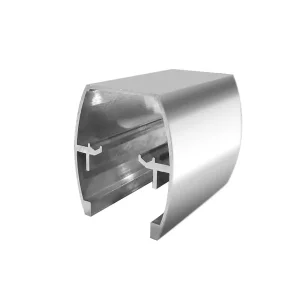
Bifold and sliding assemblies carry heavy multi-pane double or triple-glazed units. Proper roller mechanics, stainless steel track profiles, and structural alignment are essential to lower rolling resistance, allowing massive architectural leaves to glide with minimal user effort.
As green building codes tighten worldwide, fenestration profiles must minimize energy loss. Incorporating multi-chambered polyamide thermal breaks within high-grade extruded aluminum (6063-T5) creates an effective thermal barrier, lowering U-values and preventing interior condensation.
"A building's facade is its primary barrier against the elements. Upgrading to heavy-duty bifold and sliding profiles ensures buildings meet strict structural requirements while keeping energy footprints low, which is crucial for modern sustainability targets."
Understanding mechanical properties, thermal breaks, and structural performance requirements.
Building high-performance bifold and sliding doors starts with selecting the right aluminum alloy. Architectural framing calls for profiles that offer a balance of surface finish quality, corrosion resistance, and high structural strength. Alloy 6063 (typically heat-treated to T5 or T6 temper) remains the industry standard, providing excellent extrusion properties and a clean finish for anodizing or powder coating. For larger spans and commercial applications where wind-load requirements are high, Alloy 6061 is often used for its superior tensile and yield strength.
| Alloy & Temper | Tensile Strength (Min. MPa) | Yield Strength (Min. MPa) | Hardness (Webster) | Primary Applications |
|---|---|---|---|---|
| 6063-T5 | 150 | 110 | ≥ 8 | Standard residential sliding/bifold frames, light curtain walls |
| 6063-T6 | 205 | 170 | ≥ 10 | Heavy-duty sliding systems, high wind-load locations |
| 6061-T6 | 260 | 240 | ≥ 15 | Structural connector plates, high-stress mounting brackets |
Beyond material strength, managing thermal performance is vital. Aluminum is naturally highly conductive, meaning structural frames can create thermal bridges that transfer heat out of a building in winter or into it during summer. Modern systems address this by inserting a low-conductive polyamide strip between the inner and outer aluminum extrusions, significantly improving thermal insulation and helping projects meet modern green building certifications.
Ensuring consistent precision and quality through certified, large-scale manufacturing capacity.
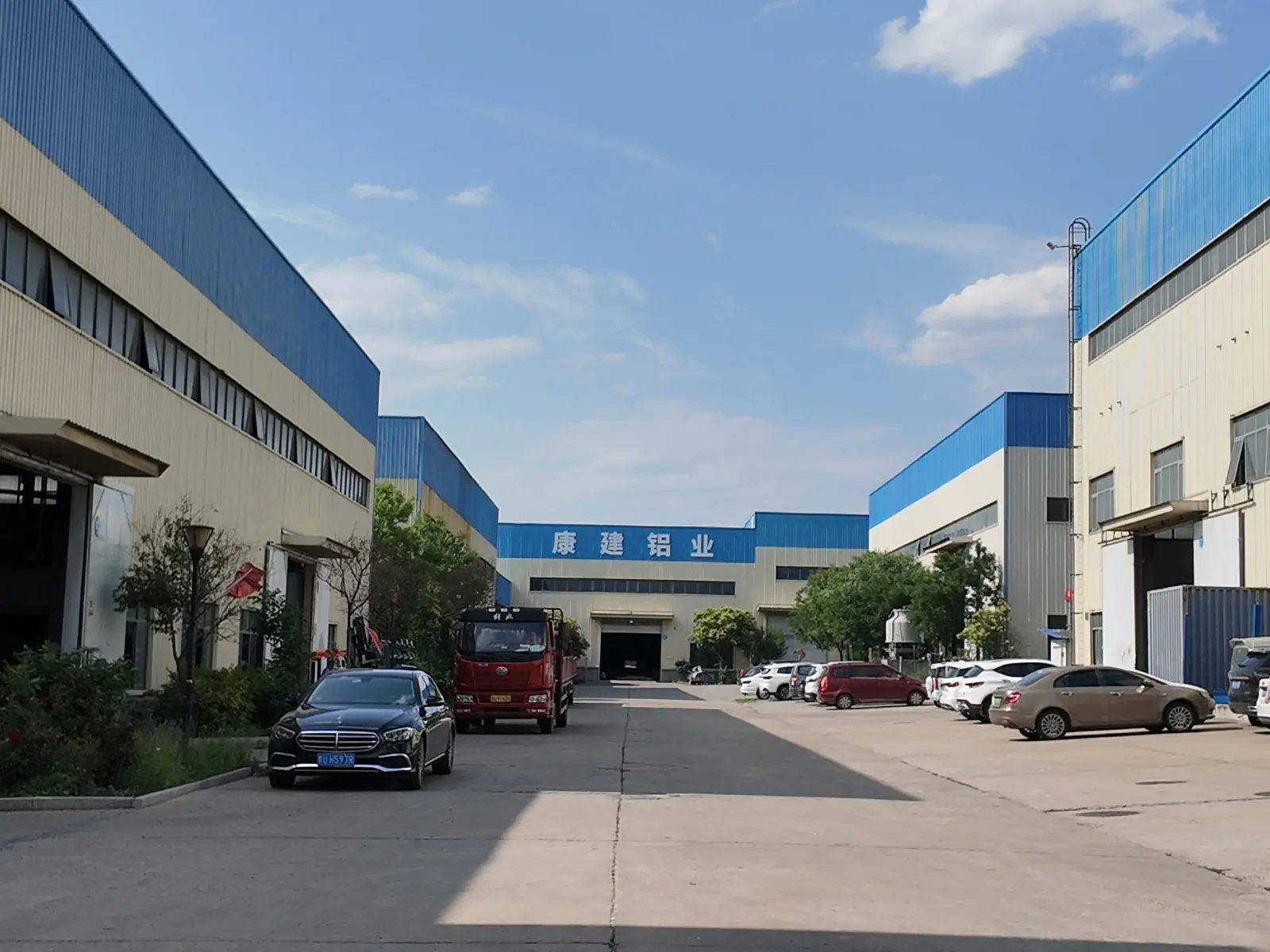
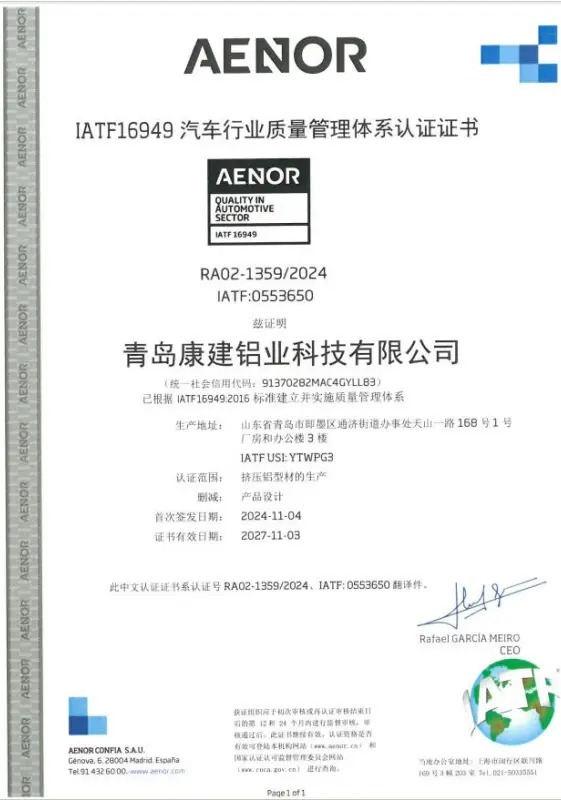
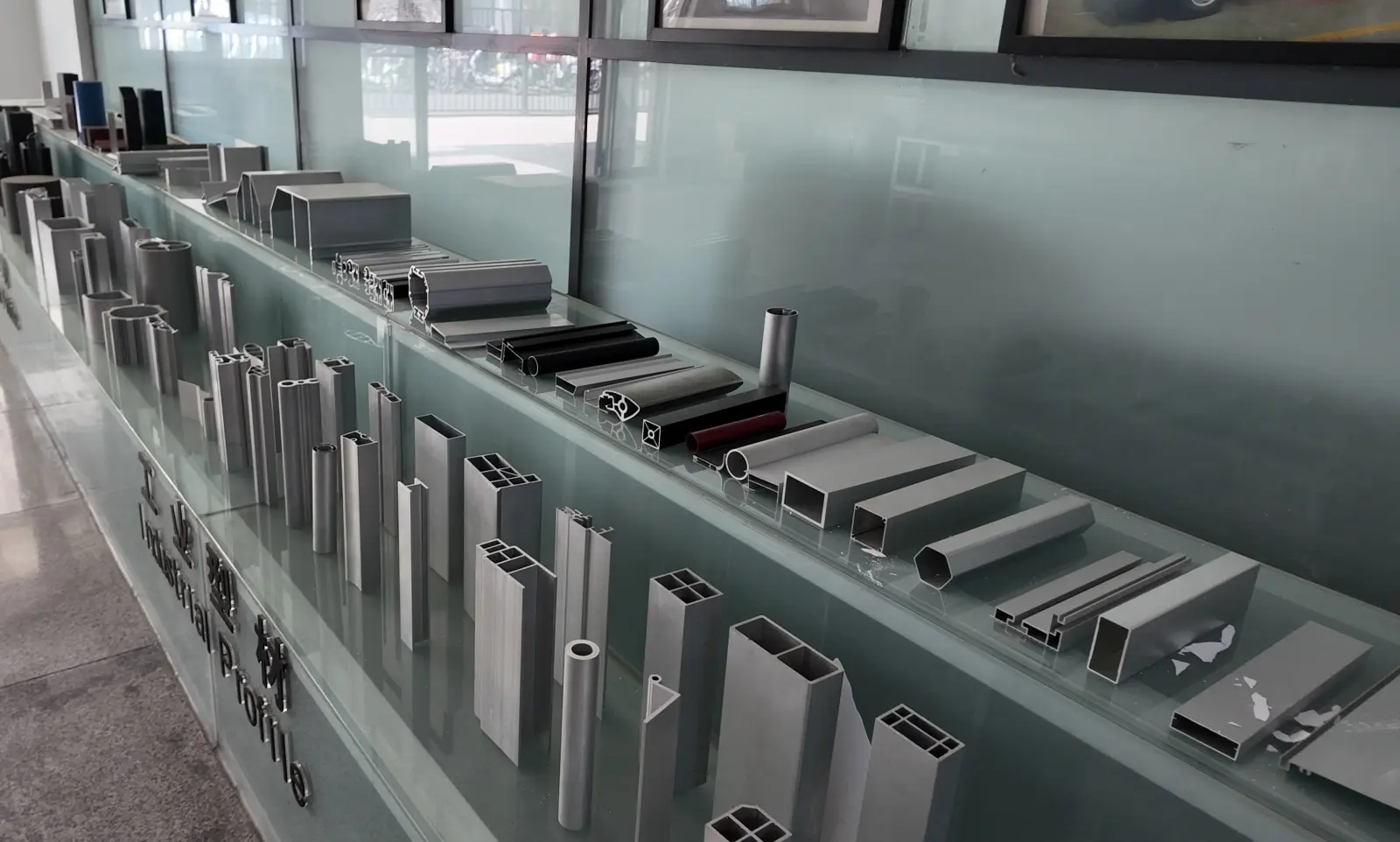
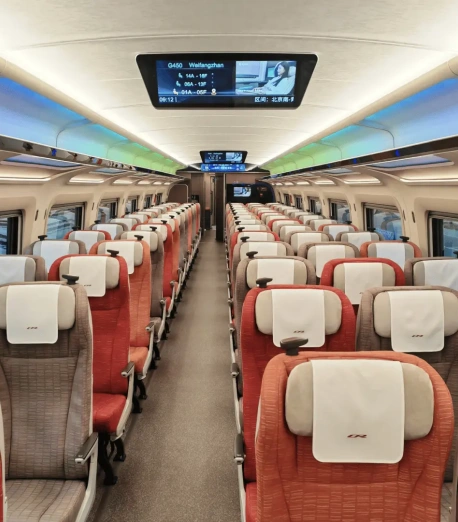
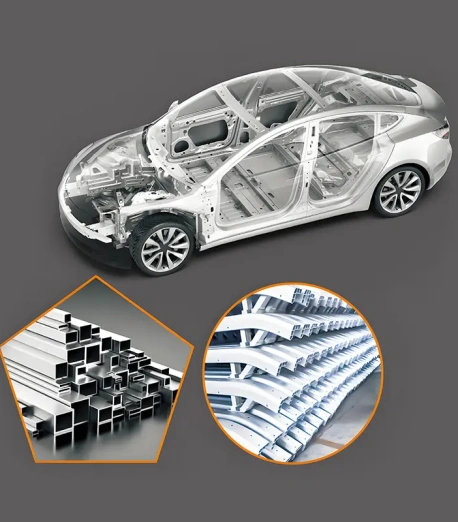
Established in 2022 in the Jimo District of Qingdao, Kangjian Aluminum has built a modern manufacturing facility to supply high-end architectural, transportation, and industrial aluminum profiles worldwide. Our production lines are designed to handle demanding structural tolerances, ensuring consistent quality across high-volume orders.
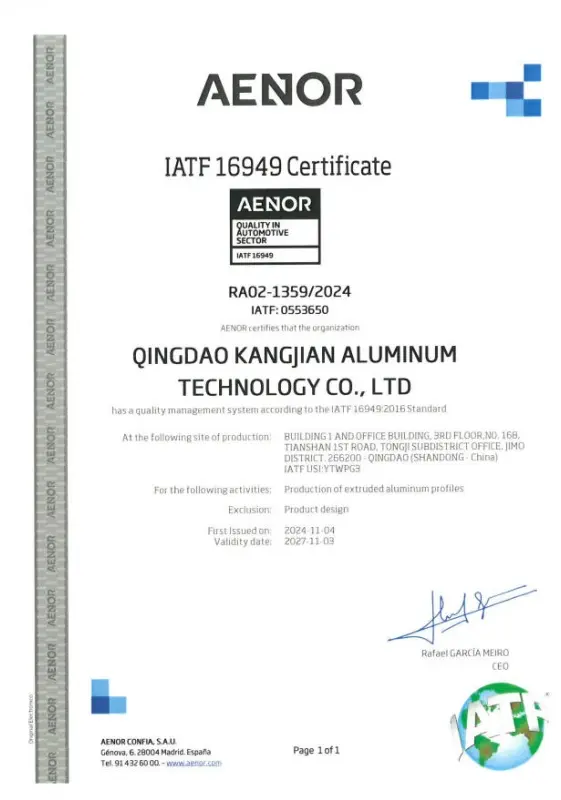
Our facility is backed by key quality, environmental, and industry-specific management systems, allowing us to supply components that meet strict global standards across various sectors, from commercial buildings to transportation.
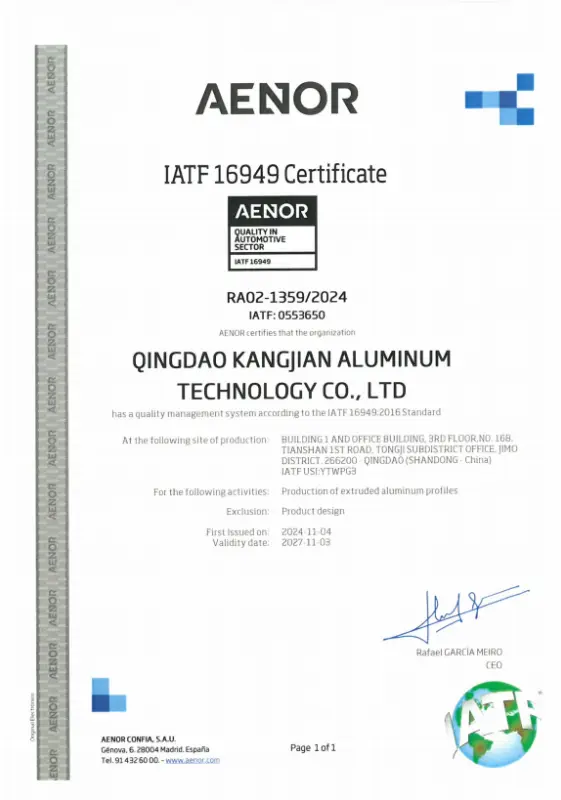
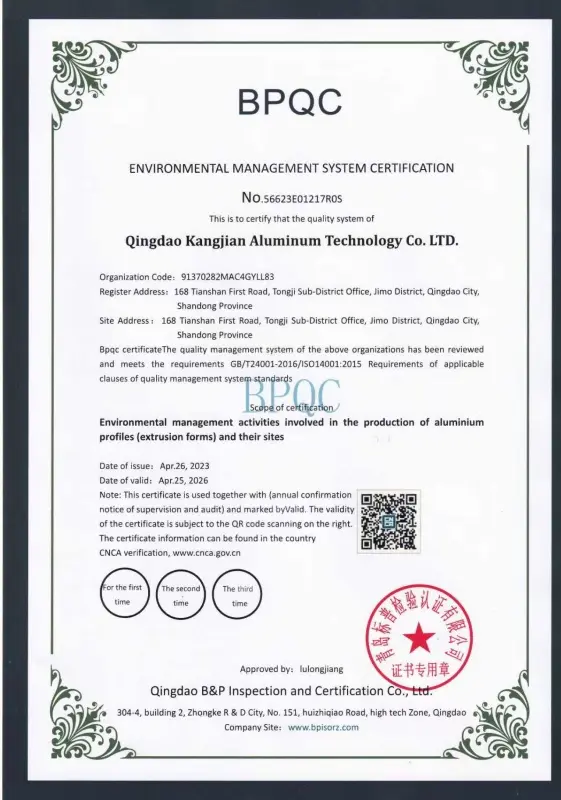
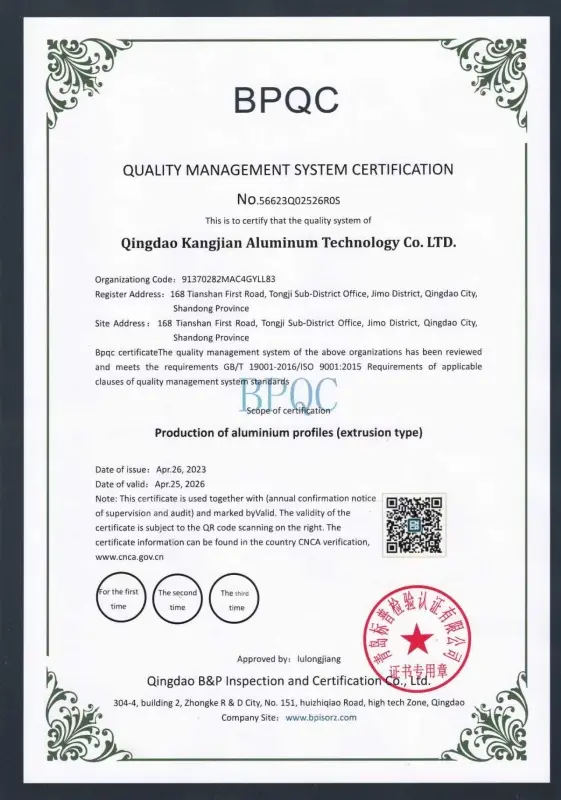
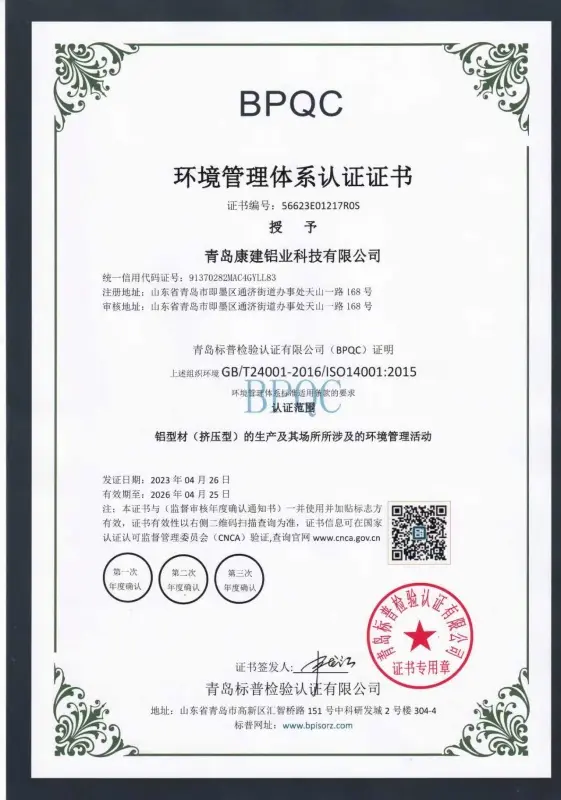
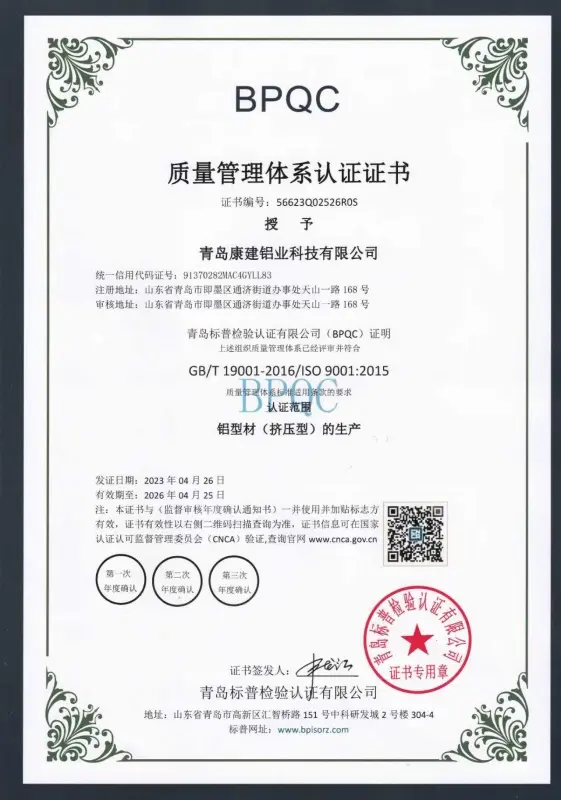
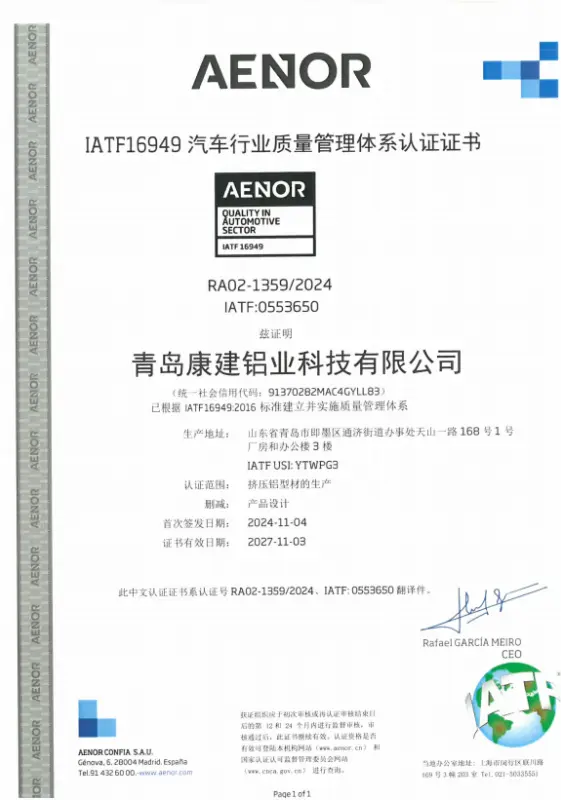
Key strategies to manage procurement risks, raw material volatility, and global shipping logistics.
Procuring large quantities of architectural aluminum means dealing with shifting raw material prices on the London Metal Exchange (LME). Fluctuations in primary aluminum costs can quickly impact project budgets if they aren't managed correctly. We work closely with our clients through flexible pricing models and advance billet sourcing to help stabilize costs during volatile market cycles.
Additionally, keeping lead times predictable requires a reliable shipping setup. Based in Qingdao, a key port city on China's eastern coast, we benefit from direct ocean freight routes to major international hubs. This location helps reduce shipping times, lowers inland logistics costs, and simplifies customs procedures for overseas shipments.
How specialized extrusions perform across diverse commercial, residential, and industrial environments.
High-traffic storefronts need sliding and folding entrance systems that can withstand constant daily use. Heavy-wall structural profiles ensure frames remain rigid over time, while integrated multi-point locking systems provide reliable security and weather protection during off-hours.
Coastal projects face unique challenges from salty air and high wind pressures. Using corrosion-resistant anodized finishes and structural alloys like 6061-T6 helps components resist marine oxidation, extending the service life of exterior window and door assemblies.
Logistics centers, factories, and warehouses use large sliding and bifold partitions to manage internal spaces and control temperatures. Industrial-grade overhead tracks and heavy-duty rollers ensure these large openings operate reliably under heavy, daily use.
Developing next-generation structural profiles designed for smart buildings and low-carbon standards.

Architectural design is shifting toward smarter, lower-carbon solutions. We are focusing on two key development areas to meet these changing expectations:
Answering common engineering and logistics questions from professional builders and buyers.
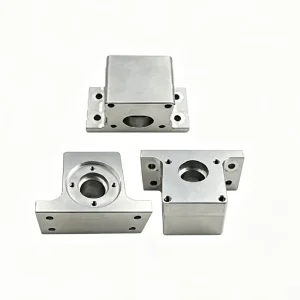
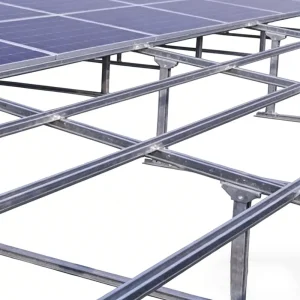
Explore our full range of heavy-duty profiles, solar mounts, and custom-machined fittings.